
Airbrush motorcycle fairings have emerged as a powerful medium that blends artistry with functionality, allowing riders to make bold personal statements on their motorcycles. These custom fairings serve not only as essential protective bodywork but also as vibrant canvases showcasing unique designs that resonate with the rider’s identity. As we delve into this world, we will explore the artistry and customization options available, the materials that ensure durability and aesthetics, the application techniques that professional airbrush artists utilize, and the profound impact these customizations have on the motorcycle community. Each chapter sheds light on how airbrushed fairings can enhance individuality, functional performance, and community engagement among motorcycle enthusiasts.
Canvas on Steel: The Craft and Story Behind Artistry and Customization in Airbrush Motorcycle Fairings
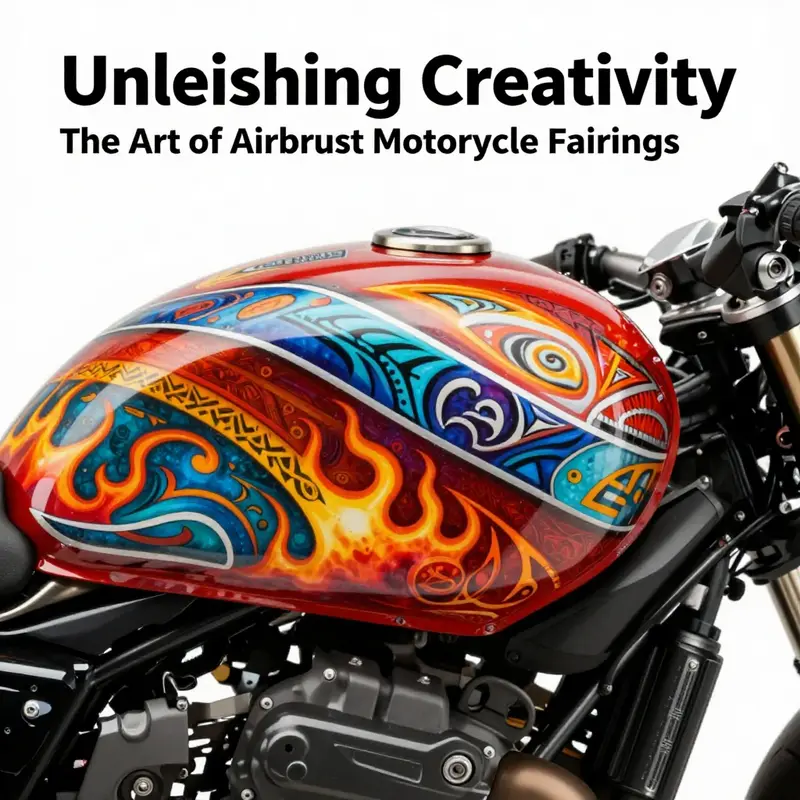
When a rider slips into the saddle and the wind begins to wake the bike, the fairing becomes more than protection from weather and drag. It turns into a moving canvas, a platform where engineering and imagination meet in real time. Airbrush motorcycle fairings fuse functional aerodynamics with the language of personal expression. They are not merely painted shells but stories wrapped around a machine that thrives on speed and precision. The artistry that goes into these pieces is a conversation between surface preparation, pigment, and the way light interacts with curved geometry. The result is a fairing that does more than slice through air; it narrates the rider’s identity with every mile traveled, whether the bike is tearing through a city street, gliding along a highway at dusk, or parked on a showroom floor waiting for a second glance. In this chapter, we explore how airbrush artistry transforms ordinary fairings into expressive, durable works of automotive art, and how craft, materials, and technique come together in a unified process that honors both form and function.
At the heart of airbrushed fairings lies a delicate balance between aesthetics and practicality. The fairing itself is a structure of light yet resilient materials—usually ABS plastic or fiberglass—that must withstand the rigors of wind pressure, weather exposure, and abrasion without compromising the rider’s safety or comfort. The decision to apply an airbrushed design starts with the understanding that beauty cannot come at the expense of longevity. A skilled airbrush artist respects this by selecting weatherproof coatings, ensuring UV resistance, and employing careful masking and layering techniques. A successful design remains vivid after months of sun, rain, and road grime, and it also retains the crisp lines and clean gradients that give a piece its visual punch. In this sense, artistry is not a standalone pursuit but an integral part of the bike’s performance story, a story written in color, shape, and light.
The process that leads from blank shell to finished artwork is more methodical than many observers may imagine. It begins with surface preparation: a clean, dust-free canvas that will accept paint without separation or peeling. Any oils, waxes, or residual residues can undermine adhesion, leading to micro-failures that not only mar appearance but can degrade the coating over time. The preparation phase also involves priming, which builds a uniform base and promotes consistent color development across the curved regions of the fairing. If the base is not evenly prepared, a design can appear distorted when viewed from different angles as the bike moves or shifts in a parking lot. This is where the craft of the artist shows itself in the most practical way: the painter must anticipate how light will wash over a convex surface and how perspective changes with curvature. The priming stage, while technical, is also an art form of anticipation, setting the stage for the illusion of depth and continuity that a successful airbrush design relies upon.
Masking follows as a meticulous ritual, a choreography of hands and tools that preserves the crisp edges the design requires. Tape, frisket sheets, and fine-edge masks are used to block off areas that will remain unpainted or require precise color separation. The goal is to prevent bleed-through and to create those razor-sharp lines that characterize good airbrush work. In many designs, the masking process becomes a kind of temporary stenciling that allows the artist to layer color with confidence, knowing that each pass will land exactly where intended. A steady hand, a well-tuned compressor, and a sensitive eye for alignment are as essential as the palette and brushes themselves. It is during masking that the design begins to emerge in its most concrete form, even before the paint touches the surface.
Technique is the heartbeat of airbrushed fairings. The airbrush enables gradients that glide from shade to shade with soft, almost imperceptible transitions. It can reproduce the warmth of a sunset, the cool bite of a winter dawn, or the metallic sheen of a hardware-honed surface—all in a way that standard spray cans cannot. The ability to work in layers allows for astonishing depth: a background wash, a mid-tone shaping, and a final highlight that catches the light from an opening in the helmet visor or from passing street lamps. Some designs lean toward high-contrast motifs—flames, tribal patterns, or bold geometric abstractions—that scream for attention. Others dream of quieter narratives: a restrained landscape that unfolds as the bike moves, or a symbolic motif woven through the negative spaces of a panel. Regardless of the approach, the essence of the technique remains the same: careful color selection, controlled application, and a clear plan for how the eye travels across the fairing as the bike shifts from standstill to speed.
Color theory plays a pivotal role in shaping the rider’s narrative. The choice of hues—cool blues and electric teals that suggest speed and clarity, or fiery reds and blazing oranges that convey courage and aggression—becomes part of the rider’s voice. Complementary schemes can create visual tension that amplifies the perception of motion even when the motorcycle is stationary. Analogous palettes, in contrast, invite a more harmonious, almost musical flow that can echo the bike’s lines and the rider’s temperament. The painter’s brushwork translates into momentum, and the eye reads the design as a sequence of micro-decisions where each color has a role, and each shadow adds depth. In this way, color is not simply decoration; it is a narrative device that guides perception and enhances the bike’s overall stance.
A crucial aspect of durability rests on the finishing layer. UV-resistant clear coats, weatherproof finishes, and a robust sealant system protect the artwork from fading, chipping, or cracking. The clear coat acts as a barrier against moisture and oxidation while also providing the gloss or satin or matte finish that matches—or intentionally contrasts with—the bike’s other surfaces. The finish is not merely protective; it is an extension of the design, a final brushstroke that determines how the piece interacts with light at various angles. The right finish can turn a two-dimensional image into something that seems to lift off the panel, a subtle three-dimensionality achieved by clever shading, micro-shadowing, and selective highlight work.
Durability also depends on the compatibility of materials and the quality of adhesion between layers. The airbrush artist must choose paints and clears that bond well with ABS or fiberglass and that tolerate flex without cracking. The curvature of the fairing introduces different strains across the surface, so the paint system must be formulated to flex with the panel as it vibrates at highway speeds and compresses ever so slightly under thermal changes. In practice, this means selecting a system with good elongation characteristics, a resin that remains flexible, and a topcoat that resists UV fade and chemical exposure from road salts and fuel residues. The best results emerge from a collaborative approach between the painter, the technician who prepares the surface, and the rider who might be involved in selecting the theme and color balance. When everyone speaks the same language—one of durability as a coequal partner to aesthetics—the result is art that endures as well as impresses.
The themes chosen for airbrushed fairings reveal much about how riders want to connect with their machines. A common impulse is to translate a sense of power into imagery. The eagle, the wolf, or a roaring skull can imbue the bike with a protective aura and a reminder of mastery. Spiritual or symbolic motifs—mandalas, sacred geometry, or mythic figures—offer a sense of centering and intention, while still allowing for aggressive styling. Abstract designs, with their sweeping shapes and flowing gradients, emphasize motion and momentum, inviting the viewer to follow the design from one edge of the panel to the other. The theme should resonate with the bike’s silhouette and the rider’s personality, creating a coherent story rather than a collection of disparate elements. To achieve this cohesion, many artists start with a concept sketch, either on paper or digitally, then translate the sketch to the fairing as a guide for masking and layering. The sketch acts as a map, helping the team maintain proportion and intent across the entire surface and different panels that must appear as a unified whole when the bike is viewed in profile.
Inspiration for these designs often travels through a shared culture of customization. A rider might collect ideas from a gallery of images, each one offering a clue about line weight, color progression, or the way light settles on a curved surface. The reference pool is broad, spanning classic hot rod graphics to modern street art, but the best projects synthesize these sources into something uniquely theirs. Curated collections and showcases can provide practical cues about how to execute high-contrast elements, how to preserve sharp edges during masking, or how to layer metallics for a luminous finish. For those seeking practical guidance and visual ideas, curated collections from reputable sources can be invaluable. One highly relevant resource is the “22 Fairing paint ideas” article on CarInterior, which demonstrates a diverse range of airbrush designs—from eagle motifs to fire-themed patterns—that illustrate the spectrum of technique and finish that a thoughtful artist can achieve. These examples underscore not only the aesthetics but also the technical discipline required to pull off such work with polish and resilience. See the collection for inspiration and to understand how different artists approach theme, color, and masking in real-world projects.
As the design moves from concept to completion, the rider’s relationship with the bike deepens. Airbrushed fairings are, in a sense, a dialogue between rider and machine. The rider may request subtle personalization—initials tucked into a corner, a favorite color subtlety threaded through the background—or may opt for a bold, headline-grabbing statement that announces itself from several paces. Either path demands a collaborative process in which the artist interprets the rider’s language and translates it into a visual grammar that the bike can carry with confidence on the road. This collaboration often extends beyond the studio, into the shop where the fairings are assembled, mounted, and tested for fit. The geometry of the bike, the mounting points, the air intake shapes, and even the rider’s own posture influence how the design interacts with the bike in motion. A design that looks striking on a flat panel may be altered when applied to a three-dimensional surface with curves that catch and reflect light differently as the bike leans into a corner. The best projects anticipate these realities, and the artist adjusts the composition to maintain visual coherence no matter the bike’s orientation or speed.
The topic of customization extends into how fairings are shared within the broader community of riders and builders. Customization is not a solitary pursuit; it thrives on dialogue, critique, and iteration. Riders gather around shows, online galleries, and forums to compare notes on how designs wear over time, how gloss holds up under sun exposure, and how to repair minor scratches without dulling the surrounding artwork. In these exchanges, techniques evolve, and the boundary between art and engineering continues to blur. The modern airbrush artist benefits from this communal intelligence, learning from fellow painters about color fastness, masking precision, and the most effective topcoats for different climates. In turn, riders gain access to a broader spectrum of aesthetic choices, enabling them to tell more personal, more precise stories through the fairing geometry they ride every day.
For those curious about fitment, customization ecosystems, and the practical realities of maintaining airbrushed fairings, the journey continues with a direct exploration of available fairing shapes and mounting schemes. Objects as varied as full fairings, half fairings, and quarter fairings each present a unique surface to be painted and a distinct set of aerodynamic consequences. The choice among these options often reflects a rider’s desire for coverage versus exposure, as well as the intended use of the bike—daily commuting, weekend cruising, or track-focused performance. A full fairing provides the broad canvass for expansive scenes and panoramic narratives, while half or quarter fairings offer opportunities for more concentrated compression of imagery, allowing the central motif to command attention with minimal surrounding distraction. The artistic strategy then becomes a study in proportion: how to scale a concept so that it breathes on a smaller plane without losing impact, or how to stretch a design across a larger surface so that the eye travels smoothly from one end to the other, like a rider tracing the bike’s hesitation and acceleration along a winding road.
In sum, artistry and customization in airbrush motorcycle fairings represent a synthesis of skill, science, and storytelling. The craft demands attention to the practicalities of surface chemistry, adhesion, and weather resistance while inviting the rider into a dialogue about color, form, and narrative. The result is not a mere coat of paint but a living expression that travels with the rider, catching the light and catching the eye in equal measure. Through rigorous preparation, thoughtful masking, and disciplined finishing, the airbrushed fairing endures as a durable canvas—part fast machine, part personal manifesto. For readers who want to explore related base shapes and see how designers translate these visions onto real-world shells, the Honda fairings collection offers a useful reference point for the kinds of geometries that work well with airbrushed art, illustrating how form and artistry can harmonize across different model lines.
To deepen the exploration of inspiration and technique, see the broader collection of fairing ideas and the practical execution behind them in the CarInterior feature on 22 Fairing paint ideas. This external resource provides a complement to the chapter’s focus by offering concrete visuals and design approaches that illuminate the craft behind airbrushed motorcycle fairings. External reference: https://www.carinterior.com/22-fairing-paint-ideas-motorcycle-painting-airbrush-custom-paint/
Canvas on the Road: The Materials That Shape Airbrush Motorcycle Fairings
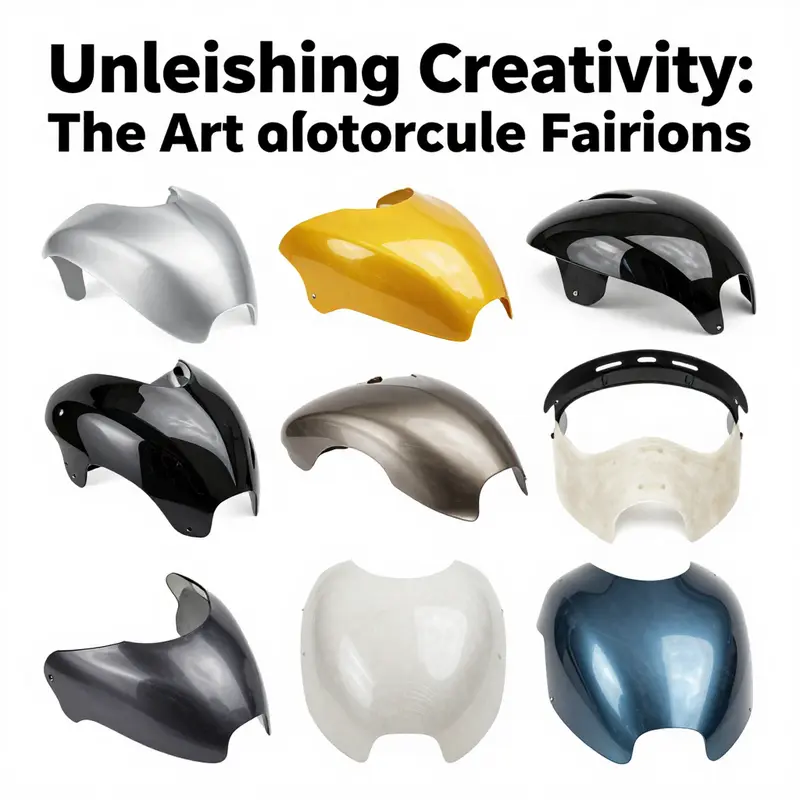
The motorcycle fairing is more than a protective shell. It is a mobile canvas where aerodynamics meet artistry, where the line between function and fantasy is drawn in color and shade. The material beneath an airbrushed design influences how the artwork behaves in light, how it wears against wind and weather, and how precisely the artist can render a flame, a fantasy landscape, or a seamless gradient. The choice of material turns what looks like a simple coat of paint into a durable statement that travels with the rider. In this chapter we explore the materials that make airbrush fairings possible, from the everyday plastics that many riders see at the showroom to the premium composites that whisper of performance at the edge of a racetrack. We start with the workhorse plastics that most fairings begin with, and then move to the reinforcing materials that elevate the craft when performance and presentation demand more. Along the way we consider how preparation, adhesion, and finishing layers transform a raw substrate into a reliable surface for intricate art and demanding riding conditions.
At the heart of most airbrushed fairings lie two plastics that have become staples in the motorcycle industry: high-impact polystyrene and ABS. High-impact polystyrene, or HIPS, is prized for its toughness and ability to hold complex shapes. It resists impact well enough to survive the occasional drop or brush with a curb, and it responds predictably to heat and cold. This stability is essential when a painter is tracing fine lines or mapping a gradient across the contours of a front fairing. The material’s crisp surface also supports a sharp edge, allowing airbrushed details to read clearly from a short distance and from a distance. ABS plastic, meanwhile, offers a slightly different balance. It brings a tougher surface feel and a robust surface finish that can tolerate more aggressive sanding and primer build. ABS is highly compatible with adhesives and paints, which makes it a natural choice for work that involves bonding multiple panels or repairing seams after a wrap of color. Its rigidity helps preserve edge definition as the rider moves through wind and vibration, contributing to a consistently clean paint line even under the stress of riding at speed.
These plastics are not just about how the paint sits; they are about how the finish endures. Preparation is the invisible craft that makes airbrushing possible on plastic. The steps are straightforward in theory but require steady hands and a careful rhythm in practice. The surface must first be cleaned to remove dirt, grease, and release agents that can bloom through paint. Any residue can cause the base color to look dull or uneven, and it can create a rough texture that distorts the airbrushed design. After cleaning, light sanding is typically performed. The goal is not to remove material but to create a micro-texture that gives the primer something to grip. A smooth, glassy surface looks pristine but often yields poor paint adhesion. The microfiber dust from sanding must be wiped away, and the surface should be tested with a quick tack cloth before priming.
Priming then seals the surface and presents a forgiving base for the color work that follows. Plastic primers, especially those designed for automotive use, help the paint bond more effectively to HIPS and ABS. In many cases, an epoxy or urethane primer is employed to build a uniform base and to minimize any plastic-specific quirks, such as edge lifting or solvent crazing. Primers also impact the final look; they influence how smoothly gradients z-curve and how the metallic or pearlescent pigments reflect light in the final layer. A well-prepared primer makes the transition from base color to airbrushed motif nearly invisible, a key factor when a rider wants a design to appear as if it were painted directly onto the form rather than sitting on the surface.
The beauty of airbrushing lies in the ability to blend colors with soft transitions and sharp, crisp accents. This capacity depends on both the artist’s technique and the substrate’s compatibility with paint. ABS and HIPS perform well when the painter uses the right primers and clear coats. The paint system should be compatible with plastic surfaces and with the thin, repeated passes of the airbrush gun. If a painter encounters paint that streaks or refuses to lay down evenly, the issue is often a mismatch between the surface preparation and the chosen primers or topcoats. In practice, many artists lean toward solvent-based paints for their coverage and depth, followed by a high-quality clear coat that adds depth while protecting the design from UV exposure and road grit. The clear coat also helps smooth any slight micro-unevenness in the color layer, bringing the artwork to life beneath a glossy, protective shield.
Preparation does not end with priming. A protective layer or sealer is sometimes applied before the final color work to keep the surface dry and to reduce the risk of lifting when long masking tapes are used to create the edges of flames, tribal motifs, or realistic landscapes. The painter must also consider the age of the plastic. Old or reused fairings can be more porous, which would draw moisture from the air and affect adhesion. In such cases, a dedicated adhesion promoter or a sealing coat may be used to improve the bond between the substrate and the primer. This is particularly important for artists who rework older fairings or who apply airbrush art to panels that have already seen weather exposure. The goal is not just a glossy finish but a durable, long-lasting artwork that can endure wind, rain, and sun.
As the field matured, more riders and builders turned to materials that push beyond the standard ABS or HIPS. Fiberglass-reinforced plastic, or FRP, sits in a grey area between cost and performance. It is lighter than thicker, solid plastics and typically offers good surface finish after careful sanding and sealing. FRP can be shaped with remarkable flexibility, which is a boon for complex fairing geometry. However, it often requires a more attentive finish schedule. Because FRP can trap micro-humidity in the resin before curing, the painter must ensure the surface is fully dry and closed to air before applying primer. When done well, FRP provides a receptive canvas with a refined surface that holds gradients and fine line work with admirable fidelity.
The most coveted, albeit less common, category of materials for airbrushed fairings lies in the realm of high-performance composites. Carbon fiber-reinforced composites, often paired with resin systems designed to maximize stiffness-to-weight ratio, are a staple for riders chasing ultimate weight savings and a sportbike aesthetic that screams speed. In production models, carbon fiber fairings may be found in premium or race-oriented packages. The weave of carbon fiber, sometimes visible through a clear coat, adds texture and depth, making the artwork interact with light in distinctive ways. For the painter, carbon fiber requires different preparation. The weave must be sealed to prevent resin bleed or fuzzing of the finish, and the underlying resin must be adequately leveled so that the airbrush can lay gradients without the surface showing irregularities. The payoff is a finish that appears both incredibly smooth and tensile, with the weave catching highlights in ways that plastic surfaces cannot. CF composites also demand careful attention to additives in the primer and clear coat to avoid chemical reactions that could weaken the bond between the paint and the substrate.
No discussion of materials would be complete without acknowledging the practical tradeoffs. Carbon fiber and other advanced composites deliver exceptional strength and lightness, but they come with higher costs and more demanding preparation regimes. ABS and HIPS, by contrast, offer a budget-friendly, highly workable platform that is forgiving to novices and established airbrush artists alike. They respond well to a broad range of primers and paints, allowing artists to realize ambitious designs without a steep learning curve. For riders, the choice of substrate is often a balance between visual impact, durability, weight, and cost. A complex, full fairing with airbrushed gradients in a carbon fiber shell may look stunning, but the price and maintenance considerations are higher. A pure plastic fairing might be lighter on the wallet and easier to repair, but may require extra care to keep the airbrush finish pristine through heat cycles and sunlight.
In the end, the material is a critical partner to the artist’s palette. The surface must cooperate with the layers that come after it—primer, color, and sealant—while also meeting practical demands: resist cracking, tolerate weather, and maintain gloss and clarity over time. The balance is delicate. The right substrate makes color pop and lines stay crisp, while the wrong choice can dull a gradient or invite micro-scratches that catch the eye at a sunny bike show or a long highway ride. For the designer, this means selecting the base not only for its technical properties but for how it will interact with the chosen airbrush technique. A seamless fade across a front fairing may rely on the way the primer accepts color; a metallic gloss that shifts with the sun might require a clear coat that enhances depth without yellowing. Each pigment, each pass of the airbrush, and each layer of resin responds to the substrate in its own way, weaving together function and artistry.
The spectrum of possibilities also invites a broader view of maintenance and care. Plastic fairings are generally forgiving; scratches can be buffed or touched up with local repainting. Carbon fiber shells, though, reveal layer lines and weave details that can be the feature rather than a flaw if properly sealed and finished. The ongoing care routine—gentle washing, avoidance of harsh solvents, periodic re-clearing—knits the artwork to its substrate and preserves the artist’s intent. In a community of riders who view the bike as an extension of self-expression, the materials chosen to realize a design are as meaningful as the brushwork that renders it. The substrate, like the canvas in a gallery, grants the artist the ability to translate imagination into something tangible that travels on the road.
This material conversation also touches the practical realities of production and customization. A builder might choose ABS for a one-off project that demands speed and cost efficiency, and reserve carbon fiber for a limited edition that pairs performance with a museum-ready finish. The decision is seldom about one factor alone. Instead, it is a composite calculus: what surface will best support the color story, how much weight is acceptable for the bike’s intended use, what budget is available, and how the finished piece will fare in an outdoor environment that changes with every hour of sunlight. The artistry benefits when the maker understands not only how to apply paint but how to prepare a surface that will act as a partner to the palette. In the end, the materials do not merely hold paint; they guide it, shaping how light interacts with color, how edges sharpen or blur, and how the final piece presents itself to the road and the observer alike.
For readers seeking a practical path into this world, consider the broader craft of preparing and painting on plastic substrates, where the fundamentals remain consistent across different materials. The underlying principles of cleaning, sanding, priming, and sealing provide a reliable framework regardless of whether the fairing is made from basic ABS, a higher-grade HIPS blend, fiberglass, or a carbon fiber composite. Mastery comes from respecting the material’s character and aligning it with the chosen airbrush technique. When artists and builders approach the substrate with curiosity and discipline, the result is a fairing that not only reduces wind resistance and protects the rider but also carries a personal story in every shade, line, and glow. The careful choice of materials, and the careful application of paint on those materials, turns a motorcycle fairing into more than a part—it becomes a moving sculpture that speaks through color and form.
In the practical workshops and on the road, the connection between material and motif is always present. The best airbrushed fairings are those where the substrate disappears into the illusion of the artwork, letting the design breathe against the gloss and the contour of the bike. When a designer finds the right balance between the stiffness of carbon fiber or the resilience of ABS and HIPS, the artwork achieves remarkable fidelity. The lines stay sharp through the rigors of riding, the gradients stay smooth as the bike leans through turns, and the overall finish remains vibrant after miles of exposure to sun, rain, and wind. Materials, in this sense, do not merely support the artwork; they become part of the artwork, shaping the way the color travels and the way the eye perceives depth, movement, and contrast.
External resource for further practical guidance: https://www.carinterior.com/how-to-airbrush-a-full-motorcycle-practical-guide/
From Veil to Vision: Mastering Airbrush Techniques on Motorcycle Fairings
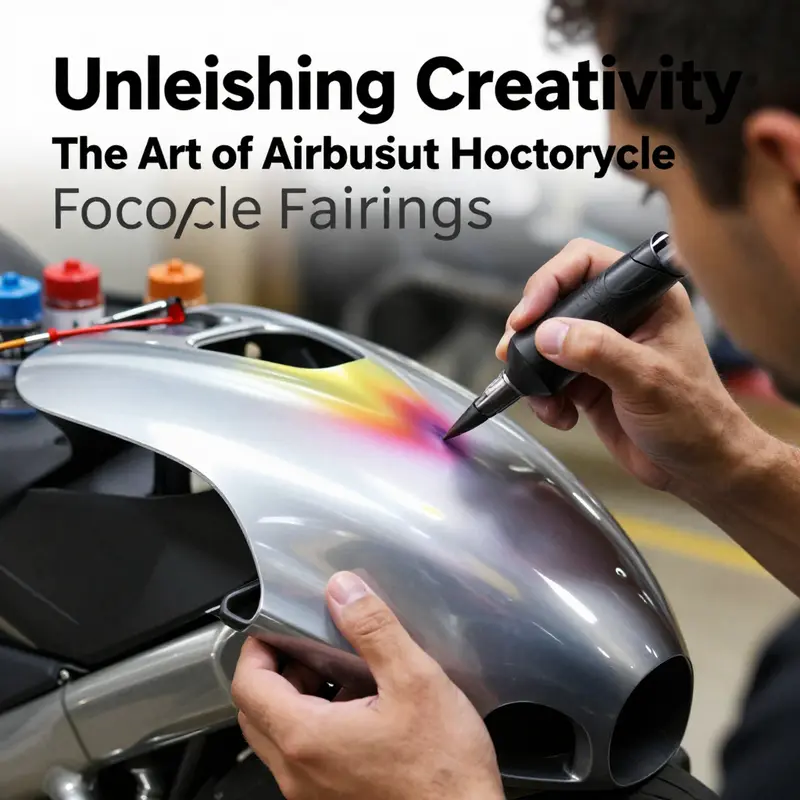
Airbrush artwork on motorcycle fairings sits at a compelling intersection of science and art. It is not enough to splash color on a curved surface and call it a finish; the fairing functions as a wind shield, a protective shell, and a moving canvas that must endure the stresses of weather, velocity, and road grit. The best airbrushed fairings merge aerodynamic intent with painterly finesse, producing surfaces that slice through air while telling a story in color and form. This blending of function and fantasy begins long before the nozzle ever hums. It starts with understanding the material, the geometry of the shell, and the environment in which the paint will live. ABS plastic and fiberglass, the two most common fairing substrates, respond differently to moisture, heat, and solvents. ABS tends to be a forgiving base for vinyl and light enamel, but it can suffer from heat-induced warping or solvent attack if the layers are not properly cured and sealed. Fiberglass provides a sturdier base for heavy, automotive-grade clear coats, but its resin-rich surface can hold onto contaminants that mar adhesion if not thoroughly prepared. The designer-turned-painter must anticipate how the final layer of clear will behave under ultraviolet exposure, stone chips, and the occasional curb scrape. In practice, airbrushing on a fairing is as much about preparation as it is about pattern and shading. It is a quiet, patient craft that rewards slow, deliberate layering. When the rider sees the final display of color depth, gradient, and micro-detail, it is easy to overlook the rigorous sequence behind it. Yet the truth is that every great airbrushed fairing is born from a disciplined choreography of cleaning, priming, masking, painting, shading, coating, and curing, each step tightly aligned to the next. The result is not merely decoration; it is a resilient statement about the rider’s identity translated into material form. The surface begins with a thorough cleansing using a degreaser to strip away oils, waxes, and fingerprints that would otherwise interfere with adhesion. A clean surface is a foundation, and without it, even the most skilled technician will chase edges that never quite bite into the substrate. After cleaning, the fairing is gently abraded to remove microscopic imperfections and to provide anchor points for the primer. Sanding to a smooth, even sheen reduces irregularities that would otherwise telegraph through the paint. This is not a cosmetic step alone; it is the structural bedrock of color and clarity. The primer must be chosen with adhesion and flexibility in mind, especially for curved surfaces that flex slightly under temperature changes. A high-quality primer tailored for automotive use forms a porosity-free, polished base that catches the eye with pristine flatness once dried. Masking follows primer, and here precision becomes a matter of survival for the design. The painter masks off areas that should remain unpainted or require special finishes. The masking process is a delicate art in itself, balancing the need for clean lines with the risk of lift or bleed on the next coat. On complex shapes, masking becomes a three-dimensional puzzle. The use of high-quality tapes, masking papers, and sometimes frisket film allows the design to breathe along the compound curves without creating hard, unattractive edges. In the hands of a seasoned technician, masking becomes a guide rail, directing the eye along the contours rather than fighting against them. The design stage invites both restraint and imagination. An airbrush system—often a professional-grade gun from established manufacturers—is matched to a regulated air supply. The line between a soft, atmospheric gradient and a muddy haze is the line between success and failure in an art that relies on micro-atomization. Paint selection matters as much as the technique. Automotive enamels or urethanes provide the durability and color depth needed for a ride that may see rain, heat, and highway stones. These paints are often thinned for airbrushing to a consistency that sprays in ultra-fine droplets, producing a look that ranges from velvety smooth transitions to razor-sharp edges when necessary. The painter does not simply dip the nozzle and release color. They build up color with multiple thin coats, allowing each pass to dry before the next one begins. This layering approach prevents runs, which can ruin the line work and the overall impression of depth. Layering is an art form in itself. Each coat adds a new tonal layer, a subtle shift in hue, or a refined highlight that catches the light at a slightly different angle. The careful control of shade and light yields gradients that feel natural, almost photographic, rather than flat. There is a strong case for a combination of techniques that lean on both precision and spontaneity. For designs that include flames, eagle silhouettes, or other bold motifs, the painter often relies on stencils to establish exact shapes while reserving freehand work for the softer, more expressive areas. Stencils serve as reliable scaffolds when symmetry or sharp edges matter, yet the brushwork remains where the personality lives. Freehand shading and feathering allow a designer to manipulate the digital example into a living, breathing surface. Gradient blending is where the magic reveals itself. It demands control of both pressure and distance, along with a study of how moisture and airflow affect paint deposition on curved surfaces. The painter must vary the spray angle and the stroke speed to coax colors into each other without visible seams. The mathematics of the process is simple on paper and deceptively difficult in practice: consistent thinning, consistent air pressure, and consistent movement produce consistent color transitions. The best blurred transitions look effortless, yet they are the product of patient practice and careful observation of how the paint behaves as it dries. When a design demands more complex imagery, such as a detailed eagle, a layered approach becomes even more critical. A base gradient might establish a sky or metallic underlayer, followed by a pictorial mid-layer, and finally the finest highlights and fine-line accents on top. The layering order matters because each new layer interacts with those beneath it, potentially altering perceived color depth or edge sharpness. The painter must also manage the interplay of metallics, pearlescents, and transparent tints. Metallics catch light differently than flat colors, and their flecks can shift as the surface angles change with the rider’s posture and the bike’s motion. Pearlescent or chameleon colors add depth that is best revealed under the right lighting or at the right viewing angle, but they demand careful calibration of base tones and clear coats to prevent color shifts from becoming distracting rather than decorative. After the colorwork, the finishing touches begin. A curing period is essential; rushing the process risks smudges or solvent penetration into underlying layers. Dry times vary with ambient temperature and humidity, but a patient approach often means waiting longer than the minimum to ensure that each coat firms up before the next is applied. The next step is the clear coat, which is the final guardian of the artwork. Clear coats can be matte, satin, or gloss, but regardless of the finish, they must be compatible with the base colors and the primer system. A well-chosen clear coat seals the pigment, builds a protective reservoir against weathering, and finishes the optical play of light across the panel. The decision between gloss and satin or matte is more than a matter of taste; it affects how highlights are perceived and how the artwork communicates under various lighting conditions, from bright sun to the subdued glow of dusk. The protective layer also serves as a canvas for future maintenance or touchups. If a chip or scratch occurs, the ability to repair without stripping the entire motif is a practical advantage. A skilled technician can blend in a repaired area by feathering the new paint into the surrounding tones and then reapplying a thin, compatible clear coat to reestablish a uniform gloss or texture. The entire process is a test of planning and rehearsal as much as it is of execution. To reach the desired effect, some artists work from a digital blueprint, translating a concept into a set of masking paths and spray sequences before the nozzle ever fires. Others prefer an organic, experimental trail that starts with a rough sketch on the primer and then refines the design through a series of measured passes. Either approach requires a disciplined mindset and a steady hand. The environmental conditions in which practice and application occur can have a pronounced effect on outcomes. Temperature, humidity, dust, and ventilation all interact with the chemistry of the paint and the curing process. A controlled studio-like environment is ideal, but many riders and builders work in makeshift workshops where temporary climate controls can be brought in. The painter learns to read the room and adjust work flow accordingly, choosing slower cures in humid air or more aggressive venting when solvent odors become concentrated. The artistry of airbrush design is inseparable from the engineering of the fairing itself. Designers consider not only how the artwork sits on the surface but how it will fare during dynamic riding conditions. The curvature of the surface, the depth of any inlets or vents, and the presence of mounting hardware all create potential interruptions to a clean line or a seamless gradient. In practice, this means that a successful airbrush design respects the fairing’s geometry. It embraces the three-dimensional nature of the surface, letting light reflect off contours rather than fighting them with flat, two-dimensional imagery. The result is a composition that feels integrated with the bike’s silhouette rather than pasted onto it. For riders who want direction in their choice of model, it helps to look at established fairing lines that already speak to a certain era or aesthetic. A modern streetfighter or a café racer, for example, offers contours that invite aggressive color work, with ample surface area for dramatic shading and bold accents. A fairing design that accommodates a full mural, a flame motif, or a stylized emblem can become a signature element of the rider’s identity. Designers often reference specific lines and shapes when planning a piece, sketching how the artwork relates to the bike’s stance, seat angle, and the rider’s line of sight. Even more than pure color, the line work and edge definition contribute to perception of speed. A sharp, crisp line can draw the eye along the bike’s length, creating an impression of motion even when the motorcycle is stationary. The practical takeaway for artists is to blend a careful, technical approach with a strong sense of storytelling. Understanding the substrate, choosing compatible paints and primers, planning layering sequences, and embracing a measured, patient workflow yield results that endure. The craft invites courage, too. There is an undeniable thrill in seeing a work-in-progress emerge from a blank, curved plane into a narrative surface that glows under street lights and sun. The best outcomes come from artists who treat the fairing as a living part of the machine—an instrument of both speed and personality. Inspirations can be found in many places, from automotive design archives to contemporary custom bike shows online. For readers seeking a model and a market path, exploring a dedicated collection of fairings may help in choosing a base that complements a planned color story. For instance, those drawn to specific brand lines can browse through a curated selection such as the Yamaha fairings collection, which presents variations in shape and volume that can influence how an artwork adapts to different curves and radii. See more about this collection here: Yamaha fairings collection.
With practice and patience, the airbrush becomes less a tool and more a partner in design. Each project teaches something about how light behaves, how color blends across a convex surface, and how to protect the finish against the rigors of riding. The knowledge gained through surface preparation, masking, layering, and finishing translates across all styles of fairing—from the minimalist half-fairing to the fully enclosed sport fairing. The chapter you’ve read does not claim to exhaust every technique; rather, it outlines the essential rhythm that underpins successful airbrush work on motorcycles. The artist learns to control the air, the paint, and the moment when the brush meets the shell. The fairing emerges not simply as a shield or a shell, but as a canvas that embodies the rider’s passion, a moving gallery that travels through wind and weather, and a testament to the fusion of engineering precision with human imagination. For those who want to explore further examples while planning their own project, the Pinterest collection offers a broad panorama of fairing art ideas—an endless source of color theory experiments, gradient studies, and motif explorations that can spark new ideas for layers, edges, and light interaction. (External inspiration: https://www.pinterest.com/pin/22-fairing-paint-ideas-motorcycle-painting-airbrush-custom-paint-354681297909598743/)
Painted Pride on the Road: How Airbrush Fairings Shape Rider Identity and a Shared Motorcycle Culture
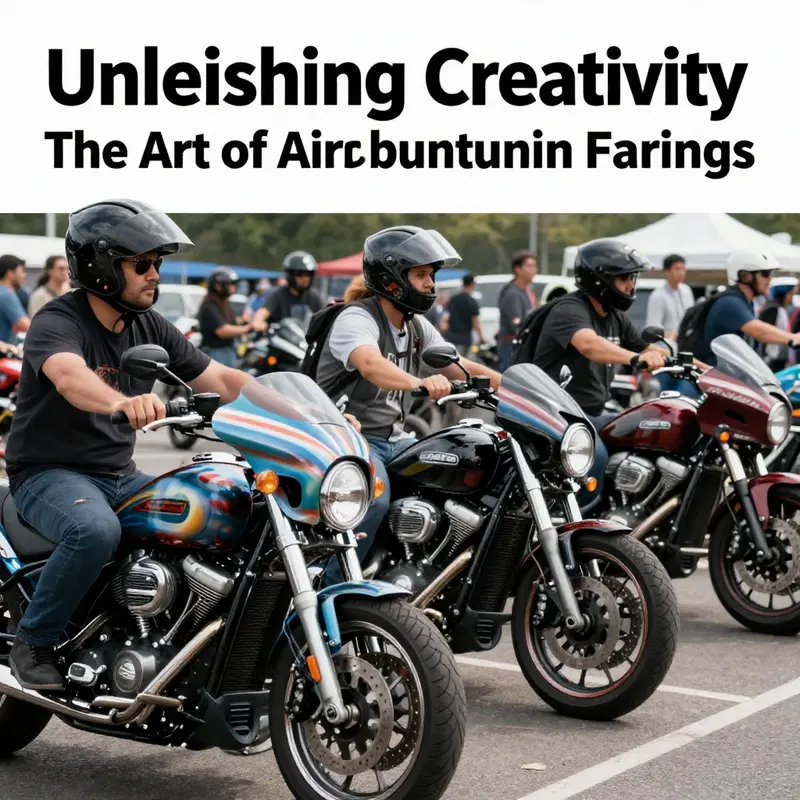
Airbrush motorcycle fairings turn a machine into a moving canvas, but the artistry runs deeper than surface beauty. When a skilled hand wields an airbrush, the shell of ABS or fiberglass ceases to be merely protective armor and becomes a medium through which a rider’s voice travels at speed. The sense of self that emerges from an airbrushed fairing is almost tactile. It speaks of personality, history, and values, inviting onlookers to read a story in color, form, and texture. The art is not just a detour from function; it is a deliberate synthesis of form and meaning. In this light, the fairing becomes a passport to a rider’s identity, an outward sign of internal terrain, and a shared language that can be understood across different bikes, regions, and communities. The result is a dynamic relationship between rider, machine, and maker that extends far beyond a single ride or a weekend show.
To understand why airbrush fairings carry so much weight in a rider’s sense of self, one must start with the basics of personalization. A standard factory shell, though engineered for aerodynamics and protection, carries no biography. It is a blank slate. The moment an artist or a discerning owner begins masking, priming, and layering colors, the fairing stops being generic equipment and becomes a narrative vessel. The design choices—whether symbolic flames, geometric abstractions, or scenes drawn from nature and fantasy—are more than decorative decisions. They translate a rider’s values into visible motifs. A rider who feels a close kinship with a racing team might see speed lines and shingled silhouettes that echo the track, while another who treasures environmental causes could opt for natural motifs or slogans integrated into the overall composition. The act of commissioning a design, negotiating with an artist, and witnessing the fairing take shape becomes an act of portraiture, where the rider’s life experiences and aspirations are etched onto a protective shell.
The process itself foregrounds collaboration. Surface preparation, priming, and careful masking demand patience and discipline. The artist must read the contours of the fairing, anticipate how light will fall on curves, and plan transitions that will be legible when the bike is moving at velocity. Compressed air delivers fine mists of paint that build gradients with a precision that cannot be achieved by a brush alone. The result can be a seamless blend of tones that feels like motion captured in color. Yet it is the layering of meaning that endures after the paint has cured. Flames may symbolize speed and danger; tribal motifs may hint at lineage or belonging; surreal landscapes can mirror a rider’s daydreams or the places they hope to ride. The design thus becomes a multi-layered communication code: visually striking, yet deeply personal.
There is a practical logic to how airbrush designs align with different fairing types. Full fairings offer a broad canvas and the opportunity to wrap the body in continuous imagery, while half or quarter fairings invite more selective storytelling. A full fairing can sweep a rider’s narrative around the entire silhouette, suggesting a unified journey or a bold, all-encompassing philosophy. A half fairing, by contrast, can frame a design around the rider’s primary field of view and the cockpit itself, making the artwork a constant companion on the road. This design flexibility is not merely aesthetic; it reflects a rider’s relationship with the machine. Some riders seek a cohesive, gallery-like presentation that harmonizes with high-speed performance, while others prefer a more modular approach that allows for seasonal updates or swapping motifs as life’s chapters change. The materials themselves—ABS plastic for lightness and impact resistance, fiberglass for durability and shaping—provide compatible surfaces for airbrushing and color retention, further strengthening the link between function and artistry. The choice of surface, the layering of paint, and the final clear coat all contribute to a durable finish that can endure sun, rain, and road debris, ensuring that the rider’s narrative remains legible for years.
Community, perhaps more than any other factor, gives airbrushed fairings their enduring resonance. A custom design is rarely a solitary achievement. It is a shared project that invites dialogue among riders, artists, and builders. Shows, rallies, and online forums become vibrant forums where people celebrate not just the machines, but the stories behind the paint. A particular motif can become a shorthand—a set of visual cues that signals belonging to a broader culture, even among riders who may ride vastly different machines. For some, the language of the design is a nod to vintage café racers—thin lines, low silhouettes, and a restrained palette that echoes a bygone era. For others, tribal patterns or abstract fantasies communicate a personal philosophy of freedom and rebellion. The result is a community that recognizes familiar motifs, appreciates technical mastery, and respects the risks riders take when they choose to customize rather than settle for stock aesthetics.
Within this communal space, shared aesthetics can serve as a bridge across diverse identities. Riders may come from different regions, socio-economic backgrounds, or riding disciplines, yet the art on their fairings creates a perceptible common ground. A rally, for instance, becomes less about who has the most horsepower and more about who carries a story in color on their side panels. In this sense, airbrushed fairings act like a mobile gallery on two wheels, turning each encounter into a chance to read a life’s map through art. The conversations that spark at these events often revolve around technique and meaning in equal measure. How did the artist handle the gradient transitions? What about the symbolism in the motif? Does the design reference a cultural tradition, a personal memory, or a favorite place? These questions invite riders to articulate their identities with language that blends technical appreciation with emotional resonance. The result is a community that speaks in color, honoring diversity while embracing shared values such as craftsmanship, authenticity, and the thrill of the open road.
Another dimension of identity emerges when riders tell stories about what their fairings represent beyond the bike itself. A fairing can speak to a rider’s loyalties—perhaps to a club, a racing lineage, or a set of environmental beliefs—without shouting the point aloud. The artwork provides a medium for affiliation that is both public and personal. It allows riders to declare affiliations with subtlety, choosing motifs that signal connections to broader networks of likeminded enthusiasts. And because airbrush designs can be updated or swapped with relative ease compared to other modifications, riders can recalibrate their visual identities as their life paths evolve. A shift in personal philosophy, a win on a track, a move to a new community, or a renewed passion for a dream road can all be reflected through a fresh design. In this ongoing dialogue between rider, machine, and maker, the fairing becomes a dynamic partner in the journey rather than a one-off statement.
The social energy around airbrushed fairings feeds into a broader sense of freedom and experimentation in motorcycling culture. The craft validates a belief that motorcycles are not merely transport but expressive instruments. In practice, this belief translates into a willingness to take risks with color, texture, and composition, knowing that the design will still perform admirably under wind pressure and speed. It also means that the fairing can be tailored to reflect the rider’s emotional response to riding itself—speed, solitude, camaraderie, or the sheer joy of wind in the face. The visual choices, therefore, are not frivolous; they encode the emotional grammar of the rider’s relationship to two wheels. The community supports this emotional risk, applauding bold choices while offering technical guidance about durability, care, and repair, ensuring that the story etched onto the shell does not fade away with the first stone chip or cloud of sun-bleached pigment.
A practical note often accompanies the romance of design. The aesthetic perfection is sustained by a discipline of maintenance. Clear coats, UV protection, and occasional color-matching touch-ups preserve the integrity of the artwork as the bike travels from city streets to winding backroads and beyond. The rider’s pride is fed by the knowledge that the artwork has weathered rain, road grime, and the inevitable bumps of everyday life. It becomes a badge of persistence as well as a badge of taste. In this light, the fairing is not a fragile ornament but a durable canvas that teaches fidelity to craft and continuity of identity across time and terrain. The result is a culture in which artistic risk and mechanical reliability are not opposing forces but complementary strands of the same fabric.
From a broader perspective, airbrushed fairings contribute to a form of visual storytelling that enriches the motorcycling experience. They invite spectators to become readers of color and contour, to infer a backstory from a silhouette, and to appreciate the degree of technical skill required to translate a narrative into brushstrokes that adhere to curved surfaces. This storytelling quality elevates the act of riding from a pursuit of speed to a pursuit of meaning. It reframes a ride as a moving conversation about memory, identity, and the values a rider holds dear. When the bike rolls down a boulevard or into a race paddock, the artwork announces not just a preference for style but a philosophy of life. In this sense, airbrush fairings are cultural artifacts—handmade, portable, and deeply human.
For readers curious about how such collections begin to orient a rider’s possibilities, consider a catalog of shell shapes and preparation options as a practical map. In catalog pages that showcase a range of fairing options, the design vocabulary expands, offering glimpses of how different shells can be vehicles for distinct visual narratives. In particular, a dedicated collection—illustrating a variety of fairing shapes and base colors—offers a starting point for imagining how future designs might unfold. This perspective helps connect the artistry to the engineering of the bike, reminding us that the canvas and the vehicle are inseparable parts of a single creative system. The artist’s brush, the rider’s memory, and the bike’s lines together forge a continuum from concept to road, where every kilometer tested contributes to the evolving story etched in pigment and gloss.
As this conversation about identity and community unfolds, it is worth acknowledging the broader implications for the culture of customization. Airbrush fairings invite people to experiment with self-presentation in a world where digital images and social media often shape first impressions. The on-road presence of a uniquely painted fairing creates a memorable encounter that travels with the rider beyond a single ride or a local event. It fosters conversations about technique, taste, and authenticity, and it rewards those who engage deeply with the craft. In doing so, airbrushed fairings become not only a personal statement but a communal act of sharing, where individuals contribute to a living gallery that others visit and reinterpret. The fairing, in short, becomes a social instrument—one that negotiates identity while knitting communities together through shared appreciation for artistry, craft, and the freedom to ride with a story on view.
To anchor this discussion in practical mention without losing the narrative flow, consider how a rider might approach choosing a base fairing shape and then imagining a design. A thoughtful path starts with evaluating the bike’s silhouette, the rider’s goals for aerodynamics, and the intended environment—city streets, mountain passes, or track days. A skilled artist then translates those considerations into a design plan that respects the fairing’s contours and the rider’s narrative. The process remains highly collaborative: the rider communicates the story, the designer interprets it through motifs and color, and the fabricator ensures the surface will hold up under the demands of riding. This triptych of roles—rider, artist, technician—produces a finished piece that looks effortless in motion but is underpinned by careful engineering and intimate personal storytelling. In the end, the rider’s identity is written in pigment, while the community recognizes the story and joins in the celebration, creating a shared culture that travels on two wheels.
For readers seeking a concrete starting point on where to explore design options, the visual vocabulary of a design can begin with a broader catalog of shell shapes and color options that invite creative interpretation. If you explore a catalog or collection such as the one linked here, you’ll notice how shape, color, and line interact to set the stage for a narrative to emerge on the road. This is not merely about choosing a pretty image; it is about selecting a frame that will carry a story as reliably as the engine carries power. The integration of craft, function, and community makes airbrush fairings more than accessories. They become symbolic instruments that enable riders to translate internal landscapes into visible cues that others can recognize, admire, and join.
In sum, airbrush motorcycle fairings are a compelling manifestation of how individuality and belonging intersect in modern motorcycling. They offer a platform for personal storytelling that honors heritage while inviting ongoing experimentation. They forge a language that travels with riders, linking cafes, fairs, and miles of road through color, shape, and shared experience. They remind us that riding is a social act as much as a technical one, and that the most enduring designs are those that carry both imagination and community forward on the open road. This is the heart of the topic: airbrush fairings fuse art and engineering to create identities that are portable, legible, and endlessly evolving, while quietly building a nonverbal culture that welcomes both newcomers and seasoned riders alike.
Internal resource for further visual exploration: Yamaha fairings collection.
External resource for broader context: For further insight into how personalized airbrushing shapes rider identity and drives community engagement, see the external discussion here: Motorcycle Fairing in the Real World: 5 Uses You’ll Actually See.
Final thoughts
The intersection of artistry and functionality in airbrush motorcycle fairings represents more than just a visual enhancement; it is a powerful medium for self-expression among riders. As we’ve explored, the intricate designs not only catch the eye but also serve to protect and improve the aerodynamics of motorcycles. With durable materials and sophisticated application techniques, these custom fairings reflect the profound identity and community of motorcycle enthusiasts. Investing in airbrush motorcycle fairings elevates not just the performance of the bike but also fosters a deeper connection within the riding community—transforming each ride into a statement of individuality.