
Motorcycle fairings play a crucial role in both aesthetic appeal and performance enhancement within the biking community. In Australia, the regulations governing these components align closely with the Australian Design Rules and Road Vehicle Standards Act 2018, ensuring safety and compliance. As a business owner in the motorcycle industry, understanding the various types of fairings, the materials used, their impact on safety and performance, and the prevailing market trends is essential for making informed decisions. This guide delves into these facets, offering valuable insights that can help you cater to the demands of Australian motorcyclists more effectively.
Rider Shields and Road Rules: The Australian Fairings Landscape
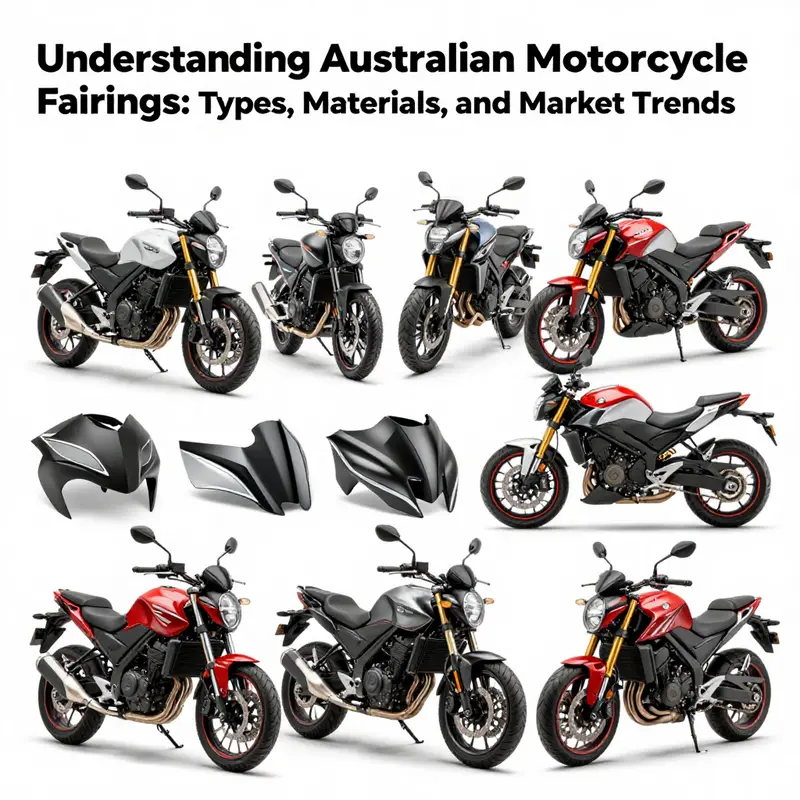
Across Australia’s roads, riders balance wind, weather, and road rules as they twist the throttle. The fairing, a sculpted shield at the front of a motorcycle, sits at the center of this balance. It is more than a piece of plastic or carbon; it is an interface between rider, machine, and environment. In the Australian context, fairings must meet safety and design standards that protect riders, safeguard visibility, and preserve the performance relationships that define a motorcycle’s character. Full, half, and lower fairings describe the core options, with naked bikes offering minimal coverage. Full fairings wrap the front and upper portion of the bike, shaping the wind around rider and engine, and are common on sport and sport-touring machines where aerodynamics contribute to comfort and efficiency. Half fairings shield the rider’s upper body and instruments while leaving much of the bike exposed, a practical choice for touring and ease of maintenance. Lower fairings, when present, help clean the airflow and protect the engine and lower components. Naked bikes emphasize exposure, offering a direct connection to the machine, but many riders still add minimal screens or small fairing elements for wind relief on longer rides. Australia’s regulatory backdrop is shaped by the ADR and the Road Vehicle Standards Act 2018, which require fairings to maintain structural integrity, provide rider protection, and preserve visibility; aftermarket fairings must also meet certification, mounting, and compatibility requirements with lighting and controls. Materials across the market range from ABS for cost-effective durability to polycarbonate for clarity in windshields, and carbon fiber for stiffness and weight savings. UV resistance and durability are important for long Australian rides in sun and heat. Modern fairings increasingly integrate technology such as GPS, phone connectivity, and LED lighting; any electronics must be mounted safely and not interfere with safety systems. The Australian aftermarket scene is robust, with careful installation ensuring proper seals, alignment, and viability of lighting and cooling. Consumers weigh weight savings and protection against added complexity of mounting and regulatory considerations, and prioritize fit, mounting reliability, and electronics compatibility. The ADR framework underpins safer, more controlled riding and fosters ongoing dialogue among regulators, manufacturers, retailers, and riders about how fairings evolve while staying compliant. For practical exploration, seek trusted retailers and installers who understand ADR and local road use; prioritize fit accuracy and compatibility with the bike’s electrical system. External resources such as Motorcycle.com provide broad context on fairing types and performance trade-offs, while official Australian government guidance should be consulted for current requirements and recommendations.
From Shell to Shield: The Material Science Behind Australian Motorcycle Fairings
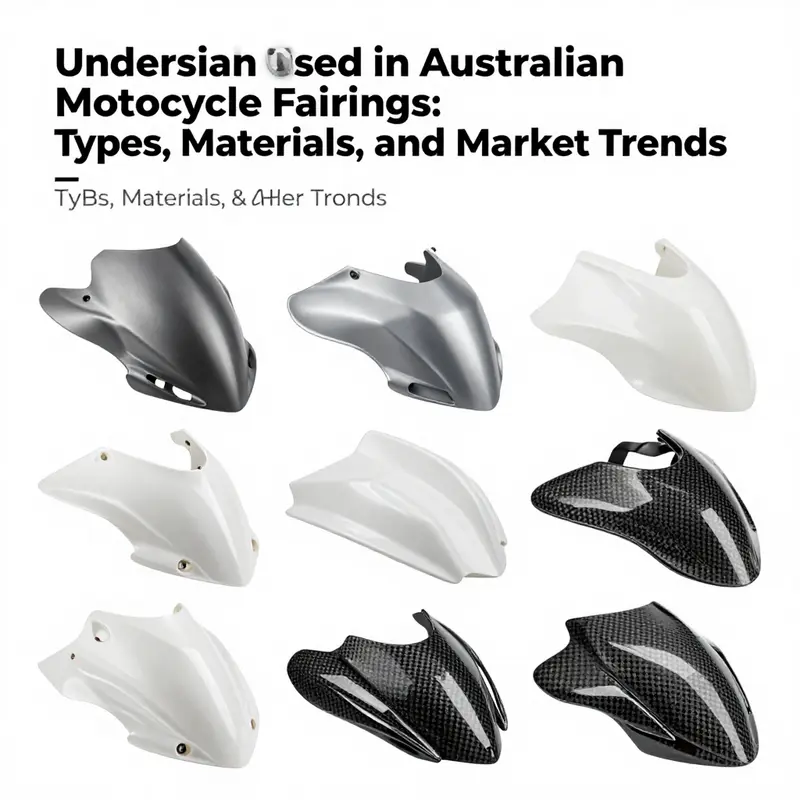
In Australia, motorcycle fairings are more than exterior styling. They are engineered shields that mediate aerodynamics, rider protection, weather exposure, and the integration of increasingly sophisticated electronics. The chapter that follows traces how material choices—primarily ABS plastic, polycarbonate, and carbon fiber—arise from the interplay of safety standards, climate, cost, and riding culture. It is a narrative about trade-offs, not a catalog of options, because every fairing is a systems component. It must contribute to chassis stiffness, shade the rider from heat and wind, protect vital controls, and cooperate with lighting and signaling. In the design space defined by the Australian Design Rules and the Road Vehicle Standards Act 2018, the material story of fairings is inseparable from the regulatory framework that governs how a shell behaves under crash, wind, and sun, how it mounts to the subframe, and how easily it can be repaired or replaced after a field repair or a service interval. The practical implication is a spectrum of materials that reflects both global manufacturing norms and local realities—temperatures that swing from desert heat to coastal humidity, UV exposure that can degrade surfaces, dust, and the practicalities of maintenance in a vast country where riders traverse long distances between service points. The continuing evolution of fairing design, including the integration of turn-by-turn navigation, LED lighting, and sometimes even vehicle-communication features, adds a cognitive layer to the material choice: the shell must not only be strong and light but also compatible with sensors, optics, and electronics that are increasingly embedded in the fairing itself. The Australian market, with its mix of everyday commuters, touring riders, and performance enthusiasts, reflects a pragmatic balance. Abs plastic remains the workhorse for mass-market kits and OEM panels because it offers predictable performance at scale. Polycarbonate has found a home in areas where impact resistance is paramount, especially around windshields and critical protective covers. Carbon fiber has become the badge of high-end or highly tuned builds where weight savings and aesthetic distinctiveness deliver measurable performance gains or a distinctive visual statement. Each material contributes something different to the chapter of a motorcycle’s life—how fast it can accelerate off the line, how well it threads air at highway speeds, how resistant it is to sun damage after a long tour, and how repairable it remains after a roadside incident. The result is not a single recipe but a palette that riders and builders draw from as they imagine their machines in Australian landscapes that range from the red sands of the outback to the misty coastal routes. To understand why ABS, polycarbonate, and carbon fiber occupy distinct roles, it helps to consider the properties that matter most when a fairing is loaded in the real world: impact tolerance, stiffness, weight, surface finish, and the capacity to sustain color and gloss through seasons of sun and rain. ABS plastic, or Acrylonitrile Butadiene Styrene, sits at the center of the Australian fairing ecosystem because it offers a resilient blend of toughness, ease of fabrication, and cost efficiency. When a rider mid-commute encounters grit, a minor drop, or a low-speed collision that might bend a panel, ABS resists deformation with a forgiving energy absorption profile. This quality matters on Australian roads where debris can be common and where speeds on rural highways may expose panels to unexpected impacts. ABS is readily injection-molded into complex shapes, which makes it ideal for OEM and aftermarket full and partial fairings alike. It accepts paint well, allowing a single color theme to be carried across the bike without introducing mismatches that disrupt the visual language of the machine. In practice, ABS panels are typically designed with a thickness that balances stiffness and weight; this reduces the chance of flex that could interfere with the operation of nearby controls or the visibility of instrument clusters. The result is a shell that stands up to daily use, is relatively forgiving during a misstep, and remains affordable to replace when a repair would otherwise be uneconomical. The Australian climate, with its ultraviolet intensity and wide temperature variation, also shapes the performance profile of ABS. Stabilizers in modern ABS formulations minimize ultraviolet-induced embrittlement and yellowing, while clear coats and protective films help shield the surface from color fade and micro-scratches that are part of long rides on sunlit open roads. The front-of-bike area often benefits from a layered approach: an ABS shell, a transparent or translucent protective layer, and sometimes a dedicated UV-resistant coating that helps maintain surface clarity when the sun is directly overhead for hours on end. Polycarbonate, by contrast, offers a different set of advantages that are especially valuable in areas where rider safety is at the forefront. The material’s standout property is impact resistance. A polycarbonate windscreen or critical protective panel can absorb more energy on impact than typical ABS without cracking, which translates to better debris impact tolerance and a higher likelihood that the rider remains protected in a collision scenario. This is not a universal replacement for ABS in whole-body fairings, but it explains why polycarbonate is often chosen for specific components that must withstand high-energy impacts, such as windshields, nose shields, and certain protective covers. The caveat with polycarbonate is that it scratches more easily than ABS and is prone to UV-induced degradation and yellowing if not properly coated or treated. In the Australian context, this means polycarbonate parts must be treated with scratch-resistant finishes and UV-stable coatings to maintain optical clarity and structural integrity over time. The combination of UV exposure and sun-heavy routes makes coatings and protective films not just cosmetic considerations but functional requirements. Carriers of this material sometimes receive a coating layer that minimizes yellowing while preserving clarity, a detail riders notice when the windscreen becomes a focal point of the riding experience. Carbon fiber represents the premium tier in fairing construction. The material’s strength-to-weight ratio is significantly higher than that of plastics, which translates into real gains in handling and energy efficiency, particularly on lightweight or performance-oriented builds. Carbon fiber is also prized for its aesthetics; the distinctive weave and glossy interplays of light are visible markers of performance intent. However, carbon fiber carries a different risk profile. It is more brittle than ABS and can shatter on a severe impact rather than absorbing energy. The cost of manufacturing carbon fiber panels is higher, driven by prepregs, resin systems, and, in many cases, complex curing processes such as autoclave or oven curing. In Australia, where availability of specialized composites is strong in major cities and sport networks, carbon fiber fairings often appear in custom builds or high-end aftermarket kits. They are typically used for key components or entire shells on riders who want weight savings for handling and a high-end visual statement. From a practical standpoint, carbon fiber requires careful bonding to the motorcycle frame and compatible protective measures to prevent galvanic corrosion or surface delamination in humidity-rich environments. The differences among ABS, polycarbonate, and carbon fiber extend beyond performance. They influence repair workflows, replacement timelines, and the environmental footprint of the bike. ABS, for example, is easier to repair with standard plastic welding and heat-based reshaping. This makes it a more forgiving option for routine maintenance or field repairs, an important consideration for riders who travel long distances across regional Australia where access to specialist repair shops can be limited. Polycarbonate repairs can be more delicate because the material is more prone to cracking under bending stress, and any significant resurfacing must be paired with appropriate coatings to preserve optical clarity. Carbon fiber repairs can be particularly challenging, often requiring professional bonding, resin infusion, and careful alignment to maintain structural integrity. This is one reason carbon fiber remains the domain of dedicated workshops and enthusiasts who value long-term weight savings and high-end finishes over straightforward DIY fixes. The regulatory environment in Australia reinforces these material choices through a framework designed to ensure safety, reliability, and roadworthiness. The ADR and the Road Vehicle Standards Act 2018 set the baseline for the design and compliance of vehicle components, including fairings. These rules mandate that fairings contribute to rider protection without impeding visibility or vehicle lighting. They require that materials used in critical areas maintain structural integrity under expected loads and do not introduce hazardous debris in a crash. The design process must account for material behavior in a crash, potential fragmentation, and how the shell interacts with mounting points and adjacent systems. In practice, this means fairings are tested for impact resistance, retention, and compatibility with the rider’s instrumentation and the bike’s lighting. The ability to resist deformation under wind gusts and maintain a stable boundary layer around the rider is part of the regulatory conversation, as is the need to avoid unintentional interference with turn signals and headlamps. The regulatory lens also shapes the development of aftermarket fairings. While ABS remains the most widespread material due to cost efficiency and manufacturability, the market for polycarbonate and carbon fiber components has matured in Australia, with vendors offering high-end kits for riders who demand enhanced safety margins or a performance aesthetic that sets their machine apart. It is not just about material selection but about how those materials are integrated into the bike’s broader architecture. For example, a fairing kit might be designed to accommodate built-in navigation or LED lighting and still maintain regulatory compliance. The integration of electronics—such as turn-by-turn navigation, Apple CarPlay compatibility, and other advanced display systems that appeared in model updates by 2026—requires careful planning around cable routing, heat management, and sensor placement. The fairing must provide secure channels for data and power while avoiding interference with bike sensors and the rider’s view. From a practical rider’s perspective, the material choice affects maintenance routines and long-term ownership costs. ABS is forgiving in everyday life: it tolerates scratches, can be touched up with typical automotive paints, and offers a broad ecosystem of repair strategies through both OEM channels and aftermarket suppliers. Polycarbonate demands extra diligence in care: UV protection through coatings and protective films helps keep the surface clear, and attention to scratch resistance minimizes the need for early replacement of critical visibility components. Carbon fiber, in its own tier, requires recurring investments in both materials and craftsmanship. It rewards the rider with improved handling and a unique presence on the road but requires a longer-term commitment to skilled maintenance and careful storage to protect surface finishes and avoid micro-cracks that can propagate under stress. Across this spectrum, the Australian market demonstrates a clear preference for solutions that balance safety, cost, and practicality. ABS remains the default for everyday riders who need reliable protection at a lower price point, while polycarbonate is deployed where extra impact resistance matters most, and carbon fiber is reserved for those seeking the top-tier performance and aesthetics that can justify the higher cost. The conversation around fairings in Australia also touches on broader environmental and lifecycle considerations. The end-of-life handling of composite materials like carbon fiber is more complex than with traditional plastics; recycling streams for carbon fiber-reinforced polymers are evolving, and this feeds back into decisions about materials in new bike builds and replacements. In many cases, riders and workshops weigh not just the initial weight and cost but the long-term implications of disposal and repair in a country with a broad geography and diverse environmental priorities. On the topic of practical integration, readers might look to real-world examples of how a typical Australian rider selects a fairing kit. The decision begins with evaluating the climate and riding profile: frequent highway commutes with long distances, seasonal sun exposure for extended tours, and the need for reliable, durable finishes that last across years. It then moves into assessing the mounting scheme, the compatibility with stock or modified dashboards, and the availability of after-sales support. The design narrative continues with a careful consideration of optics and lighting. Fairing-integrated lighting is increasingly common, enabling riders to combine aerodynamic shaping with illumination that remains visible in glare and bright sun, a crucial factor for safety. The materials chosen affect the performance of these added elements as well. A polycarbonate windscreen, for instance, must remain clear to prevent glare at high speeds, while the edge finishes and coatings must resist micro-scratches that can obscure the light path over time. In turn, carbon fiber panels must be finished with coatings that protect the weave from UV degradation without dulling the surface or compromising light transmission through any integrated translucent sections. A final thread in the material story concerns customization and the culture of personal expression that characterizes many Australian riders. The availability of aftermarket fairings, the possibility of color-matched finishes, and the opportunity to build a unique appearance all rely on a base of materials that can be shaped, joined, and finished in predictable ways. ABS’s broad compatibility with standard paints and its ease of modification make it a favored substrate for custom paint jobs and graphic detailing. Carbon fiber’s aesthetic is often part of the appeal, but its production realities mean owners weigh the value of the visual statement against the practical costs of customization or repair. The narrative thus moves beyond material science into craft: skilled builders in Australia repeatedly translate global manufacturing capabilities into local realities, shaping and refining fairing designs to meet ADR constraints while honoring rider expectations for safety, performance, and style. Readers who want a concrete sense of how these materials appear in the market can explore example configurations and collections that reflect the region’s supply chains and design preferences. For a practical glimpse into how fairings are categorized and offered within the Australian market, see the Yamaha fairings collection. This reference helps illustrate how a single brand and its network of suppliers present a coherent range of components across ABS, polycarbonate, and carbon fiber options, while aligning with the regulatory expectations described above. The look and feel of these components—whether a streamlined silhouette with a high-gloss finish, a more rugged matte texture designed to hide minor abrasions, or a carbon-fiber weave that catches the eye on a sunlit highway—embody a balance of form and function that defines fairings in Australia today. In sum, the material choices for aus motorcycle fairings reflect a layered decision-making process. ABS remains the default for broad accessibility and reliable performance, with polycarbonate stepping in where enhanced impact resistance is essential for critical sections. Carbon fiber occupies the premium corner for riders who prize weight reduction, stiffness, and a distinctive aesthetic, understanding that the cost and repair considerations are higher. The regulatory framework anchors these choices in a shared commitment to rider safety, visibility, and the integration of modern electronic features. The result is a market that can deliver reliable, compliant, and customizable shell systems across climates and road conditions, while inviting riders to participate in a culture of practical engineering and personal expression. For readers seeking further technical and regulatory context, the Australian government maintains official resources outlining the design and safety standards that govern the integration of fairings with motorcycles on Australian roads. These resources provide a framework within which manufacturers, dealers, and riders operate, ensuring that designs not only look and feel right but also perform reliably when it counts. External resource: https://www.infrastructure.gov.au
Wind, Weight, and Will: How Australian Motorcycle Fairings Shape Safety and Performance
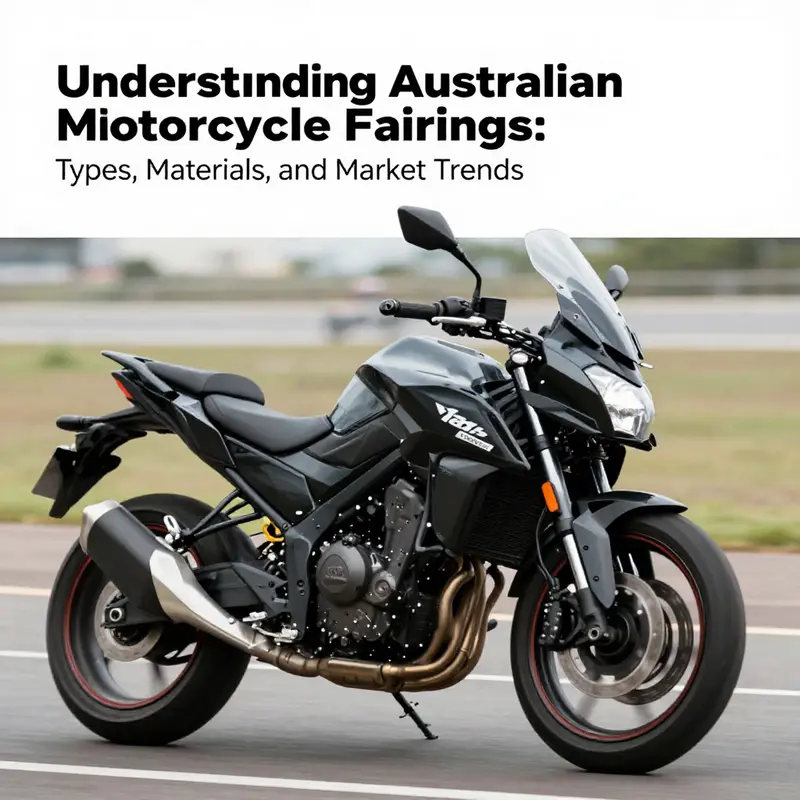
Across the vast, sunlit roads of Australia, riders face a blend of conditions that test both machine and endurance. The fairing on a motorcycle is more than a stylish shell; it is a carefully engineered shield against the elements and a facilitator of efficient, safer travel. When the rider slides into the wind, the fairing acts as a partner in propulsion, a profile that guides air smoothly around the bike rather than a barrier that stalls progress. In the Australian context, where long-distance journeys and sustained high-speed cruising are common, the design and compliance of fairings become a matter of practical safety and measurable performance. This chapter traces how fairings influence aerodynamics, rider protection, and overall riding experience within the regulatory framework that governs Australian road transport, and it shows how this knowledge translates into better choices for riders and workshops alike.
At the heart of the discussion is aerodynamics. A fairing that covers the upper front section of the motorcycle—from the headlight area up to the handlebars and instrument cluster—manages the boundary layer of air as the machine moves forward. In straight-line cruising, and especially at higher speeds, a well-shaped fairing reduces drag, allowing the engine to work more efficiently. The result is not merely a theoretical gain; it translates into tangible improvements in fuel economy and throttle response on long rides. When riders undertake cross-country trips or zipping along the Western highways, even small gains in wind management accumulate into meaningful fuel savings and smoother handling. In practical terms, a fairing that directs air smoothly past the rider also curbs the buffeting that can destabilize posture and attention. A calmer cockpit means fewer micro-adjustments and less fatigue over hours in the saddle, which French physicist Claude Debussy might have called a quiet efficiency—an efficiency born from the design language of the bike’s own silhouette.
The stability afforded by a properly contoured fairing is especially noticeable in Australia’s open-road conditions. Aides to balance, such as a thoughtfully integrated windscreen and side panels, help the machine remain stable in varied gusts and crosswinds. The rider’s head and torso sit in a protected field behind a partially shielded aperture, which means the body experiences lower wind pressure and less direct exposure to chilling rain or airborne debris. This protective role goes beyond warmth. In a long ride, consistent wind pressure can sap a rider’s concentration. By smoothing the airflow and limiting turbulence around the rider’s upper body, fairings indirectly contribute to quicker decision making and steadier reaction times. The result is a safer riding session in which fatigue has less foothold and attention remains sharp for longer stretches.
A further layer to safety comes from the integration of modern technology and lighting into fairing design. Contemporary fairings increasingly embed features such as advanced LED lighting and, in some cases, built-in navigation or connectivity systems. This integration serves multiple safety functions. Bright, well-placed running lights and indicators improve visibility to other road users in low light or deteriorating weather, while in-car or device connectivity can provide turn-by-turn guidance that minimizes the rider’s need to look away from the road. In a country where remote stretches demand careful planning, these enhancements can translate to fewer last-minute navigation maneuvers and a more focused riding posture. It is notable that this functional evolution aligns with global best practices in fairing design, where electrical integration is treated as a performance and safety feature, not merely a cosmetic one.
Material choices play a decisive role in how a fairing performs in the real world. Australian-market fairings typically rely on ABS plastic, polycarbonate, and carbon fiber composites. ABS offers impact resistance and cost efficiency, which makes it a practical choice for mass-market fairings and aftermarket replacements. Polycarbonate provides improved toughness and transparency in headlamp areas, lending resilience to the fairing face and air intakes, while carbon fiber brings high strength-to-weight performance. The weight reduction achieved with carbon fiber can contribute to improved handling and acceleration, though cost and production practicality must be weighed. Each material addresses a different balance of stiffness, resilience, and flexibility in crash scenarios, which matters for rider safety in anything from urban commutes to highway blasts. The broad spectrum of materials enables a spectrum of fairings—from lightweight, sport-infused designs to robust touring configurations—so riders can select a form that mirrors their riding ambitions and the road conditions they expect to encounter.
Beyond materials, the mechanical performance of a fairing rests on its fit and structural integrity. The Australian road environment calls for fairings that stay secure through vibrations, weather exposure, and the occasional encounter with debris. A well-engineered fairing not only provides a shield for the rider but also maintains alignment with lights, indicators, and mirrors. In this sense, the design must acknowledge that the rider’s visibility, and that of other road users, hinges on a reliable lighting system; thus, fairings are engineered to avoid obstruction or misalignment of headlights, turn signals, and instrument clusters. Compliance with safety standards and design rules is a practical discipline in the workshop and showroom, ending in products that perform as advertised rather than promising what they cannot reliably deliver.
The regulatory backdrop for fairings in Australia is rooted in the country’s safety standards and road-vehicle governance framework. The ADR, in concert with the Road Vehicle Standards Act 2018, creates a baseline for structural integrity, visibility, and lighting that the fairing must respect. This means designers and manufacturers cannot simply shape air to glide over the bike; they must ensure that the fairing does not impede essential safety functions. For example, the fairing’s shape cannot obscure the rider’s line of sight or interfere with headlamps, daytime running lights, or indicators. Retrofitting an aftermarket fairing adds another layer of consideration: it must be installed in a way that preserves the vehicle’s original safety architecture and does not introduce sharp edges or new points of impact. In practice, this translates to a rigorous fitment process and, often, professional installation to guarantee that performance gains do not come at the expense of safety.
In addition to safety and performance, the fairing ecosystem in Australia has evolved with the practical realities of riders who want more from their motorcycles. Aftermarket fairings have surged in popularity, offering a spectrum of aerodynamic forms, aesthetic styles, and integration options. The choice is seldom only about look; it encompasses wind protection, turbulence management, and compatibility with accessories like GPS mounts and navigation screens. The best aftermarket options are those that respect the core principles of fairing design: they must be lightweight yet sturdy, aerodynamically coherent with the bike’s general geometry, and adaptable to a rider’s specific needs, including riding position, saddle height, and cockpit preferences. In many cases, riders find that a carefully selected aftermarket fairing complements the stock configuration, delivering a blend of performance and personal expression without compromising safety or compliance.
For riders who approach fairings as a path to efficiency and confidence, it helps to anchor decisions in a shared understanding of the physical realities at play. The wind is not a passive force but a complex, dynamic field that interacts with the bike, rider, and road. A fairing’s effectiveness emerges from how well it choreographs that air—the way it blends with the rider’s posture, the bike’s geometry, and the speed regime common to Australian touring routes. When the wind is managed well, fuel economy improves because the engine is not forced to fight excess drag at high speeds. At the same time, the rider encounters less wind pressure on the chest and arms, which reduces fatigue and keeps upper-body muscles available for steering and balance. The cumulative effect is a riding experience that feels more composed, with a subtle but meaningful rise in confidence during long, uninterrupted stretches where concentration is the currency of safety.
The human dimension of fairing design cannot be overlooked. The rider’s position, seating comfort, and line of sight interact with aerodynamic forces in subtle ways. A fairing that is too aggressively sculpted can channel air toward sensitive areas, increasing buffeting or causing the rider to lean into an uncomfortable posture to compensate. Conversely, a fairing that emphasizes rider comfort through a well-thought-out wind break can reduce the muscular strain of steady acceleration and long-range cruising. This human-centered aspect of fairing design aligns with broader safety research, which recognizes that rider fatigue is a risk multiplier. Better aerodynamics and reduced fatigue correlate with higher levels of attention, quicker hazard recognition, and, ultimately, safer riding choices. In the end, fairings are not merely aesthetic devices; they are functional tools that shape the rider’s mental model of the ride—how predictable the wind feels, how stable the bike remains, and how much mental bandwidth remains for scanning the road and responding to changing circumstances.
The ecosystem surrounding fairings—manufacturers, retailers, and installers in Australia—reflects a market that values performance and safety without sacrificing practicality. Availability of full fairings for touring and sport-touring platforms provides options for riders who cover long distances and want both protection and speed. Partial fairings remain popular on naked bikes and café-racer-styled machines, where the goal is more about accessibility and control than total wind protection. The presence of a range of materials allows a rider to choose based on how aggressively they ride, where they ride, and what they expect to endure in terms of road debris, weather, and maintenance tolerance. As with any major component, the installation follows a careful sequence: check the mounting points, verify that electrical and lighting alignments are preserved, and confirm that the fairing does not obstruct the rider’s field of view or block cooling air to the engine. The installation ethos is resilience and safety, not speed or flash alone.
A practical takeaway for riders planning fairing upgrades is to consider both the intended riding profile and the regulatory context. For weekend warriors who chase twisty backroads or cruise the coastal highways, a fairing that reduces fatigue and stabilizes the ride can be as valuable as any acceleration boost. For professional or long-haul riders, the fuel economy and reduced mental load from stable aerodynamics can translate into meaningful time savings and safer journeys. In workshops and shops, the emphasis remains on quality fit, correct material choice, and a clear understanding of how the fairing interacts with the bike’s electrical system, lighting, and suspension components. While the design language evolves—embracing integrated navigation, lighting innovations, and sometimes even carbon composites—the governing principle is the same: any fairing introduced to an Australian motorcycle should make the ride safer, more efficient, and more enjoyable without compromising the vehicle’s built-in safety features.
For readers who want a richer, platform-specific sense of how fairings fit into real-world builds, one can explore collections that illustrate compatibility and design philosophy across common sport and naked-bike platforms. For example, the Yamaha fairings collection showcases a spectrum of forms that highlight how fairings adapt to different chassis geometries, rider positions, and aerodynamic goals. This kind of resource helps riders and technicians translate theory into practical choices, ensuring that upgrades deliver predictable, repeatable results aligned with safety and ADR standards. The broader takeaway is that well-considered fairing upgrades are a form of risk management, extending protection from wind and debris while preserving, or even enhancing, the rider’s ability to perceive and respond to the road ahead.
The story of aus motorcycle fairings is thus not merely about shells and shapes. It is about a careful synthesis of aerodynamics, material science, regulatory compliance, and human factors that together determine how safely and enjoyably Australians ride. When done well, fairings enable longer journeys with less fatigue, provide reliable protection against the elements and road spray, and offer a canvas for riders to express personal style without sacrificing the critical, safety-driven aspects of motorcycle performance. To keep pace with evolving technologies—such as integrated navigation and advanced lighting—riders can lean on trusted design principles: maintain visibility and control, respect the vehicle’s electrical and lighting architecture, and prioritize installation quality and regulatory compliance. In this way, the journey through the wind becomes not only a test of speed or distance but a disciplined practice in safety, efficiency, and riding comfort. For those who seek deeper technical grounding on how fairings influence industrial and mechanical performance, a broader resource provides a comprehensive, technical perspective that aligns with the themes discussed here: https://www.bikeexif.com/2026/02/03/motorcycle-faring-types-properties-and-how-it-enhances-industrial-performance.
Within this broader context, the journey through fairings in Australia remains a dynamic dialogue between design sophistication and practical safety. The fairing is a continuous invitation to optimize air for protection and efficiency, to balance rider comfort with performance, and to align with standards that ensure that every ride remains a step toward a safer, more confident future on the road. And as riders explore aftermarket options and OEM-inspired configurations, they do so with a clearer view of how each choice translates into the real-world experience of wind, weight, and will on Australia’s expansive and varied roads. The result is a riding culture that values not just speed or aesthetics, but the nuanced interplay between aerodynamics, safety, and the human capacity to stay alert, focused, and in control mile after mile.
Riding the Edge: Australian Motorcycle Fairings Market Trends
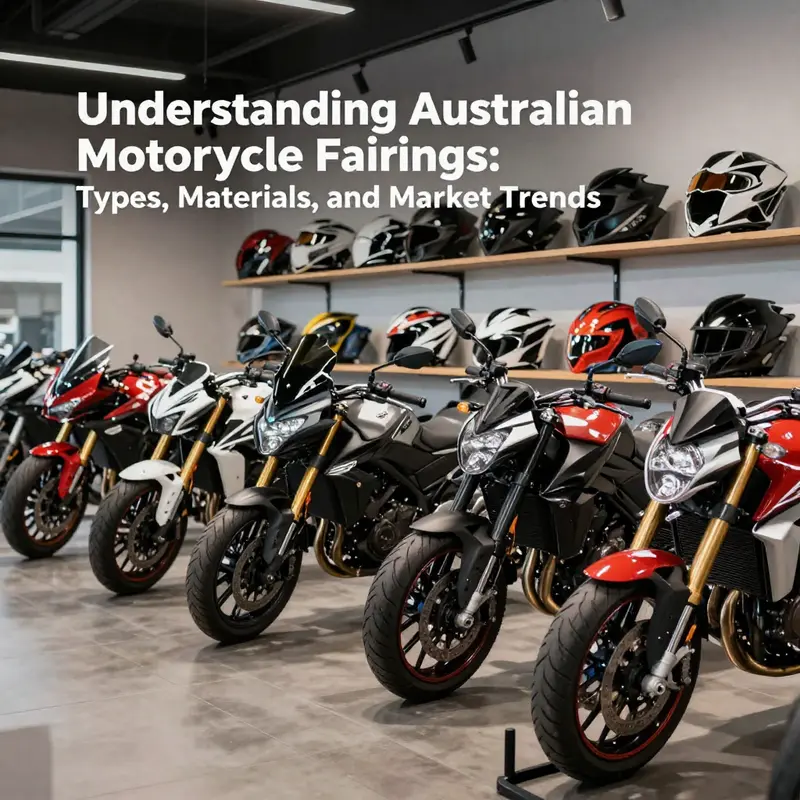
The Australian market for motorcycle fairings sits at a crossroads where safety, performance, and personal expression meet a regulatory framework that governs impact resistance, weather protection, and rider visibility. Far from being mere cosmetic panels, modern fairings are precision components that shape aerodynamics and shield vital systems.
The regulatory baseline includes the Road Vehicle Standards Act 2018 and Australian Design Rules, which require fairings to retain structural integrity under impact, protect riders from debris and weather, and not interfere with lighting or visibility. Designers and manufacturers must ensure compliance for both OEM and aftermarket products.
Market growth is tied to demand for aerodynamic efficiency and customization, driven by sport and touring riders who seek high performance with long-haul comfort. A well-designed fairing can reduce drag, minimize buffeting, and improve fuel efficiency and high-speed stability.
Materials such as ABS plastics, polycarbonate composites, and carbon fiber each offer tradeoffs in cost, weight, stiffness, and durability. In Australia, resistance to road debris, climate exposure, and modularity requirements influence material choices and the adoption of lightweight, repairable solutions.
Modularity and customization are increasingly important. Half-fairings, modular subassemblies, and integrated lighting enable riders to tailor aerodynamics and aesthetics without full bodywork replacements. Smart integrations—lighting, sensors, and data conduits—are moving from niche research into mainstream production, supporting safety and rider information.
From a safety and regulatory perspective, fairings must not obscure visibility or compromise lighting and signaling systems. Daytime running lights, proper light dispersion, and integrated indicators must be implemented with regulatory compliance in mind. Standardized mounting points and robust testing, including impact simulations, help ensure aftermarket units stay aligned with safety expectations.
Aesthetics remain a strong driver of demand, with a focus on clean lines, refined edges, and cohesive lighting. Designers balance visual appeal with drag reduction and flow control to deliver forms that feel inevitable without sacrificing performance.
Smart integration is expanding, with advanced lighting, data connections, and cockpit interfaces that enable navigation and vehicle information access without distracting the rider. The challenge is to keep these features as an extension of the aerodynamics and silhouette, avoiding glare or cognitive load that could divert attention from the road.
The growth outlook points to a CAGR around 12.3 percent from 2026 to 2033, reflecting continued emphasis on performance, customization, and safety. Local realities such as climate variability and road infrastructure shape product strategy, while modular design and smart features help manufacturers differentiate offerings and provide easy upgrades.
Australian supply chains rely on a mix of domestic production, regional assembly, and imports. Standardized mounting systems and service-friendly designs reduce downtime and support aftermarket fitment across a wide range of bike frames and configurations.
In summary, Australian fairings are evolving toward modular, intelligent platforms that blend lightweight engineering with safety and personalization. The convergence of standards compliance, material innovation, and rider expectations is driving safer, more expressive products that enhance the riding experience. The Kawasaki fairings collection offers a practical example of modular, performance-focused design at https://www.summitfairings.com/collections/kawasaki-fairings
Final thoughts
The motorcycle fairing landscape in Australia is evolving, driven by consumer demands for performance, safety, and customization. Business owners must stay ahead of the curve by understanding the types of fairings available, the materials that ensure durability and efficiency, and the critical role fairings play in rider safety. As market trends continue to shift towards technologically integrated and aesthetically pleasing designs, those in the motorcycle industry will benefit from adapting to these changes. Integration of modern features will not only meet regulations but also enhance user experience, securing a competitive edge in the ever-growing market.