
Motorcycle fairings are more than just stylish enhancements—they serve essential functions in improving performance, durability, and rider comfort. As the market evolves, particularly in Australia, understanding the types, materials, and advantages associated with motorcycle fairings becomes crucial for business owners in the industry. This article presents a thorough review of Aus motorcycle fairings, examining various types, material compositions, industrial performance, functional benefits, and the latest market trends. Each chapter is designed to provide insights that help you make informed decisions to enhance your offerings in this competitive market.
Riding the Wind: A Deep Dive into Aus Motorcycle Fairings—Types, Materials, and Market Dynamics
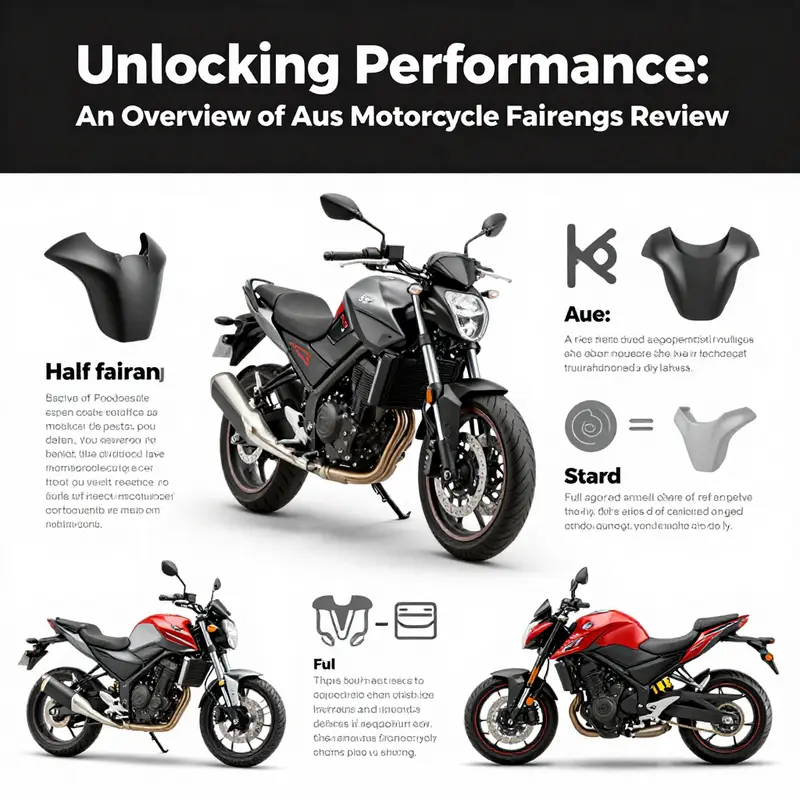
On long Australian highways, the wind is a constant companion, and the choice of fairing can determine how comfortable the ride feels after hours in the saddle. Fairings are not cosmetic skin; they are engineering elements that influence aerodynamics, engine protection, and even the rider’s sense of control at speed. Within the broad family, the half fairing has become a practical mainstay for many riders who need a blend of shelter and reach. It shows how design decisions translate into real-world performance, especially in a market where riders balance commuting with spirited weekend rides and where weather can shift from sea breeze to inland sun in minutes.
Half fairings cover the upper front portion of the bike, typically extending from the headlight to the instrument cluster. They offer weather protection for the exposed engine bay and exhaust, reducing the ingress of rain, grit, and spray while maintaining the visual continuity of the bike’s front end. Crucially, they also bend airflow in a way that steadies the bike’s front end, softens buffeting, and contributes to better fuel economy by shaving drag where the rider sits. For riders whose aim is to preserve a sense of naked-bike openness, a half fairing can be a satisfying middle ground: enough shielding to feel secure at highway speeds, but not so enclosed that the bike loses its light, responsive feel.
Beyond half fairings, full fairings still dominate the sport and track-oriented silhouettes. They encapsulate the entire front and sides, sculpting a smooth aerodynamic path around the rider and machine. The aesthetic language shifts with the design: tight radii, aggressive intakes, and sculpted belly panels that read as speed even at rest. Yet the market in Australia and its trading partners often tilts toward fairings that can be adapted for road use rather than purpose-built race shells. In this context, the half fairing example demonstrates how the practical needs of daily riders—ease of maintenance, accessibility to controls, and repairability after a tumble—are as important as the wind-cutting features that racing engineers chase.
Materials and manufacturing technologies underwrite these practical outcomes. While the provided materials do not detail every resin or composite body, the working picture is clear: modern fairings rely on advanced polymers injected into precision molds. The injection-molding process allows tight tolerances, consistent thickness, and the ability to embed features such as mounting bosses and vent channels without heavy post-processing. UV-resistant coatings guard the surface against sun-induced fading, a common concern for outdoor use across the vast Australian climate. Automated painting lines ensure a repeatable finish, so color and gloss remain stable across many seasons of exposure. The choice of resin system, whether it is a tough polyamide or a glass-filled blend, couples with lattice-like internal ribbing to deliver a balance of stiffness and impact resistance. That stiffness matters not just for aerodynamics but for durability in everyday riding, where occasional tips or gravel encounters test the shell’s integrity. In all, the material choices are not just about weight or appearance; they dictate heat management in the engine bay, noise transmission to the rider, and the ease with which the fairing can be repaired after minor damage.
On the industrial side, the global supply chain for motorcycle fairings has matured in Asia, with China playing a central role. Guangdong Province, with its hubs around Guangzhou and Foshan, and Zhejiang Province have become the focal points of automotive and motorcycle component production. The ecosystem in Guangdong, in particular, has evolved into a highly integrated network that can compress lead times through vertical integration. Suppliers are positioned with bonded warehouses near important ports, and the logistics fabric supports flexible delivery terms such as Delivered Duty Paid for international buyers. This package—local manufacturing, tight process control, and efficient logistics—helps explain why, for many B2B customers, the path from design to doorstep becomes markedly shorter when choosing a Guangdong-based partner. The narrative extends beyond speed to reliability: shorter lead times translate into lower carrying costs, quicker response to design iterations, and more predictable inventory for dealers and workshop networks in Australia. In a market where fleets of spare parts and fairings are required to keep bikes on the road, this efficiency is not a luxury but a practical necessity.
From the rider’s perspective, the preference for half fairings often aligns with a balance of aesthetics, climate, and riding style. Sport-touring machines benefit from some wind protection without losing the sensation of rider input and bike feedback. Commuters value protection against road spray and bugs on longer circuits, along with the potential for modest fuel savings through improved aerodynamics. The decor fairing, which exists at the more cosmetic end of the spectrum, is a reminder that appearance matters to buyers and shops alike, even though its impact on performance is comparatively small. The challenge for Australian buyers is to harmonize these choices with import costs, local serviceability, and the availability of replacement parts when a panel suffers damage. The Guangdong-based supply chain, with its ability to deliver components and sets quickly, makes it feasible for workshops to stock the most commonly used half fairings and related trim pieces, reducing downtime for riders who want their bikes back on the road soon after a collision or a drop.
To illustrate how a typical riding population might navigate these choices, consider how one may explore the spectrum of fairing families and visual language. For riders who want to compare styles and mounting schemes, the Honda fairings collection offers a clear reference for the range of shapes and fitments you are likely to encounter in mainstream aftermarket options. Honda fairings collection acts as a touchstone for understanding how form follows function across multiple models, what mounting points look like, and how color and texture choices interact with the underlying panels. While the destination is not the final arbiter of every decision, it helps create a mental map of compatibility, maintenance, and future upgrade paths. In practice, the Australian market benefits from this kind of clarity because it reduces the friction of cross-border sourcing and streamlines serviceability across workshops that rely on a familiar hardware footprint.
Ultimately, the fairing landscape that suits Australia’s riders is a blend of form, function, and a resilient logistics network. The split between fairing as a weather shield and as an instrument of performance remains a living conversation: designers push for lighter materials and more integrated venting to keep engines cool during long summer rides, while suppliers pursue resilient finishes that resist sun and salt air. The Australian climate—hot sun inland, coastal moisture, and occasional heavy rain—tests coatings and joint seals as much as any aerodynamic test rig. In that sense, the material and manufacturing decisions described in the broader Asian supply chain are not abstract supply-chain trivia; they are the practical language that explains why a half fairing can feel like an upgrade in daily life and still hold up under the rigors of long-distance travel and family weekend escapes. The result is a category that remains robust, capable of adaptation, and deeply relevant to riders who want efficiency without surrendering character.
Looking ahead, the success of fairings in Aus markets will likely hinge on the same triad that has governed their development for years: refined aerodynamics, durable materials, and supply-chain reliability. As manufacturers in Guangdong, Zhejiang, and their sprawling networks continue to converge on quality-control standards and customization options, riders can expect more precise fits, better paint outcomes, and faster restocks after minor damage. The Australian climate demands that coatings endure sun, sea spray, and occasional abrasion from maintenance work, and the supply chain’s emphasis on automation and testing translates directly into tangible benefits on the road. The fairing, in short, is not a one-off accessory but a dynamic interface between machine and rider, shaping how a bike moves through air and how a rider grows more confident with the road beneath it.
External resources and broader aerodynamic principles can enrich this understanding, offering context for the choices that appear in showrooms and workshops. For readers seeking more technical grounding, the study of aerodynamics—how surfaces interact with air to reduce drag and manage lift—ties directly to how fairings are shaped and chosen. This is a reminder that the fairing is not merely a shell but a carefully tuned component that reconciles engineering with the realities of road use, weather, and personal riding goals. External reading can deepen the appreciation for what is on offer and what is still under development as technologies move forward. Further reading: https://en.wikipedia.org/wiki/Aerodynamics
Shaping Safety and Style: Material Choices and ADR Standards in Australia’s Motorcycle Fairings
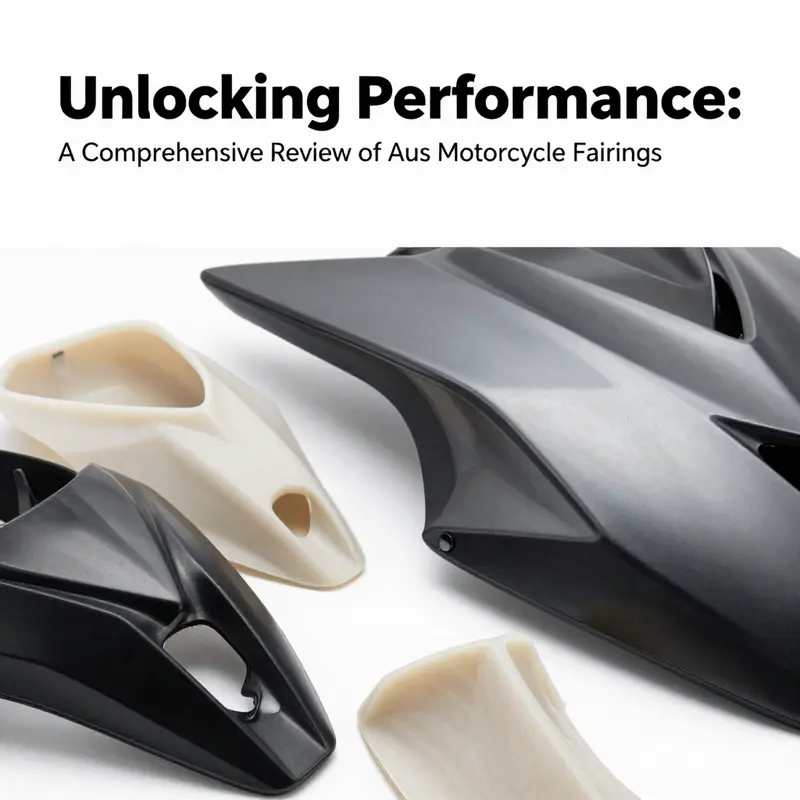
Australian riders encounter a landscape where performance, weather resilience, and rider protection must converge in a single component set: the motorcycle fairings. Far from being merely cosmetic, fairings in the Australian market are expected to endure arid heat, coastal humidity, and sudden downpours, while also maintaining predictable behavior in urban traffic and long-distance touring. In this sense, the chapter on material composition and standards reads less like a catalog and more like a practical guide to how Australian riders get the most from their machines. The conversation begins with the materials themselves. The two most common thermoplastics used in fairings across Australia are ABS and polypropylene. ABS is prized for its high impact resistance and surface hardness, qualities that help a fairing resist hail, road grit, and the frequent pummeling from gravel patches on rural highways. PP, on the other hand, delivers an advantageous strength-to-weight ratio and excellent fatigue performance, which translates to durable panels that flex rather than crack under mild impacts or vibrations from uneven pavement. Together, these materials form a balanced foundation for fairings that must survive Australia’s regional variability—from temperate coasts to red-dirt inland corridors. In practice, designers often select ABS for intricate shapes and high-gloss finishes, while PP finds favor where cost pressures or longer service life are priorities. The combination allows for complex geometries needed for effective aerodynamics and engine ducting, while still keeping the weight burden manageable for handling, vibration damping, and fuel economy. The Australian climate also places emphasis on weather resistance. UV exposure is a constant concern, and the long daylight hours can degrade surface finishes and plastics over time. To combat this, surface treatments and UV-resistant coatings are employed as standard practice in modern manufacturing and on imported components destined for Australian markets. These coatings are not merely cosmetic but essential to preserving color fastness, gloss retention, and panel integrity when exposed to direct sun for extended periods. The result is a fairing that stays visually and physically stable across seasons, a quality riders quickly notice on day trips into the sun or long highway stints with a low sun angle. Material choice also influences aerodynamic performance, an aspect inseparably linked to engine cooling and fuel efficiency. The Australian environment often compels riders to chase efficiency more aggressively, given the need to cover long distances with variable payloads and the potential for hot engine temperatures in coastal heat waves. A thoughtfully engineered fairing reduces drag around the front end, guiding air to the radiator or cooling pipes while minimizing turbulent wake that can rob stability at highway speeds. The interplay between material properties and aerodynamics becomes a practical design constraint: a panel must be stiff enough to hold its shape under gusts and wind pressure while remaining flexible enough to absorb minor impacts or flex without transmitting harmful vibrations to the rider. This balance is particularly relevant for half fairings, which are common on sport-touring and commuter motorcycles. They provide front-end protection without the full enclosure of full fairings, an arrangement many riders prefer for a more open riding feel and easier maintenance access. In this context, the material system must deliver both protection and weight efficiency, protecting critical components such as the engine and exhaust outlets while helping manage airflow around the engine bay. The Australian market also contends with a sophisticated import and distribution network. While many components are manufactured in Asia and shipped into the country, the standards applied are clear and rigorous. Components must meet safety expectations that align with international testing practices, including those from ISO and SAE guidelines. Australian regulators emphasize crashworthiness and structural integrity, ensuring that fairings do not detach or become hazardous in a collision and that their deformations remain within safe limits. In particular, ADR-based requirements focus on rider protection, with provisions to avoid sharp edges or protrusions that could injure a rider in a crash. This commitment to safety is not only a regulatory checkbox; it is a practical factor for manufacturers and retailers who must provide reliable, clearly documented products. The ADR framework also drives design decisions around aerodynamics and airflow. When a fairing is designed to minimize drag, it also must avoid introducing cooling bottlenecks or flow disruptions that could raise engine temperatures or reduce performance. These dual considerations—safety and performance—shape how Australian suppliers select materials, apply finishes, and validate their products. To ensure that these choices translate into real-world reliability, testing and compliance play a central role. ADR compliance is typically demonstrated through a combination of laboratory testing and third-party verification. Components are subjected to standardized tests that assess impact resistance, rigidity, and edge safety, as well as performance metrics related to aerodynamics and cooling. While specific test laboratories and brands may vary, the underlying principle remains consistent: fairings sold in Australia should meet established safety and performance targets before they reach riders. Accredited laboratories perform a battery of ISO- and SAE-referenced tests to verify crashworthiness, structural integrity, and durability. Documentation from these tests accompanies products or is available upon request, giving buyers confidence that the parts have been evaluated under internationally recognized procedures. For retailers and aftermarket suppliers, this verification is crucial. They must provide documentation that ADR compliance is met and that fasteners, adhesives, and mounting hardware are compatible with the specific fairing design. The process also extends to the installation environment. Australian installers often emphasize the importance of following manufacturer-approved fasteners and adhesive systems to preserve structural integrity and to maintain the intended crash and weather protections. This is not merely a matter of compliance but a practical approach to ensuring that components retain their designed performance over the life of the motorcycle. In a market where visibility and aesthetics matter, a credible ADR-compliant finish also helps preserve resale value and rider confidence. The fairing’s appearance—color uniformity, gloss, and defect-free surfaces—contributes to a perceived level of safety and reliability. Consumers can look for clear ADR documentation, test reports, and credible lab certifications when assessing products online or in-store. The industry has adapted to this emphasis on safety by organizing content and product pages to emphasize compliance, with comprehensive data sheets and downloadable test results. For consumers seeking practical help in narrowing choices, a reliable path is to examine the product documentation rather than relying solely on imagery. The documentation should detail material composition, surface treatments, and compliance with ADR 24A, which focuses on protecting the rider’s head and upper body where impact is most likely in a collision. Although ADR 24A is a broad safety framework, it explicitly addresses the risk of sharp edges and protrusions that could cause injury. In addition to edge safety, riders benefit from fairings designed to minimize aerodynamic drag while preserving proper airflow, engine cooling, and radiator access. Designers must reconcile these factors with the need for a robust, impact-resistant shell that can survive typical Australian road hazards. This reconciliation often reveals itself in the way a fairing is constructed: multi-layered panels that combine a tough outer shell with energy-absorbing cores or reinforcements; edges that are carefully rounded; and mounting points that distribute loads efficiently to prevent sudden detachments or fissures. The manufacturing and sourcing narrative, though global in scope, anchors itself in the Australian context through responsibility and quality control. Even as the supply chain remains heavily integrated with Asian manufacturing hubs, the end product bears the mark of Australian safety expectations. The result is a market where riders can expect durable, well-finished fairings that respect ADR criteria and deliver sustained performance across long-distance riding, urban commutes, and sport-inspired flights of speed when conditions allow. For those seeking to see how this translates into real-world options, exploring a broad catalog of fairing designs through a general collection page can provide a sense of the shapes and finishes available while keeping safety at the forefront. In practice, retailers curate these collections to balance aesthetic options with verified safety credentials, ensuring that the most visible part of the motorcycle does not compromise rider protection. To connect the practical with the cataloging behind the scenes, consider a catalog that presents a variety of fairing styles and generations, enabling riders to compare how materials, finishes, and compliance details align with their riding needs. For readers seeking a concrete example of the range in a single online space, explore the Honda fairings collection as a way to gauge how manufacturers balance form and function across different models and years, while still adhering to Australian safety expectations. Honda fairings catalog serves as a representative reference point for understanding how formal product lines translate into compliant, durable components that appeal to riders with diverse needs. As the Australian market continues to evolve, the interplay between material science, regulatory standards, and practical riding demands remains central. ABS and PP will likely remain the backbone materials for future fairings, while surface science advances in UV resistance and color stability will help these panels retain their look and performance through the country’s varied climate. Designers will continue to optimize the balance between rigidity and flexibility, ensuring that panels hold their shape under wind loads and temperature swings, yet remain forgiving during minor impacts. The ADR framework will persist as a guiding compass, ensuring that the pursuit of speed and style never overshadows rider safety. Mechanically, this means a continuing emphasis on edge safety, predictable deformation, and well-documented test results that empower retailers and riders to make informed choices. In short, Australia’s fairing landscape remains a synergy of material science, regulatory discipline, and practical riding realities. It is a space where engineering choices directly translate into safer rides, smoother airflow, and more reliable long-term performance on the open road. External resource: Australian Design Rules and Standards https://www.transport.gov.au/road-safety/vehicle-safety/australian-design-rules-and-standards
Sourcing at Speed: Navigating Australia’s Demand for Guangdong’s Integrated Motorcycle Fairing Network
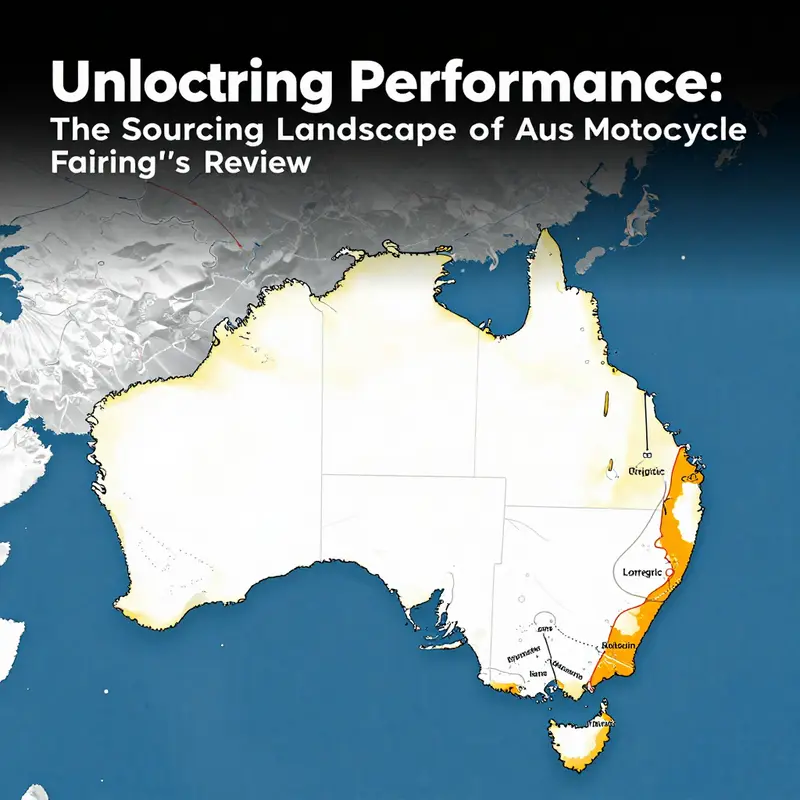
The Australian market for motorcycle fairings sits at the intersection of design desire and logistical realism. Riders value half fairings for their balance of protection and openness, but fleets and workshops buy into a broader ecosystem that delivers consistent quality, scalable supply, and predictable timelines. When you map this reality against the global sourcing landscape, the story becomes clear: Australia is increasingly integrated with Asia’s advanced manufacturing hubs, especially in Guangdong and Zhejiang. These provinces have transformed from mere production centers into vertically integrated ecosystems. They host polymer injection molding, UV-resistant coating, and automated painting as core capabilities, and they do not rely on single-step, artisanal supply chains. Instead, they function as coordinated networks that can push a product from concept to curb more quickly and with tighter quality control than many western-led operations could achieve alone. The practical impact for Australian buyers is tangible. Lead times shorten, and logistics become more flexible, with bonded warehouses located near major ports such as Nansha and Shekou. This proximity matters because it supports options like Delivered Duty Paid, a framework that reduces financial and administrative friction for businesses importing from overseas. In a market that prizes rapid prototyping, weekend-turnaround requests, and frequent restock cycles, those supply-chain efficiencies translate into real cash flow and risk management advantages for shops, workshops, and distributors alike.
The half fairing category, in particular, embodies a practical synthesis of performance and convenience. It protects the engine and exhaust area while preserving the rider’s sense of connection with the bike’s front end. From a materials and manufacturing standpoint, the half fairing is a demanding component: it must withstand debris, weather exposure, and sustained vibration while maintaining surface integrity and visual appeal through multiple paint and finish cycles. The Guangdong-based production model demonstrates how the industry has converged on standardized processes that ensure regulatory compliance and long-term durability. Polymer injection molding delivers consistent wall thickness and dimensional accuracy, reducing rework in downstream operations. UV-resistant coatings guard against sun exposure and pigment degradation, while automated painting lines ensure repeatable color matching across batches. These capabilities are essential for supporting Australian B2B buyers who demand uniform performance across orders and seasons, especially when projects involve multiple model-year variants from regional or global suppliers.
For sourcing teams in Australia, the lesson is not simply about finding a factory that can produce a fairing. It is about partnering with a supplier network that offers visibility, capacity, and compliance. Verified supplier directories, pre-shipment inspections, and performance testing aligned with international standards become core tools in the procurement toolkit. The regional ecosystem’s strength lies in its ability to scale without sacrificing quality. This is particularly relevant when considering modular or universal headlight fairings designed for sport-touring and commuting riders who want a blend of form and function. Modular designs enable standard parts to serve a range of models, reducing the proliferation of SKUs and enabling faster adaptation to market demand. This flexibility is a response to a growing segment of riders who value both aesthetics and practical daily use, a trend that Australian buyers can leverage by working with manufacturers who have invested in versatile tooling and adaptable painting lines.
The sourcing narrative becomes even more compelling when you consider the broader reliability picture. Guangdong’s ecosystem isn’t just about cost leadership; it’s about controlled variability and predictable delivery. Leading suppliers in this region emphasize adherence to material composition guidelines and performance testing protocols that ensure durability under diverse riding conditions. The combination of robust raw-material control and rigorous in-line and batch testing reduces the incidence of late-stage defects and calls for rework, which can derail international shipments and erode margins. Australian buyers benefit from this stability, especially when coordinating multiple orders across time zones, product lines, and regulatory regimes. The result is a supply chain that not only looks efficient on a factory floor but also behaves predictably in real-world procurement terms—forward planning, on-time production, and transparent documentation.
The conversation around design also intersects with the strategic shift toward universal, adaptable fairings. As urban riding and sport-touring needs converge, manufacturers are increasingly delivering fairings that can be reconfigured for different bikes with minimal tooling changes. That universality reduces total cost of ownership for Australian fleets and independent riders alike, while preserving the aesthetic and aerodynamic benefits that enthusiasts expect. Market demand for these adaptable designs mirrors a broader industry push toward modularity and mass customization, where factories in Guangdong offer both the scale and the precision needed to produce consistent results at a competitive price point. In practice, this means Australian buyers can source fairings that not only fit a wide range of models but also meet the same performance and finish standards across batches.
To navigate this landscape effectively, Australian procurement leaders should treat supplier selection as a strategic process rather than a one-off transaction. A robust evaluation should weigh production capacity alongside lead-time reliability, quality assurance practices, certification status, and export compliance readiness. On-site audits, when feasible, remain one of the most informative tools for understanding a supplier’s real-world capabilities. Digital platforms that provide real-time visibility into production timelines, schedules, and inventory levels can further de-risk decisions by offering a continuous feed of data about capacity and throughput. Such diligence is essential when sourcing model-specific components or fairing variants that must align with a rider’s exacting expectations. Over time, these practices foster partnerships that endure market fluctuations, shifting regulatory requirements, and the inevitable pressures of exchange-rate movement.
The Australian market also benefits from a pragmatic approach to logistics. The prevalence of bonded warehouses near major ports reduces transit risk and streamlines customs clearance. When combined with DDP shipping options, buyers can quote and price orders with greater certainty, enabling more accurate budgeting for fleet updates, race-prep repairs, or private-market restorations. The value proposition extends beyond the immediate cost savings. By partnering with manufacturers that demonstrate clear export controls and enhanced compliance processes, Australian buyers mitigate the risk of delays caused by documentation gaps or non-compliant shipments. In a field where time can be the difference between a timely race-day turnout or a missed window, these operational assurances matter as much as the price tag on a container of finished fairings.
Given this context, a practical strategy emerges for Australian buyers who want to balance quality, speed, and economy. Start with a clearly defined set of technical specifications that reflect the regional market’s needs: precise fitment tolerances, surface finish expectations, and color-mall standards compatible with common Australian lighting and regulatory requirements. Build a supplier shortlist from verified directories and invite formal proposals that include detailed lead-time charts, quality-control plans, and post-delivery support. Emphasize a willingness to conduct or host on-site assessments to confirm process maturity and capacity, and insist on real-time data access for production milestones. In parallel, explore modular fairing concepts that can accommodate a range of models with minimal modification, ensuring a faster path from design approval to production readiness. The net effect is a sourcing strategy that leverages Guangdong and Zhejiang’s strengths without sacrificing the specificity and reliability Australian riders require.
Within this framework, it is natural to connect with existing online resources that map the broader ecosystem and translate it into practical steps for procurement teams. For instance, a well-structured supplier guide emphasizes the value of direct access to factories, the importance of verified documentation, and the role of export compliance in maintaining steady supply lines. For readers who want to explore the topic further, a related resource provides in-depth analysis of manufacturing capabilities, supply-chain efficiencies, and recommended procurement tactics for global buyers. You can explore the Honda fairings collection to see how a major category is organized online and how modular components align with living-market needs: Honda fairings collection.
The reality for Australian buyers is that the sourcing landscape has become more navigable but not less demanding. The Guangdong-based ecosystem rewards disciplined buyers who combine careful supplier due diligence with a willingness to adopt modular designs and scalable production practices. By aligning internal specifications with the capabilities of a mature, export-oriented network, Australia can access high-quality, cost-effective fairings that meet both aerodynamic and aesthetic expectations. This alignment also supports broader market goals—reducing lead times, improving reliability, and enabling local retailers and repair shops to offer faster turnaround times for riders who demand both performance and value. The market, in other words, rewards those who invest in understanding the full chain: from the polymer injection molds and UV-finishes to the final painting lines and the warehouses that shorten the last mile. This is how Australia can stay competitive in a global trade environment where fairings are as much about predictability and service levels as they are about contour and color.
External resource: Motorcycle Fairing Supplier Guide: Sourcing from China for B2B Buyers: https://www.motorcyclefairingsupplierguide.com/
Riding the Wind Down Under: A Functional Case for Quality Australian Motorcycle Fairings
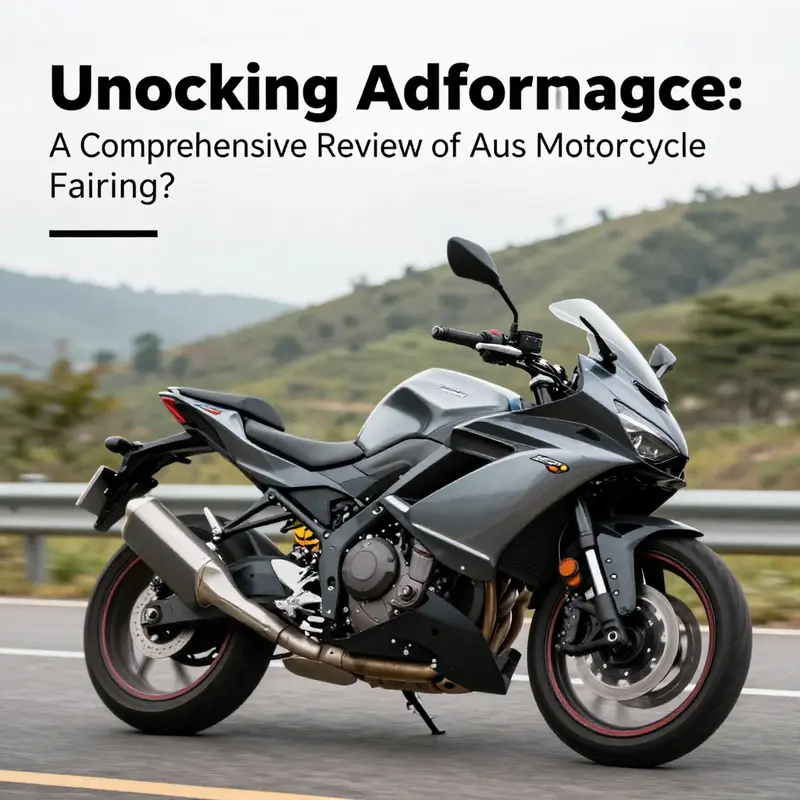
In the open road regions and city corridors alike, a well-designed fairing is less a flourish and more a quiet partner in riding. For riders across Australia, where long, evolving commutes meet high-speed stretches and the coastal wind can shift from breeze to blast in minutes, the choice of fairing design becomes a practical pillar of comfort, efficiency, and durability. The discussion that follows treats fairings not as mere shells but as actively engineered interfaces between rider, machine, and environment. It centers on half fairings—a design that covers the upper front portion of the motorcycle, from the headlight up to the handlebars and instrument cluster—while also acknowledging how material choices and manufacturing realism translate into real-world performance on diverse Australian terrain. The half fairing stands out not merely for its lighter footprint but for the specific aerodynamic and protection benefits it brings to daily riders and weekend explorers who demand a blend of efficiency and ease of use. By tracing the logic behind its design, the chapter threads together the aerodynamic principles, mechanical protection, and supply-chain realities that underpin a robust, long-lasting fairing system.
Airflow management underpins the utility of half fairings. In a country where commuters share roadways with long-open highways and rolling coastal runs, reducing wind fatigue and improving stability at speed can produce tangible gains in rider comfort and fuel economy. The half fairing’s architecture is intended to streamline the air as it encounters the bike’s front end, guiding flow around the engine and exhaust while keeping the rider shielded from the brunt of wind pressure. This arrangement lowers the drag force that acts on the bike and adds a degree of rider-focused comfort at highway speeds. The effect may seem subtle in a single ride, but across a day of commuting or a weekend sprint along a windy coastal route, the cumulative reduction in wind resistance translates into steadier throttle control, steadier body position, and, in some cases, a modest improvement in fuel efficiency. The design philosophy here is not about oversized shielding but about a precise balance: enough coverage to deflect debris and dampen buffeting, yet enough openness to keep the rider sensation of the wind and the bike’s front end responsive.
Protection remains the most tangible benefit for everyday riders who contend with gravel, rain, and road grime. A quality half fairing becomes a shield for the engine bay, exhaust system, and critical weather-exposed components. In Australia’s varied climates—from tropical northern rain to temperate southern fog—the mid front shell acts as a first line of defense against the elements. This is not solely about keeping paint pristine; it is also about preserving the integrity of cooling flows and protecting essential electrical components from water intrusion and dirt ingress. A well-executed fairing reduces the likelihood of surface damage from road debris, lowering maintenance costs and downtime. Durable protection is especially valuable for riders navigating patchy rural roads, where the combination of sun exposure, dust, and occasional stone impact can test materials and coatings. The best designs marry impact resistance with lightweight construction, ensuring the fairing does not impose excessive weight or mechanical stress on mounting points and fasteners.
Material composition and endurance are inseparable from performance and aesthetics. Contemporary fairings rely on high-strength engineering plastics such as ABS or PC/ABS blends, often treated with UV-stable coatings to resist color fading and cracking from long-term sun exposure. In practice, this means a fairing that keeps its color and shape after years of sun-soaked rides along the coast or under harsh inland sun. The manufacturing ecosystem that supports these outcomes is highly integrated. In regions with mature plastics and automotive supply chains, producers use polymer injection molding systems that enable consistent wall thickness and precise geometry. Automated painting and UV-resistant coating lines ensure the surface finish remains smooth and resistant to micro-scratches. In the Australian context, the global supply network that feeds these capabilities often traces back to major manufacturing hubs in Asia, where the scale and efficiency of these processes help deliver consistent quality at competitive costs. The durability of a fairing, then, becomes a function of both the resin choice and the coating discipline—the combination that keeps gloss and structural integrity intact after repeated exposure to sun and temperature cycles.
Australia’s riders are part of a broader, Asia-centric manufacturing and supply chain narrative. The global market for fairings is concentrated in Asia, with hubs that offer vertically integrated ecosystems: design, molding, painting, and logistics embedded in near-port operations. Guangdong Province in particular is highlighted for its dense network of suppliers who bring advanced tooling and streamlined production, including bonded warehousing near major ports. Such logistics details matter in practice: for B2B buyers, the ability to source from a region that can offer DDP terms and short lead times reduces the friction of importing and keeps project timelines predictable. Zhejiang, too, emerges as a notable anchor for automotive components and motorcycle fairings, where factories integrate the full value chain from resin selection to final coating. The upshot for Australian riders is not just access to a wider range of styles and finishes, but a reliability in supply and a consistency of performance that comes from mature manufacturing ecosystems. In the real world, this translates into fewer delays, faster replacements after a mishap, and a greater likelihood that a chosen fairing will continue to perform under a broad range of environmental conditions.
For riders chasing a practical balance between style and function—particularly those blending sport with daily commuting—the half fairing presents itself as a thoughtful practical compromise. It offers more protection than a naked bike while preserving the open, responsive feel that many riders prefer for city routes and spirited rides alike. In the Australian setting, where urban miles frequently meet windy rural spans, the half fairing’s ability to deflect buffeting around the torso and hands can translate into a more comfortable ride with less rider fatigue over longer distances. The design prioritizes ergonomic compatibility with handlebars and instrument clusters, ensuring visibility and control remain unhindered even as the wind is steered away from the rider. The result is a single, coherent riding experience where aerodynamic efficiency, protective coverage, and aesthetic coherence work in concert. This coherence matters: a fairing that looks right but feels wrong can add weight, disrupt balance, or create vibration paths that undermine long-distance comfort. A well-engineered half fairing sidesteps these issues through careful attention to mounting geometry, fastener accessibility, and integrated airflow channels that align with the bike’s front geometry.
From a sourcing perspective, Australian buyers and fleet operators benefit from the same global dynamics that underpin modern motorcycle components. The availability of UV-stable finishes, precise molding tolerances, and color-matched coatings makes it feasible to maintain a cohesive visual language across multiple bikes or across a uniform fleet. The growing emphasis on environmental durability—resilience to sun, rain, and temperature cycles—ensures that the visual impact aligns with functional longevity. In practice, this means fewer color mismatches after years of sun exposure and less need for frequent repainting or touch-ups. The result is not just a cosmetically pleasing profile but a more durable asset that retains its value over time.
For riders seeking an accessible entry point into fairing upgrades, a practical starting point can be found in the Honda fairings collection. The selection offers a spectrum of shapes, finishes, and fitments that can illuminate key differences in half-fairing design, from curvature that directs airflow to mounting hardware compatibility. This reference point matters because it helps riders evaluate whether a particular fairing offers the right balance of coverage, weight, and ease of installation for their bike and riding style. It also underscores the broader point that quality fairings emerge from a disciplined design and manufacturing approach, one that pairs engineering insight with robust processing capabilities and a reliable supply network. The aim, always, is to preserve or enhance the ride quality while ensuring the fairing does not become a maintenance headache or a frequent source of fitment problems.
In the broader context of rider safety, durability, and ride comfort, the fairing is revealed as a deliberately engineered element rather than a decorative add-on. Its value becomes most evident on longer trips or more demanding road conditions, where the combination of aerodynamic efficiency, weather protection, and material resilience translates into a calmer cockpit and a more confident rider. The trend toward integrated systems—where fairings are designed with the entire front-end architecture in mind—suggests a future in which upgrades can be deployed with minimal disruption and with predictable results. Australian riders, who often manage long stretches and variable weather, stand to benefit particularly from this alignment between design intent and manufacturing excellence.
In closing, the practical takeaways for enthusiasts and fleets alike are clear. A high-quality half fairing is more than a stylistic touch; it is a performance element that supports fuel efficiency, debris protection, and rider comfort in equal measure. The manufacturing ecosystem that sustains these outcomes—grounded in regions with advanced molding and coating capabilities, and anchored by integrated logistics—provides a reliable pathway from concept to road. For those evaluating options, the guiding principles are straightforward: ensure the material system has UV stability and impact resistance, confirm the fitment and mounting systems align with your bike category, and consider the broader logistics and after-sales support that reduce downtime. When these elements converge, the result is a fairing that not only looks the part but also performs consistently across Australia’s diverse riding landscape.
External resource for further reading: https://www.motorcyclepartswarehouse.com/blog/motorcycle-fairing-types-and-properties
Riding the Edge: Australian Market Trends and Innovations in Motorcycle Fairings
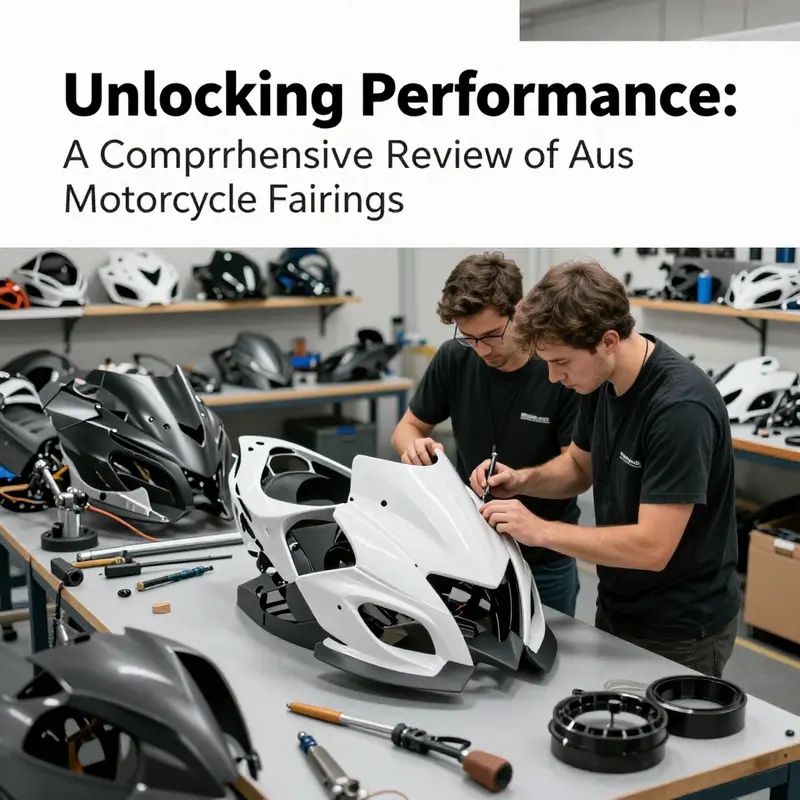
Australia sits at an interesting crossroads in the global motorcycle fairing ecosystem. On one hand, riders crave performance, durability, and refined aerodynamics that sharpen handling and improve efficiency. On the other, they rely on a steady stream of aftermarket components sourced from Asia, where the scale and sophistication of manufacturing enable rapid customization, consistent quality, and cost efficiency. This chapter weaves those realities into a cohesive narrative about how market trends and material innovations are shaping fairings for Australian bikes, and how these shifts influence riders, garages, and small businesses from Hobart to Darwin to the outskirts of Perth. It is a story about engineering choices that matter in real-world riding, not just glossy catalog pages. The core message is simple: fairings are more than skin; they are performance systems that hinge on material science, manufacturing fluency, and a supply chain calibrated to respond to Australian riding patterns and climates.
Rider expectations have evolved beyond mere aesthetics. In urban environments where stop-and-go traffic and variable weather are the norm, the appeal of high-performance, aerodynamically optimized fairings is strong. Half fairings, in particular, have gained traction because they provide essential engine and exhaust protection while preserving the visceral, open feel of a naked-bike ride. For many Australian users, this translates to better heat management and more controllable airflow around the rider’s torso and arms at highway speeds. The design philosophy here is practical: reduce drag where it matters, shield core components from debris and weather exposure, and keep the rider connected to the wheel and the landscape. The result is a return on investment measured not only in fuel savings but in ride confidence and reduced fatigue on long Australian journeys.
Material composition sits at the heart of these performance ambitions. Modern fairings increasingly rely on advanced polymers and lightweight composites that deliver stiffness without excessive mass. UV-resistant coatings are more than cosmetic; they preserve finish and gloss in Australia’s sun-drenched climate, where color fade and surface chalking can undermine both appearance and resale value. Precision molding enables intricate contours that optimize front-end aerodynamics, channel air away from radiators and rider, and maintain consistent tolerances across model variants. The chemistry here is carefully chosen to withstand heat cycling, road grime, and the occasional grit encounter, while still allowing for efficient production and repair. In practice, this means fairings that maintain smooth lines, minimize vibration at speed, and resist softening after extended exposure to sun and heat. The outcome is a consistent riding experience, a cleaner silhouette, and predictable fitment across a range of popular motorcycle platforms.
Behind the visible shapes lies a sophisticated, globally integrated supply chain. The global market remains heavily Asia-centric, with southern China, particularly Guangdong and Zhejiang, as pivotal manufacturing hubs. The advantage these regions offer—vertical integration, automated injection molding, automated painting, and rigorous quality control—translates into shorter lead times and more dependable delivery. For Australian buyers, the practical upshot is a shift from produce-now, ship-later models to a procurement pattern that emphasizes configurability, cadence, and landed cost transparency. Bonded warehouses near ports facilitate Delivered Duty Paid arrangements, which streamline customs and finance, enabling workshops to plan projects with greater predictability. This logistical choreography matters as Australian demand gravitates toward sport-touring and commuter fairings that require quick restock cycles and reliable compatibility across a spectrum of bike models.
The implications for Australian businesses and consumers extend well beyond logistics. Availability of high-quality, customizable fairings at scale empowers shops and riders to tailor configurations for specific model families and riding styles. In practical terms, this means choosing shapes, thicknesses, and finishes that satisfy the demands of daily commuting, weekend touring, and occasional light off-road or gravel use. The shift toward model-specific design—without sacrificing the ability to source broadly—allows dealers to position themselves as problem solvers who can optimize airflow, protection, and weight for a given motorcycle and rider. Data-driven procurement practices are becoming the norm: buyers assess production capability, responsiveness, and compliance with technical standards as essential criteria. When a shop can forecast demand, manage stock levels, and offer consistent, tested fitments, it reduces downtime for customers and elevates the overall ownership experience.
In this environment, the Australian riding community increasingly values finishes and fitments that endure. UV resistance and durable finishes are not mere surface concerns; they are proxies for long-term reliability under varied weather, dust, and heat. Automated painting lines, consistent color matching, and controlled surface tolerances reinforce the perception of quality and longevity. The fairing, after all, lives at the intersection of form and function: the aesthetic lines should not distort airflow, and the material must weather the elements without compromising strength or appearance. For riders who invest in higher-performance bikes or who participate in local track days and group rides, the certainty that a fairing will respond predictably to high-speed airflow and engine heat is part of the buy-in. This is why performance considerations—drag reduction, stiffness, impact resistance—are increasingly inseparable from aesthetics and brand perception in the Australian market.
The sourcing narrative also has a regional dimension. Australia’s import channels, distribution networks, and small- to mid-sized workshop ecosystems benefit from the scale and speed of southern China’s manufacturing clusters. The Guangdong and Zhejiang corridors are adept at turning complex geometries into repeatable products with tight tolerances. The local ecosystems here are not just about volume; they are about capability. They enable rapid iteration, smaller minimum order quantities for certain configurations, and reasonable price points that suit a broad base of riders and shop owners. The ability to offer a range of finishes, surface textures, and mounting hardware options means fairings can be configured for different motorcycles without onerous customization costs. For example, a workshop can specify a model-specific alignment and finish, confident that the components will align with the bike’s original mounting points and geometry. This reduces installation complexity and improves the customer experience.
As this market matures, the innovation pipeline continues to expand beyond conventional materials and coatings. The push toward lighter, stiffer skins has opened doors to composite blends and multi-material laminates that balance impact resistance with weight savings. Developments in coatings—beyond UV protection—are moving toward multi-functional surfaces that resist micro-scratches, shed water more effectively, and maintain color stability even after repeated cleaning with typical bike-care products. Another frontier is the refinement of tooling and process integration. Additive manufacturing for tooling and prototyping shortens development cycles, while multi-material injection molding enables optimized thickness distribution across high-stress zones. These innovations support not only performance gains but also sustainment advantages, such as easier repairs, simpler retrofits, and more precise replacement parts. For the Australian market, such capabilities translate into faster response to shifting rider preferences and local climate-driven design tweaks.
Australian buyers often navigate this landscape through catalogs and model-fit references that illustrate how particular shapes align with different bikes. A catalog approach helps bridge the gap between global manufacturing capabilities and local riding realities. A practical example of the breadth available is the Honda fairings collection, which demonstrates how model-fit logic can be translated into multiple regional contexts while retaining core performance principles. This kind of resource enables workshops and riders to compare baseline geometry, mounting compatibility, and finish options without needing immediate in-person evaluation, thereby accelerating decision-making and installation readiness. Integrating the catalog mindset with the regional supply chain creates a feedback loop: rider and shop experiences inform future design and material choices, steering manufacturers toward configurations that maximize performance benefits in Australia’s varied riding conditions.
Looking ahead, the Australian market’s trajectory toward performance-driven, sustainably engineered, and cost-efficient aftermarket solutions seems well aligned with global manufacturing realities. The push for smarter materials—resins, coatings, and laminates chosen for durability and environmental responsibility—coupled with precision manufacturing and agile logistics, will continue to reshape what riders expect from a fairing. Even within the realm of half fairings, the emphasis on tailored airflow management for sport-touring and commuter segments will intensify. The focus is less on a single best option and more on a family of solutions that can be adapted to dozens of model families, climate scenarios, and usage patterns. For readers seeking to explore further, catalogs and model-fit resources offer a practical gateway to understanding how global engineering translates into the Australian riding experience. The long view remains clear: progress will hinge on maintaining performance integrity while reducing ownership costs and environmental impact, a balance that suits Australia’s pragmatic, adventurous riding culture.
To connect with the broader spectrum of options and see how these principles manifest in real-world configurations, readers can explore broader catalogs such as the Honda fairings collection, which illustrate how global design language translates into regionally tailored solutions. This interconnected ecosystem—consistency in manufacturing, flexibility in customization, and reliability in delivery—reinforces the idea that Australian riders are increasingly part of a global performance narrative, one where the fairing is a carefully engineered component rather than a cosmetic wrap. External resource: https://www.motorcyclefairings.com.au/industry-trends-in-australian-motorcycle-fairings-2026
Final thoughts
As the motorcycle fairing industry continues to evolve, understanding the various types, material compositions, and market dynamics is pivotal for business owners. Investing in high-quality motorcycle fairings not only enhances performance but also appeals to a broader customer base. By staying informed about recent trends and innovations, businesses can position themselves strategically to meet market demands and elevate their offerings. Embracing quality and efficiency in motorcycle fairings leads to a more satisfying experience for riders, creating a lasting impact on the industry.