
Bagger motorcycle fairings are critical components that serve both aesthetic and functional purposes in the world of touring motorcycles, particularly for Harley-Davidson Softail Bagger models. These specialized bodywork components are essential for optimizing a rider’s experience, combining sophisticated design with enhanced performance. This article delves into the aerodynamics and performance benefits of bagger fairings, the diverse materials from which they are constructed, and how they seamlessly integrate with other touring accessories. By gaining a comprehensive understanding of these aspects, business owners can effectively cater to riders’ needs and preferences in a competitive market.
Wind, Armor, and Endurance: The Aerodynamics and Performance of Bagger Motorcycle Fairings

A bagger motorcycle embodies an engineering philosophy where form follows function to deliver comfort and capability over long distances. The full front fairing serves as an airfoil that works with the rider, the chassis, and the luggage system to reduce drag, control buffeting, and support stable high speed handling. By shaping the boundary layer and guiding airflow around the rider, the fairing lowers wind pressure and helps maintain a calm riding position, contributing to better fuel efficiency and reduced fatigue on highways. The materials used for modern fairings balance rigidity, weight, and impact resistance, with thermoplastics offering durability and composites providing stiffness with light weights. Manufacturing methods such as multi axis thermoforming and precision layups enable contours that optimize pressure distribution and minimize flow separation. The integration of wind deflectors, vents, instrument cluster housing, and luggage interfaces all play a role in preserving clean far field flow while accommodating practical needs. In performance terms, a well designed fairing improves high speed stability, comfort, and endurance, translating into easier lane discipline and extended riding periods between breaks. Durability is also essential, with fairings built to resist UV exposure, road debris, and thermal cycling while maintaining a smooth surface to avoid drag changes over years of use. The ongoing evolution of bagger fairings points toward lighter materials, smarter edge treatments, and modular interfaces that let riders tailor airflow for local climates and riding styles without sacrificing aerodynamic integrity.
The Quiet Armor: How Materials Shape Bagger Motorcycle Fairings

On long rides, the rider’s experience is written not just by the engine’s torque or the seat’s comfort, but by the skin that shields them from the wind. Bagger motorcycle fairings, in particular, are more than cosmetic veneers. They are designed skins that govern how a motorcycle meets the world at speed and how fatigue accumulates in the rider over miles. The materials chosen for these fairings determine everything from the bike’s ultimate weight to its stiffness under gusts, from the ease of shaping to the durability in sun, rain, and road grit. In this chapter, we explore the material science behind bagger fairings, tracing how composite layers, plastics, and synthetics come together to deliver a blend of aerodynamics, strength, and aesthetic refinement. A careful material choice is a commitment to ride quality, not just a visual statement, and it sits at the intersection of engineering practicality and the rider’s personal expression.
Fiberglass has long formed the backbone of mainstream fairings. It offers a robust strength-to-weight ratio, forgiving workability, and a cost-friendly path from design sketch to finished panel. For bagger applications, fiberglass is often laid up in multiple layers, with resin systems that harden into a stiff, impact-resistant shell. The ease of shaping lets fabricators craft sweeping curves and integrated mounting points that hug the frame and create the clean, continuous profile that touring riders expect. Because fiberglass can be worked with hand layups or small-scale automated processes, it remains an attractive option for both original equipment and aftermarket kits. The result is a fairing that can mirror the rider’s preferred stance and wind-loading characteristics without a prohibitive price tag. In practice, fiberglass panels may be finished with a protected gel coat or painted to match the bike, and their repairability makes them a practical choice for riders who accumulate miles in challenging environments.
Polycarbonate, widely used in windshields and glare-resistant headlight covers, adds another layer of performance. Its impact resistance is notably higher than standard acrylic, meaning smaller rocks, insect splatter, and errant road debris are less likely to cause nagging cracks on a long haul. Polycarbonate can be treated to resist UV degradation, a critical factor for bikes parked outdoors for days or weeks at a time. Yet polycarbonate is not without tradeoffs. It may scratch more easily than glass if uncoated and requires careful finishing to avoid crazing under heat cycling. When used as part of the fairing assembly, polycarbonate components tend to be bonded to a rigid base shell or integrated into multi-material assemblies, contributing to a modular approach that preserves easy replacement of damaged pieces. Riders value polycarbonate for keeping visibility high through the instrument cluster and for maintaining a clear, crisp windshield that reduces fatigue on high-mileage days.
Acrylic, or PMMA, is prized for its optical clarity and scratch resistance. It offers a wide field of view through windshields or transparent panels while maintaining a warm, glass-like appearance. Acrylic is less impact-resistant than polycarbonate, but for sections where aesthetics and clarity trump sheer toughness, it remains an attractive choice. In many fairing designs, PMMA is specified for cosmetic inserts, windscreen faces, or decorative light housings because it can be polished to a near-new finish after years of exposure. The challenge with acrylic lies in UV stabilization and the potential for it to craze or swell if exposed to harsh solvents or extreme heat cycles. When paired with a protective coating or a laminated barrier, PMMA can help preserve the fairing’s visual integrity while offering the premium look that riders often seek on premium touring builds.
ABS plastic stands out for its robustness and versatility. ABS is a thermoplastic that holds shape well, resists heat and chemicals, and supports consistent paint finishes. In many fairing kits, ABS serves as the structural backbone, or as a layer that carries the paint and graphic applications with a smooth, uniform surface. Its machinability makes it suitable for fast production cycles, enabling OEMs to deliver instruments, mounting points, and interior pockets with predictable tolerances. For aftermarket applications, ABS can be formed into complex shapes with relatively gentle tooling, enabling fairings that still look integrated with the bike’s lines. The drawback to ABS in some uses is its sensitivity to long-term UV exposure and sometimes less rigidity when compared with fiberglass or carbon fiber composites, especially under high-speed gusts. Designers mitigate this by coating, priming, or combining ABS with other materials to preserve rigidity while retaining the advantages of a lighter panel.
Carbon fiber, the signature of high-end, performance-focused builds, offers a dramatic leap in weight savings without sacrificing stiffness. When used for fairings, carbon fiber can dramatically reduce unsprung and overall mass, which in turn helps the bike respond more quickly to steering inputs and wind gusts. The aesthetic impact is immediate: a weave that hints at meticulous engineering and racing heritage. But carbon fiber brings cost and processing challenges. Its stiffness demands precise molding and layup, and the resin systems must be chosen to withstand impact and flex without cracking. In many cases, carbon fiber fairings are not used across the entire shell but are reserved for key panels or as a light overlay over a fiberglass or composite core. In addition to the material itself, protective coatings and clear laminates are often employed to preserve sheen and resist micro-scratches. The result is a fairing that is both a performance instrument and a visible statement of intent.
Composite materials expand the design space beyond single-material paradigms. By combining fiberglass with resin-rich layers, or by stacking carbon fiber with epoxy in strategic orientations, manufacturers can engineer panels that deliver tailored stiffness, impact resistance, and vibration damping. Composites enable fairings to be tuned for different riding environments—quiet, low-drag cruising on a long interstate, or sharply defined, wind-leaning performance in twisty backroads. The manufacture of such panels often uses vacuum bagging or resin transfer molding to control resin content and eliminate voids, producing a uniform laminate with predictable properties. For riders and builders, composites translate into lighter, more durable shells that can be precisely matched to the bike’s geometry. The interplay between core materials, skins, and coatings becomes a kind of dialogue, where weight, rigidity, and surface finish are negotiated with every layup. In custom builds, this material flexibility makes it possible to craft integrated fairing systems that integrate with both aerodynamic features and the storage architecture of the bike.
Beyond the material itself, the broader design language of a bagger fairing depends on how the shell interacts with wind and rider posture. A well-chosen material supports a shape that reduces drag and minimizes buffeting, while still offering a comfortable glare-free cockpit. The front fairing must partner with the rider’s seating position, bar height, and instrument placement to deliver a stable, predictable flow of air around the rider’s torso. As wind loads shift with speed, the fairing’s stiffness and panel thickness become critical; too flexible a shell can oscillate and create unsettling vibrations, while an overbuilt panel can add weight and hamper maneuverability. In this sense, material choices are as much about dynamic performance as they are about surface gloss and color. The wind-hugging geometry often relies on carefully engineered curves and edges that guide air smoothly around the helmet, lowering fatigue on cross-country journeys. Finally, the protective shield of polycarbonate or acrylic behind the outer surface remains central to rider comfort, because a clear, undistorted windshield is a direct contributor to reduced fatigue and better visibility in changing weather.
Storage is another axis of design that informs material selection. Bagger configurations typically pair a full front fairing with saddlebags that carry a blend of hard-shell and soft-shell storage, depending on the rider’s priorities. Hard cases, often formed from rigid plastics or composite skins, offer top-tier protection from weather, impact, and theft, while soft bags provide flexibility and ease of mounting. The choice between hard or soft storage affects not only weight distribution but also how the fairing edges and mounting points are engineered. Heavier, rigid fairings demand robust subframes and careful alignment to maintain front-end stability, especially at highway speeds. Lighter, sculpted shells can be more forgiving but may require additional bracing or integrated hardware to resist flutter and vibration. In any case, the material system must be designed to tolerate long-term exposure to heat, sun, and road salts without becoming brittle or losing gloss. The aesthetic continuity—the way the fairing finishes blend with saddlebags and fuel tank—depends on surface preparation, paint compatibility, and edge detailing that resist chipping during loading and unloading of luggage.
Maintenance and care are, in their own way, a measure of material confidence. Some riders prefer fairings that can be polished to a clear, glassy surface, while others trust matte finishes or satin coatings that hide minor abuse. The material choice influences how easily scratches can be removed, how well paint adheres, and how color can be maintained under ultraviolet exposure. Fiberglass and composites respond well to professional refinishing techniques, while ABS and polycarbonate surfaces can accept a durable clear coat and a sequence of polishing steps that restore nearly-new luster. The willingness to invest in protective films or coatings often goes hand in hand with the material selection, because a clear, high-performance film can dramatically extend a panel’s life by absorbing micro-impact and UV wear. These care choices, while technical, translate directly into a rider’s confidence, since a well-cared-for fairing maintains its appearance and aerodynamic seal for years of touring.
Safety standards and engineering criteria underpin every fairing design, reminding us that the material mix is not only about looks but about structural integrity and rider protection. Industry standards for bodywork specify stiffness thresholds, impact resistance, and consistently reliable mounting interfaces so that the fairing behaves as a single aero-dynamic unit rather than a loose facade when encountering wind gusts or debris. The interface between the fairing and the motorcycle frame and with the weather seal is especially sensitive, because any misalignment can create turbulence, water intrusion, or noise. In that sense, the chapters that study binding, sealing, and mounting detail become as important as the layup schedule or the resin system. The conversation around materials thus travels beyond the shop floor into the design studios and testing grounds where engineers simulate wind flow, vibration, and temperature shifts to verify that the chosen materials perform as promised across career-spanning miles.
Looking ahead, the evolution of bagger fairings is likely to be driven by smarter, lighter materials and more integrated systems. The next wave of designs will likely explore multi-material laminates that marry the best properties of glass fibers, carbon, and thermoplastics in carefully tuned layers. Advances in surface coatings will enhance gloss retention and abrasion resistance, while new protective laminates may shield against UV exposure without adding appreciable weight. Designers may also lean into modularity, enabling riders to swap panels with minimal tools while preserving a seamless aesthetic. This balance of modularity and performance will keep fairings relevant in a market where riders demand both efficiency and expression from their touring machines. The material palette will continue to be shaped by cost constraints, manufacturing capabilities, and the evolving demands of wind management—from quiet cruising to high-speed stability—and the brokered synergy with luggage systems and secure storage.
To understand how these materials translate into real-world choices, imagine a hypothetical build where the rider seeks a blend of stiffness, lightness, and a classic touring silhouette. The base skin is fiberglass, selected for its ability to be formed into generous, aerodynamically clean curves that echo the long, uninterrupted lines of a bagger. A carbon-fiber overlay adds targeted stiffness where the wind loads are highest, particularly along the upper fairing and around the headlight area, without turning the whole shell into a rigid block. The windshield panel is polycarbonate to cushion impact while remaining transparent and bright at dawn and dusk. PMMA inserts provide the splash of clarity and a premium look in the interior trim, while ABS supports the mounting interfaces and the edge routes for weather sealing. In such a build, the fairing’s mass remains manageable, and the rider experiences a stable air flow by design. The aesthetic is cohesive, and the storage system can be integrated with lighter, efficient cases that emphasize utility without overpowering the fairing’s form. For riders who want a broader view of how different manufacturers approach the fairing language—and to compare shapes and integration philosophies—see the Yamaha fairings collection for a sense of how curvature, transitions, and edge detailing influence the overall look and feel of a touring shell.
Ultimately, material choices in bagger fairings are not just about the surface they wear but about what lies inside. The blend of fiberglass, polycarbonate, acrylic, ABS, carbon fiber, and composite laminates creates a spectrum of performance possibilities. Each material carries a history of engineering decisions about weight, rigidity, UV resistance, impact protection, and compatibility with paints and coatings. The fairing becomes a living system when mounted on a touring motorcycle, translating the rider’s needs into a shield that tames wind, protects vital components, and carries essential belongings while allowing for personal style. The dialogue between design, materials science, and rider preference continues to evolve as new laminates and coatings emerge. In the end, the chapter on materials is both a technical map and a narrative about how riding separated from the wind can still feel intimate and connected to the road. The chapter closes not with an ending but with an invitation to explore further—a reminder that the fairing is as much a partner in the journey as the engine and the saddle.
External reference: https://www.imzzelite.com/products/fxrt-fairing
Riding in Concert: Bagger Fairings and Touring Accessories for Comfort, Control, and Endurance
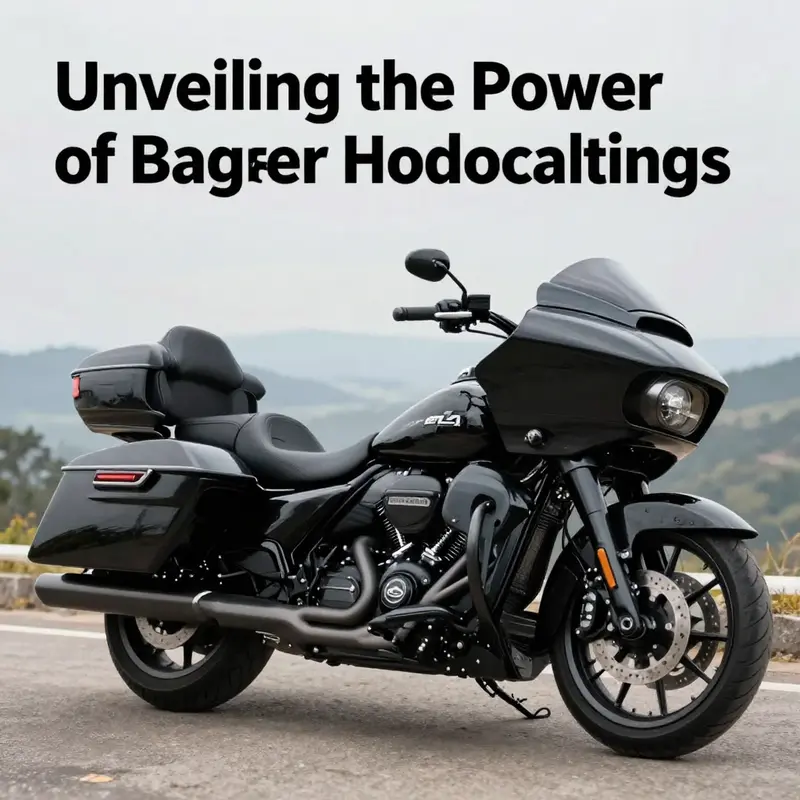
A motorcycle is a symphony of engineering, and the bagger fairing is its conductor. In the open road, wind is a constant presence and weather can shift without warning. The fairing does more than shape the bike’s silhouette; it coordinates airflow, shelters the rider, and anchors a suite of touring accessories that extend capability without clutter. This integrated approach to design — where the fairing and its companion components are conceived as a single system — transforms long-haul riding from a test of endurance into a controlled, predictable experience. The essence of this integration lies not merely in adding gadgets to a shell but in orchestrating an ecosystem where every element supports aerodynamics, protection, storage, and signal communication in concert with rider comfort.
The visual impact of a full front fairing is inseparable from its functional maturity. A well-proportioned fairing wraps the upper portion of the motorcycle, smoothing the transition from headlamp to handlebars and instrument cluster. In doing so, it reduces turbulent wake that can buffet the rider at highway speeds. The reduction in wind resistance translates into steadier steering, lower fatigue, and in some conditions, small but meaningful gains in efficiency. Yet the aerodynamic benefits are inseparable from the touring capabilities the fairing enables. When the shell is designed with integrated features in mind, the rider experiences a cleaner cockpit and a more organized instrumentation landscape. The placement of vents, lighting, and signaling elements becomes part of a balanced silhouette rather than a series of afterthought add-ons.
Vent systems are a telling example of this design philosophy. A center vent or recessed intake, when thoughtfully integrated, channels air around the rider’s chest and shoulders while helping maintain airflow to the rider’s helmet. The same design language can extend to ducted passages that manage heat from the engine or braking components, directing warmth away from the cockpit in cool weather and toward air pathways that prevent fogging or overheating in hotter climates. When combined with a low-profile, all-in-one lighting treatment, these vents can contribute to a more stable lighting profile. In contemporary touring builds, built-in turn signals and LED trim integrated into the fairing’s edge are common. They serve a dual purpose: signaling intent clearly to other motorists and preserving a streamlined front that minimizes drag and buffeting. The effect is practical and aesthetic. A rider benefits from improved visibility without the visual clutter that can accompany a mass of protruding light fixtures. The result is a clean, modern visage that still communicates function at a glance.
A closely related consideration is how the fairing anchors the touring accessory matrix. This is where the idea of integration truly matters. Instead of attaching hardware to a loose shell, manufacturers and builders conceptually anchor accessories into recesses and mounting points designed to bear weight and resist vibration. Integrated turn signals, for instance, are not merely lights glued to a face; they are connectivity points within a broader electrical harness that travels through weatherproof channels. The goal is continuity: a single, durable harness that can be inspected, serviced, or upgraded without unraveling a tangle of wires behind the dash. The same principle applies to vent trims and LED accents. When lighting is integrated with trim, the color temperature, diffusion, and brightness harmonize with the fairing’s contours, so the bike reads as a single, coherent unit from any angle. In practice, this means smoother lines, fewer gaps for wind to catch, and a less mechanical look that can contribute to the rider’s sense of serenity on the road.
Storage and luggage capacity often define the practical limits of a touring rig. The fairing’s footprint interacts with saddlebags and top cases to determine how much cargo rides with the bike and how accessible it remains to the rider. A fairing can be designed to guide air smoothly over the saddlebags, reducing the risk of wind-induced flutter or noise that can become fatiguing on long trips. In some configurations, the fairing itself houses small integrated compartments or holds key electrical components that serve multiple doors and latches in the bags. The result is a more organized tour where the rider’s gear is protected and easy to reach without requiring a detour into the cockpit. Even the choice between hard and soft cases is affected by this integrated approach. Hard cases offer rugged protection and security, and when paired with a fairing designed to channel air and shield fasteners, they contribute positively to the bike’s overall aerodynamic envelope. Soft bags, while lighter and more flexible, benefit from careful mounting geometry that keeps the bags close to the bike’s centerline to minimize wind resistance and sway. The decision becomes a matter of how aggressively a rider wishes to balance protection, weight, and accessibility against the endurance demands of the journey.
The mechanics of integration extend to how the fairing works with braking and suspension systems. Touring riders often demand confidence in control, especially when loading luggage that shifts weight distribution. A properly integrated fairing system acknowledges this by maintaining a stable front profile and offering mounting points for accessory components that can help tune handling. Upgraded front or rear dampers, stabilized steering, and tuned braking systems all interact with aero design in subtle but meaningful ways. The ride quality becomes more consistent as the bike maintains predictable balance across different speeds, road textures, and passenger loads. The rider experiences improved feedback through the bars and footpegs, a smoother cruise, and less fatigue after hours behind the windscreen. The fairing, then, is not a passive shell but a dynamic participant in the bike’s kinetic balance—a conduit through which the rider’s decisions about gearing, luggage, and position are realized with minimal friction.
From a practical standpoint, the process of achieving this integrated harmony begins with deliberate planning at the design stage. The choice of materials and construction method affects not only weight and rigidity but also weather sealing and the ease with which accessories can be integrated. ABS plastic, fiberglass, and composite materials each bring different benefits and trade-offs. ABS might offer a lighter, tougher shell with straightforward molding, while fiberglass and composites can yield more complex curves and tighter tolerances for integrated components. The stiffness of the fairing is crucial. A flexing shell can stress mounting points, leading to annoying creaks and rattles that undermine long-distance comfort. Conversely, a robust, well-fastened fairing supports the weight of signals, vents, and other touring gear without transmitting excessive vibration to the rider. The attention paid to seals, gaskets, and weatherproof channels ensures that once the rider passes through rain or snow, the interior of the cockpit and the electronic heart of the touring system remain dry and functional. This is no small feat, because wind protection and weather sealing share a delicate interdependence with how the rider interacts with the climate on a given day. Lightweight rain and wind protection can become inadequate if seals fail to keep moisture and gusts at bay, especially when luggage and chrome accents are involved in a touring setup.
The human element is evident in how riders respond to this engineered harmony. A rider who starts a long trip with a well-integrated fairing system tends to adjust posture and grip in ways that reduce fatigue and improve concentration. The eyes are less drawn to fighting wind at the shoulders or helmet, and the mind can settle into a pace that feels natural. Comfort extends beyond the seat and the handlebars. Acoustic performance matters as well. Wind noise often arises from disrupted flow around the fairing’s edges or from turbulent air slipping past poorly integrated vents and gaps. When a fairing aligns with a rider’s preferred wind path, the cabin of the bike becomes a quieter, more focused space. This is not mere luxury; wind noise can subtly affect fatigue and concentration. A quiet cockpit helps the rider maintain situational awareness and reaction times, crucial for safety on long trips.
The aftermarket ecosystem surrounding bagger fairings amplifies this sense of cohesion. Riders increasingly look for systems that can be upgraded in stages, from venting and lighting to storage and electronics. An integrated center vent with a slim LED trim and turn signals can elevate both safety and aesthetics, providing a cohesive look while delivering practical benefits. Even when riders pursue performance enhancements—such as upgraded dampers or brakes—their choices can still harmonize with the fairing’s design language. The key is compatibility and alignment: not every modification will suit every fairing, and not every accessory will mesh with a particular rider’s expectations. The most satisfying outcomes arise when the entire touring setup speaks with a single voice. The be all and end all is not more gadgets but a more reliable, coherent experience on two wheels.
In exploring the market for touring parts, riders often discover how the integrated approach to bagger fairings evolves over time. Early focal points may be the basic protection afforded by a full front shell and the sequencing of visible lighting elements. As confidence grows, attention shifts to deeper integration—vent trims that quietly manage air, sealed channels for wiring, and mounting systems that permit quick changes of luggage configurations without sacrificing aerodynamics. The rider’s evolving needs—whether those needs are more weather protection, more storage, or a crisper, more confident ride at highway speed—are met by a modular mindset. The fairing becomes a foundation rather than a final ornament. It is a canvas upon which touring accessories are arranged, with the ultimate aim of a ride that feels as if it were designed around the rider rather than retrofitted after the fact.
The practical realities of owning and maintaining such a system are not to be underestimated. A well-integrated touring setup requires routine checks: seals around vent intakes and wiring harnesses, deflection of air from critical electrical components, and the integrity of fasteners that hold the fairing to the fork and to the frame. The rider must also consider maintenance access. If screens, vents, and light assemblies demand disassembly for routine checks, the overall system may suffer from neglect or become a chore. Therefore, thoughtful design prioritizes ease of service. Quick-release panels and accessible screws reduce downtime and keep the focus on riding rather than tinkering. The result is a bike that performs consistently on backroads as well as freeways, with a fairing system that remains responsive to updates in lighting, weatherproofing, and luggage configurations.
The narrative of integration is also one of stewardship. It is about maintaining the balance between form and function, ensuring that aesthetic choices do not overwhelm utility, and that the system’s performance remains predictable after miles and seasons of use. When done well, the fairing and its touring companions age gracefully together. The finish remains resilient against road debris, the vents stay aligned with the fairing’s lines, and the integrated lighting continues to provide adequate visibility without creating glare or distracting reflections. In this light, a bagger fairing is not merely a protective shell or a marketing silhouette; it is a living part of the bike’s identity as a long-distance machine. It carries the rider’s choices about comfort, security, and efficiency, and it makes those choices legible to the eye of a passerby. The rider’s relationship with the bike deepens as the two move as one through weather, wind, and the quiet cadence of long highways.
In sum, the integration of bagger fairings with touring accessories represents a philosophy of design that embraces coherence, practicality, and restraint. It is the realization that long-distance riding is less about accumulating gadgets than about curating a system where every component reinforces the next. A fairing that channels air effectively, houses well-integrated lighting and signaling, and provides clean, secure mounting for luggage and accessories can transform the experience of a cross-country journey. The rider gains confidence in the bike’s ability to protect them, their equipment, and their comfort across changing conditions. As riders continue to seek durable, high-performance solutions, the collective knowledge of aerodynamics, weather sealing, and modular accessory design will guide the evolution of bagger fairings toward even more seamless integration. The road ahead invites riders to explore, with a system that feels purposeful from the first glance and dependable from the first mile.
Final thoughts
The exploration of bagger motorcycle fairings reveals their multifaceted role in enhancing not just the appearance of touring motorcycles but also their functionality and performance. Understanding the aerodynamic advantages, the varied materials available, and how these fairings integrate with other accessories is essential for business owners aiming to meet riders’ demands. By offering high-quality fairings, businesses can provide riders the performance and comfort they seek, ensuring a pleasurable riding experience on every journey. Investing in premium fairings can set your offerings apart in an increasingly competitive market.