
Batman motorcycle fairing covers, often characterized by their batwing style, represent a fusion of aesthetics and functionality for motorcycle enthusiasts. These accessories are not just about making a statement but also contribute to improved aerodynamics and rider comfort. This article delves into the unique design elements and aesthetic appeal of these fairings, their impact on motorcycle performance, and the emerging trends in their market. Each chapter will build a comprehensive understanding of how Batman motorcycle fairing covers can enhance the riding experience while catering to diverse consumer needs.
Shadows on Steel: The Batwing Fairing as Narrative and Aero
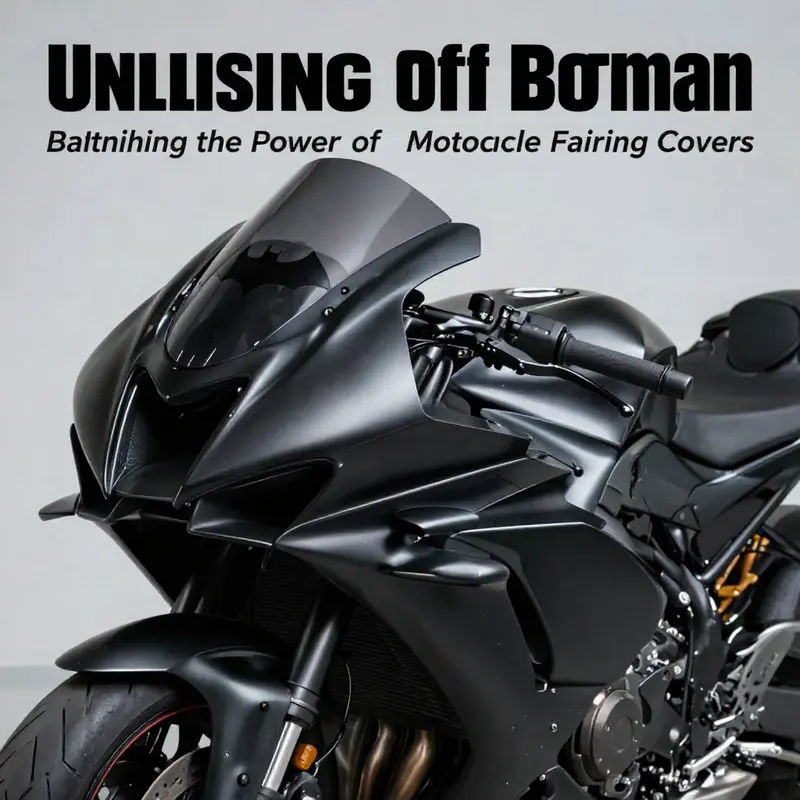
The Batman-inspired batwing fairing on a motorcycle is more than a styling cue; it is a narrative that blends myth with motion. Its silhouette, wide at the crown and tapering toward the tail, reads as a badge of identity, at once aggressive and controlled.
This aesthetic is a deliberate design language that harmonizes aesthetics with function while tapping into a cultural lexicon that riders recognize and respond to instinctively. The batwing fairing, in its most compelling executions, is less a piece of plastic than a compact sculpture moving through air, an object that invites onlookers to read a few lines of a familiar vigilante story in the shape of an industrial form.
Color and texture play a crucial role. Matte finishes dominate the Batman-inspired approach because they absorb light rather than reflect it aggressively. A matte black surface can suggest a stealthy presence, while accents in yellow or brass hints add contrast and legend-like cues.
Iconic motifs such as the Bat-symbol or a cowl-inspired contour anchor the design. The surrounding graphics radiate outward like wings, elongating the bike and guiding the eye along the machine’s front. The result is a cohesive signature that signals readiness and restraint at the same time.
Engineering practicalities are essential. A batwing must fit the chassis, coordinate with windscreens and instrumentation, and minimize drag without compromising visibility or steering feel. When well executed, the silhouette reads as an extension of the bike rather than a bulky add-on, delivering both performance and personality.
Customization and craft matter too. Some riders opt for full fairings, others for 3/4 kits or lighter wraps. Material choices range from fiberglass and ABS to carbon fiber, each bringing different balances of price, weight, and finish. A textured wrap can guard against chips while maintaining the language of a shadow in motion.
In the broader culture, the Batman motif is a social signal that sparks conversations about heroism, style, and the rider’s relationship to speed and night streets. It travels with the bike, becoming a mobile gallery that travels from city lanes to open highways.
Shadowed Aerodynamics: Unveiling the Functionality and Performance of Batman Motorcycle Fairing Covers
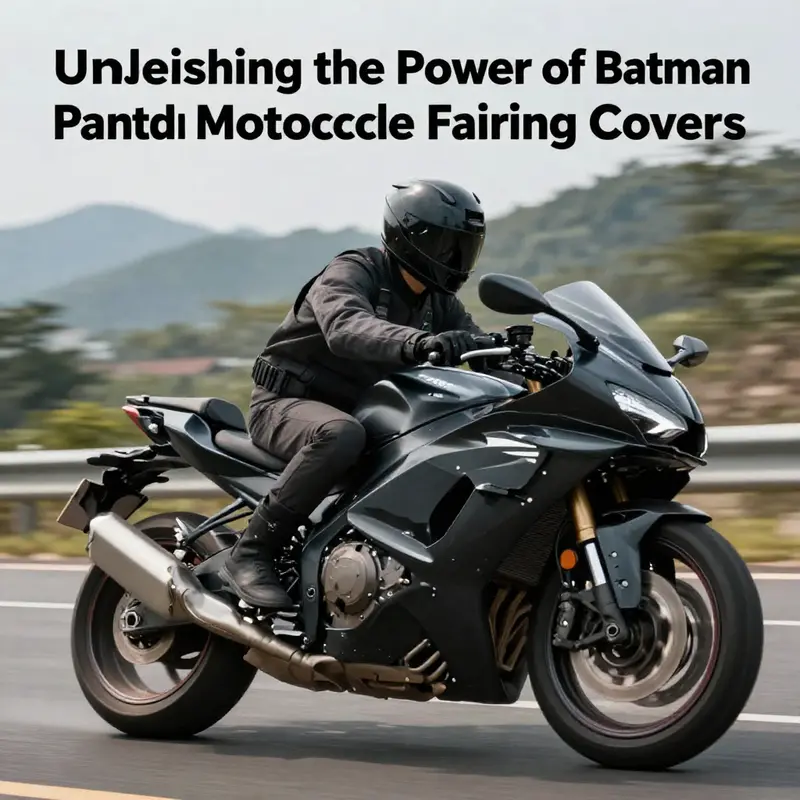
The batwing is more than a dramatic silhouette riding on the front of a motorcycle. It is a designed integration of form and function, a deliberate statement that speed and style can coexist with practical benefits. When a rider straps on a bat-themed fairing cover, the bike becomes a statement piece, yes, but it also mutters a quiet, efficient hum as it slices through air. The essence of its appeal lies in the intersection of aerodynamic science and rider experience. A batwing fairing acts as an aerodynamic shield, curving high and wide to redirect the stream of air that would otherwise slam into the rider’s upper body and helmet. In practical terms, this redirection reduces drag and minimizes turbulent wake behind the rider, a factor that matters most at highway speeds and during long-distance cruising when fatigue can creep in from wind pressure and helmet buffeting. The underlying physics is simple but powerful: smoother airflow around the torso lowers the resistance the bike must overcome, which can translate into a steadier ride, more consistent throttle response, and, in the right conditions, improved fuel economy. The aesthetic, meanwhile, is more than cosmetic. The batshape carries an instinctive psychological cue, a sense of agility and purpose, that resonates with riders who value both performance and presence. The visual drama of sharp angles and dramatic contours is not a mere tattoo on the machine; it is a design language that communicates the bike’s intent to cut through air with precision. A well-executed batwing integrates with the bike’s overall lines, forming a cohesive silhouette rather than a jarring appendage. The result is a package that feels more streamlined in motion, with no obvious protrusions or misaligned edges to catch wind or rub shoulders with the ceiling of the rider’s helmet. The most effective batwing configurations are serve-and-shape systems. They are not sold as one-size-fits-all, but as part of a broader ecosystem of mounting brackets, gaskets, and windscreen interactions. The best iterations accommodate a range of heights and rider postures, ensuring that the airflow management does not force the rider to crouch or tilt unnaturally to chase wind. In this sense, the functionality of the batwing is inseparable from its installability. A fairing that cannot align with a bike’s mounting points, that sits too high or too low, or that creates wind pockets around the rider’s shoulders defeats the purpose. For riders who value both speed and comfort, the selection process becomes a careful balance: how much wind is redirected, where does the air go after it leaves the rider’s shoulders, and how does the fairing influence the rider’s line of sight and gust tolerance on a long stretch of road? Aerodynamics is not only about the air that the rider feels in the face. It is about the entire flow field around the upper body, including the head, neck, and shoulders. When a fairing smoothly channels air over and around these areas, it can reduce the need for constant body adjustments, letting a rider maintain focus on road texture, traffic dynamics, and line choice. The science is complemented by a craft tradition that respects the weathering that bikes endure. Materials chosen for batwing fairings — whether rugged plastics, reinforced composites, or lighter carbon-fiber variants — influence how air passes across the surface and how well the panel resists deformation at speed. A well-made fairing resists flexing in gusts, holds its contour under pressure, and preserves the intended aerodynamic shape after repeated exposure to heat and sun. This is not a cosmetic choice but a commitment to sustained performance over time. Beyond wind management, the fairing also contributes to rider comfort by reducing direct wind noise and the chilling gusts that otherwise travel up the rider’s chest and neck. The sensation of a quiet cockpit matters, especially for riders who log hours in the saddle on cold mornings. When the speed and climate cooperate, the batwing’s impact becomes measurable in how easily a rider can settle into a relaxed posture, how little muscular energy is spent bracing against wind, and how steadier the hands feel when steering through a long, unchanging highway. The interaction with the rider’s seating position is a delicate dialogue. A well-matched fairing anticipates the rider’s natural stance, keeping the windscreen within comfortable sight lines and channeling air to avoid creating a thermal draft that might cause fatigue or discomfort. In crafting a unified experience, designers also consider the transitions between city riding and open-road cruising. A batwing that is too aggressive may over-harvest wind energy at low speeds, creating buffeting in stop-and-go traffic. Conversely, a fairing calibrated for highway speed can maintain a calm air envelope around the rider but at the cost of slightly more wind stress at urban speeds. The balance is achieved through iterative geometry: the height of the fairing, the curvature along the crown, and the taper of the sides all contribute to a single, coherent aerodynamic narrative. Metallic or matte finishes, color matched to a bike’s paint job, further reinforce the impression that the fairing belongs to the machine, not clinging to it. Aesthetics can be more than skin deep; when the fairing’s surface interacts with light and weather, it can create subtle visual cues about speed, air movement, and the bike’s character. The fairing does not exist in a vacuum; it fits into a broader performance ecosystem that includes the bike’s windscreen, chassis geometry, and even the rider’s gear. This synergy matters because the windscreen itself is part of the airflow story. If the screen is too tall or too short relative to the batwing, wind may wrap awkwardly around the helmet or cause turbulence in unexpected regions. Designers often work with riders to tune both components together, ensuring a harmonious balance between shield and airflow. The protection offered by batwing fairings extends beyond the rider. By shielding critical engine housings and exhaust components from stones, grit, rain, and road salt, these fairings help preserve the mechanical environment that keeps a motorcycle running smoothly. Debris impact can be a surprisingly costly affair, nicking paint, glazing plastics, or chipping protective coatings on metal surfaces exposed to cascading spray. A fairing that covers the upper front and sides reduces that risk, especially in regions with mixed weather, inclement mornings, or gravel roads that pepper the lane. While the primary risk is cosmetic or cosmetic-leaning protection, there is a practical maintenance advantage. Debris deflection minimizes the buildup of moisture and grime around sensitive joints and fasteners, simplifying cleaning and inspection routines. The net effect is not merely a cleaner bike; it is a longer service life for seals and connectors tucked behind or near the fairing shell. The decision to adopt a batwing fairing speaks to a rider’s intention to optimize both performance and persona. Some riders prefer 3/4 fairing kits, which cover the upper front and sides while leaving the lower engine and rear exposed. This choice offers a middle ground, delivering wind protection where it is most needed without the added complexity or weight of a full fairing. It is particularly appealing to sport riders, track enthusiasts, and long-distance travelers who want a cleaner silhouette without sacrificing comfort. The modularity of these kits can be a blessing, allowing incremental upgrades that align with evolving riding goals or new body positions developed through experience on the road. Yet even with flexible configurations, the timeless allure of the batwing remains persistent. Its bold lines evoke a sense of drama and speed, a reminder that motorcycles are more than machines; they are expressions of identity. Crafting a bike that wears a batwing fairing is, in part, a design exercise that respects balance: how the silhouette meets mass, how airflow meets rider, and how the finish touches harmonize with the color and texture of the bike’s existing surfaces. As riders explore different configurations, they learn that the fairing’s performance is not static. Real-world results vary with weather, road crown, and riding style. Wind pressure can feel different at highway speeds than it does at suburban speeds, and true gains come from a composite understanding of aerodynamics, rider comfort, and component protection. The conversation does not end at installation. Maintenance, weather exposure, and periodic realignment can influence performance over time. A batwing that settles into a new position due to vibration or minor mounting shifts can alter airflow paths in subtle but meaningful ways. Regular checks—ensuring bolts are tight, panels sit flush, and weatherstripping remains intact—help preserve the intended effect. In the end, the batwing fairing is a cooperative system: air, machine, and rider cooperate to create a smoother, safer ride with a stronger character. For readers looking to expand their understanding of fitment across model families, the broader catalog of fairings provides context for how different frames accept these components. Kawasaki fairings illustrate how a universal concept can be tailored to a family of machines, each with its own geometry and riding philosophy. This contextual view helps a rider imagine how a batwing fairing might sit on a sport-oriented build, a touring chassis, or a custom cruiser, always mindful of how the air around the rider becomes a partner rather than an adversary. When one considers the collective effect of aerodynamics, protection, and aesthetics, the batwing emerges as a thoughtful, flexible rider enhancement. It is not merely a fashion statement; it is a functional extension of the bike’s performance envelope. It invites a sense of control and clarity, letting the rider feel more connected to the road through steadier air, calmer noise levels, and a more confident posture. The practical benefits—reduced wind fatigue on long miles, better protection for vital components, and a distinctive, striking look—converge with the rider’s personal goals: speed with stability, aggression with refinement, and visibility through a design language that communicates intent without sacrificing comfort. This alignment of purpose is the reason batwing fairings have found a durable niche in the aftermarket landscape. They appeal to riders who want to push their machines toward higher performance without surrendering character. The decision to embrace a batwing is a choice to invest in a coherent system rather than a disparate set of parts. It is about acknowledging that air is a factor every mile, and that shaping it intelligently can elevate the entire riding experience. As with any substantial add-on, meticulous planning matters. Riders must consider compatibility with their frame, mounting options, weather sealing, and future maintenance. The best outcomes arise when the fairing is treated as part of a broader strategy—one that includes appropriate windscreen geometry, careful alignment with the rider’s posture, and attention to the bike’s electrical and cooling pathways. In this light, the batwing is not merely a cover; it is a carefully engineered interface between the rider, the machine, and the environment. It embodies a philosophy that values performance without compromising personality. External resources offer deeper technical insights for those who want to explore the specific implications of batwing kits. For a detailed, technical exploration of batwing fairing kit performance specifications, readers can consult Oscar Bennett’s guide, which surveys how different configurations influence drag, stability, and weather protection across varied riding scenarios. This resource can serve as a helpful companion as riders evaluate their own goals and the realities of their local riding conditions. In sum, this chapter has traced how functionality and performance converge in Batman-style fairing covers. They deliver a tangible aerodynamic advantage, augment rider comfort, and shield critical components from the hazards of the road. They also deliver a dramatic aesthetic that reinforces a rider’s sense of identity while remaining adaptable enough to suit multiple chassis layouts. The batwing, in its ideal form, becomes a reliable partner for riders who seek to blend high-speed capability with controlled comfort and a compelling visual narrative. It is a reminder that in motorcycling, engineering and storytelling share the same road, and the best combinations are those where the wind itself seems to cooperate with the rider’s intent.
Batwing Dreams on Two Wheels: Exploring Style, Aerodynamics, and Purchasing Realities of Batman-Themed Motorcycle Fairing Covers
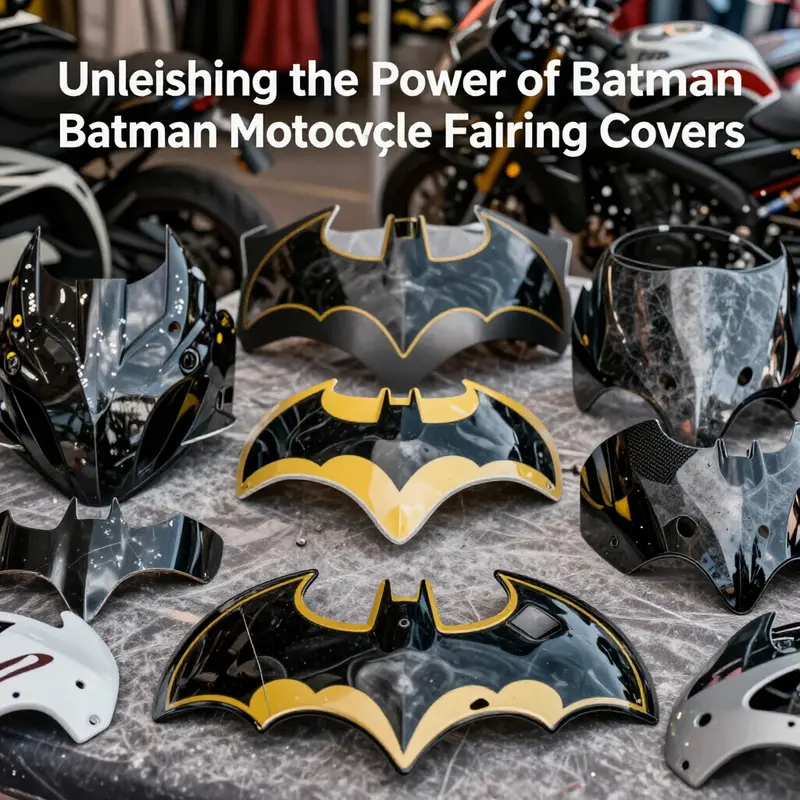
A motorcycle can become a moving screen for a rider’s identity, and few motifs speak with as much immediacy as the batwing silhouette. The idea of a Batman-inspired fairing cover taps into a long-running fascination with superheroes and speed, weaving a narrative where art and engineering meet the open road. The batwing, as a design cue, is more than a bold visual statement; it is a module that claims to sculpt the air around a bike, directing the flow, reducing buffeting, and shaping the rider’s wind experience. When a fairing is styled to echo a cultural icon, the result is not merely cosmetic; it is a statement about motion, confidence, and the ways in which a rider negotiates weather, posture, and tempo. The batwing form, with its sharp lines and expansive upper contours, can evoke the sensation of a cape catching the wind. Yet behind that dramatic profile lies a carefully considered balance between style and function, where the shape is tuned to strike a compromise between wind protection, weight, and the practical realities of maintenance and fitment on a wide array of motorcycles.
The aesthetic pull of a Batman-inspired fairing comes from the same impulse that makes a high-performance race kit attractive: the promise that a machine can look like it is moving even when standing still. This is not simply about painting a bike in dark tones or slashing a logo across the nose. It is about translating an iconic silhouette into a three-dimensional body that interacts with the air, the rider, and the elements. In many ways, the batwing fairing embodies a philosophy of speed that is visual as much as it is physical. It signals a willingness to embrace both drama and practicality, to accept a more pronounced rider profile and, with it, a commitment to wind protection that can reduce fatigue on longer rides or in blustery conditions.
Market reality, however, threads that romance with the patchwork of choices available to today’s riders. The aftermarket ecosystem for motorcycle fairings has grown into a broad landscape, where the batwing concept appears across diverse platforms and model families. A practical scan of online marketplaces shows a broad spectrum of Batman-themed or batwing-style fairings positioned under categories that include fairing components and, in some cases, themed groupings that play with the Bat-symbol idea. The listings reveal a recognizable pattern: a strong emphasis on aggressive geometry, sharp edges, and large panels that promise both wind deflection and an assertive aesthetic. The potential buyer is guided by a mix of factors—model compatibility, finish, mounting hardware, and the overall balance between weight and wind management. While the Batman motif is the hook, the underlying purchase decision is anchored in the same concerns riders bring to any fairing: how well will it fit, how much will it improve comfort, and how resilient will it be against road grime, rain, and sun.
The purchasing landscape for batwing-style fairings is also telling about how enthusiast communities operate. On large marketplaces, the batwing concept often threads through a broader “fairing” category and into specialty sections that echo a biker’s desire to stand out. It is common to see a mix of parts designed for sport bikes, touring models, and custom builds. The pricing spectrum reflects that diversity: options begin at modest price points that make customization accessible to a wider audience, while higher-end finishes and materials cater to riders seeking a more premium presence. The possibility of acquiring parts with low minimum order quantities—down to a single piece in some cases—speaks to the hobbyist-driven nature of the market, where one rider’s project can be a gateway to a personalized, show-ready ride. The risk, of course, is ensuring that a given fairing aligns with the rider’s specific machine—model year, frame geometry, and mounting points can vary, and misalignment can lead to compatibility headaches, install frustrations, or compromised performance.
From a design perspective, batwing fairings share common DNA with other winged or sculpted front-end treatments. They typically emphasize strong upper contours, a silhouette that broadens toward the rider, and a front profile that channels air downward and around the rider’s torso. The functional benefits—wind protection, reduced rider fatigue, and a smoother ride at highway speeds—are widely acknowledged, even when the primary selling point is appearance. For riders who pursue a blend of performance and drama, the fairing becomes part of a broader strategy: a kit that simplifies the act of riding fast and looking fast at the same time. Yet the devil is in the details: the exact fit, the way the panels join, the quality of the finish, and the care with which the edges are blended all contribute to whether the installation feels like a professional job or a DIY experiment that compromises aerodynamics or weather sealing.
The materials story behind batwing fairings mirrors the general evolution of aftermarket panels. Lightweight, impact-resistant plastics—such as ABS and PC/ABS blends—remain common for off-the-shelf fairings because they strike a practical balance between stiffness, resistance to weathering, and ease of fabrication. The statement pieces—those that aim for a carbon-fiber look or real carbon fiber panels—signal a rider’s desire for a premium, race-inspired aesthetic while maintaining manageable weight. Matte finishes, often in black or dark gray, play into the dramatic, stealthy vibe associated with the Batman imagery, while gloss coatings and airbrushed accents offer opportunities for customization and personalization. The integration of the fairing with weather stripping, drainage, and electrical pass-throughs is not incidental; it is a crucial part of ensuring that a piece will perform under real-world conditions rather than look compelling in a showroom.
The practical purchasing path for Batman-themed batwing fairings reflects both the dream and the discipline of customization. Platforms that host aftermarket parts provide a spectrum of options, from fully prepped, paint-ready panels to bare subassemblies that require painting or finishing by the buyer. In that ecosystem, buyers are advised to read listings with a careful eye for fitment notes, included mounting hardware, and any adapters or templates that facilitate alignment with the bike’s frame. The market’s emphasis on model-specific fit, and the occasional emphasis on universal mounting kits, means that a rider must approach a purchase with a clear sense of what their machine requires. Compatibility is not a mere checkbox; it is a practical constraint that shapes installation time, the reliability of the seal against weather, and the ease with which hot air, electrical connections, and gauges can be accessed for maintenance. The upshot is that an imaginative fairing—in the Batman vein—needs a pragmatic partner in the form of a seller who can document fitment and offer guidance on installation.
In the context of materials and finishes, the batwing aesthetic often leans into two parallel tracks: a bold, aggressive look that pairs with hard-edged contours, and a more refined, understated finish that emphasizes texture and depth. The matte carbon-appearance variant, while visually arresting, also captures a sense of modern sport bike styling, where visibility and heat management are weighed against the desire for a stealthy profile. For riders who prize weather protection and reduced wind fatigue during long rides, those improvements can translate into real comfort gains, especially when paired with a thoughtful windscreen height and seat position that optimize posture and energy expenditure over hours of riding. The fairing’s role is not isolated; it interacts with other aerodynamic components, the rider’s posture, and even the rider’s choice of clothing and helmet. This is why a well-chosen batwing cover is rarely a solitary modification; it is a central piece in a broader, evolving system of personal expression and ride experience.
The broader market context supports the sense that batwing fairings, including Batman-inspired designs, sit within a thriving category of customization. Analysts note a general expansion in the motorcycle fairing segment, driven by demand for improved aerodynamics, weather protection, and expressive styling. While Batman-themed variants are a niche within this market, the underlying drivers—desire for improved comfort on long rides, desire for distinctive aesthetics, and the willingness to invest in aftermarket parts—are widely shared among riders seeking identity and performance in equal measure. The narrative of the batwing thus becomes part of a larger story about how riders respond to wind pressure, engine heat, and fatigue, while still wanting to project a persona that feels uniquely theirs. In practical terms, this means that a rider can expect not only a striking silhouette but also a fairing that is reasonably well supported by a network of suppliers, community knowledge, and aftersales care.
Market trends and purchasing insights, as they intersect with Batman-inspired fairings, point to several cross-cutting themes. First, the customization ecosystem is increasingly diverse, offering a continuum from quick-fit, affordable panels to more elaborate, two-piece or three-quarter kits that cover the upper front and sides while preserving access to the lower engine and rear components. This modular approach appeals to riders who want a balance between wind protection and weight, especially for sport and touring configurations where ease of maintenance matters. Second, there is a growing interest in finishes that evoke a performance aesthetic without requiring the rider to commit to a full carbon-fiber build. Matte carbon, dark gloss, and graphic accents that echo comic-book iconography are all part of a spectrum that lets buyers tailor the look without overhauling the bike’s entire skin. Third, the integration of smart elements—embedded audio, ambient lighting, weather sensors, and wireless charging—signals that the fairing is becoming more than a cosmetic shell. While these features add cost and complexity, they also deepen the perceived value and ride experience for enthusiasts who want technology to complement theater and performance.
From a purchasing standpoint, several practical guidelines emerge for prospective buyers. It is prudent to prioritize fitment documentation and seller credibility. A fairing that arrives with clear mounting instructions, the necessary brackets, and a reasonable return policy reduces the risk of misfit or misalignment that could undermine both aesthetics and function. Buyers should also consider the condition and finish of the panels, the ease of touch-ups if the surface is scratched, and the availability of replacement hardware should a single clip or gasket fail during installation. Given the wide price range—from budget options that begin near modest figures to premium-looking panels with premium finishes—buyers should calibrate expectations against the incremental benefits of each tier. A bargain-priced batwing may offer dramatic styling at a reduced wait time but may require more effort in finishing work, while a higher-priced kit might deliver better pre-fitment and a more polished result, with less friction during assembly and sealant application.
The buyer’s decision often centers on compatibility, aesthetics, and the perceived durability of the finish. The batwing motif is inherently bold, which means some riders prioritize the visual impact even if it means a lengthier install or a more involved paint match. Others approach the fairing as a project-piece that will be painted or wrapped to coordinate with an existing color scheme, decals, or logos. In either case, the final outcome hinges on thoughtful preparation: precise measurements, proper cleaning and surface conditioning, and a plan for sealing interfaces to minimize water intrusion. Mounting hardware, bracket engineering, and the potential need for weather-strips or edge seals all influence long-term performance, particularly in climates with significant rain or temperature swings. Because each model and year can present unique geometry, it is wise to treat the process as a careful, patient craft rather than a quick swap.
In terms of guidance for potential buyers, it helps to skim case studies and rider testimonials that describe installation challenges, fit discrepancies, or success stories. Reviews can illuminate issues that are not evident from product descriptions, such as how well a fairing aligns with a particular headlight assembly or how a curved surface accepts a paint job. For riders who value quickly accessible information, tutorials and forum discussions can be as informative as the listing details. And for those who want to ground their purchase in a broader ecosystem, one might explore collections that categorize parts by their stylistic aim or by the level of bodywork they provide. A practical example to illustrate how collections can be organized—without naming specific brands—would be to consider a general cataloging approach that groups fairings by the extent of coverage, such as full, partial, or quarter-length kits, and by finish option, such as matte carbon or solid gloss. This modular approach helps a buyer conceptualize how a Batman-inspired piece could fit within a larger customization plan. For those seeking a concrete sense of how such cataloging looks in practice, one could browse the broader bike-fairing catalog that showcases a range of options and finishes. A concrete example of how collections are organized online can be found at Honda fairings collections, which illustrate how different panels and finishes are grouped for easy navigation and comparison. Honda fairings collection.
Crucially, the purchasing landscape for Batman-themed batwing fairings is not static. The market for aftermarket fairings is expected to grow as riders continue to demand improved performance and expressive styling in equal measure. Industry analyses describe a robust trajectory for the overall motorcycle fairing category over the coming years, driven by demand across sport, touring, and custom segments. The drivers include ongoing material innovations, better aerodynamic understanding, and a willingness among riders to invest in appearance as a core component of the riding experience. While Batman-themed variants remain a niche, their success is tied to how well the broader ecosystem can deliver reliable fit, durable finishes, and a sense that the narrative of the fairing aligns with the rider’s own story on the road.
The story of Batman-themed batwing fairings, then, is a reminder that performance and personality can travel together. The batwing is more than a silhouette; it is a design language that carries a promise—of wind relief on a long ride, of head-turning presence in traffic, and of the satisfaction that comes from shaping a machine to mirror a rider’s personal mythos. Whether a rider approaches this modification as a practical wind shield, as a bold styling experiment, or as a mid-life project seeking a visual identity, the choice sits at the intersection of engineering, art, and aspiration. The purchasing path—constrained by compatibility realities, tempered by budget, and guided by the availability of finishing options and maintenance support—remains accessible to dedicated enthusiasts who are willing to navigate a marketplace that rewards both taste and due diligence. In that sense, the Batman-inspired batwing fairing is a small but telling example of how customization culture translates a cultural symbol into a moveable, rideable sculpture that moves with the rider as a partner in motion rather than a mere ornament. The batwing, with its iconic shape and its promise of weather protection, continues to ride the boundary between fantasy and road reality, inviting riders to explore how far they want to push style, performance, and storytelling on two wheels.
Final thoughts
Batman motorcycle fairing covers are more than just stylish additions; they provide essential functionality that enhances riding experiences. With their unique design, these fairings appeal to a wide range of motorcycle enthusiasts looking for aesthetics and performance. Understanding current market trends and consumer preferences can empower business owners to tap into this niche and offer products that resonate with their target audience. The ongoing popularity of Batman-themed customizations indicates a promising avenue for investment in motorcycle accessories.