
The motorcycle accessory market is thriving, particularly in niche segments such as batwing fairings designed for Victory motorcycles. With various products available, business owners can tap into a lucrative opportunity by understanding the integral features, types, and market dynamics of these fairings. This guide offers a comprehensive overview, categorizing the types of batwing fairings, installation considerations, and the latest market trends, ensuring that businesses are well-prepared to offer the best for motorcycle enthusiasts.
Wings on the Road: A Deep Dive into Batwing Fairings for Victory Motorcycles
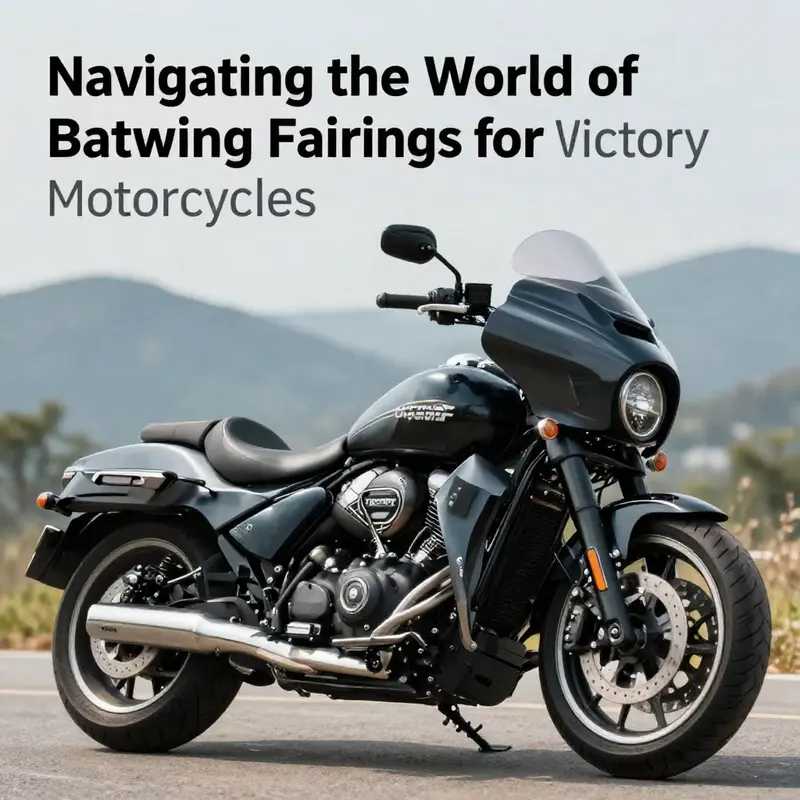
Victory’s Batwing fairing is more than a styling cue; it is a touring-oriented design that shapes wind, cabin feel, and rider confidence. The broad silhouette works with the bike’s frame to smooth the air around the rider, creating a more forgiving wind envelope at speed and reducing fatigue on long rides. The result is a look that signals purpose and a ride that remains composed on fast highways and twisty backroads.
To understand why the pairing endures, treat the Batwing as a system rather than a single piece. The fairing interacts with the windshield, instrument cluster, and the rider’s posture. A taller windshield can deflect more wind and cut buffeting, but fitment depends on rider height, ride height, and the chosen shield. The windscreen is a partner in wind management, and its shape can either enhance clarity or broaden the protected region around the rider.
Beyond the base fairing, trims and periphery accents provide both visual cue and subtle aerodynamic refinement. Trim choices influence perceived depth and motion, catch light differently, and can reduce snag potential along adjoining seams. When a rider picks trim that complements the windshield and fairing curvature, the front end reads as a single, intentional unit.
The Batwing’s popularity extends into the aftermarket. While Victory bikes are no longer manufactured, a thriving ecosystem persists. Direct-fit fairings, compatible windshields, and a range of trim accents remain accessible through dedicated shops and community marketplaces. Clear fitment notes—covering model years, sub-models, and mounting points—help riders select a unit that can mount cleanly with four secure points and minimal permanent alterations. The aim is a stable, integrated front end that preserves resale value and reduces wind noise.
Maintenance and care matter as soon as a fairing is installed. Regularly inspect mounting hardware for looseness or corrosion, check seals around the windshield for cracks or gaps, and ensure airflow pathways stay unobstructed. A well-kept Batwing maintains predictable wind behavior, supports steady steering inputs, and encourages a relaxed riding stance. Cleaning, UV protection, and coordinated paint or wrap work all fit into a long-term plan for the bike.
Aesthetically, the Batwing frames the bike’s fore-and-aft proportions, guiding the eye from the headstock toward the lower edge of the fairing. This line helps explain why the Batwing has endured across generations and why riders upgrading older configurations consider not just appearance but how the front end feels in practice. For those contemplating a change, the decision often centers less on novelty and more on how the setup aligns with posture, wind, and overall balance.
Practical installation questions usually come down to fitment and ease of mounting. Direct-fit options for specific model-year ranges are preferred because they minimize drilling or permanent alterations. Some setups emphasize a four-point clamp to designated frame points, while others may require modest hardware tweaks. The promise remains a clean, integrated appearance with a stable interface to the bike’s bodywork and a reasonable tool-and-time investment for installation.
Looking beyond Victory, a cross-brand view of fairings—such as the Yamaha windscreen ecosystem—helps illustrate how similar profiles translate across platforms. These comparisons highlight how different curves, radii, and edge treatments influence perceived aerodynamics and rider comfort, even when mounting strategies diverge. The shared vocabulary of wind deflection and silhouette cohesion makes the Batwing a practical case study for front-end upgrades.
In the end, the best Batwing decisions come from a blend of fit, rider comfort, and the bike’s overall character. When the fairing complements a rider’s posture and the bike’s stance, the riding dynamic feels deliberate, the wind becomes manageable, and confidence grows. The Batwing is not just an adornment but a functional statement about touring capability and design language. For those who value the journey as much as the machine, the Batwing remains a compelling option that invites personalization and refinement, with an enduring sense of rider companionship on the open road.
Batwing Fairings on Victory Motorcycles: Variation, Aerodynamics, and Personal Style
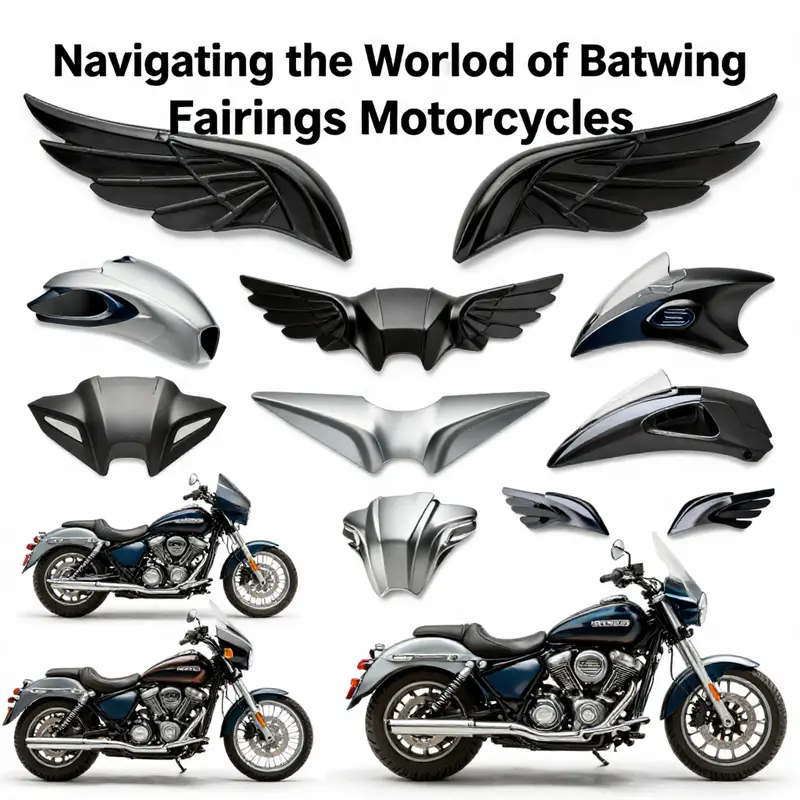
The Batwing fairing defines the face of a Victory motorcycle as much as its stance on the road. It is not merely a shield from wind; it is a design statement, a wind-tunnel partner, and a touchstone of personal taste all at once. Across the spectrum of Victory bikes, riders encounter a spectrum of Batwing configurations that honor the iconic silhouette while offering varying degrees of comfort, performance, and flair. This chapter traverses that landscape with an eye toward understanding how these front fairings differ in form and function, and how a rider can align a choice with journeys, climates, and everyday riding rhythms. It reads not as a shopping list but as a guide to the way wind, weight, and line intersect on the motorcycle’s front end, shaping both experience and identity.
At the baseline, the standard Batwing establishes a familiar geometry: a front fairing that flows from the handlebars down toward the fuel area, knitting together the cockpit and the upper bodywork into a single, coherent surface. The integrated windscreen is not only about protection; it frames the rider’s line of sight and helps control the buffeting that can creep in at highway speeds. For many riders, this setup provides dependable wind protection, a clean aesthetic, and predictable handling. It is the reference against which other variants are measured, a starting point that preserves the bike’s original proportions and the feel of its engineering, while offering the reliability of a design that was conceived to work with the bike’s aerodynamics from day one.
From there, the fairing family broadens with variants aimed at refining airflow without overturning the overall shape. A common approach introduces a vent or vent-like feature in the front center of the fairing. This modification is not a dramatic reimagining of the Batwing; rather, it is a targeted tool to guide air more efficiently around the rider’s torso. In practice, a well-placed vent helps manage pressure zones as speed and posture change, which can translate into a modest drop in turbulence and a quieter ride on longer stretches. The effect is often incremental rather than revolutionary, but for riders who spend many hours in the saddle, the difference can be meaningful. It preserves the Batwing’s classic profile while delivering a practical benefit: a cleaner, more stable air stream that complements the rider’s breathing dynamics and helmet fit.
Another layer of refinement emerges in the form of windshield trims. These are not about rearranging wind flow so much as shaping the edge of the shield and the adjoining panel lines to achieve a crisper silhouette. Trims can emphasize the fairing’s contours, make the windscreen feel more integrated, and create a different visual tension between the glass and the surrounding bodywork. A Trim upgrade can range from a subtle, restrained edge that echoes the bike’s paintwork to a more pronounced, sculpted line that reflects a sharper aesthetic. The appeal here is as much about how light and color behave at the fairing’s edge as about any aerodynamic change. A well-chosen trim can make the front end appear more purposeful, like a single, well-cut piece rather than a combination of separate parts. For riders who relish the small but important details, trimming the windscreen is a way to sharpen the fairing’s personality without altering its fundamental character.
Beyond refinements to the windscreen and its edges lies a broader category: aftermarket or aftermarket-compatible front-end enclosures. These are the front-end bodies that can substitute for the original profile or extend it in new directions. They offer a path to a look that leans more toward touring, sport, or a commanding, bold highway presence. This family of options often requires careful attention to mounting geometry, as the fairing must align with the bike’s mounting points, instrument clusters, and the routing of any wiring or hoses that live behind the panel. The practical upside is the opportunity to tailor protection and aesthetics in a way that a factory piece cannot, while the trade-off is the additional steps necessary to ensure proper fit and sealing. When considering a full fairing replacement, riders weigh how the mass distribution changes, how the new shape interacts with the bike’s aerodynamics, and whether the project includes multiple components like brackets, side panels, and a compatible windscreen. The process invites a thoughtful sequence: verify fitment against year and model, assess whether the installation is modular enough to avoid bodywork repainting, and plan for any required bracketry or hardware so the result feels integrated rather than improvised.
The appeal of Batwing variations runs deeper than mere function. It is a conversation between rider and machine about intent and presence. To some riders, the Batwing is a shield against the elements; to others, it is a stage where the bike broadcasts its personality—bold, refined, or somewhere in between. The aesthetic vocabulary offered by trims, vents, and finishes lets a rider tune the front end to harmonize with paint color, wheel choice, and seating preferences. A gloss finish on the trim can catch sunlight and create a gleam that reads as confident, while a matte or brushed edge can lean toward a restrained, understated vibe. The choice is rarely one feature in isolation; it is the sum of lines, edges, reflections, and the shadow the front end casts while the bike is at rest and on the move.
Of course, with any modification, there are practical realities to consider. A Batwing upgrade is not just a matter of choosing a look; it involves fitment accuracy, weather sealing, and long-term reliability. Some options are designed for quick bolt-on installation, intended to minimize downtime and avoid repainting or major alterations. Others demand a more deliberate approach: test-fit, measure, and confirm that the instrument cluster remains accessible, the fuel tank interactions stay clear, and the mounting hardware aligns with the bike’s structure. The best outcomes come from a plan that treats the front end as a system rather than a single piece. This means checking for potential interference with antennae, wiring harnesses, and temperature-sensitive components behind the fairing, and understanding how the added mass or altered aerodynamics might shift vibration or steering feel at different speeds.
Maintenance becomes part of the narrative once a fairing is in place. The front assembly is exposed to the weather, road debris, and UV light, all of which can dull finishes or loosen fasteners over time. A routine check that becomes second nature—inspecting seals for cracks, tightening screws to the manufacturer’s torque specifications, and cleaning trim surfaces with appropriate cleaners—helps preserve the fairing’s aesthetics and its protective function. If the windscreen is removable, routine handling to avoid stress cracks and to maintain a pristine optical surface becomes part of regular care. The materials chosen for trim and fairing surfaces respond differently to cleaning products and solvents, so riders should follow clear guidelines that respect the material’s hardness, gloss, and texture. In the long arc of ownership, maintenance is the quiet partner to style; it keeps the Batwing performing as intended while ensuring the bike’s front-end language remains legible and purposeful.
Market realities add texture to the decision-making process as well. A broad landscape of options—ranging from simple trim updates to full fairing replacements—appeals to riders who want to refresh the front end without repainting the entire bike, or who want a front end that better suits a touring itinerary or a sportier riding stance. The abundance of choices can be thrilling, but it also requires careful diligence. Reading product descriptions with an eye for fitment notes, double-checking that the parts are intended for the rider’s specific year and model, and confirming whether installation must be performed by a professional or can be accomplished at home with basic tools are prudent steps. The goal is to align the desired look and the intended riding experience with a solid plan that anticipates the work, time, and potential follow-up adjustments that may be needed.
For riders who see the Batwing as a canvas for personal identity, the journey is as important as the destination. The process invites a rider to imagine the ride in different contexts: long highway days, weekend canyon runs, or a dawn patrol to a favorite overlook. In each scenario, the fairing’s role evolves—from optimizing wind protection and noise control to shaping the bike’s aggression and stance. The Batwing thus becomes a narrative device: a way to tell a story about where the rider has been, and where the road is going. It is not just about a single upgrade; it is about curating a front-end experience that echoes the rider’s habits, climate, and riding tempo. When the right combination is assembled, the front silhouette communicates a shared purpose between rider and machine—protection where needed, clarity in the cockpit, and a visual fingerprint that makes the bike instantly recognizable, even in motion.
In the end, choosing among Batwing variants is a balanced exercise in function, form, and fidelity to the bike’s core appeal. A rider who starts with the baseline and adds a carefully chosen vent feature, a refined trim, or a complete but compatible full-fairing upgrade builds a front end that feels tailor-made. The best outcomes come from aligning the choice with riding goals: comfort over long stints, a precise silhouette that complements the bike’s paint and lines, or a front end that signals a statement of style at a glance. The Batwing is not a tweak to be rushed. It is a thoughtful investment in the rider’s intimate dialogue with the road—a dialogue where wind becomes an ally, visibility remains clear, and the motorcycle’s face communicates the traveler’s intent without saying a word.
External reference: https://www.victorymotorcycles.com/vehicles/2026/victory-hammer/
Batwing Fairings on Victory Motorcycles: Navigating Fit, Fabrication, and the Harley‑Inspired Aesthetic
The Batwing fairing is a bold visual statement, instantly transforming the silhouette of a touring motorcycle. On the page, it often signals power, long‑haul comfort, and a certain cinematic wind‑blown presence. Yet for Victory motorcycles, Batwing‑style or Batwing‑inspired fairings are not a factory feature. The pursuit, therefore, sits at the intersection of aspiration and engineering reality: an aftermarket path that promises a Harley‑touring aura but demands careful planning, fabrication know‑how, and a willingness to navigate the tuning needed for a unique ride. This chapter unfolds that path as a single, continuous investigation—from the origin of the Batwing look to the practicalities of mounting one on a Victory, and the considerations a rider must weigh before committing to such a transformation. It is not just about appearance; it is about how a motorcycle breathes, how it balances weight and wind, and how a rider negotiates the line between personal expression and road‑tested safety.
The Batwing’s origin story helps frame the practicalities. It is a design closely associated with a particular lineage of touring machines, where the fairing integrates with the steering geometry, the windscreen, and the rider’s line of sight. Those engineering choices are optimized for that family of frames, with exacting tolerances for fit and aerodynamics. When a Victory rider contemplates adopting a Batwing‑style fairing, the first realization is that the replica or aftermarket variant is not a drop‑in accessory. The fairing’s mounting points, structural support, and interaction with the bike’s electrical system are all scripted for a different frame geometry. In short, the factory‑designed architecture of a Victory bike and the Harley‑style touring architecture are not interchangeable without adaptation. This is not merely a cosmetic challenge; it is a question of fitment, safety, and the long‑term integrity of the motorcycle’s steering, brakes, and electrical harness.
The market reflects this reality with a range of aftermarket offerings that promise Batwing aesthetics or Batwing‑like silhouettes for specific Victory models. Some of these options are described as compatible with particular Victory variants, suggesting a straightforward, bolt‑on installation and minimal or no painting. In practice, compatibility is a spectrum. A few kits may align reasonably well with a given frame, windshield, and mirror mounting points, but they almost always require custom brackets, altered handlebar or mirror configurations, and careful tailoring of the electrical system. The heart of the matter is that few, if any, Batwing‑style assemblies are designed as official factory accessories for Victory motorcycles. What you are dealing with, then, is aftermarket engineering that borrows on a Harley touring archetype and adapts it to a different chassis. This is a crucial distinction because it frames expectations: the look can be achieved, but the path requires fabrication and professional involvement.
With that backdrop, the question of compatibility becomes a practical checklist rather than a single‑line answer. First, confirm the fairing’s intended mounting framework. The fairing must align with the bike’s steering head, triple clamps, and windscreen interface. Even when mounting points appear to match, transfer points must be checked for interference with riding components such as the throttle, hand controls, and the instrument cluster. Second, evaluate the windscreen relationship. The Batwing design is often coupled with a particular windscreen height and geometry to optimize airflow and reduce buffeting. A Victory model may use a different windscreen arc or edge profile, which can alter aerodynamics and rider comfort if forced to adapt a mismatched fairing. Third, assess mirrors and electrical systems. The fairing’s fairing‑mounted mirrors, if any, must clear the fairing’s inner surface and not clash with instrument visibility. The electrical harness that powers indicators, auxiliary lights, or heated grips may need routing alterations or re‑termination. These are not cosmetic changes; they affect rider safety and the bike’s compliance with local laws governing lighting, visibility, and frame integrity.
The installation reality, then, is one of measured preparation and honest assessment. Many aftermarket kits advertise a direct fit or a simple bolt‑on installation, yet the real work often surfaces in the form of fabrication and re‑engineering. Brackets may need to be laser‑cut or plasma‑cut, and their attachment to the frame must be pursued with precision to maintain rigidity and to prevent flex at highway speeds. It is common to encounter situations where the handlebars or the handlebars’ tops‑side attachments require modification to avoid contact with the fairing or to preserve the full range of steering movement. The windscreen, too, may demand trimming or repositioning to ensure a clean sweep of air and to avoid glare or obstructed view. The electrician in the shop can attest that any rerouting of lighting or power circuits must be executed with care to preserve current draw, fuse protection, and weather sealing. This is not a project for a casual weekend tinkerer; it is a modification whose success depends on a professional assessment and a factory‑level approach to mounting discipline.
The practical route to compatibility, then, tends to follow a pattern: a careful evaluation of the bike’s frame geometry and mounting points, a determination of whether the fairing’s inner structure will align with those points, and a candid discussion with a qualified shop about required brackets, finish work, and potential impact on resale value. Before any purchase decision, it is prudent to obtain confirmation from the kit’s supplier about compatible Victory models and to request installation guidance or a kit with custom brackets that are specifically designed for that model. The goal is not to force a match but to negotiate a safe, coherent integration that preserves the bike’s steering accuracy, rider balance, and the integrity of the electrical system. When this level of due diligence is observed, the odds of achieving a satisfying result—one that looks right and rides right—rise significantly.
Beyond fit and function lies a deeper consideration: aesthetics that the Batwing look can deliver. The single most compelling appeal is the dramatic visual transformation. A Batwing fairing can sweep the lines of a Victory motorcycle toward a cruising‑glamour vibe that evokes long‑distance heritage without sacrificing modern ergonomics. The perception of wind protection, even if not perfectly matched to Harley touring standards, can still enhance rider comfort on open highways. However, the rider should balance this aesthetic with the potential trade‑offs: increased weight, altered handling characteristics, and the possibility of greater forward‑wind resistance that could change the feel of steering inputs at certain speeds. In effect, the aesthetic payoff is real, but it comes with a mechanical price tag that must be examined in the context of the bike’s balance, suspension travel, and tire feedback. A thoughtful rider will imagine the full ride—not just the first impression at a showroom or photo shoot, but the cumulative sensation of hundreds of miles, weather changes, and long‑haul loading scenarios where wind management and stability are essential.
In the end, the path to Batwing styling on a Victory motorcycle is less about finding a plug‑and‑play solution and more about orchestrating a careful collaboration between design intent and mechanical reality. The rider’s decision should be anchored in a plan that emphasizes safety, road clearance, and the risk calculus associated with custom fabrication. A staged approach is often the most prudent: begin with a thorough assessment by a certified technician, obtain a clear estimate for brackets and finishing work, and request a test fit before any permanent modifications are undertaken. A reputable shop can model how the added mass and altered aerodynamics affect steering response, weight transfer during braking, and the bike’s dynamic behavior in crosswinds or at highway speeds. They can also advise on warranty implications and potential impact on resale value, which can be meaningful factors for a motorcycle built and refined over years of ownership.
The rider who proceeds with this kind of modification should also consider a thoughtful integration of other aftermarket elements. Windshield choice, protective trim, and even the surface finish of the fairing can influence the overall effect. The same care that goes into color matching and surface preparation should apply to the fairing’s mounting hardware and brackets, which must resist vibration and corrosion while maintaining alignment through temperature cycles and road debris exposure. Even the most discreet bracket, if poorly designed or installed, can introduce rattles, flutter, or unwanted micro‑movement at speed. Those are exactly the kinds of issues that undermine both the aesthetic appeal and the aerodynamic rationale for the modification. Ultimately, the decision to pursue Batwing styling should be part of a broader conversation about how a rider wants the bike to behave and how much engineering certainty they require for long‑distance reliability.
This is why the advice from professionals matters. A certified motorcycle shop can verify that the chosen kit is appropriate for the rider’s model year, confirm whether any repainting will be necessary, and ensure that the final assembly meets safety standards for sequential ignition timing and electrical harness routing. They can also help tailor the finish to the bike’s existing paintwork and chrome or matte accents, so the transformation feels cohesive rather than ad hoc. The goal is not only to achieve the look but to maintain the ride’s reliability, signaling to fellow road users that the owner’s bike remains a well‑sported machine, not a cosmetic sculpture left vulnerable to wind and vibration. In this light, the Batwing journey becomes a practical exercise in engineering empathy—recognizing the bike’s original design language while shaping a new expression that honors that language without compromising its core competencies.
For readers who want to explore how aftermarket fairings handle fit and finishing beyond the Victory platform, a broader look at fairing collections can be informative. A practical starting point is to examine general approaches to fairing design and compatibility within aftermarket ecosystems. This can offer insights into bracket geometry, alignment tolerances, and finishing options that are transferable to a Victory project. If you wish to see how different brands approach fairing construction and mounting philosophy, a representative collection in an established aftermarket catalog provides useful context while you plan a formal consultation with a shop.
External reference: https://www.harley-davidson.com
Internal reference for broader fairing practice: Summit Fairings – Yamaha fairings collection
Riding the Wind: Market Currents and Consumer Demand for Batwing Fairings on Victory Motorcycles
The resurgence of batwing fairings on Victory motorcycles reflects a broader pivot in how riders perceive the marriage of form and function on cruisers. No longer simply protective shells, these fairings have become canvases and cockpits, shaping the rider’s experience as much as the bike’s silhouette. Tight budgets, evolving technology, and a renewed appetite for personalization have coalesced into a market dynamic where aesthetics and aerodynamics go hand in hand. The motorcycle fairing market outlook points to sustained growth through the next decade, powered by rising production volumes, growing interest in efficient airflow, and a culture that prizes distinctive rider identities. For Victory enthusiasts, this means more than a cosmetic upgrade; it signals a thoughtful redefinition of what a touring or cruising ride can be when wind management, instrumentation, and visual impact are treated as a single design problem rather than as separate add-ons.\n\nAt the heart of this trend is an appreciation for premium materials and precise construction. On Victory cruisers, aftermarket batwing fairings are often described in terms of durability, finish, and visual impact. Numerous options emphasize stainless steel and other robust alloys that resist corrosion and maintain a clean, aggressive line even after miles of highway and weather. A sleek black finish has emerged as a versatile, timeless choice that complements chrome, satin, or gloss accents across the bike. The emphasis on high-quality materials is more than skin-deep; it signals a commitment to longevity and a look that remains cohesive as the rider collects further accessories such as windshields, trim pieces, and interior line work that tie the fairing to the rest of the machine.\n\nFunctionally, these fairings are designed to influence airflow in a way that enhances comfort at highway speeds and reduces fatigue on longer rides. Riders often look for features that streamline the air around the cockpit without creating new buffeting or noise. Even small design decisions— how the upper edge shifts within the rider’s line of sight, or how the intake tunnels or vents are channeled— can dramatically alter how wind interacts with a helmet and shoulders. A well-executed batwing fairing does more than look imposing; it helps maintain a steady throat and neck posture, reducing wind fatigue and allowing riders to focus on the ride rather than compensating for the environment. This balance between form and function sits at the core of what modern consumers seek in a fairing upgrade.\n\nThe broader market context is critical to understanding why Victory riders are increasingly willing to consider aftermarket options. The growth trajectory of motorcycle fairings, driven by new model introductions and rising production, creates a larger pool of compatible bases and mounting methodologies for owners who want to customize without compromising reliability. As producers refine the fitment and finish, a rider can expect options that offer straightforward installation, sometimes with unpainted or ready-to-install configurations, and others that allow for a more thorough color match. The availability of compatible pieces across model years helps protect investment for riders who plan to keep a bike for an extended period, making the decision to upgrade less about a single season and more about a long-term aesthetic and aerodynamic strategy.\n\nWhile the practical dimension of fairing upgrades is important, the visual statement remains a powerful driver. The bike’s front profile is arguably its most recognizable feature, and a batwing fairing can transform a Victory cruiser into a more formidable, highway-ready silhouette. Clean lines, darkened surfaces, and precision-cut edges create a cohesive look that harmonizes with the bike’s existing geometry. The effect is not merely photogenic; it signals intent. A rider with a batwing could be perceived as someone who values wind management and a tailored riding experience, which in turn can influence everything from dealership interactions to social media impressions. The social aspect—sharing photos, getting feedback from communities, and seeking advice about fitment and style—has become an integral part of the buying process, reinforcing the demand for options that deliver both beauty and performance.\n\nFrom a design philosophy standpoint, the emphasis on premium materials dovetails with a push for smarter integration of technology. Newer, air-cooled and liquid-cooled platforms alike are integrating ride modes, navigation, and electronic rider aids across brands that share similar design principles with Victory. For riders, this means expecting a fairing that can accommodate not just a shield and a fairing shell, but also the potential for mounting or routing that supports electronics, sensors, and display interfaces. In practice, this translates to more than a cosmetic shell; it becomes a structured, modular system that can be adapted as a rider’s electronics ecosystem evolves. The result is a more cohesive riding environment where the cockpit feels like a unified space rather than a mismatch of disparate parts.\n\nWithin this context, price accessibility and promotional activity have become meaningful drivers of purchase decisions. Market signals show promotions and discounts that bring fairings and related trim pieces within reach for a broader audience. The impact is twofold: it lowers the price barrier for riders who are contemplating a first upgrade and accelerates decision-making for enthusiasts who have previously weighed multiple options. Savvy buyers often time purchases around promotions, not merely for the savings but for the confidence that a well-supported, warranty-backed product will install cleanly and perform as advertised. This dynamic helps sustain momentum in a market where the value proposition hinges on both quality and perceived return on investment.\n\nOnline channels remain central to how riders discover and compare batwing fairings. Large marketplaces aggregate a wide spectrum of offerings—from OEM-style shells to more stylized, aftermarket variants. The diversity in listings underscores a critical reality: fitment and model compatibility are not always obvious from the outset. A rider must carefully verify the advertised model compatibility against the exact Victory model and year. This due diligence protects the buyer from ill-fitting parts and the frustration of return workflows. At the same time, it reinforces the importance of clear product information, user reviews, and seller credibility as part of the purchasing journey. As buyers navigate those channels, they increasingly rely on community input, build guides, and visual references to gauge how a new fairing will complement their bike’s proportions and stance.\n\nTo broaden its perspective, a rider can also explore cross-brand offerings while keeping a critical eye on the distinctive proportions that define Victory cruisers. The market presents an array of options across brands that share design language with Victory’s cruising and touring ethos. Designers often borrow from a common playbook—clean lines, integrated looks, and practical aerodynamics—while still delivering a level of uniqueness that helps a bike stand out. This cross-pollination stimulates innovation and expands the set of choices for Victory owners who want to push the visual and aerodynamic envelope without compromising reliability.\n\nA practical facet of shopping for batwing fairings is the emphasis on compatibility information. Listings that clearly state the exact model, year, and mounting scheme, along with details about whether the kit includes all necessary hardware for installation, are particularly valuable. Even the most visually striking fairing can fail to deliver value if it is difficult to install, requires modifications, or cannot accommodate stock or aftermarket windshields and trim pieces. Buyers increasingly expect transparent guidance about fitment and installation, including whether the item supports painting and post-paint finishing, or whether it comes in a protective unpainted finish suitable for home customization. In short, the market rewards clarity and completeness—two qualities that help riders feel confident that their upgrade will integrate smoothly with their existing cockpit geometry and riding preferences.\n\nFor riders who want a sense of the broader marketplace beyond Victory, there is a straightforward pathway to explore related options that maintain the same design ethos and performance goals. The Suzuki fairings collection offers a useful reference point for understanding how a well-designed batwing concept translates across brands and model families. It provides a benchmark for fit, finish, and integration, illustrating how engineers balance air management with the rider’s line of sight and ergonomic comfort. See the Suzuki fairings collection here for a sense of the spectrum of materials, finishes, and mounting approaches that are compatible with a cruiser’s needs. Suzuki fairings collection\n\nAs buyers compare, they also weigh the intangible benefits that come with a batwing upgrade. Aesthetics matter, but the perceived value hinges on confidence in performance and durability. A crisp, dark finish that holds its color after exposure to sun and salt, a shell that tucks neatly into the bike’s silhouette, and a mounting system that remains rigid at triple-digit speeds—all contribute to a rider’s sense of ownership. When these elements align, the upgrade feels less like a temporary modification and more like a purposeful enhancement that complements the bike’s heritage and potential. The result is a rider who feels more connected, more protected against the elements, and more excited about the road ahead. In that sense, the market dynamics around batwing fairings for Victory motorcycles are less about a single product and more about a cohesive strategy that blends material quality, aerodynamic reasoning, design language, and price accessibility into a comprehensive ownership experience.\n\nExternal resource: For broader context on the integration of electronics and design within modern cruisers, consider the Harley-Davidson official site. https://www.h-d.com
Final thoughts
Understanding batwing fairings for Victory motorcycles is crucial for business owners looking to stay competitive in the motorcycle accessory market. By grasping the variations, installation protocols, and current market trends, companies can effectively tailor their offerings to meet customer demands, enhancing sales and fostering brand loyalty. Companies that invest time in educating themselves about these products will not only improve their inventory but also create a loyal customer base eager for quality and innovation in motorcycle accessories.