
As motorcycle enthusiasts look for innovative ways to protect their rides, the concept of utilizing truck bed liner materials for motorcycle fairings surfaces as a creative solution. While mainstream motorcycle accessory markets have not fully embraced this approach, the merits of protective coatings can’t be ignored. Bed liners, typically composed of tough polyurethane or polyurea, can enhance the durability of motorcycle components like fuel tanks and fairings. This article will explore their application, address why they may not be suitable for manufacturing fairings directly, present alternative high-performance materials, and offer best practices for maximizing the durability of motorcycle fairings.
The Armor of the Fairing: Protective Coatings Inspired by Bed-Liner Technology
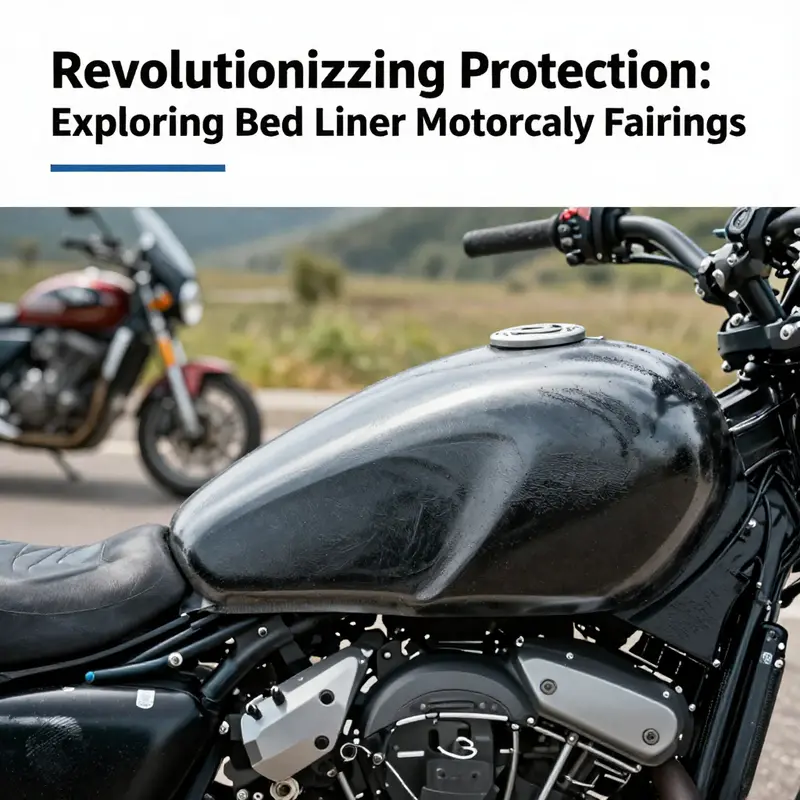
The idea of turning a truck’s rugged bed liner technology into the skin of a motorcycle fairing sounds almost counterintuitive at first. Bed liners are designed to survive the harsh abuse of cargo bays, spray-on coatings that harden into a tough, impact- and abrasion-resistant shield. In the world of motorcycles, fairings are more than aero shells; they are interfaces with riders, weather, and road. They must be light, rigid, aesthetically pleasing, and able to resist sun, rain, and stone impacts. The notion of applying bed liner materials to protect or even form fairings shifts the frame of reference from structural materials toward surface protection and surface engineering. It’s not about replacing the fairing’s core material; it’s about giving the exterior a durable, sacrificial skin that can absorb chips and scratches without altering the integral geometry. The current industry reality confirms this nuance: there are no mainstream products that cast truck bed liner formulations directly as the fairings themselves. Instead, riders and builders increasingly look to protective coatings and surface treatments that behave similarly under hard use—coatings that can be sprayed onto plastics, fiberglass, or carbon fiber composites to add resilience without adding unnecessary weight or compromising color and finish.
At the chemical level, the appeal of bed liner variants lies in their polyurethane or polyurea chemistry. These polymers cure to a hard, elastic matrix that resists impact and abrasion while maintaining flexibility to avoid cracking when the fairing flexes with heat and vibration. When used as a spray-on protective layer, they fill microscopic scratches and create a surface that sheds grit rather than embedding it. The same principle makes them attractive for fuel tanks and other exposed parts on motorcycles, where UV exposure and weathering threaten gloss and color. However, applying such a coating to a fairing requires careful control of thickness. Too thick a layer can alter the profile of the fairing, create visible ridges along panel edges, or interfere with fasteners. Too thin a layer may wear off quickly, leaving the underlying plastic prone to chipping. A middle ground—thin enough to preserve the fairing’s aerodynamics, thick enough to offer real protection—is what professionals typically pursue. The surface must stay smooth to preserve airflow and maintain the charismatic shine riders expect.
Practical reality: industry players do not yet view bed liner sprays as the base for fairings; rather, they see them as a protective overcoat or patching approach. The typical path is to prep the surface, apply a durable clear or pigmented topcoat, and then finish with a gloss or satin clear to preserve aesthetics. On ABS plastics, polyurethanes bond well when the surface is properly etched and primed; for fiberglass or carbon fiber, a compatible primer enhances adhesion and prevents delamination. The risk in any protective coating is delamination from panels that bend and flex during riding or heat cycles. To mitigate this, professionals often choose flexible topcoats that can stretch without cracking, with ceramic or silica fillers to harden the outer film after curing. The benefit is twofold: the rider gains a shield against stone chips and UV fade, and the surface retains its look longer. A properly chosen topcoat also helps resist chemical attack from fuels, cleaners, and road salts, which can degrade color and shine over time.
Material choices for the fairing itself matter as well. The modern fairing is often composed of ABS plastic, sometimes reinforced with fiberglass or carbon fiber for stiffness. Each substrate interacts differently with a coating. ABS tends to accept coatings with good adhesion after surface activation, but it can be sensitive to solvents that soften the plastic. Fiberglass offers greater rigidity and heat tolerance, but its rougher surface requires careful preparation to avoid micro-powdering during sanding. Carbon fiber laminates deliver the lightest weight and highest strength, yet they still need protective layers to guard against impact and UV damage. The coating strategy, therefore, must align with the substrate, the intended riding environment, and the rider’s priorities between weight, aesthetics, and cost. In this ecosystem, a protective topcoat is not a single monolith but a carefully engineered stack: a primer tailored to substrate, a bonding layer to bridge plastic or composite, the main tough coat, and finally a topcoat to achieve the desired look and feel. The synergy between layers determines not only durability but the gloss, color depth, and the ability to resist micro-scratches that accumulate on every ride.
A key consideration is finish quality and its effect on aerodynamics. The difference between a smooth, glassy surface and a satin or roughened finish translates into small but meaningful drag variations at highway speeds. For motorcycles, even marginal reductions in drag can translate into meaningful gains in fuel efficiency and stability in crosswinds. The same logic that motivates a lightweight, low-resistance fairing applies to surface coatings. A protective layer that remains smooth after years of exposure will help maintain laminar flow and reduce the micro-turbulence that can begin to erode performance. This is why the industry often favors coatings with a high resistance to micro-scratches and a robust resistance to chemical attack. It is not enough to achieve a flashy look; the coating must stand up to sun, rain, and the abrasion of gravel without showing the wear in a way that compromises the fairing’s profile. When a coating begins to soak up heat, become brittle, or peel at the seams, the risk of sudden chip loss increases, which can cause safety concerns for riders who rely on consistent aerodynamics to maintain control at speed. In practice, technicians will test a coating’s performance through a combination of accelerated weathering and real-world field trials to ensure that the finish can survive the typical life cycle of a bike’s daily commute or weekend track session.
Beyond abrasion and aesthetics, protective coatings have a role in safety features that extend beyond the cosmetic. Transparent protective layers can slow the spread of ignition in rare fire scenarios by delaying flame penetration through the plastic surface, which could offer a small margin of safety for riders. In some high-end concept work, designers even explore integrating lightning strike protection into the outer surface, using a conductive mesh that distributes energy away from critical sections. While for everyday motorcycles such features may be unnecessary or overkill, the underlying principle demonstrates how surface engineering can expand the functional envelope of a fairing—from purely cosmetic to multi-hazard resistance. The broader aerospace and automotive industries have demonstrated that protective skins can perform multiple roles: protecting the substrate, reducing maintenance costs, and enabling longer intervals between refinishing. The cross-pollination of ideas informs how a two-wheeler world could benefit from similar thinking, especially as materials science continues to evolve toward lighter, smarter, and more resilient surfaces.
Thermoplastic composites (TPC) are driving a shift in how fairings, and other body parts, are conceived. In aerospace, the ability to spray, fuse, or heat-bond components formed from thermoplastic layers is enabling lighter assemblies with fewer joints and higher impact resistance. The same mindset translates to motorcycles where weight and stiffness matter for handling and ride quality. The concept of out-of-autoclave (OOA) curing and resin transfer-like processes are not yet mainstream in motorcycle manufacturing, but the trajectory suggests a future where fairings can be made in larger panels with consistent thickness, then joined with integrated reinforcement that resists delamination. The protective skins, in this world, would continue to be applied as outer layers that can be replaced or refreshed during service without demounting the entire panel system. The implication for riders is simple: as the material stack evolves, the surface finish will become more durable, easily repaired, and more resistant to environmental exposure, while the core geometry remains optimized for aero performance rather than protective mass. For the curious reader who wants to see a parallel in a different but related field, note how the fan and turbine housing in aerospace uses similar concepts to manage weight, heat, and resilience via composite skins and modular assembly.
Yet, despite the technical promise, the practical adoption path remains cautious. The majority of riders seeking tougher surfaces lean toward high-quality protective coats rather than applying a bed-liner spray directly to a complete fairing. They seek coatings that can be applied by professionals, with warranties and validated performance data. The aesthetic preference—consistent color, minimal texture, and a finish that remains vibrant after exposure—often dissuades riders from thicker, more rugged textures that could obscure lines or alter color shade. The cost is another factor: a protective coating system that offers abrasion resistance and UV stability while preserving the factory look tends to be more appealing than a rugged, truck-bed-like texture that could require more frequent maintenance to keep clean. The market reality is thus a balancing act between durability, weight, finish quality, and cost. A rider who wants longevity without compromising appearance will look for a protective coating system that is specifically engineered for plastics and composites, with a finish that can be refreshed rather than replaced in bulk after a few seasons of riding in sun, rain, and road debris. This pragmatic approach has the advantage of aligning with established aftermarket ecosystems that already deliver specialized surfaces for aircraft-grade plastics and high-performance motorcycles.
From a process point of view, achieving consistent results demands meticulous surface preparation. The typical workflow begins with a thorough cleaning, followed by careful abrasion to create a micro-roughness that improves adhesion. The next step requires a bonding layer that slightly etches the substrate to create micromechanical interlocks, then the main protective coat. The final step is a finishing layer that yields the gloss or satin appearance the rider desires. Each step must be controlled for temperature, humidity, and cure time. Rushing through any stage can trap solvents or create small surface defects that catch the eye. In practice, technicians must wrap the fairing to prevent contamination, test compatibility with existing paint finishes, and ensure that the coating does not migrate to areas where it could cause interference with fasteners or seals. For the rider who wants to explore this approach, the first practical move is to consult a professional who specializes in protective coatings for plastics and composites rather than attempting a DIY job on a full fairing. A properly applied layer will not only increase abrasion resistance but also help maintain a proud, showroom-like appearance that inspires confidence on the road.
Looking ahead, the idea of bed-liner-inspired protective skins for motorcycle fairings is less about replicating a truck component and more about embracing a philosophy of surface engineering. It invites a broader conversation about how we balance weight, durability, aesthetics, and safety in a two-wheeled vehicle. If the aim is to preserve the visual integrity of the fairing while extending its life under daily riding and occasional race days, the road ahead points toward composite-friendly coatings, flexible barriers that resist cracking, and finishes that can be patched or refreshed with minimal disassembly. The broader narrative also suggests an ecosystem in which aftermarket manufacturers, original equipment designers, and material scientists collaborate to develop coatings and panel systems that optimize aerodynamics without sacrificing ease of maintenance. In such a future, the line between protective skin and primary structure may blur in a positive way—where a thin protective layer can be replaced without replacing the entire panel, and where the surface speaks to a rider’s love of speed, precision, and care. The chapter closes not with a definitive verdict but with a sense of direction: protective coatings, rather than the raw texture itself, will be the dominant lever for durability and beauty in the bed-liner-inspired world of motorcycle fairings. For a practical reference on how aftermarket fairings align with protective finishes, you can browse the Summit Fairings Yamaha fairings collection.
External resource: Thermoplastic polymers.
null
null
Alternative Pathways for High-Performance Motorcycle Fairings: Beyond Traditional Plastics
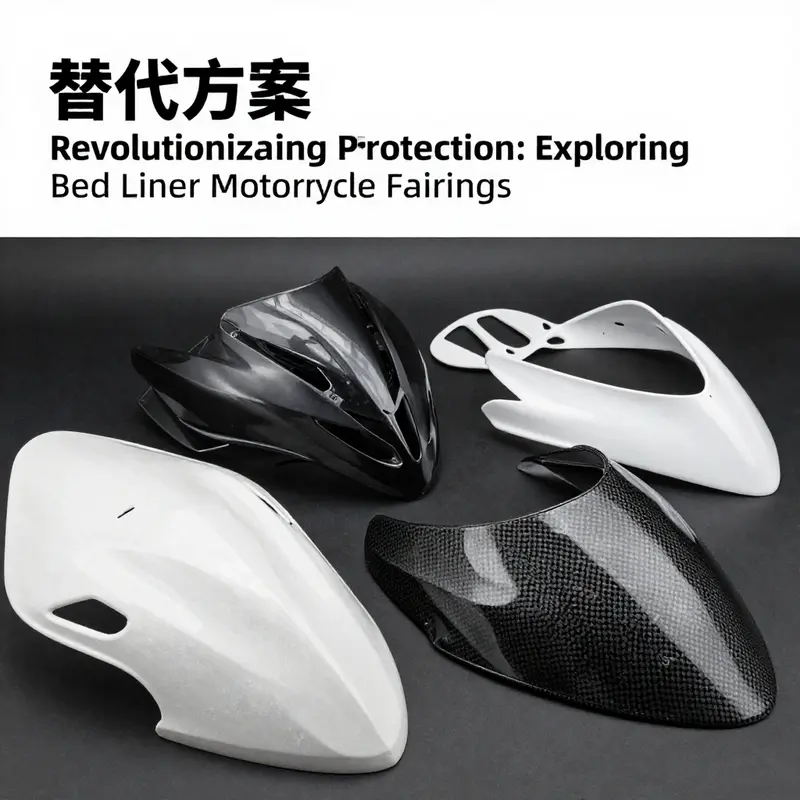
When we consider the craft of a motorcycle’s exterior, the most familiar image is a sleek fairing shaped to slice through air while defending its rider from the elements. Yet the question of what materials should serve as the backbone of that fairing rises beyond aesthetics and into the realm of durability, temperature resilience, and manufacturability. In this chapter, we explore the spectrum of high‑performance options that lie beyond the conventional plastics and explore how a protective mindset borrowed from truck bed liner thinking can inform smarter, lighter, and more robust fairing strategies. The central idea is not to compel a single material choice but to illuminate pathways that balance weight, strength, heat tolerance, and production feasibility in ways that align with the demanding demands of modern riding and racing environments. This narrative weaves together the protective logic of durable coatings with the physics of load paths, surface finish, and aerodynamic stability, while keeping sight of how riders experience the ride itself.
A practical starting point is to acknowledge that the core driving force behind using any innovative material is the promise of a favorable combination of properties: abrasion resistance to survive gravel and debris, impact resistance to absorb small midflight dings, UV stability to prevent surface degradation, and a steady thermal response under the sun, engine heat, and high-speed wind. These are the same concerns that make a truck bed liner so appealing for certain motorcycle segments when applied as a protective layer rather than as the structural body of the fairing itself. In this protective mindset, surface coatings and surface‑engineered materials become a canvas for performance, not merely a cosmetic choice. The approach is twofold. First, protect and preserve the surface from the daily hazards of riding by employing tough, durable coatings that resist scratching and chemical exposure. Second, select or engineer the underlying substrate to deliver the right stiffness, weight, and thermal behavior for the fairing shape and its aerodynamic function.
On the protective side, there is a clear opportunity to borrow from the bed liner playbook without attempting to replicate its entire substrate in the fairing itself. A strategically applied protective coating can extend the life of metal tanks and plastic surfaces alike, reducing the frequency of refinishing or replacement. The concept hinges on choosing a polymer system that can resist scuffing, chemical attack, and weathering while remaining compatible with the complex geometries of modern fairings. Polyurethane- or polyurea-based technologies, long valued for their toughness and abrasion resistance, find a natural home here. When sprayed or brushed onto exposed surfaces, these coatings create a resilient, veneer-like layer that can absorb minor impacts and shear forces, helping to keep the finish intact during routine handling and riding. The advantage is not simply protection; it is a predictable wear pattern. Runners and shop technicians benefit from a surface that can be repaired cleanly, quickly, and cost-effectively, without necessitating a complete panel replacement.
Beyond coatings, the choice of base materials for the fairings themselves remains a core axis of performance. In the realm of high-end applications, carbon fiber reinforced polymers (CFRPs) dominate the discussion due to their outstanding strength-to-weight ratio and stiffness. When the aim is to optimize aerodynamic performance and rider comfort at high speeds, a fairing engineered from CFRP concepts can realize meaningful gains in stability and reduced fatigue on long rides. Advanced manufacturing methods, including laser-assisted processing and laser sintering for certain CFRP-like constructs, enable highly tailored layups and rapid iteration of complex geometries. These technologies translate into fairings with smoother surface finishes, refined internal air channels, and optimized load paths that minimize flex and flutter under gusty crosswinds. The result is a blend of lightness, rigidity, and nuanced control of the airflow over the surface—all crucial for high-speed handling and rider confidence.
Yet carbon fiber comes with a price: material cost, fabrication time, and the need for specialized tooling. For riders who prioritize a more balanced equation of cost and performance, mineral-filled or glass-reinforced thermoplastics offer compelling advantages. A class of materials that emerges from this space blends the toughness of conventional ABS with the dimensional stability and heat resistance of polyamide systems. In practical terms, these alloys improve impact resistance and maintain stiffness under elevated temperatures, which is especially valuable in sustained high-speed riding in hot climates. The improved heat deflection and structural integrity reduce the risk of warping, creep, or surface deformation when the fairing is subject to engine heat, radiant sun, and long highway runs. The trade-offs here are not solely about weight but about manufacturability and mass production feasibility. A well-designed mineral-filled ABS/PA alloy can be processed through conventional injection molding or advanced extrusion techniques, enabling a scalable pathway for aftermarket and OEM supply chains alike.
In the calculus of material choice, a third route commands attention for riders who crave both lightness and the ability to tune performance through design: the broader family of thermoplastic composites and high‑performance blends. These formulations, which combine a robust matrix with reinforcing fillers or fibers, deliver stiffness and thermal stability while preserving workable form factors for instrument panels, fairing shells, and mounting components. They are particularly attractive for mid- to high-volume production where cycle times and tooling costs are a significant factor. What emerges is a spectrum rather than a single destination: CFRP for ultimate lightness and stiffness, mineral-filled ABS/PA alloys for strong, heat-tolerant performance that is easier to mass-manufacture, and thermoplastic composites that strike a flexible balance between the two.
An important aspect of this spectrum is the potential to optimize the fairing as an integrated system rather than a standalone shell. Aerodynamic efficiency is not solely about a shape with minimal drag; it is also about the interaction of the surface with the boundary layer, the way air travels around edges and through vents, and how surface roughness translates into transition points in airflow. In this context, the smoothness and durability of protective coatings become more than cosmetic; they become contributors to the overall energy profile of the bike. A surface that resists micro-scratches and micro‑defects maintains a consistent boundary layer, reducing the chances of localized turbulence that can propagate into noticeable buffeting at speed. The synergy between substrate and coating is a practical route to sustained high performance over the life of the bike.
For riders and builders who want to explore the limits of this approach, there is a pathway that centers on iterative prototyping and testing. A modular strategy, in which the fairing shells are manufactured from a base material with well‑characterized behavior, can be combined with replaceable protective layers chosen for specific riding conditions. In other words, the protective veneer can be swapped or refreshed as riding terrain changes or as aesthetics and color schemes evolve. This approach mirrors the broader philosophy of durability engineering: design for serviceability and lifecycle resilience as much as for peak performance in a single moment. The result is a more resilient fairing system that can adapt to shifting requirements, whether the rider is carving canyons, touring across deserts, or racing on a damp, wind-swept track.
A natural concern, of course, is weight. The allure of CFRP is tempered by the realities of cost and production scale, but even within a mixed-material strategy, weight savings can be meaningful. The key is to manage the mass of each component thoughtfully, ensuring that any gains in stiffness or heat resistance translate into tangible handling benefits or longer ride comfort without imposing excessive inertia. For instance, pairing a CFRP shell with a thermally stable, mineral-filled secondary structure can localize higher-strength regions where the rider most benefits from rigidity while saving weight elsewhere. The practicality of this approach depends on the interface quality between materials and the precision of assembly methods. Bonding, fasteners, and tolerances become critical design variables that influence not only performance but long‑term reliability in vibration- and impact-rich riding conditions.
The broader ecosystem of aftermarket and OEM options is another dimension to consider. A fairing designed to exploit advanced materials benefits from compatible mounting systems, sealants, and coatings that preserve surface integrity and avoid galvanic or thermal incompatibilities. The design language should embrace the realities of serviceability, scuff resistance, and ease of refinishing when the bike enters a shop for routine maintenance. The end result is a fairing that not only looks consistently sharp but also lasts longer in the hands of riders who demand durability without sacrificing performance or style. In this light, the decision between carbon fiber, mineral-filled thermoplastics, or hybrid composites becomes a matter of aligning the material’s properties with the intended riding context, maintenance routine, and budget constraints.
From a consumer perspective, the choice often hinges on the balance between longevity, feel, and how the surface responds to real-world wear. A protective coating strategy can yield a tangible upgrade for any existing fairing, even when the base shell remains standard. Applied correctly, a high‑performance protective layer can preserve color, minimize micro-scratches, and make color refinishes less frequent. It also opens the door to a broader palette of finishes and textures, allowing riders to tailor aesthetics without compromising the underlying structural performance. The practicality of this approach is reinforced by the fact that coatings can be repaired or refreshed without disassembling the entire fairing—an important consideration for riders who value both time and cost efficiency in maintenance.
To anchor this discussion in a real-world sense of scope, consider the broader ecosystem of fairing customization and replacement pathways. For riders seeking a broader catalog of shell options, there is value in exploring distributors that curate compatible shapes and replacements across a variety of models and brands. A practical example is to explore a broad catalog that emphasizes compatibility and fitment rather than a single model line; this helps ensure that the chosen material pathway can scale across different motorcycles and rider preferences. For instance, a platform that presents a wide range of fairing shells and related components can serve as a useful reference point for evaluating how alternative materials and protective systems interact with different bike geometries and mounting strategies. The goal is to move beyond a single solution and toward a design philosophy that emphasizes adaptability, repairability, and long-term performance across multiple platforms.
In conclusion, the design space for high‑performance motorcycle fairings is becoming richer as new materials and protective concepts mature. The bed liner ethos—protect, endure, and sustain surface integrity—finds resonance not as a direct substitute for the fairing shell itself but as a strategic influence on coatings, surface finish, and material pairing. The strongest fairings in the near future may well be the ones that embody a layered approach: a carefully chosen base substrate that delivers the required stiffness and heat resilience, complemented by an engineered protective lamina that preserves the surface from scratches and environmental exposure. This approach respects the realities of manufacturing, cost, and serviceability while delivering measurable gains in aerodynamics, ride quality, and longevity. And it invites riders to think not just about what their fairing looks like, but what it can withstand and how easily it can be preserved and refined over time.
For readers who want to explore practical, model-agnostic avenues for expanding their fairing repertoire, a useful point of reference is the broader catalog of compatible fairing shapes and replacements that are widely available through reputable distributors. See the Honda fairings collection for a representative sense of available geometries and fitment considerations that summarize how aftermarket options align with different rider goals and mounting layouts. This reference can help frame how a material strategy interacts with form and function, rather than existing in isolation from the bike’s overall design. And while the precise materials and configurations described here may vary, the guiding principle remains constant: durability and performance emerge from thoughtful material pairing, surface protection, and an integrated view of the fairing as part of a dynamic, rider-centered system.
External resource for further reading on carbon fiber reinforced materials and advanced manufacturing approaches used in performance applications: https://www.crpt.it/en/products/windform-xt-2-0
Bed-Liner Toughness for Motorcycle Fairings: Translating Protective Coatings into Real-World Durability
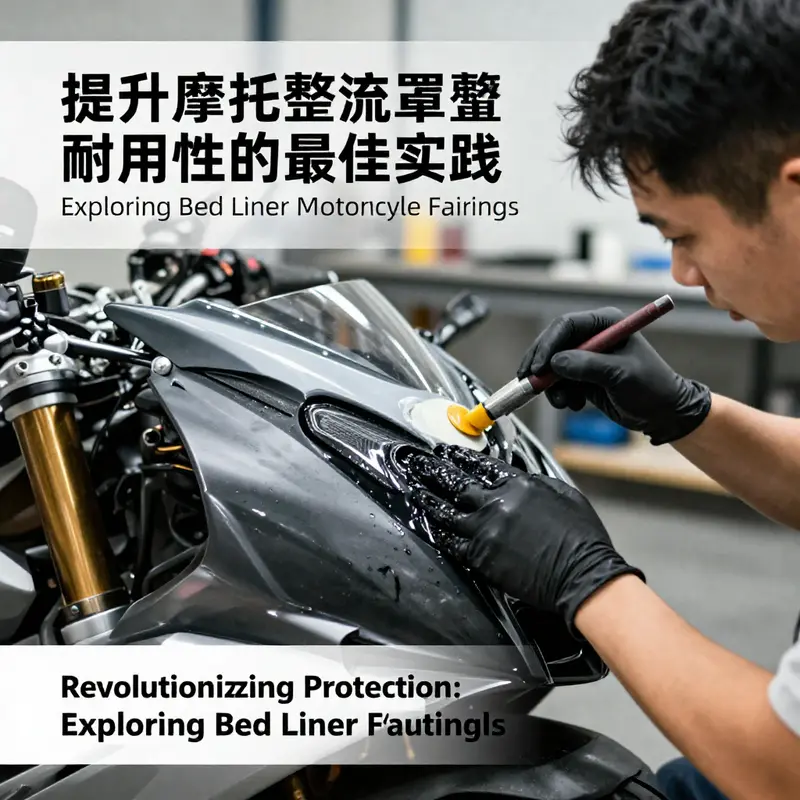
The idea of translating the rugged toughness of truck bed liners to motorcycle fairings sits at the intersection of material science and practical riding. In its simplest form, a bed liner is a resilient, impact-absorbing coating designed to survive repeated abuse—rocks flicking up from asphalt, gravel in muddy lanes, weathering, and the daily grind of casual use. When riders describe a protective approach for their bike’s bodywork, they often imagine a similar shield, one that protects the painted plastics or composite skins from chips, scuffs, and UV degradation without compromising appearance or adding unnecessary weight. The reality, though, is more nuanced than a single spray or a one size fits all solution. The same chemistry that gives truck beds their rugged life can inspire protective strategies for motorcycle fairings, but it must be tempered by the realities of lighter weight demands, aerodynamics, and the need for modular repair.
The heart of the conversation is not about turning a truck bed into a fairing, but about how, at the material level, coatings and composites can extend life, preserve aesthetics, and maintain performance. The fairing is a composite or plastic shell that shapes airflow, reduces drag, and shields the rider from wind turbulence. It is also one of the most exposed parts of the motorcycle to stone impact, sun exposure, and the hazards of parking lot mishaps. This exposure invites a two pronged approach: first, selecting the right substrate and structure so that the shell is inherently durable, and second, applying protective layers that resist abrasion and weathering without altering fit, color, or gloss in a way that undermines its aerodynamic role. The literature around protective coatings for motorcycles often highlights coatings that mimic the performance envelope of bed liners, but tailored to bike geometry and maintenance cycles. A durable coating is not a cosmetic add on; it is active protection that can reduce the frequency of repainting, sanding, and component replacement.
There is a spectrum of materials that catch the eye of designers and riders alike. Modern fairings commonly employ polycarbonate (PC), poly(methyl methacrylate) (PMMA) blends, and flexible high impact plastics like ABS. Each material has its own combat-readiness profile. PC, with its superb impact resistance and clarity, appears in glossy or translucent forms and can resist stone strikes better than some other plastics. ABS offers a robust balance of toughness and formability, making it a staple for mass produced fairings. Then there is fiber reinforced plastic (FRP), delivering stiffness and a classic surface finish that takes paint well while keeping weight in check. Lightweight, strong, and resilient, these substrates are chosen not just for weight budgets but for how they partner with protective coatings. A zero failure scenario would feature a shell that remains rigid under load, resists UV-induced cracking, and holds paint for the life of the bike. In practice, manufacturers and riders alike plan for wear and have learned to blend material science with practical care.
The surface treatment of the fairing is where the bed liner ethos becomes most visible, even if the actual application diverges from truck bed traditions. UV resistance is non negotiable; without it, the clear coat can yellow, and the pigment layer can fade, exposing the underlying resin to later fatigue. Nanocoatings or clear protective layers impregnated with UV blockers or titanium dioxide or zinc oxide nanoparticles can dramatically slow this aging. The result is not a superficial gloss but a window of time during which color and clarity are preserved while the resin remains strong. In metal based frames or subframes, additional anti corrosion steps—such as anodizing or electrocoat finishes—play a complementary role, ensuring that the hardware that anchors the fairing does not become the weak link in a protected surface chain. Consumers often ask whether a simple spray on solution can deliver truck-grade resilience. The honest answer is that while a bed liner style system offers excellent abrasion resistance and chemical stability, it must be matched to the fairing’s geometry, weight considerations, and the method of attachment to the bike. It should also be compatible with subsequent paint layers and decals to avoid delamination or color mismatch.
From a design perspective, durability begins long before a spray gun touches the surface. Finite element analyses and wind tunnel tests reveal that the way a fairing is shaped and supported can dramatically influence its susceptibility to high speed gusts and debris impact. A fairing that relies too heavily on thin skin without internal ribs to distribute loads may crack or deform under stone impact or thermal cycling. Conversely, an overly bulky structure can increase weight, alter center of gravity, and impede airflow. The best practice balances slender profiles with strategic internal reinforcement, often implemented as honeycomb like lattices or rib networks that preserve aerodynamic smoothness while providing stiffness. The integration challenge is further complicated when protective coatings are introduced. The coating adds thin but cumulative mass and can alter the surface roughness, which in turn nudges boundary layer characteristics. These interactions matter at high speed, where even small changes in surface texture influence drag, lift, and stability. In the racing or sport touring segments, engineers frequently adopt a hybrid approach: high strength substrates combined with tuned coatings that resist wear and maintain gloss without brittleness. This strategy preserves the visual language of the fairing while extending its operational life under real world riding conditions.
The installation thread is not ornamental; it is procedural and precise. Proper mounting ensures the protective system behaves as designed under vibration, heat, and airflow. The wrong hardware or torques can produce micro movements that crack a coating or open micro gaps between layers. Some manufacturers now offer modular fasteners or quick detach mechanisms that ease service and reduce the risk of damage during removal and reinstallation. In the aftermarket, riders often pursue a two step approach: prepare the surface by sanding and cleaning to remove waxes and oils, then apply a layer of adhesion promoting primer before the coating itself. The aim is to achieve a tenacious bond across the entire fairing, with enough flexibility to absorb thermal expansion and contraction without cracking. The interplay between the coating chemistry and the substrate is delicate; poor adhesion can invite moisture ingress and delamination, especially in climates with wide temperature swings. A well executed process, guided by the manufacturer’s instructions and quality control steps, yields a more uniform, resilient finish that ages more gracefully than bare plastic or paint alone.
Maintenance is a practical discipline, one that determines how the coating behaves through months and years of urban riding, highway miles, and winter salt. Routine cleaning with a mild, neutral cleaner is essential to avoid introducing solvents that could interact with the coating or underlying resin. Abrasive cloths are a no go; micro scratches from rough rags or gritty cleaners can accumulate and eventually dull the surface and invite more moisture intrusion. When scratches do occur, a careful buffing with a non abrasive compound can restore clarity and a semblance of the original finish. In some cases, a light polishing regimen can maintain gloss and deepen color, but care must be taken not to over polish and wear away the protective layer. Heavier damage may require a patch repair or full repaint, emphasizing the importance of early detection and timely replacement of worn sections. Long term performance under sunlight depends on the coating’s resilience to UV radiation and the bond’s integrity with the underlying shell. Riders often weigh the cost of periodic touch ups against the value of preserving aerodynamics, paint quality, and resale appeal. The objective is not endless perfection but consistent performance across seasons and miles.
Environmental exposure is the antagonist in the durability narrative. Heat, humidity, rain, road salt, gravel, and sand conspire to erode finishes and undermine coatings. Parking under direct sun can accelerate aging of color and resin, while sudden temperature changes drive differential expansion between the coating and the substrate. The protective approach must therefore anticipate these conditions. A practical strategy combines shade when possible with a protective car cover or breathable shelter that reduces direct UV exposure and grime buildup. If exposed parking is unavoidable, the coating system should be selected for flexibility and chemical resilience—properties that help it resist cracking and fading during cycles of heat and cold. For those who ride in coastal or wintery climates, salt spray remains a particular hazard; coatings with strong chemical resistance and easy wash-off properties help mitigate corrosion risks to the metal frame connections and fasteners that anchor the fairing itself. In sum, durability is not a single property but a system property: the substrate, the coating, and the attachment interface all contribute to a resilient whole.
In practice, the bed liner concept introduces a nuanced set of tradeoffs for motorcycle fairings. The core advantage is clear: a coating or laminate designed to absorb energy and resist abrasion can dramatically extend the interval between maintenance cycles and repainting. It also offers potential color retention and environmental protection that translates into a more durable appearance. The caveat is weight and compatibility. A thick protective layer, while robust, can add mass and alter the aero profile. Designers must strike a balance so that the boost in resistance does not come at the expense of handling, ride quality, or fuel efficiency. The coating’s surface roughness matters as well; too rough, and air flow becomes turbulent, not to mention the increased noise in the rider’s helmet. The compatibility with existing paint layers, clear coats, and decals is another concern. The coating should be compatible with the primers and finishes used on the fairing, or the result may be delamination or color mismatch after exposure to sunlight and heat. The practical takeaway is that bed liner inspired durability is achievable in a measured, layered approach: a strong substrate, a thoughtfully chosen protective layer, and an installation method that preserves alignment and accessibility for maintenance.
For readers who want to explore the practical implications beyond theory, consider this route: use the experimental insights from the field to evaluate what matters most for your riding style and climate. If your aim is daily commuting with heavy highway miles, a coating system emphasizing abrasion resistance and moisture protection will yield tangible benefits. If your riding takes you into steep trails, windy highways, or urban roads with unpredictable debris, a more rugged surface may be warranted, paired with frequent inspection and faster replacement of worn sections. Regardless of the path chosen, the most reliable decisions derive from an honest assessment of how the fairing endures real world energy transfer—from a stone chip at speed to the slow creep of UV induced brittleness. The layered strategy—substrate selection, protective coating, and robust installation—does not simply defend the fairing; it preserves the rider’s confidence, the machine’s aerodynamics, and the motorcycle’s visual language.
As a closing reminder, the journey toward durable fairings reframes the problem from a single material choice to a lifecycle approach. It asks for thoughtful initial selection, deliberate surface treatment, precise assembly, and disciplined maintenance. The bed liner playbook—comfortably translated into coated, protected surfaces on bikes—offers a vocabulary for durability without compromising the essence of motorcycling: light, responsive, and enduring machines that ride through sun and rain with equal poise. The practical implication is not to imitate a truck bed but to borrow its philosophy: resilience through careful materials science, rigorous testing, and consistent care. With this mindset, riders can approach fairing durability not as a limiting constraint but as a design opportunity, a chance to extend the life of a vital interface between rider and road, and to do so with a finish that remains visually compelling ride after ride.
Internal link and references: For enthusiasts seeking real world catalog options to fit certain bike models, see the Honda fairings collection. Honda fairings collection
External reference: For a concise, expert guide on how to extend fairing life, see Motorcycle.com’s maintenance tips. Motorcycle.com fairing care tips 2026
Final thoughts
In the evolving landscape of motorcycle accessories, understanding the imaginative application of truck bed liner materials can inspire new approaches to protecting vital components. While direct use in manufacturing fairings may pose challenges, the benefits of enhanced durability through protective coatings are undeniable. Business owners can harness these insights to improve product offerings in the motorcycle accessory market. By considering alternative high-performance materials and adopting best practices for protection, we can ensure that motorcycle enthusiasts enjoy both aesthetic appeal and long-term resilience.