
Bikini fairings represent a unique blend of performance and style in the motorcycle world. By only partially enclosing the motorcycle frame and engine, these fairings enhance aesthetics and aerodynamics without compromising accessibility for maintenance. This article will delve into the top models of bikini fairing motorcycles, emphasizing their aerodynamic benefits and how they combine style with practicality. Through this exploration, business owners and motorcycle enthusiasts alike can gain insights into why these motorcycles stand out in today’s market.
Revved Up Aesthetics: Unveiling the Top Bikini Fairing Motorcycle Models

The evolution of motorcycle design is as much about performance as it is about style, and few elements capture this duality better than the bikini fairing. Embracing a design that strips away excess bodywork, the bikini fairing focuses on the essentials: reducing wind resistance, enhancing rider comfort, and providing a sleek silhouette without compromising the raw, rugged aesthetic that defines many modern bikes. In this chapter, we explore how bikini fairing motorcycles have emerged as a defining trend in the world of two-wheeled transportation, blending aerodynamic efficiency with an eye-catching appeal that continues to attract riders worldwide.
Bikini fairings are more than just cosmetic enhancements; they embody a philosophy that celebrates minimalism and precision engineering. Rather than enveloping the entire motorcycle, a bikini fairing covers only the front portion of the bike, leaving much of the engine and mechanical components visible. This intentional design choice underscores the inherent mechanical beauty of the machine while still offering practical benefits. With improved airflow around the rider’s upper body, these fairings not only contribute to a reduction in drag but also provide a subtle shield against wind, increasing comfort during high-speed runs or long-distance commutes.
Historically, the concept of partial fairing emerged out of a need to balance the aggressive styling of fully faired sport bikes with the raw, engaging presence of naked bikes. This evolutionary design trend is best illustrated by models that have redefined what it means to ride with both style and performance in mind. Take, for example, the iconic sport-touring motorcycles that have embraced the minimalist aesthetic. These bikes offer a design that caters to riders who crave a visually striking machine without the bulk of additional windshields and extensive covering. With only the essential components shielded by the fairing, maintenance remains straightforward, and modifications are more accessible, reflecting the practicality that underpins the bikini fairing design philosophy.
Bikini fairings have found a receptive audience among urban commuters, weekend racers, and touring enthusiasts alike. The versatility of the design allows motorcycle manufacturers and custom accessory providers to target a variety of niches, ensuring that whether a rider is looking for enhanced aerodynamic performance or simply a sleeker, more aggressive look, there is a solution available. For instance, some of the more celebrated models, known for their bikini fairings, have achieved cult status among motorcycle aficionados. With a focus on minimalist design, models like the Ninja 400 and Yamaha R3 have garnered attention for their ability to marry performance with a distinctive style that stands out in both urban traffic and winding backroads.
The Ninja 400, for instance, is noted for its streamlined fairing that enhances both its aerodynamic profile and its visual appeal. By reducing wind resistance, the fairing contributes to the bike’s lightweight, agile feel, making it an ideal companion for riders looking to maneuver through city streets or embark on spirited rides along curvy highways. Equally, the sleek, compact fairing on the Yamaha R3 adds to its sporty appearance while providing just enough wind deflection to improve rider stability at moderate speeds. The Bikini fairing design on these models speaks to an inherent balance—a compromise that does not sacrifice performance for the sake of aesthetics but rather enhances both domains.
This approach to motorcycle design resonates particularly well with riders who value both function and form. The visible engine components of a bikini-faired motorcycle serve as a constant reminder of the intricate mechanics lying beneath the surface, a feature that enthusiasts find both alluring and informative. The raw exposure of the vital engine parts invites an appreciation for the technology that powers these machines, making each ride not just a journey from point A to point B but also a celebration of mechanical artistry.
Beyond these well-known models, the aftermarket scene has also embraced the bikini fairing trend with enthusiasm. Custom accessories and kits allow motorcycle owners to retrofit their bikes with bikini fairings, tailoring the aesthetic to their personal tastes while reaping the benefits of improved aerodynamics. Among the popular options, there are fairing panels available through major online platforms such as AliExpress, which offer streamlined designs aimed at maximizing performance and style. One such fairing, available on AliExpress, is designed to deliver improved airflow and a refined look that transforms an ordinary bike into a head-turning machine. For more details on this particular product, you can visit this external resource.
In addition to complete fairing panels, accessory kits have emerged to support the bikini fairing concept. These kits not only include the basic fairing but also integrate auxiliary power switch systems that enhance the functionality of the bike. Whether powering fog lamps, auxiliary lighting, or heated gear, these integrated accessories represent a marriage of form and function that is central to the bikini fairing movement. The design choices extend to the mounting hardware and integration techniques, aiming to ensure that the overall look of the bike remains seamless and true to its original aesthetics. This commitment to design integrity means that even after adding additional functionalities, the bike retains the minimalist appeal that distinguishes it from more heavily faired counterparts.
The practicality of bikini fairings is not limited to performance enhancements—maintenance accessibility is another significant advantage. With only a portion of the bike encased, routine upkeep becomes less cumbersome, as critical components remain exposed. This design facilitates easier troubleshooting and repairs, while also offering the rider a more intimate connection with the machine. The balance between covering enough surface to improve aerodynamics and leaving sufficient access for maintenance reflects a nuanced understanding of rider needs, demonstrating how a modest design element can have far-reaching benefits.
Riders attracted to the bikini fairing design often share a common passion for the open, unencumbered experience that these motorcycles provide. The aesthetic of exposure—of seeing the engine and mechanical framework—symbolizes a return to the fundamentals of motorcycling, where the ride is as much about the visceral feel of the machine as it is about reaching a destination. This philosophy is echoed by enthusiasts who favor bikes with a raw, unfiltered presence over those that are entirely concealed. The bikini fairing, with its measured exposure of core components, encapsulates this ideal by offering a provocative blend of mystery and transparency.
One can also appreciate how this design trend dovetails with broader cultural shifts in motorcycle ownership. As more riders gravitate toward customization and personalization, the bikini fairing offers a canvas upon which individual style can be projected. From subtle color accents to intricate detailing on the fairing itself, riders have the freedom to express themselves while maintaining a high standard of performance. The trends in aftermarket modifications often emphasize not only aerodynamic improvements but also enhancements to the bike’s overall story—a narrative of rebellion, innovation, and timeless design.
Cultural significance aside, technical advantages of the bikini fairing design are equally compelling. Aerodynamic studies have shown that even minimal modifications to a motorcycle’s structure can result in measurable improvements in stability and fuel efficiency. At higher speeds, the fairing works to channel airflow in a more controlled manner, reducing turbulence that might otherwise affect the rider. This use of basic aerodynamics illustrates how seemingly minor changes can yield substantial improvements. In a realm where precision engineering is celebrated, the bikini fairing stands out as a testament to how functional aesthetics can be achieved through intelligent design.
The journey to find the best models of bikini fairing motorcycles is one of exploration and discovery. Beyond relying on brand recognition and advertising, many riders turn to community reviews and personal experiences to gauge what works best. These discussions often highlight models that manage to deliver on multiple fronts—offering speed, efficiency, and a bold visual identity. Among these, certain models have emerged as benchmarks in combining a sporty character with the understated grace of a bikini fairing. Riders often note that the minimalist design not only contributes to an improved riding posture but also makes the bike more approachable, resulting in a riding experience that is both exciting and user-friendly.
The dynamic nature of motorcycle trends means that the bikini fairing design continues to evolve. Manufacturers have recognized the demand for bikes that offer both performance and personality, and as a result, the technology behind fairing design has become more sophisticated over time. Engineers now have the tools to simulate airflow and test different fairing shapes in virtual environments before physical prototypes are built. This iterative process has led to fairings that are more efficient, lighter, and better integrated with the overall design of the bike. This evolution is a key reason why modern sports and touring motorcycles with bikini fairings remain at the forefront of innovation in motorcycle design.
Customization plays a pivotal role in the appeal of bikini fairing motorcycles. For many owners, modifying the look and function of their bike is a rite of passage, a way to imprint a personal signature on a machine that initially comes off the showroom floor in a standard form. Custom fairing kits allow for a level of personalization that celebrates both individuality and mechanical ingenuity. These kits are engineered to be compatible with a range of bike models, ensuring that riders can enjoy the benefits of improved aerodynamics regardless of the make or model of their machine.
Moreover, the aftermarket ecosystem has grown to include not only complete fairing units but also various auxiliary accessories that integrate neatly with the main panel. For instance, additional lighting elements and power switch kits are designed to enhance visibility and safety without altering the bike’s fundamental design. Accessories are often crafted from lightweight materials that contribute to the overall performance gains promised by the bikini fairing design. Every component, from the mounting hardware to the finishing touches, is carefully considered to align with the broader goal of achieving a harmonious blend of aesthetics and functionality.
The appeal of bikini fairing motorcycles extends to the riding culture itself. Riders who choose these models often value the authenticity of a design that does not shy away from revealing its mechanical soul. There is an inherent appeal in a motorcycle that presents its inner workings to the world, celebrating a union between raw power and refined engineering. Every visible bolt and exposed engine component tells a story of performance and persistence, inviting comparisons to the gritty elegance of classic chopper designs while retaining a distinctly modern edge.
Perhaps one of the most compelling aspects of the bikini fairing is the way it fosters a sense of community among riders. Enthusiasts gather at meet-ups, forums, and rallies where discussions about fairing design, performance tweaks, and aesthetic modifications are common. In these circles, the bikini fairing becomes a badge of honor, a symbol of a rider’s commitment to a design philosophy that marries minimalism with effectiveness. The dialogue among enthusiasts frequently covers not only the visual impact of these fairings but also the real-world benefits in terms of improved ride quality. For those who are keen to delve deeper into the nuances of design modifications, resources like the detailed insights available on Kawasaki Ninja ZX-10R fairing collections offer valuable perspectives and inspiration.
As we reflect on the technological advancements and evolving tastes that continue to shape the motorcycle industry, the bikini fairing stands out as a design marvel that encapsulates the best of modern engineering and timeless style. Its emergence on the scene was not merely a fleeting trend; instead, it represents a deliberate choice to embrace simplicity, balance, and raw mechanical beauty. Riders who opt for a bikini fairing motorcycle are effectively choosing a machine that communicates its purpose without needless ornamentation— a machine engineered to perform with confidence and to inspire admiration every time it rides down the highway.
Looking ahead, the future for bikini fairing motorcycles seems as promising as it is innovative. As engineers push the boundaries of aerodynamic design and material science, we can expect the evolution of the bikini fairing to continue along a path marked by increased efficiency, improved safety features, and even more aesthetically pleasing design cues. Manufacturers are now exploring new materials and fabrication methods that could reduce weight further while enhancing durability, thereby providing riders with a machine that not only looks good on the street but also stands up to the rigors of high-performance riding. In doing so, they ensure that the spirit of the bikini fairing—a spirit characterized by functional minimalism and bold design—remains at the heart of future motorcycle innovations.
The legacy of the bikini fairing is one that intertwines heritage with forward-thinking innovation. It is a legacy defined by a desire to streamline and perfect motorcycle design, one aerodynamic curve and precise contour at a time. As more riders become attuned to the finer details of what makes a bike truly great, they increasingly seek out those models that offer an unpretentious yet highly effective solution to the everyday challenges of riding. In such a scenario, the bikini fairing emerges as not only a practical necessity but also as an emblem of personal expression—a declaration that the best design is one that is both beautiful and unyielding in its purpose.
In the dynamic and ever-changing landscape of motorcycle design, bikini fairing motorcycles have carved out a niche that honors both tradition and innovation. Their streamlined forms and visible mechanical components stand as a tribute to the raw power that lies beneath the surface. Whether viewed as a nod to the past or as a bold step into the future, the bikini fairing has undoubtedly left an indelible mark on the world of motorcycling. The journey to perfecting this design is ongoing, reflecting the unceasing passion of riders and engineers alike who refuse to settle for mediocrity.
The commitment to excellence that drives the development of bikini fairing motorcycles is mirrored by the community of riders who embrace this design philosophy. In every twist of a throttle and every turn of a corner, there is a recognition that a motorcycle is more than just a vehicle; it is a living expression of art, science, and the enduring thrill of the ride. With significant improvements in aerodynamics, safety, and aesthetics, bikini fairing motorcycles continue to challenge established norms, rewriting the blueprint for what it means to ride in style.
In conclusion, the narrative of bikini fairing motorcycles is one of relentless innovation, uncompromising aesthetics, and practical design. From the initial spark of minimalist engineering to the refined, high-performance models that grace modern roads, these motorcycles exemplify how thoughtfully designed bodywork can transform both the visual and functional dynamics of a machine. As enthusiasts and engineers collaborate to push the boundaries of what is possible, the bikini fairing remains a symbol of modernity that both honors the past and charts a course for the future of motorcycling.
Riding on the Wind: Unleashing the Aerodynamic Marvel of Bikini Fairing Motorcycles
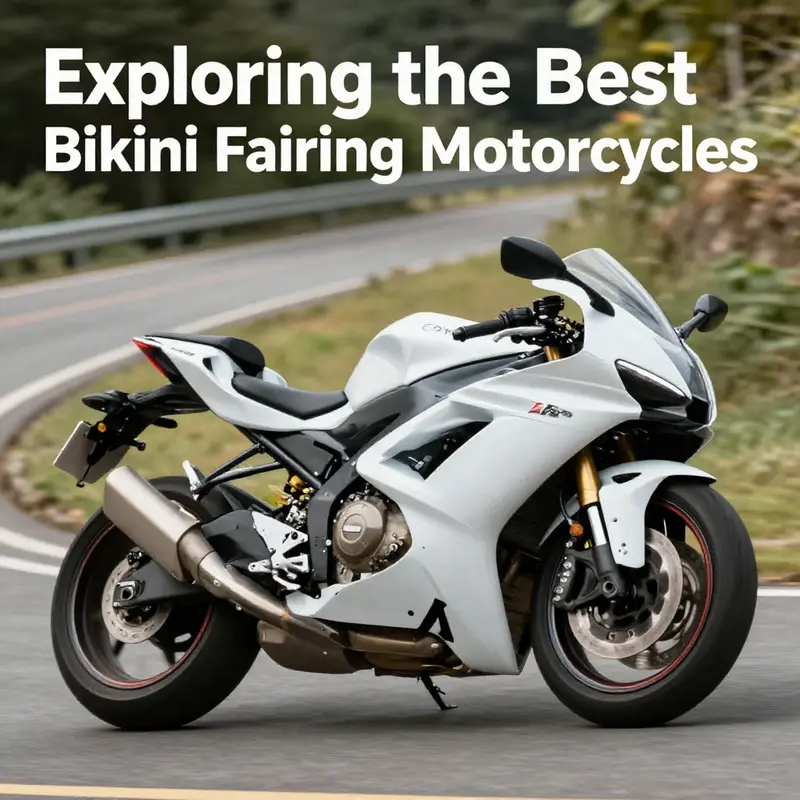
Bikini fairing motorcycles have emerged as an innovative design solution in the riding world, capturing the interest of those who value a blend of performance, practicality, and style. The philosophy behind the bikini fairing is rooted in optimizing the motorcycle’s interaction with the air, thereby reducing drag while still leaving essential elements, such as the engine and mechanical details, exposed. This design not only redefines the aesthetic appeal of a bike but also plays a significant role in improving rider comfort, fuel efficiency, and high-speed stability. The streamlined allure of a bikini fairing signifies a perfect balance between a minimalist form and tangible aerodynamic benefits—a blend that has attracted a diverse crowd ranging from commute riders to weekend adventurers.
When conceptualizing a fairing design, manufacturers take into account the dynamics of wind flow, which is critical to the overall performance of the motorcycle. Fundamentally, a bikini fairing is designed to cover only the front section of the bike, typically shielding the headlight, upper fairing, and windshield area, while deliberately exposing the sides and rear components. This selective coverage is calculated to protect the rider from the direct impact of wind turbulence. By doing so, the design reduces drag considerably—an important benefit when cruising at higher speeds. In practical terms, this reduction in drag translates into less wind resistance, allowing the bike to achieve more efficient speeds without overburdening the engine. Moreover, the reduction in aerodynamic drag plays a crucial role in conserving fuel over long journeys, meaning that every drop of fuel is put to more effective use.
The aerodynamic impact of the bikini fairing design becomes more noticeable when comparing these bikes with fully naked or completely faired motorcycles. While a fully faired bike might enclose nearly every component for overall aerodynamic performance, the bikini fairing offers a moderate yet distinct advantage in specific riding conditions—particularly for those who appreciate the raw, unhidden engineering of a motorcycle. In this way, the bikini fairing can be seen as a compromise between full aerodynamic encapsulation and the storied, classic look of a naked bike. The design intentionally allows for some trade-offs: opting for a reduction in material and complexity while still providing sufficient wind protection to reduce fatigue during extended rides.
Delving deeper into the ramifications of aerodynamic efficiency, the physics behind the fairing’s performance is deeply integrated with the design elements tailored for managing air flow. At higher speeds, wind resistance can cause riders to experience what is known as wind fatigue—a phenomenon characterized by increased physical effort to maintain an upright position against a gusting wind. The strategically placed curves and angles of a bikini fairing help to channel the airflow around the rider’s body in a manner that minimizes these adverse effects. By effectively intercepting and diverting the oncoming air, the fairing reduces the force of the wind hitting the rider directly. The net effect is a more stable and comfortable riding experience, where the risk of sudden gusts being funneled against the rider is significantly minimized.
For those who are passionate about both performance and the aesthetics of their bikes, the bikini fairing design holds a special place. It allows engineers to incorporate aerodynamic features without completely masking the engine’s presence—a nod to the timeless design ethos of many performance-oriented motorcycles. In doing so, this design approach not only enhances functionality but also meets the visual expectations of riders who relish the raw, mechanical beauty of their bikes. The design is therefore not just a technical afterthought, but a deliberate aesthetic statement that resonates with riders who appreciate both progressive innovation and classic style.
Fuel efficiency figures are another compelling argument in favor of bikini fairing motorcycles. As drag is reduced, the engine does not have to work as hard to overcome wind resistance. This translates into smoother power delivery and a more economical use of fuel. Many enthusiasts note an improvement in fuel economy of over 15% when comparing motorcycles equipped with bikini fairings to their fully naked counterparts. For those using their motorcycles for long commutes or touring across varied terrains, this reduction in fuel consumption can be particularly beneficial. It is important to appreciate how even subtle improvements in aerodynamic design can lead to a measurable difference in daily riding performance.
Beyond fuel economy and rider comfort, stability at high speeds is a factor that cannot be understated. Riders who push their bikes to the limit on highways or winding roads quickly come to understand the relationship between aerodynamic design and overall stability. The bikini fairing, by managing airflow more efficiently, contributes to reducing unexpected shaking or buffeting effects that riders might otherwise experience. This enhanced stability offers a dual benefit: it not only improves safety but also boosts the rider’s confidence when negotiating through challenging conditions. Thus, the aerodynamic enhancements provided by the bikini fairing serve both performance and safety objectives in a harmonized manner.
In the evolution of motorcycle design, the bikini fairing stands out as a testament to the principle that less can often be more. Designers and engineers have taken a minimalistic approach by including only essential elements that directly improve performance, allowing the character of the bike to remain both functional and true to its naked heritage. This minimalistic yet practical implementation differentiates bikini fairing motorcycles from their fully faired rivals. Riders seeking a dynamic balance between the “exposed” rawness of naked bikes and the complete enclosure of full fairings find a satisfying compromise in models featuring bikini fairings.
Balancing form and function is no easy feat, and the benefits of bikini fairings extend beyond the realm of technical performance. Stylish design elements are vital in an era where motorcycles are not only taken as machines of transportation but also works of art that reflect the personality of their owners. The clean lines and purposeful contours of a bikini fairing enhance the visual appeal by creating a dynamic silhouette that signifies speed and agility. At a glance, these bikes communicate a sense of speed and precision, which appeals strongly to riders who are as concerned about appearance as they are about performance metrics. The aesthetic appeal is further enhanced by the fact that the design does not obscure the mechanical intricacies of the engine, maintaining a raw, authentic visual that is admired by purists.
In many instances, the design logic behind bikini fairings is also a nod to the heritage of sport-touring and performance riding. Riders who select motorcycles with such design features appreciate the blend of modern aerodynamic technology with the classic lines that evoke images of iconic roadsters. Over the course of decades, motorcycle design has continuously evolved, yet certain design philosophies remain timeless. The bikini fairing is one such design philosophy—a unique solution that leverages aerodynamic principles to provide tangible benefits while simultaneously preserving the mechanical soul and character of the motorcycle. This dual purpose of aerodynamic efficiency fused with an unmasked mechanical identity is what continues to endear this style to many in the motorcycling community.
Technology, too, plays a significant role in improving and fine-tuning the aerodynamic parameters of these designs. Modern computational fluid dynamics (CFD) tools allow engineers to model airflow around the bike with high precision. These simulations help in understanding how small changes in the fairing’s shape can lead to significant improvements in performance. For example, even slight modifications in the curvature or the angle of the fairing can result in a smoother flow of air, thereby reducing drag and mitigating turbulent vortices that can destabilize the bike at high speeds. By refining these design elements, manufacturers are able to optimize the balance between the aesthetic and functional aspects of the fairing, ensuring that the design serves its purpose without compromising on the bike’s visual identity.
For many riders, the choice between a fully faired and a bikini-faired motorcycle often comes down to a matter of lifestyle and riding preference. The bikini fairing offers a versatile solution that meets the needs of riders who may be engaged in urban commuting as well as those who enjoy the occasional weekend spirited ride. The design strikes a balance by offering a degree of wind protection required for long-distance rides, while still leaving open the elements that give the bike its raw, mechanical character. This versatility makes bikini fairing motorcycles an attractive option for a wide array of motorcycling enthusiasts.
Another noteworthy aspect of the bikini fairing design is its simplicity when it comes to maintenance and repairs. With fewer components and a more open structure, accessing key parts of the motorcycle is relatively straightforward. This ease of access is not only a boon for daily maintenance but also contributes to a reduction in long-term ownership costs. For many riders, particularly those who enjoy working on and understanding the inner workings of their bikes, the unobstructed access to mechanical parts can be a significant selling point. The fusion of style, performance, and practicality that the bikini fairing offers is one of the reasons it continues to be a popular design choice among various genders and riding demographics.
It is also important to consider how riding conditions can vary widely, even for the same motorcycle model. The aerodynamic benefits of a bikini fairing become particularly pronounced in scenarios where the rider is exposed to crosswinds or sudden gusts. At high speeds, such environmental factors can cause unexpected strain on the motorcycle’s handling. The design of the bikini fairing minimizes these effects by keeping a controlled airflow around the critical areas where stability can be compromised. This careful modulation of airflow ensures that the motorcycle remains balanced, providing a predictable and comfortable riding experience even when conditions are less than ideal. Concepts such as wind tunnel testing, which are an integral part of modern motorcycle design, support these benefits by providing empirical data that confirms the advantages seen on the road.
While many riders are attracted to bikini fairings primarily for their technical merits, the integration of these design features into the overall motorcycle silhouette is an equally critical consideration. The subtle curves and well-thought-out angles ensure the fairing works in unison with the rest of the bike’s design, neither dominating nor being overshadowed by other elements. When executed correctly, the result is a motorcycle that seamlessly marries art and engineering, offering a dynamic form that is as efficient in performance as it is appealing to the eye. This balance is what sets bikini fairing models apart from their counterparts. For those looking for more details on the design nuances and their implications on performance, further insights can be found in articles discussing Yamaha fairing insights.
In addressing the practical benefits further, it is clear that the bikini fairing plays an important role in the overall ergonomics of the ride. For riders who spend long hours on the road, reducing wind-induced strain on the upper body is crucial. The fairing’s aerodynamic shaping ensures that the rider’s posture is maintained more naturally, reducing the need for constant adjustments to counteract turbulent wind flows. As a result, riders experience less fatigue and report a smoother, more consistent journey. The importance of ergonomic design, when combined with aerodynamic performance, means that the bikini fairing is more than just a stylistic choice; it is a thoughtful integration of rider comfort and mechanical efficiency. Over time, these design enhancements not only contribute to a more enjoyable ride but also have a positive impact on the overall maintenance and longevity of the motorcycle.
The advantages of aerodynamic improvements found in bikini fairing motorcycles extend into the realm of performance metrics as well. In controlled conditions—such as during timed laps or performance testing—the enhanced air flow management afforded by the bikini fairing consistently shows measurable benefits. By reducing the drag coefficient, these motorcycles can achieve higher speeds more efficiently, even if the difference might seem marginal in everyday riding. For performance enthusiasts, that extra edge in speed or throttle response can make a significant difference in competitive scenarios or even on spirited weekend rides. The appreciation for such improvements is what has driven continuous innovation in fairing design, ensuring that even subtle aerodynamic refinements are not overlooked in the quest for optimal performance.
Modern design is rarely static, and the evolution of bikini fairings is a reflection of ongoing technological advancements. The iterative process of refining fairing shapes through simulations and field tests has led to designs that are not only more aerodynamically sound but also more adaptable to varied riding conditions. By incorporating feedback from countless riders and extensive wind tunnel testing, engineers have been able to perfect the balance between aggressive styling and aerodynamic intelligence. It is this continuous evolution that allows bikini fairing motorcycles to remain relevant in an industry where innovation is key to maintaining a competitive edge.
In summary, the beauty of bikini fairing motorcycles lies in their ability to combine multiple benefits into one succinct design. They offer considerable aerodynamic advantages, such as reduced drag, improved fuel economy, and enhanced high-speed stability, without sacrificing the raw aesthetics that make motorcycles a symbol of freedom and power. Whether navigating busy city streets or exploring winding country roads, these motorcycles deliver a riding experience that is both exhilarating and efficient. The seamless integration of style and functionality is what ensures that they remain a top choice among riders who demand performance and practicality in equal measure.
For those interested in learning more about the technical aspects and specifications that underpin these aerodynamic benefits, further detailed insights can be found on the Yamaha technical specifications page at the following external resource: Yamaha YZF-R1 Body Kit Technical Specifications.
Balancing Aesthetics and Functionality: The Allure of Bikini Fairing Motorcycles for Urban Riders
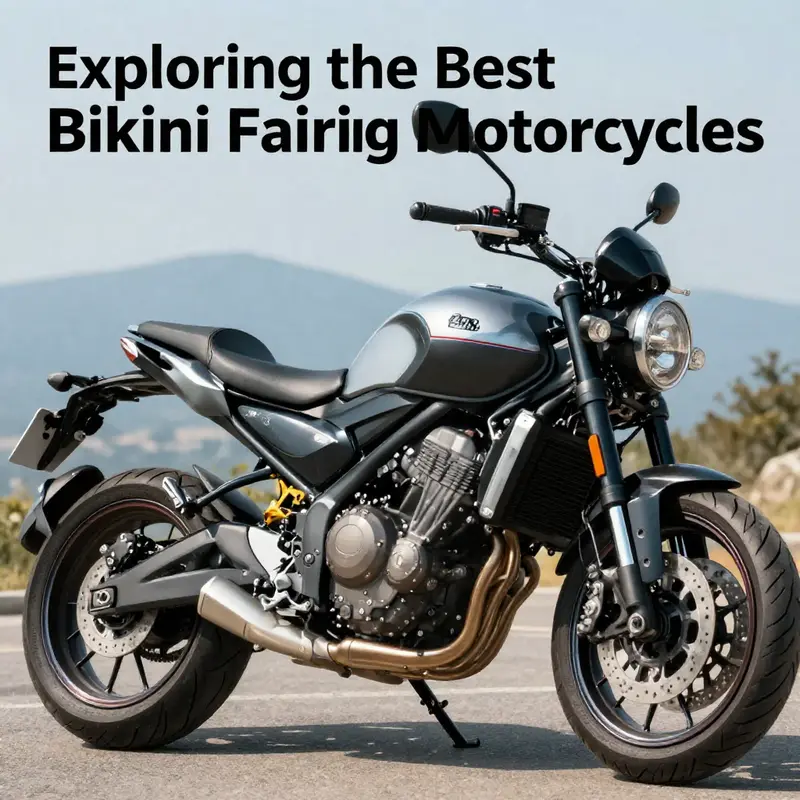
Bikini fairing motorcycles have become a symbol of a unique blend of style and practicality that speaks directly to urban riders and enthusiasts who appreciate an unorthodox twist on traditional design. By offering a minimalist and retro aesthetic while also maintaining a degree of functionality, these bikes carve out a niche that is as visually striking as it is tailored to the demands of city riding. Riders gravitate to these motorcycles not only for their head-turning appearance but for the subtle yet crucial performance benefits that come with the design—the promise of aerodynamic efficiency, improved protection from harsh winds, and an unmistakable statement of individuality.
The design of a bikini fairing rests in its very name, borrowing the imagery of a bikini to describe a sleek, minimalistic panel that covers only a portion of the bike’s front end. The result is an exposed mechanical heart, a reminder of the machine’s power lying beneath an almost scant decorative shell. The uncovered engine and chassis create a striking contrast—melding raw mechanical honesty with a layer of artistic refinement. This look appeals to riders who wish to maintain a connection with the fundamental essence of motorcycling, where performance and aesthetics merge without overwhelming the sense of mechanical purity.
In the world of motorcycle design, every curve and contour serves a purpose. For bikini fairings, the emphasis is placed on achieving streamlined aerodynamics while not completely concealing the engine. Designers engineer these fairings to enhance airflow around the rider’s upper body, reducing drag and providing a level of wind protection that, while not as comprehensive as full fairings, balances beauty and practicality. The aerodynamic benefits are even more pronounced in urban settings, where lower speeds and the stop-start nature of commuting allow for designs that focus on the rider’s immediate comfort and visual appeal, rather than the extreme aerodynamic considerations of a high-speed racing bike.
A closer look at the aesthetics reveals a deep connection to vintage and contemporary tastes. The retro charm of a bikini fairing is reminiscent of classic styles seen on smaller-displacement motorcycles that gained popularity in the 1970s and 1980s. This nostalgic appeal is reimagined with modern engineering techniques, allowing manufacturers to incorporate lightweight materials and innovative design features. The result is a motorcycle that not only pays homage to historical design trends but also meets the rigorous performance and safety standards expected by today’s riders. The clean, uncluttered appearance of a bikini fairing provides an open canvas that accentuates the bike’s other features, reinforcing the overall visual identity of the motorcycle while ensuring it stands apart in a sea of fully faired models.
However, the appeal of bikini fairing motorcycles is not solely about aesthetics; it is also deeply rooted in a practical philosophy. For urban riders, practicality often means optimizing for short, nimble trips rather than long, endurance-based journeys. The structure of a bikini fairing, by virtue of leaving parts of the engine exposed, offers certain advantages such as easier access for maintenance. This ease of repair is especially important in city settings where time is of the essence and straightforward repairs can be the difference between a minor inconvenience and a major delay in one’s schedule. Moreover, the simpler design typically translates to lighter structures compared with their fully faired counterparts. The reduced complexity not only benefits the manufacturing process but also provides riders with a bike that is nimble and responsive—a critical factor when navigating congested city streets.
Despite the stylish exterior and urban-friendly attributes, the practicality of bikini fairings does come with its own set of challenges. One of the prominent issues is the potential for damage. Compared to more robust, fully enclosed fairings, the minimalistic panel of a bikini fairing can be prone to scratches and impact damage. In the event of minor accidents or bumps, the exposed materials may require more frequent repairs or even complete replacement. This vulnerability implies that riders must be mindful of their environment and sometimes accept higher upkeep costs in exchange for the unique visual appeal. Additionally, the design can interfere with optimal cooling of the engine. The fairing’s limited coverage can obstruct airflow in ways that might lead to localized heat buildup, particularly where the structure covers parts that would otherwise benefit from open exposure. In high-temperature climates or during extended use in heavy traffic, such an obstruction could contribute to overheating if not properly managed by engine tuning or additional ventilation enhancements.
Weight considerations are another critical factor in the overall performance calculus for bikini fairing motorcycles. Although the materials—often high-density plastics and composites—are chosen for their light weight, every added component subtly shifts the handling characteristics of the bike. The balanced integration of style and function requires careful attention to how even a slight increase in weight might affect maneuverability. Urban riding conditions exacerbate these concerns; the constant need to make sharp turns, navigate tight spaces, and respond quickly to unpredictable traffic patterns all demand a lightweight and agile vehicle. For riders whose primary focus is on performance under such conditions, the slight compromises inherent in the bikini design need to be carefully evaluated against the backdrop of the enhanced aesthetic appeal.
While bikini fairings have carved out a respected niche in the motorcycle world, they remain best suited for riders who prioritize individuality and urban maneuverability over long-distance touring or high-speed stability. Their design is optimized for the short burst of acceleration and the strategic stops of city traffic, rather than the continuous, high-speed consistency needed for highways or long road trips. This design philosophy means that while these bikes offer enhanced style and a unique riding experience, they are not without limitations when the ridden terrain shifts from the bustling city to the open road. It is here that purists argue that full fairing motorcycles, with their comprehensive wind protection, improved heat management, and optimized aerodynamics for sustained high speeds, hold a significant performance advantage.
Yet, the appeal of the bikini fairing motorcycle lies in its ability to fuse beauty with function in a way that feels both fresh and rooted in tradition. The atypical design invites customization and personalization, enabling a wide range of modifications that resonate with the individual tastes of the rider. Some enthusiasts seek out rare models, or choose to retrofit standard models with aftermarket bikini-style fairings that express a blend of retro modifications and modern personalization. It is this ongoing dialogue between past influences and contemporary design that has cemented the bikini fairing style as a pervasive symbol of motorcycle culture. The transformation often seen in these bikes turns them into rolling works of art that continuously invite admiration and spark conversations among peers and onlookers alike.
Urban riders find that the intrinsic charm of the bikini fairing resonates with their lifestyle, where the need for practicality coexists with a desire for creative expression. The stripped-down approach, where form meets function in the most unconventional manner, parallels the fast-evolving domain of city mobility. In a world where personalization is a key element of personal identity, a motorcycle that reflects both technical capability and an unmistakable style statement becomes a natural fit. This is why models featuring bikini fairings often see a dedicated following among riders looking to stand out—choosing a bike is not just about getting from point A to B, but also about making a visible statement regarding who they are as individuals.
For those interested in exploring fairing options that cater to both aesthetics and performance, there is a wealth of resources available online. Websites dedicated to motorcycle accessories and custom parts provide comprehensive collections of fairings for various models, including collections like those for Yamaha motorcycles. For example, enthusiasts can find a diverse selection of designs at collections focusing on Yamaha Fairings, where every item is carefully engineered to blend well with the bike’s original style while providing the occasional experimental twist to the overall look. Such platforms not only offer parts for repair and customization but also serve as a community hub where riders share experiences and tips on how to maintain and optimize the performance of their beloved machines.
The trade-off between style and practicality is a recurring theme in the landscape of modern motorcycle design. While bikini fairings exude an avant-garde charm, they compel riders to make a deliberate choice: to embrace a design that is both esoteric and appealing, knowing that this aesthetic might involve some practical hurdles in everyday maintenance and performance. It is this very duality that underpins the lasting appeal of bikini fairing motorcycles. Riders appreciate that, in the art of motorcycling, beauty often requires sacrifice. The bold lines and minimalist outlook that define the bikini design come hand in hand with considerations for durability and cooling efficiency. This balance is not merely a product of necessity but a conscious design decision that celebrates the imperfections and trade-offs inherent in merging art with engineering.
At their core, bikini fairing motorcycles embody a philosophy where function does not necessarily contradict style, but where each element is carefully calibrated to meet the specific needs of urban cycling while preserving a high standard of visual impact. Every design decision—from the selection of lightweight plastics to the precise angling of the fairing panels—is made with the dual goal of enhancing performance and communicating a distinctive identity. The documentation of these nuanced choices has been a subject of interest for many analysts and reviewers in the field of motorcycle engineering. For those looking to delve deeper into how such design features influence riding experience, the article published on Inside 250 400cc Motorcycles: Technical Details, Standards, and Applications for Professionals provides a detailed examination of the technical trade-offs involved in various motorcycle fairing designs.
Moreover, the dialogue surrounding the strengths and weaknesses of bikini fairings extends beyond design enthusiasts to practical considerations. In-depth rider testimonials and repair reports frequently highlight issues such as the increased cost and difficulty of repairing exposed fairing panels after impacts. For riders who value aesthetics but also demand reliability, research into the frequency and cost implications of repairing damaged fairings often becomes a decisive factor. It is in these nuanced debates that the complexity of urban riding emerges—the necessity to balance a personal style statement with the practical realities of daily commutes, unexpected maintenance, and the overall long-term durability of the motorcycle.
In essence, the bikini fairing motorcycle is both a canvas and a performance tool. It is not simply a modified bike with a cosmetic overlay; rather, it is a reflection of a rider’s desire to break away from standard norms and embrace an identity that is as much about personal expression as it is about speed and agility. As the urban landscape continues to evolve, the demand for vehicles that can offer agility in congested settings while still providing a distinctive look will only grow stronger. The emerging trends in urban mobility suggest that the appeal of such design will persist, inviting both manufacturers and riders to continuously explore innovative ways to merge artistic vision with robust engineering.
Ultimately, the story of bikini fairing motorcycles is one of creative compromise—a celebration of what it means to value beauty while remaining firmly rooted in practicality. In the dynamic interplay between an exposed engine and a finely tuned plastic shield, urban riders find a metaphor for life itself: that amidst the constant motion and inevitable obstacles of city living, beauty and resilience can coexist in perfect harmony. Whether used as a daily urban commuter or as a statement piece in an ever-evolving motorcycling culture, the bikini fairing motorcycle represents a commitment to authenticity, an embrace of individuality, and a desire to challenge the conventional boundaries of design.
As you explore the range of designs and modifications available in today’s market, you may find that the very factors that make bikini fairings less ideal for long-distance, high-speed journeys also render them perfectly suited for the quick, agile moments of urban travel. The inherent characteristics—a light structure, eye-catching minimalism, and the freedom offered by less restrictive bodywork—amplify the sense of connection between rider and machine. This intimate interaction is what drives many to choose a motorcycle that is as much a personal accessory as it is a mode of transport. In the end, the decision to opt for a bikini fairing motorcycle is a reflection of a lifestyle choice, one that values artistic expression, the raw thrill of the ride, and the perpetual balance between risk and reward.
By embracing a design that begs the question of why full coverage is always necessary, riders compel industry experts to reconsider the priorities of motorcycle design. The journey of the bikini fairing from a niche aftermarket modification to a celebrated style statement in certain modern motorcycles underscores a shift in focus—away from rigid, one-size-fits-all solutions and towards a more personalized, even rebellious, approach to engineering and aesthetics. It is a reminder that while technology and safety standards continue to evolve, the essence of riding is deeply personal and inherently artistic.
For those captivated by the interplay between form and function, and who see their motorcycles as an extension of their identity, the bikini fairing serves as both shield and statement. As the urban environment pushes riders to adapt continually, the aesthetic and practical merits of this unique design remain ever relevant. Whether you are navigating narrow city streets or simply admiring the refined contours of a well-crafted machine, the bikini fairing motorcycle stands as a testament to the enduring belief that beauty and functionality can indeed ride side by side.
In the final analysis, the choice of a bikini fairing motorcycle is emblematic of the modern rider’s quest for individuality—the need to express who they are without compromising on the essential values of performance, maintenance accessibility, and urban agility. It represents an ongoing journey of innovation, where each curve is a deliberate nod to both heritage and the future of urban transportation. Riders who choose this path do so not merely out of aesthetic preference, but as a declaration of the harmonious coexistence between unconventional design and everyday practicality.
For the keen observer and devotee of motorcycle art and engineering, the bikini fairing motorcycle does more than simply turn heads—it challenges the very standards of beauty and efficiency in motorcycling. Its design, while occasionally sacrificing some practical aspects for the sake of visual excellence, ultimately invites us to rethink the interplay between performance standards and modern style. This motorcycle design is a spirited conversation between what is traditionally expected and what can be imagined when form boldly intersects with function.
By acknowledging both its strengths and shortcomings, riders who choose bikini fairing motorcycles embrace a philosophy that sees imperfection as part of the beauty. The journey of integrating style with functionality is ongoing and continually refined as newer materials, innovative engineering techniques, and evolving tastes converge in the dynamic world of motorcycle design. This fusion of art, technology, and street smarts ensures that the legacy of bikini fairings will remain vibrant and relevant for years to come.
Final thoughts
Bikini fairing motorcycles successfully merge style, functionality, and aerodynamic efficiency, making them a popular choice among riders. The models discussed demonstrate how these elements create not only visually appealing motorcycles but also enhance riding experience through improved control and performance. As businesses look to understand the demands of motorcycle enthusiasts, considering the appeal of bikini fairings can provide insights into consumer preferences and market trends.