
Selecting the best clear coat for motorcycle fairings is a crucial aspect of ensuring a premium, durable finish that enhances both aesthetics and longevity. For business owners in the motorcycle industry, understanding the benefits of different types of clear coats can significantly impact customer satisfaction and brand reputation. This article will explore the advantages of using 2K clear coats, effective application techniques, the importance of surface preparation, and tips for long-term maintenance. Each chapter builds upon the last to provide a holistic view of how to achieve and maintain high-quality motorcycle fairings. By the end of this guide, business owners will be equipped with the knowledge needed to make informed decisions that promote quality and performance.
Fortress of Finish: Mastering 2K Clear Coats for Motorcycle Fairings
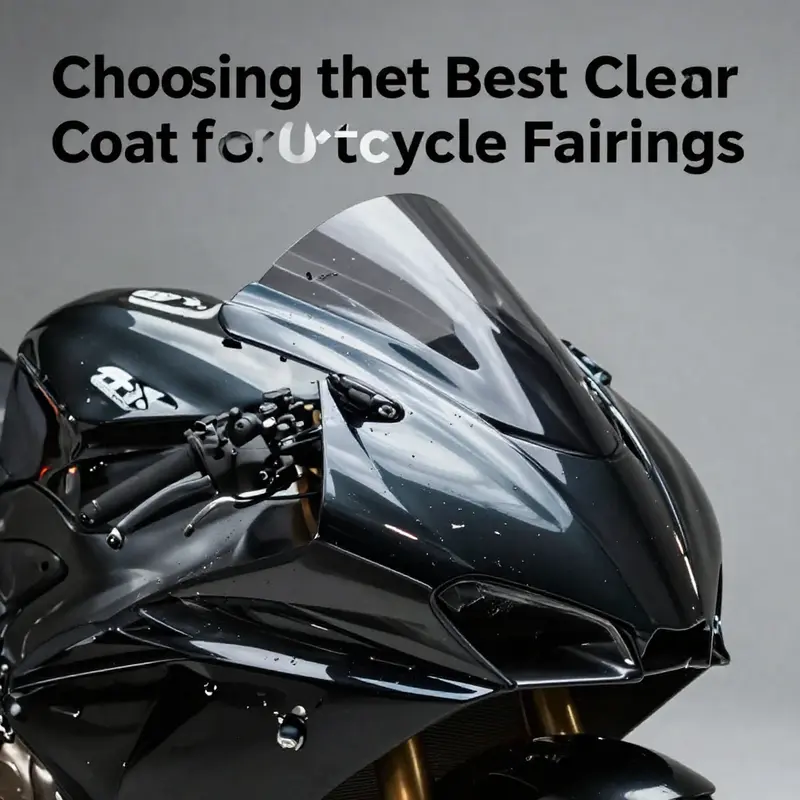
A motorcycle lives in a harsh chemistry of sun, rain, wind, road salt, and the occasional brush with gravel. The gloss you see when a fairing is freshly painted is more than aesthetics; it is a protective shield, a barrier against UV fade, moisture ingress, and gradual micro-scratching that would otherwise dull the color and weaken the underlying substrate. In this chapter we explore why a two-component, or 2K, clear coat has risen to prominence as the best clear coat for motorcycle fairings, and how the careful orchestration of surface prep, layering technique, curing, and post cure handling translates into a finish that not only looks exceptional but lasts through years of riding. The shift from traditional one-part clear systems to 2K clears is more than a trend; it is a reflection of how modern coatings marry chemistry with practicality. A 2K clear coat works by pairing a base resin with a reactive hardener. When these two components mix, a chemical reaction cures the film, creating a cross linked matrix that resists UV damage, stands up to weathering, and retains a high level of flexibility. This chemistry is particularly beneficial on fairings, which are thin-walled yet subjected to constant flex at fast speeds and occasional jostling over rough pavement. What emerges is a robust, glassy layer that can absorb the energy of minor impacts without cracking, while still allowing the color beneath to glow with depth and clarity. The aim is not merely a surface that shines for a season but a shield that endures, resisting yellowing, hazing, and crazing even after years of sun exposure and repeated wash cycles. In practice, this means recognizing that the best results rely on a disciplined workflow as much as on the right product; the two components deliver their protection, but only if the surface is prepared and treated with respect from start to finish. The value of 2K clear coats becomes evident when addressing deeper issues that often confront riders and restorers: deep micro-scratches that cut through the clear coat and into the base layer, minor impact marks from road debris, and the kind of long-term hazing that slowly erodes gloss. Two layers can fill and smooth shallow defects, while two to three layers can build a protective film thick enough to resist chipping and cracking during the fairing’s lifecycle. This layered approach is not simply about thickness; it is about controlled, uniform deposition. Each pass lays down a parallel clear film, and as the solvent evaporates, the resin and hardener react to form a dense, clear, high-gloss finish. The result is an optical clarity that preserves color saturation and a depth that makes metallic or candy-like paints come alive. The best practices, distilled from professional experience and recent industry analyses, emphasize a balance between film strength and surface workability. A 2K clear coat must be able to cure without developing orange peel or sag when applied over a well-prepped base, and it must do so across the curved geometry of a fairing. This is where technique matters as much as formulation. Spraying in a clean, controlled environment is essential; even the smallest amount of dust can be trapped in a curing film, showing up as specks in the final gloss. Temperature and humidity are quiet but decisive contributors: too cold and the film takes longer to level, too hot and it can dry too fast, trapping solvents that later cause cloudiness. Modern 2K clears are designed to be forgiving with a bit of patience, but they still demand a steady hand and a meticulous approach. The layering pattern matters too. Most technicians apply two to three thin, even coats rather than one heavy coat. This strategy reduces the risk of solvent entrapment, minimizes the chance of drips on curves, and gives a uniform sheen across complex shapes. A well-executed sequence might begin with a light tack coat to advance film formation, followed by two medium coats that build gloss and depth. A final, very light coat can be used to saturate the most pronounced reflections and to seal the surface without creating a heavy, plastic-like feel. The glossy finish that results from this method does more than please the eye; it fortifies the surface. The clear coat acts as a sacrificial layer, absorbing the energy of subtle impacts, protecting the color and base coat from micro-abrasions, and helping the fairing resist the effects of car washes, road salt, and fuel vapors. The 2K system’s chemical resistance is a real asset for riders who wash their bikes with modern, high-alkaline cleaners or who ride in environments where pollutants cling to surfaces. Yet it is not a guarantee against damage. The film can still suffer from deep physical impacts or sustained abrasion, and in those cases the clear coat can be sanded and re-coated. What matters is that maintenance tasks and reapplication cycles are planned so that the repair process does not degrade the integrity of the surrounding paint. A well-chosen 2K clear coat demonstrates UV stability that resists fading and yellowing after years of exposure. The reason lies in the chemistry of the resin and the cross linking that occurs during cure. However, even the most resilient formulation benefits from proper environmental control during application and curing. A dusty workshop, a drafty room, or a surface that has not been adequately prepped can undermine the entire finish. The base material of fairings—whether a tough ABS plastic or a lightweight fiberglass composite—also influences how a 2K clear coat behaves. ABS, when properly primed and sealed, accepts the clear coat and helps maintain adhesion over time. Fiberglass, already sturdy, responds well to the flexibility of a good 2K clear system, provided the underlying layers have been suitably prepared to prevent lift or delamination. In practice, this means choosing a clear coat that not only yields a brilliant gloss but also offers compatibility with common basecoats and primers used in sport bike and street bike builds. A quality 2K clear coat should be forgiving in its flow characteristics, yet predictable. It should spray evenly at typical spray gun settings and maintain workable pot life long enough to cover large panels without forcing a hurried, inconsistent application. It should also cure to a film that is not overly brittle, so that seasonal temperature changes do not cause micro-cracking. When considering the overall project, the goal is to obtain a finish that remains vibrant through countless wash cycles, waxes, and polishes, without forcing a recoat every season. The balance between hardness and flexibility is key; a film that is too hard can crack under flex or impact, while one that is too soft can degrade rapidly under UV exposure. The best 2K clears achieve a nuanced balance, delivering a high gloss with depth while retaining enough flexibility to accommodate the fairing’s shape and the rider’s daily use. The practical steps to reach this ideal begin with thorough surface preparation. Clean the fairing with a degreaser to remove silicone and wax residues. Sand the surface with progressively finer grits to remove the old clear and create a micro-etched surface for good adhesion. A primer layer that is compatible with both the base color and the clear coat locks in the color and provides a stable, uniform foundation. Once the base and primer are in place and fully cured, the 2K clear coat is mixed according to the manufacturer’s instructions, then applied in two to three light coats. Between coats, allow a tack or slight touch-dry stage to ensure the next layer flows out smoothly and does not trap solvent. The final coat should aim for a uniform thickness and a level surface that can be polished to a mirror-like finish. Curing is a critical stage that cannot be rushed. Product guidelines typically specify a cure time at room temperature with adequate ventilation. A standard rule is patience: until the film is fully firm to the touch and no longer indented by a fingernail, avoid handling or exposure to moisture. Post cure handling often involves a controlled period of air drying before any wet sanding or polishing. Wet sanding can remove minor imperfections such as tiny dust nibs or slight orange peel, while polishing after curing brings out the full clarity and depth of the color beneath. It is a delicate operation; aggressive sanding can dull the very glaze that makes the finish so striking. The best results come from gradual improvement, moving through progressively finer abrasives and finishing compounds with a careful, even touch. Beyond technique, long-term performance depends on ongoing care. Regular washing with pH-balanced cleaners, prompt attention to bird droppings or contaminant stains, and periodic waxing help sustain the gloss and prevent micro-etching. When the time comes for a refresh, a well-adhered 2K clear layer can be re-applied without disturbing the underlying color, provided the surface is clean and sound. This capability to recoat without full removal is a practical advantage in the long run, especially for riders who keep their bikes looking sharp for years or who custom paint schemes that require a consistent, multi-layer finish. Selecting the right 2K clear coat also means judging the coating on more than gloss alone. Look for UV resistance, chemical resistance, and optical clarity as well as compatibility with common base colors and primers. The ultimate choice should align with the fairing material and the performance expectations of the rider. A well-chosen 2K clear coat is not just a cosmetic enhancement; it is a protective layer that preserves the appearance and structural integrity of the fairing over time, supporting the look of a bike through seasons of riding and crowds of onlookers who notice the deep, glassy finish. For readers who want to see practical examples of compatible fairing options and accessory kits, a relevant resource is the Yamaha fairings collection linked here: Yamaha fairings collection. This connection invites readers to consider how the underlying fairing construction interacts with the finish and why surface preparation remains essential across brands and models. While the technical heart of this chapter centers on 2K clear coats, the broader lesson is straightforward: the finish is a system, not a single product. The base color, the primer, and the clear coat each contribute to a final result that must be built with care from the first pass of prepping to the last polish. When done correctly, the fairing can look as if it were cast in a single moment of pristine light, a solid, protective skin that holds up under sun, road debris, and the constant motion of riding. For a deeper, authoritative technical guide on 2K clear coats that complements this practical overview, see the external resource: https://www.automotivepaint.com/2k-clear-coat-guide
Guardians of the Gloss: Mastering 2K Clear Coat for Motorcycle Fairings—From Prep to Perfection
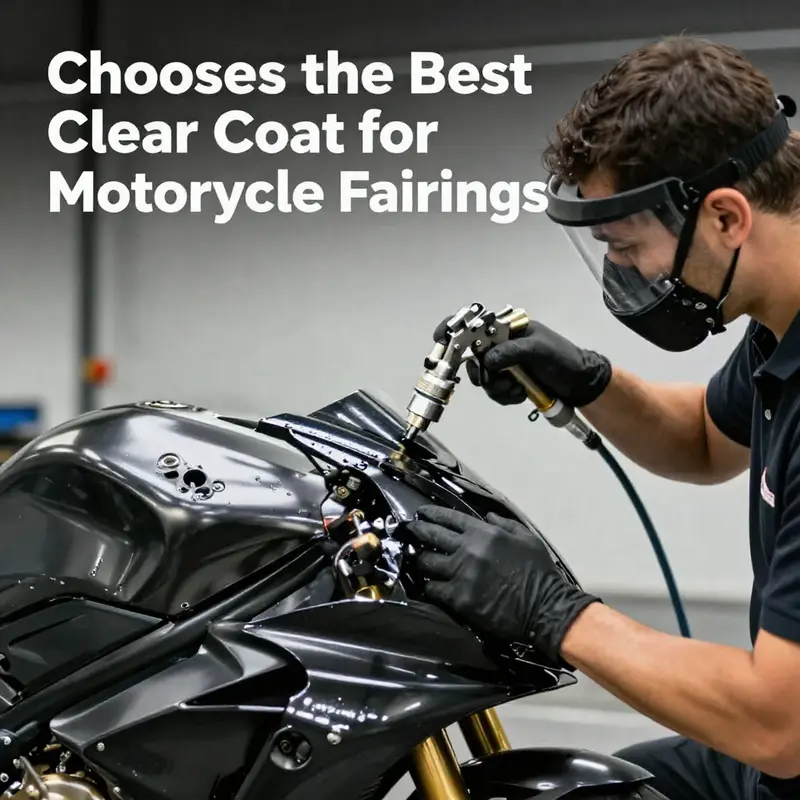
The motorcycle is more than a machine; it is a moving canvas that catches light, tells a story in color, and endures the weathering kiss of road and sun. The layer that seals that story, the clear coat, does more than simply gleam. It acts as a shield against UV damage, chemical exposure, and the inevitable scuffs of highway life. In the realm of modern fairing finishes, a 2K (two-component) clear coat stands out as the durable, glossy workhorse that professionals rely on to preserve depth of color and clarity of view for years to come. The practical reality is straightforward: longevity, aesthetic appeal, and the ability to resist the elements all hinge on the careful selection and precise application of this two-part system. When you combine a high-quality 2K clear coat with disciplined preparation and technique, you unlock a finishing result that remains vibrant, scratch-resistant, and visually striking even after countless miles of sunlit rides and winter washes.
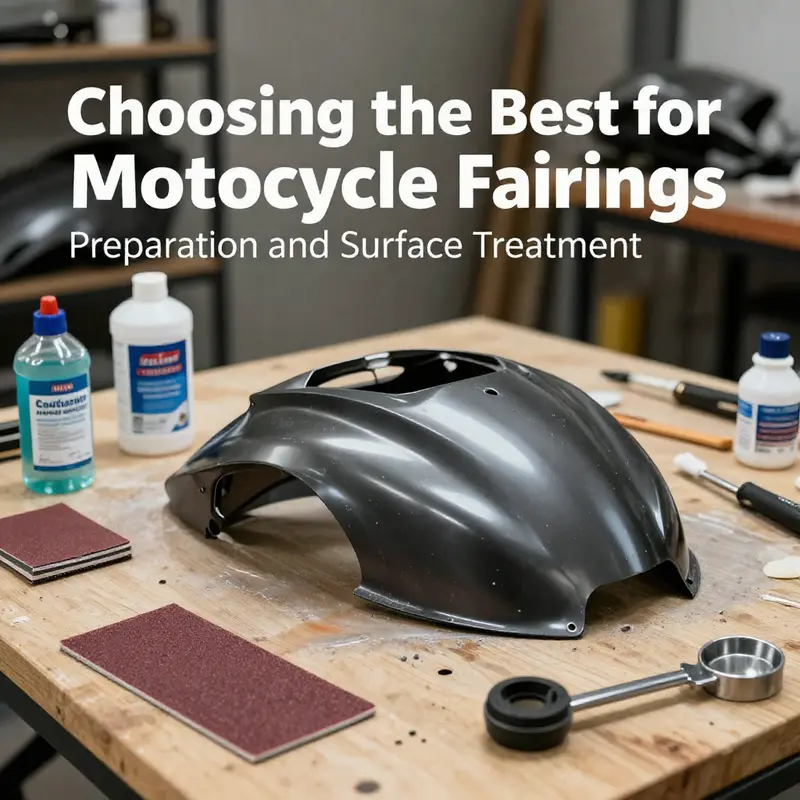
Preparation is where durability begins. A faithful finish is born in the shop, not in the spray booth. The fairings must be stripped of all oils, waxes, and residual contaminants that could sabotage adhesion. The initial step—remove the fairings from the motorcycle—ensures uniform coating coverage and reduces the chance of hidden runs. Next, a thorough cleaning with hot, soapy water dislodges road grime, grease, and any lingering polish that could interfere with the bond. After cleaning, the surface should be dried completely; moisture can trap dust or droplets that would mar the final gloss. Sanding follows, and here the choice of abrasive is critical. A 400-grade sandpaper is commonly recommended because it creates a micro-rough surface that gives the clear coat something to grip onto without underscoring deep scratches into the base layer. The resulting texture should feel uniform to the touch, not rough, and the vision should be of a smooth, ready-to-coat surface when the light passes over it. A tack cloth, or a clean microfiber pad, is used to remove the dust that sanding leaves behind. This moment, quiet and careful, sets the tone for the entire finish. One slip here—such as skipping the tack wipe or rushing through the prep—will echo in the final appearance as orange peel, hazing, or dull spots.
The day of application, the environment must align with the two-component system’s needs. Air temperature and humidity influence the wet film behavior and the cross-linking that gives the clear coat its hardness and resistance. A clean, dust-free room with good ventilation is non-negotiable. The fairings, freshly sanded and wiped, should be mounted or stabilized so that the applicator can pass over every contour with consistent motion. The two-component nature of 2K clear coat means the resin component and the hardener must be mixed exactly as directed by the manufacturer. Proper mixing ensures chemical cure proceeds uniformly and the film forms a robust, cross-linked network that yields the expected hardness, UV resistance, and clarity. The number of coats, typically two to three, needs to be planned with careful drying times between applications. In professional practice, a minimum of two hours between coats allows the prior layer to set, while still remaining tack-free enough for the next layer to adhere without trapping solvents. Three coats are common when the goal is maximum depth and protection, especially on fairings subjected to frequent sun exposure and road debris. It is essential to respect the manufacturer’s stated mixing ratios and environmental guidelines—these details can vary among products and are the difference between a glossy triumph and a problematic finish.
Technique matters as much as product choice. When guiding the spray nozzle, maintain a consistent distance and sweep pattern to avoid heavy “snowplow” lines or stopped streaks. The goal is even, thin coats that flow together, not thick layers that may sag or run. The first coat should lay down a steady, wet film that fills microscopic imperfections and establishes the base gloss. The second coat adds depth and protection, and if a third is used, it should be applied with a lighter hand to prevent buildup. Each coat needs to dry adequately; two hours between coats is a common benchmark, but you should always adhere to the product’s instructions for flash time and cure initiation. The environment’s temperature influences cure time; a cooler workshop slows oxidation and cross-linking, while heat can accelerate it too quickly, risking surface cratering or solvent pop. The spray technique should avoid over-spraying and heavy spray patterns that create an orange-peel texture. If orange peel appears, a light sanding with finer paper after the coat has cured can smooth the surface before the next application, but this is often a last resort. The smoother the current layer’s surface, the more the next layer will level out, producing an even, mirror-like finish.
A high-quality 2K clear coat does more than offer brightness. It delivers UV stability that helps prevent color fading and yellowing over time. It offers chemical resistance essential for withstanding fuel splashes and those occasional washing agents that aren’t made equal. The best options retain flexibility, a critical trait for motorcycle fairings, which flex ever so slightly as wind pressure and riding dynamics play across their surfaces. This flexibility helps resist cracking and micro-fractures that would otherwise compromise the finish. Optical clarity is another pillar of the modern 2K clear coat: it maintains transparency and avoids tint shifts, preserving the true hue and depth of the base color. The synergy of UV stability, chemical resistance, flexibility, and optical clarity creates a finish that not only looks superb when new but maintains its appearance across seasons, travel, and long-term exposure.
After the final coat, curing is a time-tested ritual. Some cycles require room-temperature cures, while others benefit from controlled heat to shorten the final cure time without compromising film integrity. The cured surface should feel hard and resist a light scratch with reasonable finger pressure, an indication that the cross-linked network has matured. Once fully cured, the surface can be buffed for enhanced gloss, though this step should be approached with caution. Aggressive polishing can abrade the clear coat and reduce UV protection if the pad and compound are too abrasive or applied with undue pressure. Many riders opt for a basic maintenance routine: gentle washing with mild cleansers, followed by a light coat of wax or sealant to renew slickness and ease future cleaning. The protective cycle becomes self-reinforcing as the wax adds an elemental barrier against dirt and water, while the clear coat holds the color and shine behind it.
Choosing the right clear coat for motorcycle bodywork hinges on more than just gloss. The right product, formulated specifically for high-stress areas like side panels and lower fairings, provides resilience against impact and abrasion that occur in real-world riding. The long view—the look that decade-long rides deserve—depends on selecting a clear coat that resists UV degradation, maintains color integrity, and remains chemically resistant to routine maintenance products. The capacity to sustain ultraclear depth without yellowing or cracking is what differentiates a professional-grade finish from a temporary cosmetic improvement. The rider’s eye notices the difference in how light plays across the fairing and how the reflection remains sharp after months of exposure. The physics of the clear coat’s chemistry—the cross-linking, the polymer matrix, and the protective barriers against environmental stressors—translate into practical, ride-ready durability that returns a sense of pride with every glance in the mirror or at the roadside.
If the goal is a finish that endures, one must also consider the role of surface preparation in the long-term performance of the 2K clear coat. Prepping the base coat and primer properly is essential because the clarity and gloss of the topcoat reveal every imperfection. A well-prepared foundation ensures consistent adhesion and reduces the likelihood of peel or delamination. It is no accident that professionals emphasize methodical steps: clean, sand, wipe, prime, and then apply in layers that gradually build gloss and resilience. The best practice is to treat the process as a sequence rather than a single moment of application. Each stage informs the next, and each choice—temperature, humidity, mixing ratio, spray technique—contributes to the final narrative of shine and protection.
In telling this story, it is important to acknowledge the broader ecosystem of resources that guide riders toward superior finishes. The guidance from credible automotive finishing analyses consistently highlights the central qualities of top-performing clear coats: UV stability, chemical resistance, flexibility, and optical clarity. The practical takeaway is to select a 2K system that is proven in professional use and supported by user feedback. The advice is not to chase the flash of a new product but to pursue a finish that remains faithful to its promise across multiple seasons. For the rider who wants a reference point beyond technique, there is value in examining comparative guides that lay out the pros and cons of various clear coats and how they respond to real-world conditions. As with any high-stakes finishing work, consistency, patience, and attention to the smallest details determine the ultimate outcome.
For riders who wish to calibrate their choices against a broader spectrum of options, a practical step is to consult a curated collection of resources that speaks to both the craft and the science of clear coats. For model and model-year diversity, exploring a dedicated catalog of fairing shapes and model-specific recommendations can help ensure an appropriate fit with prepared surfaces. If you are researching models that fit particular fairings, consider visiting a curated collection such as the Honda fairings category, which can provide visual references and compatibility notes that align with your project’s scope. This can help you anticipate how a given finish will interact with the underlying contours, seams, and edges. For readers pursuing this route, the Honda fairings collection can be a useful starting point: https://www.summitfairings.com/collections/honda-fairings
Beyond the technical steps and the chemistry, the finishing journey is also about stewardship. A well-cared-for finish will continue to reward attention with enduring shine and protection. Gentle cleaning methods, avoiding aggressive solvents, and periodic waxing all contribute to a lasting serene aesthetic that remains striking on a sunny morning ride or a showroom reflection. The best clear coats—especially the 2K systems highlighted by industry guidance—reward the rider who treats the finish with respect, who allows for the measured patience of proper curing, and who values meticulous prep as a foundation for lasting beauty. In that sense, the choice of a 2K clear coat is not simply a product decision; it is a commitment to a standard of care that honors the bike’s lines and the road that defines its life.
For those seeking a broader perspective on the landscape of finishes, this external resource offers a comparative lens on automotive clear coats and the modern criteria driving durability and shine across 2026. It can serve as a supplementary guide to the insights presented here and help you weigh options as you finalize your project plan: https://www.motocyclepaintpro.com/best-clear-coat-products-2026
Layers of Shield: Mastering the Best Clear Coat for Motorcycle Fairings through Preparation and Surface Treatment
Every ride leaves its mark on a motorcycle’s fairings. Sun, rain, road salt, and the grit of daily commuting slowly etch the finish, and even the most vibrant paint can dull without the right protection. In the world of modern motorcycle aesthetics and durability, the clear coat is more than a gloss layer; it is a sonic-sense shield that determines how long the color stays vivid, how easily dirt rinses away, and how well the surface resists micro-abrasions from stones and near-misses at highway speeds. Current best practices in 2026 converge on a practical and performance-driven approach: use a two-component clear coat, commonly referred to as a 2K clear coat, applied in multiple layers to build a durable, high-gloss barrier. This choice is not just about the final look; it is about sustaining the integrity of the underlying paint and the shape of the fairing, which are closely tied to how well the surface endures UV exposure and environmental contaminants over time.
A 2K clear coat is designed to cure through a chemical reaction between resin and hardener. When applied correctly, it forms a robust, cross-linked film that resists yellowing, cracking, and hazing despite years of sun and rain. Industry guidance consistently points to two to three successive coats for fairings that see regular riding. Each coat adds to the depth of gloss and the level of protection, while also helping to bridge minor surface imperfections. The practical takeaway is simple: you get a more forgiving margin for imperfections if you layer your clear in moderate, controlled steps, rather than attempting a single, thick coating that risks runs, solvent pop, or solvent entrapment. The approach mirrors baking a glaze you can rework with sand and polish, but at the level of automotive finishes and plastic substrates. The key is that the surface be prepared to receive layers that bond chemically, not merely sit on top.
Preparation is the hinge on which any coating plan swings. A glossy finish that lasts begins with a clean slate. Start with a dedicated degreaser that dissolves oils and old wax residues that can impede adhesion. Then, lightly sand the base coat and the existing clear coat with fine-grit paper—typically 1500 to 2000 grit—and follow up with a meticulous dust removal. Sanding is not about removing all texture; it is about creating a uniform micro-roughness that provides mechanical key for the next layer to bite into. Dust can be a silent assassin of finish quality, so wipe down with tack cloths and ensure the workshop air is as dust-free as possible. The importance of cleanliness cannot be overstated: oil, silicone, or even fingerprint oils create weak spots where the clear coat can peel or develop uneven clarity. If the fairing has serious flaws, long scratches, or deeper gouges, these issues should be addressed before any clear is applied. A shallow, even base prepares the panel for the chemical bonding that gives 2K clear coats their performance.
The process requires a controlled environment. Temperature and humidity influence the flow of the coating and the way solvents evaporate. Too cold or too humid conditions can slow cure times and produce surface defects like cratering or solvent pop. A well-ventilated booth or a dedicated paint space with controlled air flow helps achieve a smooth, even film. In this space, the painter can gauge the speed of the spray, the distance from the panel, and the time between coats with precision. The goal is a uniform film that lays down with minimal orange-peel texture and without sags. Once the base clear film has cured to a tack-free state, the surface benefits from a light reflow or a recoat window that ensures any micro-imperfections are bridged and sealed beneath subsequent layers. The result is a geometry of protection that follows the fairing’s contours, whether it’s the sweeping lines of a sport bike or the angular facets of a touring model.
A crucial point often overlooked is the distinction between a simple glossy finish and a durable protective system. The 2K clear coat’s strength lies in its ability to be sanded and polished without compromising the integrity of the edition. The sanding after the first full cure can reveal a dreamlike clarity once the final polish is complete. If the user intends to add a second or third layer, the guidance is to allow sufficient flash time between coats; this interval lets solvents evaporate and the chemical reaction to begin at the right moment to enable a strong bond. Each subsequent layer increases the film thickness and improves resistance to UV rays and micro-abrasions. For fairings mounted on motorcycles that endure daily use and occasional off-road or track exposure, thicker, layered coatings reduce the risk of microcracking and keep the surface pristine for longer.
As the finish hardens, the surface’s interaction with the broader maintenance landscape becomes apparent. A properly cured 2K clear coat develops a lush gloss that intensifies the color of the base coat beneath while forming a hydrophobic barrier. Dirt, water, and contaminants bead and shed more readily, which simplifies cleaning and reduces the immersion time needed to restore the fairing’s shine after rides. This hydrophobic behavior is not just cosmetic; it guards the paint surface by limiting the amount of water and minerals that can contact the base layer and cause oxidation over extended periods. The result is a finish that not only looks great but also resists the wear and weathering that mileage imposes on high-value plastics.
In exploring the high-performance end of protection for fairings, a broader strategy emerges. Beyond the ordinary, a growing category of surface treatments uses a silicon dioxide–based ceramic coating technology. Rather than sitting passively on top of the paint, these coatings chemically bond with the surface to create an integrated, hydrophobic layer that fills in microscopic pores and scratches. The concept is to smooth out the microtexture of the paint, enhancing gloss while creating a shield against dirt, water, UV rays, and oxidation. This is not a replacement for a proper base coat or clear coat; it is an additional, advanced layer that can be applied over a fully cured finish to extend its life and reduce maintenance effort in the long run. The coating’s microscopic bond with the paint is what gives it durability in harsh riding environments, where road spray and airborne contaminants constantly challenge the surface. In practice, riders who pursue this route report surfaces that are easier to clean and that retain a premium look well beyond the typical lifetime of a single clear coat.
For those considering this approach, surface preparation remains non-negotiable. A thorough cleaning with a degreaser, followed by careful sanding if needed to address micro-scratches, and a complete removal of dust and oils is essential. The base surface should be fully cured and free of contaminants before any additional coating is applied. In real-world terms, the fairness of the surface depends on preparing it to the highest standard possible—fewer nicks, less contamination, and a stable, uniform texture before layers are applied. The logic is simple: if the surface has pores or micro-defects, the ceramic-based layer will fill and bond unevenly, which can compromise both gloss and hydrophobic performance. When done right, this approach yields a standout finish that resists the grime of long rides and continues to shed water rather than hold it, keeping the fairing looking newer for longer.
An effectively prepared surface also acknowledges the geometry of the fairing itself. Complex curves, chamfers, and sharp radii all respond differently to spray technique and airflow management. A skilled technician accounts for these variations by adjusting spray patterns, gun pressure, and the number of passes per panel. The result is a film that is uniformly thick across the contour, avoiding high spots at edges and corners where peel or chipping often begins. This attention to detail is especially important on high-impact areas like side panels and lower fairings, where debris and impact are more likely to stress the coating. For riders who want to visualize how different fairing shapes respond to these processes, a practical touchpoint is to explore the Honda fairings collection, which provides a range of shapes and angles that illustrate how surfaces can require slightly different prep and application techniques. Honda fairings collection
The trade-off considerations also deserve attention. A 2K clear coat demands proper safety measures: solvent-saturated materials, proper ventilation, and protective equipment to guard against isocyanates and other reactive components. While the clarity and durability are compelling for daily riders and weekend warriors alike, the process should be approached with respect for the material’s chemistry and the environment. It is worth noting that while an advanced ceramic coating can significantly improve water beading and surface slickness, it is not a universal cure for all challenges. Scratches that penetrate through the clear coat and into the base color can still require corrective work, refinishing, and, in some cases, professional re-painting. In practice, the most enduring strategy is a layered approach: a well-prepared base with a robust 2K clear coat, optionally followed by a ceramic-sealant topcoat for enhanced hydrophobicity and easy maintenance. This combination yields a finish that handles UV exposure, weathering, and the occasional battle with highway debris while preserving the original color depth and clarity over time.
The broader workflow, then, is a disciplined sequence rather than a single magic step. Begin with inspection of the fairing’s condition, identify scratches that go through to the primer or base color, and decide whether those areas need localized repair before any coating is applied. If color matching is necessary, address it before applying the top clear or any protective ceramic layer to avoid inconsistencies in gloss or color shift. Subsequent steps emphasize a controlled environment, deliberate layering, and a careful cure schedule. The final result is a surface that not only looks striking but also resists the quotidian wear and tear of riding—the kind of finish that makes washing and polishing feel less like a chore and more like maintenance of a performance surface. This is the essence of durable, high-gloss fairing protection: a comprehensive approach that respects the material, the shape, and the ride itself.
To place this in a real-world context, consider the practicalities of selecting the right method for your bike and riding style. If you are maintaining a weekend toy with pristine fairings or an everyday rider who logs long highway miles, a robust 2K clear coat remains the cornerstone of long-term protection. For those who routinely suffer the harsh effects of sun exposure or who crave the extra sheen and dirt resistance of modern ceramic technology, incorporating a SiO2-based top layer can extend the life of the finish and ease cleaning routines. The choice between intensity of protection and the level of maintenance you are willing to perform is yours, but the central principle remains constant: preparation is the foundation, and layering is the method by which durability is achieved. A well-prepared surface with proper layering delivers a finish that endures the miles and remains visually compelling through countless rides.
External resource: For a deeper explanation of how ceramic coatings bond with painted surfaces and how they improve hydrophobicity and protection, you can consult an industry overview of SiO2-based ceramic coatings at this external resource: https://www.harley-davidson.com/en_us/vehicle-care/appearance-protection.html.
Shining Armor: Mastering 2K Clear Coat for Long-Lasting Motorcycle Fairings

The fairings that shape a motorcycle’s silhouette are more than just skin; they are a shield against sun, rain, and the grit kicked up from the road. Over time, exposure to ultraviolet light, chemical cleaners, seasonal temperature swings, and the assault of small stones can dull color, promote microscopic scratches, and even erode gloss. A high-quality clear coat acts as the final defender, sealing the base color and primer, while delivering the depth and clarity that make the artwork of a bike truly pop. In 2026, the consensus in professional circles is clear: the best long-term results come from a 2K, two-component clear coat. It cures into a hard, robust film that resists fading, yellowing, and cracking while remaining flexible enough to withstand the flex and vibration that fairings experience at highway speeds and during cornering. It is applied in multiple layers—typically two to three—each layer building protection and shine without compromising clarity. The rationale is straightforward. A multi-layer 2K system yields superior solvent resistance, better adhesion to the primer and basecoat, and a more uniform optical finish that remains stable under washing, waxing, and routine maintenance. This approach has become the baseline for serious riders and for professional shops alike, aligning with current industry guidance that emphasizes durability, UV resistance, and gloss retention as the core virtues of a great clear coat.
Preparation is everything. The most flawless 2K finish starts with a clean slate: a thoroughly cleaned surface free from wax, oil, or fingerprint oils. Many builders emphasize that the basecoat and primer beneath the clear coat must be compatible and properly cured before any clear application begins. Dirt and dust are the enemies of a smooth, glossy finish, so a dust-free environment is not a luxury but a prerequisite. The recommended sequence begins with a careful wash, followed by a wipe-down with a solvent that does not leave residue. Once the surface is clean, gentle abrasion is used to create a micro-roughness that the clear coat can bite into. A fine sanding with mid-range grits—commonly around 400 to 600 on the first stage, then 800 or 1000 for refinement—helps remove any tiny imperfections while preserving the integrity of the underlying color. For those planning a surface refresh or a full refinishing, the surface should be re-primed and re-sealed to provide an ideal substrate for the 2K layers. The goal is a surface that is uniformly matte-feel but ready to accept a glossy, clear glaze that emphasizes depth and hue rather than surface flaws.
When the surface is prepped, the actual application becomes as much artistry as technique. Two or three coats of a 2K clear coat are typically sufficient to achieve a durable seal, but the success of the finish rests on more than just the number of coats. Application should occur in a clean, well-ventilated space where dust and airborne particulates are at a minimum. Temperature and humidity conditions influence how the clear coat flows and cures; most technicians favor controlled conditions that prevent rapid drying or sagging. The practical rule is to spray in light, even passes, holding the spray at a consistent distance from the fairing and moving with a rhythm that avoids heavy buildup in any single region. Managing the flash time between coats—those short intervals that allow solvents to evaporate before the next layer—helps prevent issues like orange peel or sag. A proper cure time after the final coat ensures the film reaches its full hardness and resilience. That cure period varies with the product and climate, but following the manufacturer’s times and avoiding premature exposure to moisture or heat is essential for a durable finish.
Durability on a motorcycle is as much about the chemistry of the film as it is about the rider’s habits. A top-tier clear coat must defend against UV fading and yellowing, maintain optical clarity through months of sun exposure, and resist minor abrasions from stone impacts and road debris. For fairings that face frequent car washes, careful waxing, and routine polishing, the chosen clear coat should stay intact and not degrade under routine cleaners or mild solvents. The best-performing coatings in recent evaluations are those that balance gloss retention with abrasion resistance and maintain flexibility. The film should not crack under normal flexing as the fairing expands and contracts with temperature changes. In practice, this means selecting a system with good adhesion to various basecoats and primers, and one that tolerates touch-ups or small refinishing jobs without sacrificing the overall integrity of the finish.
To riders who may be new to refinishing, this is not simply a matter of picking a product off a shelf. The system must be compatible with the base color, the primer, and any specialized finishes the bike may already wear. Some fairings are OEM assemblies with factory clear coats, while others are aftermarket or custom-painted panels. A successful finish must bond with both types of substrates and maintain its appearance through the stresses of everyday riding and occasional high-speed cleaning. A well-chosen 2K clear coat will also offer flexibility; a stiff film can crack as the fairing flexes, while a too-flexible layer may not shine as brightly or resist micro-scratches as effectively. The best results spring from a balanced formulation that promises hardness without brittleness, clarity without haze, and resilience without sacrificing adhesion.
Careful surface preparation and disciplined application are only part of the long-term equation. Maintenance plays a pivotal role in preserving gloss and depth. The clear coat must tolerate routine cleaning and polishing without compromising its integrity. Riders are advised to use non-abrasive cleaners and a soft cloth, avoiding vigorous scrubbing that could micro-scratch the surface and allow dirt to become embedded in the finish. Regular, gentle cleaning helps prevent the buildup of grime that can degrade the luster and create micro-abrasions that, over time, dull the color or create a halo around your decals and lines. When it comes time to polish or wax, choose products that are compatible with clear coats and safe for the specific basecoat. The goal is to maintain a smooth, glassy surface that enhances color depth while keeping the film intact and free from oxidation.
Choosing the right clear coat is about more than a single performance metric. Top-tier options today are evaluated on several key criteria: resistance to fading and yellowing under prolonged sun exposure, resistance to cracking when exposed to temperature fluctuations, the ability to maintain optical clarity as the decades of road exposure accumulate, and the ease with which technicians can lay down a uniform film with consistent gloss. In practice, this means looking for a clear coat that cures to a hard, scratch-resistant film while applying smoothly and without common issues like orange peel, sag, or cratering. A product that balances these attributes while remaining compatible with a broad range of basecoats and primers will serve as a versatile choice for most riders who want a long-lasting, premium finish.
For riders considering upgrades to their fairings, a practical path is to explore a curated range of panels from trusted suppliers, then plan a finishing approach that integrates a high-quality 2K clear coat as the final step. The Honda fairings collection, for instance, provides compatible panels that can be finished with the same top-tier clear coat process described here. This approach keeps the finish cohesive across replacement panels and OEM sections, ensuring uniform gloss and depth. Honda fairings collection is a useful reference point for those who want to visualize how a professionally finished panel can blend with the rest of the bike’s appearance and maintain consistent protection against the elements.
As the narrative of maintenance continues, there is value in acknowledging the broader guidance offered by contemporary reviews of automotive clear coats. A February 2026 comprehensive evaluation highlights how different products perform under long-term sun exposure. The standout performers are those that resist fading, cracking, and yellowing while preserving optical clarity. These findings reinforce what riders and shops have learned through experience: the best results come from a combination of a premium 2K clear coat, meticulous surface preparation, correct application technique, and a disciplined cleaning and polishing routine. The emphasis on curing times and controlled environments underscores a simple truth—careful execution during the coating process makes maintenance easier and long-term results more predictable. While the review mentions specific products by name, the underlying principles remain consistent: opt for a UV-stable, hard, and flexible film that can endure the rigors of outdoor exposure and regular maintenance without sacrificing gloss or depth.
In practice, this means selecting a system that provides a robust film, high surface gloss, and reliable orange-peel control, then following the rigid steps of prep, lay-down, and cure to the letter. The role of the rider in this process is not merely to apply paint but to manage the environment, the sequence, and the timing. A clean, dust-free workspace, proper ventilation, and adherence to the manufacturer’s guidance for pot life and recoat windows are not optional extras; they are essential elements of a durable finish. Similarly, a maintenance routine that emphasizes gentle cleaning, avoidance of harsh solvents, and prudent polishing will preserve the clarity of the finish. The payoff is a fairing that continues to gleam, weather a season of riding, and retain its depth and color across years of sun, rain, and highway grime.
For readers seeking a clear, current perspective on product performance, an external resource provides a broader frame for how top clear coats measure up in real-world conditions. This outside reference complements the practical guidance offered here and helps riders understand the balance between ease of application and long-term durability. External resource offers a detailed look at how modern clear coats fare in terms of UV stability, scratch resistance, and clarity over time. Usage of any external resource should be seen as a corroborating guide, not a replacement for manufacturer instructions or professional consultation. The core message remains consistent: invest in a high-quality 2K clear coat, prepare properly, apply with care, and maintain regularly to maximize the life and beauty of motorcycle fairings.
In summary, the best clear coat strategy for motorcycle fairings in 2026 centers on a well-executed 2K clear coat process, backed by disciplined preparation, controlled application, and a maintenance regime that respects the finish. By choosing a UV-stable, hard-but-flexible film and aligning it with compatible basecoats and primers, riders can achieve a surface that not only dazzles in the showroom but continues to look pristine after years of exposure. The essence is to treat the clear coat as a long-term investment in the bike’s aesthetics and protection. That investment pays dividends in reduced maintenance, fewer touch-ups, and a finish that endures, glow intact under the sun, and resists the wear that daily riding inevitably imposes.
Final thoughts
Investing in the right clear coat for motorcycle fairings is essential for achieving a high-quality finish that resonates with your customers. By using a 2K clear coat, implementing proper application techniques, preparing surfaces meticulously, and maintaining fairings over time, business owners can vastly improve the durability and aesthetic appeal of their motorcycle products. Understanding these aspects empowers owners to enhance their brand reputation while providing customers with exceptional quality. Prioritize these practices to ensure your offerings stand out in a competitive market.