
The right motorcycle fairings not only enhance the aesthetic appeal of a bike but also contribute to its overall performance and functionality. For business owners in the motorcycle industry or those looking to upgrade their personal rides, understanding the various fairing options available on eBay can significantly impact both the riding experience and the bottom line. This comprehensive guide delves into three distinct categories of fairings: the top-tier carbon fiber options that optimize performance, budget-friendly ABS kits that offer versatility, and robust fiberglass solutions that prioritize durability and customizability. By the end of this article, you’ll have a clearer understanding of what to prioritize when selecting motorcycle fairings for resale or personal use.
Carbon Fiber on eBay: A Rider’s Guide to Selecting Fairings that Balance Weight, Strength, and Style

When riders consider updating the look and performance of their motorcycles, the term fairings instantly points to both aesthetic appeal and the promise of aerodynamic gains. On a marketplace like eBay, the landscape of carbon fiber fairings is as varied as the bikes they adorn. The challenge for any buyer is to cut through the noise: to separate solid, performance-minded options from the cheaper, less durable alternatives that may arrive with a rough surface, mismatched gaps, or compromised longevity. The key to a satisfying upgrade lies in balancing three core factors: material quality, fitment accuracy, and value. Across the board, carbon fiber remains the most coveted among sportbike enthusiasts for its lightness, stiffness, and the premium feel it lends to a machine that is already tuned for speed. Yet carbon fiber is not a magic wand; it must be chosen and treated with care to deliver the intended payoff on the road or the track.
A practical way to frame the decision is to imagine the bike as a single, integrated system where the fairings are not merely cosmetic shells but functional components that influence weight distribution, air management, and even handling characteristics at different speeds. On eBay, the options span from full, model-specific sets to modular pieces designed to fit a variety of bikes through universal patterns. Each path has its own set of trade-offs. Model-specific kits typically offer the cleanest fit and the most cohesive appearance. They are generally engineered to align with the bike’s mounting points, contours, and cutouts for headlights, horns, radiators, and electronic components. The result is a seamless exterior that looks as if it came from the factory—only lighter and bolder. On the other hand, universal or semi-universal carbon fiber fairings unlock a wider range of models and budgets. They empower riders to experiment with different looks without chasing a precise OEM part for every year and sub-model. But the caveat is fitment nuance: panel gaps, misaligned mounting holes, and the potential need for trimming or custom drilling can complicate installation and affect the windscreen’s seal, the belly pan’s clearance, or the side panels’ interference with brake lines and sensors.
Material reality matters as well. Carbon fiber is prized for its high strength-to-weight ratio. Yet not all carbon fiber on the market is equal. Layers and resin systems vary, and the weave pattern can reveal much about the manufacturing approach. A well-constructed carbon fiber fairing typically features tight, consistent weave with minimal resin bleed and a smooth, glass-like finish that accepts paint well. Substandard pieces may show waviness in the weave, brittle edges, or visible edge binding where layers don’t meet flush. These cues matter more when you’re purchasing remotely and cannot run your hands along the surface before the purchase. Glass fiber, though cheaper, often looks convincing at a glance but lacks the stiffness and weight savings of true carbon fiber. ABS plastic variants offer a different value proposition—significantly lower price and easier repair but heavier and less rigid than carbon fiber. For riders who prioritize performance, carbon fiber remains the aspirational choice; for those who are budget-constrained or who value ease of customization, fiberglass or ABS options can still deliver a striking look with a more forgiving repair path. In practice, many riders select a hybrid approach: carbon fiber for the most visible panels, with glass fiber or ABS for other components that don’t experience the same aerodynamic load or impact risk.
What you see in listings often reflects your expectations. A complete carbon fiber fender set or a full fairing kit for a midsize sportbike may appear in a broad price band—from a few dozen dollars for a basic, unpainted set to several hundred dollars for a full, color-manded, pre-finished kit. It is not unusual to encounter a base kit priced under forty dollars, which typically includes a handful of panels in bare weave that will require finishing work. Mid-range options commonly fall into the two- to four-hundred-dollar range, offering a more complete package with better finish quality, pre-cut mounting holes, and sometimes color-matched gel coats or ready-to-paint surfaces. At the higher end, premium kits may come pre-coated, with reinforced edges and precise tolerances that virtually eliminate the need for extensive modification. These variations are not merely about price; they map directly to the installation experience, how much time you want to invest, and how thoroughly you want the final aesthetic to align with the bike’s lines.
For riders who crave a blend of performance and aesthetics, the Yamaha- and Triumph-tagged segments on a platform like eBay can illustrate the spectrum. In many listings, you’ll find a complete carbon fiber fender cover and panel kit designed for sportbikes that share common chassis geometry. The total package may include front fairings, side panels, fender covers, and a rear seat cowl or similar rear components. The appeal is clear: significant weight reduction with a striking appearance, especially when the weave catches the light and the clear coat deepens the color underneath. Prices can vary widely because sellers balance material cost, finishing stage, and the level of fitment assurance they offer. For a practical purchase, a broader approach often makes the most sense: seek a balance between a solid, well-made product and seller reliability, with a preference for newer listings that come with reasonable shipping times and clear return policies.
Beyond the technical considerations, there is a cultural rhythm to buying carbon fiber fairings on a marketplace. Enthusiasts share install stories, photos, and paint schemes that show how a set of panels transforms a motorcycle’s silhouette. The narrative is often about the way light plays across the carbon weave and how the bike’s stance changes with a lighter, more compact profile. It’s not merely vanity; it’s about how a bike relates to air at speed, the way a frame responds to reduced mass, and how the rider’s confidence rises when the bodywork looks as fast as it feels. In this context, the fairing becomes a canvas for identity as much as a functional component of the chassis. While buying from eBay, buyers should remember that the satisfaction has as much to do with the buying process as with the final product. The experience of selecting, negotiating, and wrapping a bike in carbon fiber can be a rewarding ritual when done with care.
To navigate this market with intelligence, begin by clarifying your project’s goals. If your primary aim is weight reduction and a showroom finish, prioritize full, model-specific carbon fiber kits from reputable sellers who provide detailed spec sheets and clear fitment notes. When your objective is a bold aesthetic with a budget in mind, a universal fitment set can deliver a dramatic look without demanding the same level of precise alignment. If you’re upgrading an older bike and want the look to harmonize with OEM lines, you may lean toward a brand-specific kit that aligns with the manufacturer’s styling language. In every scenario, scrutinizing the listing’s specifics is essential. Look for the number and type of panels included, whether the set includes mounting hardware, the color and finish quality, and whether the seller notes any required prep work or painting. Read the listing’s measurements and cross-check with your bike’s geometry. When in doubt, contact the seller with targeted questions about fitment, panel thickness, and whether the kit requires heat forming or special mounting brackets. This diligence can save hours of fitment work and the frustration of discovering that critical mounting points don’t align.
Another practical dimension is after-sales considerations. Carbon fiber pieces, especially in the less-expensive tier, may arrive with surface imperfections or minor resin voids. The best practice is to anticipate a conservative approach to prep work: plan for sanding, filling, and priming, followed by a quality paint finish. The painting stage is not just about color; it also seals the composite material and helps protect against UV-induced degradation over time. A professional paint job is often worth the investment if the rider intends to keep the bike for several seasons. Even then, the advantage of carbon fiber’s stiffness and reduced mass can be appreciated in the bike’s handling profile, particularly in cornering and at high speeds where the chassis’s inertia benefits from every possible reduction in weight. Those who ride on track days or spirited urban lanes may notice more immediate gains in response and agility, along with a more sure-footed feel when the wind is gusting or when braking and turn-in require precise, predictable behavior from the front end.
In the end, what makes a carbon fiber fairing set a worthy purchase is not a single striking photo or a high-profile listing but a consistent buying process grounded in evidence: a solid description, transparent photos, credible seller ratings, and a willingness to ask the right questions. On eBay, the environment rewards buyers who are patient, methodical, and curious. A well-curated inquiry can reveal a kit that truly complements the bike’s character—whether the target is a lean, race-ready profile or a street-hero silhouette. For riders who want to explore the realm of carbon fiber on a platform that rewards periodic refreshes and constant experimentation, this landmark material continues to offer the most compelling blend of lightness and look. The hands-on reality, however, should not be underestimated. Compared to stock plastics, even the best carbon fiber set requires careful handling during installation and a measured approach to finishing. The difference lies not only in the surface’s sheen but in how the panels sit, how they flex under heat and vibration, and how efficiently they shed heat away from critical components while hugging the bike’s curves.
As you consider your options, think about how a panel kit will interact with other aftermarket parts. If you already have upgraded exhausts, a different windscreen, or altered rider ergonomics, the fitment equation expands. The best fairing kit for your bike will maintain flush alignment with the tank seams and the lower edges near the swingarm while avoiding interference with the radiator cap, coolant hoses, or the fuel filler area. If a kit is marketed as universal, the extra effort needed to achieve a clean finish often translates into more time spent on trimming, aligning, and possibly modifying mounting points. The rewards, however, can be substantial: a look that is cohesive from the front to the rear, with a uniform weave that runs uninterrupted along each panel, and a finish that remains consistent under heat, rain, and the sunlight of long riding sessions.
For those who place emphasis on performance-enhancing attributes, it’s important to connect the dots between weight savings and ride quality. Reducing the unsprung weight and the overall mass of the bike improves acceleration, braking, and steering response. Even modest reductions in weight on a sportbike can translate to more precise chassis control, which in turn translates to a rider’s ability to modulate power through corners with less fatigue. Yet the practical benefits depend on the rest of the motorcycle’s setup. An aggressive, wind-cheating fairing will do little good if the bike’s suspension is a poor match for the rider’s weight and the roads they ride. Conversely, a well-chosen carbon fiber kit that complements your suspension, tires, and riding style can unlock a more confident feel at the handlebars, a richer engagement with the bike’s momentum, and a more compelling presence as you roll into a turn with the wind tugging at the edges of the carbon weave.
If you’re curious about what a well-installed, carbon-fiber-focused upgrade can accomplish, consider how a rider’s visual identity and mechanical confidence go hand in hand. When the surfaces are meticulously matched to the bike’s lines, and the panels sit correctly against the frame, the rider experiences a sense of unity with the machine. This is not purely cosmetic; it’s a statement about how much attention the owner has paid to the details that translate into daily riding satisfaction. The best fairing kits on the market—whether purchased on eBay or elsewhere—will emphasize reliability, fitment clarity, and a finish that can withstand the elements without turning cloudy or dull after exposure to sun and rain. In this light, choosing carbon fiber is as much about the thinking behind the purchase as it is about the panels themselves. A thoughtful buyer doesn’t just buy a new look; they invest in a smoother ride, a more cohesive silhouette, and a piece of the motorcycle’s identity that they will ride, maintain, and display.
To bring this narrative into a practical decision point, let’s anchor the discussion around a common shopping scenario. A rider, perhaps upgrading an older model or building a show-stopping street machine, surveys listings for carbon fiber fairings. The rider’s objectives include a balance of aesthetics, weight reduction, and fitment accuracy, along with assurances about shipping and return policies. The rider begins by filtering for new listings or recent updates, and then narrows to listings that explicitly state compatibility or universal fitment. A crucial step is to study the photos carefully: look for the finish quality, the consistency of the weave, the sharpness of the edges, and any visible gaps where panels meet. The rider then considers the shipping terms: does the seller offer free shipping, and is there a reasonable return window in case the panels don’t align with the bike’s mounting points? The purchasing decision often becomes a chain of small checks, each designed to minimize the chance of misfit or disappointment after the package arrives. If the kit looks credible, the buyer will often reach out with targeted questions—asking about any required modification, whether the kit includes mounting hardware, and whether the panels are pre-drilled to match a particular year and model. The seller’s response cadence can be as telling as the listing itself: timely, precise answers that reference mounting points, edge finishes, and the expected weight of the completed assembly signal a trustworthy listing.
Finally, as you prepare to purchase, consider the broader ecosystem that accompanies this kind of upgrade. The bike’s color scheme may influence whether you opt for a natural carbon weave with a top clear coat or a painted, color-matched appearance. Some riders prefer to preserve the raw, carbon look; others want a color that aligns with their favorite race livery or personal theme. Either path can be beautifully realized with the right preparation and finishing approach. The crucial takeaway is that carbon fiber fairings on eBay offer a compelling opportunity to transform a motorcycle’s personality without breaking the bank, provided you approach the purchase with a clear plan, an eye for detail, and a willingness to put in the time to assess fitment and finish.
For readers who want to explore related content that aligns with the broader topic of motorcycle fairings and how to navigate specialized parts for different brands and models, you can visit a dedicated collection that focuses on a well-known manufacturer’s fairings. This internal reference can help you draw parallels between stock lines and aftermarket offerings, illustrating how aftermarket carbon fiber pieces can echo the original design language while delivering enhanced performance. Yamaha fairings collection provides a clear example of how a brand-focused catalog approaches fitment and styling, while also highlighting the importance of matching lines, curves, and mounting points for a cohesive look that performs as well as it appears. By examining such catalogs, you can appreciate the considered approach that separates a truly well-executed carbon fiber fairing kit from a cosmetic upgrade that only looks good at rest.
As you move from reading to ordering, keep in mind the broader goal: to choose a fairing kit that aligns with your bike’s identity, your riding environment, and your budget, while maintaining the confidence that the installation will be straightforward enough to finish within a weekend or two rather than turning into a drawn-out project. The marketplace rewards the prepared buyer with more than just a visually striking result. It rewards the buyer who treats the upgrade as an integrated part of the motorcycle’s life—one that requires planning, care, and a long-term perspective on how weight, aerodynamics, and styling converge on the road. In that sense, carbon fiber fairings are not simply a purchase; they are a recalibration of how the bike behaves, feels, and communicates with its rider every time the throttle opens and the wind comes into play. For many riders, that recalibration is a compelling reason to seek out the next listing, to compare the subtle differences in weave and finish, and to imagine the moment when the panels are finally in place, catching light and shaping the silhouette in a way that makes every ride feel freshly tuned and personal.
External reference: https://www.ebay.com/itm/2017-2026-Suzuki-GSXR1000-R-RZ-Carbon-Fiber-Rear-Seat-Cowl-Fairing/404895377869
Affordable Armor for Your Ride: How to Choose the Best ABS Fairings on eBay
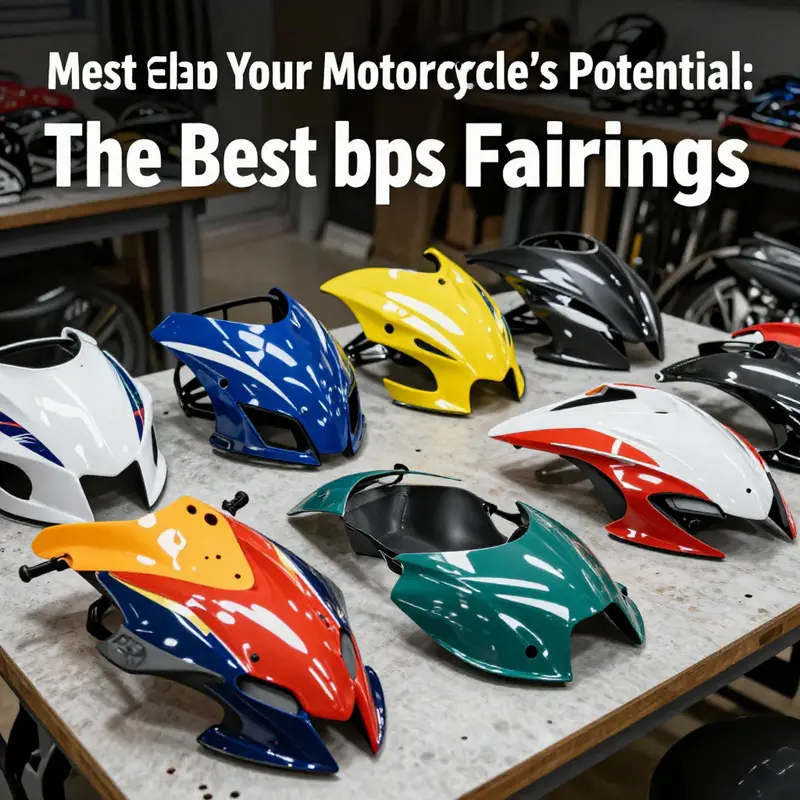
Choosing ABS fairings on eBay is about fit, durability, price, and seller reliability. ABS kits are budget friendly, moldable, and lighter than fiberglass, but they may be less rigid than carbon fiber, so verify year and model compatibility and whether mounting hardware is included. Favor model specific listings over vague universal fits, and look for clear compatibility notes, multiple photos showing mounting points, and a transparent return policy. Check that the kit includes mounting hardware, gaskets, and fasteners, or plan to source those separately. Consider finish state: primed or unpainted kits require painting or finishing; think about color match, UV resistance, and painting prep. Compare photos for panel fit, edge finishing, and whether mounting points align with your bike. Review shipping terms, packaging quality, and whether the seller ships domestically to reduce lead times. Favor listings with explicit bike model/year compatibility and notes about prior installation on that configuration. When you find a listing that meets these criteria, weigh price against completeness, condition reports, and seller reliability, and ask questions to confirm fit before paying. Finally, document the upgrade with photos and notes to aid future maintenance or resale, and remember that patience often yields a better value kit with reliable fit rather than a quick cheap buy that requires extra fixes.
Riding the Edge: Mastering Durable Fiberglass and Composite Fairings on eBay for Performance and Style
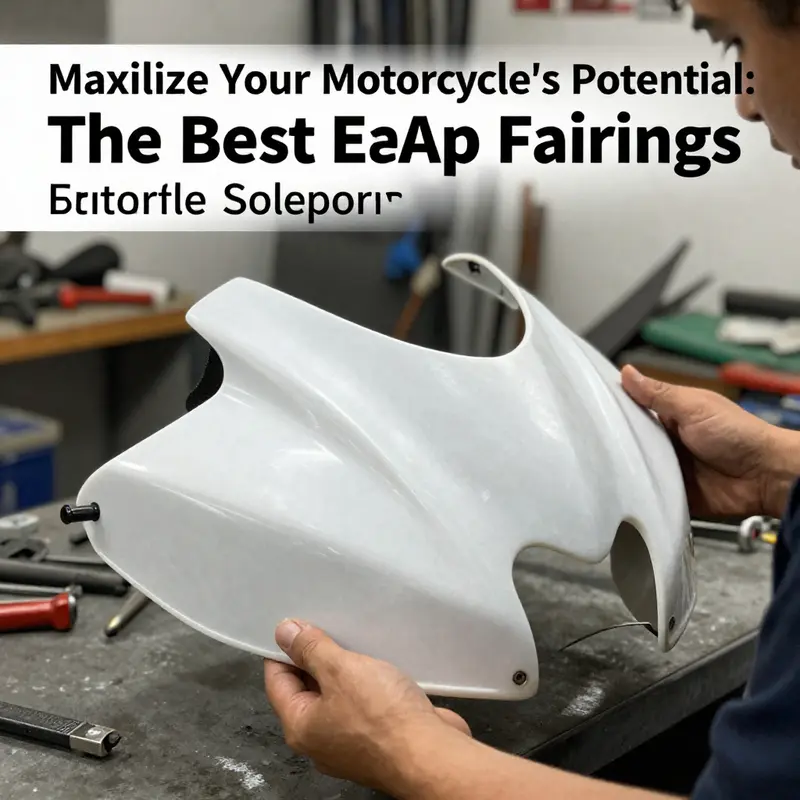
Every rider who eyes a quick, stylish upgrade for a sportier, more protective stance on the road knows the impulse to browse an online marketplace. eBay, with its vast reach and varied stock, becomes a kind of modern tool shed where the right fairing kit can transform the look and aerodynamics of a bike without forcing a trip to a local shop. Yet the same marketplace is a canyon of choices: different materials, different fitments, different conditions, and different seller guarantees. For someone who wants a balance of performance, durability, and value, the path through this landscape must be walked with a steady sense of purpose. The core idea here is not simply to chase the most glamorous surface but to understand how durable fiberglass and related composite options stand up to real riding conditions, and how to evaluate them when you shop on a platform that blends new, used, and remanufactured goods from a global set of sellers. In that context, fiberglass emerges as a dependable frontier for riders who want strength, affordable restoration potential, and a broad range of shapes and sizes that can suit many different motorcycle archetypes, from classic cruisers to modern supersport frames and everything in between. The thread that weaves through this discussion is not a single brand or model. It is material behavior, fitment practicality, and the practical math of cost, weight, and endurance that determines whether a fairing will enhance your ride or become a prolonged project. It is also a reminder that a well-chosen fairing is more than just a cosmetic upgrade. It is a shield against wind fatigue, a channel for airflow that can refine stability at highway speeds, and a canvas for color and texture that lets a rider express identity without sacrificing performance. When we talk about the best eBay options, we are really talking about the right combination of material, geometry, and seller reliability that together deliver a product you can mount, ride, and maintain with reasonable confidence.
Fiberglass, long a staple of aftermarket fairings, offers a compelling blend of durability, workability, and price. The inherent toughness of fiberglass makes it resistant to impact and abrasion that can occur during casual street use or in the event of a tip-over in a parking lot. It also has a stoic tolerance for the heat and vibration of an engine bay when properly mounted, allowing it to retain its shape and mounting integrity over a broader range of conditions than lighter plastics. The downside, of course, is that fiberglass is heavier than carbon fiber, and it can soak up moisture or require more meticulous prep and paint work to achieve a flawless finish. These trade-offs are central to any decision about a fiberglass fairing: you’re choosing a robust, repair-friendly shell that can be customized and touched up over time, rather than chasing the lightest possible component that could be more finicky to fit or repair. On eBay, fiberglass offerings come in a spectrum: full fairings that replace large sections of the bodywork, smaller segments like rear tail sections or fenders, and sometimes even integrated components like scoops or vents that you can slot into an existing frame. For riders who want strong, repairable parts that won’t break the bank, fiberglass is a time-tested option that remains practical for street and track-day use alike.
Another layer to consider is how the market on eBay splits between model-specific, fit-specific, and universal-fit options. A model-specific fairing is designed to align with a precise set of mounting points, contours, and attachment locations for a particular bike family. This alignment makes installation smoother and reduces the risk of misfit that can lead to gaps, rubbing, or air leakage at speed. The universal-fit variants, meanwhile, embrace a broader range of application by offering adjustable mounting approaches or generic shells that can be trimmed and drilled to suit many bikes. The advantage here is flexibility and affordability, particularly for riders who own older or less common models, or who are experimenting with a new aesthetic without committing to a full factory-matched kit. The trade-off, naturally, is that universal-fit pieces demand more hands-on planning, precise measurement, and sometimes more fabrication work to achieve a clean, integrated look. The spectrum of options—tailored, semi-tailored, and broadly compatible—means a buyer can define their project scope before they even click the cart button.
From a practical standpoint, the search for durable fiberglass on an aftermarket platform is not purely about material choice. It is about evaluating the whole ecosystem around the product: the quality of the layup, the thickness of the fiber layers, the resin system used, and the presence of any reinforcing ribs that contribute to stiffness. A well-made fiberglass shell should feel solid in the hand, with a consistent weave pattern and a uniform thickness that does not appear fragile or variable. When you inspect listings, you look for evidence of structural integrity, such as a smooth interior surface that implies careful mold work, and a back-side finish that shows signs of proper resin infusion rather than a coarse, chalky texture. The best sellers publish clear photographs that reveal details like drilled mounting points, edge finishing, and any provisions for vents or ducts. In an ideal scenario, you find a unit that carries some protection against weathering—sealed edges, coated surfaces, and a finish that suggests a repainting-friendly substrate. A fiberglass shell that has been treated and prepped for finish buys you time and reduces the labor required to integrate the piece with your bike’s colorway and aerodynamics.
Beyond the shell itself, the surrounding hardware and mounting strategy matter a great deal. A fairing is only as good as its ability to attach durably to the frame with consistent alignment. Some listings include pre-drilled holes that align with generic mounting brackets, while others offer a more modular approach with mounting spacers and adaptable fastener points. If you are not replacing the entire bodywork, you may encounter side panels, lower cowl sections, or windscreen replacements that must be coordinated with the main shell. The coordination of these components is a subtle art: a misalignment by a few millimeters can shift the overall silhouette and create wind noise, buffeting, or even clearance issues with the handlebars or mirrors. On an online marketplace, you will often see photos that capture the essence of fitment, and a seller may note whether the item is designed for specific years or a broad set of years. The prudent shopper will cross-check the listed fitment with the bike’s actual mounting points and the symmetry of the fairing’s contours. A robust listing may encourage the buyer to verify the fit with the seller through a question-and-answer thread, request a measurement sheet, or obtain a guide that explains how to locate critical mounting points on their own bike. Here, the tension between convenience and precision comes into sharp relief. The buyer who approaches this task with a clear plan—measuring, comparing, and confirming—will likely end up with a fairing that aligns with the bike’s geometry and supports reliable wind protection.
The condition of the item is another pivotal factor. On eBay, fairings appear as new, used, or refurbished. Each category has its own implications for fit, finish, and longevity. New items carry the most straightforward path to predictable results, but the price may reflect that premium. Used or refurbished items can offer significant savings, yet they require careful scrutiny. Look for photos that reveal the condition of paint, the integrity of mounting holes, and the absence of unseen cracks or delaminations. A used fairing may present minor scuffs or a repaint, which is not necessarily a problem if the surface is clean and the underlying substrate remains sound. However, any visible crack, warp, or water damage in the interior side can hint at deeper issues that will complicate installation or compromise durability. A seller’s return policy becomes essential in this light. A generous return window and a straightforward process for returns can provide a safety net if the part does not fit as expected or arrives with hidden flaws. The negotiation around returns often correlates with the degree of risk a buyer is willing to tolerate when dealing with international sellers or unusual shipping arrangements. In practice, a buyer who prioritizes reliability will favor listings that include a detailed condition report, high-resolution images from multiple angles, and a seller’s willingness to provide additional measurements or a video walkthrough of the mounting process.
Color, finish, and the prospect of repainting also influence decisions on eBay. Fiberglass is a paint-friendly substrate, but it matters whether the shell has a smooth, well-sealed interior surface or if it requires additional finishing steps to prevent moisture infiltration. A glossy exterior can look striking, yet it will demand careful prep work if the rider wants to achieve an exact color match with the rest of the bike. Conversely, a textured or matte finish may be easier to maintain and can hide minor imperfections with less labor, but it may require more careful color matching to avoid a mismatched aesthetic. In either case, the repainting process is not a trivial afterthought; it is a project phase that has to be scheduled, budgeted, and executed with attention to curing, temperature, and surface preparation. The buyer who is committed to a clean, durable outcome often travels with a small toolkit: sandpaper with specific grits, a high-build primer suitable for fiberglass, a color-matching base coat, a clear coat to protect the surface, and an appropriate masking setup to preserve sharp lines and logos. If you plan to blend a new shell with existing panels, you should consider color-sampling and a test panel to ensure that the final hue and shine will harmonize across the entire bodywork.
Price is, of course, a powerful driver in the eBay ecosystem. Durable fiberglass fairings can represent a strong value proposition compared with carbon fiber or fully branded full-kit solutions. The mid-range price bracket on fiberglass shells is attractive for riders who want a substantial upgrade without the premium that accompanies high-end composites. It is worth noting that price does not always predict value, because an affordable item can be a bargain only if it ships promptly, arrives in good condition, and mounts with reasonable ease. Buyers should compare the total cost of ownership: the initial price, shipping, any import duties if applicable, potential repaint costs, and the time invested in installation. A slightly higher upfront price may yield a lower total cost if it accompanies better fitment, a complete mounting kit, and a faster, smoother install. On the other hand, extremely low prices can be enticing but come with heightened risk—less robust paint finishes, missing hardware, or uncertain fitment. The thoughtful buyer builds a risk-adjusted expected value by weighing the listing’s photos, the seller’s feedback score, and any guarantees or protective measures available on the platform. In this sense, the decision-making process becomes a balance between speed, cost, and long-term satisfaction with the bike’s appearance and performance.
Although fiberglass is propulsive in its own right, it is not the only material worth considering on a marketplace that offers a spectrum of compositional choices. Carbon fiber, for instance, occupies a different niche. It offers superior strength-to-weight ratio and a distinctive aesthetic, but the trade-offs are real: higher cost, stiffer feel that some riders may not want in a daily rider, and more demanding repair requirements if damage occurs. For riders who pursue aggressive aerodynamics and weight savings, a carbon fiber shell can be a worthy goal. ABS plastics offer another route, with cost-effective options that still deliver a clean shape and easy repairs. The key is not to chase the lightest possible piece at all times but to select the shell that best aligns with how the bike is used, the level of riding intensity expected, and the rider’s willingness to invest in refinishing and maintenance.
From a strategic perspective, navigating this landscape on an online marketplace comes with a sequence of practical steps that help protect value. First, define your objective: do you want a bold, performance-oriented upgrade, a restoration-grade part, or a subtle cosmetic enhancement? Second, measure your bike and compare the new shell against the existing silhouette, paying particular attention to the lines that define the fairing’s upper, lower, and side surfaces. Third, study the listing’s details: verify mounting points, check whether the unit includes a complete hardware kit, and review the seller’s shipping and packaging practices. Fourth, examine the seller’s feedback profile: the number of transactions, the ratio of positive feedback, and the recency of business activity all contribute to an informed risk assessment. Fifth, request clarifications when needed. A good seller will respond with precise information about fitment year ranges, the exact panel count, and the mounting alignment that you can expect in practice. Finally, confirm the return policy and any guarantees that can shield you if the item does not meet expectations. In short, a careful buyer who approaches fiberglass shells as a project with clear constraints—fit, finish, and future maintenance—will likely emerge with a result that looks integrated and feels reliable on the road.
In the broader context of the motorcycle community, fiberglass and composite fairings—while not always the top-tier choice for every rider—still have a dedicated following among those who value practicality, repairability, and the ability to customize without breaking the bank. The marketplace environment, with its mix of new, used, and refurbished offerings, supports a wide range of budgets and skill levels. An informed buyer can leverage this diversity to assemble a coherent bodywork package that preserves or enhances the bike’s stance, improves wind management, and supports the rider’s personal style. Aesthetics, after all, should harmonize with function. The right fiberglass shell can soften the wind pressure on a long ride, reduce fatigue at speed, and deliver a frame-friendly silhouette that looks cohesive when paired with seats, tanks, and tail sections. The careful shopper can also leverage the ecosystem’s opportunities to customize the finish, whether by choosing a ready-to-spray surface with a primer-ready interior or by selecting a fairing that already bears a base coat ready for final color work. The result is a practical, durable upgrade that blends structural integrity with visual appeal, turning an online purchase into a reliable, satisfying upgrade in the real world.
For readers who appreciate a practical, bike-agnostic view of fitment and material performance, the journey through fiberglass and related composite options on an online marketplace offers a reliable blueprint. It begins with understanding how the material behaves, moves through a careful assessment of fit and condition, and culminates in a thoughtful purchase that respects both budget and long-term maintenance. The best seller in this space is not the one who promises the lightest piece, but the one who offers a well-made shell with clear, honest information about mounting, finish, and return policies. The buyer who follows a plan—measure, compare, confirm, and, if necessary, negotiate—will discover a wealth of options that can deliver a durable, visually compelling upgrade that remains practical for daily riding and occasional weekend blasts. It is a reminder that the road to a great-looking, well-fitting fairing lies in a disciplined approach to material selection, fitment reality, and the realities of buying on a vast, dynamic marketplace.
To support ongoing exploration and help readers connect to a broader catalog of fairing options, a consolidated resource from a respected lineup of manufacturers and retailers can be a useful compass. If you are curious about a model-specific visual library, a well-curated collection of sportbike fairings can provide a practical frame of reference for what a good fiberglass shell should look like in terms of lines, venting, and edge treatment. For riders seeking a direct, model-focused starting point, exploring a catalog that emphasizes specific sportbike generations can help with mental mapping of fit and style, and can serve as a jumping-off point for identifying compatible universal parts when a perfect match is not available. In practical terms, when you reach the point of narrowing down your options, you might find it helpful to reference a dedicated collection that demonstrates the kind of precision and consistency that model-specific examples can achieve, while still keeping an eye on the broader universe of compatible pieces offered by flexible, universal-kit solutions.
In closing, the marketplace landscape for motorcycle fairings—especially fiberglass and related composites—can be navigated with confidence when buyers anchor their decisions to three pillars: material reality, fitment practicality, and seller reliability. Material reality asks, what are the expected performance characteristics and repair options for fiberglass, carbon fiber, or ABS? Fitment practicality asks, how well does the shell align with mounting points, how easy is installation, and what is the likelihood of achieving a visually seamless finish? Seller reliability asks, what is the seller’s track record, what guarantees are in place, and how transparent is the product description? When these questions guide the search, an online purchase becomes more than a transaction. It becomes a pathway to a bike that looks, sounds, and feels like it belongs on the road—without sacrificing the stability and reliability that riders expect every time they twist the throttle. It is about turning the ambition of a bold, customized stance into a durable, ride-ready reality that you can trust, season after season, mile after mile.
Internal reference for further exploration: for readers who want a model-oriented starting point that still aligns with the broader fiberglass and fairing conversation, you can browse the Yamaha YZF-R1 fairings collection, which demonstrates how a well-structured catalog can present compatible pieces, clear fitment notes, and finish-ready surfaces in a way that is easy to translate to other bike families. See: Yamaha YZF-R1 fairings collection.
External resource: for a broader look at fiberglass fairings on a major marketplace, including listings that emphasize fitment guarantees and hardware compatibility, see the general fiberglass fairings search page linked here: https://www.ebay.com/sch/i.html?nkw=fiberglass+fairings+for+Harley-Davidson+Road+King&sacat=0&LHPrefLoc=1&rt=nc&LHSaleType=1&LHItemCondition=3&LHGuaranteedFit=1
Final thoughts
Selecting the right motorcycle fairings can drastically enhance both the look of your bike and its performance capabilities. Whether you decide to invest in high-end carbon fiber options, opt for versatile and affordable ABS kits, or choose reliable fiberglass solutions, each type offers unique benefits that can cater to different riding styles and preferences. For business owners, understanding these options allows for better inventory decisions to meet customer demands. Elevate your motorcycle offerings today and ensure you have the best solutions available. Embrace the world of motorcycle fairings and watch your sales and satisfaction soar.