
Selecting the right fairings for your motorcycle is crucial for enhancing both performance and aesthetic appeal. Business owners in the motorcycle industry must understand that fairings can significantly affect rider comfort, bike performance, and overall marketability. This article delves into three main types of fairings: full fairings for overall performance, three-quarter fairings for practicality, and custom half fairings for individual style. Each chapter will present essential insights into choosing the best fairings that cater to different riding needs and preferences, providing a comprehensive resource for those seeking to boost their motorcycle offerings.
在高速风浪中寻求极致平衡:全整流罩如何重新定义摩托车的性能与性价比
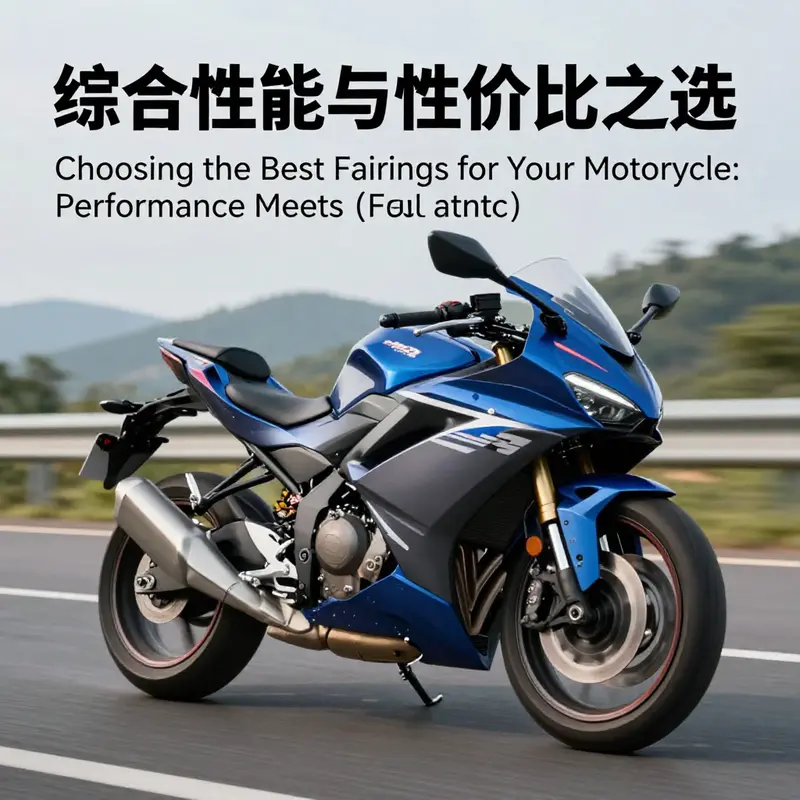
当谈到摩托车的整流罩设计时,许多骑手把目光聚焦在外观与重量的对比上,然而真正改变驾驶体验的往往是那一层包覆在前部、侧面乃至机身上方的完整覆盖。所谓的“全整流罩”,在本章的讨论里并非仅仅指一种简单的外壳,而是一整套通过空气动力学、材料科学与制造工艺协同作用来实现的设计理念。它把发动机散热腔、车架要件以及整流罩本身近乎无缝地连成一个连续体,形成一个稳定的风道和保护罩,旨在在高速巡航与赛道驾驶之间提供更高的稳定性、减轻长时间骑行的疲劳,并对关键部件提供有效的防护。对于追求综合性能与性价比的骑手而言,这是一种值得仔细衡量的选择。
从风洞模型走入现实装备时,全整流罩的核心价值在于显著降低空气阻力。高速行驶时,风对骑手的冲击不仅来自正面压力,也来自车身两侧的涡流。一个设计良好的全整流罩能够在前端形成更稳定的气流分布,减少前轮前下方和坐姿区域的乱流,从而提高巡航时的稳定性,降低骑手对撑杆与腰背的肌肉张力需求。对于经常在长路上以高速巡航的骑手来说,这种减阻带来的疲劳下降,往往直接转化为更精准的方向控制和更舒适的骑行姿态。与此同时,风阻的降低也对整车的散热系统有间接益处:在低风噪和更稳定的气流中,热管理的边际收益会更容易被实现,尤其是在需要持续高输出的场景里。
材料的选择是实现上述优势的另一条重要线。高品质的抗冲击ABS塑料与轻量化的玻璃纤维在全整流罩设计中各有分工。ABS塑料以其韧性、冲击抵抗和成本效益成为多数量产方案的主力材料;在日常使用与非极端碰撞情境下,它能承受石砾、雨水和长时间暴晒带来的冲击与疲劳,同时保持可控的可加工性与成型公差。在需要更高强度与重量优化的情境中,玻纤材料的应用则能提供更好的刚度-重量比,帮助车身在极端角度与快速变线时维持刚性,减少变形对空气动力布局的影响。关键在于涂层与抗紫外处理,防止长时间暴露后材料退色、脆化或失去界面粘结性。选择时,理解材料的实际环境适配性与长期耐久性,比单纯的美观或初期手感更为重要。
在安装层面,合适的整流罩必须与车型的原厂配套件(OEM级别的匹配)相吻合。一个经过精心设计的原厂级匹配套件,既能确保扣合点、接缝的对齐,也能避免在后续维护中产生刚性不匹配、风洞效果被破坏的情况。错误的贴合不仅会削弱空气动力学效果,还可能对风挡、仪表盘或电缆走线造成干扰。对于追求高性价比的车主而言,合规且可维护的安装,往往比一时的视觉冲击更具实际价值。
从 riding 风格的角度来讲,完整的全整流罩更适合追求高速度稳定性、对车架与发动机区域保护有更高要求的运动型与巡航型摩托车爱好者。对极端山区越野或需要频繁检修的场景,三分之三(Three-Quarter)或四分之三(Three-Quarter)整流罩的方案则提供了另一种权衡。它们在前部和侧部的风挡保护上更具均衡性,同时保留了对发动机和散热系统的可接近性,便于日常保养、滤清器更换、油路检查等常规维护。这一层级的设计在实际使用中往往表现出更低的重量和更高的拆装便利性,成为“运动旅行”风格中最受欢迎的选择之一。对于希望减少维护带来干扰、又不愿完全牺牲风阻控制的骑手,这类半全覆盖的组合提供了可观的性能回报。
在界面设计与风格表达层面,全整流罩并非简单的“包起来就好”。它需要与车身线条、座姿、风挡高度以及后续排气与尾部整合共同考量,才能实现既具攻击性又不过度张扬的视觉效果。对于一些钟情个性化外观的骑手,半整流罩或装饰性整流罩也提供了定制化空间,但这时的重点往往转向材质的耐久性、涂层保护与长期色彩稳定,而非单纯的空气动力提升。换言之,选择的核心在于理解你的日常骑行场景、对速度与安稳性的诉求,以及你愿意在维护上投入的精力与预算。
在实际选购路径中,一个值得注意的点是对比不同风格之间的可服务性差异。全整流罩在风阻和保护方面无疑具备压倒性的优势,但对服务便利性的要求也更高。若你经常在需要快速检修或清洁散热区域的场景下骑行,三/四分之三整流罩的覆盖比例可能更符合需求;若你追求极致的风道控制与外观的完整性,且愿意为之投资更专门的安装套件与定期维护,那么全整流罩将是更具性价比的长期选择。
在对比与权衡的过程中,关键是把“使用场景-保养难度-成本回收”这三者放在同一个坐标系内考量。正因为全整流罩在提升风阻控制和部件防护方面具有显著优势,才促使许多追求极致性能的车主把它作为首选。但这并不意味着它适合所有人:若你以城市短途通勤为主,或更看重日常改装的趣味性与可维护性,选择一个在合适覆盖范围内的中间方案,往往能在性价比和驾驶体验之间取得更稳妥的平衡。
对那些希望获取更多佩戴搭配灵活性和产品兼容性信息的读者,可以查看专门的整流罩系列集合页面,以了解不同车型与风格的匹配选项。本文仅以全整流罩的核心理念作为参照,鼓励读者结合自身需求进行系统评估。若你对具体的车型系列有兴趣,相关的整流罩集合页面提供了清晰的分类与对位信息,使你在比对时更具方向感。你也可以通过这些资源快速了解不同材料、涂层与安装工艺对长期耐用性的影响,从而在预算内实现最大化的性价比与长期收益。 Honda fairings 作为一个代表性入口,能够帮助你理解不同覆盖比例下的结构设计与外观效果如何与整车姿态、风格语言相呼应。
值得一提的是,尽管本章的讨论聚焦于摩托车的整流罩设计,相关的材料科学与制造工艺的进步也在其他高要求工程项目中找到共鸣。对于那些对材料透波、信号传递与结构可靠性有跨领域兴趣的读者,下面的外部参考资料提供了另一种视角来理解“综合性能与性价比”这一主题在不同领域的应用逻辑。外部参考资料如SpaceChina的报道,展示了在另一个高速、极端条件下,如何通过选择合适的透波材料与结构来同时满足保护和通信的核心需求。这种跨领域的思考有助于我们更深入地理解在摩托车整流罩设计中“与环境互动的性能综合体”的价值。 SpaceChina 全透波整流罩技术应用
折中之美:以三/四分之三覆盖率解读摩托车整流罩的平衡艺术
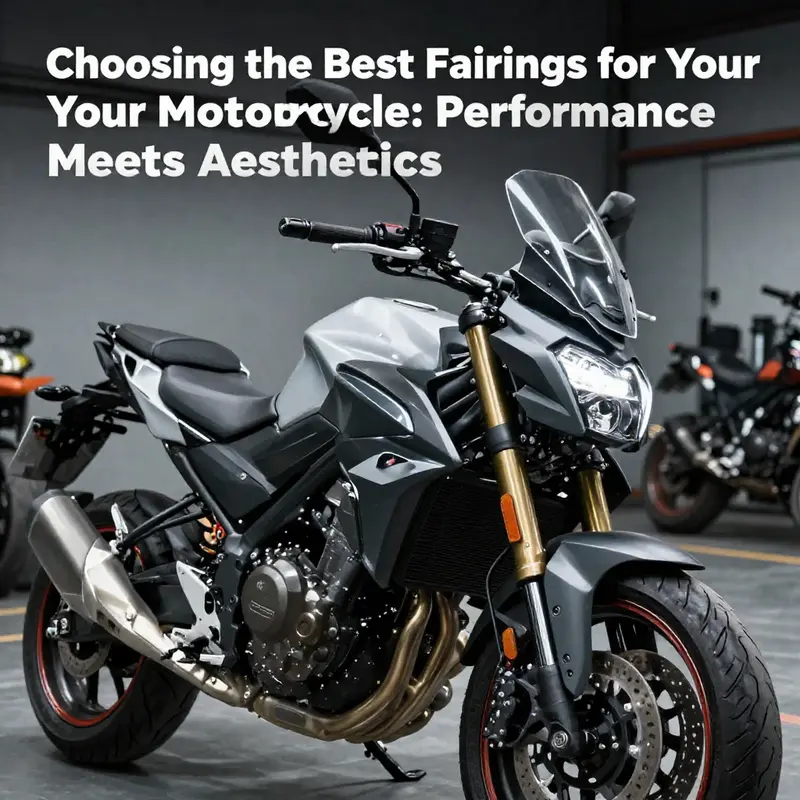
在追求最佳摩托车整流效能的旅程中,骑手们常被“全面覆盖 vs 部分覆盖”的张力所吸引。整流罩并非单纯的造型件,它承担着空气动力学的关键任务,同时关系到发动机散热、部件保护、维护便利性乃至整车重量与风格表达。把这场权衡说清楚,便能帮助我们从更真实也更细致的角度理解所谓的“三/四分之三覆盖率”的理念,以及它在现实应用中的可行性与局限性。诚然,学术上在摩托车整流罩的正规术语里并不存在“3/4整流罩”这一标准,但这一表述在行业对话中常被用来描述一种介于全覆盖与半覆盖之间的设计取向。它强调的是以较高的前部与侧部保护来降低风阻与疲劳,同时保留足够的敞口以便快速检查、散热与日常维护。理解这一点,便能在选购与改装的过程中更清晰地识别出你所需要的平衡点,而不是被“全罩式的极致保护”或“裸车式的极简外观”这两端的标签所左右。
当你站在车线与风线之间,三/四分之三的覆盖率其实是一种实用主义的折中:它降低了高速下的横向风压,提升了方向稳定性,又让前置散热通道、机车部件的可维护性保持相对简单。对旅行、冒险和日常通勤的骑手而言,这样的设计往往意味着更少的维护停留与更高的维护效率。对追求运动性、赛道水平的骑手而言,差异更多地表现在高度定制的线条与重量分布上。骨架依然需要强度支撑,而覆盖区域的扩展与收缩,最终会影响到整车的气动热管理、风噪水平以及对风洞测试结果的敏感性。
在具体材料的选择上,ABS塑料的抗冲击性与成本优势常被视为全覆盖型整流罩的基线配置,因为它在高强度冲击下不易崩裂,同时具备较好的可加工性与耐 UV 老化性能。对于三/四分之三覆盖的应用,轻量化材料的引入也逐渐成为主流趋势——高强度工程塑料或玻璃纤维增强材料在减重的同时还能保持足够的刚性和耐久性。这些材料的共同诉求是在保证风阻下降幅度的同时,仍然允许紧凑的维修空间与更灵活的附件定位。
从安装角度看,选择“原厂级匹配套件”比任何改装件都更具可控性。正是因为整流罩的轮廓、上的铰链、卡扣以及与仪表板、灯组之间的配合需要高度精准,才会让过程与结果的差异显著。一个与车型高度贴合的整流罩能够提升气动一致性,减少风噪与振动的干扰,也会降低因改装导致的结构张力或连接件疲劳的风险。反之,若选用了不兼容的套件,即使在美学层面上获得了“更酷”的视觉效果,实际在骑行体验上很可能带来风阻波动、热管理紊乱,甚至是维护困难。你可以通过查阅与车型高度贴合、经过认证的供应渠道来规避这些问题。
在实际的使用场景中,我们需要将三/四分之三覆盖率放在更广阔的骑行生态里审视。对长途巡航者而言,高覆盖度的前部和侧部包覆将对风阻有明显抑制,能够降低长时间高速行驶所带来的疲劳与体感负荷;这在减小风压对肩部、颈部以及上臂肌肉的持续作用方面尤为重要。对于越野与冒险取向的车型,半覆盖与可拆卸式的设计更具实用性,因为它们在泥浆、碎石与低速冲击中更易维持外观与结构的完整性,同时便于快速清理与保养。最后,城市通勤视角下,外观的个性化与易维护的需求往往成为考量的核心。若你偏好在日常路况中展示独特风格,选择半覆盖或装饰性整流罩时需要强调材质的耐久性与表面涂层的抗晒保护,以免颜色褪色或脆化影响整体质感。
一个重要却容易被忽视的事实是,所谓的“三/四分之三覆盖率”在实际工程与设计语境中更像是一种设计哲学而非严格的数理比例。它提醒我们:整流罩的功能不仅仅是遮蔽发动机与前部框架,更重要的是通过形状与材料的协同作用,控制空气流动、减少涡流、降低尾流阻力,并且为整车的散热系统提供足够的工作空间。风洞测试、仿真分析与真实路试往往揭示,覆盖面积的微小调整都可能带来风阻、侧风稳定性、甚至轮胎与前叉的热分布的变化。于是,選購時需要把“覆盖率”的概念放在骑行类型与个人目标的框架中,避免陷入对单一指标的崇拜。
在前述的框架内,兼顾美观与功能的整流罩更像是一种“可调的平衡点”。你可能需要在风阻降低、散热效率、耐用性、重量和维护便利性之间找到自己的落点。若你的目标是周末的赛道练习与日常通勤的混合使用,三/四分之三覆盖率提供了一个理性且可实现的路径:在不牺牲发动机与散热系统可访问性的前提下,尽量减少不必要的风阻和拖拽。对于长期旅行者,较高的前部覆盖与侧部保护有助于在高速巡航中建立稳定的气动姿态,从而降低颈部与肩部肌肉的持续紧张。这样的综合考量也与材料的组合策略相互印证:以抗冲击性好、耐 UV 的ABS为核心,同时在必要位置采用玻纤增强材料,以实现结构强度与重量之间更好的妥协。
在讨论的末端,务必强调一个实用的选购原则:与摩托车的具体型号完全兼容。无论你钟情于哪种风格,只有确保整流罩与车身线条的完美对接、灯组与仪表区域的协同,以及固定点的可靠性,才能真正把“折中之美”落在路上。对于那些在意外观的车主,还可以在不破坏结构完整性的前提下,探索不同风格的覆层处理、表面涂层与色彩搭配,这些都不会影响核心的气动与热管理性能。若你愿意进一步了解某些可选方向的设计语汇,可以参阅相关的产品分类页面,以及更广义的整流罩设计指南。为了帮助你在信息层面做出更具洞察的选择,下面的要点将再次聚焦于核心决策要素: riding style、车型结构、预算约束、维护便利性、气动与热管理表现,以及耐久性与外观在长期使用中的表现。
为了帮助你在实际决定时避免误解,我们也需要对一个常见的术语误区做出澄清。尽管在一些非工程语境中“3/4覆盖率”被错误地用来描述头盔的设计比例,但在摩托车的整流罩语境中,它更应被理解为一种覆盖与露出之间的设计原则,强调在风阻抑制与散热访问性之间取得平衡。这一点与空气动力学在航天领域所追求的“完整外形、最小阻力”原则相似,但应用场景与约束条件显著不同。对于那些希望把话题扩展到更广阔的工程学视角的读者,可以将整流罩的设计思维与航天器的外形保护做对比,但要清晰区分两个领域的具体功能与材料选型。若你在网络上遇到关于“3/4罩”之类的说法,请以此为线索,回到真正的骑行需求、车型特征以及维护便利性上来评估是否真的符合你的使用场景。
在结构性总结之外,继续以你自己的使用场景为中心来做最终抉择是最重要的。对于喜欢自定义外观、并且乐于在周末进行小改的车主,半整流罩或装饰性整流罩的轨迹或许更贴近个人风格的表达,但请确保所选材质具备足够耐用性,并且表面覆盖层具备抗紫外线的保护性,以免长期日晒引发褪色或脆化。对偏向极致空气动力学的骑手,选择全整流罩虽然在理论上能带来最大的风阻降低,但也会对散热路径、维护空间以及整车重量分布产生系统性的影响,需要通过专业的评估与试验来确认最终的适配性。无论你走向哪种路径,务必以安全、可靠、可维护和性价比为核心的评价维度来进行权衡。
若你愿意把讨论带到一个更具体的层面,另一个有价值的参考维度是对不同车型类型的匹配需求进行共情式分析。运动型摩托车在赛道与高速公路间往往需要更紧凑的气动包覆来提升直线稳定性与转向响应,而冒险/旅行类型的车型则更看重在多地形条件下的保护与通风之间的折中。城市通勤则可能更注重轻量化与装饰性设计的可维护性。将这些情境映射到材料选择、结构厚度、连接件布局和可维护性上,你就能更准确地评估“三/四分之三覆盖率”在你具体案例中的实际价值。最终,这些判断都将指向一个共同的目标:用最合适的整流罩组合,提升整车在你经常遇到的道路与气象条件下的整体表现,而不是追逐某一个单一指标的极端。
最后,若你愿意进一步探索不同覆盖风格与安装易用性之间的取舍,请参考专门的整流罩分类页来理解“适配性”的重要性。对于想要扩展阅读并结合个人口味进行决策的读者,一个可参考的入口是对某些风格分支的集合页进行浏览。你可以通过下面的链接进入一个天然与定制风格并存的集合视角,那里涵盖了不同风格与材料的组合方向,但仍强调质量与合规性的重要性。同时,请记住:无论选择哪种覆盖方案,验证车型兼容性、固定点、风洞分析与实地试驾,都是将理论变为可靠骑行体验的关键步骤。 Yamaha fairings collection 作为一个参考入口,帮助你更直观地理解不同覆盖风格在实际车身线条上的呈现效果与搭配可能。
在本章的尾声,读者应带走的核心信息是:三/四分之三覆盖率不是一个强制性的比例,而是一种设计思考方式,提示我们在追求空气动力性与前部保护的同时,保留对热管理、可维护性和外观表达的开放性。被广泛应用于Adventure、Sport-Touring和某些按需改装场景中的这类设计理念,往往在综合评价中表现出更高的“性价比—保护度—可维护性”的三重平衡。通过对材料、结构、安装和场景的综合考量,你可以做出更贴近个人需求的选择,从而在最合适的位置实现骑行时的平衡美学与性能提升。最后,若你在未来的改装旅程中需要扩展资料,请把这份理解作为起点,并在具体车型的匹配测试、热管理评估和长期使用反馈中继续深化。
外部参考资源与进一步阅读亦可帮助你建立更全面的视角。为拓展对设备与佩戴装备中平衡性的认知,可以参考权威媒体对头盔在安全性与通风性之间权衡的报道,以辅助你在整流罩选择中的理解路径。这些跨领域的比较有助于构建更完整的安全与舒适性框架,帮助你在现实道路上实现真正的“平衡”,而非单一侧面的优化。 外部参考链接: https://new.qq.com/rain/a/20250513A08KQV00
Form as Identity: The Subtle Balance of Half Fairings and Decor Fairings in Motorcycle Customization
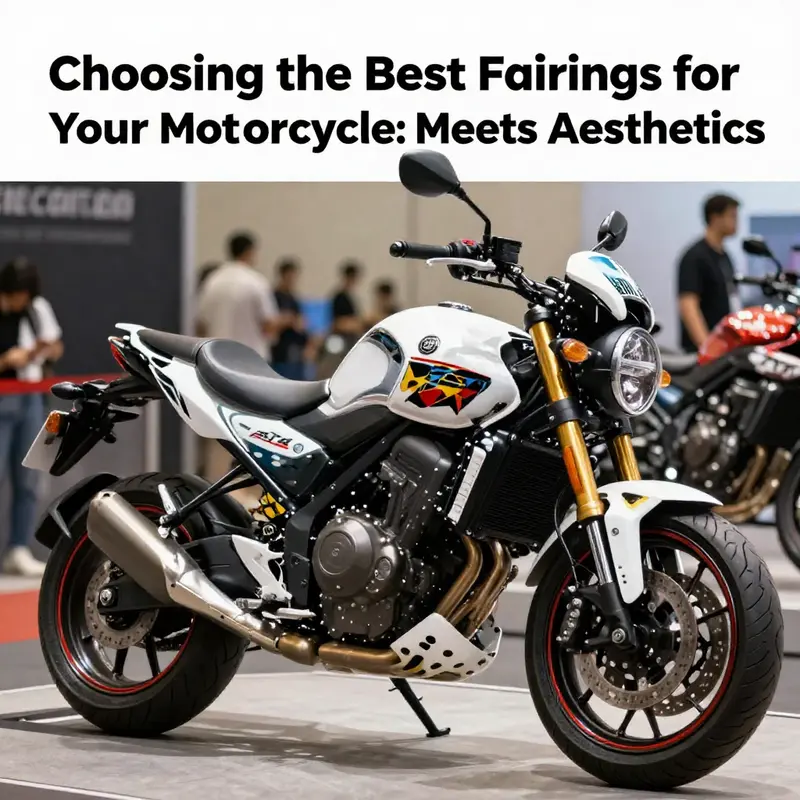
The journey to defining the best fairing for a motorcycle begins with a simple truth: form and function can coexist without compromise, and nowhere is this more evident than in the realm of half fairings and decor fairings. These two options sit at a crossroads where aerodynamics, access, lightness, and personal expression converge. For riders who crave a stance that communicates purpose while fitting their ride into a distinct visual language, half fairings offer a disciplined aerodynamic package that honors a naked bike’s raw essence, whereas decor fairings invite bold styling without demanding a heavy commitment to the airfoil’s full demands. Read together, they reveal a philosophy of customization that respects both the road’s wind and the rider’s personality, and they remind us that the best fairings for a motorcycle are not just about cutting drag or tucking air as efficiently as possible. They’re about shaping experience itself.
In practical terms, half fairings are often designed to cover the front portion of the bike, wrapping the headlight cluster and extending a sculpted line toward the shoulders of the machine. This approach reduces wind pressure on the torso and helps manage wind buffeting at sporty riding speeds, but it intentionally leaves parts of the engine and chassis visible. The result is a package that looks lean and aggressive while remaining accessible for maintenance. The rider’s posture tends to be influenced by the fairing’s silhouette; the bike appears more planted and intent, with air redirected around the rider’s torso rather than over the entire machine. It is a configuration that supports high-response handling, quick heat dissipation pathways, and a cockpit that remains relatively uncluttered for those who prefer to monitor components and controls without barriers. Yet within that minimal shell the rider will often find a canvas for personal taste, because the half approach invites a tighter integration with color schemes, line work, and surface texture that can echo the bike’s intrinsic character without swamping it in ornamentation.
Decorative or decor fairings, by comparison, step closer to the idea of the bike as a moving sculpture. They are driven less by the need to shape airflow and more by the desire to sculpt identity. These panels can be applied as overlays, replacements, or accent pieces that emphasize lines, create contrast, or reproduce a signature motif. The materials tend toward lightweight composites with durable finishes, and the finish options—matte, gloss, carbon fiber textures, or bold colorways—allow riders to stage a visual narrative that matches their personality or club aesthetic. In urban environments, decor fairings can transform a stock chassis into something that reads as intentional and unique from a distance. On a show bike or a personal build, they act as the signature—the final brushstroke that communicates who the rider is before the bike even moves. This is not mere vanity; it’s a study in visual language, where color, pattern, and texture work in concert with the bike’s geometry to reinforce a statement about speed, control, and confidence.
To understand why half and decor fairings are more than mere accessories, it helps to consider the rider’s relationship with the machine in different contexts. On a weekend canyon run, the half fairing can offer a balanced aerodynamics package that stabilizes the ride while maintaining a direct mechanical line to the world beyond the fairing—engine heat can escape more readily and service access remains straightforward. The rider remains connected to the bike’s heart and limbs, feeling air split cleanly along the top line of the fairing rather than being swallowed by a larger, more enclosed shell. For many riders, the sensation is a blend of wind protection and tactile feedback, a dialog with the wind that rewards precise throttle control and deliberate body positioning. Decor fairings, however, coordinate with that same feel but emphasize the visual tempo. A bold color script, a carbon texture, or a graphic motif can evoke a narrative—the bike as a statement, the rider as its author. In this light, the choice of decor is not a departure from performance but a companion to it, a way to maintain a clear sense of self while riding at speed or paused in a city traffic line.
The design language of half fairings and decor fairings also speaks to compatibility and versatility. Unlike full fairings, which can impose a singular aerodynamic philosophy, half and decor configurations often suit a broader spectrum of bikes, particularly those with naked or lightly dressed frames where the engine and chassis are meant to breathe visually as well as physically. This makes them especially appealing to riders who value modularity—the ability to swap, mix, or upgrade panels as their riding habits evolve or as aesthetic ambitions shift. In this sense, a half fairing can be the first step in a transformation, offering a performance-oriented skin that remains compatible with stock subframes and mounting points while leaving room to experiment with lighting, instrumentation layout, or even retro-inspired inspirational cues. Decor fairings extend that freedom, enabling a rider to pursue an artful or aggressive look without the obligation to overhaul cooling ducts or renounce the bike’s access points. The combined effect is a platform that respects function—airflow, heat, and maintenance—while inviting personality to take the lead. Every line on a half fairing or every panel in a decor set becomes a sentence in a larger sentence—the story of a rider who chooses a motorcycle as a canvas and a partner in speed.
Aesthetics aside, the materiality of these options matters as well. Half fairings are often crafted from lightweight engineering plastics or fiberglass, chosen for their balance of stiffness, impact resistance, and ease of molding. Decor fairings lean into similar materials but frequently rely on surface finishes that endure sun, rain, and road grime without sacrificing the gloss or texture that a bold graphic demands. Both categories benefit from UV protection coatings, which help prevent color fading and surface aging when parked in sunlit spaces or exposed to the open road’s myriad lighting conditions. The practical implications are clear: a half fairing should not only look coordinated with the bike’s silhouette but also stand up to the wear of everyday riding and sudden encounters with road debris. A decor fairing, while more forgiving in terms of aerodynamic compromise, must still maintain integrity under the stresses of vibration, cornering forces, and the occasional brush with urban obstacles. In short, design choice must harmonize with durability, ensuring that the visual statement remains convincing through many miles and many seasons.
If there is a thread that ties these decisions together, it is the rider’s desire to balance a lean, racing-inspired silhouette with the human realities of daily riding. Half fairings deliver a kinetic credibility—an impression of speed and precision—without demanding the full aerodynamic shield that comes with a complete fairing. Decor fairings deliver a narrative credibility—an unmistakable sense of identity—without overshadowing the bike’s intrinsic lines or complicating maintenance routines. For riders who want both restraint and personality, a combined approach often proves most compelling: a half fairing that cleanly defines the front bodywork, paired with decor panels that cast a unique visual signature while keeping key mechanical interfaces accessible for routine checks and quick upgrades. This combination is not about choosing one over the other but about orchestrating a dialogue between engineering and expression. It is about choosing a riding experience that respects the machine’s heritage and the rider’s story at the same time.
The practical path to selecting half and decor fairings begins with a careful audit of intent. If the goal centers on lightweight agility, engine accessibility, and a cockpit that invites a more intimate sense of speed, a half fairing is likely the better starting point. If the goal leans toward a distinctive look that signals a rider’s identity or a club affiliation, decor elements can be layered without compromising fundamental performance. In many communities of riders, the most effective setups combine a practical aerodynamic core with a bold visual overlay, yielding a bike that feels as fast as its appearance suggests and as expressive as the rider intends. The compatibility question, though, remains critical. Skipping the compatibility check can turn an aesthetic upgrade into a maintenance headache or a misaligned panel that compromises heat management and wind flow. The simplest path is to work with components designed for your bike’s platform or to use OEM-style matching kits that embrace a factory-level fit and finish, minimizing the need for ad hoc modifications. The rider’s workshop becomes less about improvisation and more about informed customization, a careful calibration of form, fit, and function that translates into reliable performance and lasting beauty.
In terms of the broader article’s aim—identifying the best fairings for motorcycles—these options underscore a recurring theme: the best choice depends on how a rider rides, and what they want their bike to say while engaged in that ride. For some, the most efficient path to the top of the performance curve is a minimal shell that concentrates wind management where it matters most and leaves access points open for quick maintenance. For others, the most meaningful path is a design-forward package that communicates a mood as distinctly as a lap time. The middle ground—the marriage of a restrained half fairing with tasteful decor accents—offers both worlds: it preserves the core performance advantages of a lighter shell while enabling a vivid expression of the rider’s personality. It is this middle path that often proves the most enduring in the field, because it evolves with the rider, with changing tastes, and with the bike’s own growth as a platform for experimentation.
For riders curious about how a particular platform might accommodate this philosophy, it is worth paying attention to the range of options that exist within the market. A robust collection can provide the necessary mounting points, panel shapes, and finish options to realize a half fairing and decor combination without forcing a bespoke fabrication. This is where a well-curated catalog becomes a facilitator of creativity, turning a concept into a practical, ride-ready configuration. The best catalogs present clear compatibility guidance, precise fit notes, and a palate of finishes that can be matched to existing color schemes or used to push a new direction. A thoughtful purchase then becomes less about chasing a trend and more about investing in a durable, adaptable aesthetic toolkit that can grow with the rider’s ambitions.
Among the choices that riders often weigh, there is a quiet call toward inclusivity: the sense that a single modification can open doors to new riding experiences. A half fairing can reduce the wind’s direct onslaught and invite a closer connection to the bike’s kinetic feedback, all while keeping the engine and critical components accessible for routine checks and quick service. Decor fairings extend a similar invitation to the imagination, offering the rider the opportunity to craft a look that resonates with personal or club identity. The end result is a machine that feels both fast and familiar, a paradox resolved through thoughtful design and precise execution. The best fairings for a motorcycle, in this sense, are those that respect the cyclist’s craft—recognizing that speed and story are not opposing forces but companion outcomes of careful material choices, sound fit, and a shared language between rider and machine.
As this chapter threads through different priorities, it keeps returning to one practical reminder: compatibility matters. The same way a suit must fit the rider’s frame and measurements, a half or decor fairing must align with the bike’s mounting points, line up with the instrument cluster, and clear the radiator and other cooling pathways. The install experience should feel deliberate, not improvisational. A well-executed install preserves the bike’s original maintenance cadence and reduces the likelihood of rattles, gaps, or misaligned edges that can distract on the road. In the end, the journey of choosing half or decor fairings is a journey of balance—between weight and beauty, between exposure and expression, between speed and story. When done with care, it yields a ride that is not only physically capable of meeting the road’s demands but also emotionally resonant, a machine that tells a personal tale every time it climbs into motion.
For readers seeking concrete pathways to explore options that align with the discussion above, the Yamaha fairings collection offers a broad spectrum of paneling solutions that can serve as a practical starting point for a half fairing approach with tasteful decor accents. That resource becomes a useful reference point for those who want to see how a respected catalog handles a balance between performance-oriented shapes and style-forward finishes. You can explore the collection here: Yamaha fairings collection.
Beyond catalog guidance, designers and riders alike often point to historical and contemporary silhouettes that inspire half and decor configurations. The underlying principle is that lines, angles, and curvature are not merely cosmetic notes; they are crafted to influence how wind, heat, and feedback travel across the bike and rider. A well proportioned half fairing can carve air around a rider’s torso just enough to reduce fatigue during longer sessions while preserving a responsive, tactile connection to the handlebars. A decor panel, in turn, can echo a rider’s affinity for a certain visual language—whether it leans toward restrained, minimal geometry or toward bold, graphic storytelling. When these pieces come together, the result is a machine that communicates intent through both its silhouette and its surface, a dual-language device that speaks to the traveler and the mechanic in equal measure.
In contemplating the broader implications for the best fairings across the motorcycle landscape, it is essential to remember that customization is not a one-time decision. It is an ongoing conversation with the bike, the road, and the rider’s evolving sense of self on two wheels. Half fairings can be upgraded or changed with minimal disruption, and decor elements can be refreshed to reflect a new colorway or a shift in style. The combination of the two offers a modular approach to personalizing a platform that already embodies a rider’s daily purpose, be it commuting, touring, or weekend performance sessions. This modularity, paired with careful attention to airflow, cooling, and fastener integrity, helps ensure that the final configuration remains reliable for the miles ahead. The result is a bike that feels both familiar and newly expressive, a vehicle that can travel the fastest routes and still arrive with a story worth sharing.
For enthusiasts who want to broaden their understanding of how these options perform in real-world scenarios, a look at design studies and concept examples can be instructive. The broader narrative shows that a half fairing can be part of a broader aerodynamic strategy that scales with a rider’s needs, while decor fairings reveal how cultural and artistic considerations influence engineering decisions. The intersection of performance and personality is where these choices shine, which is why the most enduring configurations often blend a disciplined aerodynamic core with a selective, high-contrast aesthetic. The eye recognizes a well-executed half fairing not as an obstruction to view but as a sculpted surface that reveals the bike’s intention at speed. The mind recognizes decor fairings not as a departure from performance but as an extension of the rider’s voice—an explicit signal that this machine has a story beyond its elapsed track times.
As you navigate options and weigh trade-offs, remember that the world of half and decor fairings is not about choosing one universal best; it is about discovering what best suits your riding profile, your bike’s geometry, and your appetite for change. It is about selecting lines and textures that make you feel in command, while keeping the bike efficient, maintainable, and visually coherent. The right combination rests on practical compatibility and a sense of aesthetic proportion. A half fairing should integrate smoothly with the bike’s headlamp, instrument cluster, and cooling paths, with edges that harmonize with the frame and wheels. A decor piece should align with the bike’s color story, the rider’s personal emblem or club identity, and the finish that best resists UV and weathering. And the ultimate advantage comes when both elements cooperate to deliver a ride that is not only faster or cooler-looking but also more responsive, more comfortable, and more personal. In that sense, the best fairings are those that extend the rider’s reach—into the wind, into the road, and into the memory of the ride itself.
External reference for a design perspective on sport bike styling and aerodynamics can be found at the Milan show coverage of a notable concept bike, which demonstrates how a half fairing approach can sculpt a sport-leaning silhouette while preserving rider comfort and access to critical systems. See the 2019 Milan show coverage for a broader look at design intent here: https://www.motorcycle.com/news/aprilia-tuono-660-concept-milan-motor-show-2019/
Final thoughts
Choosing the right fairings for motorcycles is not just about aesthetics; it’s about enhancing performance and meeting customer demands. Full fairings provide unmatched aerodynamic benefits, while three-quarter fairings offer a great blend of protection and accessibility. For the unique rider looking to express individuality, half fairings and decorative options stand out. Understanding these options equips business owners with the knowledge to better serve their clients, ensuring that every motorcycle can meet the varied needs of today’s motorcyclists.