
As motorcycle enthusiasts refine their rides, the integration of motorcycle fairings with high-quality audio systems is becoming a crucial consideration. Fairings serve multiple functions, enhancing aerodynamics and rider comfort, while properly integrated sound systems can transform the riding experience. Each chapter of this guide delves into the interplay between fairings and audio systems, from their core functionalities to technical specifications and future trends. Understand how these elements combine to elevate both performance and enjoyment in riding.
null

null
Inside the Shell: The Art and Practice of Integrating High-Performance Amps into Motorcycle Fairings
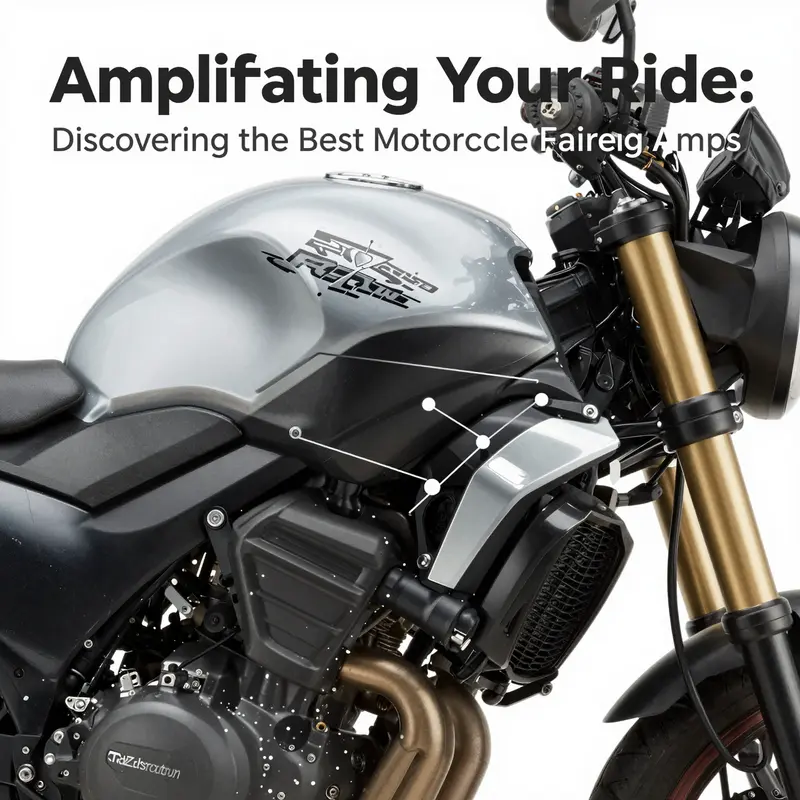
The fairing is more than a decorative shell on a motorcycle; it is a carefully engineered chamber that shapes aerodynamics, channels air to cooling systems, and provides a shield for delicate electronics and instrumentation. When the goal is to add high-performance amplification within that shell, you are not merely titting a box with sound into a hollow space. You are redesigning an acoustic pathway while preserving or even enhancing the machine’s broader performance envelope. The integration task begins with recognizing that the fairing’s prime function—reducing drag and smoothing the rider’s experience at speed—must coexist with the electrical demands of a robust audio system. A fairing that traps heat or envelopes signal wires in a dense, buzzing environment will compromise both reliability and sound quality. The objective is to thread a careful balance: preserve aero efficiency, protect electronics from the realities of riding weather, and deliver clear, distortion-free audio at freeway speeds where wind noise would otherwise dominate the listening field.
Grounding is the first practical hurdle. In many installation scenarios, the amplifier’s ground return is most stable when it has a direct, low-impedance path to the battery’s negative terminal. If the ground is attached to the fairing, the frame, or the forks, you invite ground loops and electrical noise that can seep into the signal chain, even with sophisticated filtering. Noise is not just an annoyance; at certain throttle positions or RPM ranges, it can masquerade as audio distortion or garble communications that rely on the same electrical backbone. A clean ground path reduces resistance, stabilizes voltage delivery, and keeps the amplifier free from the micro-dips that occur when a generator’s alternator is charging and the battery is simultaneously supplying peak demands. The emphasis here is not only on power, but on purity of the reference point—the reference that keeps the signal clean and the response predictable as speed climbs and ambient conditions shift.
Thermal management follows closely behind grounding because heat is the silent performance killer inside a fairing. Class-D amplifiers are efficient, but when squeezed into a tight, enclosed volume, they still generate heat that must be dissipated. The fairing’s interior, often a cramped, sculpted space, can resemble a heat trap if there is insufficient airflow. Effective thermal management means choosing an installation location that benefits from natural convection or, when necessary, active cooling through a small fan or a discreet heat sink mounted to an internal wall with minimal protrusion into the acoustic or air path. The goal is to prevent thermal throttling, which can reduce power output, alter DSP-managed EQ, or trigger protective shut-offs. In practice, this means placing the amp where warm air can rise and be expelled, ideally near an air intake or an area that benefits from the streamlining of the fairing. Wiring must be protected and routed away from hot surfaces or moving parts to avoid insulation breakdown or chafing, which would introduce new failure modes.
Shielding and cable routing complete the trio of electrical discipline. The standard rule is separation: keep power wires and signal wires at a respectful distance, and run shielded speaker cables where possible to minimize electromagnetic interference (EMI). The more advanced the system—especially if you incorporate digital signal processing (DSP) or Bluetooth-enabled modules—the more important it becomes to maintain signal integrity from the source to the cone. EMI can manifest as crackling, faint hum, or glossy blur in stereo imaging but under speed conditions it can migrate into the listening field as static or uneven loudness. A practical approach is to keep power and signal runs in their own channels within the fairing’s wiring harness, use shielded cables where feasible, and avoid sharp bends that invite microfractures or breaks in shielding. The chassis itself should be immune to completion of EMI loops; if the fairing introduces any metallic enclosure that might couple with nearby electronics, careful attention to grounding and routing becomes even more critical. When DSP is involved, the signal path should be as short as possible, with the DSP located in a position that minimizes the chance of vibration-induced micro-movements affecting computational precision.
Compatibility with the fairing’s design and its installation ecosystem is not just about matching mounting holes. It is about ensuring that the fairing’s structure remains unimpaired, that the installation kits offered by the manufacturer or by skilled shops provide secure, vibration-resistant mounts, and that the integration preserves the fairing’s aero qualities. Many manufacturers offer purpose-built installation kits that align with factory or high-end after-market fairings. These kits simplify cable management, hold the amplifier in a secure yet serviceable position, and preserve the fairing’s outer geometry so that airflow remains predictable. A well-engineered kit also helps retain the fairing’s structural integrity, avoiding stress concentrations that could lead to cracks or misalignment where panels meet. This is not cosmetic; warped panels or misaligned seams can alter wind behavior at high speed, with small but measurable effects on stability and rider fatigue.
In practice, a high-performance audio system done correctly becomes a coordinated system rather than a single add-on. The amplifier is not just a power device; it is part of a broader acoustic strategy that includes the enclosure, the speakers in the fairing pockets, the routing path for the signal to the individual drivers, and the listening position of the rider. The acoustic design must respect wind noise. At highway speeds, wind becomes a dominant variable in perceived sound quality. The goal is not to blast loud music but to achieve clarity and intelligibility at practical listening levels even when the speedometer needle points toward the upper end of the scale. This requires careful calibration of the system’s equalization, dynamic range management, and impedance matching so that the rider experiences a coherent soundstage rather than a collection of disparate tones fighting for space behind the wind and the shell.
From the perspective of practical riders, it is often wiser to pursue a holistic, model-specific approach rather than a generic, one-size-fits-all solution. The best results usually come from selecting a high-quality fairing designed for electronics integration—ideally a model that was conceived with a modern audio system in mind. For riders who want to keep the original aesthetics and aerodynamic performance intact, the preferred path is to work with a professional shop that understands both race-derived aerodynamics and weather resilience. They can, in turn, tailor the installation kit, determine optimal mounting locations, and propose a signal chain with attention to impedance, shielding, and insulation. The shop can also confirm that the fairing’s plastic or composite surfaces will tolerate the load without adding unwanted stress to the panel seams, an important detail when wind forces become a factor at speed.
The conversations around “best fairing amps” quickly become conversations about reliability, weather resistance, and serviceability. A robust installation is not a fragile assembly; it should be accessible for service, with quick checks for water ingress, battery health, and connector integrity. A practical approach is to design a minimal, weather-sealed enclosure for the amplifier that can be opened for service without requiring a complete disassembly of the fairing. The enclosure should protect against rain, dust, and UV exposure, and it should allow for a discreet breather path so that heat does not stagnate inside. A well-thought-out installation considers the entire lifecycle: from factory corrosion resistance and seal integrity to the potential for routine maintenance, such as tightening connectors, checking cable harnesses, and cleaning vent paths. The rider should not have to perform a brittle, high-risk surgery when a weather event or a routine inspection occurs.
At a broader level, the integration process is a case study in how high-performance systems become part of a larger performance ecosystem. The fairing is part of the vehicle’s story, not a separate stage for a loud under-saddle aria. When the system is designed with care, the listening experience becomes a natural enhancement—an instrument to complement the rider’s focus rather than a distraction that demands constant adjustment. The rider gains an audio experience that feels coherent with the machine’s character: a system that respects the bike’s engine tone, wind profile, and ergonomic listening position, while delivering intelligible, pleasing sound at speeds where wind and engine dominates the auditory scene. This is not about turning a sportbike into a rolling concert hall; it is about refining the rider’s environment so that sound becomes a precise, stable companion to riding technique and situational awareness.
For those who want to explore tuning in a way that keeps the fairing’s core functions uncompromised, a layered approach is prudent. Start with a strong grounding plan and a thermally aware mounting location. Then detail the wiring scheme, with careful separation of power and signal lines and a plan for EMI shielding. Use installation hardware designed for the fairing’s geometry, and confirm that the enclosure provides weather protection without constraining airflow. Finally, calibrate the audio system with a DSP platform that can adapt the soundstage to changes in speed, helmet, and riding posture. If all these elements are addressed, the result is not a showpiece of electronics but a harmonious extension of the motorcycle’s performance ethos—a system that respects the rider’s expectations for comfort, clarity, and reliability on every ride.
In the spirit of practical applicability, consider this synthesis as a framework rather than a shopping list: the fairing’s acoustic future is defined by grounding integrity, disciplined thermal management, and EMI-conscious wiring, all aligned with a design that preserves the fairing’s aerodynamic integrity. It is a reminder that the most successful installations balance ambition with restraint, engineering with artistry, and speed with listening pleasure. As riders push toward longer journeys and more demanding conditions, the best practice is to treat the fairing and its audio system as a singular engineering problem, solved not by adding power in isolation but by crafting an integrated solution that respects the bike, the rider, and the road ahead.
External reference: Best practices for installing motorcycle amplifiers and speakers are discussed in industry resources that emphasize grounding discipline, thermal management, and EMI mitigation as core pillars of reliable performance. See: https://www.bikeradar.com/uk/motorcycles/accessories/gear-reviews/best-motorcycle-audio-systems/
Power, Protection, and Performance: Selecting the Right Fairing Amplifier for Your Motorcycle Audio System

When you ride with the wind rushing past, the last thing you want is for the soundtrack of your journey to fight against noise, turbulence, and heat. The fairing amplifier sits at a quiet intersection of engineering and listening pleasure. It is not merely about pushing louder sound; it is about delivering clean, balanced audio without compromising the fairing’s aerodynamics, weather sealing, or the rider’s comfort. In this sense, choosing the best fairing amp becomes a practice of integration rather than selection. The rider’s model, power requirements, and the existing audio architecture all shape what makes a unit “best” for a given bike. A well-chosen amplifier respects the bike’s electrical system, preserves battery and charging performance, and remains dependable under rain, sun, and the vibrations of the road. The best decisions emerge from a holistic view: you want a unit that works in concert with the fairing’s geometry, the speaker array, and the rider’s listening habits.
Compatibility is the first pillar. Fairing space is precious, and space constraints drive the choice between compact, high-efficiency amplifiers and larger multi-channel designs. A modern motorcycle often blends a factory head unit, a set of factory or upgraded speakers, and a dedicated amplifier that can drive multiple channels with minimal distortion. To select wisely, you evaluate how much headroom your electrical system can safely provide, how heat will dissipate in that enclosed, often shielded cavity, and how the wiring harness routes through the fairing without creating snag points or moisture ingress. The conversation around power also touches on efficiency. More wattage can sound impressive, but without careful impedance matching and a speaker pairing strategy, it can waste energy and introduce noise or clipping at high volumes. The right amp in this context is not a brute force device; it is a precision instrument designed to complement the speakers, the fairing’s acoustic path, and the rider’s typical ride profile.
The next axis is integration with the bike’s existing audio system. Whether the upgrade is a targeted enhancement to the fairing speakers or a broader revamp of the audio chain, the goal remains the same: unify the signal, preserve clarity, and avoid introducing new failure points in a weather-exposed environment. This often means choosing an amplifier that is weatherproof or sealed to withstand rain and dust, with connectors that resist corrosion. It also means considering how the amp is mounted. Some units are designed to tuck into narrow spaces within the fairing or behind the dash, leaving the exterior silhouette and airflow channels undisturbed. In practice, that restraint is a virtue; it helps maintain the streamlined lines that contribute to the bike’s aerodynamic efficiency. The rider benefits from a clean installation that minimizes heat buildup under the fairing and reduces the chance of rattling or loosening during vibrations, especially on long rides.
Space, heat, and weather resistance intertwine with sound quality. A high-output amplifier is only as good as its ability to deliver clean power into the speakers across a broad range of frequencies. This means engineers pay attention to damping, crossover design, and protection features such as short-circuit, thermal, and overvoltage safeguards. The result is a system that preserves dynamic range, maintains consistent performance through fast transients, and avoids harsh peaks that can fatigue the rider’s ears on a windy highway. In the fairing context, the acoustic path is not a flat, open chamber. It is a curved, sometimes constrained cavity with mounting points, internal bracing, and possible reflections. The amp’s placement influences how the signal travels to each speaker and how acoustic energy is distributed within that space. The successful amps in this category are engineered to minimize coupling with the bike’s electrical hum and mechanical noise, delivering a sound that feels natural rather than forced.
To illustrate how these criteria translate into real-world choices, think of four archetypal approaches. The first is a primary amplifier designed specifically to power a factory-grade speaker setup. It delivers substantial output, built to match the bike’s electrical system, and integrates with the vehicle’s audio architecture for synchronization and reliability. The second option is a compact expansion kit that includes an amplifier along with additional speakers. This kind of solution is attractive for riders who want a noticeable upgrade without a full-system replacement, and it often brings Bluetooth streaming as a convenience feature. The third category is a fairing-specific amplifier kit conceived for touring-focused or big-fairing bikes. It emphasizes a snug fit within the frame, preserving the fairing’s lines while boosting audio fidelity. The fourth approach centers on premium, weather-tested components that withstand the grit of day-to-day riding and the demands of variable climates. Each route has its merits, and the best choice aligns with your bike’s design, your listening preferences, and your budget.
The practical steps toward a sound decision begin with your bike’s model in mind. Different bikes present different electrical budgets, different space budgets, and different heat dispersal challenges. Before purchasing an amp, verify compatibility with your bike’s power architecture and speaker configuration. This includes confirming the impedance of the existing or planned speakers and ensuring the amplifier can deliver clean power at that impedance without overheating. It also means confirming the mounting plan—whether you intend to hide the amp behind fairing panels, mount it under the seat, or tuck it into a dedicated cavity—so you can plan cable routing and sealing accordingly. The aim is to minimize voltage drop under load and avoid any wiring that could rub against hot surfaces or sharp edges during steering and bumps. When in doubt, consult a professional who understands marine-grade or automotive-grade electronics, the temperatures these units face inside a fairing, and the best practices for sealing, routing, and grounding.
Riders who seek coherence between sound and ride often look for a solution that preserves the fairing’s aesthetics while delivering a superior listening experience. A high-quality amplifier paired with well-matched, weather-resistant speakers can achieve a surprisingly balanced soundstage. It is not merely about volume; it is about linearity, depth, and the accurate reproduction of music across a range of riding speeds. The rider experiences smooth highs, controlled mids, and a solid bass foundation without the muffling or wind-blast that can blur details at speed. This demands careful attention to how the amplifier handles transients—the momentary spikes in music that convey energy and presence. A well-designed amp controls these transients without harsh clipping, so your listening experience stays engaging rather than fatiguing over hours of highway cruising.
Another layer to consider is compatibility with wireless and smart features. Bluetooth-enabled kits offer convenient streaming without rewiring the entire system, but they also introduce latency and potential interference. The best approach balances wireless convenience with wired reliability, ensuring that the core audio path remains strong even when the wireless link presents occasional hiccups. For riders who want to keep the fairing uncluttered and the visual profile clean, a compact amplifier with integrated Bluetooth management can be ideal. It is also worth noting that some manufacturers offer integrated upgrade paths that preserve the fairing’s aerodynamics while providing an upgrade route that doesn’t require a complete system replacement. A well-chosen path allows you to listen to preferred playlists with clarity, while the fairing continues to shield you from wind and weather and the bike’s own mechanical orchestra.
If you are exploring options for your bike, one practical step is to browse a curated catalog of fairing accessories that emphasize compatibility and fit. For riders who want to pair new fairing components with a broader accessory ecosystem, a dedicated Honda fairings collection can be a helpful reference point. It provides a sense of how manufacturers approach integration across different bike lines and how they preserve the fairing’s form while updating its in-cab soundscape. You can explore such a catalog here: Honda fairings collection.
Ultimately, the best amplifier strategy respects your bike’s design language and its electrical limits while elevating the rider’s experience. A high-quality, purpose-built fairing amplifier—engineered for weather exposure, compact enough to fit within the fairing’s inner channels, and paired with compatible speakers—represents a mature, effective approach. Professional installation remains a key ingredient. An expert can help balance the electrical load, verify stability under vibration, seal all entry points to keep moisture out, and route cables with an eye toward long-term reliability. The goal is a seamless integration where the sound system feels like a natural extension of the motorcycle rather than an afterthought layered onto the fairing. When done well, the result is a listening experience that travels with you—crisp, reliable, and tuned to your preferences—without compromising the fairing’s core functions, aerodynamics, or the rider’s comfort across highway stretches and back-road sweeps alike.
For riders seeking a broader technical reference while contemplating a high-output amplifier path, an external resource offers insight into the design, testing, and durability considerations behind weather-rated motorcycle audio amplification. This provides a deeper technical context for decisions that balance performance with protection in real-world riding conditions. https://www.cvoharley.com/products/harley-davidson-audio-powered-by-rockford-fosgate-primary-amplifier-500w
Sound Under the Shield: The Technical Craft of High-Performance Motorcycle Fairing Amps
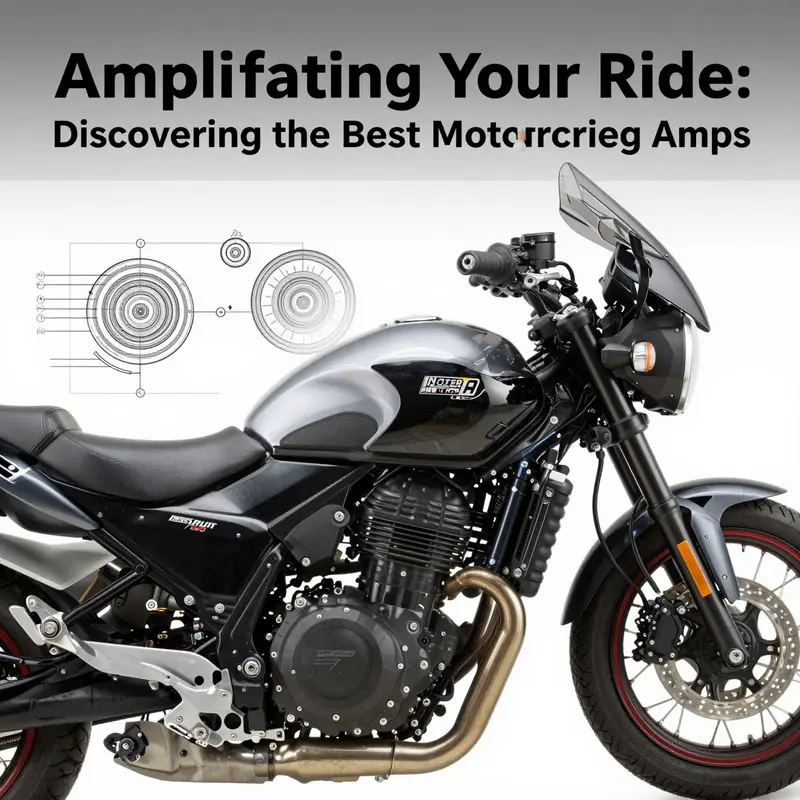
The wind is a constant opponent when riding fast. It can blur the lines between music and noise, turning even a favorite playlist into a distant whisper. Yet the right fairing amplifier system can transform that experience. It is not merely about blasting sound; it is about creating a stable audio environment that adapts to shifting speeds, changing weather, and the rider’s evolving needs. The core idea is integration. A fairing amp is not a standalone gadget; it is a component that must harmonize with the bike’s aerodynamics, electrical system, and mounting tolerances. When engineered with this mindset, the amplifier becomes a quiet ally that preserves rider awareness while delivering music, navigation prompts, and communication cues with clarity and restraint.
The amplifier’s most fundamental responsibility is to deliver clean, powerful audio in a harsh outdoor setting. Vibration, humidity, and rapid temperature shifts are not abstract concerns but daily realities for riders. Gear that is designed for motorcycles uses ruggedized components and seals that resist moisture ingress and dust. The result is reliability in rain, spray, or the spray of winter riding. This resilience extends beyond the chassis to the internal electronics. The best fairing amps use solid-state construction, reinforced wiring, and connectors that resist corrosion yet snap securely into place. In short, the hardware must survive repeated vibrations without compromising signal integrity or thermal performance.
Power is another critical axis. A fairing amp typically delivers substantial RMS power to overcome wind noise and the acoustic losses introduced by the fairing’s shape. In practical terms, many capable systems operate in the 200 to 500 watt range per channel under real-world testing. The objective is not to push the listening experience to ear-splitting levels, but to maintain intelligibility and dynamic range as speed increases. At highway velocity, wind noise rises dramatically, so the amplifier must sustain a consistent signal-to-noise ratio that preserves the nuance of cymbals, bass lines, and vocal textures. The relationship between power, speaker efficiency, and enclosure design becomes a dance where each element must be tuned to the same tempo.
All this power hinges on intelligent signal processing. Modern fairing amps come with built-in equalization that accounts for the rider’s acoustic environment. A well-designed EQ system can carve out tonal balance so that bass remains controlled without booming, while midrange clarity carries the voice of a navigator or a streaming lyric. Crossover filters split the full spectrum into appropriate bands for each speaker pair, maintaining stereo imaging even when the wind tries to smear sound across the cockpit. Dynamic range compression helps preserve quiet passages during low-volume moments and prevents peaky transients from startling the rider during gusty sections. In combination, these features deliver a consistent, immersive experience across a broad spectrum of riding conditions.
Connectivity adds another layer of practicality. The leading fairing amps embrace wireless versatility, enabling Bluetooth streaming from a rider’s phone or navigation device without requiring a tethered head unit. The convenience is obvious: music, turn-by-turn prompts, and hands-free communication can flow through the system with minimal distraction. Importantly, designers balance convenience with safety. The control interface is integrated into the bike’s existing cockpit logic or mounted in a way that is easy to reach but not prone to accidental taps while riding. The goal is a seamless, intuitive interaction that keeps the rider focused on the road while still enjoying the audio ecosystem.
The architectural layout of the system also matters. High-performance setups are often conceived as multi-speaker configurations that extend beyond a single sound source. Fairing designers position drivers at strategic points in the upper and lower fairing, creating a stereo image that remains stable as air flows around the bike. Each speaker pair is driven by dedicated channels to preserve balance and depth, enabling a coherent sense of space even when the rider leans into a bend. The acoustic design must anticipate the wind’s interference, ensuring that the sound project toward the rider rather than outward into the surroundings, so the listening experience remains intimate yet immersive.
Power efficiency is not an afterthought but a design discipline. Class D amplification is a common choice because it converts power more efficiently and generates less heat than traditional designs. In a vehicle where electrical demand competes with lighting, dash electronics, and charging systems, efficiency translates into reliability. A well engineered fairing amp minimizes parasitic draw when the engine is off, yet remains readily available for rapid wake-up and streaming when the ride resumes. This balance between performance and efficiency supports longer rides without compromising battery life or the alternator’s health, a consideration riders pursue as they chase long-distance adventures or seasonal tours.
Installation philosophy matters as much as the electronics themselves. The most enduring solutions come from a coherent ecosystem rather than a patchwork of add-ons. This means compatible head units, weatherproof enclosures, robust cabling, and secure mounting hardware that holds fast through vibration and temperature swings. Amps are placed where cooling airflow is reliable, where moisture cannot pool, and where wiring can be shielded from heat sources. The integration should preserve the fairing’s aerodynamic integrity, maintaining the studio-like acoustics inside a rider’s wind shield rather than creating an assembly that invites rattles and leakage.
Beyond the mechanics, there is a design philosophy that guides the best systems. The objective is a cohesive audio solution that respects the fairing’s primary purpose: reducing fatigue and protecting the rider from the elements. Music and navigation prompts should be clearly audible without becoming intrusive. The system should never compete with engine sound or wind for dominance; rather, it should become an ambient layer that enhances comfort and safety. In this sense, the ideal fairing amp acts like a conductor silently coordinating a small orchestra of speakers, a distribution of signals, and a network of sensors that measure temperature, humidity, and power draw to optimize performance in real time.
For riders who want a model-specific fit, choosing a high-quality fairing designed for a particular motorcycle becomes a practical starting point. A purpose-built fairing, crafted to match a bike’s geometry, provides a predictable enclosure with proven mounting points and precise tolerances. When paired with a purpose-built amplifier and weatherproof speakers, the result is a system that can sustain performance from the early morning chill to the heat of the afternoon sun. A well-matched package helps ensure the fairing acts as intended rather than becoming a compromise that invites fitment issues and vibration. For riders seeking a model-specific platform that supports such integration, exploring the Honda fairings collection can be a helpful reference point for compatible, design-conscious options that emphasize fit and function. Honda fairings collection
The broader takeaway is not simply about chasing raw power. It is about engineering a complete ecosystem where the fairing, the amp, the speakers, and the rider’s needs all align. The fairing shape determines sound projection and wind interaction; the enclosure design protects the speakers from the elements and from heat, while the amplifier drives those speakers with consistent voltage and current. The result is clarity that remains legible at speed, depth that preserves musical nuance, and a bass response that does not overwhelm the rider’s sense of balance. This holistic approach is especially important for long-distance touring or highway cruising, where ambient noise is relentless and the rider should feel as though the music is a personal soundtrack rather than a distant broadcast.
At the end of the day, the best fairing amplifier is not merely a measurement of watts or a catalog of features. It is a careful synthesis of mechanical design, electrical efficiency, and acoustic intention. The rider benefits not only from sound that travels clearly through the wind but from a system that respects the bike’s engineering and the rider’s cognitive load. In practice, that means selecting a high-quality fairing that is known for precise fit and robust construction, then engaging skilled technicians to tailor the audio system to the specific motorcycle, the rider’s preferences, and the riding environment. When done well, the wind becomes a partner in the listening experience, not a barrier to it.
External resource: https://www.motorcycle-technology.com/fairings-types-properties/
Riding the Edge: The Evolution of Motorcycle Fairing Amplification and Seamless Audio Integration
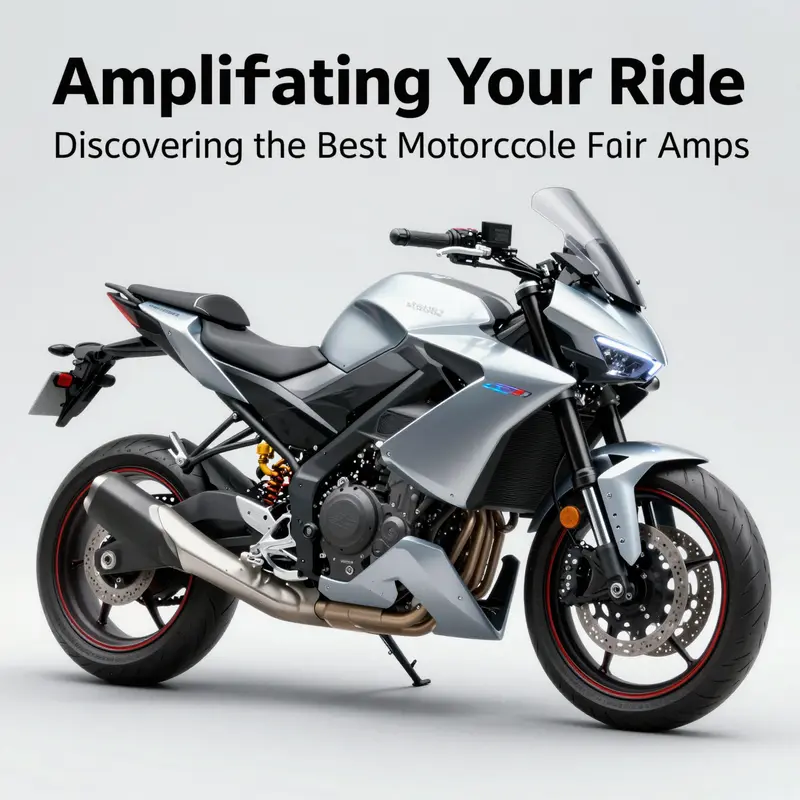
The future of motorcycle fairing amplification is not just about squeezing more watts into a confined space. It is about creating a cohesive system where the fairing, the speakers, the enclosure, and the rider’s ears form a single, harmonized experience. As designers push for lighter, sturdier materials and as aerodynamics become ever more exacting, the audio system inside the fairing must adapt without disturbing the balance between wind management and sound quality. In this sense, the best fairing amp is less a singular device and more a thoughtfully engineered partnership among components that are designed to work in concert with the bike’s geometry, the rider’s seating position, and the ambient acoustics created by speed, boundary layer effects, and the constant rush of air around the machine.
What makes this partnership possible is a shift in emphasis from raw power to context-aware performance. Inside a modern fairing, space is at a premium. The enclosure must be compact yet rigid, able to withstand rain, dust, UV exposure, and the inevitable vibration of a high-performance ride. This demands power electronics that are not only efficient but thermally disciplined. Class D amplification has become the standard because it delivers high output with relatively low heat, a crucial factor when every millimeter of fairing space counts. Yet power efficiency alone does not guarantee clarity. The true challenge lies in tuning the sound system to the fairing’s acoustics so that at highway speeds, where wind noise persists like a constant tide, music remains intelligible and engaging rather than a distorted wash.
The acoustic environment inside a fairing is a complex, almost living thing. The enclosure acts like a miniature concert hall with walls that can bend, reflect, or dampen specific frequencies. A well-designed amp and speaker array must anticipate these interactions. The path to sonic clarity starts with the placement of drivers, which are positioned to minimize direct wind impact and to exploit the fairing’s natural dampening properties. The orientation must consider rider posture, helmet alignment, and the typical head position at cruising speeds. Rather than chasing overwhelming bass at every turn, the design philosophy centers on controlled, musical response. This means carefully chosen crossover networks, precisely-tuned equalization, and adaptive processing that can compensate for the shifting acoustic landscape as the rider accelerates or changes speed.
This evolution is also about flexibility. Manufacturers recognize that riders seat a spectrum of bikes—from nimble sport machines to long-range tourers and rugged adventures. A one-size-fits-all approach to fairing amps is increasingly untenable. The industry is moving toward modular and universal compatibility, where amplifiers and speaker modules are designed to be retrofit-friendly across multiple fairing geometries without sacrificing aesthetics or function. In practice, this means standardized mounting schemes, common power rails, and enclosure interfaces that make it possible to swap or upgrade components with minimal roadside drama. The idea of a universal fit does not imply compromise; it implies that the enclosure, the driver topology, and the thermal solution can be tuned to a given fairing family while preserving the bike’s lines and integrity.
Connected features are another pillar of the coming era. Wireless connectivity, including Bluetooth 5.0+ and low-latency transmission, is becoming ordinary rather than exceptional. The ability to pair with helmet audio systems, smartphones, or navigation devices enables hands-free control, reduced distraction, and more reliable audio routing. Voice assistant integration is not merely a novelty; it is a practical tool for riders who need to adjust volume or switch tracks while keeping their hands on the bars and eyes on the road. Importantly, the interface design aims for minimal cognitive load. Clear, intuitive prompts that respond to contextual cues—such as route type, weather, or ambient noise—can transform a ride from merely competent to truly immersive.
Beyond connectivity, smart integration hinges on adaptive sound profiles that learn from use. Into the next generation, a fairing amp could analyze riding speed, wind gust patterns, and highway drone to tailor equalization in real time. The system could autonomously reduce high-frequency content when wind noise peaks, preserving voice clarity for calls or navigation prompts. It could also recognize the rider’s typical listening choices and adjust profiles accordingly, offering a personalized sonic signature that remains respectful of the fairing’s acoustics. These advancements echo a broader movement toward AI-driven audio personalization, where riders are offered a curated soundscape that enhances alertness, mood, and enjoyment without demanding constant manual tuning.
Aesthetics and engineering must remain in concert. The design language of a fairing is part of the rider’s identity, and audio components must not disrupt that language. This is why the latest trends emphasize discreet integration: speakers that blend with contour lines, enclosures that mirror surfaces, and finishes that resist weathering while staying aligned with the bike’s styling. The fairing’s external silhouette should not need to advertise the presence of a sophisticated audio system; instead, the system should feel like a natural extension of the bike. It is a subtle balance: high fidelity and resilience without visually shouting for attention. In practice, this balance is achieved through collaborative workflows that pair aerodynamics engineers with acoustic architects, ensuring that acoustic performance and aerodynamic efficiency reinforce each other rather than compete for space.
Practical riding realities also shape the dialogue around fairing amps. For riders who prize long-distance comfort, the ambition is not merely to deliver louder sound but to maintain intelligibility and tonal balance across a wide range of speeds and road conditions. In many environments, the wind adds its own spectrum of noise, which can mask highs and smother midrange. A well-tuned system uses intelligent noise compensation—algorithms that separate signal from wind rumble and adapt to different speeds. The result is a more consistent listening experience that feels natural, even as the wind becomes a persistent companion. This is not about turning a motorcycle into a concert hall; it is about preserving the human-scale listening experience under the unique pressures of outdoor riding.
The design conversation also includes the rider’s practical needs. A fairing amp that can be retrofitted into a variety of fairings—sport, touring, cafe racer, or adventure—must respect the bike’s thermal margins and vibration tolerance. The enclosure must shelve heat away from sensitive electronics and from the rider’s legs, and the mounting system must withstand shocks without loosening. Water ingress, dust intrusion, and UV exposure are realities that demand rugged sealing, corrosion-resistant hardware, and materials with low creep. In this sense, the ideal system is not only clever in electronics but also resilient in mechanics. The ecosystem that supports this resilience includes careful routing of power and signal cables, robust strain relief, and fault-tolerant software that can recover gracefully from transient interruptions.
As the market moves forward, the best practice will increasingly emphasize a holistic approach to audio within the fairing. The strongest proposals will couple the amp, the enclosure, and the speakers with the bike’s broader electronics ecosystem—sensors, control interfaces, and vehicle data streams—without creating a sensory overload. The rider’s emotional and cognitive load should not increase; instead, the listening experience should feel effortless, nearly invisible until it is needed—an ambient companion that sharpens awareness and elevates enjoyment. For riders exploring different fairing configurations and finishes, a catalog-style resource such as a dedicated Honda fairings collection offers a practical starting point to understand how form and function can align, ensuring that any audio upgrade respects the shape and purpose of the fairing itself. See the Honda fairings collection for compatible options and mounting philosophies that illustrate how a well-integrated fairing can frame a refined audio experience.
This evolving landscape does not imply a single, definitive product category. Rather, it envisions a framework in which enclosure design, driver topology, and intelligent processing work in harmony with the bike’s aerodynamics and the rider’s needs. The future fairing amp is adaptable, efficient, and context-aware. It respects the rider’s attention and the machine’s needs, offering a nuanced, high-fidelity soundtrack that travels with the bike without dominating it. The signal path—from input to enclosure to air to ear—becomes a carefully choreographed journey rather than a disruptively loud interruption. The result is a riding experience where sound supports clarity, mood, and connection to the road, while the bike’s aerodynamic performance remains uncompromised. For practitioners and enthusiasts alike, this translates into a design ethos: optimize the fairing’s geometry, protect the integrity of the enclosure, and trust in smart, modular amplification to deliver achievable, reliable, and durable audio—a combination that truly respects the rider’s craft and the road ahead.
External resource for further exploration of integrated fairing audio can be found here: https://www.harley-davidson.com/en_US/accessories/audio/rockford-fosgate-stage-iii-fairing-speakers.html
Final thoughts
The combination of motorcycle fairings and audio systems represents a significant advancement for riders seeking enhanced comfort and entertainment. By understanding the core functionalities, integration considerations, selection criteria, technical aspects, and emerging trends, riders and business owners can make well-informed decisions. Investing in quality fairing amps can transform the riding experience, merging aesthetics with performance to provide a ride that not only looks good but sounds fantastic.