
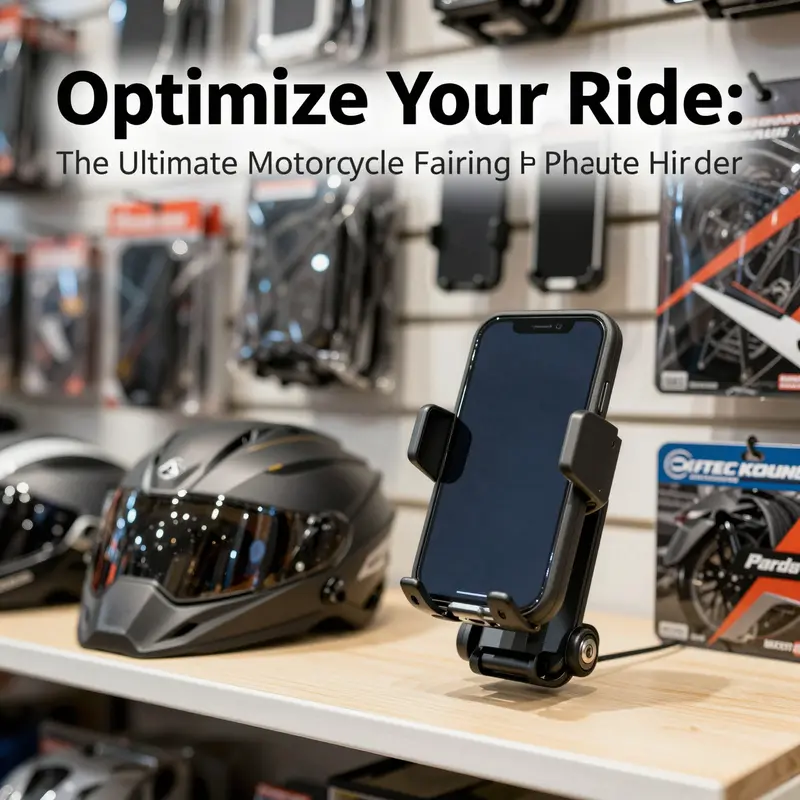
With the rise of technology, motorcycle enthusiasts seek ways to enhance their riding experience while ensuring safety. Among various accessories, the motorcycle fairing mount phone holder stands out, providing a means to integrate mobile devices into the bike’s aesthetics. Business owners in the motorcycle accessory industry must recognize the benefits this holder offers, from secure phone placement to compatibility across different motorcycle models. Each upcoming chapter will delve into design, functionality, versatility across bike types, limitations to consider, and essential purchasing information, effectively equipping you with the knowledge to make informed decisions for your business.
Riding with Precision: Design and Compatibility in the Best Motorcycle Fairing Mount Phone Holder
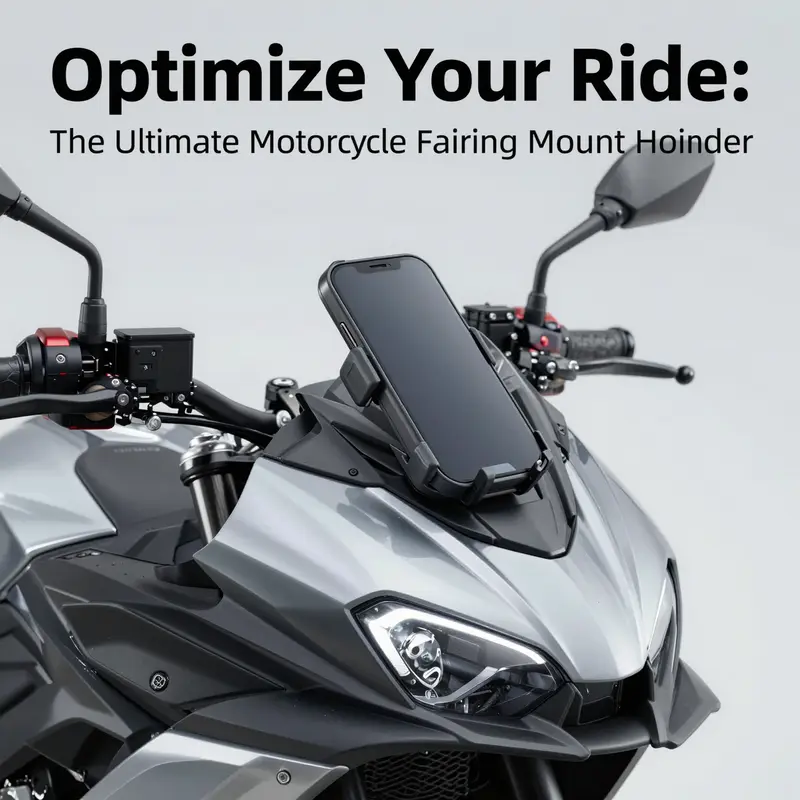
A rider’s dependence on a phone for navigation, music, and real-time updates demands more than a simple cradle. It requires a mounting solution that disappears into the bike’s silhouette while delivering rock‑solid stability, quick access, and enduring reliability. The best fairing-mounted phone holders are not just clamps and arms; they are precisely engineered interfaces between the rider, the machine, and the open road. Their design begins with the harsh realities of motorcycling: constant vibrations, dramatic temperature shifts, moisture, and dust. A mount that fails to dampen vibration can disappoint through flicker on the screen, misalignment of the display, or a loosened grip that promises a misplaced device at the worst moment. In response, top designs integrate anti‑vibration technology—rubber dampeners, shock‑absorbing materials, and carefully engineered contact surfaces that isolate the phone from the bike’s tremor without isolating the rider from the road. This attention to vibration management is especially crucial for touring riders and adventure bikers who spend long hours in motion, where comfort and visibility are as important as safety.
Compatibility sits at the heart of practicality. The best fairing mounts boast a universal sensibility that transcends model lines and fairing shapes. They use flexible mounting systems that adjust to a spectrum of handlebar diameters, typically 22.2 mm, 25.4 mm, and 31.8 mm, through adjustable clamps or adapter gaskets. This adaptability makes a single mount a viable choice for sport bikes, cruisers, and everyday commuters alike, preserving both the bike’s aesthetics and its structural integrity. In practice, this means fewer compromises: fewer clamps that crowd the gauges, fewer protrusions that catch on gear, and fewer trips to the shop for a tailor‑made bracket. Some mounts are tuned to fit specific bike families, built around the common fairing contours and control layouts, so the device sits within easy view yet never obstructs the rider’s lines of sight or hand movement. Even with universal systems, the better designs avoid any guesswork about fit; their geometry and clamp geometry provide a confident, repeatable mounting point that feels integrated rather than bolted on.
The sensory and visual integration matters as well. A well‑conceived mount doesn’t merely hold a phone; it frames it. A 360‑degree rotational head and adjustable height or tilt settings let a rider chase the best angle for navigation screens, camera use, or quick glance reads while keeping the wrists and neck in a natural position. The most versatile mounts accommodate portrait and landscape orientations without compromising stability, a feature that translates into safer route planning and smoother media control during long highway stretches. The mounting interface itself should be robust—there is no value in a clamping system that slips on a rough patch or a high‑load corner. Durable materials, such as precision‑fabricated aluminum alloys or similarly sturdy compositions, contribute to a sense of reliability that riders can truly feel under way.
Weather and road conditions frame another layer of design necessity. The ideal fairing mount earns its keep by delivering IP-rated protection—waterproof and dustproof sealing that remains effective through sudden showers, spray, and the grinding grit of gravel roads. In tandem with protection, some contemporary solutions embrace power continuity. Built‑in charging options, including wireless charging pads or USB ports, address the growing need to maintain battery levels on long trips where GPS and communications apps demand constant power. The practical benefit is straightforward: a rider can keep the phone usable for navigation for longer without worrying about sudden shutdowns. Yet the inclusion of charging features must be balanced with heat management and electrical safety, ensuring the mount’s electronics withstand the heat from long ascents or the sun‑baked cockpit of a desert highway.
Material choice and construct quality influence both durability and aesthetics. Rational mounts rely on corrosion‑resistant finishes and reinforced clamping hardware to resist the daily grind of fuel splashes, rain, and road salt. The chassis often employs a protective finish that complements the motorcycle’s styling, avoiding an aftermarket look that jars with the bike’s lines. For advanced riders, weight considerations matter as well; an overly heavy mounting system can distort handling or feel overly stiff on unsettled pavement. A well‑designed mount finds a balance: light enough to stay unobtrusive, sturdy enough to absorb the shocks of a rough section, and aesthetically aligned with the bike’s character. When engineers talk about universal fit and robust engineering, they mean an interface that respects the bike’s geometry and the rider’s ergonomic sweet spot, so navigation remains a help rather than a distraction.
Beyond raw fit and weather resistance, the ergonomics of use shape the rider’s experience. The best mounts reveal a thoughtful approach to accessibility: a phone can be visible for quick glances, yet out of the way enough to avoid inadvertent taps from brushed knees or bag straps. In practice, this means considering the cockpit’s geometry—the height of the instrument cluster, the rider’s seated posture, and the angle at which the rider would naturally want to view the screen during forward motion. The result is a mount that feels like a natural extension of the bike, not a separate gadget that interferes with control inputs or sightlines. A unified feel is particularly valuable for riders who rely on mapping services during daily commutes as well as long‑distance tours. The goal is not to replace the rider’s focus but to extend it, turning a smartphone into a cockpit instrument that supports safety and efficiency without demanding extra attention.
A critical aspect of compatibility concerns the fairing’s own design language. The best mounts respect the fairing’s contours, attachment points, and airflow dynamics. They avoid hard contact with delicate surfaces and employ soft, high‑friction contact pads where possible to reduce the risk of cosmetic damage. In practice, this translates to a mounting system that can be installed without drilling or inertial modifications to the fairing, preserving resale value and warranty considerations. For riders who curate a particular look or who want a clean integration that doesn’t betray the bike’s original design, this is not a luxury but a necessity. When the interface is well matched to the fairing, the device remains accessible yet discreet—an enabling tool rather than a visual intrusion.
For riders seeking a sense of community and shared experience, it can be helpful to explore how broader fairing ecosystems influence fit and compatibility. The Honda fairings collection, for instance, showcases how different fairing configurations can guide the selection of a universal mount that harmonizes with a bike’s lines and mounting points. This kind of ecosystem awareness helps riders anticipate compatibility across related models and generations, reducing trial and error in the shop and on the road. To explore these compatibilities in more detail, see the Honda fairings collection. Honda fairings collection.
The ongoing evolution of fairing mounts is as much about rider expectations as it is about engineering refinement. In a market that spans sport bikes, fat‑tired cruisers, and agile adventure machines, the best solutions are adaptable, weather‑tused, and visually cohesive. They provide stable, safe phone placement while offering flexibility for navigation, calls, or media control. They also anticipate future needs, such as increasingly demanding navigation apps or the adoption of wireless charging through more phones and devices. The result is a mounting system that remains serviceable for years, maintaining its alignment, grip, and weather resistance through many seasons of riding.
For researchers and designers, the takeaway is clear: the best fairing mount phone holders fuse engineering discipline with practical usability. They deliver anti‑vibration protection, broad compatibility through universal mounting systems, and adjustable, ergonomic positioning. They protect devices from the elements with IP‑rated seals, and they offer power options that support longer trips without compromising safety or aesthetics. They preserve the bike’s visual identity while enhancing its digital capability. And they do so with a respect for the rider’s priorities—reliable hold, quick accessibility, and a calm interface that supports focus on the ride rather than on gear. In the end, the choice of a fairing mount is less about chasing the latest feature and more about selecting a thoughtful, cohesive solution that works with the bike, respects the rider, and quietly returns reliability every time the handlebars turn toward a new horizon.
External reference for further context: https://www.alibaba.com/product-detail/Motorcycle-Bike-Phone-Holder-Mount-Universal_1600561912743.html?spm=a2700.190313.0.0.4d1b4a6f19e2e5
Stability, Sightlines, and Smart Design: The Core of the Best Fairing-Mounted Phone Holders for Motorcycles
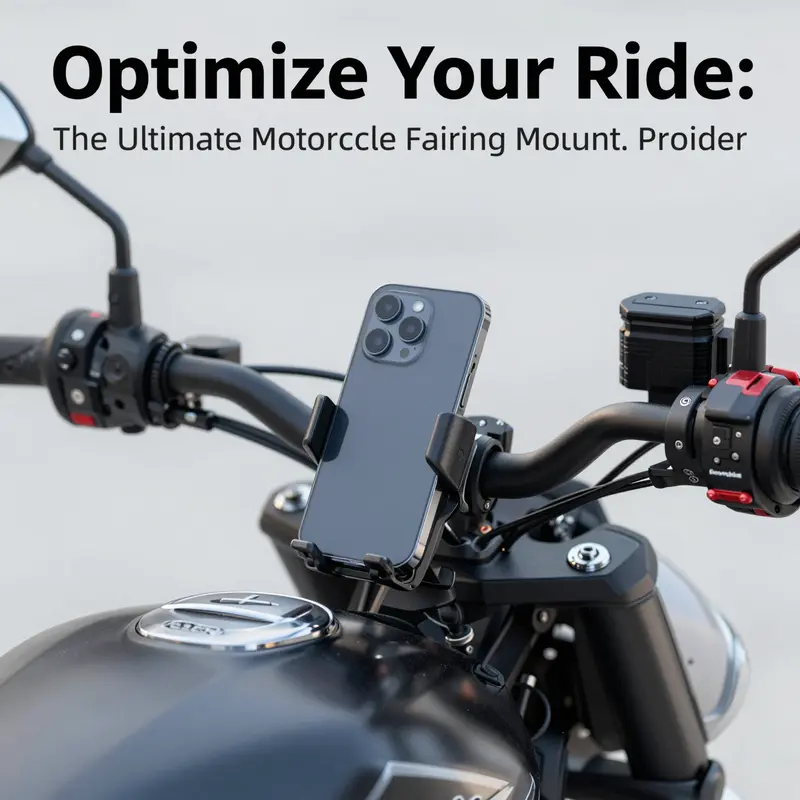
A rider’s view of the road is the first line of defense between a safe pass and a risky distraction, and a fairing-mounted phone holder is not just a gadget but a carefully engineered interface between person, machine, and environment. The best mounts rise to this challenge by balancing secure restraint with accessible visibility, all while withstanding the daily chaos of wind, rain, vibration, and fast-changing weather. In practice, a high-quality fairing mount anchors the device in a fixed but adjustable position that aligns with the rider’s line of sight, so navigation prompts, ride data, and communications remain legible without demanding a change in posture. This is not simply about holding a phone; it is about preserving tactile control and minimizing the cognitive load required to operate the device while riding. The result is a setup that feels almost invisible in use, allowing riders to keep their attention on the road rather than on a screen. For riders who value both functionality and a clean, integrated look on the bike, the right mount offers a coherent blend of form and function, integrating with the fairing’s shape rather than fighting it. If you ride a bike with a Yamaha fairing, for example, the Yamaha fairings collection presents options that emphasize compatibility and aesthetic harmony, helping the install feel intentional rather than aftermarket. Yamaha fairings collection.
The central attribute of any premier fairing mount is durability under vibration. Engines and tires generate complex vibrations that travel through the fairing and into the device, threatening screen flicker, loosening fasteners, and even connector failure. The most capable mounts use vibration-damping elements—rubberized cushions, polymer isolators, or soft alignments—that absorb energy at the mounting point. This approach reduces micro-movements that could otherwise translate into a jittery screen image or a misaligned viewing angle. Such damping is especially valuable on longer rides where cumulative exposure to vibration can tax a device’s durability, and it is equally important on sport bikes that lean into high-frequency road irregularities. Alongside dampening, precision-engineered mounting systems rely on corrosion-resistant materials, such as hardened aluminum alloys or reinforced polymers, to maintain structural integrity through rain, heat, and sudden temperature shifts. The best designs couple this resilience with a mounting footprint that sits flush against the fairing, minimizing wind drag and the potential for snagging on branches, cables, or gear. An IP67-level standard is frequently highlighted in top-tier options, offering confidence that dust and water intrusion will not compromise electronics during sudden showers or and while washing the bike. This protective envelope is not just about weather resistance; it helps ensure the internal components—charging circuits, connectors, and sensors—remain stable over time, preserving performance across seasons.
Adjustability rounds out the core capability. A practical fairing mount supports near-universal compatibility, but still offers 360-degree rotation and angle customization so riders can tune the viewing plane without compromising the camera or sensor orientation. A smart mounting system enables a rider to switch from a landscape to a portrait view in a confident, glove-friendly motion, and it allows precise tilt so the screen remains legible even when the bike sits on a slant or is maneuvered on rough pavement. The ability to pivot smoothly without loosening ensures that adjustments made at the stoplight are not undone by the first truck splash or a sudden gust. The better designs remember this: viewing comfort should be customizable without turning the installation into a field repair. In the context of real-world riding, the aim is a fixed, safe mount that makes the device a natural extension of the bike’s cockpit rather than an obstruction. The topic of power also enters the discussion. The strongest mounts couple stability with charging capability that accommodates long rides and multiple devices. Wireless charging can be a compelling feature, removing the need for extra cable clutter while keeping the device ready for navigation or music playback. But not every phone supports wireless charging, and some riders prefer a dedicated charging port—commonly USB-C—that remains accessible behind a weather-sealed panel. In practice, the best systems offer a choice: a wireless option as a convenience, plus a robust wired alternative for reliability in the worst weather. Cable management is no afterthought. Hidden channels, clipped routes, and integrated grommets prevent cables from slipping out of place, reducing the risk of snagging on the throttle tube, clutch, or fairing screws. Some advanced mounts even include small storage compartments or neatly integrated outlets for earphones or spare batteries, keeping small accessories within reach without compromising the bike’s streamlined silhouette. Aesthetics matter because the mount should feel like a natural extension of the fairing, not an add-on that competes with the bike’s lines. When the mount mirrors the fairing’s contours, it reinforces the impression that the rider’s tech is part of the machine’s design language rather than a separate accessory. This alignment of form and function can influence a rider’s willingness to rely on the device for navigation, timing, or music during a ride, and it often correlates with a rider’s overall sense of control and confidence on the bike. Practical installation considerations should also shape the selection process. The ideal mount should not interfere with turning signals, mirrors, or other controls, and it must accommodate a range of device sizes and protective cases. Universal fits are appealing for their flexibility, but compatibility checks matter. Owners should measure the available space on the fairing, verify the clearance around the windscreen or dash, and confirm that mounting hardware does not collide with routing paths or contact points that could heat up or loosen under vibration. The right solution provides a secure clamp or docking mechanism that remains firm at high speeds yet allows quick removal if the device needs inspection or charging at the end of a ride. Maintenance comes into play here as well. Regular checks of screws, clamps, and dampers prevent micro-movements from creeping in over time. Cleaning the dampers and the mounting surface reduces the chance of grit from the road infiltrating joints and wearing away protective seals. A simple, routine inspection can extend the life of the mount, preserving performance and safety. Compatibility discussions are nuanced. While many fairing mounts advertise broad device compatibility, riders should consider device dimensions, weight distribution, and the presence of rugged cases. Heavier devices require sturdier mounting hardware and a more rigid support frame to keep the LCD stable under acceleration and braking forces. Conversely, ultra-light devices with slim cases can be restrained with lighter fittings, so riders can balance ease of access with reliability without adding inertia that alters the bike’s steering feel. As the narrative moves from the physical to the perceptual, owners realize that the best mounts are not merely anchored devices but deliberate design decisions that harmonize with the rider’s posture, field of view, and interaction cadence. These considerations culminate in a system that enables hands-free navigation, safer route adjustments, and more reliable access to essential apps without creating a distraction-prone cockpit. For riders who value both technical reliability and elegant integration, the result is a setup that feels tailored to the bike and the rider, not generic or one-size-fits-all. The broader lesson is clear: select a fairing mount that respects the bike’s ergonomics, shields electronics from the elements, and provides intuitive, secure operation under the most demanding road conditions. External references can deepen understanding of the component technology involved, including vibration dampening, IP-rated protection, and weatherproof design, which together define the practical ceiling for performance. External resource: https://www.alibaba.com/product-detail/Motorcycle-Bike-Phone-Holder-Mount-Universal_1600528914028.html?spm=a2700.18715969.0.0.1d1f3a1cXkWpKg
Universal Fit, Distinct Rides: Fairing-Mounted Phone Holders for Sport, Cruiser, and Naked Bikes
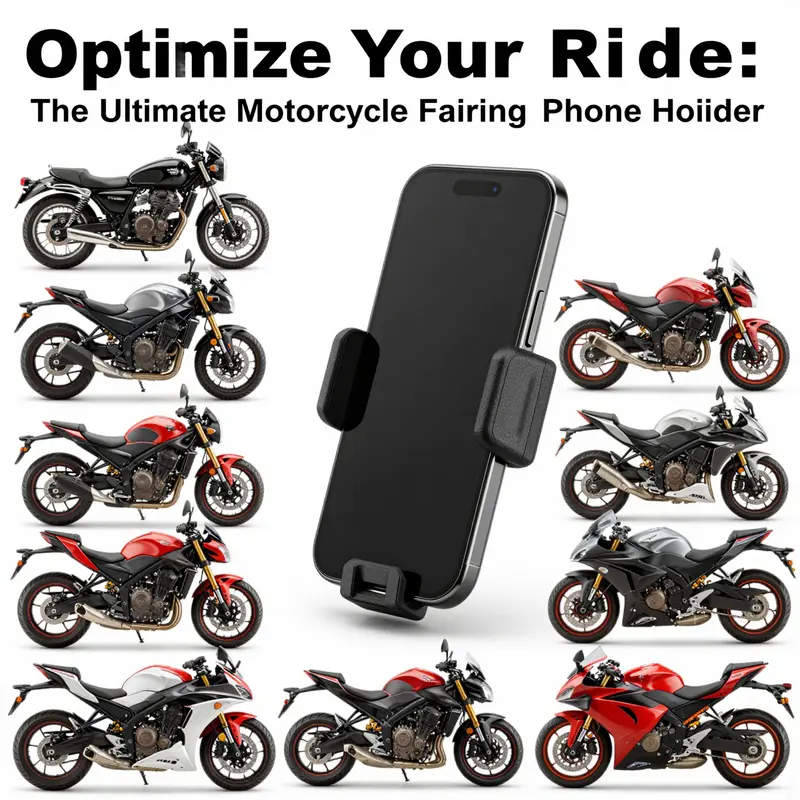
A fairing-mounted phone holder is more than convenience; it aligns with the bike’s architecture and riding flow. A well-designed mount sits within the fairing’s silhouette, keeping the phone accessible without blocking the rider’s line of sight or compromising aerodynamics.\n\nThe best universal mounts fit a broad range of handlebars and fairing profiles and adapt to different bike geometries. Sport-touring fairings demand stability against highway winds, while cruisers benefit from attachment points that sit near the rider’s reach. Naked bikes require secure grip with minimal wind exposure. Each category benefits from anti-vibration features and weather sealing to keep the display legible in sun and rain.\n\nUltimately, the mounting system should feel like a natural extension of the motorcycle, not an afterthought. It should install without permanent modifications, preserve the factory hardware and warranty, and provide quick access to navigation and notifications without taking attention away from the road.
Trade-Offs on the Fairing: Navigating Limitations When Choosing a Motorcycle Phone Mount
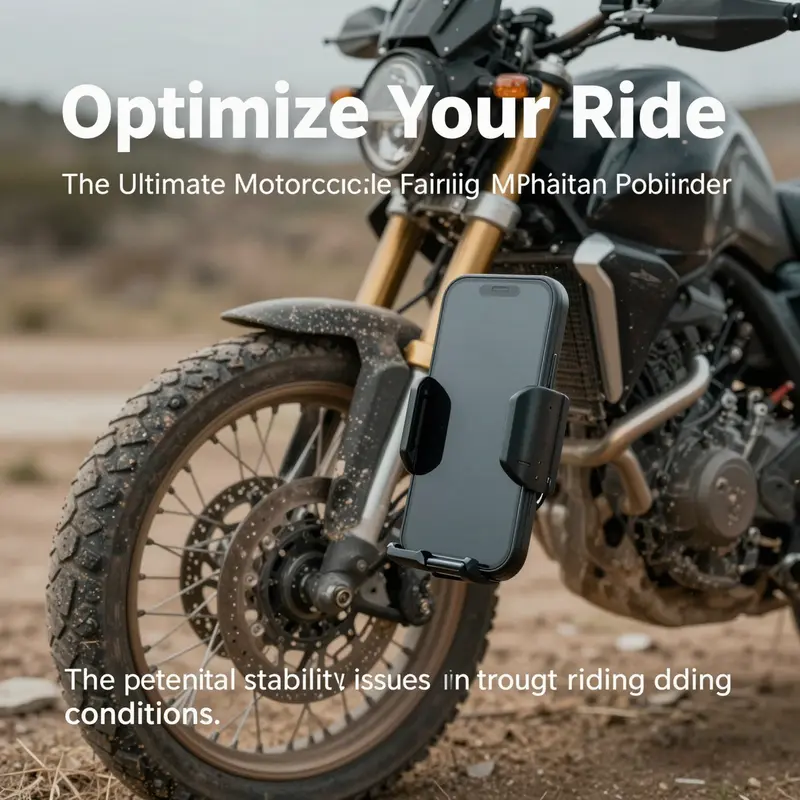
Adding a phone mount to a motorcycle’s fairing promises immediate benefits in navigation, communication, and convenience. The ideal mount should vanish into the bike’s lines while keeping the device within easy reach, readable, and secure. But beyond the glossy images of quick access lies a landscape of trade-offs that riders must understand before committing to a mounting solution. A thoughtful approach begins with acknowledging how a fairing-specific holder interacts with the bike’s geometry, riding style, and environmental exposure. The result is not simply a choice of the most feature-packed option, but a balanced decision that harmonizes accessibility, stability, and durability with the realities of real-world riding.
The first and perhaps most obvious consideration is how a mount might obstruct access to critical components. Even a seemingly compact device can interfere with the fuel cap, booted by a misjudged mounting position or an oversized cradle. On longer rides or when fuel stops are routine, the risk of fumbling with the cap or compromising the tank’s seal is not merely inconvenient but potentially unsafe. This underscores the importance of precise installation and selecting a design that prioritizes a slim footprint and clean lines. A mount that tucks neatly into available space, while still offering a clear view of the screen, reduces the chance of snagging or inadvertent contact with the bike’s controls. It is worth noting that the most attractive form factor often comes with a caveat: if the cradle is too large for the fairing’s contour, it may introduce wobble and create a point of leverage that aggravates vibration. In practice, the market rewards manufacturers who engineer mounts with a restrained silhouette that still grips securely and allows quick access to the phone without forces that threaten visibility or reliability.
Stability under harsh riding conditions represents the second major pillar of consideration. Even with advanced damping and multi-axis clamps, no mount can be utterly immune to the realities of high-speed highway gusts, potholes, or rough pavement. The degree of vibration a device endures translates directly into screen readability and potentially the life of the device’s connectors and sensors. A mount built with robust anti-vibration technology, combined with a secure grip around the phone, helps prevent wobbling that can blur navigation cues or delay notifications. Riders who chase performance or frequent riding on less-than-perfect surfaces should look for mounts that integrate shock-absorbing materials and engineers who optimize the balance between clamp rigidity and isolation. It is a nuanced trade-off: too much dampening can reduce the device’s resistance to sudden shocks, while too little invites fatigue on long rides. A well-considered design delivers enough stability to keep the phone usable in rain, on gravel, or during spirited cornering, without transmitting every jolt to the device.
Environmental durability is the third dimension that often separates a good mount from a great one. Weather, moisture, dust, and mud are not rare companions on a ride, and a mount that fails in rain or off-road conditions quickly becomes a liability. An IP-rated enclosure and dust seals offer peace of mind when confronting spray from wet roads or dirt kicked up by the front wheel. Beyond waterproofing, the device’s mounting mechanism should resist corrosion and maintain grip over time. The best options combine weather resistance with reliable accessibility, ensuring the phone remains readable and touch-responsive even when the rider’s gloves are wet or the cockpit is splashed. In practical terms, this means choosing materials that tolerate temperature swings and exposure to road grime, along with seals and gaskets that prevent moisture from migrating into the charging port or the release mechanism. The result is a system that remains functional across seasons and weather patterns, rather than a delicate accessory that begs to be removed at the first downpour.
A fourth consideration centers on compatibility with specific motorcycle models and fairing designs. Not all holders fit every bike, and some require adapters, brackets, or modifications that can complicate installation. The sculpted shapes of many fairings mean certain mounts align poorly with the curvature and available mounting points, leading to wobble, misalignment, or interference with vents and trim. For riders with particular makes and models, it becomes essential to verify whether a cradle is designed for a generic fit or if there are model-specific fittings. The compatibility issue is not merely about the bike’s make but also about the rider’s preferred mounting location. Some riders favor a higher perch for weather clearance and screen readability, while others need the cradle tucked low to avoid glare or accidental contact with the windscreen wipers or control switches. In practice, this means approaching the purchase with a clear sense of how the mount will sit in relation to the fairing’s profile, the rider’s line of sight, and the bike’s existing hardware. It may be necessary to accept a compromise: a slightly less convenient reach in exchange for a more secure fit and an unblocked fuel cap. Those who value a broader range of fit options might explore collections that cater to different fairing styles and mounting systems, with the understanding that some configurations are engineered for particular geometries. A practical path is to consult model-specific fit guides, assess the mounting points available on the fairing, and, if possible, test the grip and reach in a safe, controlled environment before committing to long rides.
The considerations discussed above are not merely theoretical. They translate directly into the rider’s daily experience and their long-term satisfaction with a fairing mount. The best choice balances several axes: it should be compact enough to minimize obstruction while remaining robust enough to resist dynamic loads; it should deliver dependable vibration management without desensitizing the rider to feedback from the road; it should endure weather and dust without degrading performance; and it should align with the bike’s design so that installation feels integrated rather than intrusive. In short, the ideal mount is one that respects the fairing’s form and the rider’s function, providing reliable access and visibility without becoming a point of compromise on the road.
For riders who want a practical reference point during decision-making, it helps to consider the breadth of fairing designs that characterize modern sport, touring, and naked bikes. While some mounts offer universal clamps, others are built around specific fairing geometries or brackets. A useful approach is to identify a few key priorities—unobtrusive profile, strong vibration isolation, weather protection, and precise model compatibility—and evaluate mounts against these benchmarks. The goal is to curate a short list of contenders that meet the rider’s needs without forcing a choice that demands changes to the bike’s trim or fuel-access procedures. When in doubt, prioritizing compactness and secure clamping tends to yield the most reliable results for a wide range of bikes and riding styles, while ensuring the device stays within easy reach during acceleration, braking, and navigation turns.
To further ground the discussion in real-world references, riders might explore collections that provide a broad spectrum of fairing accessories and mounting solutions across different bike models. For those who want a starting point that aligns with common fairing shapes and the most widely adopted fittings, the Honda fairings collection offers a representative cross-section of design philosophies and mounting approaches that can illuminate how to position and secure a device without compromising the bike’s core functions. This reference can help riders refine their expectations about fit and installation, guiding them toward a configuration that feels native to the bike rather than bolted on as an afterthought. See Honda fairings collection for a sense of how fit, finish, and compatibility converge across popular fairing geometries.
In sum, choosing the right motorcycle fairing mount phone holder means weighing obstructive potential, stability under real-world conditions, environmental resilience, and model-specific fit. A balanced solution respects the bike’s design while delivering dependable access to the device. It is not about chasing every feature in isolation, but about harmonizing form, function, and weather realities into a single, reliable riding aid. As the road throws its variations—potholes, rain, sun glare, and the inevitable quick glance at a map—the best mount remains one that disappears into the ride, offering clarity when it matters and enduring performance through every mile.
External resource: https://www.alibaba.com/product-detail/motorcycle-phone-holder
null
null
Final thoughts
In summary, a motorcycle fairing mount phone holder not only enhances the functionality and safety of riding but also integrates seamlessly with the motorcycle’s design. Understanding the aspects outlined in this article—from design compatibility to specific application across various motorcycle types—equips business owners with vital insights to cater to their customers’ needs. As technology continues to evolve alongside riding culture, offering quality accessories, such as a well-designed phone mount, will undoubtedly add value to your business and enhance the riding experiences of your customers.