
Maintaining the sleek appearance of motorcycle fairings is crucial not only for aesthetics but also for protecting essential components from degradation. As a business owner in the motorcycle industry, understanding the significance of using the right polish becomes vital in delivering top-notch services to your clientele. This article will delve into Atas Solux, the premier motorcycle fairing polish, explore effective application techniques, perform a detailed comparative analysis, highlight long-term benefits, and share user experiences. The insights gathered will guide your decision-making process to ensure your customers enjoy unparalleled shine and protection for their rides.
Gloss, Guard, and Glide: Choosing the Polymer-Powered Polish for Your Motorcycle Fairings
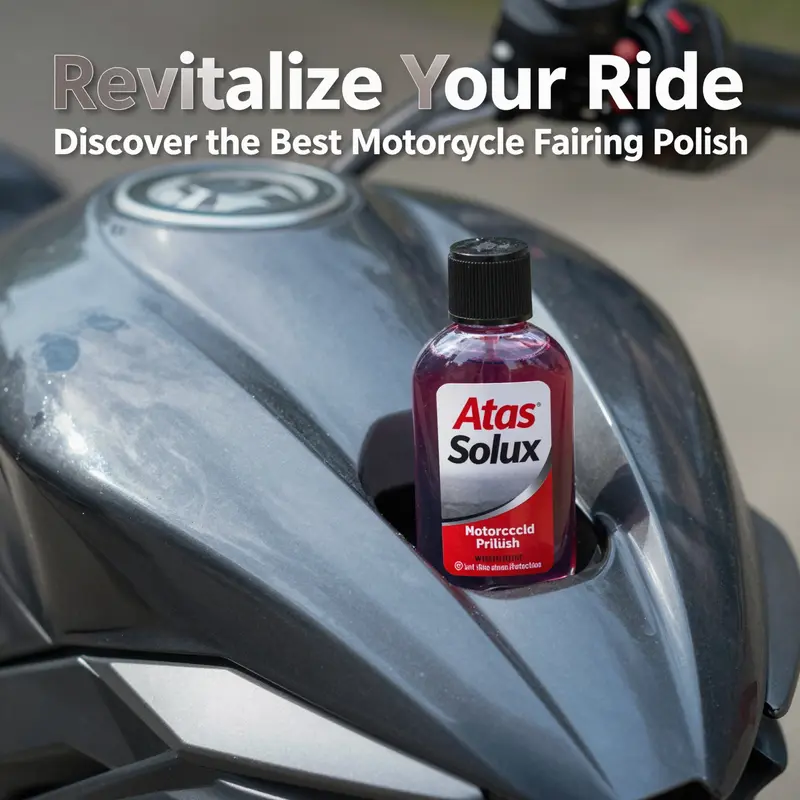
On a motorcycle, surface finish is more than cosmetic. It is the first line of defense against sun, rain, road grime, and the occasional flying stone. A polished fairing does more than catch eyes; it resists the minor assaults of daily riding. The best polish for motorcycle fairings today leans on a polymer-rich formulation. Polymers bond to plastic and painted surfaces to create a flexible, durable shield. They also fill and refine micro-scratches in a way that preserves the base color and the depth of shine rather than erasing it with a hard wax. This approach blends aesthetics with protection, giving riders a finish that looks as good after months of use as it did on day one. Choosing a polymer-driven polish means looking for several key attributes. First, the polymer blend should be formulated to work across common fairing materials, including hard plastics and painted panels. A well-balanced composition will not degrade plastics or cause yellowing with sun exposure. Second, the product should deliver a genuine gloss that remains vibrant in sunlight and under street lighting, not just a slick surface that vanishes after a light wipe. Third, and crucial for riders who wash and ride through varying weather, the polish should provide a protective layer that resists dirt adhesion and UV damage while staying relatively easy to remove and reapply. When these traits come together, the finish gains long-term resilience, and the effort of maintenance is reduced. Prep is where the value starts to stack up. Even the best polymer polish cannot compensate for a cloaked screen of contaminants. Start with a thorough wash using a gentle detergent and a soft sponge to avoid adding new micro-scratches. Rinse completely, then dry with a microfiber towel. If the fairings have built-up grime or industrial fallout, consider a light clay bar treatment to lift particles from the surface. A clean, dry canvas makes the subsequent polish work more effectively, letting the polymers bond rather than glide over impurities. This preparation matters because the polish’s real magic is in how the finish is laid down, how evenly the protective layer cures, and how long the gloss lasts under sun, rain, and road salt. Application follows a simple rhythm. Work in small sections to maintain control, and use a soft cloth or foam applicator to deposit a thin, even layer. Move in slow, overlapping circles rather than broad swipes, so the product sits in the tiny crevices and texture of the fairing instead of pooling in seams. Let the film haze or cure for a short period, then buff with a clean microfiber until the surface gleams. The goal is a smooth, glassy surface that sheds water rather than clinging to it. A good polymer-based polish will feel slightly tacky as it cures, then smooth as you buff, always returning the same high-reflection look with no dull edges along the curves of the fairing. One practical advantage of a polymer-focused polish is its balance of aesthetics and endurance. The gloss depth can be striking, turning vibrant paint tones into something richer and more sunlit. The protective layer, when properly maintained, reduces the rate at which dirt clings and makes the bike easier to clean on the next wash. Riders who park outside or ride through dusty, UV-intense environments will notice the benefit of a finish that resists the sun’s rays, helping prevent color fading and plastic degradation. Because polymers tend to form relatively flexible films, they can resist minor scrapes and abrasions better than some wax-only products, which can feel powdery or brittle when new. The question of maintenance is not purely cosmetic. It intersects with how you ride and how you store the bike. A fairing that looks fresh after a season of rain and sun speaks to a routine that treats shine and protection as ongoing care, not a one-off event. Reapplication cadence depends on climate, exposure, and washing frequency. In a hot, dusty climate with frequent sun, you may reapply every several weeks or after particularly aggressive rides. In a cooler, rainy region, an interval of a few months is common, provided you wash and inspect the surface regularly. The beauty of a polymer-based finish is that it tends to be forgiving during routine care. Minor swirl marks can be minimized by lighter rubbing and consistent buffing, preserving the integrity of the surface without requiring aggressive polishing that could thin out clear coats or soften painted edges over time. Of course the landscape of options can feel overwhelming. In practice, many riders pair their chosen polish with smart surface habits: a dedicated washing routine, a clean drying fleece, and a routine inspection for micro-scratches. They also consider the compatibility of their selected polish with the fairing’s particular materials. For example, plastic fairings are more prone to static cling and micro-abrasion, while painted sections rely on clear coat integrity. A thoughtfully chosen polymer-rich product typically respects both conditions, delivering rich depth of color and a protective shield. For riders curious about model specifics or fairing families, a quick browse of the Honda fairings collection can offer a sense of scale and styling options while not substituting for product guidance. This kind of catalog can help you imagine how a well-polished surface interacts with different shapes and lines on the bike and why consistent care matters across the entire shell of the machine. The broader message is clear. A polymer-focused polish that creates a protective glossy film offers a practical route to sustaining the visual vitality of motorcycle fairings. It enhances the surface by inviting light to reflect with clarity, while forming a barrier that limits dirt pickup, reduces micro-scratches, and helps preserve color and texture. The results feel especially satisfying after a careful cleaning and polishing ritual, when the fairing panels reveal that lush depth of shine that only a built-up, resilient film can deliver. Importantly, you do not need to trade convenience for quality. A well-chosen formulation can be simple to apply, quick to buff, and durable enough to withstand routine outdoor exposure. The best approach remains consistent care, matched to your climate and riding habits, with a finish that ages gracefully rather than fades ungracefully. Finally, the value proposition for riders is straightforward. A single layer of polymer protection coupled with a glossy finish yields an enduring impression of care and precision. It protects against sun and dirt, reduces the effort required to maintain the surface, and keeps the bike looking its best for longer. In a world where riders see their machines as not just transportation but a canvas for expression, choosing the right polish becomes part of the riding ritual. It is a small, sustainable habit that compounds over time, preserving the bike’s lines, color, and feel. The end result is not just a momentary gleam; it is a durable, ongoing defense that stands up to the demands of real riding while letting the fairing’s shape and color speak with clarity. For readers exploring specific fairings, a quick detour through the Honda fairings catalog can illuminate how finishes interact with design language and surface textures over different models. This can help align a polishing routine with the bike’s aesthetic and build expectations for longevity. External resources provide further context for the underlying formulation and application approach. External resource: https://www.resinbike.com/products/atas-solux-500-ml
Mirror Shine, Lasting Shield: Mastering Polymer-Based Fairing Polish for Peak Performance

A great motorcycle fairing polish is more than a cosmetic aid. It is a carefully engineered blend that cleans, clarifies, and defends the plastic shell riders depend on every ride. When you treat a fairing with a polymer-rich professional polish wax, you are not simply making it glisten. You are restoring depth in color, eliminating subtle micro-scratches, and laying down a protective veil that resists UV rays and environmental pollutants. The best results come from recognizing that the finish on modern fairings—whether ABS, polypropylene, or blended composites—demands both respect for the material and a disciplined technique. With the right approach, the shine you see in the shop can endure through sun, rain, and the road grit you encounter at highway speeds. The process begins with a clean slate, a fairing that is free of dirt and contaminants that could scratch during polishing. A mild soap and water wash removes surface grime, road dust, and oily residues that dull reflections. Thorough drying is essential; even a small amount of moisture can steam up or leave streaks when compounded. A clean surface invites the polish to perform its intended job rather than scrubbing away protective film or adding new micro-abrasions from embedded grit. The surface should feel smooth to the touch, and it should look evenly matte before you begin to assess imperfections. During this inspection, you learn where the fairing has the most trouble: faint scratches, oxidized patches, or clouded areas that compromise weather resistance and clarity. Small distortions in the gloss can be softened with a fine-grade compound, but the key is selecting a compound that matches the swelling and hardness of the plastic. For deeper scratches or oxidation, a more aggressive compound may be necessary, yet never before confirming that the underlying material will tolerate it. A dual-action polisher with a foam pad is the right partner here. The DA polisher minimizes heat buildup and provides a forgiving oscillation that reduces the chance of burning or melting thermoplastics. The operator should run the machine at an appropriate speed and maintain light, even pressure, working in small, overlapping sections. The goal is to level the surface without removing too much material; aerosolized heat is a rider’s enemy, and overheated plastic can deform, especially on molded fairings where vents and curves create heat pockets. The pad should be clean and kept flat against the surface. If the pad bills up with compound, or if the surface begins to feel tacky, pause to wipe the area clean and check for heat signs. The middle stage—buffing—transforms a dull, lifeless finish into a deep, glassy plane. You will notice how the light changes as you progress: when the reflection becomes crisp, that is your cue to slow down and refine the technique in nearby sections. After the compound has done its work, wipe away the residue with a microfiber cloth, and inspect in natural light. This is where you confirm the depth, the clarity, and the absence of hazing. If any patch still reads as dull or cloudy, a light pass with a high-gloss wax or sealant can seal the improvements and provide a tougher surface. The protective layer is more than cosmetic. A quality wax or sealant adds a durable shield against UV exposure and environmental contaminants that gradually dull the surface over time. It is the final touch that preserves the investment you just made in the polishing stage and gives you longer intervals between maintenance sessions. When you choose products, consider those formulated for ABS or polypropylene plastics—the two most common fairing materials. Polishes often advertise compatibility with plastics, but the best outcomes come from products that explicitly mention these polymers. The synergy between the polish and the substrate matters. The right combination helps restore depth and clarity while extending the life of the finish, so you can ride with confidence and a fairing that still looks new after many miles. Throughout this process, the discipline of technique matters as much as the product itself. Working slowly and attentively yields better results and reduces the risk of heat damage. Do not rush through a single panel; rather, plan your passes as a continuous, smooth sequence, maintaining consistent motion and pressure. If you are unsure about a tool or a method, consult the manufacturer guidelines for both the polish and the plastic type of your fairing. The objective is to avoid harsh abrasives that could mar or haze the surface while still achieving a uniform depth of gloss. Regular maintenance polishes, applied sparingly, help sustain the finish between larger detailing sessions. They can keep the gloss visually vibrant and the protective layer functioning as intended. As you work across the fairing, you may want to reference a broader catalog of parts and accessories when selecting compatible components for your bike. For example, a broader range of Honda fairings and related body panels can be explored to understand how different shapes and curves respond to polishing and finishing. You can explore the Honda fairings collection to gain insights into how contour and material thickness affect finishing outcomes and maintenance routines on similar plastics. The beauty of proper technique is that it translates across model lines and brands, allowing you to apply a robust, repeatable process to any plastic surface. When you finish the session, take a final look under natural light to confirm clarity and depth; any lingering haze or micro-scratches are cues for a light touch with a final polish stage. If a deeper,ieral gloss is desired, a quick coat of wax or sealant can provide an additional layer that enhances the color and resistance to UV rays. The result should be a fairing surface that looks almost liquid in bright sun, with reflections that mimic the smoothness of glass. The practical benefits, beyond aesthetics, include enhanced UV protection, improved resistance to contaminants, and easier cleaning in the weeks that follow. A well-polished fairing sheds dirt more readily and dries faster after a rain, reducing the need for aggressive scrubbing that can wear away the protective film over time. In the whirlwind of riding, a consistently well-maintained finish speaks to the rider’s attention to detail and the care given to the bike as a whole. The techniques described here are accessible and repeatable, enabling riders to achieve a professional-grade result without specialized equipment beyond a DA polisher, a few foam pads, and a dependable microfiber supply. They align with a broader ethos of preserving the aesthetic and structural integrity of the bike’s exterior and ensuring the fairing remains a strong, protective surface rather than a dull, weathered shell. External sources and demonstrations provide additional practical guidance for those seeking a visual walkthrough of buffing techniques. For a broader exploration of buffing dynamics, the linked external video can offer a practical demonstration of rapid, controlled movements and heat management that complement the written guidance. External resource: https://www.tiktok.com/@motorcyclefixer/video/7234567890123456789
null
null
Guardians of Gloss: How Premium Motorcycle Fairing Polish Shields Your Finish for Years

When riders invest in a motorcycle, the finish on the fairings is more than an aesthetic layer—it’s a shield against miles of sun, rain, road grit, and corrosive residues. The best motorcycle fairing polish, especially a high-quality polymer-rich formulation, works as a dedicated ally in preserving that shield. The long-term benefits unfold not just in the moment of brilliance after a quick buff, but in years of ride-ready surfaces that resist fading and maintain clarity. A properly chosen polish creates a durable, flexible film that adheres to plastic, fiberglass, or painted panels and stands up to the daily rigors of weather and highway exposure. Over time, the effect compounds: each application reinforces protection, refreshes the surface, and primes the finish for the next season of rides. This is the kind of care that makes a bike’s appearance part of its story rather than a continuous battle against dullness and micro-scratches.
The protective barrier formed by a premium polish matters most where fairings are most exposed: the upper panels that face direct sunlight, the saddle-area panels that endure heat and sweat from long days in the saddle, and the wind-torn edges that collect dust and occasional debris. UV radiation is relentless; it breaks down clear coats and plastic surfaces in tiny increments. A modern polymer-based sealant works by bonding with the surface to create a shield that reflects a portion of the ray spectrum and slows the ingress of oxygen and moisture. The visible result is a finish that resists yellowing, maintains its depth of color, and keeps the gloss level from collapsing under heavy sunlight or extended highway exposure. It’s not magic—it’s a carefully engineered layer that stands between your fairings and the elements.
Beyond the glow, there’s a practical layer of protection. A well-maintained finish is less hospitable to micro-scratches and swirl marks that accumulate when dust is wiped across a dirty surface or when rough cleaning tools are used in haste. Polishes with strong hydrophobic properties cause water to bead and roll off more readily, which means fewer water spots and less staining from mineral residues. This hydrophobic effect also aids in maintenance: when rain or road spray hits the surface, the water doesn’t cling as aggressively, so dirt is carried away more easily in a subsequent gentle wash. The ease of cleaning translates into less aggressive scrubbing and a lower risk of creating new scratches on a delicate fairing surface.
From a longevity standpoint, the benefits extend to the structural and visual lifespan of exterior components. Fairings are often composed of plastics or composite materials that respond to sun, salt, and road chemicals in different ways than metal. A polymer-rich sealant can cushion the surface against light impacts and resist micro-abrasions that would otherwise open the door to micro-fissures over time. This protective layer becomes a maintenance ally, slowing the wear you might see after many miles of exposure. It helps keep the panels tight against their fasteners, maintaining the smooth lines that are part of a bike’s aerodynamics and identity. When you consider the value of a motorcycle, the exterior is a meaningful part of that equation. A finish that stays vibrant signals a bike that has been cared for consistently, which can translate into stronger perceived value at sale or trade-in.
Consistency is the quiet driver of long-term results. It’s tempting to chase a single moment of showroom shine, but the most durable outcomes come from a steady rhythm of protection. A polymer-rich polish deserves regular reapplication—not to chase an impossible perfection but to reinforce the protective layer as the surface endures seasonal changes, washing routines, and occasional environmental attack. This doesn’t mean slapping on polish every week; it means recognizing that the surface, like the bike itself, benefits from a scheduled upkeep. Clean surfaces first, then apply a thin, even layer with a soft applicator, and finally buff to a high-gloss finish. Allow appropriate curing time per the product’s directions to build that resilient seal without leaving residue. The result is a smoother feel to the fairings, a more uniform reflection, and a finish that keeps the bike looking freshly dressed after months of exposure.
Careful application is as important as the product’s chemistry. A good polymer sealant shines best when the surface is free of contaminants. Start with a gentle wash that removes loam and grime, then perform a careful dry to avoid dragging abrasive particles across the finish. In a controlled, sectional workflow, apply in small areas to ensure an even coat and to monitor any sensitivity on textured plastics or matte panels. Wipe away any haze promptly with a clean microfiber, and buff with the same care you’d use on a precious chrome edge. If you plan to layer a subsequent sealant or topper, ensure the base layer has cured and that the combined approach won’t lead to uneven patches or buildup. The science behind long-lasting gloss is as much about technique as it is about the formula.
For anyone considering the broader landscape of exterior care, it helps to acknowledge that a good polish is part of a larger system. Washing, drying, and occasional decontamination with appropriate products work in harmony with a protective sealant to keep the fairings looking fresh in a variety of climates. Some riders may weigh options for finishes that range from high-gloss paints to plastics with textured or matte surfaces. A modern polymer-based polish is designed to be versatile, but it remains essential to verify compatibility with your specific surface. When in doubt, test on a small inconspicuous area or consult the surface manufacturer’s guidelines. The goal is to preserve the material’s integrity while achieving that clean, glassy look that makes every ride feel like a special occasion.
For readers who want to visualize choices in real-world terms, consider how care products align with different fairing styles. If you’re exploring options or replacements within a particular brand ecosystem, you can explore the Honda fairings collection, which consolidates a range of fairing styles and finishes that benefit from a disciplined care routine. This collection can serve as a practical reference point for understanding how finishes respond to polish and sealant efforts over time. See the collection here: Honda fairings collection.
As you look beyond the surface sheen, keep in mind that external knowledge can complement your routine. A trusted care guide offers techniques and product-selection criteria that reflect how modern finishes behave and how older coatings respond to renewed attention. Gloss is appealing, but the best long-term outcome comes from a balanced approach that blends proper washing, careful drying, and a durable sealant capable of withstanding time and weather. A regular care cadence reduces the need for heavy remediation and helps maintain a finish that looks nearly new through years of use.
Ultimately, the journey to lasting gloss is a story of patience and consistency as much as it is about the product you choose. When you commit to a holistic care plan—cleaning, protection, and preservation—the fairing finish becomes a durable, admired element of the machine’s overall appeal. The polymer sealant’s job is to be the quiet guardian of that appeal, resisting the harms of sun, salt, and spray while allowing the color and contour of the fairings to be appreciated ride after ride. It’s a practical luxury—a way to extend the visual life of your bike without sacrificing performance or your schedule. For a broader framework on proper care techniques and product recommendations, you can consult Motorcycle.com’s comprehensive guide on protecting motorcycle fairings: https://www.motorcycle.com/motorcycle-care/protecting-your-motorcycle-fairings/.
From Rider Voices to Shine: Real-World Experiences with Motorcycle Fairing Polishing

Surface care for motorcycle fairings is, at its core, a story of maintaining clarity under pressure. The plastic and composite skins that protect the bike’s frame also face relentless exposure: sun, rain, road grime, insect residues, and the occasional touch of abrasive debris. A glossy, protected finish isn’t just about aesthetics; it stands as a barrier against fading, micro-scratches, and the gradual dulling that comes with time. When riders look for a best-in-class polishing approach, they seek something that can restore depth to color, soften minor imperfections, and leave a durable film that shrugs off the next layer of abuse. In practice, the most effective solutions lean on polymer-rich formulations that create a light, resilient shield on the surface. These products are designed with plastics in mind, not simply as a quick burnish, and they tend to perform best when applied as part of a deliberate care routine rather than as a one-off fix before a show or a ride out to the track. The goal is to coax the fairing back to its original luster while introducing a layer that resists water spotting, chalking, and UV-induced degradation for weeks or months at a time, depending on riding conditions and maintenance habits.
What the public record offers, in truth, is a mosaic rather than a single, definitive verdict. There is a surprising scarcity of publicly available, English-language testimonials that compare polishing products head-to-head for motorcycle fairings in a rigorous way. Enthusiasts tend to share broad guidance rather than structured, product-by-product assessments. They describe how a polish feels on the skin of the plastic, how easily it buffs off, how the gloss returns under bright daylight, and how long that gloss endures through washes and light rain after a session in the sun. That mosaic, while less formal, is valuable because it reflects real-world variables: the color and condition of the fairing, the exact type of plastic or composite, the presence of decals or vinyl wraps, and the rider’s own technique. What emerges from forums and review threads is a shared sense that a well-chosen, polymer-rich polish can transform a weathered surface into something striking again, with a protective layer that helps postpone the next round of polishing.
From the perspective of surface science, this approach makes sense. A polymer-rich polish isn’t merely a coating that sits on the skin; it forms a thin, film-like layer that can fill micro-scratches and pores, reduce surface tension, and promote water beading. The result is a surface that dries more cleanly, resists water streaks, and reflects light more evenly. UV stabilizers embedded in these formulas help slow color fading and gloss reduction, which means the fairing looks sharper for longer between maintenance sessions. The practical outcome for riders is a simpler wash routine, since the protective film can shed dirt more readily and minimize the likelihood of microscopic abrasions during contact with towels or brushes. In other words, the right polymer-rich polish can make the cleaning process faster and more forgiving, while preserving the integrity of the paint and decals beneath.
For anyone who has chosen a polishing method, the prerequisites are familiar: start with a clean, dry surface; ensure you’re not masking contaminants with a dirty cloth; and apply in a controlled manner, using thin coats rather than heavy layers. The prep step matters almost as much as the polish itself. A fairing that has been cleaned with a mild soap and water solution, followed by a quick adhesive remover to wipe away any oily residues from wax-based cleaners, tends to respond more predictably. A dedicated polish designed for plastic surfaces will glide on with minimal effort, and the subsequent buffing should reveal a brighter, more even reflection. The rider who adopts such a method typically notes that the appearance remains stable after successive washes and that the surface continues to shed water in a clean, bead-like fashion. Over time, the enhanced clarity can make small scratches less conspicuous and restore a sense of depth to the original hue.
The conversation around technique also brings practical cautions. Some riders find that polishes with silicone-heavy formulations can leave a slippery feel on the surface and may complicate later paintwork or decal removal. Others observe that overly aggressive polishing compounds can, over repeated use, thin the clear coat or compromise edge areas around fasteners and trim. The prudent approach is to choose a product intended for plastic fairings, apply a light film, and buff to a bright, even finish. Testing on a hidden area first is always wise, particularly if decals or wraps are present, since some finishes can lift or alter the color of vinyl graphics when solvents interact with the adhesives beneath.
In practice, many riders build a simple cadence around their fairings. A moderate wash removes surface contaminants, a light clay bar treatment addresses stubborn bonded debris, and a carefully chosen polymer-rich polish is applied in a single, even pass using a microfiber applicator. After a brief set time, the surface is buffed with a clean microfiber cloth until it shines with a natural, glassy luster. The sequence is short, but the payoff is meaningful: a fairing that looks as if it has just been painted, with a finish that appears more uniform and alive under sunlight. This approach also reduces the risk of swirling and micro-scratches that can occur when more aggressive products are used indiscriminately. Riders who follow such a routine often report that the surface remains forgiving enough for routine care yet robust enough to resist the dulling effects of sun and rain.
Material compatibility remains a recurring theme in these discussions. ABS plastics, commonly used in modern fairings, react differently from fiberglass and composite panels. A polish that adheres well to ABS without becoming gritty or hazy tends to deliver more predictable results across a variety of bike models. When decals or painted graphics are involved, the rider must consider whether the product might affect the adhesion or color of those graphics over time. In many cases, enthusiasts find that a cautious, conservative application is the best path: thin coats, minimal solvent exposure, and longer curing times to reduce the chance of streaks or residue around edges. The payoff is a finish that looks even and pristine across the entire surface, including corners, scoops, and the headlight bezels, which often benefit from the same careful attention as the rest of the fairing.
For those who want to explore options that align with common fairing shapes and materials, there is value in seeing how different models respond to care. The Honda fairings lineup, for example, represents a broad spectrum of ABS and composite contours that are familiar to many riders. Tapping into a resource like a dedicated catalog can give you a sense of the common geometries you’ll encounter and how a protective polish might interact with those shapes. See the Honda fairings collection for reference and inspiration as you plan your approach to upkeep. Honda fairings collection
The ultimate takeaway is that the best polish for motorcycle fairings isn’t a magical one-size-fits-all product. It’s a careful choice that matches the surface material, the level of exposure, and the rider’s maintenance rhythm. A polymer-rich polish designed for plastic surfaces, used judiciously and consistently, can deliver faster restoration of gloss, deeper color, and a protective barrier that helps delay the next round of heavy polishing. It is less about chasing a flawless mirror in isolation and more about sustaining a durable, healthy finish through seasons of sun, rain, and wash cycles. That perspective aligns with the experiences shared by riders who emphasize technique, compatibility, and routine as the real drivers of long-term shine.
For readers seeking broader context on maintenance products and approaches, external guidance can complement hands-on practice. A comprehensive overview of modern motorcycle cleaning products highlights how different formulations interact with fairing surfaces and how riders can balance judging gloss with practical protection across the riding calendar. This broader resource offers additional insight into the ways a polymer-rich approach fits within a broader care strategy and why it often resonates with enthusiasts who want real, lasting results. https://www.bikeradar.com/uk/advice/gear-and-accessories/best-motorcycle-cleaning-products-for-2026/
Final thoughts
In the competitive landscape of motorcycle care, the choice of fairing polish can significantly impact the aesthetics and longevity of your clients’ motorcycles. Atas Solux emerges as the industry leader, offering unparalleled shine and protection. Through proper application techniques, a thorough understanding of the advantages of high-quality polish, and insights from user testimonials, you can maximize customer satisfaction and loyalty. Investing in superior polishing products leads not only to immediate visual enhancements but also to long-term benefits that can set your business apart in the marketplace.