
The world of motorcycle racing is characterized by a relentless pursuit of speed, agility, and precision. One critical component in enhancing motorcycle performance on the track is the race fairing. This article delves into the best motorcycle race fairings, spotlighting BIKESPLAST, a leading manufacturer renowned for its exceptional quality and performance-oriented designs. We will explore the distinct features that make race fairings essential in competitive environments, and consider the economic aspects of selecting the best solutions for your business. Together, let’s navigate through these pivotal factors that contribute to an enhanced racing experience.
Engineering the Edge: How BIKESPLAST Redefines the Benchmark for Motorcycle Race Fairings
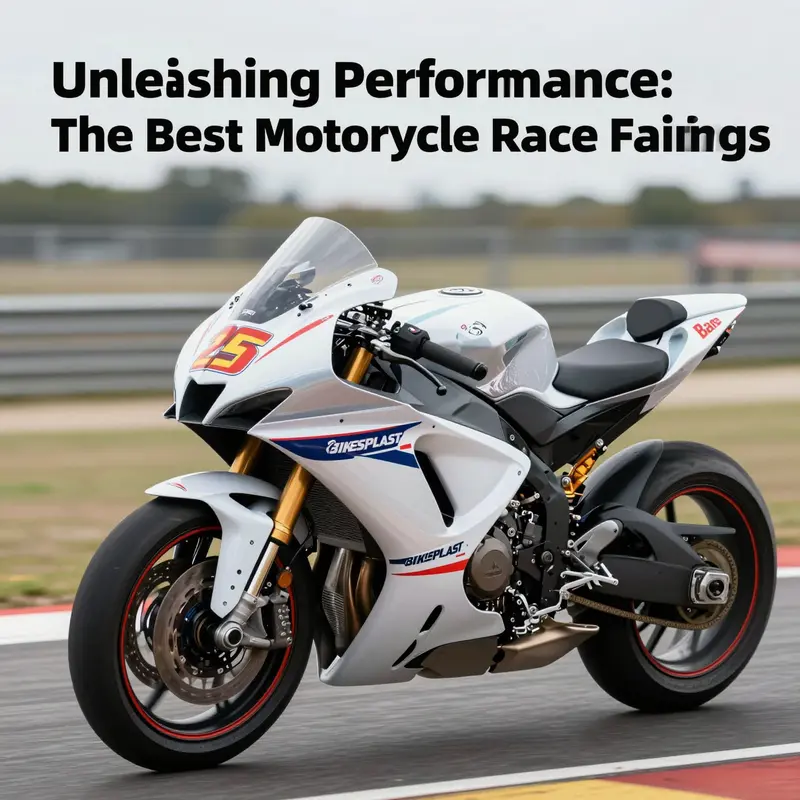
Every great race is won not only by rider skill or engine grunt, but by the invisible, carefully engineered skin that shields and guides the bike through air at extraordinary speeds. In the realm of track-day discipline and professional competition, fairings are not mere cosmetics; they are aerodynamic instruments and structural envelopes that dictate speed, handling, cooling, and rider safety. When we zoom in on the leading forces shaping this essential bodywork, one name stands out for its laser focus on performance-oriented race components and its proudly factory-based roots—BIKESPLAST. Based in the Czech Republic, a country with a storied tradition of engineering precision, BIKESPLAST has built a reputation by concentrating its efforts on race fairings, lightweight subframes, and carbon-kevlar accessories. That concentrated focus translates into products that are not only lighter and stiffer but also designed to withstand the harsh realities of track riding, where every gram and every microsecond of air pressure counts. The approach behind BIKESPLAST—one that blends material science with manufacturing discipline—offers a compelling blueprint for riders who want to push their machines toward the front of the pack while maintaining a high standard of safety and consistency on race weekends.
At the heart of BIKESPLAST’s value proposition is material science treated as a core performance differentiator. Carbon-kevlar composites, the backbone of their high-performance skins, provide a unique blend of stiffness and resilience. The carbon fibers bring exceptional strength-to-weight characteristics, helping to reduce the overall mass of the bike’s upper body without sacrificing rigidity where it matters most—around the mounting points and the critical load-bearing sections of the fairing. Kevlar, with its renowned impact resistance and toughness, adds a buffer against debris and mid-race encounters with the odd kerb or unintended contact. The result is a surface that can hold its shape under high-speed loads, maintain stable airflow over a wide envelope of yaw angles, and resist the micro-cracks that can compromise performance and safety over a race weekend. This combination is not just about shedding weight; it is about preserving the structural integrity of the shell when the bike faces the intense gusts, the heat soak from radiators and brakes, and the occasional sprint-to-the-limit sprint needed in a qualifying lap.
The Czech-based operation signals more than geographic footprint; it signals a manufacturing philosophy. Factory-based production implies tighter process control, closer QA, and a culture where performance is not sacrificed to speed. For race fairings, the difference between a fairing that simply fits and one that performs under pressure is usually found in the attention paid to tolerances, attachment interfaces, and the predictability of the assembly across a fleet of bikes. Racers know that a perfectly shaped fairing that misfits a mounting point or warps under a heat cycle can negate all the aerodynamic gains it promises. BIKESPLAST’s emphasis on precision and compatibility mirrors the realities of modern racing, where teams must consistently reproduce a racing skin across different chassis within a single weekend or season. That is why riders—whether stepping onto a track for the first time at a club-level event or entering a world-series race—gravitate toward providers who insist on stringent quality control and a design language tuned to the requirements of racing rather than just the look of speed.
The race track is a harsh testing ground for any bodywork. It is where the abstract optimizations of CFD and wind tunnel studies meet real-world constraints—turbulent wake from a rival rider, side winds that shift the effective angle of attack, and the heat of prolonged high-speed exposure that can soften plastics and alter fit. The best race fairings respond to these conditions not only with lower drag coefficients but with a geometry that stabilizes the bike’s behavior when the rider is pushing to extract every possible tenth of a second. In this light, carbon-kevlar’s advantage is not merely low weight; it is its combination of resilience and rigidity that helps preserve the fairing’s intended aerodynamic profile when it matters most. This means fewer nagging changes during a race window—less flex, less panel gap, and fewer vibrations that might otherwise unsettled the rider’s confidence. For riders who chase the smallest margins, those are the kinds of improvements that translate into clean exits from corners, steadier lines on the straight, and more consistent lap times throughout a session.
BIKESPLAST’s product line, centered on race fairings and lightweight subframes, addresses the full spectrum of a racebike’s aero and chassis needs. The subframes are not just minimalist additions for saving weight; they are engineered as compatible platforms that preserve the structural integrity of the bike’s rear end, where weight distribution and mass centralization can influence suspension behavior and steering feedback. A lighter subframe, when properly integrated with a well-designed fairing, reduces gyroscopic inertia and allows the chassis to respond more crisply to rider input. It also contributes to a lower center of gravity, which can enhance the bike’s balance through the mid-ccorner arc and improve the rider’s ability to carry speed through transitions. In this sense, the philosophy behind BIKESPLAST’s offers a holistic view of the bike’s aero-dynamics and mechanical balance rather than a one-dimensional weight cut.
The conversation about aftermarket race fairings often touches the trade-off between OEM parts and aftermarket solutions. OEM fairings, typically crafted from ABS plastics or similar materials, emphasize compatibility, ease of replacement, and factory fitment. They are built with broad market safety and durability in mind, but their weight and the complexity of their internal reinforcement can limit performance gains for track use. Aftermarket manufacturers like BIKESPLAST challenge this paradigm by focusing on performance-forged materials and rigorous geometry that contribute to aerodynamic efficiency while preserving or enhancing crashworthiness. The value proposition here is not simply about cutting costs but about delivering a performance envelope that can be tuned for a specific rider’s demands. Carbon-kevlar, in particular, offers the potential to realize gains that are often unreachable with standard ABS counterparts. The lighter skin that still retains rigidity reduces drag in real-world conditions, which is the currency of fast lap times. More importantly, the improved strength-to-weight ratio helps absorb and distribute impact loads without adding unnecessary massa to the bike, an equilibrium that every racer seeks as part of a broader performance strategy.
With performance on track as the ultimate test, the choice of materials and the corresponding engineering approach become a rider’s strategic decision. It is not just about the surface that meets the wind but about the depth of engineering that underpins every curve the rider negotiates. This depth includes how the fairing interfaces with the rest of the bodywork—the radiator intakes, the brake ducts, the ram-air inlets, and the cockpit’s line of sight. The fairing’s aerodynamics are most effective when they work in harmony with cooling, stability, and rider ergonomics. Carbon-kevlar panels can be shaped into artful contours that channel air efficiently while maintaining the stiffness necessary to resist flutter at high speeds. The integration with the subframe becomes an essential part of this synergy, as even slight misalignment between components can disturb the airflow, increasing drag or shifting the balance of the chassis. A well-executed fairing system thus becomes a system of systems, where each element complements the others while staying focused on the common objective: winning, or at least finishing within reach of the podium.
In assessing the practical realities of choosing race fairings, riders must consider the lifecycle of the shell under competition conditions. The track environment subjects panels to heat loading from radiators and engine compartments, with repeated rapid temperature fluctuations as the sun moves across the paddock and as the bike experiences the hot-cold cycles of a multi-session day. Carbon-kevlar’s thermal stability helps avert degradation of the resin system and maintains the surface’s stiffness. Yet no material is invincible. The best providers, including BIKESPLAST, emphasize a commitment to safety and compatibility: the fairing must not only deliver performance but must also fit securely on the bike’s geometry, align with mounting points precisely, and provide predictable crash behavior. This is why riders are urged to verify compatibility with their specific make and model before purchasing aftermarket fairings. The advice is not a constraint but a reminder of the precision engineering that underpins a robust, track-ready skin. A reliable fit reduces differential movement that can create resonance under load, lowers the risk of panel separation during a race, and minimizes heat transfer to areas near electronic components and riders’ legs.
The broader story here is not simply one of a single company or a single material. It is the narrative of how a focused manufacturing discipline from a region with deep engineering roots can influence the performance trajectory of a sport that prizes edge and endurance. When a manufacturer situates itself around racing-grade components—where fairings, subframes, and carbon-kevlar accessories are crafted to be part of a coherent performance package—the riders who adopt those solutions gain more than just a weight reduction. They gain a predictable, repeatable, and tunable aerodynamic silhouette that can be refined lap after lap. It is this combination of material science, manufacturing discipline, and performance-first thinking that enables a product line to move beyond mere aesthetics and into the realm of performance engineering. To those who race with a long-term view, the fairing is a strategic investment—a piece of the bike that, when designed with serious track use in mind, can contribute to a consistent, repeatable advantage over the course of a season.
In practice, credible aftermarket offerings that aim to push the envelope in track performance also challenge riders to consider how the fairing interacts with other performance modifications. A well-chosen skin does not exist in isolation; it complements an optimized aero package that includes careful management of airflow to radiators, engine intakes, and even rider position through the cockpit. The more the rider understands the relationship between the fairing’s profile and the bike’s overall aerodynamic architecture, the more effectively they can tune handling characteristics and stability across a variety of track layouts. That is the subtle promise of a race-focused provider: a packaging of components that, when used together, yields a coherent and predictable performance envelope rather than a collection of disparate upgrades that may not synergize on the same bike. This is the essence of choosing the best race fairings—selecting a skin that does more than look fast and instead contributes to the machine’s ability to exploit a track’s aerodynamics and a rider’s skill.
For readers who want to explore a snapshot of how aftermarket platforms categorize and present fairings in a platform-agnostic way, a practical reference can be found in the Honda fairings collection. This example showcases how a range of fairing components is organized, cataloged, and made available for different chassis configurations. It illustrates how manufacturers and retailers think about fitment and compatibility across the market, even as the underlying materials and performance goals differ. See the Honda fairings collection for a concrete sense of how a market segment organizes its offerings and communicates interoperability with a variety of motorcycle frames. (Internal link to: Honda fairings collection)
The narrative surrounding the best motorcycle race fairings, then, is not about a single product or a single material. It is about an approach—a balance of carbon-kevlar strength, weight discipline, precise fit, and a philosophy that race-ready components should work as a system. A leading manufacturer like BIKESPLAST embodies that approach through a concentrated focus on race-oriented bodywork, the use of advanced composites, and a willingness to design for the needs of track-specific scenarios. The result is not just a set of panels but a coherent aero platform that can be tuned by riders and teams to a particular bike, a particular class, and a particular race weekend’s demands. In a discipline where the margin between victory and compromise can be measured in fractions of a second and the reliability of the skin under high-speed load can determine whether a rider makes a podium push, the emphasis on specialized manufacturing, material science, and compatibility becomes not a luxury but a prerequisite. That is the essence of what makes BIKESPLAST a leading name in the world of best motorcycle race fairings: an insistence that performance and safety be built into the skin from the ground up, not retrofitted as an afterthought.
External resource reference:
For direct details on BIKESPLAST’s approach and offerings, see their official site: https://www.bikesplast.com
Tailwinds in Turn: Aerodynamics, Materials, and the Quiet Craft of Ultimate Race Fairings
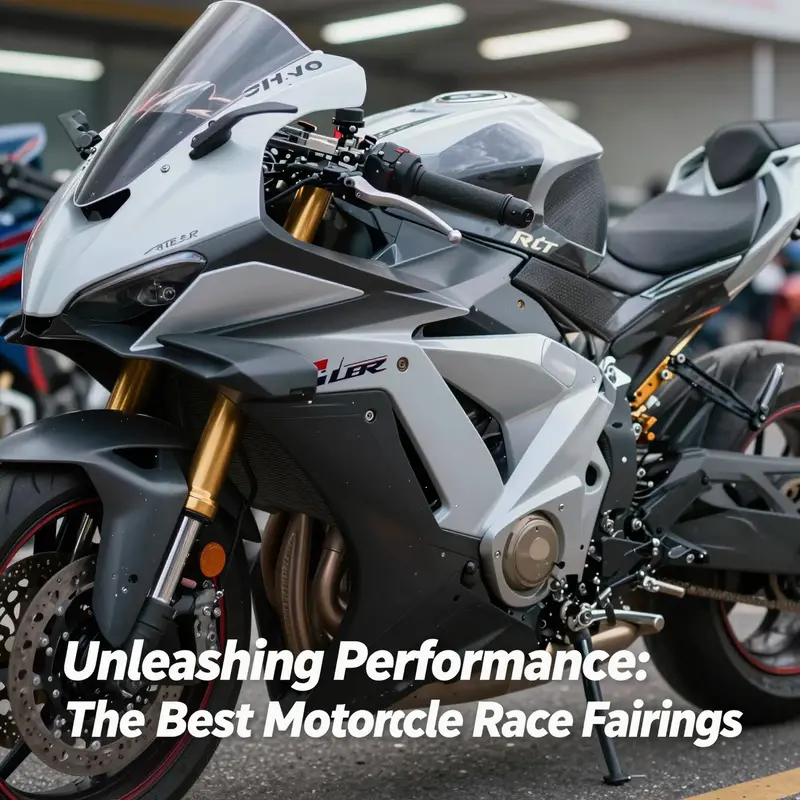
Air moves around a motorcycle the way water carves a stone. It finds the smallest seams, fills the gaps, slips past the rider’s forearms, and reflows over the tail where turbulence gathers like mist. For a racing machine, that idea is not a metaphor but a mandate. The best motorcycle race fairings are not decorative shells; they are precision instruments, engineered to coax air into a favorable pattern, to shield the engine and rider from heat and debris, and to do it all without adding useless weight. In this long arc from form to function, the design brief remains consistent: maximize aerodynamic efficiency, guarantee structural integrity under the harsh duress of track days and race heat, and protect the rider without compromising a single aerodynamic edge. A Czech-based factory that builds track-focused bodywork demonstrates the core philosophy well: performance-driven fairings must perform over the long haul, with a fit that breathes with the bike rather than fighting it. The emphasis is not on flash but on the air’s behavior around the machine and the rider, minute by minute, lap after lap, at speeds where every gram and every tenth of a second matters.
The aerodynamic backbone of any race fairing begins with shaping that actively manages the high-energy wake produced by the motorcycle as it slices through air. In race conditions, the tail portion becomes a crucial battleground: the rear wheel, the swingarm, and the tail section are all in the crossfire of turbulent eddies that, if left unmanaged, can sap speed and stability. The most effective full fairings take their design cues from wind tunnel data and race-track experience, translating data into curves and contours that sculpt the flow into a smoother path. When air flows cleanly along the bike’s surfaces, pressure gradients stay favorable, the tail vortex is controlled, and the bike can sustain higher speeds with less drag and less tail-wind interaction that can destabilize line and trim. The essence of this work is not in a single genius stroke but in the disciplined orchestration of lines, edges, and angles that minimize leakage of air around joints, and, just as important, guide the air deliberately to where it can contribute to overall stability rather than undermine it.
Materials then carry the aerodynamic intent from concept to track-ready reality. The most common choices are light, stiff, and impact-resistant—materials that can withstand the occasional scrape against a barrier or a track barrier, while keeping weight to a minimum. Traditional high-performance fairings have often used impact-resistant ABS plastic or lightweight fiberglass. These materials offer a practical blend of rigidity and resilience that makes them well-suited for the realities of racing. The modern approach often sees composites such as carbon-kevlar integrated into the fairing system. These composites provide the stiffness needed to retain precise fit and aerodynamic geometry at speed while offering excellent impact resistance and the possibility of further weight savings. The emphasis here is not only on the raw materials but on the way they are manufactured and joined. Vacuum-forming, precision layups, and carefully controlled resin systems enable tight tolerances and a smooth, continuous surface free from waviness that could disturb the airflow. A fairing that looks flawless under the shop lights but warps on the track is a failure of engineering; conversely, a slightly heavier, more robust design that maintains a perfect seam across dynamic loads can yield real, measurable gains on the stopwatch.
Fitment plays a quieter but equally important role in performance. The most capable race fairings do not simply mount onto a bike; they interface with it. Gaps and seams are not mere cosmetic concerns but aerodynamic liabilities. A well-engineered fairing aligns with the bodywork to minimize air leakage, which in turn reduces parasitic drag and helps preserve the integrity of the engine’s cooling path and the rider’s wind exposure profile. The rider’s silhouette under the fairing matters, too. A snug, contoured fit that wraps the rider’s torso without producing a breeze tunnel across the helmet is part of comfort, part of control, and part of fatigue management across long stints on a track. The rider’s protection is also a critical consideration. A properly designed fairing shields the engine and electronics from road debris and weather exposure, while designed heat-management channels keep the bike’s core components within their optimal temperature envelope, especially during sprint laps when heat soak becomes a real performance factor.
There is also a practical, almost tactile, dimension to a race fairing’s performance: its finish and edge tolerances. Thin radii, sharp but controlled edges, and a satin-smooth surface translate into less air separation and lower skin friction. These features matter because even small increases in skin friction translate into more energy the engine must produce to maintain the same speed. The most successful designs balance a crisp profile with enough curvature to create a natural, predictable flow that follows the bike’s geometry, allowing the rider to push into corners with confidence rather than chasing the air behind them. In that sense, the best fairings are living aspects of the bike’s geometry, not static shells slapped on for show. They must cooperate with the chassis geometry, the rider’s posture, and the bike’s suspension behavior, all of which change across a corner’s radius, speed, and load.
Rider comfort and maintenance, far from being afterthoughts, can be a meaningful component of performance. To the uninitiated, aesthetics may seem primary, but the anecdotal and measured benefits of well-engineered fairings extend beyond the purely aerodynamic. A good fit reduces vibration and noise at speed, helping a rider stay focused, preserve concentration, and reduce fatigue across a long race day. Equally important, the right fairing reduces the frequency and severity of maintenance tasks by providing durable shielding for the engine and electrical harnesses from debris and heat. A track rider’s experience often includes a quiet, steady confidence that comes from a bodywork system that behaves as a single, integrated unit rather than a loose collection of panels. As one Motorcycle Customization Specialist has observed, riders who upgrade to well-engineered fairings often report improved comfort and fewer maintenance issues over time. That sentiment echoes across the paddock: performance is not a single moment of speed but a sustained condition of reliability and control.
The enduring question for designers, engineers, and riders alike is how to translate wind-tunnel wisdom into pieces that fit a wide range of bikes while preserving or enhancing performance in real-world racing conditions. This is where the notion of data-driven design becomes essential. The most effective race fairings are developed with a constant feedback loop that pairs empirical data with the practical realities of a track bike. Wind tunnel trials, computational simulations, and field-testing under varied track conditions create a portfolio of insights that enable designers to tune the fairing’s geometry, mass distribution, and mounting strategy. The result is a system that holds its aero characteristics across the bike’s RPM envelope and during the dynamic load shifts that occur as a rider enters a braking zone, apex, or exit. In practice, that means shaping the nose to minimize upfront drag while sculpting the midsection to guide air down the internals, while a carefully shaped tail helps dissipate any remaining wake in a controlled fashion. It is this careful orchestration that yields higher top speeds, improved stability, and reduced rider fatigue—benefits that compound lap after lap and day after day.
For riders seeking the type of performance supported by these design principles, full fairings have long been the go-to solution on sport bikes. They offer comprehensive coverage of the engine and frame, delivering superior wind shielding and a more controlled riding environment. Yet even within the realm of full fairings, there is room for variation. Some teams opt for highly integrated, aerodynamically optimized modules that are treated as single performance systems, while others prefer modular approaches that allow quick changes between sessions or races. The choice often comes down to the track, the rider, and the specific demands of the series. What binds these approaches is an overarching objective: to reduce drag and turbulence without compromising the bike’s ability to breathe, to glide through air smoothly rather than fight it. This philosophy aligns with the broader industry trend toward designs that are not only lighter and stiffer but also more adaptable to different bikes and rider physiques.
When readers consider the practical implications for their own projects or race programs, it helps to look at real-world exemplars that connect design intent with track outcomes. For instance, riders and teams have found value in designs that marry precise fitment with aggressive shaping, producing a package that feels cohesive from the first corner to the final lap. Such systems require careful attention to the mounting interface with the frame and subframe, the seals that prevent air leakage, and the heat shielding that protects critical components. The end result is a fairing system that feels like an extension of the bike rather than a separate add-on. This is not a luxury but a performance trait with measurable impact on stability and control under pressure.
Within this framework, the best race fairings emerge as the fruit of disciplined collaboration among designers, manufacturers, and riders. They are the product of careful material selection, meticulous manufacturing processes, and a relentless focus on fitment and durability. They embody the understanding that performance is a composite discipline: air, structure, and rider are part of a single system whose success depends on every link in the chain. The most compelling examples are those that stand up under track conditions for entire race weekends, maintaining their aerostructural integrity from the first loading to the final deceleration after the checkered flag. In essence, great fairings let the rider focus on riding rather than fighting the bike, and they do so by turning the air’s chaos into a trained ally.
For readers who want a tangible, explore-it-yourself touchstone of the modern fairing scene, consider a well-known, race-oriented collection that is relevant to this topic. Suzuki GSXR 1000 fairings (2009-2012) offers a clear example of how a complete fairing package can be designed to integrate smoothly with aggressive chassis geometry and a rider’s race posture. The emphasis on precise fitment, smooth surface finish, and compatible mounting hardware illustrates how these elements come together to produce real-world performance gains. While the specifics of any given bike will differ, the underlying principles—clean aerodynamics, robust materials, and high-precision fit—translate across platforms. For those who want to widen their understanding beyond the case study, an external resource that details the general principles behind racing fairings provides a useful, deeper dive into the science that informs the practice: A Technical Overview of Motorcycle Racing Fairings: Specifications and Performance. https://www.motorcycleperformance.com/technical-overview-racing-fairings. This resource situates the field within a broader technical framework, connecting the design choices in race fairings to measurable outcomes on the track.
In closing, the best race fairings are the result of an ongoing conversation between air and machine, a dialogue that begins with a reckless idea—the air is your friend if you learn to read it—and ends with a tool that makes a rider faster, more comfortable, and more in control. The Czech-based factory that emphasizes track-oriented bodywork illustrates a broader truth: performance comes from a holistic view that respects materials, manufacturing, fit, and rider interaction in equal measure. Aerodynamics is not a single trick but a continuous refinement of shape, weight, and interface. Materials are not merely chosen for strength or lightness but for their behavior under fatigue, heat, and impact. Fitment is not a matter of aesthetics; it is where the air meets the bike in a controlled, reliable way, ensuring that the rider remains perfectly buffered from the environment while the machine remains in its sweet spot of efficiency and stability. And rider comfort, often seen as a personal benefit, becomes a performance multiplier when fatigue is kept at bay and focus remains unbroken across long sessions. It is this synthesis of science, craftsmanship, and rider experience that elevates a race fairing from a functional shell to a trusted partner on the road to speed.
Racing on the Edge: Balancing Cost, Craft, and Considerations for the Best Motorcycle Race Fairings
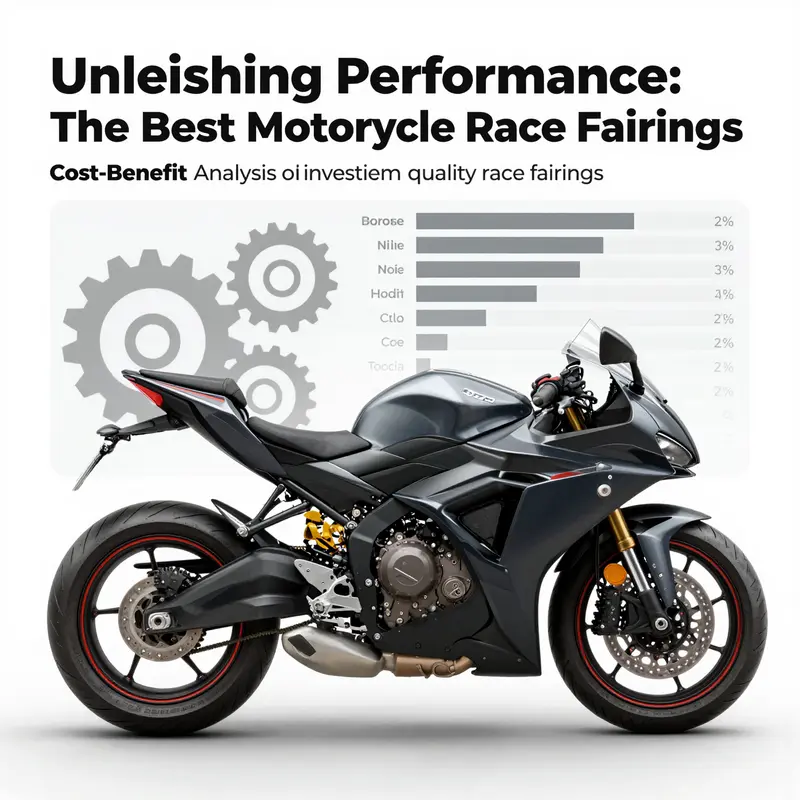
The fairing is more than a sheet of plastic or carbon dressed to cover a motorcycle. In the world of racing, it is an instrument of performance, a carefully engineered interface between rider, machine, and the air that carries them. When the aim is to shave milliseconds from lap times, every gram of weight saved, every marginal gain in rigidity, and every fraction of an angle shaved off the drag coefficient can decide a race. Yet the same object that promises speed also holds the potential for failure. A fairing that flexes under load can distort the aerodynamics, misalign mounting points, or interfere with cooling and fuel delivery. The decision about which fairing to mount, or how to upgrade it, therefore sits at a nuanced intersection of performance science and practical budgeting. It is not just about choosing the lightest or the strongest option; it is about balancing the track’s demands with the realities of maintenance, repair, and the costs of replacement after the inevitable contact with walls, curbs, or fellow competitors.
Behind any choice lies a catalog of material science. Carbon fiber remains the gold standard in weight savings and stiffness. Its strength-to-weight ratio is formidable, and its rigidity helps preserve the exact geometry of the bike under high load, when a slight delamination or a micromisalignment can translate into steering reactiveness that is at once subtle and consequential. The downside is not merely price. Carbon fiber parts can be expensive to purchase, and they can be costly to repair if the weave is damaged or if a repair job compromises original geometry. In track environments, where a layup can be pushed to the limit by high-speed gusts, crosswinds, and the repetitive stresses of aggressive cornering, the hewing need is for consistent performance over time. This is not a one-off purchase; it is a long-term commitment to a set of components that must survive the abuse of a season and still deliver predictable handling and protection for the bike’s vital systems.
Another pathway in the high-performance realm is the integration of carbon-kevlar blends, a composition that seeks to combine stiffness with impact resistance. The appeal is clear: the carbon weaves provide the stiffness that keeps the geometry stable at racing speeds, while the kevlar elements help absorb energy and resist fracture during a heavy hit. It is a design philosophy that aligns with the realities of track life, where the risk of a tumble or a contact-induced failure is not merely theoretical. A Czech-based producer of track-oriented bodywork has leveraged this approach, offering race fairings, lightweight subframes, and carbon-kevlar accessories tailored to track bikes. The emphasis is on performance-oriented bodywork that can endure the specific stresses of competition: clean mounting, precise fitment, and predictable behavior at theuri of aero loads. While the exact product names are not our focus here, the engineering mindset is clear—the fairing system is a critical subsystem that must harmonize with the chassis, the aerodynamics package, and the rider’s needs for control, cooling, and visibility.
Optimal performance also has to contend with the practicalities of cost and durability. On the lower end of the spectrum, budget ABS fairings provide a doorway into track-ready bodywork for teams and riders operating tight budgets. These are typically mass-produced using older molds or simplified tooling, a strategy that lowers the initial price but introduces trade-offs. Walls become thinner, and mounting holes can be inconsistent. The geometry that should align perfectly with the bike’s existing mounting points may drift slightly over time or after a few sessions—the kind of misalignment that can complicate quick pit-side changes or, in a worst case, necessitate rework in the paddock. The lighter weight of ABS is attractive, but the compromised structural integrity can translate into more flex under load, reduced vibration damping, and increased susceptibility to surface damage in a crash. The economics of this choice are not merely the sticker price. They extend into maintenance costs, potential repairs, and the time spent in the workshop correcting fitment and ensuring the panels seat securely around critical components such as the radiator, airbox, and wiring harnesses.
If the track demands speak in a louder voice than budget constraints, the premium option can begin to look like a rational investment rather than a luxury. Fabrication with premium materials delivers a higher baseline stiffness, a tighter fit, and more predictable aerodynamics across a broader range of speeds and angles of attack. The synergy between a lighter panel and the bike’s overall mass distribution becomes more evident at lean angles and in high-speed transitions. A well-executed carbon-kevlar fairing system can contribute to better intake flow and a cleaner separation of airflow around the engine, which, in turn, can help maintain consistent cooling and reduce drag. The financial calculus, however, must account for not just the upfront cost but also the lifecycle expenses of repair, repairability, and the chance that an expensive panel may be damaged beyond repair in a high-speed crash. In this light, the decision is less about choosing the single best material and more about selecting a system that sustains performance through the season’s wear and tear while staying within the team’s risk tolerance and budgetary envelope.
The practical approach to this problem starts with a candid assessment of the rider’s program. A race season that is dominated by sprint sessions and tight margin laps demands a different equation than a long series of endurance-style events where quick turnarounds and fast, repeatable replacements matter. Compatibility matters more than prestige. A fairing designed for a particular sport bike or supersport model must align with the bike’s frame geometry, radiator clearance, steering-stop constraints, and the position of the cockpit. The mounting hardware holes must be precise, and the built-in interfaces for turn signals, lights, and cooling lines must be accommodated without improvisation. This is where the value proposition of a track-focused producer often shines. Their products are engineered with a deep understanding of the sport’s needs: robustness at common impact points, repeatable fitment across multiple production years, and a design language that prioritizes aerodynamic efficiency with real-world durability. For teams weighing their options, durability is not merely a post-crash bill; it reflects a commitment to reliable handling and predictable replacement cycles that minimize disruption to the race schedule.
To navigate these choices, practitioners often adopt a framework that blends performance metrics with life-cycle cost analysis. They quantify the expected load path on the fairing during a lap, the degree of stiffness required to preserve the airfoil shape at max lean, and the margins in mounting tolerance that ensure consistent alignment under aggressive steering inputs. This becomes an exercise in design intent: how much weight can be shed without sacrificing stiffness? How much tolerance can be tolerated for mounting mismatches before the rider perceives a change in steering feel? In practice, the answers emerge from testing and experience. A team might opt for a mid-range solution that uses a carbon-kevlar blend for the primary upper surfaces, supplemented by a tougher ABS underneath in areas prone to impact. This hybrid approach aims to deliver the best of both worlds: the stiffness and aero efficiency of carbon-kevlar where it matters most, and the cost-effective resilience of ABS in zones where minor scrapes are more likely.
The compatibility story loops back to the bike’s entire ecosystem. Fairings do not operate in isolation; they interact with the engine’s air intake, the cooling system, the radiator scoops, and the rider’s ergonomic needs. A fairing that reduces drag must also not block critical airflow to radiators or oil coolers during sustained high-speed runs. It must clear the tank and the rider’s knees without restricting the movement required to reach the handlebars, adjust the levers, or shift gear under pressure. This is where the design discipline of a serious track-focused producer reveals itself. The geometry is not just a matter of aesthetics; it is a matter of the rider’s control authority and the bike’s ability to maintain stable temperatures during a session. Consequently, the most successful fairings in the performance category are those that achieve a subtle balance: a precisely contoured surface that minimizes drag while preserving the air paths necessary for cooling, with mounting platforms that align consistently with the bike’s bolt patterns and brackets. The best outcomes arise when the fairing is treated as an integrated part of the bike rather than a separate accessory. In a sense, it becomes a single system with the frame, the chassis, and the rider’s input working as a cohesive unit.
The factory-based reality behind high-performance bodywork is instructive. A centrifugally manufactured fairing is not a single sheet of material but a version of the bike’s silhouette that has been tuned in a wind tunnel or validated through computational aerodynamics. The result is a shape that preserves stability at speed, reduces drag, and minimizes buffeting, while still accommodating the rider’s line of sight and the cockpit’s instrumentation. In this sense, the drive toward the best fairings is not simply about finding the lightest panel but about selecting a complete aerodynamic package that integrates with the bike’s overall package. The pricing trade-off, then, includes the intangible value of predictability—how well a given fairing will hold its geometry after a crash, how easy it is to replace in the paddock, and how long it will maintain its original performance characteristics without requiring repeated refinishing, reinforcing, or re-engineering. The cost may be measured not only in euros or dollars but in hours saved during fatigue-filled race weekends and in the consistency of the rider’s confidence when the bike is pushed to the limit.
For riders navigating this landscape, the path forward often leans toward a balanced selection—the kind of decision that recognizes that the best fairings are not merely the lightest or the strongest but the ones that deliver dependable performance across a season’s varied demands. The choice may hinge on the discipline: a racetrack-focused rider who camps in the top tier for sprint sessions might favor carbon-kevlar where it counts most, while a club racer accumulating miles through multiple weekends might prioritize a robust, easily repairable ABS shell that keeps the bike in the pits rather than in the pit lane’s wall. In either case, the affordability equation matters. The long-term maintenance cost of a high-end panel, including potential repairs and refinishing after the inevitable slide, must be weighed against the upfront savings of a more economical shell that may require more frequent replacement. This is the practical heart of the matter: performance remains paramount, but the most sustainable route is one that aligns with the rider’s plan for the season, their budget constraints, and their tolerance for risk.
To aid in this decision-making, it helps to reference established buying guides that synthesize material properties, real-world performance, and cost implications. A comprehensive buying guide from a respected motorcycle publication emphasizes that fairings should be evaluated not only on their construction quality but on their real-world behavior under load, their compatibility with the bike model, and the ease with which they can be replaced after a crash or a mandatory repair. The guide outlines how to weigh the trade-offs between weight, rigidity, and durability, and it stresses the importance of ensuring that any fairing is designed for the specific sport bike or supersport model in question. It also cautions that the most affordable option can turn into a long-term liability if it compromises safety or handling during high-speed maneuvers, especially when a rider is leaning aggressively into a corner or pulling hard on the front end during braking.
In practice, the literature suggests a pragmatic approach: prioritize fairings that offer a credible blend of performance and affordability, with a bias toward systems that are known to fit the bike model and are designed for track use. This means seeking out manufacturers who emphasize engineering accuracy, predictable fit, and a lifecycle plan that anticipates the realities of racing. It also means avoiding the lure of low-cost shells that rely on worn molds and inconsistent tooling, which often compromise fitment and safety in ways that are not immediately obvious until the bike is on the dyno or in the paddock after a long day of testing. The essence of the economic calculus is not simply the price tag, but the value delivered over the course of a season: steadier lap times, quicker tire and rider transitions, and fewer mechanical disruptions caused by misaligned mounting holes, poor edge finishes, or panels that degrade under the heat and airflow of a race environment.
For teams and riders who want to explore concrete options while staying aligned with a track-focused engineering ethos, one practical path is to study the available catalogues of reputable providers that specialize in sport bike fairings. A well-curated catalog often reveals a clear hierarchy of offerings, from full carbon or carbon-kevlar systems to hybrid designs that balance weight and durability. The best choices tend to share several common traits: precise cut lines that minimize gaps around the windscreen and headlamp area, reinforced mounting points that align with the bike’s frame geometry and fairing brackets, and surface finishes that are designed to withstand the heat and abrasion typical of racing environments. They also share a commitment to compatibility with model-specific configurations, recognizing that a fairing built for one bike generation may require adjustments for another, even within the same model family. This compatibility is not merely a convenience; it is a safety and performance imperative. If mounting holes require excessive modification, airflow pathways become unsettled, and the risk of misfit increases, potentially affecting rider confidence and race-day reliability.
To those who approach the choice with a practical mindset, the landscape becomes less a decision about chasing the lightest or the highest-tech than a careful alignment of needs and constraints. The riders who succeed in competition often do so by treating fairings as a system rather than a standalone cosmetic upgrade. They consider how the panel interacts with the bike’s cooling system, how it affects the rider’s ergonomics and line of sight, and how easy it is to replace after a crash without a protracted downtime. They ask themselves whether a given shell will endure the repeated stresses of track life, whether maintenance will be straightforward, and whether the overall package will keep the bike close to its optimal aero profile across the season. In this context, the decision becomes less about chasing a single best material and more about assembling a coherent, resilient, cost-aware aerodynamic package that can be tuned with the rider’s event schedule, climate, and track lineup.
In the end, the best motorcycle race fairings are those that enable a rider to push the machine to its theoretical limit while staying within the boundaries of safety, reliability, and financial prudence. The most credible path to such a result lies in a considered blend of design integrity, material science, and a lifecycle perspective that recognizes the realities of racing. For teams that want to explore specific model-specific options without compromising their broader plan, it can be valuable to inspect curated product lines that are explicitly designed to fit particular sport bikes. For instance, a widely used platform’s dedicated fairings, developed to align with the bike’s unique dimensions and mounting points, can simplify the process of achieving precise fitment and predictable performance in the paddock. It is also worth noting that the purchasing decision is often enhanced by accessing a broader ecosystem of track-ready parts, including light subframes and carbon-kevlar accessories, that complement the fairings and contribute to the overall stability and efficiency of the racebike. Such an ecosystem approach keeps the rider’s options flexible and resilient as the season evolves and as new learnings emerge from practice days, test sessions, and competition.
In summary, choosing the best motorcycle race fairings is a balancing act among weight, stiffness, aerodynamics, durability, and total cost of ownership. Premium materials offer obvious performance advantages but come with higher price tags and more complex repair dynamics. Budget options can cover entry points but may carry hidden costs in maintenance and fitment headaches. The most effective path is a tailored solution that respects the bike’s design language, adheres to model-specific compatibility, and aligns with the rider’s track program and risk tolerance. The right choice integrates a well-engineered fairing system with a robust support structure—mounting hardware, replacement parts, and service pathways—that keeps the bike reliable under racing stress and ready for the next session. For riders who want a concrete example of how model-specific, track-focused bodywork can be organized in practice, a reference to a collection of sport-bike fairings and their compatibility across several popular models can provide a useful guide. See the Honda CBR1000RR fairings collection for a representative case study of how a model-specific offering translates engineering intent into real-world fitment and performance. Honda CBR1000RR fairings collection.
Finally, when the discussion turns to real-world buying guidance, it is valuable to consult established resources that synthesize material properties, performance outcomes, and cost implications into actionable recommendations. An external resource that encapsulates many of these principles—emphasizing how to weigh weight versus durability, how to judge fitment accuracy, and how to interpret the long-term maintenance implications—provides a disciplined framework for decision-making. Reading such a guide can help riders and teams avoid the trap of prioritizing price at the expense of safety or reliability. For readers seeking a practical, broadly applicable buying framework, this external reference offers a reliable compass: https://www.motorcycle.com/how-to-choose-fairings/
Final thoughts
In conclusion, the selection of the best motorcycle race fairings extends far beyond aesthetics; it is a vital decision that impacts performance and competitiveness on the track. BIKESPLAST stands out in this domain, offering innovative and high-quality solutions tailored for the demanding needs of racers. Understanding the performance features and economic implications ensures that business owners can make informed decisions that enhance their racing capabilities. Investing in superior race fairings is not just about improving speed; it is about securing a competitive edge in a challenging field.