
For business owners in the motorcycle aftermarket, sourcing quality motorcycle fairings is essential for maintaining competitive advantage and meeting customer demands. This article delves into the best platforms to procure fairings, with insights into Alibaba (1688.com), the eCommerce giant Amazon, and specialized online retailers. Each chapter will explore various aspects of these platforms, from wholesale advantages to consumer-friendly experiences, helping you make well-informed purchasing decisions.
Sourcing Smart: Navigating the Best Routes to Order Motorcycle Fairings
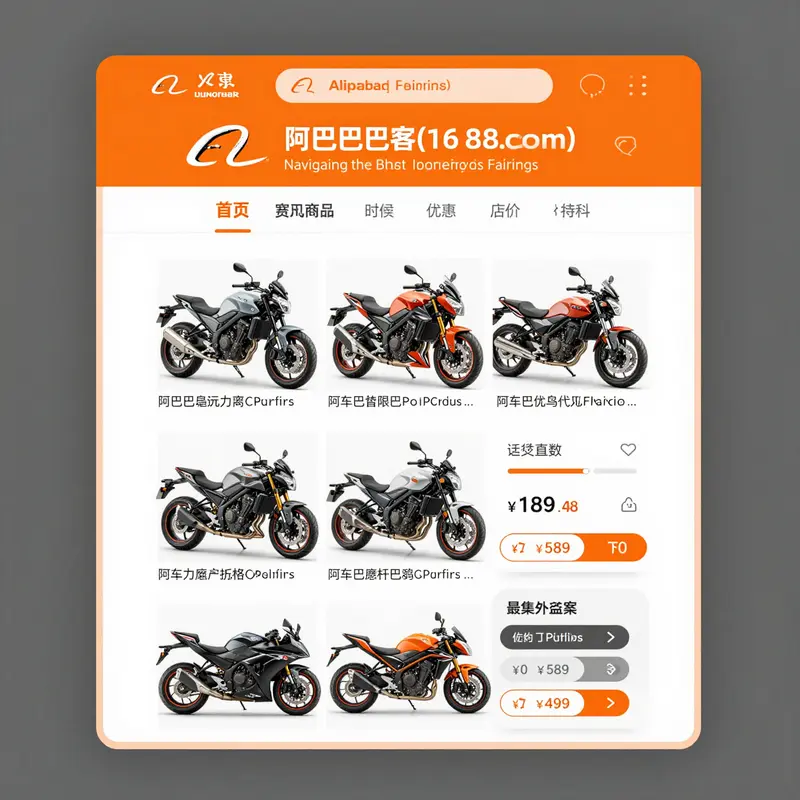
When riders begin to upgrade their bikes with new fairings, the search for the right place to order often becomes as important as choosing the design itself. The question of the best source is less about a single winner and more about understanding how different channels align with a rider’s priorities—fit, finish, price, and speed. Across the material available for ordering motorcycle fairings, a common pattern emerges: platforms that offer breadth and scale tend to dominate for those seeking choice, customization, and the possibility of bulk or wholesale pricing. These platforms are celebrated not for a flashy showroom alone, but for the practical advantages they bring to anyone who wants to upgrade a bike efficiently, economically, and with a degree of confidence that the part will perform under real-world riding conditions. In this sense, the discussion about the best place to order fairings becomes a conversation about how to balance volume with specificity, and how to verify that the kit you select will actually fit your model and function as intended.
A pivotal element in this discussion is the breadth of product offerings. When a sourcing platform lists tens of thousands of fairing components and kits, it becomes possible to address almost any make, model, or riding objective. The value here isn’t merely in having many options; it is the ability to compare configurations side by side. A robust inventory often includes modular designs with interchangeable panels, multiple color options, and a spectrum of finishing touches, from matte to gloss, and from solid hues to more complex patterns that mimic high-end materials. The practical payoff is immediate: riders can tailor aesthetics to their taste without committing to a full OEM replacement, and fret less about whether a single panel will harmonize with the rest of the bodywork. The demand drivers behind such variety are predictable. Riders want to refresh a bike’s look after an unfortunate drop, align a machine’s appearance with a new racing or street persona, or upgrade to lighter materials that support better handling without sacrificing strength. In this ecosystem, the presence of a wide catalog becomes a form of assurance, a signal that the platform understands the diversity of rider needs and the realities of aftermarket restoration.
But breadth alone doesn’t define a great sourcing experience. The content notes emphasize features that go beyond mere selection. A fairing kit described as modular offers the possibility to swap panels with minimal tools and without specialized labor. This translates into a more manageable repair cycle: if one panel is damaged, you don’t rewrite the entire bodywork equation. It also opens doors to experimentation. A rider can try a black-on-red motif one season and a carbon look the next, simply by exchanging panels, rather than committing to a completely new set. Material options matter as well. Beyond standard ABS plastics, many listings highlight options that emulate carbon fiber or deploy lightweight composites that preserve the resilience required for high-speed stability. These choices promise performance parity with heavier or bulkier alternatives while controlling the overall weight and drag—a subtle but meaningful advantage for riders who push their machines toward the edge of performance. Importantly, even as the materials diversify, the underlying objective remains the same: deliver a finish that withstands the weather, resists impact, and remains visually consistent across the bike’s silhouette.
From a performance perspective, the narrative surrounding aerodynamic improvements is particularly compelling. Many fairing designs on large sourcing platforms advertise aerodynamic optimization as a core feature, citing drag reductions and improved high-speed stability. The implication for the rider is straightforward: even a modest drag reduction can translate into measurable gains in fuel efficiency and versatility on highway runs or track days. While the exact figures may vary from design to design, the consensus in the marketplace speaks to a clear, real-world benefit. The fairings are not simply cosmetic; they are engineered to integrate with the bike’s shape and airflow, aiming to smooth the transition of air around the rider and the bike’s surfaces. Of course,such claims must be evaluated against real-world fit and finish, but the principle remains persuasive: better aerodynamics helps the machine perform more efficiently, which is a meaningful consideration for anyone investing in an aftermarket kit.
Safety and visibility emerge as complementary considerations alongside aesthetics and performance. Several designs incorporate attention-grabbing accents or integrated reflectivity elements, which can enhance visibility to other road users. While these features do not replace proper lighting and signaling systems, they can contribute to a rider’s overall safety profile. When selecting a fairing kit, it is prudent to consider how such design cues might interplay with existing visibility requirements in your region and how they align with your riding style. The marketplace often rewards vendors who blend form with function, offering pieces that not only look different but also contribute to the bike’s presence on the road.
A practical and cost-conscious angle also frames the decision-making process. Aftermarket fairings offer a cost-effective route to upgrade both appearance and function without triggering OEM-price tensions. The kits frequently arrive with pre-mounted fasteners or easy-to-follow installation guides, which lowers the barrier to entry for riders who prefer to tackle the job themselves or who want to avoid labor costs. The modular and snap-together nature of many popular designs reduces downtime and allows for rapid repair or replacement after a mishap. Yet with affordability comes a critical caveat: compatibility. The most important tip when shopping online is to verify that the kit will fit your exact make and model. A misaligned panel or an ill-fit can negate the perceived value of the upgrade and may even compromise the bike’s aerodynamics and safety. This is where diligent checking of fitment charts, item descriptions, and supplier communications becomes essential. A straightforward approach—compare mounting points, verify mirror and exhaust clearances, and request a precise fitment guide—can save time and money by preventing mismatched parts from entering your workshop.
The quality dimension is inextricable from the conversation about the best place to order fairings. Reputable suppliers typically provide safety and quality assurances that go beyond aesthetics. Certifications such as CE, BV, or ISO marks signal adherence to certain safety and durability standards, offering a degree of confidence in the product’s long-term performance. While these standards do not automatically guarantee a perfect fit or flawless finish, they do offer a baseline of trust that is particularly valuable when purchasing from unfamiliar factories or brokers. The marketplace context also matters here: a platform with verified suppliers, strong communication channels, and clear warranties often translates into a smoother purchasing experience. High response rates and favorable supplier ratings serve as practical heuristics for buyers seeking reliability in the sourcing process. Collectively, these signals form a composite picture of a source that not only provides parts but also sustains a dependable supply chain, a crucial factor for those ordering fairings in larger quantities or on a recurring basis.
All of these factors—breadth of catalog, modular design, material options, aerodynamic potential, safety considerations, cost efficiency, fitment certainty, and supplier reliability—coalesce into a pragmatic framework for deciding where to order fairings. Rather than chasing a single best platform, the wiser approach is to map your priorities against what a platform can realistically deliver. If you value the widest range of options and the ease of bulk inquiry and ordering, then a major wholesale platform can be an optimal starting point. If, on the other hand, your project demands a highly curated, brand-specific catalog with precise compatibility notes and robust post-purchase support, you may lean toward more specialized catalogs or factories that focus on a particular segment or model family. The key is to articulate your requirements—timeline, budget, design intent, and ride style—and then test two or three sources against those criteria. In practice, many riders begin with broad catalogs to locate a set that matches their bike’s geometry and bodywork silhouette, and then narrow down to a handful of trusted suppliers who demonstrate consistent communication, clear documentation, and transparent pricing.
Turning to the practical mechanics of the decision, there are a few concrete steps that can guide the process. First, scrutinize the product specifications with attention to material thickness, mounting hardware, and finish consistency. Second, ask for fitment information specific to your model, including mounting points and potential clearance issues around the handlebars, fuel tank, and exhaust components. Third, request a sample or a small order to confirm the finish and the assembly alignment before committing to a larger purchase. Fourth, examine the supplier’s return policy and warranty terms, especially for items that are custom-finished or non-returnable. Finally, review shipping terms, lead times, and after-sales support. A reliable vendor will provide clear timelines, help coordinate freight, and respond promptly to questions about color matching and panel compatibility. These steps can reduce the risk of a mismatch, especially when ordering from less familiar channels or without seeing the parts in person.
From an internal navigation perspective, one practical advantage of the broad platforms is the ability to compare price trends in real time. With factory pricing and a large supplier ecosystem, it is possible to observe price fluctuations that reflect raw material costs, demand cycles, and production capacity. For a buyer, this means an opportunity to time purchases or negotiate bulk terms based on transparent market data. It also places an emphasis on the role of direct inquiries and quotes. The more transparent the inquiry process—clear responses, detailed quotes, and accessible technical charts—the more confident a buyer can be about the feasibility of the project and the reliability of the kit’s fit. In this respect, the search for the best place to order fairings becomes a learning journey about how to access and interpret the marketplace’s information signals. The more a buyer engages with suppliers, the more adept they become at distinguishing genuine capability from marketing gloss.
Embedded in this process is a quiet but persistent reality: the best source for one project might differ for another. If your goal is a budget-friendly upgrade that still markedly enhances the bike’s visual presence, a broad catalog with modular options could be your best bet. If your goal is a high-precision restoration or a race-ready aesthetic that adheres to strict weight and aerodynamic targets, you might pursue a specialized lineup with clear compatibility documentation and strong post-sale support. Either path benefits from a disciplined approach: define your essential constraints, verify exact fit with model-specific references, and prioritize certifications that indicate a safe and predictable product. The decision becomes less about chasing the name of a source and more about building a sourcing profile that you can reuse across projects.
To connect the abstract considerations with concrete action, consider placing emphasis on a few anchor criteria when evaluating any candidate source. First, compatibility must be verifiable. The best listings provide explicit fitment notes for a range of models and offer mounting diagrams or compatibility charts to confirm alignment with your bike’s geometry. Second, material integrity matters. Seek descriptions that detail the core material, its thickness, and any reinforcing components. Third, finish quality should be assessed through imagery and, when possible, physical samples. Look for uniform color, clean edgework, and consistent panel alignment in photos, and verify whether the finish is UV-stable to resist yellowing or fading. Fourth, certification and compliance indicators can be a proxy for quality. CE and ISO marks, when present, signal adherence to safety and durability expectations, particularly for riders who plan to ride in varying climates and road conditions. Fifth, supplier reliability is a practical variable. A track record of prompt responses, clear communication, and reasonable lead times is often a better predictor of a smooth project than a flashy product page alone. Finally, support and warranties should be factored. A robust return policy and a documented warranty provide reassurance, especially when a buyer is navigating a large or repeated order.
In sum, there is no single universal best place to order motorcycle fairings. Instead, the best approach is to cultivate a sourcing strategy that aligns with your concrete needs. A retailer or marketplace with expansive inventories, modular design options, and robust safety and compatibility assurances can be a strong starting point for many riders and shops. The kind of reliability that comes from a one-stop sourcing, inquiry, and order service—that is, a platform capable of connecting you with multiple suppliers, providing clear documentation, and supporting you through the ordering process—will often prove invaluable when your project hinges on timely delivery and precise fitment. As you plan your upgrade, it is worth recalling that the value of a great fairing system extends beyond aesthetics. It influences aerodynamics, rider safety, and even the endurance of your bike’s bodywork. The right source can help ensure that the kit not only looks good but also integrates smoothly with the bike’s structure, performs well under load, and stands up to the realities of road use.
For readers exploring further pages that house broader catalogs of fairings, a targeted Honda fairings collection can serve as a useful reference point for understanding how these products are organized and presented in a larger catalog environment. As you click through the catalog pages, you may notice patterns in how components are described, how fitment is communicated, and how color options are labeled. This awareness can sharpen your evaluation criteria and make the actual shopping experience more efficient. If you want to see how a model-agnostic marketplace discusses fitment and color variants in a practical way, the following catalog page offers a representative approach to organizing those details: Honda fairings collection.
External resource: to examine a real-world listing on a major wholesale platform that illustrates the kind of product pages discussed here, see this example: Alibaba listing for motorcycle fairing kit.
The Sourcing Compass: Navigating the Best Avenues to Order Motorcycle Fairings
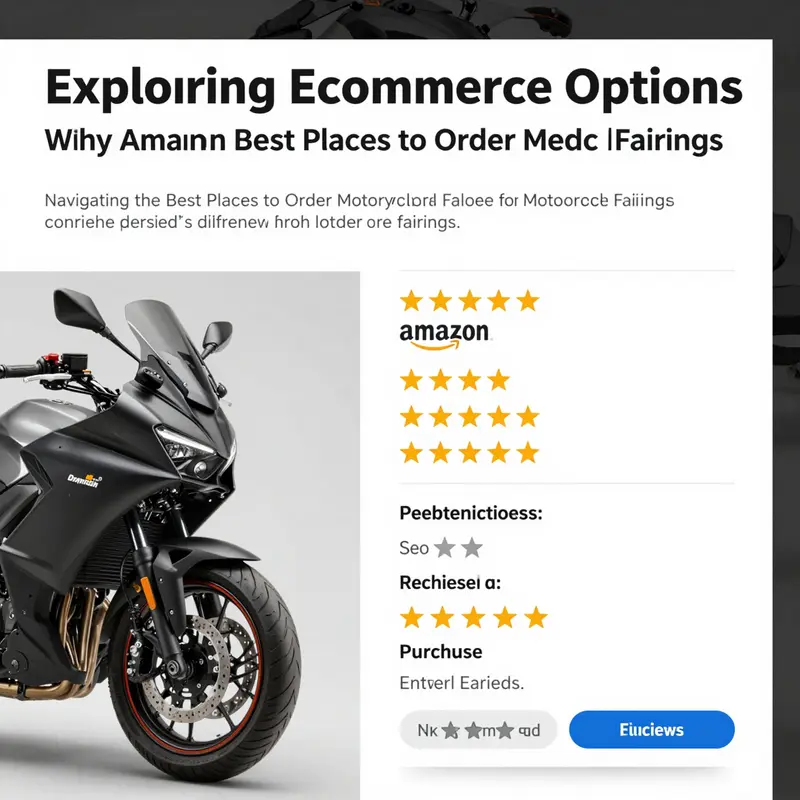
Choosing where to order motorcycle fairings is rarely a matter of finding one universal best place. It is a journey shaped by what you ride, how you intend to ride it, and the scale of your project. The landscape is layered, with options that range from direct-from-factory pipelines intended for bulk purchases to broad consumer marketplaces that cater to individuals seeking quick delivery, varied aesthetics, and robust customer feedback. The practical truth is that there isn’t a single best outlet for every rider, every bike, or every budget. What matters is a disciplined approach to sourcing that weighs fit, material quality, finish, price, and service commitments against your specific goals. The idea of a compass rather than a single north star helps explain how to navigate this space with confidence and consistency, especially when you are balancing cost against the imperative of a precise fit for your model and a look that matches your vision of your machine.
A key feature of modern sourcing is the spectrum of options that exist between wholesale procurement and consumer retail. On one end, there are global sourcing platforms that connect buyers with manufacturers and suppliers around the world. These platforms can offer factory pricing, transparency on price trends, and a streamlined inquiry-to-order flow that makes it possible to negotiate terms, request customization, and manage large-volume purchases from a single interface. For builders or shops that need multiple fairings for a lineup of models, this approach can unlock cost efficiencies and consistent supply. Yet it also introduces new layers of due diligence: ensuring the exact model compatibility, confirming finish and color standards, and negotiating protections such as quality control checks and reliable shipping windows. In practice, a careful buyer treats these channels as a way to control costs and maintain supply, rather than a default path for every project.
On the other end of the spectrum sits the breadth of consumer-facing marketplaces. These venues score points for convenience, speed, and community-sourced feedback. A rider can browse a large catalog, read reviews from fellow enthusiasts, compare materials, and gauge how a given fairing’s dimensions align with a specific model. The reviews often illuminate real-world fitment issues, installation challenges, and the durability of finishes under sun, rain, and road grime. This is where the practical realities of riding—vibration, flex, heat exposure, and color fidelity—shine through in the buyer’s collective experience. For many hobbyists, the immediacy of shipping and the clarity of product specifications can be decisive factors. The bottom line is that broad consumer marketplaces serve as a valuable testing ground for what fits and performs well, especially when you are weighing near-term availability and the speed with which you can get back on the road.
Within this spectrum the decision framework grows more nuanced when you bring model specificity into the picture. Some riders want a complete, factory-like appearance that restores a bike to a particular era or performance category. Others prefer a more custom or mixed aesthetic, perhaps blending stock panels with lightweight enhancements or color-matched graphics. In either case, the critical questions remain the same: will this fairing align with the bike’s geometry and mounting points, will it clear the headlight architecture, and does the finish hold up under daily wear? The answers hinge on three core variables: fitment viability, material behavior, and finish fidelity. Fitment viability is not merely about matching a year and model; it involves checking mounting points, bracket patterns, and the potential need for minor modifications. Material behavior matters because ABS plastic, fiberglass, and carbon fiber-reinforced composites respond differently to heat, impact, and UV exposure. Finish fidelity concerns color matching, gloss retention, and resistance to stone chips. When these factors are well aligned, the prospect of a seamless appearance and reliable performance grows much stronger, whether you are ordering a full kit in bulk or a single, model-specific piece for a one-off restoration.
The practical path to secure the right option is to translate this framework into concrete steps that you can apply regardless of where you buy. First, understand the scope of your project. If you are rebuilding a bike for a show, restoration, or resale with a precise look in mind, you will likely prioritize model-specific panels or exact replicas with a guaranteed fit. If you are assembling a custom variant or a race-inspired build, you may lean toward universal or semi-fit options that tension the balance between aesthetics and practicality. Your choice of path—bulk or single, factory-direct or retailer-driven—should emerge from this clarity rather than from habit or impulse.
Second, verify fitment not just by model name but by the mounting logic. Some fairings are designed to bolt directly to factory points, while others assume the presence of adaptors or modified mounting hardware. A careful buyer cross-checks the listed compatibility with the exact frame dimension or the intended mounting position for brackets and fasteners. In many cases, the difference between a seamless install and a headache lies in tiny details such as the bolt pattern spacing or the thickness of a mounting flange. Don’t assume compatibility; confirm with dimensionally explicit information or request engineering drawings if available. Third, interrogate the materials and the build quality. ABS plastic is common for stock and aftermarket fairings because it balances price, impact resistance, and ease of finishing. Fiberglass remains a popular choice for lighter builds and custom efforts where moisture absorption and thickness control aren’t critical. Carbon fiber reinforcements push the performance envelope but require careful inspection of resin-to-weave quality and long-term UV stability. Knowing the material profile helps you gauge not only the immediate appearance but the maintenance and refinishing work that will follow exposure to sun, rain, and heat. Fourth, examine finish options and color matching. A fairing’s color, gloss, and decal quality are more than cosmetic decisions; they influence the perceived value of the project and the time you spend during installation. If you cannot view representative images or samples, ask for physical swatches, paint codes, or finish certificates before you commit. Finally, scrutinize the service terms. A robust return policy, a clear warranty period, and transparent shipping information reduce risk. In bulk arrangements, confirm that each panel is trackable, that the packaging protects edges and corners, and that the vendor can handle contingencies such as damaged shipments or incorrect parts without derailing your project timeline.
In this context, a practical habit for any rider or shop is to blend sources. Start with model-specific catalogs and retailers that offer clear fitment data for your bike. Then, where volumes justify it, layer in a broader sourcing channel that can supply components at scale with consistent quality. This approach mirrors what many builders do when they want both reliability and flexibility: they maintain a primary, model-focused source for the core panels and keep a secondary channel for bulk orders, color-coded options, or specialty finishes. The aim is not to chase a single destination but to curate a small, trusted portfolio of channels that collectively cover your needs without compromising on compatibility or quality.
To illustrate how this approach works in practice, consider the scenario of model-specific options that allow you to land on a look you love with minimal guesswork. If you are exploring options for a particular family of bikes, you may find that a dedicated collection of fairings designed for that family offers a more precise fit and color consistency. In the spirit of practical sourcing, such collections can serve as a reliable backbone for a build while still leaving space for experimentation with accents, spoilers, or graphics. For riders who prefer a model-centric path, it can be particularly efficient to begin with a curated set of panels from a single supplier and then layer in complementary pieces from compatible outlets to achieve the final aesthetic. If you want to explore model-specific options in a consolidated way, one useful touchpoint is to review a model-focused catalog that aggregates compatible panels across a curated lineup. This approach keeps the search grounded while still offering breadth across finishes and configurations.
As you assess where to order, keep in mind the role of reviews and community knowledge. The collective experience of fellow riders—whether they are hobbyists rebuilding bicycles or professional builders preparing race machines—offers a practical barometer for the quality of fit, the ease of installation, and the durability of finishes. When a site hosts a robust set of user anecdotes and technical notes, you gain insights that go beyond product descriptions. Those insights help you anticipate common install challenges, identify potential compatibility caveats, and plan for refinishing or color-matching work after delivery. In short, the wisdom of the community is a companion to technical documentation, helping you interpret information with nuance. It also underscores the value of starting with sources that provide transparent specifications and candid reviews, rather than relying solely on glossy imagery.
In looking for credible options, consider the way the market segments its offerings. If your priority is a precise replica that recaptures an original silhouette, you will gravitate toward model-specific panels built to exacting standards. If your aim is a custom or contemporary look, you may opt for modular or universal components that you can tailor with bodywork refinishing and color graphics. The choices you make, and how you verify them, ultimately influence the maintenance cycle, the ease of future replacements, and the bike’s overall aesthetic coherence. The best practice is to treat each procurement decision as a small design brief: define target dimensions, confirm material and finish, specify color and gloss expectations, and map out the logistic timeline that keeps your project on track. This disciplined approach is what transforms a potentially overwhelming catalog into a navigable path toward a result you can enjoy riding and showing off.
For readers who want a direct starting point into model-specific options while maintaining flexibility, a convenient touchpoint is a curated catalog that emphasizes model-relevant parts. You can explore this category to see how different manufacturers and builders approach fairing design within a given model family. The intention is not only to find panels that physically fit but to understand how the design language of a bike is translated into fairing geometry, detailing, and finish quality. A model-focused collection can provide a clearer benchmark for your expectations and a more predictable path to the finish you want. It also helps you compare the degree of modification you might need, such as the need for minor trimming or bracket adaptation, which can significantly influence both the cost and the timeline of a project. This approach aligns with a practical, results-oriented mindset: you want to maximize the speed at which you can complete the build without sacrificing the integrity of the fit and the finish.
To illustrate how these ideas can unfold in a usable way, consider the next steps you might take after reading this discussion. Begin by identifying your bike model and the exact version you intend to restore or customize. Look for model-specific panels that clearly advertise fitment for that model. If you find a complete kit that matches your bike and offers color and finish options that align with your plan, examine the included mounting hardware and any notes about required tools or modifications. Then assess whether a sample or a small order can be accommodated to verify fitment before committing to a larger purchase. If you are working on a project with a defined budget, run a quick comparison that includes not only the sticker price but also shipping, expected delivery timelines, and any potential upcharges for color finishes or custom graphics. The goal is to assemble a compact, well-vetted sourcing portfolio that informs decisions with a combination of precise data, practical experience, and realistic project constraints.
For those who are building more ambitious inventories or running a shop that handles multiple models, a bulk or direct-from-manufacturer approach can be particularly compelling. The economics of scale can translate into meaningful savings per panel, but the success of this route hinges on effective vendor management, rigorous quality checks, and a supply chain that can adapt to model-year changes without risking delays. In this context, a structured procurement plan becomes essential. You would outline target panels by model name and year, define acceptable tolerances for fit and finish, specify required certifications or testing references where relevant, and establish a monitoring process for price movements and lead times. A well-designed plan reduces the likelihood of costly missteps, such as receiving a batch of panels that require rework when a simple compatibility confirmation would have prevented the issue.
Ultimately, the question of where to order fairings is less about chasing a single source and more about orchestrating a practical sourcing strategy. The most effective approach blends model-specific reliability with the flexibility to source through broader channels when volume and timing demand it. It rewards buyers who invest time upfront in verifying fitment, material properties, and finish quality, and who maintain a light but persistent touch on vendor relationships and return policies. When you couple this approach with a disciplined review of the tradeoffs between bulk procurement and individual purchases, you create a sustainable path to achieving the look you want with the confidence that your parts will perform under real-world riding. In that sense, the compass is not a fixed point but a process: clarity of intent, rigorous verification, and a readiness to adapt as projects evolve. For readers seeking a model-focused starting point that can be a reliable anchor in this process, consider exploring the Honda fairings collection as one representative example of how a curated, model-aligned catalog can streamline your decisions and reduce ambiguity during the ordering journey. Honda fairings collection.
External resource for broader context on fairing design and performance considerations can be found here: https://en.wikipedia.org/wiki/Motorcycle_fairing
Navigating the Market: A Cohesive View on Where to Order Motorcycle Fairings
When buyers search for motorcycle fairings, the best option is rarely a single source. The market is diverse by design, with wholesale platforms, consumer marketplaces, and specialized retailers each offering different trade-offs. Bulk orders can reduce unit costs but may require longer lead times and stricter minimums. Quick-turn purchases via marketplaces prioritize speed but demand careful vetting of fitment and seller reliability. Model-focused retailers emphasize fitment expertise and finish, often with more predictable support but tighter catalogs.
Successful sourcing starts with clarity about the project: model year, submodel, intended use, and acceptable finishes. Then map these needs to the channel: bulk for steady restocks, marketplace for fast replacements, and specialists for exact fit and paint compatibility. Always demand clear mounting diagrams, part numbers, and, when possible, measurement data and photos.
Regardless of channel, verify compatibility before ordering and ask about return policies, warranties, and after-sales support. Build relationships with trusted suppliers to shorten lead times and reduce the risk of misfit. A disciplined procurement process – specifications, documentation, and transparent communication – ultimately yields faster, more reliable results.
Final thoughts
Understanding where to order motorcycle fairings can significantly impact your business’s operational efficiency and customer satisfaction. From the wholesale advantages of Alibaba (1688.com) to the consumer-centric options on Amazon and the diverse styles offered by specialized retailers, each platform provides distinct advantages. By leveraging these insights, business owners can make informed decisions to enhance their inventory and attract more customers, thereby solidifying their place in the competitive motorcycle market.