
The motorcycle fairing, an important component for both aesthetics and aerodynamics, often relies on the strength of its material to withstand the rigors of the road. Among various materials, ABS plastic has become popular for its durability and flexibility. However, ensuring a long-lasting bond when repairing or installing motorcycle fairings requires the right adhesive. This guide delves into ABS cement, the types available, application techniques, benefits, common issues, and how it compares to other adhesives, enabling business owners in the motorcycle industry to make informed choices for their operations.
Bonded by Precision: Understanding ABS Adhesives for Motorcycle Fairings
ABS plastic has become the backbone of modern motorcycle fairings because it delivers a practical blend of lightness, impact resistance, and workability. In the hands of designers and technicians, ABS is more than a material choice; it shapes the way a fairing behaves under stress, heat, and wind. The adhesive that joins ABS panels to frames and to each other is not a single, universally branded solution. Rather, it is a class of general-purpose, engineering adhesives capable of forming durable, flexible bonds with thermoplastics. Those bonds matter because the fairing’s job is to be both protective and aerodynamic, sacrificing as little weight as possible while enduring the rigors of road life, from pothole shocks to long stretches of sun-baked highway.
What makes a good ABS adhesive for motorcycle fairings is not a single magic formula but a balance of properties chosen to respect the peculiarities of ABS as a material. The first criterion is adhesion to ABS itself. The bond must grip ABS surfaces reliably, resisting detachment during vibration and exposure to variable temperatures. ABS has its own surface chemistry; a successful adhesive will be able to interact with that surface, creating a stable joint rather than one that creeps or weakens with time. The second criterion is flexibility. A fairing is not a rigid shell perched on a frame; it flexes with airflow, engine heat, and road irregularities. The adhesive must absorb some movement without cracking or becoming brittle. Third, weather resistance and temperature tolerance are essential. Outdoor exposure means UV light, rain, humidity, and wide thermal swings, particularly near the engine compartment where heat concentrates. An adhesive’s aging profile matters: color stability, resistance to UV-driven degradation, and the ability to maintain elasticity after many heat cycles. Fourth, fast curing is valuable for repairs and field work. In practice, this translates to a workable cure time that allows technicians to reassemble, clamp, and return the bike to service without prolonged downtime. The interplay of these traits—strong ABS adhesion, flexibility, weather and heat resilience, and practical curing behavior—defines the practical usefulness of any adhesive applied to ABS fairings.
Among the adhesive options commonly encountered in repair and aftermarket contexts, there is no exclusive category labeled specifically for motorcycle fairings. Instead, practitioners select from general-purpose industrial adhesives that have demonstrated compatibility with ABS and related thermoplastics. Epoxy resins, for example, offer excellent strength and durability, but they can be rigid once cured and may require careful surface preparation to prevent paint interaction if cosmetic layers are involved. Polyurethane formulations, by contrast, typically provide higher flexibility and good impact resistance, which can be advantageous for fairings that experience frequent vibrations and minor impacts. There are also specialized plastic adhesives designed to bond engineering plastics such as ABS and polycarbonate. When choosing among these, the best practice is to align the adhesive’s technical data with the fairing’s service conditions and with any guidance provided by the fairing manufacturer or its documentation. While discussing these choices, it is important to emphasize that the reliability of a repair or installation hinges on more than the adhesive alone. Surface preparation, correct curing, and, when necessary, mechanical fasteners or reinforcement, all contribute to the long-term performance of the bond.
Surface preparation is a cornerstone of success. ABS surfaces should be clean, dry, and free of oils or waxes before bonding. A light, controlled roughening of the surface can improve mechanical keying without compromising the visual finish. After cleaning, a careful degreasing step followed by a brief wipe with a suitable solvent helps to remove residues that could impede bonding. For many ABS applications, it is also prudent to consider a primer or surface treatment compatible with both ABS and the chosen adhesive, especially when repainting is involved or when layers of paint and clear coat exist on the fairing. The execution of the bond—whether it is a small cosmetic repair, a panel replacement, or a more extensive reassembly—should emphasize clamping and controlled curing. Even solvents that might appear compatible with the color or gloss of the fairing can cause surface damage if the bond is not given time to set. In the context of a motorcycle, where high-frequency vibration and pronounced temperature changes are routine, the alignment of cure time with the practical handling of the component becomes a decisive factor. The bond must be allowed to reach a reasonable level of strength before the bike is put back into service, and it should not rely solely on surface tension or capillary action to hold weight or load.
A practical approach to selecting an adhesive for ABS fairings centers on a few guiding questions. Does the product specify compatibility with ABS or engineering plastics? Does it offer the flexibility needed to absorb movement without compromising the aesthetic surface? Is it formulated to withstand outdoor weathering and heat exposure, and does it provide a manageable cure profile for repair work? These questions help a technician navigate away from generic, one-size-fits-all glues and toward a choice that respects the material properties and the vehicle’s life on the road. It is also worth noting that the repair ethos often blends adhesive bonding with mechanical reinforcement. Small repairs may be adequately served by a well-chosen adhesive, but larger structural repairs or cracked panels can benefit from additional methods, such as reinforcing patches or controlled drilling for fasteners that spread load and reduce the risk of the bond failing under dynamic stress.
From a manufacturing perspective, ABS fairings are the product of precise processing, consistent materials, and controlled surface finishes. In the factory, the adhesive strategies are integrated with molding, painting, and assembly workflows to ensure a seamless final appearance. Post-market repairs must align with those standards to preserve both the visual integrity and the functional durability of the fairing. As a result, a repair technician or a hobbyist who works on their own bike should not merely apply a bond and hope for endurance. They should assess the continuity of the surface, the potential for paint interaction, and the bond’s behavior under simulated loading and environmental exposure. The goal is to reestablish the protective shell without compromising the aerodynamics or the safety of the mounting interface. A well-executed bond keeps the fairing attached through rainstorms and revs, and it remains compatible with the bike’s finishes when touched up or repainted later.
For those who want to explore further, the broader market for ABS plastics repairs often points toward educational resources and supplier catalogs, and the practical guidance that emerges from these sources underscores a shared wisdom: durability in ABS bonding comes from matching the material’s behavior to the adhesive’s chemistry, not from chasing a single miracle cement. External references provide a complementary perspective on how the adhesive world talks about these plastics in practical terms. https://www.alibaba.com/product-detail/ABS-Plastic-Cement-Motorcycle-Fairing-Adhesive_1600493747582.html
Bonding with ABS: Practical Techniques for Cementing and Repairing Motorcycle Fairings
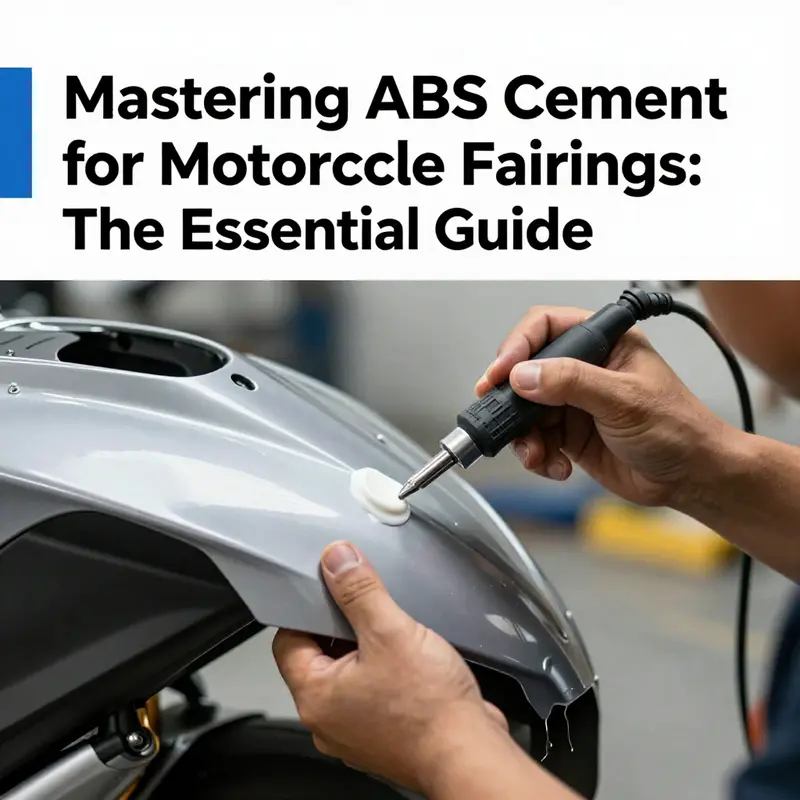
The term ABS cement often appears in conversations about motorcycle fairings, but a precise product labeled “ABS cement” is not a universal standard in the industry. In practice, ABS refers to a common engineering plastic—Acrylonitrile Butadiene Styrene—that is favored for its combination of strength, impact resistance, and the ability to be molded into complex shapes. When repair or installation involves ABS fairings, the goal is not to discover a generic miracle adhesive but to apply a bonding method that creates a durable, flexible, and heat-tolerant joint. Market reality reflects a family of adhesives and plastic-welding products designed specifically for ABS and similar engineering plastics. These products are formulated to dissolve or soften the ABS surface just enough to fuse the parts together, creating a joint that behaves more like a single piece of material than a glued seam. Because ABS is a relatively tough yet somewhat brittle thermoplastic, the bond must be strong enough to resist vibration, temperature fluctuations, and the occasional impact that a rider encounters on the road. The repair mindset, then, centers on surface preparation, compatible bonding agents, controlled application, and careful curing, rather than on any one universal cement that guarantees success in every scenario. In the absence of formal, widely published application manuals for “ABS cement” as a standard term, riders and technicians typically rely on plastic-specific bonding systems or plastic-welding approaches that are demonstrated to perform with ABS, PC, and similar plastics used in fairings. This approach aligns with how manufacturers aim to preserve cosmetic finish, structural integrity, and aerodynamics after a repair. Even though the literature is sparse on a singular technique, the underlying principles are clear: work with materials that share the same chemistry, prepare the surfaces properly, manage heat and clamping, and follow through with finishing steps that restore both form and function. The practical path forward involves recognizing where the repair sits on a spectrum—from simple edge re-seating or crack filling to full panel replacement—and selecting a bonding strategy that accommodates that position without compromising the integrity of neighboring material. The repair mindset also respects the realities of a motorcycle’s environment. Fairings contend with ambient heat from the engine bay, radiant sun exposure, and constant cycling of vibration and air pressures at speed. A successful bond must tolerate this environment without becoming brittle, delaminating, or prematurely failing at the joint line. In the absence of a named, standardized product, the emphasis shifts to the essential properties of the adhesive system: good adhesion to ABS, a degree of solvent-based action to weld surfaces, adequate gap-filling for imperfect joints, and a cure that results in a seamless, paintable surface. From a practical viewpoint, a repair may involve several intertwined steps: careful assessment of the damage, judicious cleaning to remove oil and wax residues, mechanical re- alignment of broken edges, and precise application of an ABS-compatible cement. Where structural integrity is at stake, a technique known as plastic welding—using heat and a welding rod compatible with ABS—can be employed to fuse parts along the joint. This method creates a bond that behaves more like the original material, with a continuity that is often superior to a surface-only adhesive. In other situations, where a crack or small gap exists rather than a full break, a solvent-based cement can be applied along the seam to chemically melt the surfaces and fuse them, followed by a filler material that bridges the repaired joint. The filler serves two purposes: it restores smoothness to the surface and provides a backup in case the primary bond experiences stress. When choosing between a welding approach and a cement-based repair, the key is to evaluate the type of damage, the thickness of the ABS panels, and the location of the joint relative to the aerodynamic profile. A repair that sits on a curve or edge may benefit from welding to create a continuous, curved surface, while a flat seam might be adequately treated with a high-quality ABS-compatible cement and a well-placed filler. Regardless of the method, surface preparation is non-negotiable. The area around the repair should be thoroughly cleaned with a degree of solvent that is compatible with ABS, then roughened with a fine abrasive to increase mechanical grip. Any old paint, stickers, or coatings that could interfere with adhesion must be removed. After cleaning and roughening, the surfaces should be dry, free of dust, and precisely aligned before the adhesive is applied. Alignment is crucial because once the cement begins to cure, movement can create gaps that compromise both strength and aesthetics. Clamping or temporary fixtures are often used to maintain position during cure. Curing temperatures should be controlled; too much heat can degrade ABS and too little heat can slow or prevent proper bonding. A typical cure time may range from several hours to a day, depending on the product and environmental conditions. It is important to observe the manufacturer’s guidelines for cure time, clamp duration, and any post-cure handling. After curing, the repaired area can be finished with sanding to true the surface, followed by primer and topcoat compatible with ABS. The finish step is essential for restoring the smooth external profile that air resistance and appearance demand. In addition to the mechanical aspects, attention should be paid to the compatibility of the repair with coatings and color. ABS accepts paints and clear coats well when the surface has been properly primed and scuffed for adhesion. For riders who value aesthetics, the repair should be invisible or at least inconspicuously integrated with the surrounding fairing. Aesthetics aside, the integrity of the bond matters most when the bike is subjected to the vibrations and thermal cycles of daily riding. The literature on this topic is limited in the sense that there is no single, published, universal procedure labeled as “ABS cement technique” applicable to all fairing configurations. Instead, experienced technicians rely on a combination of plastic-welding skills, solvent-based cement bonding, and structural fillers that are tailored to the specific damage. This approach mirrors the broader practice within automotive bodywork, where repair manuals, OEM guidelines, and regional standards guide the choice of tools and materials. When approaching a repair, it is wise to begin with a conservative plan: evaluate the damage, choose the bonding strategy that best fits the joint geometry, and execute with cleanliness and precision. It is equally prudent to consult manufacturer repair resources or reputable automotive plastics references for guidance on surface compatibility, curing, and finishing. Such sources emphasize the importance of using plastics-compatible products and avoiding general-purpose glues that fail under heat, vibration, or flexing. In the long run, the objective is to preserve the fairing’s protective function, its aerodynamic performance, and its visual appeal. The absence of a singular, widely adopted “ABS cement” label should not deter a careful, well-executed repair. It should, however, remind riders and technicians to prioritize material compatibility, surface preparation, controlled application, and proper curing. If the repair work is to be performed professionally, seeking guidance from automotive bodywork resources or manuals can reduce the risk of a mishap that compromises structural integrity or barrier protection. In the broader context of fairing maintenance, this chapter sits alongside other chapters that explore material choices, replacement strategies, and surface finishing options. It is part of a larger conversation about how modern motorcycles balance lightweight design with durability, and how riders can sustain that balance through responsible repair practices. The underlying theme remains clear: successful bonding of ABS fairings hinges on selecting the right, ABS-compatible adhesive approach, preparing the surface with care, and honoring the material’s capacity for flex and heat. For further reading on the properties and handling of ABS plastics, a detailed overview is available in external resources that discuss ABS in plastic technology and engineering. External resource: https://en.wikipedia.org/wiki/ABS_(plastic)
Beyond the Surface: The Enduring Benefits of ABS Cement for Motorcycle Fairings
When riders talk about restoring or assembling motorcycle fairings, the conversation often centers on shape, color, and aerodynamics. Yet the hidden workhorse behind a successful repair is the adhesive that ties the plastic panels to their supporting structure. ABS cement is a specialized adhesive designed for Acrylonitrile Butadiene Styrene, the resin most commonly used to mold modern fairings. Its purpose goes beyond mere sticking; it seeks to create a bond that behaves as an integral part of the plastic itself. In practice, this means a joint that can absorb the same kinds of stress the fairing experiences from the road—vibration, wind pressure, and the occasional bump—without cracking, peeling, or loosening. The result is a repair or assembly that feels seamless, both to the eye and to the ride, offering riders confidence that the fairing will hold its line through thousands of miles and countless weather cycles.
Strong, durable bonding lies at the heart of ABS cement’s value. Unlike generic glues that merely fill a gap, ABS cement melts or fuses with the ABS surface at a molecular level. When two panels meet, the adhesive dissolves a micro-thin layer of the plastic, allowing the molecules to entangle and re-knit as the solvent or reactive components close. The joint becomes a continuous phase with the surrounding material, not a separate layer bonded on top. The mechanical properties of ABS—the toughness, impact resistance, and elasticity—translate into the bonded area, so the repair can flex with the plastic instead of behaving like a brittle plug-in patch. This is especially important for fairings, which endure constant airflow and the vibrations that come with engine torque, gear changes, and road texture. The chemistry is unobtrusive; the bond remains hidden within the seam, and under normal riding conditions, the integrity of the joint does not betray its origin as a repair.
Weather and UV resistance form the second pillar of ABS cement’s appeal. A high-quality ABS formulation is engineered to resist sunlight, rain, heat, and cold—the conditions a motorcycle encounters from dawn to dusk and across seasons. ABS itself does not fare well when exposed to radical chemical attack or prolonged ultraviolet exposure, which can cause surface chalking or microcracking. A good cement, therefore, is designed to withstand those assaults without becoming brittle or losing adhesion. It maintains a flexible yet secure bridge between panels, so a repair won’t weather-check, peel, or soften after a hot summer ride or a soggy trail of early morning rain. For riders who push their machines into diverse climates, this resilience translates into fewer reworks, less downtime, and greater peace of mind about the spent time spent on maintenance.
Another practical virtue is the quick curing time. ABS cement often cures within minutes, a speed well suited to field repairs and workshop adjustments that demand speed without sacrificing strength. A rider can heat and prepare a cracked fairing, apply the adhesive, and have the panel secured long enough to handle without waiting through a protracted cure. This rapid setting minimizes downtime, a critical factor for competitive riders who need their machines ready for practice or racing sessions, and for enthusiasts who simply want to finish a project over a single weekend. The speed also helps in scenarios where multiple panels require adjustment; the ability to re-clamp and realign during that brisk curing window makes aligning gaps and flush surfaces far more forgiving.
The finish quality is another dimension where ABS cement earns its keep. When applied with care, the cement not only bonds but also fills minor micro-gaps along the seam. After a cautious sanding and polishing sequence, the repaired area can become visually indistinguishable from the rest of the fairing. The seamless appearance matters because the aesthetic is part of the rider’s identity. A well-executed bond creates a flush surface that reflects light evenly and reduces the visibility of repairs under bright sun or streetlights. For the eye, the repair disappears; for the rider, it disappears as a source of distraction while riding.
Cost efficiency is often cited by practitioners who value the material’s long-term performance. Replacing a full fairing component—especially for a popular model with multiple panels—can be a substantial expense, not only for the part itself but for painting and finishing work to maintain a uniform look. ABS cement provides a fiscally attractive pathway to recover functionality and appearance without the cost of a new shell. While the upfront price of a quality adhesive may be higher than a generic glue, the durability of the bond and the reduction in repeat repairs can quickly justify the investment. In many repair workflows, the adhesive becomes a key enabler of a durable, cosmetically acceptable result that stands up to daily use rather than a temporary fix.
Compatibility considerations reinforce the practical wisdom of selecting an adhesive designed for ABS plastics. Most modern motorcycle fairings are molded from ABS because of its balance of impact resistance, weight, and processability. An adhesive that is formulated for ABS—and for compatible engineering plastics such as PC (polycarbonate) that share surface characteristics—tends to deliver more reliable bonding. The alternative, a general-purpose or non-ABS-specific adhesive, risks weak bonding under vibration, temperature swings, or UV exposure. The insistence on a correct target material is not merely academic; it translates into real-world longevity. The mating surfaces should be clean, dry, and properly prepared—abrased or etched lightly to increase surface energy, free of oils or waxes, and warmed slightly within safe limits to promote flow without degrading the substrate.
In practice, preparation matters as much as the adhesive itself. A technician or hobbyist preparing ABS fairing panels should first inspect the edges for damage and perform any necessary trimming to ensure alignment. Gaps must be minimal and consistent; large gaps demand additional filler or panel shaping rather than a straightforward cement repair. The bonding surfaces should be degreased with a solvent compatible with ABS, then lightly abraded to create a micro-s roughness that helps the cement flow into the surface irregularities. The adhesive is then applied to one or both surfaces as directed by the product’s instructions, and the panels are pressed together with even pressure. Clamps or light-weight jigs can maintain alignment while the joint cures. Temperature considerations matter, too; room temperature or moderate warmth often yields the best flow and cure consistency without introducing thermal shock to the plastic.
For riders and builders who want to explore options, there is value in looking at broader repair ecosystems that include compatible fairings keys and replacement parts. A practical approach is to consider a catalog of panels from reputable sources, such as collections dedicated to specific makes or models. These catalogs help ensure that the right panel geometry and mounting points align with the original structure, reducing the likelihood of stress concentrations at repair seams. For those who want to see how these pieces come together, exploring a brand-agnostic overview of parts and repairs can illuminate the differences between OEM-style and aftermarket panels, and how adhesives interact with different surface finishes. A useful entry point is to compare panels and fixes within a curated selection of compatible components, such as a dedicated Honda fairings collection that keeps the focus on fitment and compatibility. See the Honda fairings collection for an example of how parts ecosystems support accurate alignment and consistent finish when reassembling or upgrading a fairing set. Honda fairings collection.
When contemplating a repair or upgrade, it is worth anchoring expectations to a simple reality: the bond must endure the same stressors as the plastic itself. ABS cement, when chosen and applied thoughtfully, delivers a repair that behaves like a single, continuous piece of ABS rather than a laminated compromise. It preserves the panel’s weight and aerodynamics while restoring the fairing’s integrity against wind and vibration. The decision to use ABS cement should be informed by the type of crack, the location of the panel, and the rider’s environmental conditions. A small crack on a less stressed panel might respond to a lighter touch, while a larger seam or a cracked mounting edge will likely require a more comprehensive bonding approach. In every case, the practitioner should ensure proper surface preparation, controlled application, and adequate curing time before the vehicle returns to service. Finally, the broader repair community’s experience consistently supports the view that ABS cement offers a practical, durable route to long-lasting fairing performance, aligning repair outcomes with the expectations riders hold for their machines.
External research and practical guides reinforce the practical takeaways discussed here. For readers seeking a concise technical overview of ABS-specific adhesives and their properties, a reputable external resource provides a detailed ground-truth account of how these products perform under real-world conditions and what to look for when choosing a formulation. This external reference helps round out the practical advice with a broader materials science context and supports the everyday decisions riders make when they care for their fairings. https://www.bikehazard.com/abs-cement-for-motorcycle-fairings/
Bonding the Shield: Navigating the Realities of ABS Cement in Motorcycle Fairings
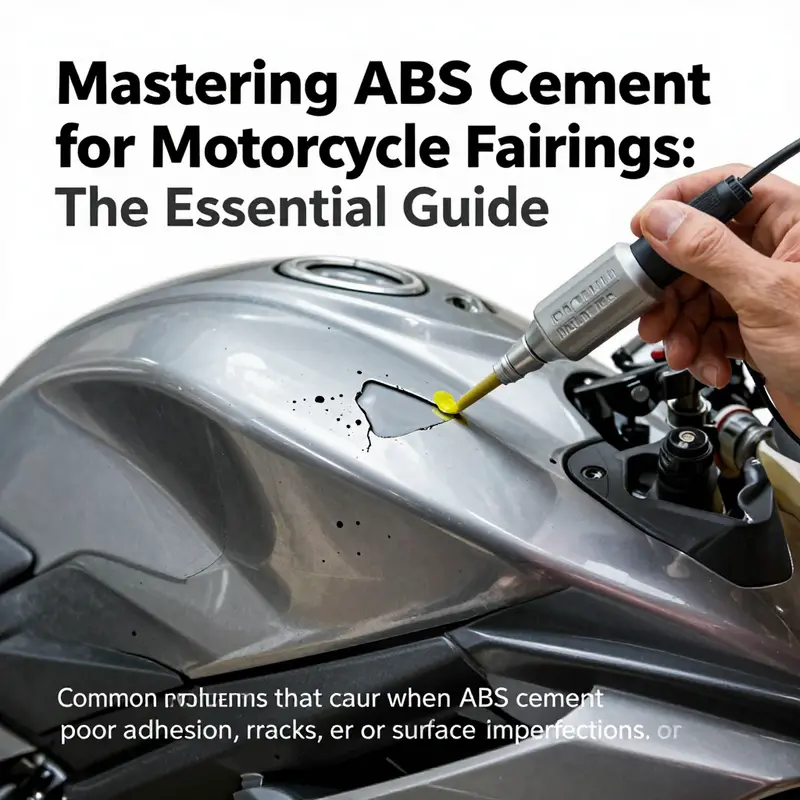
The fairing of a motorcycle is more than a shell. It is the bridge between performance and perception, the part that slices through air while preserving rider comfort and protecting vital components. When the time comes to install or repair these panels, the choice of adhesive matters as much as the mold that shaped them. ABS, the workhorse plastic behind most modern fairings, brings a distinctive mix of stiffness, impact resistance, and processability that makes it a favorite in both production and repair shops. Yet ABS also challenges the technician who seeks a reliable bond. There is no single universal material marketed as ABS cement, but there are adhesives designed to work with ABS and other engineering plastics that can deliver durable, heat resistant joints when used with care. The practical path through this terrain begins with an awareness of material behavior, followed by disciplined surface preparation, informed selection of the bonding system, and a patient, methodical assembly routine that respects the realities of a moving, heat changing, vibration exposure environment. In this context, the bond is not just a glue line; it is a strategic decision about how the panel will behave under engine heat, road salt, sun exposure, and the constant rhythm of highway travel.
ABS is a tough polymer blend with a relatively high impact resistance for its weight. It remains workable at room temperature yet softens gradually as heat rises toward its glass transition. In the engine bay vicinity, the fairing surface can see substantial temperature variation, especially on long rides or in hot climates. Any adhesive chosen to join ABS panels must tolerate those fluctuations without a permanent loss of adhesion. It must also handle the micro motions produced by vibrations and flexing of the chassis without becoming brittle or leaking at the joint. When a technician is faced with choosing a bond line for a fairing, the decision rests on compatibility with ABS plus the environment the bike will encounter. This is why many shops favor specialty cement systems that are formulated to actually fuse with ABS surfaces rather than simply adhere to them in a temporary fashion. A robust bond often comes from a solvent welding mechanism or a two part system designed for engineering plastics, rather than a general purpose adhesive that cures into a rigid film with limited thermal tolerance.
Surface preparation is the silent engine behind a durable bond. The ABS surface should be clean, dry, and free of silicone residues, waxes, or any release agents left from molding or sanding. Degreasing followed by a light, non aggressive abrasion increases surface energy and gives the adhesive a better grip. After preparation, the panels should be aligned and clamped with consistent pressure across the joint. In practice, this means a controlled fixture that prevents creep while the adhesive cures. The path to a clean joint also involves temperature awareness. The room or workshop should avoid drafts and rapid temperature swings during cure, or the cured bond may develop residual stress that weakens over time. The idea is to create an environment where the polymer and the adhesive can interact long enough to produce a stable interfacial layer without being rushed or diluted by moisture or temperature changes.
The actual bonding systems used for ABS fairings fall into a few broad families. One category comprises solvent based cement or welding cement that softens the ABS surface and effectively welds the parts together as the solvent dissipates. Another category includes two part epoxies or urethane systems that are engineered to bond engineering plastics like ABS and polycarbonate. A third approach uses high performance cyanoacrylates or similar fast-acting chemistries, but these are generally reserved for smaller areas or structural touch ups where rapid handling is essential. In each case the key is to ensure the adhesive is specified for ABS or engineering plastics and is capable of withstanding elevated temperature, vibration, and outdoor exposure. Avoid generic household glues or products that are not tested for ABS compatibility, since the chemical interaction with ABS can cause surface whitening, crazing, or a brittle bond that fails under stress. The selection should come with a clear instruction set that includes substrate compatibility, curing window, and post cure handling.
The issues that typically emerge in practice reveal the tension between ideal bonding theory and real world usage. One common problem is insufficient bonding strength. This can stem from an adhesive that has not been properly tested with the specific ABS grade used in the fairing, or from inadequate surface prep that leaves contaminants or lowers surface energy. High speed riding and rough roads amplify the consequences of a marginal bond, so the joint may crack or detach at the bead line. Temperature resistance is another frequent challenge. Engines and exhausts push the nearby plastics into higher thermal zones; an adhesive that softens or ages at these temperatures loses its grip and allows peel or delamination. Curing time and work windows also contribute to trouble. An adhesive that cures too quickly prevents precise alignment, while one that cures too slowly extends downtime and risks misalignment under gravity or gravity induced droop. Inconsistent cure can also be a symptom of improper mixing, insufficient agitation of two-part systems, or exposure to humidity during cure, especially for solvent-based or moisture sensitive formulations.
Chemical compatibility adds another layer of complexity. ABS interacts with solvents and plasticizers in ways that can irritate the surface if the formulation is not matched to ABS. Some components may soften the surface locally, causing blistering, discoloration, or microcracks that propagate under stress. Environmental adaptability matters as well. Outdoor exposure to UV light, humidity, salt spray, and temperature cycling can degrade bond lines that are not formulated for weather resistance. In short, a bond that seems strong at room temperature can sag or craze once subjected to engine heat and sun, undermining both aesthetics and structural integrity.
To navigate these issues with confidence, the guidance centers on selecting adhesive systems that align with automotive safety standards and the realities of ABS performance. Automotive grade bonding solutions are preferable, and the suppliers behind these systems often maintain a certification framework that reassures users about quality, compatibility, and traceability. When evaluating a potential adhesive, technicians should verify that the product is explicitly intended for ABS or engineering plastics and that it offers rated performance in high heat, vibration, and outdoor conditions. It is also prudent to consider the total bond system, including primers, surface treatments, and post cure processes that can enhance long term performance. OEMs frequently employ a combination approach, where mechanical fastening complements adhesive bonding, providing redundancy and distributing load more evenly across the joint. This approach reduces the risk that a single failure mode will compromise the entire fairing assembly.
The practical upshot for restoration or modification work is clear. First, invest in a system designed for ABS and verify its compatibility with the exact ABS grade in use. Second, commit to meticulous surface preparation and controlled cure conditions. Third, design the bond with the expected service environment in mind, planning for heat exposure, vibration, and humidity. Fourth, test the bonded joint on a small, representative panel before committing to the full fairing. A measured approach that respects material behavior and cure chemistry will yield joints that not only look good but endure the wear of real world riding. In addition to these steps, a helpful reference point for real world context is to explore the broader catalog of fairings offered by manufacturers to observe how OEMs manage fit and finish in ABS panels. For example, the Honda fairings collection offers a view into the high precision and attention to matching surfaces that elevates the importance of effective bonding in practice. Honda fairings collection
As the field evolves, so too does the understanding thatABS cement is not a single product but a family of bonding solutions optimized for engineering plastics. The best practice involves selecting a system backed by data on ABS compatibility, thermal performance, and environmental durability. It also means looking for clear guidance on surface preparation, cure times, and handling after application. The long path to durable fairings is built not on a single heroic bond but on a disciplined sequence of material choice, surface readiness, adhesive selection, and controlled assembly. When these elements align, the result is a bond that supports not only the visual integrity of the fairing but its role in protecting the rider and contributing to overall vehicle performance. The goal is bonds that remain coherent with the panel geometry, maintain their integrity through heat and vibration, and resist the gradual assault of weather. In that sense, bonding ABS for motorcycle fairings is as much an art of chemistry and process as it is a technical decision about materials. For further technical context on ABS bonding, see High Durability ABS Plastic Adhesive for Motorcycle Fairings at the external resource: https://www.alibaba.com/product-detail/High-Durability-ABS-Plastic-Adhesive-for-Motorcycle-Fairings_1600788156557.html
Between Bond and Bodywork: A Comprehensive Look at ABS Cement and Its Alternatives for Motorcycle Fairings
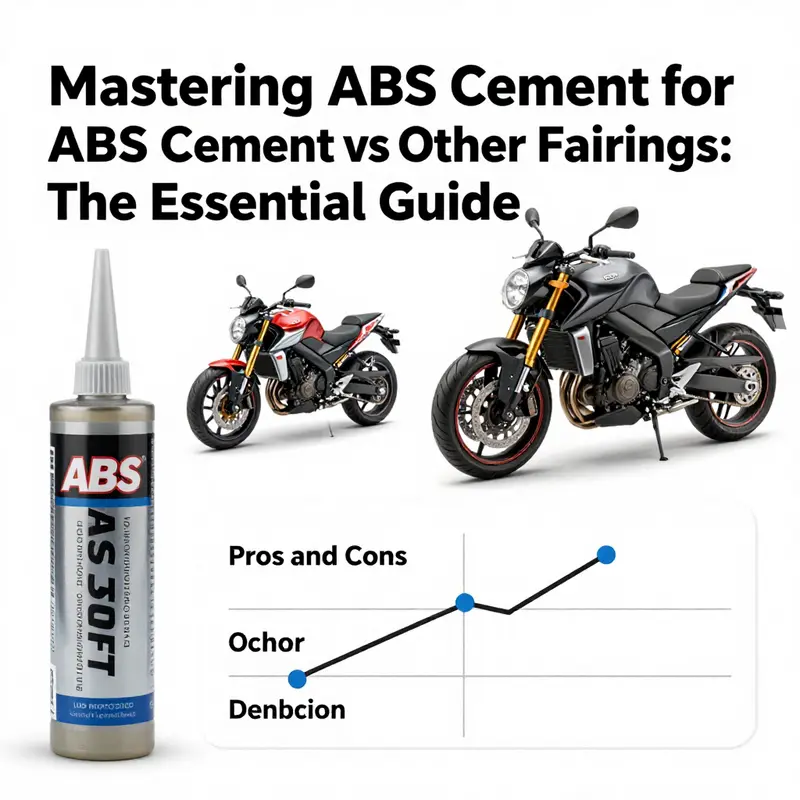
The curves and angles of a modern motorcycle fairing do more than reduce drag or protect the rider. They embody a careful dialogue between material science and craftsmanship. ABS plastic, the backbone of many OEM and aftermarket fairings, offers a compelling mix of impact resistance, light weight, and ease of molding. Yet the integrity of those shapes hinges on the adhesive choices that join, repair, or reinforce them. In this chapter, we examine the role of ABS-specific cement in this dialogue, while keeping an eye on the broader landscape of bonding options. The goal is not to champion a single method, but to illuminate how material compatibility, bonding strength, curing dynamics, and long-term durability under environmental stress converge to shape practical decisions on the shop floor and in the workshop of the racetrack alike.
ABS cement is purpose-built for acrylonitrile butadiene styrene plastics. Its mechanism is straightforward yet powerful: a solvent component slightly dissolves the ABS surface, allowing the polymer chains to interdiffuse across the joint when the surfaces are pressed together. When the solvents dissipate, a fused bond remains, often stronger than the surrounding substrate if the surfaces have been properly prepared. This bonding path yields a seamless joint that is well-suited for repairs and assemblies where the parts share the same material. In the context of ABS fairings, using an ABS-specific cement can produce fast, durable repairs that restore a fairing to its OEM-like performance, particularly in areas where fast cycle times matter, such as track-ready repairs after a minor strike or crack.
That apparent simplicity, however, hides a set of practical caveats. The strength of an ABS-to-ABS bond via cement is high under stable conditions, but the method is not universally forgiving. It thrives when the joint is simple, the gap is narrow, and the substrates are clean and dry. In real-world riding scenarios, fairings are not static. They endure vibrations, rapid temperature swings, and occasional exposure to moisture, road salts, and UV radiation. Under these conditions, the very properties that make ABS cement attractive—its chemical dissolution and rapid cure—can become liabilities if used inappropriately. The bond can become brittle over time, and UV exposure without proper sealing can exacerbate surface crazing or micro-cracking. Consequently, while ABS cement excels for ABS-to-ABS joints, it is not a universal adhesive solution for every fairing scenario.
The most immediate implication of this limitation is material compatibility. ABS cement is an excellent choice when both sides of the joint are ABS resin and share similar thickness and surface finish. However, many modern fairings integrate other materials or composite reinforcements. Fiberglass or carbon fiber reinforcements, polycarbonate windows, or injected foam cores may appear in aftermarket or performance kits, particularly in multi-piece assemblies where fit and finish matter as much as strength. In such cases, the cement’s solvent action, which is optimized for ABS, may weaken adjacent materials or fail to achieve the intended molecular bond across dissimilar substrates. When components are made from different plastics—polycarbonate, polypropylene, or a reinforced composite—the adhesive strategy shifts away from solvent-based cement toward multi-material bonding solutions. Two-part epoxies, structural acrylic adhesives, and polymer-based bonding systems designed for cross-material compatibility become the more robust choice for these joints. The trade-off is clear: longer curing times and, often, higher initial cost, but a far more forgiving performance envelope under vibration, heat, and moisture.
Two-part epoxy resins bring impressive bonding strength and chemical resistance. They can offer excellent adhesion to ABS and other plastics, especially when combined with appropriate surface preparation. They also tend to tolerate a wider range of environmental conditions, making them suitable for high-stress joints where vibration and load transfer are significant. Structural acrylic adhesives, such as polymer-based formulations, can provide toughness and better environmental resistance, maintaining bond integrity across larger seams and more complex geometries. These options tend to excel in multi-material assemblies, where a single material is not always the primary substrate. The use of specialized polymer-based adhesives designed for compatibility with engineering plastics can reduce the risk of delamination due to thermal expansion differences between materials and the cyclic stresses typical of riding conditions.
Surface preparation remains a critical precursor to any bonding strategy. Regardless of the adhesive chosen, clean, dry surfaces free of oils, waxes, or mold-release residues yield the strongest bonds. Lightly abrading the bonding surface increases mechanical interlock and improves wettability for solvent-based systems, while more delicate surface roughening may be required for tougher multi-material joints. A mild solvent wipe or a dedicated plastic cleaner helps ensure a pristine interface without introducing contaminants that could interfere with cure or cure speed. Following adhesive application, clamping or fixture time is essential. Even excellent surface preparation can be undone by movement during cure. The goal is a fixtured bond that remains at consistent pressure until the adhesive reaches its full strength. This is particularly important for fairings with complex curves and tight radii, where gravity and inertia may otherwise create micro-movements that compromise adhesion.
The environmental context in which a repaired or assembled fairing operates is as important as the chemistry of the bond itself. Temperature swings between day and night, direct sunlight, and high-speed airflow can expose the joint to sudden thermal stresses. UV exposure, in particular, is notorious for degrading polymers and some binders; adding a UV-resistant sealant or compatible topcoat after the adhesive has cured can significantly extend service life. This protective layer serves multiple roles: it minimizes UV penetration, reduces surface micro-scratching that could harbor moisture ingress, and helps maintain a uniform aesthetic by preventing color changes around adhesive seams. The choice of topcoat or sealant should be compatible with the base materials and the adhesive system to avoid any chemical incompatibilities that could undermine cure or joint performance.
An important aspect of selecting adhesives for ABS fairings is the practical reality of aftermarket and OEM contexts. ABS cement remains a go-to in situations where the joint is straightforward and the same material bonds across the seam. For repairs that involve different substrates or where the joint must accommodate bending, impact, and long-term vibration, alternatives that provide toughness and cross-material compatibility are typically preferred. In regions with robust manufacturing ecosystems, suppliers offer a spectrum of ABS-specific cements alongside multi-material bonding solutions tailored to common repair and assembly scenarios. These options enable technicians to tailor the adhesive strategy to the specific application, the service life expectations, and the riding environment. When a multi-material fairing is involved, it is prudent to design the adhesive approach with the broadest compatibility in mind, perhaps opting for a two-step process: an initial ABS-to-ABS repair with a compatible cement, followed by a secondary layer of a multi-material adhesive for joints that meet diverse substrates.
From a procurement perspective, the adhesive decision often follows model families and repair contexts rather than a one-size-fits-all standard. For instance, in production and repair ecosystems where many ABS-based components converge with other plastics, suppliers typically provide guidance on the right adhesive family for each joint. The key is to verify that the product explicitly states compatibility with ABS and, if applicable, other engineered plastics such as PC, PMMA, or reinforced composites. A practical approach is to reserve ABS cement for straightforward, ABS-to-ABS joins and to employ multi-material adhesives for mixed-material assemblies. For references and further reading on related OEM and aftermarket ecosystems, consider exploring the Honda fairings collection as a practical touchstone for how OEM teams approach fit, finish, and bond integrity in ABS-based assemblies. Honda fairings collection.
Ultimately, the chapter on adhesive choices for motorcycle fairings is less about finding a single best product and more about aligning material compatibility, bond performance, cure behavior, and service-life expectations. ABS cement is a specialized tool that shines in the right ABS-to-ABS context and when paired with a disciplined surface preparation and curing regime. However, in the more intricate repair or aftermarket scenario, a diversified adhesive strategy—balancing epoxy resins for strength, structural acrylics for cross-material bonds, and polymer-based systems for toughness—offers a more resilient path to longevity under the rigors of riding. The decision should be informed by the joint’s function, the materials involved, and the environmental pressures the fairing will face over its service life. In practice, this often means starting with a clear assessment of substrate compatibility, then selecting a bond approach that optimizes both immediate strength and long-term durability, while leaving room to adjust for the idiosyncrasies of individual models and their riding contexts. External factors such as factory coatings, paint or clearcoat interactions, and even the planned finish must be considered, because a bond is only as good as the surface that hosts it, and a finish that fails to protect the joint can undermine even the strongest adhesive.
For readers seeking a concrete starting point on suppliers and adhesive systems, the trade-off analysis remains essential. The fast-curing, ABS-specific option can be the right choice for pure ABS joints and quick repairs, while more versatile systems deliver resilience when multiple materials are involved or when long-term exposure to harsh conditions is anticipated. In the end, the best practice is to test a small, representative sample of the fairing material and geometry, verify cure, and evaluate performance under simulated or real-life conditions before committing to a full-scale repair or assembly. This measured approach helps ensure that the final finish not only looks pristine but also behaves reliably as the motorcycle meets the road and the rider asks for speed and durability in equal measure. For a broader overview of related OEM and aftermarket projects, you can explore model-specific fairings and repair guidance in the Honda and Yamaha fairings collections linked earlier. External resource: https://www.alibaba.com/product-detail/High-Performance-Motorcycle-Fairing-ABS-Cement-for-Repairs_1601057835295.html
Final thoughts
The landscape of motorcycle fairing repairs and installations is greatly influenced by the choice of adhesive. ABS cement offers unique advantages, including strong bonding capabilities and resistance to physical stresses, making it an ideal option for ensuring motorcycle fairings remain intact under various conditions. By understanding the types, application techniques, benefits, and common pitfalls associated with ABS cement, business owners can equip themselves with the knowledge necessary to enhance their services. Investing in the right adhesive will not only improve customer satisfaction but also boost the overall quality of motorcycle maintenance and upgrades.