
ABS injection molding has revolutionized the motorcycle fairings market, providing a perfect blend of strength, affordability, and precision. As business owners look for ways to enhance their motorcycle offerings, understanding the essentials of ABS injection molded fairings becomes critical. This article will explore how ABS injection molding shapes the design and production of motorcycle fairings, the competitive edge it offers over other materials, and the economic implications and market trends that are influencing this manufacturing process. Each chapter aims to present an in-depth analysis that empowers business owners to make informed decisions in this evolving landscape.
Shaping Speed and Structure: How ABS Injection Molding Defines the Art and Precision of Motorcycle Fairings
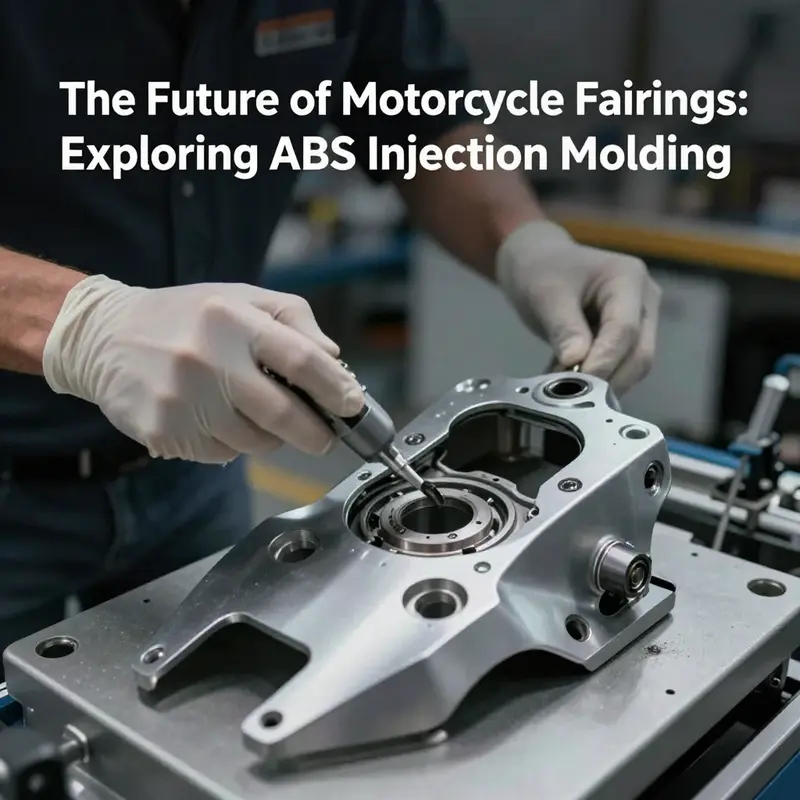
Abs injection molding sits at the core of how modern motorcycle fairings achieve a rare blend of lightness, strength, and scalable precision. The process starts with a carefully engineered thermoplastic resin—ABS—that is heated to a consistent molten state and injected into a mold under substantial pressure. This action fills every contour of the cavity, tracing complex aerodynamics while preserving tolerances that matter for fit and performance. What makes ABS appealing for fairings is not only its strength-to-weight ratio but its resilience across a spectrum of service conditions. The resulting panels resist impact from road debris, resist deformation under rapid temperature swings, and maintain color and gloss in the face of UV exposure and weathering. In a market where riders demand both cost efficiency and reliability, ABS injection molded fairings offer a decisive advantage: predictable, repeatable parts that can be produced at scale without sacrificing the nuanced geometry required by modern sportbike platforms. The interplay between material behavior and mold design is where the craft of fairing production reveals its sophistication. Every feature—from the sharp edge of an air intake to the gentle radius at a knee-point—depends on how the molten polymer flows, cools, and locks in its final shape. Engineers sketch the ideal flow path, not just for aesthetics but to minimize defects such as weld lines, sink marks, or micro-bubbles that could compromise surface integrity. They must also anticipate post-mold processes, such as trimming, post-matching, and painting, which in turn influence mold complexity and cycle efficiency. In this ecosystem, the mold is not a simple negative of the part; it is a living tool that must accommodate shrinkage, thermal expansion, and the inevitable variations introduced by high-volume production. The result is a single, repeatable geometry that can be assembled with mounting points, alignment features, and edge detailing calibrated to match the parent bike’s original geometry.
Designers and manufacturing engineers collaborate to translate a rider’s needs for aerodynamics, protection, and aesthetics into a set of design parameters that a mold can realize. ABS offers consistent dimensional stability, but its behavior under pressure and at the moment of injection demands careful control of processing windows. Temperature, injection speed, and mold temperature all steer the final surface quality and thickness distribution. If the material cools too quickly in some regions, residual stresses can develop, leading to warping or microcracking. If it cools too slowly, cycle times lengthen and productivity suffers. The skill of the process engineer lies in balancing these variables so that the exterior surface remains smooth and feature-rich, while internal thicknesses stay within specified tolerances for durability and fit. This balance becomes especially critical when fairings must be compatible with OEM components that have tight, standardized interfaces. A well-designed ABS system respects those interfaces through precise location features and standardized mounting points. Instead of relying on a one-size-fits-all approach, modern tooling integrates alignment tabs, pilot holes, and snap-fit elements that align with the motorcycle’s framework and subframes. The aim is a seamless, road-ready installation that does not require forcing or improvisation—the mark of true OEM-level fit for aftermarket kits.
The design flexibility of ABS injection molding is another pillar of its appeal. ABS readily accepts color, surface treatments, and post-mold finishing steps that enable a broad spectrum of aesthetic and protective options. The glossy, smooth surfaces that riders expect on fairings are achievable without costly post-processing when the mold is crafted with the right draft angles and surface texture. This level of fidelity matters because fairings do more than shade the rider and shield the engine; they define the visual language of a bike. A strong silhouette, crisp character lines, and integrated venting can all be achieved through intelligent mold design and careful material selection. High-quality ABS parts can be produced with consistent texture, enabling even color matching across panels and a uniform gloss that remains stable through multiple heat cycles. The result is a kit that not only fits well but also reads as a coherent, purpose-built addition to the bike’s identity. These attributes are essential when aftermarket fairings aim to mimic OEM aesthetics while offering enhanced resilience and repairability.
And yet the story of ABS fairings is not merely one of aesthetics. The performance dimension—how fairings affect airflow, heat management, and drag—hinges on the surface and geometry that ABS can faithfully reproduce. In a design context, even modest reductions in aerodynamic drag can translate into measurable improvements in efficiency at speed and stability at high velocities. Engineers commonly quantify benefits with surface smoothness, panel alignment, and consistent thickness, all of which influence how air flows around the bike’s profile. ABS’s compatibility with rapid prototyping accelerates the iteration loop. Designers can, in a matter of days, test modified contours, rework mounting interfaces, and refine the balance between protection and weight. The cycle is repeated until the fairings deliver the intended drag reduction without compromising strength, fit, or serviceability. This iterative capability is crucial in a market that prizes both speed and durability, where a small improvement in the fairing geometry may yield better venting of hot air from the engine bay during aggressive riding or more stable handling in crosswinds.
From the production floor to the showroom, the path of an ABS fairing is shaped by the integration of mold-making capability with high-volume manufacturing. Modern facilities design molds to enable fast cycling, consistent output, and intricate geometries that resist deformation after flashing, trimming, and finishing. Tool life becomes a critical metric; durable steel molds with hardened cores can withstand thousands of cycles, delivering thousands of complete fairing sets per month. This scale is not merely about raw output; it is about maintaining tight tolerances across hundreds or thousands of identical parts, each with the same engine- and chassis-connecting features. The capacity to produce tens of thousands of fairing sets monthly is the backbone of aftermarket supply chains that rely on predictable lead times. In practice, this translates to typical lead times in the range of a couple of weeks for standard ABS kits and a bit longer for custom configurations or low-volume runs. Within this framework, some manufacturers even house mold-making operations in-house, enabling streamlined customization and faster response times for riders who request unique colorways, logos, or minor design modifications while still preserving the high-level accuracy of the base geometry.
The role of ABS injection molding in OEM and aftermarket contexts further underscores its versatility. For OEM lines, ABS provides a cost-effective way to produce durable outer shells that protect critical engine and chassis components. For aftermarket suppliers, the same technology offers a reliable path to replacement parts that match the original geometry and mounting interfaces so closely that installation can feel like a plug-and-play upgrade. The ability to replicate exact OEM specifications with high fidelity is central to building consumer trust in after-market kits, especially when riders expect smooth fit along seams and precise alignment with adjacent panels. ABS molding makes that fidelity feasible at a cost that supports broad distribution while preserving quality. The surface finishes offered by ABS, along with consistent thickness control, enable a uniform aesthetic across a full fairing set and across multiple production batches, helping maintain brand perception and rider satisfaction.
In this ecosystem, the engineering philosophy emphasizes measurement and repeatability. Dimensional control is achieved through meticulous process monitoring, including feedback from part gaging, surface metrology, and functional fit checks against reference assemblies. Carried out in tandem with mold design, these checks reveal deviations that would otherwise accumulate as parts move from pilot runs into mass production. The result is a reliable, scalable pipeline where each component—whether a panel with a vent or a corner piece near the fairing’s edge—contributes to a cohesive whole. The forecasting of output, the scheduling of runs, and the alignment of finishing steps with the assembly sequence all hinge on this disciplined approach. Through it all, ABS remains well-suited to respond to demand variability. If a particular sport-bike family sees rising aftermarket interest, the same tool can be leveraged to retool or reconfigure the mold for a new set of panels without sacrificing the speed-to-market that riders increasingly expect.
As a practical expression of these capabilities, the modular nature of ABS fairing kits allows for scalable customization. Manufacturers can offer standard shapes while preserving an open path for minor design tweaks, such as revised air-intake contours or revised mounting recesses to accommodate different subframes or fairing supports. In many facilities, this flexibility is built into the workflow through in-house mold-making capabilities and modular tooling. The ability to adapt quickly to a rider’s tastes—whether in color, finish, or minor geometry—rests on this ecosystem’s harmony: robust mold design, stable material properties, precise process control, and an agile operations model. This synergy is why ABS injection molding has persisted as a preferred method for both OEM replacement parts and the expanding aftermarket, where riders seek performance-consistent aesthetics at a price point that makes frequent upgrades feasible rather than prohibitive.
For readers exploring how these principles manifest in a catalog of bike components, consider looking at a curated Honda fairings collection, which demonstrates how a cohesive suite of panels can align with a bike’s geometry while offering room for customization and repair. This example illustrates how a single family of parts can maintain a uniform look and feel across variants, with consistent surface quality and mounting accuracy—an outcome that ABS injection molding helps deliver through disciplined mold design and stringent process controls. It is a reminder that the best fairings do more than sit on a bike; they synchronize with engineering intents, rider expectations, and the practicalities of distribution. In the end, the success of ABS in motorcycle fairings is measured not only by the beauty of its curves but by the confidence a rider feels when the panels snap into place, when the seams align with the chassis, and when the surface finish stands up to daily use and the demands of high-speed riding.
From the standpoint of the industry, the optimism around ABS injection molding rests on continual improvements in mold design, material science, and quality assurance frameworks. Molds are evolving to produce smoother flows, with reductions in defect rates and shorter cycle times. Material innovations are pushing the envelope on heat resistance, impact resilience, and color stability, while still maintaining the economic advantages that make ABS a practical choice for mass-market and niche applications alike. As manufacturing ecosystems grow more connected, the ability to monitor, simulate, and optimize each step in the process becomes more accessible. Digital twins of molds and process windows enable engineers to anticipate issues before a physical run begins, reducing scrap and energy consumption while accelerating timelines from concept to road-ready parts. The forward-looking trajectory suggests that ABS injection molding will continue to be a dominant path for motorcycle fairings, balancing the demands of performance, durability, and affordability as riders push the boundaries of what their machines can do.
In the broader context of sourcing and distribution, the relevance of this technology extends to both mainstream platforms and specialty suppliers. The common thread is a commitment to compatibility, consistent quality, and transparent lead times. Buyers increasingly expect clear specifications, validated tolerances, and reliable aftersales support as part of the purchase experience. The manufacturing narrative embedded in ABS fairings emphasizes the importance of process discipline and engineering rigor, whether the target is a mass-market replacement kit or a bespoke design for a limited-run model. The result is a reliable product ecosystem where the benefits of ABS injection molding are accessible to riders across a spectrum of needs, from casual enthusiasts seeking affordable replacements to racers demanding precise fit and performance under extreme conditions. In this landscape, the fairing is more than a shell; it is a carefully engineered interface between machine, rider, and road, built with the confidence that comes from a mature, scalable manufacturing process that continues to evolve with the materials and the tools of design and production on the cutting edge.
For readers who want to explore a catalog-like reference while staying within this design and production philosophy, a practical path includes reviewing a curated Honda fairings collection that showcases compatible panels and mounting features across various platform families. This approach highlights how standardization in interface points and consistent surface quality enable a broad aftermarket ecosystem to deliver reliable replacements without the risks of misfit parts. The dialogue between design intent, tooling, and supply chain execution is at the heart of successful ABS-based fairings. It is this dialogue that ensures riders can experience the twin promises of performance and practicality—agility in the way a bike feels on the road and peace of mind that comes with a properly fitted, durable panel set. The chapter closes not with a final verdict, but with a vivid reminder: plastics, precisely processed, can carry both speed and reliability when the design, the tools, and the process all speak the same language of engineering excellence.
External reference for further technical context and broader perspective on ABS injection molding in plastics manufacturing can be found here: https://www.amazon.com/Injection-Molding-Yellow-Black-ABS-Plastic-Fairing/dp/B0BQJZK9D6
Speed, Strength, and Seamless Fit: Why ABS Injection-M molded Motorcycle Fairings Surpass Other Materials
ABS injection-molded motorcycle fairings sit at a strategic crossroads of performance, practicality, and design. They are more than a plastic shell; they are engineered systems that influence the bike’s aerodynamics, rider safety, and lifecycle economics. When the material is ABS and the process is injection molding, the result is a shell with predictable thickness, uniform surface quality, and the capacity to reproduce complex geometries at scale. This is not just about making a shape that looks good; it is about creating a shell that can hold its shape under wind pressure, absorb impacts without shattering, and accept precision-fit features that align with the bike’s frame, mounting points, and sensor housings. The chapter that follows examines why ABS, when molded under controlled high-pressure conditions, delivers advantages that are meaningful to riders and manufacturers alike. It also frames how these advantages compare with other materials commonly used in fairing construction, from fiberglass to carbon fiber, and why ABS has grown to become a benchmark in both OEM and aftermarket contexts.
ABS plastic, by its nature, combines toughness with tuned flexibility. It resists impact without becoming brittle, a trait that matters when riders encounter roadside debris, minor tip-overs, or the occasional dropped bike during parking maneuvers. The injection molding process further enhances these properties by producing parts with consistent thickness throughout each panel, reducing weak points where stress concentrates. In a sport or touring bike, uniform thickness translates into predictable performance at high speeds. It helps maintain a stable boundary layer over the fairing, which in turn supports smoother airflow and steadier handling. The impact resistance of ABS is not solely about surviving a crash; it is about preserving rider safety and controlling energy transfer during an accident or even a low-speed bump in a pit lane or garage. The material’s fracture behavior tends to be more forgiving than some thermoplastics, which means a damaged panel can be repaired or replaced with less risk to surrounding components. This characteristic is a common thread through the iterative design cycle of fairings meant for multiple model generations and varying riding styles.
One of the strongest practical appeals of ABS injection molding is the cost structure it enables. High-volume production allows for economies of scale that are difficult to replicate with hand-laid materials or artisanal fiberglass processes. The injection molding cycle can reproduce intricate contours and integrated features—such as vent channels, mounting bosses, and aero tabs—without the labor intensity that typically accompanies fiberglass or carbon fiber parts. The result is a fairing that is affordable for a broad market segment while still meeting exacting tolerances. When you factor in waste reduction, because the process is highly material-efficient and scrap can often be recycled into regrind for subsequent cycles, the total cost of ownership becomes more favorable. This is crucial for both OEMs who must manage a broad portfolio of models and aftermarket suppliers who aim to offer competitive kits in a crowded marketplace. The ability to standardize a core manufacturing process, while still accommodating model-specific variations through modular molds, is what makes ABS fairings scalable. Vendors can deliver thousands of units monthly, with lead times that fit typical seasonal demand cycles, and they can still offer customization options for particular markets or customer requests. The pricing dynamics described here have direct implications for the affordability of fairings as replacements, encouraging riders to consider a complete upholstery and graphics package rather than a single component.
Repairability and serviceability are also pivotal in the value proposition of ABS fairings. When a panel sustains damage, ABS is relatively forgiving because it can be repaired with common plastic welding techniques, filler compounds, or even heat-assisted reshaping. This is a practical advantage for riders who plan to use their motorcycles in varied environments and who may want to refresh or modify the look over time. Unlike some carbon-fiber or fiberglass assemblies that require extensive repair infrastructure, ABS fairings can often be brought back to appearance and function with standard tools and supplies available in many workshops. The repair workflow preserves the original geometry and mounting alignment, which helps avoid misfit issues that could otherwise complicate re-installation or compromise safety. In regulatory terms, repairs tend to maintain the fairing’s structural role in deflecting wind and protecting rider legs and internal components, as long as the repair preserves the panel’s original thickness and contour fidelity. In short, repairability is not merely about patching a cosmetic crack; it is about sustaining a performance envelope and extending service life without triggering disproportionate downtime or expense.
Aerodynamic performance benefits from the surface quality that injection-molded ABS delivers. A smooth, seamless exterior with tight tolerances reduces parasitic drag and can contribute to more stable high-speed behavior. The surface finish achieved through precise mold design supports graphics fidelity, hard-wearing coatings, and weather-resistant sealing that keeps the fairing looking consistent even after exposure to sun, rain, and road grime. The aerodynamic gains may be incremental per panel, but when accumulated across the entire fairing set, they contribute to more efficient airflow around the bike, improving cornering feel, reducing noise, and potentially enhancing fuel efficiency during sustained riding. It is into this intersection of form and function that ABS shows its strength: the ability to maintain smooth surfaces across weather cycles and high-velocity regimes, while being compatible with paint systems and protective finishes that riders expect on street and track machines. The result is a fairing that does not merely cover the bike; it integrates with the rider’s experience by maintaining quietness and reducing buffeting, particularly at the helmet line and shoulder height where airflow interacts most directly with rider posture.
The aesthetic versatility of ABS is another compelling argument for its adoption. The material holds intricate details well, which means designers can embed complex graphics, vents, and sculpted features without resorting to secondary processes. This capacity is important for sport and touring models that rely on aggressive lines and purposeful air management. The panel edges can be trimmed to tight radii, and graphics can be applied with durability in mind, resisting scuffing and fading with appropriate coatings. For customers who want to customize—whether with factory-style livery or personal artwork—ABS fairings accept paint and clear coats reliably, with adhesion that remains strong even after multiple assembly and disassembly cycles during maintenance or upgrades. The combination of aesthetic fidelity and repairability makes ABS a versatile canvas for riders who view their bike as a canvas as well as a machine. In this way, ABS injection-molded fairings can balance the showroom shine with practical durability.
The discussion would be incomplete without addressing how ABS fairings fit into the broader ecosystem of materials used in motorcycle manufacturing. Fiberglass, for example, offers good stiffness and light weight, but it typically demands more manual layup, curing time, and post-processing. Carbon fiber can deliver exceptional stiffness-to-weight ratios and fashionable high-end appeal, but at a significantly higher cost and with a more demanding manufacturing workflow that includes meticulous layup, resin control, and curing. ABS injection molding, by contrast, provides a predictable, repeatable manufacturing process that supports tight tolerances and consistent output across thousands of units. The trade-off is that ABS may not achieve the extreme stiffness values associated with carbon fiber in certain high-load applications; however, for most fairing applications—where impact resistance, weather resistance, and integrative design features matter most—the ABS route offers a balanced performance envelope. This is precisely why many OEM and aftermarket suppliers lean toward ABS, especially when the goal is to deliver reliable, road-legal components that meet safety standards and provide straightforward maintenance. The result is a fairing that supports real-world riding demands—quick installation, resilient performance, and a look that remains compelling after rough road tests and routine maintenance sessions.
The practical realities of scale and supply chains also shape the advantages of ABS injection molding. In regions with established mass-manufacturing capabilities, the capacity to produce thousands of fairing kits monthly becomes a decisive factor for both OEMs and aftermarket brands. In addition, the ability to design in pre-drilled mounting points and precise alignment tabs reduces installation time and the likelihood of misalignment that could compromise safety. For dealers and shops, the predictability of ABS parts means easier inventory management, faster turnarounds on repairs, and an ability to respond quickly to consumer demand for replacements or upgrades. The manufacturing ecosystem around ABS fairings often includes in-house mold-making capabilities, which support customization or low-volume modifications for specific models or regional variations. This in-house capability shortens lead times and offers a level of agility that is difficult to match with more labor-intensive materials. In practice, a consumer who orders a Honda CBR600RR or a CBR1000RR fairing kit can expect a consistent fit, a robust surface finish, and a relatively straightforward installation process—an outcome that harmonizes with the rider’s goal of getting back on the road with minimal downtime. The alignment between production strategy and rider expectation is a key driver of ABS fairings’ popularity in both the street and track environments.
The market context, including how riders discover and evaluate ABS fairings, sheds light on the material’s appeal. Consumers increasingly seek a blend of reliability, value, and customization options. In many markets, platforms that aggregate aftermarket fairings present ABS as a practical solution that can deliver OEM-like fitment without the premium price tag associated with high-end composites. The material’s compatibility with clear protective coatings helps protect against UV-induced yellowing and weathering, which supports long-term aesthetics and resale value. Moreover, ABS can be molded into highly integrated assemblies, where multiple panels share mating features and alignment references. That integration reduces the probability of misfit and simplifies the installation process, encouraging a broader share of riders to opt for aftermarket completions rather than piecemeal replacements. When combined with a well-designed graphics and protection plan, ABS fairings offer a compelling value proposition: the ability to upgrade a bike’s look and performance with minimal risk and a reasonable budget. The net effect is a more accessible pathway to a personalized ride that still preserves the critical safety and fit functions that fairings must provide.
The thread tying these considerations together is the balance ABS injection molding creates among performance, manufacturability, and consumer access. The advantages over other materials are not merely incremental; they are interdependent aspects of a system designed to deliver consistent performance across diverse use cases. Riders who value predictable maintenance, fast installation, and the freedom to upgrade their aesthetic without incurring prohibitive costs find ABS fairings particularly attractive. This does not imply that ABS is the universal answer for every scenario, but it does underscore why manufacturers consistently choose it for a wide array of models and markets. For many riders, the practical benefits—impact resistance, repairability, surface quality, and cost discipline—translate into a more robust, more versatile fairing solution that can meet both the demands of the road and the expectations of performance-focused customization. In this sense, ABS injection-molded fairings are less a single component than a strategic approach to motorcycle styling and protection that respects the realities of mass production while delivering a cockpit-ready, aerodynamically coherent exterior.
Finally, as the ecosystem evolves and new design challenges emerge—such as continued emphasis on efficiency, weather resilience, and safety testing—the core strengths of ABS injection molding remain relevant. The material’s compatibility with a range of coatings and finishes ensures that riders do not have to compromise on appearance to gain durability or vice versa. The combination of fast production cycles, consistent part quality, and the ability to integrate with OEM-specified features makes ABS an enduring reference point in the conversation about motorcycle fairings. It is not simply a matter of selecting a plastic; it is about choosing a engineered system that supports high-speed stability, rider protection, and the kind of visual identity that motivates riders to explore, customize, and ride with confidence. The chapter has traced the essential reasons why ABS injection-molded fairings stand out in a crowded field, illustrating how a single material and process can harmonize performance goals with practical realities—an harmony that continues to shape the trajectory of modern motorcycle design.
For readers who want to explore model-specific options and catalogs that align with the discussion of OEM-style fit and aftermarket availability, a useful reference to consider is the Honda fairings collection, which showcases how manufacturers align ABS tooling with model geometry and rider expectations. Honda fairings collection.
External resources for deeper technical context on ABS and injection molding practices provide additional practical insights. For a detailed exploration of material performance and production considerations, see the external reference here: https://www.amazon.com/dp/B0CZ9FJ8XK?th=1
Molded Momentum: The Economic Pulse of ABS Injection Molding in Motorcycle Fairings
The economics behind ABS injection molding for motorcycle fairings is a story of scale, speed, and design discipline. In a market where thin shells must endure wind shear at the edge of performance and weathering at highway speeds, the choice of material and the efficiency of production become not just technical details but core drivers of value. ABS, or acrylonitrile butadiene styrene, has emerged as a dependable backbone for this category because it balances stiffness, toughness, and processability with a cost profile that makes it viable for both mass-market replacements and more specialized, aftermarket designs. The resulting fairings can be produced in volumes that satisfy quick-turn demand while preserving dimensional accuracy, surface finish, and alignment precision that customers associate with OEM replacements. This intersection of manufacturing capability and market demand creates an economic dynamic that shapes not only the price tag of a given kit, but the broader direction of the fairing ecosystem.
Market growth in ABS injection-molded fairings is driven by several converging forces. Foremost is the sustained interest in lightweight, performance-enhancing components. ABS offers an attractive compromise between weight, stiffness, and impact resistance, while remaining significantly more affordable than many advanced composites. The global market for motorcycle fairings, driven in large part by the appetite for lighter, optimized aerodynamics, is projected to grow at a healthy pace—an estimated compound annual growth rate (CAGR) of about 12.3% through 2026. That figure reflects rising demand from both the aftermarket and the continuing replacement cycle spurred by wear, minor aesthetic updates, and the constant pursuit of better fit and finish. In practical terms, this translates to more units moving through established channels, which in turn supports lower per-unit costs through economies of scale and more mature tooling ecosystems.
At the heart of this growth is the ability to deliver consistent quality at scale. ABS injection molding is inherently compatible with high-volume production because the material feeds and molds can be engineered for repeatability. When a facility commits to thousands of units per month, it can amortize the upfront investment in steel molds and automation over a larger output, lowering the unit cost even as parts are customized to specific model lines or rider preferences. The economics extend beyond the shop floor. ABS sheets and resins benefit from broad supplier networks, which helps stabilize pricing and reduces the risk of material scarcity that can disrupt lead times. In a mature supply chain, the raw material footprint sits close to the mold and assembly lines, a configuration common in regions with integrated tooling, prototyping, and manufacturing ecosystems. Lead times for standard ABS kits typically range from 15 to 30 days, a window that supports both quick replacement needs and more deliberate customization projects. The implication is clear: speed to market and predictability in delivery are not afterthoughts but central pillars of competitiveness in today’s ABS-driven fairing landscape.
From a pure cost perspective, ABS injects a compelling value proposition. Its material cost is generally lower than many high-performance alternatives, which means a lower baseline price for a kit without sacrificing essential performance attributes like impact resistance and UV stability. The resulting price sensitivity among buyers—who range from individual riders seeking affordable replacements to small repair shops and larger distributors—puts pricing pressure squarely on manufacturing efficiency. The economic model rewards facilities that can blend rapid tooling with flexible production lines. In regions that have built dense, end-to-end manufacturing clusters, such as historically integrated textile-to-tooling hubs, the entire chain benefits from reduced logistical complexity and faster throughput. When a supplier can route materials, tooling, and assembly through a compact footprint, the logistics savings can be substantial. In fact, a pragmatic estimate places logistics cost reductions at up to 30% compared to more dispersed or outsourced configurations, all while keeping delivery cycles tight. This is not merely a matter of lower freight costs; it is about reducing the drag in the supply chain so that shops can forecast inventory, schedule installation windows, and commit to shorter lead times for customers who demand speed and reliability.
The design language surrounding ABS fairings has matured in lockstep with these economic realities. Today’s ABS fairings emphasize aerodynamic efficiency, structural integrity, and modularity. Aerodynamic optimization, for instance, can deliver drag reduction on the order of up to 15% compared with standard fairing configurations. While the raw numbers will vary by model and riding conditions, the principle is consistent: even incremental drag reductions translate into meaningful gains in fuel efficiency and stability at high speeds. For the consumer, these improvements are tangible in how the bike feels on the highway and how predictable it is in cornering at the limit. For manufacturers and distributors, those performance metrics translate into a more compelling value proposition and differentiating capability in a crowded market.
A robust, performance-focused approach also dovetails with improving fit and safety compliance. ABS kits are often designed with pre-drilled mounting points and alignment tabs to simplify installation and removal. This design discipline reduces the risk of misalignment, lowers the chance of mounting damage during service, and supports consistent retrofits. It also enables repair shops to offer faster turnaround, which in turn strengthens the aftermarket value proposition. In the broader market, safety compliance remains essential as many buyers want components that are not only visually appealing but also road-legal and dependable under everyday riding conditions. ISO 9001-certified manufacturers are widely cited as a benchmark for quality management, and those standards support a reliable supply chain that can back up the economics of mass production with confidence in process control.
The regional dimension of this story is important, too. Manufacturing ecosystems in locations known for tooling, rapid prototyping, and integrated logistics—particularly in parts of East Asia—have become a crucial engine of the ABS fairing market. Proximity to resin suppliers, mold shops, and assembling facilities reduces the overall cost of ownership for a kit and accelerates the flow from design to shelf. In these ecosystems, the cycle from concept to production can be compressed thanks to shared tooling platforms, standardized process parameters, and the ability to run high-volume trials that validate fit and surface finish before large runs. This proximity matters not only for standard configurations but also for custom designs and limited-edition releases. Facilities with in-house mold-making capabilities can push through low-volume modifications or near-market customization without the expense of external tooling changes, an advantage that becomes especially meaningful as consumer tastes evolve and as riders demand more tailored aesthetics and functional features.
The economic narrative also encompasses the aftermarket and repair sectors. ABS fairings are not simply cosmetic upgrades; they are functional components that must withstand UV exposure, rain, heat, and impact. The resin’s resilience translates into longer service life, reducing the frequency of replacement and the total cost of ownership for riders who want reliable performance without repeatedly upgrading parts. This durability, combined with the potential for modular design, supports a business model in which a supplier can offer a core set of components that are easily customized with trim accessories or decals. The modular approach resonates with repair facilities and distributors that need to stock a smaller number of core parts while still delivering a wide array of customization options to customers. The result is a more resilient aftermarket market, less prone to price volatility and more capable of sustaining growth across economic cycles.
As the market expands, the temptation to substitute materials in pursuit of further savings is an ongoing tension. ABS injection molding remains a strong baseline because it provides a predictable mix of performance and cost. However, the broader landscape includes higher-cost materials like carbon fiber composites for premium applications, and the engineering teams behind ABS kits must continually justify the choice of ABS against these alternatives. The calculus is not purely sheet price; it includes lifecycle performance, repairability, installation simplicity, and the ability to scale. In many cases, ABS provides the best balance for a large portion of the market—excellent impact resistance, durable surface finishes, and compatibility with standard paint and coating processes—while carbon fiber or other advanced materials find their niche in higher-end or OEM-replacement programs where weight savings and stiffness are the primary differentiators.
Behind the scenes, the economics of ABS injection molding are consistently reinforced by the ability to deliver mass-market affordability without compromising quality. The tooling and process know-how that enable rigid tolerances and accurate part geometry are the result of long-term investments in mold design, heat transfer control, and automation. The result is parts that fit where they are supposed to fit and look the part when installed. This alignment between design intent and manufacturing reality is the essence of efficiency: it reduces waste in production, minimizes rework, and accelerates the path from concept to customer. The market’s appetite for dependable, cost-effective, and easy-to-install fairings ensures that this alignment remains a focal point for manufacturers, distributors, and aftermarket specialists alike.
Looking ahead, the industry’s trajectory appears to be a blend of continued scale and selective specialization. The push toward modular designs, fast prototyping, and standardized interfaces supports a system in which a base ABS kit can be adapted to various models through simple tweaks rather than wholesale redesigns. Such modularity lowers the barrier to entry for new designs, enabling smaller teams to bring innovative shapes to market with reduced risk and shorter lead times. It also helps distributors manage a dynamic catalog—keeping a core set of reliable, high-volume parts in stock while expanding bespoke options during peak demand periods. In this sense, ABS injection molding is not merely a manufacturing method; it is a strategic backbone that underpins cost discipline, speed, and adaptability across the entire supply chain.
The broader strategic implications extend to how customers perceive value. In a market where riders seek a balanced blend of aesthetics, performance, and practicality, ABS fairings can deliver a compelling package: credible OEM-like fitment, solid surface finishes, weather resistance, and the confidence that comes from a track-record of mass-produced reliability. When combined with competitive pricing and predictable delivery windows, ABS-based fairings reinforce a durable value proposition for both new buyers and seasoned enthusiasts who depend on steady availability and clear, straightforward installation. This, in turn, sustains demand growth and reinforces the economic rationale for continuing investment in tooling, process optimization, and regional manufacturing clusters that keep the cycle of cost savings and quality improvements in motion.
For readers seeking a gateway into this ecosystem, the practical takeaway is that the economics of ABS injection molding for fairings are not abstract figures but a living set of trade-offs. Material cost versus performance, upfront tooling versus unit volume, lead time versus customization, and regional logistics versus global reach all converge to determine the price, availability, and reliability of a given kit. The market’s momentum—elevated by double-digit growth and reinforced by measurable gains in drag reduction and installation efficiency—suggests that ABS injection molding will remain a central, scalable solution for motorcycle fairings for the foreseeable future. Its success rests on the synergy between smart design, disciplined manufacturing, and an adaptable supply chain that can meet evolving rider expectations while preserving the affordability that keeps aftermarket customization accessible to a broad audience.
Internal link reference: Fairings from a broad catalog of performance-focused options can be explored here: https://www.summitfairings.com/collections/honda-fairings (Fairings catalog).
External resource for further study: https://www.alibaba.com/product-detail/ABS-Injection-Molding-Yellow-Fairing-Kit-for_1600488798275.html?spm=a2700.details.click.1.2b1d7c76a6e6c4&productId=1600488798275
Final thoughts
Understanding ABS injection molding is not just for manufacturers; it’s crucial for any business owner in the motorcycle industry aiming for growth. By leveraging the structural and economic advantages of ABS fairings, companies can significantly enhance their product offerings and remain competitive in the market. Staying updated with trends and incorporating quality materials can help attract discerning riders looking for both performance and aesthetic appeal. As the industry continues to evolve, embracing innovations in manufacturing processes like ABS injection molding will pave the way for future success.