
The motorcycle aftermarket industry is thriving, with ABS motorcycle fairings capturing the spotlight due to their superior durability and appealing designs. For business owners, understanding the dynamics of ABS fairings is crucial, whether you’re a retailer or a manufacturer. This article delves into current trends, the unique advantages of ABS materials, market dynamics, consumer preferences, and comparisons with other materials. Each of these chapters will help you gain a comprehensive understanding of what drives sales in this competitive segment.
Speed, Shield, and Style: Navigating the 2026 Wave of ABS Motorcycle Fairings in the Aftermarket Market
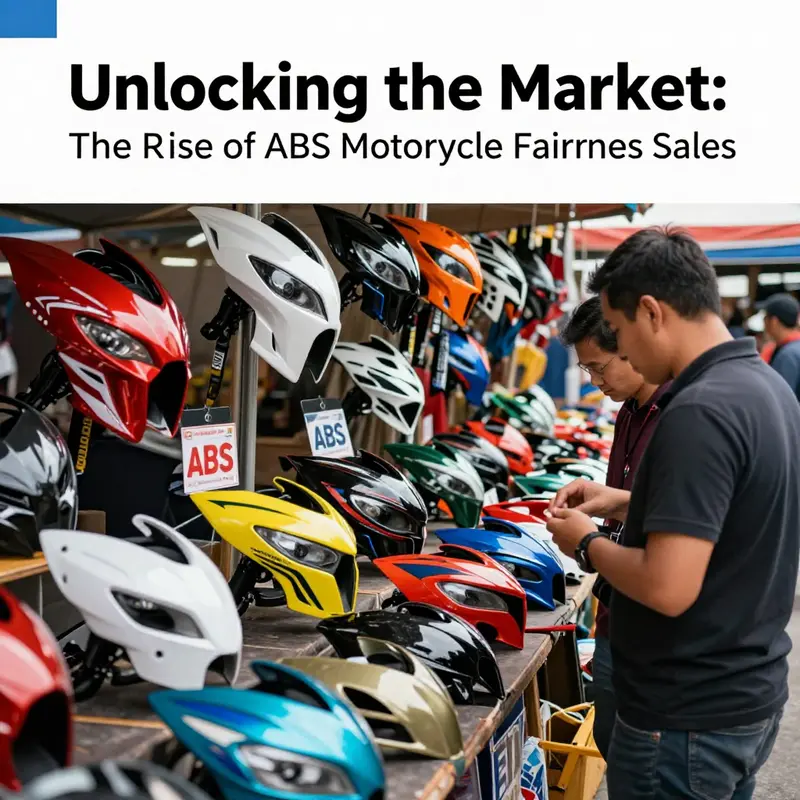
Speed, Shield, and Style have become the triad that defines the ABS motorcycle fairing landscape in the aftermarket world today. ABS fairings are more than cosmetic upgrades; they are functional shields that influence aerodynamics, weather protection, and the rider’s confidence on every ride. ABS, a tough thermoplastic, brings a blend of resilience and flexibility that makes it the preferred choice over some traditional composite materials. When a stone is flung from the road or a gust tugs at the rider’s balance, ABS tends to flex and recover rather than shatter, translating into more durable shells and lower replacement costs. This durability matters, not just for weekend riders who log long miles, but for touring enthusiasts and racers who demand consistent performance under varied conditions.
Beyond raw toughness, ABS also offers design latitude that fuels the modern market’s appetite for customization. It can be molded into complex curves, integrated mounting points, and finishes that resist fading under sun and rain. The result is a family of fairings that suits a spectrum of goals: improved aerodynamics for highway stability, reduced drag for better fuel efficiency, and the ability to tailor colors and graphics without triggering prohibitive tooling costs. Riders can pursue a look that matches their bike’s silhouette while preserving a predictable fit. The blend of stiffness and a touch of give makes ABS a practical platform for everything from stock-inspired repeats to bold, race-inspired aesthetics.
As of early 2026, the market shows a clear preference for full fairing kits. Consumers are not simply buying a shield; they are investing in a cohesive shell that covers critical surfaces in one install, yielding a unified line and a simpler color scheme. The appeal of a complete kit extends beyond appearance. It streamlines installation, reduces the risk of misalignment, and ensures that fasteners and mounting points line up with factory geometry. This trend aligns with a broader shift toward lightweight yet sturdy components that don’t force riders to compromise on strength for weight. Improved ABS blends and processing technologies have cut the weight premium while maintaining impact resistance, enabling riders to reap aerodynamic and protective benefits without paying a steep weight penalty.
Price remains a central factor shaping the contemporary fairing market. Buyers today look for a practical intersection of value, performance, and appearance. The market offers a spectrum—from budget-friendly kits that mimic original styling to mid-range options that push sculpted forms and refined aerodynamics, often with upgrades such as ready-to-assemble hardware and protective coatings. At the high end, premium custom sets demonstrate that ABS can be tuned for extreme personalization. These bespoke projects showcase precision in shaping, reinforced mounting points, and sophisticated finishes that stand up to the life of aggressive riding, long-distance touring, or museum-like display builds. While these premium offerings sit at higher price points, they illustrate the material’s adaptability to complex geometries and meticulous finish work, underscoring that ABS is not a one-size-fits-all solution but a versatile base for a spectrum of ambitions.
Access to ABS fairings has grown through online channels, broadening the reach beyond traditional storefronts. Online marketplaces now function as major arteries in the supply chain, delivering OEM-compatible full fairing kits that promise smoother installation and better predictability for buyers who are patching their own rides or pursuing a restoration. The guarantee of a proper fit has become a key selling point, easing the anxiety of buyers investing in a multi-piece upgrade. Availability of assembled kits and unpainted shells further fuels customization, letting builders paint and finish to their own taste while keeping the protective advantages of ABS intact. The expansion of automated production and international sourcing means shorter lead times, more consistent quality, and a broader selection of styles, so buyers can pursue a cohesive look without sacrificing reliability.
Even within the price spectrum, the premium segment demonstrates how ABS remains a flexible, high-performance platform. Market practitioners who cater to performance-minded riders on touring or sport-oriented builds emphasize that the fairing can support weight management, heat shielding, and streamlined cable routing. ABS’s capacity to reproduce precise geometries with tight tolerances expands what is possible in fairing design, enabling smoother radii around joints, better wind shielding at high speed, and more secure mounting hardware. The effect is not merely cosmetic: a well-crafted shell strengthens the overall system by reducing buffeting, increasing rider control, and protecting sensitive electronics from weather and debris. In this sense, ABS fairings are a platform for integration rather than a simple exterior layer.
Technology is increasingly entering the fairing space as well. Riders today expect more than wind protection; they want a home for electronics and controls that enhance the ride. Fairings are being designed with wire routing, integrated light housing, and even spaces for small displays or navigation modules. The result is a cleaner cockpit where cables disappear into the panels, drag is minimized, and the rider’s interaction with the machine feels more seamless. The aesthetic aspect of these designs matters too; finishes and textures are chosen to complement the bike’s lines while providing practical durability, resisting scratches and UV exposure. In this ecosystem, ABS is not merely a shell to be painted but a modular, adaptable platform that supports the evolving needs of riders who want both performance and sophistication.
With that evolving demand comes a broader culture of personalization. Riders who engage in online forums and social channels often argue that the value of an ABS fairing kit lies in the ability to present a coherent story about the bike’s purpose. A touring-minded build prioritizes weather sealing and comfort, a sport-oriented setup emphasizes aggressive profiles and tighter gaps, and a street cruiser may opt for a calm, museum-quality finish. The same ABS base can be adapted to different narratives by choosing textures, finishes, and decals that align with a rider’s vision. The predictability of ABS manufacturing supports consistent color matching and graphic alignment across the entire shell, enabling a clean, professional transformation that previously required much more costly materials and processes.
For a reader mapping a practical buying journey, the factors to weigh are straightforward: fit, weight, and protection. The weight difference between ABS and some other composites is not dramatic, but it matters when riders chase the smallest performance gains or seek precise mass distribution for their bike’s handling. The structural integrity under impact matters for riders who ride on imperfect roads or in fluctuating weather, and for those who want protection without limiting access to essential electronics. The aerodynamic shape is more than surface decoration; it reduces drag, eases wind pressure on the chest and shoulders at speed, and contributes to ride stability. In an era when riders demand more than raw power, the fairing becomes a true system component that works in concert with the bike’s engine, chassis, and electronics to deliver a more confident ride.
The shift toward full kits mirrors a broader appetite for coherent, integrated upgrades. The decision to pursue a complete set is not merely about aesthetics; it signals a preference for a consistent functional envelope that coordinates with the bike’s electronics and rider aids. A robust ABS kit can create a wind-shielding envelope that aligns with your bike’s silhouette while providing practical protection for the radiator hoses, wiring harnesses, and sensors that keep everything running smoothly on the road. The ecosystem around ABS—ranging from ready-to-fit solutions to hardware-compatible setups—rewards careful planning and execution, making it easier for weekend mechanics and first-time builders to achieve professional results.
Those who want a starting point for inspiration can look at the Honda fairings collection to see how a base design can be expanded into custom configurations. This approach illustrates how a brand-agnostic emphasis on fit, finish, and function can still accommodate individual tastes and riding goals. Honda fairings collection offers a practical reference for builders seeking a solid, compatible base to build from while painting and detailing to personal taste. The broader takeaway is that the ABS platform supports a wide range of aesthetic and performance ambitions, allowing riders to craft a look that is uniquely theirs without sacrificing the reliability and protection that fairings provide.
Ultimately, the ABS fairing story is about balance. It is about choosing a profile that delivers protection without excessive weight, selecting a surface that holds paint and resists impact, and adopting a kit that can host electronics and offer wind shielding on long rides. It is about recognizing that a fairing is more than a shield; it is a canvas for engineering and style to converge. As technology and markets evolve, buyers benefit from more affordable options that still deliver durability and polish, along with a broader selection of finishes and mounting configurations. In an era of connected bikes and smarter riding habits, ABS fairings stand as a practical yet expressive element of the modern motorcycle, capable of reshaping both form and function on every road and curb they encounter.
External resource: https://www.ebay.com/b/ABS-Motorcycle-Scooter-Full-Fairings-Kits/159783/bn_159783
ABS Armor and Aesthetics: How Material Science Drives the Aftermarket Motorcycle Fairings Market
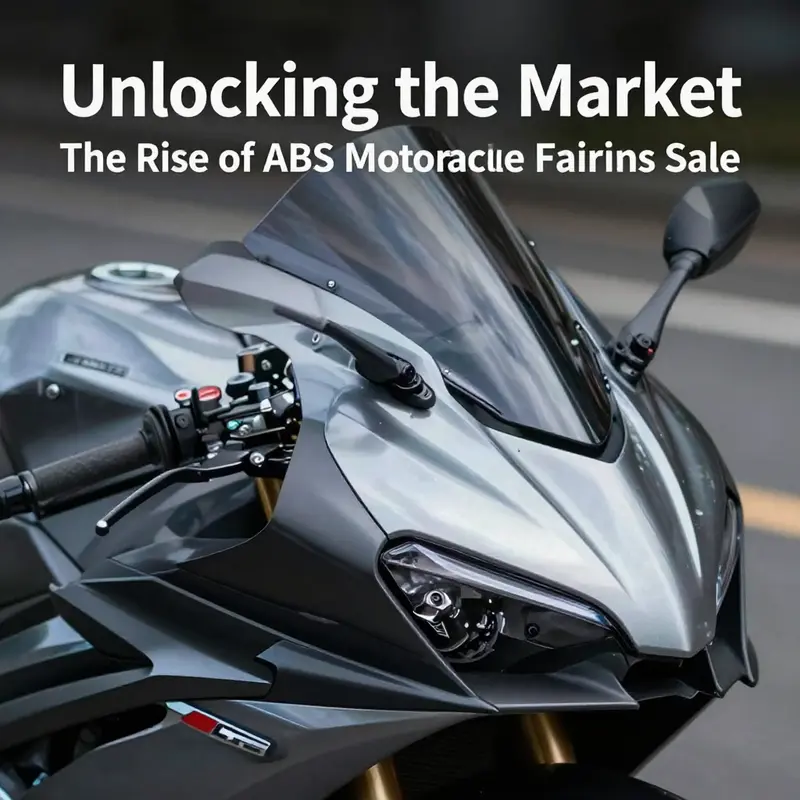
ABS plastic has become the unsung workhorse behind the modern motorcycle fairing market. Far from being a mere shell, ABS fairings fuse protection with style, letting riders upgrade both safety and appearance in a package that can be tailored to individual taste. In the aftermarket landscape, the sale of ABS motorcycle fairings reflects a broader trend: riders want durable, reliable protection that also turns heads. The material’s favorable balance of toughness, formability, and finish quality makes it the favored choice for mass-produced kits and custom setups alike. As demand grows, the availability of ABS fairings on online platforms and dedicated shops illustrates not only a healthy consumer appetite but also the supply-chain sophistication that now supports faster delivery times and broader design options. This chapter considers how the material itself helps drive market dynamics, influencing everything from product variety to pricing and delivery timelines, and why ABS remains central to the ongoing evolution of the aftermarket fairings segment.
At its core, ABS offers an attractive combination of durability and flexibility that resonates with riders who face varied riding environments. Its impact resistance, cited in industry discussions as substantially higher than standard plastics—often described as three to five times greater depending on the specific formulation—provides a practical edge. In everyday riding, this translates into fairings that resist road debris, small impacts from loose gravel, and the occasional tip-in at slow speed, where a scuff can otherwise lead to more expensive component damage. The reliability of ABS under a wide temperature spectrum, typically from -40°C to 80°C, is particularly valuable for riders who venture into fluctuating climates, where weather changes can stress materials used in exterior components. The same property that protects a fairing during a cold dawn ride also contributes to long-term color stability and dimensional integrity, ensuring that a gloss or matte finish remains visually appealing after years of exposure to sun, rain, and heat.
Aesthetics sit side by side with durability in shaping consumer choice. ABS’s surface versatility is a key advantage, enabling high-quality finishes through vacuum thermoforming and similar processes. Whether a rider craves a bright gloss, a subdued matte, or a metallic undertone, ABS can deliver a finish that responds well to painting, decals, and clear coats. This means a wide set of visual options without sacrificing the surface integrity that keeps decals from peeling and colors from fading quickly. In market terms, the ability to achieve premium finishes without resorting to more brittle or labor-intensive materials translates into broader design freedom for manufacturers and retailers. The result is a more compelling, cohesive product in which the fairing not only protects but also communicates a rider’s personality. When a consumer browses kits that promise full coverage and a cohesive look, the perceived value rises because the finish is uniform across all panels, not merely on select sections.
From a manufacturing perspective, ABS is favored for its high material utilization and cost efficiency. The plastics industry often cites material utilization rates above 80 percent, a figure that helps keep unit costs predictable even as design complexity grows. For producers, this translates into steady production lines with fewer scrap losses, enabling more aggressive pricing strategies and more consistent inventory for retailers. The economics of ABS also align well with mass-market demand for complete fairing kits, where market participants can offer four, six, or more panel configurations that match a rider’s preferred level of coverage. The upshot is a broader spectrum of options for buyers, ranging from lighter, sport-style fairings to full fairing sets that enclose almost the entire bike. That breadth of choice, in turn, fuels sales velocity, since customers can upgrade in stages or replace entire sets if their bike’s look or condition changes.
Yet, the market for ABS fairings is not without friction. A recent wave of supply chain disruptions highlighted vulnerabilities in the materials ecosystem that underpin ABS production. Industry reporting from early 2022 pointed to shortages not just of completed components but of critical feedstocks used in ABS production. Specifically, irregularities in metals and polymer feedstocks created delays and constrained availability for ABS-based parts. For manufacturers and distributors, these bottlenecks translated into longer waiting lists, especially for mid-to-high-end motorcycles that rely on integrated safety and electronic systems where fairings play a crucial protective role. While factories and refineries have worked to regain capacity after the peaks of the pandemic, the broader supply chain remains susceptible to shocks that ripple through lead times and inventory levels. The practical implication for buyers is this: while ABS continues to be a reliable backbone for fairings, real-world delivery schedules can shift, affecting both procurement timelines and, to some extent, pricing psychology.
In the wake of these disruptions, the enduring appeal of ABS fairings lies in their ability to offer both practical protection and the opportunity for customization. For riders seeking a complete aesthetic package, full fairing kits are especially attractive because they deliver a cohesive, race-ready look that maintains consistent finish across every panel. This consumer preference aligns with the broader aftermarket ethos of personalization, where a rider’s bike becomes a canvas for expression as well as a form of protection. The material’s resilience reduces worry about cosmetic wear and tear, enabling enthusiasts to push their bikes in track days or spirited street sessions without compromising the bike’s visual integrity. The combination of protection, finish quality, and design flexibility means ABS-based kits can command a strong position in the market, supported by a robust ecosystem of manufacturers, retailers, and aftermarket shops that service a diverse range of models and riding priorities.
From the vantage point of the buyer, fitment and compatibility are essential considerations. ABS fairings must align with mounting points, brackets, and electronic routing channels to deliver a seamless upgrade. The fact that ABS can be precisely thermoformed into complex shapes makes it easier to reproduce OEM-like lines while enabling aftermarket designers to experiment with more aggressive contours, vents, and integration points for accessories such as lighting or decals. As a result, consumers often encounter a spectrum of options—from straightforward replacements to meticulously crafted full-body kits tailored to specific models and years. The versatility of ABS, combined with the breadth of available kits, helps explain why many riders gravitate toward complete sets rather than piecemeal panel replacements. A practical illustration of this breadth is visible in online catalogs and collections that aggregate ABS fairing options by model range and generation, offering a clear roadmap for buyers seeking a precise fit and a consistent aesthetic across every panel. For a concrete example of how a model-oriented collection translates into tangible choices, consider the Honda fairings category, which showcases a wide variety of ABS-based kits suitable for multiple generations and riding styles. You can explore the range of options in this collection at the following link: Honda fairings collection.
Looking ahead, the market’s trajectory will still hinge on the balance between sustained demand for protective, visually appealing panels and the stability of the supply chain that delivers those panels. The long-term outlook depends on stabilizing raw-material sourcing and reducing vulnerabilities in the polymer and additive supply networks. If these channels recover and modernize, ABS fairings will likely remain a cornerstone of the aftermarket. The material’s inherent advantages—durability, formability, and finish versatility—will continue to attract both new riders seeking to refresh their machines and seasoned enthusiasts pursuing advanced styling with reliable protection. As manufacturers refine processes and expand color and texture options, the cost curve should stabilize, enabling retailers to offer more consistent pricing, shorter lead times, and even more expansive design libraries. The result is a market where ABS fairings not only survive the pressures of global supply dynamics but thrive because they deliver value that aligns with how riders want to use and present their bikes. In this sense, ABS is not simply a material choice; it is a strategic foundation that shapes demand, informs design, and stabilizes the aftermarket ecosystem around motorcycle fairings.
External research and industry reporting illuminate the broader context in which ABS fairings live. For readers seeking a deeper dive into the supply-chain dynamics that influence ABS components in Europe, a detailed report from a prominent motorcycle publication in 2022 provides valuable insights into material shortages and their knock-on effects on production schedules. This resource helps explain why lead times may fluctuate and why the market’s resilience depends on ongoing adaptation and material security. External resource: https://www.moto-station.com
Market Currents and Craft: How ABS Motorcycle Fairings Are Driving the Aftermarket Surge
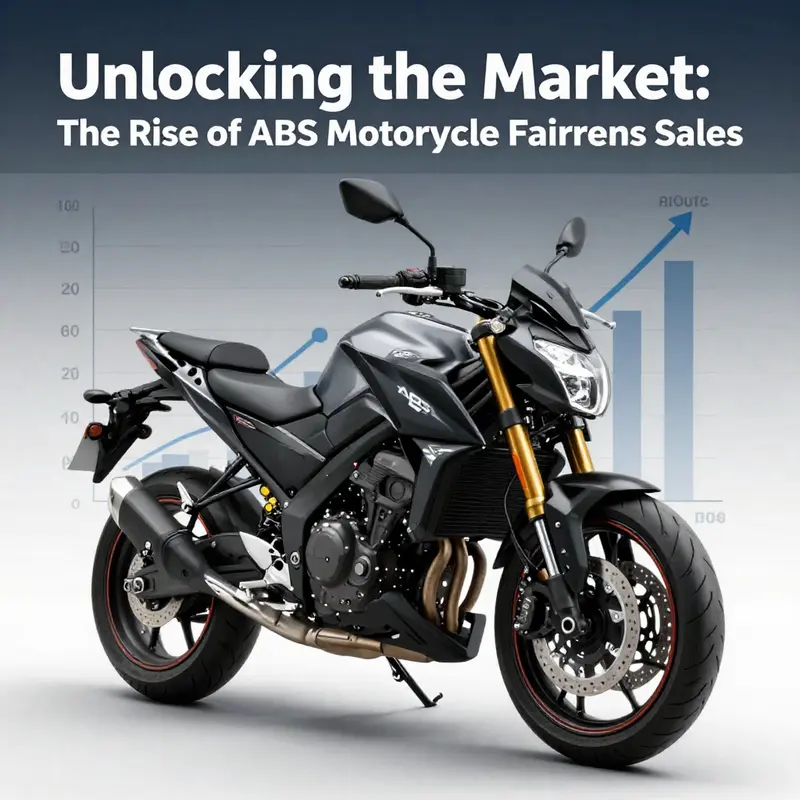
ABS motorcycle fairings have moved beyond mere body panels to become a decisive factor in how riders experience their machines. The aftermarket landscape now treats fairings as a blend of engineering precision, visual identity, and practical protection. For many riders, the choice of ABS over other materials signals a decision about predictability, repairability, and price. ABS, with its dependable performance under the harsh rhythms of road exposure, offers a balance that resonates with a broad spectrum of riders—from daily commuters who value durability to weekend enthusiasts chasing a factory-like look. The market’s dynamics arise not only from what ABS is, but from how it behaves in the hands of manufacturers, retailers, and the riders who purchase them. The appeal lies in a material that can be shaped into aerodynamic forms, yet still absorb and distribute impact energy in a way that fiberglass or carbon fiber can struggle to match at accessible price points. In the aftermarket ecosystem, this combination translates into a robust, scalable supply chain and a consumer experience that blends fit, finish, and function into one coherent package.
The characteristics of ABS as a material underpin much of the current dynamic. Its lightweight profile helps preserve—or even enhance—overall motorcycle performance. Lightness, a familiar virtue in modern bikes, is not just about speed. It translates into improved handling, less fatigue on long rides, and better fuel efficiency. ABS also offers durability and rigidity that resist deformation under impact, which is crucial when fairings take on gravel spray, road debris, or a run-in with a harsh curb. That resilience is not merely theoretical; it translates into fewer in-field failures and a lower total cost of ownership for riders who want dependable protection for their internal components and wiring looms. And because ABS can be produced at scale with relatively predictable tooling costs, manufacturers can offer fairings at a price point that makes upgrading or restoring a bike feasible for a larger portion of riders. The economics of ABS—its lower material and fabrication costs compared with some high-performance composites—create a practical pathway for an aftermarket that thrives on volume, quick turnarounds, and broad compatibility across popular models.
Market growth is a key thread in this narrative. The broader motorcycle fairing market has projected growth in the neighborhood of double digits annually, with analysts highlighting a CAGR in the mid-teens in specific segments. A primary driver is the shift toward lightweight materials like ABS, which helps reduce overall bike weight while preserving strength and form. This trend is not merely about new bike builds; it is amplified in the aftermarket where riders seek to refresh or personalize existing machines. The appeal of lightweight fairings is twofold: first, it preserves or enhances performance characteristics, and second, it provides a runway for customization without demanding substantial mechanical changes. The result is a thriving ecosystem in which designers push the boundaries of form—creating fairings that boast bold lines, intricate detailing, and color-matched finishes—while manufacturers streamline production to keep costs under control. ABS’s balance of durability, processability, and price makes it particularly well-suited to meet the diverse demands of this expanding market.
Consumer preferences, meanwhile, have shifted toward full fairing kits that offer comprehensive coverage and a cohesive aesthetic. The appeal goes beyond mere cosmetics; riders increasingly seek a complete, factory-like appearance that can be achieved without investing in a new motorcycle. Full fairing kits provide wind protection, added aerodynamics, and a unified surface that can dramatically alter the visual impression of a bike. For many, a full kit is the easiest route to a refreshed, modern silhouette, and it allows buyers to experiment with color schemes, decals, and accents that personalize their ride while maintaining a clean, integrated look. This trend dovetails with the practical reality that manufacturers design these kits with OEM-fit tolerances in mind, reducing the friction of installation and the need for extensive trimming or modification. As a result, the marketplace rewards sellers who can offer accurate fitment data, thoughtful packaging, and clear installation guidance, since the buyer’s confidence in a straightforward, reliable update translates directly into repeat purchases and favorable word-of-mouth.
Accessibility is another pillar of the ABS fairing story. The rise of e-commerce platforms has redefined how riders discover and acquire fairings. Online marketplaces enable a broad spectrum of designs, colors, and finishes to reach a global audience. Whether a rider is seeking a subtle tone to match a vintage colorway or a high-contrast scheme to make a statement, the online channel provides choice with a click. Importantly, these platforms also help mitigate some traditional barriers to entry for aftermarket buyers. They can offer fit guidance, model-specific listings, and customer reviews that inform decisions. The accessibility of OEM and aftermarket ABS kits broadens the market beyond a local shop’s inventory. It encourages cross-border purchases and accelerates the diffusion of new styles, accelerating the pace at which design trends travel from concept to road.
Another crucial factor is the efficiency of the supply chain that connects designers, manufacturers, and end users. Reliability in fulfillment has a direct impact on buyer satisfaction, repeat business, and the perceived credibility of the entire category. Suppliers that sustain high on-time delivery rates—often reported north of 97%—and maintain reorder rates above a solid baseline demonstrate a capacity to handle seasonal demand, design launches, and restocking cycles without disrupting the consumer’s plans. Responsive customer service, frequently within a matter of hours, reinforces trust in a market where a delayed package can disrupt a planned ride or event. These operational metrics are not abstract numbers; they translate into real-world advantages for riders who rely on timely updates for upcoming trips, races, or tours. They also signal to retailers the reliability of the supply chain, which in turn supports aggressive inventory planning and better pricing through reduced risk.
Pricing dynamics in ABS fairings reflect a mix of material cost, design complexity, and the inclusion of value-added features. While ABS remains a cost-effective alternative to premium composites, price points still swing widely based on brand positioning and the scope of the kit. A full kit that includes not only the primary panels but also fairing brackets, mounting hardware, and perhaps integrated lighting or decal sets can command a premium. Simpler replacements or damaged-panel patches can be significantly less expensive, creating a tiered market that appeals to both budget-conscious buyers and those seeking a rapid, nearly turnkey upgrade. The price spectrum also mirrors the broader strategy of manufacturers that emphasize aesthetics as much as protection. Decals, color-matched finishes, texture options, and finish quality all contribute to the perceived value, and savvy buyers weigh the visual payoff against the installation effort and potential resale value when they decide how far to customize.
In this climate, the marketplace for ABS fairings also benefits from a robust understanding of fit across a broad array of popular models. The availability of model-specific listings ensures that buyers can pursue a true OEM-like fit without the downtime of trial and error. The cross-model compatibility, while highly advantageous, also pushes sellers to maintain accurate technical data, installation guidelines, and color-matching options. A notable outcome of this ecosystem is the emergence of curated design libraries and cross-model styling cues that help buyers coordinate color schemes and finishes across the bike’s exterior, turning a simple replacement into a cohesive visual statement. The drive toward complete, visually integrated updates has strengthened the demand for full fairing kits, which are designed to deliver both a unified look and the performance benefits of better aerodynamics and body protection.
From a distribution standpoint, the online marketplace ecosystem—which includes established platforms and niche retailers—contributes to a healthy aftermarket. Buyers enjoy a wide spectrum of designs, each compatible with a wide range of models. The result is a marketplace that rewards speed, accuracy, and reliability. A quick glance at the offerings reveals the depth of variation—from subtle color shifts to bold, high-contrast schemes. It is no longer enough to offer a fairing merely as a shell; buyers expect a finished appearance, straightforward installation, and the assurance that the kit will align with the bike’s mounting points. The combination of online accessibility and design versatility has created a virtuous cycle: more attractive, model-specific options entice more buyers, which in turn motivates manufacturers to expand compatibility and refine fit and finish.
For readers seeking a concrete sense of how the market translates into actual choices, exploring a category that emphasizes compatibility and design breadth can be instructive. A representative snapshot of the breadth of fit and style is visible in the Honda fairings collection, which demonstrates how listings have evolved to cover a wide array of model-years and trim levels. This kind of catalog expansion illustrates a trend toward end-to-end solutions: riders can find kits that not only fit their bike but also align with a chosen aesthetic, from modern aggressive lines to classic colorways. The net effect is a market where ABS systems enable a flexible, scalable approach to customization and maintenance, making the upgrade accessible to more riders and inviting greater experimentation with form and color. The interplay of material choice, production efficiency, and consumer demand suggests that ABS fairings will continue to play a central role in how riders refresh and personalize their machines, while still delivering the protection and performance that make them appealing in the first place.
External resource: https://www.ebay.com/b/ABS-Motorcycle-Scooter-Full-Fairings-Kits/154532/bn_1261465
Value, Customization, and Fit: The Human Side of ABS Motorcycle Fairings Sales
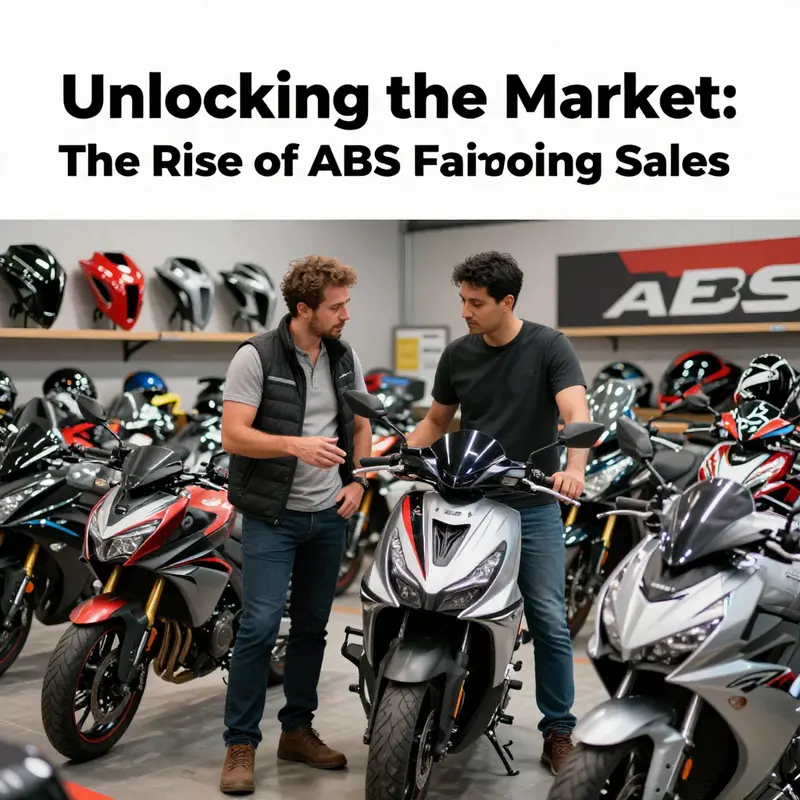
A high-volume corner of the motorcycle aftermarket, ABS fairings have carved out a distinct niche by merging protection with personality. They are not merely shells that clad a bike; they are first layers of protection against weather, debris, and the occasional misjudged curb, and they are canvases for personal style. For riders who want a machine that looks as responsive as it feels, ABS fairings offer a pragmatic path to upgraded aerodynamics, improved durability, and a cohesive, race-ready silhouette. The market dynamics around these components reveal a pattern where price, customization, and model-specific compatibility converge to shape buying decisions. Rather than a single, one-size-fits-all solution, the ABS fairings sector operates as a spectrum of options designed to accommodate a wide range of riders—from daily commuters seeking cost-effective yet dependable coverings to hobbyists chasing a unique look that makes their bike instantly recognizable on the street or track. The result is a marketplace that values value without compromising quality, while inviting riders to negotiate a balance between what their bike needs and what they want it to represent.
Price is the most immediate filter through which buyers enter this market. Consumers consistently look for a good price—an equilibrium where the sticker price aligns with the perceived lifetime value of the product. This is not only about the upfront cost but about the long-term relationship between cost, durability, and maintenance. In practice, retailers respond with promotions, bundles, and incentives that soften the initial purchase while signaling ongoing value. A thoughtful pricing approach acknowledges that many riders operate with finite budgets and varying levels of commitment to appearance and protection. When a kit offers comprehensive coverage at a competitive price, it reduces the friction for upgrading a bike—especially for those who may be buying their first full fairing set. Price sensitivity thus becomes part of a broader calculus in which riders weigh the cost against the potential savings from fewer repairs to fragile OEM panels and more reliable, impact-resistant protection that keeps essential components shielded from road grit and weather.
Yet price is only one axis. Customization stands out as a powerful driver of decision making in ABS fairings sales. The market responds to the human impulse to express individuality. Riders increasingly demand options that let them tailor not just the color but the entire look and feel of their machines. The appeal lies in the ability to choose from a spectrum of color schemes, decals, and design motifs, creating a fairing set that mirrors the rider’s personality as surely as their riding style. Customization goes beyond aesthetics. It includes the ability to align the finish with the bike’s tone, select textures and gloss levels, and even integrate personalization elements like unique decals or bespoke patterns. This demand for customization pushes suppliers to expand their catalogs beyond static, ready-made designs and toward platforms that can accommodate varied colorways and graphic schemes. For riders, this means a more satisfying ownership experience because the bike carries a personal signature, not just a factory look.
Compatibility and fit are equally central to the purchasing decision. Buyers prize clear specifications that confirm how well a given fairing kit will align with their specific motorcycle model. In a market flooded with options, the ability to find an exact-fit listing reduces the guesswork and the risk of ill-fitting panels that complicate installation or degrade performance. Clear fit information—whether it references a broad family of models or precise, model-specific notes—transforms the shopping experience from a time sink into a straightforward process. When a listing communicates compatibility with explicit chassis configurations and mounting points, it eliminates ambiguity and fosters trust. This transparency matters not only for first-time buyers who may be nervous about installation but also for experienced enthusiasts who value precision and reliability. The promise of a seamless fit translates into quicker installs, fewer returns, and more time spent enjoying the ride rather than wrestling with a stubborn fairing kit.
Riders also appreciate the versatility that comes with the breadth of options available in ABS fairings. The market makes room for different configurations—full kits that envelope the bike in a complete, cohesive shell, half or quarter kits that allow styles and coverage to be mixed and matched, and even modular approaches where pieces can be replaced in stages. This flexibility aligns with the diverse realities of motorcycling. Some riders seek the total transformation that a full kit provides, embracing a bold new look along with the practical benefits of comprehensive coverage. Others prioritize slower, staged upgrades that fit a growing budget or evolving aesthetic, preferring to replace only the most worn or damaged panels first while maintaining a baseline protection. The option to buy complete sets versus individual parts empowers consumers to curate their own experience, balancing initial expenditure with the pace of enhancement and the eventual look they want to achieve.
These consumer preferences do not exist in a vacuum. They shape supplier strategies and the broader availability of ABS fairings in the aftermarket ecosystem. A price-conscious segment nudges sellers toward transparent pricing, seasonal promotions, and value-added bundles that improve the perceived return on investment. Meanwhile, the customization demand pushes the market toward more color and graphic choices, adaptable finishing processes, and easier avenues for personalization that do not require a high level of technical skill or specialized tools. As for compatibility, the emphasis on precise fit increases the importance of robust product data, detailed diagrams, and high-quality imagery that helps riders visualize how panels will align with their bikes. The result is a more informed consumer base that is less likely to encounter post-purchase disappointments and more likely to become repeat customers when the product delivers on its promises.
In practice, the consumer journey in ABS fairings sales flows through several touchpoints that reinforce these preferences. Online marketplaces serve as the primary arena where buyers compare options side by side, read reviews from other riders, and assess whether a kit aligns with their bike’s model and their budget. Effective product listings emphasize durability—highlighting the tough, impact-resistant properties of ABS, which can withstand rough weather and road hazards better than some alternatives—and they foreground the ease of maintenance and cleaning. Listings that showcase a variety of design options and color schemes invite riders to envision themselves with a transformed bike. Photos that reveal the texture, gloss, and finish, alongside close-ups of mounting points and reinforcement details, build confidence in the product’s quality. In parallel, the broader market rewards sellers who communicate clear warranties, straightforward return policies, and reasonable installation expectations. The combination of affordable pricing, customization avenues, and precise compatibility creates a compelling value proposition for riders who want both performance and personality.
From a broader perspective, these dynamics reflect deeper changes in how riders perceive modification and aftermarket upgrades. ABS fairings are not a single purchase but a pathway to personal expression and long-term protection. The “why” behind a purchase often rests on the desire to protect the bike’s core components while presenting a look that echoes the rider’s identity—whether they are attracted to a minimalist, stealthy aesthetic or a bold, high-contrast statement on the street. In this sense, the fairings become a language, a way to communicate a rider’s relationship with the machine before the first turn of the throttle. The practical benefits—reduced damage from debris, improved aerodynamics, and weather resistance—are not separate from the aesthetic appeal. They are part of the same conversation about reliability, pride of ownership, and the emotional resonance that comes with riding a machine that feels both right to the eye and right for the road.
Looking ahead, the market for ABS fairings is likely to continue evolving along these lines. As digital shopping experiences grow ever more sophisticated, listings will increasingly integrate detailed fit guides, 3D models, and augmented reality previews that help riders assess how a kit will sit on their own bike. The push for personalization may expand into more modular designs, enabling riders to swap color panels or decals without buying a whole kit. Meanwhile, the emphasis on value will persist as buyers seek durable solutions that stand up to daily use and the occasional race-day sprint. In this landscape, a successful ABS fairings offering will be one that blends a sensible price with a robust package of customization, precise compatibility, and flexible configuration. It will speak to riders who want to shield their machines from the elements while letting their personalities shine through their choice of color and graphic language. The result is a marketplace that mirrors the complexity of riding itself: a balance of practicality, style, and individual expression that makes every bike feel like it was built for its rider, not the other way around. For those navigating this evolving world, the key remains to look beyond price alone and to evaluate how a fairing kit aligns with personal style, model compatibility, and the long arc of maintenance and protection a bike demands.
External resource for further context: https://www.ebay.com/sch/i.html?from=R40&nkw=ABS+Motorcycle+%26+Scooter+Full+Fairings+Kits&sacat=0&LHTitleDesc=0&osacat=0&odkw=ABS+Motorcycle+Fairings+Kits
ABS vs Fiberglass and Carbon: Navigating Cost, Protection, and Design in the Motorcycle Fairings Market
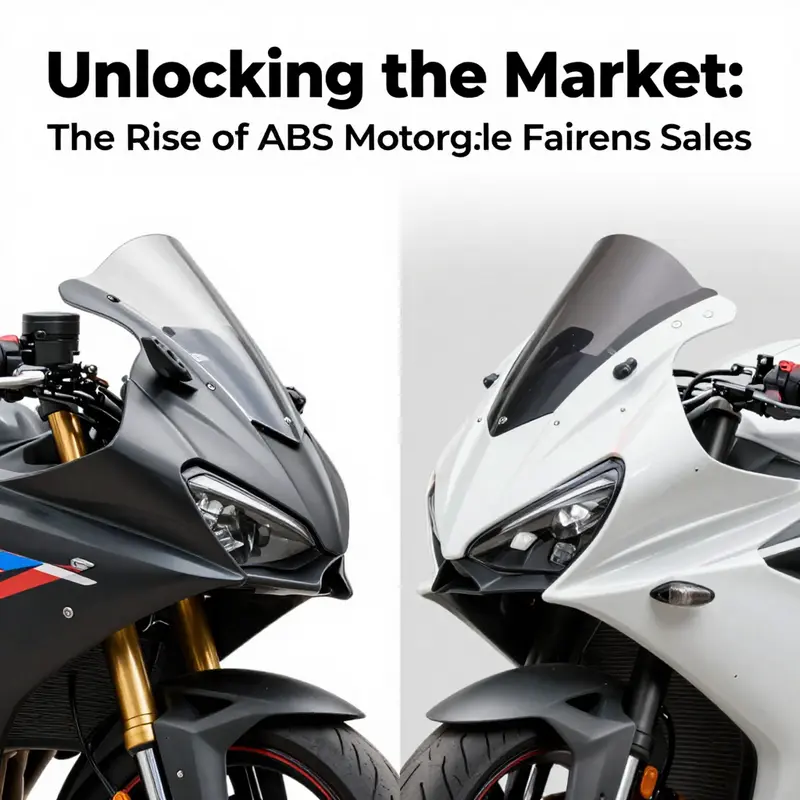
The landscape of ABS motorcycle fairings sales reflects a practical truth about riding today: riders want protection, style, and value without paying for all three at once. ABS, or acrylonitrile butadiene styrene, has become a cornerstone of aftermarket bodywork because it delivers a dependable blend of toughness, versatility, and affordability. Across marketplaces and specialty shops, full ABS fairing kits have grown in popularity as a practical path to refresh a bike’s appearance while adding a shield against road damage, weather, and debris. This demand isn’t merely about chopping costs; it’s about enabling riders to tailor their machines to their riding lives—whether they commute through crunching urban streets, cruise scenic backroads on weekends, or chase time on a track day. The sale dynamics around ABS fairings encapsulate a broader shift toward modular design and model-specific styling that lets riders upgrade without emptying the piggy bank. In this context, ABS is not simply a material choice; it is a gateway to reliability, customization, and long-term maintenance efficiency that many riders value in a crowded aftermarket ecosystem.
When set side by side with fiberglass and carbon fiber, ABS reveals a clear spectrum of tradeoffs that riders weigh as they plan a repair after a mishap or a makeover that updates the bike’s silhouette. ABS stands out for its cost efficiency. It is one of the most affordable options for fairing panels, yet it still delivers substantial impact resistance—enough to withstand moderate bumps and minor road contact without immediate, catastrophic failure. Its weight places it firmly on the practical side of performance, contributing to a nimble feel that does not overly burden the bike’s balance. Importantly, ABS is relatively forgiving when it comes to repairs. Cracks, splits, and dents can often be addressed with common tools, basic resins, and straightforward reshaping, which keeps unexpected maintenance costs manageable for riders who want a quick return to the road. Fiberglass, by contrast, can be stronger and stiffer, offering superior resistance to larger impacts, but it carries a higher weight penalty and a brittleness risk that makes fractures more likely in aggressive crashes. Repairs for fiberglass panels frequently demand specialized materials and techniques, driving up both time and expense. Carbon fiber, while celebrated for its extraordinary strength-to-weight ratio and premium aesthetic, sits at the far end of the spectrum in terms of cost. Its fragility in the face of minor cracks can complicate repair and maintenance, and the pricing for complete carbon fiber kits is often well beyond typical aftermarket budgets. For many riders, these distinctions crystallize into a simple decision: ABS provides a reliable middle ground—adequate protection, reasonable weight, straightforward repairability, and a price point that makes a full kit a sensible upgrade from stock panels or cheaper substitutes. This balance is especially appealing for daily riders and enthusiasts who value durability without compromising the bike’s overall market value.
The market realities of ABS fairings further emphasize why this material finds broad appeal. ABS is widely compatible across a wide array of models, which simplifies the search for a replacement panel or a complete kit. The design flexibility of ABS allows manufacturers to reproduce complex curves, vents, and contours that closely resemble OEM aesthetics, thereby delivering a polished appearance without the premium risk that accompanies some composites. Full fairing kits that cover the entire bike bolt on more cleanly and consistently than piecemeal replacements, helping riders preserve or reinvent the bike’s lines with confidence. The aesthetic payoff matters as much as the protective function; a well-executed ABS kit can transform the bike’s presence on the road, boosting perceived value and personal satisfaction. For riders hunting model-specific styling, a curated path often leads to model families that maintain a recognizable silhouette while enabling customized colorways, decals, and even accessory add-ons like integrated lighting or painted accents. In the realm of model-specific styling, the Honda fairings collection represents one such pathway, illustrating how a well-supported catalog can help riders find a near-OEM fit with aftermarket options — a reminder that compatibility and fitment integrity still matter in a marketplace saturated with alternatives. Honda fairings collection.
From an economic perspective, ABS is often the most attractive option for riders who want value without sacrificing the look or the ability to repair easily after a mishap. The initial price point for ABS kits tends to be more approachable than that of carbon fiber or high-end fiberglass, with variation primarily driven by design complexity, the inclusion of hardware, or the presence of additional features like predrilled mounting points or integrated lighting. The cost narrative grows more nuanced when considering long-term ownership. Paint compatibility, surface durability, UV resistance, and the ease of re-coating after a repair all influence the total cost of ownership. In practice, many buyers discover that the eventual maintenance and replacement costs for ABS kits align more predictably with their budget plans than the potentially higher, less predictable costs associated with fiberglass or carbon fiber repairs. This predictability is a form of value in its own right, especially for riders who cycle through personalizations or maintain multiple bikes with similar aftermarket pathways.
Shopping for ABS fairings also reflects a broader consumer habit: comparing design language, finish quality, and fitment across a spectrum of offerings. The ability to browse a diverse catalog allows riders to test aesthetics in tandem with a practical assessment of protection. A robust ABS kit can provide a near-OEM aesthetic from a distance, with a surface that accepts paint and clear coats well, resists weathering, and preserves color integrity over years of sun exposure and rain. The material’s forgiving nature also makes it an attractive option for ambitious riders who want to experiment with bold decals or unique color combinations without the fear that a change will derail the package’s integrity. The result is not only a refreshed exterior but an enhanced sense of ownership that comes from knowing the bike looks the part and remains practical to maintain.
In considering design and aftermarket support, ABS captures a sweet spot that appeals to both everyday riders and performance-minded enthusiasts. The ability to source complete kits from a wide array of manufacturers fosters a competitive marketplace that drives price discipline and expands options for finish and texture—from glossy panels to matte surfaces, and from subtle shadows to high-contrast accents. The breadth of options encourages imagination while preserving practical fitment. The market’s reach toward model-specific solutions supports a quick, confident upgrade path for riders who wish to preserve their bike’s identity while injecting a personal touch. This is part of why ABS fairings are more than a stopgap; they are a strategic choice for owners who want a durable, customizable, and affordable upgrade that respects the bike’s original character. The discussion around ABS often loops back to the rider’s priorities: how much time, money, and effort they are willing to invest in aesthetics, and how much protection from the road they require for everyday riding.
Ultimately, the decision to choose ABS, fiberglass, or carbon fiber hinges on a triptych of factors: cost, protection, and design intent. ABS offers a robust middle ground that honors the rider’s budget while delivering reliable protection and a flexible platform for personalization. Fiberglass appeals to those who prize higher rigidity and greater resistance to larger impacts, with the caveat of higher weight and more demanding repairs. Carbon fiber remains the premium path for riders chasing the utmost strength-to-weight advantage and a distinctive, high-end look, even as it invites a premium price, heightened repair complexity, and a more careful handling regime. The aftermarket ecosystem continues to respond to this spectrum of needs, ensuring that ABS remains a viable option for most riders while keeping the door open for those who seek the cutting edge of materials science. For a growing segment of riders, this is a welcome signal: they can pursue performance, style, and practicality without forcing a choice that trades away one dimension for another.
External resource: https://www.carinterior.com/how-to-choose-motorcycle-fairings-by-impact-resistance
Final thoughts
The segment of ABS motorcycle fairings is not only significant due to its material benefits but also due to evolving consumer preferences and current trends. Understanding the dynamics at play—from material advantages to market forces—will empower business owners to make informed decisions that align with customer desires. As demand continues to grow, positioning your products effectively in this market will prove vital for sustained success.