
Motorcycle fairings significantly impact performance by optimizing aerodynamics, reducing wind resistance, and enhancing rider comfort at high speeds. Various types of fairings serve distinct purposes, catering to different riding styles and preferences. Three-quarter fairings strike a balance between aerodynamic efficiency and practicality, while half fairings prioritize agility and ease of maintenance. For competitive riders, race fairing kits focus on achieving maximum aerodynamic performance. Conversely, naked bikes forgo fairings altogether in favor of a minimalist, raw design. Each chapter in this article delves into these different types of fairings, emphasizing their unique contributions to motorcycle dynamics and rider experience.
Three-Quarter Fairings: The Practical Aerodynamic Balance for Performance and Serviceability
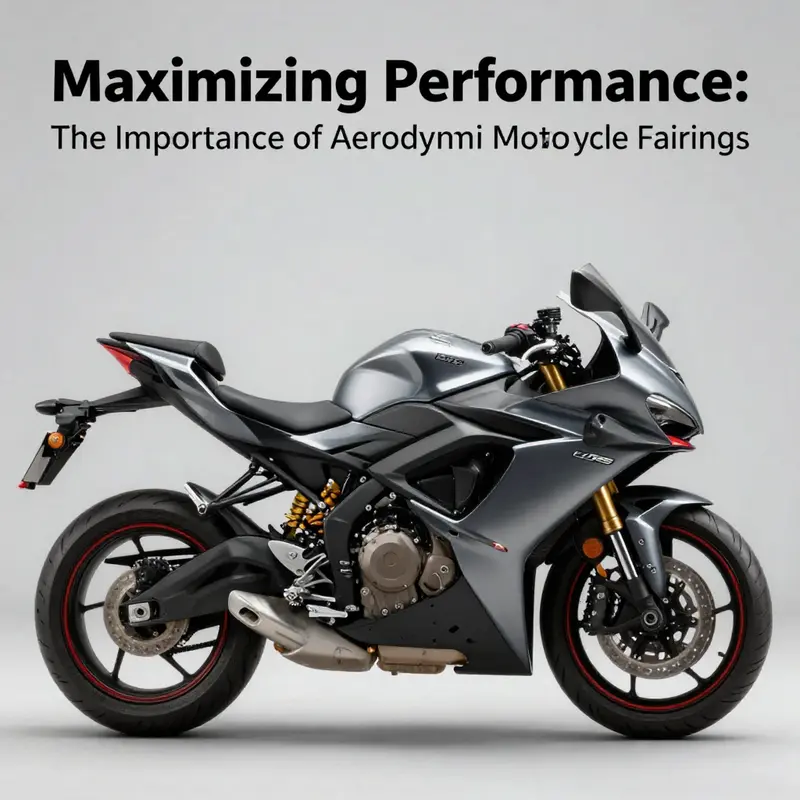
Three-Quarter Fairings: The Practical Aerodynamic Balance for Performance and Serviceability
Three-quarter fairings occupy a distinctive place in the spectrum of motorcycle aerodynamics. They are neither a full enclosure nor the bare minimal shell; instead, they are a thoughtful compromise that blends wind-cheating geometry with hands-on practicality. When designers aim to reduce drag and tame turbulence without sacrificing routine maintenance or everyday usability, this fairing style often emerges as the right choice. The shape wraps the upper front of the bike and sweeps down the sides to cover most of the middle section, leaving the lower engine bay and some frame elements visible for service access. The result is a line that improves airflow over and around the rider, yet still makes the machine approachable for mechanics and owners.
From an aerodynamic perspective, three-quarter fairings deliver tangible benefits that change how a motorcycle behaves at speed. By smoothing the transition between the rider, tank, and front profile, they reduce the size and energy of wake regions behind the head and shoulders. This reduces pressure drag and helps the bike slice through air more efficiently. Riders notice steadier handling as crosswinds have less leverage on exposed parts, and the chassis feels less prone to twitch at higher velocities. Designers work to position the fairing’s leading edge and profile angle so that the oncoming air follows the cowling and peels away cleanly behind the rider. That streamlined path lowers turbulent separation and helps maintain laminar flow over larger surface areas. In practical terms, these changes translate into improved top-end stability and a small but meaningful improvement in true speed for the same power output.
Wind protection is another core advantage. The fairing’s geometry shifts the rider’s pressure point and reduces helmet buffeting. For long rides, that reduction in continuous wind load lowers fatigue and makes sustained speeds more comfortable. The three-quarter configuration frequently incorporates a windscreen that can be tuned in height and angle, offering a compromise between aerodynamic performance and rider visibility. In cooler climates, the fairing also channels warmer engine airflow toward the rider’s legs and torso, making long-distance travel more pleasant. Yet because the lower engine is not fully enclosed, heat can still escape and cooling is often better than with full enclosures. This helps maintain engine temperatures during spirited riding and reduces the risk of overheating in slow traffic.
Material choice and structural layout play a major role in how these fairings perform. Composite materials such as fiberglass, high-impact plastics, and advanced fiber laminates allow panels to be formed into precise aerodynamic shapes while keeping mass low. Designers reinforce mounting points where the fairing attaches to the frame and fork to prevent vibration-induced flex. The semi-enclosing nature of the three-quarter fairing means designers must carefully balance stiffness and yield: the panels must withstand minor impacts and channel aerodynamic loads without transmitting excessive stress to the frame. The result is a structure that contributes to the bike’s overall stiffness and handling feedback while remaining forgiving enough to avoid brittle failures under everyday use.
Heat management and airflow routing are intrinsic to the design. Because these fairings leave the lower section exposed, designers often use ducts and vents to coax cooling air toward radiators and the cylinder head. Carefully placed inlet openings reduce the risk of hot spots and maintain consistent engine performance under load. At the same time, strategic exhaust vents prevent pressure build-up behind the fairing, which can otherwise create lift or destabilizing forces at high speeds. The interplay between aerodynamic sealing and purposeful openings makes three-quarter fairings versatile; they can be tuned to offer either more aerodynamic smoothness or improved cooling, depending on the intended use case.
Maintenance access is one of this style’s strongest practical arguments. Mechanics and riders appreciate that common service points remain reachable without full disassembly. Oil filters, spark plugs, battery access, and many fasteners can often be reached with minimal panel removal. This reduces service time and encourages proper maintenance, which indirectly preserves aerodynamic function because panels remain well-aligned. From a design standpoint, engineers plan panel joints and fasteners to minimize gaps and prevent flutter. The panels commonly attach with a mix of captive clips and bolts, allowing quick removal and precise reinstallation, which is crucial for maintaining the fairing’s aerodynamic integrity over time.
The shape and interface with rider ergonomics matter too. Three-quarter fairings are typically paired with riding positions that strike a balance between aggressive and upright postures. This means the rider can tuck in for high-speed runs and still sit comfortably for hours. The fairing’s contour shapes the airflow over the rider’s shoulders and helmet in a way that supports both sport riding and touring. In practice, this versatility expands the fairing’s appeal to riders who want a single machine capable of commuting, weekend canyon rides, and occasional track days.
Trade-offs remain, and designers must reckon with them. Three-quarter fairings cannot match the absolute drag reduction of full race enclosures. At very high speeds, small gaps and exposed lower sections create drag that full fairings avoid. Similarly, in pure track applications where the bodywork is engineered for the tightest airflow and minimal weight, full race kits still hold the advantage. However, the marginal aerodynamic gains of full enclosures come at the cost of reduced serviceability and, often, a less hospitable environment for multi-purpose use. For most riders, the balance offered by a three-quarter design yields greater real-world value.
Safety and crash considerations also influence decisions. Because the lower engine area remains partially exposed, the fairing can act as a sacrificial component in certain impact scenarios, absorbing energy and deflecting debris. Designers often incorporate crumple zones into panels and use materials that shear predictably under load. That predictability reduces the risk of sharp fragments and helps protect more expensive structural elements. At the same time, because panels are removable and relatively inexpensive to replace compared with structural repairs, owners can often restore damaged bikes more quickly and at lower cost.
Aerodynamic tuning of three-quarter fairings is nuanced. Small changes in lip shape, windscreen angle, and side profile can alter lift, drag, and the center of pressure. Engineers use wind tunnel testing and computational fluid dynamics to refine the fairing so that aerodynamic forces remain balanced across the speed range. They aim to avoid creating front-end lift at higher velocities, which can numb steering feel. They also ensure that crosswind sensitivity is minimized by distributing lateral area and smoothing abrupt transitions. For aftermarket enthusiasts, minor modifications such as changing the windscreen, adding small winglets, or sealing gaps can produce measurable differences in behavior. Yet such changes must be executed with care, since unintended alterations can shift pressure centers and create undesirable handling quirks.
The three-quarter fairing’s market acceptance stems from its adaptability. Riders who need daily usability without sacrificing highway manners gravitate to it. Track-day participants who value easy service between sessions prefer it over full race shells. Engineers appreciate the freedom it grants for integrating lights, instrumentation, and rider aids while keeping the motorcycle approachable. For teams and riders who want to fine-tune aerodynamics without committing to the extremes of full-body race fairings, the three-quarter approach offers a middle ground that is both practical and performance-oriented.
When considering upgrades or replacements, compatibility and fitment are key. Panels must align precisely to avoid stepped seams that disturb airflow. Mounting geometry should match intended fork and frame settings to prevent undue stress. For those sourcing replacement bodywork, selecting components designed for the specific chassis ensures that aerodynamic intentions are preserved. For a curated selection of replacement pieces tailored to certain middleweight sport bikes, see this Honda CBR600RR fairings collection.
Ultimately, the three-quarter fairing is about compromise without capitulation. It accepts that not every ride is a lap at redline, and not every maintenance task can be postponed. It embraces aerodynamic refinement where it matters most while keeping mechanical accessibility within reach. Its design language supports confident high-speed behavior and comfortable long-distance touring. In the broad conversation about motorcycle fairing strategies, three-quarter designs stand out for delivering measurable aerodynamic gains, clear practical advantages, and a flexible platform for riders who demand both performance and pragmatism.
For readers seeking technical depth on fairing structure, composition, and aerodynamic performance metrics, the Honda technical guide offers detailed analysis and data that further illuminate the principles discussed here: https://www.hondamotorcycles.com/technical-fairing-guide
Half Fairings: The Lean, Lightweight Path to Aerodynamic Balance on Modern Motorcycles
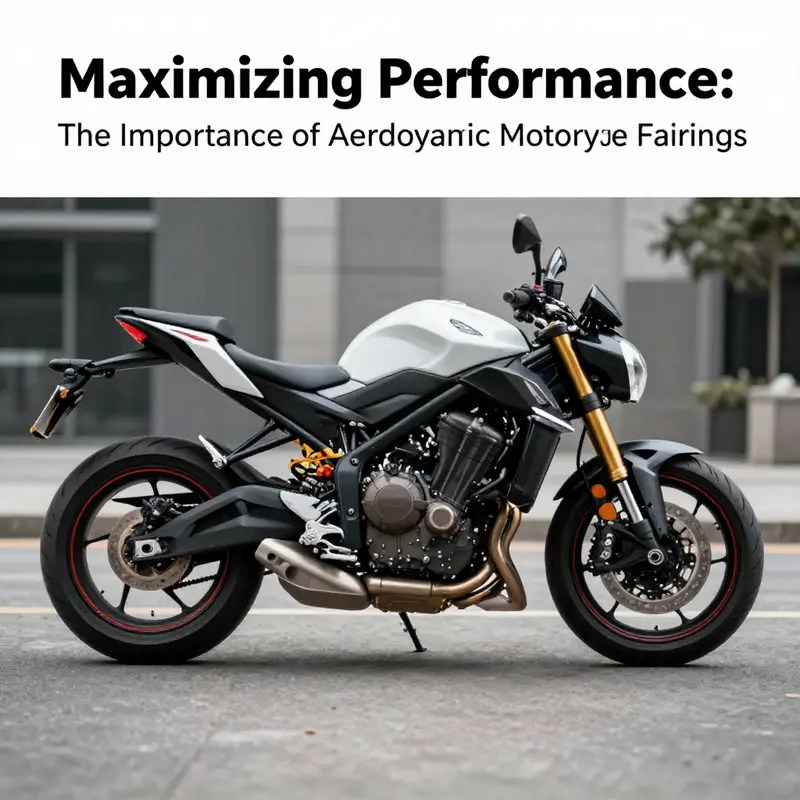
Half fairings occupy a nuanced position in the spectrum of motorcycle aerodynamics. They are not the full-body shells that wrap the front, sides, and sometimes the rear; they are instead a carefully carved upper silhouette that smooths the air where it matters most, while leaving the engine and lower frame exposed for torque, access, and practicality. This design choice embodies a deliberate compromise: to gain meaningful reductions in front-end drag and wind interaction without the weight and bulk that come with complete bodywork. In the logic of high-speed dynamics, that compromise can translate into steadier handling, crisper steering responses, and a rider experience that remains connected to the machine even as speed climbs. The mechanism is straightforward in concept. By covering the upper front portion—the headlight housing, upper fork area, and the immediate vicinity of the instrument cluster—a half fairing reshapes the boundary between still air and moving air. The result is a more orderly airflow over the bike’s profile, which lowers the pressure fluctuations that would otherwise spawn turbulence. The air can be directed to slip smoothly over the front wheel and around the rider’s upper torso, reducing the kind of buffeting that unsettles riders at highway speeds and beyond.
This is not mere theory. In practice, the wind can be coaxed to form a gentler wake, one that minimizes drag while preserving the sensation of control. When the rider adopts a sport-touring or café-racer stance, the difference becomes tangible. The upper fairing guides gusts away from the chest and shoulders, smoothing the wind’s impact on the rider. The lower body remains open and accessible, which matters for maintenance, cooling, and the tactile feedback riders value when they ride aggressively through winding passages or long stretches of open road. The visual language of half fairings—clean lines that begin at the headlights and sweep back toward the fuel tank—also communicates a balance between speed and usability. For riders who want a bike that looks purposeful yet remains practical, the half fairing is often the first choice that comes to mind. It is a design that respects the rider’s desire for wind management without imposing the constraints of a full-shell fairing.
From a performance standpoint, the advantages of half fairings are most evident at higher speeds where air resistance becomes a dominant force. The reduction of front-end turbulence translates into steadier steering and less aggressive air flow around the rider’s helmet and shoulders. This steadiness reduces fatigue, a crucial factor on longer rides or during endurance sessions at the track. The aerodynamic benefit also intersects with fuel economy: by trimming the frontal area and smoothing the flow, the bike can experience lower parasitic drag, especially in the mid-to-high speed ranges where riders spend the most time in a streamlined posture. In many riding scenarios, even modest drag reductions compound into meaningful gains over the journey.
Beyond the physics, half fairings carry a practical philosophy. They emphasize ease of maintenance and component access. The upper windscreen and headlight area are still shielded and integrated, but the lower engine and chassis remain accessible for routine service, adjustments, or upgrades. This accessibility is not a minor convenience; it is a real-world advantage for riders who value the ability to inspect, repair, and customize without having to remove entire panels or dismantle substantial portions of the bodywork. The maintenance-friendly nature of half fairings also extends to their compatibility with a wide range of motorcycles. Because the lower sections are not fully concealed, mechanics can approach the critical cooling ducts, brake lines, and radiator entries with relative ease. The modular approach to fairing design—upper shell, attachment points, and lower exposure—also invites customization. Color schemes, venting, and even micro-adjustments to the windscreen angle can be pursued without altering the entire front end.
In terms of materials and construction, half fairings typically rely on the same durable plastics and lightweight composites that define modern bodywork. The emphasis is on a balance between stiffness and flexibility, so panels resist cracking from minor impacts while remaining forgiving enough to absorb accidental bumps during urban riding or low-speed maneuvers. The result is a fairing that holds its shape against the wind’s pressure while staying light enough to preserve the bike’s nimble character. Some manufacturers and builders go further, using thicker sections around the headlight housing or reinforcing high-load attachment points where the upper shell connects to the steering head area. Yet the overarching aim remains consistent: lower weight without surrendering integrity.
The aesthetic language of half fairings also warrants attention. The visual emphasis is on a sleek silhouette that complements a rider’s posture, whether that posture leans toward a crouched track stance or a more upright sport-touring position. The upper shell often features a sculpted line that mirrors the rider’s natural arc, guiding the eye along the bike’s length and creating an impression of speed even when the machine is stationary. This look resonates with riders who value a classic sport-bike ethos—a blend of performance cues and everyday practicality. Importantly, the half fairing does not imply a rejection of protection. It suggests a selective protective strategy: shielding key components like the headlight and instrument cluster from rain, debris, and minor impacts while leaving the engine and lower structures accessible for inspection and service. The net effect is a blend of visual poise, functional weather defense, and practical upkeep.
There is also a broader conversation about how half fairings fit into the rider’s evolving relationship with the motorcycle. For sport standards and cafe racers, the lightweight, modular nature of half fairings supports a build ethos centered on customization and personal style. Riders can tailor the wind management to their preferred riding posture, selecting windscreens and fairing panels that optimize airflow for their geometry. For urban commuters and sport-touring enthusiasts, the balance of wind protection and access makes half fairings a logical compromise, offering a more comfortable ride without sacrificing the bike’s travel-friendly maintenance footprint. The fairing’s presence signals intent: a machine designed for speed and agility, but not at the expense of daily practicality.
To illustrate how this design philosophy translates into real-world choices, exponents of different riding styles gravitate toward half fairings as a middle ground between naked bikes and full-bodied race shells. With a half fairing, the rider benefits from reduced wind drag and quieter aerodynamics, yet retains ample space for instrumentation, radiator components, and routine service. The design invites experimentation with posture, windscreen height, and even jacket and helmet configurations, enabling riders to tune their wind experience without committing to the cost and complexity of a full fairing transformation. The resulting package feels both modern and timeless: a nod to traditional sport-bike aesthetics while embracing the practical realities of everyday riding.
For readers seeking concrete references to how a half fairing integrates with a particular model, the design approach can be explored through dedicated collections that showcase how upper-front panels meet the bikes’ lines. These collections emphasize the harmonious alignment of headlight housings, instrument clusters, and upper forks with the rider’s line of sight and posture. As you scan through such examples, you’ll notice how the upper fairing shapes the wind’s trajectory and how subtle changes to contour and angle influence both airflow and rider comfort. A good way to gain insight is to examine specific model families that historically leaned toward this configuration, and to study how aftermarket or OEM upper shells pair with the motorcycle’s core geometry. That exploration helps illuminate why half fairings remain a popular choice for riders who want efficiency, accessibility, and a sport-first look without surrendering daily practicality. For a representative glimpse of how these elements come together, you can refer to the Honda CBR series’ fairing options in their dedicated collection, which demonstrates how a clean upper shell interacts with a sport-focused chassis to deliver balanced aerodynamics and usability. Honda CBR600RR fairings (2013-2020).
The interplay between aerodynamics and rider engagement is subtle but meaningful. Half fairings remind us that the bike’s most influential air interactions often occur at the front and around the rider’s upper body. The goal is not to erase air from the rider’s experience but to choreograph it. When done well, the wind becomes a support rather than a stressor, guiding the bike in a way that invites confident cornering and stable long-distance cruising. This is especially true for riders who favor a mixed riding repertoire—daily commutes punctuated by weekend sidesteps into back-road thrills. In those contexts, half fairings provide a practical, aesthetically coherent solution that respects both performance and maintenance realities. They are a testament to design thinking that values the rider’s interaction with air as much as the engine’s output.
Performance nuance matters, too. While race fairings chase the brink of drag reduction with ultra-lightweights and highly engineered contours, half fairings do not aim to minimize drag at all costs. Instead, they optimize a synergy between wind management and accessibility. The result is a package that remains robust at speed, supports quiet and calm cockpit conditions, and preserves the tactile connection between rider and machine. In this light, the half fairing becomes more than a practical trim piece; it is a deliberate design choice that shapes a motorcycle’s overall character. The rider experiences a sense of proportion: a bike that feels fast in its silhouette, precise in its handling, and honest in its ease of service.
External resource: to deepen your understanding of half fairings and how they influence aerodynamic performance, you can consult broader guides on this topic.
External resource: Motorcycle Guide on Half Fairings and Aerodynamics Performance
Race Fairing Kits: The Apex of Airflow, Speed, and Rider Comfort in Aerodynamic Motorcycling
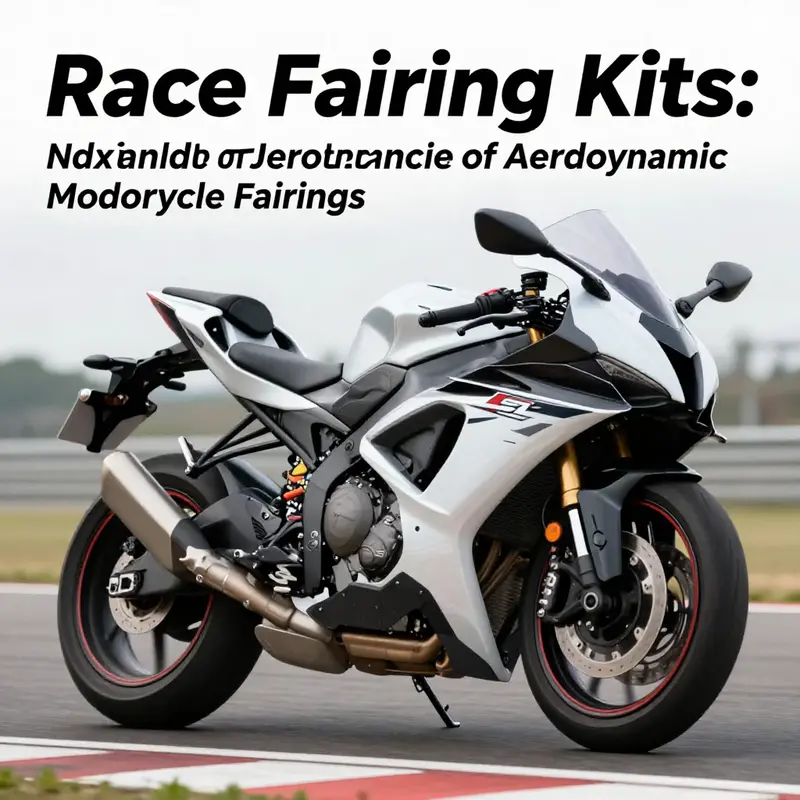
A race fairing kit sits at the apex of motorcycle aerodynamics, a purpose-built system that shapes air into a controllable force rather than a random, tiring gale. These kits are more than skin over a frame; they are an integrated package that seeks to minimize drag, reduce flow separation, and stabilize the machine at high speed. The art of fairing design blends material science, manufacturing methods, and chassis integration so that every contour contributes to predictable handling and rider comfort. Carbon fiber, composites, and high-performance plastics are chosen not only for weight but for stiffness and heat tolerance. The process starts with aerodynamic goals defined in wind tunnel or CFD studies, then moves to carving the shape that preserves access to service points while guiding air around the rider and engine. Front and side panels may meet to form a cohesive silhouette, while the rear remains tuned to minimize wake without adding unnecessary weight. Manufacturing choices, from prepregs to infusion or injection molding, determine tolerances, surface finish, and production speed. The result is a surface that works with the bike’s geometry, cooling system, and rider position to deliver steady high-speed behavior and comfortable, controlled airflow around the rider.
Riders benefit from the kit not only through reduced fatigue and a more stable headwind but also through improved engine cooling, which can be aided by ducts and radiators designed into the fairing. The transition lines between panels are carefully drafted to avoid sharp corners that disturb the flow, instead offering smooth curvature that keeps the boundary layer attached. The design language communicates performance while preserving serviceability for maintenance and crash repair. In practical use, a track-focused kit may emphasize front coverage and strategic side coverage to shield the rider while leaving space for quick radiator access and steering lock clearance. The rear may remain more open to reduce weight and facilitate access, a compromise that serious racers often prioritize for its effect on mass distribution and drag. Wind tunnel validation, CFD, and on-track testing feed back into the design loop, ensuring that every revision nudges the bike toward cleaner airflow and more predictable handling.
Beyond the engineering, the rider experience remains central. A well-executed kit reduces wind fatigue, enables a relaxed, repeatable riding posture, and helps the rider keep the required body position for longer stints. It also enhances braking stability and corner entry by smoothing the air hitting the torso and helmet, reducing buffeting that can mask line and timing. Aesthetics are important but subordinate to function: the fairing must look purposeful, clean, and in harmony with the chassis while signaling that the machine is optimized for speed and control. For those exploring race fairings, it is helpful to think of the kit as an integrated system rather than a collection of panels. When the components are designed to work together—material choice, joinery, seals, and mounting—airflow behaves more predictably and maintenance becomes simpler.
In summary, a race fairing kit embodies the synthesis of airflow science, materials engineering, and rider-centric design. It is not merely an outer shell but an engineered surface that contributes to acceleration, top speed, stability, and cooling. The best kits allow a rider to achieve a higher level of confidence at the limit, turning speed into controlled momentum. As manufacturing technologies advance and simulation tools improve, the potential for more sophisticated, lighter, and more integrated fairings will grow, benefiting both professional racers and enthusiasts who value the blend of performance and everyday usability. For readers who want to explore further, the literature and catalogs illustrate how modern race fairings combine front and side coverage with practical maintenance advantages, offering a path from streetbike to track-capable machine without compromising rider comfort or safety. The journey from concept to corner is iterative, with every contour and mounting point presenting an opportunity to harmonize air with human control, rather than fighting against it.
Stripped Down and Windblown: How Naked Bikes Use the Absence of Fairings to Define Purpose and Performance
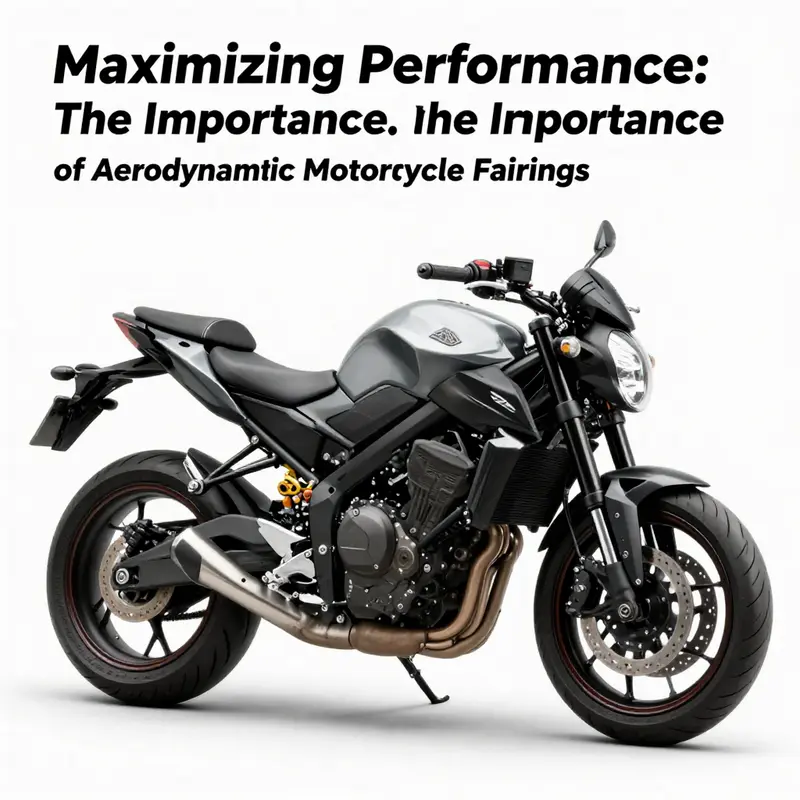
Naked bikes are not simply sportbikes minus panels. They represent a distinct design philosophy that embraces exposure, accessibility, and a different set of aerodynamic priorities. Where fully faired motorcycles sculpt bodywork to tame airflow and reduce drag, naked machines leave the engine, frame, and many mechanical elements visible. This choice reshapes the bike’s character, influences rider experience, and reframes how aerodynamics matters for everyday use.
At speed, a smooth outer skin reduces pressure drag and smooths airflow across the front and sides. Fully faired motorcycles exploit that fact to improve top speed and high-speed stability. Naked bikes accept the trade-off: they sacrifice some aerodynamic efficiency to gain other benefits. The exposed silhouette often yields a lighter curb weight. Lower weight can improve handling responsiveness and braking performance. It also simplifies maintenance; work on the engine and chassis requires fewer steps without full body panels to remove. Those practical advantages align closely with the typical roles these machines play: urban commuting, short spirited rides, and an emphasis on rider-machine connection.
Riding posture is another critical factor where naked bikes diverge from their faired counterparts. The upright seating position commonly found on naked models shifts how wind forces act on the rider and motorcycle together. A lower clip-on or crouched position reduces the frontal area of a faired sportbike. Naked bikes, with their taller bars and more relaxed geometry, present a larger combined frontal area. The result is greater wind blast at highway speeds and a different aerodynamic center of pressure. Designers accept this because the intended use often involves slower average speeds, frequent changes in direction, and an emphasis on agility rather than sustained top-end performance.
But the absence of a full fairing does not mean designers ignore airflow entirely. Many naked motorcycles incorporate subtle aerodynamic elements. Small headlight cowls, minimal flyscreens, and sculpted fuel tanks are all tools used to manage turbulence and rider comfort. These touches aim to reduce buffeting around the torso and helmet, improving comfort on longer runs. They do so without undermining the naked aesthetic. The goal is a balance between the raw visual identity of exposed mechanics and enough aerodynamic thought to make the bike usable beyond short urban hops.
One reason naked bikes remain so popular is their versatility. In city traffic, aerodynamic efficiency is often secondary to maneuverability. Quick direction changes, precise low-speed control, and predictable weight transfer matter more. Removing extensive fairings lightens the bike and shortens repair times after minor tip-overs. For riders who commute daily, those practical concerns outweigh the benefit of marginally lower fuel consumption at highway speeds. The ergonomics of a naked machine also reduce rider fatigue in traffic, because the upright posture relaxes the back and neck in stop-and-go situations.
The aesthetics of naked bikes also carry weight in design decisions. Exposing the trellis frame, engine fins, and exhaust routing creates a raw mechanical beauty. Riders drawn to that look often prize authenticity and mechanical honesty. The absence of aerodynamic fairings becomes a stylistic statement as much as a functional one. Manufacturers and custom builders alike exploit that visual language, polishing and shaping every visible component to contribute to the bike’s character. Even when partial covers are used, they are kept minimal and integrated so as not to dilute the honest presentation of the machine.
From an engineering standpoint, choosing to omit full fairings reshapes priorities across the vehicle platform. Cooling becomes more straightforward when airflow is not guided primarily through ducts behind body panels. Radiator placement and airflow paths can be optimized for exposure rather than internal routing. Suspension and chassis tuning can account for lower overall weight and a higher center of mass, producing a different response profile suited to quick steering inputs. Brake systems may be specified with different thermal considerations in mind, because less bodywork changes how heat dissipates from rotors and calipers.
Safety and ergonomics intersect with aerodynamics in meaningful ways for naked bikes. Windblast at high speed can cause rider fatigue and instability. To manage this without resorting to full fairings, designers often use wind deflectors and small screens that redirect airflow away from the chest and helmet. Seat shapes and tank contours are tuned to encourage riders into positions that naturally mitigate exposure. The cumulative effect is not the drag reduction of a race fairing, but a practical improvement in rider comfort and control. For many owners, that compromise is ideal. It keeps the machine accessible and nimble while making it tolerable for highway stretches.
Customization culture has embraced naked bikes because they offer a clean canvas. With the mechanicals visible, owners can personalize parts without disturbing complex integrated bodywork. Tailpieces, compact screens, and aftermarket subframes are easy to install. This accessibility fuels a vibrant aftermarket that values simplicity and rapid modification. For riders who like to tinker, a naked platform provides instant feedback: changes are visible and their effects on handling can be felt immediately. That loop between sight, touch, and performance is part of the naked appeal.
The absence of fairings also affects regulatory and acoustic characteristics. With fewer panels to muffle noise, engine and exhaust acoustics become more prominent. That can be a design intention, reinforcing a connection between rider and mechanical behaviour. However, it also requires careful attention to noise regulations and rider comfort. Aerodynamic choices influence not only drag coefficients but also wake noise and turbulence around mirrors and instrument clusters. Designers must pay attention to these details to avoid unpleasant resonances or excessive aerodynamic noise.
Comparisons between fully faired and naked motorcycles reveal how use case dictates aerodynamic choices. A sport-touring rider who logs long highway miles will value large fairings that cut wind resistance and protect the rider. Conversely, the urban commuter and cafe racer enthusiast will prize the immediacy and style of a naked machine. The latter group often prefers shorter gear ratios, lighter wheels, and suspension tuning optimized for cornering agility. Those choices complement the absence of a full aerodynamic skin and emphasize the performance traits most relevant to everyday riding.
Manufacturers also use partial fairing strategies to blur the line between categories. Some naked models adopt compact, aerodynamic components borrowed from sportier bikes. These elements often resemble scaled-down versions of race bodywork. They provide measurable improvements in rider comfort and stability without committing to a full-body solution. For riders who occasionally cruise at high speed but want to keep a naked aesthetic, such hybrids offer a sensible compromise. They are design statements that acknowledge aerodynamics without letting it dominate the bike’s identity. For example, riders interested in aftermarket options can explore specialized fairings for sport models, adapting solutions to their needs. A curated source for model-specific fairings, including sport-oriented designs, can help owners consider alternatives like those used on race or sport-touring machines. See this collection of Honda CBR fairings for comparative ideas: Honda CBR600RR fairings (2013–2020).
Ultimately, the absence of fairings on a naked bike is a deliberate compromise. It places emphasis on accessibility, character, and urban performance. Aerodynamic penalties exist, but they are accepted because the machine’s primary duties rarely demand sustained high-speed efficiency. Designers still engage with airflow through focused measures that improve comfort and control. The result is a motorcycle that feels immediate and honest, one that rewards rider skill and personal expression.
Understanding why a manufacturer or rider chooses a naked configuration clarifies how aerodynamics fits into broader design choices. Rather than viewing fairings as always superior, the naked philosophy treats them as one tool among many. When reduced weight, ease of maintenance, and a bold aesthetic are priorities, removing the aerodynamic skin becomes an intelligent design decision. For riders who want the option to alter that balance, partial screens and aftermarket kits allow incremental improvements without sacrificing core identity.
For readers who want a deeper technical view of how fairing kits are specified and applied, a detailed technical guide can offer useful background. The guide linked below explains material choices, grades, and mounting strategies for sport-oriented fairings, and highlights the trade-offs that influence whether to add bodywork to a naked platform.
External reference: Understanding Aprilia RS 125 Fairing Kit: Technical Specifications, Grades, and Application Techniques – https://www.aprilia.com/en/technical-resources/rs-125-fairing-kit-specifications
Final thoughts
The choice of motorcycle fairings plays a pivotal role in determining the riding experience, affecting everything from aerodynamics to comfort. Understanding the various types—three-quarter fairings for balanced performance, half fairings for agility, race fairings for competition, and the minimalist approach of naked bikes—enables riders to select the right model for their needs. Ultimately, enhancing your motorcycle’s aerodynamic capabilities can lead to improved performance, greater rider satisfaction, and a more enjoyable riding experience overall.