
Aerotek motorcycle fairings represent a pinnacle of innovation and craftsmanship in the motorcycle world. As business owners in the automotive sector, understanding the nuances of these fairings can provide competitive leverage in your offerings. The unique hand-laid fiberglass composite construction ensures durability and lightweight performance while enhancing the aesthetic appeal and aerodynamics of motorcycles. This article will delve into three critical aspects of Aerotek fairings: their material composition and manufacturing techniques, the impact on performance during rides, and the myriad of customization options available to meet customer preferences. By the end, you’ll grasp why Aerotek motorcycle fairings are a top choice for riders seeking both functionality and style.
Hand-Laid Fiberglass and Precision Craft: The Materials and Manufacturing Behind Aerotek Motorcycle Fairings
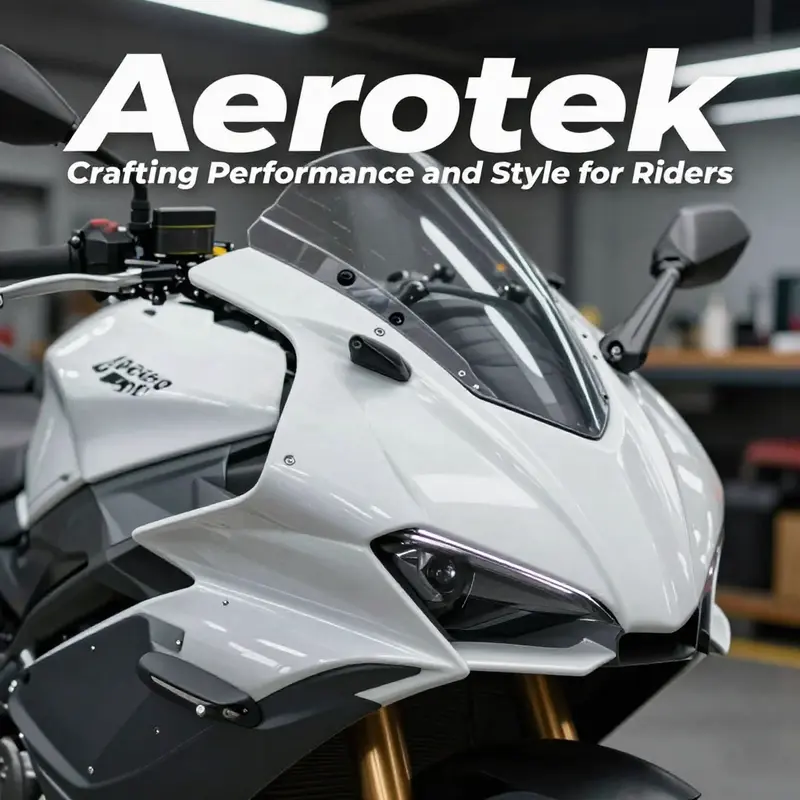
Material and Manufacturing: How Aerotek Achieves Strength, Shape, and Functionality
Aerotek fairings begin as a design brief and end as sculpted shells that balance strength, weight, and aerodynamic purpose. The material choice and the way that material is formed determine how a fairing behaves on road, track, and in a repair shop. At the heart of Aerotek’s approach is a hand-laid fiberglass composite. That choice drives every step of production, from mold design and layup to curing, finishing, and quality verification. The result is a lightweight, durable component that can be shaped precisely, reinforced selectively, and repaired or modified by a skilled technician.
Fiberglass cloth is the structural backbone. Woven fibers create a fabric that transfers loads and resists crack propagation. The architecture of the fabric varies. Tighter weaves add stiffness and help the finish hold detail. More open weaves conform readily to compound curves. By choosing specific weave patterns, technicians control how the fairing will flex, bend, and absorb impact. This is done not by guessing but by matching fabric architecture to expected stress patterns on the finished part.
The resin matrix is equally important. Saturating the fiberglass with resin binds the fibers together and turns a pliant fabric into a rigid shell. Different resin chemistries offer trade-offs between cost, strength, weight, and environmental resistance. A polyester or vinyl ester resin can provide an economical solution with good mechanical performance. Epoxy resins deliver higher strength and better fatigue resistance, at a higher cost. The resin also affects repair behavior. Some resins accept patching and reshaping more readily than others. Choosing the right resin is a balancing act of performance targets and practical considerations such as repairability and finish quality.
What distinguishes a hand-laid composite from mass-produced shells is the degree of human judgment applied during layup. In the hand-laid process, technicians place layers of fiberglass cloth into a female or male mold, then wet out the cloth with resin by hand. This manual approach offers two key advantages. First, it allows precise control of local thickness. Areas that need rigidity, such as mounting points or leading edges, can receive additional layers or specialized reinforcements. Second, hand layup enables careful orientation of fiber direction where bending or shear loads are predicted. That level of tailoring is difficult to achieve with automated processes at the same cost point.
Curing follows layup under controlled conditions. Temperature and humidity influence resin crosslinking, and curing schedules ensure the matrix achieves its designed mechanical properties. Slow, even cures reduce residual stresses in the shell. When necessary, post-cure heating can raise glass transition temperatures and stabilize dimensional behavior under heat. For motorcycle fairings, stability under engine heat and sunlight is critical. A properly cured composite will resist softening and deformation when exposed to heat and UV over years of use.
A gel coat is often applied to the mold surface to provide a smooth base finish. This top layer must bond cleanly to the composite without introducing weakness. Proper mold preparation and gel coat selection ensure that the finished part requires minimal filler during sanding. Less filler means the shell remains closer to its designed shape and weight. After demolding, parts undergo trimming, sanding, and test-fitting. Technicians inspect edges, mounting holes, and alignment features to verify fitment. Any inconsistency at this stage is corrected before primer and paint.
Aerodynamic shaping is integrated into the mold design. Engineers study airflow and rider interaction, and then translate those findings into sculpted surfaces that reduce drag and improve stability. The hand-laid process supports these fine geometries because the fiberglass conforms smoothly to complex mold contours. Where necessary, local stiffeners or foam cores are laminated into the layup to reduce flutter or vibration at speed. These internal features are invisible once finished, yet they significantly enhance real-world behavior.
Quality control is not a single step but a continuous sequence. Visual inspection identifies surface defects and delamination. Dimensional checks confirm that critical mounting interfaces line up within tolerance. Mechanical testing evaluates impact resistance and flexural strength. Samples from production runs are often subjected to destructive testing to validate batch consistency. Environmental testing evaluates UV resistance, fuel exposure, and thermal cycling to ensure components survive the conditions encountered by riders.
One major advantage of hand-laid fiberglass fairings is repairability. When a fairing suffers a crack or puncture, a technician can remove the damaged section, clean the area, and lay in new cloth with compatible resin. Properly executed repairs restore much of the original strength and can be blended to match the finish. This contrasts with some thermoplastic shells, which may need replacement when damaged beyond a certain point. For riders who log miles and also value serviceability, that capability is a practical benefit.
Customization is another area where composite construction shines. Hand layup lets workshops alter thickness, add vents, or incorporate mounting bosses tailored to aftermarket components. Small runs with unique paint schemes or bespoke fitments are feasible without the capital expense of injection tooling. This flexibility keeps costs reasonable for riders seeking a tailored look or specific aerodynamic traits.
Weight savings are carefully balanced against durability. By layering fabric selectively, manufacturers create high-stiffness webs where needed while keeping low-density sections in areas that primarily shape the airflow. The result is a shell that feels robust without unnecessary mass. That careful distribution of material contributes to handling neutrality and keeps the unsprung and rotational masses low, which riders perceive in responsiveness and acceleration.
Resistance to impact and abrasion comes from both the fibers and the resin. Fiberglass is inherently energy-absorbing; when struck, fibers bridge cracks and spread forces over a larger area. The resin captures and transmits those loads, preventing catastrophic failure. Where the fairing must survive repeated minor knocks or road debris strikes, the layup can include chopped strand mats or additional roving oriented perpendicular to expected crack directions. These reinforcements dissipate energy and slow damage progression.
Finish quality matters for fit and for visual appeal. After initial sanding, parts receive priming and filling where necessary. Skilled finishing minimizes filler thickness to preserve surface detail. Multiple primer and sand cycles yield a consistent substrate for paint. Modern paint systems bond strongly to properly prepared composite surfaces, then resist chipping and UV degradation when cured and top-coated correctly. The final coatings also act as a secondary barrier against moisture and environmental contaminants.
Mounting points receive special attention. Inserts, captive nuts, and local reinforcements ensure fasteners remain secure during vibration and thermal expansion cycles. Engineers design these interfaces so that loads transfer into reinforced zones instead of thin laminate edges. This prevents stress concentrations that lead to cracking. During final assembly checks, technicians torque fasteners to spec and inspect alignment, ensuring the shell sits flush and does not distort under tension.
Environmental protection extends beyond paint. Resins and gel coats can include UV stabilizers and light-blocking additives. Sealants at seams and drainage paths prevent water intrusion that might promote delamination or corrosion of metal inserts. Considerations like these increase product life and reduce maintenance needs.
Comparative performance is often discussed when choosing materials. Fiberglass composites provide an attractive balance of cost, strength, and repairability. They are heavier than the lightest structural fiber options, but the practical difference for most riders is modest. Fiberglass offers a more forgiving failure mode than brittle materials; cracks tend to localize rather than shatter. Those characteristics make fiberglass a rational choice for fairings that must perform in everyday conditions while remaining serviceable.
The human factor remains central. Hand layup relies on skillful technicians who understand how fabric conforms, how resin wets out, and how to avoid dry spots or air entrapment. Training, tooling, and process documentation sustain consistent outcomes. Jigs and fixtures support repeatable trimming and hole placement. Experienced staff can tune layup schedules, select reinforcement strategies, and identify issues before they propagate through a batch.
From a production economics viewpoint, hand-laid fiberglass is cost-effective for small to mid-sized runs. Tooling costs are modest compared to high-volume injection molds or autoclave-cured prepreg laminates. That economic model supports niche offerings and allows a manufacturer to iterate designs or offer a range of models without prohibitive upfront tooling expenses. It also enables producers to respond quickly to rider feedback and to refine shapes for improved aerodynamics or fitment.
Final validation often includes road testing. Engineers and riders evaluate wind protection, stability, noise, and fit. They watch for flex or flutter at high speed and note whether panels chafe against neighboring bodywork. Those observations feed refinements in reinforcement placement, thickness, or mounting geometry. The iterative loop between shop and track helps transform a promising prototype into a reliable production component.
For riders who value a fairing that can be repaired, modified, or custom-painted without specialized industrial equipment, the hand-laid fiberglass approach offers clear benefits. It supports carefully sculpted forms and targeted reinforcement. It produces parts that are strong enough for daily riding while remaining amenable to repairs and tuning. The production strategy balances cost and performance, favors skilled workmanship, and delivers a component that blends functional aerodynamics with practical durability.
For more technical specifications and the manufacturer’s material overview, see the official product guide: https://www.aerotekmotorcycle.com/products/fairings-material-composition
If you are exploring compatible aftermarket options or looking for application-specific shapes, consider reviewing a focused fairings collection, such as the Honda fairings collection for model-specific ideas and fitment references: https://www.summitfairings.com/collections/honda-fairings
Shaping Speed and Stability: How Aerotek Fairings Alter Riding Dynamics
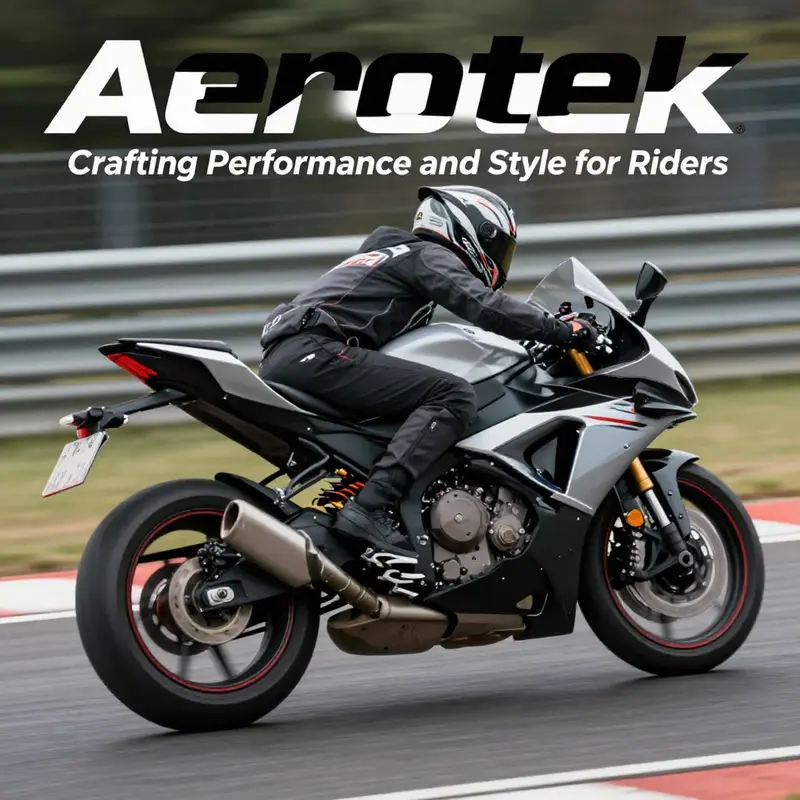
Shaping Speed and Stability: How Aerotek Fairings Alter Riding Dynamics
A motorcycle’s fairing is far more than cosmetic skin. It is an aerodynamic tool, a protective shell, and a contributor to ride feel. When designed and built well, a fairing reshapes airflow, redistributes forces, and changes how a machine responds to rider inputs. For those considering Aerotek fairings, understanding how a high-quality, hand-laid fiberglass composite shell influences dynamic performance is essential. This chapter traces the pathways through which a fairing affects speed, stability, fuel consumption, protection, and rider comfort, and it explains why material and fit matter as much as form.
At its most basic, a fairing modifies the pressure and velocity of air around a motorcycle. As the bike moves forward, air must slip past the front surfaces, wrap around the chassis, and pass under the belly. The way those flows are guided determines drag, lift, and turbulence. A streamlined nose and smooth transitions over the tank reduce frontal drag. Carefully shaped side panels guide air away from the rider and critical components. A well-contoured lower section minimizes interference under the engine. The result is less aerodynamic resistance, which translates into measurable effects on riding dynamics.
Reduced aerodynamic drag directly influences top speed and the power required to maintain speed. Less drag means the engine spends less effort pushing air aside, allowing higher attainable speeds for a given power output. That relationship is most apparent at highway and track velocities, where aerodynamic resistance dominates rolling and mechanical losses. But the advantage is not only about peak numbers. Lower drag creates gentler throttle demands during acceleration, which can improve throttle response and make power delivery feel smoother. When a rider trims the throttle, the bike slows more predictably with reduced buffeting, improving control during deceleration phases.
Stability at speed is another crucial outcome. An efficient fairing reduces turbulent wakes that buffet the rear of the machine. Turbulence around the front wheel and fork assembly, if unmanaged, can feed into the chassis and make handling vague. A fairing that directs airflow cleanly around these elements reduces that effect. On straight, fast sections, riders experience less front-end wandering and fewer corrective steering inputs. That steadiness reduces fatigue and raises confidence, letting riders hold lines more precisely.
Lateral stability during cornering is tied to both aerodynamics and mass distribution. While a fairing contributes modest weight near the front, its aerodynamic shaping affects how crosswinds and pressure gradients interact with the bike. A design that manages crossflow reduces the lateral forces from gusts. That matters when riding in open areas or when overtaking large vehicles. Instead of a sharp push to one side, the rider feels a gradual and more controllable drift. This smoother reaction helps maintain a consistent line and reduces the need for sudden counter-steering.
Drag is also intimately connected to fuel efficiency. Decreasing the power needed to overcome aerodynamic resistance lowers overall fuel consumption. This is especially meaningful for long-distance riders and racers who measure performance in pit windows and race stints. Even relatively small improvements in coefficient of drag can yield noticeable increases in range. For a rider who uses the motorcycle daily, this means fewer refueling stops and a lower cost of ownership over time. The trade-off between style and economy becomes a clear win when fairing design prioritizes airflow efficiency.
Protection of mechanical components is more than a longevity concern; it influences reliability and consistent performance. A robust lower fairing, for example, shields the engine and exhaust system from road debris, water, and grit. That protection reduces the likelihood of overheating or fluid contamination from impacts. By preserving an engine’s clean operating environment, the fairing helps maintain predictable thermal performance. That consistency matters for riders pushing the limits on long rides or track days, where heat soak and fouling can alter power delivery and handling.
Rider comfort is an often underestimated aspect of dynamic performance. A full fairing channels wind over and around the rider, significantly reducing helmet and torso buffeting. Less aerodynamic strain on the rider means less fatigue, and less fatigue translates into steadier control inputs for longer periods. On sportbikes and superbikes, that is a tangible advantage. Riders can maintain a stable tuck position with less muscular effort, improving concentration and decision making. For commuters and tourers, the reduced wind noise also means clearer situational awareness and reduced stress on hearing over long distances.
Aerotek fairings, constructed from hand-laid fiberglass composite, combine several desirable material properties. Fiberglass delivers a favorable strength-to-weight ratio. When layered by hand and cured properly, it produces a stiff, durable shell. That stiffness helps the fairing hold aerodynamic shapes under load. A composed surface that resists flexing preserves design geometry even at high speeds. Flexible or fluttering panels can disrupt airflow, increasing drag and introducing unpredictable handling. A rigid shell avoids those dynamic instabilities.
Weight is critical. Lightweight fairings reduce unsprung mass effects and improve responsiveness. Although the fairing sits largely as sprung weight, it still contributes to the bike’s inertia. Lower mass means quicker changes in direction and less energy required to accelerate. Fiberglass composite hits an effective balance, offering lightness without brittle failure modes. It also repairs well, which matters after minor impacts. That reparability encourages maintaining an aerodynamically intact profile, rather than riding with patched or rough edges that can amplify turbulence.
Fit and finish are as important as material. A precisely fitting fairing minimizes gaps and misalignments. Even small discontinuities can create vortices that feed instability. When panels mate tightly and seams are sealed, airflow follows the intended contours. Proper mounting also ensures that the fairing interfaces with the chassis without introducing flexing points. Well-engineered mounting points absorb vibration and prevent fatigue cracking. For riders, this means predictable feel through corners and stable behavior at speed.
Customization and shape tailoring are advantages of composite construction. Designers can sculpt surfaces to target specific performance goals: lower drag, increased downforce, or improved cooling. For example, vents and ducts can be sized to draw cooling air across radiators without creating excessive drag. A fairing that balances cooling needs with aerodynamic efficiency prevents overheating while preserving speed. Subtle lip shapes can reduce lift at high speeds, keeping the front wheel planted. These trade-offs require thoughtful design and accurate shaping—qualities typically found in hand-laid composite pieces.
The interplay between ventilation and aerodynamics is often overlooked. Cooling ducts are essential for engine health, but they also serve as disruption points. Strategically placed intakes and outlets allow a designer to harness pressure differences to move air where needed. When implemented intelligently, these channels maintain a smooth external profile by guiding flow internally. An effective fairing uses this principle to keep core temperatures within safe limits while avoiding unnecessary drag.
On the subject of rider perception, the psychological effect of a confident, stable ride is significant. Riders who sense a predictable machine are more likely to push performance envelopes safely. A well-fitting fairing that reduces wind noise and stabilizes the chassis encourages greater focus on racing lines and throttle control. This human factor contributes to lap-time improvements and safer high-speed travel. The machine’s consistent responses create a reinforcing loop: confident rider, smoother inputs, better performance.
Installation quality impacts outcome as much as design. A perfectly engineered fairing will not deliver promised gains if it is misaligned or poorly secured. Proper torque settings, vibration-damping hardware, and attention to clearances maintain the fairing’s intended geometry. Routine inspections for fastener tightness and panel integrity preserve the aerodynamic profile. Maintenance culture thus plays a role in sustaining dynamic benefits over the life of the fairing.
Finally, compatibility with the motorcycle model defines the ceiling of performance gains. A fairing designed to match a bike’s geometry, wheelbase, and steering geometry integrates with the chassis dynamics. Conversely, mismatched pieces can disturb mass distribution and steering feel. Selecting a fairing that conforms to original mounting points and maintains center-of-gravity considerations is essential for predictable handling. Riders should prioritize model-specific fitment over generic styling to preserve the machine’s engineered balance.
Taken together, the effects of a well-made composite fairing are clear. Reduced drag improves speed and economy. Better-managed airflow enhances stability and reduces rider fatigue. Protection for mechanical parts preserves reliable performance. Precise fit and robust materials maintain the design’s intent at speed. For riders seeking tangible changes to riding dynamics, these factors create measurable differences on both the street and track.
For those interested in exploring fairing options matched to specific bikes, consider inspecting model-specific collections such as the Honda CBR1000RR fairings (2012–2016) to understand fitment principles and mounting considerations. https://www.aerotek-streamlining.com/superbike-fairing-kits
Aerotek Fairings: Craft, Customization, and the Quiet Art of Aerodynamic Expression
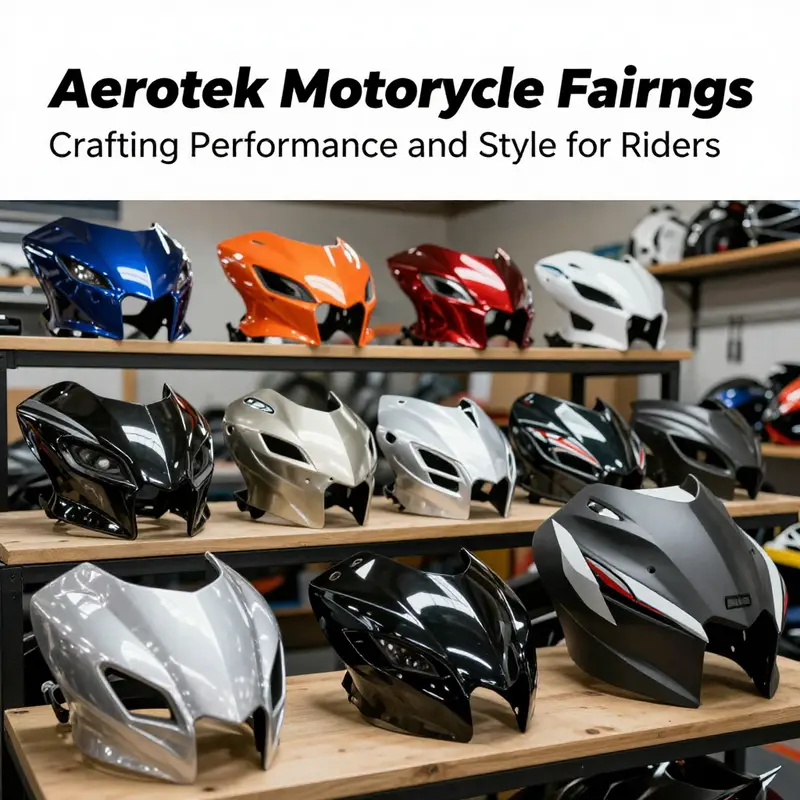
In the realm of motorcycle aesthetics and performance, a set of fairings can do more than simply cover the frame. They sculpt the rider’s experience, shaping how the bike breathes through wind and how it communicates its intent to onlookers. Aerotek fairings sit at this confluence of form and function, where hand-laid fiberglass and thoughtful design converge to deliver not just a look, but a living parameter of how a machine moves through air. To appreciate what these kits offer, it helps to start with the materials and the craft. A hand-laid fiberglass composite is more than a construction choice; it’s a philosophy about consistency, resilience, and the tiny variations that can be tuned by a skilled hand. In the hands of a skilled fabricator, fiberglass can be laid in controlled layups that produce a uniform thickness where it matters most for strength, yet remain forgiving enough to avoid the brittle stiffness that can betray a rider on bumpy roads. This approach makes fairings that are surprisingly durable for daily use, while still light enough not to undermine the bike’s weight balance or handling characteristics. It also allows for precise shaping, which translates directly into better aerodynamics and a tidier overall appearance. The result is a component that can be both a performance tool and a canvas for personal expression. When a rider steps back to consider how a fairing integrates with the motorcycle’s existing lines, the value of a hand-laid construction becomes clear. The fabricator can accommodate slight model variations and rider preferences, shaping curves that align with the tank, the rider’s posture, and the bike’s original silhouette. The upshot is a fairing that looks as if it grew from the frame rather than being bolted on as an afterthought. In this sense, Aerotek fairings embody a practical elegance; they are designed to disappear into the bike’s geometry while quietly enhancing its presence on the road. This harmony between structure and style matters just as much to a rider who spends hours on the saddle as it does to someone who wants the machine to express a clear personality through its exterior form. Aesthetic and performance goals can feel symbiotic rather than competing objectives when the materials support them in equal measure. The fiberglass composite used in these assemblies is not merely a protective shell; it’s a tool for shaping air flow, reducing drag, and smoothing transitions between riding surfaces and the machine’s vital components. The lamination process, when executed with care, yields a fairing that resists fatigue under the daily stresses of traffic and weather. It can hold a finish that remains consistent through time, resisting micro-impacts and minor abrasions that would mar a less robust substrate. This durability matters not only for appearance but for resale value and long-term ownership. Consistency in the fairing’s surface backbones the entire look—from the sharp intake lines that hint at improved breathability to the even, disciplined curvature that betrays a thoughtful integration with the bike’s headstock and tail. The result is a visual language that communicates speed and precision even when the motorcycle is stationary. The customization options built into Aerotek-like fairings leverage the inherent flexibility of light materials. ABS plastic has long been a staple in aftermarket bodywork due to its practical balance of toughness and workability. Photographers of bike culture often capture the gloss of painted surfaces or the subtle texture of matte finishes, but the underlying choice of substrate is what enables those finishes to endure. Alongside ABS, more advanced composites—such as carbon fiber in strategic areas—offer a higher strength-to-weight ratio, appealing to riders who pursue performance builds whos aim is to shave grams while keeping stiffness where it matters most. The lightness of these materials creates a playground for color and graphic expression without overburdening the frame. This is where customization steps from being a matter of taste to a performance choice: each finish decision, from paint to wrap to decals, can influence how air flows around the fairing and how the machine feels when accelerating or cornering. The ability to paint or wrap the fairing matters for two reasons. First, color and finish influence visibility and personality on the road, allowing riders to announce their style with confidence. Second, and perhaps more subtly, wrapping or decals can alter surface properties just enough to affect microtextures and laminar flow patterns. A well-applied wrap or decal system respects the underlying contour, preserving the continuity of the curves while adding a layer of protection against UV exposure and road debris. The aesthetic palette here runs from aggressive, high-contrast schemes to more understated, cohesive tones that blend with the bike’s stock lines. The choice of finish—gloss, satin, or matte—plays into how the light catches the bike at speed and how the edges of the fairing read from different viewing angles. It is not an accident that a modern sportbike commonly appears to glow under streetlights or in the glare of track lighting. The surface treatment is a crucial part of the overall design language, and careful attention to color matching with the bike’s other components can produce a look of deliberate cohesion rather than a patchwork of add-ons. Designers who work with these fairings often look for lines that echo the bike’s original geometry rather than break it with abrupt interruptions. That desire for harmony is part of what makes the upper fairings—those elements that sit high above the headlight—so important. They are not only functional components for channeling air but also the first visual cues that the rider’s intent is aerodynamic efficiency married to modern form. When upper fairings are executed with precision, they help guide wind smoothly over the rider’s torso and along the front of the bike, reducing turbulent eddies that can sap speed and comfort. The integration with headlights and instrumentation is another facet of this design philosophy. A well-integrated fairing conceals housings and mounting points in a way that makes the bike look showroom-new even after years of use. The instruments sit within clean cutouts, with gaskets and edges that keep moisture and debris at bay. The headlight aperture is shaped to maximize light output while minimizing glare and wind resistance. In practice, this means ferreting out small opportunities to streamline a complex geometry: a narrow edge here, a subtle radius there, a careful alignment with the bike’s fairing line so that the whole assembly reads as a single, cohesive surface rather than a collection of panels bolted together. The result is a visual language that suggests speed even when the machine is stationary, a sentiment that many riders pursue in their personal styling. When we examine the rider’s experience more closely, the benefits become clearer in practical terms. An aerodynamically honed fairing does more than reduce drag; it helps stabilize the front end at speed, contributing to a more confident feel in cornering and high-speed straights. The sensation comes from a balance between the air’s pressure over the surface and the bike’s mass distribution. A well-shaped fairing supports the rider by smoothing the air that cuts across the bike’s profile, reducing parasitic lift and keeping the machine planted where the rider intends it to be. This not only improves top-end potential but also improves traction during aggressive acceleration and deceleration phases. The fitment process—how a particular kit is adapted to a given frame—benefits from the same careful approach that guides the design. Manufacturers and installers must consider the differences between model years, subframes, tank shapes, and mounting points. A robust aftermarket kit is not a one-size-fits-all solution; it is a modular system that respects the bike’s original architecture while offering enough tolerance to accommodate variations. The result is a fairing that looks like it belongs, not something grafted on as a temporary aesthetic experiment. For riders who want to explore models and configurations beyond their current machine, there is value in examining how similar kits perform across a broad spectrum of bikes. The story here isn’t just about what one fairing does for a single model; it’s about how the design language translates across dozens of frames with different rake angles, radii, and mounting conventions. In practice, this means that a given set of panels can be adapted with meticulous care, using careful trimming and sealing to ensure a clean, factory-like finish. The practical implications extend beyond the cosmetic. A fairing that fits well reduces the likelihood of rattles and gaps that accumulate over time, especially on rides that include imperfect roads or rapid transitions between freeway slabs and city streets. The peace of mind that comes with a well-fitted, durable component is not trivial; it translates into fewer trips to the shop, greater confidence on the track, and, ultimately, a more enjoyable ownership experience. Regarding maintenance, fiberglass-based panels respond well to routine care and straightforward repairs. While composites offer resilience, they can require attention to micro-damages that accumulate with normal riding. A chip or scratch in the surface can be repaired with standard resin repair techniques, followed by color restoration to preserve the uniform look. This repairability is a practical advantage for riders who are frequently on the road and who value the long-term viability of their investment. The affordability angle deserves a brief, honest note. The combination of light weight and the potential for extensive customization makes these fairings an appealing option for riders who want to strike a balance between performance and personal expression without stepping into the higher costs associated with more exotic materials. The value proposition grows when one considers the lifecycle of a kit: initial purchase, installation, customization, maintenance, and eventual refinishing or replacement. A well-chosen kit can extend the bike’s aesthetic life while keeping the performance envelope open. For riders charting their own course in visual identity, the chance to explore a wide range of configurations—colors, finishes, and graphics—can be a decisive factor in choosing a particular approach to fairing design. The conversation around alternatives like vinyl graphics or decals highlights another practical dimension of customization. Debates about longevity often center on durability versus reversibility. Vinyl wraps offer a flexible, removable way to try bold designs without committing to permanent paint schemes. Decals, when applied with careful surface prep and a protective top layer, can endure the hustle of daily commutes and occasional track days. Paint, with its depth and finishing options, remains the premium route for riders who want a factory-like appearance and a finish that resists fading under UV exposure. It is through this lens of customization, durability, and visual language that the Aerotek fairing approach reveals its broader purpose: to empower riders to express themselves while preserving a coherent, performance-minded silhouette. In the end, these kits are less about changing a bike’s appearance and more about enabling a relationship between rider, machine, and wind. They invite the owner to participate in the shaping of a machine that moves with intention and identity. For readers seeking practical touchpoints on model compatibility and fitment, a useful reference is the Honda fairings collection, which exemplifies how aftermarket lines adapt to a broad ecosystem of frame configurations and model years. See more at: Honda fairings collection. For broader context on materials and design philosophies in this category, the external resource provides an expansive overview of how modern fairings balance strength, weight, and aerodynamics across brands and builds. External reference: https://www.airtechmotorcyclefairings.com
Final thoughts
Understanding Aerotek motorcycle fairings is critical for business owners looking to enhance their product offerings. The superior material composition not only ensures durability but also elevates motorcycle performance through precise aerodynamics. Additionally, the range of customization options available caters to the aesthetic preferences of riders, positioning Aerotek as a leader in the motorcycle fairing market. By aligning your business with Aerotek’s quality and innovation, you can attract discerning customers eager for both style and functionality in their rides.