
The aftermarket motorcycle fairings market in Canada is booming, driven by cost-effective solutions and innovative manufacturing methods. For business owners, understanding the intricacies of this sector can translate into significant profits. This article provides a comprehensive look at the dynamics of aftermarket motorcycle fairings, from cost efficiency and logistics to quality assurance and international sourcing strategies. Each chapter will equip you with the knowledge needed to thrive in this growing market, ensuring you capitalize on the available opportunities that aftermarket motorcycle fairings offer to Canadian businesses.
Balancing Price and Value: How Canadian Riders Get the Most from Aftermarket Fairings
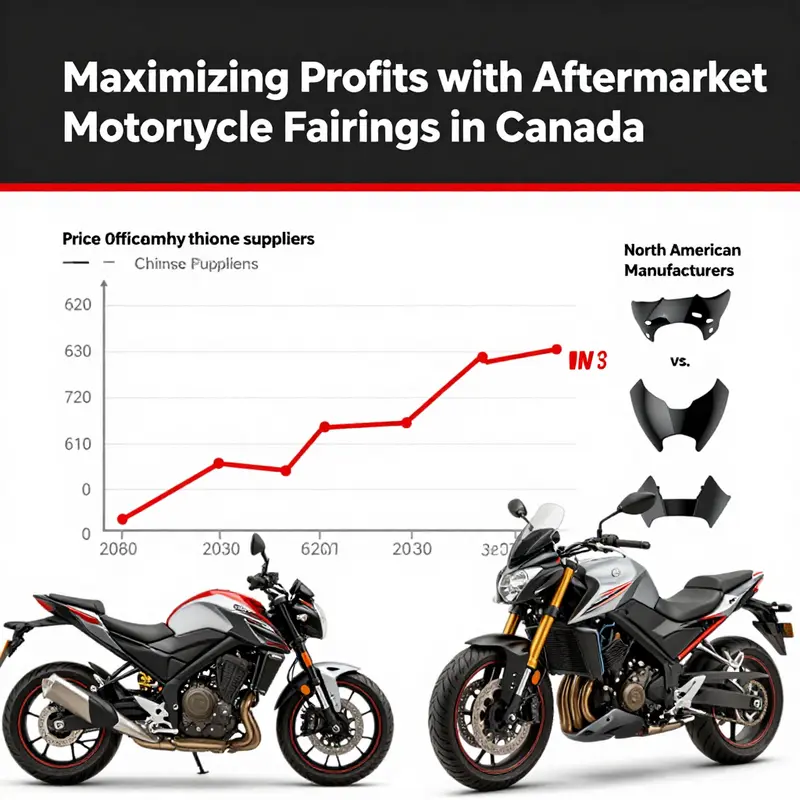
Balancing Price and Value: Practical Cost Efficiency for Canadian Riders
Choosing aftermarket motorcycle fairings in Canada is often a decision about more than sticker price. Riders weigh initial cost, long-term durability, fitment accuracy, installation expense, and the time it takes to get parts in hand. Each of these factors affects the real cost per kilometer ridden. This chapter walks through the trade-offs and practical steps Canadian buyers use to convert lower purchase prices into reliable savings.
Aftermarket fairings typically cost 30% to 50% less than OEM alternatives. That gap alone draws attention. But cost efficiency does not end with a lower invoice. True savings come from understanding materials, fitment tolerance, finishing needs, and logistics. ABS plastic is the most common aftermarket material. It is affordable, impact-resistant, and easy to repair. Carbon fiber offers weight savings and prestige. It also carries a much higher price and repair cost. For most street riders, high-quality ABS yields the best return on investment. Track riders with a performance focus may justify carbon fiber despite the price.
A Canadian buyer’s experience often begins with pricing comparisons. A fairing kit imported directly can appear cheaper on paper. However, import duties, brokerage fees, provincial sales taxes, and shipping insurance add to the final cost. Many suppliers now offer DDP (delivered duty paid) shipping to Canada. DDP simplifies budgeting by rolling duties into the quoted price. It also reduces surprises at delivery. When DDP is unavailable, calculate customs and brokerage in advance. Use the declared value plus applicable tariffs and taxes to estimate final spend.
Lead time influences cost indirectly. Waiting for parts increases holding costs and idle bike time. Some suppliers in manufacturing hubs maintain bonded warehouses or regional distribution centers. Those options cut transit time and let Canadian buyers receive parts in weeks rather than months. Faster delivery often costs more, but the economic downside of a long wait can outweigh the price difference. Consider how quickly the part is needed for a repair or project. If timing is tight, a slightly higher freight cost may be the most economical choice.
Fitment accuracy matters as much as material cost. A low-priced fairing that needs trimming and reshaping can erase savings. Minor adjustments are common and manageable. Major misalignment requires modification or returns, which add labor and shipping fees. Prioritize suppliers who provide precise model-specific molds and clear fitment notes. Request photos of sample parts installed on the intended model, or ask for a digital mock-up. If possible, choose suppliers offering small-batch trial orders. That lets you test fit and finish with limited exposure.
Paint and finishing expenses are another cost center. Many aftermarket fairings ship unpainted or primed. Painting in Canada varies in price depending on finish complexity. Full custom paint jobs can match OEM quality, but they raise the total project cost significantly. Some riders reduce expense by choosing pre-painted kits or simple two-tone schemes. Another option is to purchase matte or textured finishes that require less prep work. Always factor painting, clear coat, and assembly labor into the final cost equation.
Durability and warranty affect lifetime value. A cheaper fairing that cracks easily becomes a recurring expense. Look for suppliers who list material specifications and testing results. ABS parts should cite impact resistance and UV stability. Ask for lab reports or material data sheets when available. Warranties differ widely. Some manufacturers offer limited warranties only for manufacturer defects. Other sellers provide repair or replacement guarantees. A slightly higher upfront cost with a solid warranty can be more cost efficient over years of use.
Installation costs must be considered. Professional installation reduces risk of fitment mistakes. A trained mechanic can ensure mounting points line up and fasteners are secure. Installation costs in Canada vary by region and shop. Do the math: if professional labor is less than estimated modification time, it may be worth the fee. For riders who install parts themselves, set aside time and proper tools. Expect to spend additional hours aligning panels, trimming tabs, and reusing or replacing fasteners.
Shipping strategy makes a major difference. Consolidating orders into a single shipment often reduces per-piece freight cost. But large consolidated shipments may require more storage space and planning. Small-batch ordering has benefits too. It lets buyers validate product quality before larger purchases. Many Canadian wholesalers adopt a hybrid strategy: test a few units, then scale orders once fit and finish are verified. When costing logistics, include return shipping potential. Return freight for bulky parts can be expensive and sometimes non-refundable.
Taxes and duties vary by province and shipment type. Use Harmonized System codes and Canadian tariff schedules to estimate duties on plastic components. Add GST and applicable provincial sales taxes or HST. If a supplier collects taxes at the point of sale, verify how they calculate them. If they do not, budget for payment to the Canada Border Services Agency during clearance. Some Canadian importers leverage trade agreements or special programs to reduce duty rates. Consult a customs broker for high-volume purchases.
Small-batch validation is an effective risk control. Order a single kit for fit and finish verification. Install or test it on the bike. If it meets expectations, increase order size. This staged approach reduces the chance of a large, costly batch that does not meet standards. Many reputable suppliers support low-quantity orders for this exact reason. They understand that trust is built through successful small transactions.
Supplier responsiveness and documented quality systems correlate strongly with predictable cost outcomes. Prioritize suppliers who respond quickly and provide documented QA procedures. Request material certificates and photos from production runs. For higher-volume buyers, ask for factory audits or third-party inspection reports. Those measures add a small cost but lower the risk of receiving non-conforming parts.
Consider the total cost of ownership when choosing materials and finish. Lighter components may save marginal fuel or improve handling slightly, but those savings rarely offset a much higher price. Durability, ease of repair, and availability of replacement parts typically matter more. ABS fareings often win on these metrics. They are economical to produce, simple to repair with plastic adhesives or fillers, and widely available.
Finally, account for resale and aesthetic value. A well-finished aftermarket kit can enhance a bike’s appeal. That can help recoup expenses when selling the motorcycle. Conversely, poor paint or fitment can depress resale value. For many riders, the best balance is a mid-range kit with verified fitment, pre-painted or professionally painted locally, and a clear warranty from the supplier.
For Canadian buyers seeking practical comparisons between aftermarket options, a detailed review and pricing comparison can be a useful resource. For a more in-depth look at brand-level reviews and customer feedback in Canada, refer to this external comparison: https://www.motorcycle.com/reviews/aftermarket-fairings-comparison-canada
If you want to see typical collections and fitment ranges before contacting suppliers, consult a local parts catalog. For a broad view of motorcycle fairing options, the Suzuki fairings collection is a useful reference for styles and fitment patterns: https://www.summitfairings.com/collections/suzuki-fairings
This practical approach helps Canadian riders convert lower list prices into real savings. It reduces surprises and ensures aftermarket investments last. Prioritize fitment, documented material quality, sensible shipping, and staged validation. These steps make aftermarket fairings a financially sensible choice for most riders in Canada.
null

null
Moving Fairings Across Canada: Practical Logistics and Delivery Systems for Aftermarket Motorcycle Parts
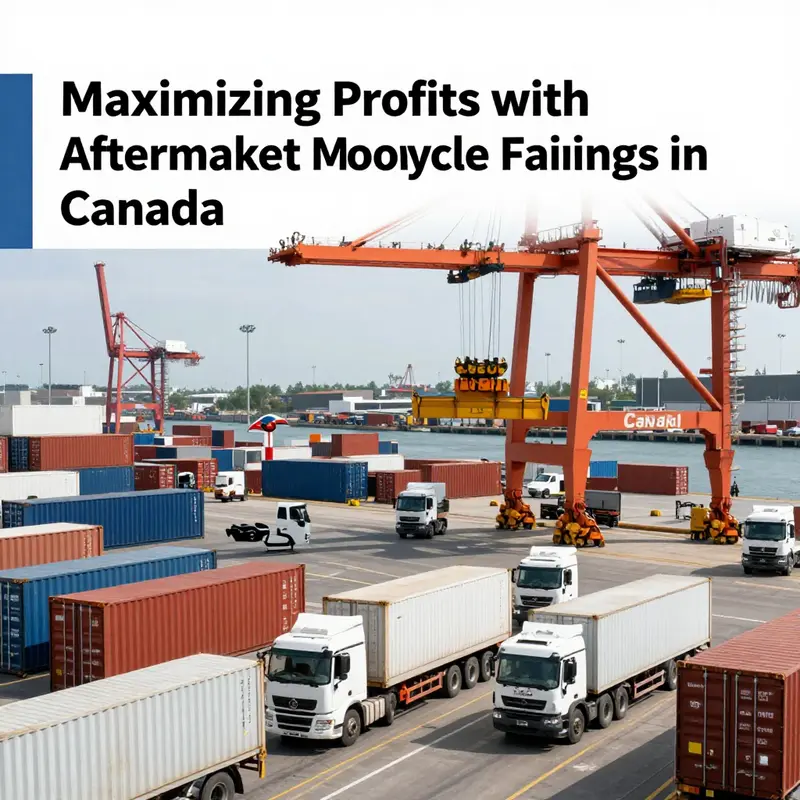
Transporting aftermarket motorcycle fairings across Canada demands a logistics approach built for fragile, high-value items and a wide geographic spread. Fairings are large and lightweight, prone to scratches, dents, and warping. They also vary by material—from ABS plastics to carbon fiber—so handling, packaging, and storage standards must match material sensitivity. For Canadian distributors and retailers, the logistics picture ties together international inbound shipping, bonded and domestic warehousing, and last-mile delivery into a single, customer-focused chain.
A reliable third-party logistics partner is often the backbone of this chain. These providers coordinate inventory, order fulfillment, warehousing, and last-mile delivery, all tailored to the parts business. They maintain climate-controlled storage to avoid temperature-related warping and discoloration. They offer specialized packing lines to cradle curved panels and to secure mounting hardware separately. When fairings arrive from overseas, the right 3PL treats each shipment as part product, part precision freight.
Packaging is the first line of protection. Well-designed trays, foam inserts, and edge protectors prevent panel flexing. Layers of breathable wrap reduce abrasion while preventing moisture entrapment. When multiple panels ship together, separators and custom crates keep parts from rubbing. Palletization standards matter; strapping must avoid compression on delicate curves. For long transits, shock indicators and humidity cards provide visual proof of mishandling or exposure, streamlining claims and inspections.
Warehousing practices must be equally exacting. Segregated storage for painted and unpainted parts prevents contact damage. Climate control maintains consistent temperatures and humidity. Inventory locations are clearly labeled with detailed SKU and vehicle-fitment data to prevent mis-picks. Value-added services like light assembly, sticker application, or pre-fit inspections can reduce returns and speed time to delivery. Cross-docking options help move high-turn items quickly through the network without prolonged storage costs.
Order fulfillment for fairings diverges from typical parcel work. Kits often require matching left and right panels, multiple small parts, and sometimes different finishes. Pick-and-pack processes must ensure that kits ship complete and matched. Barcoding, visual checks, and digital pick confirmations reduce errors. For e-commerce retailers, integrated order management systems allow real-time inventory visibility and reduce overselling. Many customers expect accurate fulfillment within tight time windows—fulfillment precision directly affects brand reputation.
E-commerce growth has raised expectations for tracking, speed, and transparency. Customers want real-time updates from warehouse to doorstep. Modern logistics providers deliver integrated tracking platforms that show milestones from customs clearance to provincial transit. These platforms often expose inventory levels, inbound shipment ETAs, and return authorizations to platform users. For businesses, this transparency helps manage aftermarket campaigns and promotions without risking stockouts or backorders.
Cross-border inbound logistics bring their own complexities. Shipments from overseas should align with Canadian customs rules and tariff classifications. DDP shipping options that include duties and taxes streamline cost expectations and simplify customs clearance. Bonded warehouses near ports can hold inventory under deferred duty, enabling quicker fulfillment while deferring cash outlay. When sourcing directly from international manufacturers, buyers should ensure documentation matches the declared material types and values to avoid costly delays during inspection.
Freight selection impacts costs and lead times. Full container loads (FCL) are economical for large volumes but require warehousing and breakbulk handling at arrival. Less-than-container options or air freight suit urgent, low-volume restocks. For domestic moves, consolidated LTL lanes serve urban centers efficiently. Remote communities may rely on specialized carriers or longer transit windows. A logistics plan that blends modes—ocean, air, rail, and road—balances cost with service levels and seasonal demand.
Returns and reverse logistics are a frequent challenge with fairings. Fitment issues, finish imperfections, and transit damage account for many returns. A clear returns policy and a streamlined RMA process help manage these costs. Inspection centers near major distribution hubs can assess returned parts, repackage resalable items, and manage repairs or repainting. Reverse logistics systems that feed data back to suppliers allow design and packaging improvements, reducing repeat returns.
Insurance and risk management should match the parts’ value. All-risk cargo policies covering theft, damage, and marine perils reduce exposure. For high-value painted or custom-finished fairings, transit insurance should account for replacement costs and lost sales. Likewise, SLAs for handling and transit times clarify responsibilities across the chain. Service credits for missed SLAs and documented pick, pack, and shipment records make dispute resolution clearer.
Integration and communication between supplier, 3PL, and retailer are critical. Electronic data interchange, API connections, and shared dashboards reduce manual work. Integrating inventory records with the supplier’s production schedule enables small-batch replenishment. For Canadian buyers working with overseas manufacturers, synchronized production and shipping schedules minimize holding costs while ensuring parts are available for peak seasons.
Quality control at inbound inspection gates protects brand integrity. Random sample checks for fit, finish, and dimensional tolerance catch errors before items enter inventory. Material certificates, such as those for ABS impact resistance, should accompany batches and be verified on arrival. Photos and inspection logs attached to shipment records provide audit trails that help resolve disputes with manufacturers quickly.
Local distribution strategy influences final delivery speed. Urban centers benefit from regional mini-hubs, enabling same-day or next-day deliveries. Rural and northern routes require longer lead times and specialized carriers equipped for longer hauls and rough handling. A layered network—national warehouse for slower-moving stock and regional hubs for fast movers—balances inventory costs and service promises.
Kitting and customization are common differentiators. Retailers who offer painted panels or pre-assembled front ends add value, but need logistics partners who can perform these tasks in controlled conditions. Outsourced finishing lines at distribution centers reduce transit time and add a final quality gate before customer delivery. This approach also supports small-batch, vehicle-specific runs without tying up manufacturing capacity overseas.
Sustainability is an emerging concern. Packaging choices, route optimization, and load consolidation reduce carbon footprint. Reusable packaging for returnable panels and consolidation of orders into single shipments reduce waste and cost. Consumers increasingly value sustainable approaches, and logistics providers that track emissions provide data that retailers can use in marketing.
Selecting partners requires careful qualification. Choose providers with experience in fragile, shaped components. Ensure they have climate control, damage monitoring, and value-added capabilities. Verify their customs expertise and DDP handling options. Ask for references that show past work with similar products and with the Canadian geography in mind. Small-batch trial runs reveal much about responsiveness and process rigor.
Finally, a practical tip for parts buyers: keep at least one slow-moving vehicle’s full kit in local stock. This reduces urgency shipping costs and preserves customer goodwill when fitment questions arise. For model-specific items, consider a hybrid approach. Use bonded imports for baseline stocking and air or express for urgent repairs and last-minute orders.
For an example of a vehicle-specific fairing collection that logistics teams commonly handle, see the Suzuki GSXR-1000 K3 (2003-2004) fairings collection.
For additional logistics reference material, consult this specialist 3PL resource: https://www.buskelogistics.com/.
Ensuring Fit, Finish and Safety: Quality Assurance for Aftermarket Motorcycle Fairings in Canada

Quality assurance for aftermarket motorcycle fairings is a practical discipline that combines material science, precise engineering, and logistics oversight to deliver safe, durable parts to Canadian riders. When evaluating fairings, the buyer should think beyond appearance. The visible surface is one part of value; structural performance, long-term weather resistance, and precise fit determine whether a replacement fairing protects the bike, maintains aerodynamics, and resists fatigue over years of use.
Start with materials. Injection-molded ABS remains the most common choice for cost-effective, impact-resistant fairings. High-grade ABS formulations show good toughness, predictable deformation under impact, and amenable surface properties for painting and finishing. For buyers seeking lighter weight and premium stiffness, carbon fiber composites deliver superior strength-to-weight ratios, but they require careful attention to layup quality, resin selection, and post-cure processes. In both cases, a reliable supplier will provide material specifications and test data: tensile strength, Izod impact resistance, heat deflection temperature, and UV stability. Ask for those numbers and compare them to standards for automotive plastics; a supplier unwilling to share basic test reports is a risk.
Fitment accuracy is the next fundamental. Aftermarket fairings must align with mounting points, clear lights and vents, and preserve intended rake and airflow. Slight misalignment can cause wind buffeting, increased vibration, or stress concentrations at fastener points. Reputable manufacturers use CNC-machined molds that match original equipment geometry or provide documented adaptations for common modifications. When sourcing parts, insist on fitment diagrams or photographs of the part installed on the target model. If you are replacing fairings on a specific year and variant, confirm the part is built for that exact configuration; seemingly minor changes between model years can alter mounting hole locations or panel shapes.
Quality assurance also requires robust testing and independent verification. While not every aftermarket producer will have automotive-grade certification, look for suppliers that document quality management systems such as ISO 9001 and that conduct third-party testing for impact resistance and UV aging. Third-party lab reports add credibility and let you compare competing offerings objectively. If a supplier claims superior finish or color stability, request accelerated weathering tests or colorfastness certificates. These tests simulate prolonged exposure to sunlight and road chemicals; they show whether paint or gelcoat will craze, fade or delaminate.
Inspection procedures are part of downstream quality control. Before accepting a shipment, perform a simple but thorough inspection: check for consistent wall thickness, smooth edges at seams, and symmetrical mounting points. Measure critical dimensions against the provided fitment spec. Look for cold joints, sink marks or air bubbles in plastic parts—signs of process instability. For carbon parts, inspect the weave pattern, resin saturation, and the absence of voids. Photographically document defects and communicate them immediately to the supplier; a paper trail is essential for warranty claims and returns.
Logistics and packaging contribute directly to product condition on arrival. Fairings are vulnerable to crushing and abrasion; good suppliers use protective crating, corner guards, and foam inserts when shipping full kits. For Canadian buyers, consider suppliers that offer DDP (Delivered Duty Paid) shipping or maintain North American warehouses. DDP simplifies customs and taxes and can prevent unexpected fees that undermine cost savings. Local warehousing shortens lead times and makes returns or exchanges easier, improving the overall service experience. When evaluating sellers, ask about average fulfillment times, damage rates during transit, and the availability of expedited options for urgent replacements.
Customer support and warranty policies are practical indicators of confidence. A supplier that offers a straightforward warranty covering fitment and manufacturing defects, along with clear return procedures, is more likely to produce consistent quality. Response times matter; in cross-border sourcing, delays in communication can extend downtime and add repair costs. Prioritize suppliers with documented service-level commitments and a reputation for timely issue resolution.
Testing should extend into the installation phase. Even high-quality fairings can reveal hidden issues once mounted under real-world conditions. After installation, check for unusual vibration, changes in steering feel, or new rattles at various speeds. Re-examine fastener torque and thread engagement; some aftermarket panels require specific fastener lengths or locking washers to avoid stressing thin flange material. Pay attention to heat management: fairings that alter airflow paths can increase under-tail or engine compartment temperatures. If you notice a change, be prepared to add breathers, vents or insulating barriers to protect sensitive components.
Regulatory and safety considerations matter in Canada. Provincial vehicle inspection rules vary, and cosmetic modifications should not interfere with lights, reflectors, or required vehicle identification. Ensure that replacement fairings do not obscure or alter required safety features. While aftermarket aesthetic parts rarely require certification, responsible sourcing means verifying that the part will not create a compliance issue during inspection or sale.
Choosing suppliers strategically reduces risk. Favor manufacturers who allow small trial orders for fit and finish verification before committing to larger purchases. Small-batch testing lets you validate color match, paint adhesion, and real-world fitment on your specific model. Ask for pre-production samples when possible and request photos of completed kits on the same bike model as yours. Suppliers who invest in tooling that matches the original geometry or who provide documented modifications for known model differences typically deliver better outcomes.
Because many competitive suppliers are located overseas, establish quality gates in the supply chain. Pre-shipment inspections by independent agents can catch defects before containers are loaded. These inspections typically cover dimensional checks, visual defects, packaging, and sample mechanical testing. For buyers without in-house inspection capacity, third-party agencies in key manufacturing regions can provide significant peace of mind. Combine these inspections with clear nonconformance protocols so issues can be remedied before shipment.
Finally, build a relationship with a supplier rather than treating every order as transactional. Consistent partners are more likely to maintain mold quality, preserve color recipes, and improve process controls over time. Share feedback, provide photos of installed parts, and request continuous improvement. Over repeated orders, a supplier will have the opportunity to refine fitment and finish for your specific needs, making small investments in tooling and process improvements that benefit both parties.
For riders who prefer to review commercial options before sourcing directly, browsing model-specific collections can clarify what to expect for fitment and finish. For example, the Suzuki GSXR-1000 K3 fairings (2003-2004) collection provides a reference for how aftermarket kits are described, including fit notes and typical finishes: https://www.summitfairings.com/collections/suzuki-gsxr-1000-k3-fairings-2003-2004
By combining material verification, fitment confirmation, documented testing, disciplined inspection, and pragmatic logistics choices, Canadian buyers can minimize surprises and secure aftermarket fairings that perform reliably. The most successful acquisitions balance cost with demonstrable quality controls, clear communication, and sensible warranty protections.
https://www.monsterfairings.com/
Bridging Oceans and Races: Navigating Canada’s Aftermarket Fairing Market Through Global Sourcing

Sourcing Across Borders and Borders Within Borders
The Canadian market for aftermarket fairings has matured into a carefully managed supply network that blends domestic expertise with international capability. For many buyers, the most compelling reason to look abroad is straightforward: the scale and specialization seen in major Asian manufacturing corridors translate into a broader range of shapes, textures, and tolerances than a single North American supplier can guarantee. The importance of the supply chain’s physical geography cannot be overstated. In the coastal provinces and port hubs, bonded warehouses and streamlined customs processes create a two-stage advantage: first, reduced risk of disruption through diversified sourcing; second, faster, more predictable delivery cycles. When a Canadian retailer places an order, the logistics dance often begins at the port, moves through a bonded logistics facility, and ends at a doorstep or storefront with the paperwork neatly aligned for quick customs clearance. The result is a procurement dynamic in which price stability mingles with reliable delivery — a combination that can transform a seasonal push into a steady stream of add-on products for customers who demand both value and performance.
This dynamic is especially pronounced when considering the manufacturing clusters that support fairing production. Guangdong, with its integrated manufacturing ecosystem, has built-in advantages in process control, material science, and surface treatment technology. The region’s capabilities extend beyond simple molding to include the performance of high-impact ABS materials and UV-resistant coatings that resist fading under long exposure to sun and road debris. An emphasis on automation in paint finishing means that color alignment and gloss levels stay consistent across lots, helping to minimize customer complaint cycles and returns. For Canadian buyers, this translates into a more predictable product line and a broader range of model-adapted options. The logistics reality — coastal ports, bonded warehousing, and the availability of direct-to-Canada delivery routes — makes Asian suppliers a practical complement to domestic distribution. In short, the international pathway is not a speculative bet but a well-supported channel that, when managed properly, can deliver exact-fit fairings with the visual and physical quality Canadian customers expect.
A critical practical point is to approach sourcing with a rigorous, documented process. Start by mapping the target models you want to serve and align those models with suppliers who can demonstrate precise mold fidelity and compatibility with the referenced parts geometry. A good practice is to begin with a sample or a small, controlled order to verify fitment before committing to a larger batch. This reduces the risk of returns and quality disputes down the line and helps establish a baseline for what a supplier can deliver in a repeatable manner. The best suppliers will provide clear specifications, resin type, wall thickness specifications, and compatibility notes with a given frame or substructure. A well-documented bill of materials, including testing reports and material safety data, helps assure you that the product will hold up under Canadian winter conditions, road salt, and the rigors of daily commuting. For buyers seeking a ready reference, exploring a curated catalog page that aggregates fitment data, tolerances, and finish options can be a practical way to compare different suppliers before requesting quotes. In the spirit of prudent sourcing, always look for suppliers who offer precise molds for your target models, backed by a quality management system and material testing documentation.
From a buyer’s perspective, the most efficient pathway often starts on the right platforms. Verified marketplaces that provide product specs, detailed photos or videos of actual items, and transparent return policies can reduce the friction of international purchasing. When you encounter a listing that speaks clearly to the model you service, you can move toward a small test order with confidence. A crucial step in this process is to request actual product imagery or videos of the finished piece, not just catalog renders. This “reality check” helps confirm that surface texture, color, and finish align with your expectations and the rest of your inventory. If the supplier has multiple certifications or a quality control program, request documentation to accompany the order. This approach supports a smoother journey from inquiry to delivery, especially when the order crosses borders and involves additional regulatory checks.
In the Canadian context, compliance is not merely a best practice but a requirement for certain inspections and at-border checks. The technical content of a fairing — its geometry, attachment points, and integration with lighting or reflectivity standards — can influence whether the part is accepted during roadworthiness checks. Buyers should be mindful of the need for compliance documentation, including compatibility with Canadian vehicle inspection standards and safety standards. A strategy that emphasizes early verification with the supplier can save time and avoid the financial pain of non-conforming shipments arriving at the border. The reference to a credible sourcing guide that focuses on China’s Guangdong region underscores the practical value of working with partners who understand both the mechanical specifics and the regulatory landscape associated with importing vehicle parts. The guide details supplier capability, logistics advantages, and material choices, and has become a widely cited resource for Canadian buyers who are expanding beyond domestic suppliers.
A note on accessibility and practical costs: while the allure of offshore pricing is strong, the true cost picture includes shipping, duties, and the possibility of intermediate storage. Some suppliers offer DDP (delivered duty paid) terms, which can simplify accounting and reduce the administrative burden for Canadian customers. The convenience of DDP is not just about price per unit; it is about predictable cash flow and a simplified receiving process that minimizes surprises at customs and reduces the time from port to shelf. For retailers and workshop owners alike, this is not merely a purchasing convenience but a business-enabling capability that can translate into more competitive pricing for end customers without sacrificing margin. A well-structured approach to pricing should consider landed cost analyses that incorporate freight, insurance, duties, and compliance verification costs. In practice, the economics of offshore sourcing are most favorable when the supplier demonstrates a stable production cadence, clear lead times, and a transparent quality assurance framework.
To connect this strategic framing with practical action, consider a starting point that blends discovery with verification. A structured supplier evaluation can help Canadians identify partners who maintain robust quality systems and can demonstrate repeatable performance. This method includes requesting information on mold reliance, process controls, material testing, and defect rates across production runs. It also means clarifying warranty terms and after-sales support directly with the supplier, which reduces post-purchase risk and anchors a long-term relationship. The outcome is a sourcing plan that harmonizes cost efficiency with reliability, enabling Canadian buyers to maintain varied inventory without sacrificing the standards that customers expect. The forward-looking takeaway is clear: alongside a growing domestic ecosystem, international suppliers, when engaged with discipline and transparency, can provide the breadth of choice and the consistency of performance that a flourishing aftermarket market requires.
For a touchstone reference in the journey toward international procurement, a practical starting point is the Honda fairings collection. This reference point helps frame compatibility considerations, finish options, and the practical breadth of models that are commonly pursued by Canadian customers, without getting lost in the details of a single model line. It anchors conversations about mold fidelity, surface treatment, and attachment methods in a real-world context, while still leaving room to explore other brands and ranges as needed. The goal is not to chase every possible part, but to curate a well-vetted pool of options that deliver consistent value across the Canadian market.
In parallel with supplier selection, Canadian buyers should stay aligned with official import guidance. The Canada Border Services Agency provides essential information on how motorcycle parts enter Canada, what documentation is required, and how to navigate duties and inspections. The practical upshot is that informed buyers minimize the risk of delays and missteps, keeping the flow of inventory steady and predictable. This balance of disciplined sourcing, regulatory awareness, and willingness to explore global manufacturing capabilities helps explain why the Canadian aftermarket scene can thrive on a broader, more diverse set of partners than before. Finally, the narrative here is not about replacing domestic capability with offshore supply; it is about integrating global efficiency with local service standards to deliver a better product and experience for Canadian riders.
External resources and further reading can illuminate the path for those who want to deepen their understanding of cross-border procurement. The Canada Border Services Agency remains the authoritative starting point for importing goods into Canada, including motorcycle parts. For broader sourcing strategy insights, a comprehensive industry guide on sourcing from China for B2B buyers offers a detailed analysis of supplier capabilities, logistics advantages, and model-adaptation considerations. These resources together provide a practical framework for navigating the complex but navigable world of international aftermarket fairings, enabling Canadian buyers to achieve reliable quality, timely delivery, and compliant, financially sound procurement. “Honda fairings collection” can serve as a concrete, model-relevant touchstone in your supplier conversations, helping you assess fitment specifics while maintaining a broader view that embraces the full spectrum of options available through international suppliers.
External resource reference: For regulatory context and import guidance, consult the Canada Border Services Agency: https://www.cbsa.gc.ca/.
Internal link to a model-agnostic reference page: A practical way to begin exploring fitment and finish options is to review the broader catalog of fairings, including collections that cater to various model families. This approach helps ensure that the chosen supplier can meet your customization and installation needs while maintaining consistent quality across orders. You can start with a collections page that aggregates these considerations into a single view, providing a useful bridge between raw supplier data and the concrete needs of your shop or riding group.
Final thoughts
The market for aftermarket motorcycle fairings in Canada presents vast opportunities for business growth and profitability. By leveraging cost efficiency, understanding the manufacturing ecosystem, and implementing robust logistics systems, businesses can streamline their operations and improve their product offerings. Ensuring quality through rigorous standards will further solidify a brand’s reputation among Canadian consumers. As the landscape evolves, adopting strategic sourcing methods will allow business owners to capitalize on international suppliers effectively. Staying informed and agile in these areas will undoubtedly position your business for success in the competitive aftermarket motorcycle fairing market.