
The motorcycle industry is rapidly evolving, pushing the boundaries of performance, aesthetics, and rider protection. In this landscape, motorcycle fairings play a crucial role, serving not only as stylish elements but also as instrumental features that enhance aerodynamic efficiency and rider safety. AliExpress stands out as a leading global marketplace that caters to these needs with a wide variety of motorcycle fairings. This article explores the myriad benefits of these products, from their quality and features to the advantages of sourcing them from Chinese manufacturers. By delving into user experiences, this comprehensive review aims to equip business owners with valuable insights to forge a deeper understanding of the fairings market and make informed purchasing decisions.
Why AliExpress Fairings Became a Global Upgrade Choice for Riders
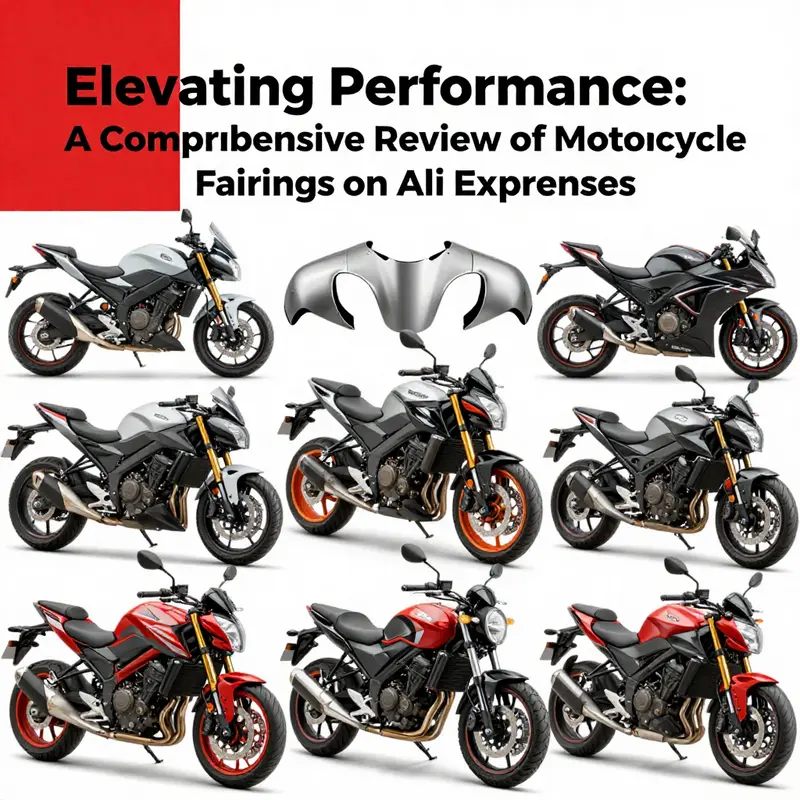
Why AliExpress Fairings Became a Global Upgrade Choice for Riders
AliExpress changed the aftermarket fairings landscape by combining wide selection with accessible pricing. Riders who once had to choose between expensive OEM panels or custom fiberglass now find many more options. The platform lists everything from full body kits to individual trim pieces. That range lets riders tailor upgrades to budget, skill level, and aesthetic goals. What began as a low-cost alternative has matured into a credible channel for performance- and style-minded motorcyclists.
A central appeal is value. Many listings use modern materials and processes that were once limited to high-end suppliers. Advanced polymer blends and 100% carbon fiber options are available alongside reinforced ABS alternatives. These materials bring tangible benefits. Carbon fiber cuts mass while keeping stiffness. Modern polymers resist impacts better than older plastics. UV-stable coatings and multi-layer paint systems protect the finish and reduce fading. Buyers can get the improved strength and reduced weight associated with premium upgrades without paying boutique prices.
Equally important is product variety. Listings often include model-specific kits that align with contemporary and legacy motorcycles. Those who want a track-oriented silhouette can find aggressive sportbike kits. Touring riders can source extended belly pans and wind-deflecting panels. Adventure riders can locate reinforced skirts and radiator guards. Beyond primary panels, many sellers offer finishing parts: heel guards, instrument covers, inner panels, and exhaust shields. This breadth means a single vendor can supply a near-complete swap, simplifying fitment and reducing compatibility headaches.
Manufacturing dynamics play a major role in this availability. Regions known for motorcycle component production have invested in vertically integrated systems. Facilities combine polymer injection molding, automated painting, and UV-resistant coating lines under one roof. That integration shortens production cycles and reduces cost. In practice, lead times for finished kits can be significantly lower than what many buyers expect. When factories control molding, finishing, and packing, they can batch orders and optimize shipping to overseas markets. For many international customers, that translates to faster fulfillment and fewer surprises in transit.
Logistics and service innovation have also matured. Multiple sellers now offer shipping terms that simplify import fees and delivery. Options such as delivered duty paid help buyers avoid unexpected customs bills. Sellers increasingly include clear installation guides and hardware kits. High-resolution photos and template drawings appear in product pages more often. These details matter for buyers who plan to install kits themselves. The combination of straightforward shipping and better documentation lowers the perceived risk of buying complex bodywork remotely.
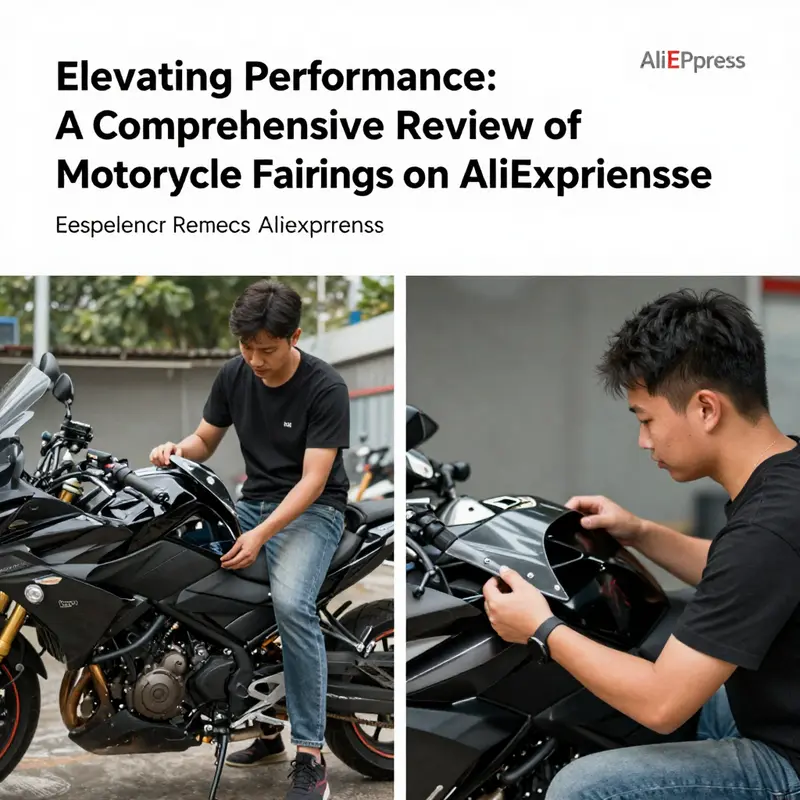
Perceived risk decreases further when sellers back products with clear support and warranty language. Many listings highlight fitment guarantees and replacement policies for damaged shipments. Shopfronts with high review counts often respond quickly to fitment questions, post-installation issues, or paint concerns. For individuals and small repair shops, that responsiveness builds trust. It turns a faceless order into a manageable project. When a seller provides a step-by-step guide and stands behind the kit, an afternoon garage install becomes a realistic upgrade path.
User experience and community feedback amplify popularity. Riders posting photos of completed installs show how a new fairing transforms a bike’s profile. Those posts do more than flaunt aesthetic changes. They demonstrate real-world performance effects: reduced wind buffeting, slightly higher freeway stability, and improved rider ergonomics at speed. Enthusiast forums and social feeds often compare material choices—ABS vs. carbon fiber—using real mileage and road conditions as context. These peer reports help new buyers set expectations and choose the right kit for daily use, commuting, or track days.
A practical attraction is cost-effectiveness for iterative customization. Riders who like to test different paint schemes or aerodynamic tweaks often choose aftermarket kits because they are affordable to replace. Instead of committing to a single expensive OEM color, a motorcyclist can try a full fairing in a bold finish. If style or use changes, swapping panels is far cheaper than redoing factory parts. Small shops and private builders benefit from this flexibility as well. They can offer multiple aesthetic packages without large inventory investments.
Sales data echoes this trend. Carbon fiber and high-end polymer listings show steady interest across regions. Even when exact model volumes fluctuate, the overall category shows consistent traction. Buyers from North America, Europe, and Oceania account for a major share of orders. This global demand encourages sellers to stock a broader set of fitments. The more a vendor invests in tooling for popular models, the more likely they are to expand into niche fitments. That creates a virtuous cycle: demand supports tooling, tooling improves fitment, and better fitment attracts more buyers.
Fitment accuracy remains the central quality test. Listings that include precise templates, mounting hole diagrams, and compatibility checks earn higher ratings. Many serious sellers supply pre-drilled brackets or include rubber grommets for a secure fit. These practical touches reduce alignment tweaks during installation. When fairings arrive painted, matching mounting points and vents to the original bike is essential. Buyers who review product photos carefully and confirm measurements reduce the chance of returns.
A subtle but growing factor in fairing selection is finish quality and long-term durability. Multistage painting and hard clear coats have become more common. Shops that run automated paint lines tend to deliver consistent shade matches and smoother surfaces. UV inhibitors and topcoats help prevent yellowing and crazing under sun exposure. For riders who park outdoors or travel through varied climates, these coatings matter. They preserve both appearance and resale value.
Business buyers find the platform attractive as well. Small repair shops, custom builders, and event organizers source bulk panels to keep turnaround times short. For B2B buyers, consistent availability and rapid reorders are crucial. Supplier storefronts that offer inventory transparency and MOQ flexibility stand out. Those vendors help shops manage seasonal workloads and sudden repair needs without expensive lead times.
Despite strong positives, buyers still need to apply due diligence. Examining seller ratings, reading recent feedback, and comparing material specifications remain essential steps. Visual inspections of product photos, inquiry about included hardware, and verification of return policies reduce surprises. The most successful purchases tend to come from buyers who invest a little time in matching part dimensions and who communicate clearly with sellers about finish and shipment expectations.
For riders who want to explore model-specific aftermarket panels and related components, additional resources show typical offerings and fitment options. One useful interior reference is the Honda fairings collection, which illustrates how model-focused assortments are presented and organized. https://www.aliexpress.com/w/wholesale-motorcycle-fairings.html
Overall, the marketplace now offers a credible balance of performance, style, and affordability. The convergence of modern materials, integrated manufacturing, improved logistics, and clearer seller support reshaped buyer expectations. What used to be a gamble has become an accessible upgrade pathway for riders worldwide.
null
null
From Guangdong Workshops to Your Garage: The Sourcing and Manufacturing Edge Behind AliExpress Motorcycle Fairings
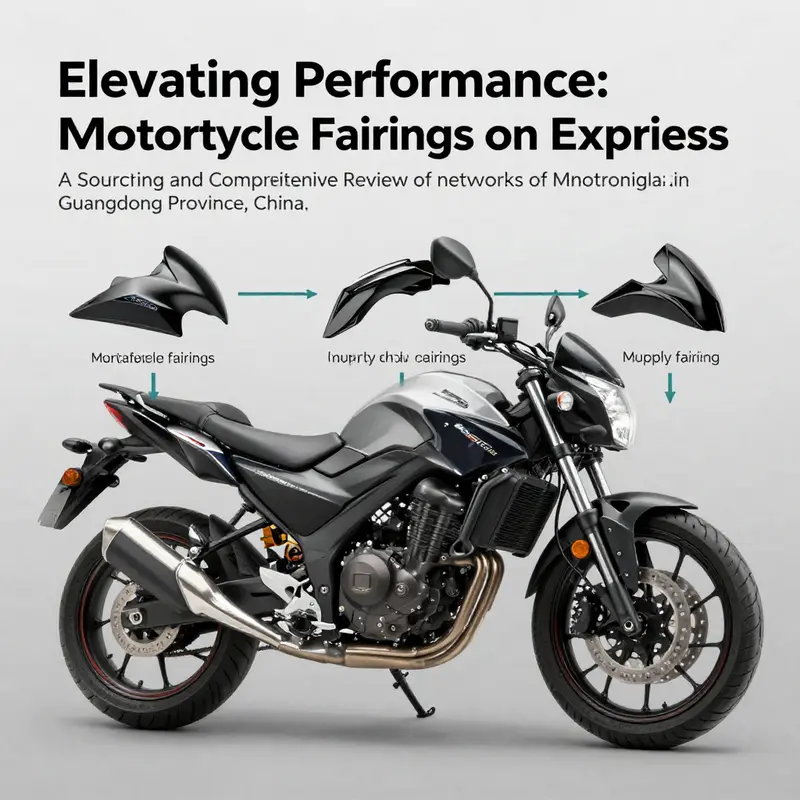
The chapter title hints at a simple truth: the jump from an idea on a screen to a rigid, usable piece of equipment on a bike is powered by a sophisticated chain of sourcing, manufacturing, and logistics that often remains invisible to the casual shopper. In the world of motorcycle fairings, AliExpress sits at a pivotal position because it channels a vast, geographically focused manufacturing intelligence into a direct-to-rider marketplace. The narrative here is not merely about cost or appearance; it is about how a global platform leverages a dense production ecosystem—rooted in Guangdong’s vast network of suppliers—to deliver high-quality, customizable components that can redefine a motorcycle’s performance envelope and aesthetics. The deeper you dig, the more the story reads like an engineering ecosystem map: materials science meeting process engineering, meeting feedback loops from riders, all aimed at turning design ideas into practical upgrades at a price point and speed that traditional channels often struggle to match.
A central advantage is the scale and specialization concentrated in one region. Guangdong, with cities like Guangzhou and Foshan at the core, functions as a hub where polymer injection molding, UV-resistant coating technologies, and automated painting lines are not isolated capabilities but integrated steps of a continuous manufacture–test–refine loop. The effect on the marketplace is tangible: shorter lead times, better consistency, and the capacity to meet both broad demand and niche preferences in a way that empowers buyers to select pieces that honor both form and function. The supply chain infrastructure supporting these capabilities is not a theoretical backdrop; it is the engine that makes rapid iteration possible. Feedback from a global base of riders feeds back into production cycles in real time, guiding tweaks in geometry, fairing thickness, air ducts, or cut lines. Small changes can be tested quickly on a new listing, and if the update proves advantageous, it can be rolled out to the broader catalog with a few keystrokes and a new SKU.
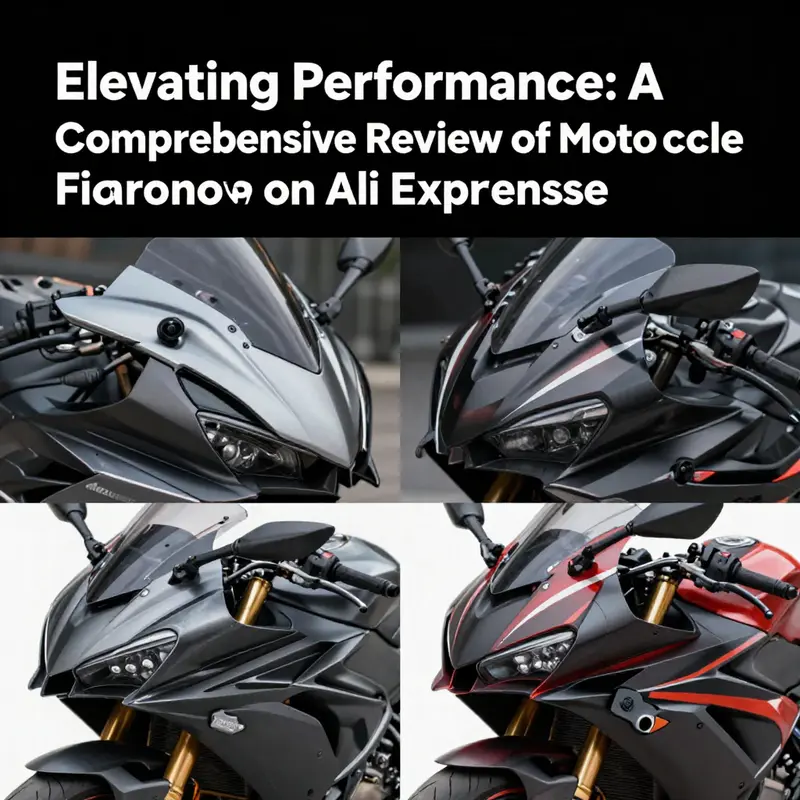
A practical implication of this ecosystem is the availability of high-quality, customizable options that would have seemed unattainable decades ago. Carbon-fiber fairings, once the realm of high-cost, artisanal manufacturers serving a few premium models, are now a common feature across a spectrum of kits offered on the platform. The material story matters here: 3K carbon fiber, which balances stiffness, weight, and surface finish, has become a standard for serious riders seeking weight reductions without sacrificing durability. The higher price tag once associated with carbon fiber is softened by the platform’s ability to assemble competitive offerings in multiple weight classes and finish options, including full fairing kits, side panels, and aesthetic accents such as exhaust covers. While it would be easy to zero in on the glamour of a carbon-fiber kit for a flagship model, the real shift is the breadth of availability. Riders can find full-body solutions and targeted panels that address specific needs—improved aerodynamics, easier maintenance, or a distinctive look—without compromising build quality.
The material science is complemented by intelligent design decisions that emphasize compatibility and off-the-shelf fit. Listings frequently specify compatibility with particular model ranges and years, reflecting a disciplined alignment between production output and market demand. This is more than marketing speak; it is a practical guide drawn from real-world fit testing and user feedback, which reduces the risk of friction during installation. The result is a DIY-friendly upgrade that rewards riders with a clean integration into the bike’s silhouette and a maintained line of sight to the bike’s original geometry. The ease of installation, coupled with the improved aerodynamics and protection, translates into a ride that feels more composed at highway speeds and more confident in adverse weather. The fairing’s protective function extends beyond the cosmetic: it helps shield the engine case, fasteners, and exposed components from wind, rain, and debris, contributing to longer-term maintenance savings and a more polished overall appearance.
Logistics is another dimension where the sourcing advantage becomes tangible. The Guangdong manufacturing cluster has matured a logistics framework that aligns well with international buyers. The supply network supports fast shipping options and reliable delivery to North America, Europe, and Australia, often with transparent terms like Delivered Duty Paid for a smoother customs experience. In practice, buyers experience fewer bottlenecks and shorter cycles from order to installation. The result is a marketplace where ambitious upgrade projects—ranging from a full aerodynamics package for a sport-tier bike to lighter, more protective panels for daily commuting—are not just technically feasible but economically sensible. The speed and reliability of delivery are not incidental; they are baked into the platform’s value proposition, enabling riders to plan upgrades around riding seasons rather than waiting through protracted supply chain delays.
The ecosystem’s responsiveness is not limited to logistics and materials. Digital feedback loops, enabled by the platform’s listing and review mechanisms, empower makers to iterate rapidly. A seller might introduce a full fairing kit with a revised profile to improve airflow or reduce buffeting. If the market signals positive reception, additional variants—whether in colorways, finish textures, or additional accessory pieces—can follow swiftly. This agility is not merely about chasing novelty; it reflects a mature manufacturing ecology that recognizes rider preference as a primary driver of product roadmaps. The most successful entries in this space tend to be those that offer a core, well-engineered framework—such as a robust, lightweight shell with proven impact resistance and modular mounting points—while leaving room for personalization through color, texture, and minor cosmetic accents. In practice, a rider who wants a cleaner aesthetic with understated performance gains can choose a kit that preserves the bike’s lines, while a rider chasing a more aggressive stance can opt for a bolder profile and color package. The result is a spectrum of options that remains coherent in performance goals and compatible with a wide range of model families.
The price-performance equation is central to why this sourcing and manufacturing approach resonates with riders. The direct-to-consumer nature of the platform reduces traditional retail markups and enables price points that remain aspirational without sacrificing essential quality. The carbon fiber offerings, in particular, demonstrate how premium materials can be made more accessible through scalable production and streamlined fulfillment. It is not merely about the raw cost; it is about delivering a high-value upgrade that preserves or enhances the bike’s resale value, maintains warranty peace of mind through clear listings and reasonable return policies, and supports a long-term upgrade strategy rather than a one-off cosmetic change. For riders who view their bikes as a daily companion or a weekend project, these factors translate into practical affordability for a higher-grade component that still respects the realities of an enthusiast budget.
The buying experience on AliExpress also benefits from tailored promotions and bulk purchase options that reinforce the platform’s utility for both individual riders and micro-retailers who might want to stock a small catalog of components. The economics of scale do not only apply to the price of a single fairing panel; they shape the way a rider thinks about upgrades as a cumulative process. A kit that includes full fairing panels, side panels, and protective exhaust covers can be priced to reflect the convenience of a single purchase that covers the most common upgrade needs, thereby reducing decision fatigue. This practical consideration is important for riders who are balancing a busy riding calendar with a desire for frequent updates to their bike’s appearance and performance. The ability to source several components from the same seller with a consistent finishing process helps maintain a cohesive look even when the parts come from different production batches.
In this context, it is worth highlighting the role of specific seller ecosystems within AliExpress that have carved out reputations for consistent quality and reliable service. Stores that publish detailed specifications, compatibility notes, and warranty information tend to attract buyers who want predictability. The supplier’s transparency about materials—whether it is 3K carbon fiber or alternative composites—along with clear installation guidance, plays a critical role in buyer confidence. Riders who have completed installations often note the relative ease of assembly and the satisfaction of a professional-grade finish at a price point that would have been unimaginable a few years ago. While the marketplace’s breadth can be daunting, the upshot is a wealth of options that cater to both mainstream preferences and niche, enthusiast-led customization projects. For those who cherish the fusion of performance and aesthetics, the Guangdong production network demonstrates that robust engineering, disciplined quality control, and effective customer engagement can coalesce into a genuinely compelling upgrade path.
To put the concept into a practical lens: imagine a rider exploring a catalog of carbon fiber fairings for a sport-touring or adventure-oriented bike. They gravitate toward a kit that promises a lighter feel and a more streamlined silhouette while retaining robust mounting points and compatibility with the bike’s existing electrical and venting layouts. The kit’s finish options, including gloss and matte textures, and the availability of color-matched finishes, become not just cosmetic choices but part of the rider’s ongoing customization strategy. The rider reads the listing, checks the model-year compatibility window, and compares it against their bike’s actual configuration. The process is made smoother by the fact that the supply chain for these parts has matured to support such specific tailoring without sacrificing the reliability of fit and finish. When the package arrives, the installation can be completed with common hand tools and standard torque specifications, allowing the rider to complete the upgrade in a single weekend. The overall experience is a demonstration of how a well-coordinated sourcing and manufacturing ecosystem can translate into tangible advantages at every step of the buyer journey—from discovery to installation to long-term satisfaction.
For riders who want to explore this pathway further, a closer look at the broader ecosystem of parts and the ways in which one brand’s catalog approaches modular compatibility can be instructive. The Yamaha fairings collection, for example, serves as a useful reference point for understanding how a catalog can balance broad compatibility with model-specific refinements. By studying the way a reputable collection handles fitment, finish consistency, and documented compatibility across multiple generations, riders can glean insights into what to expect from AliExpress listings that emphasize quality and reliability in a cost-conscious framework. This is not about replicating a premium, multi-component production line but about recognizing the strategic elements that make mass customization viable and satisfying for a wide rider audience. It is this blend of regional manufacturing strength, agile product iteration, and a consumer-focused distribution model that underpins the sourcing and manufacturing edge described in this chapter.
In closing, the Guangdong-centered manufacturing axis, combined with a platform designed to translate rider feedback into iterative improvements, forms a practical blueprint for how motorcycle fairings—once the preserve of specialist channels—can become accessible, reliable, and customizable upgrades. The result is a marketplace where riders can pursue a more streamlined, aerodynamic, and protective riding experience without surrendering personal style or the confidence of solid, well-assembled components. The path from the workshop floor to the bike’s silhouette is accelerated by the same structural advantages that define Guangdong’s manufacturing dominance: integrated production lines, disciplined material science, responsive design, and a logistics framework that keeps pace with an ever-evolving set of rider expectations. For enthusiasts who want a hands-on upgrade that respects both engineering rigor and the thrill of customization, this sourcing and manufacturing model offers a compelling, repeatable formula. The chapter closes not with a single verdict, but with a motivation: that the best upgrades are those that feel inevitable once a rider understands the system behind them, rather than ones that feel like a leap of faith. And in this system, AliExpress stands as a gateway to a global network of producers who can turn a bike’s potential into a more expressive, better-performing reality.
External resource: For a concrete example of carbon-fiber capability in the marketplace, see the MXMOTOGP store on AliExpress, which showcases full fairing kits and related components crafted from premium materials. https://www.aliexpress.com/store/1000087461
Internal reference: For riders looking to explore regional color and fit options within a broad catalog, see the Yamaha fairings collection. https://www.summitfairings.com/collections/yamaha-fairings
Windswept Upgrades: The User Experience and Real-World Value of AliExpress Motorcycle Fairings
Final thoughts
In summary, the potential of motorcycle fairings available on AliExpress is immense, fueling both aesthetic appeal and performance enhancements for motorcycles. From the standout ZX4RR Fairing, which excels in quality and aerodynamic design, to a comprehensive understanding of sourcing strategies, business owners are well-equipped to leverage these products. AliExpress not only offers competitive pricing but also an extensive selection that can cater to diverse rider preferences. By embracing these high-value components, businesses can significantly enhance their offerings, meet customer demands, and elevate the riding experience.