
Motorcycle fairings are essential components that enhance both the performance and appearance of bikes. This article explores user reviews from AliExpress, highlighting how full fairing kits significantly improve riding comfort and aesthetic appeal. Comprehensive insights on key purchase factors, market dynamics, and maintenance ensure that business owners can make informed decisions tailored for their clientele.
Rider-Driven Gains: How Full-Fairing Kits Elevate Comfort, Aerodynamics, and Style
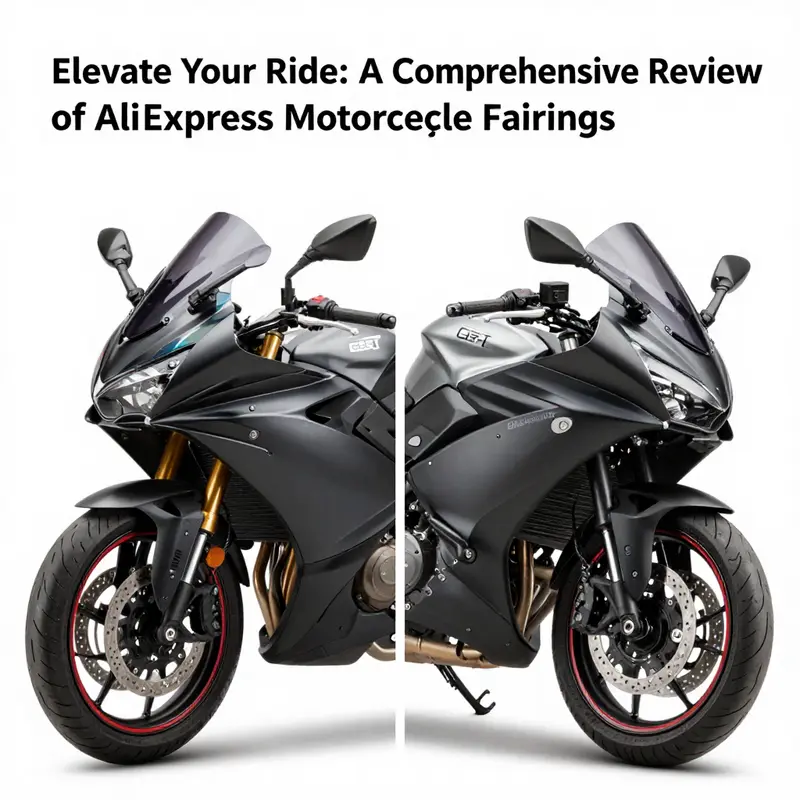
Rider feedback has become the quiet engine behind the growing interest in full-fairing kits for sport and street bikes. These kits, sold on mass-market platforms, promise to transform not only how a motorcycle looks but how it feels and behaves on the road. The most consistent testament from riders centers on three intertwined benefits: comfort through wind protection, visual transformation that resonates with personal style, and tangible improvements in aerodynamics that translate into steadier handling and potential efficiency gains. What follows is a narrative that threads these threads together, acknowledging that the strongest gains come from careful attention to fit, materials, and installation. It is a story that does not pretend every kit is identical, but one in which the consensus emerges from how these pieces perform in everyday riding, on highways and backroads alike, under changing weather, and across riders with different priorities and skill levels.
The first and most immediate impact riders report concerns the way a properly fitted full-fairing reduces wind pressure on the rider’s torso and neck, especially at highway speeds. A well-engineered shell can act as a shield against gusty crosswinds and the constant bombardment of rain, dust, and gravel kicked up from the road. The effect is not merely cosmetic; it is experiential. A rider who spends hours in the saddle notices less fatigue in the shoulders and upper back, less strain on the neck, and a more composed riding posture when the wind is fierce. This is not about making the bike heavier or bulkier; rather, it is about shaping the airflow so that the rider feels less buffeted and more in command of the machine. And because the shell helps keep weather and debris away from critical components such as the battery, wiring, and exposed fasteners, there is an added sense of security that extends the life of the bike’s electronics and hardware.
Protection against the elements dovetails with an appreciation for the way these shells can spare the paint and the plastics from sun and rain. Many riders report that the right combination of material thickness and surface treatment helps prevent UV-induced fading and micro-scratches that accumulate over seasons. In a market saturated with inexpensive covers, the distinction lies in those kits that use materials and finishes designed to endure. A shell that resists cracking in cold weather, maintains a smooth surface after washing, and holds its color through sun-heavy afternoons contributes to a long-term aesthetic and resale value. The value proposition extends beyond the present ride; it becomes a facet of preserving the bike’s original look and its resale appeal, a subtle but meaningful benefit for riders who treat their machines as personal investments.
The second thread is about appearance and personal expression. The visual impact of a full-fairing kit can be dramatic. When riders swap a generic shell for a tailored full-body design, the transformation is immediate: the bike trades a generic silhouette for a look that feels custom, almost bespoke. The aesthetic range often includes multiple textures—gloss, matte, satin—and a variety of color options and decorative patterns. This is more than paint; it is a statement about identity on two wheels. For many riders, the choice of pattern or texture becomes a way to convey mood, nationality, or a playful attitude. It is a reminder that riding is as much about style as speed, and the kit acts as a canvas for that expression. The appeal compounds when consider that some shells are designed to align with the bike’s original lines, preserving the sportbike’s aerodynamic philosophy while offering a refreshed facade. A snug, gap-free fit visually reinforces a sense of quality and care, making the entire motorcycle look more cohesive and intentional rather than patched together.
The third facet—airflow and handling—often unfolds as riders accumulate miles with the new fairing installed. Professional assessments flag that well-designed full-fairing configurations can optimize airflow around the rider and the machine, reducing turbulent wake behind the windscreen and around the bike’s bodywork. The practical upshot is a calmer front-end feel, especially at sustained high speeds, and a stability that reduces the risk of twitchiness in gusty conditions. For some riders, the drag reduction translates into a modest improvement in efficiency, though this is not a universal guarantee. The better overall ride feel—less buffeting, more stable steering input, and a confident wind-rejection profile—contributes to both enjoyment and performance. It is the difference between a ride that feels reactive and one that feels controlled, a subtle but meaningful improvement when pushing toward the limits of handling.
Yet the strength of rider feedback is not simply about what the shell promises in the abstract. It rests on a clear understanding that fitment is the hinge on which performance and aesthetics swing. A shell advertised as “fit-for-many” might seem attractive because of its universality, but many riders quickly learn that precise compatibility with a specific model is where the true value lies. Small gaps around the mounting points or air gaps at the junctures can amplify wind noise and create a compromised seal against rain and dust. The gaps may also invite misalignment, which, over time, can lead to cracking or premature wear at stress points. The practical takeaway is straightforward: before purchasing any full-fairing kit, riders should verify compatibility with their exact model year and sub-model by consulting the manufacturer’s dimensional charts and installation diagrams. It is a step that protects the investment and preserves the intended aesthetic outcome.
Material choice, too, matters more than it might appear at first glance. The range spans from basic, affordable plastics to reinforced composites with advanced UV resistance and impact strength. Riders who take the time to read material specifications and warranty details report more consistent satisfaction. High-scoring products typically offer better impact resistance, a more durable finish, and clearer guidance on surface preparation and care. In turn, these features influence how the kit ages. A shell with a robust finish resists chalking, cracking, and color changes under sun exposure. It also responds better to routine cleaning without losing its gloss or texture. The practical implication is that investing in a kit with transparent material specs and a credible warranty translates into lower long-term maintenance costs and a more satisfying ownership experience.
From a value perspective, the pricing spread in this category can be wide. Some kits appear attractively priced but come with narrower fitment windows or weaker finishes, which can lead to ongoing fiddling during installation or premature blemishes after a few rides. Other options, though more expensive upfront, deliver clearly documented fitment accuracy, durable materials, and a cleaner, longer-lasting finish that remains presentable through multiple seasons. The best advice is to balance upfront cost with the likelihood of durability and the quality of the install experience. A kit that arrives with well-annotated installation steps, accessible mounting hardware, and clear, model-specific guidance reduces the risk of misalignment and the headaches that follow. This is where the decision-point often ends up being not merely about the price tag but about the confidence a rider has in the post-purchase journey—from unboxing to riding through the first rainstorm and beyond.
The market context adds another layer to how riders evaluate their choices. Global supply chains and regional manufacturing ecosystems shape what is available and how quickly it can be delivered. Regions with established plastics processing and composite fabrication capabilities tend to produce more reliable parts, with better tolerances and more consistent surface finishes. This is not a abstract trend; it translates into fewer surprises at the moment of installation and a more predictable maintenance profile over time. For organizations purchasing at scale, the reliability of a supplier’s production capacity and quality-control protocols can be as important as the design itself. The long-term relationship with a supplier may hinge on the ability to deliver consistent fitment, respond rapidly to questions about compatibility, and stand behind a product with clear warranty terms. In practice, riders who seek out higher-rated listings and those who reference material specifications and installation diagrams find the path to satisfaction shorter and less fraught with post-purchase adjustments.
A few practical notes deserve emphasis in this narrative. First, when integrating a full-fairing kit with an existing bike, it is prudent to review the mounting hardware supplied with the kit. The alignment of fasteners, clips, and seals is not cosmetic; it directly affects wind noise, rain ingress, and the likelihood of component movement at speed. Second, consider the finishing touches: surface prep, primer, and paint protection. While the shell provides the primary shield, maintaining its look and performance is aided by simple care—washing with mild soap, avoiding abrasive cleaners, and applying protective coatings that resist UV damage. Third, anticipate maintenance. A fairing can alter how vendors supply drainage channels or cable routing, so riders should be prepared to revisit some routing after installation to preserve clean lines and reliable weather resistance. The most satisfying outcomes arise when installation is treated as a careful, patient process rather than a quick swap that aims to hide misalignment behind a glossy shell.
To illustrate how these principles play out in practice, consider how catalogs and product pages present fit and finish in a generalized sense. A well-curated catalog not only lists available colors and textures but also provides clear diagrams showing the exact mounting points and compatible model years. This approach helps a rider imagine how the piece will integrate with their bike’s existing geometry, reducing uncertainty and the need for on-the-fly adjustments after delivery. It is a reminder that the consumer experience extends beyond a single purchase. It encompasses the clarity of the product presentation, the quality of installation guidance, and the reliability of the material and finish once installed. Across riders, those who approach the purchase with a readiness to verify compatibility and read the material and warranty details tend to experience a smoother transition from unboxing to confident highway cruising.
For readers seeking an example of how fit and finish are framed in catalogs and inventories, you can explore a catalog page dedicated to fairings in a broader collection. This resource offers a sense of how manufacturers present fitment and styling in a way that helps riders discern what truly matches their bike. The presence of model-specific diagrams, measured tolerances, and fixed mounting points is not merely a marketing flourish; it is a practical aid that translates into fewer surprises and a more seamless installation experience. In practice, the best products operate as a partnership with the rider: they promise a confident ride, a refreshed look, and a stable, predictable handling profile that lasts through seasons of riding. The success of this partnership hinges on the combination of accurate fitment, robust material choices, and thoughtful care guidance that invites riders to treat the kit as part of the bike’s ongoing evolution, rather than a one-off cosmetic update.
Ultimately, the rider’s experience with full-fairing kits is about how the combination of fit, material choice, and design integrates with actual riding life. The most satisfying outcomes are those where the kit feels like a natural extension of the bike—where the silhouette remains true to its original lines, where the rider perceives a tangible reduction in wind fatigue, and where the look communicates personal style with clarity and confidence. The path to that satisfaction is not a single leap but a careful sequence: verify compatibility, assess materials and finish, understand the installation, and then appreciate the resulting blend of protection, performance, and aesthetics. As riders accumulate miles with their chosen kit, feedback becomes less about the product in isolation and more about how the kit and the bike together create a more enjoyable, more personal, and more capable riding experience. This is the core of the chapter’s message: the advantages riders feel are real because they emerge from a holistic interplay of fit, finish, and function, not from a promise attached to a price tag.
External resource: https://www.aliexpress.com/item/1005003469781459.html
Internal reference for catalog examples: Fairings catalog
精准贴合、材料权衡与气流设计:在 AliExpress 上挑选摩托车全罩式车壳的深度购买指南
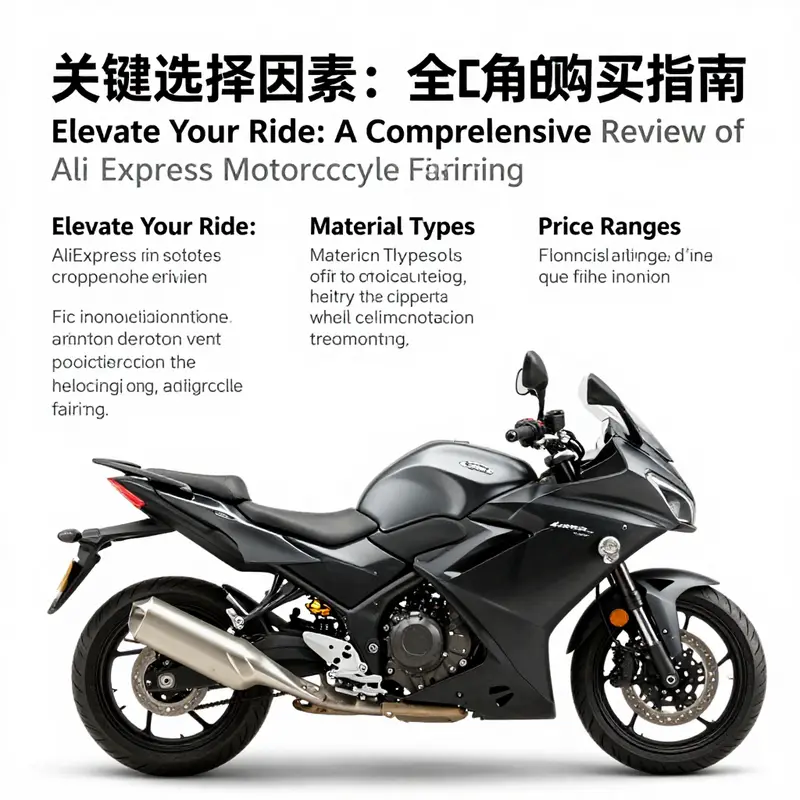
在 AliExpress 上寻找摩托车全罩式车壳时,买家往往被“外观炫酷、价位友好、一键式改装”的叙事所吸引。然而,正如对比多项用户评测所揭示的那样,真正决定改装成效的并非花哨的喷涂或厚重的包装,而是三条核心原则的综合体现:精准贴合、材料与制造工艺的可靠性,以及安装后的气动与散热表现。这些要素共同决定了车壳在高速行驶中的稳定性、舒适性与安全性,也直接影响你在长途骑行中的疲劳程度与发动机的温控水平。结合对全球市场的观察和用户实际反馈,可以把购买过程理解为一次系统的风险控制与价值筛选。正是这些因素,构成了本章要传达的“深度购买指南”的核心逻辑。
第一,精准贴合是选购的首要前提。全罩式车壳强调与原车轮廓的协同效应,尤其在不同品牌、不同年份的车型之间,车身轮廓、缝隙位置、安装点高度都存在微妙差异。以同为250cc级别的车型为例,尽管本田、雅马哈、铃木等厂商在销量和口碑上各具优势,但同一车型在不同年份的外壳安装孔位、前后护板的对接面往往并不完全一致。正因如此,购买前必须仔细核对商品页的“适用车型”清单,逐条对齐你所拥有的具体型号与年份。若发现产地描述只写“通用型”,更应谨慎,因为高度的缝隙和错位不仅影响美观,还可能造成风噪、边缘刮擦,甚至在强风或高转速下产生额外的安全隐患。为降低风险,建议向卖家索要实际测量数据,并尽可能让卖家提供安装示意图与原车孔位对比的照片,必要时在专业改装社区寻求同型号车辆的实装经验。关于具体型号与匹配性的深入参考,可查阅某些车型专用的改装资料库与购物页的对比信息,在实践层面,这种对比往往能直接揭示同一车型在不同年份的差异,避免踩坑。
第二,材质与耐用性是保障长期价值的关键。高质量的全罩式车壳通常选用工程塑料材料,如 ABS 或 PC/ABS 复合材料,兼具抗冲击性与耐候性,且表面处理稳定,哑光或亮光漆面的持久性较好。部分旗舰级别的热塑材料还会引入碳纤维增强以减轻重量、提升刚性。相对而言,低成本的塑料壳在高速行驶时更易产生形变、刮擦更易磨损,甚至在风压作用下出现边缘裂纹。购买时,应尽可能要求卖家标注材料成分、是否经过抗冲击测试、表面处理方案及是否提供质保。除了材料本身,涂层与表面涂饰的耐久性也不可忽视——长期暴露在紫外线下的表面若无良好涂层保护,颜色褪色、漆面裂纹将成为常见问题。
第三,安装方式与兼容性直接关系到真实的使用效果。许多车壳会搭配原厂固定件、螺丝、垫片等安装套件;但也有个别 listings 需要额外购置固定支架或对现有车架进行轻微调整。据此,买家应在下单前确认包装是否包含完整的安装套件,以及是否需要额外购买适配件件。更重要的是,某些产品虽然标注“通用型”,但实际能否无缝嵌入你车架的框架结构、前叉与方向灯区域的接口件,往往取决于你车架的具体孔位和缝隙宽度。若商品未明确列出“具体适配车型和年份”,而是提供笼统的尺寸参数,务必对照官方手册或论坛的改装经验来判断。必要时,向卖家索要尺寸图、孔位位置示意或现有装车的实拍图片,以验证是否能实现零干涉的安装。对于那些计划更换壳体的车主,尤其是涉及到前后端分体或完全覆盖式罩壳的场景,了解你现有车身的预留孔位是否能与新壳体对接,是避免后续钻孔、焊接等改动的关键。
第四,空气动力学设计与散热设计的平衡,是评估车壳综合性能的核心。专业评测普遍指出,经过合理优化的全罩式车壳能够引导空气流动,降低风阻系数,提升高速下的操控稳定性与油耗潜在的改善。然则,过度封闭的设计、缺乏通风口的壳体,往往在长时间骑行或炎热环境中带来发动机舱温度上升、热量积聚的问题,进而影响动力输出和部件寿命。因此,优先选择具备科学进风口和排风口布局的壳体,且注重缝隙处的密封性与防水性。对通风设计的评估不应只看照片上的“外观时尚”,还要结合你所在地区的气候条件、骑行时长及巡航速度来综合判断。若可能,查看真实用户的路试视频或照片,关注在高温与持续高速状态下的车壳温度变化、异响情况,以及是否出现漏水或水雾现象。
第五,在外观风格与个性化方面,云集于AliExpress 的商家提供了从色彩、纹理到品牌标志的广泛选项。定制化喷漆成为不少卖家的卖点之一,这使得同一车型的外观可以因个人偏好而呈现出不同的视觉效果。对热爱“酷炫”外观的车手来说,这是提升个性与辨识度的重要途径,但在选择时应保持理性:美观并不应以牺牲贴合度、材料强度或边缘密封性为代价。建议在确认尺寸合规后,再评估喷漆表面的耐久性、颜色稳定性及后续维修成本。
第六,价格与性价比的权衡,是每一次购买决策的现实考量。市场普遍存在从几十美元到几百美元不等的价格梯度。最低价位的壳体往往伴随装配精度不足、接口不严、材料薄弱甚至在运输途中出现损伤的风险。基于综合评估,最可靠的策略是以高评分的产品为主线,结合明确的材质说明、质保条款以及完善的售后承诺来筛选。高分评价不仅来自单一的买家“好评”,更来自于大量买家的真实评价与晒图、视频评测的综合体现。对比分析时,应重点关注“适用车型/年份”的明确标注、材料说明、是否包含完整安装套件,以及商家的售后响应速度。避免把价格作为唯一决定因素,而是以“性能、外观、耐用性与安全性”的综合性价比作为最终标准。
第七,市场趋势与供应商洞察也为长期采购策略提供参考。全球供应链的重心在中国,特别是广东、浙江等地区的制造商,因成熟的生产体系与成本优势成为主力来源。这意味着企业采购者在长期合作中应关注供应商的产能、响应速度、质量控制流程及售后服务能力。对个人买家而言,选择有稳定供货和明确退换货政策的卖家,往往能在后续维护和零件替换方面获得更高的性价比。同时,关注卖家是否提供质保和安装指导资料,也是一种降低后期维修成本的有效办法。
在实际购买 AliExpress 的全罩式车壳时,建立一个清晰的筛选流程尤为重要。第一步是核对车型与年份的匹配性,逐条核实商品页提供的“适用车型”清单,必要时用型号与年份进行交叉验证。第二步是评估材料与工艺,从材料成分、抗冲击性、表面处理、质保条款中提取关键信息,若信息不足应以更高标准的产品为优先。第三步是确认安装组件的完整性与安装难易度,尤其要注意是否需要额外采购支架或改动车架。第四步是审视气动设计的实际效果,优先选择具有合理通风布局的壳体,以避免在极端使用条件下的热管理问题。第五步是在价格与售后之间找到平衡点,优先选择高评分、透明材质信息和有明确售后保障的卖家。最后,将这些考量与自身车型、预算和使用场景结合,做出一个以安全、可靠性与美观并重的综合决策。
如果你希望从具体车型的角度理解贴合度与风格的落地效果,可以参阅某些车型专用的部件集合页,以把“通用”与“定制”的差异体现在实际的装配图片与尺寸对照上。例如,Yamaha YZF-R1 的改装壳体系列就提供了较为清晰的年份对照与安装示意,便于与同类车系进行横向比对。你可以在此处查看相关的零件集合与样例:Yamaha YZF-R1 fairings (2009-2012)。这类资料能够帮助你在海量列表中迅速筛出最接近你车型的选项,减少因型号差异带来的试错成本。
在具体购买页面上,务必结合前述要点进行逐项核对。与此同时,请确保你对卖家的退换货政策、运输保险和售后支持有清晰的认知。一旦出现不符合描述的情况,及时与卖家沟通并保存交付凭证与实物照片,将有助于快速完成退款或换货流程。
外部参考资源方面,若你需要看到更多真实买家反馈与市场定位的案例,可以参考 AliExpress 的示例页面,该页面列出了多款适用于主流摩托车型的全罩式车壳,包含尺寸、材质、适用车型及用户评价,是极具参考价值的买家指南。例如你可以浏览该页面以获取对比视角,帮助你在海量选项中做出更理性的选择:AliExpress示例页面。
综上所述,AliExpress 上的摩托车全罩式车壳并非越新越好、也非越贵越值得购买。真正的价值在于你能否在复杂的产品信息中识别出对你车型最贴合、材料可靠、安装可行且在高速巡航中表现稳定的那一款。以精准匹配为首要原则,辅以对材料、安装、气流与散热设计的全面评估,再结合合理的预算与清晰的售后保障,你便能在这类改装件的海量选项中做出更自信、更加理性的选择。
Riding the Chain: How AliExpress Full-Fairings Travel from Factories to Feedback and Shape Rider Perceptions
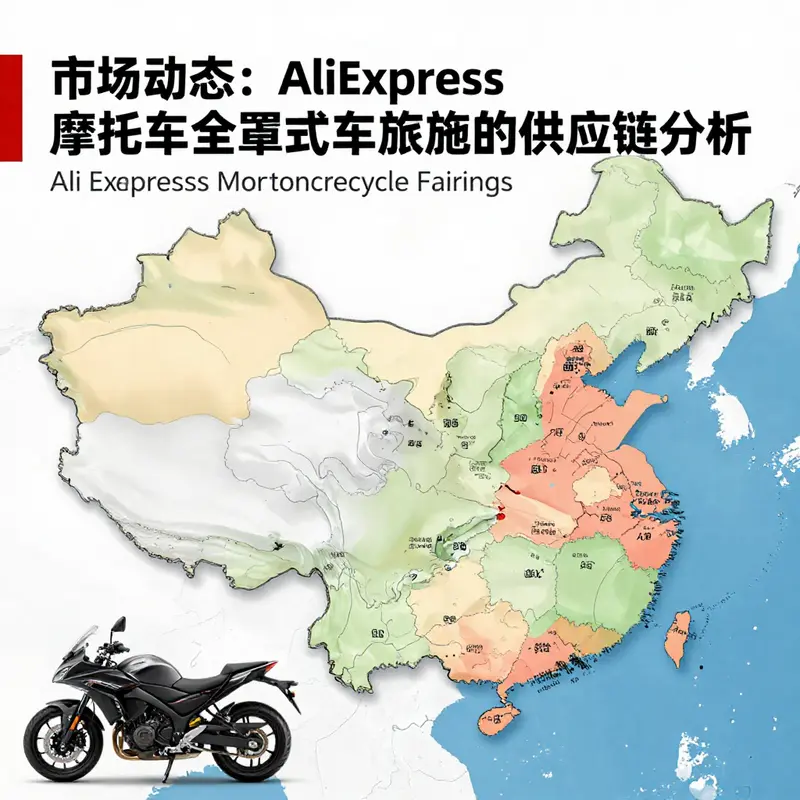
In the crowded universe of aftermarket motorcycle components, AliExpress full-fairings occupy a pivotal junction where engineering intent meets rider experience through a sprawling, often opaque, global supply chain. Riders are drawn to these full-fairing kits not just for protection from wind and rain, but for the promise of a renewed visual identity and a claimed edge in aerodynamics. The chapter of this market is not written in glossy brochures alone; it is written in the folds of molded plastic, the glint of a painted surface, and the quiet math of mass production that keeps price points within reach for a wider audience. What emerges from this milieu is a story about safety, aesthetics, and performance that travels across continents, carried by factories in eastern China, by logistics networks that stitch together distant warehouses, and by the countless reviews that form a chorus of real-world testing, sometimes praising fit and finish, sometimes warning against mismatches between promise and purchase.
At the heart of the conversation about these full-fairings is a triad of capabilities riders constantly weigh: comfort and wind protection, visual impact, and the aerodynamic edge that can translate into steadier handling and efficiency at speed. Convenience is also a factor. A well-designed kit should permit easier mounting, accurate alignment with the bike’s contours, and a surface finish that endures road salt, heat, and UV exposure. The feedback from riders on these fronts is not monolithic, but it tends to cohere around three observable patterns. First, when a fairing kit actually fits as advertised, riders feel a tangible drop in wind fatigue on long rides, a smoother ride experience at highway speeds, and a noticeable shield against rain and road spray. Second, the aesthetic payoff—the perceived transformation from a stock silhouette to a more aggressive, personalized look—often becomes a deciding factor in whether a purchase is deemed worth the expense. Third, those who have tested the kit at speed report that a well-vented, tidily integrated profile can modestly improve air flow around the chassis, which some riders translate into noticeably more confident handling and, in some cases, marginal gains in efficiency.
How the supply chain shapes these outcomes is less glamorous on the surface but vitally practical in its implications. The bulk of raw material conversion, from polymer resin to finished shell, still happens in clusters along the eastern coast of China and in neighboring provinces. The elasticity of production—how quickly a shop can switch from one model to another, how readily a part can be customized, and how responsibly surfaces can be finished—depends on a deeply interconnected network of mold makers, extrusion houses, paint shops, and final assembly lines. The advantage of this arrangement, when compared to longer, fragmented supply chains, is the potential for rapid iteration. If a design needs a small adjustment to reduce wind noise or to enhance fitment for a broader range of models, the workflow can flex, and new samples can roll out within weeks rather than months. The trade-off, inevitably, is quality variance. In highly price-competitive markets, some vendors lean on generic fittings, thinner materials, or less durable finishes. The most trusted sellers, by contrast, publish material specifications and offer clear warranty terms, a combination that gives buyers a working hypothesis about what they are paying for and what to expect in terms of longevity.
The role of realistic fit cannot be overstated. Many riders approach these kits with the expectation of a plug-and-play solution, only to encounter a cascade of alignment challenges, gaps along the edges, and wind noise that reference the gaps rather than the main shell itself. The reality is that a true full-fairing kit is rarely a single piece that snaps into place; it is a system that relies on precise matching with a bike’s frame geometry, mounting points, and fairing brackets. In practice, the most reliable products come with a detailed sizing diagram and installation guide, and they document which specific model year or variant they are designed to fit. The lesson riders often learn the hard way is that “universal” is a marketing term that does not guarantee universal compatibility. A precise fit—where fasteners line up without forcing, where seams vanish under paint and texture, and where absent wind tunnels are replaced by a clean, cohesive silhouette—produces a more secure ride at speed, less noise, and a cleaner appearance that stands up to scrutiny in day-to-day life as well as in long-distance journeys.
Material choice is the other hinge. The materials used—whether a basic ABS blend, a high-impact polycarbonate, or a composite that borrows from aviation-grade practices—dictate not only toughness but also surface behavior. A robust surface finish resists micro-scratches that accumulate with year-round riding. A stable color and gloss hold up under sun exposure without chalking or fading. In many cases, the better-performing items announce their material pedigree clearly, with explicit notes on the resin type, the thickness of the shell, and any reinforcement fibers. Reviewers who emphasize durability tend to favor kits that commit to a clear warranty, which—while not universal—acts as a practical signal of quality control discipline. The cost delta between the cheapest offerings and mid-range or premium builds often reflects this material and process discipline. For buyers, the sensible strategy is to align expectations with the stated materials and to triangulate price against the level of finish detail and the availability of follow-up support.
The economics of the market, shaped by an expansive production footprint and a global logistics network, also influences how riders experience value. The ecosystem thrives on a balance of price, speed, and reliability. When times are favorable, the pipeline can deliver packages quickly—often from a regional storage hub that shortens transit times and reduces rough handling. This is where cross-border logistics play a practical role in rider satisfaction. Platforms with integrated fulfillment networks use data-driven forecasting to anticipate demand for specific shapes and sizes, enabling overseas warehouses that can shorten delivery windows dramatically. The practical effect is that a customer who needs a new look or a repair part can obtain it with a reasonable expectation of timing, which strengthens trust in the overall purchasing experience. Conversely, disruptions in any node of the chain—material shortages, production delays, or customs holdups—echo through the customer experience as longer wait times, higher shipping costs, or more complicated return processes.
From the standpoint of market dynamics, this chapter’s core takeaways revolve around three axes: precision in fit, transparency in materials and finish, and robust after-sales assurances. When a buyer is confronted with multiple listings, the most persuasive signals are a close fit diagram, a detailed description of the shell’s resin or composite structure, and a clear warranty or return policy. These signals reduce risk in an otherwise globalized, price-competitive environment. They also reflect a broader shift toward brand-consumer trust in a marketplace where appearance, speed to market, and perceived quality can quickly become a rider’s baseline expectation. In this light, the catalog becomes not only a shopping tool but a proxy for the degree of manufacturing maturity behind the product. A well-curated catalog that pairs dimensions with exact fit instructions and a credible material specification is more than a list of options; it is a map of how a supplier translates engineering intent into a practical riding experience.
For readers who want to explore the catalog structure further and see how these dynamics translate into real-world options, a representative look at a broader fairings collection can be instructive. The catalog approach—where variations are organized by fit compatibility and by surface finish—offers a clearer sense of how a platform’s ecosystem channels design decisions into purchasable products. To get a concrete sense of how such catalogs are presented in practice, you can explore a broader fairings collection online. This example illustrates how the industry organizes options and helps buyers compare details side by side, which ultimately informs safer and more satisfying purchases. Yamaha fairings collection provides a concrete demonstration of how providers attempt to balance customization with compatibility across a spectrum of models and years. While the specifics of each brand’s catalog differ, the underlying principle remains consistent: precise fit, clear material disclosures, and accessible warranties are the most reliable signals of value in a market defined by global production and rapid online turnover.
The broader narrative that emerges from these dynamics is one of evolving quality assurance and customer empowerment. As manufacturers adopt more rigorous self-checks and as platforms strengthen their seller verification processes, the gap between expectation and experience can narrow. The trend toward certification and accountability is reinforced by riders who increasingly cross-check their purchases against installation diagrams, boundary conditions for fit, and visible finish tests on sample parts. In a world where a kit can transform the riding posture, reduce wind fatigue, and upgrade the aesthetic language of a bike, these checks become the practical guardrails of a safer, more reliable, and more satisfying aftermarket experience. The interplay between global production realities and local rider experiences thus becomes the central axis around which this market rotates.
What does this mean for the average rider browsing AliExpress for full-fairing kits? It means prioritizing fit specificity and material clarity over the lure of low price alone. It means looking for listings that include explicit dimension charts, mounting diagrams, and surface finish details. It means paying attention to warranties and to the seller’s track record—both in terms of return policies and post-purchase support. It also means recognizing that the most compelling bargains are those that balance cost with a credible commitment to durability, compatibility, and safe installation. The market is not a single, uniform entity; it is a network of manufacturing clusters, logistical channels, and reviewer communities whose combined voice helps temper hype with experience. As buyers become more discerning and as suppliers respond with better documentation and more reliable QA processes, the next phase of AliExpress full-fairing availability could deliver more consistent quality at competitive prices while maintaining the flexibility that attracted riders in the first place.
In closing, the chain from factory to feedback is not just a tale of parts and prices. It is a story about how rider needs—comfort, protection, aesthetics, and performance—are translated into tangible products through a global system that must balance speed, cost, and quality. The most credible sources of assurance in this market are those that reveal a clear materials narrative, an installation-ready fit, and a warranty that stands behind the claims. For buyers and observers alike, this is how the conversation about AliExpress full-fairing kits moves from mere speculation to an evidence-based assessment of value, safety, and rider satisfaction. The result is a marketplace that rewards precision and transparency, not just low prices, and where riders can feel confident that the fairing kit they choose will hold up under real-world riding conditions rather than merely look good in photographs.
External reference recommendations and further reading provide useful context for understanding the broader ecosystem. An external resource to consider is AliExpress’s own listing hub for full-face shell components, which contextualizes material and design trends within the safety and durability framework riders expect. External resource: https://www.aliexpress.com/w/wholesale-full-face-motorcycle-helmet-shells.html
耐用性与材质之道:在AliExpress上选购摩托车全罩式车壳的长期保障
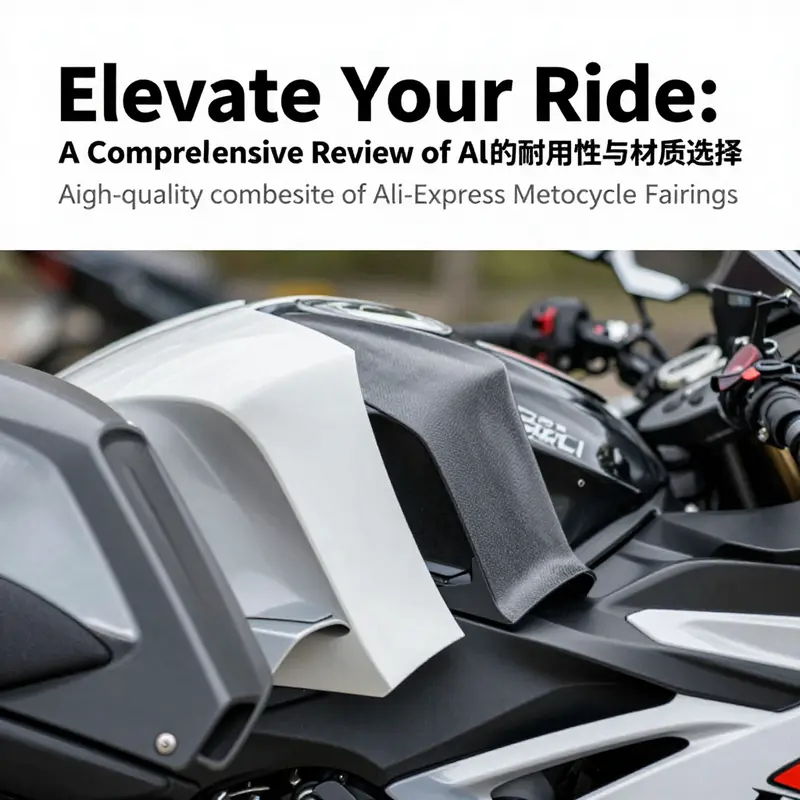
Choosing a full fairing shell for a motorcycle—particularly one sourced from a platform like AliExpress—travels beyond immediate aesthetics and fitting. It touches the core of practical riding life: how a shell stands up to wind, weather, and time, and how the materials and construction influence long-term performance and value. This chapter weaves together the available evidence from user feedback and market observations to illuminate the durable path forward. The central message is simple and powerful: durability is not an afterthought but a design statement. When a shell is built with the right materials, the right coatings, and the right fastening system, it protects the rider, preserves the bike’s appearance, and can even enhance efficiency through better aerodynamics. The opposite—cheap materials, uncertain coatings, and flimsy fixings—often leads to a cascade of problems: water ingress, UV fading, micro-tears from branches or debris, wind noise, and eventually misalignment that undermines both looks and safety. The stakes are real, and the choices you make at purchase and installation will echo for years of riding.
Materials matter most because they define the shell’s first line of defense. In the spectrum of options commonly found on marketplace listings, two features repeatedly distinguish longer-lasting products from the rest. First is a high-density polyester fabric, typically realized as 210D or 300D, which offers a robust weave that resists tearing and fraying. Second is a polyurethane (PU) coating that seals the fabric against moisture and helps the surface resist staining and abrasion. This combination—dense polyester paired with a PU layer—strikes a balance between rigidity and flexibility. The coating reduces water absorption, which means rain, splash from a muddy road, or early-morning dew won’t saturate the fabric and creep into seams. It also serves as a sacrificial layer that helps the outer surface resist scuffs and minor impacts that occur during parking, loading, or routine cleaning.
From a rider’s long-term perspective, the quality of the surface finish matters almost as much as the core material. A shell finished with proper UV-stable pigments and a robust clear topcoat resists color fading and chalking under sun exposure. In practice, high-quality finishes don’t just keep the shell looking fresh; they help maintain the surface’s integrity. UV exposure can embrittle plastics and fade color pigments, creating brittle edges that are more prone to cracking in a hard impact or in a winter freeze-thaw cycle. If a seller specifies UV-resistant paint or protective coatings, that is a meaningful indicator of anticipated longevity. Matte or gloss finishes each have their maintenance quirks, but the decisive factor remains: the finish should remain uniform, resist easy scratching, and not peel away from joints or seams after repeated exposure to rain and sunlight.
A rare but meaningful design element that can influence durability is the choice of interior lining and the shell’s breathability. An interior layer crafted from a breathable mesh or a light, permeable liner reduces the risk of moisture trapped inside the shell, which is especially important when the bike is stored outdoors for extended periods. Condensation inside a shell not only invites rust on metal components but also promotes mold and musty odors—unpleasant reminders that storage conditions matter as much as external weather. The best designs recognize this and integrate an inner layer that promotes air exchange without sacrificing the outer shell’s weather resistance. In combination with the outer fabric, such attention to microclimate inside the shell helps preserve the finish on the bike’s fairings and the paint beneath. This internal air management is a subtle but meaningful contributor to overall durability.
A critical, often underappreciated aspect is the fastening system. Durability hinges on how well a shell stays in place under wind pressure or during windy parking gaps. Reliable shells deploy a combination of sturdy elastic straps, adjustable buckles, and Velcro-like fasteners that can be tightened to secure the cover against gusts without tearing the fabric at attachment points. Poorly positioned straps or weak elastic can stretch and loosen after a few seasons, allowing water to creep in at seams, increasing abrasion from movement, and creating noise that signals misalignment. The Finnish proverb of outdoor gear—“fitment first, then finish”—applies here: precision in how the shell attaches matters more than glossy looks alone. The longer a shell maintains a snug, even tension across all fixing points, the better it resists the deformation that typically comes with sun exposure and temperature cycling. In other words, the shell’s longevity is as much about the reliability of its fixings as about the quality of its fabric and coating.
The discussion of durability would be incomplete without addressing the spectrum of price and warranty. The market naturally presents a wide range: from ultra-affordable shells to premium-priced options that emphasize engineering-grade materials and extra protective features. The reality is that lower-priced shells often skimp on one or more durability levers: less dense fabric, thinner PU coatings, fewer reinforcement points, or weaker fasteners. The short-term savings can quickly evaporate when a shell begins to show seepage around seams after a few strong rain events or when the surface wears through in a high-contact parking lot. By contrast, higher-rated products—with explicit material details (such as “210D polyester with PU coating”) and clear warranty information—tend to deliver a more predictable lifecycle. A warranty is not merely a marketing line; it functions as a signal that the seller stands behind the build quality and the materials used. When you see a product with a defined material specification and a sensible warranty policy, you are more likely to encounter fewer post-purchase surprises and, importantly, fewer trips to the repair shop or re-ordering altogether.
The global market context adds another layer of consideration. Much of the supply chain for outdoor covers and shell-like components centers in China, with significant production coming out of regions known for fabric and plastics processing. The advantage is a well-developed ecosystem: consistent fabric finishes, standardized coatings, and efficient logistics. Yet this concentration also raises questions about quality control and batch consistency. For a discerning buyer, the practical takeaway is to evaluate the seller’s ability to provide clear, model-specific material details and to ask for sample photos of the fabric in direct lighting, the texture of the coating, and close-ups of the seams. It is reasonable to request weight measurements, stitch density, and the presence of reinforced seam tapes, which are indicators of longevity in the field. A seller who presents this information confidently is likely to be more reliable in fulfilling after-sales expectations.
When it comes to compatibility, the temptation to choose a “universal” shell can be strong. The term universal is sometimes an honest shorthand for generic shapes, but it often masks a mismatch between the shell’s cut and a bike’s actual shoulder lines, fairing stays, or mounting points. The safer route is to prioritize precise compatibility with your specific model-year pairing whenever possible. This reduces the risk of oversized gaps that catch wind at speed or misfit at critical attachment points that must maintain alignment to avoid chafing or water ingress. The challenge is that not all listings disclose the exact fitment data in a user-friendly way. In this context, buyers benefit from cross-checking dimensions against the bike’s actual measurements and reviewing the seller’s installation diagrams, if provided. When the manufacturer or seller makes explicit claims about compatibility with “specific model-year pairs,” that claim should be treated as a signal worth verifying against dimensions and mounting points. The process may require a little extra diligence, but it pays off in a quieter ride, fewer wind noises, and less time wrestling with reseating gaps in the fairing during a rainstorm.
In this landscape of options, one practical way to anchor your decision is to connect the durability discussion to a broader buying strategy that includes model-specific checks, material transparency, and a reasonable warranty. A conservative, well-informed approach recognizes that while price matters, durability and value over time depend on how well a shell’s materials and construction align with the rider’s climate, storage habits, and riding style. For example, riders in climates with frequent precipitation should prioritize PU-coated fabrics and jacketed seams that resist water ingress and allow for easier drying after a wash. Riders who park outdoors in strong sun should look for UV-stable pigments and coatings that resist chalking and fading. Riders who repeatedly commute in gusty conditions should emphasize robust fixings and reinforced anchor points that resist loosening. In short, durability is a quilted outcome of material density, coating technology, breathability design, fastening reliability, UV protection, and honest fitment information. The more a seller communicates about these aspects, the more predictable the long-term performance will be for the rider.
To illustrate how these principles translate in practice without naming brands, consider the following synthesis: a shell made from high-density polyester with a PU coating offers water resistance and abrasion protection that stands up to seasonal storage, while a breathable inner layer helps manage condensation that could otherwise threaten paintwork and electronics during long idle periods. A well-designed fastening system preserves the shell’s position and minimizes movement-induced wear. UV-resistant coatings preserve color and surface integrity across years of sun exposure, and precise fitment data minimizes wind-induced stress on seams. These features together establish a durable, reliable shell that preserves the motorcycle’s aesthetic and mechanical condition while delivering practical, day-to-day protection through diverse weather cycles. For riders who want to explore aftermarket, model-specific options within an ecosystem of compatible components, a curated Suzuki fairings collection offers a relevant reference point for understanding how high-quality shells behave when paired with properly matched bike bodies and accessories. See the Suzuki fairings collection for context and comparative layout of design approaches that underscore the durability ethos described here. Suzuki fairings collection.
From a market and supplier standpoint, durability is not a one-note attribute. It is an ecosystem signal that integrates material science, manufacturing discipline, and post-purchase support. The most trustworthy listings tend to present explicit material specifications, coating technologies, and reinforcement details, coupled with clear warranty terms and responsive customer support. They also tend to encourage buyers to verify fitment with model-year specifics and to examine installation diagrams or videos before purchase. In this way, durable shells become less about a single moment of purchase and more about a reliable, ongoing relationship between rider, product, and seller. The ultimate payoff is a shell that remains visually pleasing and structurally sound after many rides and many seasons—preserving the rider’s confidence and the bike’s value.
As you prepare to navigate the AliExpress landscape, keep in mind that durability is a function of three core choices: the fabric and coating, the interior design for moisture management, and the fastening system that secures the shell under wind stress. The best results come when each element is specified with care and matched to the rider’s storage realities, climate, and riding style. While price is always a factor, it should be weighed against material density, coating quality, fitment accuracy, and warranty coverage. In the long run, a modest premium for transparent material specifications and robust fixings can translate into fewer headaches, less maintenance, and a more seamless riding experience. And if you are considering how such choices translate to other bike families or model lines, exploring related aftermarket collections can provide practical benchmarks for what to expect in terms of fitment logic and durability expectations across a broader ecosystem. For reference and broader context on compatible aftermarket components, see the Suzuki fairings collection linked above.
External resource: https://www.aliexpress.com/
Final thoughts
Making the right choice in motorcycle fairings can significantly impact your riding experience, both in comfort and style. By focusing on precise compatibility, material quality, and supplier reliability, business owners can find fairings that not only meet customer expectations but also enhance the performance of motorcycles. Armed with these insights, you are now well-equipped to navigate the thriving market of motorcycle fairings.