
Motorcycling is not only about speed and thrill; it’s also about the experience, which includes high-quality audio while riding. The emergence of audio fairings has shifted the traditional use of fairings from purely aerodynamic purposes to enhancing audio experiences. This article explores the key aspects of audio fairings, diving deep into the integration of audio systems in motorcycle fairings, the aerodynamic impact they have, current market trends, and the user experience during rides. Through this journey, business owners in the motorcycle industry will gain a comprehensive understanding of how audio fairings can redefine riding experiences and influence customer decisions in a competitive market.
In Tune with the Wind: Crafting Audio-Ready Fairings for the Ride
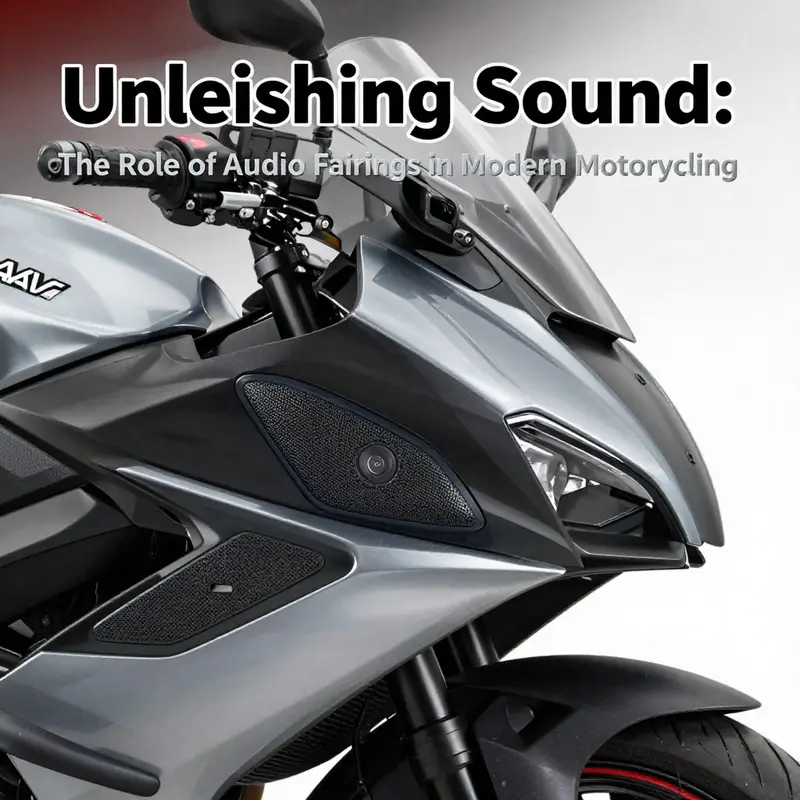
In the world of motorcycles, the term sound rarely travels alone. It travels through a moving chamber of air, around a rider who balances wind, noise, and velocity with the quiet demands of communication and music. The concept of audio-friendly fairings sits at the intersection of acoustics, aerodynamics, and practical engineering. It is not about turning a shell into a speaker box, nor about adding an off-the-shelf audio module and hoping for miracles. It is a careful choreography: the fairing becomes both the enclosure and the conduit for sound, shaping how music, navigation prompts, and rider-to-rider chatter reach the ears without turning the wind into a harsh metronome. In this light, audio integration is less a retrofit than a design philosophy that treats the fairing as an acoustic pathway as much as a protective shell. The result is an experience where high-quality audio can emerge from the wind with surprising clarity, even at highway speeds, while the fairing continues to serve its primary roles of protection and aerodynamics.
The practical realities of integrating sound into motorcycle fairings begin with a clear understanding of what the fairing does beyond airflow management. A well-designed fairing houses speakers, routes wire harnesses, and provides acoustic paths that minimize the effects of turbulence and vibration. It also seals components so they survive rain, dust, UV exposure, and the constant micro-vibrations of a powerful engine. This means every speaker, gasket, and bracket must be rated for harsh environments and be anchored in a way that counters engine and wind-induced shocks. When these conditions are met, the rider can enjoy a fuller soundstage without having to brave a windstorm just to hear a spoken toll or a burst of music.
A central element of audio-ready fairings is the acoustic path—the route sound takes from the speaker to the rider’s ears. The geometry of the fairing, including internal cavities, panels, and baffles, profoundly influences the perceived timbre and loudness. Sound can bounce off nearby surfaces, create comb filtering, or be attenuated by rigid walls if not designed with care. Engineers optimize the position and orientation of speakers to align the primary sound field with the rider’s helmet and upper torso while keeping reflections from the rider’s chest and chest panel within controllable limits. This is not about creating perfect acoustics in all conditions; it is about delivering a consistent sound signature across a broad range of riding scenarios. A practical approach involves small, strategically placed resonators and damping materials that suppress unwanted flutter while preserving the energy of the desired frequencies. In effect, the fairing becomes a custom acoustical chamber where the sound is guided, rather than a passive barrier that merely sits between speaker cones and the rider’s ears.
The material choices and construction details further shape acoustic behavior and reliability. The outer shell must withstand sun, rain, and road grime, while inner panels must dampen vibrations that would otherwise muddy the sound. Damping compounds, weatherproof gaskets, and sealed speaker mounts are standard parts of the recipe. The goal is not to build a perfect enclosure but to strike a balance: enough damping to prevent rattles and harshness, enough openness to allow sound to travel with minimal occlusion, and enough resilience to survive the long, demanding life of a touring ride. The durability of this design also hinges on the ability to maintain seals and mounts through miles of weather exposure and the inevitable maintenance cycles that come with aging fairings. In practice, this means engineers design for serviceability, with components mounted on vibration-resistant brackets and connectors that tolerate repeated temperature changes and exposure to water and dust.
Installing an audio package into a touring or sport-touring fairing is a test of the engineering mindset. Modern systems are designed for plug-and-play installation where possible, reducing the risk of damage to fragile wiring and preventing disruption to the fairing’s tight tolerances. A typical approach starts with selecting a compatible system that includes purpose-built speakers and mounting hardware designed to tolerate environmental stressors. Front-fairing speakers are often complemented by saddlebag speakers, creating a balanced sound field that projects out toward the rider while minimizing direct wind impact on the perceived audio. The connectors and harnesses must align with the bike’s electrical system, and the installation should preserve the fairing’s structural integrity. This means secure routing of wires through existing channels, careful avoidance of moving parts, and the use of waterproof seals around any penetrations. In practice, a well-executed installation uses vibration-resistant mounts and gaskets that maintain integrity under temperature swings and continuous vibration.
A crucial part of the integration process is ensuring compatibility with the motorcycle’s OEM electronics and any aftermarket DSPs or Bluetooth adapters. The DSP is not just a feature; it is the brains that shape how audio is distributed across the speakers, how it interacts with wind noise, and how voice communications are preserved when ambient music is playing. The demand for proper integration extends beyond the hardware to software and firmware compatibility. A DSP or an interface must be tuned to harmonize with the fairing’s acoustics and the bike’s electrical system. This often requires specialized knowledge, since incorrect wiring or mismatched power profiles can degrade performance or, worse, create electrical noise that competes with audio playback. The installer must verify that power draw remains within the bike’s electrical design envelope, ensuring that the system can run safely alongside headlights, communication devices, and other essential electronics without triggering fuses or voltage dips.
There is a practical distinction between “garage-ready” factory-integrated options and aftermarket configurations that demand more extensive modification. Factory-integrated packages typically arrive with pre-configured settings and user-friendly interfaces, making it easier for riders to get up and running with minimal risk. Aftermarket routes, while offering broader customization, often require skilled hands and careful planning. The goal is to preserve—not compromise—the fairing’s protective function while creating a coherent sound environment. In either path, the installation becomes a test of whether sound and wind can live harmoniously inside the same shell rather than competing for dominance.
The rider’s listening experience hinges on the ability to tailor sound to personal preferences and riding conditions. A modern audio setup within a fairing typically allows for on-device tuning through a touchscreen interface or a companion app. The tuning process encompasses balance, equalization, and dynamic range adjustments to account for wind noise at different speeds, helmet type, and even the rider’s seating position. The most successful configurations present a stable, immersive sound without requiring the rider to raise the volume to dangerous levels. This is not merely a matter of loudness; it is about clarity, intelligibility, and the sense that the system becomes a companion rather than a distraction. A well-tuned system preserves the rider’s situational awareness while delivering the cadence of music and the nuance of voice prompts with a natural presence that feels integrated into the ride rather than bolted on.
From a rider’s perspective, the acoustic intention behind audio-ready fairings is linked to safety and comfort. Clear audio can aid navigation prompts, Bluetooth communication with a passenger or friends, and quick updates from ride-assist systems without forcing the rider to strain to hear over wind. Sound quality matters because it influences how reliably information is perceived during dynamic riding. The wind’s gusts, engine buzz, tires’ contact with the road, and the hum of the highway create a composite noise floor that can mask important cues. A correctly integrated fairing helps carve out a sonic window where critical information is delivered clearly, and music remains a companion rather than a mask for environmental sounds. Achieving this requires more than just good speakers; it demands a coherent design strategy that accounts for the whole riding ecosystem, including the rider’s helmet, the fairing’s shape, and the vehicle’s electrical architecture.
The design mindset of audio-ready fairings extends beyond the rider’s comfort and into the realm of long-term durability. Weather sealing, UV-stable materials, and robust mounting solutions are not cosmetic decisions; they are core to the fairing’s acoustic life. Damping, seals, and fasteners must survive thousands of miles of exposure, temperature fluctuations, and the neglect that sometimes accompanies long-haul journeys. Regular checks for gasket integrity, mounting tightness, and connector cleanliness become part of the maintenance ritual. In the end, the success of the integration is measured not only by the richness of the sound but by the confidence that the audio system remains reliable through rain, heat, and the inevitable vibrations of a road-driven life.
For riders exploring compatibility with existing fairing families, the market offers options that fit cleanly into popular shell geometries without forced modification. The consideration is not merely which speaker size fits a given panel; it is how the surrounding structure can guide and support sound transmission. In this context, a practical step is to examine fairing lines that have a history of both aerodynamic efficiency and acoustic compatibility. The Honda fairings collection, for instance, represents one such benchmark where riders and builders analyze how a shell’s contours influence the acoustic path and how internal cavities can be leveraged to support sound clarity. See the Honda fairings collection for examples of how fairing geometry can be aligned with audio objectives: Honda fairings collection.
The broader take-away is that audio integration in motorcycle fairings is a symbiotic endeavor. The best outcomes arise when audio components are not treated as add-ons but as elements that fit into a broader narrative about how a rider experiences sound on the move. The rider does not experience sound in isolation; they experience it through the shell that surrounds them, the straps and mounts that keep components in place, and the electrical system that maintains performance. When all these pieces are aligned, the result is a riding experience where sound becomes a precise instrument—able to convey navigation cues, music, and communication with a fidelity that matches the precision of the machine itself. The fairing, in this sense, is not merely a protective cover but a carefully engineered acoustic stage upon which the ride unfolds.
External resource for further reading on integrated touring audio systems can be found here: https://www.harley-davidson.com/en-us/accessories/audio/stage-iii-4-speaker-kit.html
null
null
Sound on the Move: Market Currents and the Rise of Audio-Friendly Motorcycle Fairings
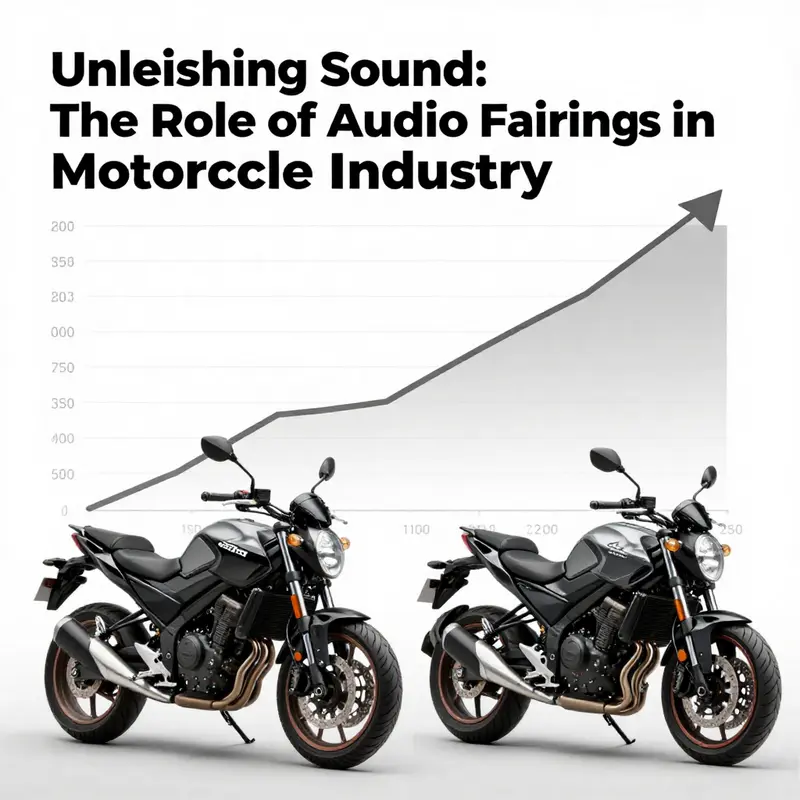
The motorcycle world has long treated the fairing as a shield—an aerodynamic shell that carves wind, protects the rider, and lends a sculpted identity to the machine. In recent years, the same shell has begun to play a more nuanced role: it is becoming a conduit for sound. The term “audio fairing” may not be a standardized category in every showroom or factory brochure, yet the design philosophy behind audio-friendly fairings is spreading. It treats the fairing not simply as a form that cuts through air but as an acoustic environment shaped to support high-quality audio systems at speed. The result is a sensory package that combines wind management with listening clarity, turning cruising into an immersive experience rather than a solitary wind tunnel ride. Market data mirrors this shift. The global motorcycle audio systems market, while still a fragment of the broader two-wheeler ecosystem, is expanding rapidly. Market analyses place the 2025 value at a figure described in industry summaries as XX Million, and they forecast a robust compound annual growth rate of about 12.8 percent from 2026 through 2033. These figures point to a broader convergence of entertainment, communication, and vehicle design—an alignment that elevates the rider’s experience while still respecting the core priorities of safety and performance on two wheels.
What is driving this momentum? At the heart of the trend is a pragmatic march toward integrated connectivity. Riders want Bluetooth streaming, hands-free calling, and voice-activated controls that feel native to the cockpit rather than as aftermarket add-ons. Designers have responded by weaving audio pathways into the very geometry of the fairing, not only by placing speakers near the rider’s ears but by sculpting the internal acoustic channels to minimize wind noise and maximize sound fidelity. In doing so, the fairing ceases to be a mere barrier to air and becomes a carefully tuned enclosure. The engineering logic resembles a well-tuned instrument: the outer shell shapes the air as it enters a cavity, while the speaker positioning, damping materials, and mic placements work in harmony with oncoming air pressure, turbulence, and ear proximity. The result is audible output that remains intelligible at highway speeds, with wind noise suppressed rather than ignored.
Within this broader narrative, one sees several converging threads. The first is modularity. Manufacturers and aftermarket players are embracing modular audio fairings that can be swapped, upgraded, or retrofitted with relative ease across a spectrum of motorcycle platforms. This modularity lowers barriers to adoption for riders who own multiple bikes or who like to refresh their audio setup without a full fairing change. The second thread is performance-focused acoustics. Rather than simply hiding speakers behind a rigid shell, brands are engineering pathways, baffles, and damping layers that guide sound toward the rider with minimal high-frequency loss. Curved surfaces and strategically placed perforations create an acoustic tapestry that works in concert with the wind, rather than fighting it. The third thread centers on user experience and safety. Premium models increasingly embed noise-cancellation technologies, microelectromechanical adjustments, and ergonomic speaker placement to reduce rider fatigue and preserve situational awareness. In practice, this means the audio system becomes a steady companion that respects the rider’s attention, while the fairing protects the rider from fatigue-inducing wind blast.
The shift toward audio-friendly fairings also interacts with the broader evolution of in-vehicle tech. Bluetooth modules have become standard in many touring and sport-touring lines, with interfaces that sync to smartphones, GPS, and wearable devices. The fairing acts as a hub for these devices, enabling voice control and hands-free communication without forcing the rider to compromise riding posture. The integration does not occur in a vacuum. It relies on robust sealing against weather, reliable amplification that withstands temperature swings, and speaker systems that can tolerate vibration and resonance without suffering early fatigue. In practical terms, the fairing must manage heat from the engine bay, dampen vibrational energy that would otherwise color audio output, and maintain a stable acoustic path as the rider moves from city streets to open highways. All of this demands a synergy between mechanical design, materials science, and acoustic engineering that only a handful of manufacturers have been refining over the past few years.
From a design perspective, the market is now rewarding the careful craft of the fairing itself. The structure splits into two broad approaches: intrinsic integration, where manufacturers design the fairing from the outset to host a bespoke audio system, and aftermarket-friendly solutions, where riders can upgrade or retrofit with minimal service disruption. Intrinsic integration tends to yield higher fidelity because the acoustic path is conceived at the earliest stage. It allows for precise speaker placement, tailored enclosures, and90-degree bends that minimize reflections that blur clarity. Aftermarket-friendly designs, by contrast, appeal to a broader audience who seek instant upgrades or model-agnostic compatibility. In both cases, the success of the product hinges on how well the fairing can harbor audio hardware without contributing excessive weight, heat, or wind-shear that might degrade performance.
One practical implication of these trends is a growing emphasis on optimistic but realistic pricing. Audio-enabled fairings may command a premium, but the value proposition becomes clearer when riders weigh the benefits: clearer turn-by-turn audio in noisy wind, safer hands-free communication, and a more engaging touring experience without compromising the machine’s aerodynamics. Even as price points rise, the modular design ethos helps to temper financial risk. A rider can start with a basic audio-enabled shell and progressively refine it with higher-end drivers, better seals, or more sophisticated processing units as their budget allows. The lifecycle economics of this approach are compelling. The fairing remains the central chassis, and the audio elements can often be upgraded incrementally without a full replacement. In markets where customization holds cultural significance, this flexibility resonates strongly with riders who want their machine to reflect personal taste as much as performance.
Industry observers also note the educational value of acoustics literacy among riders. The idea that wind noise is not merely a nuisance but a design parameter invites a broader appreciation for how engineering choices impact listening quality. Riders begin to understand that the shape, angle, and diameter of a fairing opening influence not just drag but ear intake. This awareness translates into demand for fairings that marry aesthetic appeal with acoustic purpose. It is not surprising to see riders gravitating toward models and kits that provide clear acoustic feedback and intuitive control interfaces. The narrative shifts: from a simple protective shell to a carefully tuned ecosystem where audio and aerodynamics coexist in a single, purposeful geometry.
For stakeholders across the spectrum, the market signals a pathway to sustained growth through collaboration. Carving out a leadership position in audio-friendly fairings requires cross-disciplinary talent: aeroacoustics experts who understand how sound propagates in curved, moving air; mechanical engineers who can integrate speakers without unduly adding weight or heat; software developers who can deliver DSP-based noise reduction and adaptive equalization that respond to speed and road conditions. It also requires a robust supply chain that can handle sensitive components—microphones, drivers, amplifiers, and protective housings—while meeting weatherproofing standards. In essence, the market is increasingly about harmonious systems engineering rather than isolated hardware upgrades. This holistic approach is what makes the promise of audio-friendly fairings not merely a selling point for a subset of enthusiasts, but a broader statement about how technology can enrich the everyday ride.
As designers experiment with form and function, the question of aesthetics remains integral to market adoption. A fairing that is acoustically brilliant but visually incongruent with a rider’s taste is unlikely to find a large audience. Conversely, a visually compelling shell that sounds good but feels fragile under rain and vibration will disappoint. The contemporary design process seeks balance: sculptural lines that convey speed while concealing acoustic channels, grill patterns that hint at the speaker layout, and finishes that resist weather wear without erasing the acoustic performance inside. The result is a harmonized product—one that the market perceives as both a performance upgrade and a lifestyle choice. The narrative of this market is not about substituting one facet of the bike’s experience for another; it is about elevating the entire sensory package while maintaining practical reliability and safety.
Looking forward, the trajectory suggests a further blurring of lines between OEM (original equipment manufacturer) and aftermarket ecosystems. Some riders may prefer an officially sanctioned audio fairing that integrates seamlessly with the bike’s electronics, while others will be drawn to modular, upgrade-ready solutions that can be tailored to current gear or changed with the next season’s taste. This tension between integration and customization will likely spur a rich ecosystem of partnerships, licenses, and compatible accessory lines. Riders will benefit from the resulting competition in acoustic clarity, wind management, and smart features, which may deliver better value over the lifecycle of the motorcycle. In practice, this means more accessible entry points for beginners who want a calmer, more intelligible audio experience, as well as more sophisticated, high-fidelity systems for long-distance riders who demand studio-quality sound on rolling highways.
For readers seeking concrete paths to explore within this trend, consider starting from a practical reference point that aligns with modular, brand-spanning fairing options. A gateway into the broader ecosystem of fairing design and compatibility can be found by exploring the general collections dedicated to fairings that are designed with interchangeability and aftermarket accessibility in mind. This approach allows riders to visualize how audio integration fits into the broader portrait of a motorcycle’s aerodynamics and ergonomics. As a starting point for understanding this landscape, see the Honda fairings collection for a sense of how modular, upgrade-friendly designs are organized and marketed across different platforms. Honda fairings collection.
The market continues to respond to the evolving expectations of riders who view their motorcycles not simply as machines but as personal entertainment hubs on two wheels. The integration of audio, connectivity, and adaptive acoustics with aerodynamic form is reshaping how manufacturers and riders evaluate value. It is increasingly clear that the most successful designs will be those that treat the fairing as a multi-functional system rather than a single-purpose shell. In this sense, audio-friendly fairings symbolize a broader shift toward holistic vehicle design where wind, sound, and interactivity are harmonized to deliver a richer, safer, and more enjoyable ride—whether the journey lasts a few miles or many hours.
External resource for further context on market dynamics and technology trends in motorcycle audio systems:
External reference: https://www.linkedin.com/pulse/motorcycle-audio-systems-market-analysis-2026-john-doe/
Sound on the Wing: Immersive Audio and Aerodynamic Harmony in Motorcycle Fairings
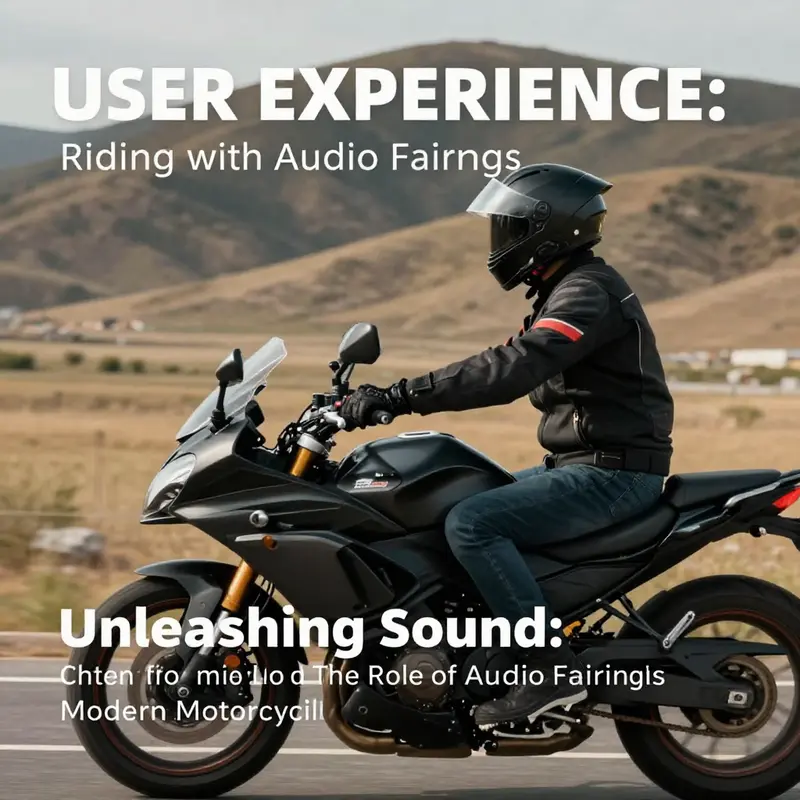
Riding with audio-friendly fairings unfolds as a study in balance. On the open road, where wind can swallow even a clear voice and engine rumble can mask important sounds, a fairing that partners with an onboard audio system aims to carve a sonic space riders can inhabit without surrendering situational awareness. This chapter does not pretend that the term itself is universally standardized. Instead, it explores a practical reality: some modern touring and luxury-oriented motorcycles use fairing design as a conduit for audio performance. The fairing becomes not merely a windshield or a cosmetic shell, but a carefully tuned structure that channels sound, moderates wind, and supports a rider’s need to listen and respond in real time. The result is a more immersive riding experience that can make long journeys feel less fatiguing and more connected to the world outside the helmet.
To understand why audio-friendly fairings matter, it helps to start with the core purpose of a fairing itself. Traditionally, the windscreen and surrounding panels are engineered for aerodynamics, rider protection, and engine cooling. They are sculpted to slice through air with minimal drag, all while shielding the rider from debris and weather. When audio systems become part of the equation, the fairing’s interior geometry and foam, fiberglass, or composite layouts can be redesigned or optimised to steer sound toward the rider’s ears and away from excessive wind buffeting. This is not about turning a motorcycle into a concert hall. It is about shaping a listening environment that remains intelligible at highway speeds, when wind noise can rival the engine’s howl and a rider’s own breathing.
The rider’s listening environment is a delicate ecosystem. Wind noise rises with speed, density of air, and the helmet’s seals, while engine vibration travels through the chassis. A well-conceived audio fairing accepts these realities and uses acoustic pathways to deliver clarity. Internally mounted speakers, phase-corrected enclosures, and strategically placed drafing channels can help sound travel along low-resistance routes. The objective is to preserve vocal clarity for conversations, navigational prompts, and emergency alerts, while preserving the musical or spoken content that accompanies a long ride. In this sense, the fairing acts as an acoustic appendix to the bike’s powertrain and rider interface, not a separate add-on that merely sits on top of the sculpture.
Riding on long tours with such a system transforms how a rider experiences distance. The hours behind the bars have a rhythm—sound becomes a cue for pace, mood, and focus. Clear radio chatter between rider and passenger, a waypoint voice-down from a GPS, or a carefully curated soundtrack can influence perception of time and fatigue. With wind noise tamed to a livable level, the rider can maintain a conversational pace without shouting over the elements. Music or podcasts no longer fight for space against the wind; instead, they occupy a comfortable, audible niche that respects the rider’s need to hear traffic, road texture, and approaching signals.
But these benefits come with practical realities. The most conspicuous challenge is integration. Audio fairings involve more than a few wires and a couple of speakers tucked behind a panel. They require careful planning of the electrical load, charging system capacity, and system grounding. The battery and alternator must be able to sustain the added demand, especially on longer trips or bikes already operating near the limits of their electrical budgets. If the system is wired without regard to load, a rider might find themselves with dimmed lights, reduced accessory power, or, in extreme cases, a drained battery at a wrong moment. For many riders, this is a compelling reason to seek professional help or to pursue systems designed with conservative power budgets and smart power management features.
Aesthetics and aerodynamics also demand respect. Fitting an audio fairing or modifying the fairing’s internal acoustics can alter airflow. Even seemingly small changes—additional bulk here, a new cavity there—may affect how air follows the bike’s surface, thus impacting stability at speed and crosswind handling. The most disciplined implementations view these alterations as a system: the fairing’s primary aerodynamic role remains intact, while its internal channels and mounting structures are redesigned to minimize drag penalties and prevent resonances that could color the audio output with unwanted flutter or whistling. In other words, the design ethos honors both the wind and the wave of sound that travels through the air and into the rider’s helmet.
An important design consideration is the location and configuration of speakers. Some riders benefit from a balance of built-in speakers and external devices that connect via Bluetooth or auxiliary inputs. Integrated systems can provide a clean, clutter-free cockpit by hiding electronics within the fairing’s hollowed spaces and using shielded cables that resist vibration and heat. Yet the decision to incorporate speakers inside the fairing must account for heat dissipation and moisture management. A sealed or vented path that minimizes condensation and water exposure preserves longevity and performance under diverse riding conditions. In short, the best audio fairings treat sound as a system property, not a one-off accessory.
The listening experience is also shaped by how riders interact with the system. Bluetooth adapters, compact DACs, and intuitive control interfaces help keep hands on the bars and eyes on the road. When connectivity is well implemented, riders can switch between music, navigation prompts, and communication with a passenger without fumbling through menus or taking attention away from traffic. The human factors are crucial here. A subtle, tactile control layout reduces cognitive load, letting riders adjust volume or answer a call with a light touch. The goal is not to turn the motorcycle into a phone or a multimedia device, but to give the rider a seamless, responsive audio layer that complements riding tasks rather than competing with them.
From a rider’s perspective, the most compelling scenarios involve longer journeys, when fatigue and monotony can wear down attention. In those moments, a well-tuned audio fairing helps maintain a steady mind and a steady tempo. Music can lift morale; a voice-guided navigation can keep a rider on course without the strain of squinting at a tiny map; and the ability to converse with a passenger without shouting across the wind makes the ride feel more social and less isolating. For touring riders who spend hours in the saddle, these subtleties translate into a more comfortable, safer, and more enjoyable experience. The reality is that sound, when properly harnessed, becomes an ally for focus and mood regulation rather than a mere source of entertainment.
Choosing a system that aligns with a rider’s motorcycle and riding style is essential. There is no one-size-fits-all solution. A fairing optimized for a wind-dominated highway ride will differ from one tuned for a sport-touring setup that prioritizes cockpit space, radio fidelity, and rider feedback. In practice, riders should weigh factors such as total system power, compatibility with other accessories, and the ease of future upgrades. A modular approach often yields the best results: a fairing that can accommodate a range of speaker sizes, a configurable acoustic chamber, and an interface that can integrate with a variety of devices. The more adaptable the design, the longer it remains relevant as technology evolves and riding preferences shift.
For those exploring options, it helps to consider the broader ecosystem of fairings and to view audio integration as part of a holistic customization project. The availability of different fairing shapes, internal volumes, and mounting approaches means riders can experiment with sound routing while keeping the bike’s aerodynamics intact. If a rider’s priority is to preserve clean lines and a purposeful silhouette, choosing a fairing design that already emphasizes acoustic efficiency can minimize the risk of wind-induced noise and flutter. Conversely, if a rider seeks to maximize sound presence while still maintaining a calm wind experience, selecting a design with more deliberate internal baffles or tuned cavities can yield the most satisfying result.
Within this framework, internal links to a broader fairing catalog can be helpful for readers who want to understand the range of options available for their bike model. For example, a rider considering a Yamaha-styled fairing architecture might browse the Yamaha fairings collection to gauge compatibility with mounting points and internal space. This approach makes it easier to picture how one’s chosen audio system would sit inside a given shell, how the enclosure would interact with the rider’s seating position, and how the overall geometry would influence wind and sound paths on the highway. Consider this as part of a careful planning phase, not a rushed installation.
Integrated audio systems also require an acknowledgment of the human element: how a rider tunes into the soundscape over time. The slight differences in helmet fit, earplugs, or the rider’s own hearing profile can shift how audio is perceived. A system that offers adjustable treble, bass, and midrange allows riders to tailor the listening experience to their preferences and to changing weather or road conditions. A quieter helmet in rain may default toward more midrange clarity; a louder windless day may benefit from a lighter touch with bass that doesn’t overwhelm voice prompts. The beauty of thoughtful design lies in this adaptability, enabling a personal sonic signature that remains legible across a spectrum of speeds and environments.
Ultimately, riding with audio-friendly fairings is about more than the novelty of built-in speakers. It is about crafting a reliable, safe, and enjoyable listening environment that respects the road, respects the rider, and respects the bike’s aerodynamics. Riders who invest in professional installation or who partner with skilled technicians tend to experience longer-term reliability and greater longevity from their systems. The competence of the installation matters as much as the hardware itself. A well-executed integration can minimize heat exposure to electronics, manage cable routing to prevent snag hazards, and ensure that vibration does not loosen connectors over thousands of miles. In this light, the decision to pursue an audio fairing becomes a prudent part of a rider’s broader commitment to comfort, safety, and enjoyment on extended journeys.
If you want a sense of how options circulate within the market and how riders weigh the trade-offs, a practical starting point is to explore fairing configurations that emphasize acoustic efficiency. These configurations prioritize a sealed acoustic path and speaker placement that maximize audible clarity while containing wind-induced noise. The design language shifts from simply adding speakers to building an integrated acoustic environment. For readers who want to see tangible examples of compatible fairings and mounting possibilities, a look into available collections can be instructive. One useful destination for exploring compatible options is the Yamaha fairings catalog, which provides a framework for understanding how different shapes and internal volumes interact with audio components. This exploration can reveal how a given fairing’s geometry supports or challenges an audio system’s performance, helping riders to anticipate what a particular setup might feel like on the road.
For more practical guidance on installation and safety, several reputable resources outline best practices for wiring, grounding, and system testing. These guides emphasize safety checks, power budgeting, and step-by-step procedures that reduce the risk of electrical faults or unintended performance issues. While the specifics vary by model and system, the underlying principle remains constant: a careful, well-planned installation yields the best balance between wind management and audio fidelity. The aim is to integrate sound as a natural extension of the riding experience, not as an intrusive gadget that competes with the rider’s senses. The result is a cockpit where audio supports navigation, communication, and enjoyment without demanding the rider’s full attention away from the road.
In closing, audio fairings represent a convergence of several disciplines—acoustics, aerodynamics, electrical engineering, and human-centered design. The rider’s experience becomes richer when audio is accessible, intelligible, and respectful of the bike’s aerodynamic performance. The fairing then ceases to be merely a protective shell and becomes an ally in the pursuit of comfort over long distances. As riders continue to push farther and longer on open roads, the promise of these integrated systems is clear: sound that travels with the wind, not through it, and a listening environment that helps riders stay connected to the road, the journey, and the people who share those miles with them.
External reference for practical installation guidelines: https://www.motorcyclecruiser.com/how-to-install-motorcycle-stereo-systems-for-fairings-safely/
Final thoughts
The integration of audio systems into motorcycle fairings represents a significant advancement in the way riders experience their journeys. By seamlessly combining sound quality, aerodynamics, and aesthetic appeal, these innovations offer motorcycle manufacturers an opportunity to differentiate themselves in a competitive market. For business owners, understanding these developments can lead to better product offerings and enhanced customer satisfaction. As motorcycling continues to evolve, embracing audio fairings could very well be the key to unlocking unparalleled riding experiences.