
The Baosity 7″ Motorcycle Universal Retro Headlight Fairing Wind Screen stands as a prime accessory for motorcycle owners looking to enhance both the visual appeal and functionality of their machines. It combines a classic, retro design with advanced performance features, making it suitable for a variety of motorcycle styles, primarily cafe racers and naked bikes. This article delves into the key features that make this fairing a popular choice among riders, its common applications across different motorcycle categories, essential installation and maintenance guidelines to ensure longevity, and the significant performance benefits it offers for a comfortable riding experience. Each chapter will build on these aspects, providing a comprehensive understanding of how this fairing can transform a motorcycle.
Vintage Silhouettes, Modern Quiet: Unpacking the Key Features of the Baosity 7-Inch Universal Retro Headlight Fairing Wind Screen
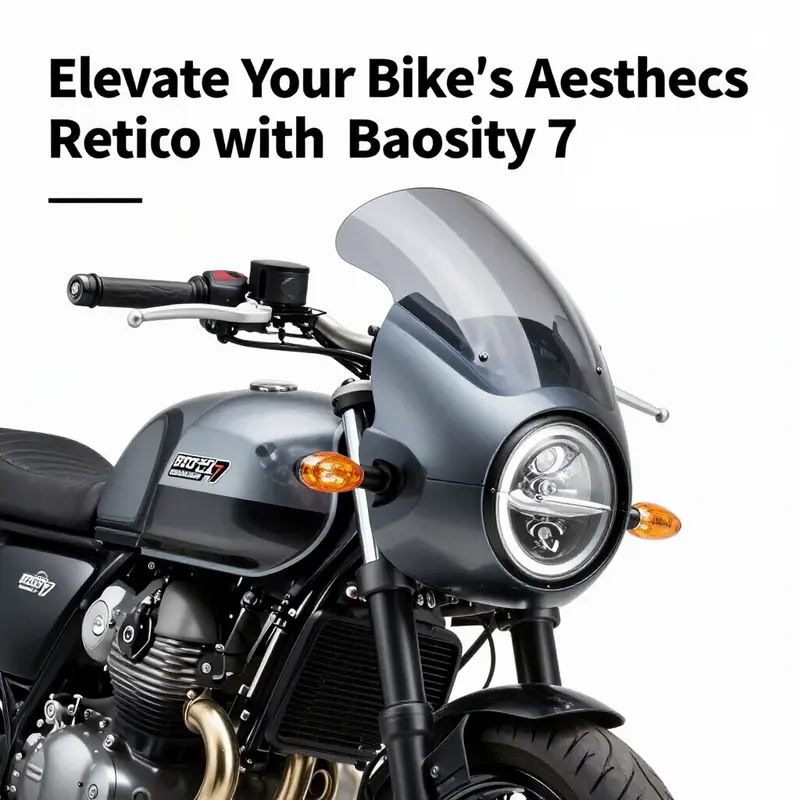
Riding a motorcycle that wears its history on its front end is a careful balance between nostalgia and practicality. The Baosity 7-Inch Universal Retro Headlight Fairing Wind Screen embodies that balance, presenting a way to honor the clean lines of classic bikes while delivering measurable improvements in comfort and control. This chapter takes a closer look at the core features that make this accessory more than a cosmetic upgrade, translating retro charm into tangible riding benefits without demanding a full, ground-up rebuild of the bike’s front end. The result is a statement piece that preserves the essence of cafe racers and vintage-minded machines while offering a modern kind of performance reliability.
First comes the design philosophy, which is steeped in the familiar silhouette of mid-20th-century motorcycles. The 7-inch round headlight has long been a cultural touchstone for riders who value a compact, focused expression at the front of the bike. The fairing is shaped to complement that headlight, giving the bike a cohesive face that reads as both purposeful and timeless. The body is crafted from durable ABS plastic, chosen for its balance of stiffness, impact resistance, and light weight. ABS provides a robust shell that can withstand road debris and minor bumps without deforming, which matters when the fairing is mounted in the wind and exposed to the elements at highway speeds. The windshield, made from Plexiglas—an acrylic material known for clarity and impact resistance—adds a clear, weather-ready shield that crispens the rider’s field of view. Together, these materials form a practical pairing: a front end that looks as if it came from a bygone era but is built to cope with the realities of modern riding conditions.
The universal fit is a key feature that deserves particular attention. Designed to accommodate a range of motorcycles with a 7-inch round headlight, the fairing offers broad compatibility without requiring a bespoke mounting setup for every model. In practice, that means riders who own naked bikes, sport-touring machines, or cafe racers can look for a front-end accent that harmonizes with their bike’s geometry. The universality is not a call to a one-size-fits-all philosophy; rather, it reflects an intelligent attempt to provide a consistent aesthetic and aerodynamic upgrade across a spectrum of platforms. In this sense, the fairing becomes a bridge between the desire for a classic look and the realities of owning and maintaining a modern motorcycle.
A complete installation kit is another practical asset. The packaging typically includes the fairing body, the windshield, and the mounting hardware necessary for a secure fit. The clarity of this approach is especially welcome for riders who want a straightforward upgrade that doesn’t demand an elaborate toolkit or a wall of spares. The hardware is selected to accommodate common handlebar diameters and mounting points, which reduces the risk of ill-fitting components once the bike is sitting on a stand. That ease of installation complements the aesthetic upgrade, ensuring that a rider can move from concept to confident riding with a sense of immediacy rather than waiting for professional services or additional parts. When the kit is installed correctly, the front of the bike resolves into a unified line that speaks to classic design while silently delivering a quieter, more controlled experience on the road.
The performance benefits extend beyond visual impact. Aerodynamics plays a subtle but meaningful role in how a rider experiences wind and turbulence. The fairing’s form around the headlight area helps to smooth the air approaching the helmet and upper chest, which can translate into a more predictable ride at higher speeds. Reduced turbulence around the headlight area often translates into a calmer airflow, which can lower fatigue on longer journeys and contribute to steadier handling when incoming gusts threaten to destabilize the bike’s front end. The windscreen itself acts as a shield that can deflect flow away from the rider’s visor or goggles, reducing the amount of buffeting that can disrupt a clear line of sight. While the fairing does not transform a naked bike into a full fairing-equipped machine, it introduces a meaningful aerodynamic refinement that aligns with a rider’s desire for both control and a sleek, vintage aesthetic.
Finish options are also a nod to the importance of cohesion in a build. Available in finishes such as glossy or matte black, the fairing can be matched to chrome, brushed aluminum, or painted surfaces to achieve a deliberate front-end narrative. The choice of finish matters as much as the shape because it influences how light and color interact with the bike’s overall design theme. A glossy surface can echo the gleam of period-correct chrome accents, while a matte finish can blend with satin-painted tanks and forks for a more understated, modern presence. The ability to select a finish that resonates with an individual bike’s existing color palette helps ensure the addition looks intentional rather than tacked on. In this way, the Baosity fairing participates in a broader design language that many riders have long cultivated when shaping a machine that feels both old and new at once.
From a practical standpoint, maintenance and care matter as much as the initial fit. The exposed position of the fairing means routine cleaning is part of its life in the elements. Light dusting, followed by a gentle wipe with a non-abrasive cleaner, helps preserve the clarity of the Plexiglas windshield and the lustre of the ABS body. UV exposure can gradually degrade plastic and acrylic, so riders are wise to inspect the shield for micro-scratches and to consider a suitable polish or protective treatment designed for high-clarity plastics. The goal isn’t to create a showroom shine at a single moment but to maintain a durable, stable front end that keeps its look and its function over time. Regular check-ups of mounting hardware—bolts, brackets, and clamps—prevent the fairing from working loose at speed or from developing rattles at lower speeds. In other words, longevity and reliability come from a mindful routine that respects both form and function.
The universal design also invites a broader conversation about the kinds of motorcycles that benefit most. Cafe racers, with their clean, minimal front ends, often aim to preserve a silhouette that is both nimble and expressive. A small fairing like this one can provide a way to retrofit a classic-inspired bike without sacrificing the essential line that defines a cafe racer’s look. Naked bikes, too, can gain a refined edge without complicating the ride with a full wind-cheating canopy. For sport-touring machines, the fairing can offer a bit of wind management that makes longer days more comfortable, all while allowing the bike to retain its aggressive, stripped-down appearance. The interplay of function and form here is not mere ornamentation; it is a considered choice that supports a rider’s overall experience, from the first bolt to the last mile.
As riders look to broaden their accessories library while staying faithful to a bike’s personality, accessibility matters. The Baosity fairing’s universal approach invites potential buyers to see a path between bespoke customization and practical, attainable upgrades. It is a reminder that a well-chosen accessory can do more than improve rider comfort; it can tighten a bike’s narrative by aligning the front end with the rider’s vision. For riders who want to explore related front-end options within a compatible ecosystem, a visit to the Yamaha fairings collection offers a sense of how a brand-specific line can coexist with universal pieces and inspire cohesive customization across styles and models. Yamaha fairings collection.
In keeping with this spirit of integrated design, the fairing’s role in a broader customization project often centers on achieving a balanced front-end geometry. When mounted on bikes with a 7-inch round headlight, it becomes a natural partner for a rider who seeks to preserve the bike’s classic identity while embracing a touch of contemporary practicality. The result is not a dramatic facelift, but a refined enhancement that respects the bike’s original proportions while improving day-to-day riding comfort. This is the essence of what a well-conceived retro fairing can deliver: a sense of continuity, a nod to tradition, and a practical lift that benefits the rider long after the first ride has faded into memory.
To those considering a subtle, tasteful upgrade rather than a full rebuild, the Baosity 7-Inch Universal Retro Headlight Fairing Wind Screen presents a thoughtful option. It embodies a design approach that treats the bike as a living thing—one that evolves with its rider while keeping intact the core character that drew them to the machine in the first place. The front end, finally, tells a story not only about speed and wind but about the rider’s willingness to participate in a tradition of craftsmanship where form and function advance together. External resource: https://www.ebay.com/itm/403922217576.
On the Front Line: Common Applications and Practical Beauty of the Baosity 7 Inch Universal Retro Headlight Fairing Wind Screen
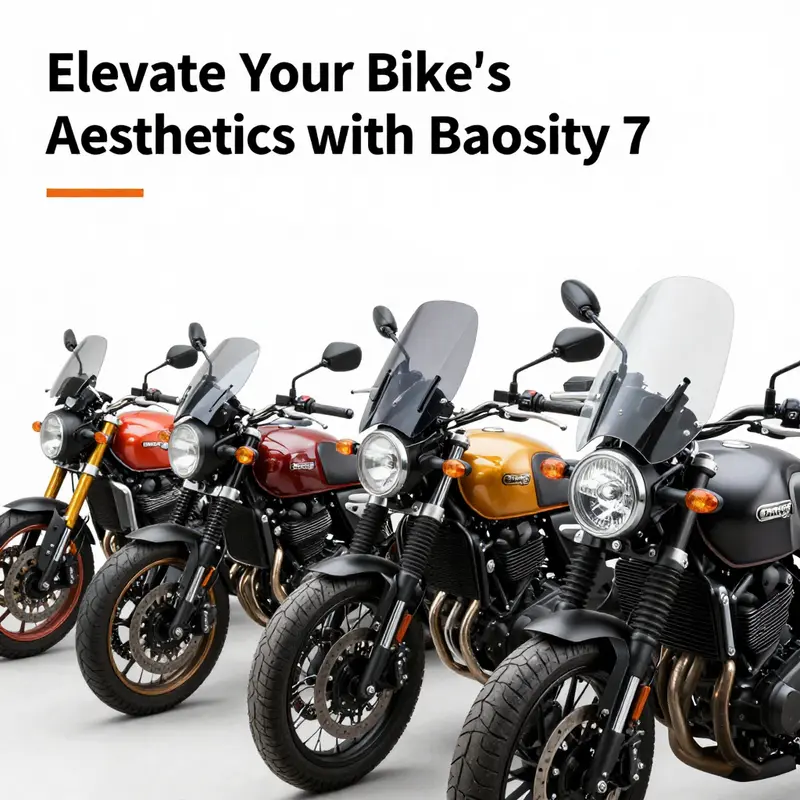
A motorcycle front end is more than a single feature; it is a statement of intention. The Baosity 7 inch universal retro headlight fairing wind screen sits at the intersection of design nostalgia and modern riding realities. It is designed for a round 7-inch headlight, but its value goes far beyond that dimensional anchor. This accessory acts as a shield, a frame, and a visual signature all at once. For riders who crave the clean lines of mid-century styling yet depend on contemporary reliability and materials, the marginal investment in a universal fairing can yield outsized gains in comfort, presence, and versatility. The concept is straightforward: add a lightweight shield to soften wind impact, angle the air to encourage stability, and coax a classic silhouette into a form that remains relevant on today’s roads. The result is a front end that reads as timeless in photos and as practical in real-world riding alike.
The construction details matter as much as the look. The body shell is typically molded from ABS plastic, a material prized for its durability, impact resistance, and ability to hold a crisp shape under stress. ABS is forgiving enough to shrug off minor bumps yet rigid enough to maintain its profile against wind pressure. The windshield is a Plexiglas acrylic sheet, chosen for clarity, light weight, and resistance to cracking in normal riding conditions. Acrylic surfaces are relatively easy to clean and, with proper care, resist yellowing and clouding better than many other plastics in typical sun exposure. Together, these materials form a front piece that, while visually retro, behaves like a reliable, modern shield against rain spray, road grime, and the buffeting that can disturb a rider at speed. The finish and edges are crafted to echo the era’s sensibilities—soft curves and clean lines—while the mounting points are engineered for compatibility with a broad range of bikes rather than a single model.
Fit is the practical hinge on which looks turn into rideable realities. The 7-inch diameter of the headlight remains a sweet spot for many motorcycles, straddling the line between ample light coverage and preserving the machine’s face. Because the design is described as universal, it is capable of straddling a spectrum of applications—from sport-touring machines built for longer journeys to naked bikes that celebrate a rider’s frank connection with the road. However, universal does not mean universal compromise. The installer will encounter standard handlebar diameters—22, 25, or 28 millimeters—and some minor bracket or bracket-adapter adjustments may be needed to achieve a symmetrical, flush mount. The beauty of the approach is that it offers a broad canvas without turning the build into a specialized, model-specific project. It invites riders to tailor fitment to their own bikes rather than chase a single factory blueprint.
Function follows form in how the fairing affects the ride. When correctly mounted, the shield works to reduce wind turbulence around the headlamp and the rider’s upper body. That translates into a calmer helmet experience, especially at highway speeds when gusts and crosswinds become more noticeable. For riders who spend long hours in the saddle, this wind quieting equates to decreased fatigue and a more relaxed riding posture. The aerodynamic influence also extends to stability: a well-placed wind shield can guide air in a more predictable pattern across the bike’s front, which in turn reduces yawing moments and helps maintain confidence when cornering or negotiating fast straightaways. The practical upside is not just comfort; it’s improved control during moments when air pressure can feel like a moving partner at your shoulder.
Beyond the naked need for shelter from the elements, the fairing’s retro aesthetic creates a powerful visual hook. The shape frames the headlight with a vintage silhouette that many riders associate with iconic bikes of the 1960s and 70s, yet the materials and construction keep it robust enough for daily use. This isn’t a throwback accessory that looks postcard-perfect only in a studio. It offers a usable bridge between the era’s soul and the road’s demands: reduced glare, clear sightlines, and a front end that presents a cohesive narrative when the bike sits in a parking lot or rolls through a city street at dusk. Because the kit is designed to be versatile, it pairs well with cafe racer builds that emphasize clean, lean lines, as well as with naked and sport-touring machines that prioritize rider comfort and practical performance. The result is a bike that communicates a deliberate design choice rather than a hodgepodge of aftermarket parts.
Aesthetics aside, the fairing contributes to the customization story many riders tell about their motorcycles. It offers a way to reframe a bike’s personality without rebasing the front end or replacing the entire fairing package. For builders who favor a retro vibe but want modern reliability, this accessory provides a tuneable element that can be swapped or repositioned as tastes evolve. It also serves as a low-commitment test bed: riders can try a vintage-forward look on one machine and, if it resonates, replicate the approach on another bike without sacrificing performance. The universal design helps keep this experimentation approachable and affordable, reducing the risk that a misguided modification becomes a long-term mismatch. In this way, the fairing becomes more than a single product; it becomes a workflow for shaping how a rider experiences speed, weather, and road texture over time.
From a maintenance perspective, staying on top of care ensures the investment remains attractive and functional. Regular cleaning of the Plexiglas windshield is essential to preserve clarity. Use a soft cloth and a mild cleaner designed for acrylics to avoid micro-scratches that accumulate over months and reduce visibility. The ABS shell benefits from periodic inspection, especially around fasteners and mounting points that can loosen with vibration or rough roads. If edges begin to show wear, a light protective film or a touch-up involving compatible paints can help prevent deeper chipping. UV exposure is not invisible damage; it can dull the shield’s transparency and alter the perceived contrast of the headlight beam. A modest effort—wiping with a UV-protective spray, for example—goes a long way toward maintaining that crisp, vintage glow while ensuring the windscreen remains transparent in rain and sun alike.
The installation narrative blends practicality with a little improvisation. Because the front end is visible and functional, many riders opt to perform a trial fit before securing the final mounts. That process often reveals how the fairing interacts with other components, from the angle of the headlight to the bike’s overall rake and trail. Small adjustments—such as repositioning brackets or trimming minor sections of the mounting hardware—can bring the whole package into a harmonious pose. The simplicity of a straightforward mounting system is part of the appeal; it allows riders to realize a retro look without requiring a full, professional-level modification. And because the design is not tied to a single bike family, riders can reuse the same front shield across multiple machines as they pursue a consistent aesthetic across their fleet.
As the dialogue around motorcycle customization continues, this fairing demonstrates a practical philosophy: a small, well-chosen accessory can transform both appearance and experience. It respects the rider’s time by offering a straightforward fit, while also inviting a degree of experimentation that fuels personal expression. The retro influence is not a costume; it is a design philosophy that complements modern performance realities. When the windscreen is clean, the headlight clear, and the mounting solid, the bike reads as confident, cohesive, and prepared for the road ahead. This is the kind of transformation that makes a fairing feel less like a cosmetic add-on and more like an essential element of how the rider connects with the machine.
For riders who want to explore broader front-end options without committing to a single model’s ecosystem, a universal retro screen stands out as a flexible choice. It avoids locking the rider into a proprietary geometry while offering reliable protection and a strong stylistic voice. The universality is a feature, not a compromise: it respects the rider’s need for a cohesive look across different bikes while maintaining practicality in fit, durability, and serviceability. The approach suits both seasoned builders and curious newcomers who want to dip a toe into retro styling without the heavier lift of a full custom build. If you’re curious about how this look translates across other brands and lineups, there is value in examining the broader fairing collections that echo this aesthetic and function.
For readers who want to see how this approach translates into a broader catalog of front-end components, the Honda fairings collection offers a curated starting point that aligns with the retro ethos of this approach. You can explore that collection here: Honda fairings collection.
As a practical reference point for those who want to study purchase options and real-world feedback, an online listing provides a snapshot of how these components are marketed and evaluated by riders. The listing for a seven-inch universal retro headlight fairing wind screen illustrates the balance between form, function, and price point that many buyers weigh when planning a retrofit. It demonstrates the importance of compatibility, ease of installation, and the degree of protection offered by the shield. While every bike will tell its own story, the takeaway remains constant: a front-end upgrade with a retro soul can be a meaningful enhancement for riding comfort, visual impact, and personal expression on a machine you ride every day. External resource: https://www.ebay.com/itm/403923456789
null
null
Wind, Balance, and Retro Style: The Performance Case for a Universal 7-Inch Retro Headlight Fairing Wind Screen
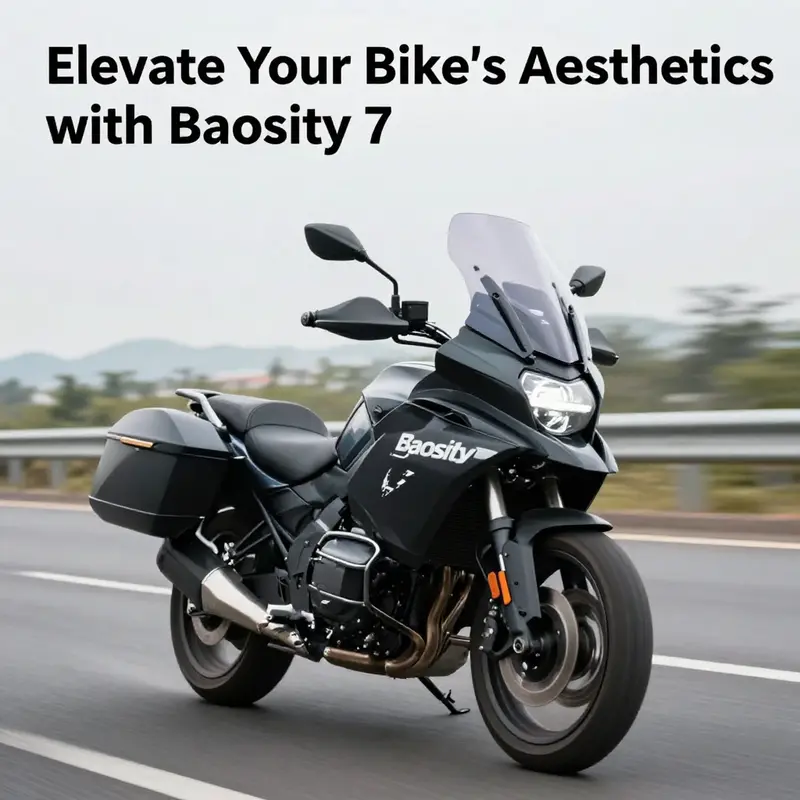
For riders who love a vintage silhouette paired with modern refinement, a universal 7-inch retro headlight fairing wind screen offers more than decoration. It is a deliberately engineered upgrade that shapes the air around the front end, reducing buffeting at speed and supporting a steadier rider posture. At highway velocity, the windscreen helps smooth the airstream, cutting turbulence that would otherwise fatigue the wrists and shoulders. The 7-inch size sits at a practical middle ground: large enough to influence airflow without creating excessive drag or a sail-like profile. The result is a more predictable steering feel, improved comfort on long rides, and a cleaner view of the road ahead.
Beyond comfort, the windscreen contributes to handling by modestly lowering drag and stabilizing front-end geometry in gusty conditions. Its curved surface directs air energy upward and away from the rider, aiding line accuracy through corners and reducing the need for micro-corrections. Materials such as ABS for the body and Plexiglas for the shield resist impact and maintain clarity, ensuring long-term performance. Regular cleaning and inspection preserve optical quality and aerodynamics, so the fairing continues to perform as designed over seasons of riding.
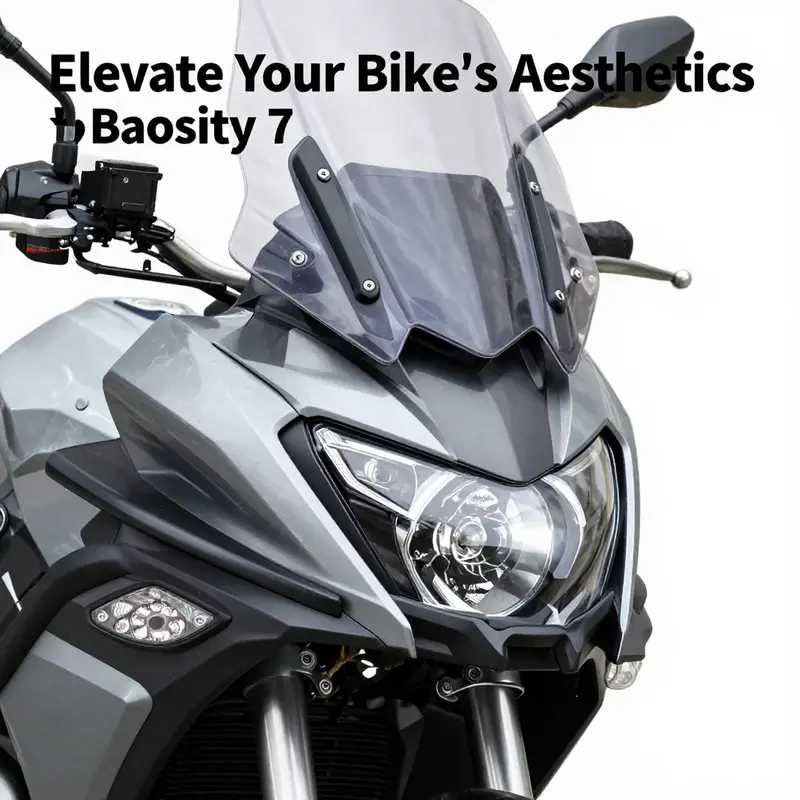
A universal fit broadens compatibility across many sport-touring and naked-bike platforms, with mounting points and frame geometry dictating the exact fit. When installed with proper hardware and alignment, the fairing becomes a stable extension of the bike’s front end rather than a add-on that disrupts the geometry. The low-to-mid profile preserves the rider’s field of vision while delivering the aerodynamic benefits that matter most in real-world riding: steadier wind pressures, reduced fatigue, and a more confident ride.
Final thoughts
In summary, the Baosity 7″ Motorcycle Universal Retro Headlight Fairing Wind Screen offers motorcycle enthusiasts a perfect blend of style and functionality. Its robust construction, retro aesthetic, and compatibility with various motorcycle models make it an exceptional addition for riders eager to enhance their bikes’ performance and visual allure. From installation to the myriad of applications, understanding the comprehensive benefits of this fairing empowers business owners and riders to make informed decisions that align with their aesthetic and performance goals.