
The Bates motorcycle fairing stands as a symbol of vintage appeal and functional excellence, especially within the Harley-Davidson community. Not only does it enhance the aesthetics of classic motorcycles, but it also provides essential wind protection and aerodynamic benefits for riders. In this exploration, we will dive into the unique design and visual charm of the Bates fairing, its critical role in vintage motorcycle restoration projects, the potential for customization with aftermarket accessories, and the notable aerodynamic advantages it offers for rider comfort at high speeds. Through these chapters, business owners and motorcycle enthusiasts alike will discover how the Bates fairing remains a beloved choice, merging style with performance and ensuring a more enjoyable riding experience.
Riding the Batwing: The Bates Fairing’s Design, Wind, and Revival
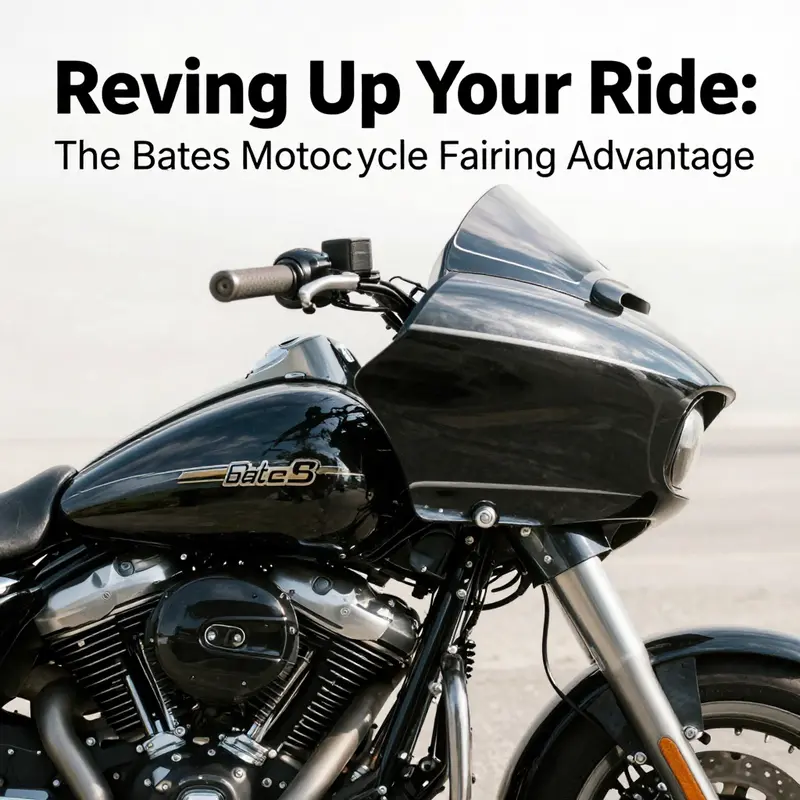
In the mid-20th century motorcycle world, the Bates batwing fairing defined a design language that married aerodynamics with storytelling. The broad, arching silhouette enveloped the rider and became a visual signature of American touring bikes. The batwing spoke as much about the rider’s journey as about wind deflection, creating a line that felt both mechanical and expressive. Fiberglass forms dominated early examples, with later iterations adopting ABS to improve impact resistance while preserving the silhouette. Restoration work emphasizes authenticity: correct mounting points, era finishes, and precise fit around the headlight and mirrors. When mounted on a vintage machine, the Bates fairing often dictates posture on long straights, smoothing fatigue and giving riders a steadier connection to the road. Beyond function, the batwing remains a canvas for personal interpretation, with color, trim, and hardware choices letting a bike tell its own story. In today’s riding culture, these fairings are celebrated not only as relics but as influential design documents that continue to inspire modern builds and period-correct restorations.\n\nExternal resource: Bates Motorcycle Fairing History and Design offers a detailed historical lens on this iconic shell and its evolution. https://www.bikesandbikes.com/bates-fairing-history/
Preserving Vintage Velocity: The Iconic Front Fairing as a Keystone in Restoring Classic Cruisers
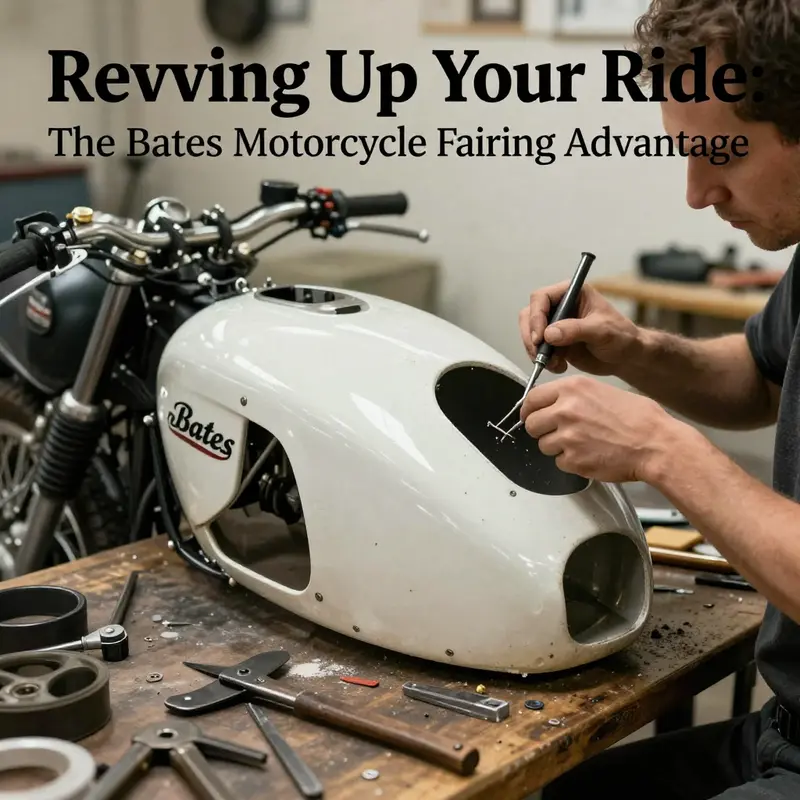
The front fairing of a vintage touring or cruiser motorcycle is more than a shield against wind. It is a vessel of history, engineering, and a rider’s memory. In restoration work, the fairing acts as a hinge between time and touch, between the bike’s original intention and the present-day rider who seeks to feel what those long rides must have felt like. The classic front fairing, with its generous sweep and careful geometry, embodies a design ethic that prioritizes rider comfort without surrendering the bike’s character. When restorers choose this element, they are not simply fitting a shell; they are inviting a conversation with the past. The fairing becomes a threshold through which modern maintenance, attention to detail, and a nuanced sense of proportion converge to recreate a machine that feels authentic, not merely old. In such projects, the fairing is the centerpiece around which the rest of the restoration orbits, guiding decisions about frame alignment, mounting points, and the systemic integrity of the bike as a whole. The rider’s posture, the wind that rushes past the chest, and the way the shoulders relax into the seat’s support all hinge on the fairing’s fit and finish. A well-chosen front fairing can transform a painstaking rebuild into a cohesive statement about how a rider once travelled, how far roads and stories have come, and how a machine can still speak with velocity even as time marches on.
What makes these vintage shells so valuable to restoration is their authenticity. The front fairing is one of the few components that anchors a bike’s period look without requiring laborious color matching or guesswork about decades-old paint schemes. Authenticity in restoration means more than color or decals; it means replicating the fairing’s original profile, mounting geometry, and even the way it interacts with the bike’s frame and forks. A period-correct fairing aligns with the bike’s stance, ensuring that the front end does not feel out of proportion when the handlebars are cranked, or when the rider slides into a touring position. It respects the bike’s original silhouette while providing a platform for careful refinishing—polished edges, original crown lines, and surfaces that reveal a history of use rather than a gloss that erases it. In a culture where enthusiasts prize an honest depiction of a machine’s life, the proportion of the fairing matters almost as much as its finish.
Beyond aesthetics, structural integrity remains a core criterion. The front fairing in vintage designs often doubled as a light, aerodynamic shield and, in some configurations, a subtle carrier for accessories or gauges. Restoration projects that preserve or replace the fairing must consider how the piece contributes to overall rigidity and alignment. The fairing’s attachment points, brackets, and the way it mates with the steering head or triple tree can influence steering smoothness and the bike’s feel at speed. If a fairing arrives slightly off in its mounting geometry, the rider may notice a buffet of wake and wind in the rider’s line of sight, or a slight tug on the bars as the bike settles into a deeper lean. Skilled restorers take these concerns seriously, adopting meticulous measurement checks, ensuring the fairing’s innards meet original tolerances, and selecting materials that honor both the bike’s era and modern safety expectations. In practice, the restoration world treats the fairing as a structural ally rather than a mere cosmetic shell.
The ergonomic benefits of a large front fairing can be surprisingly tangible after hours on the road. Wind protection remains a primary design virtue, especially for touring-oriented machines whose riders log long miles. A well preserved or accurately reproduced fairing guides air smoothly around the rider’s torso and shoulders, reducing fatigue and allowing the upper body to relax and breathe in harmonious wind flow. This is not a cosmetic effect alone; it translates directly into rider endurance, control, and safety. At higher speeds, where buffeting can become a constant companion, the fairing’s shape and its interaction with the bike’s overall aerodynamics help anchor the rider’s posture and reduce fatigue. The batwing-inspired profiles often cited in vintage designs emphasize a broad, enveloping contour that shields the rider while maintaining access to gauges, switches, and the seat’s geometry. In restoration work, achieving that balance—wind protection without enclosing the rider in a tunnel of turbulence—requires careful attention to how the fairing interfaces with the rider’s stance and the bike’s chassis dynamics.
The discussion of front fairings in this context often turns to design language. The batwing-style configuration, long favored for its balance of form and function, exemplifies how an aerodynamic form can also convey a motorcycle’s character. A batwing-forward profile tends to smooth the air around the rider without creating harsh pressures at the shoulders or neck. Yet even within this design ethos, there is room for nuanced variation. The curvature along the lower edge, the degree of rake, and the fairing’s height relative to the cockpit all influence the subjective sense of speed and control. For a restoration project, these details are not mere preferences; they are the difference between a bike that feels stage-ready for a photo shoot and one that performs reliably on a weekend ride or longer journey. The best restorations honor the original silhouette while integrating refinements that modern riders expect—improved materials or finishes that resist aging while retaining the bike’s vintage essence.
A practical facet of restoration is sourcing the right fairing in a market that blends old stock, reproduction shells, and carefully adapted aftermarket options. The vintage shell holds a place of esteem because it can anchor the entire restoration’s narrative, providing a tangible link to the bike’s era and the craftsmanship of its time. Enthusiasts often seek out original or authentic replicas that preserve the fairing’s exact mounting points and fitment. The goal is not only to replicate a look but to preserve the bike’s mechanical rhythm: the way the fairing aligns with the triple tree, how it overlaps with the fuel tank, and where it interacts with the routing of cables and lines. When an original component is unavailable, a well-engineered reproduction that matches the original dimensions and mounting geometry can serve as a legitimate stand-in, provided it respects the bike’s intended geometry and its riders’ ergonomic expectations. In these moments, restoration becomes a dialogue between historical fidelity and practical function, a balance that sustains both the bike’s identity and its roadworthy future.
One practical reality in restoration culture is the availability of vintage units or compatible aftermarket shells that capture the fairing’s signature look. A prime factor in making a restoration feasible is access to a front fairing that retains period authenticity, including the way it carries mirrors, the contour of its cheeks, and the crown lines that push the eye along the bike’s front profile. Even when a perfect original is not present, a carefully chosen alternative can deliver the right silhouette, ensuring the bike preserves its story rather than losing it in the process of modernization. The decision-making process in sourcing revolves around more than appearance. It encompasses weight considerations, the ease of mounting, and whether the chosen piece supports the original hardware and gauges. A fairing that aligns with the bike’s original mounting pattern reduces the risk of misalignment and eliminates the need for invasive modifications that would betray the restoration’s intentions.
In this ecosystem of restoration, the fairing’s appeal also rests in its potential to inspire personalization without undermining authenticity. Enthusiasts frequently explore a spectrum of cosmetic refinements that harmonize with the bike’s vintage mood. Subtle paint refinements, careful chrome work on mounting brackets, and the preservation of patina on the fairing surfaces can all contribute to a cohesive narrative. Some riders choose to add tasteful, period-appropriate trim or discreet accent pieces that emphasize the fairing’s lines while staying faithful to the bike’s original vision. It is here that the intersection of history and taste becomes especially evident. The fairing becomes not only a protective body but also a canvas for a rider’s interpretation of retro style. This is restoration as a living practice, where a machine’s public face evolves with each careful decision while its heart remains resolutely anchored in the past.
When historians of motorcycling talk about the restoration of vintage bikes, they emphasize the fairing’s role as a physical record. The front shell records the engineering mentality of its era—the materials, the manufacturing tolerances, and the aesthetic decisions that shaped long-distance travel. A complete backstory can unfold simply by inspecting a fairing’s construction: the way its edges are rounded, the type of fasteners used, and the way the surface treated under decades of weather. All of these cues inform the restorer’s approach to restoration. Not every bike will receive an exact replica; some will celebrate the fairing in a way that honors the original spirit while admitting the artist’s hand in the contemporary rebuild. The result is a machine that feels honest to its own life story and yet ready for new rides, now and into the future.
For readers exploring current catalogs as a guide to fitment and aesthetics, the story of the front fairing offers practical reference points. The contemporary aftermarket landscape often presents a wide array of shells designed to accommodate a spectrum of classic geometries, offering a bridge between past design and present manufacturing standards. A useful point of comparison can be found in how modern catalogs present fairings for sport and touring bikes, which demonstrates the enduring importance of fit, proportion, and air management. If a reader visits catalogs that curate vintage-inspired shells, they will notice how the best options emulate the lines that defined mid-century touring bikes, with attention to mounting geometry that aligns with era-specific sockets and brackets. This approach helps restorers understand how to evaluate a shell not only by its looks but by how faithfully it can be integrated into a working bike, with predictable handling and comfortable aerodynamics.
For those wishing to situate their restoration within a broader community, a broader ecosystem of references can be revealing. As a point of reference for the ecosystem of vintage-styled front fairings, consider exploring the Yamaha fairings collection, which provides a contemporary benchmark for fitment and design language in a way that is harmonized with classic silhouettes. This reference point can illuminate how modern offerings interpret the essential shapes, allowing a restorer to compare historical proportions with current tolerances. It is not about replication alone but about understanding how the visual language of the past continues to resonate in today’s materials and production techniques. By examining both historical shells and modern interpretations, a restorer can craft a bike that breathes with its age while benefiting from improvements in durability and finish.
In practice, the restoration journey often leads to a moment of quiet clarity when the right shell is found. Even if the original piece does not survive its journey, the chosen front fairing can become a respectful stand-in that preserves the bike’s balance and story. In such scenarios, the owner and restorer can celebrate the bike’s continuity, knowing that the final assembly speaks to a lineage of touring, wind, and navigation that has traveled through decades of roads and weather. The fairing is not merely a form but a memory in motion, a way to honor the cyclists who rode long hours and long distances with wind-rush as part of the experience, not a distraction from it. The chapters of a machine’s life come together through the careful selection and mounting of the front fairing, and the rider’s journey continues—more legible, more authentic, more personal.
In this narrative of restoration, availability remains a practical concern. Enthusiasts often search for components that are still within reach of private collections, classifieds, or reputable suppliers that understand vintage fitment and finish. The allure of an authentic Bates-style shell, or its closest faithful equivalent, lies in its ability to anchor a buildup that respects the bike’s overall lineage while enabling modern maintenance practices. The effort required to locate a suitable piece—whether a genuine vintage shell or a compatible reproduction—reflects a broader devotion to motorcycling heritage. It is a form of stewardship, a promise that the road ahead will echo with the bike’s long road history and the rider’s personal story. The fairing, in this light, becomes a custodian of memory, a tangible link between an era’s engineering ambitions and today’s riders who demand both comfort and character.
As restoration projects progress, the conversation around the front fairing inevitably touches on maintenance and longevity. A well-maintained shell can outlast several engine rebuilds, serving as the visual and tactile anchor that connects generations of riders. Regular care, careful refinishing, and gentle handling during removal and reinstallation help preserve the fairing’s integrity. The goal is not to create a museum piece that cannot be rode but to sustain a usable artifact that invites new adventures while honoring its origin. This balance—between driving pleasure and historical fidelity—defines the most enduring restoration successes. In such projects, the front fairing becomes a guardian of the bike’s story, ensuring that the rider’s experience remains connected to the machine’s past while still charting a path into the future.
For readers who want to delve deeper into current catalogs and to see how modern fairings interpret classic lines, a practical starting point is to explore collections that feature vintage-inspired shells alongside contemporary options. These catalogs can illuminate how proportion, header geometry, and wind management are approached today, offering both inspiration and practical guidance for fitment. The aim is not to imitate blindly but to understand the dialogue between past and present that makes restoration a living practice. When the right shell arrives, the entire project often snaps into place, and the bike’s front end begins to breathe again with the confidence of a well-tuned instrument. The road ahead, once daunting in its complexity, becomes navigable, not because every angle is perfect, but because the virtue of restoration—the patient pursuit of authenticity—has aligned the machine’s face with its history.
To bring this narrative back to the broader restoration landscape, it is important to acknowledge how the front fairing embodies both art and engineering. It captures the spirit of a generation of riders who valued comfort on long trips as much as speed and style. It offers a tangible way to honor the craft of the builders who designed these shells and the riders who trusted them on the open road. In that sense, the front fairing is not a decorative flourish but a functional manifesto. It proclaims that a machine’s character can be preserved without sacrificing the practicality of modern maintenance. It shows that aesthetics and function can travel together, side by side, down the highway of history and into the future of motorcycling.
For restorers and enthusiasts alike, the front fairing remains a guiding beacon. It invites meticulous research, patient sourcing, and thoughtful assembly. It stands as a testament to how a single component—carefully chosen and properly mounted—can preserve the essence of an entire machine. The sport, the culture, and the journey of motorcycling all hinge on such decisions. And as riders roll out of the shop with a restored bike, the wind wraps around the fairing in a smoother arc, the rider’s posture eases into a confident cruising stance, and the machine feels both familiar and newly alive. Indeed, a well-cared-for front fairing is a quiet partner in every ride, a silent historian of all the miles traveled and all the miles yet to come.
Internal link for reference in contemporary catalog thinking: you can explore the Yamaha fairings collection for modern reference on fitment and silhouette as you weigh classic lines against current manufacturing tolerances. Yamaha fairings collection.
External resource: for a tangible historical exemplar of a vintage Bates-style front fairing with mirrors, see the following listing to understand period details and the kind of care these parts command in the market today—https://www.ebay.com/itm/395612048757.
Tailored Wings on a Vintage Frame: How Aftermarket Accessories Recast the Bates Motorcycle Fairing for Style, Comfort, and Speed
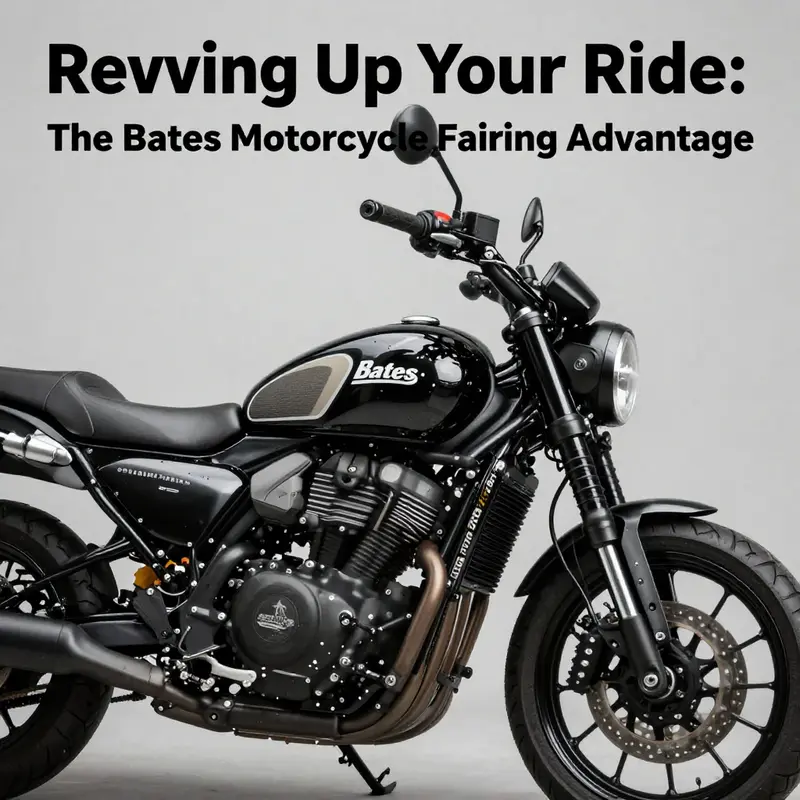
Behind the glossy curve of a Bates motorcycle fairing lies more than a retro charm. It is a canvas where engineering intent meets rider preference, a space where wind protection, visibility, and road presence fuse into a single statement. For those who restore classic machines or build modern bikes with a nod to heritage, the aftermarket ecosystem around Bates fairings offers more than cosmetic options. It promises choices that can alter aerodynamics, reduce fatigue, and redefine how a person feels in the saddle after hours of touring. The drive to customize is not just about looking good; it is about shaping the ride to fit the rider s body and ambitions. With the right accessories, a Bates fairing can be tuned to shed wind at speed, cradle the rider in calmer air, and still retain the lines that give the bike its character. This chapter wanders through the landscape of thoughtful upgrades, focusing on how to balance style and function without losing the fairing s vintage soul.
Aesthetic enhancements begin long before a coat of paint meets its base. The Bates fairing invites color and graphic schemes that echo the rider s journey, from deep, saturated tones that fade into chrome reflections to bold two tone contrasts that slice past the wind with a sense of motion even when parked. The choice of paint is not merely cosmetic; it interacts with the surface chemistry of the material and affects durability, repairability, and shine over decades of exposure. Consider how light plays on the curves. A finish that accentuates the primary contours of the fairing can amplify the perception of speed, while a matte accent along the lower edges can ground an otherwise bright palette. Decals, too, offer a route to personal expression without disrupting the structural integrity of the paneling. Subtle pinstripes, period-inspired emblems, or geometric motifs can be applied in layers that remain removable, allowing the rider to refresh the look as tastes evolve. The key is consistency: a clean color story that respects the bike s silhouette and avoids visual clutter that competes with the lines of the sculpture at the front of the machine.
In the realm of modifications, the form can be gently reinterpreted without sacrificing the iconic silhouette. Panels can be reshaped to alter airflow around important zones such as the forehead and chest, and the edges can be beveled to create a more integrated transition with the handlebars and seating area. These are not drastic departures but considered gestures that refine how the rider perceives the bike in motion. For riders who spend long days on the road, the sense of enclosure the fairing provides is as important as the air it routes around. A careful approach to panel sizing and mounting locations can shrink turbulence regions and smooth the wake behind the rider, contributing to a calmer ride without changing the fundamental look. With compatibility in mind, any aesthetic upgrade should be planned in the context of mounting points, hardware access, and the way the fairing interacts with the bike s frame and saddle. The goal is a cohesive appearance that reads as a single statement rather than a collage of add-ons.
Beyond color and form, hardware choices influence the impression and performance of the Bates fairing. The materials used in aftermarket panels have matured significantly over the years. High grade ABS polymer, widely used for aftermarket fairings, offers a balanced blend of stiffness, impact resistance, and cost efficiency. It handles road debris with a resilience that keeps repairs reasonable while preserving the visual integrity of the piece. The absence of heavy fiberglass or exotic composites means that even aging bikes can benefit from a modern shell that maintains the fairing s classic proportions. Such materials also facilitate a smoother paint bond and easier refinishing if the original surface has scuffed from years of use. For riders pursuing a more rugged aesthetic, a textured finish can be applied to certain panels, producing a tactile feel that complements the glossy sections without demanding a complete redo of the color scheme. The result is a fairing that speaks to both durability and design without becoming a maintenance headache.
The practical questions arise when thinking about how these aesthetic choices translate into everyday riding. A well choreographed paint and decal scheme can contribute to visibility, especially in urban environments where light conditions shift quickly. Lighter color accents on the edges of the fairing reflect more ambient light, which helps other road users register the bike earlier. Darker, saturated tones on the inner surfaces reduce glare and provide a racing-inspired depth that makes the bike visually recede into the road when observed from the side. The rider s own silhouette, framed by the fairing, reads as a deliberate integration with the motorcycle rather than a separate adornment. In this sense, customization becomes a dialogue between the rider and the machine, where color, texture, and linework reinforce the narrative of journeys yet to come.
When the topic turns to performance components, the emphasis shifts from appearance toward how the fairing interacts with air and rider comfort. A comprehensive approach to the Bates fairing starts with the concept of aerodynamics as a living system, not merely a feature list. A properly designed kit can improve overall aerodynamics by guiding airflow in a way that reduces drag and deflects wind away from the rider s chest and shoulders. This does not demand dramatic changes to the fairing s shape; even minor adjustments to the wind deflection angles, edge radii, and vent openings can influence the boundary layer behavior along the rider s torso. The result is a more stable atmosphere around the upper body, fewer fatigue-inducing gusts at highway speeds, and a notable improvement in comfort during long rides. For those who ride at endurance pace or tackle alpine routes, these subtle gains translate into better focus and less muscular strain over the course of a day.
Ventilation and mirrors are two areas where aftermarket thinking often intersects with practical necessity. A fairing that routes air efficiently can keep electronics in favorable operating temperatures and minimize fogging on goggles or visors in damp conditions. At the same time, the placement and design of mirrors must harmonize with the new lines of the fairing to preserve rearward visibility and reduce vibration. Here, the philosophy of compatibility matters as much as style. An upgrade should preserve or enhance the fairing s ability to shield the rider while allowing straightforward maintenance access and serviceability. In practice, this means seeking kits that preserve mounting points, avoid aggressive shimming, and offer fasteners that cleanly integrate with existing hardware. It is easy to overthink the look and underestimate the importance of reliable fitment, but a well matched kit remains invisible in motion yet essential to the riding experience.
The idea of compatibility extends to the broader ecosystem of Bates fairing parts and their aftermarket extensions. Modern practitioners who restore vintage bikes or build hybrids often look beyond the surface to how a kit interacts with the bike s electrical system, wiring harness, and instrument clusters. Lighting integration can be a powerful aesthetic and functional upgrade, provided it is executed with proper routing and weather sealing. The safest path is to approach any accessory as part of a system rather than a single add on. A thoughtfully chosen kit aligns with the fairing s curves, preserves the integrity of mounting structures, and respects the intended ergonomic relationship between rider, machine, and wind. In this sense, customization becomes a sustainable practice, one that keeps the machine faithful to its origin while granting the rider an individualized profile on the road.
The journey of discovery for Bates fairing upgrades also touches on the availability of vintage parts for restoration projects. For riders chasing authenticity, sourcing components such as the Bates front fairing with mirrors can be a meaningful step. These pieces connect the present ride to its historical context and allow the rider to recreate or reinterpret the original aesthetic with a modern touch. Availability can be uneven, and the hunt often requires patience, persistence, and an eye for compatibility across years and model variants. The value lies not just in the part itself but in the knowledge that a connector point, fastener, or mounting bracket can be adapted to fit with care. With the right approach, a vintage Bates front fairing with mirrors can be integrated into a modern frame while preserving the lineage that makes the bike special.
For riders and builders who want to explore options beyond the obvious, a broader view of the aftermarket landscape helps illuminate what is possible. The Bates fairing can participate in cross model interchanges and shared mounting philosophies that appear across brands and generations. A useful way to understand these principles is to study how universal mounting patterns and standardized fasteners enable a single accessory to cross model boundaries with minimal modification. This mindset encourages a thoughtful approach to upgrades, one that respects the engineering choices of the original design while embracing contemporary materials and manufacturing tolerances. Consequently, the rider gains a wider spectrum of choices without the risk of misalignment or compromised safety. The result is a fairing that ages gracefully, with parts that can be refreshed or upgraded as technology and aesthetics evolve.
As the customization conversation continues, it is important to anchor decisions in practical considerations. Budgeting is a real constraint, and buyers should weigh the benefits of a visual upgrade against the potential gains in aerodynamics and comfort. A well balanced plan acknowledges that the most striking effect may come from a carefully chosen paint scheme and a handful of well integrated refinements rather than a wholesale replacement of panels. Maintenance remains central; an upgraded fairing should be easy to inspect for cracks, leaks, or mounting looseness after long trips. A clear plan for maintenance, including period checks of fasteners and weather seals, helps preserve the investment and ensures that the bike continues to perform as intended on the road. In other words, customization is not a one time event but an ongoing process of tuning and refinement that honors the bike s past while embracing the rider s evolving needs.
To broaden the sense of possibility, consider consulting resources that illustrate the philosophy of fairing design across different bike families. For anyone curious about how fairings translate across models and generations, a look into the generic fairing language used by contemporary manufacturers can be instructive. It reveals the shared principles behind curves, edge treatments, and mounting strategies that underpin successful aftermarket upgrades. This cross model awareness helps riders select components that are not only compatible with a Bates frame but also resonant with the dynamics of their chosen riding environment, whether that is a canyon twist, a long highway grind, or a scenic, wind-sculpted journey along coastal routes. In the end, the Bates fairing becomes part of a larger dialogue about how riders connect with their machines, how design shapes experience, and how small, well considered modifications can transform an ordinary ride into something noticeably more personal and satisfying.
For those who want to explore the practical side of sourcing and compatibility, a quick reference point can be helpful. If you are curious about how fairing shapes translate into real build decisions, exploring general options in the broader category can provide useful context. For a broader sense of fit and finish, a quick browse of Honda fairings can be instructive about how different generations handle mounting points, edge transitions, and the balance between aerodynamics and aesthetics. See more at this resource: Honda fairings
In closing, the Bates fairing remains a potent platform for personal expression and performance. The right aftermarket accessories, thoughtfully chosen and carefully installed, can elevate both the look and the ride without compromising the bike s heritage. Customization, when rooted in respect for the original design and informed by sound material choices, becomes a sustainable practice that honors the past while inviting new possibilities on the road ahead. The journey from bolt to boulevard is not about chasing the latest novelty but about crafting a coherent visual and riding experience that reflects who you are as a rider and what you want your machine to say as it cuts through air and light. And as the road unfolds, the Bates fairing stands ready to respond with enhanced protection, refined airflow, and a stronger sense of place for the rider in the wind.
External resource for further sourcing and supplier context: https://www.alibaba.com/showroom/bates-motorcycle-parts.html
Batwing Fairings and Rider Comfort: Aerodynamics Across Vintage Motorcycles
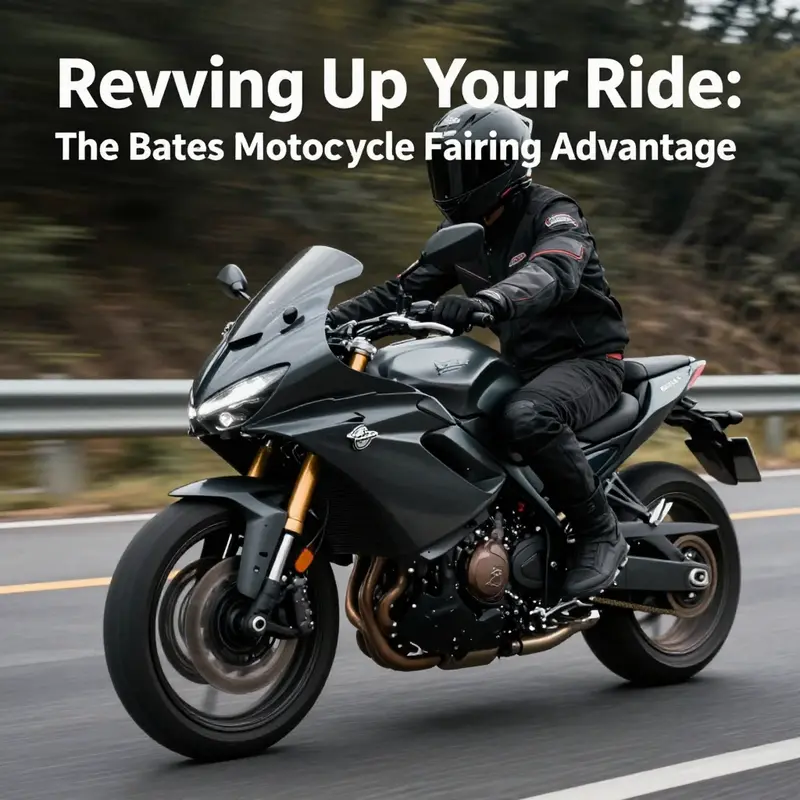
Wind is not a mere afterthought when a rider leans into a long stretch of highway on a classic motorcycle. It becomes a partner, a pressure field that shapes every kilometer. The fairing that wraps around a vintage frame does more than cradle electronics or shield the rider from rain. It interacts with air in a way that can lift fatigue from shoulders and cull the chatter that travels up the spine with each gust. Among restoration circles and the community of touring riders, batwing-style fairings—those wide, wing-like panels that sweep from the triple clamp to the sides of the cockpit—are celebrated for a specific balance of form and function. They are not mere cosmetic additions. They represent an aerodynamic philosophy born of a time when engineering teams chased efficiency with sheet metal, generous curves, and a sense that air itself could be coaxed into a cooperative partner rather than an adversary.
In the restoration world, the batwing variant often stands as a touchstone. Its silhouette is instantly recognizable on a vintage frame, and its broad shields promise more than nostalgia. The fairing’s geometry is designed to direct air around the rider, smoothing the path along the rider’s torso and wrists. The result is not simply a quieter wind; it is a more stable ride at speed and a reduction in the buffeting that can tire the neck and shoulders after hours in the saddle. The practical upshot is a more predictable ride in crosswinds and a clearer field of vision because the eyes don’t have to fight a shifting curtain of air over the handlebars and gauges. For riders who log long miles on older machines, that is not a luxury but a cornerstone of comfort and control.
The article’s core focus is not on a single make or product line, but on the enduring logic of how a well-proportioned fairing changes the rider’s experience. The batwing shape—wide, curved side panels connected to a central brow along the upper fork—creates a flow pattern that eases air separation and reduces upstream turbulence. The air that would otherwise wrap unevenly around a rider’s shoulders is instead coaxed outward along the fairing’s edges, forming a smoother boundary layer that remains attached longer. This reduces drag-induced buffeting, which is especially noticeable at highway speeds when small gusts become persistent elements of the ride. The same geometry that deflects wind away from the rider can also influence the bike’s overall stability by shaping a gentle low-pressure zone ahead of the rider’s chest, helping to keep the front end planted. These effects, while modest in some circumstances, accumulate across hours of riding, yielding a fatigue profile that feels more manageable and less punishing on the neck, shoulders, and wrists.
The materials and construction methods of vintage or vintage-inspired fairings contribute to these outcomes as well. A batwing-inspired shell, if built with traditional glass-reinforced composites, presents a certain stiffness and position tolerance that keeps its shape under wind load. The stiffness and the mounting geometry interact with the bike’s steering geometry and rake angle, producing a sense of cohesive intention between the rider and the machine. Good fitment matters just as much as the fairing’s shape. Poor alignment with the handlebars, dash, or fuel tank can create micro-vortices and a sense of looseness in the hand, undermining the very comfort that aerodynamics promises. In restoration projects, the craft of aligning old fairings with modern handlebars and gauges becomes a delicate art, balancing the authentic look with the practical realities of today’s roads. The result is a rider experience that sits somewhere between museum piece and daily workhorse, preserving the aesthetic while preserving the sense of wind-aware performance that defined the era.
The conversation about aerodynamic benefits also touches on the broader ecosystem of fairing customization. Riders love the opportunity to tailor their bikes with subtle, personal touches that still honor the original silhouette. In practice this means thoughtful choices about trim, ventilation, and mount points, rather than flashy add-ons that alter the airflow in unpredictable ways. A trim line that emphasizes visual depth without adding protrusions in the airstream can accentuate the fairing’s natural aerodynamics rather than disrupt them. In the context of a classic machine, the ability to integrate aftermarket pieces without compromising the fairing’s fundamental function is a sign of a mature aftermarket ecosystem. It also speaks to a rider’s eye for proportion: the fairing should look like a seamless continuation of the bike’s frame, not an afterthought slapped on for fashion. The possibility of blending style with performance is precisely why restorers and enthusiasts scrutinize each component of the fairing, including mounting hardware, bracing points, and the finish of edges where the air first meets the surface.
To understand where these benefits come from, one can step back from the specifics of any single model and consider the timeless principles of wind flow. A fairing’s job is to manage the streamline that forms as air divides and reassembles around the rider’s body. The batwing approach leverages the instinctive tendency of air to move around broad, gently curved surfaces. When the surface meets the air at an appropriate angle, the boundary layer stays attached longer, delaying flow separation. The result is smoother pressure distribution across the rider’s chest and a reduction in the oscillating forces that travel up the spine. This is not magic or mere appearance; it is a practical application of classical aerodynamics translated into the rhythm of a rider’s daily journey. Older machines may lack modern computational fluid dynamics, but the empirical truth remains: riders notice the difference of a well-shaped fairing when they spend hours in the saddle.
The broader historical context matters as well. When engineers of earlier decades drafted the fairing’s silhouette, there was a dual aim: protect and project. The shield served a protective role against wind and debris, but it also projected a sense of speed and modernity. The batwing’s sweeping arcs and broad shoulders conveyed momentum even when the bike sat still in a garage. Restorers often encounter a delicate balance between preserving that visual language and ensuring the bike remains practical for today’s roads. The fairing must be robust enough to tolerate modern highway speeds, yet faithful enough to echo the era’s design ethos. This balance is not a mere matter of choosing a color or a sticker; it is about maintaining alignment between the rider’s experience and the machine’s visual narrative.
The practical realities of restoration extend beyond the fairing itself. The mounting system, the way the fairing interfaces with the fuel tank line, the instrument panel’s clearance, and even the windscreen’s curvature all influence how air behaves around the rider. When restoration projects succeed, they achieve more than a faithful exterior. They realize a coherent aerodynamic package in which each element contributes to comfort and control. The rider feels the result as a quiet confidence on open roads, a steadier helmet ride, and a cockpit where the hands and eyes move in harmony with the air. It is this sensory synthesis—the tactile, audible, and visual cues—that makes the batwing fairing not just a piece of metal, but a living instrument of wind management.
The open road invites comparison with modern fairings, but the value of vintage shapes endures because they invite a different kind of attention. Contemporary designs often optimize for a broad spectrum of riding styles and conditions, with tunable windshields and modular panels. Vintage batwings, by contrast, emphasize a timeless geometry that thrives on steady air and long legs of highway. The aerodynamic benefits—improved comfort, reduced fatigue, and a steady, predictable feel at speed—still resonate with riders who value the lineage of design. For those who restore and ride with intention, the batwing is a reminder that efficiency can be expressed through character as much as through numbers.
Beyond the physics, the emotional resonance of a batwing fairing deserves mention. It signals a story told through metal and glass: a rider’s intent to travel far, to endure, and to do so with a sense of purpose that transcends fashion. The fairing becomes a stage for memory—the road stories gathered on long weekends and cross-country trips. It invites partners in restoration to consider not only how a bike looks now, but how it felt when it first rolled out of a showroom or a friend’s garage. That memory is not a limitation; it is a guiding principle for how to maintain and operate the bike responsibly, ensuring the rider’s comfort while honoring the design’s original spirit.
Where does this leave the modern rider who inherits a batwing fairing in a world of evolving aerodynamics? It leaves them with a set of practical tests and appreciations. The first test is fit: does the fairing align with the frame and the rider’s line of sight? The second is airflow: does the rider notice smoother air around the chest, arms, and helmet, especially on long rides? The third is integration: can modern components be accommodated without compromising the fairing’s shape? And finally, does the riding experience feel more cohesive, with fewer distractions from wind noise or turbulence? When the answer to these questions is affirmative, the batwing fairing accomplishes what it set out to do: offer wind-aware comfort and a distinctive aesthetic that connects a rider to a lineage of hardware and road that spans generations.
For those exploring aftermarket compatibility, see the Honda fairings collection. This broad example illustrates how a well-designed fairing ecosystem can accommodate both authenticity and practicality, even when the bike itself is a canvas for personal storytelling. The key is honoring the fairing’s essential proportions and ensuring any additions reinforce rather than disrupt the established flow. The result is a riding experience that feels both timeless and usable, a rare combination that keeps classic machines in daily rotation rather than in museum vaults. As the road unfolds, the batwing’s silhouette remains a symbol of thoughtful aerodynamics: not a single trick to chase, but a coherent approach to wind, weight, and welcome stability.
In the larger arc of motorcycle design, the batwing fairing stands as a reminder that aesthetics and efficiency can travel together. The right shape reduces the air’s resistance while increasing the rider’s sense of command; the right restoration choices preserve that relationship for decades. The captain’s chair of wind, so to speak, has always been the rider—yet the fairing invites the wind to be a co-pilot rather than an unpredictable adversary. That invitation is the enduring value of vintage batwing designs: they encode a philosophy of riding where comfort and character evolve in tandem with the road. And as each mile passes under the wheels, the rider learns anew how a thoughtfully shaped shell can heighten perception, sharpen focus, and transform a long journey into a steady, confident glide. In that sense, the aerodynamic benefits are not merely about numbers or wind tunnel proofs; they are about the lived experience of riding—an experience that continues to be enriched whenever a legacy fairing meets a willing, curious rider.
External resource: https://www.engineeringtoolbox.com/motorcycle-aerodynamics-d_2107.html
Final thoughts
The Bates motorcycle fairing stands as a testament to the marriage of vintage charm and modern functionality, making it an essential piece for motorcycle enthusiasts and restoration projects alike. Its design not only elevates the aesthetic appeal of classic motorcycles but also offers significant advantages in wind protection and comfort for riders. Through the potential for customization and the improvements in aerodynamics, the Bates fairing continues to be a reliable choice in the motorcycle community. As trends evolve, the Bates fairing remains steadfast, ensuring that riders can enjoy both style and performance on their journeys.