
Batwing fairings have carved out a significant niche in the motorcycle industry, particularly among touring and cruiser enthusiasts. These distinctive fairings are not just eye-catching; they play a crucial role in enhancing the aerodynamics and comfort of various Harley-Davidson models. As business owners in the motorcycle realm, understanding the multifaceted benefits, installation processes, and the cultural influences of batwing fairings is essential. In the following chapters, we will delve deep into the design and functionality of these fairings, explore installation and maintenance aspects, examine the performance benefits they offer, discuss economic factors related to acquiring batwing fairings, and finally, assess their cultural impact on the motorcycle community. Each dimension contributes invaluable insights into why these fairings remain a favored choice among riders.
Winged Shield: The Batwing Fairing in Modern Touring Motorcycles
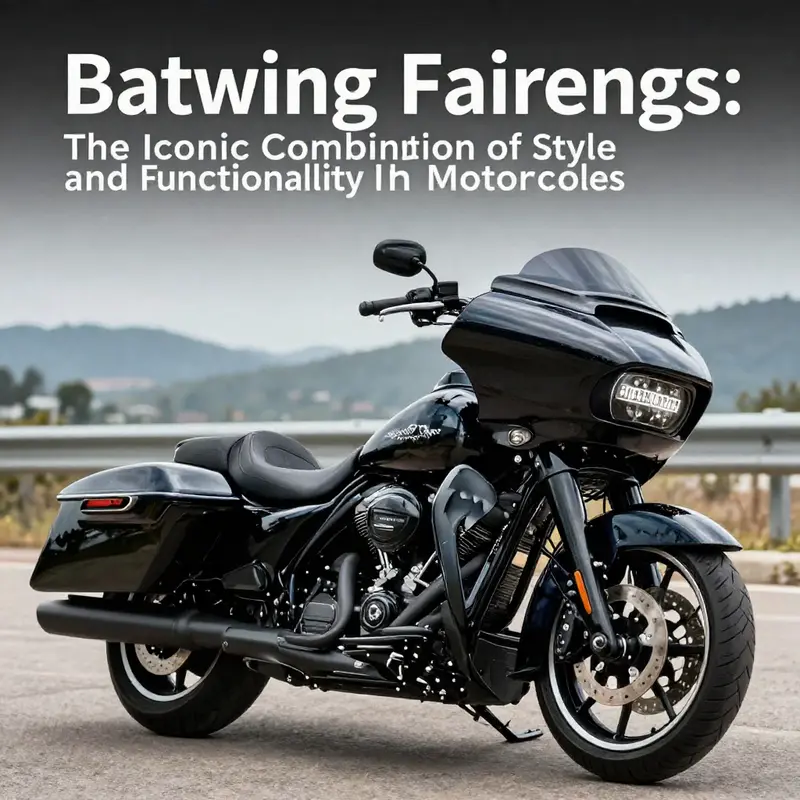
The batwing fairing is more than a bold silhouette at the front of a touring motorcycle. It serves as a purpose-built shield that blends form and function into a single, continuous system. In riding terms, it demonstrates how comfort and performance can grow from thoughtful wind management. Its broad, curved surface acts as an aerodynamic shell, guiding gusts of highway wind around the rider’s torso and helmet. The payoff is less drag and noticeably reduced buffeting at speed and over long distances, where fatigue can settle in not from the road alone but from the air pressing against the rider. The silhouette remains unmistakable, yet the profile prioritizes function as much as style. \n\nBehind the drama lies a suite of deliberate design choices that optimize airflow. The fairing’s curves are not merely cosmetic; they are adaptive surfaces that redirect streamlines to drift past the rider with minimal disturbance. This matters most for the upper body, where wind pressure can translate into tightened shoulders, a stiff neck, and helmet noise. Modern iterations pair these curves with vents and openings that tune pressure zones, smoothing the air as it travels over and around the rider. In practice, the goal is to reduce high-frequency turbulence while preserving clear sightlines and minimal helmet buffeting. The aim is not to eliminate wind entirely but to shape it into a calm, propulsive partner rather than a nuisance. \n\nA common feature in contemporary batwings is front-end airflow management that extends beyond a simple shield. A vent at the leading edge channels air more evenly across the rider’s upper chest and shoulders, guiding it upward and over the helmet with less wake behind the rider. The concept relies on a refined understanding of aerodynamics, refined through simulation and testing. The objective is to minimize the clash between helmet and wind, which can manifest as noise and pressure fluctuations. By delivering smoother air early in the stream, the rider experiences less resistance and more stable handling, particularly in gusty or crosswind conditions. Vent trim, while visually restrained, plays a substantial role in shaping how air enters, negotiates the rider’s silhouette, and exits along the sides of the fairing. \n\nBeyond airflow, the batwing has evolved into a platform for technology and illumination. Integrated lighting modules ride within the fairing, providing safety signals and accent lighting that defines the bike’s presence. The lighting layout is designed to function as a seamless part of the fairing’s geometry, avoiding hot spots or protrusions that would disrupt airflow or create glare. The result is a cohesive look that complements the motorcycle’s stance while enhancing daytime visibility and night-time conspicuity. This integration—where function, safety, and aesthetics align—reflects a broader design philosophy: the fairing should protect, illuminate, and communicate. \n\nMaterial choices emphasize resilience. Hard-coated polycarbonate and high-grade ABS plastics are favored for durability, lightness, and resistance to impact and weathering, while maintaining optical clarity for the windshield. The windshield itself, often offered in multiple heights, is a critical interface; taller variants deflect more wind but can obscure sightlines if not matched to rider posture, while shorter ones keep air closer to the rider and deliver a sportier feel but can invite more exposure. These options are typically expressed in inches and allow riders to tailor wind protection to comfort thresholds, seating position, and riding speed. \n\nThe batwing also serves as a secure home for electronics and wiring. Its internal channels organize turn signals, accent lighting, and other safety modules, reducing clutter at the fork crown and preserving the fairing’s clean lines. This routing minimizes chafing and weather ingress, translating into fewer maintenance surprises and greater long-term reliability on long trips. \n\nFinally, the batwing is a canvas for customization and ownership realities. Riders may seek period-accurate looks, improved performance, or refreshed wearables, and both OEM and aftermarket options cover full inner and outer fairings, windscreens, and vent trim accessories designed to tune airflow without a complete overhaul. Installation guidance is typically included to preserve mounting points and electrical interfaces, while warranties offer reassurance. The result is a modular platform that can evolve with the rider’s needs while preserving the bike’s iconic front-end presence. \n\nFrom the rider’s perspective, the fairing shapes ride quality and psychological comfort. Its width, depth, and curvature contribute to a sense of stability at highway speed, where line, balance, and wind pressure interplay. The large surface area can feel imposing when stationary, but at speed it becomes a protective cocoon. The rider sits within a tailored aerodynamics pocket that directs flow to reduce fatigue and support longer, more enjoyable miles. Integrated lighting and reflective elements further enhance visibility and reinforce the rider’s silhouette across lighting conditions. \n\nIn practice, upgrading or restoring a batwing comes down to fit and compatibility. While model-specific configurations can simplify expectations, universal-fit options offer flexibility when retrofitting. The key is to treat the fairing as a system: wind deflection, mounting points, and electrical interfaces must align with steering geometry, instrumentation, and seating position. Because the batwing heavily influences the bike’s front-end character, even small changes in windscreen height, vent trim, or mounting angle can alter perceived ride comfort and handling. The best approach is a balanced one: protect and sightlines, while honoring the bike’s identity and the rider’s connection to the machine. \n\nThe batwing’s enduring appeal lies in its blend of dramatic presence and practical performance. It signals that a touring motorcycle can project a forward stance while leveraging advanced airflow and integrated safety features. The result is a riding experience that feels both timeless in silhouette and modern in engineering, with the air itself shaped as a cooperative partner. As roads unfold and speeds rise, the fairing does more than shield; it shapes perception, making the journey feel smoother, quieter, and more controllable.
Windswept Precision: Installing and Maintaining the Batwing Fairing for Long-Range Comfort
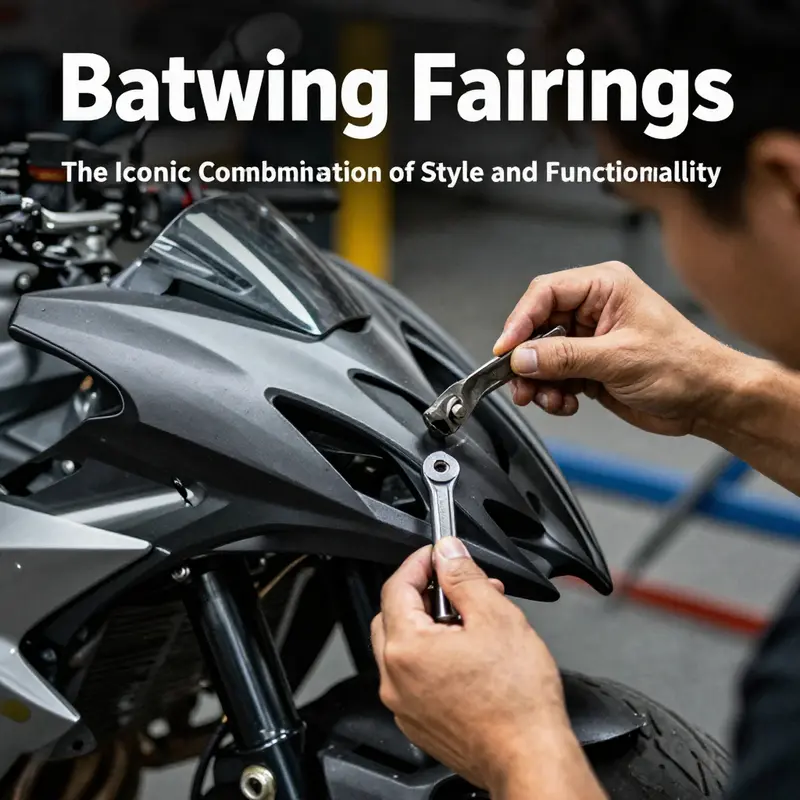
The batwing fairing on touring and cruiser motorcycles has become more than a silhouette; it is a functional statement of how riders approach long-distance journeys. Its broad, forward-sweeping form embodies a blend of modern aerodynamics and classic styling, a shape that not only defines the bike’s appearance but also channels the wind in a way that changes the rider’s experience. When a rider sits at speed, the fairing does more than shield the chest from gusts and rain; it shapes the air around the rider’s torso and helmet, reducing fatigue and allowing for longer, more comfortable miles. The relationship between rider and weather becomes less adversarial and more negotiable, with a carefully designed fairing acting as a conversation partner between machine and wind. Getting it right—choosing the right windshield height, ensuring the aerodynamic lines align with the rider’s posture, and maintaining the shell in top condition—transforms a ride from a task into a voyage with a predictable rhythm. In this light, installation and maintenance assume a central role in the motorcycle’s overall performance and appearance. The right fit optimizes airflow, while consistent care sustains the fairing’s aesthetic and protective qualities over many seasons.
From a materials standpoint, the fairing shell is typically a hard-coated polycarbonate or a similar durable plastic. This choice balances impact resistance with lightness, an important factor when a rider must maneuver near traffic or negotiate rough pavement. The hard coat helps resist UV degradation and micro-scratches that accumulate with mileage, especially on long tours where a fairing faces sun, rain, road grit, and the occasional bug storm. The windshield is part of this protective system, and its height varies to accommodate rider size, seating position, and riding style. Options range from compact wind deflectors to taller windshields that rise higher than the rider’s line of sight, each choice altering the wind strike and the perceived pressure at different speeds. A well-chosen windshield height can soften the wind on the chest and shoulders while maintaining a clear field of vision, reducing the need to lean forward or strain the neck.
When it comes to installation, the process is as much about precision as it is about fitment. The fairing is designed to integrate with a bike’s steering head and mounting points, and it usually requires attention to alignment, fastener torque, and, in models with integrated features, proper routing of electrical harnesses. A key aspect of the installation is how the front edge of the fairing interacts with the air stream. A front vent trim feature, for instance, can help guide airflow over the surface and toward the rider’s torso, smoothing transitions and reducing turbulent pockets that could cause buffeting. This is not just a cosmetic enhancement; it is a functional aspect of how the fairing interacts with wind at highway speeds. Rather than treating the fairing as a single, static shell, installation benefits from a holistic view: the fairing, the windshield, and any vent or trim elements work together as a system to shape the air, minimize drag, and maximize rider comfort.
For most riders, the decision to install or upgrade a batwing fairing begins with compatibility and the ceremony of proper mounting. While the specific models and years can vary, the principle remains consistent: align the fairing with the fork crown and the frame’s mounting points, secure the fasteners with the recommended torque, and verify that there is adequate clearance for the headlight, gauges, and cables. If the motorcycle has integrated electrical features—such as heated grips, auxiliary lighting, or a data display along the fairing—the installer must plan for connector placement and weatherproofing. Following the manufacturer’s installation instructions is essential, and many riders choose to seek professional assistance if there is any doubt about alignment, wiring, or sealing. This careful approach preserves both the appearance and the performance of the fairing, contributing to a ride that feels integrated rather than improvised.
After installation, care and maintenance become an ongoing discipline rather than a one-time ritual. Regular cleaning is the first line of defense against the wear that accumulates on a fairing exposed to sun, rain, and road treatment chemicals. A mild soap and warm water, used with a soft cloth, is the preferred routine for the exterior shell. Harsh chemicals, abrasive pads, or solvent-based cleaners can degrade the hard coat and diminish clarity, especially on the windshield. Any stubborn grime—traffic film, insect residue, or tree sap—responds best to a gentle, non-abrasive cleaner and a soft microfiber cloth, followed by thorough drying to prevent water spots that can mar the surface. The aim is to keep the surface clear and evenly illuminated by daylight, which helps ferry a rider’s line of sight and enhances the bike’s overall presence.
Beyond cleanliness, a proactive inspection regime safeguards performance. Riders should routinely check for cracks, warping, or any loosening of fasteners—issues that can arise after exposure to severe weather or rough road conditions. Any sign of damage should be addressed promptly, as continuing to ride with compromised hardware can lead to misalignment, leaks, or rattling at highway speeds. The warranty on the fairing, typically a one-year limited coverage against manufacturing defects, provides a baseline assurance, but it is equally important to address wear and tear promptly. When in doubt, documentation and a quick consult with the dealer or the manufacturer’s support resources can prevent small issues from becoming expensive repairs.
The wind-deflection and airflow characteristics are a crucial part of the fairing’s story, particularly for riders seeking enduring comfort on long trips. The fairing’s silhouette, together with the windshield height, helps determine the incidence of wind pressure on the rider’s torso and helmet. By smoothing the air that would otherwise hit the rider directly, the system reduces fatigue and the creeping tension in the shoulders and neck. The front vent trim or similar features, which manage the initial wave of air as it meets the fairing, can improve cooling and reduce buffeting, contributing to a calmer riding posture at speed. If a rider chooses to upgrade to a higher windshield or adjust the position of the fairing, it is wise to make incremental changes and test ride the bike under a range of conditions, from city streets to open highways. The goal is not simply to change the bike’s look but to sculpt a balanced interaction between rider, air, and machine.
A broader perspective on fairing upgrades reveals a shared philosophy across brands and models: the best aero accessory is the one that respects the rider’s posture while maintaining the bike’s line and balance. Even as bike design evolves and other brands offer their own fairing systems, the fundamental lessons endure. To explore how different manufacturers approach fairings and upgrades, one can browse broader fairing collections such as the Yamaha fairings, which illustrate how a wide range of models adopt protective shells and aerodynamic shaping to suit distinct riding styles. This cross-brand context reminds us that the core principles—alignment, protective coverage, and durable materials—remain constant across the enthusiast’s landscape. For readers curious about how such collections are organized, a dedicated catalog like the Yamaha fairings page provides a useful point of reference and demonstrates how aftermarket options can complement a motorcycle’s original hardware, reinforcing the idea that fitment and finish are the hallmarks of a well-considered upgrade. You can visit the Yamaha fairings collection for a sense of how different shapes and mounting schemes are presented across genres and brands.
From a pragmatic standpoint, the installation and maintenance of a batwing fairing require thoughtful preparation and care. Start with a clean workspace, have the proper hand tools on hand, and set aside time to double-check alignments after any first ride. Document any adjustments so that the next maintenance cycle can begin from a known baseline. When the work is done with care, the fairing remains an almost invisible partner in the rider’s hands—rendering the journey smoother, quieter, and more enjoyable. The result is a riding experience that respects wind, weather, and distance, while preserving the iconic silhouette that fans of touring motorcycles admire.
For readers seeking official guidance, consult the manufacturer’s support resources. They provide model-specific instructions that detail mounting points, torque specifications, weatherproofing steps, and maintenance intervals. While the general principles described here apply broadly, the exact steps can vary by year and model, and following official instructions helps ensure both safety and optimal performance.
In sum, the batwing fairing embodies the marriage of form and function that defines modern long-range riding. Installation is a careful act of alignment and integration, and maintenance is a disciplined habit of cleaning, inspection, and adjustment. When done well, the fairing becomes more than a shield from wind; it becomes a partner in the ride, shaping air, comfort, and confidence on every mile traveled. As riders continue to explore the possibilities of wind management, the conversation between rider and machine grows richer, and the road ahead feels a little more inviting.
Internal link: For readers curious about fairing options from other brands, the Yamaha fairings collection offers a broad spectrum of designs and mounting philosophies that illustrate common principles of fit and finish across the market. Explore the collection here: https://www.summitfairings.com/collections/yamaha-fairings
External resource: For official installation and maintenance guidance, refer to the manufacturer’s support resources at the dedicated product page: https://www.harley-davidson.com/europe/en/vehicles/accessories/fairings-and-trims/batwing-fairing-10-in-windshield.html
Shielding the Ride: The Aerodynamic and Ergonomic Edge of Batwing Fairings
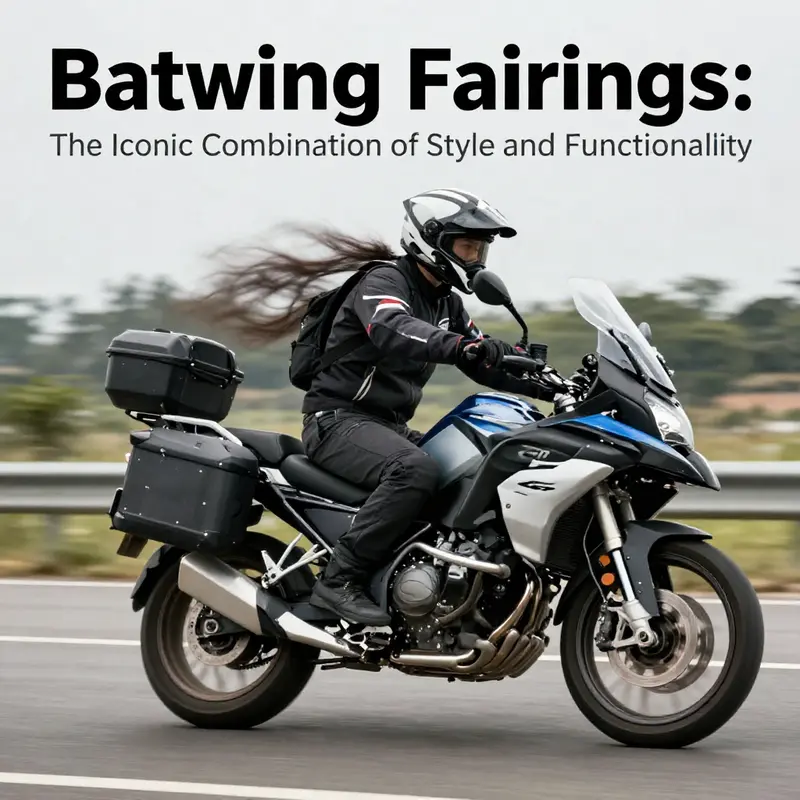
When riders point their wheels toward a long highway stretch, every gust of wind becomes part of the ride. A batwing fairing, with its broad, forward-leaning silhouette, is more than a stylistic statement. It is a wind management system that changes how air meets the rider, how the bike handles and how fatigue accumulates. This chapter treats the batwing not as a cosmetic flourish but as an integrated component of performance and comfort. Its value emerges from the quiet, constant work it does: shaping airflow to cradle the rider, smoothing out turbulence, and delivering a steadier ride at speed. The effect is felt most on those longer sorties where the body remains in motion for hours, and where the mind can stay focused on the road rather than fighting the air. In that sense, the batwing becomes a collaborator for the rider, a partner in maintaining control, rather than a mere sculptural element perched at the front of the machine. The result is a motorcycle that feels more planted, more confident, and more capable of traveling farther with less expenditure of energy and more attention paid to the road ahead.\n\nAerodynamics is the core language of the batwing’s influence. Its shape is engineered to redirect air away from the rider’s torso and shoulders, forming a smoother wake that reduces drag and lowers the total lifting forces acting on the bike. When air flows cleanly over the helmet and chest, the rider experiences less wind shudder and buffeting at high speeds. The fairing acts like a shield that reshapes the boundary layer—the thin sheet of air hugging the bike’s surface—so that it slips more easily past the rider rather than slamming into the chest and neck. This aerodynamic choreography translates into fewer energy losses for the engine to overcome, a more stable ride at speed, and a calmer riding position that can be sustained for longer without conscious effort. It is a subtle but powerful relationship between form and function, where the silhouette directly informs the feel of the road beneath the wheels.\n\nOne practical aspect of the batwing’s performance lies in the adjustable wind deflection that accompanies many fairings. Not all riders want or need the same airflow, so manufacturers offer windshield options of varying height. Common choices include shorter, sportier wind deflectors and taller shields that extend further upward. The height choice interacts with the rider’s posture, helmet design, and outerwear to determine how much turbulence reaches the upper body. A lower profile may allow a more direct wind experience at the head, while a taller shield can provide more comprehensive shelter from buffeting and weather. The front edge of the fairing often works in concert with a vent trim or a shaping feature that directs a controlled stream of air toward specific zones, smoothing the transition from free air to the protected rider. When these elements align with rider preferences, the fairing becomes a customizable aerodynamic platform, not a rigid shell.\n\nFuel economy, measured in real-world terms, benefits from this drag reduction. Any time a body cuts through air more cleanly, the engine can maintain forward momentum with less resistance. The rider experiences that efficiency in the form of longer distances per tank and a more comfortable cruise at a chosen speed. The relationship is not a simple linear equation, because drag varies with speed and wind conditions, but the principle remains clear: reducing the frontal area and smoothing the airflow reduces parasitic losses. For touring and long-distance riding, those efficiency gains compound over hundreds of miles, allowing riders to extend their journeys without refueling as often and to enjoy a steadier power delivery when hills and wind shifts demand a little more torque.\n\nWith efficiency comes the potential for higher top speeds, though that is not the sole measure of performance. The batwing’s influence on aerodynamics helps maintain stable acceleration and highway performance, especially when the wind shifts from the side or when gusts buffet the bike. The fairing’s curved surfaces and the way they guide air around the rider contribute to a more predictable handling envelope. A bike that cuts through air with less turbulence tends to feel more responsive to steering input and less prone to stray in crosswinds. Riders who are pushing toward a confident commuting pace or a steady cross-country rhythm often notice the combination of steadiness and quiet efficiency—the sensation of the bike moving forward with less wind pressure against the torso and helmet.\n\nBeyond raw speed and economy, the batwing fairing offers a tangible improvement in rider fatigue. Long rides expose the body to continuous wind pressure, which can lead to muscle tension in the neck, shoulders, and upper back. A well-designed fairing reduces wind load on the upper body, allowing the rider to maintain a relaxed posture without fighting the wind. The wind noise, often caused by turbulent air around the helmet, also tends to decline when the airflow is steadier. This quieter, more comfortable environment is not a luxury; it is a practical advantage that supports concentration and situational awareness on longer treks. Reduced fatigue translates into better stamina, which matters as much for safety as for enjoyment.\n\nStability is another domain where the batwing contributes to the riding experience. Aerodynamically smooth air around the front of the bike reduces the formation of swirling eddies that can disturb the steering feel, especially at high speeds or in bursts of crosswind. The fairing acts as a shield that lowers wind-induced moments about the front wheel and the steering head. A more stable ride at speed improves cornering confidence and lets the rider focus on line choice and rhythm rather than wrestling with gusts. In addition, the sense of protection from the elements—rain, cold, or spray—adds to comfort and confidence, particularly on damp roads or during early morning commutes when weather conditions can shift quickly.\n\nWeather protection is not a single moment of relief but a broad improvement in ride quality. The batwing creates a more controlled air environment around the rider and passenger, often extending the range of conditions in which a comfortable ride is possible. Rain and cool air are buffered by the fairing’s presence, while the outer surfaces shield the rider from direct exposure to gusts. The effect can be especially meaningful for riders who live in climates with sharp temperature swings or who encounter frequent weather changes during touring. With wind and weather addressed more effectively, the rider’s attention can remain on route, road conditions, and traffic rather than the menace of wind chill or sudden exposure.\n\nFrom a maintenance and durability perspective, batwing fairings are designed to withstand climate and road exposure. The interior mounts and outer shells are constructed from resilient materials such as hard-coated polycarbonate or durable ABS plastic. These materials resist impact damage, resist weathering, and maintain optical clarity for the windshield over time. When care is taken to clean the surface, protect the coating from UV exposure, and inspect fasteners for secure fitment, the fairing can retain its aerodynamic profile and aesthetic appeal for many miles. The installation process—whether OEM or aftermarket—often includes detailed instructions to ensure correct alignment and sealing. A properly installed fairing works with the bike’s steering geometry, the rider’s seating position, and the windshield’s height to preserve the intended airflow pattern, creating the conditions described above.\n\nOf course, the batwing is not a one-size-fits-all solution. Compatibility matters, and the best outcomes arise when the fairing is matched to the bike’s geometry, rider height, and seating position. Many riders invest carefully in fitment considerations, choosing fairings designed to work with their model year and chassis design. Aftermarket and OEM options broaden the spectrum of possible configurations, enabling riders to tailor wind deflection, aesthetic presentation, and even weight distribution to their preferences. The installation may come with a warranty—one-year limited is a common frame for many providers—and that assurance helps riders explore different configurations with confidence. The result is a flexible approach to performance that recognizes the art and science of aerodynamics while honoring the rider’s personal comfort and style.\n\nFor riders who want to explore the broader world of fairings as part of their customization journey, a catalog of options is available online. A practical way to begin is by exploring a wide range of fairing designs, including entries within the larger ecosystem of motorcycle bodywork. For readers curious about the variety and how it translates into fitment and aesthetics, consider browsing the Yamaha fairings collection. This resource can help you gauge how different shapes, mounting schemes, and edge treatments influence handling, protection, and overall look. Such exploration often illuminates the path from factory styling to personalized aerodynamics, showing how the batwing’s principles can be integrated with other upgrades on a given platform. Yamaha fairings collection\n\nUltimately, the batwing fairing sits at an intersection of engineering and riding experience. It embodies a philosophy that performance does not end at the engine; it begins with how air and body interact on the road. The design invites riders to think about posture, shielding, and rhythm, and to recognize that comfort on a bike is not incidental but engineered. The outcome is a riding experience that feels smoother, more controlled, and more capable of turning long days into enjoyable journeys. As with any performance enhancement, the best results come from thoughtful selection, precise fitment, and ongoing attention to maintenance. When aligned with the rider’s goals—distance, comfort, weather resilience, or just a more composed ride—the batwing fairing proves its value not as a flashy accessory but as a practical, influential component of motorcycle dynamics.\n\nFurther reading: Batwing fairing performance benefits
Shielded Rides, Measured Costs: A Thorough Economic Look at Batwing Fairings for Motorcycles
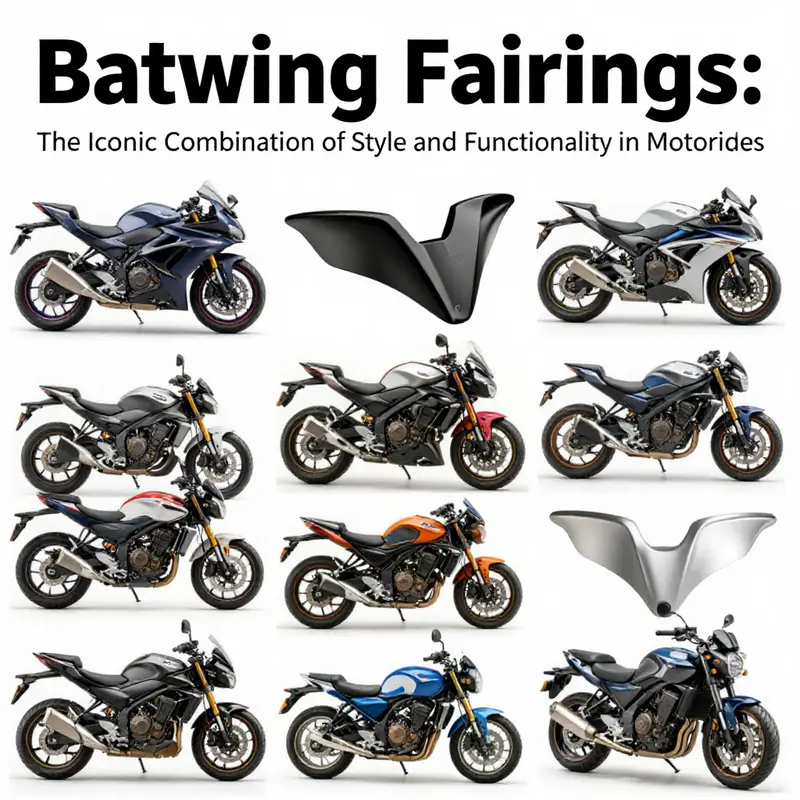
Batwing fairings are not just a stylistic feature for touring motorcycles; they are a practical investment in comfort, efficiency, and long-term ownership costs. The economic story they tell begins with upfront pricing but extends far beyond the sticker tag, shaping maintenance budgets, resale value, and the rider’s ability to keep the bike aligned with evolving needs over time.
At the heart of the cost discussion is the upfront price. OEM fairings, designed to match a bike’s geometry, electrical harnesses, and paint process, tend to carry a premium that reflects fit, warranty coverage, and direct support from the manufacturer. The benefit is a seamless integration with windshields, vents, and sensors that may influence ride dynamics and rider comfort. Aftermarket options can offer lower initial prices and a broader stylistic range, but they often require additional installation work, potential panel realignment, and careful consideration of electronics compatibility. The total upfront cost thus includes not only the shell but also the labor, possible repainting, and the risk of misfit that could ripple into longer-term service costs.
Looking beyond the sticker price, maintenance and lifecycle costs shape the forward-facing value of a batwing fairing. A large surface area mounted to the front of a motorcycle can affect engine access during routine maintenance, mounting hardware wear, and the need to protect paint from impacts and weathering. OEM fairings typically emphasize standardized mounting points and integrated harness routing that can simplify professional service, but replacement parts from a factory can carry higher price points and longer lead times. Aftermarket kits, while often cheaper initially, may require more hands-on setup, careful sealing to prevent water ingress, and, in some cases, ongoing adjustments to preserve an optimal fit as other components age.
From a cost-per-mile perspective, the wind protection and aerodynamic smoothing that a well-matched fairing provides can translate into tangible benefits. Reduced rider fatigue on long highway stints can improve concentration and comfort, which in turn can influence maintenance decisions—such as more careful throttle control, steadier braking inputs, and potentially more disciplined maintenance intervals due to lower stress on drivetrain and chassis. The practical impact on fuel economy is typically modest, but for riders accumulating tens of thousands of miles, even small efficiencies compound over time and contribute to lower total ownership costs.
Market dynamics also color the economics of batwing fairings. The category has seen growth driven by demand for enhanced comfort, integrated connectivity, and personalized styling. Consumers now face a spectrum of options—from OEM upgrades that preserve a bike’s original design language to highly customizable aftermarket variants that open opportunities for color coordination and accessory compatibility. This competition tends to diversify available warranties, support networks, and resale scenarios, meaning buyers should weigh total ownership implications rather than chasing the lowest initial price alone. A well-chosen fairing can preserve or even enhance resale value if it maintains the bike’s original aesthetics, electronics compatibility, and paint integrity.
To structure a practical decision framework, riders should start with riding goals and environmental conditions. Long-distance, all-weather touring riders may justify premium OEM paths for warranty confidence and seamless electronics integration, while weekend riders or owners of older bikes might pursue aftermarket options to achieve desired aesthetics or wind protection at a lower upfront cost. Importantly, the decision should consider the entire ecosystem: the windscreen, vents, trim pieces, and internal wiring. When evaluating catalogs or dealer programs, buyers should assess fitment accuracy, paint durability, warranty terms, and the availability of service support for the chosen configuration. A complete package—covering installation, paint, and post-purchase support—often delivers a more predictable total cost of ownership than a bargain-priced shell with uncertain compatibility.
In sum, batwing fairings sit at the intersection of design, performance, and economics. The optimal choice is highly personal, guided by riding style, budget discipline, and readiness to manage installation and maintenance tasks. As materials improve and manufacturing processes become more efficient, total-cost-of-ownership for batwing fairings may become more predictable and accessible to a broader range of riders. For those exploring options in more detail, a careful comparison of OEM and aftermarket offerings—considering fit, warranty, and compatibility with existing electronics—remains the most reliable route to a long-term, value-driven decision.
Winged Identity on the Open Road: The Batwing Fairing as Cultural Icon
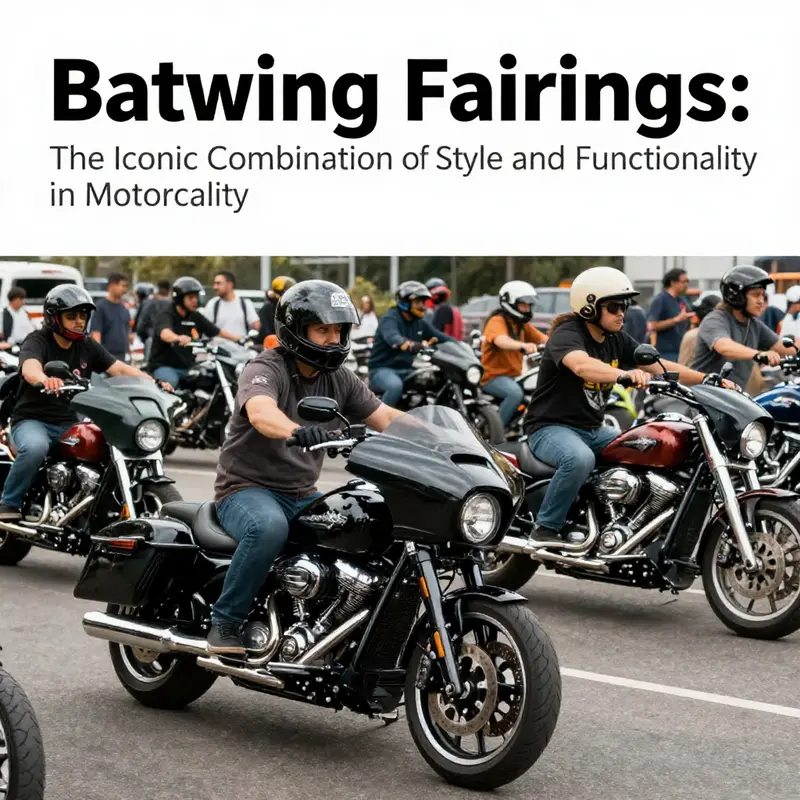
The batwing fairing sits at the crossroads of form and myth, a silhouette that instantly signals a rider’s intent before the engine is even cranked. Its broad, wing-like profile pushes forward from the bike’s front end, a design cue that has become more than a weather shield or a windbreak. It is a cultural emblem that carries with it a shared memory of long stretches, late-night highway hum, and the quiet ritual of choosing a path that promises miles and stories. In the world of touring and cruising bikes, this fairing marks a rider’s belonging to a lineage of travelers who measure freedom not by a city’s lights but by the arc of a road well traveled. Its presence on a motorcycle communicates a promise: comfort on the highway, presence in the landscape, and a readiness to endure whatever weather and wind can throw at a rider seeking nothing but horizon and pace.
Design is never accidental, and neither is culture. The batwing’s forward thrust creates an aerodynamic shield that reduces buffeting and wind fatigue for rider and passenger alike. It stands as a practical instrument of endurance, especially on long rides, where sustained comfort translates into the ability to extend journeys and widen the circle of companions who share them. Yet the fairing’s utility is inseparable from its aesthetic language. The scale, curvature, and dramatic sweep of the wing evoke power and control, a classic American cruising identity expressed in metal and silhouette rather than in spoken words. This is a design that has learned to be seen and remembered in imagery across magazines, posters, and social feeds that celebrate the romance of the road. The fairing’s profile becomes a familiar postcard on a thousand different machines, a visual shorthand for the ethos of travel, camaraderie, and self-definition that defines motorcycle culture across generations.
In day-to-day life on the road, every rider adjusts the equation a little: wind deflection, visibility, and wind noise translate into how long you can stay in the saddle without fatigue. The fairing answers with a practical versatility. Wind deflectors—available in various heights—offer a simple choice: a taller deflection can tame higher-speed buffeting, while a shorter one keeps the rider’s line visually lean and uncluttered. The wind’s behavior around the rider is not a fixed variable; it is a mutable conversation that riders negotiate with adjustments and accessories, and the batwing is uniquely suited to accommodate such dialogue. A front vent trim, when implemented, can smooth the aerodynamics at the critical transition point where air meets the helmet and shoulders. The materials—the hard-coated polycarbonate or durable ABS plastic—are chosen not only for resilience against impact and weather but for clarity and longevity under sun, rain, and road grit. The fairing’s construction, robust yet approachable, invites the ongoing maintenance rituals riders are known to perform: cleaning, polishing, and checking fitment to preserve its smooth lines and protective function.
The fairing’s cultural resonance extends beyond individual rides into the social cloth of the riding community. It becomes a badge of expertise for those who have logged thousands of miles, a reminder of the rider’s commitment to the journey rather than a single destination. Customization plays a central role in this cultural tapestry. Riders embrace the ability to tailor their bikes through thoughtful refinements that reflect personal taste and riding goals. Adjusting the wind deflector height is a practical customization, but it is also a statement about the rider’s preferences for comfort, visibility, and wind feel. Adding a vent trim or choosing a glossy or matte finish can transform the bike’s personality from a factory silhouette to a personal statement. In this way, the batwing fairing doubles as a canvas where function and identity intersect. The motivation behind upgrades is rarely only about performance; it is about signaling experience, intent, and a willingness to invest in one’s own riding lifestyle. The wider culture recognizes and even rewards this investment, weaving it into the ongoing story of what it means to be a rider who seeks balance between speed, stamina, and the simple pleasure of the open road.
Across continents, the batwing fairing has traveled with riders who convert a local landscape into a shared space of memory and meaning. The figurative wings carry riders from cozy hometown roads to expansive coastal highways and high-desert routes, and with every mile, the silhouette of the fairing becomes a familiar point of reference for fellow enthusiasts. Online forums, rides and rallies, and motorcycle media have helped propagate a sense of belonging that transcends language and geography. In gatherings, the fairing’s distinctive profile becomes a visual shorthand for a lifestyle that prizes exploration and companionship. The design fosters a sense of continuity with the riding community’s history, while simultaneously inviting new generations to imagine themselves within that history. The global appeal of widely available aftermarket and OEM components broadens the conversation, allowing riders to connect different eras and styles through shared design language—wind deflection, airflow optimization, and the iconic winged shape that marks a cruiser or touring ride as distinctly recognizable on the road.
The batwing’s cultural footprint is reinforced by its appearances in media and on the streets where riders share images and stories. In photos and videos, the fairing frames riders in motion, their silhouettes set against sweeping skies or cityscapes, turning the bike into a stage where the road is the backdrop and personal choice is the plot. This visual grammar—wide stance, protective curve, and an unmistakable shape—becomes a lingua franca for riders who value endurance, autonomy, and the unspoken promise of distant horizons. It is not merely a functional front end; it is a social instrument, shaping how riders introduce themselves to one another and negotiate the social space of the road. In this sense, the batwing fairing helps sustain a culture that appreciates both the artistry of motorcycle design and the practical poetry of long-distance travel.
Within this culture of customization and community, practical upgrades sit side by side with expressive choices. A taller wind deflector can nudge comfort into priority during a cross-country ride, while a shorter deflector preserves a sleeker aesthetic when the weather is forgiving. The choice to broaden the wind-deflecting platform is a functional one, but it also signals a rider’s readiness to engage more deeply with the experience of touring. The front vent trim, a detail that speaks to airflow management, is a small but meaningful hint at the rider’s understanding of how air interacts with the body at speed. Materials, weight, and finish all play supporting roles in this narrative, ensuring that the fairing remains resilient while its lines stay clean and expressive. In the end, the batwing fairing embodies a philosophy: the road is long, the rider is autonomous, and style can be a partner in endurance rather than a mere afterthought.
For readers curious about the broader landscape of aftermarket fairings and the ways they invite personalization across different brands and models, the conversation often loops back to the same core idea: a fairing is both protection and projection. It shields the rider from wind and weather, but it also projects a rider’s taste, priorities, and journey. The global marketplace for fairings—where vintage and modern styles converge—helps sustain this culture by making customization accessible to riders in every corner of the world. The batwing fairing remains a prominent symbol in this ecosystem, a design that has endured because it speaks to a universal rider aspiration: to ride farther, in comfort, with a look that declares who you are on the open road. As new generations take to the highway, they inherit a visual tradition while adding their own chapters to the ongoing story of wings and wheels.
For those exploring how aftermarket options broaden a bike’s capabilities and personality, consider looking at the broader fairing collections in the industry, which illustrate how different lines approach wind management, aerodynamics, and style. Honda fairings collection offers a window into how manufacturers and aftermarket makers think about fitment and visual compatibility across models, reinforcing the idea that a fairing is a gateway to customization and expression, not just a single, fixed component.
External reference: For a technical reference on the wind-deflector option and its role in airflow management, see the official product page at https://www.harley-davidson.com/us/en/products/vehicle-parts/fairings-and-vent-trims/batwing-fairing-5-in-wind-deflector.html
Final thoughts
The journey through the world of batwing fairings reveals their critical role not only in enhancing the performance and comfort of motorcycles but also in shaping the cultural identity of riders. Harley-Davidson enthusiasts have come to embrace these fairings as symbols of style and functionality, weaving them into the tapestry of motorcycling culture. For business owners, understanding this dynamic enriches the opportunity to meet customer demands more effectively. As we continue to navigate and innovate within this niche, acknowledging the interplay of design, performance, economics, and cultural significance remains paramount. Batwing fairings are not just accessories; they are integral to the riding experience.