
Batwing fairing-mounted motorcycle radios represent a blend of innovation and comfort for motorcycle enthusiasts, offering not just aesthetic appeal but also functional benefits. These systems facilitate an unparalleled riding experience by delivering a range of audio services, from music to navigation, all engineered to withstand the rigors of the open road. As we delve deeper into this topic, each chapter will explore the mechanics and benefits of these systems, provide insights on installation techniques, detail critical compatibility issues, and summarize consumer sentiments that drive market trends. By the end, your understanding of these integrated audio solutions will be greatly enhanced, empowering your decisions within this niche motorcycle segment.
Sound, Sight, and Shelter: The Integrated Batwing Fairing Radio in Modern Motorcycling
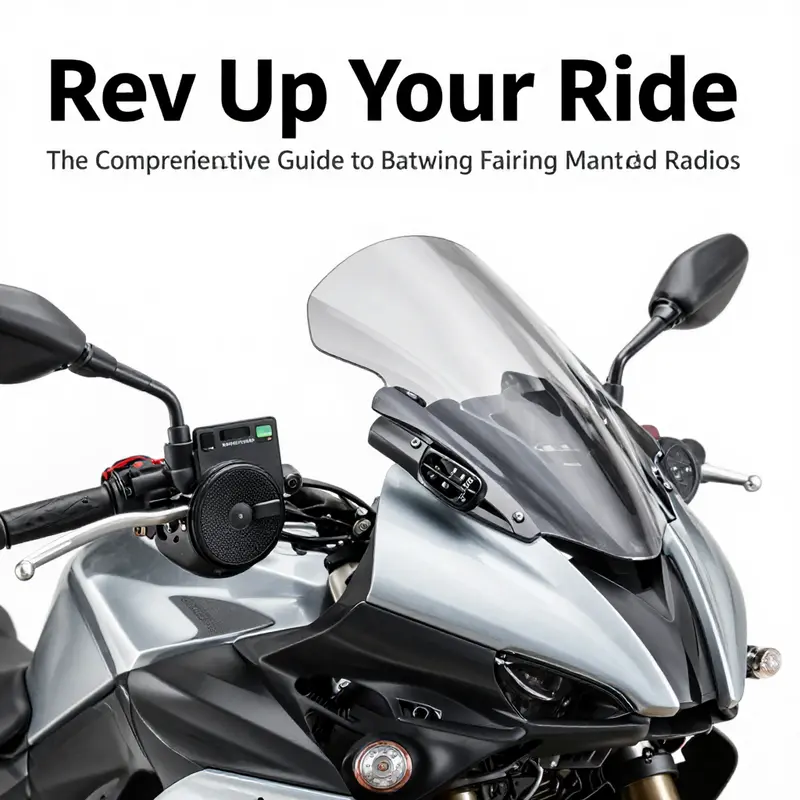
The batwing fairing began as an aerodynamic and stylistic feature, a bold silhouette that defined a motorcycle lineage. Over time it evolved from a simple shield against wind into a sophisticated housing for information, entertainment, and communication. Today’s batwing fairings are not just protective shells; they are modular platforms that integrate a full radio system, a multi-channel audio arrangement, and an interface that sits at the rider’s fingertips. What makes this integration compelling is not merely the convenience of playing music or getting directions. It is the way the fairing coordinates wind management, instrument visibility, and electronic reliability into a single, cohesive experience. A rider should expect a system that minimizes wind noise while still delivering clear, balanced sound, and that protects sensitive electronics from the elements in all riding conditions. The result is a carefully tuned ecosystem that can change how a long ride feels, how easily one queries a map, and how effectively one communicates with a passenger or a group of riders.
In the latest design iterations, the fairing’s cockpit has grown a lot more ambitious. A large touchscreen mounted within the fairing surface makes the navigation and media controls accessible without distracting from the road. The 312 mm display, in a contemporary fairing layout, is not just a screen; it is the hub from which routes are plotted, music is managed, and ride information is relayed. The touchscreen’s broad real estate allows for more legible map details, simplified menu navigation, and a more intuitive layout for ride modes. Although it is tempting to call out a single feature, the overall experience arises from the careful balance between display size, touch accuracy, and the acoustic response surrounding the installed speakers. When the fairing is designed to house a radio and a speaker complement, the engineers must account for how sound travels within the enclosure and how surfaces in the interior interact with the rider’s helmet and ear position. The result is a tuned acoustic footprint that makes music feel natural, even at highway velocity, while navigation prompts remain clear and distinct.
The integration of a radio and a touchscreen within the fairing is not a trivial engineering exercise. It requires weatherproof connectors, sealed housings, and a power management strategy that can cope with the fluctuations of a motorcycle’s electrical system. The broader point is that these systems are not add-ons; they are designed as an integrated module. This integration is visible in the way the interface is embedded into the fairing’s shaping and in how the controls are arranged. A rider can reach for a volume control or a track skip without diverting attention from the road. The system’s control layout often consolidates functions that previously required separate devices or mounts. In a well-designed system, the user interface resides on a fault-tolerant module that can be updated to support new features, an increasingly important consideration as motorcycles gain more digital capabilities.
From a design perspective, the fairing must reconcile multiple priorities: aerodynamics, legibility, weather sealing, and mechanical integration. The fairing’s inner structure, often a color-matched shell that conceals mounting points and routing, is tailored to preserve aesthetics while preserving accessibility for maintenance. The aesthetic goal is a unified look where the radio, the speakers, and the touchscreen appear as a natural extension of the fairing, not as a separate chassis bolted onto the bike. That is why authentic color matching and precise fit are emphasized in factory offerings: a seamless appearance reinforces the sense that the electronics belong to the motorcycle itself rather than to a temporary installation.
Beyond the core electronics, the weather protection of the speakers and connectors is a focal concern. Weather-resistant speakers and damped enclosures help maintain audio fidelity in rain, mist, or dust. The acoustic design takes into account the wind’s influence on sound propagation, especially at highway speeds where a rider’s helmet and the fairing itself can modify how the audio is perceived. A well-tuned system may utilize the fairing’s interior surfaces as acoustic guides, shaping how sound radiates outward toward the rider’s ears while keeping external noise from overwhelming the listening experience. In practical terms, this means a richer midrange, controlled bass, and treble that remains intelligible when the wind is loud. These sonic characteristics are not accidental; they are the outcome of a deliberate process that blends enclosure geometry, speaker specifications, and a tailored equalization profile.
The ride experience is also shaped by the software and interface capabilities that accompany the hardware. A modern fairing-mounted radio system typically features a large, responsive touchscreen that enables turn-by-turn navigation and smartphone connectivity. This connectivity is more than a convenience; it is a safety and efficiency feature. Riders can plan routes, adjust destinations on the fly, and receive real-time traffic or weather updates through the same console that controls audio and communication. Even in mild conditions, the ability to glance at a map without fumbling with a phone is valuable. In more demanding conditions, the touchscreen can be used with gloves that support conductive input, allowing riders to interact without exposing hands to cold air or rain. The interface is designed to be legible at a glance, with high-contrast typography and large touch targets, enabling quick actions such as pausing music, muting calls, or initiating a voice prompt for navigation.
Customization plays a central role in modern batwing fairings. Riders can tailor the audio output to their preferred listening position, preferences for bass presence, and how loud the system should respond to notifications. Ride modes—often offered as a part of the overall motorcycle electronics package—can adjust the audio dynamics, the interface’s responsiveness, and the navigation behavior to suit different riding contexts. For example, a more relaxed ride mode might emphasize smoother audio transitions and longer screen timeout for battery efficiency, while a sport or touring mode might prioritize faster screen updates, more aggressive audio present, and quicker access to critical information. These options allow riders to sculpt a listening and viewing environment that aligns with their riding style, road conditions, and personal comfort.
A common concern with batwing-mounted radios is the potential for electrical interference or power draw that could affect other systems on the motorcycle. The design philosophy in contemporary fairings is to isolate the audio and display circuits from critical engine and safety electronics, while providing robust grounding and shielding to minimize noise. The power system includes protection features and surge suppression to mitigate spikes from the alternator and battery. The goal is not only to deliver reliable audio and navigation but also to preserve the performance and safety of essential systems such as ABS, traction control, and instrumentation. This balance of reliability and feature richness is part of what makes the latest batwing radio systems appealing for long-distance riders who depend on consistent performance on multi-day journeys.
A practical trade-off accompanies these capabilities. The added electronics contribute weight, which can influence handling characteristics and, on some bikes, the overall wheel load. While the weight is distributed within the fairing’s structure, it remains a consideration for riders who are sensitive to dynamic changes, particularly when fully loaded with gear and the added electronics. Installation is another factor. To ensure long-term reliability and weather sealing, many riders opt for professional installation. While some enthusiasts enjoy the challenge of a DIY setup, improper sealing or electrical connections can lead to corrosion, water ingress, or erratic behavior. The investment in professional installation pays dividends in peace of mind, predictable performance, and a cleaner integration that looks factory finished rather than retrofitted.
Model-year considerations also shape compatibility. Not every edge-cut fairing mount or every fairing dimension supports every model year or variant. Some designs fit particular generations or body styles, and new models may bring revised mounting points or updated electronics that require different approaches. This reality underscores the importance of carefully verifying compatibility with one’s bike and fairing configuration before committing to an installation. The goal is a clean, maintenance-friendly integration that ages well as the bike evolves, rather than a quick-fit arrangement that becomes problematic down the road.
For riders who want to explore broader aesthetic and functional options, the repertoire of aftermarket batwing-style fairings illustrates how the silhouette can be adapted for different motorcycles while still accommodating a radio and speakers. A fiberglass batwing-shaped fairing designed to fit a major cruiser line, for instance, might include built-in cutouts for multiple speakers. Such aftermarket configurations demonstrate the versatility of the batwing approach, showing how high-fidelity audio can be achieved even when the fairing was not originally designed around a specific OEM radio system. The lesson here is not to assume compatibility but to evaluate acoustics, mounting points, seal integrity, and electrical integration. Though these aftermarket solutions may not be designed for every OEM’s electronics ecosystem, they illuminate how design thinking around the batwing shape centers on audio quality, rider ergonomics, and the sustained protection of electronics in a weather-challenged environment.
In practice, many riders value the pairing of a color-matched inner fairing with an integrated electronic system. The color match ensures that the fairing remains visually cohesive with the bike’s overall styling while the internal layout protects the electronics and keeps cables organized. The inner fairing can be part of an official offering that ensures harmony with factory-installed electronics and the broader vehicle network. This approach minimizes the risk of misalignment, ensures proper sealing, and preserves the clean lines that contribute to the bike’s iconic look. For riders, the payoff is a streamlined, integrated cockpit where navigation prompts, calls, and music are delivered through a single, coherent interface, controlled via handlebar-mounted controls or the central touchscreen. It is a user experience built on the premise that aesthetics should never be sacrificed for functionality, and that functionality should feel native to the bike itself.
As with any evolving technology, information accuracy is essential. For the latest details about factory-installed radio systems on batwing-equipped motorcycles, riders can consult official manufacturer resources. These sources provide the most up-to-date specifications, compatibility notes, and installation guidelines, helping owners navigate the transition from stock to upgraded systems with confidence. While the specifics may change over model years, the core proposition remains: the batwing fairing is a sophisticated home for a modern rider’s audio, navigation, and communication needs, all while preserving the motorcycle’s iconic silhouette and aerodynamic integrity.
For readers seeking broader context beyond the OEM ecosystem, a look at the Yamaha fairings collection can illuminate how manufacturers think about the fairing as a platform. The collection pages showcase a range of fairing designs that emphasize form, function, and integration, offering insight into how different brands approach the balance between wind management, electronics, and aesthetics. This broader perspective helps explain why a batwing fairing can be both a performance asset and a canvas for high-tech features. See the Yamaha fairings collection for a sense of the diverse ways fairings are designed to accommodate audio and other electronics, reinforcing the idea that the batwing is a versatile architecture rather than a single, rigid solution. Yamaha fairings collection.
When considering a batwing-mounted radio system, riders should also weigh the long-term implications for maintenance, warranty, and resale value. A factory-integrated solution often has the advantage of established service channels and documented support. In contrast, aftermarket assemblies may require more careful documentation and vendor-specific support strategies. The right choice depends on the rider’s priorities: a seamless factory integration with assured compatibility and color matching, or a tailored aftermarket setup tailored to a specific bike philosophy and riding style. Either path, when executed with attention to sealing, electrical integrity, and acoustic calibration, can elevate the riding experience by combining wind guidance with immersive audio and precise navigation.
In sum, batwing fairing mounted radio systems represent a mature stage in motorcycling where wind management, information access, and audio enjoyment converge. The design challenges are not simply about adding a speaker to a panel; they are about creating an integrated environment where sound, visuals, and tactile controls coexist with the bike’s mechanical and electrical systems. The best systems deliver clear, balanced sound without compromising safety or reliability, provide intuitive navigation and connectivity, and preserve the fairing’s aesthetic and structural integrity. For riders who want to push beyond plain audio into a cohesive cockpit experience, the batwing fairing offers a compelling pathway—one that respects the wind as a crucial element of the ride while embracing the modern rider’s expectation of connectedness and control. The result is a motorcycle experience that feels both timeless and cutting edge, where the wind becomes a soundtrack and the map becomes a story, all housed within the elegant geometry of the batwing fairing.
External resource: https://www.harley-davidson.com
Sealing the Wind: The Craft of Installing Batwing Fairing Mounted Radios
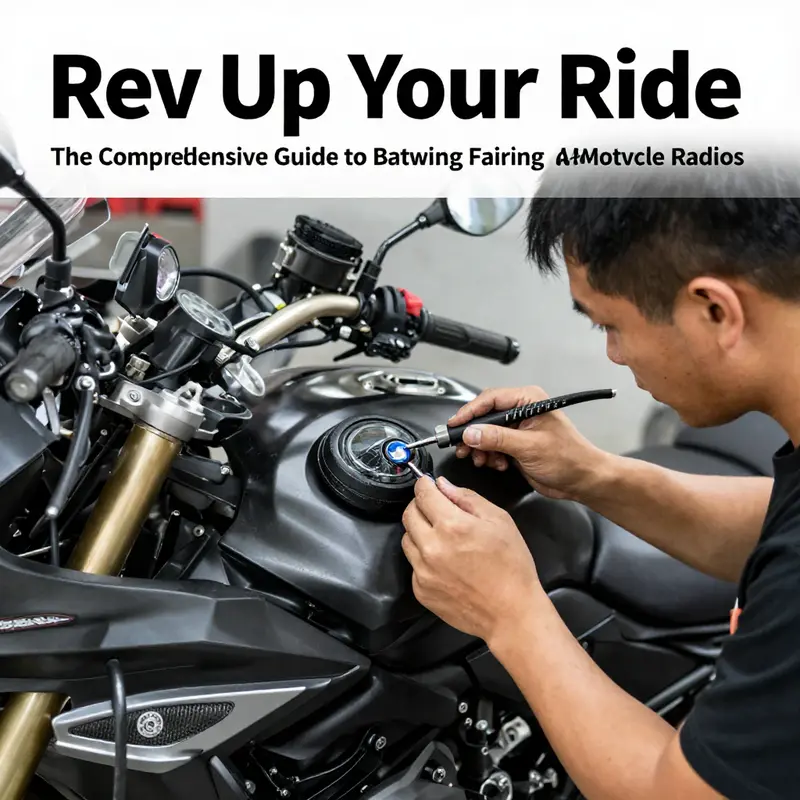
On the open road, the wind is a companion and a challenge. A batwing fairing mounted radio transforms that relationship by turning wind into a controlled soundtrack rather than an external nuisance. The sound quality you achieve and the reliability of the system depend not on loudness alone but on a deliberate balance of aerodynamics, weather protection, electrical discipline, and structural integrity. The installation is not merely a task of tucking in a few wires; it is a careful collaboration between the motorcycle’s architecture and the audio system’s demands. The goal is a seamless integration where the fairing still slices through air with minimal buffeting, where the speakers deliver clear, protected sound, and where the controls remain intuitive to reach without diverting attention from the road. The process invites planning, patience, and a measured respect for the bike’s electrical and structural limits. When done well, the resulting cockpit becomes a confidant on long rides, offering music, navigation cues, and communication without turning the bike into a tangle of cables and weathered connectors.
The first phase is planning, and it begins with a clear objective. Riders often want two outcomes: audible clarity across a broad RPM range and a setup that survives rain, heat, and road grime. Achieving that requires a kit—or a combination of components—that is designed for batwing fairings and the specific geometry of the fairing’s inner cavity. The plan also must acknowledge weight. Even modest additions add mass high on the bike’s front end, which can subtly alter handling feel. This is not a warning against adding a radio, but a reminder that weight distribution and the suspension’s response to added mass deserve upfront consideration. A thoughtful plan also anticipates how the user will interact with the system while riding. Will you control volume and track selection via handlebars, a stalk-mounted control, or a dedicated panel mounted within easy reach? The placement should preserve reach, minimize distraction, and avoid any interference with the windshield’s airflow or with the rider’s line of sight.
With planning comes the assembly of the right components. A weatherproof radio head unit, ruggedized speakers with weather-sealed enclosures, a robust harness with weatherproof connectors, and vibration-damping mounting hardware form the core toolkit. A modern installation also often benefits from a Bluetooth adapter or a streaming-ready interface, letting music and navigation dialogue flow with hands-free operation. The wiring kit becomes a lifeline; it must be designed to handle the extra current draw without taxing the bike’s electrical system. It is wise to verify the electrical load against the alternator’s output and battery capacity, especially on longer journeys where the engine spends more hours running and accessories demand more power. The planning stage also considers the fairing’s existing structure. Fairings differ in their thickness, internal shape, and potential attachment points. Some models accept bracket kits that align with specific bolt patterns, while others require bespoke brackets or precision adaptations. It is tempting to improvise, but the most durable installations rely on brackets that distribute load evenly and preserve the fairing’s integrity. A professional angle often pays dividends here because trained technicians bring a sense of scale to the space, preventing overhasty drilling or misalignment that could compromise sealing or the fairing’s aesthetic.
The actual routing of cables follows a logic that respects both form and function. The antenna cable, in particular, demands a careful pathway. The most common route climbs near the top edge of the fairing or slips behind the headlight assembly, where it remains visually discreet and less likely to snag on branches or brush during cornering. The crucial rule is to avoid sharp bends and pinch points. Cables should encourage gentle curves and use anti-abrasion grommets to shield the insulation from chafing against metal edges. Where the fairing and the headlight assembly intersect, there is a natural junction to seal. Here, weatherproof sealants and gromets matter as much as the connectors do. The importance of weatherproofing cannot be overstated: rain and road spray can penetrate seams if the installation introduces new portals for moisture. The result is corrosion or intermittent grounding faults that degrade audio quality or even disable the system.
The pace of mounting the radio itself demands vibration-damping strategies. The bike’s highway hum is a descent into kinetic chaos for delicate electronics. The radio head unit should ride on vibration-dampening mounts that isolate it from the frame’s shocks and the fairing’s inherent flex. A loose unit invites rattling, micro-movements, and eventually mechanical fatigue on the mounting screws. The installation requires choosing mounts that are not merely snug but actively elastic enough to absorb shocks without creating a loose, rattling sensation inside the fairing. The mounting surface must be clean and flat, and it helps to apply a thin film of non-conductive, vibration-damping adhesive between the bracket and the fairing’s internal surface. The goal is a quiet, stable anchor that keeps the radio faithful to its position, even as speeds climb and tempo shifts with highway gusts.
Customization for fit is often the most time-consuming phase, yet it is where the installation begins to deliver the intended aesthetic. The fairing’s interior is not a uniform space; it contains ribs, brackets, and sometimes a storm of routing canals for wires. In some cases, the installer must drill into select areas or trim components to ensure clearance. The key here is precision and restraint. Small misalignments can become apparent only after the fairing is reassembled and the bike is back on the road, where wind pressure can distort the perception of fit. Sometimes, the radios’ brackets are not a perfect match for a given model, and the installer must craft a small adapter or modify the mounting points to maintain a clean line. In these moments, it is helpful to keep the fairing’s original integrity in mind. A well-executed modification looks like part of the fairing from factory, not an afterthought.
Electrical considerations anchor the practical feasibility of the project. The system’s power needs, including the radio, amplifiers, and any extra devices such as a Bluetooth module, must be met without compromising the bike’s core electrical health. A fused power supply, correctly rated for the anticipated load, is essential. The fuse should be placed close to the power source to protect both the wiring harness and the radio from short circuits. The negative return path should be solid and short, minimizing resistance and ensuring a stable ground. A professional approach also includes integrating the control logic—such as mute triggers, volume curves, and track navigation—into the bike’s existing electrical language. Some riders prefer a single power-hot feed that is switched with the ignition, ensuring the radio powers down when the bike is off and avoiding battery drain if the key is accidentally left in the park. In any case, the objective is to prevent parasitic draws that could slowly deplete the battery after a ride, especially on longer trips or in regions with cold starts that demand more current to turn over the engine.
Bluetooth integration, when chosen, adds another layer of planning but can dramatically improve usability. A well-placed Bluetooth module can sit within reach of the rider but remains shielded from heat and moisture. The routing should avoid long cable runs that pick up noise from the engine or alternator. Shielded cables and proper grounding prevent interference that could manifest as crackling or dropouts, especially on long trips when engine RPM shifts correspond with audio cues. The control scheme should be intuitive: a single press, a short hold, or a quick swipe should yield predictable results. The rider’s hands must still find the handlebars easily, and the system must avoid stealing attention away from the road. The design philosophy here is minimalism—achieve the desired connectivity with the smallest possible intrusion into the bike’s lines and the rider’s workflow.
Professional installation remains a robust recommendation for most riders, particularly those who are new to integrating aftermarket electronics into a batwing fairing. The fairing’s depth and curvature can complicate access to electrical bays, and it is easy to misjudge the space needed for routing harnesses. A technician familiar with batwing configurations can verify compatibility with the specific fairing, confirm the mounting kits’ fitment, and test the seal integrity after assembly. The value here extends beyond successful operation; it includes the peace of mind that the installation will withstand rain, vibration, and the rigors of daily riding. Manufacturers and electronics specialists often supply model-specific brackets and harnesses designed to minimize the risk of leaks and to preserve the fairing’s aesthetic while delivering reliable audio performance. The result is not merely a working radio but a harmonized system that respects the bike’s engineering and the rider’s expectations.
In considering the broader landscape of batwing fairing audio installations, it helps to recognize how these projects fit into the rider’s broader relationship with the motorcycle as a platform for technology. The batwing is not just a shell but a carefully tuned enclosure that influences acoustics as much as aerodynamics. A well-sealed interior acts like a dedicated acoustic chamber, shaping sound to reduce flutter, manage reflections, and curtail wind-induced noise. The integration thus becomes an exercise in sound design as well as electrical engineering. The rider’s experience hinges on cohesive air management and predictable audio behavior at highway speeds, while the aesthetic outcome remains true to the bike’s silhouette. This synthesis of form and function, where hardware choices align with aerodynamic realities and the rider’s sensory expectations, represents the heart of installation craft. It is about respecting the machine’s original design language while extending its capabilities in a way that feels inevitable, not forced.
For riders who embrace the idea of a model-ready solution, the literature and guides from respected electronics and automotive-performance resources offer practical, model-agnostic advice. They emphasize that the most reliable installations begin with a clean, well-planned harness, robust weatherproofing, and mounts designed to absorb vibration. They remind us that any modification should preserve the fairing’s structural integrity and avoid compromising the windshield’s protective role or the rider’s field of view. And they reinforce a simple truth: the best installations are invisible in practice. The rider notices only the enhanced experience—the clarity of the sound, the reliability of Bluetooth connectivity, and the absence of an unsightly tangle of cables. When done with care, the result is a system that feels as if it belonged there all along, a quiet ally that amplifies the journey rather than dominating the scene.
If you are curious about how different fairing families accommodate audio systems and want a destination for further exploration, you can explore the Yamaha fairings collection. It offers a range of shell designs and mounting approaches that illustrate how sound solutions can harmonize with fairing geometry and aerodynamics. See the Yamaha fairings collection for a sense of how compatible fairing shapes can influence layout decisions and help you envision a clean, integrated installation. Yamaha fairings collection can serve as a practical reference point when considering brackets, brackets-to-fairing alignment, and potential routing channels that preserve both aesthetics and function. This is not a directive to copy any single approach, but a reminder that model-specific resources can anchor your planning process and help you communicate clearly with a professional installer.
The chapter’s practical aim is to illuminate the path from concept to road-ready installation without getting lost in a forest of micro-decisions. It is a discipline of balance: power and protection, visibility and sound, aesthetics and accessibility. When you approach the job with patience and a mindset for precision, the batwing fairing becomes not a constraint to overcome but a platform that can elevate the riding experience. The road is still the primary stage, but the audio system becomes a companion with reliable voice, music, and navigational cues, ready to accompany every mile with clarity. The chapter has sketched the contours of planning, routing, mounting, power management, and optional connectivity, while insisting on the overarching principle that reliability and safety must guide every choice. In that spirit, the installation becomes less about fixing a gadget into a shell and more about crafting a cohesive system that respects the bike’s architecture and serves the rider’s needs for days and miles to come.
For those who seek a broader technical grounding, resources from trusted electronics and automotive-entertainment guides offer detailed, model-agnostic instructions on how to interpret wiring diagrams, how to test for continuity after sealing, and how to validate that electrical load distribution remains within safe thresholds. The conversation is not about one size fitting all, but about building a tailored solution that harmonizes with the motorcycle’s existing electrical ecosystem while delivering durable performance in rain, sun, and wind. The craft lies in the quiet decisions—the snugness of a seal, the neatness of a loom, the balance of a bracket’s bite, and the measured tension on a fastener that keeps everything aligned under gusts. In the end, the installation is as much about respect for the machine as it is about the music that keep riders company when the miles roll out ahead.
External resource: https://www.crutchfield.com/
Navigating Fitment: Compatibility and Model Nuances for Batwing-Faired Motorcycle Radios
A batwing fairing mounted radio is more than a gadget tucked into the front of a motorcycle. It is a statement about integration—how electronics, aerodynamics, and intent come together to deliver music, navigation prompts, and communication through a single, streamlined enclosure. The promise is clear: a rider can enjoy audio clarity and hands-free connectivity without fighting wind noise or weather exposure. The reality, however, rests on a more intricate foundation. Compatibility is not a simple checkbox on a product page. It hinges on the exact design of the fairing, the bike’s frame configuration, and the model-year evolution of the motorcycle itself. When the fairing and its interior real estate are tuned to a specific geometry, the installation can proceed with a clean seal and reliable electrical connections. When they are not, the outcome ranges from awkward fitment and degraded sound to exposed wiring and moisture ingress. The dialogue between form and function becomes most visible in the way fitment guides and official schematics are interpreted by technicians and experienced riders alike. This chapter dives into those realities, staying away from cataloging a catalog, and instead focusing on the practical threading that connects a rider’s aspirations with a reliable, road-ready solution.
The core of compatibility lies in three interwoven factors: the fairing’s interior layout, the bike’s mounting and routing geometry, and the electrical system’s capacity to power audio without collateral issues. The fairing’s interior must have a cavity that accommodates a radio chassis and its associated speakers without crowding the windscreen posts, vent paths, or the windshield’s mounting points. If the interior trim or mounting brackets intrude on the radio’s heat sinks or obstruct speaker cones, you will quickly notice muffled audio, overstraining components, or failure to seal. The windscreen and its fasteners matter too. A fairing that changes shape or thickness across model generations can alter where a radio sits, how wires exit the rear, and how a weather seal behaves around the wiring harness. The result is not merely a cosmetic concern; it is a functional one. Wind-driven moisture, dust, and battery- or ignition-related electrical load all test the stability of a system that is meant to operate in demanding conditions.
Model-year and bike configuration sit at the heart of fitment realities. An accessory designed for a particular generation of touring bikes may share broadly similar mounting points with earlier iterations, but even small changes in the fairing’s geometry or the bike’s frame can cascade into misalignment. This is why official fitment statements, rather than generic compatibility claims, deserve careful attention. The best approach is to treat fitment as a living checklist: confirm that the fairing shell and the mounting brackets align with the bike’s frame points; verify that the installed radio’s dimensions clear the inner contours of the fairing; and ensure there is no conflict with the mirrors, mounting hardware, or the windscreen’s sealing surface. In practice, this means consulting the manufacturer’s fitment guidance and, when doubt remains, seeking confirmation from a professional installer who has hands-on experience with the specific configuration.
One recurring theme in compatibility discussions is the existence of model-year clusters or design generations and the way they influence available mounting geometry. Some designs keep a stable geometry for a stretch of years, while others are updated with changes to the fairing’s inner framework, the recess for speaker modules, or the routing channels for wiring. In certain cases, even aftermarket fairings are offered in tailored kits that specify their intended model-family compatibility. For riders who already own a touring model with a batwing-style front end, these differences matter because a kit that fits one frame may not align with another’s mounting points or gasket interfaces. The consequence can be more than a DIY frustration; it can undermine weather resistance and electrical reliability if a build is forced into a configuration it was never meant to accommodate.
Beyond the structural fit, the electrical and environmental dimensions deserve equal attention. Radios integrated into batwing fairings rely on a stable power supply, protected wiring, and properly sealed connections. The installation path—how wires are routed from the control head to the battery and how they enter the fairing—must be planned with care. Poor sealing around entry points invites moisture intrusion that can corrode contacts and degrade performance. A robust installation pays attention to grommets, loom protection, and proper strain relief so that vibrations do not loosen connectors over time. Electrical compatibility extends to fuse sizing, ground integrity, and the radio’s power draw relative to the bike’s charging system. If a radio attempts to pull more current than the circuit can safely deliver, you risk blown fuses, fluctuating audio performance, or, in the worst case, electrical fault conditions that can affect other onboard systems.
These concerns illuminate why some riders prefer to source compatibility information directly from official fitment resources rather than rely on anecdotal reports or generic product pages. The reason is straightforward: official guidance distills years of engineering testing into model-year-specific advice. It clarifies which fairing generations share mounting geometry, which adapters or brackets are necessary, and which installations require additional components such as handlebar or mirror adapters and fairing plugs. Even the decision to pursue an aftermarket batwing fairing versus an OEM alternative hinges on how well the product team has mapped the interface to the motorcycle’s authentic geometry and electrical system. In practice, this translates to a disciplined approval process: verify the exact model and year, cross-check the fairing’s interior dimensions, confirm the presence or absence of interfering features like fairing-mounted mirrors, and then ensure the mounting hardware aligns with the bike’s frame rails and fairing bolts. This careful, almost surgical approach is the bedrock of a reliable, weatherproof radio installation.
When riders evaluate aftermarket options, a key consideration is whether the fairing itself is designed to house an audio system. Some aftermarket batwing-style enclosures come as complete kits with built-in speaker cavities and pre-routed harnesses. These designs can simplify the integration by delivering an all-in-one solution that has already been tuned for acoustic performance. Yet this advantage comes with a caveat: these complete kits are typically tailored to a subset of frame layouts and model-year families. If a rider’s motorcycle diverges from that subset, the installation may demand custom adapters or bespoke mounting solutions to preserve seal integrity and electrical reliability. The result is a trade-off between the convenience of an integrated kit and the flexibility of a more modular approach that may require additional components to achieve a proper fit.
From a sound perspective, the interior acoustics of a batwing fairing are influenced by several design variables: the volume of the cavity behind the speaker grills, the presence of damping materials, and the proximity of the speakers to the rider’s seating position. A well-tuned system matches the speaker array to the fairing’s internal dimensions so that bass is not muffled by a narrow cavity and high frequencies are not overwhelmed by panel resonance. This is why, even when two fairing systems appear to offer the same speaker count and wattage, their sonic performance can diverge noticeably based on how the enclosure is shaped and how well the air path is managed. Compatibility plays a silent role here too. If the intended mounting geometry forces the radio housing closer to the inner surface of the fairing or alters the air flow around the speakers, the acoustic outcome can suffer even before any electrical issues surface.
For riders contemplating aftermarket routes, it is wise to adopt a disciplined evaluation approach. Start with a clear measurement of the fairing’s interior cavity and the radio’s dimensions. Then compare those measurements against the mounting points and the housing depth specified by the installer or the product documentation. If possible, request a hands-on demonstration or a return policy that allows for installation trials. In many cases, the most reliable route involves a professional installer who can interpret the model-year guidance, verify the fit against your specific bike configuration, and ensure that the wiring harness is integrated with proper weatherproofing and fusing. The goal is not simply to attach a radio; it is to create a durable, weather-tight system that will endure vibration, temperature swings, and the inevitable detours of long-distance riding.
The practical implications of model specificity extend to the handling characteristics that riders notice after installation. A batwing fairing is not merely a decorative shell; it contributes to overall weight distribution, wind management, and the rider’s perception of the front-end feel. Adding a radio and speaker cluster increases mass, usually low in the fairing itself but still significant enough to influence marginal steering dynamics at highway speeds or when the bike is under heavy load. While the additional heft is not a radical change for most touring configurations, it is a factor that riders should acknowledge during the selection process. In some configurations, added weight can interact with the steering geometry in subtle ways, particularly at low speeds or during maneuvering in tight spaces. Understanding and accepting these implications helps riders balance the desire for integrated entertainment with the practical realities of bike handling and control.
One practical pathway to navigate these complexities is to work within a modular framework. Choose a fairing system that offers documented compatibility with a broad range of model-year families, yet allows for adapters or brackets where necessary. Favor systems that provide weatherproof harnessing and clearly labeled installation steps. And maintain a clear plan for future upgrades or changes in the bike lineup. If the owner intends to keep the same fairing through several model-year transitions, it is prudent to verify that the system will remain compatible or determine what changes might be required to preserve the weather seal and electrical integrity across those transitions. This mindset reduces the risk of discovering, after purchase, that a promising system cannot be mounted cleanly on the bike’s current configuration, or that it demands a level of customization that undermines the projected cost and reliability.
To complement this practical approach, riders can use a simple, disciplined verification ritual: confirm the exact model-family alignment with the fairing’s mounting pattern, inspect the interior cavity for any potential interference with speaker cones or heat dissemination paths, and ensure that the harness routing aligns with the bike’s existing wiring channels. If any element appears out of spec, pause and consult a fitment guide or a technician who can confirm whether adapters or alternative mounting options exist. Such diligence is not about seeking perfection in a single purchase; it is about building a foundation for a durable, enjoyable riding experience where audio and navigation operate harmoniously with the bike’s design and the rider’s priorities.
For readers exploring this terrain, an in-depth, model-specific exploration of compatible options can be distilled into a few practical takeaways. First, start from the fairing’s own design language and confirm that its interior geometry accommodates a radio chassis and a speaker array without compromising the seal. Second, map the mounting points to the bike’s frame geometry and check for conflicts with mirrors, windscreen hardware, and any subsequent accessories. Third, scrutinize the electrical pathway: ensure a clean, protected harness route with proper fusing and grounds, and verify that the system’s power demand is within the bike’s charging capabilities. Fourth, acknowledge the acoustic implications of the enclosure and choose a configuration whose sound quality aligns with the rider’s expectations and riding conditions. Finally, if uncertainty remains, lean on official fitment guidance and the expertise of a qualified installer to confirm compatibility before committing to the purchase.
In closing, the decision to install a batwing fairing mounted radio is as much about understanding compatibility as about choosing features. The quiet but persistent truth is that each bike and fairing pairing has its own story, written in the geometry of the fairing, the layout of the mounting points, and the resilience of the electrical connectors. A thoughtful, model-aware approach reduces the risk of misfit and unlocks the full potential of integrated audio on the road. For riders who want to explore compatible pathways beyond the familiar, a quick browse of the Yamaha fairings collection can offer a sense of how aftermarket and OEM strategies intersect in the broader ecosystem of batwing fitment and acoustic design. This kind of exploration helps riders build a practical mental map of what is possible, what is reliable, and what steps to take when compatibility questions arise during installation. In this way, the journey from interest to on-road enjoyment becomes less about guesswork and more about informed, confident decision-making.
External resource: https://www.harley-davidson.com/gb/en/shop/finitura-bocchetta-splitstream-carenatura-ad-ali-di-pipistrello/p/61300505
Internal reference for further exploration: Yamaha fairings collection
Riding with Sound: Consumer Voices and the Expanding Market for Batwing Fairing Radios
A batwing fairing mounted radio is more than a gadget on the leading edge of a motorcycle’s silhouette. It is a deliberate convergence of form and function, where aerodynamics, weather protection, and rider comforts meet in a single, weatherproof housing that carries not just sound but a sense of place on the road. In recent years, the market for batwing fairing audio systems has shifted from a niche upgrade to a mainstream enhancement, driven by riders who want music, navigation prompts, and hands-free communication to feel as natural as throttle and mirror adjustments. Market analyses released through early 2026 point to steady growth in fairing-mounted audio solutions, with a clear preference for systems that integrate into the fairing’s profile rather than sit on the bars or in a helmet. The logic is straightforward: audio that travels with the bike’s aerodynamics tends to deliver better acoustic performance, and it does so while keeping wires and components cleanly protected from wind, rain, and grit. This preference is echoed by riders who note that a well-tuned fairing speaker setup reduces wind noise by leveraging the fairing’s own contours to funnel sound toward the rider, rather than letting it scatter into open air or bounce off hard surfaces. In practical terms, riders report a more immersive listening experience at highway speeds, where conventional helmet audio can fight against the roar of the wind and the drone of the engine. The trend toward integrated batwing audio has also aligned with broader shifts in rider expectations: contemporary riders seek seamless connectivity, intuitive control access, and a clean, integrated look that complements the bike’s design language rather than competing with it.
Within the broader landscape of motorcycle audio, fairing-mounted systems have gained traction for several reasons. First, the integration offers superior acoustic tuning opportunities. When speakers are built into or designed to fit the batwing’s inner cavities, engineers can optimize enclosure volume, damping, and porting to counter the typical acoustic challenges posed by large, curved windshields and the rider’s seated posture. The result, as riders and installers have noted anecdotally, is clearer highs, fuller mids, and a more consistent soundstage that doesn’t disappear at speed or behind helmets with mounted comms. Second, there is a practical durability story. Fairing-mounted sets sport weather-resistant enclosures, gaskets, and connectors that guard against rain splash, road spray, and the vibrations inherent to long-distance riding. Third, a growing ecosystem of compatible fairing kits and speaker pods has emerged. The design language across these products emphasizes modularity, color-matched finishes, and mounting options that minimize the need for permanent modifications to the bike’s fairing. This ecosystem is reinforced by the market’s apparent preference for devices and enclosures that can be swapped or upgraded without disassembling large portions of the fairing.
The market’s sense of momentum is reinforced by the kinds of fit and compatibility stories riders encounter. Fairing design, by its nature, is not universal. There are model-year windows and specific mounting architectures that determine whether a given radio and speaker arrangement can be integrated cleanly. Some edge-cut, mirrored fairing mounts are known to fit only particular model-year ranges, and newer iterations may require updated brackets or trimmed plugs to avoid interference with mirrors, headlights, or windshield hardware. This reality sometimes translates into riders needing to verify fit with their exact bike configuration before committing to a purchase. The upside is that when a system does fit, it tends to deliver a cohesive aesthetic—where the audio system looks like it emerged from the bike’s own design language rather than feeling like an aftermarket add-on. From a consumer psychology standpoint, that cohesion matters. The bike’s fairing is already a hero visual element; a well-integrated radio and speaker package can feel like a natural extension of the bike’s technology suite rather than a retrofit.
For riders exploring these options, the market presents a spectrum of design approaches. Some systems are purpose-built for the batwing, with fiberglass or composite enclosures that include built-in speaker cutouts and a dedicated control interface. Others rely on speaker pods that snap into pre-milled pockets on the fairing, offering a modular path to higher fidelity while preserving the fairing’s original appearance. The common thread across these designs is a focus on durability and weather resistance. Weather-sealed speakers and corrosion-resistant hardware help ensure that the sound system remains reliable through rain, heat, and road salt. Acoustic tuning is another shared priority, with manufacturers and custom shops dialing in tweeter versus woofer balance, damping materials, and mounting angles to coax the best possible response from a given fairing shape and rider position.
Riders’ listening preferences also shape market offerings. Contemporary touring and cruising riders tend to prioritize vocal clarity for navigation prompts, the ability to drive with confidence through varying wind conditions, and the capacity to host party playlists during long stretches between stops. Some buyers express a preference for systems that can be controlled via a central console, voice prompts, or a dedicated handlebar control module that remains accessible even when gloves are on. The push toward integrated control simplifies the riding experience, reducing the need to reach for a phone or a separate device. It’s not just about loudness; users emphasize the importance of dynamic range, minimal distortion at high speeds, and a soundstage that remains centered on the rider rather than drifting toward one side, which can be disorienting during long rides.
The consumer sentiment that surfaces in this space is nuanced and largely optimistic, even as some riders grow cautious about compatibility and value. Market insights from early 2026 reveal that while direct user reviews are not always aggregated in a single accessible feed, the combination of product literature, retailer feedback, and aftermarket installer commentary points to a community of riders who value high-quality audio that respects the bike’s design and the rider’s comfort. In other words, the market’s health hinges on marrying performance with aesthetics and reliability. Consumers increasingly expect materials that feel premium in touch and finish, with fabrics and glosses that resist scuffing and aging from UV exposure. They want enclosures that stay cool and free of rattles when the engine is idling and immediately responsive when the volume control is turned up. And because a fairing-mounted radio is a weather-exposed component, long-term reliability becomes a central criterion for most buyers, not just a week’s worth of demonstrations.
In practice, this has translated into several real-world considerations that buyers weigh during decision making. Sound quality remains the anchor. A system must deliver crisp highs without piercing shrillness, balanced with a mid-band that preserves the human voice in navigation prompts and phone calls. Bass performance is frequently described as a welcome addition rather than a defining feature; riders value fullness without becoming overwhelming or muddy, particularly at highway speeds where wind and engine can flatten perceived frequencies. Installation convenience matters as well. While premium, purpose-built batwing kits can offer a clean, plug-and-play experience, many riders still face the reality that fairing architecture varies across models and model years. This often means assessing whether professional installation is necessary to ensure proper sealing against the elements, proper routing of power wires, and accurate calibration of audio output with the bike’s electrical system. As highlighted in the market discourse, the most successful products are those that minimize invasive modification while maximizing compatibility across a family of bikes or a given fairing platform.
Durability is more than a spec sheet line. Riders frequently report that the most dependable systems are those that withstand not only rain but also the vibrations and temperature fluctuations of long rides. Good enclosures minimize flex and rattling, while gasket integrity and connector seals keep moisture from creeping into ports that power speakers and control interfaces. Aesthetic durability—how the unit’s color, texture, and finish hold up against sun exposure and cleaning agents—also matters. Since the batwing is a prominent feature, any audio system that looks temporary or misfit can detract from the bike’s overall impression. Buyers increasingly seek systems with color-matched finishes and subtle, integrated mounting hardware that harmonizes with the bike’s lines. The design emphasis is not simply on technology; it is on how the technology recedes into the bike’s architecture while still delivering a noticeable upgrade in riding experience.
With all these factors in mind, buyers often turn to retailers and forums that help them verify fit, ask about warranty coverage, and understand how a particular system will behave with their navigation apps, Bluetooth devices, and ride modes. The community conversation tends to converge around a few practical questions: Is the system compatible with my model-year and fairing type? Will the installation require drilling or permanent modifications? Does the system require a dedicated power source, or can it piggyback off existing motorcycle wiring while maintaining safety and weather resistance? How does the system perform at speed, and can I customize the audio strike to contest with wind noise without straining the riders’ ears? These questions reflect a mature market where enthusiasts expect both technical excellence and sensible integration.
For riders who want to explore established options within the aftermarket ecosystem, there is value in looking at the broader fairing accessories landscape. The fairing itself is a modular platform with numerous add-ons that can interact with the radio system. A well-chosen fairing kit and speaker arrangement can complement other components such as navigation displays, intercom systems, and weatherproof clamps. In practical terms, buyers who approach the purchase with a holistic view of their bike’s electronic suite tend to achieve higher satisfaction. They recognize that the best audio system is not a standalone feature but part of a coordinated rider experience—the harmony of wind management, acoustics, and digital connectivity that makes long days on the road more enjoyable.
Riders who value this integrated approach can find useful touchpoints within the broader ecosystem of rider accessories. For example, a Yamaha fairings collection page offers a starting point for enthusiasts seeking a cohesive aesthetic and mount compatibility within a familiar brand family. The emphasis on compatibility and finish standards underscores the market’s shift toward a more holistic, design-conscious buying process. While model-year constraints require careful validation, the payoff is a more seamless upgrade path that preserves the bike’s character while expanding its capabilities. In practice, this means a rider who wants to upgrade can often select a kit that aligns with their bike’s fairing geometry, uses weather-resistant materials, and delivers a calibrated audio experience that feels native to the machine.
As the market continues to mature, the conversation around batwing fairing radios is likely to evolve toward smarter connectivity and more nuanced acoustic tuning. Advances in DSP (digital signal processing), noise-cancellation algorithms, and adaptive equalization could allow riders to tailor the listening experience in real time to varying wind conditions, helmet configurations, and riding positions. The result would be a more consistently satisfying audio experience, regardless of speed or weather. At the same time, industry watchers expect ongoing attention to installability. A growing number of kits aim to reduce the need for custom fabrication by offering more universal mounting patterns, while still delivering the same investment in weather sealing and proven audio performance. In short, the market appears poised to blend high-fidelity sound with practical, ride-ready simplicity, all while preserving the visual integrity of the bike’s iconic fairing design.
For readers and riders who want to navigate this growing landscape, the path forward is less about chasing the loudest system and more about balancing sound quality, installation practicality, and long-term reliability within the bike’s aesthetic. Listen first for clarity, not volume, and assess how well an audio setup integrates with navigation cues and intercom functionality. Check fit for your exact model-year configuration, confirm that the enclosure and speakers sit securely within the fairing, and demand weather-sealed connectors that won’t degrade after a few rides through rain showers or mud spray. Seek dealers and installers who can explain the implications of power setups, fuse protection, and potential heat buildup in the fairing cavity. And, where possible, look for components that can be upgraded or swapped with minimal disruption to the bike’s original styling. All these considerations reflect a consumer culture that expects more from its motorcycle audio system than raw decibels. The best systems offer a refined listening experience that feels as natural as a well-tuned exhaust note, a sense of soundtrack that follows the ride rather than shouting over it.
For readers who want to explore the armed, ready-to-ride ecosystem further, consider starting with a broader look at fairing-compatible audio options from manufacturers and retailers that emphasize integrated design and model-specific compatibility. A nearby contact with a reputable aftermarket specialist can illuminate fitment for a given motorcycle lineage, helping you understand the tradeoffs between a perfectly snug fit and a slightly looser but more upgrade-friendly approach. In this shared space of design and technology, the rider’s voice remains central. The market’s future will likely reward those who combine technical rigor with a clear sense of how audio enhances the journey, not merely how it fills the cabin.
Internal link note for readers exploring compatible fairings: a Yamaha fairings collection can serve as a practical starting point for understanding fit and finish within a broader ecosystem of batwing accessories. This approach helps ensure that the audio upgrade respects the bike’s lines and builds from a solid foundation of fitment and durability.
External resource: https://www.statista.com/topics/2469/motorcycle-audio-systems/
Final thoughts
In conclusion, batwing fairing-mounted motorcycle radios represent a significant advancement in enhancing the motorcycle riding experience. Understanding their functionality, the intricacies of installation, model compatibility, and consumer trends provides a comprehensive picture of their value. As riders seek not only to enjoy their journey but also to seamlessly integrate entertainment and navigation, these systems pave the way for more engaging and enjoyable rides. Embracing this technology can lead to greater customer satisfaction and loyalty, making it a worthwhile consideration for any serious motorcycle business owner.