
Batwing fairings have become a hallmark of style and functionality in Harley-Davidson’s touring motorcycles, revolutionizing rider experience. As design and technology intertwine, these components not only enhance aesthetics but significantly impact performance and safety. Understanding the evolution of batwing fairings is crucial for manufacturers, retailers, and motorcycle enthusiasts alike. In this discussion, we will dive into their historical context, aerodynamic advantages, aftermarket options, safety integrations, and economic implications, offering insights that can drive effective business strategies in the motorcycle customization market.
Batwing Reimagined: Aerodynamics, Heritage, and the Tech-Infused Frontier of Motorcycle Touring
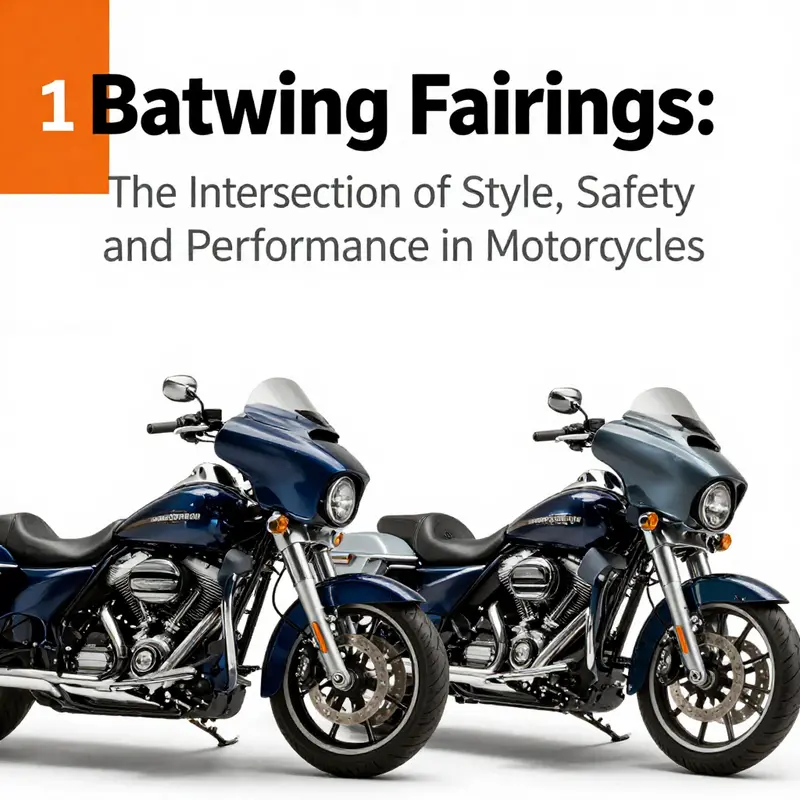
Batwing fairings have long stood as a defining feature of the touring class, shaping not only the bike’s profile but the very pedestrian experience of long-distance riding. In the lineage of iconic Harleys, the Batwing and its sharknose cousins carried a promise: a shield against wind fatigue without breaking the rider’s sense of connection to the road. The 2026 evolution of the Batwing fairing for the Street Glide and Road Glide models preserves that promise while threading in a modern design language and a suite of technologies that elevate the entire touring platform. The result is a fairing that feels simultaneously familiar and new, a bridge between heritage and a contemporary, electronically enriched riding environment. The line between aesthetic and function has never been thinner, and the 2026 iteration demonstrates how a fairing can remain distinctly recognizable while becoming a critical component of a broader engineering story that includes a lighter chassis, a more capable powertrain, and a highly integrated electronics ecosystem.
From a visual standpoint, the Batwing remains unmistakably Harley in spirit. The silhouette is retained as a strong visual cue that riders instantly recognize on the highway, a nod to decades of touring culture. Yet the 2026 redesign leans into an aerodynamic sensibility that was less pronounced in earlier generations. The front of the Batwing now features a Splitstream vent trim that is more than a stylistic flourish; it is a purposeful engineering element. This vent trim works as a finely tuned intake feature, guiding air more efficiently around the rider’s cockpit and into the machine’s cooling pathways. The immediate effect is a reduction in turbulence at speed, which translates to less wind buffet and a calmer cockpit environment. Riders notice the difference most on multi-hour highway stretches, where even small aerodynamic gains accumulate into meaningful reductions in fatigue and noise. In this sense the Batwing becomes not just a shield for the rider but a carefully designed conduit for airflow that complements the chassis dynamics beneath the rider’s weight.
The design language of 2026 also speaks to a modern yet restrained aesthetic. The lighter overall chassis that accompanies the revised fairing reduces the unsprung mass and helps in maneuverability while preserving the bike’s confident, long-ride demeanor. This is not a case of chasing the latest fad; it is about evolving the classic Harley touring look so that it remains visually audacious while supporting a more precise and refined riding experience. The fairing’s lines are sculpted to align with the bike’s mechanicals and the rider’s seating posture, ensuring that the wind deflection works in concert with the rider’s lines of sight and field of view. The result is a harmony between form and function, a visual language that communicates both tradition and forward-thinking engineering.
Under the skin, the Batwing serves as a hub for advanced technology that redefines what a fairing can be in the modern motorcycle. The 312 mm Skyline OS, embedded within the bike’s digital architecture, integrates ride modes, Apple CarPlay, and turn-by-turn navigation in a way that respects the rider’s attention while maximizing convenience. The interface is designed to be intuitive, with ride modes that adapt throttle response, suspension damping, and traction control to different riding scenarios. The Batwing becomes part of a wider ecosystem where the rider’s input is coordinated with the bike’s sensors and control systems. This integration is not an afterthought; it is a foundational aspect of how the 2026 Touring family delivers what riders expect: a connected, responsive, and predictable riding experience in a weight-conscious package.
Safety, always a consideration for touring bikes that cover long distances, takes on a new dimension in this generation. Harley-Davidson’s Rider Safety Enhancements leverage smart technology to assist riders in unpredictable conditions. The Batwing fairing is a primary stage for these technologies because it houses a suite of sensors and a display architecture that makes information available without forcing the rider to take their eyes off the road for extended periods. In practical terms, the rider benefits from a clearer integration of ride modes and navigational prompts that appear as needed, rather than demanding attention. The combination of aerodynamic refinement and smart safety features represents a maturation of the Batwing from a protective shell into a sophisticated riding platform that can respond to changing weather, traffic, and road surfaces with a degree of composure previously reserved for high-end sports systems.
The 2026 refresh also speaks to an important reality for riders who value both authenticity and customization. OEM batwing fairings designed for 2026 models ensure optimal fit, seamless electronics integration, and the safety systems that have become essential to today’s riding experience. Yet the aftermarket landscape remains vibrant for riders who seek a broader palette of textures, finishes, or slightly different aerodynamics. The breadth of aftermarket options allows enthusiasts to tailor the look and feel of their touring bike while preserving the essential benefits of the Splitstream vent and the protective embrace of the fairing itself. It is in this balance—between preserving a heritage silhouette and inviting innovation in materials, finishes, and integration—that the Batwing’s evolution finds its most meaningful expression. For riders contemplating aftermarket pathways, there is a spectrum of choices that can harmonize with the 2026 architecture without compromising the bike’s core systems. There are aftermarket resources available that cater to a wide range of models and preferences; for example, a broad catalog exists for Honda fairings if a rider seeks compatible designs in the broader universe of sport touring aesthetics. These options illustrate how the Batwing’s influence has rippled outward, informing fairing design across different brands and eras.
When riders first experience the 2026 Street Glide or Road Glide, they encounter a motorcycle that feels both familiar and advanced. The familiar pull of Harley’s touring DNA is still there—the capability to cover long miles in comfort, the sense of confidence that comes from a well-balanced chassis, and a cockpit that invites the rider to settle in and enjoy the ride. Yet the experience is enhanced by a curated technology stack that respects the rider’s attention and amplifies the bike’s inherent strengths. The Splitstream vent, now a standard feature of the modern Batwing, contributes to a calmer, more focused ride. The Skyline OS transforms the cockpit into a central command for ride preference, connectivity, and navigation, all presented in a way that complements the rider’s natural line of sight. In this light, the Batwing fairing is more than a protective cover or a design flourish. It is a critical interface that connects aerodynamics, rider comfort, engine performance, and digital intelligence into a coherent, high-functioning touring platform.
As the touring landscape continues to evolve, the Batwing’s journey reveals a broader narrative about how tradition and technology can coexist without canceling one another. Harley-Davidson has chosen not to “reinvent the wheel” but to reimagine the wheel’s relationship to air, to the rider, and to the vehicle’s electronic brain. The result is a fairing that embodies a philosophy of progress without loss of identity. In this sense, the Batwing fairing of 2026 serves as a case study in modern motorcycle design: an enduring silhouette upgraded with attentive aerodynamics, a carefully integrated electronics ecosystem, and a rider-centric safety proposition that speaks to both the eye and the hand. The story it tells is not only about what the bike looks like, but about how a rider experiences the road when the wind is managed with intelligence and the ride is guided by a connected, safety-forward interface.
For readers curious about how these design and technology choices translate into real-world customization, aftermarket fairings offer a complementary route to explore. The modern Batwing sets a high bar for fit and finish, and OEM components ensure a seamless match with the bike’s electronics and safety systems. Still, the world of fairings is broad, and enthusiasts often consult resources that specialize in compatible shapes, finishes, and mounting options across different brands and eras. There are extensive catalogs and communities that discuss the nuances of fitment, airflow, and rider comfort, including dedicated collections that reflect the broader ethos of fairing design in sport and touring motorcycles. As with any substantial upgrade, careful consideration of compatibility with the bike’s frame, electronics, and rider preference is essential to achieving a result that feels both authentic and reliable on the open road.
For readers who want to explore aftermarket possibilities while maintaining confidence in fit and electrical integration, the journey begins with a careful evaluation of the specific bike model year and the desired riding stance. The Batwing’s evolution demonstrates that a fairing can be more than a shield and a stylistic gesture; it can be a well-considered platform that accommodates a rider’s needs for comfort, connectivity, and safety on long-haul journeys. In this sense, the 2026 Batwing fairing is not merely about appearing modern—it is about delivering a modern riding experience that honors the past while embracing the future. See additional information about the 2026 Street Glide’s next-generation Batwing design on the official Harley-Davidson Ireland site for reference and context. https://www.harley-davidson.ie/motorcycles/2026/street-glide.html
Catching the Wind: The Batwing Fairing’s Quiet Mastery of Aerodynamics, Comfort, and Identity on Modern Touring Motorcycles
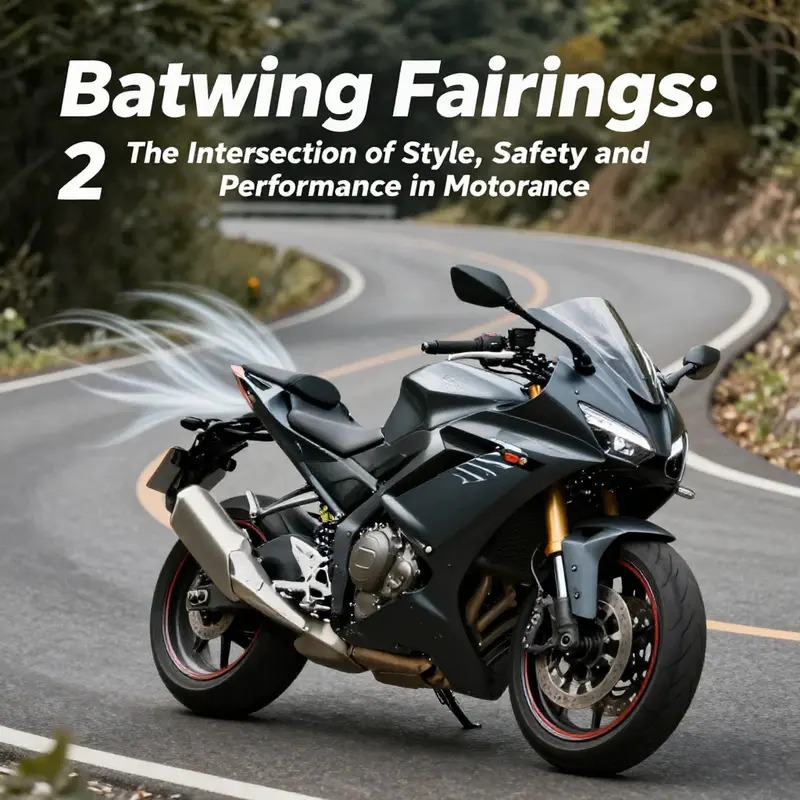
The batwing fairing is more than a silhouette in the wind; it is a carefully engineered aerodynamic canvas that shapes both performance and perception on long open road journeys. Its broad, forward sweeping form acts like a practical wind guide, steering air around the rider and the machine with a purpose born from decades of refinement. At high speeds, this shape smooths the flow over the front of the bike, reducing turbulence and drag. The result is a more efficient ride with less wind resistance, which translates into steadier cruising, lower fatigue, and improved fuel economy over miles of highway. The physics is not just about cutting through air; it is about shaping air so the rider can disappear into the moment rather than fighting it. The rider’s torso remains supported by a calmer airstream, and the shoulders, arms, and neck feel less buffeted, allowing longer enjoyment even when the road tempts with rising gusts and changing weather. What emerges from that aerodynamic foundation is a more stable and confident riding experience. The fairing’s influence on high-speed handling is subtle but real. By directing air away from the rider’s helmet and chest, it reduces the raw pressure that can otherwise buffet the helmet and cause head movements that disrupt balance. The same airflow management also curtails the cabin noise generated by turbulent pockets forming behind the windscreen in steady-state cruising. In practice, this means riders can maintain clearer conversation with a passenger, better perception of engine notes and road texture, and less cognitive load when concentrating on a long stretch of highway. All of this contributes to a consistent, predictable behavior from the bike at speed, which is exactly what touring riders learn to value after countless miles of testing in different climates and road surfaces. The batwing’s visual language is inseparable from its performance. Its iconic shape has long defined the visual identity of a certain lineage of touring motorcycles, giving each model a signature presence on the road. The silhouette communicates purpose: a machine built for open lanes, for stability in headwinds, and for long days of riding comfort. Yet the same form also invites personalization. Designers and riders alike have found value in trim options, color coordinated accents, and aesthetic components that emphasize airflow management without compromising the clean lines that give the fairing its legibility at speed. The front of the fairing now often features a discreet vent trim, a practical integration that blends with the contours while guiding air to relieve pressure build-up inside the cockpit. This is not mere ornament; it’s a functional element that reduces interior noise and contributes to the quiet, focused cabin environment riders seek on long journeys. Technology has become part of the wind story without overwhelming the rider. A modern fairing is now a hub where aerodynamics, electronics, and rider interfaces converge. The latest designs incorporate a touchscreen system that offers ride modes, navigation, and integrated connectivity. The result is a cockpit that supports the rider’s intent—whether seeking relaxed cruising at a comfortable pace or responding to changing conditions with precise throttle and steering inputs. The flow of air and the flow of information work in concert, reducing stress and enabling a more intuitive riding experience. Rider safety enhancements, another layer of smart technology, contribute to a sense of security in unpredictable situations, providing assistive cues that help the rider maintain control. All these elements—air management, noise reduction, active technology, and safety features—are not isolated features but a cohesive system designed to improve confidence and comfort at speed and across long days in the saddle. Behind the everyday benefits lies a design philosophy that has evolved over years of real-world use. The batwing fairing represents a convergence of form and function, a philosophy that prioritizes how air acts on a moving machine and how the rider experiences that air. In newer generations, the approach blends a lighter chassis with a more efficient aero profile, a combination that amplifies performance without sacrificing the classic look that defines the lineage. The 2026 design language, for instance, embraces a modern aesthetic while preserving the recognizable silhouette that enthusiasts associate with the brand’s touring capabilities. It’s a careful balance: the wind must be managed effectively, but the visual drama of the fairing must remain intact. The result is a bike that feels both timeless and forward-looking, with lines that appeal to riders who value heritage just as much as they crave contemporary engineering. From the engineering vantage point, the batwing is also a practical platform for integration. The fairing’s interior space accommodates not only wiring and the display system, but also a range of trim kits and accessories that let riders tailor aerodynamics and aesthetics to their own riding envelope. A key advantage of this integrated approach is that airflow management can be tuned to work in harmony with the bike’s electronics and safety systems. When the Splitstream vent trim is designed to merge with the contours, the airflow paths optimize both pressure distribution and acoustic performance inside the cockpit. The result is a cabin that feels progressively quieter and more settled, even as the bike accelerates through acceleration and deceleration cycles. For riders who hope to cover vast distances, this translates into fewer interruptions caused by wind and noise, and more time enjoying the ride itself rather than managing the environment. The aftermarket world offers a spectrum of options for those who want to explore alternative looks or fitments while keeping the aerodynamic logic intact. It is crucial, however, to recognize that OEM fairings designed for specific model years are engineered to mesh with the bike’s electronics and safety systems. When riders choose aftermarket shells or trims, they should be mindful of fitment, wiring compatibility, and the potential impact on wind noise and overall aero behavior. In practice, discerning buyers seek a balance: a fairing that honors the visual identity of the bike, preserves the aero benefits, and remains compatible with ride-by-wire controls, navigation displays, and rider-assist features. This is where genuine parts—designed to align with the latest chassis and electronics—play a critical role in preserving performance and safety, while still offering a path to personalization. For readers who want to explore how the broader ecosystem of fairings shapes design thinking, it’s worth considering how different brands approach the same aerodynamic challenges. A useful point of reference for understanding modern fairing dynamics can be found by exploring the Honda fairings collection, which showcases how precision fitment, contouring, and mounting philosophies influence performance across brands. Honda fairings collection offers a window into the careful engineering that makes aftermarket options viable without compromising aero efficiency or safety integration. This cross-brand context helps illuminate why the batwing’s air-handling strategy remains central to touring comfort and speed stability, regardless of the machine sitting behind it. It’s not merely a matter of shape; it is a disciplined approach to packaging air as an ally on every journey. As the industry continues to blend heritage with the latest tech, the batwing fairing stands as a practical embodiment of that synthesis. It is a feature that riders feel more than they see, and they see more in it than mere protection from wind. It is a statement about how a motorcycle can be engineered to minimize fatigue, maximize efficiency, and still carry the unmistakable identity of a lineage that prizes freedom and long-range capability. The outcome is a motorcycle that invites riders to open the throttle with confidence, knowing that the wind is being managed with a quiet, deliberate design language that supports long days in the saddle. And while the specifics of engines, chassis, and displays evolve, the essential role of the fairing remains unchanged: to keep the rider connected to the road, to the weather, and to the miles ahead in a way that feels natural, effortless, and enduring. External resource for broader context on touring hardware and rider experience can be found here: https://www.harley-davidson.com/us/en/motorcycles/touring/street-glide.html
Forging Custom Wind and Style: Navigating Aftermarket Batwing Fairings for Touring Motorcycles
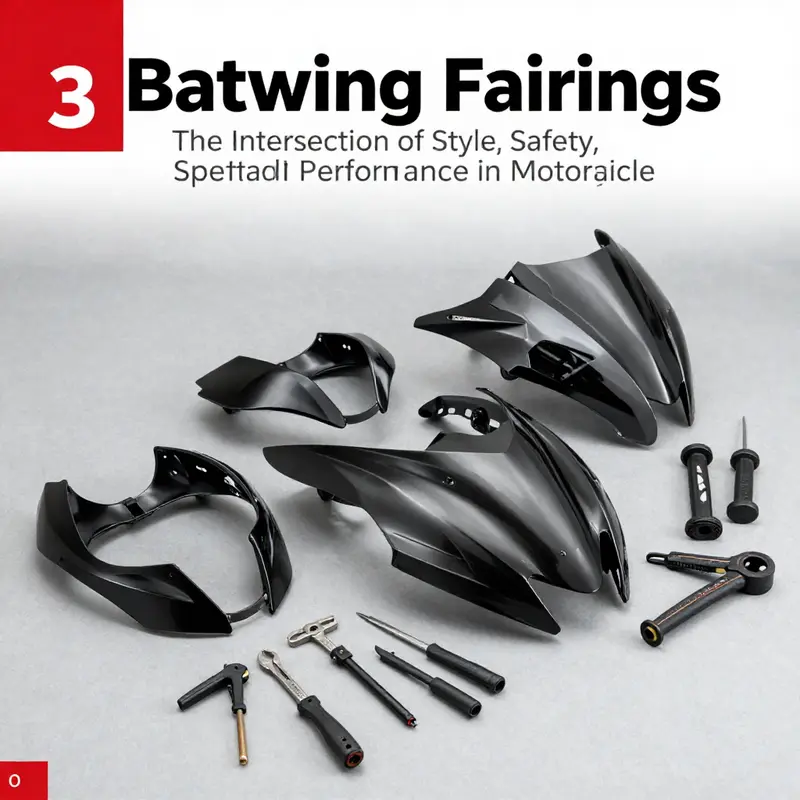
Riders seeking to sculpt both presence and performance from their touring machines often turn to aftermarket batwing fairings as a decisive step. These fairings, designed to wrap around the front of the motorcycle and sculpt the rider’s air envelope, come in a spectrum of materials, finishes, and mounting philosophies. The core value proposition remains consistent: reduce wind fatigue on long rides, improve stability at speed, and tailor the bike’s silhouette to the rider’s preferences. Yet the path from boutique shade and paint to a secure, ride-ready installation is paved with practical choices. The most common construction choices are ABS plastic and fiberglass. ABS is lightweight, forgiving, and capable of withstanding regular highway gusts while keeping the overall price approachable. Fiberglass, by contrast, tends to offer a stiffer, more refined surface for paint and fit, which can translate to a sleeker look and smoother long-term durability—though it often comes with a higher price tag and a different installation experience. Either way, aftermarket batwings are designed to integrate with a variety of models, but the depth of integration can vary. A well-made aftermarket unit should sit in harmony with the bike’s steering geometry and front-end rake, aligning with the rider’s line of sight and the bike’s overall balance rather than fighting it. The goal is a seamless transition where the fairing looks like it belongs, not an add-on that crowds the cockpit or disrupts handling. Readiness for installation is a common concern, and many products come with pre-fit options or standardized mounting points to ease the process. When a fairing is designed with high compatibility in mind, it reduces the risk of gaps, misalignment, or wiring conflicts that can complicate electrical integration, speaker enclosures, or accessory mounting. To some riders, the appearance is simply the first chapter; what follows is the way the fairing’s sculpted profile nudges the motorcycle’s aerodynamics toward efficiency and comfort. The physics behind this choice is straightforward. A batwing that presents a clean, streamlined front face and smoothly contoured sides helps direct airflow around the rider, minimizing the eddies that create buffeting at highway speeds. A properly shaped fairing—the term here signaling more than cosmetic appeal—also wards off wind pressure that can fatigue the top half of the torso and shoulders over hours in the saddle. It is not only about keeping the rider comfortable; it also supports the machine’s stability by reducing lift and wobble tendencies that can arise in gusty conditions or on uneven pavement. The practical consequences are immediate: calmer air, steadier wind pressure, and a riding experience that makes long distances feel shorter. The choice of aftermarket fairing should be guided by a careful assessment of how much wind deflection you actually need. Some riders prefer a relatively tall, protective profile for crosswinds and colder days; others favor a more compact, integrated appearance that mirrors the bike’s original lines while still delivering a headwind shield. In either case, a good rule of thumb is to measure your typical ride profile—city commutes versus open-road tours—and match the wind protection level to those conditions. The aerodynamic profile matters just as much as the shield itself. A fairing with a well-conceived intake and exit geometry can reduce turbulence, which translates into a smoother air stream across the rider’s chest and helmet. A quiet, calm cockpit is not only a comfort feature; it also helps with concentration on faster or longer rides where visual and cognitive fatigue can creep in when the wind crowding the helmet becomes tiresome. For riders and builders alike, attention to fitment is non-negotiable. The rider’s seating position, handlebars, and fairing height all interact in a triangle of comfort and control. If the fairing sits too high, it can trap air and create back-pressure against mounting hardware; if it’s too low, it may fail to deliver the intended wind protection. That is why high-quality aftermarket batwings often include adjustable or varied mounting options to accommodate different chassis widths, fork angles, and fairing pockets for electronics. The cost picture is another important lens through which this decision should be viewed. Prices reflect material choice, the complexity of the fairing’s shape, and how deeply it’s designed to integrate with the bike’s electrical system and controls. Cheaper ABS-based kits may deliver on the basics but can require more hand-fitting and compromises in paint finish or long-term rigidity. Premium fiberglass or composite builds can yield crisper paint lines and a tighter fit, yet demand greater care during installation and time for proper alignment. For many riders, the decision is a balance between budget and value. It’s worth noting that aftermarket options vary not only by material and fitment dose but also by the inclusion of features that affect the overall riding experience. Some fairings offer additional pockets, speaker housings, or integration channels for antennas and wiring. Others emphasize a clean, minimal aesthetic that lets the bike’s lines speak louder than the installation itself. The integration challenge expands when electronics enter the equation. Modern touring motorcycles often bring sophisticated onboard systems that interact with safety features, ride modes, and navigation. An aftermarket fairing that is truly turnkey for the rider should consider these needs, ensuring clean routes for wiring and avoiding interference with sensors and controls. This is where OEM compatibility sometimes shines through. OEM parts designed for the latest 2026 models prioritize correct fit, full integration with the bike’s electronics, and alignment with rider safety enhancements. In many cases, choosing OEM-related aftermarket options helps minimize the risk of misalignment with wiring harnesses, power distribution, and cooling airflow paths, preserving both performance and safety. For riders who like to explore beyond the showroom, there is a long-standing ecosystem of niche offerings. If you are drawn to a specific silhouette or want to preserve a faithful homage to classic lines, there are aftermarket batwings that respect heritage while delivering modern convenience. The discussion rarely ends with aesthetics alone. A fairing’s wind-deflecting properties, its interaction with the bike’s stability at speed, and its integration with instrumentation and safety features all combine to influence the rider’s confidence. In this sense, the aftermarket scene is not merely about style; it is about choosing a tool that translates into a more enjoyable, more controlled ride across varied roads and weather. A nod to the broader ecosystem of aftermarket customization can be helpful. Consider visiting marketplaces or specialty retailers that curate a range of fairing options and offer guidance on fitment for your specific model. For riders curious about model-specific fitment and broader aftermarket support, a practical starting point is to explore fairing collections for brands known for wide compatibility and active aftermarket ecosystems. For example, a dedicated Honda fairings collection illustrates how a mature aftermarket line can provide consistent fitment and a broad range of style choices while maintaining reliability in installation and finish. You can explore such a reference through this link: Honda fairings collection. This kind of benchmark helps frame expectations as you weigh options for a touring bike that may share mounting philosophies with other platforms. The decision to go aftermarket is ultimately a negotiation between form, function, and the rider’s evolving needs. If you value a clear, integrated cockpit, clean lines, and reliable fitment with modern electronics, aftermarket batwings that emphasize compatibility and precision can be highly rewarding. If you prize absolute preservation of a particular aesthetic or a specific OEM feature set, you may lean toward OEM or OEM-designed aftermarket paths, especially on 2026 model lines that promise a more cohesive rider experience with enhanced safety features and more sophisticated onboard interfaces. Either route invites a thoughtful approach: assess mounting options, evaluate how much wind you want to deflect, study the fairing’s aerodynamic profile, and balance your budget against the benefits of longer, more comfortable miles in the saddle. The best outcomes simply feel right when you ride. When installation is done with care, the fairing becomes less a purchase and more a component of the bike’s evolving character. It is this evolution—balancing heritage silhouette with improved airflow, lighter chassis interaction, and smarter onboard capability—that defines the aftermarket batwing fairing landscape for touring motorcycles today. The rider’s journey from showroom to personal signature often passes through a set of practical decisions: material choice, fitment strategy, wind protection level, and the level of integration with the bike’s electronics. In the end, the right fairing aligns the machine’s character with the rider’s intention, delivering comfort on long stretches, confidence in exposed stretches of highway, and a sense of coherence between rider, machine, and road. External resources can provide additional context for those evaluating their options, including in-depth aftermarket guides and comparative reviews that map material performance, fitment nuance, and long-term durability. External resource: https://www.alibaba.com/product-detail/Understanding-Motorcycle-Batwing-Fairings-Aftermarket1600589435374.html?spm=a2700.galleryofferlist.pclick&fsm=1&src=s52746515753286012314655281990298791&fsm=1&src=s52746515753286012314655281990298791
Wind, Shield, and Signals: The Safety-Oriented Evolution of Batwing Fairings in Modern Motorcycling
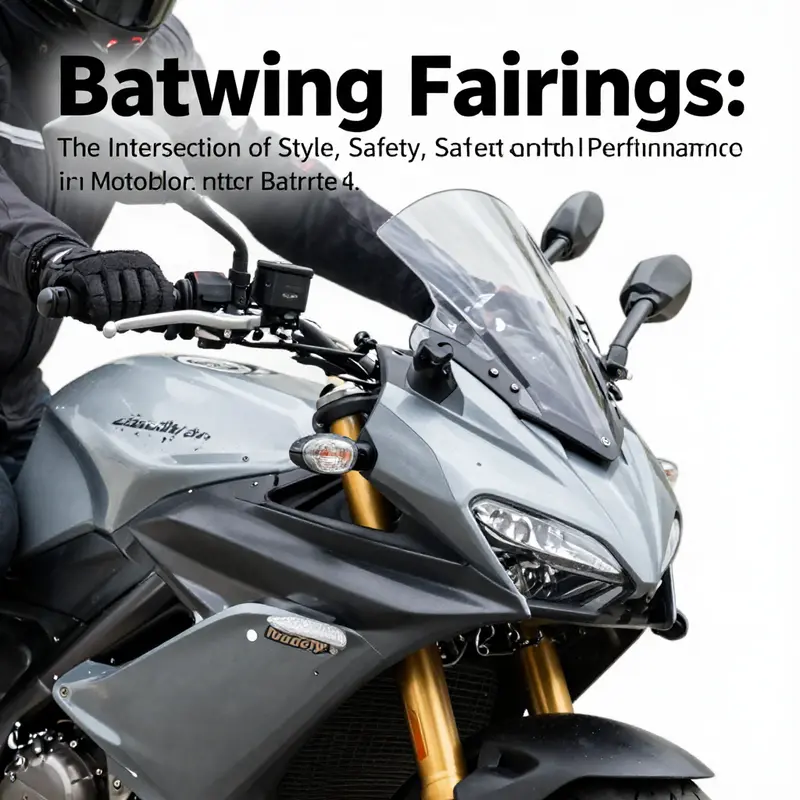
The batwing fairing has long been a signature element of touring motorcycles, a silhouette that speaks of open-road confidence as much as it speaks of shelter from wind. In the practical sense these fairings are about comfort and control: a shield against fatigue that can erode judgment and reaction time after hours in the saddle. When the rider is not fighting the wind, the mind is freer to monitor traffic, plot a line through a curve, and respond to subtle changes in road texture. Yet the story of batwing fairings today is not merely about wind deflection or aesthetic presence. It is about a careful symbiosis between bodywork and electronics, where aerodynamics and smart technology converge to bolster rider safety in real world conditions.
The 2026 family of batwing fairings marks a notable shift in this direction. The new design language is unmistakably contemporary, but it preserves the timeless profile that riders recognize at a glance. The front of the fairing carries a more pronounced, aerodynamically efficient Splitstream vent. It is not a cosmetic flourish so much as a functional adjustment that nudges airflow away from the rider’s chest and helmet, reducing buffeting and wind noise. The result is a smoother, more focused ride at highway speeds and into long straight stretches where fatigue would otherwise creep in. A lighter overall chassis complements this reimagined fairing, reinforcing handling balance and steering feel without sacrificing the sheltering comfort that riders expect. In practice, the combination translates to steadier lines through corners and more precise control in gusty conditions, particularly when paired with a well-tuned windscreen and spoiler arrangement that can be dialed to fit rider height and posture.
This is not a mere mechanical improvement; it is a design philosophy that treats wind as a dynamic element to be managed rather than a constant to be endured. Adjustable spoilers and windshields have become a standard expectation in modern batwing configurations, making it possible for riders to tailor airflow to their body geometry and to the demands of a given climate or riding posture. A rider tall in the saddle, facing a strong crosswind, can deploy a more aggressive windshield angle and a subtle spoiler adjustment to keep the helmet shielded from turbulent eddies. A rider seeking a calmer cockpit on a lighter, tighter commute can reduce turbulence by adapting the profile for a lower wind exposure. The goal is not to eliminate wind entirely but to keep its variables in a predictable range, which supports steadier throttle control, smoother braking, and a more stable line when a sudden lane change appears on the horizon.
Behind the visible refinements lies a broader system upgrade that touches rider safety in a very contemporary way: smart technology embedded within the fairing ecosystem. The 2026 iterations emphasize how a fairing can serve as a platform for safety-enhancing features without compromising performance. In practice, this means sensors and software that respond to unpredictable riding situations with alerts and, in some configurations, adaptive adjustments to riding parameters. The safety logic is not about replacing the rider’s judgment but about reducing the impulse to overreact to stimuli such as a sudden crosswind, a stray gust, or a momentary drop in visibility. In the most optimistic view, these smart integrations provide an early warning layer that helps a rider maintain a calmer, more deliberate riding tempo, which is a proven contributor to accident avoidance. The fairing thus becomes a conduit for information and feedback, translating external threats into actionable cues that help the rider stay aligned with the intended line and speed.
Another cornerstone of the 2026 approach is a high-quality human-machine interface that keeps information accessible without overwhelming the rider. A large, responsive touchscreen system has become a centerpiece of the riding experience, offering ride modes that tune engine response, traction management, and braking behavior to the road and the rider’s intent. The same interface ensures that information such as navigation prompts, phone connectivity, and vehicle status is visible and legible with a quick glance, even when the rider’s focus is momentarily elsewhere. When the fairing houses both wind management tools and the rider’s digital command center, the integration must be meticulous; the hardware must be durable, the software intuitive, and the electrical architecture must support reliable communication between sensors, controls, and displays. This is where OEM design philosophy shines: by designing the fairing as a single, cohesive interface for airflow, visibility, and information, engineers can guarantee that protective features remain synchronized with performance characteristics and safety aids. It is a holistic upgrade rather than a series of isolated improvements.
The rider experience is also shaped by the way these fairings interact with the bike’s chassis and powertrain. The lighter chassis developed for the 2026 models plays a critical role in how the wind protection system behaves under load. A stiffer, lighter shell responds more predictably to steering input and wind gusts, which helps the rider maintain composure in dynamic situations. When wind pressure is more evenly distributed through the fairing structure, the rider feels a steadier front end, a subtle but meaningful advantage during high-speed lane changes or when negotiating a gusty highway corridor. The integration of a robust electrical and sensor suite with a more efficient aerodynamics package reduces the fatigue factor that can accompany long distances. In this light, the fairing is not a passive shield but an active partner in the rider’s safety, providing the stability and clarity needed to execute safe decisions at the moment when they matter most.
The 2026 approach also emphasizes compatibility and reliability through careful component selection and a focus on integration with safety features. OEM fairings designed for the year model are engineered to preserve the integrity of connected electronics and sensors that support rider aids. That means the fairing not only carries vents and shields but also provides proper mounting points, cable routing, and water-resistant seals for electronic modules that monitor ride stability, display system health, and manage alerts. For riders who customize their machines with aftermarket options, this is an important reminder: aftermarket fairings can offer compelling aesthetics and sometimes improved airflow, but optimal safety performance hinges on fit, seal integrity, and proper electrical integration. The 2026 design philosophy therefore encourages riders to consider OEM parts when upgrading their fairings if they want to preserve the full spectrum of safety enhancements, including the nuanced communication between ride modes, driver alerts, and the protective cockpit environment.
From the rider’s perspective, the most meaningful safety gains come not from a single feature but from the concert of wind management, tactile control, and information flow. The burnished calm created by reduced wind fatigue translates into steadier steering and more consistent throttle input, especially in long runs where the mind must remain alert after hours of riding. The capacity to adjust wind flow and shield geometry on the fly contributes to a rider’s ability to maintain a stable posture and a clear view of the road ahead, even when the weather shows its lighter moods. The smart safety enhancements, meanwhile, act as a cognitive extension of the rider, delivering timely cues and, in some configurations, subtle performance adjustments that can help avert a misjudged lane position or a sudden corrective move required by the road’s micro-conditions. Together, these features form a protective envelope that respects the rider’s autonomy while providing a watchful layer of support that can shorten the gap between perception and reaction.
For those who seek further exploration of aftermarket options as part of a broader safety plan, consider how a well-chosen set of fairing accessories can complement the core safety package without compromising integration. The right balance of wind protection, visibility, and ergonomic reach matters as much as the electronics that drive the rider aids. It’s a reminder that safety in modern motorcycling is rarely a single adjustment but a disciplined, layered approach that respects the rider’s needs, the machine’s capabilities, and the road’s demands. To broaden the context beyond the specific bike family discussed here, you can explore the broader universe of fairing options at the Yamaha fairings collection. This resource can offer perspective on how different manufacturers approach wind management and rider comfort, which can inform a rider’s decisions when evaluating whether a particular fairing configuration supports safer highway behavior. https://www.summitfairings.com/collections/yamaha-fairings
In sum, the 2026 batwing fairings exemplify a shift toward safety through intelligent design, where wind management and rider information are harmonized with a lighter, more capable chassis and a modern electronic ecosystem. The fairing becomes a platform for safety, not merely a shield from gusts. It is a space where form follows function, where airflow, visibility, and digital feedback converge to help riders maintain control and comfort on the road. The outcome is not a claim of invulnerability but a refined augmentation of rider capability—one that respects the rider’s skills, supports decision-making, and offers a transparent, dependable interface with the bike’s evolving safety technologies. For those who want the most reliable synthesis of protection, performance, and perceptual clarity, the 2026 batwing fairing design represents a thoughtful evolution in the ongoing conversation about how best to marry heritage with modern safety in motorcycling. External references provide deeper details on official specifications and model-specific safety enhancements if you wish to connect these themes to the exact factory package and its documented capabilities: the official 2026 model page for the touring lineup. https://www.harley-davidson.com/ie/en/models/motorcycles/touring/street-glide-2026.html
Wings of Value: The Economic Pulse of Batwing Fairings in Motorcycle Customization
Batwing fairings have long stood as a visual and functional hallmark of touring motorcycles, a silhouette that signals long-distance capability and rider confidence. In economic terms, they are more than a styling flourish; they act as a catalyst for a robust ecosystem of customization that blends aesthetics, aerodynamics, and technology into a cohesive value proposition. The modern batwing is not a static shell but a living interface that shapes rider experience and, in turn, the market for aftermarket components, service, and accessories. As manufacturers push toward lighter frames, improved aerodynamics, and smarter rider aids, the fairing becomes a central node in a dynamic network of demand, supply, and innovation. This is especially visible in the premium and mid-range segments of the motorcycle aftermarket, where enthusiasts look to tailor sound, wind texture, visibility, and control layout without sacrificing reliability or integration with on-bike electronics.
The market forces driving batwing fairings are twofold: a desire for enhanced performance and a hunger for personal expression through distinctive styling. Riders want smoother air ingress to minimize wind buffeting at highway speeds, quieter cabins during long rides, and better protection against fatigue. At the same time, owners see fairings as canvases for personalization—an opportunity to convey identity through color, trim, lighting, and accessory fitment. The result is a sustained, cross-category demand that stretches beyond the fairing itself to related items such as windshields, trim pieces, lighting packages, and handlebar configurations. The cumulative effect is a broader revenue stream that flourishes when manufacturers, installers, and retailers converge around a common goal: delivering a seamless, reliable, and visually coherent upgrade path for riders.
From a manufacturing perspective, fiberglass has emerged as a preferred material for aftermarket batwing components. Its strength, flexibility, and cost profile align with the needs of mass customization, allowing for intricate contours that accommodate electrical routing, mounting hardware, and ventilation features without driving up unit costs. This material choice supports the growth of a modular ecosystem where core fairings can be paired with a variety of add-ons, enabling riders to mix and match elements to suit climate, riding style, and personal taste. When a rider chooses to upgrade, the total cost of ownership often includes not only the fairing itself but also related components such as windshields, mounting hardware, gaskets, seals, and decorative trim. As a result, a single purchase can cascade into a multi-item order that meaningfully lifts the average order value across retailers and fitment shops.
The economic impact is further amplified by the broader trajectory of the global motorcycle fairing market. Estimates place the market in the vicinity of several billions of dollars, with a healthy and rising growth rate that speaks to sustained consumer interest. The market size is driven by a blend of factors: enthusiasts initiating new builds, owners seeking mid-life upgrades, and fleets that require standardized, aesthetically cohesive appearances across multiple bikes. This confluence creates a fertile ground for innovation, with accessory makers expanding beyond raw shells to include specialized trim, protective elements, and integrated systems that align with modern electronics. Even as some segments emphasize affordability and broad compatibility, there remains a persistent premium segment that values bespoke fitment, reinforced finishes, and laser-precise tolerances. In this context, batwing fairings become a focal point around which value, performance, and identity can be scaled up in a controlled, repeatable manner.
A significant driver of the market’s momentum is the alignment between performance gains and rider comfort. Aerodynamic refinements in the batwing front, such as smoother airflow channels and strategically placed vents, translate into tangible benefits: reduced wind noise, less fatigue on longer rides, and improved stability at highway speeds. These improvements typically justify higher price points in both OEM and aftermarket segments because they contribute directly to ride quality, safety, and confidence. Retailers frequently present this value proposition through bundled packages that pair the fairing with compatible windshields, speaker and infotainment mounting options, and weatherproof electrical connectors. The result is a bundled experience that reduces installation friction for riders and provides retailers with higher-margin opportunities through cross-selling.
In terms of distribution, the market has diversified far beyond traditional dealerships. While authorized channels remain essential for ensuring fitment precision and electronics integration, independent shops and online retailers now represent a substantial portion of sales. This diversification expands access and accelerates the diffusion of new aerodynamic concepts and trim aesthetics. The breadth of offerings, from mid-range fiberglass shells to more premium, precision-fitted variants, supports a wide spectrum of consumer budgets and aspirations. For riders who are budget-conscious, universal-fit options and generic accessories can fulfill basic aesthetic and wind-management needs, while more discerning buyers gravitate toward components engineered to mirror the smoother lines and integrated look of factory designs. This spectrum sustains competition, drives service quality, and widens the ecosystem’s geographic reach, enabling riders in diverse markets to participate in the customization economy.
The economic story around batwing fairings is also a story about value capture across the supply chain. Original equipment manufacturer (OEM) parts designed for new-year models ensure optimal fit, function, and seamless integration with the bike’s electronics and safety systems. For many riders, this is the preferred path when long-term reliability and system compatibility are paramount. Yet the aftermarket, with its breadth of offerings, is not merely a supplement; it is a force multiplier that expands the consumer’s ability to realize a personalized vision within a given budget. The aftermarket’s strength rests on a few core capabilities: rapid prototyping, scalable manufacturing, and robust distribution networks that keep pace with evolving design language and rider feedback. When done well, aftermarket batwing components do more than replicate factory lines; they reinterpret them for individual riders, providing fresh aesthetics without compromising core performance attributes.
This ecosystem is not merely about parts; it is about the practice of customization as a cultural activity. Debates among riders often revolve around how far to push the balance between form and function. Some builders prize visual coherence, ensuring every piece—from the fairing shell to the smallest trim bead—reads as a single design language. Others emphasize performance, seeking wind management and acoustic tuning that minimize fatigue on long rides. In either case, batwing fairings function as a gateway purchase: the entry point that unlocks a sequence of upgrades, from hardware and lighting to navigation, audio, and ride data displays. The cumulative effect is a market that rewards engineers and artisans alike for translating technical gains into tangible riding experiences. The economic reward for this translation is evident in the expansion of service networks and the growth of design studios that specialize in rider-centric, aero-conscious builds.
For those exploring the breadth of available options, a representative approach to customization can be found in the way components are presented and sold as part of a broader system. A mid-range trim could be described as a refined accent that adds a subtle sheen or a bold contour to the fairing’s edge, often priced around a hundred dollars in configuration-aware markets. These trims coexist with larger, performance-oriented packages that reimagine the fairing’s venting scheme, intake routing, and shelter from wind. The practical takeaway for riders is that each additive piece has a long-tail effect: it improves comfort, it enhances aesthetics, and it can shift perceptions about what a touring bike should feel like on the open road. In this sense, batwing fairings are not just shells; they are a platform for ongoing value creation, price discrimination that reflects quality and tailoring, and a living interface between rider desires and engineering constraints.
Riders who seek inspiration for sourcing and assembling their own batwing-inspired builds can explore a broad set of offerings across regional markets. For example, one can find a diverse set of fairing options and related accessories within a wide catalog that highlights models with a dedicated alignment to wind management and instrument integration. The presence of such catalogs—whether through physical showrooms or digital storefronts—helps riders visualize how different components will look and feel together, reducing the risk of mismatch and boosting confidence in investment. The capability to preview, compare, and assemble compatible pieces supports a smoother purchasing journey and lowers the barrier to entry for first-time buyers who are curious about customization but uncertain where to begin. This accessibility, combined with a reputation for durability and fit, sustains long-term market engagement and encourages repeat purchases as riders iterate on their builds.
Within this evolving landscape, it is instructive to observe how a single category like batwing fairings can influence adjacent segments of the customization economy. Improved ventilation and refined lines encourage the creation of complementary products, from more precise mounting systems to lighting and audio integration that speak to modern rider expectations. The presence of a cohesive design language across fairing, windshield, and trim pieces reinforces brand identity and fosters loyalty among enthusiasts who pursue a consistent, recognizable look across multiple bikes. The result is a cycle of investment that rewards retailers, manufacturers, and, most importantly, riders who perceive measurable benefits in ride quality, personal expression, and belonging to a community that values well-executed, long-lasting upgrades.
For readers seeking further context on how this market operates within the broader motorcycle accessories landscape, exploring a curated collection of fairing options, such as Yamaha fairings, can offer concrete illustrations of fitment philosophy and design variation across brands. You can explore a Yamaha fairings collection here to see how different lines approach form, function, and customization readiness: Yamaha fairings collection.
Looking ahead, the batwing fairing is positioned to remain a central driver of value in the customization economy. As riders demand smarter integration, better airflow, and more individualized expressions, manufacturers and retailers will continue to expand the ecosystem with modular, scalable solutions that preserve fit, safety, and reliability. The economic narrative is one of resilience and opportunity: an enduring shell that, when paired with thoughtful accessories and intelligent engineering, becomes a powerful catalyst for growth across the motorcycle aftermarket. The ongoing balance between OEM fidelity and aftermarket creativity will shape price points, distribution strategies, and the speed at which new aerodynamic and cosmetic innovations reach the street. In this sense, batwing fairings contribute more than a silhouette to the motorcycle market—they contribute to a measurable, growing economy around customization that reflects riders’ evolving ambitions and the industry’s capacity to translate those ambitions into tangible, sellable value. For readers who want to connect this chapter to the wider market data, the global motorcycle fairing market continues to demonstrate a compelling growth trajectory, underscoring the importance of design, engineering, and consumer culture in driving sustained demand.
External resources provide broader context on the market’s size and growth trajectory. For a global perspective on the scale of the motorcycle fairing market, see Statista’s global motorcycle fairing market size by region.
Final thoughts
The evolution of batwing fairings signifies more than aesthetic advances in motorcycle design; it denotes a critical fusion of style, safety, and performance enhancement that can influence both consumer choices and business decisions in the motorcycle market. As aftermarket options proliferate, understanding technical improvements and safety integrations becomes imperative for businesses seeking to thrive in this niche. The economic impact of these fairings amplifies their importance, with impressive growth potential in customization and accessories. By leveraging these insights, stakeholders can better align their offerings with market demands and consumer preferences.