
For motorcycle enthusiasts, the thrill of the ride goes beyond the engine’s roar—it encompasses the auditory experience while navigating the open road. As sound systems have evolved, integrating high-quality fairing speakers into motorcycles has become essential. The right speakers can transform a mundane ride into an exhilarating journey, providing crisp and clear audio that enhances the overall experience. This article delves into the finest fairing speakers available for motorcycles, focusing on sound quality, durability, compatibility, and overall auditory experiences they offer. By examining the key features and benefits of these speakers, business owners can understand how to cater to their customers’ desire for enhanced riding experiences.
Echo on the Move: Crafting Integrated Fairing Speakers for Peak Motorcycle Sound
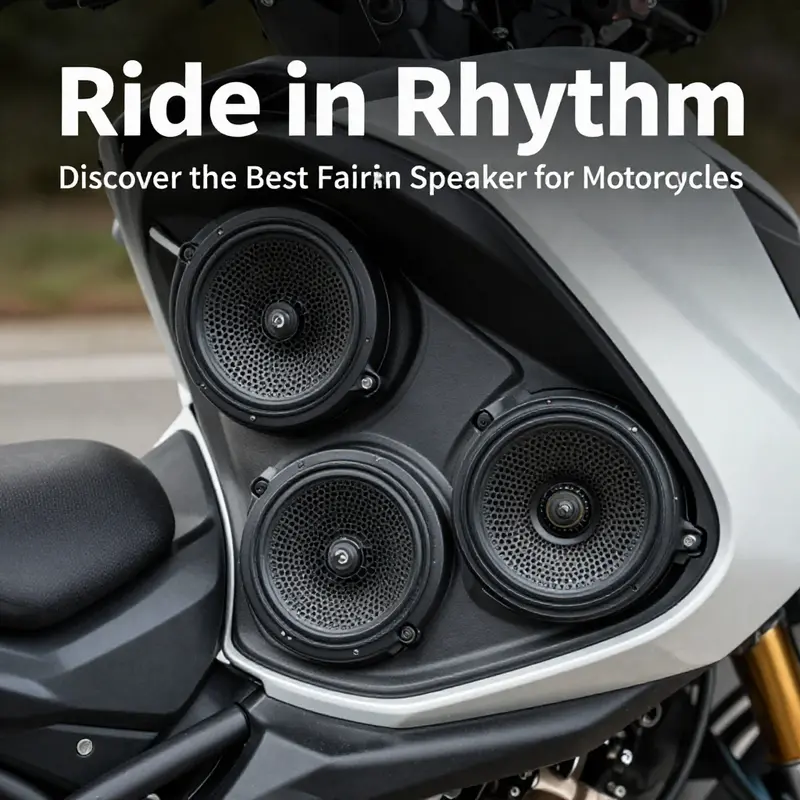
The road speaks in wind and noise, and a rider’s sense of immersion depends as much on sound as on speed. When a motorcycle’s fairing serves as both shell and stage, the challenge of delivering clear, evenly distributed music or navigation cues becomes a study in acoustic engineering rather than a simple upgrade. The best fairing speakers are not just loud; they are intelligent devices that respect the motorcycle’s physics, the rider’s comfort, and the machine’s electrical system. They are designed to slot into existing housings with minimal modification, turning a weather-exposed, high-vibration environment into a stable, acoustically informed cockpit where voice prompts, engine notes, and melodies emerge with surprising clarity. In crafting a narrative about these systems, one sees a lineage of design choices that balance three core concerns: fit and durability, acoustic performance, and practical integration with the bike’s power and electrical architecture.
Durability begins with a commitment to weather resilience and vibration resistance. Open-road riding throws a relentless combination of UV exposure, rain shower bursts, dust, and the constant tremor of the engine and chassis. An effective fairing speaker must be waterproof or at least highly water-resistant, with seals that stay pliant through years of sun and cold. The cone materials and mounting hardware should resist micro-damage from vibrations so that performance remains consistent at highway speeds, even after thousands of miles. Engineers often choose injection-molded cones and rigid magnets that hold their shape under stress, while components are vibration-tested to avoid fatigue that would otherwise degrade sound over time. In practice, this means a housing that can shrug off spray from your tires while maintaining a stable, rattle-free acoustic path from the driver to the listener. The result is not simply more decibels but more reliable tonal response across a wide operating range.
Fit is the second pillar. A fairing-mounted speaker is not a gimmick; it is a redesigned part of the motorcycle’s acoustic system. The objective is to nestle into the existing speaker wells or glove-box areas without forcing the owner to perform invasive fiberglass work or trim the fairing. The most successful integrations resemble a factory option: the speaker sits behind a grille that echoes the bike’s lines, the aperture size mirrors the original geometry, and the mounting points align with factory screw patterns. When done well, the upgrade reads as an extension of the bike’s design language rather than a bolt-on afterthought. The practical payoff is a clean silhouette with consistent weather seals and a cable route that minimizes chafing or interference with moving parts. This careful alignment matters not just for aesthetics but for long-term reliability, since exposed gaps at high speeds can invite wind-driven water intrusion or rattling at highway speeds. As a rider, you feel the difference in the silence that surrounds the music or the navigational cues, a quiet engine thrum serving as a base layer for intelligible, well-placed highs and mids.
Acoustic performance then completes the triad with a focus on how sound travels in a wind-buffeted cocoon. The best configurations favor a balanced, two- or three-channel approach that preserves the fidelity of highs, mids, and bass without forcing the listening experience to chase the wind. A two-way design may pair a full-range driver with a dedicated tweeter mounted in a grill or bezel, delivering crisp highs that cut through wind noise, while a three-way arrangement uses a midrange driver in addition to the tweeter to more evenly reproduce midband content. The sizes typically observed in premium fairing kits—such as 5-1/4-inch drivers in the main wells, with additional 6-1/2 or 6×9 components for broader coverage—serve both the locus of the rider’s head and the acoustic path inside the fairing. The choice between 2-ohm or higher-impedance configurations matters too; lower impedance systems pull more current and can achieve higher peak SPLs, but they demand more from the motorcycle’s electrical system and harmonics between the altimeter of highway speed and the amplifier’s headroom. In practice, the most effective solutions emphasize clarity over sheer volume. A well-tuned system remains intelligible at speed, delivering clean highs that pierce wind, warm mids that carry voice prompts and music without congestion, and controlled bass that adds depth without overloading the enclosure or causing distortion.
Power and amplification are the invisible hand behind the audible experience. A fairing speaker benefits from a purpose-built amplifier that can deliver clean power across a spectrum of listening demands. Premium kits often pair speakers with a robust multi-channel amplifier that can allocate power intelligently, avoiding clipping and thermal compression as RPM climbs and electrical demand shifts. The importance of this pairing goes beyond loudness. A capable amplifier preserves dynamic range, allowing subtle cues from a voice prompt or a vocal track to emerge even when highway wind noise is at its peak. The installation ethos here leans toward integrated systems that minimize the need for aftermarket modifications. A clean, professionally tuned package reduces the risk of electrical interference and ensures that the listening experience remains consistent in rain, sun, or after a long day in the saddle. The practical reality is that the best systems are not just about louder sound; they are about maintaining a faithful, balanced representation of the original content amid the motorcycle’s demanding acoustical environment.
The design philosophy extends into the installation narrative. There is an art to choosing components that fit the vehicle’s existing architecture while respecting the rider’s maintenance habits. Where a dealer-installed solution can be a longer-term value, the evaluation often hinges on the ease of integration. Modern kits frequently require software updates or small firmware adjustments to the bike’s audio interface to ensure the speaker outputs harmonize with navigation prompts and media sources. This is not merely a technician’s concern; it is a rider’s assurance that the system will not drift out of phase with digital cues or degrade under the vibrations of a long ride. In addition to the electrical considerations, attention is paid to the weatherproofing of connectors and harnesses, so a splash of spray from a passing truck or a sudden rain shower does not become a chorus of crackles and pops when the volume is up. The best outcomes arise when the installation respects the bike’s mission—ride, weather, speed—and leaves the rider with a sense of continuity between the machine’s mechanical prowess and its acoustic personality.
Beyond the technical mechanics lies a sensitive interplay between sound and riding experience. The rider’s preferences, the type of riding performed, and the ambient environment all shape what counts as a “best” system. Touring and sport riders alike seek a listening environment that remains even-handed through long hours on the road. For some, this means a soundstage that fully communicates dialog from a GPS or turn-by-turn directions. For others, it is a musical continuum that remains legible at 70, 80, or 90 mph without turning the volume into a blur of distortion. A well-integrated fairing speaker system accomplishes this by presenting a coherent acoustic image: the highs don’t shout above the wind; the mids retain instrument presence; and the bass feels full without dominating the soundscape or requiring excessive boost that could tax the electrical system. It is a subtle balance, one that rewards riders who value clarity as a form of real-world performance.
In practical terms, the best solutions offer a few unmistakable benefits. They improve rider-focused acoustics by delivering directionally appropriate sound that feels anchored within the rider’s field of perception rather than floating aimlessly in the wind. They deepen the listening experience by producing dynamic range with enough headroom to handle complex tracks or urgent navigation prompts. They maintain clarity at highway speeds, reducing listener fatigue by avoiding harsh sibilance or boomy lows. And they do all this while resisting the elements and preserving the machine’s original aesthetic. The goal is not simply to be loud but to be perceptibly musical—an orchestrated collaboration between components, enclosure, and the rider’s ear. It is a practical sophistication rather than a marketing claim: sound designed to ride with the rider, not against the environment.
For riders who want to explore integration options without sacrificing originality, practical references exist in the broader world of fairing design and aftermarket upgrades. One such resource highlights how fairing collections from different manufacturers provide a starting point for understanding fit, mounting methods, and aesthetic alignment with the bike’s lines. For those curious about fairing compatibility and the broader ecosystem of upgrades, a reference worth exploring is the Honda fairings collection, which demonstrates how genuine accessory lines approach fitment and integration in a way that respects form and function. https://www.summitfairings.com/collections/honda-fairings. This kind of context helps riders gauge how aftermarket speakers can be harmonized with existing fairing shapes and hardware. It is a reminder that the best listening experiences are the ones that feel inevitable, as if they were born from the bike’s own design language rather than tacked on after the fact.
As the chapter closes on the question of what makes a fairing speaker system truly capable, it becomes clear that the most satisfying upgrades share a mindset: engineering that is as careful about weather, wind, and vibration as it is about SPL and tonal balance. The strongest integrations respect the rider’s need for clarity at speed while preserving the bike’s aesthetics and reliability. They acknowledge that performance depends on a well-morced trio of fit, durability, and power management. They recognize that great sound on a motorcycle is not merely a matter of “more volume” but of “better listening,” achieved through thoughtful geometry, responsible materials, and disciplined installation. In that spirit, the best options are those that turn a wind-lashed ride into an immersive listening session where every mile feels more intentional, and every note lands with intention rather than with surprise. For riders who want to read deeper into the technical and practical pathways of integration, the conversation is ongoing, with new enclosures, new driver configurations, and new power-management schemes continuing to refine what it means to hear the road as it unfolds before them. The trail toward excellence in fairing audio is not a single turn but a long ride—an ongoing dialogue between rider, machine, and the sounds that accompany the journey.
External reference: https://www.harley-davidson.com/europe/en/products/audio-systems/harley-davidson-audio-powered-by-rockford-fosgate-stage-ii-fairing-lower-speakers.html
Rugged Soundtracks on the Road: Durability-Driven Design for Motorcycle Fairing Speakers
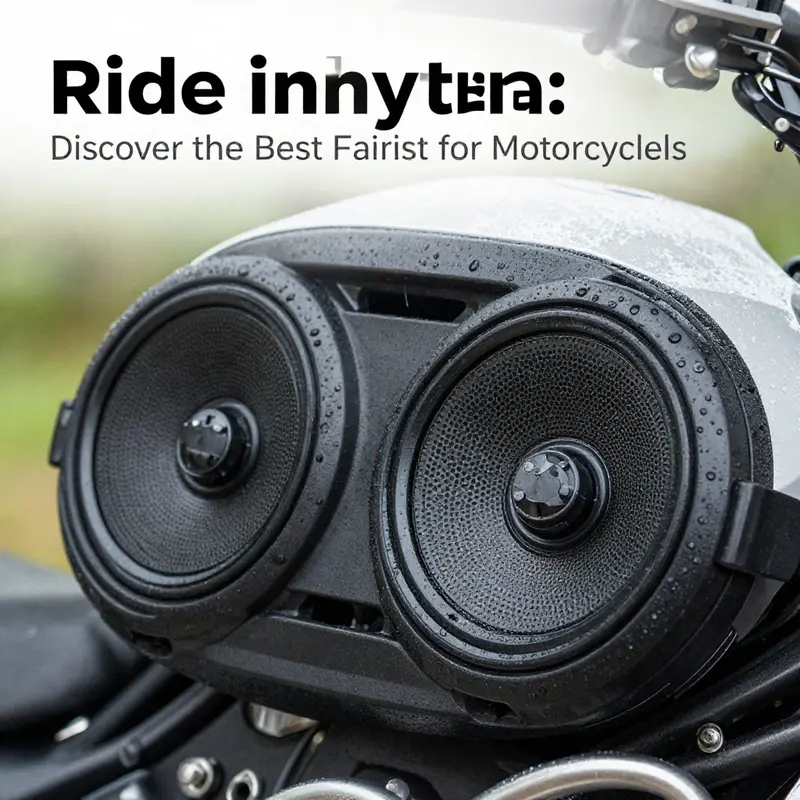
The rhythm of the road is more than a soundtrack; it is a test of endurance. When riders mount a bike and turn the key, they invite weather, wind, heat, and vibration to join the journey. In this environment, the speakers tucked into the fairing are not simply audio components. They are weathered companions, designed to deliver clarity at speed while withstanding rain bursts, dust storms, winter chill, and the constant whisper of highway vibrations. Durability and design, therefore, are not afterthoughts but the core criteria by which the best fairing speakers earn their place on a rider’s radar. The most trustworthy options pair rugged construction with acoustic fidelity, producing sound that remains intelligible and evenly balanced from city streets to open interstates. A durable speaker is not the loudest speaker by spec alone; it is the one that maintains tonal integrity, resists weathering, and preserves fit and finish across years of riding through changing climates and demanding terrain. In practice, that means materials chosen for resilience, housings engineered to damp unwanted vibration, and seals that keep moisture and grit at bay without compromising heat dissipation or performance. It also means a design that respects the fairing’s geometry, so the installation looks factory and the rider’s line of sight remains unobstructed while the system breathes with the bike’s own movement.
Durability starts with the materials. The most dependable fairing speakers rely on UV-resistant plastics or reinforced polymers for housings that resist sun exposure, chalking, and micro-abrasions that can dull a glossy finish. Aluminum housings are favored when extra rigidity and shielding from heat are priorities, though they must be paired with appropriate seals to prevent galvanic corrosion and to maintain the seal integrity against rain. Within these shells, the actual drivers—cones, surrounds, voice coils, and magnets—are chosen not only for sonic performance but for their tolerance to heat and vibration. A robust cone material, whether a reinforced polymer or a properly treated composite, resists flexural fatigue at temperature extremes. The surround, often a synthetic rubber or foam that can endure repeated thermal cycling, helps keep the perceived bass tight without allowing the enclosure to resonate at high engine speeds. The voice coil, too, should be able to handle the riding environment, maintaining coil resistance and cooling efficiency when the ambient air is scarce or when the bike is parked in direct sun for hours after a long day on the road.
The design extends beyond the shell to how the speaker integrates with the fairing and how it behaves under the influence of wind and vibration. Structural integrity is not just about staying intact; it is about preserving sound quality as the bike moves. The mounting system must endure rigid, repeated loading—engine vibration, wind buffeting, and road shocks—without loosening or shifting in a way that alters the geometry of the sound path. That often means deliberate mounting points, reinforced brackets, and gaskets that maintain moisture barriers around the chassis while allowing the speaker to breathe and dissipate heat. A well-engineered design disperses heat effectively, minimizing excursion-induced distortion that can creep in when a speaker runs hot on a 90-minute highway stint. In high-speed riding, where air pressure, cooling, and acoustic coupling interact in complex ways, these design choices translate into smoother, more accurate reproduction across the audible spectrum.
Weather resistance, of course, sits at the heart of practical durability. The best fairing speakers are conceived with moisture ingress in mind. Gaskets, seals, and weatherproof connectors protect the internal electronics without creating a heat trap inside the enclosure. Dust ingress is another adversary that can abrade and clog, reducing efficiency and sensitivity. A well-sealed unit maintains a stable impedance and excursion under a wide range of ambient conditions, so you hear consistent volume and tonal balance no matter the day’s forecast. For touring riders, where rain can come unexpectedly and long stretches mean sun exposure for hours on end, the ability to resist UV degradation and maintain color and finish matters as much as microphone-level fidelity. The more durable assemblies also resist dirt and grime that accumulate on the fairing’s inner surfaces, ensuring that a speaker’s grills and vents stay clear, preventing heat buildup that could shift tuning or alter damping characteristics.
Beyond raw materials and seals, there is the aesthetic and ergonomic aspect of design that affects long-term satisfaction. The fairing speaker should look integrated, not like a bolt-on afterthought. The most durable options respect the motorcycle’s lines, using finishes that resist tarnish or fading and grille treatments that resist scratching from gloves, zippers, and debris striking at speed. An integrated look reduces the temptation to replace or modify components later, which can introduce new points of failure. Aesthetics and durability travel together here: a cohesive, factory-like finish often implies that the speaker was designed to live with the fairing over many miles, rather than a quick, temporary upgrade that might degrade faster under the same conditions.
When considering the tradeoffs between aftermarket and OEM options, durability remains a crucial focal point. OEM (original equipment manufacturer) components tend to emphasize guaranteed fit and compatibility with the fairing’s geometry and interfaces. They tend to offer consistent build quality and warranty coverage aligned with the bike’s original design intent. Aftermarket pods or pods integrated into the lower fairing, meanwhile, provide beneficial flexibility for customization and performance upgrades, letting riders tailor speaker size, material choices, and driver configurations to specific tastes or climate needs. In practice, aftermarket options can deliver higher performance or a broader range of finishes, but they may require more careful selection to ensure the enclosure, gaskets, and wiring harnesses stay sealed and heat-dissipating under real-world riding conditions. The best outcomes arise when riders approach upgrades with a clear picture of their climate, riding style, and maintenance habits, choosing a path that preserves both reliability and the bike’s visual coherence.
One of the more compelling shifts in design philosophy is the integration of practical features that keep rider comfort at the center. A practical example is the advent of lower fairing speaker pods that cleverly incorporate cup holders or storage solutions within the same housing. For riders who log long hours in the saddle, these innovations reduce clutter and simplify on-the-road hydration without compromising the fairing’s aerodynamics or the sound path. The result is a unified module that serves double duty—delivering audio with efficient acoustic routing and providing convenient access to beverages on long tours. This kind of design philosophy reflects a deeper commitment to durability not merely as an endurance measure but as a holistic approach to rider-centric engineering. The integration is a reminder that durable design is not only about resisting the elements; it is about enhancing the rider’s daily interaction with the motorcycle, making the sound system feel like a natural extension of the bike rather than an add-on that sticks out when you look closely.
Riders who are beginning to plan an audio upgrade often start with the broader platform of fairing compatibility. The choice of fairing—the shape, mounting points, and available internal space—will influence how a speaker behaves acoustically and how easy it is to keep the unit sealed and cool. It is here that the concept of a cohesive upgrade comes into clearer focus. When a rider opts for a design that respects the fairing’s original geometry, the result can be a seamless installation that appears to have come from the factory. In some cases, this means selecting a speaker pod that aligns with the fairing’s inner contours, enabling an efficient acoustic path that minimizes reflections and standing waves while staying within a form factor that does not protrude or interfere with the rider’s leg or windscreen. It also means selecting materials and finishes that harmonize with the fairing’s color and texture, preserving a unified aesthetic even under close inspection.
The practical realities of installation and compatibility should not be underestimated. OEM-friendly solutions often simplify wiring and mounting, offering harnesses that align with the stock electrical system and share common mounting patterns. This reduces the probability of misalignment, rattling, or heat buildup caused by poorly matched components. On the other hand, aftermarket pods demand careful attention to connector types, weather sealing, and the potential need for additional mounting hardware, splices, or adapters. The best outcomes arise when installers and riders take a measured approach: assess climate exposure, riding cadence, and maintenance routines; verify that the chosen solution can withstand thermal cycling and vibration without loosening; and ensure that sealing remains intact after reassembly. In the end, the durability of a fairing speaker is a function of its construction, its integration with the fairing, and the rider’s ongoing care and inspection of seals, gaskets, and mounting points.
For riders who want to deepen their understanding of how design choices translate to real-world reliability, it helps to consult broader resources on fairing technology and performance testing. An excellent starting point is exploring how different fairings are engineered to accommodate audio upgrades and maintain weather resistance without compromising the bike’s aerodynamics or cooling. This broader perspective emphasizes that the best choice is rarely a single feature but a balanced package: tough enclosure materials, secure structural supports, well-sealed electrical interfaces, heat management, and an overall form that respects the bike’s design language. The outcome is a system that remains intelligible at highway speeds, even as rain lashes the screen or as the sun bakes the chrome on a two-hour ride. The goal is not only louder sound but consistent, balanced sound that remains faithful to the recorded performance, from crisp highs to warm lows, across a wide temperature band and through the dust and spray of the road.
Riders who prioritize durability and design should also consider how these components age together with the bike. A well-designed speaker system ages gracefully, maintaining performance while the fairing itself may accumulate scratches or fade with time. In such cases, selecting finishes and protective coatings that match the bike’s original look can help preserve resale value and pride of ownership. The long horizon matters, because a speaker that continues to perform reliably after a decade on the road is a better investment than one that delivers a few seasons of peak performance before its enclosure or seals begin to show wear. The narrative here is not about chasing the loudest system, but about sustaining a high-fidelity listening experience that remains faithful and enjoyable across miles, seasons, and climates.
For readers who want a quick anchor in the spectrum of available options while still keeping the discussion firmly grounded in durability and design, consider starting with the Yamaha fairings collection as a reference point for how a bike’s fairing family can influence compatibility and aesthetics. The goal is not to prescribe a single choice but to illustrate how thoughtful integration, robust construction, and practical features work in concert to deliver a reliable, enjoyable riding experience. By prioritizing materials that resist UV and moisture, ensuring a sound path that remains clear of wind-induced turbulence, and embracing design innovations that add rider value without sacrificing form, a rider can achieve an upgrade that truly feels like a factory enhancement. As you explore, keep in mind that the best solution is one that holds up under the realities of real-world riding—the rain, the heat, the dust, and the grin-inducing freedom of a long, well-timed highway stretch.
For readers seeking more on durable, high-performance fairing speaker technology and testing, see the external resource on motorcycle testing and audio integrity: https://www.motorcycle.com/.
Seamless Fit, Clear Skies: Installation and Compatibility of Fairing Speakers for Touring-Mrated Motorcycles

Sound has a way of shaping a ride. On motorcycles, where wind and road surfaces constantly push against the rider, the right fairing speakers do more than provide music. They deliver clarity where wind pressure would otherwise smear the details, and they do so while enduring the harsh, ever-changing environment that comes with riding. This chapter dives into the installation and compatibility landscape for fairing speakers, weaving together how a well-chosen, properly installed system can transform a wind-dominant ride into a concert-hall-on-two-wheels. The goal isn’t merely loudness; it is balanced, intelligible sound that travels with the speed and energy of the bike, remaining faithful from idle to highway cruising. Achieving that involves understanding not just the speaker itself, but the fairing architecture, the electrical backbone, and the ongoing care required to sustain performance over years of use.
First, the reality of wind, vibration, and moisture. Fairings are more than cosmetic shells. They dampen air and direct it, but they also create a resonant environment that can either help or hinder sound. A speaker system that mounts cleanly into the fairing should respect that environment, not fight it. The most effective installations start with a direct-fit mindset. Direct-fit means the upper and lower openings, mounting points, and grille locations align with factory geometry. This reduces the amount of modification needed, lowers the risk of rattles or air leaks, and preserves the integrity of the fairing’s internal baffles and vents. When a speaker slides into a factory port with minimal modification, the result is not only cleaner aesthetics but also more predictable acoustic behavior because the internal pathways remain consistent with the bike’s original design philosophy.
The centerpiece of a well-matched install is a two-way design that integrates a dedicated full-range driver with a tweeter. In the windy, road-noise foreground, the highs and mids are what cut through the air and remain intelligible. A two-way approach gives those transients a fighting chance, letting highs poke through wind glare while mids carry the body of the music. The tweeter’s placement—often perched on a grille or within a protected housing—can influence dispersion. In a fairing, the goal is even axial coverage so thatStanding sound wraps around the rider rather than funneling unidirectionally. This matters not just for the rider but for a passenger who expects clear, balanced audio from midrange through the upper registers. A properly designed system also pays attention to the bass, but in the fairing, bass response is more about the enclosure’s resonance management and the amplifier’s ability to deliver clean power without bottoming out or introducing distortion.
Electrical integration sits at the heart of compatibility. A premium installation is not about cranking up volume alone; it’s about ensuring the system behaves predictably with the motorcycle’s electrical ecosystem. For most fairing speaker configurations, the goal is a stable 4-ohm nominal load that the stock or aftermarket motorcycle amplifier can handle without strain. If a setup uses multiple speakers in parallel or series, impedance must be considered to avoid overloading the amplifier or creating a mismatch that robs headroom at speed. The amplifier’s role is equally critical. A robust, purpose-built motorcycle amplifier is designed to withstand power transients, heat, and vibrations, while delivering clean, controlled power to the drivers. In practice, this means the amplifier works in concert with the crossovers, ensuring the high and low frequency bands stay distinct and do not bleed into one another, which would otherwise blur detail and widen distortion margins at elevated speeds.
Durability is not a luxury; it’s a necessity. The most resilient fairing speaker systems carry an element-ready mindset. That is, they are designed to resist moisture, dust, UV exposure, and the constant vibrations produced by a moving machine. The seals around the speaker baskets, the connectors’ weatherproofing, and the grilles’ protective design all contribute to long-term reliability. A system built to endure rainstorms and sun-drenched highway straights will retain performance longer and require less maintenance, which translates into a more satisfying ownership experience over time. Maintenance, in this sense, becomes a routine check: inspect seals for cracks, ensure connectors remain tight and free of corrosion, and verify that the grill and mounting hardware haven’t loosened with vibration. A well-thought-out installation reduces corrosion risks from exposure and keeps decision points straightforward for service work when needed.
From the installation standpoint, one key axis is the concept of a complete system rather than isolated components. A top-tier installation is not just a pair of speakers slapped into a fairing; it’s a coherent system that includes the wiring harness, crossovers, and a power source that matches the amplifier’s demand. When the system is designed as a cohesive unit, the path from battery to speaker becomes predictable and repeatable. That predictability matters especially when riders want to expand the setup. If a two-speaker arrangement is in place, the path to upgrade could involve adding more channels through the same amplifier, or swapping to a multi-channel amplifier that can drive additional drivers without a wholesale rewiring of the bike’s electrical system. In this scenario, expansion is as simple as enabling the extra channels and ensuring they are wired to appropriate balanced crossovers that preserve tonal purity.
A critical, often overlooked, compatibility dimension is the model’s fairing geometry. Touring bikes with large, enclosed front fairings present more forgiving acoustic spaces, while sportier, smaller fairings demand precise driver placement and tighter enclosure design. The size and shape of the opening—commonly in standard dimensions such as 6.5 inches for the primary speakers and larger formats like 6×9 inches for saddlebag or rear fairing locations—drive the speaker choice. It is not enough to know a speaker’s size in the catalog. Compatibility must consider the exact opening dimensions, the grille clearance, and the mounting depth behind the panel. This is why a single direct-fit design is often preferable: it aligns with the fairing’s built-in mounting recess and keeps the install clean without modifying the structure. For riders who ride a diverse range of machines, modular or upgrade-friendly kits that offer a pathway to add a second pair of speakers later can be particularly appealing. They provide a practical route to broaden coverage without sacrificing the original aesthetic or fairing integrity.
The question of compatibility also turns on environmental seals and harness routing. When routing power and signal cables, the path should follow existing channels where possible, avoiding hot surfaces, moving parts, and areas prone to chafing. Where cables cross joints or seams, grommets and weatherproof seals are essential. Cable jackets should be rated for outdoor use, and all connectors should be locked or clipped to resist vibrations. The end goal is to preserve the fairing’s weatherproofing and keep moisture from seeping into connections, which can degrade signal or corrode contacts over time. It is surprising how small a leak can become a source of noise or, worse, a failure under rain exposure. A careful installer will also consider heat management. Fairings gather heat around the rider’s legs or within the lower sections; high-power amplifiers can generate heat, so a vented enclosure or a location with adequate clearance is beneficial to prevent thermal throttling and preserve performance.
When evaluating compatibility, a rider should consider how the system is powered and how it interacts with other electronics. The best installations start with a clean power budget. They map the power draw of the speakers and amplifier against the bike’s electrical capacity, ensuring the alternator can sustain the load during long rides and that the battery has enough reserve to handle peak demand. Some riders opt for a separate power rail with proper fusing and isolation—a prudent choice if adding a sizable amplifier. The wiring diagram should clearly indicate which channels feed which drivers, and crossovers should be tuned to the system’s acoustic footprint. In this sense, compatibility is not just physical fit; it’s electrical harmony. When the install and the electrical plan align, the rider experiences consistency: the highs stay crisp at highway speeds, the mids stay present without becoming muddy, and the bass remains controlled instead of becoming a noise floor that drowns out nuance.
The practical pathway to choosing a system begins with a careful inventory of the bike’s configuration and the rider’s goals. If the aim is a straightforward upgrade with minimal downtime, a direct-fit upper-fairing pair paired with a matching amplifier and a clean harness can deliver a substantial upgrade in a single weekend. For riders who seek broader sound dispersion, a kit that adds saddlebag speakers and a second amplifier channel can unlock true stereo imaging across the bike’s geography. In either case, the emphasis should be on compatibility with the fairing’s geometry and the electrical system’s capacity. The broader lesson is that system performance emerges from how well the individual pieces fit the bike’s specifics, not merely from the raw power of a speaker alone. A well-matched, properly installed system yields a stable, even, and immersive listening experience that remains intelligible whether you’re cruising at moderate speed or hurling along a wind-ruffled highway.
To illustrate the point in practical terms, consider how model-specific fit, access to direct-fit mounting points, and a certificate of weatherworthiness influence the decision. A direct-fit design saves installation time and ensures that the grille sits flush and the drivers align with the fairing’s internal structure. A sealed, weatherized assembly reduces wind-driven rattles and water intrusion. A system that provides a coherent upgrade path—from a two-speaker setup to a four-speaker arrangement with an appropriately tuned amplifier—offers a clear, scalable route for riders who want to grow their audio capability over time. These factors—physical fit, environmental durability, electrical compatibility, and scalable architecture—form the backbone of a reliable, satisfying audio upgrade that complements the motorcycle’s performance and the rider’s experience.
For riders navigating specific model configurations, it is helpful to consult a few model-focused references that discuss fairing layouts and typical mounting footprints. When you work within a brand-agnostic framework, the emphasis remains on the fundamentals: size match to the opening, back‑plate depth, grill clearance, seal integrity, and connector compatibility. This approach also helps riders avoid the common pitfall of selecting a speaker solely on wattage or frequency response without accounting for enclosure behavior and air paths inside the fairing. The best results come from pairing a capable driver with a well-designed enclosure strategy that respects the bike’s wind dynamics while delivering musical fidelity across the spectrum. It is the synthesis of fit, weather resistance, and system-level integration that yields consistently satisfying results on the road.
For riders who want to explore model-specific support, a practical next step is to review the fairing and accessory catalogs that align with common motorcycle configurations. In practice, a rider with a fairing designed for easy upgrade will appreciate a system that provides direct fit, plug-and-play compatibility, and a defined upgrade path. The fairing’s design language—smooth, flush mounting surfaces, carefully planned speaker recesses, and protective grilles—becomes a guiding factor in the selection process. Aesthetics matter, but durability and reliability drive long-term satisfaction. The best installations maintain a clean appearance while offering robust performance, so the rider isn’t forced into unsightly modifications or fragile configurations that fail under the vibration of daily riding or an unexpected rain shower.
The journey to optimal sound never ends with a single purchase. After installation, the system should be tested under a range of conditions: low-speed cruising and high-speed wind exposure, while monitoring for distortion, warmth in the amplifier, and any signs of water intrusion along the harness or speaker housing. Fine-tuning the crossover points and equalization can reveal the true potential of the setup, ensuring voices and instruments come through with clarity rather than competing against the wind. The path to enduring satisfaction lies in thoughtful, model-aware selection, precise fitment, and an electrical plan that respects the bike’s architecture. The result is a listening experience that travels with the machine, maintaining musical fidelity without demanding constant compromise between sound and safety.
For readers exploring this topic, a practical way to connect with a larger ecosystem while focusing on compatibility is to examine resources that curate fairing options by model family. When you are ready to explore a broader range of options, a Honda fairings collection can be a helpful reference point for understanding how fairing geometry informs speaker placement and enclosure design. This reference emphasizes how a direct-fit approach integrates with the bike’s existing architecture, preserving both form and function while enabling a meaningful upgrade to the audio experience. As with any significant aftermarket upgrade, the best path is a measured, model-aware plan that prioritizes compatibility, durability, and the rider’s listening goals.
External resource: For additional context on how integrated audio systems approach touring motorcycles, see the official overview of motorcycle audio technologies on the manufacturer’s site: https://www.harley-davidson.com/en-us/products/audio/76001456.html. This resource helps illuminate how a mature, integrated approach to motorcycle audio prioritizes weather sealing, amplification, and structural harmony between the bike and its sound system.
Internal link note: Riders seeking model-specific fairing references can explore Honda fairings within the broader catalog of fairing options. The Honda fairings collection provides insight into how fairing shapes and openings influence installation choices and speaker geometry. Honda fairings that align with a direct-fit philosophy illustrate how the fairing’s contours, mounting bosses, and grille clearance can guide an upgrade that preserves the bike’s original look while delivering a meaningful acoustic upgrade.
null

null
Final thoughts
The integration of high-quality fairing speakers into motorcycles represents a significant advancement in audio technology for riders. From enhancing sound quality to ensuring the durability of equipment, these speakers provide an unparalleled auditory experience on the open road. By exploring the top-rated fairing speakers available, business owners can not only cater to customer needs but also elevate their business standing in the competitive motorcycle accessories marketplace. Choosing the right speakers can lead to enhanced rider satisfaction and loyalty—a critical aspect of success in this industry.