
In the motorcycle repair and customization industry, ensuring the durability and aesthetic appeal of components like fairings is crucial for maintaining customer satisfaction and safety. Understanding the right fiberglass materials can significantly enhance repair quality, making it essential for business owners to be well-informed. This article explores recommended fiberglass types, resin systems, key repair steps, and the market potential of fiberglass repairs. Together, these insights will equip business owners with the knowledge needed to excel in motorcycle fairing repairs.
The Fiberglass Equation: Selecting the Right Cloth and Resin for Durable Motorcycle Fairing Repair
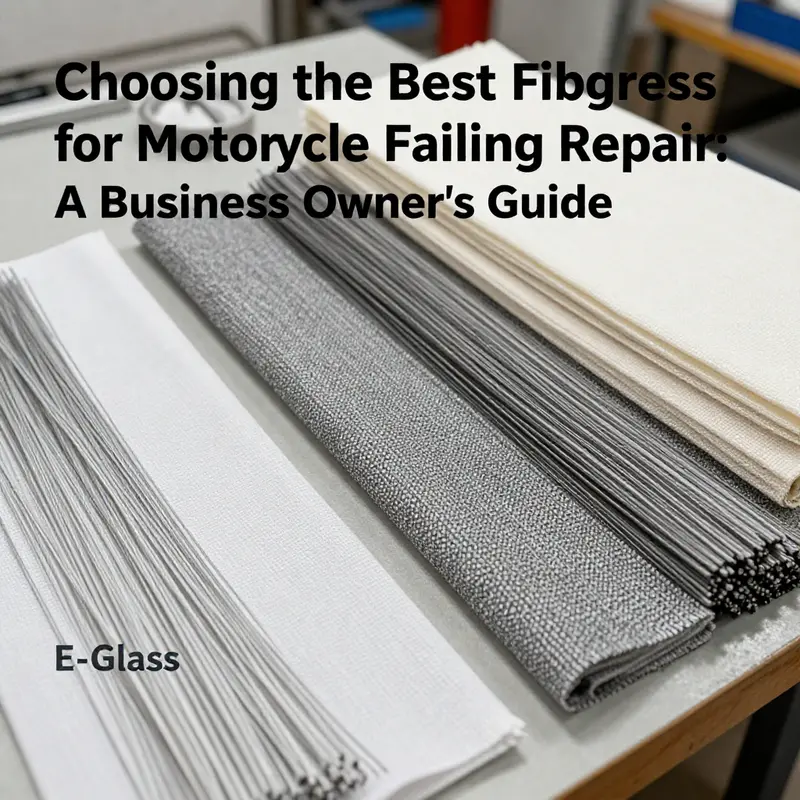
When a motorcycle fairing sustains damage, the material choice behind the repair becomes the quiet fulcrum of performance. A repair is not merely patching a dent or filling a crack; it is restoring the component to a state where it can endure the aerodynamic loads, vibrations, and environmental exposure of fast riding. In this context, the fiberglass layer and the resin that bind it form a composite shell whose stiffness, toughness, and surface finish determine both the visual match to the original and the long-term behavior under stress. The overarching aim is a repair that behaves like a true part of the motorcycle, capable of withstanding high-speed air loads and the rough realities of road surfaces, while preserving the shaping and aerodynamics that keep the bike stable at speed. To achieve this, the material pairing must be chosen with care, balancing structural performance, repair practicality, and finish quality.
The core decision starts with the cloth. Glass fiber comes in a spectrum of grades and constructions, but the practical sweet spot for fairing repair lies in two converging ideas: a glass that provides sufficient strength and rigidity to keep the fairing’s complex curves and airfoil-like surfaces cleanly defined, and a fiber weave that is easy to handle on curved surfaces. The conventional approach relies on E-glass, the workhorse of many repairs, typically woven into a bidirectional fabric. E-glass offers commendable tensile strength, stiffness, and impact resistance, which means it can resist the pounding of stones, the heat of sun exposure, and the occasional mishap without sagging or cracking around the repair zone. Yet the narrative doesn’t stop at basic strength. The weave pattern and the fabric density matter just as much as the type of glass. A bidirectional fabric, configured around 200 gsm to 300 gsm, lays down a uniform grid of reinforcement that distributes load evenly across the repair site. This is critical when the fairing’s surface is not flat but contoured to meet the bike’s lines. On a curved surface, a well-chosen bidirectional cloth minimizes localized thinning, which is where stress tends to concentrate after impact or during acceleration and high-speed travel. The result is a repair that carries the load more evenly, resisting the gradual formation of microcracks that can grow into larger fissures over time.
Beyond the glass itself, the resin system is the other half of the equation. The adhesion, elongation, and environmental resistance of the resin govern how well the composite behaves as a single unit. Epoxy resins have become the preferred partners for high-performance fiberglass work on fairings. Compared with polyester resins, epoxies generally offer stronger bonding to glass fibers, better impact resistance, lower shrinkage during cure, and superior environmental durability, including UV resistance when appropriately cured and finished. Those characteristics translate into a repair that looks and behaves closer to a factory piece, with reduced risk of paint cracking, gel coat lifting, or delamination under repeated road stresses. The synergy between a high-quality epoxy resin and a carefully laid fiberglass layup yields a dense, well-impregnated composite that can be sanded to a smooth, uniform surface and then finished with paint or a clear gel coat.
In deciding which epoxy to employ, the emphasis is on a system that provides robust wet-out, reliable cure, and long-term stability. The ideal pairing leans toward a resin that blends strong interfacial bonding with controlled viscosity to facilitate thorough wet-out of each fabric layer. The practical takeaway is to select a resin system designed for structural repairs, one that has a proven track record of forming tight, gap-free interfaces with glass fibers. Although brands and product lines can vary by region, the guiding principle remains consistent: use an epoxy resin system that cures with minimal shrinkage and offers good environmental resistance once fully cured. This reduces the chance of microcracking around the edges of the repaired area and helps the repaired surface accept primers and topcoats with ease.
With the material pairing in mind, the repair workflow follows a rhythm that respects both the fiber mechanics and the finishing standards that a rider expects from a well-kept fairing. The process begins with surface preparation. The damaged zone must be free of loose material, epoxy, or paint peel, and any jagged edges should be ground back to a clean, sound contour. A thorough cleaning using a solvent such as acetone removes oils and waxes that can inhibit adhesion. The goal is to present a surface where the new composite can bond as if it were an integral continuation of the original part. Once the surface is prepared, the next step is to carve a generous repair feather into the surrounding area. Thickness control becomes crucial here: too little material and the repair won’t regain the necessary rigidity; too much and you risk creating a visible seam that fights to conform to the fairing’s curvilinear profile. In practice, engineers and craftspeople favor multiple thin layers rather than a single thick layup. Each layer is saturated with resin so that the fabric fibers plump fully and all air pockets are expelled. Proper wet-out is essential; any dry spots become hard points that can initiate voids, which in turn compromise strength and surface finish.
The layering strategy deserves emphasis. A typical repair might begin with a thin surface veil of glass to establish a smooth interface with the surrounding material. This is followed by successive plies of bidirectional fabric laid to mirror the fairing’s curvature. Each ply should be saturated and smooth, with the fabric pressed gently to eliminate air pockets. In curved regions, it helps to cut the fabric in smaller pieces and stagger the seams so there are no broad gaps. Some repair shops employ a technique known as vacuum bagging, which applies uniform pressure across the layup and helps push out entrapped air, creating a denser, more uniform laminate. Even without a vacuum system, careful hand pressure using a squeegee or roller can achieve a similar improvement in density. The key is to maintain layer-to-layer bond integrity while avoiding excessive resin build-up that would add weight or create a brittle surface once cured.
Curing is the moment when the composite truly becomes a single, coherent part. The ambient temperature plays a decisive role in how the resin cures and how the fiber settles into place. A stable environment in the range of roughly 20–25 degrees Celsius provides a predictable cure profile, allowing the resin to cure steadily without undue exotherm that could warp delicate fairing curves. For those with access to controlled heat sources, a modest gentle heat can be used to accelerate cure, but only if temperature rise is controlled to prevent thermal stress that might deform the finish. It is prudent to follow the resin system’s recommended cure schedule and to allow a full cure period—commonly at least 24 hours—for the bond to reach its specified strength before proceeding to finishing. Rushing this step invites soft spots and a risk of micro-movements that can undermine the final smoothness.
After curing, the repair enters a phase of refinement that directly affects aesthetics as much as strength. The surface is diligently sanded to achieve a seamless blend with the surrounding fairing, with progressively finer grits to reach a mirror-like substrate ready for primer. Any surface irregularities must be addressed before paint or gel coat is applied. A gel coat, if used, can provide a protective outer layer with gloss characteristics that closely mimic the original fairing finish, though many riders prefer a dedicated automotive primer and colored topcoat to ensure color fidelity and durability. The choice between a gel coat and a standard paint finish depends on the availability of surface texture, the desired look, and the repair area’s exposure to the elements. Regardless of the path, the goal is a uniform surface without ridges or feathered edges that betray the repair to the casual eye.
The material selection—glass fiber and resin—also interacts with long-term durability considerations. Fiberglass repairs have an enduring advantage over certain plastics at the high-velocity end of the spectrum. When the repair is undertaken with a high-modulus fabric integrated into a well-cured epoxy matrix, the resulting laminate tends to resist deformation under aerodynamic loads and is less prone to large-scale cracking after impact than alternatives made with ABS or other plastics. The curvature and aero-t fidelity of modern fairings—especially those on sport and touring motorcycles—rely on a composite that remains stiff, yet not so brittle that a minor impact yields a catastrophic failure. The repair, under these conditions, keeps its shape and keeps its finish, ensuring that the ride remains predictable and the appearance remains close to original even after years of exposure to sun, rain, and road salt.
Professional practice, drawn from industry practice and performance analyses, converges on a common recommendation: pair a glass fabric with epoxy resin to maximize the repair’s structural integrity and finish quality. While E-glass remains a reliable, widely available option for many riders and shops, the emphasis now increasingly shifts toward high-modulus glass fibers for wings, spoilers, and fairing sections where stiffness and load distribution matter most. The logic is straightforward; higher modulus glass resists bending and maintains airfoil geometry better than standard glass under the same resin conditions. The browser of repair options soon learns that a 200–300 gsm bidirectional cloth is a practical middle ground, balancing handling on complex contours with the desire for robust laminate thickness. The final shape—curved, smooth, and flush with the surrounding panel—depends on meticulous prep, careful layup, and disciplined curing.
In embracing this approach, you’ll find that the repair not only restores the fairing’s mechanical function but also preserves its aesthetic coherence. The laminate should take on a uniform appearance, with the finished surface ready for primer and paint in a way that minimizes the telltale signs of repair. For sourcing, many practitioners explore the broader category of fairing materials and repair kits aligned with OEM-like performance, recognizing that the right combination of cloth density, weave, and resin determines how faithfully the repair can mimic the original part. For riders looking to source compatible materials while preserving the integrity of the bike’s appearance, it helps to consider suppliers that emphasize precise weave counts and resin compatibility with fiberglass, as these are the elements most responsible for achieving a surface that accepts color and gloss consistently.
As you consider the practical implications of this material pairing, a useful nuance emerges: the cost and complexity of high-modulus fiberglass repairs are greater than those of simpler ABS repairs, but the payoff is longer service life, higher rigidity, and a finish that is more faithful to original. The choice is not merely about surviving a moment of impact but about delivering a repair that ages gracefully alongside the rest of the bike. If you’re planning a project that blends performance with aesthetics—perhaps a race-inspired custom or a long-distance touring build—the combination of high-modulus fiberglass cloth with a well-chosen epoxy resin stands out as the more professional option. It aligns with the goals of riders who demand durability, weight efficiency, and a surface that can be seamlessly matched to the rest of the motorcycle’s finish.
For those who want to explore the practical nuances of material selection for a specific model or fairing style, consider browsing a curated catalog of Honda fairings or similar lines, which can provide a sense of the contours and surface characteristics you will encounter in real-life repairs. A practical entry point is the online collection that focuses on Honda fairings, which highlights common shapes and fittings that appear on modern sport and touring bikes. This reference serves as a guide to understand how the repair must conform to the surrounding geometry, ensuring that the final finish remains true to the bike’s original silhouette and aerodynamic function. Honda fairings collection offers a window into the types of curves you may encounter and how the repaired surface can be brought into harmony with the rest of the bodywork.
In closing, the instinct to use a robust fiberglass approach for fairing repair is validated by the physics of load transfer and the realities of road conditions. The convergence of high-modulus glass fiber with a disciplined epoxy resin system offers the strongest combination for repairs that must endure rain, sun, and high-speed edge-winds, while maintaining a finish that looks factory-like. The recommended range of 200–300 gsm bidirectional fabric provides a practical balance between handling, thickness, and performance, helping to reproduce the original fairing’s curvature without compromising structural integrity. The key to success remains patient surface preparation, careful wet-out of each layer, deliberate layering to avoid air pockets, and a curing regime that respects temperature and time. When these elements come together, the repaired fairing not only retrieves its strength but also retains its aesthetic, ensuring the bike remains both a technical and visual expression of its rider’s intent.
For deeper technical grounding on epoxy systems and their role in high-performance composites, consult a dedicated resource on epoxy resins and their applications to motorcycle repair. This external reference provides a broader context and validates the practical choices discussed above by detailing resin behavior, cure mechanics, and environmental performance. https://www.westsystem.com/technical-resources/epoxy-resins/
Resin Synergy in Fiberglass Fairings: Elevating Strength, Finish, and Durability in Motorcycle Repairs

In the realm of fiberglass fairing repair for motorcycles, the resin system is not merely an adhesive or filler. It is the crucial partner to the reinforcement fabric that determines how the repaired shell will perform under real-world conditions. The resin governs not only the immediate strength of the repair but also how well that repair ages, how it handles environmental stresses, and how it ultimately looks once finished.
Among resin systems, epoxy resins and their composite formulations have emerged as the preferred choice for high-performance and long-lasting repairs. This preference is not an accident of marketing but a reflection of the fundamental properties epoxy brings to the repair bench: excellent mechanical performance, robust bonding to diverse substrates, superior environmental resistance, and design versatility that lets a repaired fairing approach the original form in both shape and weight.
Good carbon-copy reproduction of a complex fairing surface requires a resin that can wet out and impregnate the reinforcement fabric completely while minimizing voids. Epoxy resin shines here because of its relatively low shrinkage compared to polyester resins. When the resin cures, the level of contraction is a key determinant of the risk of micro-cracking and surface distortions around high-curvature areas. A repair on a complex fairing surface—where curves, edges, and recessed features interact with airflow—needs a matrix that behaves predictably as it hardens. Epoxies deliver that predictability. They also bond more aggressively to common fairing substrates such as ABS and PC/ABS blends, as well as to carbon fibers if the repair extends into a hybrid composite section or a reinforcement layer. This interface strength is essential in a part that experiences aero loads, ground debris contact, and vibration at highway speeds.
The bond between the fabric and the resin is the backbone of any repaired fairing. Epoxy systems create a cohesive, durable interlock with the glass fibers that resists delamination when the part is exposed to sudden jolts or minor impacts. The consequence is a repair that does not simply “patch” the hole or crack; it becomes a resilient laminate that can recover from stress while preserving the aerodynamics of the original shell. The resulting structure often resembles a well-executed factory component in its uniformity of load transfer from the resin to the woven reinforcement, reducing weak points that could otherwise propagate under fatigue. This property is especially valuable where bidirectional glass fibers are used to rebuild complex curvature. The fabric’s orientation benefits from an epoxy matrix that can conform to the weave while maintaining high interlaminar strength.
Beyond mechanical properties, epoxy resins offer exceptional environmental resistance. A motorcycle fairing spends a great deal of time outdoors, facing UV exposure, rain, varying temperatures, and a range of automotive cleaners and solvents. Epoxy systems are inherently more resistant to water ingress and chemical attack than polyester-based matrices. They also age more gracefully under UV exposure when paired with protective coatings, such as a gel coat or a UV-stabilized clear layer, which can be applied after the repair has cured. In practice, this means a repaired fairing can maintain its color, surface gloss, and dimensional stability for a longer period, even when subjected to the repeated thermal cycling caused by day-night temperature swings and the heat generated by sunlight on black or dark-colored finishes.
The design flexibility of epoxy systems is a practical advantage during repair. Epoxies allow the engineer or fabricator to tailor the composite for a specific set of requirements. For instance, a repair might use a “three-layer” approach with two tight, thin layers of epoxy-impregnated glass on either side of a lightweight core—sometimes a foam or a high-density filler material. This “sandwich” structure preserves stiffness while reducing weight, a consideration that matters to the bike’s performance and handling. In road racing or sport-touring contexts where weight savings are not simply a luxury but a performance lever, the ability to dial in specific modulus and fracture toughness through matrix formulation and fiber layering can be a decisive factor in achieving both durability and aerodynamics.
A practical understanding of selecting and using an epoxy resin system begins with recognizing the properties that truly matter in a fairing repair. First, viscosity plays a crucial role. Low-viscosity epoxies readily wet out woven glass fabrics, ensuring complete impregnation and minimization of air voids at each ply. This reduces the risk of dry spots that tend to become initiation points for cracks under load. Second, toughness or impact resistance matters because a fairing endures stone strikes, curb impacts, or contact with a helmet in a climbing garage. A resin system with a higher post-cure toughness will absorb and dissipate energy more effectively, limiting crack propagation from minor impacts. Third, the bond line strength—the adhesion between resin and substrate—needs to be robust enough to resist peel and shear forces at the interface, particularly where the fairing transitions between plastic and composite reinforcements or where the edges thin toward a sharp profile.
Preparing the surface for epoxy bonding is not ceremonial; it is essential. The repair area must be thoroughly cleaned of grease, wax, and old paint, followed by mechanical abrasion to create a micro-rough surface that improves keying. A solvent wipe, commonly with acetone, helps remove residual contaminants that could otherwise interfere with adhesion. The materials are then laid into the repair area with meticulous control of resin distribution. Wet-out is checked visually and by feel; you should observe a uniformly saturated fabric with no dry spots or visible air pockets. This is where vacuum-assisted processes prove their value. A vacuum bagged cure applies gentle, uniform pressure across the laminate, pushing resin into every weave while occupying the micro-voids that would otherwise trap air. The result is not only greater fiber volume fraction but also a more predictable cure, with a lower risk of internal stresses that could lead to delamination or surface cracking later on.
Curing conditions matters as much as the resin choice. Epoxy resins thrive when cured in a controlled environment, typically around room temperature, with gradual temperature changes. In practice, a stable ambient temperature of roughly 20 to 25 degrees Celsius supports a reliable cure that minimizes thermal stresses. If ambient conditions are cooler or if you’re in a workshop with variable temperature, a gentle heat source can be used to accelerate cure. The caveat is to avoid hot spots or rapid temperature spikes that might induce differential shrinkage and warping of the fairing surface. A typical cure window extends beyond 24 hours to ensure full crosslinking and maximize impact resistance. After the resin has reached a sufficient stiffness, you can begin the finishing stage—carefully sanding to remove ridges and transitions and then applying body filler or putty for a seamless surface before priming and painting.
The choice of resin must also consider practicality and compatibility with the fairing’s makeup. Epoxy systems bond strongly to ABS and PC/ABS blends, which comprise a significant portion of modern motorcycle fairings, and they can seamlessly integrate with carbon fiber reinforcements when a hybrid approach is desired. The result is a repaired shell that maintains the contour fidelity of the original design, preserving the aerodynamic qualities engineers intended. For those who demand the best possible aesthetic outcome, epoxy-based repairs can be finished with a gel coat or clear coat that is UV-stable, protecting the surface from oxidation and color fade. The practical upshot is that a repair finished with the right epoxy system and the correct finishing sequence will closely resemble factory aesthetics in gloss, color depth, and uniformity across repaired regions.
In this context, the repair professional’s toolkit must include a carefully selected epoxy system that balances flow, cure speed, toughness, and environmental resistance. Low-viscosity resins, a compatible hardener with predictable pot life, and a resin system engineered for fiber-reinforced repairs enable a straightforward workflow from patch to polish. The science undergirding these choices is well documented in materials research, which notes the crosslinking structure and macro-scale performance of epoxy resins and their composites. This molecular perspective helps explain why epoxy networks can simultaneously deliver high stiffness, good impact resistance, and strong, durable interfaces with glass fibers. For a practitioner, this translates into a practical rule of thumb: prioritize resin systems designed for structural repair of fiber-reinforced plastics, and favor those that demonstrate low shrinkage and robust environmental resistance when used in conjunction with mid- to high-density glass fabrics.
The human element of repair—craft and judgment—remains indispensable. No resin can substitute for careful technique: thorough surface prep, precise layering, controlled resin content per ply, and reliable curing practices. The technician must monitor resin flow, observe the absence of air pockets, and ensure consistent laminate thickness around the entire perimeter of the damaged region. It is this combination of material science and skilled handwork that yields a repair capable of withstanding the rigors of high-speed riding, long-distance travel, and occasional mishaps that are part of motorcycling life. This is why the resin system is rightly celebrated in modern repair practices as not merely a binder, but the active element that integrates with fibers to form a durable, weight-conscious, and visually coherent fairing. When the repair is complete, polishing and finishing bring the surface to a mirror-like finish that reveals no obvious repair lines, just the clean curvature and the original silhouette of the bike.
For readers who are planning their corrective path, a pragmatic takeaway is that an epoxy resin system, employed with well-chosen glass fabrics, is the most reliable route to restoring structural integrity and aesthetic value. The synergy of resin and reinforcement, properly executed, offers resilience against impact and environmental wear while preserving as much of the original geometry as possible. It is, in short, the leverage point where engineering meets workmanship. As you consider next steps, remember that the right resin system is not a single product label but a carefully selected combination of matrix chemistry, fabric architecture, surface preparation, cure strategy, and finishing protocol. When these elements align, the repaired fairing can resume its role as a protective, aerodynamically efficient shell that keeps riding enjoyable and safe.
If you want to explore how the repair community visualizes and catalogs compatible components without naming specific products, you can browse a broader catalog of fairing components at this link: collections/honda-fairings. This reference point serves to illustrate how a well-integrated system—covering fabric choice, resin matrix, and finishing methods—translates into a coherent repair philosophy across different fairing geometries. In practice, the core message remains: epoxy resin systems, coupled with suitable fiberglass fabrics, provide the most dependable platform for achieving high strength, predictable performance, and a finish that stands up to the demands of long-term riding. The philosophy is simple in form yet demanding in execution: optimize wet-out, manage cure, and protect the surface with proper coatings, and your repair will not only look right but also endure. The result is a repaired fairing that behaves like a true wearable component of the motorcycle, capable of resisting the stresses of the road while preserving the rider’s confidence in its integrity over time.
External resource for further reading and verification of the molecular and macro-scale rationale behind epoxy systems can be found here: https://www.researchgate.net/publication/330756983Epoxyresinsandtheircompositematerialscrosslinkingstructureandmacroscopicperformancemolecularsimulationstudyandprogress
稳固弯线与空气动力:best fiberglass for motorcycle fairing repair 的修复艺术与要点
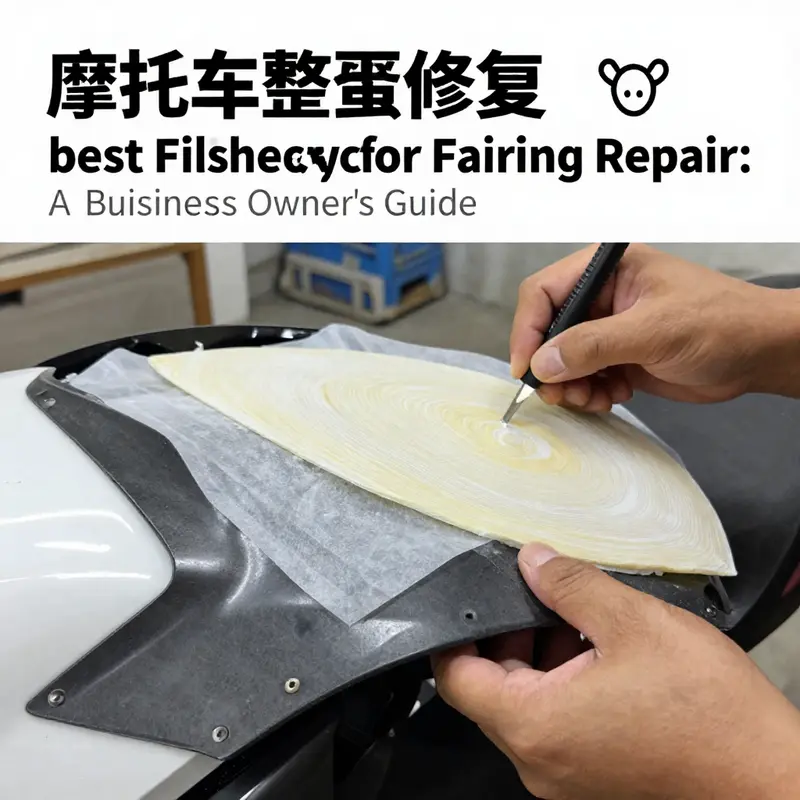
在高速行驶的世界里,摩托车的整流罩不仅承担外观美学,更直接影响空气动力学表现和整车的安全性。修复一块受损的整流罩,若仅以表层涂抹来遮掩缺口,往往无法恢复其原有的刚性与抵抗应力能力。本文以“best fiberglass for motorcycle fairing repair”为核心,讲述选择合适玻璃纤维材料、搭配高性能树脂系统,以及在修复过程中应遵循的步骤与注意事项。核心目标是让修复件在强风、路面振动和潜在碰撞力的作用下,既能承受日常骑行的耐久性,又能尽量维持原有的曲线和空气动力学特性。对于修复工作的新手来说,最关键的并非一次性填充或简单粘结,而是在材料选择、铺设方式和固化条件之间构建一个稳固而均匀的复合结构。修复过程本身就像重新塑造一个极其复杂的曲面,任何局部的薄弱点都可能在高速度下放大为裂纹、翘曲甚至断裂,因此,统一、系统的工艺是成功的基石。
在材料层面,行业经验普遍认可的组合是使用E-Glass(高碱玻璃)布料结合环氧树脂系统。E-Glass 纤维具有良好的拉伸强度、刚性和冲击抵抗力,特别适合应对高速行驶中的风压、路面颠簸和偶发碰撞。对于整流罩这类曲面件,选择“中等密度到高密度”的玻纤布尤为重要,因为它关系到力在曲面上的分布是否均匀。一个通用的原则是:小面积、局部修补可以使用300 gsm左右的布料,以便更容易贴合复杂的曲线;而大面积或需要承受较高结构强度的修复,宜选用500–600 gsm 的布料,以提升整体的抗冲击性能与刚性。
关于树脂系统,环氧树脂相对于不饱和聚酯树脂,具有更高的粘结强度、较低的收缩率以及更好的耐候性。对暴露在户外环境中的整流罩而言,少收缩意味着更少的开裂风险与变形可能。修复时应遵循“完全浸透、无气泡”这一核心原则。将布片裁剪成贴合损伤区域的形状后,均匀涂抹环氧树脂,使纤维层全面浸润并排出气泡。为获得更可控的工作节奏,常见做法是采用“快干型环氧树脂配合慢速硬化剂”的组合,以便有足够时间调校覆层、压实纤维并确保多层之间的粘结强度。这样做的一个直接好处是,叠层之间的界面粘接力更强,整个复合材料的整体性更加稳定。不同区域的固化时间和热量分布会受到环境温度、湿度以及树脂体系的配比影响。因此,在不干燥的工作环境中,持续控制温度在15–25℃之间,并给予24小时以上的初步固化时间,是保证后续打磨、喷涂等工序顺利衔接的重要前提。
在具体操作步骤层面,修复的核心在于“分层叠加、逐层固化”的原则。底材处理是第一道防线,必须对破损边缘进行充分打磨,形成羽状边,以提供新材料更好的粘结基底。同时,清理表面并尽量去除油污和灰尘,必要时涂抹一层薄薄的底漆以提升附着力。接着进入铺设阶段。裁剪好的玻璃纤维布片覆盖在受损区域,使用刮刀和专用滚压工具将环氧树脂均匀涂抹在纤维上,确保纤维完全浸润且压实,避免气泡在厚层中滞留。对于中等面积的修复,通常采取“两层布+若干树脂”的结构;对于更复杂或受力更大的区域,建议采用多层叠加,每层之间必须在前一层完全固化后再进行下一层,以确保层与层之间的粘结力达到最大化。
表面平整化是另一项关键步骤。初步固化完成后,使用细砂纸进行打磨(通常在P180-P320范围),以达到平滑的表面轮廓,再进行后续的抛光。此时,若表面仍存在微小的凹凸,可通过区域性腻子处理来实现微调;但应确保腻子层与基材的结合强度,不要引入新的裂纹源。随后进入喷涂环节。为了确保色彩与光泽的稳定性,建议以透明清漆或耐候性涂层进行保护。若目标是尽可能还原原有表面的光泽与质感,采用带有耐 UV 成分的保护层会更为稳健,使整流罩在日照条件下不易褪色、变脆。
为何要选择玻璃纤维作为修复材料?理由在于它在强度、刚性与耐久性之间的综合表现优于常见塑料替代品。相较于某些 ABS 等材料,玻璃纤维的抗冲击性和热稳定性更高,在高速或长途骑行中的遭遇冲击后不易出现大面积的破裂。更重要的是,玻璃纤维布的可塑性使其能够很好地复现整流罩的复杂弧度和空气动力学形状,保持原有的气流导向与风阻特性。这种综合性能使玻璃纤维成为当前摩托车整流罩修复领域最被广泛认可的材料组合。行业权威和实务指南一致指出,适当的玻纤布密度与恰当的树脂体系是实现高强度修复的关键。补充地,来自行业指南的核心论断也强调,玻璃纤维在高性能应用中的刚性和耐用性使其成为自定义整流罩制造与修复的理想选择。这些观点与广泛的实务经验相吻合,支撑你在修复时作出明智的材料选择。
在具体的用材搭配上,有一个广泛认同的组合:以中等密度到高密度的玻璃纤维布叠层,结合高性能环氧树脂系统。对于追求轻量化和易操作的场景,300–400 gsm 的布料在小面积修复中表现优秀,易于贴合复杂曲面,固化后重量较轻,便于后续打磨与喷涂管理。若修复区域较大、对结构强度要求更高,则应考虑500–600 gsm 的布料层叠,以提升承载力与抗冲击能量吸收能力。树脂方面,环氧树脂因其低收缩、高附着力与优越的耐候性能,是更安全、长期耐用的选择。全程应遵循“每一层布都要充分浸润、每一层之间要有充分固化”的原则,从而确保成品在力学性能上达到均匀、可预测的表现。
在参考与专业建议方面,行业资料普遍提及:玻璃纤维在高性能和修复应用中的韧性、强度与刚性使其成为许多专业制造与修复工作的重要材料。通过对这一领域的综合研究,可以看到,选择合适的布料密度与正确的树脂体系,是实现修复卡位的关键。为帮助读者进一步理解不同曲线和几何的设计需求,建议浏览具体的整流罩材料与配方集合,以便对比不同布料密度在不同区域的应用效果。对比与参考的途径并不局限于单一品牌或模型,而是围绕材料特性、固化行为和表面处理的综合考量。若你需要进一步直观的对比,可以查看可视化资源中关于 Suzuki 等品牌整流罩部件的集合,帮助你理解不同曲线、边缘处理和开孔位置对修复工艺的影响。此类资源通常包含多种布料密度与不同曲线区域的实际应用示例,有助于在实际操作中更好地做出选择。你也可以在自己的工作站以简易的手段进行试验,先在废弃小件上尝试不同密度的布料在同一环境条件下的固化行为,逐步建立一个适合自己工作流程的标准化操作。对于那些在 DIY 修复中寻求更系统性方案的阅读者,建议将每一步的控温、湿度和固化时间记录成表格,以便未来的修复复用与快速复现。
在实务操作的最后,修复完成后的整流罩不应匆忙安装使用。静置24小时以上让整个结构达到稳定状态是必要的,随后才进入安装阶段。若计划在恶劣天气或高温环境中使用,建议对表面进行额外的防护处理,如涂覆耐候涂层,以延长外观与性能的使用寿命。通过上述系统性的处理流程,结合高质量材料的正确组合,修复后的整流罩不仅能恢复原有的强度与弧线,还能够保持长期的耐久性和外观一致性。
综合来看,最终的材料组合与工艺选择应围绕两个核心目标展开:第一,确保修复区域的力学连续性和均匀的应力分布,以防局部薄弱点成为未来裂纹的起点;第二,尽可能保留或再现整流罩原有的空气动力学曲线,使新旧材料在风洞中共同工作,减少阻力和振动带来的负面影响。以此为导向,最理想的方案通常是选用200–300 gsm 的双轴 E-Glass 布,配合环氧树脂系统,辅以系统化的分层铺设与严格的固化条件。这一组合不仅在实验与实务中被广泛认可,也与行业指南的核心观点高度一致。为了便于读者进一步理解和参考,本文在结尾处提供一个外部参考资源,帮助从业者和爱好者对材料选择与实际应用进行更深入的对比与学习。
外部参考资源: https://www.alibaba.com/product-detail/Motorcycle-Racing-Fiberglass-Fairing-Body_1600771917735.html?spm=a2700.7724857.0.0.3a5e7c5f5kYiZw
内部参考入口(便于对比不同品牌整流罩的曲线与几何):Suzuki fairings collection 通过对比不同系列的整流罩外形,你可以更清晰地理解在实际应用中,布料密度、贴覆工艺与表面处理如何共同影响最终修复件的气动性能与耐久性。
Choosing Glass Fibers: The Practical Precision Behind Motorcycle Fairing Repair and Its Market Momentum
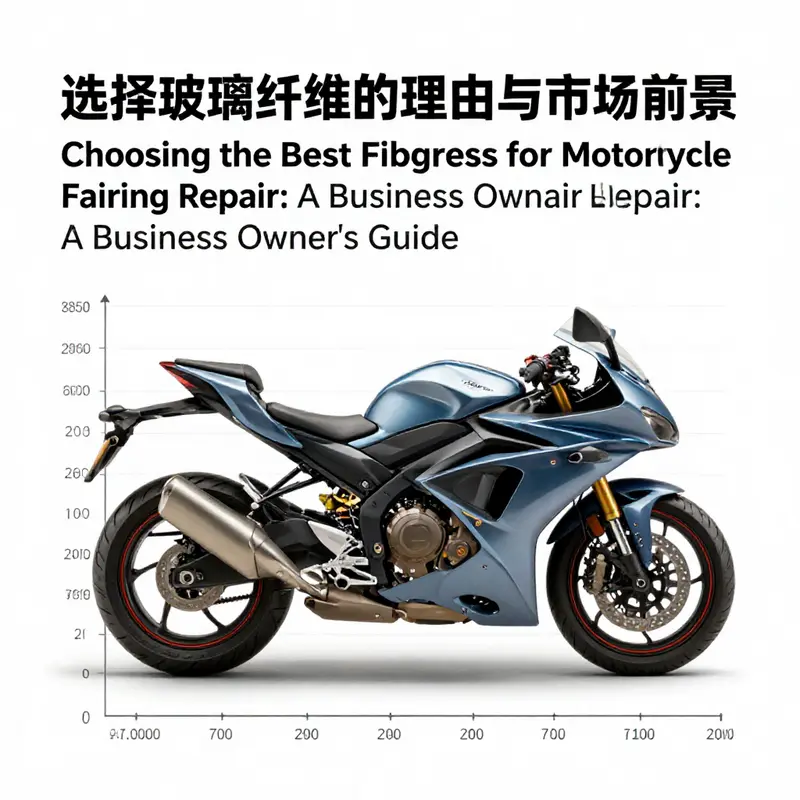
Repairing a motorcycle fairing is as much about understanding materials as it is about sculpting a surface that can endure the road. When a rider cracks a fairing or the impact of a tip-over leaves a dent, the choice of fiber reinforcement matters far more than the quick fix of paint. Glass fiber offers a blend of strength, stiffness, and affordability that aligns with the demanding needs of high-performance two-wheelers. It is not just about patching a broken shell; it is about restoring an aero-form that must cut through air with minimal drag, absorb a normal street shock, and resist the elements that turn everyday riding into a long-term test of durability. The logic behind selecting glass fiber for fairing repair rests on several durable truths: weight efficiency without sacrificing rigidity, a high resistance to impact, and an ability to conform to the complex curves that define modern fairings. A one-piece fairing is not a flat panel; it is a carefully contoured surface whose geometry contributes to handling and stability at speed. In engineering terms, glass fiber satisfies the critical balance between stiffness and toughness, allowing the repaired area to behave like the surrounding material under the dynamic stresses of acceleration, wind pressure, and the occasional encounter with road debris. For riders who push into track days or long-distance touring, that balance translates into predictable, confidence-inspiring behavior after a repair.
The practical choice of glass fiber over other composites centers on a few key properties. Glass fiber delivers an excellent strength-to-weight ratio that makes a repaired fairing both light and capable of resisting deformation under load. It also brings robust dimensional stability, meaning that the repaired surface is less likely to warp or loosen under humidity, heat, or temperature cycling. This stability pays dividends in long-term durability, especially on bikes that spend a portion of their life in outdoor conditions or in climates with wide day-night temperature swings. The low moisture uptake of glass fibers reduces the risk of swelling and loss of fit over time, a common concern for thermoset composites used in exterior automotive components. Moreover, glass fiber’s natural resistance to many chemicals helps when cleaners and fuels find their way onto the surface after a long ride or a rough pit stop. The result is a fairing that not only looks right but behaves consistently through the years of use and miles accumulated.
Among the specific fiber choices, two aspects deserve attention for a skilled repair: the type of glass and the fabric architecture. E-glass, a widely used form of high alkali glass, stands out for motorcycle fairing work because of its strong tensile properties, stiffness, and good impact resistance. When fabric is chosen with a bidirectional weave, particularly in a weight range around 200 gsm to 300 gsm, the repair gains a balanced reinforcement that avoids weak points. The bidirectional fabric provides uniform strength across the repaired area, which is especially important on complex surfaces where a single directional layup could create anisotropy and local thinning. This combination—E-glass with a 200–300 gsm bidirectional fabric—gives a repair that respects the original geometry and distributes loads evenly across the patch. The goal is not merely to fill a hole but to rebuild a structural shell that can resist aerodynamic loads and road shocks with minimal micro-maggot of stress concentrations developing at the interface between old and new material. In practice, the layup is performed with careful attention to saturation. Each layer must be thoroughly wetted with resin to avoid air pockets that would compromise stiffness and create potential crack initiation sites. The surface must be clean and free of old paint, rotted resin pockets, or loose fibers, because any remaining contamination becomes a barrier to a solid bond between old and new material.
The resin system used in conjunction with glass fibers profoundly influences the final behavior of the repaired fairing. Epoxy resin is generally preferred over polyester for high-performance repairs because it offers higher bonding strength and better impact resistance, along with improved weathering and UV durability. Epoxy systems also tend to have lower shrinkage, which reduces the risk of cracking around the repair zone as the composite cures and ages. In a professional repair setting, the resin acts as the matrix that binds the glass fibers into a single, continuous shell capable of transmitting loads across the patch. It is crucial to adapt a resin system that can penetrate each fiber strand and fill the micro-voids between fibers without excessive exotherm during cure. The result is a compact, dense composite that behaves more like the original structure and less like a patched surface. The practical outcome is a fairing that remains rigid under load, shows good fatigue resistance, and retains surface quality after sanding and paint or gel coat application. Keeping cure conditions in a comfortable range—typically around room temperature with controlled heat if needed—is essential to prevent thermal stress from distorting the shape or inducing residual stresses that could lead to cracks later on.
From a repair workflow perspective, preparation is everything. The process begins with a meticulous surface treatment. The damaged region must be aggressively but cleanly abraded to remove flaking paint, burrs, and loose material. A solvent wipe ensures removal of oils and contaminants that would block adhesion. The next stage is layering, where multiple plies of fabric are placed with careful resin impregnation. The rule of thumb is to ensure full wet-out of each ply and to avoid air entrapment. A conservative approach—laying down several thinner plies rather than a single thick sheet—helps reproduce the contour of curved fairings and reduces the likelihood of delamination. The cure follows, with a target ambient temperature range of approximately 20–25 degrees Celsius. The film thickness, resin content, and the number of plies all influence cure time, and controlled post-curing or gentle heat can help achieve a denser, more durable laminate without introducing heat-induced distortion. After curing, the surface is shaved and sanded to a uniform plane before any filler is applied. The filler then becomes a vehicle to achieve a seamless transition between old and new material, so the final paint or gel coat layer can sit evenly and provide a uniform gloss and color match. The finishing touches are more than cosmetic; a smooth surface reduces aerodynamic drag and contributes to the overall performance of the bike, a point that matters to track riders and long-distance enthusiasts alike.
The choice of fiber, resin, and finishing approach has broader implications than a single repair job. The structural integrity of the fairing post-repair translates into safer, more predictable performance at high speed, where even small anomalies in surface quality can influence airflow, stability, and noise. Fiberglass’s compatibility with complex curves makes it particularly suitable for modern fairings, which often feature intricate geometries designed to optimize aerodynamics. In contrast, other materials such as certain plastics can be easier to repair in theory but tend to crack or deform under impact and heat because they lack the same cohesive response to multi-axial loading. The durability of a well-executed fiberglass repair remains compelling for riders who pursue endurance, speed, or competition without sacrificing road-ready practicality. As riders look for options that balance performance with cost, fiberglass repairs are appealing because they provide a robust, relatively economical path to restoring a fairing’s function and appearance.
This perspective on material selection is reinforced by industry assessments that emphasize fiberglass as a staple for performance-oriented and custom fairing fabrication. A respected reference notes fiberglass’s rigidity, strength, and suitability for performance applications, describing it as ideal for projects requiring a dependable, durable composite. While that framing comes from a broader production and repair context, the underlying message translates directly to motorcycle fairings: fiberglass is well-suited to rebuild the aerodynamic envelope without compromising the look or the structural integrity that keeps a bike stable on the move. For riders who want a tangible example of how the materials translate into a finished product, a practical direction in the community is to explore the diverse fairing collections that manufacturers and shops keep on hand. These collections illustrate how designers and builders integrate glass fiber impregnated with resin into curved panels, blending aesthetics with performance. If you want to see how a well-executed fiberglass repair can restore not only the look but the geometry of a fairing, a visit to the Honda fairings collection can provide a concrete point of reference for how a repaired shell should align with factory curves and mounting points. See the Honda fairings collection for context on how a well-finished repair maintains the intended silhouette and fit. https://www.summitfairings.com/collections/honda-fairings
Market momentum also frames why fiberglass remains a smart choice beyond repair shops and individual riders. Global demand for glass fiber continues to grow as industries push for lighter, stronger, and more cost-effective composites. Forecasts point to a steady compound annual growth rate that outpaces many other reinforcing materials. This trend reflects not only the automotive and motorsport sectors but also the broader use of fiberglass in transport, infrastructure, and consumer goods. In the motorcycle segment, lightweight and high-strength composites support designs that enhance performance while preserving reliability and service life. The economics are favorable; the material’s relatively low cost and ease of processing compared with alternative advanced composites translate into repairs that are accessible to a wide range of riders and shops. In markets where manufacturing capacity climbs—particularly in regions expanding automotive and motorcycle output—glass fiber’s role as a backbone of lightweight, durable components becomes even more pronounced. The result is a robust ecosystem where repair expertise, material availability, and consumer demand reinforce each other in a virtuous cycle of development and adoption.
From a strategic perspective, this alignment of material science with practical repair work points toward an enduring value proposition. The available fabric options, when combined with epoxy systems that emphasize strong bonding and minimal shrinkage, provide a repair path that can reproduce the fairing’s original geometry with high fidelity. The approach also accommodates the realities of field repairs, where access to specialized resins and curing equipment may vary. A well-planned repair can be achieved with market-available glass fabrics and general-purpose epoxy resins, while still delivering results that meet performance targets. The emphasis on proper surface preparation, thorough wet-out, and controlled curing remains universal, regardless of the shop’s scale or the rider’s ambitions. This chapter’s thread, then, is that the best fiberglass solution for motorcycle fairing repair is not merely a material choice but a disciplined methodology that respects the fairing’s aerodynamic function and aesthetic soul while aligning with the economics and logistics of real-world repair work.
In terms of practical guidance for practitioners and enthusiasts alike, the takeaway is clear. Start with the right fabric: E-glass in a bidirectional weave around 200–300 gsm. Pair it with a reliable epoxy resin system that offers strong bonding, low shrinkage, and good environmental resistance. Ensure surface preparation is thorough, print the layups with careful resin impregnation to avoid dry spots, and cure under controlled conditions to minimize distortion. Finish with a smooth sanding and a compatible filler and topcoat that preserve the surface’s contour and gloss. With this approach, a repaired fairing can recover its original stiffness, hide the repair seam beneath a seamless paint or gel coat, and perform reliably through miles of riding. The return on investment is not simply a cosmetic restoration; it is a restoration of the bike’s aerodynamic integrity, rider confidence, and long-term durability.
For those exploring the broader landscape of materials and market dynamics, the external research that tracks the global glass fiber market provides a valuable backdrop. It outlines the sustained demand and the economic signals that encourage continued investment in fiberglass technologies across industries. As the market evolves, the choice to rely on fiberglass for fairing repair remains a prudent synthesis of mechanical performance, process familiarity, and cost efficiency. The long-term outlook supports expanding access to the materials and expertise needed to execute high-quality repairs in a range of contexts—from small shops to full-service performance outfits. It also reinforces the notion that fiberglass, with its proven track record in automotive and transportation applications, remains a cornerstone of practical, durable repairs that riders can trust on the road and beyond. For a broader market perspective, the global glass fiber market forecast offers a comprehensive view of demand drivers, capacity expansion, and the evolving capabilities that align with the repair needs of modern motorcycles. External readers can explore the forecast to understand how trends in lightweighting, performance requirements, and supply chains influence the accessibility and cost of repair materials.
In sum, choosing glass fibers for motorcycle fairing repair rests on a blend of physics and practicality. It is a choice rooted in strong mechanical performance, compatibility with complex geometries, and a cost structure that supports regular maintenance and repair cycles. The combination of 200–300 gsm bidirectional E-glass fabric with a robust epoxy resin system provides a repair path that respects the original fairing’s aerodynamic role while delivering durable, shielded performance. The ongoing market momentum for fiberglass reinforces the value of this approach, suggesting that riders and shops alike will continue to rely on fiberglass as a dependable backbone for repair and restoration. For practitioners seeking actionable reference points, the fairing collections on relevant rider and parts platforms offer real-world examples of how fiberglass and resin work together to reproduce factory contours and finishes, with the internal link to the Honda fairings collection serving as a practical touchstone. As market studies illuminate the growth trajectory of fiberglass and its cross-industry applications, the repair community can anticipate continued access to materials, improved resin technologies, and streamlined processes that make high-quality repairs more repeatable and affordable for enthusiasts everywhere. External resources provide the larger context, while the day-to-day craft of sanding, filling, and finishing keeps the repair grounded in the realities of how a rider experiences a repaired shell on the road.
Final thoughts
The effective repair of motorcycle fairings using fiberglass not only enhances the component’s durability and aesthetics but also positions your business for success in a competitive market. By utilizing the recommended fiberglass types, resin systems, and following the outlined repair steps, you can ensure high-quality outcomes. As the demand for durable and visually appealing motorcycle repairs continues to grow, investing in fiberglass repair techniques will provide a competitive edge.