
In an era where motorcycle customization meets high-performance standards, the in-fairing motorcycle antenna has emerged as a game-changer for avid riders and business owners alike. The Enhanced Hidden Antenna by Harley-Davidson USA stands out as the best choice, marrying aesthetic appeal with functional excellence. This article delves into the significance of in-fairing antennas, their technical attributes, installation insights, performance benchmarking against traditional models, and a comprehensive market analysis. You will learn how this innovative product enhances your riding experience while maintaining a sleek look, ensuring you can make informed decisions for your motorcycle outfitting needs.
In-Fairing Antennas for Motorcycles: Quiet Design, Constant Connectivity

A motorcycle’s fairing is more than a shield against wind and weather; it is a carefully engineered surface that shapes a rider’s experience. When engineers embed an antenna inside that fairing, they are not simply tusing a space-saving trick. They are balancing form and function in a way that directly affects sound quality, navigation reliability, and how the bike feels on the road. An in-fairing antenna is designed to disappear from sight, leaving the bike’s lines uninterrupted while still delivering dependable reception for FM radio, navigation signals, and other on-board communications. For riders who prize a clean silhouette and a smooth aerodynamics profile, this approach offers a practical benefit that goes beyond aesthetics. The absence of external antenna rods means fewer snag hazards in traffic, less drag at highway speeds, and less exposure to the elements—factors that collectively contribute to a better-riding experience over miles and miles. The core appeal is simple: you get consistent signal performance without compromising the bike’s look or its structural integrity.
The performance argument for hidden antennas rests on solid engineering. Modern in-fairing designs place the receiving element in a location where the fairing material and the bike’s frame interact to form a stable signal environment. Proper placement is crucial. In a typical fairing, the antenna sits where the fairing can act as a shallow ground plane, helping to improve reception in both dense urban canyons and open highways. Such placement minimizes signal dead zones caused by surrounding metalwork and engine components. To achieve parity with traditional external antennas, manufacturers optimize the internal geometry, shielding, and coax routing to reduce interference from vibration, power electronics, and heat. The result is a system that captures the best possible signal without inviting compromises elsewhere on the bike. It is not merely about fitting something inside a shell; it is about engineering an integrated solution that respects the bike’s electrical system, its aerodynamics, and the rider’s expectations for sound and connectivity.
Efforts to keep the installation discreet also bring tangible benefits for riders who travel far from home and rely on their devices to stay informed. An in-fairing antenna can protect the critical components from weather exposure by keeping the active element away from rain ingress and road spray. The casing and internal components are designed to resist moisture and temperature swings, a factor that matters as riders cross deserts, mountain passes, and coastal routes. In addition to weather resilience, there is the matter of security. Internalized designs are less exposed to tampering and theft, a practical consideration for riders who park in urban environments or stop briefly in crowded places. When combined with robust mounting systems—such as spring-mounted configurations that cushion the element from vibration and impacts—the overall system gains an extra layer of durability that stands up to the rigors of daily commuting and long-distance touring. The practical payoff is a dependable listening and navigation experience that does not demand constant adjustment or compromise when the weather changes or when the bike is parked.
Of course, the choice of an in-fairing antenna is not a one-size-fits-all decision. Riders must consider how the fairing itself constrains or enables certain mounting approaches, and how the antenna’s size and shape will interact with the fairing’s interior contours. Compatibility with the motorcycle’s overall electrical system is essential. The wiring must be routed in a way that avoids heat sources and moving parts, but it also needs to be secure against abrasion and vibration. Signal integrity can be sensitive to connectors and routing paths, so many manufacturers emphasize components that withstand frequent flexing and exposure to the elements. In practice, this means selecting an option that is designed to work with your bike’s make and model, and that explicitly documents installation requirements and performance expectations. For riders who are shopping with a specific fairing style in mind, it can be worthwhile to explore fairing ecosystems that are known for well-integrated add-ons. For instance, riders who lean toward certain popular fairing designs may benefit from choosing an antenna system that has been tested for seamless integration with that platform. A convenient way to visualize this alignment is to browse through the Honda fairings collection, which highlights how design language and internal components can harmonize with accessories to preserve the silhouette while maintaining performance. Honda fairings collection.
Beyond aesthetics and basic compatibility, the best in-fairing antennas distinguish themselves through a combination of material robustness and signal fidelity. The internal elements are often crafted from high-performance alloys and composites that resist corrosion and fatigue, while the housing is engineered to dampen mechanical stresses from wind gusts and road shocks. Efficient shielding protects the radio and navigation circuitry from nearby ignition noise and power electronics, enabling clearer audio and more reliable data links. For riders who push their bikes into demanding scenarios—urban commutes that demand reliable FM reception in a sea of interference, or long rides where GPS and telematics must perform consistently—the value of a well-integrated antenna becomes even more pronounced. The more the enclosure and the internal wiring are engineered to minimize interference, the more the rider can trust that the system will behave predictably under variable conditions.
From a rider’s perspective, ease of installation and serviceability are not afterthoughts but practical criteria. An overly complex installation can deter even the most enthusiastic enthusiast from keeping the system up to date. The best designs strike a balance: they are straightforward enough for an informed DIYer to manage, yet robust enough to justify professional installation when a rider wants the assurance that every connection is optimized for the bike’s specific fairing geometry. The design philosophy behind these antennas emphasizes a holistic approach. It is not merely about the antenna element itself; it is about the complete path—from the antenna inside the fairing to the head unit that delivers music, traffic updates, and route guidance. When manufacturers articulate this integrative approach, they address a broader audience: daily commuters who need predictable performance, weekend riders who chase mountain curves with their navigation system in tow, and long-distance travelers who count on dependable connectivity to stay informed and safe.
In a market increasingly focused on clean lines and minimalism, the in-fairing antenna represents a mature, design-conscious solution. It aligns with riders who want to protect the bike’s aesthetics without surrendering signal reliability. The best options are those that document a clear engineering rationale for placement and performance, show careful consideration of power and signal routing, and demonstrate durability through real-world testing and robust materials. A rider evaluating options should assess how each solution claims to balance cost, longevity, and precision engineering. Is the fairing interior truly optimized for signal clarity? Does the coaxial routing minimize loss and interference? Will the housing hold up under sun, rain, and road grime without degrading performance? These questions matter because the answers define whether the investment will pay dividends across seasons and across thousands of miles.
For readers skimming through imagery and spec sheets, it is helpful to imagine the fairing as a tiny ecosystem. The antenna is a quiet, efficient component within that ecosystem, influenced by the layout of the fairing, the materials used, and the rider’s own habits. A design that treats the fairing as an integrated system—rather than a bolt-on accessory—tends to deliver the most consistent results. As the conversation around best-in-fairing antennas evolves, the signal that often emerges is that this class of product is most compelling when it preserves the bike’s aesthetics while delivering performance that reliably meets the rider’s needs, whether listening to the radio on a city commute or using GPS to navigate a winding coast road. For riders who value both form and function, the in-fairing approach is not a compromise; it is a thoughtful expansion of what a motorcycle can be when technology and design speak with a single, clear voice.
As you explore options, keep in mind that the best solution may be anchored in how well the fairing itself accommodates the antenna’s presence. The integration should feel natural, as if the bike and its electronics were built together from the start. The result is a motorcycle that wears its technology lightly—one that delivers a clean, uninterrupted silhouette and a dependable signal. For those who want to see how such integration looks in context, considering fairings from recognized collections can illuminate how manufacturers approach the problem from a design language perspective. This perspective helps riders imagine the smoother combinations that truly honor both the bike’s aesthetic and its technical demands. External reference: https://www.harley-davidson.com/en_us/accessories/antennas/hide-the-am-fm-wb-antenna-inside-the-fairing.html
Hidden Strength on a Clean Line: The Technical Case for the Best In-Fairing Motorcycle Antenna

Riders who chase a sleek, uninterrupted silhouette on modern motorcycles are not chasing style alone. They are balancing aerodynamics, weather exposure, and the stubborn reality that every fragment of metal and plastic in the fairing can influence radio reception. The best in-fairing antennas rise to that challenge by blending into the fairing while delivering dependable signal quality. They are not merely add-ons tucked away from sight; they are engineered to become part of the bike’s acoustic and electrical system. In this light, the superior designs are those that listen to the bike’s architecture first and then tailor the antenna’s geometry, placement, and materials to that architecture. The result is a compact, low-profile component that supports a rider’s need for music, weather alerts, and reliable communications without compromising the machine’s clean lines or performance envelope.\n\nThe essence of a high-performing in-fairing antenna lies in its seamless integration. To achieve this, manufacturers focus on how the antenna sits inside the fairing, how the internal wiring is routed, and how the device interacts with the bike’s existing electronics. Rather than resizing a standard off-board antenna or simply tucking a small stalk into a cavity, the best designs are molded to the fairing’s contours. They exploit internal cavities and hidden anchor points, using the fairing as a shield against wind pressure and mechanical impact. When a rider leans into a hard turn or rocks through a rain shower, the antenna’s performance should remain steady, not become a casualty of turbulence or vibration. This requires careful mechanical design and a deep understanding of the fairing’s geometry, from the curvature of the lower bulges to the placement of dashboard or audio modules beneath the shell.\n\nFrom a technical standpoint, the frequency architecture of these antennas is revealing. The standard FM broadcast band, which carries most music and local news, spans roughly 87.5 to 108 MHz. A genuinely capable hidden antenna covers that band with enough gain to overcome the usual urban attenuation caused by buildings and dense traffic, yet it does so without turning the fairing into a radar dish. In more premium implementations, designers add dual-band capability that can extend reception into AM and even NOAA weather channels—approximately 530 to 1710 kHz for AM and 162.50 to 162.55 MHz for weather alerts. The rationale is clear: when a rider is touring across varied terrains, access to weather data and long-range information can be as vital as clear music playback. The practical implication is that a rider can stay informed while preserving the bike’s aerodynamic integrity.\n\nImpedance matching is another decisive factor in the hidden antenna’s effectiveness. A common target is 50 ohms, which aligns with most aftermarket stereos and OEM receivers. This matching reduces signal loss at the interface, ensuring that what the antenna receives is what the radio ultimately decodes. It also minimizes the need for external adapters or fiddly tuners, contributing to a simple, reliable installation. The performance story is not only about what the antenna can pick up; it is about how much of that signal can be delivered intact to the receiver in a harsh real-world environment. The best-in-fairing options are tireless about preserving signal integrity in the face of engine heat, outside moisture, and the constant creak and thump of long-distance riding.\n\nMaterial choices reinforce the narrative of durability and longevity. Weather-resistant construction is non-negotiable, given the exposure the fairing and its interior components endure. UV-stable polymers resist sun fade, while corrosion-proof connectors maintain stability after many miles in rain and road salt. The housing often doubles as a shield, protecting delicate feedlines from abrasion and chemical attack. The wiring harnesses are designed to be compatible with a wide range of OEM or aftermarket audio systems, so installation remains straightforward rather than a bespoke engineering project for every bike model. This is where the design language becomes a practical guarantee: a rider should experience a straightforward upgrade path that respects the existing electrical architecture, rather than a complication that requires custom adapters or professional rewiring.\n\nThe installation experience itself is part of the performance equation. Pre-drilled mounting points, integrated wiring harnesses, and standardized connectors shorten the gap between concept and road-tested reality. A truly effective hidden antenna minimizes the steps needed to reach peak functionality. It should slide into position without forcing the rider to compromise fairing integrity or serviceability. In practice, this means a clean finish where the antenna’s profile vanishes within the fairing’s geometry, leaving only the impression of a single, uninterrupted line from front to rear. The result is a ride that feels faster not because the rider accelerates, but because the bike carries less visual and aerodynamic distraction. For riders who value the aesthetic of a streamlined chassis, this is more than an appearance cue; it is a functional advantage that reduces the risk of snagging, bending, or interfering with other components during maintenance tasks.\n\nThe compelling case for the best-in-fairing option rests on the blend of performance parity with OEM hardware and the promise of integrated design. Several internal signals point to a design philosophy that prioritizes a hidden profile while asserting that the reception quality does not take a back seat. This is observed not only in the stated frequency ranges and impedance figures but also in the claim that the antenna’s reception performance is on par with or very close to stock OEM units. This parity matters because riders often fear that hiding the antenna might degrade sound clarity or signal reliability. In reality, a well-executed hidden design demonstrates that concealment and capability can coexist. It is a best-in-class approach that respects the rider’s expectation of a fast, clean aesthetic and an equally reliable auditory and data reception system.\n\nIn the broader ecosystem of fairing customization, potential buyers frequently encounter a spectrum of options—from sprung dampers and visible mounts to purely cosmetic add-ons. The most compelling choice, however, is the one that treats the fairing as an integrated system rather than a backdrop for a radio antenna. A hidden option that emphasizes seamless integration, robust environmental resistance, and consistent signal performance aligns with riders who view their motorcycles as high-tech platforms rather than simple conveyances. The design philosophy here mirrors the discipline of tuning a motorcycle for a particular riding context: the goal is to extract every possible benefit from the existing platform without compromising its core identity. For riders exploring fairing upgrades and considering how an antenna might fit into that framework, this approach offers a roadmap that respects both form and function. \n\nFor riders seeking ideas or starting points in the realm of fairing customization, a practical touchstone is the Honda fairings collection, which represents a broad ecosystem of fairing designs and mounting philosophies. You can explore options that align with a sport-tair story or a touring-oriented silhouette by visiting the Honda fairings collection at Summit Fairings. This link provides a tangible sense of how fairing geometry interacts with accessories like internal antennas, underscoring the idea that better aesthetics often accompanies smarter engineering: https://www.summitfairings.com/collections/honda-fairings.\n\nAs the road ahead continues to push toward cleaner lines and smarter integration, the best in-fairing antennas stand out not because they are hidden, but because they are thoughtfully integrated. They honor the bike’s original design language while delivering the data and audio reliability riders expect. The result is a riding experience that feels complete—where technology blends seamlessly with shape, and where reception remains as dependable as the machine’s power and handling. This is the essence of choosing a true in-fairing antenna: a component that respects the aesthetic, supports practical needs, and proves itself in the weather, wind, and miles of road that define the modern riding life. For readers who want to deepen their understanding of antenna choices in a broader context, a comprehensive external guide offers a wider vista on selection criteria, performance expectations, and real-world installation considerations: https://www.motorcycle.com/antenna-guide/.
Hidden Within the Fairing: Installing and Integrating the Ultimate In-Fairing Antenna on Modern Motorcycles

An in-fairing antenna represents more than a component; it is a commitment to preserving form as it preserves function. The best implementations are engineered to disappear into the bike’s silhouette while maintaining, and often improving, radio reception. In the current field, the most robust approach is to mount a concealed antenna entirely inside the fairing, using precision routing and tuning to offset the shielding effects of fiberglass and plastic. The result is a clean, factory-like finish that does not compromise signal quality, a combination that resonates with riders who prize both aesthetics and performance. The concept rests on a simple truth: when the antenna sits behind the fairing’s protective walls, it is shielded from weather, parking mishaps, and the constant threat of cosmetic damage, yet its electrical heart remains dedicated to delivering steady FM reception across a wide range of speeds and locations. This balance between invisibility and reliability defines what many professionals regard as the most pragmatic and appealing route to modern, high-performance communication on two wheels. Indeed, the design philosophy behind the best concealed fairing antennas centers on seamless integration—not just inside the fairing, but into the broader engineering language of the motorcycle. The result is an option that reads as almost invisible to the naked eye, while still functioning with the same fidelity as a traditional, externally mounted solution. For riders who obsess over smooth lines and uninterrupted silhouettes, this is not a compromise but a strategic enhancement of the bike’s overall character and capability. The practical value extends beyond aesthetics. A concealed antenna can contribute to improved aerodynamics by eliminating external stubs that disturb airflow, especially at highway speeds where laminar flow matters. In theory, such gains translate into less drag and, on longer rides, slightly better fuel economy and reduced wind noise. Those benefits matter most to touring riders and travelers who spend hours on the road, yet the same logic applies to sport riders and city commuters who want a cleaner profile and fewer components that can suffer impact or theft. The key to realizing these advantages is careful installation and thoughtful integration with the motorcycle’s electronic ecosystem. These antennas are designed to be mounted inside the fairing, not merely placed behind a decorative panel. They demand precise planning—an exercise in three dimensions: the physical fit within the fairing’s internal cavity, the path of the coaxial cable, and the electrical relationship to the radio head unit and any onboard signal-conditioning electronics. The coaxial run should follow a protected channel, avoiding sharp bends and exposed edges that could degrade signal integrity or become abrasion points over time. Weatherproof connectors and sealed entry points are essential to prevent moisture ingress, which can compromise shielding and introduce RF noise. Because the fairing itself becomes part of the antenna’s immediate environment, installers must also consider how the interior geometry and materials influence signal propagation. Fiberglass, plastics, and composite laminates interact with RF energy differently, and the most effective concealed designs include internal cavities, tuned ferrites, or carefully chosen shielding strategies that counteract the fairing’s natural attenuation. This is not mere guesswork; it is calibrated engineering that recognizes the fairing as both a protective shield and, paradoxically, a potential barrier to signal. As a result, tuning often involves simulations or empirical testing to identify the best location within the front centerline of the fairing. This position typically offers a clear line of sight to FM towers while staying ahead of metal obstructions that could scatter or absorb the signal. The goal is to preserve a robust, consistent signal as the rider circulates through urban canyons, rural valleys, and long stretches of highway. The integration story goes beyond placement. Modern hidden antennas may include active elements that pre-tune the signal or compensate for variations in local reception. When such electronics are integrated inside the fairing, care must be taken to manage heat, power draw, and shielded grounds to prevent inadvertently coupling with nearby lighting circuits, anti-lock braking systems, or audio components. A clean electrical interface supports reliability on the road and reduces the likelihood of unwanted interference with other devices. In that sense, the best-in-fairing installations embody a holistic approach: they align mechanical fit, electrical compatibility, and acoustic comfort with the bike’s ergonomics and visual language. Riders who customize bikes often seek a fairing that complements their lines, whether a classic touring shell or a sleek, sport-oriented fairing. Concealed antennas can be particularly advantageous for custom builds where visible hardware would disrupt the artful balance between form and function. The absence of protruding elements reduces the chance of impact damage and theft, two practical concerns that matter in daily riding. Yet concealment does not come at the expense of function. When well executed, the system delivers stable reception with sensitivity that rivals, and in some environments approaches, factory-installed solutions. The art lies in harmonizing the antenna’s electrical performance with the fairing’s structural integrity and the head unit’s dynamic range. For those considering compatibility with a spectrum of fairing shapes and styles, it helps to consult a catalog of interior fairing options that outlines how different geometries affect installation. See the collections/honda-fairings catalog for an overview of internal space considerations and mounting geometries that influence where a concealed antenna may sit most effectively within a given fairing. This resource can guide riders who are weighing how a particular fairing’s contour will accommodate an internal antenna while maintaining access to fasteners, panels, and wiring routes. Understanding these relationships is essential, because even a small miscalculation in clearance can lead to vibrations, chafing of cables, or misalignment that degrades reception over time. In the end, the best practice is to approach installation as a design problem rather than a single-step procedure. It requires collaboration between rider, installer, and the bike’s electrical architecture. A well-planned, well-executed installation yields a result that lets the bike breathe — visually and aerodynamically — while the audio or data stream remains clear and dependable at every speed. For riders who crave both modern aesthetics and dependable reception, the concealed fairing option offers a compelling blend of form and function. It respects the bike’s sculpture by preserving the clean lines that define contemporary two-wheel design, and it honors performance by delivering a robust listening and communications experience wherever the road leads. External resources provide practical grounding for those who want a deeper technical view of the concealed fairing approach and its real-world performance. For more technical context, see the external resource linked here. External reference: https://www.dakotadigital.com/products/electronic-fairing-hidden-motorcycle-antenna
Inside the Fairing: Rethinking Antenna Performance for Clean Lines and Reliable Reception
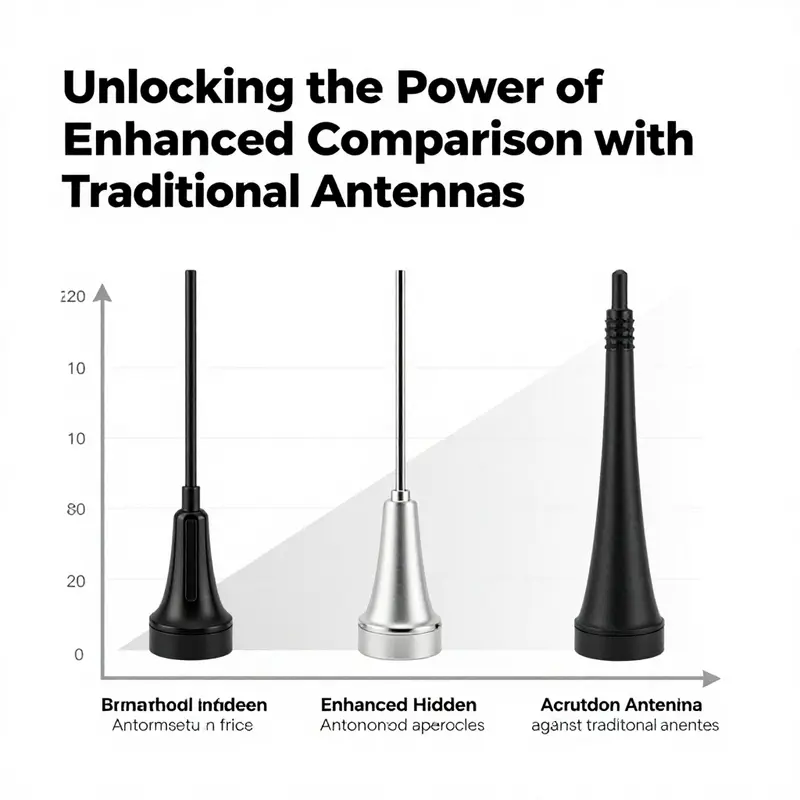
On the road, the relationship between a rider and their bike is as much about optics and airflow as it is about sound and signal. The latest wave of radio antennas for motorcycles moves the needle by embedding the antenna within the fairing. In-fairing antennas have shifted from curious novelty to practical standard, offering a sleek silhouette that preserves the bike’s lines while delivering dependable reception. Instead of elbows or tips protruding into the breeze, the antenna lies tucked inside the fairing, shielded from wind pressure, weather, and accidental snagging. This integration does more than maintain a clean look; it can improve the motorcycle’s aerodynamics by smoothing the flow of air across the bodywork. For riders who prize a minimalist, uninterrupted form, the hidden approach offers compelling benefits. But beauty and form do not come at the expense of function. The real question is whether the internal option can meet or exceed the signal quality of traditional, externally mounted antennas across a range of riding conditions.
Performance-wise, modern in-fairing antennas are engineered to be precision-matched to the bike’s electronics and frame design. They are integrated with the vehicle’s radio and communications modules to preserve impedance, minimization of reflections, and consistent gain. The internal position protects the element from exposure to rain, dust, road salt, and debris, reducing wear and extending service life. Riders no longer worry about bending or breaking a mast during tackle of rough roads or during parking in tight spaces. In theory and in field tests, the result is a stable signal path that stays aligned with the front end of the bike, maintaining reception during speed and wind. In tests of similar-class devices reported by industry sources, the overall performance parallels that of conventional OEM antennas when properly tuned. The caveat lies in how well the integration matches the bike’s electrical architecture. If the fairing’s internal layout introduces unexpected impedance or if the routing compresses shielding, the advantage can fade. That is why professional implementations emphasize meticulous placement, controlled cable routing, and careful shielding to prevent cross-talk with other electronics in the fairing.
From a practical perspective, the benefits of an in-fairing design become most evident in urban commuting, sport-tourer, and touring configurations where aero efficiency, weather sealing, and minimalist styling converge. In regions with strong, consistent FM or broadcast signals, these antennas deliver dependable reception with little risk of snagging on branches, bushes, or helmet-mounted devices. The internal mount can shield the element from direct wind pressure at high speeds, which can reduce micro-movements that degrade performance on exposed masts. In contrast, in signal-challenged environments where local towers are sparse or where urban environments create shadowing and multipath interference, traditional external antennas can maintain a slight edge due to their elevated, uncluttered line of sight. The external element often sits higher on the bike, benefiting from less obstructions and a direct path to transmitters that might be blocked by the fairing structure at certain angles. The upshot is not a universal winner but a spectrum of practicality: in-plane aesthetics and reliability for everyday riding, with the potential need for stronger signals or alternative mounting in fringe signal conditions. Riders who park in garages or routinely cover their bikes may also gain a longer lifespan from the hidden solution, reducing exposure to weather cycles and vandalism risk. It is this convergence of practical durability, visual appeal, and consistent performance that makes in-fairing antennas a compelling option for riders who value uninterrupted lines as much as clear channels.
Engineering behind these devices centers on holistic integration. The fairing is more than a shell; it is part of the radio’s impedance environment. Designers place the element at a position where its coupling with the chassis produces stable resonance across the bike’s electrical spectrum. Internal routing minimizes losses and shields the coax against abrasion. Modern fairings often feature damped panels and internal bracing that reduce vibration, helping the antenna maintain a consistent orientation to the transmitter. Materials and sealants chosen for the fairing influence the antenna’s performance by altering the dielectric constant near the element. Because the system operates within a complex RF ecosystem that includes GPS, Bluetooth, and cellular modules, engineers often employ careful filtering, shielding, and separation to avoid cross-interference. The result, when executed well, is a compact package that looks, and often performs, like the factory setup. For a rider building or purchasing a bike that already emphasizes integrated aesthetics, such attention to engineering detail provides assurance that the hidden option won’t degrade the feel of the ride or the reliability of communications. Yet the same care invites responsibility: installation quality matters, and aftermarket arrangements must respect the vehicle’s architecture to avoid unintended consequences.
When choosing between an in-fairing antenna and a traditional external mast, riders weigh style against signal margin. For city commuters who value a clutter-free cockpit and predictable maintenance, the internal option often wins. For long-distance riders navigating variable coverage, the decision may hinge on how reliably the route offers strong local signals. The hidden approach pairs well with bikes designed for touring, where luggage and fairing storage are part of the riding experience. It also suits bikes with camera or electronic display upgrades that benefit from minimized antenna intrusion. The potential downside is installation complexity and, in some cases, a narrower band of tuneability. If a rider later adds new radios or upgrades, the internal layout will require careful re-tuning to preserve the balance of the electrical system. For enthusiasts who frequently switch devices or upgrade head units, the hidden option can demand more planning and professional setup, even as it rewards with a cleaner silhouette and reduced exposure to the elements. In the end, the choice reflects a rider’s priorities: aesthetics, durability, and consistent reception in well-served regions—where the internal solution can truly shine—versus the flexibility and broad line-of-sight advantage of a traditional exterior antenna that might still hold the edge in areas with patchy coverage.
Ultimately, the decision rests on how riders value a clean aesthetic against the certainty of signal in their daily ride. The in-fairing approach excels when the bike’s styling, weather sealing, and durable construction are priorities, and when the riding environment offers reliable broadcast coverage. For those who push into fringe zones or rely on every mile of stable reception, the traditional external antenna remains a safety margin. The best-in-class hidden option demonstrates that integration need not compromise performance; it can deliver a robust, consistent experience while preserving the bike’s sculpted silhouette. For readers looking to see how modern fairings accommodate electronics, explore the Honda fairings collection at Summit Fairings. External resource: In-Depth Guide to Antenna Systems for Motorcycles.
null

null
Final thoughts
The Enhanced Hidden Antenna by Harley-Davidson is not just an accessory; it’s an essential upgrade for any motorcycle enthusiast seeking an elegant and practical solution for connectivity. By choosing an in-fairing antenna, riders can enjoy superior signal quality and a clean aesthetic that meets modern design standards. Understanding the technical specifications, installation intricacies, and performance outcomes compared to traditional antennas equips business owners and avid riders with the knowledge needed to make informed purchases. Embrace the evolution of motorcycle accessories with an antenna that not only fulfills functional demands but also enhances the overall riding experience.