
For business owners in the motorcycle industry, understanding the audio systems available for motorcycle fairings is crucial. As customer demand for enhanced riding experiences grows, the right speaker systems can set a business apart. This article explores top choices for motorcycle fairing speakers, comparing Harley-Davidson’s premium offerings with noteworthy aftermarket alternatives. The technical specifications of these systems will be detailed to highlight key features that matter to discerning customers. Finally, we’ll discuss installation and reliability to ensure that business owners can confidently recommend the best solutions to their clients.
Riding Echoes: Weighing OEM Harley Audio Against Aftermarket Fairing Speakers for a Clearer Road Sound
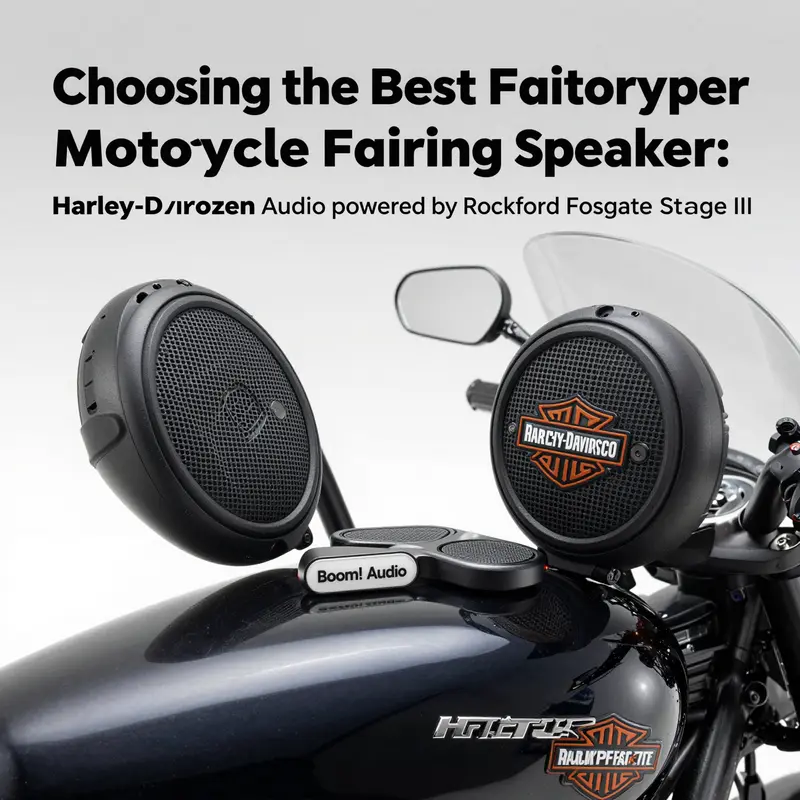
The road is a moving stage, and the sound system on a motorcycle is its most intimate audience. On a bike, wind, engine gnaw, and the thrum of tires transform listening into a negotiated act between rider and environment. The quest for the best fairing speaker system is, at its core, a search for clarity without fatigue, for sound that remains articulate at high speed, and for a setup that survives the weather and the rough life of the open road. In this landscape two broad paths emerge: the streamlined, factory integrated approach that promises seamless integration and consistent performance from a single source, and the flexible, diverse world of aftermarket options that invites customization, tailoring of sound signatures, and budget-conscious experimentation. The choice is never only about fidelity; it is about how a rider wants to interact with the machine, how much effort they want to invest in installation, and how much they value reliability under the next thousand miles of wind and rain. When a rider contemplates a premium factory system, the appeal is immediate. A high wattage backbone, typically a substantial amplifier, drives a four speaker array that includes drivers mounted in both the fairing and the saddlebags. This configuration seeks to deliver a coherent, wide soundstage that can be dialed in to feel like an intimate concert at cruising speed or a full-blown show when the throttle is wide open and the wind is roaring past. The advantages here are practical as well as sonic. The kit is designed to fit the bike as an assembly, with weather sealing that guards against water intrusion, dust, and UV exposure. It is engineered to withstand the constant vibration of riding, and the components are tested for longevity in real riding conditions. In other words, it is a life cycle solution: you install it once, it resists the weather, and it continues to perform over many riding seasons. The beauty of such a system lies in its cohesion. You do not have to fight to align separate pieces, to choose a compatible amp, or to hunt down a compatible cross-over network. The factory approach provides a complete, garage-ready package that feels, in practice, like a single, well-tuned instrument rather than a patchwork of parts. And for riders who prize a clean, coordinated appearance and the sense that everything was designed to work as a system rather than assembled piecemeal, this integration can be a decisive factor. Yet this path is not without its questions. The main considerations are cost, specific model compatibility, and the degree of customization available after the fact. The best factory solutions sit within a fixed lineage of model-year compatibility. If a rider owns a motorcycle that falls outside the supported window, or if the user’s taste for sound changes over time, the path can feel rigid. In addition, the factory option typically carries a premium price that reflects not only the hardware but the engineering investment in fit, finish, and warranty protection. The upside is a sense of assurance: the system is designed for the bike, tested with it, and supported by the manufacturer. The downside is a certain exclusivity of fit and a ceiling on customization that may not suit every rider’s sonic aim. On the aftermarket side, the landscape opens into a broad spectrum of sizes, configurations, and tonal philosophies. Here the argument is not simply about louder or clearer sound, but about how sound is shaped by the rider’s ambitions and the bike’s acoustical environment. Many aftermarket kits emphasize a two-way design: a dedicated woofer or midrange element paired with a separate horn or dome tweeter. The result can be a bright, crisp top end that slices through wind noise, especially when the bike is moving fast, while leaving ample body and warmth in the midrange for vocals and instruments that benefit from some warmth and presence. This approach also tends to offer greater flexibility in mounting locations. A rider can choose fairing lowers, upper fairings, or saddlebag enclosures that best suit their bike’s geometry and the rider’s posture. The practical upshot is a playground for customization: you can mix and match drivers, pick a cross-over that emphasizes your preferred frequency band, and even change tone by swapping tweeters or adding a second amplifier if you crave more headroom. The price spectrum is another practical reality. Aftermarket options reach across a wide range, from affordable, well-sealed units that deliver solid clarity to high-end components that approach or rival factory performance in some setups. The upside is obvious: greater bargaining power, easier replacement, and the freedom to tailor a system to a specific riding style, climate, and even the music a rider prefers for those long highway stretches. The potential downside, of course, is the complexity of integration. Without the tight orchestration of a factory kit, riders must consider mounting depth, weather sealing, and electrical compatibility. Fender-bender-proof water ingress is not a given, and handling vibration requires careful mounting and isolation to keep distortion at bay. A well-planned aftermarket build can deliver astonishing results, but it requires a thoughtful approach to match components, plan a wiring route, and ensure the correct impedance, sensitivity, and power handling to avoid distortion at top speed. In short, the decision often hinges on four vectors: sound quality for the rider’s preferences, integration and aesthetics, budget, and long-term reliability. The strongest factory systems are designed to address these four pillars in a unified manner. Sound quality emerges from a carefully tuned balance of drivers, enclosures, and amp power, adherent to a coherent sonic signature that the rider experiences as natural, not processed. Integration speaks to the finish and controls: a single harness, a clean mounting footprint, zamak or aluminum grilles that match the bike’s styling, and a minimal maintenance burden. Reliability encompasses weather resistance, vibration resilience, and a robust warranty that eliminates the anxiety of field repairs. The aftermarket path, meanwhile, offers the sizzle of customization and the accessibility of lower upfront costs. The rider can calibrate the tonal balance to meet personal taste, whether that means a punchy, loud front-end that cuts through wind or a warmer, more balanced voice that remains musical even at volume. The trade-off is the potential drift in performance across models and riding conditions, as each component behaves slightly differently in the physical space of the bike. This is not merely an academic concern. The way a speaker interacts with the riding environment matters as soon as the wind picks up. The wind acts like a loudness filter, softening the high-frequency output and masking midrange texture. That is why many motorcyclists value a fairing speaker setup that emphasizes a clear midrange and a controlled high end, so vocals and guitars remain intelligible without becoming piercing as speed increases. A properly chosen aftermarket kit can achieve this balance by pairing a woofer capable of enjoying the lower mids with a tweeter that does not chase the wind but instead captures the crisp top end when the air becomes loud. The weather resistance of the components is not a cosmetic feature; it is a functional requirement. And here again the two paths diverge. OEM designs often embed protective seals, weather-rated connectors, and vibration-tolerant ferrite cores into the amp and drivers, reducing firefighting for the rider when rain tests or dusty days arrive. Aftermarket options, while frequently offering IP ratings or protective housings, place the onus on the installer to ensure seals and gaskets are correctly applied and that the routing of cables does not introduce abrasion points or water ingress. The result can be a durable, high-performance system, but it is contingent on careful installation and sometimes on ongoing maintenance to preserve seals or replace aging components. Sound is not a static formula; it is a dynamic conversation with the rider’s ears and the bike’s acoustical space. The same driver that sounds world-class in a showroom may sound brittle on a highway, and the same amp that delivers tight bass in one chassis may distort on another without proper crossovers and impedance matching. That is why a functional approach to choosing a speaker system must marry the physical realities of the bike with the rider’s listening habits. For the touring rider who clocks long days on the road, the value of a factory system can be measured in user experience rather than the raw numbers on a spec sheet. The OEM path offers a streamlined installation, with less guesswork about mounting depth, grilles, or air leaks. The sound is expected to remain coherent across the entire speed range, and the assurance that the system will survive rain and power surges is part of the package. The aftermarket world is where riders experiment with tonal personalities and integrate their listening with custom fairing designs or different model families. Here the excitement lies in choosing a set of drivers that match the bike’s geometry, a cross-over that suits the rider’s favorite styles of music, and an amplification plan that respects the electrical system while delivering the loudness needed for wind-rough environments. The practical art of deciding between these paths emerges in a few questions. How important is a seamless, factory look and the peace of warranty coverage to you? If you value a plug-and-play experience with factory-level coherence, the OEM route is compelling. How important is it for you to push the loudness envelope or tailor tonality to a very specific preference? If customization matters more, the aftermarket path invites experimentation, with the caveat of a more hands-on installation process. The decision also depends on the motorcycle itself. Touring models with wide fairings and large saddlebag volumes present generous real estate for sound staging and enclosure design, often making aftermarket upgrades especially attractive. In contrast, some bikes with tighter fairing spaces or a more integrated electrical architecture can benefit from the tighter integration and simplified maintenance of a factory kit. The conversation, therefore, moves beyond a simple question of which system sounds better. It is about how each approach aligns with the rider’s goals for reliability, aesthetics, and the emotional experience of riding. A rider who seeks a pristine, factory-aligned soundscape on a motorcycle that is primarily a touring companion will likely lean toward the OEM system, recognizing that the investment includes not only hardware but a level of design coherence with the bike’s electronics and controls. A rider who treats the motorcycle as a personal audio platform and who enjoys the process of customizing each tonal edge will likely explore aftermarket kits, often building toward a signature sound that is as much about the listening experience as about the bike itself. In practice, the decision is rarely about a stark choice but about a spectrum along which a rider can place their priorities. It is possible to start with a factory kit to establish a baseline of reliability and performance, then, if the appetite for customization remains, add aftermarket elements in targeted areas—perhaps a pair of higher-efficiency tweeters or a secondary amplifier for more headroom—without sacrificing the core reliability. Conversely, some riders begin with a robust aftermarket installation that preserves the possibility of swapping out components or upgrading later, all while maintaining an aesthetic that respects the bike’s design language. This evolving approach reflects a broader truth about motorcycle audio: sound is a personal companion and a technical system. It is shaped by the rider, the motorcycle, and the environment. The best chapters of this ongoing conversation happen when riders remain curious and flexible, testing what works under different speeds, different weather, and different music. For some riders, the ideal result is a sound that emerges with the first turn of the key and stays steady through the miles, with a sense of natural balance that does not demand attention away from the road. For others, the ideal is a sonic portrait that shifts with mood—more aggressive during a canyon ride, more relaxed on a long highway stretch, and always intelligible on the windy days that define riding seasons. In either case, the underlying principle remains clear: the best motorbike fairing speaker setup is one that respects the machine, serves the rider, and endures the elements. When it comes to practical guidance, a few concrete considerations can help translate this philosophy into a workable choice. First, confirm the compatibility with the bike’s electrical system and the intended mounting locations. The fairing and saddlebag volumes determine available real estate, and the depth and shape of the mounting points dictate whether aftermarket drivers can be housed without invasive modifications. Second, assess the environmental protection offered by each option. A high IP rating for marine-grade or weather-sealed components is not merely a badge; it translates into fewer worries about rain showers or road spray. Third, consider the listening context. Riders who spend long hours on the road with wind noise at the front of the spectrum will benefit from drivers that emphasize clean vocal articulation and a controlled high end, avoiding harshness at speed. Fourth, factor in the installation effort. Factory kits provide predictable fit and fewer surprises, while aftermarket solutions may require extra sealing work, wire management, and a careful test drive to tune the crossover network for the specific bike and rider position. Fifth, remember the long arc of maintenance and support. Factory systems come with a warranty and service support that can simplify future ownership. Aftermarket setups rely on the reliability of individual components, which means keeping spare seals, connectors, and replacement drivers on hand can be prudent. Finally, keep an eye on the broader ecosystem of fairing design and audio accessories. The momentum in the market is toward integrated aesthetics that preserve the bike’s silhouette while offering modern convenience features, and toward aftermarket ecosystems that encourage modular upgrades and personalization. For riders who want to explore further, a practical path is to view the broader landscape of fairing options from different brands and models within the aftermarket space. For example, a popular route is to explore the Kawasaki fairings collection, which showcases how aftermarket housings can accommodate audio upgrades without compromising look or fit. Kawasaki fairings collection. This kind of exploration helps insight into how different fairing geometries interact with speaker placements, enclosure volumes, and angle dispersion, all of which influence how sound reaches the rider over varying wind loads. The interplay between fairing geometry and audio performance becomes particularly relevant when riders consider non OEM installations, because the curvature, vents, and mounting points in a bike’s fairing subtly shape the acoustic pressure inside the enclosure and the directivity of the sound field that travels toward the rider. In the end, the best choice may not be a single system but a carefully curated combination that captures the rider’s listening habits, respects the bike’s design language, and ensures durability on the road ahead. The next steps involve a practical evaluation: mapping how your route types and climate conditions intersect with your desired tonal balance and loudness, then aligning those preferences with either a factory option that promises coherence and warranty protection or a flexible aftermarket path that invites experimentation and future upgrades. External resources can further illuminate the physics behind what makes a speaker system work well in a moving vehicle. For a primer on how speaker components and enclosure design interact to create a clear, efficient sound signature, see an accessible guide on how speakers work. https://www.soundguys.com/how-speakers-work-4076/
The Technical DNA of High-Performance Motorcycle Fairing Speakers: Power, Durability, and Precision
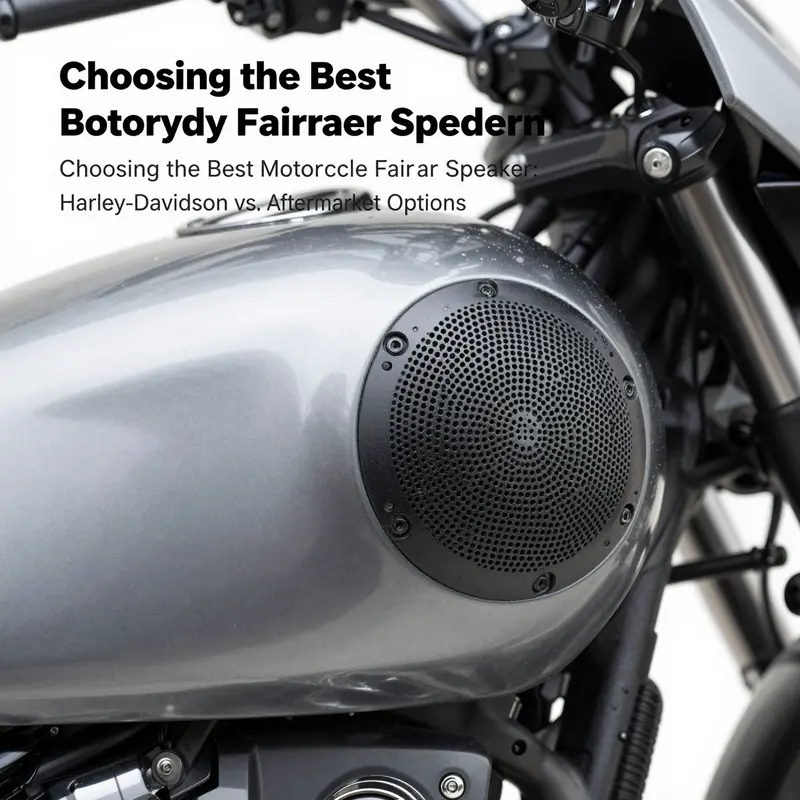
When riders chase a soundscape that can keep pace with the road, the technology behind the best motorcycle fairing speaker systems becomes as compelling as the melodies they deliver. This chapter unpacks the technical DNA that separates high performing, factory integrated options from sturdy aftermarket assemblies. It is a careful look at how power, driver configuration, enclosure design, and environmental resilience converge to create audio that remains intelligible, musical, and reliable at highway speeds. The narrative centers on two principal pathways that riders consider when they elevate their fairing audio: a flagship, factory integrated four speaker system designed to deliver a seamless, plug-and-play experience, and a robust aftermarket alternative that emphasizes customization, wind taming, and practical fitment. The comparison is not merely about loudness; it is about the coherence of the soundstage, the fidelity of the highs, mids, and bass, and the system’s ability to resist the punishing conditions of riding, from the drop of early morning dew to the glare of direct sun and the relentless vibration that accompanies long miles.
At the heart of the premier factory integrated solution sits a dual-prong approach to speaker and amplifier architecture. The system presents a two tiered driver arrangement: a pair of midrange drivers mounted in the fairing, accompanied by a pair of larger, full range units positioned in the saddlebag area. This configuration is designed to create a broad, stable stereo image for both rider and passenger, with the upper tier especially tuned for crisp, articulate highs and lean mids while the lower pair emphasizes a robust bass foundation. The amplifier, integrated within the same package, delivers a substantial amount of power—enough to drive the speakers to a level where wind noise at highway velocity no longer drowns the music but rather sits in the background as a well-managed texture in the overall mix. The quantity of power here is not about raw splatter; it is about headroom. The system is engineered to handle surges, to sustain clean playback at speed, and to do so without introducing notable distortion. In practical terms, riders experience a sound that remains clear and balanced from idle to interstate without the need to crank the volume beyond a comfortable, safe listening level. The integrated design also means fewer components to manage, fewer junctions to compromise signal integrity, and a cleaner routing of wires that respects the motorcycle’s electrical harness. This integration is complemented by protective design cues that matter in real riding conditions.
Protection and durability emerge as more than afterthoughts; they are core design principles. An Element Ready style concept informs the construction, which means the speaker system is built to withstand water exposure, dirt, UV radiation, and the incessant vibration that accompanies high-speed riding across varied climates. The protection is not superficial. It reflects seal strategies inside the enclosures, gaskets around mounting points, and materials chosen to resist the cracking or delamination that heat cycles and road grime can provoke. The result is a package that continues to perform as weathered rather than detuned after weeks of exposure. Even the aesthetic touches are durable in intent. The system often features deliberate color accents and grille inserts that do not merely adorn; they contribute to the grille’s ability to dampen stray wind gusts that could otherwise color the audio or cause flutter in high-frequency response. In a sense, the visual accents double as acoustic guardians, aligning form and function in a single, cohesive statement.
The driver lineup in this flagship approach is as important as the amplifier. The fairing mounted drivers are typically 6.5-inch units, paired with 6×9-inch counterparts in the saddlebags. The choice of these sizes is not arbitrary. It reflects a careful engineering compromise between cabinet volume, enclosure stiffness, and the needs of a rider expecting a wide dispersion pattern. The 6.5-inch elements tend to deliver a tightly defined midrange and clear upper frequencies, which are essential for vocal presence and the sense of space within a track. The 6×9-inch woofers contribute to bass extension and overall impact. The interaction of the two sizes across the two locations helps craft a soundstage with depth rather than a flat, two-dimensional projection. The integration of an internal amplifier ensures that this configuration sees a stable, well-matched electrical load, preserving dynamic range and reducing the likelihood of clipping during dynamic musical passages or when the music suddenly shifts from subtleness to energy.
A practical angle on the technical side concerns frequency response and how this term translates into real listening experiences. The design aims for ultra-clear highs, clean mids, and a strong bass foundation. While precise numerical figures are often kept proprietary, the emphasis is on intelligibility at typical riding speeds, where wind noise can introduce a treble peak and a general masking effect can blur the higher frequencies. The high-end package targets a response that remains musical across a broad range, rather than peaking for the sake of loudness. The result is listening clarity that survives the wind and road noise, with a natural tonal balance that makes strings shimmer and drums land with impact without sounding harsh. The mids are kept clean, which ensures that voices and guitars remain coherent, and the bass is present without becoming overpowering or boomy in open air. The listening experience is not about a single feature, such as an exaggerated bass bump, but about a well-tuned spectrum in which all elements contribute to the overall musicality.
Beyond the sound itself, there is a broader consideration of how the system is built to survive. The environment an electric motorcycle imposes is punishing: heat, cold, vibration, rain, dust, and UV exposure all converge. The engineering response is to build with robust connectors, corrosion resistant finishes, and mounting methods that reduce micro-movements that could degrade signal integrity over time. The enclosure design plays a pivotal role in minimizing cabinet flex and reproducing a stable acoustic signature at speed. The materials chosen for the housings, the stiffness of mounting structures, and the quality of the seals all cooperate to deliver dependable performance for years. All of these choices—detailing, mounting, and enclosure stiffness—contribute to an overall reliability that matters to riders who depend on their bike as a daily companion and who require a system that remains faithful no matter the miles logged or the weather faced. The integrated kit is often accompanied by a complete installation package, including hardware and a dedicated installation guide, reinforcing the idea that this is a turnkey solution intended to deliver not just performance but confidence in the installation process.
However, the choice between this high-end, factory integrated system and a carefully selected aftermarket option hinges on a different set of considerations. The aftermarket route centers on a two-way design with a separate full-range element and a grill-mounted tweeter. The advantage here is a focus on high-frequency clarity and a design philosophy that seeks to maximize sensitivity and output with precise driver placement. The separate tweeter is mounted in a position designed to optimize high-frequency dispersion and reduce harshness caused by wind interaction. The 5-1/4-inch full-range driver provides a compact yet capable voice that can integrate cleanly into the fairing or be matched to the exterior with a minimal alteration to the housing. This approach emphasizes higher sensitivity, which translates to louder output at the same drive level. It is particularly advantageous for riders who want to maintain strong presence at moderate volumes while still preserving clarity at higher volumes and across long rides. The aftermarket kits are also validated with vibration testing and other durability checks to ensure that they can hold up under the stress of riding. What these kits often deliver, in practice, is a more direct route to a loud and clear sound without requiring the same degree of integration with factory electrical systems. They present a compelling option for riders who want a direct, plug-and-play swap that does not require major modifications, while still offering a credible performance envelope that can cut through wind noise and route music with a strong, uncolored edge.
The impedance and power matching story is another important thread. Consumer electronics and automotive audio ecosystems must balance power availability with the impedance presented by the speakers. In typical fairing audio configurations, 8-ohm drivers are common, a choice that harmonizes well with a wide range of head units and aftermarket amplifiers. This impedance level helps ensure efficient power transfer, reduces the risk of thermal stress on the amplifier, and enables clean clipping margins as playback dynamics shift from quiet to loud. The aftermarket 5-1/4-inch option, often specified at 8 ohms, integrates with both factory and aftermarket amplification schemes while preserving a straightforward wiring approach. The objective in all cases is to maintain fidelity while delivering enough loudness to stay legible above the ambient noise. In practice, that means a system that not only sounds impressive when the bike is stationary but also remains steady and musical when the rider is moving at highway speed. The result is a listening experience with dynamic range, where quiet passages remain audible, and explosive passages retain their punch without becoming overwhelming or distorted.
Aesthetics and usability are not afterthoughts either. Riders value a fairing audio system that respects the visual lines of the bike and the ergonomic realities of riding. The integrated system often includes design accents such as red trim rings and grille inserts that align with the bike’s styling while also contributing to the acoustic performance by reinforcing grille rigidity and reducing unwanted resonance. The aftermarket options emphasize a clean, factory-like appearance with direct replacements that fit neatly into the existing fairing without requiring extensive cosmetic work. The emphasis on fitment is not purely practical; it can influence the perceived sound quality as well. A well-integrated, clean installation reduces rattles, mask vibrations transmitted through the fairing, and the micro-movements that can color high-frequency response. The result is a more coherent and consistent listening experience that satisfies both engineers and riders alike.
When considering the broader ecosystem of fairing audio, a rider must also weigh compatibility with the bike’s electrical system and the installation footprint. The flagship integrated package is designed with OEM-like fitment in mind; it assumes the presence of appropriate mounting points, harness connections, and protective channels for the power and signal cables. The installation kit included with such a system is not merely a convenience; it is a practical safeguard that minimizes the possibility of wiring errors and electrical conflicts. In contrast, aftermarket 2-way kits emphasize straightforward mounting, direct replacements, and easy splice-free connections where possible. They are the option that appeals to riders who want a straightforward upgrade path with predictable, repeatable results. The decision often comes down to whether the rider values a seamless, professionally integrated solution or a flexible, modular, and adjustable arrangement that can be tailored to a particular model or riding style. In either case, the objective remains consistent: to deliver high clarity, musical balance, and dependable performance in the face of wind, vibration, and weather.
From a rider’s perspective, the difference in technical DNA translates into practical realities. At cruising speed, a well-tuned system maintains intelligibility of vocals and instrumentation, enabling the rider to enjoy the intended sonic narrative without fighting the ambient noise. The bass, while substantial, remains controlled and doesn’t muddy midrange detail or overwhelm the mix. The highs retain sparkle without becoming piercing even in the face of wind shear. The overall soundstage feels expansive and stable, giving the rider a sense of immersion rather than a piecemeal collection of loud drivers. The rider can alter the listening balance without sacrificing intelligibility, thanks to careful tuning of the high, mid, and bass response. The sound does not vanish when moving quickly; rather, it maintains a level of fidelity that feels true to the recording. This experiential payoff—clarity, depth, and resilience—embodies the core advantage of investing in a high-quality fairing speaker system, whether it is a factory integrated solution or a thoughtfully chosen aftermarket upgrade.
Embedded within these design choices is a clear recognition that the best motorcycle fairing speaker systems are more than the sum of their parts. The audio chain—from power delivery to speaker response, from enclosure integrity to weather protection, from mounting rigidity to user-friendly installation—must work in concert. The result is a system that can faithfully reproduce the intent of the original recording while surviving the tests of time and terrain. As riders continue to demand more from their bikes’ audio experiences, the market responds with products that reflect mature engineering, a respect for the realities of aerodynamics and weather, and a commitment to delivering a sonic experience that remains legible and musical at speed. The decision between a high-end factory integrated option and a capable aftermarket kit is nuanced. It hinges on the value placed on seamless OEM integration, the degree of customization desired, and the specific riding context. Ultimately, the objective remains the same: to extract the maximum legibility and musical integrity from every ride, regardless of the weather, the road, or the soundtrack chosen for the journey. For riders exploring fairing hardware that complements a variety of models, the Yamaha fairings collection provides a broad spectrum of compatible options that can be referenced as part of a broader upgrade plan, offering a useful touchstone for evaluating how different fairing geometries impact speaker placement and acoustic outcomes. Yamaha fairings collection.
The broader takeaway is that the best motorcycle fairing speaker systems combine substantial power with refined control, and they do so within a package that resists the elements and fits neatly into the bike’s architecture. Whether the choice leans toward a turnkey, factory processed configuration or toward a highly optimized aftermarket assembly, riders gain not just louder sound but a more coherent, immersive listening experience that respects the rider’s primary focus: the road. A well designed system respects the wind, the engine, and the rider’s ear, delivering music in a way that feels natural and engaging rather than imposed. In this sense, the technical specifications do more than describe what the system can do; they reveal how sound travels from the rider’s helmet to the heart of the melody and back again, creating a riding experience that is as enjoyable as it is exhilarating. External research into general loudspeaker design confirms that many of these principles—coherent frequency balance, efficient power handling, and durable construction—are widespread across high performance audio beyond motorcycles, underscoring how thoughtful engineering translates into reliable, high fidelity listening across environments. For readers seeking foundational context on loudspeaker theory, a broader exploration is available at external resources such as https://en.wikipedia.org/wiki/Loudspeaker.
Sound That Stands Up: Mastering Installation and Reliability in High-Performance Motorcycle Fairing Speaker Systems
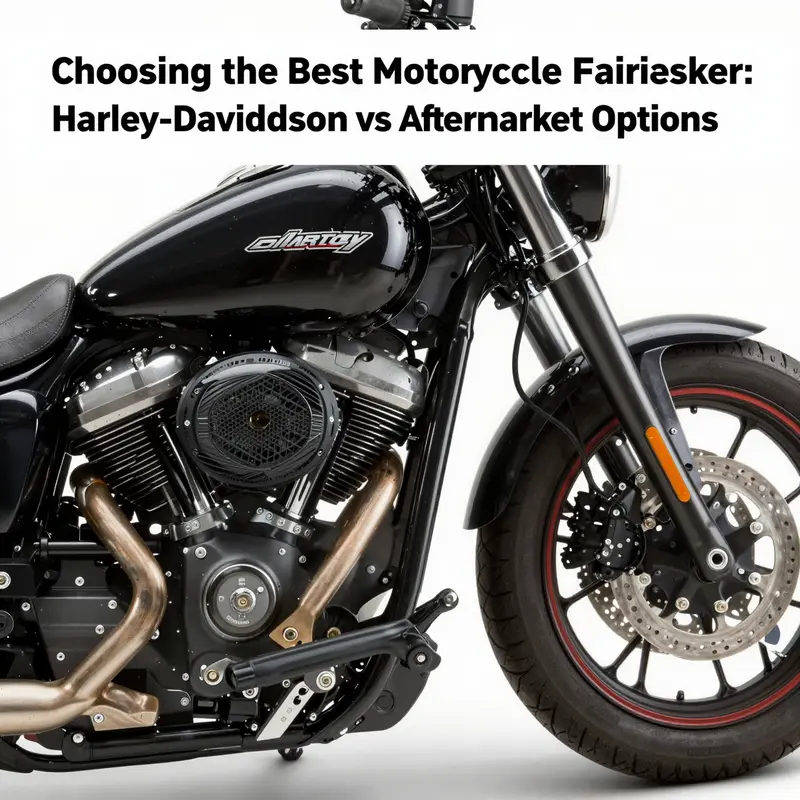
Riding with wind, road, and weather as constant co-pilots changes how we listen as much as it changes how we ride. The best motorcycle fairing speaker systems are not just about loudness or dazzling frequency ranges; they are about a holistic integration where sound quality, weather protection, and structural reliability fuse into a seamless riding experience. In touring and sport touring contexts alike, a well chosen fairing speaker setup becomes part of the core riding ergonomics, shaping conversations with fellow riders, melodies that keep a rider focused on the miles ahead, and a sense of immersion that makes long straights and curvy backroads feel part of a single, well tuned journey. This chapter explores installation and reliability not as two separate concerns but as a single discipline, how a premium four speaker kit is mounted, sealed, and wired to perform under demanding conditions, and how the design philosophy supports long term dependability rather than short term sensation.
To begin with, the heart of any high-performance fairing audio package is its four speaker configuration, paired with a substantial amplifier capable of delivering clear, undistorted output at highway speeds. In practical terms, this means a kit that includes two midrange drivers mounted in the fairing and two larger enclosures positioned on the saddlebags or sides of the bike, all engineered to coexist with factory or near factory fairing geometry. The goal is a balanced stereo image that preserves voice intelligibility in wind noise, preserves a convincing low end presence without becoming muddy, and avoids harsh peaking at high volume levels. The amplifier’s role cannot be overstated: a solid, properly matched power plant sustains dynamic range as air pressure and wind shear threaten to wash out subtle detail. When the system is designed with a high power, purpose built amplifier in mind, the rider gains a cushion against the degradation of sound as speed rises, and a reliability profile that is less sensitive to engine vibration and temperature swings.
The installation story, in turn, is the backbone of reliability. It is not enough to place drivers into available spaces and hope for a quiet seal. A premium fairing speaker system assumes a demanding environment where water, dirt, dust, UV exposure, and constant vibration are routine. To meet those conditions, manufacturers concentrate on a couple of core strategies. First, the housings and grilles use UV stable plastics and corrosion resistant materials that resist degradation from sun exposure and road salts alike. Second, enclosure design emphasizes rigidity and dampening. The larger the speaker surface and the higher the excursion, the more critical it becomes to isolate each speaker from the bike’s chassis. Without careful dampening, vibrations can blur transients and reduce stereo imaging, especially at speed where wind noise dominates. Third, the mounting hardware is built to remain tight and stable through thermal cycles and rough pavement. Stainless steel or similarly resilient fasteners, paired with gaskets and gasket sealed mounting points, keep intrusions out while preserving the integrity of the seal around the speaker cutouts. The concept of a factory inspired install – where the system looks like it belongs, not like an aftermarket afterthought – rests on precision workmanship in alignment, seal integrity, and cable routing.
Cable management is the invisible, but essential, thread that holds installation quality together. A clean harness routing minimizes the risk of chafing, pinched wires, and exposure to heat sources such as the engine bay or exhaust. It also supports serviceability: when a technician needs to widen the system’s capability or swap parts after years on the road, a well organized harness makes diagnostics quick and non-destructive. A robust installation plan includes properly rated power connections, fused protection close to the battery or power source, and a dedicated relay or power management arrangement that prevents any unintended drain when the bike sits unused for days or weeks. The objective is not simply to supply the speakers with power but to ensure that every watt is delivered with stable voltage and clean ground, so that thermal drift or voltage dips do not compromise clarity or dynamic range. In practice, this translates to a meticulous approach: pre-testing every connector, labeling harness segments for future maintenance, and documenting the routing path so future technicians can pick up exactly where the original installer left off.
Sealing, sealing, sealing – that is the refrain for reliability. The fairing is a thin barrier between the rider’s senses and the external world, and the audio system rides right where air and moisture are most likely to intrude. Premium installations treat every potential ingress point as a design problem to be closed. This includes speaker mounting surfaces, edge seals around grilles, and the entry points where wiring enters the fairing cavity. The best installations employ multi-layer protection: a weather sealed chamber around the speaker, a gasket that preserves the seal through vibration, and a secondary moisture barrier behind the plastic surface to capture any residual condensation. The aim is to keep the acoustic chamber dry for years of riding, because moisture inside an enclosure can alter the acoustic performance, corrode connections, and create long term reliability issues. The rider benefits with consistent midrange presence and stable high frequency response, even on that first dawn ride when cold air contracts the plastics and a light mist dampens the soundstage.
The reliability narrative is richer when you consider how materials tolerate temperature cycling. A motorcycle experiences frequent swings: a summer highway day can push components toward heat thresholds, while a shaded valley after sunset can plunge them into cold. Materials chosen for the drivers and their enclosures must not crack or shift significantly under these conditions. Properly engineered diaphragms resist fatigue over thousands of hours of vibrational life, and the enclosures themselves must resist expansion and contraction without loosening mounting points. The best systems use enclosure materials that resist UV rot, anti-corrosion coatings on metallic components, and mounting hardware that remains torque-stable across the full spectrum of operating temperatures. This attention to environmental resilience matters most on extended tours where failure is not an option and where a breakdown can mean an unsafe return home or a disrupted trip plan. In those contexts, reliability is measured not just by the absence of failure, but by the confidence a rider gains knowing the audio system will be there, reliably, through rain soaked mornings and wind lashed afternoons alike.
From a practical standpoint, what separates a dependable installation from a flaky one is the alignment between the component quality and the craftsmanship of the install. The component suite—speakers, enclosures, and amplifier—must be designed to work together as a system rather than as isolated parts. An integrated approach ensures that the speaker’s impedance, the amplifier’s damping, and the cable harness’ shielded paths combine to minimize noise and maximize signal integrity. With a well matched system, a rider gains clean, intelligible dialogue at cruising speeds, a natural, well controlled bass presence that does not overwhelm the rider’s helmet, and a treble extension that remains pleasant rather than piercing when the wind kicks up. The result is a riding experience that feels less like listening to a portable speaker strapped to a bike and more like entering a concert hall tailored to the bike’s geometry and the rider’s preferences. And because aftermarket solutions come in many flavors, choosing a system with robust warranties and user centered support is a reliable signal of long term dependability. A warranty that stands behind the speakers and their installation, with clear service pathways and knowledgeable technicians, reduces the anxiety often associated with long-distance riding.
In parallel, the installation approach matters for future upgrades and adaptability. A rider who plans to swap or upgrade components, or who wants to reposition speakers for a different seating position or touring setup, benefits from an install that anticipates these changes. This is achieved through modular harnesses, standardized mounting patterns, and an engineering mindset that anticipates common service scenarios. The best installations leave room for minor adjustments without invasive disassembly, and they maintain the original aesthetic of the motorcycle so that future upgrades do not look ad hoc. The visual integration – seamless grilles, color matched trim, and factory feel fasteners – helps protect resale value and ensures the audio upgrade remains a harmonious part of the bike’s overall look and airflow characteristics. A well-executed installation can also improve wind management and reduce stray resonances, as the installation is designed with the bike’s aerodynamics in mind. The synergy between sound and wind is subtle but real; when the speaker grilles are placed with care, they avoid creating abrupt pressure zones that can intensify wind noise around the rider’s helmet and distract from the listening experience.
Beyond the physical installation, the day-to-day reliability of fairing sound systems rests on cleanliness of connections, regular inspection, and sensible maintenance practices. The simplest habits pay dividends: periodically inspecting gaskets for wear, ensuring harness connectors are locked and free of corrosion, and confirming that the amplifier and power wiring are not exposed to excessive heat from nearby components. The rider benefits from a stable, undistorted soundscape that persists through miles and years of service. In this regard, the broader ecosystem surrounding installation matters: factory-backed installation kits, manufacturer-approved mounting brackets, and clearly documented service workflows all contribute to smoother maintenance and fewer surprises on the road. A professional technician who understands motorcycle electrical systems can diagnose and remedy issues quickly, whether the problem is a degraded seal, a loose fastener, or a chafed wire before it leads to a failure in the field. The value of professional installation grows with the bike’s age and the rider’s distance from a trusted shop, because investing in a well-executed setup reduces the likelihood of costly, time-consuming roadside repairs.
For readers who want to see how these principles translate into real-world choices, a broader look at the market shows two converging paths: premium, OEM-inspired integration and versatile aftermarket options. The premium path emphasizes a complete, garage-ready package that aligns with the motorcycle’s original design language. It emphasizes durability in the face of wind, rain, and vibration, with an emphasis on sealed enclosures and a powerplant capable of sustaining vibrant output. The aftermarket path offers customization options, sizing options, and configurations that adapt to a rider’s preferred fairing style, seating geometry, and touring load. Both paths reward meticulous installation practices and attention to the seals and routing that keep weather out and signal clean. The rider who seeks both worlds often looks for a system that offers a balance between straightforward installation and flexible mounting options, with a warranty structure that provides reassurance for extended use.
As a practical takeaway, it is useful to treat installation as a collaborative, staged process rather than a one-off event. Start with a precise assessment of fairing geometry and available speaker volumes, then select a system that fits those dimensions without forcing changes to the bike’s structure. Next, plan the harness routing with accessibility in mind, ensuring that future upgrades will be straightforward. During the actual install, prioritize a clean, symmetrical layout that preserves the bike’s aerodynamics and reduces stray resonances. Finally, test under a range of conditions—low-speed city riding, high-speed highway travel, and wet weather scenarios—to verify wind-noise interaction and ensure the sound remains intelligible in real-world use. With this approach, reliability arises not simply from the components themselves but from a thoughtful, well-executed integration that respects the bike as a system rather than a collection of parts.
For readers who want to explore the broader ecosystem of fairing options and mounting philosophies, consider exploring the Honda fairings collection as a reference for fitment and mounting approaches that have become standards within the sport.
Final thoughts
In conclusion, understanding the options for motorcycle fairing speakers is a vital aspect for business owners looking to enhance their offerings. Harley-Davidson’s Stage III system exudes a seamless integration that appeals to OEM preferences, while aftermarket options like Boom! Audio provide adaptable solutions for varied customer needs. Prioritizing quality and reliability can ensure lasting customer satisfaction. As sound quality directly impacts the riding experience, recommending the right audio systems can not only meet customer expectations but also boost business growth.