
For business owners and motorcycle enthusiasts alike, maintaining the aesthetic and functional integrity of motorcycle fairings is paramount. A well-chosen fairing wax not only enhances the visual appeal of the bike but also provides crucial protection against environmental factors such as UV rays, rainwater, and dirt accumulation. In this comprehensive guide, we will delve into the best motorcycle fairing wax options available on the market, exploring their key benefits, application techniques, comparative analyses, and consumer reviews. By equipping yourself with this knowledge, you can ensure that your motorcycle’s fairing remains in pristine condition, reflecting both professionalism and attention to detail.
Shine, Shield, and Speed: How to Choose the Best Wax for Motorcycle Fairings
The fairing of a motorcycle is more than a shell. It is the first line of defense against UV rays, rain, road grime, and airborne contaminants, while also serving as a canvas for color and graphics that define a rider’s identity. When you ride, the fairing bears the brunt of the elements, and keeping it protected without dulling its look requires a thoughtful choice in wax or polish. The best option is not merely the one with the longest gloss or the cheapest price. It is the product that respects the materials whether ABS, polycarbonate, or fiberglass and forms a light, durable shield that enhances depth and color without leaving residue, hazing, or micro-scratches. In a practical sense, the right wax acts as a sacrificial layer against UV degradation and pollutants, yet it should still feel like a natural extension of the finish easy to apply, easy to buff, and capable of keeping the fairing looking like new across months of riding in varying climates.
Across the modern market, a common thread ties high-performing fairing waxes together. The most effective options blend synthetic sealants with natural carnauba wax. The sealants contribute long-lasting protection and water-beading properties, while the carnauba adds a warm, glassy depth to the finish that polymer-only formulas sometimes lack. The result is a film that resists UV rays and rain without becoming brittle or brittle-looking in heat. Importantly, these blends are designed to be gentle on plastics and composite materials that form most fairings, reducing the risk of whitening, dulling, or hazing that older, harsher formulations could cause on sensitive plastics. The practical upshot is a product that can be applied in a straightforward, repeatable process and still deliver a noticeable improvement in both protection and appearance.
To riders and caretakers evaluating the market, three practical realities emerge from recent testing and user feedback. First, the formulations that perform reliably in real-world riding conditions tend to be those that balance protection with ease of use. You don’t want a product that requires a lab bench to apply; you want a film that goes on thin, dries evenly, and buffs cleanly. Second, the best options are marketed as safe for plastic and painted surfaces alike, avoiding aggressive abrasives that could scratch or dull the fairing’s surface over time. Third, affordability matters. A wax that costs a little more but lasts longer can be more economical in the long run than a cheaper option that needs frequent reapplication. Independent reviews and side-by-side comparisons in 2026 consistently highlighted two families of products—the premium lines that pair synthetic sealants with carnauba, and more accessible formulations that still deliver durable protection and a waxy depth on fairings. In short, the most sensible choice is a modern, plastic-safe wax that provides solid protection, a pleasing shine, and predictable results across a range of riding environments.
Choosing a wax for plastic-rich fairings requires a moment of consideration about the underlying materials. ABS plastics, polycarbonates, and reinforced fiberglass each respond a little differently to cleaning agents and polishing films. A plastic-friendly formula minimizes risk while still forming a robust barrier against UV and rain erosion. A modern hybrid wax typically sits in a bottle or tin and can be applied as a liquid, cream, or paste. The application method matters too. Sprays are convenient and quick, but they can deliver a thinner layer that wears faster in harsh weather. Pastes and creams may build a slightly thicker protective film and often yield deeper gloss after a proper buffing, though they require a touch more effort to spread and remove. For fairings that see daily sun and seasonal rain, a product that maintains its film under varying temperatures and humidity while remaining easy to wipe away is especially valuable. In practice, most riders find a sweet spot in a hybrid formulation that provides a smooth application experience, a wipe-off that leaves little to no residue, and a durable finish that resists wash-off after a wash or light rain.
A central question riders ask is whether to prioritize longevity or ease of use. The market provides compelling options on both axes. A durable wax might deliver protection for several months but demand a careful, shade-based application to avoid streaking on hot surfaces. By contrast, a highly convenient option might offer rapid wipe-on, wipe-off results with decent durability, which is often sufficient for riders who wash their bike frequently and ride in moderate conditions. The 2026 review that shaped much of current thinking underscored the value of affordability without sacrificing performance. It noted that certain lines—well-regarded in the rider community for balancing modern chemistry with practical results—consistently earned praise in independent tests and user feedback. The takeaway is pragmatic: look for a modern blend that explicitly mentions plastic safety, UV protection, and a balanced blend of synthetic sealants and natural wax. This is not a chase for the most expensive bottle but a search for reliable performance and predictable results across seasons.
From an application standpoint, preparation remains half the battle won. Begin with a clean, cool surface, ideally after a gentle wash with a neutral soap that won’t leave oily residues. Dry thoroughly, because any water spots can be magnified under a new wax layer and hamper uniform film formation. The working temperature matters—shade and a cool surface are your allies. A hot fairing under strong sun can cause the wax to dry too quickly, leading to streaks or uneven patches. Once the surface is pristine and dry, a thin, even layer of wax should be applied, following the contours of the fairing. A light, circular or cross-hatch technique helps ensure full coverage without build-up in tight angles. Allow a brief cure time, then buff with a clean microfiber until the surface gleams. The goal is a smooth, micro-scratch-free finish with a protective veil that appears almost invisible but performs when you ride through splashes and sun.
Beyond initial application, maintenance is a matter of rhythm. Regular washing is essential, but be mindful of abrasive cleaners or rough towels that can grind minute particles into the finish. Use a dedicated wash method and a soft, plush microfiber drying towel to minimize swirls. After a few rides or months, assess whether the finish still shows crisp reflection and depth. If the gloss begins to look flat or the water beads noticeably less, it is a sign that a refresh is due. In climates with heavy sun exposure or frequent rain, you may opt for more frequent applications than in milder regions. Importantly, waxing should be part of a broader upkeep routine that includes attention to the windscreen, mirrors, and the unpainted trim, all of which contribute to the visible integrity of the bike’s overall appearance.
For riders who want to explore options tailored to specific fairing collections or model families, there are practical paths to ensure compatibility and ease of future maintenance. If you’re considering a particular model family—whether a classic sport fairing or a modern full-fairing design—look for guidance about material compatibility and finish care. In the realm of online resources, a curated collection of fairing components can support this approach, helping you align protective care with the exact surface composition of your bike. For instance, you can explore a dedicated Honda fairings collection to understand how protective care can be harmonized with common ABS and fiberglass components in that family of fairings. This kind of targeted sourcing can also help you discover accessories and maintenance products that are discussed in rider communities and service manuals, providing a sense of how the care routine translates across different appearances and riding styles. See the Honda fairings collection for a broader perspective on compatibility and care, then return to your waxing routine with confidence that your method is built on surface-aware principles. See also external resources such as the Honda fairings collection at https://www.summitfairings.com/collections/honda-fairings for context and compatibility notes.
In the broader arc of motorcycle care, waxing is a flexible tool. It is not merely about making the bike look sharp; it is about extending the life of the finish and preserving color depth through time. The best wax for fairings offers a coherent package: it protects against UV, rain, and environmental fallout; it minimizes risk to plastics and composite materials; it yields a glossy, depth-rich finish that makes color pop under sun or streetlights; and it remains practical and repeatable for riders with busy schedules. The most satisfying outcomes arise when you approach waxing as part of a maintenance ritual rather than a one-off event. A short, consistent care window can yield better protection and a more consistently vibrant appearance than erratic, heavy-handed sessions. This mindset—consistent upkeep, surface respect, and a blend of protection and polish—aligns with what riders have praised in independent evaluations.
As you plan your next care cycle, think about how your fairing finishes respond to your riding environment and cleaning routine. A wax that performs well in sunny, dusty, or coastal climates should not require exotic cleaners or special tools. The most forgiving, versatile options are the ones that feel straightforward to apply and forgiving if your schedule slips. They should also complement the visual goals you have for your bike, whether that means a showroom shine that highlights a vivid color scheme or a warm, glassy glow that emphasizes clean reflections on graphic panels. In this sense, the best wax transcends a single product moment. It becomes part of how a rider maintains pride in the machine, a small ritual that preserves both the image and the structural beauty of the fairing film when viewed up close or from a passing glance.
For further guidance on model-specific care strategies and to explore parts that fit particular fairing styles, you can browse a collection tailored to Honda fairings. This source helps illustrate how maintenance practices can be aligned with panel type and finishes common to this family, which often share material and coating characteristics with other popular fairing variants. Honda fairings collection offers context for choosing compatible care products and highlights how good surface care translates into long-term aesthetics and protection. External resource: https://www.motorcyclewaxguide.com/affordable-motorcycle-wax/
null
null
Shielding the Shield: Mastering Wax Application Techniques for Peak Fairing Protection
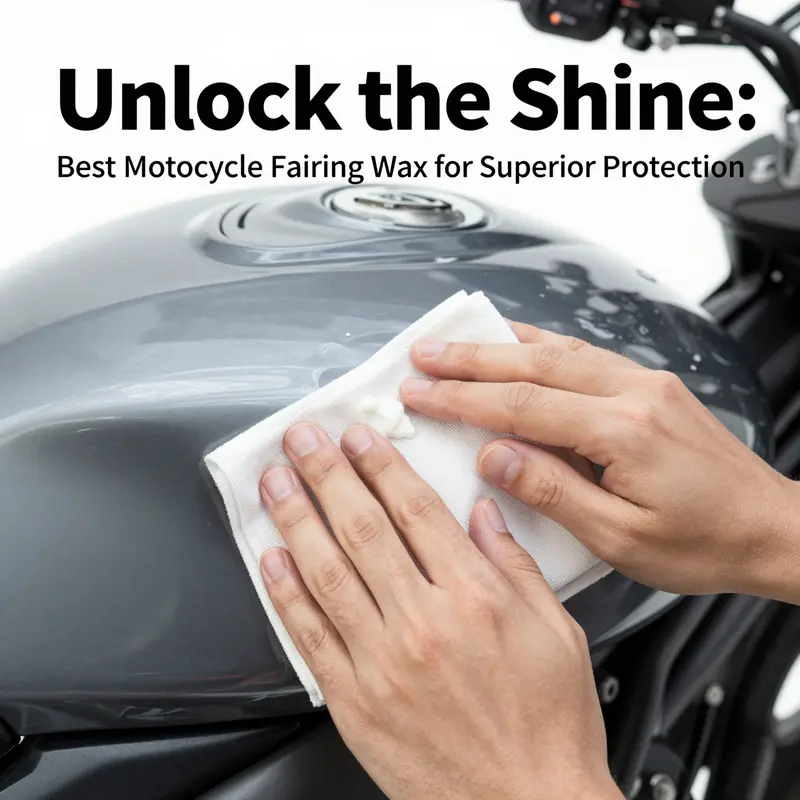
A motorcycle’s fairing is more than just a stylish shield. It is a complex, often delicate surface that takes the brunt of wind, UV, rain, and road debris. The right application technique for a high-quality fairing wax unlocks two distinct benefits at once: a deep, showroom gloss and a robust, long-lasting protective layer. When executed with care, the process becomes a quiet ritual that sustains the fairing’s color, clarity, and structural integrity through countless miles of riding. To begin, imagine the fairing as a canvas that benefits from a thoughtful, layered approach rather than a quick wipe. The preparation is not a mere formality; it is the foundation that determines how well the wax adheres, how evenly it spreads, and how long the resulting shield lasts under sun, rain, and urban grime. A modern, motorcycle-specific wax formulated for plastic, polycarbonate, and painted surfaces is ideal. It balances light friction with strong adhesion and usually includes UV blockers to slow the sun’s aging effect. The aim is a film that resists dulling pollutants while remaining easy to remove with a soft cloth on subsequent detailing days. In practice, the technique hinges on three pillars: meticulous preparation, precise application, and thoughtful maintenance. The best outcomes arise when these steps flow together as a single, continuous care routine rather than as isolated tasks scattered across a calendar.
First, preparation sets the tone. Start with a thorough cleaning using a motorcycle-safe cleaner or a pH-neutral soap. Dirt, brake dust, and oily residues can undermine adhesion and leave tiny barriers between the wax and the surface. Rinse completely and dry with a high-quality microfiber towel, ideally one with a short pile. A smooth, lint-free finish is crucial because any residue—dust, lint, or water spots—can become a canvas for streaking during buffing. The surface should feel almost silky when dry, and the color should read true in the light. If the fairing had any preexisting coatings or sealants, assess whether they need refinement before the wax step. In some cases, a light, transitional rinse with a fresh microfiber cloth is enough to reveal a clean surface ready for protection. When you reach this point, you are ready to apply the wax itself, and here the technique begins to matter as much as the product choice.
Second, the application technique. On a smooth, cold surface, the wax should be applied with a soft applicator pad, such as a foam or lambswool type designed for automotive or motorcycle detailing. A silicone-free, flexible pad enables you to spread the product evenly across contoured panels and along sharp edges without pulling or leaving deformations. A modern carnauba-based spray wax is particularly well-suited for fairings because it clings to vertical panels and allows for rapid, uniform coverage. If you prefer a traditional paste or liquid formulation, proceed with a light hand and an even, moderate pressure that yields a thin, uniform film. The key is to sweep across the surface in small sections, roughly two to three square feet at a time. Use overlapping, circular motions to ensure the coating forms a continuous layer rather than isolated islands. If you work too aggressively, you risk creating micro-marring or pushing wax into seams where it can dry with a residue. If you choose a spray approach, spray lightly onto the panel or onto the pad, then work in with a microfiber cloth, moving in straight or rounded strokes that complement the panel geometry. Either method benefits from a change of direction to avoid patterns and ensure uniformity. The proper dwell time is typically five to ten minutes, but always defer to the product’s instructions. During this pause, the wax begins to bond with the surface. Do not rush to buff at this stage; a brief rest allows the cleaner to set and the film to hydrate evenly. When the recommended dwell time has elapsed, buff with a plush microfiber towel using light, almost featherlike pressure. The goal is a crisp, glassy finish without haze or smudges. If you notice any haze in bright sunlight or after a long ride, a second very light pass with a clean microfiber can restore clarity. Remember that the fairing’s geometry can introduce subtle swirls if pressure is applied inconsistently, so maintain a balanced touch across all panels.
Third, environmental awareness and methodical zoning. External conditions strongly influence how the wax behaves. Direct sunlight or a hot, oily surface can cause the product to dry too quickly, leading to streaks or a milky appearance. If possible, perform waxing in a shaded area or indoors where you can control the temperature and humidity. Work in a cool, calm environment so the film has a consistent cure across all surfaces. For riders who own bikes with multiple fairing pieces, consider breaking the task into zones that you can complete in sequence without returning to already protected areas. This approach minimizes the chance of recontaminating a panel while you move from one section to the next. The approach also helps maintain discipline in your technique, because you become more aware of how the product behaves as you move across curved faces, edges, and vents. You might notice that some panels require slightly more attention to ensure even coverage, particularly those that face direct wind or carry heat from the engine. The micro-level management of these zones is what yields a uniform sheen rather than a patchwork of glossy patches interrupted by dull spots.
Maintenance is not a separate chore but a continuation of the same lifecycle. For most fairings, a reapplication every four to six weeks is a practical rhythm, but this interval can shift with climate, UV exposure, and riding frequency. In sunny, high-UV environments, you may wish to shorten the window to preserve color depth and gloss. In cooler, sheltered climates, you might stretch it slightly while still protecting the surface from oxidization and dirt buildup. The flip side of maintenance is product buildup. If you recoat too often or apply too thickly, you can invite a cloudy layer that dulls the finish and makes buffing more burdensome. When this happens, a careful, light cleansing with a dedicated cleaner designed for motorcycle finishes, followed by a fresh wax layer, can restore the surface without harsher scrubbing. The beauty of a well-executed wax cycle is that the look and feel of the fairing become more predictable with time. The gloss deepens slightly as you gain experience, and the protective film remains resilient against UV, acid rain, tar, and seasonal grime.
The hands-on process also yields intangible rewards: fewer swirl marks, more even color, and a sense of continuity between the bike’s cosmetic health and its mechanical soundness. A well-protected fairing doesn’t merely look better; it ages more gracefully. Scratches, when they occur, tend to blend with the existing finish rather than stand out as ghostly lines across the panels. The surface remains smoother, which contributes to reduced drag and a cleaner silhouette at speed—the subtle, practical payoff that thoughtful waxing can offer beyond aesthetics. For riders who want to customize the care routine to their bike or riding conditions, a few adaptable practices can help. When the fairing has delicate or high-gloss edges, you may choose to apply a lighter film and avoid terry- or plush-textured cloths that could drag fibers across the surface. If you are dealing with a matte-finish option or a coated plastic surface, adjust your technique to preserve the texture while still achieving a protective layer. The overarching principle is to respect the material’s nature while providing a shield that makes cleaning easier over time.
As you integrate waxing into your broader maintenance program, you can reach for a reliable reference in the community. Mechanics and riders who share care tips often discuss the value of compatibility between the wax and the fairing’s material. For readers curious about compatible parts and accessories for specific bike models, you can explore the Honda fairings collection, which offers a range of panels designed to fit popular chassis. This resource can help you maintain a cohesive aesthetic as you refresh the finish over seasons and miles. Honda fairings collection provides a practical anchor when planning cosmetic tweaks alongside protective care. In the end, the best wax application is less about chasing a miracle product and more about building a dependable, repeatable system. Clean, dry, evenly coated, and buffed with care—that sequence becomes the common ground where durability and beauty meet for the life of the fairing.
External resource: https://www.chemicalguys.com
Gloss and Guard: A Practical Guide to Choosing the Right Wax for Motorcycle Fairings
Protecting motorcycle fairings with wax is about balance: a product that resists the elements, delivers a deep gloss, and stays gentle on plastics like ABS and fiberglass. A well-chosen wax creates a hydrophobic film that helps shed water, reduces water spots, and adds a sacrificial layer against light abrasion.
Key factors to consider include compatibility with plastic and painted surfaces, UV resistance, and durability. Mid-range waxes often combine synthetic sealants with natural carnauba for a blend of longevity and warmth of shine. These formulations minimize streaking on dark plastics and are simple to apply and remove.
Application and maintenance: prep surface, apply thin even layer, let cure, buff off; avoid direct sun and high heat. For fairings, ensure cleanliness to prevent trapping grit.
Real-world tips: test on a small area, look for hydrophobic performance in rain, check for gloss depth. Choose a product that can withstand periodic washings without frequent reapplication; plan based on climate and riding schedule.
Conclusion: the best wax for fairings is one that matches surface chemistry, climate, and user routine, delivering durable protection and a showroom-like finish without being a hassle.
Shine and Shield: Real Rider Perspectives on the Best Wax for Motorcycle Fairings
When riders search for the best wax for motorcycle fairings, they chase more than a gleam. They want a product that can form a protective shield against sun, rain, and road grime while preserving the smooth, high-contrast look of the plastic and composite surfaces that many fairings use today. Yet, in the current knowledge base, direct consumer reviews for the exact wax best suited to fairings are not readily available. That absence matters. It means we must lean on how riders actually evaluate wax performance in real-world conditions and how expert guidance translates into practical, everyday use. The result is a narrative built not from a catalog of testimonials but from a grounded understanding of materials, finishes, and riding realities. It is a story of how gloss and protection intersect on ABS plastics and fiberglass, and how those intersections shape what riders consider the “best” option for their fairings.
A key premise is that the fairing is not merely cosmetic. It is a shield—an integrated part of the motorcycle’s aerodynamics, mounting hardware, and overall aesthetic. Plastic fairings, especially ABS-based ones, age differently from metal panels. They are susceptible to UV-induced degradation, color fading, and surface aging when exposed to long-term sun exposure and environmental contaminants. A wax that protects paint is not automatically ideal for plastic; plastic-safe formulations are designed to form a protective, non-staining film while remaining gentle enough not to etch or haze the surface. The best waxes for fairings typically balance three core traits: durability of the protective layer, compatibility with plastic or composite substrates, and ease of use in varying weather conditions. Riders who inspect their bikes after a season of rain, sun, and highway grit often notice the difference between a product that simply shines and one that endures.
Industry assessments in 2026 highlight a product category that has earned broad professional endorsement and positive feedback on enthusiast forums. The emphasis is on plastics-and-paint formulations that can be safely used on fairings without provoking chemical corrosion or color shift. The long-hold protection, often advertised as several months, aligns with the practical need to re-wax only a few times a riding season, not after every wash. The claim of providing UV resistance and repelling acid rain alongside daily contaminants resonates with riders who log substantial miles on highways and through city grime. Importantly, the presence of microabrasive components is often mentioned in reviews as a way to lightly refine surface micro-scratches, restoring or enhancing gloss without aggressively abrading the surface. For riders, this means the fairing can appear nearly new after a careful wipe and buff, while still receiving a defensive layer that resists wash-off and environmental attack. A widely cited evaluation by a respected motorcycle publication crowned this category as a top care product for 2026, reinforcing the practical credibility riders seek when choosing a care regime for fairings. In forums and discussion boards, this sentiment is echoed by riders who value a straightforward application process, minimal residue, and predictable results across a range of climates—observations that echo what technicians and detailers report in controlled tests.
With consumer reviews not readily accessible for the exact wax-to-fairing pairing, riders naturally turn to a pragmatic framework for judging performance. First, they examine surface compatibility. The ideal product should not introduce staining, yellowing, or hazing on ABS or fiberglass. A stable, color-true finish is a tangible marker of success, especially when a rider wants the fairing to look fresh after a wash cycle or a long ride through dusty conditions. Second, durability takes center stage. A protective film that lasts for several months reduces the frequency of maintenance sessions and minimizes the risk of inadvertently removing protective layers during wash and buff cycles. Third, gloss and clarity matter. A high-gloss finish on a fairing that is well-lit from a rider’s eye level at a stoplight or a tunnel is not merely aesthetic; it signals a clean, well-sealed surface that reflects the surrounding environment with minimal dulling or streaking. Fourth, the ease of use is crucial. Riders want a product that spreads evenly, dries without leaving residue, and buffs to a smooth, glassy surface without forcing excessive effort or heat buildup on the surface. A well-balanced product will perform consistently across a range of ambient humidity and temperature, a practical expectation for riders who park in sun-soaked lots or ride through sudden rain showers.
To make sense of impressions when direct consumer reviews are sparse, riders also consider the credibility and consistency of expert recommendations. A leading source in 2026 emphasized a plastic-safe option for fairings and highlighted its protective longevity and gentle polishing characteristics. Those attributes align with what owners have reported in long-term use: a finish that holds up to UV exposure without yellowing, and a film that remains pliable enough to resist cracking during temperature swings. Forum discussions, while not as formal as product reviews, frequently reference the balance between protection and appearance. Enthusiasts often share how their fairings retain a bright, even tone after months of exposure to road salt, bird droppings, tree pollen, and highway grime. They note that the most satisfying outcomes come from applying a thin, even layer, allowing it to cure before buffing, and performing a light wipe-down after riding in wet conditions to prevent water spots. These practical tips—surface preparation, thin application, and careful buffing—are repeatedly cited as the backbone of durable results.
The absence of direct consumer reviews for the exact wax in question nudges readers toward a more methodical approach. Start with surface preparation: a neutral pH cleaner and a soft microfiber cloth ensure the fairing surface is spotless and free of dust, oil, or wax residues from prior care. Any contaminant left on the surface can become a focal point for streaking or hazing once the new wax is applied. After cleaning, allow the surface to dry completely, then apply a thin film according to the product instructions. Patience matters here; a too-heavy layer can leave residues that are hard to remove and can attract dust. Buff with a clean, soft cloth until the surface shines with a smooth, even luster. The goal is not merely to produce a momentary gleam but to establish a protective shield that remains durable across weeks of exposure and multiple rides.
Riders who want to tailor their wax choice to their fairing material often cross-check the compatibility notes with their bike’s specs. For example, on ABS-based fairings, a product that explicitly states plastic-safe and non-corrosive behavior is preferable. For fiberglass or composite shells, the same criteria apply, with an eye toward avoiding any filler that could alter surface texture or optics over time. The consensus from seasoned detailers is that, regardless of the exact formulation, a consistent routine yields the most reliable results. This means regular washing to remove contaminants, periodic reapplication of a fresh wax layer, and cautious inspection after each wash for any signs of staining or dulling. In practice, this approach helps riders notice subtle changes in gloss and clarity as seasons change, enabling timely maintenance before visible degradation sets in.
For readers seeking additional context about fairing care beyond wax, a quick glance at a broad range of fairing resources reveals how maintenance practices intersect with material choices. If you’re curious about fairing variants and compatibility, explore the Honda fairings collection. This resource captures how different fairing designs interact with care products and how the surface characteristics influence maintenance decisions. Honda fairings collection
As the landscape of rider feedback evolves, the most valuable takeaway remains clear. The “best” wax for motorcycle fairings is not a one-size-fits-all label but a practical, well-supported choice that respects plastic and composite materials, delivers consistent protection, and offers predictable results under real riding conditions. While direct consumer reviews for the exact wax may be limited in the current data, the convergence of expert guidance, professional testing, and rider experience points toward a solution that emphasizes surface safety, durable protection, and ease of use. The true test is in the garage and on the road: a rider who can apply a light, even coat, buff to a glassy finish, and then enjoy weeks of clean, protected skin on the fairing, knows they have found a reliable option for their bike. This is the essence of a credible best choice for motorcycle fairings—a choice that carries through the next chapters as we explore finish types, application nuances, and long-term maintenance strategies that keep a machine looking as good as it performs.
External resource: https://www.meguiars.com/products/m105-ultimate-wax
Final thoughts
In summary, choosing the right motorcycle fairing wax is crucial for business owners seeking to maintain the investment value of their motorcycles. With the knowledge of top recommendations, key benefits, effective application techniques, comparative analyses, and consumer feedback, you are now equipped to make informed decisions. Investing in high-quality fairing wax not only protects your motorcycle but also showcases your commitment to excellence in maintenance and care. Make the choice that reflects your dedication to quality and presentation.