
Motorcycle fairings serve not only as aesthetic components but also significantly enhance your bike’s performance and protection. As business owners looking to stock or offer motorcycle fairings, it is essential to understand the variances in quality and fitment to match customer needs. This guide delineates the best places to buy fairings for motorcycles, including authorized dealers and specialty shops, online retailers, and manufacturer direct websites and local events. With insights from each of these segments, you’ll be well-equipped to provide discerning customers with the best fairing options available in the market.
Trusted Avenues: Navigating Authorized Dealers and Specialty Shops for Motorcycle Fairings
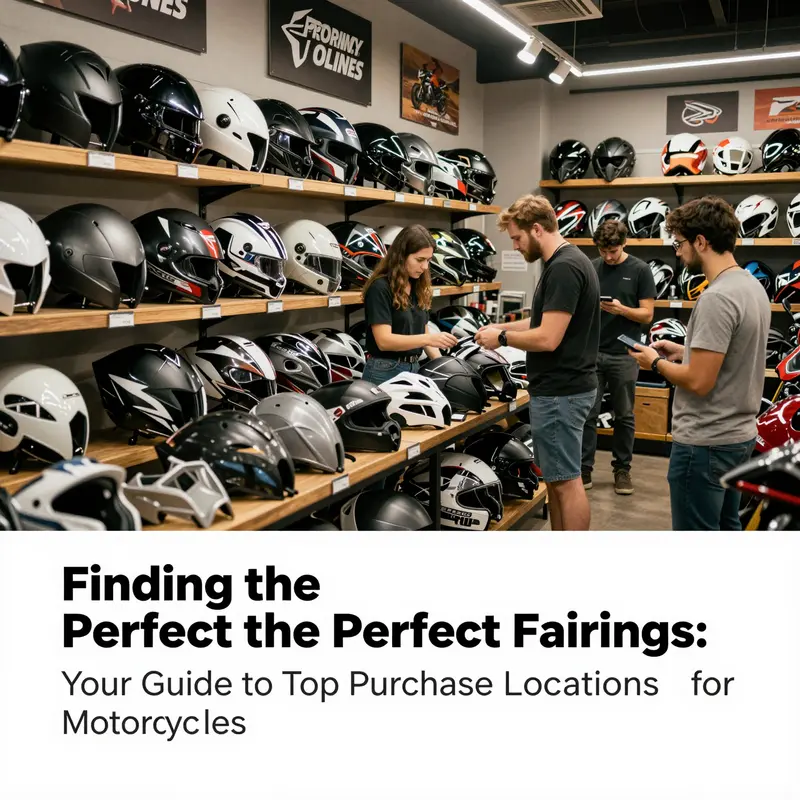
Choosing fairings for a motorcycle is more than selecting a color or a sleek line. It is a decision that touches fitment, safety, aerodynamics, and long-term value. When you set out to upgrade or replace fairings, the path you choose—whether through authorized dealers, specialty shops, or online platforms—will shape the reliability of the result as surely as the materials and finish you pick. This chapter surveys the routes riders most often take to acquire fairings, framing each as a trustworthy option with its own strengths, tradeoffs, and practical considerations. The aim is to illuminate a coherent decision-making process that keeps the rider’s goals—the model, the use case, the budget, and the installation capability—centered while preserving a sense of continuity with the broader topic of where to source fairings most confidently.
Authorized dealers and motorcycle specialty shops stand at the top of the chain in terms of reliability and fit. These channels, rooted in direct connections to brands or to formal distribution networks, have two core advantages that are hard to replicate elsewhere. First is fitment confidence. Fairings are not generic shells; they are precision components designed to align with specific frames, mounting points, and engine contours. Authorized channels typically stock OEM parts or certified aftermarket equivalents that are tested for compatibility with the exact make, model, and year. That means a fairing purchased through an authorized dealer or a carefully vetted specialty shop will align with the mounting points, ensure proper clearance around the exhaust, and, crucially, preserve or restore the required contour around the windscreen and headlights. The second advantage is guidance and after-sales support. A salesperson who understands your bike’s geometry, intended riding style, and climate considerations can discuss the tradeoffs between hardshell resin, carbon fiber, and reinforced fiberglass, and can walk you through installation steps, torque specs, and the expected weight difference between options. They can also verify whether your plan includes color-matched finishes, gel coats, or matte versus gloss textures, and can arrange returns or exchanges if a part doesn’t fit as anticipated.
There is a practical rhythm to working with authorized dealers or specialty shops that benefits riders who want a seamless upgrade: you begin with a precise model-year filter, then consult a professional who can confirm that the advertised part matches the bike. The experience often includes access to technical literature, warranty terms, and a sense of continuity with the bike’s history. A key aspect of this channel is the assurance that the fairing is designed to maintain or improve aerodynamics, impact resistance, and rider protection in the event of a tip-over. This is not merely about aesthetics; the fairing is part of the bike’s structural and aerodynamic system, influencing handling characteristics at speed and the rider’s overall comfort. The shop floor discussion often evolves into a collaborative plan—selecting a base design, choosing compatible components such as inner panels or mounting hardware, and assessing whether the installation will be performed in-house or by a trusted third-party technician.
In the realm of authorized channels, it is also common to find a spectrum of options, from genuine OEM fairings to high-quality aftermarket lines that retain precise fitment while offering alternative materials or finishes. OEM fairings typically emphasize exact color matching and unaltered geometry, which can be especially important for newer models that incorporate subtle aerodynamic refinements or integrated lighting. On the other hand, aftermarket options may open up opportunities for weight reduction, greater stiffness, or distinct styling cues—provided they are chosen with model compatibility in mind. The decision between OEM and aftermarket through authorized channels is rarely a binary choice; some riders prefer OEM for the sense of continuity with a bike’s heritage, while others seek the broader palette of shapes, textures, and finishes that certified aftermarket partners can provide. The important thing is that both paths are navigable within a framework of professional guidance and official compatibility checks.
Moving beyond the walls of brick-and-mortar shops, online retailers specializing in motorcycle parts present a broader, more diverse landscape. The appeal of online marketplaces lies in the breadth of coverage: countless styles, materials, and colorways can be explored from the comfort of a garage or a commuting train ride. Yet breadth is only valuable when it is paired with information that turns choices into confident purchases. The most reliable online platforms cast a sharp eye toward compatibility. Detailed product descriptions often include model-year filters, exact fitment notes, and a matrix showing which bikes the fairing is designed to accommodate. High-quality product pages will also offer a close look at mounting hardware, warranty terms, and clear guidance about required tools, adhesives, or seals. Reviews from other riders—particularly those with the same motorcycle model or year—become a vital compass in online hunting. Through a crowd-sourced lens, you can gauge whether a particular fairing variant maintains a snug fit under high-speed wind pressure, how it holds up against UV exposure, or whether color bleeds after repeated weather exposure.
Not all online routes are created equal, though. The most robust platforms curate a curated inventory with model-specific filters and hands-on knowledge from staff or community contributors. They also tend to offer return policies or exchange windows that honor the reality that a wrong fit can be both costly and dangerous. When shopping online for fairings, the careful buyer compares multiple listings for the same model, checks the exact year range of compatibility, and validates that the listed finish aligns with the rider’s preferences. A practical approach is to read the fine print about fitment, mounting hardware, and required compatibility with the bike’s fairing brackets, radiator shrouds, and integrated components. The buyer should also check whether the listing specifies if the fairing is a direct bolt-on without modification or whether it requires trimming, relacing, or additional bracing. In this context, the role of a reputable vendor—one with transparent product specifications, generous return policies, and a response team that can address installation questions—cannot be overstated.
Within the online ecosystem, a few platforms stand out because they offer model-specific compatibility filters, generous return policies, and reliable customer service. A thoughtful pathway for a rider who is balancing convenience with accuracy might begin with a model-specific search, followed by a comparison of finishes, and end with a careful reading of the return policy before pressing the purchase button. Another hallmark of a trustworthy online site is product storytelling that helps a buyer understand the material—ABS plastic, fiberglass, or carbon fiber—its weight, its impact resistance, and its UV tolerance. The material choice matters, not just for the bike’s appearance but for strength, stiffness, and long-term resilience on highways, backroads, and occasional track days. This is where the expertise of the platform becomes a practical advantage: clear explanations of what each material can endure, how it behaves under heat, and how it ages in sunlight, rain, or road salt. In all, online shopping for fairings can be a powerful supplement to the physical shopping experience, enabling you to narrow the field and then confirm the best match in person or through a professional install.
Direct manufacturer websites occupy a distinct niche in the ecosystem. Some brands run their own channels that sell directly to consumers, sometimes offering limited-edition finishes, direct color-matching capabilities, or the latest model revisions ahead of third-party retailers. Purchasing via a manufacturer’s own site can provide benefits such as authenticity assurance, the earliest access to new styling or improved aerodynamics, and the possibility of bundled options that include mounting hardware or color-matched accents. The trade-off is that selection can be narrower and the price premium may be higher, reflecting the direct-to-consumer business model and the emphasis on precise fit for flagship models. Still, when a rider seeks guaranteed compatibility and access to the most current bodywork designs, the manufacturer-direct path can be compelling, especially for riders who intend to preserve the bike’s original silhouette or pursue a factory-correct restoration. The key across all manufacturer-direct experiences is the clarity of fitment information and the assurance of genuine or high-quality authorized equivalents. In practice, many riders cyclically engage with multiple channels—authorized dealerships for specific models and year ranges, reputable online retailers for options and colorways, and manufacturer-direct paths for the latest revisions—creating a layered sourcing strategy that blends reliability with choice.
Local motorcycle shows and swap meets offer another lens on fairings, especially for riders who value hands-on assessment, potential bargaining, and opportunities to find unique or used pieces. At events where enthusiasts gather, you may encounter fairings with a history—scuffed but repairable, lightly used yet serviceable, or even customized pieces with a distinct look. The advantage here is that you can inspect the physical condition of the fairing, check the integrity of mounting points, and assess the finish in natural light rather than in product photos. The risk is quality variability; a fairing acquired at a swap meet may require refurbishment, repainting, or rework to ensure it aligns with a specific model’s mounting geometry. The savvy shopper approaches these opportunities with a clear set of checks: verifying that the fairing aligns with the intended model year, confirming the absence of major cracks or structural damage near critical attachment areas, and gauging the authenticity and origin of the piece. Although the risk profile is higher, the potential for discovering a rare or discontinued variant can be enticing for restorers or riders chasing a particular aesthetic. The key, as with any purchase of used or bespoke components, is to insist on compatibility and to have a plan for installation—whether that means bringing the piece to a trusted technician for a fitment assessment or carrying spare brackets and fasteners to facilitate a precise alignment.
What all of these channels share is the central rule: compatibility first. Before you place a single order or commit to a fitment option, confirm that the fairing is compatible with your specific motorcycle model and year. The conversation with any seller—whether in a showroom, a market stall, or an online chat window—should begin with that exact specification. The next layers of consideration then unfold with clarity: material type and thickness, weight implications, and the nature of any required hardware. The decision-making calculus expands further when you factor in use-case scenarios. If you ride year-round in a climate with aggressive road salt, the UV resistance of the finish and the corrosion resistance of mounting hardware become practical filters. If you ride aggressively or on the track, you may value a stiffer shell or a carbon fiber option for weight savings, and you might accept a higher price or a longer lead time to secure the performance advantage. If your goal is a visually striking street bike with a distinctive profile, the aesthetics—color-matching options, gloss or matte finishes, or even custom finishes—will weigh heavily in the choice, provided they align with fitment constraints.
To navigate this landscape with confidence, a pragmatic framework emerges. Start with a precise model and year, then map out your priorities: is authenticity or originality paramount, or is broad styling versatility more important? Gauge your installation capacity and whether you want professional assembly or a DIY approach. If you lean toward OEM fidelity, seek authorized channels or manufacturer-direct options that guarantee exact compatibility and color fidelity. If you crave more styling latitude or potential weight savings, explore certified aftermarket lines through the same trusted channels to ensure you do not compromise fitment or structural integrity. In any scenario, maintain a clear checklist: confirm compatibility, assess the material and finish, verify warranty terms and return policies, understand any needed mounting hardware, and evaluate the availability of installation support. The best buying journey is the one that aligns the bike’s original design intent with the rider’s expectations for ride feel, resilience, and personal style.
A final point concerns the social dimension of shopping for fairings. The riding community has long valued peer recommendations and shared knowledge. Local motorcycle clubs, online forums, and show floor conversations can be sources of practical wisdom about what tends to fit well on specific models, what installation pitfalls to anticipate, and which shops offer the most reliable service. While a single endorsement should not override manufacturer specifications, it can provide context about common fitment quirks or the availability of support services in your region. When possible, reach out to local riders who own the same model and year and ask about their sourcing experiences. Their firsthand accounts can either reinforce your confidence or reveal a compatibility caveat you had not considered. In this way, the search for fairings becomes not just a transaction but a collaborative learning process that deepens your understanding of how a bike’s outside shell interacts with its mechanical and electrical architecture.
To illustrate how these channels can work in practice, consider a rider who owns a mid-2010s sport bike with a distinctive, aggressive fairing silhouette. That rider might begin at an authorized dealer for OEM or certified aftermarket options that preserve the bike’s lines and shield critical components. The next step could involve a parallel online exploration to compare finishes and weight characteristics, paying careful attention to compatibility notes and return policies. If the rider desires a more aggressive aesthetic or a custom colorway, the rider might consult a specialty shop that has experience with aftermarket lines designed for this model, ensuring the chosen piece can be installed without modifying the frame’s geometry. If a used, discontinued, or rare variant becomes of interest, a visit to a local swap meet or a dedicated parts show could yield a piece with a unique look, which a professional can assess for structural integrity and mounting compatibility before any swapping occurs. In this approach, the rider leverages the reliability of authorized channels for core fitment and warranties while using online and local-event venues to broaden the spectrum of stylistic choices and potential price points. The careful blend of channels, underpinned by a strict compatibility check, serves as a robust model for sourcing fairings across a broad spectrum of bikes and riding goals.
For riders who want to peek into a model-specific example without leaving the page, a quick, practical cue is to explore a model-line collection that clearly demonstrates how model-year differences influence fairing design. A model-specific online catalog page can reveal the subtle variations between generations, from the mounting bracket positions to the hooding around the headlights, and even the small but important distinctions in inner panels that affect airflow and rider protection. As you compare, notice how the presentation emphasizes compatibility and detailed part descriptions—these are hallmarks of a credible retailer or dealer that understands the critical nature of fitment for a rider’s safety and performance. If you want to inspect a real-world catalog example, you can browse the Honda fairings collection, which provides a sense of how a reputable source organizes options for different iterations of a single model family. Honda fairings collection illustrates how a well-structured catalog helps a buyer distinguish between compatible variants and those that require extra fabrication or brackets. This kind of model-focused alignment is the backbone of a reliable sourcing journey, no matter which channel you ultimately choose.
In closing, the best places to buy fairings for motorcycles are those that combine authenticity, clear compatibility, and accessible support. Authorized dealers and specialty shops anchor the certainty of fitment and professional guidance, while online retailers extend the spectrum of options and provide the convenience that modern riders expect. Manufacturer-direct channels offer access to the latest designs and confirmed authenticity, particularly when exact factory specs matter for restoration or for preserving the bike’s original character. Local shows and swap meets add a human, tactile dimension to the hunt, where you can see and assess pieces up close and negotiate with sellers who understand the market’s nuances. Across all routes, the steadfast rule remains: verify compatibility with your model and year before purchase, and lean on the expertise of knowledgeable staff or enthusiasts to validate fitment, finish, and installation expectations. The fairing you choose is a critical component of the motorcycle’s silhouette, aerodynamics, and protection in the event of a fall; treating the purchase as a considered, informed process helps ensure that the investment pays off in years of confident riding. For riders who want to deepen their understanding of fairings and their historical and functional context, a broad external overview of motorcycle fairings provides useful background on how these parts evolved and why fitment matters so much on different bike configurations. External resource: https://en.wikipedia.org/wiki/Motorcycle_fairing
Riding the Internet: A Cohesive Guide to Online Retailers Specializing in Motorcycle Parts for Fairings
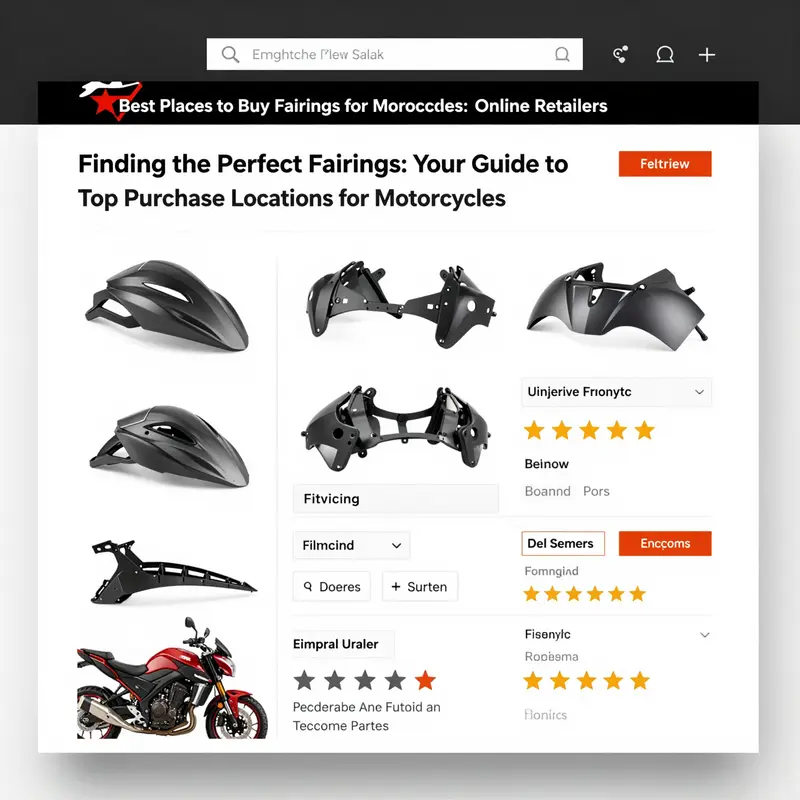
Fairings do more than cloak a bike with a glossy shell. They shape aerodynamics, protect a rider from wind and debris, influence cooling and engine performance, and even set the tone for how a machine feels when you lean into a corner. When it comes to acquiring fairings, riders have moved beyond the old idea of a single showroom purchase. Today’s journey often unfolds across multiple online retailers that specialize in motorcycle parts. The goal is not merely to find something that looks right, but to locate a combination of fit, material, finish, and support that matches a rider’s model, year, and riding aspirations. In this landscape, the best online sources are those that balance breadth with depth, offering model-specific compatibility checks, clear product information, robust return policies, and knowledgeable customer support that can bridge the gap between catalog and concrete installation reality. Any rider who has attempted a fairing swap knows that true compatibility goes beyond a single year or a single model name. It requires understanding the nuances of mounting points, internal bracing, and the way a fairing’s geometry interacts with the bike’s frame, fuel tank, headlights, and windshields. The online channels that excel in this space recognize that, for many riders, the purchase isn’t a one-off moment but the start of a broader project—one that may involve color matching, the right blend of materials for weather resistance, and even the potential for future repairs or replacements. The most dependable online retailers specializing in motorcycle parts present a careful triad of information: precise fitment data, material specifications, and installation guidance. They curate products in a way that helps buyers estimate not just whether a piece will fit a bike, but whether it will hold up under daily commuting, weekend sport riding, or touring adventures. A well-structured listing can reveal the difference between a fairing that is simply shaped to cover the bike and one that is engineered to integrate with the bike’s aerodynamics and the rider’s comfort. In this context, the path to a successful purchase becomes less about chasing the newest look and more about aligning form with function, price with durability, and aesthetics with practical wind management. The decision hinges on several interconnected factors. First, compatibility is paramount. Even within a single model family, there are variations in frame geometry, mounting points, headlight assemblies, and even intercooler plumbing in liquid-cooled engines. Reputable online specialists provide filter tools that let a buyer narrow down offerings by model year, chassis type, and sometimes even factory options. This is not about narrowing to a single SKU but about ensuring the product description reflects real-world fit. Second, material choice matters. ABS plastic offers good impact resistance, economy, and ease of repairing scratches. Fiberglass and composite laminates can yield lighter weight and a crisper finish but may demand more careful handling and a higher price point. The best online retailers reveal these distinctions clearly, including the expected weight differences, lacquer compatibility, UV resistance, and the ease of color matching. Third, finish and details matter. A fairing is judged not just by its silhouette but by the quality of its seams, the uniformity of the gel coat, and the precision of the mounting points. High-quality listings will describe hardware requirements, any included brackets, and the level of finish—whether the surface is ready for paint or in need of prep work. These are the kinds of details that save a rider hours of trial and error, and they tend to correlate with a seller’s reputation, return policy, and post-purchase support. In this light, the most valuable online retailers are those that provide a transparent, model-specific compatibility map, not just a generic fit statement. They show how many seasons a given fairing has supported a bike, the typical installation difficulty, and any prerequisites like the removal of adjacent panels or the need for specialized sealants or fasteners. They also publish clear images from multiple angles, sometimes even scale diagrams or 3D previews, so a buyer can assess how the finished piece will sit against the bike. For the practical rider, helpful content becomes part of the value equation. This is where installation guides, technical support lines, and instructional videos play a crucial role. The most reliable platforms do not merely sell a part; they guide the buyer through the process, explaining which tools are commonly needed, common pitfalls, and the signs that a fairing is not sitting correctly and may require adjustments at the mounting points, alignments along the wheel fairing, or re-seating of the windscreen. In some cases, retailers offer professional installation guidance or even integration services, which can be appealing for those undertaking a major bodywork upgrade or a restoration project. Such services reduce the risk of misalignment or damaged mounting points, issues that can turn a seemingly straightforward purchase into a costly setback. The online space also presents practical considerations that influence a buyer’s decision as much as technical fitment. Shipping policies, return windows, and warranty terms can greatly affect the overall value of a purchase. Fairings are relatively delicate items, and a customer wants the assurance that if the color does not match perfectly or if a panel arrives with a minor defect, the seller will handle returns without friction. The best specialists publish explicit return conditions, restocking fees (if any), and the process for exchanges. They also clarify whether the fairing arrives as a bare shell or with pre-installed hardware, the degree of pre-fitment adjustment required, and any immediate maintenance steps after installation, such as resealing joints or applying protective films to high-wear contact zones. In practice, this means a buyer can move from browsing to decision with confidence, knowing that the product will integrate into their bike within the limits described and that post-purchase support is accessible if anything unexpected arises during installation. It also means a buyer can plan not only for the cost of the fairing itself but for the complementary components that may improve fitment or aesthetics. This might include weather-resistant sealants, paint-ready priming options for a precise color match, or a set of mounting brackets and hardware designed to optimize alignment for a given year’s chassis. The smart approach is to treat the purchase as part of a broader project that includes preparation, fitment checks, and, when needed, professional consultation. In lines of thought that extend beyond the individual listing, it is helpful to consider how a given online retailer positions itself in the market. Some sites emphasize breadth, offering an expansive catalog across generations of models, makes, and styles. Others lean into depth, specializing in compatible accessories for well-known platforms and providing particularly detailed compatibility tips or enhanced customer reviews from riders who share their installation notes. A rider seeking a specific aesthetic—say a fully enclosed fairing, a sportier profile, or a retro-inspired look—will benefit from a retailer that curates detailed design descriptions and realistic weather-testing data. The conversation around quality also circles back to materials. ABS plastics, fiberglass, and composite laminates each carry distinct performance profiles. ABS is generally resilient and forgiving for daily riding; fiberglass can offer a lighter weight and a more refined finish but often requires careful handling and more precise installation. Some online retailers also provide guidance on painting and finishing options, color-matching services, and clearances that help riders avoid clashes with indicators, mirrors, or fuel caps. The overarching aim of these platforms is to empower riders to choose with clarity and to reduce the margin for error. In addition to the practical benefits of model-specific filters and robust product pages, the best online sources understand that fairings are often part of a broader customization conversation. Many riders want to choose from a spectrum of designs that reflect their riding style, the bike’s identity, and the vibe they want to project on the road. Shopping in an online ecosystem that supports this flexibility is important. It is not merely about swapping a panel; it is about reimagining the vehicle’s silhouette, the wind profile, and even the psychological feeling of riding with something that fits the rider’s sense of motion and presence. This is where the user experience matters. A well-designed site will present a logical progression from browsing through to purchase, with intuitive search terms, useful comparison tools, and a checkout flow that keeps the buyer informed about color options, material choices, and the exact fitment year for the model. To illustrate how a thoughtful digital marketplace meets these needs, consider the pathway a conscientious shopper follows. They begin with a clear understanding of their bike’s frame and year, then explore compatibility filters, read through customer notes on installation and fit, and examine high-quality images that reveal the level of finish and seam quality. They assess the warranty and return terms with a focus on the timeline for exchanges and color-match assurances. They value a service-minded approach that can connect them with installation guidance or professional help if required. They cross-check the listing with a few trusted sources, compare the overall costs, and finally place an order with confidence that, if something goes astray, the buyer’s protection policies will support a fair resolution. The online landscape for fairings also benefits from a pragmatic, almost engineering-like emphasis on compatibility testing and standards. Contemporary aftermarket fairings are designed to meet modern requirements for aerodynamic efficiency, impact resistance, and weight reduction, while maintaining compatibility with the integral features of the bike’s bodywork. This context matters because it informs what to expect from a trustworthy retailer. When a listing mentions that a certain fairing has passed standardized aerodynamic tests or has undergone wind tunnel-inspired shaping to minimize drag and buffeting, it signals a level of investment in performance that is meaningful for riders who demand more from their bodywork than a cosmetic facelift. Consumers who value this level of assurance often gravitate toward retailers that publish third-party testing summaries or engineering notes that translate into real-world benefits, such as reduced wind noise at speed, improved straight-line stability, or better deflection of debris in rain and grit. In the end, the best online retailers specializing in motorcycle parts deliver a coherent buying experience that aligns model-specific needs, material choices, and support infrastructure with a buyer’s practical and aesthetic goals. They help riders avoid well-meaning mistakes—like selecting a fairing that fits only a later year, or ending up with panels that require unnecessary modification to fit. They acknowledge the realities of internet shopping: the temptation of bargains, the risk of misrepresented fit, and the frustration of returns that aren’t straightforward. To support smart decision-making, they cultivate trustworthy information ecosystems—clear specs, honest photos, and transparent policies—that enable a buyer to move from curiosity to contented ownership. For riders who want to explore model-specific onward options without leaving the digital marketplace, there is a straightforward path to start: explore the broader catalog of model-compatible fairings on a model-focused page that is easy to navigate and well-supported by customer feedback. That approach makes a material difference when a rider is balancing price against durability, or when a restoration is underway and the goal is to preserve originality while upgrading the bike’s protection and aerodynamics. It also keeps in mind longevity and serviceability. If a fairing needs replacement after years of exposure to sun, rain, and road grit, the ability to order a direct replacement part, or a compatible aftermarket alternative, quickly and reliably, saves time and reduces risk. A careful buyer arrives at decision points with questions about color matching, surface finish, weather performance, and the durability of the mounting hardware. The more an online retailer can address these concerns in a straightforward, user-friendly manner, the more it earns the trust of riders who often work on their bikes in their own garages or small workshops. The experience of finding fairings online is thus not merely about price or appearance. It is about building confidence in a purchase that will affect performance, safety, and the rider’s overall riding experience. For those who prefer a more direct route to compatibility verification, a model-specific page can serve as a reliable compass, guiding the buyer through the essential attributes and ensuring expectations align with outcomes. When you are ready to take the next step, consider exploring the model-focused pathways offered by just such sources. For model-specific options, the fairing collections page provides a gateway to compatible pieces and a culinary tour of different finishes, textures, and structural approaches. This approach keeps the buying journey cohesive, avoids the fragmentation that can come from shopping across several generic marketplaces, and ensures that a rider’s final choice is underpinned by a thoughtful framework rather than a random assortment of parts. If you are curious about a particular route toward model compatibility, you can start with a collections hub that aggregates options by the general class of fairings, the mounting system type, and the intended riding context. The browsing experience becomes less about guessing and more about certitude, enabling a rider to assemble a complete, well-matched bodywork set that integrates with the bike’s chassis, the rider’s cockpit environment, and the anticipated weather conditions of their usual routes. In summary, the rise of online retailers specializing in motorcycle parts has created a more precise, supportive, and transparent pathway to acquiring fairings. The best platforms combine accurate fitment data, material clarity, practical installation guidance, and trustworthy after-sales policies, all while offering a wide range of design options. This combination makes it feasible for riders to select fairings that not only protect and enhance their machine but also reflect their personal taste and riding philosophy. The journey from initial browsing to secure delivery becomes smoother when the retailer’s values align with the rider’s needs: clarity, reliability, and a commitment to helping riders realize the full potential of their motorcycles. For those who are ready to delve into model-specific options and see how the pieces come together in a real-world configuration, a dedicated collections page serves as a practical stepping stone to a well-considered, satisfying purchase. Fairing collections can be a catalyst for turning a general interest into a precise, model-aligned upgrade. External resources can also complement this path. For a broader perspective on materials performance and engineering considerations in aftermarket fairings, readers may consult external industry discussions that explore how modern fairings balance strength, weight, and aerodynamics in real-world conditions: https://www.motorcyclesuperstore.com/motorcycle-fairings
Factory Direct and Local Showroom Finds: How Manufacturer Websites and Community Events Shape Your Fairing Purchase
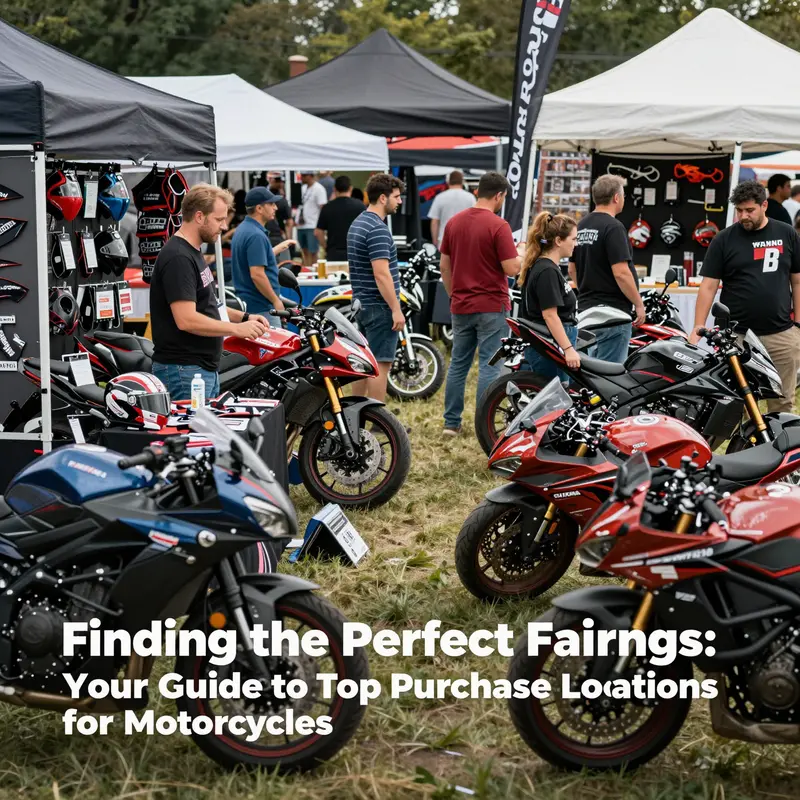
Choosing the right fairings for your motorcycle is more than picking a color and a shape. It is about precision, reliability, and the confidence that every bolt, every contour, and every mounting point aligns with your bike’s engineering philosophy. The journey from research to purchase benefits most when you combine two seemingly different routes: buying straight from manufacturers and engaging with the local riding community at events. When you treat these channels as complementary rather than competing options, you encounter a workflow that protects fit, preserves performance, and keeps your project on track from the first sketch to the final install on the bike stand. On the manufacturing side, the value proposition rests on specificity. Direct-from-the-factory sales for fairings, whether they are OEM-derived kits or closely engineered aftermarket lines, come with a level of verification that is often not matched by off-the-shelf universals. The manufacturer tailors the kit to a model’s exact geometry, sometimes updating mounting brackets, spacings, or even the internal pathways that carry wiring and sensors. This is not merely about a glossy surface and a perfect paint match; it is about thermal management, cooling airflow, and the integrity of the bike’s electronic systems after the integration. A fairing kit that is engineered for a precise model will preserve the vehicle’s aerodynamics, maintain the established flow characteristics that keep the engine within safe temperatures, and preserve the integrity of the rider’s visibility through LEDs and light housings integrated into the bodywork. This alignment between form and function matters most when a bike has undergone structural updates, revised ram-air ducting, or new lighting architectures—elements that are not always reflected in generic, universal options bought from third-party sellers. Manufacturer direct sources often provide updated templates, laser-cut mounting guides, and retooled brackets designed for the current model’s mounting points, which can differ even between model years of the same family. The net effect is a more predictable fit and a shorter, less frustrating install process, which is especially important for riders who are matching a bike’s evolved chassis with a fairing set that needs to align with revised contours, control housings, and instrument clusters. Rather than guessing about compatibility, riders can start with a model-specific search on the manufacturer’s site, select the OEM-inspired or OEM-equivalent alternative that’s designed for their bike, and examine the official fitment notes that accompany each product page. The clarity of these notes helps to avoid a common pitfall: buying a kit that is “close enough” but never truly precise for the intended mount points, cable routes, or air channels. The discipline embedded in manufacturer-direct purchasing reduces the risk of a misfit that could compromise cooling, airflow, or even the structural safety of the installation. The approach also tends to translate into more robust documentation for insurance and compliance. When a rider’s vehicle is presented to an insurer or a workshop that must certify roadworthiness, the presence of official fitment data, documented mounting schemes, and model-specific torque specifications can carry weight. In the world of fairings, where a single wrong hole alignment can misdirect air streams or imperil a mounting bracket, having official guidance is a meaningful safeguard. The practice becomes even more valuable for owners of the latest models, where the fairing system is integrated with a sophisticated lighting matrix and sensor arrangements that respond to road conditions or rider inputs. In these cases, the integration is not just skin deep; it touches electronics and aerodynamics in ways that demand precise interfaces with the bike’s electrical harnesses and ECU logic. The manufacturer’s own site offers diagnostic notes, installation diagrams, and compatibility matrices that reflect the vehicle’s current ECU calibration, as well as any firmware considerations that can accompany updated fairing kits. The net benefit is fewer surprises at the garage bench and a smoother journey from box to bike. Local events, by contrast, anchor the buying process in human experience and tactile validation. When a rider attends a trade show, swap meet, or regional meetup, the opportunity to hold the product, inspect the material quality, and test fit parts in person can be as valuable as the online specifications. Real-time conversations with seasoned riders and shop mechanics deliver practical wisdom that is hard to convey in a product page. They can point out subtle issues, such as how certain plastics respond to heat and UV exposure, or how a color batch might slightly vary between production runs. They can also spotlight rare or limited-edition kits that may only appear at events, offering a chance to secure something truly unique that isn’t always accessible through online catalogs. This community-driven knowledge base helps prevent missteps like embracing a universal kit that is designed to be installed on a broad range of bikes but fails to honor the specific geometry, mounting points, and headlight alignments of a given model. It is in the open exchange between enthusiasts and mechanics that questions rise to practical answers. Attendees often share notes on the installation process that extend beyond the page-provided instructions: tips about aligning windscreen heights with the rider’s field of vision, advice on balancing weight distribution as fairings are added or altered, and reminders about the protective coatings that should shield new plastics from curb rash and road debris during early rides. For someone in the middle of a build, this social dimension adds a form of assurance. It creates a feedback loop: you see, you touch, and you hear about how others solved the same constraints you face. The experience is enriched by the chance to compare kits side by side on similar bike configurations, to test fitment with the bike on a stand, and to discuss the integration of LED assemblies with the bike’s existing wiring harness. It is not a mere shopping trip; it is a learning environment where practical realities are weighed against aesthetic ambitions and performance goals. The dual approach—manufacturer-direct preplanning combined with on-site experiential validation—creates a pathway that yields more dependable outcomes. Before making a purchase, a rider can research the exact fitment on the factory site, confirming that the kit is engineered for their bike’s year, subtitle, and chassis updates. They can download mounting templates and torque specifications that accompany the kit, ensuring every fastener is installed with the correct tension and alignment. This is especially useful for modern bikes that rely on precise aerodynamic profiles for stability, winglets or vents that require exact gaps for optimal airflow, and integrated LED arrays whose wiring harnesses must route through specially prepared channels in the bare frame. After this digital diligence, a rider can take the next step at a local event, where real-world testing becomes feasible. They can lay every component next to the bike, feel the materials for rigidity and finish, and verify how the new skin interacts with the preexisting bodywork. The event setting often reveals conditions that a catalog cannot capture: how a fairing panel seals around the windscreen at speed, how the edges align with the fuel tank rib lines, or whether the painted finish matches the base color under different lighting in a showroom and outdoors alike. The value of this sequence is measurable. It reduces the risk of returns due to fitment issues, curtails the time spent chasing incorrect parts, and enhances the likelihood that the final assembly will perform as intended in terms of cooling, aerodynamics, and rider ergonomics. For buyers who care about durability and long-term maintenance, the manufacturer-direct route provides stable bracket mounting patterns and resistor-free LED interfaces that stand up to weather exposure, while local events offer a chance to assess surface finishes, edge thickness, and paint durability under practical wear conditions. The two modes of procurement are not mutually exclusive but are most effective when used sequentially. Start with a VIN-verified, model-specific check on the manufacturer site to identify a kit tailored to your bike. Then, as a follow-up, attend a local fair gathering to compare inches of clearance, test the weight of panels, and confirm that the kit’s hardware integrates cleanly with the bike’s frame and electronics. The synergy between these channels helps ensure that the final result is not merely a cosmetic upgrade but a coherent extension of the bike’s design language and performance envelope. When the process is done with careful attention to both data and demonstration, the outcome is reliable, repeatable, and, above all, ride-ready. For readers seeking a practical navigational cue, consider exploring model-specific fairing options within a catalog that organizes choices by compatibility rather than by superficial aesthetics. This approach prioritizes fitment fidelity and the long-term value of the upgrade. If you are looking for a starting point that aligns with the model-first philosophy, you can explore a broader catalog page that presents a range of fairings organized around vehicle compatibility rather than universal applicability. This structure helps you avoid the common trap of buying a kit that looks appealing but fails to align with the bike’s mounting geometry, radiator shrouding, or instrument panel contours. In practice, the search flow mirrors how a rider approaches a build: identify the exact model and year, pull the official fitment data, verify mounting points, and confirm the integration of lighting and sensor interfaces before selecting a kit. The combination of precise source data and hands-on verification maximizes both performance outcomes and aesthetic satisfaction. For readers who want a concrete path forward, consider the following blended routine: begin with a VIN-based check on the manufacturer site to pull recommended options engineered for your bike, examine the provided templates and hardware notes, and then reserve time at a local event to inspect, measure, and compare with other options. This approach helps ensure authenticity, fitment accuracy, and long-term value, reducing the chance of ending up with a kit that requires improvisation or regretful compromises. As you navigate the fairing landscape, remember that the best connections are those that honor both the technical and the human sides of the purchase. The technical side is about verified fitment, precise mounting, and compatible electrical interfaces. The human side is about the knowledge shared by riders and builders who have done this before and can illuminate the subtleties of installation, paint matching, and the practical realities of post-purchase support. When these considerations converge, the result is a fairing system that not only fits the bike but also grows with it as it evolves through upgrades. The journey from the first click on a manufacturer site to the final bolt on a fully assembled fairing is a convergence of data, craftsmanship, and community. The two poles—the exactitude of factory-engineered fitment data and the experiential wisdom gained from local events—work together to deliver confidence at every stage. Buyers can rest easier knowing that the latest fitment guides, retooled mounting kits, and laser-cut templates exist to support a precise installation, while the community layer offers a forum for testing and validating those choices in real-world conditions. To reinforce this integrated approach, the practice of cross-checking remains essential. Verify compatibility via the VIN-informed data on the factory site, then mirror that research with hands-on observation and discussion at a local gathering. In doing so, you build a decision record that you can reference when the bike is in the workshop and when a new accessory list is drafted for future upgrades. The method also supports ongoing learning: once you understand how a particular model’s fairing kit behaves in the real world, you can apply the same framework to future builds without having to relearn the process. This is how a rider becomes adept at navigating the fairing market with a balance of skepticism and curiosity—skepticism to guard against parts that don’t truly fit, curiosity to explore novel solutions that push the bike’s performance envelope. In the broader arc of motorcycle customization, this chapter’s emphasis on direct manufacturer pathways and local events reflects a shift from impulse purchases to informed, durable decisions. By foregrounding model-specific fitment, verifiable mounting data, and hands-on validation, riders can approach each upgrade with a sense of mastery rather than risk. The synergy does more than improve fit; it streamlines maintenance, supports long-term value, and preserves the integrity of the bike’s engineering narrative. It is a pragmatic philosophy for anyone who wants to transform the silhouette of their ride without compromising cooling, safety, or reliability. And as the community continues to grow, events become not only marketplaces but also laboratories where ideas are tested, shared, and refined. The next time you plan a fairing upgrade, let this dual-channel approach guide your steps: start with the manufacturer’s verified data for your exact model, then bring those findings to a local event for tactile validation and collective wisdom. The outcome is a better fit, a clearer install path, and a riding experience that reflects both the precision of factory engineering and the experiential knowledge of the riding community. For readers who want to explore a model-specific pathway further, a practical starting point can be found in model-oriented catalog pages that organize options by compatibility and provide an accessible entry to the journey described above. This structured approach helps ensure your upgrade is not merely a visual enhancement but a well-integrated system designed to maintain performance, reliability, and the rider’s confidence on the road.
External resource for further context on latest model fitment considerations: https://www.motorcycleperformanceguide.com/gsxr1000-2026-blir-fairing-fitment/
Internal resource for model-specific fairing options (generic anchor text): fairings collection
Final thoughts
Offering motorcycle fairings is an opportunity to cater to a varied customer base, from casual riders to avid enthusiasts seeking quality and style. By sourcing from authorized dealers and specialty shops, utilizing specialized online retailers, and considering manufacturer direct offerings while participating in local events, business owners can ensure they meet customer demands effectively. Understanding these channels not only positions your business as a reliable source for fairings but also enhances customer satisfaction through informed choices and premium products.