
Motorcycle fairings play a crucial role in protecting the bike’s components and enhancing its aesthetic appeal. With various products flooding the market, business owners must navigate their options carefully to maintain and enhance their motorcycles effectively. This exploration delves into the limitations in existing recommendations for polishes tailored specifically for motorcycle fairings, alternative maintenance strategies, the underlying need for polishing, the essential factors influencing polish selection, and the latest market trends influencing product offerings. By understanding these aspects holistically, businesses can make more informed choices and elevate their brand’s service offerings.
Shine Deliberately: Navigating the Limits of Polishing Motorcycle Fairings
Polishing motorcycle fairings sounds simple in theory: wipe away dullness, restore gloss, and set the bike up to turn heads. In practice, the path to a flawless shine is more nuanced than a single bottle on a shelf. The very idea of a universal best polish for every fairing is what dozens of riders stumble over at first glance. What looks like a straightforward wipe can become a costly misstep if the material isn’t considered, or if the surface condition requires more care than a quick buff. This chapter dives into why recommendations must be tailored rather than ubiquitous. It seeks to map the landscape of variables that determine what shines best, why one product cannot be declared universally superior, and how riders can approach polishing with a plan that protects both finish and function over time. The goal is not to offer a miracle product but to equip readers with a disciplined approach to choosing a method that respects material, finish, and real-world use.
First, the material question is foundational. Motorcycle fairings come in ABS plastic, polycarbonate, and sometimes fiberglass, each with distinct polishing needs. ABS, for example, can be sensitive to aggressive abrasion and certain solvents that may alter its surface chemistry or soften edges if misused. Polycarbonate, valued for impact resistance and clarity in some OEM coatings, tends to haze or craze if treated with hard abrasives or incompatible chemicals. Fiberglass adds another layer of complexity, with its own resin matrix and potential for micro-cracking if the wrong compound is forced into the surface. A one-size-fits-all polish is inherently flawed because a product calibrated for one substrate may etch, dull, or cloud another. This is why any expert guidance stresses material compatibility as the starting point. When you reach for a polish, you are, in effect, choosing a tool for a specific canvas, not a universal magic wand. For readers who anticipate practical trials on real fairings, the opportunity to explore a range of substrates becomes essential; in many cases, the safest route is to segment the work by material and approach each segment with a purpose-built plan rather than a single product.
Second, the current surface condition dictates what will work. A fairing with light swirl marks and minor oxidation may respond to a subtle, two-step approach: a decontaminant or cleanser to lift embedded grime, followed by a fine, non-abrasive polish that refines the surface without grinding it away. Deeper scratches, oxidation, or etched UV staining, however, demand a different strategy—often a more controlled abrasion, paired with a compatible clear-protective layer to lock in the improvement. The risk with heavily degraded surfaces is twofold: you can remove more material than the finish can spare, and you can disrupt any factory or aftermarket clear coat that protects the underlying substrate. In other words, the condition of the paint or clear coat should guide the aggressiveness of the process. Rushing to a high-cut compound on a sun-bleached, fragile fairing can deliver a temporary shine but may also leave the surface more vulnerable to future damage. The takeaway is clear: diagnose first, treat second, and calibrate the approach to the specific imperfections you observe.
Third, the lack of universal industry standards creates a caveat emptor environment for riders who crave a definitive best. Reviews and endorsements are often subjective, reflecting personal technique, climate, and maintenance habits as much as the product’s inherent capability. What works brilliantly for one rider in a dry climate with meticulous prep may underperform for another who rides year-round in harsher conditions or who skips the prep steps. Without standardized testing under controlled variables, a polish’s long-term performance remains a blend of anecdote and scenario. This uncertainty underscores the importance of owning a method rather than chasing a single name. It also explains why experienced technicians emphasize comparing not just the final look, but the wear pattern, ease of use, and compatibility with the existing coatings on the fairing.
Safety and environmental considerations add another layer to the decision matrix. Several polishing products rely on solvents, acids, or abrasive carriers that can irritate skin or eyes and release fumes in enclosed garages. Even if a product is labeled safe for exterior plastics, the rider’s exposure during application and the potential for residue transfer to gloves or handlebars must be weighed. The goal is to select options that minimize risk without compromising the finish. In addition, environmental stewardship matters: choosing products with lower volatile organic compounds and safer disposal profiles reduces the ecological footprint of maintenance sessions. Practically, this means reading labels, using proper ventilation, donning gloves, and following manufacturer guidelines to avoid unnecessary exposure, even when the prospect of a quick shine tempts a speedy session.
The compatibility question—OEM finishes versus aftermarket coatings—matters as well. OEM surfaces often carry a factory-applied clear coat designed to protect the underlying material and maintain clarity. Some aftermarket polishes can interact with these coatings in unpredictable ways, potentially dulling the gloss, altering color, or weakening the coating’s integrity. A misstep can even affect warranty coverage if the care routine is deemed to have contributed to the issue. This is why many riders are advised to consult the fairing’s original care instructions or seek guidance from the coating’s manufacturer before attempting aggressive polishing, especially on newer or highly polished OEM finishes. The tension between achieving a showroom shine and preserving protective layers is real, and it fuels the argument for a cautious, progressive approach rather than a bold, one-step fix.
Given these layers of complexity, a practical framework helps riders move from aspiration to reliable results. Begin with material identification and verify any coatings or manufacturer recommendations. Then assess the surface condition with honesty: are there only light swirls, or are there deeper gouges? If the material is ABS and the finish shows only mild oxidation, a conservative plan—decontaminate, then apply a fine polish with minimal abrading—can yield meaningful improvement without risking damage. If polycarbonate fairings show clouding or micro-scratches, a gentler polish brewed for plastics, applied with a soft pad and low speed, may be appropriate, paired with a protective sealant or layer that preserves clarity. In cases of fiberglass, where resin and gel coat dynamics matter, proceeding with care and testing in an inconspicuous area can prevent outcomes that later require more extensive refinishing.
This chapter deliberately avoids naming a single superstar product because the best practice is to tailor the choice to the fairing’s material and condition. A disciplined process—identify, test in a small area, follow with a finish-sealing step, and re-evaluate—offers more reliable long-term results than chasing a one-off miracle. For readers who want a sense of the real-world choices practitioners consider, imagine selecting a polish line that explicitly notes compatibility with ABS, polycarbonate, or fiberglass, and then using a non-abrasive, low-heat application method. The method can involve a two-step sequence: a light cleaning/decontamination stage to remove grime and embedded contaminants, followed by a finishing polish that refines the surface without leaving micro-scratches. In this context, the material dictates the technique, not the other way around, and a well-executed plan yields a finish that holds up to sun, rain, and road grit while preserving the integrity of the fairing itself.
For readers who want a tangible starting point beyond theory, consider exploring fairing designs and compatibility options within the Honda fairings collection. This can provide a sense of OEM-grade surfaces and how they respond to care routines, helping calibrate expectations when you move to maintenance work on your own bike. Honda fairings collection can serve as a reference point as you assess material types and coatings you may encounter in the field. The goal is not to imply a universal best polish but to offer a thoughtful pathway that respects material differences and surface realities. As you build your knowledge, you may discover that a two-step system for ABS, a gentler polish for polycarbonate, and a cautious approach for fiberglass are the most repeatable routes to a durable, glossy finish.
Finally, for those who want further reading on best practices and care sequences, a trusted external resource provides a concise framework for safe, effective maintenance practices: https://www.revzilla.com/blog/motorcycle-fairing-care-guide
Shine Without Sacrifice: Practical Alternatives to the Best Polish for Motorcycle Fairings
When riders search for the best polish for motorcycle fairings, they often assume a single product will handle every scenario. In reality, reliable results come from understanding a spectrum of options that restore, protect, and preserve the plastic and painted surfaces without compromising their integrity. Fairings, whether molded from ABS, polycarbonate, or composite plastics, carry delicate coatings. They face UV exposure, road grime, brake dust, sap, and seasonal temperature swings. A one-size-fits-all approach can lead to hazy finishes, micro-scratches, or clouding of clear coats. The goal is a coherent routine that respects the material, matches the finish type, and yields a lasting, glassy or satin look rather than a quick, superficial shine. The alternatives outlined here complement the idea of a top polish; they provide practical paths for restoration, daily upkeep, and long-term protection that a single product might not deliver on its own.\n\nConsider the first option as a preparatory step rather than a standalone miracle. A deeper, more intensive compound acts like an eraser for severe swirls, oxidation, and micro-scratches. It is especially effective on ABS plastic fairings, where oxidation often manifests as dullness across broader areas rather than isolated scratches. When used correctly, this type of compound smooths the surface by removing a fine layer of damaged material, creating a more uniform canvas for subsequent treatment. The process starts with a careful wash, a light clay or quick decontamination if necessary, and then a targeted application in small sections with a soft pad or microfiber applicator. After working the compound to a haze, wipe clean with a microfiber towel and move on to a finer polish. The aim is a surface that feels smoother to the touch and reflects more light. Following with a dedicated fine polish helps restore depth and clarity, almost like a glassy finish, while preparing the surface for any protective layer that may follow. This two-step progression—abrasive compound first, then refined polish—offers a restoration pathway for bikes that have seen harsh summers or many miles on the road.\n\nThe next avenue is the all-in-one cleaner and polish solution. This category is prized for convenience and is particularly appealing to riders who prefer a streamlined routine. An all-in-one product cleans, polishes, and adds a degree of protection in a single pass, which makes it ideal for routine maintenance. It is designed to be safe for both matte and glossy finishes, though results will still depend on the existing surface condition. For fairings with a mild haze or minor swirl marks, this type of product can restore brightness without the need for aggressive abrasion. The key is to apply sparingly, work in circular motions with a clean microfiber, and remove any residue promptly to prevent streaking. Matte finishes require a gentler touch and sometimes a shorter dwell time to prevent altering the texture, while gloss finishes can reveal more depth when treated with a light hand. The versatility of an all-in-one formula comes from its ability to maintain the sheen and provide a protective layer that resists moisture and contaminants between more thorough sessions.\n\nAnother credible path is a dedicated plastic and vinyl restorer. This option targets faded or oxidized fairings and emphasizes color revival while imparting UV protection. Plastics can lose their vibrancy after exposure to sunlight, solvents, and contaminants, and a restorer formulated for plastics tends to be more forgiving than standard waxes on painted surfaces. It works by replenishing some of the resin-like compounds that plastics lose as they age, thereby reviving color and brilliance. The UV protection component helps slow future fading, which is especially valuable for riders in sunny climates or riders who keep their bikes outdoors most of the time. The application is straightforward: apply a light film with a microfiber pad, allow a brief dwell, and buff to a clear finish. The result is a refreshed appearance that can better reflect the bike’s lines and details, without creating an overly glossy layer that might peel or wear unevenly on plastics.\n\nFor those seeking a gentler touch, a plastic polish designed for delicate surfaces offers a refined option. This type of polish focuses on light scuffs and micro-marring, lifting them gently to restore gloss without risking haze or abrasion on softer plastics. It is especially suitable for fairings that carry matte textures or subtle textures that could be dulled by aggressive compounds. The technique remains simple: a small amount of product on a soft applicator, circular motions, light pressure, and a careful wipe-off. Because this category is milder, it is a good match for regular maintenance after a more robust restoration or for riders who want to preserve the plastic’s original feel and color. The protective layer added by this step is typically thin but valuable for resisting future fingerprints, oils, and minor environmental contaminants.\n\nA related approach is aftercare using a hydrophobic sealant. While not a traditional polish, a water-based sealant creates a durable, water-repellent layer that can significantly extend the time between claying and polishing sessions. Applied after any polishing step, it enhances shine and adds long-lasting protection against UV rays and environmental fallout. The hydrophobic properties also help water bead and slide off the surface, making maintenance easier in wet or dusty conditions. The key with sealants is to ensure the surface is cleaned and fully dry before application, and to follow the product’s cure time to maximize durability. This step often yields a twofold benefit: an enhanced gloss and a protective barrier that reduces the frequency of compound-based restoration sessions.\n\nThere are also more frugal, DIY options that some riders explore with care. A mild abrasive paste made from household ingredients, such as a gentle baking soda mixture, can address very minor surface haze or oxidation on very small patches. The idea is to apply with a microfiber, work gently, and remove promptly to minimize scratching. This approach is best reserved for riders who are comfortable with a cautious touch and who can tolerate a potential trial-and-error phase. The risk with improvised pastes is that they can introduce scratches if pressure is too heavy or if grit is present in the cloth. Anything used in this space should be tested on a hidden panel or an inconspicuous area before broad application, and it should never replace a proper wash and clay decontamination step.\n\nSpeaking of clay, it plays a critical role in the pre-polish phase. A clay bar treatment helps remove embedded contaminants such as tree sap, brake dust, and industrial fallout. When these particles reside in tiny crevices on the fairing surface, polishing alone may not achieve optimal clarity because the contaminants can hinder polish adhesion and create micro-abrasions during the process. A quick clay every few months—or whenever the finish looks dull or feels rough—can dramatically improve the effectiveness of subsequent polishing. The combination of clay decontamination followed by a targeted polish or compound helps ensure a smoother, more uniform finish. The overall effect is a fairing that accepts polish more evenly and that exhibits better reflectivity, without resorting to aggressive abrading products.\n\nAs you navigate these options, a practical tip anchors your technique in real-world outcomes: test any product on a small, inconspicuous area first. This precaution ensures that the finish type—gloss or matte—responds as expected and that you don’t inadvertently alter texture or color. Avoid household cleaners unless they are explicitly designed for plastic, and resist the urge to rely on abrasive pads that can scratch delicate fairings. Following manufacturer guidelines and referencing trusted sources can help you tailor a routine to your bike’s surface makeup. Look for model-tailored information as you refine your approach to maintain a fairing’s clarity and color.\n\nThe sequence I’ve described—decontaminate, address deeper damage with a careful polish or compound, restore with a gentler polish or restorer, seal with a protective layer, and then maintain with routine cleans—creates a balanced, repeatable routine. It respects the material, minimizes risk to the coating, and yields enduring results. In practice, the best approach is not to chase a single miracle product but to build a layered plan that suits the bike’s finish, climate, and riding patterns. This approach also smooths the path toward the next chapter, where we explore how to tailor these steps to different fairing materials and finishes, ensuring you get maximum depth, clarity, and protection from your maintenance ritual.\n\nExternal resource: for broader maintenance guidance and up-to-date recommendations, consult established motorcycle maintenance resources such as Motorcycle.com. https://www.motorcycle.com
Shine with Purpose: The Vital Role of the Best Polish for Motorcycle Fairings in Protecting and Perfecting Your Ride
The gloss on a motorcycle fairing is more than a visual cue; it is a signal of care, protection, and attention to the long road ahead. When riders talk about the best polish for motorcycle fairings, they are really talking about a product that can restore, preserve, and extend the life of a surface that faces a constant onslaught from sun, weather, and the road. Fairings, often made from ABS plastic or fiberglass, bear the brunt of high-speed airflow, airborne debris, and the occasional encounter with bird life or resinous drippings. Over time, those elements can dull the finish, invite micro-scratches, and invite oxidation in places where a clearcoat has been compromised. A high-quality, dedicated polish designed for plastic and composite surfaces becomes less of a luxury and more of a maintenance essential. It acts as a restorative agent, a barrier, and a finishing touch that can turn a tired panel back into a mirror-like surface with practical benefits beyond mere aesthetics.
The distinction between a motorcycle-specific polish and a generic automotive product rests on material compatibility. Fairings are not always painted metal; many are plain plastic or composite shells. Some car polishes come with formulations that are too harsh for plastic, risking micro-scratches, hazing, or chemical interactions with underlying materials. The best polish for motorcycle fairings is carefully formulated to work with the unique characteristics of ABS plastic and fiberglass. It aims to smooth out light swirls and haze without abrading the surface, while laying down a narrow, even layer of protection. This protective layer helps seal microscopic pores and creates a hydrophobic barrier that repels water and dirt. In practical terms, that means fewer cleaning headaches on long rides and better resistance to road grime during wet or dusty conditions. For riders who tour or ride in variable climates, this isn’t a cosmetic preference; it’s a practical safeguard that helps maintain aerodynamic smoothness and the integrity of the fairing over thousands of miles.
Beyond the surface gleam, the best polish also contributes to longevity. A well-applied polish can help preserve the surface against UV-induced fading and micro-abrasions from wind-blown debris. It works in tandem with a subsequent wax or sealant to provide layered protection. The idea is not to hide damage but to create a neutral, even finish that can be maintained with routine care. After a paint repair or a scratch treatment—where deep scratches may breach clear coats and base layers—the role of premium polish becomes even more critical. It helps blend the repaired area with the surrounding panel, producing a seamless, professional finish that respects the original curvature and contour of the fairing. The result is a surface that not only feels smooth but also presents a consistent optical quality across the entire bodywork. In this way, polish becomes a collaborator in preserving both the bike’s value and its performance, since well-kept fairings contribute to cleaner airflow and reduced drag along long miles of highway.
Choosing the right product also means aligning with the physical realities of riding. A sport or touring fairing is more exposed to airflow, micro-particles, and weather exposure than a minimalist setup. Regular polishing, done with the right materials, helps maintain the clear visual of the panels and mitigates the cumulative, subtle losses in clarity that come with time. The right approach recognizes that a fairing’s surface is a composite of plastics and resin and that a robust finishing product must be forgiving of temperature swings, humidity, and the occasional slip with a towel or applicator. It is wise to select a polish that offers a finishing stage as well, allowing a second pass to refine the surface to an almost showroom sheen while ensuring the compound has not introduced any visible swirl marks. The combined effect of polish and finishing layer is a surface that rejects water, sheds dirt more readily, and invites admiration rather than scrubbing.
Practical application comes down to method and mindfulness. Apply in a shaded area, away from direct sunlight, to prevent premature evaporation and streaking. Use a soft microfiber applicator or a dedicated foam pad and work in small, overlapping sections to maintain control. A light touch is essential; pressing too hard can push debris into the surface and create micro-scratches. Allow the polish to yield to the surface with a gentle circular motion, then remove the haze with a fresh microfiber, turning the cloth to a clean area as you progress. When your work reaches a finishing stage, consider a separate finishing product designed to seal and harden the surface. The combination of polish and sealant provides a hydrophobic barrier that helps keep the fairing looking sharper for longer and makes routine cleaning easier—two practical advantages that riders value on a ride across rough terrain or long, dusty highway stretches.
Material compatibility matters at every step. For plastic and composite fairings, look for formulations labeled as safe for ABS and fiberglass. Some products specify compatibility with painted and unpainted plastic; these are typically more forgiving and designed to work with the natural texture of the surface. The goal is a uniform appearance that does not shrink or become uneven when applied over repairs or soft areas near seams. It is also prudent to avoid any polish with aggressive solvents or waxes that might interact with recently repaired areas or sensitive plastics. If you have recently repaired a fairing—perhaps after a crush or impact—allow sufficient curing time before polishing and follow the repair with a compatible sealant to lock in color and texture. The texture of the surface, the degree of oxidation, and the depth of the repair all influence how many polishing sessions are appropriate and how the final finish should look. In the end, the best polish integrates with what you ride and how you ride it, respecting the bike’s lines and the rider’s expectations.
The narrative of maintenance is incomplete without acknowledging the value of accessible, model-based resources. For riders who align with particular makes or fairing shapes, a curated collection of compatible parts can simplify decisions and ensure the aesthetic harmony of the entire bodywork. For enthusiasts who chase exact fits, the available Honda fairings collection offers a practical starting point for those exploring the intersection of form and function. The goal is not merely to decorate a bike but to maintain a cohesive, durable shell that stands up to the elements and the test of miles. You can browse compatible options in this collection: Honda fairings collection.
Alongside compatibility and technique, a rider’s routine matters. Polish plays a supporting role to a broader care strategy that honors cleanliness, protection, and longevity. Regular washing to remove airborne contaminants, a careful drying routine to avoid micro-scratches, and periodic polishing to refresh the surface together deliver a cumulative boost to the fairing’s appearance and performance. Storing or parking the bike in a shaded, dry area further shields the finish from UV exposure and weathering, allowing the protective layer to endure through seasons of riding. With the right cadence of care, a fairing’s sheen can stay vibrant for years, and the need for more invasive refinishing can be reduced. The discipline of maintenance—polish, sealant, wash, dry—becomes part of the rhythm of riding, not a burdensome chore.
As riders, we tend to equate shine with pride, and rightly so. Yet there is a deeper value in choosing the best polish for motorcycle fairings: the confluence of aesthetics, protection, and value preservation. A well-polished fairing reflects the rider’s commitment to the machine and to the sport of riding itself. It communicates a sense of preparedness for the road ahead and respect for the investment that a bike represents. When the surface glows with a true, glassy finish, it signals that attention has been paid to detail, that maintenance choices are deliberate, and that the bike is ready to perform as well as it looks. The soft, even sheen is a small but meaningful indicator of care, and that care translates into confidence on every twist of the throttle and every mile of highway.
For readers seeking additional context beyond the hands-on practice of polishing, broader care guidance is available from trusted industry resources. This includes practical tips on surface care and maintenance techniques that align with these principles. For further reading, see BikeRadar’s guide to caring for motorcycle fairings, which offers an informative perspective on protecting finishes and maintaining appearance over time: https://www.bikeradar.com/uk/motorcycle-riding-tips/how-to-care-for-your-motorcycle-fairings/.
Shine by Design: How Material and Surface Condition Shape the Best Polish for Motorcycle Fairings
The quest for a showroom gloss on motorcycle fairings is less about chasing a single miracle product than about reading the language of the plastic under the bike’s skin. The literature surrounding fairing care makes this clear: there is no universal elixir that suits every panel. Instead, the best polish emerges from an understanding of material composition, the current state of the surface, and how much protection and longevity the rider wants to extract from each detailing session. This is not merely a cosmetic pursuit; it is a calculated balance between restoring luster and preserving the integrity of the fairing’s material, while harmonizing with any protective films or coatings already present on the bike. The central truth remains simple and practical: the plastic that forms most modern fairings—whether ABS, polycarbonate, or composites—determines what can be safely brought back to life and how far a polish can take you without inviting clouding, hazing, or micro-scratches that dull the finish instead of sharpening it.
ABS, the workhorse of many fairings, trades a little of its clarity for durability and impact resistance. It forgives gentle non-abrasive touch and responds well to formats that restore a high-gloss without abrading the surface. Polycarbonate, prized for optics and clarity, requires an even more delicate approach. It shines when treated with soft, non-abrasive polishes that respect its sensitivity to certain chemical agents. The implication for riders is clear: knowing the exact material isn’t a mere technical footnote; it is the compass that guides every polishing decision. A misstep—using a harsh compound or an aggressive abrasive on polycarbonate—can produce micro-scratches that accumulate and haze the very transparency that helps the bike look pristine. In practice, this means that preparation and product choice must be aligned with the panel’s substrate so you don’t trade a few minutes of effort for long-term blemishes.
Beyond the base material, the surface condition itself frames what can be done. Deep scratches or visible oxidation create a different storyline than light dullness or minor oxidation. In the case of pronounced imperfections, a multi-stage polishing approach often proves necessary. The progression typically begins with a coarser compound to erase the deepest defects, then moves to progressively finer polishes to refine the surface, and finally ends with a high-gloss finish to maximize reflectivity. This staged workflow is not merely theoretical; it’s the practical path that minimizes risk while delivering tangible improvement. For those who prefer a more conservative restoration, light oxidation or dullness can be addressed with a milder polish or a protective wax that rekindles luster without aggressively correcting the surface. The key is to gauge the surface condition honestly, then calibrate the effort and the products accordingly, avoiding overcorrection that could invite new micro-scratches or uneven reflections.
Protective durability emerges as a parallel axis to appearance. A polish is not just about shine; it is a shield in our riding environment. A well-chosen polish should offer enhanced gloss while layering protection against UV degradation, dirt build-up, and chemical exposure that might accompany road grime or cleaning agents. In modern detailing parlance, this often means considering formulations that either incorporate UV inhibitors or pair with durable sealants or coatings. Ceramic coatings, in particular, have gained attention for their ability to extend the life of the finish by providing a robust, bonded layer that resists contaminants and offers easier maintenance. UV inhibitors help prevent fading and yellowing over time, which is especially important for fairings that spend long hours under sun exposure. Yet this protective ambition must be weighed against the compatibility of the polish with the fairing’s surface substrate and any existing protective films. The risk of incompatibility—such as a coating that doesn’t bond well with a polymer-based film or a conditioner that leaves a residue under film—can cancel out the intended gains in clarity and longevity. The practiced rider learns to read the product’s claims not as gospel but as guidelines, then test on a small, inconspicuous area before committing to a full panel.
Ease of application is another axis that separates good polishes from great ones in the real world of bike maintenance. A well-behaved formula with low odor and non-toxic ingredients is preferable, especially for riders who detail in small, well-ventilated spaces or garages. Compatibility with other surface treatments, such as paint protection film, matters just as much as raw gloss. A finish that plays nicely with PPF means you can maintain the panel without removing or disturbing the protective film, preserving both the gloss and the film’s integrity over time. The practical side of this consideration is that some riders prefer products that are forgiving to apply by hand or with a modestly powered dual-action polisher, paired with a soft foam pad. Others may opt for simpler, hand-applied regimes that still yield a respectable shine with minimal risk. The chapter’s guidance is to match the polish’s ease of use with the rider’s maintenance style and the bike’s actual exposure to road conditions.
Rider preference and intended use weave into all these factors. For some, the priority is a striking, mirror-like finish that speaks to the pride of ownership and the joy of meticulous upkeep. For others, practicality governs: a durable, low-maintenance option that preserves gloss with less frequent intervention. This is not a matter of chasing the biggest bang for the buck but aligning the polishing strategy with the rider’s schedule, the climate, and the bike’s typical use. A fairing that endures long rides in hot sun and dusty environments might benefit from a polish coupled with a durable sealant, while a bike kept primarily for weekend cruises might justify a premium, high-gloss finish that requires more meticulous upkeep but rewards with an ethereal look. The key is to create a predictable, repeatable routine that preserves both form and function without crossing the line into overcorrection or overloading the finish with coatings that complicate future maintenance.
When it comes to selecting a path for a given bike, the sequence of steps is as important as the products themselves. Start with a material audit: identify whether the fairing is ABS or polycarbonate, or a more exotic composite, and note any aftermarket overlays such as paint protection film. Then assess the surface condition—whether you’re dealing with deep scratches, micro-scratches, oxidation, or dullness. From there, plan a polishing regimen that may involve one or more stages, choosing abrasives and pads that will be gentle on the substrate while sufficiently addressing the defects. Consider whether a protective coating or sealant will be added afterward, and ensure compatibility with any PPF or clear film in place. In practice, this careful choreography helps prevent unintended consequences and makes the final appearance more durable against the elements and road grime. For riders who want a quick reference for fairing care and polishing that aligns with these principles, a foundational resource outlines the essential steps and cautions to avoid common pitfalls, reinforcing the idea that successful polishing is as much about preservation as it is about enhancement.
As readers contemplate the fairings they ride, a tangible connection to the broader community of enthusiasts can be found in the shared experience of care. For those curious about the types of fairings commonly offered for different models, a gateway for further exploration is a catalog of Honda fairings that reflects the real-world combinations of materials and shapes that riders encounter on the street and track. This resource can help frame expectations about material behavior and compatibility when selecting a polish and related protective measures. Honda fairings at Summit Fairings offers a sense of the practical inventory that riders might reference when planning maintenance around a given model. The chapter’s approach remains focused on the science of polishing rather than on any single product, but understanding the available fairing options helps reinforce why careful material-specific care is essential.
Ultimately, the path to the best polish for motorcycle fairings is a careful synthesis of material realities, surface conditions, protective ambitions, and practical maintenance habits. The goal is not merely a brighter panel but a finish that endures, resists the harshness of road life, and respects the plastic that carries the bike’s shape and its rider’s pride. Reading the material, testing a spot, and choosing a path that honors both the substrate and the surface you wish to restore—this is how the rider navigates shine with knowledge rather than guesswork. Authority on proper care and polishing techniques tailored to motorcycle fairings remains a valuable companion, emphasizing that the best results come from a disciplined, informed approach rather than a one-step solution. For further guidance that complements the themes in this chapter, see the detailed techniques and cautions available in industry resources dedicated to fairing care and polishing.
External resource: https://www.motorcycle.com/tech-tips/motorcycle-fairing-care-and-polishing
Shine with Science: Navigating Trends to Choose the Best Polish for Motorcycle Fairings
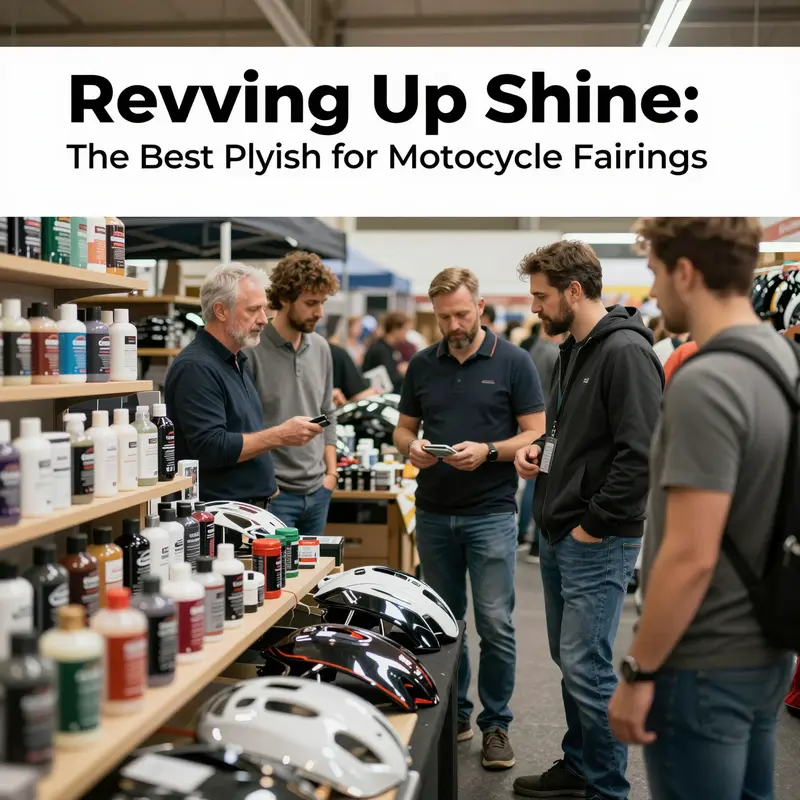
The search for the best polish for motorcycle fairings sits at the intersection of craft and chemistry. Our initial scan of the available material shows a gap in direct, retailer-endorsed recommendations for polishing products specifically labeled for fairings. Yet the market context around maintenance and protection products reveals clear currents that shape rider expectations: finishes that stay vivid through seasons, materials that withstand sun and weather, and processes that honor both aesthetics and the long life of the fairing itself. In this sense, choosing a polish becomes less about chasing a single “best” product and more about aligning with how modern fairings are built, how riders use their bikes, and how care routines evolve to reflect both performance needs and environmental awareness. The result is a narrative of polish that emphasizes longevity, safety for delicate plastics, and a finish that complements the bike’s identity, whether it belongs to a cafe racer or a sport machine.
Modern fairings are most commonly made from ABS plastic, with a growing presence of composite materials and painted surfaces. These substrates respond best to polishes that are gentle on the surface while offering real protection against UV degradation and micro-scratches. UV resistance matters because fairings spend long hours in daylight, and faded color or chalky plastic can undermine the bike’s visual impact as well as the underlying material health. Scratch resistance matters too; every ride, wash, or brush with a branch or insect can leave tiny marks that accumulate over time. A polish that integrates a sealant or offers a durable film helps maintain gloss and color depth, making the surface easier to wipe clean and less prone to micro-abrasion during routine care. In practice, riders often value a multi-functional approach: a polish that cleans, brightens, and imparts a protective layer, ideally with a finish that remains clear and non-yellowing under heat and sun. The logic is simple—preserve the appearance without forcing the owner to rework the surface frequently.
Even as riders crave performance finishes, there is an equally strong push toward eco-conscious formulations. Water-based, low-VOC polishes and sealants are increasingly common, driven by both regulatory considerations and a growing rider community that treats bike care as part of responsible ownership. These products aim to reduce chemical exposure to the rider, the workshop, and the environment, while still delivering a high-quality finish. The eco trend dovetails with the need for non-abrasive approaches. Fairings deserve care that respects their delicate edges and painted layers; aggressive abrasives can dull gloss, remove protective coatings, or create swirl patterns that are hard to correct later. The market’s shift toward gentle, non-abrasive polishing is not just about cleanliness, but about long-term surface health and value retention.
Riders also increasingly expect all-in-one or kit-based solutions that streamline maintenance. Detailing sets that pair cleaning agents with polishing compounds and sealants are popular among enthusiasts who own high-value or custom fairings. A kit approach makes it easier to execute a consistent routine—first clean, then polish, and finally seal—while ensuring the protective film remains intact across wash cycles and exposure to the elements. This trend aligns with broader motorcycle care practices, where a well-chosen polish is not a one-off step but a key part of a broader strategy to extend the life and beauty of the fairing. For many riders, the appeal lies in combinations that minimize time and maximize results, keeping the surface resilient to UV light, road grime, and weathering without compromising the surface integrity.
Cultural aspects also color the demand. Among cafe-racer and streetfighter communities, a flawless, well-maintained finish is part of the riding identity. The visual language—clean lines, deep gloss, and a surface that looks almost sculpted by air—suggests that polish is as much about style as it is about protection. In this context, riders gravitate toward products that deliver a showroom shine without heavy aromas or aggressive formulations that could irritate sensitive plastics or painted layers. The preference is for finesse: a finish that looks pristine, feels smooth to the touch, and remains vibrant under the heat of summer sun and long miles.
What, then, constitutes the best approach to selecting a polish for motorcycle fairings in light of these trends? First, prioritize compatibility with ABS and common fairing finishes. A polish that explicitly supports plastics and painted surfaces, while offering UV inhibitors and a light, enduring protective film, tends to deliver more consistent results across seasons. Second, favor eco-friendly, non-abrasive options that minimize the risk of micro-scratches or coating removal. Polishes that rely on gentle chemistry and clear protective layers tend to preserve gloss longer and require fewer corrective steps down the line. Third, consider a modular care routine that includes cleaning, polishing, and sealing in a cohesive sequence. A multi-functional kit can help maintain consistency, which is especially valuable for owners who want to maximize resale value and keep their fairings looking purposeful and new.
In practice, a careful, methodical routine becomes the backbone of lasting shine. Start with a thorough wash using a mild, pH-balanced cleaner to remove dirt without stripping surface coatings. When the surface is dry, inspect for any micro-scratches or dull areas that may indicate an uneven gloss or a compromised clear coat. If needed, use a gentle clay bar or a light polishing step with a non-abrasive pad to lift embedded contaminants, taking care not to press too hard or linger in one spot. The goal is to restore uniform reflectivity rather than aggressively cut the surface. Following this, apply a polish that smooths the micro-morphology of the surface, fills minor micro-scratches, and introduces a protective layer. The polish should be worked in small, overlapping circular motions with a soft microfiber or foam applicator, then buffed to a high gloss with a clean, dry microfiber. If a sealant or glaze is part of the product line, apply it after polishing to extend the gloss and add an extra safety layer against UV exposure and moisture.
For riders who want to tailor their approach to the specifics of their bike, one point of reference is the Honda fairings collection. This collection embodies the type of surface and finish considerations you’ll encounter across modern fairings, and examining its finishes can offer practical cues about what to look for in a polish and how it behaves on different panels. See the Honda fairings collection for context on fitment and surface conditions related to popular fairing designs. Honda fairings collection provides a sense of the breadth of textures and finishes you might encounter across brands and models, from glossy painted surfaces to textured plastics and detail work around edges and mounting points.
The path to the best polish, then, is not about chasing a single product but about aligning expectations with material realities, sustainability considerations, and a measured process. When you select a polish, you are choosing how your fairings will endure exposure to sun, rain, and road grime, how easy maintenance should be, and how the bike will present itself after months of use and miles of travel. A sound choice is one that respects the materials, supports long-term durability, and delivers a finish that remains faithful to the bike’s design language. It’s a balance of science and aesthetics, with the rider at the center of a care routine that honors both the machine and its story on the road.
External resource: https://www.chemicalguys.com
Final thoughts
The quest for the best polish for motorcycle fairings is complex, given the limitations in existing recommendations and the myriad of alternatives available. Understanding the necessity behind polishing, as well as the factors influencing polish selection, allows businesses to streamline their maintenance offerings. Keeping an eye on emerging market trends not only enhances product knowledge but also empowers business owners to adapt and innovate in response to consumer demands and sustainability concerns. Through careful selection and understanding of polishes, businesses can ensure customer satisfaction and promote longevity in the motorcycles they cater to.