
Introduction
As motorcycle performance enthusiasts constantly seek ways to enhance their rides, carbon fiber motorcycle fairings have emerged as a sophisticated solution. Renowned for their exceptional strength-to-weight ratio, these premium components not only elevate the aesthetic appeal of the bike but also offer remarkable advantages for performance-driven riders. This article delves into the performance benefits that carbon fiber fairings bring to the table, their market positioning through aesthetic appeal, and the critical cost considerations alongside alternative materials that target business owners looking to make informed decisions for their inventory or offerings.
Tables of Contents
Chapter 1: Unleashing the Power: The Evolution and Benefits of Carbon Fiber Motorcycle Fairings
- Harnessing the Power of Lightweight Engineering: The Performance Edge of Carbon Fiber Motorcycle Fairings
Chapter 2: The Unyielding Edge: Exploring the Impact of Carbon Fiber Fairings on Motorcycle Performance
- Revolutionizing Stability and Control: The Structural Superiority of Carbon Fiber Motorcycle Fairings
Chapter 3: Unveiling Excellence: The Unique Aesthetic and Craftsmanship of Carbon Fiber Motorcycle Fairings
- Luxury Redefined: The Allure and Craftsmanship Behind Carbon Fiber Motorcycle Fairings
Chapter 1: Unleashing the Power: The Evolution and Benefits of Carbon Fiber Motorcycle Fairings
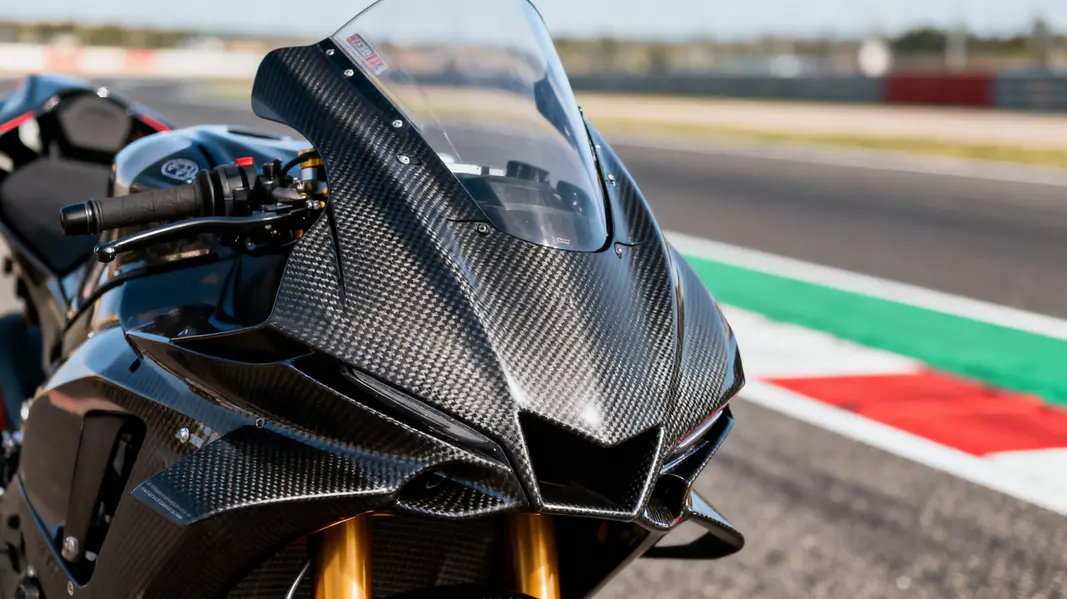
1. Harnessing the Power of Lightweight Engineering: The Performance Edge of Carbon Fiber Motorcycle Fairings
Carbon fiber motorcycle fairings have revolutionized the landscape of motorcycling, particularly in competitive realms where every gram matters. The structural integrity offered by this material is nothing short of remarkable, significantly elevating the performance of motorcycles designed for speed, agility, and handling. With a weight reduction ranging from 40-60% compared to traditional fairing materials like fiberglass and metal, carbon fiber offers a unique combination of lightness and strength that translates directly to improved rider experience and vehicular dynamics.
The lightweight nature of carbon fiber inherently enhances various aspects of motorcycle performance. By trimming the overall mass of the bike, it promotes faster acceleration. The less weight a motorcycle carries, the quicker it can reach higher speeds, giving riders a notable edge on the racetrack. Additionally, this weight reduction contributes to sharper handling. Riders frequently remark on the noticeable agility found in bikes fitted with carbon fiber fairings; the responsiveness of the bike becomes exponentially better, allowing for rapid directional changes and more precise cornering. This increased level of handling confidence not only enhances pleasure during ride but is pivotal in competitive racing environments where decision-making needs to be swift, and precision is paramount.
Moreover, carbon fiber fairings significantly improve braking response. A lighter motorcycle slows down quicker than a heavier counterpart, allowing riders to execute more immediate stops when navigating winding turns or dealing with sudden obstacles on the track. The decreased braking distance stemming from reduced bike mass means that riders can take corners more aggressively, relying on their bike’s ability to respond without the inertia burdens typical of mass-heavy alternatives. This integrated aerodynamics—exemplified through the keenness to cut through the wind—is particularly advantageous when cruising at highway speeds or competing, directly contributing to enhanced fuel efficiency and preserving energy reserves critical for lengthy rides or races.
Aerodynamics plays a crucial role in mitigating drag. Conventional fairings, even those crafted from fiberglass or ABS plastic, often fail to match the clean airflow that carbon fiber can achieve. The design simplicity and inherent shape of carbon fiber fairings reduce wind resistance, diminishing drag that can otherwise hinder acceleration and speed. Riders utilizing carbon fiber components frequently report not just improved efficiency, but a noticeable difference at cruising speeds above 55 mph, where benefits like improved fuel economy become increasingly apparent.
Furthermore, carbon fiber’s structural attributes—rigidity and stiffness—stand out in scenarios where high velocities create significant forces on the chassis. Unlike traditional materials that may flex or vibrate during operation, carbon fiber maintains structural stability, which translates into minimal chassis flex and vibration. This rigidity fosters better control and rider confidence, generating a seamless connectivity between the motorcycle and its operator. Particularly at high speeds, this advantage becomes a vital asset for performance-oriented riders and racers looking to optimize their handling capabilities.
Another appealing aspect of carbon fiber is its durability compared to fiberglass or ABS plastic. It excels in various critical durability aspects: the material is resistant to corrosion and fatigue, which are key benefits when considering an investment meant to withstand the rigors associated with performance motorcycling. Carbon fiber’s ability to absorb energy during impacts—effectively providing a buffer against damage—is also significant in real-world applications. Motorcycles equipped with carbon fiber fairings exhibit greater longevity and resilience over time, providing extended periods of reliable use without the frequent need for replacement or major repairs often associated with lesser materials.
However, while the performance enhancements from carbon fiber are undeniable, it is crucial to recognize that the investment required for these advanced fairings can be substantial. With prices frequently exceeding $800 per set, carbon fiber fairings are often seen as a premium choice, appealing primarily to those who are both performance-oriented and aesthetically minded. Many riders are willing to pay a premium to adorn their motorcycles with the striking visual patterns that carbon fiber offers—a blend of high engineering and artistic appeal that enhances the overall look and feel of the bike. The distinctive weave pattern of carbon fiber not only signifies a commitment to performance consciousness but also captures attention on the racetrack and in motorcycle shows alike.
In comparison to carbon fiber, traditional materials like ABS plastic and fiberglass remain prevalent due to their affordability and resilience. ABS, for example, is a go-to for many street bikes where cost-effectiveness trumps the need for racing performance. It offers durability against everyday wear and tear and affordability that suits a broader audience. However, it lacks the superior strength-to-weight ratio inherent to carbon fiber, thus not providing the same performance benefits. Fiberglass is a lighter alternative, yet it often falls short regarding impact resistance compared to the advanced capabilities of carbon fiber.
High-performance motorcycles, such as the Ducati Multistrada V4 and Kawasaki ZX10R, exemplify how expertly integrated carbon fiber fairings enhance agility and mileage while facilitating sleek, high-end designs. These models utilize the weight reduction and structural advantages of carbon fiber to boost overall rider experience, reinforcing their status as frontrunners in competitive racing. Riders looking to customize their machines for peak performance or merely for an aesthetic upgrade often find themselves gravitating toward carbon fiber solutions, aware that precision and innovation come at a price, yet yield unparalleled returns in performance and style.
In conclusion, the engineering marvel that is carbon fiber motorcycle fairings blurs the lines between functionality and artistry in the motorcycle realm. Its exceptional strength-to-weight ratio, combined with enhanced rigidity and structural benefits, creates a compelling case for serious riders and racers seeking to elevate their performance standards. The investment may be considerable, yet the resultant improvements in handling, efficiency, and overall motorcycle dynamics affirm carbon fiber’s place as the material of choice for those committed to mastering the road beneath them. As the development of this material continues, enthusiasts and competitors alike can expect ongoing innovation, promising even greater performance advantages in the future. For those in pursuit of optimal performance, diving into the carbon fiber arena is not just an upgrade; it’s a transformation.
For further insights on integrating different motorcycle fairing materials, see our guide on how to choose the best motorcycle fairings for your needs.
Chapter 2: The Unyielding Edge: Exploring the Impact of Carbon Fiber Fairings on Motorcycle Performance
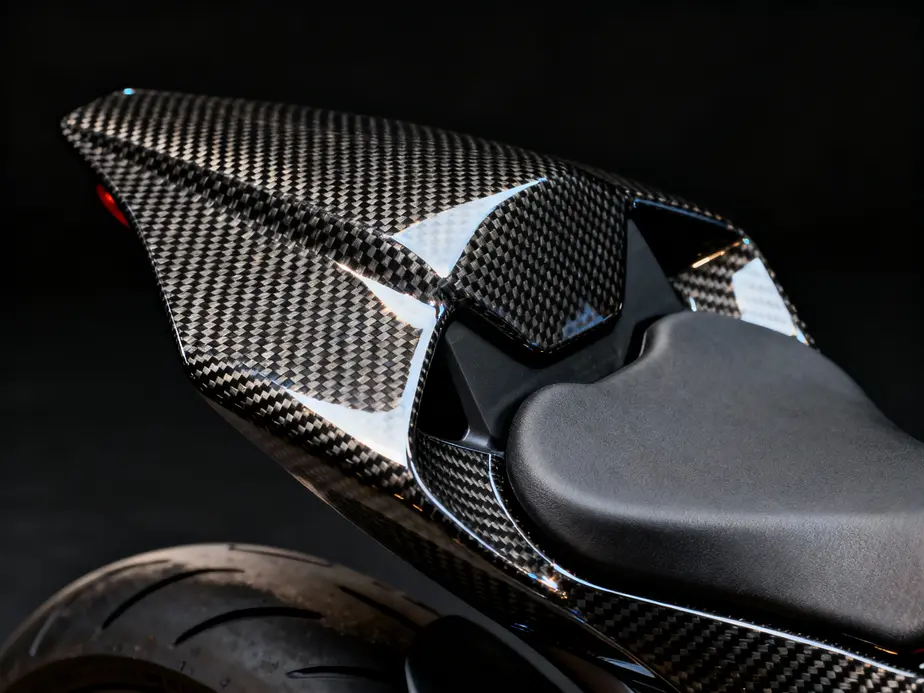
1. Revolutionizing Stability and Control: The Structural Superiority of Carbon Fiber Motorcycle Fairings
The integration of carbon fiber in motorcycle fairings is not just an aesthetic choice but a transformative decision that fundamentally alters the dynamics of motorcycle performance. This sophisticated material, lauded for its extraordinary strength-to-weight ratio, brings unparalleled structural benefits that breathe new life into the design and functionality of high-performance motorcycles. With every curve and contour, carbon fiber fairings encapsulate a world of performance advantages that extend beyond looks, enhancing chassis stability and control in ways that traditional materials simply cannot match.
The Foundation of Performance
At the heart of carbon fiber’s appeal lies its remarkable rigidity. This structure acts as a critical element in reducing chassis flex—an issue that can plague motorcycles during aggressive riding maneuvers. Unlike metal fairings made from steel or aluminum, carbon fiber maintains its shape under stress, ensuring that the frame remains stable throughout cornering, acceleration, and braking. With even minor flexing, the precision required for high-speed handling can degrade, leading to unpredictable motorcycle behavior. By employing carbon fiber, manufacturers can offer a solution that minimizes this flex, translating to enhanced control and rider confidence in high-performance environments.
Each carbon fiber fairing incorporates layers of tightly woven fibers that create a composite material, exceeding the stiffness found in standard metal frameworks while remaining significantly lighter. This combination means that motorcycles outfitted with carbon fiber fairings not only exhibit superior handling characteristics but also gain critical weight reduction. Reduced mass contributes to quicker acceleration and improved agility, as ultimately every gram counts in both racing and everyday riding.
For motorcycle enthusiasts, this weight reduction also means decreased unsprung weight—a vital consideration for overall riding experience. The term refers to any mass not supported by the motorcycle’s suspension; lighter components allow the bike to respond more swiftly to changes in terrain and application of force. With carbon fiber, the unsprung weight is lower, enabling a heightened degree of control and a more responsive ride. Riders can feel the difference when navigating sharp corners or responding to sudden road changes, making it a significant advantage for those who harness their machines in challenging conditions.
High-Speed Stability
The exceptional rigidity of carbon fiber also plays a crucial role in ensuring stability at high speeds. As motorcycles accelerate, aerodynamic forces begin to exert significant pressure on their frames and fairings. This is particularly evident when racing or riding on highways where speed limits evaporate. Maintaining predictable handling characteristics becomes paramount for safety and performance. With traditional materials, flex can create unwanted changes in the vehicle’s dynamics, leading to instability and potential handling issues. In contrast, carbon fiber’s superior strength allows it to absorb and distribute these forces without bending or warping—creating a sense of assurance for the rider who is navigating the complexities of speed.
Moreover, enhanced structural integrity minimizes vibration and shock typically transmitted through the frame, ensuring a smooth ride while preserving the motorcycle’s critical components from excessive wear or heat exposure. By limiting vibration, carbon fiber fairings help enhance rider comfort, allowing users to maintain longer rides without being fatigued by the harsh feedback that can come from conventional material designs.
Embracing Consequences: Cost and Care
However, the allure of carbon fiber fairings is not without its challenges. The investment required for such technology exceeds the standard pricing of more traditional materials—often reaching budgets of $800 or more for a set. In comparison, ABS plastic or fiberglass options may cater to budget-conscious riders still seeking performance upgrades, but they lack the remarkable advantages that carbon fiber provides.
Furthermore, the longevity of carbon fiber is contingent upon proper care and maintenance. While it is undeniably powerful, it is also susceptible to UV degradation and other environmental factors if not adequately treated. Thus, for riders who prioritize performance, aesthetics, and longevity, investing in properly maintained carbon fiber should be an integral part of their riding strategy.
Balancing Aesthetics and Functionality
Beyond pure performance, carbon fiber fairings boast a distinctive visual allure. The unique weave pattern and glossy finish are unmistakable, making these fairings a popular choice among customization enthusiasts and show bikes. This combination of aesthetics and functionality makes carbon fiber an attractive choice for riders who desire a sleek look paired with exceptional performance capabilities.
Ultimately, the adoption of carbon fiber fairings signifies more than just an upgrade in materials; it showcases an evolution in understanding how rider experience and engineering can coexist harmoniously. The right integration of carbon fiber can lead to substantial improvements in not only riding experiences but also overall safety, thanks to the way it allows for enhanced stability and control—even at peak speeds. For those committed to enhancing their motorcycle’s performance, opting for carbon fiber fairings represents a commitment to a superior riding experience that pushes the boundaries of what can be achieved on two wheels.
As the world of motorcycle customization continues to evolve, understanding the advantages of materials like carbon fiber will remain crucial. For those interested in diving deeper into fairings, a comprehensive guide to motorcycle fairing options can be found here. This resource provides invaluable insights for both aesthetics and performance, helping riders make the best choice for their needs.
Chapter 3: Unveiling Excellence: The Unique Aesthetic and Craftsmanship of Carbon Fiber Motorcycle Fairings
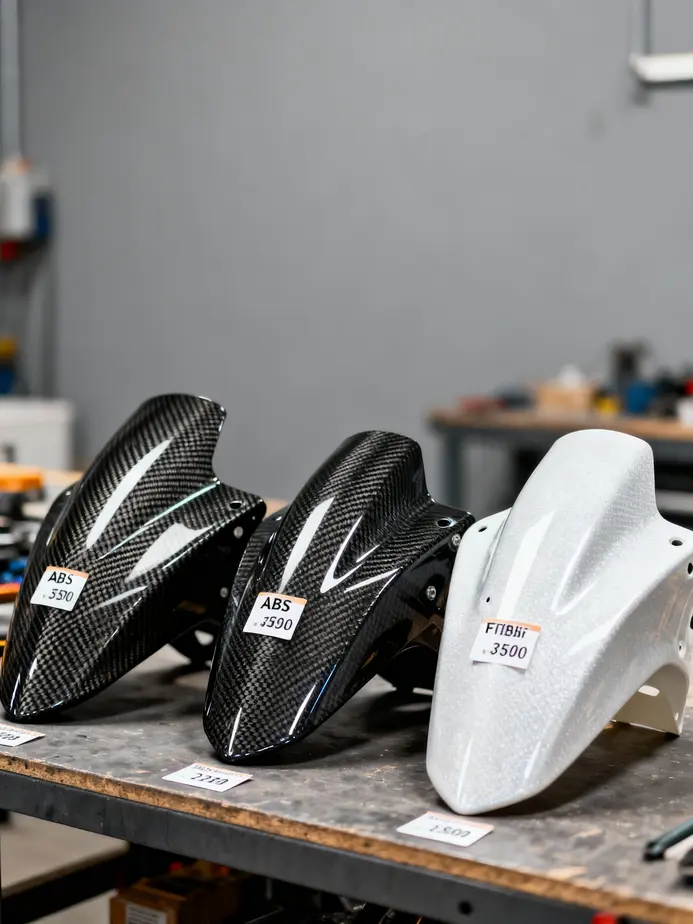
1. Luxury Redefined: The Allure and Craftsmanship Behind Carbon Fiber Motorcycle Fairings
The compelling aesthetic appeal of carbon fiber motorcycle fairings does not merely lie in their functional advantages; it fundamentally expresses a lifestyle choice for many motorcycle enthusiasts. Emerging in the realm of high-performance biking, these fairings boast a distinctive weave that encapsulates a sense of luxury, technological innovation, and meticulous craftsmanship. The visual elements of carbon fiber fairings have positioned them as a symbol of premium quality in the motorcycle market, carving a niche that equally satisfies performance aficionados and those driven by aesthetic preferences.
The enchanting allure of carbon fiber lies in its distinctive patterns and finishes. These components are often presented in variations like 3K full carbon fiber, where the unique weave enhances the motorcycles’ aggressive designs, making motorcycles such as the Kawasaki ZX10R and Ninja 400 visually striking. Riders can select from glossy and matte finishes or explore custom designs that might include dynamic color shifts or metallic flakes, tailoring their motorcycles to stand out on both race tracks and busy urban streets. This personalization turns each bike into a canvas of expression, elevating the visual identity of both the rider and the machine while subtly conveying a sense of exclusivity and prestige.
While the visual appeal is significant, the craftsmanship involved in creating carbon fiber motorcycle fairings also deserves attention. The production process is complex and requires a keen understanding of material properties and artistic design. The intricacies of craftsmanship manifest in every aspect of the fairing’s design—from the tailored weave patterns that contribute to their visual and structural integrity, to the precisely calculated thickness of the fairing that lends strength while maintaining a sleek profile. Manufacturers dedicated to this niche market, like Supreem Carbon and FEIMOSHI, invest in advanced fabrication techniques that ensure superior finish and durability, vital for the high-speed demands these components are subjected to on the track.
It is in this space of luxury and performance that carbon fiber fairings occupy a specific market position characterized by premium pricing. A set typically exceeds $800 due to the resources and expertise required in their production, positioning them firmly in the luxury segment of motorcycle accessories. In the competitive landscape of motorcycle components, these fairings not only stand out for their price but also for their unparalleled advantages: a superior strength-to-weight ratio, remarkable rigidity, and optimized aerodynamics that enhance overall performance. Such benefits make them indispensable for competitive racing applications where every kilogram counts.
However, carbon fiber fairings also introduce some intricacies related to maintenance and care. Without proper treatment, exposure to UV rays can lead to degradation that compromises their aesthetic and performance qualities. Unlike more cost-effective alternatives like ABS plastic and fiberglass, which provide adequate durability and ease of repair, carbon fiber requires specialized knowledge for repairs due to the composite materials involved. Riders considering carbon fiber fairings must weigh these factors carefully, revealing a deep-seated commitment not just to performance but also to an overall appreciation for design and detail.
The craftsmanship involved in producing carbon fiber fairings encompasses extensive skill that is often overlooked. It extends beyond mere assembly to the artistry that forms the very foundation of their visual and functional merits. Tailored production techniques ensure that each product meets the high standards expected in performance cycling, emphasizing not only aesthetics but also innovation. While hydro-dipped finishes present a tempting and affordable alternative for riders wishing to achieve a similar visual effect without fully committing to genuine carbon fiber, they lack the unique traits that make authentic carbon fiber components sought after.
In summary, the aesthetic appeal of carbon fiber motorcycle fairings represents much more than an attractive feature of modern motorcycle design. It reflects an ethos of luxury, performance, and expertly crafted design, enabling riders to express their identity while enhancing their bikes’ visual impact. With ongoing innovations and customization options available in this sector, carbon fiber fairings are not simply accessories; they embody a style of riding that values both form and function at the highest level. As the landscape evolves, the presence of carbon fiber in the motorcycle industry continues to challenge the boundaries of what is possible, promising excitement for both riders and manufacturers alike. For those seeking to delve deeper into the craftsmanship and material dynamics, exploring resources on the various types of fairings on a motorcycle can provide further insights into this fascinating dimension of motorcycle design.
Final thoughts
In conclusion, carbon fiber motorcycle fairings stand out as a premier choice for riders who prioritize both performance enhancement and striking aesthetics. While the initial cost may be higher compared to standard materials such as ABS plastic and fiberglass, the advantages of weight reduction, improved fuel efficiency, and head-turning design can justify the investment. As the market continues to evolve, business owners should weigh these benefits against material alternatives and consider the unique value carbon fiber adds to their offerings. As the demand for high-performance and visually appealing components grows, integrating carbon fiber fairings can position your business at the forefront of the motorcycle accessories market.
Ready to elevate your ride? Summit Fairings delivers premium, custom-fit fairings that blend style and durability. Whether you’re chasing speed or turning heads, we’ve got your bike covered. Don’t wait—transform your machine today. Click, customize, and ride with confidence. Your perfect fairing is just a few clicks away. Act now!
About us
We are one of the leading motorcycle fairing export sites, with over 3,000 styles across almost all motorcycle models. Buy from summitfairings.com, and pay 10-40% less than the prices on other sites. If you have any questions, we promise we will have your answer within six hours.