
Classic motorcycle fairings play a crucial role in blending nostalgia with performance for riders who appreciate the vintage aesthetic. With a booming market offering various styles and types of fairings specifically designed for iconic bikes like Cafe Racers and Harley Davidsons, understanding these offerings becomes essential for business owners looking to meet consumer demand. This article delves into the diverse types of classic motorcycle fairings available, explores purchasing options and market trends, and highlights the benefits of these fairings that enhance both riding comfort and bike appeal. Each chapter will provide insights that empower business owners to capitalize on this niche market.
Riding the Past: The Art, History, and Practicality of Classic Motorcycle Fairings for Sale
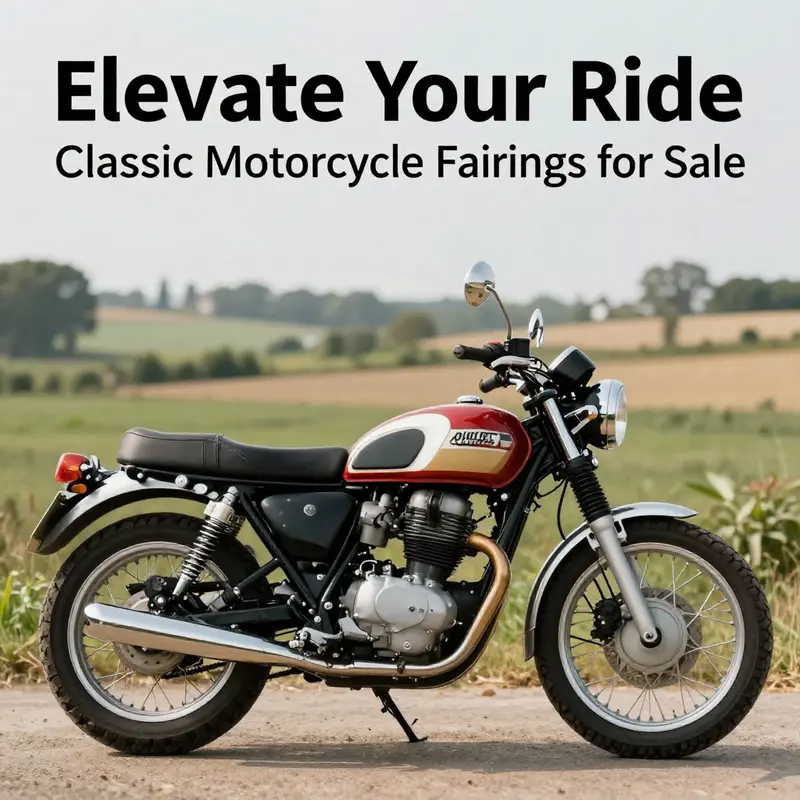
The longing for a wind-sculpted ride that echoes the swagger of bygone tracks is more than nostalgia; it is a design philosophy that blends history with modern riding realities. Classic motorcycle fairings sit at the center of that fusion. They are not mere cosmetic add-ons. They promise wind protection, weather shielding, and a silhouette that instantly signals a rider’s devotion to the eras when motorcycles first began to move with the street as a stage. In shops, on quieter online marketplaces, and within the workshops of builders, these fairings are offered in a spectrum that ranges from pared-down, minimal covers to fully enclosed, aerodynamically tuned shells. The appeal transcends age. It speaks to riders who want a familiar line, a familiar curvature, and a story that can be continued with the same set of curves. When planned thoughtfully, a classic fairing does more than cover the frame. It enhances the bike’s stance, preserves or revives the original profile, and, critically, adapts to today’s roads and weather while staying faithful to the aesthetic that inspires the project in the first place.
At the heart of any discussion about classic fairings is a simple but essential distinction: the type of fairing you choose sets the rider’s experience before the bike has even left the driveway. Quarter fairings, for instance, offer a lean, lightweight route to a retro look without overhauling the balance of the machine. They wrap the headlight area with a single sweep, protect the chest and hands to a modest degree, and preserve the long, unbroken lines that many vintage-inspired bikes rely on to communicate speed and efficiency. They are not designed to deliver theater seating for a storm; instead, they strike a practical balance that suits riders who value the old silhouette and prefer a lighter touch on maintenance and fitment.
Cafe racer fairings, by contrast, embody a different philosophy. They are built to accentuate a bike’s athletic mood, to sharpen lines that already promise speed, and to deliver a compact aerodynamic package that sits close to the rider’s posture. The cafe racer aesthetic is inherently about drama—the narrowing of the cockpit, the whisper of a windscreen that looks more like a small shield than a full enclosure, and a profile that flares elegantly against the rider’s forward stance. In practice, these fairings emphasize performance without sacrificing the retro aura that many enthusiasts chase. The result is a visual and tactile experience that feels both immediate and timeless, a harmony of design cues that honor the motorcycle’s heritage while acknowledging contemporary riding realities.
There is also a robust line of retro and vintage-looking fairings that aim for authenticity in scale, curvature, and detailing. These pieces are crafted to align closely with the styling cues of classic models. The attention to proportion—mirror arcs that align with the bike’s original geometry, inlet outlines that recall the era’s engineering mindset, and the occasional badge or livery cue that signals a period-specific look—appeals to riders who want a true-to-era presence. The choice here often hinges on how closely a rider wants to mirror a specific model’s original appearance or lean toward a more generalized vintage vibe that suggests history without claiming a direct match to a particular year or variant. This trio of options—quarter, cafe racer, and retro/vintage looks—forms a practical taxonomy that helps buyers narrow their search while preserving room for personal interpretation and project-specific requirements.
Beyond shape, the materials and manufacturing methods of classic fairings shape both performance and endurance. Traditional fairings began as fiberglass shells, prized for their lightness and the ease with which builders could shape and modify them. Modern iterations often incorporate ABS plastic, which offers better impact resistance and durability in everyday riding conditions, especially at highway speeds or during unpredictable weather. Carbon fiber and composite layers appear in high-end builds where weight savings and stiffness translate into an edge in handling or a more aggressive aesthetic. Each material choice carries implications for fitment and repair. Fiberglass may crack or chip but can be repaired with relatively straightforward techniques. ABS resists cracking but may require more attention during painting and finishing to achieve a museum-grade gloss. Carbon fiber, while exceptionally light and strong, demands careful, skilled work for repairs and color matching. The exchange between weight, strength, and ease of repair is not simply a matter of preference; it is a tactical choice that shapes the ongoing relationship between rider, machine, and road.
Installability is another practical thread that weaves through the conversation about classic fairings. Fitting a vintage-inspired shell to a motorcycle often means reconciling the original mounting points with modern hardware or with a broad range of aftermarket brackets. Some fairings are designed to bolt onto a familiar frame geometry with standard fasteners, while others require more nuanced alignment, additional brackets, or a dash of seam work to maintain line accuracy. When a rider chooses a fairing designed for a specific era, they are also choosing the potential need for repainting or re-finishing, because colorways and finishes vary by year and by maker. The painter’s studio becomes part of the project team, as do fitters who understand how a particular fairing’s curvature interacts with the bike’s tank, frame, and seat. The process becomes a dialogue between form and function, where the ultimate wheel and the wind that meets it at speed reveal whether the chosen shell was an inspired addition or a missed opportunity.
The shopping landscape for classic fairings reflects this complexity. It has matured into a marketplace that blends traditional, brick-and-mmortar craft with the accessibility of online platforms. New production lines exist that aim to reproduce authentic looks with modern tolerances, while independent makers offer handmade or small-batch shells that echo the old-world manufacturing spirit. On the other side, there is a thriving ecosystem of used and refurbished fairings, where patina—small scuffs, the telling difference between fresh paint and a panel that has weathered a few storms—becomes part of the project’s narrative. This spectrum makes it possible for riders to pursue a restoration with a clearer sense of budget, risk, and reward, rather than relying on a single path. Yet for many builders, the decision to buy new or used is not merely about cost. It is about the certainty of fit and the confidence that the shell will behave predictably when it is bolted to a machine that will rally through twisty roads or long highway stretches.
In terms of sourcing, the web has become a transcontinental workshop, where one can scan catalogs, examine scuff-free photos, compare thickness and curvature, and read careful notes about compatibility. While e-commerce has expanded the reach of classic fairings, the buyer’s diligence remains essential. The integrity of the fit is not guaranteed by a pretty image. It requires careful alignment with the bike’s frame geometry, a review of the hardware included or required, and a realistic appraisal of the marks a panel might carry from its previous life. A robust buying plan hinges on a few steady questions: Does this fairing align with my bike’s model year and frame dimensions? Is the mounting hardware included, or will I need to source brackets separately? What is the finish and undercoat layer, and how compatible is it with my chosen paint scheme? Is there a known history of fit issues with this style on bikes similar to mine? Answering these questions well before placing a bid or a purchase can save time and money and prevent the disappointment of a mismatch that becomes a costly psychological drag on a project.
When it comes to finding the right match, online catalogs and marketplaces make it possible to compare dozens of options side by side. They also offer context for quality and value. A fairing that checks every practical box—neutral weight, respectable weather protection, faithful silhouette, and straightforward mounting—can serve as the backbone of a bike’s visual and aerodynamic character for years. Simultaneously, the other end of the spectrum offers fairings that celebrate the craftman’s artistry and the collector’s eye. Some of these are true-to-period replicas, built with careful attention to the curvature and cavity shaping that defined a particular era. Others are interpretive takes that maintain the overall language of vintage design while introducing subtle twists that suit modern riders. Either path can yield a machine that feels both familiar and new, a paradox that is at the heart of classic restoration work.
To illustrate the breadth of options without tying the reader to a single brand or catalog, it helps to imagine a rider browsing through a collection of shells and evaluating them as part of a broader restoration or customization project. The rider studies the lines—the way the fairing sweeps down toward the tank, the angle at which the windscreen begins, and how the headlight opening communicates the bike’s character. They evaluate the finish—gloss, satin, or matte—and how it will harmonize with the chosen color scheme or with patina that a proven restoration aims to preserve. They assess the scale—how the panel looks in relation to the bike’s wheelbase, seat height, and rider stance. And they consider the practicalities: whether the piece is a full fairing or a more modular, quarter profile; whether it accommodates a modern instrument cluster or demands a retro-style gauge housing; whether it allows for the installation of aftermarket lighting or vents that may be required for everyday riding in varied climates.
In this light, the buyer becomes a curator, selecting pieces that tell a consistent story. The story might begin with a cafe racer-inspired legacy, where a compact, sport-forward silhouette frames a rider with a forward, aggressive posture and a sense of imminent speed. It could move toward a more classic, long-drawn silhouette that speaks to endurance and touring roots, with panels tuned to reduce buffeting and support upright riding. Or it could celebrate the romance of a 1960s-era street machine, where the fairing’s proportions honor the era’s engineering ethos and the paintwork is a chance to reproduce the original palette as accurately as possible. In every case, the narrative is built not only from the chassis and the engine’s heartbeat but also from the fairing’s lines, the rim-to-saddle rhythm, and the way light glints off a well-finished surface.
For riders who are ready to explore, one practical entry point is to examine dedicated catalogs and collections that focus on vintage and retro styling. A broadly useful starting point is to explore the Honda fairings collection, which demonstrates how a single manufacturer’s lineage can be presented in multiple configurations—from agile mini-shells to full-profiling enclosures. The idea of a “collection” is itself instructive: it signals a design language, a set of mounting conventions, and a family of fitments that share a common vocabulary. By studying a curated assortment, a buyer can gain a sense of how fairings in this space are typically constructed, how curves are drafted to follow the bike’s forms, and how finishes are prepared to withstand the weather and the sun’s glare over many riding seasons. This reference point can be especially valuable when the buyer is assembling a look that must merge with an existing tank badge, seat pan, or fender styling, as matching line weight and curvature is often the invisible thread that makes a restoration feel cohesive. You can explore such a collection here: Honda fairings collection.
Even as the market ebbs and flows with new tooling and renewed interest in retro aesthetics, the handwriting of a good classic fairing is consistent: it respects the bike’s original geometry, it embraces a finish that ages gracefully, and it offers a balance of protection, airflow, and visibility that matches the rider’s intent. The best projects find that balance by embracing both the historical line and the practical realities of modern riding. When a fairing is chosen with this balance in mind, it becomes more than a cover; it becomes a conduit for a rider’s relationship with the road. The road has a way of revealing whether a fairing is truly aligned with the machine’s soul. If the lines are right and the fit follows the chassis, the wind becomes less a force to contend with and more a measurable, predictable partner in the ride. It is in this nuanced space—between design fidelity and engineering practicality—that classic fairings reveal their true value to the modern rider.
As a final note on the buying journey, the landscape is full of encouragement for those who are patient, curious, and precise. A smart shopper will approach a classic fairing project with a plan: define the bike’s intended personality, map the approximate budget for the shell and the paint, and set aside time for fitment checks, especially if working with a used shell. Patience often pays off, because a well-chosen fairing can transform a machine’s look without forcing a second mortgage, while a rushed purchase can lead to misaligned panels, incompatible mounting, or a finish that must be redone. The result, when done with care, is not simply a new shell on a machine but a renewed relationship between rider, machine, and the miles ahead. The road will reward the effort with lines that feel both familiar and freshly energized, a reminder that the past and present can ride side by side on a single, well-loved machine.
For those who want to explore more directly within a broad selection of classic options, a good place to begin is a dedicated listing of the Honda fairings collection, which illustrates how modern reproduction and restoration-focused shells can interlock with a rider’s vision. This is not merely about acquiring panels; it is about cultivating a form that respects a motorcycle’s core geometry and the rider’s personal appetite for style, performance, and storytelling over the years ahead.
External resource: For a broader range of classic fairings and additional guidance, you can consult MotorcycleFairings.com: https://www.motorcyclefairings.com
The Timeless Shield: Navigating Classic Motorcycle Fairings for Sale and the Revival of Vintage Riding Aesthetics
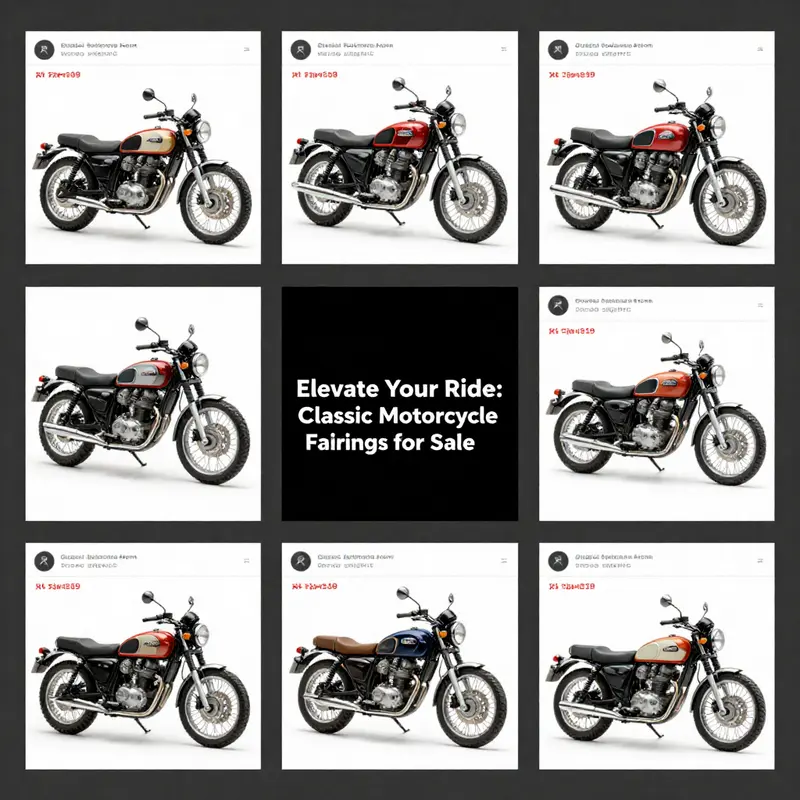
When a rider reaches for the weathered chrome and the soft patina of a vintage machine, the first thing that often frames the bike’s story is the fairing. A well-chosen fairing does more than slice wind or keep rain from the chest; it anchors a riding ethos. It says this machine is a link to a past, even as it carries a modern rider toward the next bend in the road. Classic motorcycle fairings have emerged not as cosmetic add-ons but as purposeful components in a larger revival—a revival that blends restored authenticity with contemporary reliability. In the current market, the appeal of classic fairings rests on three intertwined strands: the aesthetic fidelity to a bygone look, the practical improvements in aerodynamics and protection, and the growing ecosystem of suppliers who understand how to balance model-specific precision with the flexibility that retro-inspired builds demand. The result is a buying landscape that looks at once familiar and newly vibrant, a marketplace where old-school silhouettes meet new manufacturing capabilities and new rider expectations.
Riders drawn to retro-inspired machines gravitate toward designs that evoke the cafe racer, the streamlined silhouette of early sport bikes, or the clean, muscular lines of classic cruisers. A fairing can harmonize with a bike’s original lines or provide a deliberate contrast—an echo of the past that still serves the modern rider’s needs. Full fairings can envelop the front end, delivering superb wind protection and a cohesive visage that reads as era-appropriate when paired with period-accurate paint and finishing. Partial fairings, by contrast, offer a wink of retro styling with more discretion, preserving the naked or minimal aesthetic while still delivering the benefits of a shield against weather and wind fatigue. Then there are customizable kits, which empower riders to compose a look that is uniquely theirs. A kit may allow a patient rebuild to approximate a specific era’s lines or to combine elements from several years or models, producing a hybrid that remains faithful to a vintage vibe while accommodating a rider’s modern riding stance and ergonomics.
The practical value of fairings should not be underestimated. Beyond the romance of a vintage aesthetic, fairings contribute to a more comfortable ride, especially on longer journeys or brisk days when wind pressure can sap a rider’s energy. The right shape and mounting configuration can reduce drag, lessen buffeting, and keep heat and weather out of the cockpit. For riders who are restoring a classic model, fairings can complete the historical accuracy that collectors and enthusiasts prize. For those who enjoy modern cruising with a nod to the past, fairings provide a coherent silhouette that ties a bike’s visual story together without requiring a full, era-accurate rebuild. The market has recognized this dual appeal, and the result is a wider spectrum of fairing options than ever before.
Market confidence in classic fairings has grown as interest in vintage and retro motorcycles has resurged. The broader motorcycle fairing market, often framed around performance and customization, has reached substantial scale. In 2025, the global fairing market was valued at approximately 15.3 billion dollars, a figure that underscores the durable demand for both new builds and restorations. Projections show a healthy compound annual growth rate—roughly ten percent through 2033—reflecting a sustained appetite for components that deliver both function and heritage. This growth is not just a statistic; it translates to more choices, more precise fitment information, and a more reliable supply chain for riders who are building or rebuilding classic machines. As a consequence, buying classic fairings has become less of a scavenger hunt and more of a guided journey through a curated landscape where knowledge, fitment, and authenticity converge.
The purchasing options for classic fairings mirror the diversity of the bikes they decorate. For riders seeking maximum wind protection and a staged look, full fairings present a comprehensive transformation. They wrap the front end in a single, cohesive piece, often designed to integrate with the bike’s bodywork and tank line. The result is a silhouette that reads as deliberate rather than incidental. Partial fairings, by comparison, allow for selective emphasis—perhaps a sculpted nose cone or a pair of sculpted side panels that echo a particular era’s style while leaving other parts of the bike exposed. These can be especially appealing to riders who want a lighter touch of retro styling that remains compatible with a wide range of frames and engines.
Customizable kits bring the most flexibility to the table. A kit can include fenders, fairing panels, and mounting hardware that can be assembled to achieve a personalized look. The allure lies in control—the ability to tailor line, color, and finish to match a bike’s character or a rider’s vision. This is where technology and tradition meet: modern manufacturing methods enable precise cuts and durable joins, while designers draw from decades of styling cues to reproduce authentic lines. The result is a spectrum that accommodates everything from largely faithful reproductions of classic shapes to bold, personal adaptations that blend vintage flair with contemporary execution.
In navigating this landscape, riders encounter a growing network of sources that understand the nuance required for classic fairings. The market now features dedicated retailers who focus on motorcycle bodywork, offering a broad range of models and finishes, as well as smaller shops that specialize in model-specific kits or custom fits. The availability of both new and reconditioned options expands the possibilities for restoration projects as well as for ongoing builds where original parts may be scarce or prohibitively expensive. It is common to see listings for complete, ready-to-mount fairings alongside individual panels or mounting kits, enabling builders to mix-and-match according to their goals and budget. A listing for a complete fairing set on a representative vintage build, for example, may be priced around US$850 in some markets, illustrating how the market supports both ambitious restorations and fresh, retro-inspired builds without imposing a barrier that would discourage experimentation.
The buying journey for classic fairings is informed by several practical considerations. First and foremost is fitment. Model year alignment matters, as does the specific configuration of the bike’s front end. Some fairings are designed for a single model and year range, while others are offered as universal solutions that can be adapted with additional hardware or trimming. Riders who pursue accuracy often lean toward model-specific kits because they minimize guesswork during installation and deliver safer, more reliable mounting. Yet universal or semi-universal options remain attractive for those who want to customize their stance or swap panels between bikes without being tethered to a single model’s geometry.
Second is material and construction. Classic fairings often appear in fiberglass or fiberglass-reinforced composites, with glassy finishes that take paint well and can be color-mmatched with a skilled painter. Some builders opt for lighter materials or more rugged compositions when daily riding or longer road trips are part of the plan. The finish itself is a component of the story—the gel coat or primer, the base color, and the final clear coat all contribute to both appearance and protection against weather and road grit. The finish is not merely cosmetic; it is a shield against the elements and a visual cue about the attention a rider has given to the bike’s overall presentation.
Third is the sourcing and reliability of the seller. In the current climate, buyers favor platforms and retailers that provide clear fitment notes, return policies, and a track record of quality. The best experiences come from sellers who combine technical documentation with an understanding of the bikes they serve. A credible listing will typically include detailed measurements, mounting points, and notes about compatibility with common aftermarket components such as instrument panels and headlights. This approach helps to reduce frustration and ensures that buyers receive panels that align with the bike’s frame and forks rather than requiring extensive modification.
The purchasing process also benefits from a thoughtful approach to color and finish. Classic looks are as much about detail as about silhouette. A rider might decide on a color palette that echoes the era they’re drawing from, or they may choose a modern interpretation that still respects the proportions of the older design. The color story—ranging from period-accurate schemes to contemporary executions—can transform a fairing from a simple plastic shell into a convincing homage. In this sense, buying a fairing becomes a design decision as much as a mechanical one, merging the practicalities of mounting and weather sealing with the expressive language of the bike’s personality.
From a curatorial standpoint, the market’s breadth allows for experimentation without sacrificing authenticity. A rider who has a clear vision can assemble a fairing set that conforms to a single era, or approximate a hybrid that blends cues from multiple years. In practice, this means more opportunities to find exact panels that harmonize with a bike’s existing lines, or to modify a kit to achieve a look that looks both familiar and personal. The availability of full kits alongside individual panels makes it feasible to execute a restoration with precision or to push a retro-inspired build toward something fresh and personal without compromising the bike’s identity.
To illustrate the journey through the market, consider a rider who wants to begin with a basic, authentic base and then layer in details that define their style. They might start with a full fairing that mirrors the bike’s original front-end geometry, ensuring a clean, period-accurate silhouette. They could then add a set of side panels or a nose cone that accentuates the lines they love, while leaving the rest of the bike’s character intact. The process can be deliberate and measured, or it can be exploratory—an evolving conversation between the rider, the bike, and the parts that will shape its final identity. In either case, the story is not just about acquiring a shell; it is about curating an artifact that carries the rider’s relationship with speed, freedom, and memory across the decades.
Within this narrative, a practical touchstone for many buyers is the availability of extensive catalogues and online ranges that curate fairings by model compatibility, year range, and mounting scheme. The most satisfying outcomes come from buying experiences that combine clear specifications with a sense of craft—where dimensions are verified, finishes are described with care, and the path from selection to installation feels straightforward. This is not mere shopping; it is a process of translating a bike’s past into a tactile, road-ready present. And as the market continues to grow, so too does the chance to discover a piece that feels almost custom-made for a particular ride, whether the rider’s goal is a faithful restoration, a stylish tribute to a beloved era, or a quietly modern machine that wears a retro face with confidence.
For riders who want a direct route to credible options, catalogues and collections offer a practical touchstone. A good starting point can be a dedicated online catalog that aggregates model-specific panels, offers clear measurements, and provides guidance on compatibility with common aftermarket components. Within the broader ecosystem, such catalogs function as a bridge between the rider’s vision and the professional’s craft. The best pages combine technical accuracy with visual clarity—photographs that reveal the shaping and curvature of each panel, diagrams that indicate mounting points, and straightforward text that explains how a panel integrates with the bike’s front end. This clarity matters because fairings are not simply aesthetic; they are structural and aerodynamic elements that interact with the bike’s geometry and rider’s posture. The more precise the information, the more confident a buyer can feel about a purchase, a sentiment that becomes even more important when the investment involves a full or near-complete set.
As the chapter of vintage-looking bikes continues, it’s helpful to acknowledge the role of community wisdom in shaping purchasing decisions. Online forums, rider meetups, and shop conversations can illuminate the nuances of fitment across different models and years. A veteran builder’s recommendation about panel curvature, attachment hardware, or paint tolerances can spare a newer buyer from missteps. This shared knowledge—much of it born from hands-on experience—grows more valuable as the pool of available fairings broadens. The result is a more confident market, where buyers can seek out the right balance of authenticity, performance, and personal expression.
To bring the practical thread back into the narrative, the buying decision often hinges on a balance of price, compatibility, and finish quality. A fairing package that promises a faithful shape but arrives with a fragile gel coat, or mounting points that require nonstandard hardware, will inevitably test a rider’s patience. Conversely, a well-documented item with model-specific fitment notes, robust mounting hardware, and a proven track record for durability can transform a restoration or build from a hopeful project into a satisfying, road-ready reality. In such cases, the fairing becomes less a mere accessory and more a rider’s confidence in the machine—the visible, physical testament to a rider’s curiosity about the past and their willingness to welcome it into the present.
For those who want to explore beyond the direct scope of fairing panels, it’s worth considering how a well-chosen fairing integrates with the rest of the bike’s silhouette, including the tank, seat, and exhaust line. The fairing should interact with these elements rather than overpower them. It is the conversation between the bike’s past and its current rider that ultimately determines whether a particular fairing feels right. A cohesive outcome arises when the panels not only replicate a classic form but also respect the bike’s modern hardware, including electronics, steering geometry, and chassis geometry that may differ from a century-old template. This confluence of old and new is at the heart of why classic fairings are more than a niche interest; they are a means of preserving heritage while enabling contemporary enjoyment.
For enthusiasts who want to ground their pursuit in a practical touchstone, a glimpse at a representative market snapshot can be helpful. The price point of a complete, classic fairing set for a mid-sized, two-cylinder vintage-inspired machine can be around US$850 in certain markets, illustrating how the market supports a meaningful project without prohibitive cost. That price point often includes the full front structure and essential panels, and it may be paired with additional components or finishing options to tailor the look. It is a reminder that classic fairings are not relics of a bygone economic order; they are accessible, repeatable parts that enable more riders to engage with the joy of a vintage aesthetic without needing a full-scale, period-correct restoration.
As you navigate the available options, there is an opportunity to connect with a broader library of parts that complements your decision-making. For riders who want to delve into model-specific options, one convenient path is to browse collections that focus on particular brands or model families. The catalog approach helps you compare the shapes that define a bike’s front end—the curve of the nose, the line of the shoulder, and how the fairing transitions into the handlebars. The goal is not only to replicate a familiar look but to shape a front-end geometry that feels integrated with the rider’s stance and the machine’s intended personality. The aesthetic payoff—an authentic, visually resonant front end—often reinforces the rider’s emotional connection to the bike and its history.
In sum, the market for classic motorcycle fairings for sale is thriving because it serves a dual purpose: it preserves heritage and offers practical, ride-ready enhancements. The current supply chain, with its mix of full and partial fairings and customizable kits, gives riders a wide space to experiment, refine, and realize a vision that honors the past while embracing the realities of modern riding. The best outcomes come from a careful blend of fitment awareness, finish quality, and a thoughtful approach to how the fairing will support both the bike’s line and the rider’s experience on the road. For those who wish to explore a practical touchstone that aligns with the historical aesthetics discussed, consider exploring the Honda fairings collection as a starting point for understanding how model-specific panels can influence the overall look and balance of a retro-inspired machine. Honda fairings collection.
For readers seeking a broader, data-driven context to these trends, a comprehensive external resource outlines market dynamics by type and application, offering insights into growth drivers, regional variations, and competitive dynamics within the motorcycle fairing sector. External resource: https://www.marketsandmarkets.com/Market-Reports/motorcycle-fairing-market-47919939.html
Why Classic Motorcycle Fairings Matter: Performance, Protection, and Personal Style

Why Classic Motorcycle Fairings Matter: Performance, Protection, and Personal Style
Classic motorcycle fairings do more than finish a bike’s silhouette; they shape how a rider feels, how the machine performs, and how it is perceived on the road. For riders who choose a retro or vintage look, the fairing becomes the visual handshake between past and present. It ties an emotional connection to an era while offering practical improvements that matter on everyday rides. This chapter explores the layered value of classic fairings: the interplay of aesthetics and aerodynamics, the balance of protection and weight, and the real-world decisions riders face when choosing and fitting these components.
A fairing’s most immediate effect is visual. Smooth curves, slender noses and rounded profiles recall an earlier design language. These shapes can transform a utilitarian frame into a statement. But the appeal is not purely nostalgic. Well-designed fairings integrate with headlight lines and tank shapes so the whole motorcycle reads as a single composition. That unity is important: for many riders, the fairing is the feature that signals intent — whether the bike is meant for leisurely country roads, spirited open-highway runs, or urban weekend cruises. Riders who prioritize a classic look find that the right fairing delivers a clear and cohesive identity without relying on add-on decorations.
Beyond style, fairings deliver tangible comfort benefits. A well-fitted front fairing reduces wind pressure on the chest and head, cutting fatigue over longer distances. When the fairing redirects airflow, the rider experiences less buffeting. That reduction can be the difference between riding four hours at a steady pace and needing frequent stops to rest. Comfort gains are especially noticeable on sustained highway stretches where wind pressure otherwise becomes relentless. This is not only about ease; reduced fatigue translates into safer riding because a less-tired rider maintains sharper concentration.
Fuel efficiency and stability are closely tied to how a fairing manages aerodynamics. Classic fairings are generally designed with simple, purposeful lines that channel air around the bike. That flow reduces drag and can marginally improve fuel economy at higher speeds. More importantly, the redirected airflow stabilizes the machine against turbulence. A fairing can help smooth the transition when hitting a gust, making the bike less prone to sudden yaw. This heightened steadiness is subtle but meaningful, particularly on heavier machines or those carrying luggage. Riders who spend time on highways notice these differences quickly.
Material choice determines many of the fairing’s functional traits. Traditional materials like fiberglass are common because they are shapeable and repairable. Fiberglass can be molded into complex curves that capture classic styling cues. It also bends and cracks in predictable ways, which simplifies field repairs. Lighter modern alternatives, such as certain reinforced plastics, offer improved impact resistance and lower weight. The trade-off often comes down to feel: heavier materials can dampen vibration and feel more substantial, while lighter composites reduce the load on the front end and can subtly improve handling.
Weight and handling interact in practical ways. Adding a fairing shifts mass distribution and changes how the bike responds in corners and under braking. Even a half fairing that primarily shields the head and upper torso will alter steering feel. Riders should be aware that a fairing can both stabilize and mellow responsiveness. That softening effect is welcome on long rides but can conflict with the nimble, flickable handling some riders seek. Achieving the right balance often involves matching the fairing style to the motorcycle’s geometry and the rider’s typical use. A touring-minded rider may welcome a larger, heavier fairing, while an urban or twisty-road rider might prefer a smaller shell that preserves agility.
Fit matters as much as form. A classic fairing must align with the bike’s frame, handlebars and headlamp position. Poorly fitted fairings create stress points where vibration and wind can amplify creaks and loosen fastenings. A tight, precise fit reduces these issues, improves longevity and makes installation simpler. Riders who choose a universal or semi-universal fairing should be ready to spend time on mounting brackets and adjustments. Custom or model-specific fairings remove much of that guesswork but can come at a higher price. The right choice depends on whether the priority is a faithful period look or a pragmatic retrofit.
Visibility and rider sightlines are non-negotiable safety considerations. A classic fairing should not obscure the rider’s view of instruments or the road. The design should place the windscreen at a height that diverts wind without trapping turbulence into the rider’s helmet zone. Moreover, the fairing should leave access to mirrors and lighting unobstructed. Some modern reinterpretations of classic fairings integrate reflective surfaces or discreet lighting to enhance visibility while preserving retro aesthetics. These additions can bring safety benefits without undermining the vintage character that attracted the rider in the first place.
Maintenance access is another practical dimension. Fairings that complicate routine checks—oil changes, spark plugs, or brake adjustments—create friction for ownership. Riders value panels that come off without specialist tools and that reveal key components quickly. Removable sections or quick-release fittings are features that keep maintenance simple. When buying, consider how the fairing will interact with service needs and whether the design supports straightforward care.
Durability has both a material and a cosmetic side. Scratches, chips and fading affect the look of a classic fairing more than its function, but visual wear can be disheartening on a bike intended to evoke a bygone era. Paint quality, priming, and UV stability play roles in how long a fairing maintains its finish. Some riders prefer to purchase a plain, well-made shell they can finish themselves, using custom paint to match a personal palette. Others opt for pre-finished units with protective coatings that stand up to the elements. Either route should consider long-term exposure: sun, rain and road debris are relentless, and the chosen finish must be resilient.
The sourcing process itself influences satisfaction. Established sellers who provide clear specifications, mounting diagrams and return policies reduce the risk of surprises. Photographs of installed examples help set realistic expectations about fit and finish. When shopping, riders should look for a supplier who lists material types, dimensions and weight. Even when purchasing a classic-styled fairing, modern conveniences like adjustable mounts and pre-drilled holes save time and reduce modification costs. A careful buyer checks these details before completing a purchase to avoid a mismatch between expectation and reality.
Cost always figures into the decision. Classic fairings can range from economical universal shells to more costly, model-specific pieces. Price correlates with material quality, the precision of fit and the finish. Budget options often require additional work to adapt them cleanly to a specific motorcycle. Higher-priced items reduce that installation labor and typically include better support materials such as stainless hardware or reinforced brackets. Riders should weigh the sum of purchase price plus installation and finishing to assess true value.
A fairing’s influence extends to resale and collectibility. A tastefully chosen fairing that respects a bike’s lines can increase desirability among a particular buyer segment. Conversely, a mismatched or poorly finished fairing can detract from value. For owners mindful of future resale, selecting a fairing that can be removed without major alterations preserves the bike’s original condition and appeals to collectors who prefer unmodified machines.
Customization possibilities make classic fairings a creative tool. A neutral shell becomes a canvas for paint schemes, badges and small modifications. Riders often personalize vents, screens and trim to suit taste or to enhance airflow and comfort. These changes should be thoughtful; minor alterations can improve function without compromising authenticity. When customizing, keep structural integrity and ventilation needs in mind.
Installation and testing complete the process. After mounting a fairing, a measured test ride is essential. Observe handling at low speeds first, then increase speed gradually while noting wind noise, helmet buffeting and steering response. Pay attention to how the bike behaves in crosswinds and under braking. Check all fasteners after initial runs; vibrations can loosen fittings. Fine-tuning mount angles and bracket stiffness can eliminate unwanted resonance and improve comfort.
Selecting a classic fairing is an exercise in compromise and alignment. The rider must balance visual intent, practical performance, and budget. Success comes from matching the fairing’s character to the motorcycle’s purpose and the rider’s priorities. Whether the goal is a faithful period restoration or a practical upgrade for longer rides, a well-chosen fairing enhances the experience in ways that are immediately felt and appreciated.
For riders exploring model-specific options, a comprehensive collection of fairings tailored to particular makes and frames can speed decision-making and reduce the need for modification. One useful resource for browsing such options is a vendor’s Honda fairings collection, which illustrates how fit-specific selections simplify installation and preserve a cohesive look.
For additional context on benefits and considerations when choosing classic motorcycle fairings, see the referenced article which informed this chapter: https://www.bikeexif.com/2024/08/13/classic-motorcycle-fairings-for-sale-benefits-and-considerations-for-riders/
Final thoughts
The market for classic motorcycle fairings is expansive, offering diverse products that resonate with riders’ nostalgic desires while enhancing overall performance. Business owners can leverage this growing demand by understanding the various types and benefits of fairings, as well as the purchasing options available in today’s e-commerce landscape. By tapping into these insights, you can position your business effectively within this niche, driving sales and customer satisfaction.