
Introduction
Painting motorcycle fairings is an essential service that enhances both the aesthetics and durability of motorcycles, making them visually appealing while providing protection. For business owners in the motorcycle industry, understanding the costs associated with painting fairings is crucial for pricing services and managing customer expectations. This guide will explore the various factors that influence the cost of painting motorcycle fairings, compare professional and DIY approaches, examine alternative options available, and discuss the longevity of painted fairings versus other finishing techniques. Each chapter provides valuable insights that will empower you to make informed decisions when it comes to your motorcycle fairing offerings.
Tables of Contents
Chapter 1: Navigating the Financial Landscape: Understanding Costs for Motorcycle Fairing Painting
- Breaking Down the Costs: A Detailed Look at Materials and Labor for Motorcycle Fairing Painting
Chapter 2: Cost Factors and Estimates for Painting Motorcycle Fairings
- Understanding Pricing Dynamics: Material Choices and Design Customization for Motorcycle Fairings
Chapter 3: The Art and Science of Motorcycle Fairing Painting: Professional vs. DIY Methodologies
- Understanding the Craft: A Closer Look at Processes in Professional and DIY Motorcycle Fairing Painting
Chapter 4: Evaluating the Long-Term Investment: Professional Painting Versus DIY Techniques for Motorcycle Fairings
- Examining Durability and Finish Quality in Professional vs. DIY Motorcycle Fairing Painting
Chapter 1: Navigating the Financial Landscape: Understanding Costs for Motorcycle Fairing Painting
1. Breaking Down the Costs: A Detailed Look at Materials and Labor for Motorcycle Fairing Painting
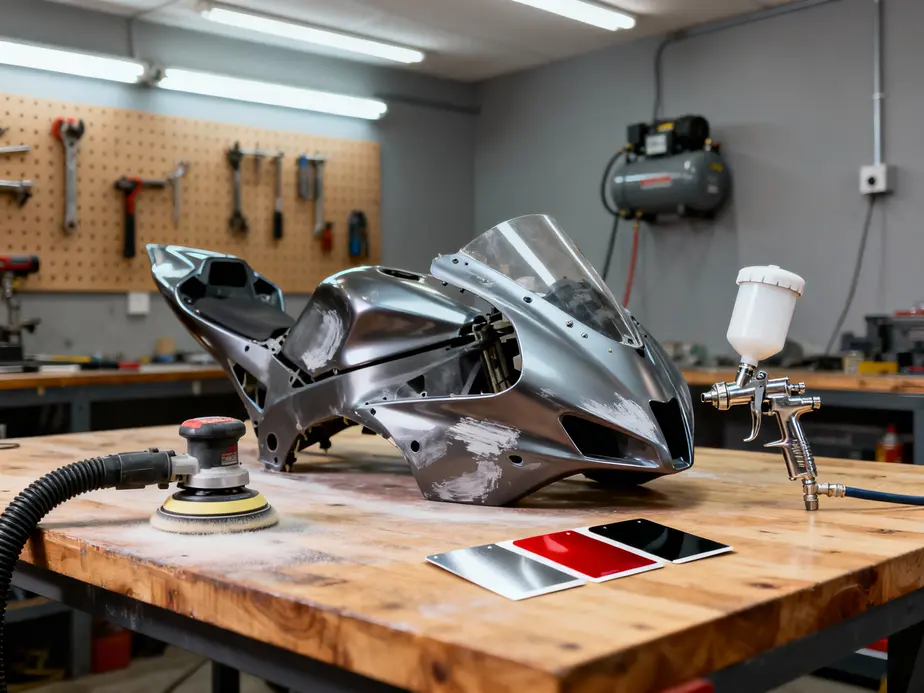
When contemplating the aesthetics and durability of motorcycle fairings, understanding the financial implications of painting these components is essential. The cost to paint motorcycle fairings can range significantly, typically from $2,500 to $8,000 for high-quality professional services, depending not only on the labor involved but also on the materials selected and the complexity of the desired design. This cost overview delves into the specifics of material and labor costs associated with this process, revealing what customers should anticipate when embarking on this customization journey.
Material Costs: Quality Matters
Materials play a crucial role in the overall cost of painting motorcycle fairings. A variety of paint options exist, ranging from standard OEM colors to high-end custom finishes, each influencing the final pricing.
-
Paint and Supplies: The quality of paint utilized in the process impacts both durability and visual appeal. High-quality motorcycle paints, including popular options like metallic finishes or color-shifting coatings, can cost anywhere between $200 and $1,200. This range often includes essential supplies such as primers, clear coats, and masking materials necessary for a professional finish. Specialty paints, like those that provide a chameleon effect or advanced pearlescent looks, may lead to even higher expenditures due to both the product and the expertise required for application.
-
Vinyl Wraps: For individuals looking for a less permanent solution, vinyl wraps can offer a budget-friendly alternative. Costs for these wraps typically fall between $100 and $500, which includes a range of colors and finishes. Vinyl wraps can eliminate the labor-intensive preparation associated with traditional painting, making them an appealing choice for those who desire flexibility or a temporary change.
-
Pre-Painted Fairing Kits: An increasingly popular choice among motorcycle enthusiasts is pre-painted aftermarket fairing kits. These kits often start around $3,500 and can go as high as $4,500, depending on the design and complexity. Many of these kits offer considerable savings—sometimes over $600—by circumventing the need for a separate painting process. They are available in a wide variety of OEM colors and make for an easy installation onto many motorcycle models, ensuring a streamlined process from purchase to setup.
Labor Costs: The Value of Expertise
While material costs can set the initial budget, labor often constitutes the most significant slice of the expenses when it comes to painting motorcycle fairings.
-
Professional Services: When opting for professional painting, customers should expect to pay between $500 and $2,000+ for the labor involved. This range encompasses the complete process of removing fairings, potentially performing bodywork, and executing a multi-stage painting protocol, which includes base coats, color layers, and clear coats. Notably, trike fairings that include lowers introduce additional complexity due to their specific wind protection needs, thereby increasing the labor cost depending on the service provider.
-
Shop Rates: For professional painters, shop rates generally range from $75 to $150 per hour, with complete projects usually requiring between 10 and 20 hours of work. It’s important to note that factors such as the motorcycle’s model and the complexity of design will significantly influence these rates. As highlighted by various online listings, factory paint on pre-owned Harley models can command premiums upwards of $1,200, which informs aftermarket pricing strategies.
-
DIY Opportunities: For the mechanically inclined, undertaking a DIY project can yield substantial savings, bringing expenditures down to as little as $200 for materials. While this approach offers a financial advantage, it comes with caveats; the need for specialized tools and favorable conditions, such as those provided by a spray booth, are critical for achieving a professional finish. Moreover, the risk of an uneven or poorly finished outcome should be a consideration for those with limited experience.
Comprehensive Cost Overview
Understanding the full landscape of painting costs necessitates a comparison across different methods and styles.
| Option | Material Estimate | Labor Estimate | Total Range | Notes |
|————————-|———————–|————————-|————————-|——————————————–|
| DIY Paint | $200–$800 | $0–$200 (tools) | $200–$1,000 | Basic skills needed; potential lower quality risk. |
| Professional Paint | $300–$1,500 | $800–$2,500 | $1,100–$4,000+ | Best for custom/OEM match; longer durability. |
| Vinyl Wrap | $100–$500 | $200–$800 | $300–$1,300 | Quick, removable; less durable than paint. |
| Pre-Painted Kit | $3,500–$4,500 | Minimal (install) | $4,000+ | Includes parts; savings significant on paint labor. |
This breakdown highlights the variability in costs associated with different approaches to painting motorcycle fairings, illustrating that the choices made can lead to considerable differences in expenses. It’s crucial to approach the selection process with a clear understanding of these factors, as they ultimately determine the overall investment in the aesthetic transformation of a motorcycle.
Factors Influencing Cost Fluctuation
The painting industry is not immune to fluctuations in costs. Factors such as geographical location, inflation, and the specific bike model can all lead to variations in the final pricing. For example, specialized designs or custom graphics—like logos or unique color combinations—can increase labor time and, consequently, the overall cost of the project. Additionally, unexpected challenges, such as the need for extensive bodywork or repairs, may arise during the process, further altering costs.
For optimal results, it is advisable to shop around localized vendors for quotes tailored to specific motorcycle models and desired finishes. Motorcyclists should weigh the pros and cons of their options carefully and consider the unique features of their motorcycles that may affect both aesthetic choices and pricing.
Ultimately, understanding the cost factors involved in painting motorcycle fairings allows enthusiasts to make informed decisions that balance quality, style, and budget. For those interested in exploring pre-painted options, a review of fairing selections can be beneficial, such as those available for popular motorcycle models.
For further information on pre-painted kits, you may refer to resources like Shoshitamam, which can help streamline your selection process for the perfect fairings tailored to your specific model. The quest for paint that accentuates a motorcycle’s character is not just about aesthetics; it’s about making wise investments that reflect both personal style and practical considerations.
Chapter 2: Cost Factors and Estimates for Painting Motorcycle Fairings
1. Understanding Pricing Dynamics: Material Choices and Design Customization for Motorcycle Fairings
In the world of motorcycle customization, fairing painting stands out as an essential service that combines both aesthetic appeal and practical value. However, determining the costs associated requires a deep dive into various factors, including material types, design complexity, labor involved, and desired finish options. As riders look for unique ways to express their individuality, the market trends for painted motorcycle fairings continue to evolve, bringing along fluctuations in pricing strategies and consumer preferences.
Material Choices and Their Cost Impact
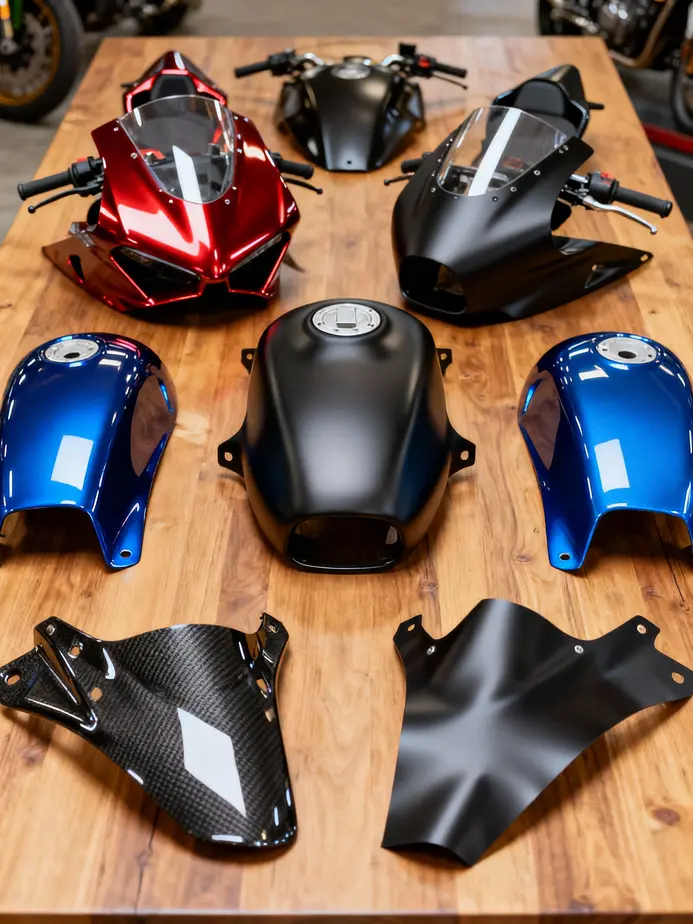
The type of material used for motorcycle fairings significantly influences the overall cost. Fairings can be made from several materials, each presenting different aesthetic and functional properties. The most common materials include ABS (Acrylonitrile Butadiene Styrene), fiberglass, and carbon fiber.
ABS fairings, often preferred for their balance of durability and cost-effectiveness, generally fall in the price range of $300 to $500 for full sets. These fairings can withstand daily use and minor impacts. However, their price can escalate when high-quality paint jobs and custom designs are considered, as the painting process typically requires thorough preparation and multiple coats to achieve a durable finish.
On the other end of the spectrum, carbon fiber fairings appeal to performance enthusiasts due to their lightweight characteristics and superior durability. These pieces can range from $600 to over $1,200, and their lightweight nature contributes greatly to the bike’s overall performance by improving speed and handling. However, should the rider choose to have these fairings painted, the base cost of the carbon fiber plus the paint job can lead to a total expenditure exceeding $3,000.
Design Complexity and Its Financial Implications
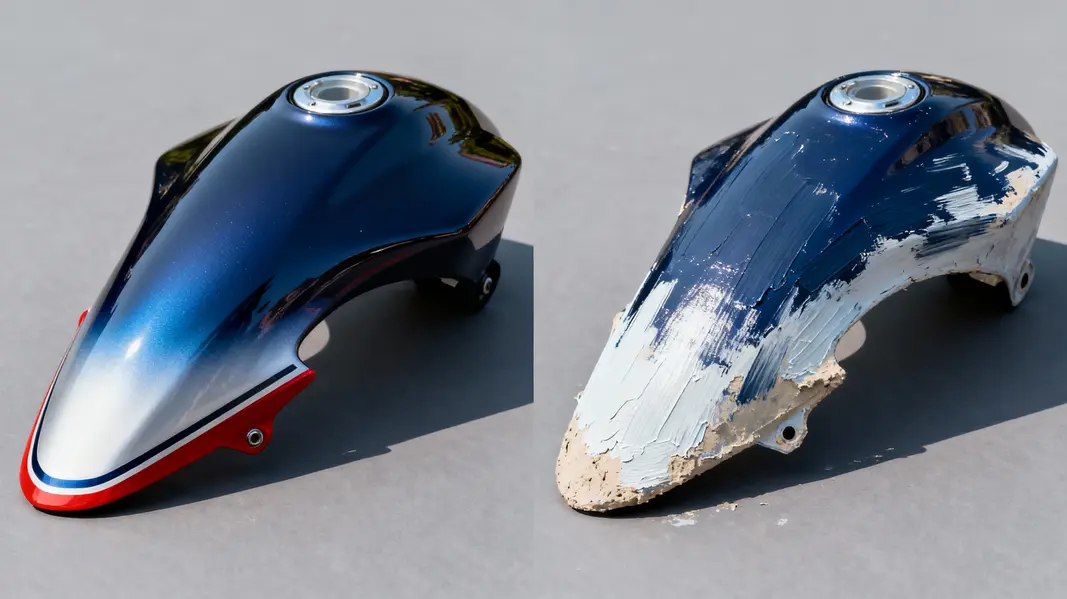
Custom designs and intricate graphics also play a pivotal role in the costs associated with painting motorcycle fairings. While the allure of a personalized touch is undeniable, it is essential for riders to understand that these customizations can significantly inflate expenses. Simple, single-color paint jobs may only add a modest labor cost of $500 to $1,500, but when it comes to multi-colored schemes or the addition of decals and complex graphics, costs can skyrocket.
For example, custom paint jobs that involve detailed flames, stripes, or logos may require specialized paints or techniques, and can as a result push the overall price range to $2,500 to $8,000. This extensive labor-intensive process often involves multiple application steps, including sanding, priming, applying the base coat, adding the design, and finally a protective clear coat to seal in the finish and enhance durability. Given that many consumers keep their bikes for several years, the upfront investment in a quality job is often justified by the longevity of the finish, which can last from four to eight years or more, depending on environmental exposure and maintenance practices.
The Labor Factor
One of the most crucial, yet often overlooked, aspects contributing to the total cost of painting motorcycle fairings is the labor required. High-quality paint application is not merely about adding color; it is a detailed process that demands skilled craftsmanship. Professional services commonly employ a seven-step application method that includes everything from preparation to multiple paint layers, ensuring that the finish is both visually appealing and long-lasting.
The labor cost thus scales with the intricacy of the work involved. Basic paint jobs may take about four hours, while elaborate designs can demand upwards of eight hours of labor. Given that labor is charged by the hour, riders must be prepared for this additional cost when budgeting for a new paint job. Vendors like Kings Motorcycle Fairings have streamlined the process, offering experienced technicians who provide estimates based on the bike model and the desired finish, ensuring transparency and clarity in their pricing.
Finish Options and Their Costs
When selecting the final finish for painted fairings, riders must also consider how different options will affect pricing. Common finishes include glossy, matte, and metallic. Gloss finishes are popular for their reflective qualities, enhancing the aesthetics of the motorcycle. However, they can also require extensive prep work to prevent imperfections from showing up in the final product. Matte finishes provide a modern look but may require specialized materials to maintain their appealing look without damage.
Furthermore, specialty finishes, such as chameleon paint or pearl effects, can add substantially to the overall cost. Depending on the complexity and the material used, applying such finishes can run an additional $500 to $1,500, leading to a total expenditure that reflects both the material and labor investments.
Fairing Kit Prices and Options
For those considering painting fairings but looking to manage costs more effectively, pre-painted aftermarket fairing kits present a viable alternative. These kits are available at varying price points and technical specifications. For instance, ABS plastic kits priced between $300 to $500 provide a solid foundation for those desiring a reliable option without significant investment in custom paint jobs. Alternatives like fiberglass kits can typically be found starting at $180 and reaching up to $280, while carbon fiber replicas command higher starting figures of $600 to $1,200+, reflecting their premium materials.
A thumb rule to consider when purchasing may also entail weighing individual panels, which can cost $40 to $100 each, against full kit prices. Riders may find that investing in a complete set, especially when customization of design is desired, can lead to both cost savings and simplified application processes.
Budgeting and Consumer Behavior
A critical takeaway from analyzing market trends surrounding motorcycle fairing painting is the growing inclination among consumers to invest in quality. Although cheaper alternatives exist, such as generic aftermarket parts made from recycled plastics (priced from $100 to $300), they often fall short in both fit and paint quality, leading to mismatched colors and dissatisfaction over time.
Market analysis suggests that riders are more inclined to invest in mid-range options that provide significant reliability and aesthetic balance. Kits that deliver UV-protected ABS materials are increasingly viewed favorably, as these materials prove less vulnerable to fading and chipping, providing assurance in durability for consumers.
The Role of Custom Design Pricing Strategies
The rise of custom painted fairings has forged distinct pricing strategies within the consumer market. Vendors are partitioning their offerings into tiers to cater to varying budgets and preferences—ranging from affordable generics to premium options designed for professional racers who prioritize performance while appreciating high-end customizations. This approach not only aids in catering to a broader customer base but also allows riders to make informed decisions aligned with their specific needs and financial capacities.
As motorcycle technology progresses, riders are increasingly recognizing the potential for resale value in custom painted fairings, further propelling demand.Painted fairings are often perceived as a mark of quality craftsmanship, enhancing the motorcycle’s appeal in secondary markets, where buyers are willing to pay a premium for well-finished products.
Conclusion and Future Considerations
Navigating the financial landscape of motorcycle fairing painting is essential for anyone looking to customize their ride. Whether opting for quality paint jobs, foreseeing the costs connected to complex designs, or deciding on material types, understanding these elements can lead to more informed decisions, ensuring that the investment contributes long-term value. As custom designs continue to flourish in popularity, consumers can benefit from assessing their options regularly to secure the most favorable arrangements from vendors, driven by the shifting marketplace where trends shift just as rapidly as the motorcycles themselves.
For further insights into the financial implications of motorcycle fairing selections, visit the Summit Fairings Blog.
Chapter 3: The Art and Science of Motorcycle Fairing Painting: Professional vs. DIY Methodologies
1. Understanding the Craft: A Closer Look at Processes in Professional and DIY Motorcycle Fairing Painting
Painting motorcycle fairings represents more than just a cosmetic upgrade; it encompasses a blend of artistic expression and craftsmanship. The choice between professional painting and the DIY route hinges not only on budget but also on the quality of finish desired and the skill of the individual. This examination elucidates the intricate differences in process, enabling enthusiasts to make informed decisions about painting their bike’s fairings.
The preparation phase in the painting process serves as the foundation for any successful paint job. For a professional, this stage is executed with a high degree of meticulousness. The fairings undergo comprehensive cleaning to remove contaminants, followed by precise sanding of any imperfections. This step is critical as it creates a smooth, perfect surface essential for promoting paint adhesion. Additionally, professionals often utilize advanced masking techniques to shield non-paintable areas, ensuring that the final result is clean and crisp. The care taken in this phase reflects a professional’s commitment to quality.
In contrast, a DIY approach generally simplifies these procedures. While they still include cleaning and sanding, often individuals will resort to basic household tools instead of professional-grade equipment. As a result, various inconsistencies may emerge; surfaces may not be adequately smooth, presenting risks of uneven paint application or blemishes that disrupt the final aesthetic.
Once the preparation is complete, the next critical stage involves priming and base coating. Professionals leverage spray guns to lay down several thin coats of high-quality automotive paint, which may include various finishes such as gloss, metallic, or even specialized custom colors. This process is labor-intensive, as each coat requires thorough drying before proceeding to the next, ensuring even coverage that is resistant to UV damage and enhances long-term color retention.
The DIY painter must contend with the limitations and unpredictability of aerosol cans or basic spray gun setups. While they attempt to mimic the layering technique of professionals, achieving uniform thickness across the surface poses a substantial challenge. This lack of precision can lead to runs or an unwanted “orange peel” texture in the paint, detracting from the visual appeal that is often the primary goal of the paint job.
When it comes to the finishing and detailing aspects, the differences between the two approaches continue to be significant. Professional painters take great care to ensure that all elements are perfectly aligned, from the base color to any custom detailing or decals that may be applied subsequently. Furthermore, the clear coat—critical for protecting the paint from environmental factors—follows a meticulously layered application process that promotes durability and sustains vibrancy over time. The result is an impeccably finished product that can withstand the elements far better than the average DIY job.
In comparison, the DIY painter might add personal touches like stickers and decals after the base coat and likely employs a less consistent clear coat application. Due to varying techniques and fewer resources, the durability wanes, and the finish can be compromised, leading to shorter lifespans for the paint job.
Critical to both methods is the equipment used to execute the paint job. Professionals invest heavily in equipment, utilizing advanced spray guns and industrial-grade paints. This specialization accounts for the higher costs associated with professional services, which generally range from $2,500 to $8,000. In contrast, DIY enthusiasts lean towards more economical aerosol options, which lead to a significant decrease in the overall financial commitment, often resulting in costs under $500 for materials alone. However, the quality can vary widely based on the individual’s skill and previous experience in painting.
Moreover, considerations extend beyond material costs. DIY painting entails a risk of creating an imperfect finish, which can lead to additional costs down the line due to the need for repair or complete rework. In some cases, unmet expectations can even compel individuals to eventually seek professional assistance to rectify mistakes, effectively nullifying the initial savings.
As one reflects on these key distinctions between professional and DIY routes for painting motorcycle fairings, it becomes apparent that while both approaches offer unique benefits and drawbacks, they cater to different needs and expectations. The professional route is characterized by precision, longevity, and quality, while the DIY option appeals to those drawn to creativity and cost-effectiveness but risks falling short in the final quality of work. Ultimately, the choice rests on one’s priorities—whether the desire is to obtain a stunning finish that stands the test of time or to embark on a fulfilling project that allows for personal expression and experimentation. Navigating these choices can be pivotal as motorcycle enthusiasts endeavor to rejuvenate their beloved rides. A thorough understanding of the painting process not only informs but inspires, leading to an eventual decision that balances budget and aesthetic aspirations. For those interested in exploring fantastic options for fairings, resources like Summit Fairings offer various solutions tailored for specific models and needs. Thus, whether leaning towards a professional service or opting for a DIY undertaking, having a clear picture of these processes enriches the motorcycle customization experience.
Chapter 4: Evaluating the Long-Term Investment: Professional Painting Versus DIY Techniques for Motorcycle Fairings
1. Examining Durability and Finish Quality in Professional vs. DIY Motorcycle Fairing Painting
When it comes to personalizing a motorcycle, the decision regarding how to paint the fairings not only affects aesthetics but is also pivotal in ensuring longevity and durability. Motorcycle fairings, which serve to enhance aerodynamics and offer protection against the elements, require a coating that can withstand the rigors of the road while maintaining a visually appealing finish. Thus, exploring the differences between professional paint jobs and DIY approaches provides invaluable insight for motorcyclists who are considering customization options.
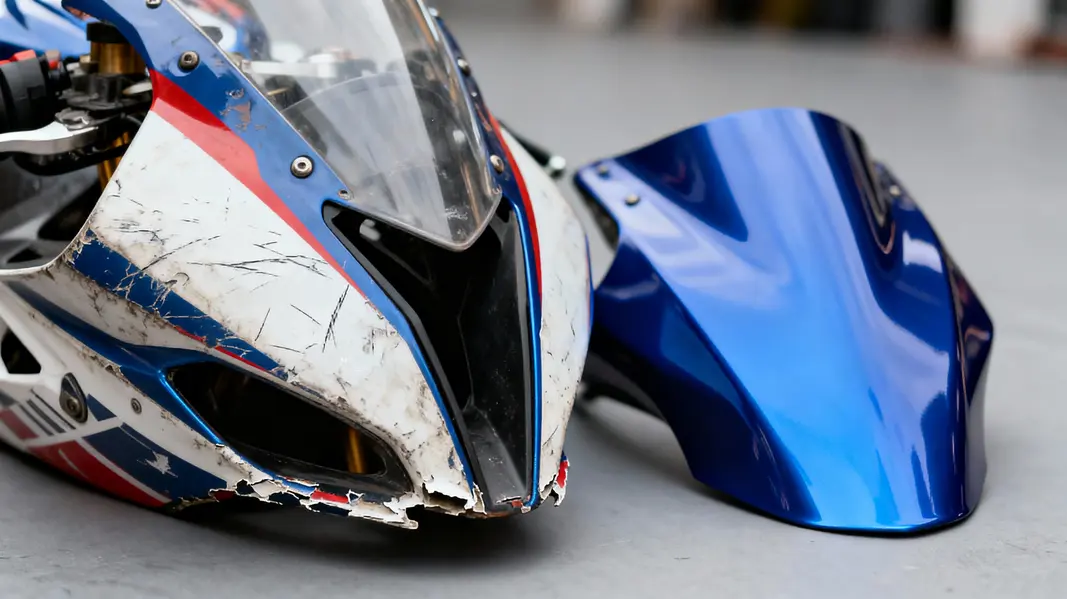
In this analysis, two distinct groups were established to rigorously test the durability and finish quality of motorcycle fairings painted through professional methods versus DIY techniques. Group A, utilizing professional painting services, was subjected to a high-quality urethane-based paint system applied with precision through advanced spray gun technology. In contrast, Group B employed a cost-effective acrylic enamel system applied by hand using lower-quality spray cans. These contrasting methodologies reflect the spectrum of options available to motorcycle enthusiasts, ranging from high-end professional services to budget-friendly DIY solutions.
Paint Systems and Application Techniques
The chosen paint systems exhibit inherent differences that directly influence the performance and longevity of the coatings. Group A’s professional approach adopted a basecoat/clearcoat system that is known for its protective qualities—important for motorcyclists whose bikes can be exposed to challenging weather conditions and potential road hazards. The urethane-based paint used not only offers enhanced durability but also permits a wider range of finish options, including glossy and matte textures, to cater to rider preferences.
The preparation process, which encompassed sanding, priming, and multiple coats of paint followed by a clear coat, was meticulously executed in a controlled environment. This playing field created optimal conditions for curing—an essential factor influencing the final appearance and durability. The professionals implemented techniques that ensured a pristine finish, allowing for 24 hours of drying followed by heat curing. Such attention to detail sets the stage for an outcome that maintains its brilliance longer than its DIY counterpart.
Conversely, Group B’s DIY approach, while attractive due to its lower cost—often under $500 for materials—was framed by limited application techniques and environmental conditions. Relying heavily on hand spray methods can lead to inconsistencies in coverage and finish. The acrylic paint, while available at accessible pricing, generally lacks the durability of professional-grade options. The decision to air dry at room temperature without controlled conditions added to the variable nature of the finish that would ultimately be produced. This setup showcases the obtainable aesthetic benefits at a fractional investment, although the quality tends to reflect those savings.
Evaluation Metrics: Durability Testing
The performance of the two groups was assessed using key metrics focusing on durability and finish quality. Durability is crucial for riders seeking to extend the lifetime of their bike’s aesthetics. The results from the abrasion resistance and impact tests reveal stark contrasts.
For Group A, the professional-painted fairings demonstrated superior abrasion resistance, enduring 450 cycles before exhibiting any signs of damage. This significant number suggests a robust quality characteristic of professional-grade urethane paints, capable of withstanding incidental contact that often occurs during regular use.
In comparison, Group B’s DIY painted fairings only managed to withstand 150 cycles before showing wear. The disparity here highlights the implications of paint choice and application method on durability; while DIY painting offers short-term savings, the outcomes may not endure as effectively over time, necessitating potential reapplication or touch-ups every few years.
Impact Resistance: A Key Performance Indicator
Impact resistance is another critical aspect to consider. For Group A, the fairings achieved an impressive 25 Joules of impact resistance, indicative of the protective capacity afforded by professional applications. This resilience is essential for riders who might experience minor falls or bumps while parked or during rides.
In contrast, Group B achieved only 10 Joules of impact resistance, clearly reflecting the limitations of lower-quality materials and techniques. These findings demonstrate that a DIY approach may not only lead to a less durable finish but also a potentially higher overall maintenance cost should the need for repairs arise.
Final thoughts
In conclusion, knowing the costs associated with painting motorcycle fairings is vital for business owners seeking to optimize their services. From understanding the various factors that contribute to painting expenses to weighing the pros and cons of professional versus DIY options, each aspect plays a significant role in operational decisions. Exploring alternatives like pre-painted kits and vinyl wraps also provides valuable pathways for expanding service offerings without compromising quality. Ultimately, the longevity and maintenance of painted fairings compared to other options illustrate the importance of investing in high-quality finishes that deliver lasting value. With this knowledge in hand, business owners can make informed choices that enhance customer satisfaction and business profitability.
Ready to elevate your ride? Summit Fairings delivers premium, custom-fit fairings that blend style and durability. Whether you’re chasing speed or turning heads, we’ve got your bike covered. Don’t wait—transform your machine today. Click, customize, and ride with confidence. Your perfect fairing is just a few clicks away. Act now!
About us
We are one of the leading motorcycle fairing export sites, with over 3,000 styles across almost all motorcycle models. Buy from summitfairings.com, and pay 10-40% less than the prices on other sites. If you have any questions, we promise we will have your answer within six hours.