
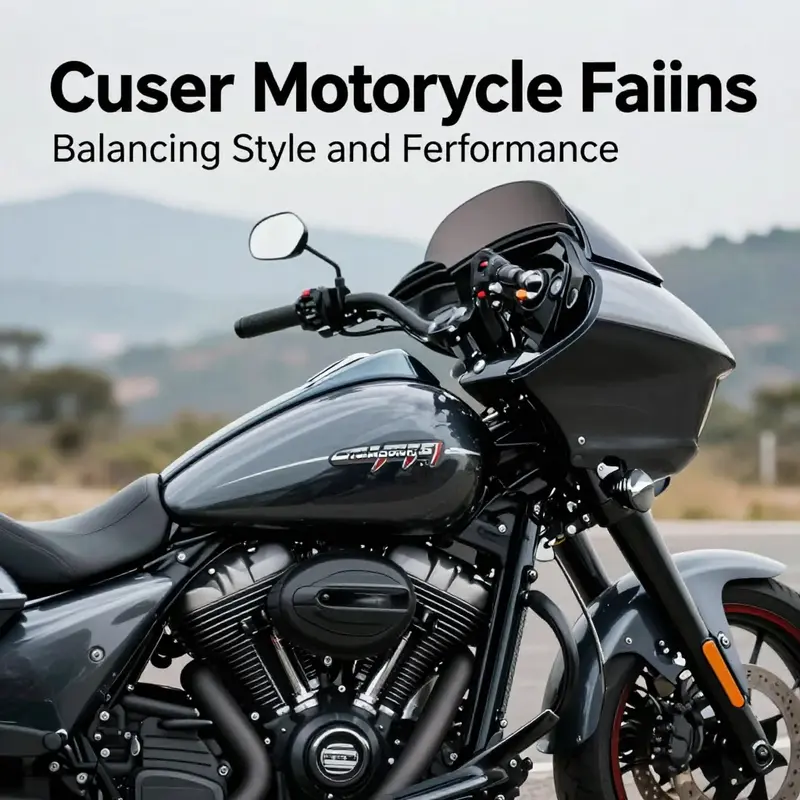
Cruiser motorcycle fairings fuse iconic styling with practical benefits, enhancing rider comfort while preserving the classic profile that cruiser bikes are known for. These fairings influence aerodynamics, wind protection, and overall ergonomics, making them a key consideration for riders and businesses alike. This article delves into design principles, material choices, applications, aftermarket options, and economic factors to help stakeholders make informed decisions that resonate with cruiser enthusiasts.
null
null
Shields of Substance: Materials, Comfort, and Style in Cruiser Fairings
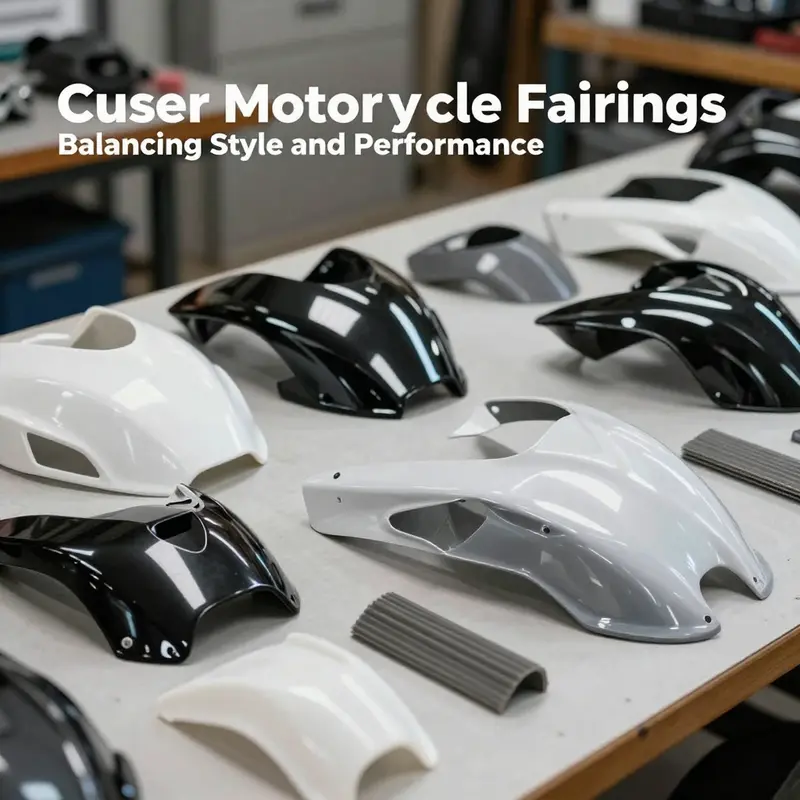
Cruiser motorcycle fairings promise a blend of timeless silhouette and practical wind protection. The materials behind these shells do more than hold shape; they shape the ride by influencing weight, stiffness, durability, and how the finish ages in sun and rain. When a rider sits in that laid-back cruiser posture, the fairing becomes a wind damper, a canvas for color, and a shield against road spray and debris. The choice of polymer or composite echoes through every mile, affecting repairability, impact resistance, and maintenance cadence, all while aiming to preserve the aesthetics that define a heritage look.\n\nThe backbone of most cruiser fairings is a thermoplastic, with ABS (Acrylonitrile Butadiene Styrene) commonly used by OEMs. ABS offers impact tolerance, lightness, and molding flexibility. It takes paint and decals reliably and handles the curves and hollows of broad cruiser profiles. The aftermarket scene expands the toolbox: reinforced polymers and composite blends can lower weight, improve scratch resistance, or tune stiffness, while attempting to keep repairability in reach. The key caveat is compatibility: misaligned expansion rates or a poor fit can lead to warping and rattles as heat and wind accumulate.\n\nFiberglass-reinforced polymers provide a robust middle ground: modest weight, good impact resistance, and easier repair compared with some carbon fiber options. Carbon fiber adds stiffness and a stealthy look, but carries higher cost and care considerations; UV exposure, paint adhesion, and micro-scratch behavior matter as much as the surface gloss. Modern builds often use multi-material laminates: cores of lighter resin-infused layers sandwiched between tougher outer skins to balance impact protection with aesthetics and weight.\n\nFinish systems matter almost as much as the core. UV stabilizers, clear coats, and protective topcoats determine color retention and gloss, while surface textures—from high-gloss to cultivated matte—demand different care routines. ABS remains forgiving, but it can yellow or crack with harsh exposure if not properly protected. The right finish and regular maintenance extend life and keep the bike looking purposeful after years on the road.\n\nFor riders, material choice influences more than looks. Weight distribution and stiffness affect handling at speed; a lighter skin may reduce unsprung weight yet increase vibration transfer if not carefully engineered. A balanced fairing design permits gentle flex to damp wind loads without rattling. Durability and repairability—along with compatibility with mounting hardware, gaskets, and seals—shape long-term ownership experience.\n\nIn the aftermarket, a rider’s climate, riding style, and maintenance habits guide the decision toward a material profile that matches expectations for comfort and resilience. A robust ABS-based kit may satisfy daily riders with simple upkeep, while touring might justify a composite option with stronger impact resistance and a refined finish. A practical takeaway is to seek a material system with predictable aging under local conditions, straightforward repair, and a finish that maintains color and gloss with reasonable upkeep. This approach yields a cruiser that feels calm at speed, stays aligned after long rides, and preserves the rider’s identity through time.
The Gentle Armature of Travel: How Cruiser Fairings Shape Touring and City Rides
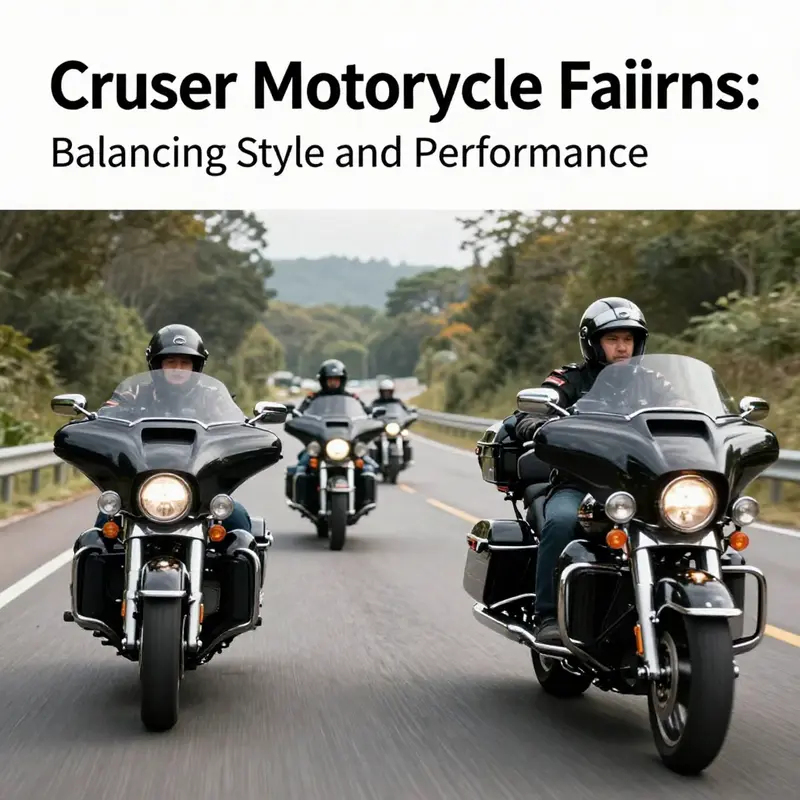
A cruiser’s fairing sits at the intersection of heritage silhouette and modern practicality. It is less a shield for speed and more a steadying hand for comfort, a design choice that respects the rider’s posture while gently guiding the motorcycle through wind and weather. Unlike the full, sculpted shells that adorn sportbikes, cruiser fairings tend to be more restrained in their drama. They frame the front end and headlight with a living simplicity that mirrors the relaxed riding posture these machines encourage. The result is a harmonious blend of aesthetics and function: the bike preserves its iconic look, yet the rider gains a measured improvement in wind management and weather protection. The semi-fairing, typical on many cruisers, covers the upper portion of the bike—around the headlight, instrument cluster, and upper fuel tank—while leaving the engine and lower frame visible. This approach preserves the machine’s mechanical honesty, revealing the V-twin’s character as a focal point, while offering a practical layer of wind shielding that is far from ornamental. In touring and commuting, this balance matters more than raw speed; it is about sustaining momentum over miles and minutes alike, not just in perfect weather but in the cadence of daily riding too.
In touring scenarios, the physical benefits of a well-designed fairing are most tangible. Riders climb onto long, highway-driven routes where air currents can tug at the rider’s torso and neck with equal force from multiple directions. A properly shaped fairing cuts through those gusts, smoothing the airflow in a way that reduces fatigue and allows the rider to maintain a comfortable posture for hours. The improvement is not about achieving sportbike-level aerodynamics; it is about aligning the bike’s front profile with the rider’s natural stance, so wind buffet becomes a background condition rather than an active challenge. When paired with a suitable windscreen, the fairing works with the rider’s line of sight to create a sheltered corridor, one that invites longer stints in the saddle without the physical reminder of wind pressure. The riding experience shifts from a contest with air to a shared journey with weather, where comfort becomes the enabling factor for exploration rather than a casualty of endurance.
The aerodynamic logic of cruisers is deeply tied to the machines’ traditional ergonomics. Riders typically adopt a laid-back posture, with their shoulders relaxed and wrists level, a stance that invites a different kind of wind interaction than that of aggressive sport-tuned geometry. The fairing’s curvature—its sweep, its height, its cut around the shoulders—works with this posture to redirect air upward and away from the torso rather than forcing it straight into the chest. In practice, this translates into lower perceived wind pressure at highway speeds, reduced neck strain, and a calmer breathing rhythm on long journeys. For two-up touring, the benefits multiply. A well-integrated fairing and windshield can create a protective air pocket for the passenger as well, a factor that improves overall comfort on scenic byways and straight highway stretches alike. This is not about creating a sealed, claustrophobic cocoon; it is about establishing a balanced envelope of air that keeps fatigue at bay while preserving the rider’s visibility and sense of connection to the road.
In commuting, the same fairing functions with a different emphasis. City riding often features a mix of stop-and-go, gusty crosswinds, and the spray or drizzle that can accompany urban weather. A mid-sized fairing adds a practical shield from wind and rain, turning abrupt gusts into a more predictable sensation. The rider’s posture—still relaxed but more upright than a sportbike rider—benefits from a shield that helps maintain a comfortable back angle and shoulder alignment during brief stretches of sustained speed. Even in short rides, wind protection matters; it reduces fatigue during a driver’s daily routine and adds a sense of control in variable conditions. The fairing’s integration with gauges and headlight also matters here. A clear, readable instrument cluster and a well-placed light source contribute to safer, more confident urban riding, where quick decisions and good visibility are essential. A good fairing does not complicate maintenance; it simplifies the daily rider’s experience by reducing weather exposure and supporting a clean, streamlined silhouette—one that can blend with the bike’s chrome accents and paint to maintain a classic but contemporary look.
The materials that underpin cruiser fairings play a decisive role in how these benefits are realized over time. Original equipment manufacturer (OEM) fairings are most often formed from high-grade ABS plastic, chosen for its lightness, impact resistance, and resilience to environmental stressors such as ultraviolet exposure and temperature cycling. This is not merely a cost decision; it is a pragmatic choice that keeps the fairing durable against road debris while preserving the bike’s overall balance. Aftermarket options widen the field, frequently employing reinforced polymers or composite structures that can offer additional stiffness, impact resistance, or cost advantages. For riders who crave customization or enhanced function, custom or aftermarket fairings are available in a spectrum of styles and materials, enabling personalization without sacrificing structural integrity. The key caveat remains the same across the market: compatibility with your specific make and model matters. A fairing that looks right in a showroom might not align with mounting points, air intake geometry, or wiring harness routing on a particular machine. Given the variability across cruiser designs, meticulous measurement and fitment verification are essential steps in any upgrade.
The practical applications of cruisers’ fairings extend beyond their primary function of wind management. In touring-focused configurations, many cruisers feature integrated storage solutions that work in concert with the fairing’s front profile. Under-seat compartments or larger trunk options become viable at scale, enabling riders to pack more for extended trips without sacrificing the bike’s silhouette or handling. The fairing thus acts as a chassis extension in terms of weather protection and storage integration, not merely a cosmetic shell. In this sense, the fairing contributes to a broader touring ecosystem—one where wind protection, instrumentation readability, and storage capacity coalesce into a more forgiving, more capable platform for long-distance travel.
When considering upgrades or replacements, riders assess the tradeoffs between cost, weight, and ease of installation. OEM options are engineered to integrate with the bike’s existing geometry and electrical system, which can simplify wiring and mounting. Aftermarket kits, often lighter and cheaper, might appeal to daily commuters who want to refresh the bike’s look or address a specific aesthetic without a heavy price tag. Still, choices have downstream consequences: a lighter weight does not automatically translate into better handling, and changes in stiffness or mounting approach can subtly affect steering feel and stability at speed. This is why professional fitment checks and quality assurance are paramount. Small shifts in fairing geometry can amplify wind loads or alter the bike’s center of pressure, influencing how it tracks in a crosswind or how it responds to a gust during a lane change. The interplay between fairing shape, windscreen height, and rider posture is a delicate one; even modest modifications can yield meaningful differences in comfort and control.
From an aesthetics standpoint, cruiser fairings sustain the visual identity that many riders prize. The fairing frames the bike’s front-end language, highlighting lines that echo a long tradition of column-like instrument clusters, rounded headlights, and chrome highlights that trace the bike’s silhouette. The result is not a pursuit of maximal aerodynamics but a respectful enhancement of the bike’s overall presence. The fairing should feel like a natural extension of the bike’s lines, not an afterthought that disrupts the harmony of chrome, paint, and metal. In this way, the fairing contributes to a riding experience that is as much about mood and memory as about miles logged. A well-chosen fairing communicates a rider’s intention: a preference for comfort without surrendering character, a readiness for long rides and short commutes alike, and a willingness to invest in an ergonomic, enjoyable daily journey.
For riders who want to explore options without compromising the bike’s essence, an accessible route is to inspect collections that align with specific brands or chassis families while maintaining a critical eye toward results. A practical starting point is the Honda fairings collection, which showcases how OEM profiles can be explored for compatibility and inspiration. This approach allows a rider to learn how different shapes interact with instrument placement, fuel-tuelpt routing, and lighting elements, serving as a bridge between factory design and personal customization. By examining such collections, one can appreciate how nuanced changes—such as a slight rise in the cowl or a revised edge around the headlamp opening—alter airflow, wind protection, and the rider’s sense of enclosure without compromising the machine’s core character. This exploration becomes a guide for making thoughtful upgrades that respect the bike’s original intent while enabling a more individualized touring and commuting experience.
In sum, cruiser fairings embody a design philosophy that embraces comfort, practicality, and enduring style. They are not merely plastic shells but functional elements that shape the daily rhythm of riding. They shield riders from wind and weather, improve clarity of instrumentation, and partner with windshields and storage solutions to extend the range of bikes that can perform well on long trips and through crowded city streets. They do so while preserving the unforced elegance that has defined cruiser aesthetics for generations. This harmony—between wind management, postural comfort, and visual authenticity—defines the enduring appeal of cruiser fairings for touring and everyday riding alike. As riders continue to seek dependable, enjoyable travel from their machines, these fairings remain a quiet but essential instrument in the art of cruising. External reference: https://www.harley-davidson.com/en_us/motorcycles/cruisers/road-king.html
Internal resources for exploration: for those curious about design families and compatibility across brands, see the Honda fairings collection. It offers a practical look at how OEM shapes translate into real-world fitment and customization options. Honda fairings collection.
Custom Fits and Comfort: Navigating Aftermarket Cruiser Fairings for Style, Wind, and Compatibility
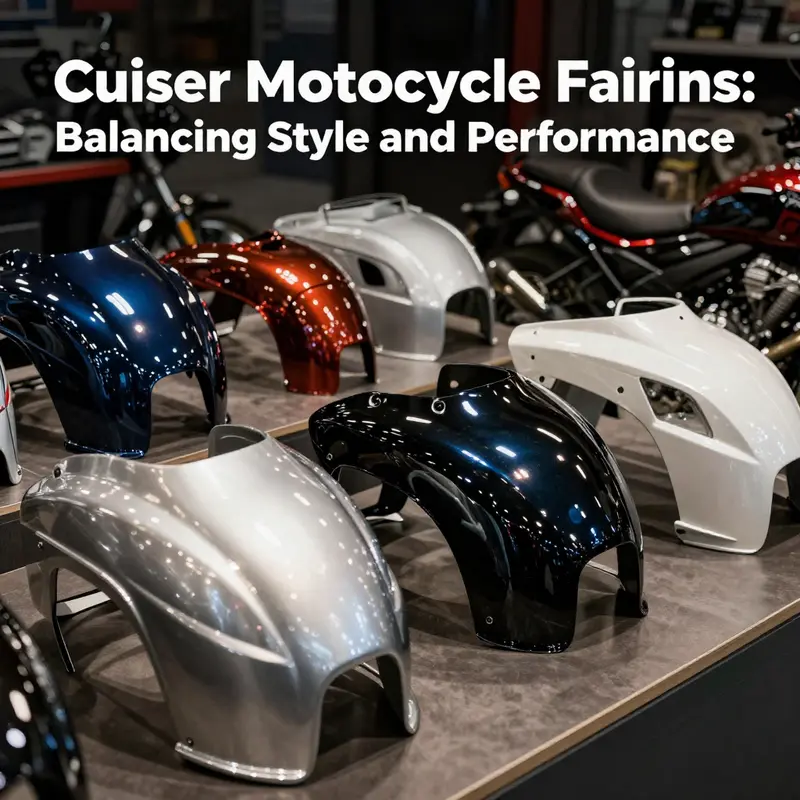
The space where form meets function is most visible in the aftermarket cruiser fairing landscape. These components straddle two enduring interests of cruiser riders: the steady, iconic silhouette that defines the machine, and the rider’s evolving demand for wind protection, weather resilience, and long-haul comfort. Unlike the deeper, more aggressive aerodynamics favored by sportbikes, cruiser fairings tend toward a restrained elegance that preserves the motorcycle’s heritage while delivering practical benefits. In this chapter, we explore how customization and compatibility influence decisions, and how riders can navigate the often competing demands of looks, fitment, and wind management without losing the personality that makes a cruiser stand apart from other chassis types. The discussion moves beyond mere aesthetics, highlighting how proper fit and thoughtful design choices translate into ride quality, ease of maintenance, and real-world performance on highways and backroads alike.
When a rider begins to explore aftermarket options, the first constraint is fit. Fairings are not generic add-ons; they must align with the bike’s frame geometry, mounting points, and surrounding components. Even small misalignments can ripple through the chassis, altering steering feel, mounting rigidity, and even instrument visibility. The most fundamental compatibility checks revolve around frame bracket alignment, headlight cutout size, and lower cowl clearance. Frame brackets are the invisible backbone of a fairing system. If the brackets don’t align with the mounting bosses or require awkward shimming, the result is a panel that sits out of plumb, introduces rattles, or stresses a mounting point at speed. A rigorous assessment begins with a careful measurement of the bike’s frame access points and a side-by-side comparison with the fairing’s attachment schema. This is not merely a DIY checkbox; it’s a test of whether the fairing can integrate with the bike’s structural design without compromising frame integrity over time.
Fitment is only the first gate. The headlight cutout is another. A precise cutout ensures the lighting assembly functions as intended and avoids glare or misalignment of the beam pattern. Even a millimeter of misfit here can create shadows that distract at night or wash out the rider’s field of view. Similarly, lower cowl clearance matters. The lower portion of the fairing must not collide with the handlebars, fuel tank, or lower frame members during full steering lock or heavy compression. These checks may seem exacting, but they are essential for safe operation. They remind us that a fairing is a forward-facing element of the motorcycle’s geometry; it must harmonize with rider inputs, tank geometry, and the steering axis to avoid any interference throughout the bike’s typical range of motion.
Beyond the mechanical fit, riders often seek improvements in wind management that preserve comfort without erasing the bike’s classic character. Integrated windshields are a powerful option for those seeking to reduce wind buffeting on long rides. A well-designed windshield works with the fairing’s upper contour to guide air smoothly over the rider’s torso, reducing fatigue and neck strain. The contour of the upper body entry—the way the fairing blends into the rider’s shoulders and chest—can also influence comfort at highway speeds. A fairing designed with an ergonomic sweep can minimize turbulent eddies that buffet the torso, even when a rider sits in a relaxed, upright posture typical of cruisers. The sweet spot is a design that channels air efficiently without visually overpowering the bike’s silhouette. While sport-oriented fairings may emphasize maximum speed-oriented wind protection, cruiser-oriented designs emphasize steadiness, comfort, and the stately presence that defines the genre.
Material choice reinforces this balance. OEM fairings are commonly crafted from ABS plastic because it offers impact resistance, light weight, and resilience to environmental factors like UV exposure and temperature swings. Aftermarket options expand that material palette, often utilizing reinforced polymers or composite blends designed to strike a balance between cost, strength, and durability. The trade-offs matter: a lighter fairing might save a bit of weight, but if it compromises impact resistance or deformation resistance in a tumble, the rider pays in downtime and repair costs. For riders who prioritize longevity and ease of maintenance, a well-engineered ABS-based option remains a reliable baseline. Others may prefer fiberglass variants for stiffness, or layered composites that offer tailored flex and a premium feel. The key is to verify compatibility with the specific cruiser model and to consider how the chosen material behaves in the rider’s climate. In tropical heat, for example, UV stability and heat resistance become practical concerns, while in colder, wetter environments, thermal expansion and weather stripping quality matter just as much as aesthetics.
Aesthetics, of course, remain central. Cruiser fairings play a dual role: they frame the bike’s lines and serve as a canvas for personal expression. The best aftermarket pieces respect the bike’s heritage—its engine shape, its line of the fuel tank, and the visual weight of the front end—while offering a clean, refined surface that enhances the bike’s stance. The most persuasive designs are those that feel inevitable once mounted: they appear as if they were always part of the machine, not an add-on. Because cruiser riders value the bike’s archetype, many fairings lean toward elegant curves, subtle chamfers, and restrained chrome or matte finishes that echo the chrome and leather vocabulary of traditional touring machines. Customization here is less about shouting and more about thoughtful refinement—how a panel’s curvature echoes the tank lines, how the badge mounting points interact with the bike’s controls, and how the color and texture play across the front silhouette without drawing unwanted attention away from the engine’s presence.
As riders weigh options, the practicalities of installation and compatibility become as important as the look. Aftermarket kits are often pitched as lighter, cheaper, and easier to fit than OEM parts, but the reality requires a careful approach. A generous mounting system that offers multiple alignment options can ease the install, but it can also tempt shortcuts that compromise rigidity. It is critical to verify mounting points, ensure hardware compatibility with the bike’s fasteners, and confirm that the fairing does not require invasive modifications to body panels or the fuel system housing. The best outcomes arise when the installation preserves serviceability: no permanent modifications to structural anchors, no interference with wiring harness routing, and no binding of the steering or suspension range of motion. In short, the aim is to achieve a secure, precise fit that remains serviceable and resilient across miles and seasons.
For riders who want to broaden their options, premium aftermarket lines often emphasize integrated features that merge form with function. Some designs boast wind protection that feels like a built-in upgrade to comfort, with sculpted panels that gently guide airflow around the rider’s torso and shoulders while preserving the bike’s iconic stance. These solutions may also include integrated storage concepts or compatibility with existing saddlebags, an arrangement that supports long-distance touring without cluttering the front end with bulky add-ons. The pursuit of premium design, while desirable, must still pass the compatibility test: does the fairing align with the bike’s mounting points, does it preserve access to maintenance panels, and does it preserve the original ride feel? It is a reminder that the right aftermarket choice respects the bike’s chassis geometry as much as the rider’s taste.
A cautionary note anchors the discussion in practical reality. Not all fairings aimed at sportier platforms translate well to cruisers. Some sport-oriented designs deliver impressive wind protection in a crouched riding position but offer limited upper-body wind relief for riders who sit upright. The posture that defines cruiser riding shifts the wind load upward, making upper-body coverage and shielding from the wind more important than in a sportbike context. This mismatch can result in a feel of wind pressure on the chest or upper arms, even if the lower torso remains relatively protected. The takeaway is clear: choose a fairing whose wind management strategy aligns with the cruiser’s relaxed posture, not with a racing posture. The goal is comfortable, predictable airflow that complements steady, long-distance riding rather than delivering maximum aerodynamic efficiency at the expense of rider comfort.
For decision-making, it is helpful to consult comparative guides that address materials, fitment accuracy, wind protection efficiency, and mounting ease. As readers move from concept to purchase, a curated reference like a fairing guide can help translate technical expectations into real-world outcomes. Internal references such as the Honda fairings collection can serve as a useful starting point for understanding fit and aesthetic alignment, grounding expectations in a concrete example of compatibility philosophy. You can explore that resource here: Honda fairings collection.
External synthesis completes the picture. A broader, independent overview of fairing types, materials, and applications contextualizes aftermarket decisions within industry standards and rider feedback. For a comprehensive external reference, see Cycle World’s overview of motorcycle fairings, which discusses material options, design trade-offs, and how wind management translates into rider comfort across different riding postures: https://www.cycleworld.com/motorcycles/178934-motorcycle-fairings-types-materials-applications/.
With these considerations in mind, riders can approach aftermarket cruiser fairings with a clear sense of alignment between their bike’s geometry, their comfort goals, and their personal style. The right choice balances compatibility with performance, ensuring that the front end remains a source of pride and practical comfort rather than a point of compromise. As always, careful measurement, thoughtful selecting of materials, and realistic expectations about wind management will help ensure that the upgrade feels like an integral part of the motorcycle’s narrative, not an afterthought grafted onto a loyal, long-travel companion.
Balancing Budget, Comfort, and Style: The Economic and Practical Equation of Cruiser Fairings
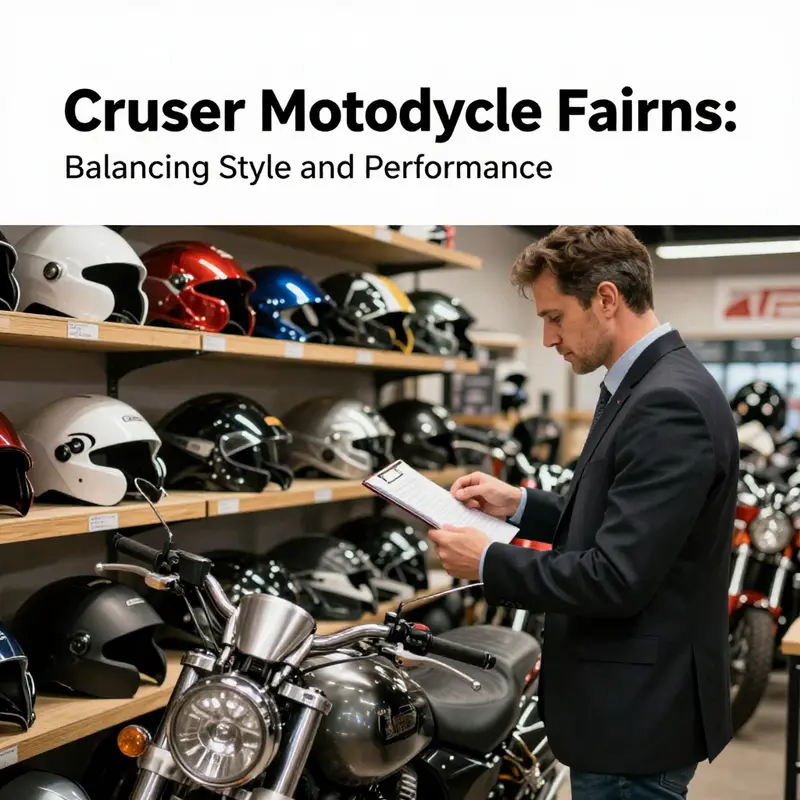
Cruiser fairings sit at an intersection of artistry and engineering. They are not primarily about shaving seconds off a lap time; they are about shaping comfort, protection, and practicality for riders who value a broad, unhurried view of the road. In this chapter, the conversation centers on the economic and practical calculus that guides a rider’s choice of fairing. It is a discussion that moves beyond first impressions of appearance or the glossy promises of a single fit, looking instead at how different designs weather the realities of daily use, long trips, and shifting climates, while still respecting the laid-back charm that defines the cruiser segment.
From an economic standpoint, the spectrum of fairing options generally divides into two broad camps: lighter, frame-mounted designs that emphasize wind protection with minimal front-end weight, and more integrated touring or cruiser-tourer configurations that wrap more of the bike in a protective shell and often include auxiliary features. Frame-mounted shark-nose or FXRP-style fairings, in particular, have earned a reputation for offering a meaningful wind break without the premium price tag of full touring packages. They tend to keep weight off the front forks, which can translate into a cleaner steering feel and reduced wear on suspension components over time. In practical terms, that can amount to fewer maintenance visits and potentially lower operating costs after purchase. The up-front sticker shock is typically modest compared with larger, all-in one touring fairings, making these semi-fairings an accessible upgrade for many riders who still want a more settled highway ride.
The economics of fairing choice also hinge on compatibility and fitment. A fairing that mounts cleanly to a broad range of cruiser chassis minimizes the incremental cost of installation, adapters, and possible repainting. Compatibility matters because a misaligned or poorly fitted fairing can negate any perceived value by introducing rattles, vibrations, or uneven wind pressure. In many cases, riders discover that a well-chosen aftermarket kit can be lighter and cheaper than an OEM option, while still delivering reliable protection and a solid aesthetic. Yet this is not a universal rule. The practical cost of ownership includes not only purchase price, but also the ease of replacement, the availability of spare parts, and the effort required to maintain the unit in good condition through exposure to sun, rain, and road debris. Here, the long view matters. A fairing that resists fading, cracking, and hardware corrosion reduces the headache of periodic replacements and touch-up work, which can add up over many riding seasons.
Material selection anchors the economic argument in a second, equally important way. OEM fairings are most often crafted from high-grade ABS plastic, a material chosen for its balance of impact resistance, lightness, and resilience to environmental stressors. Its suitability for long outdoor exposure—UV stability and temperature swings—makes it a dependable choice for riders who park outdoors or take their machines on all-weather tours. Aftermarket options frequently push the envelope further by offering reinforced polymers or composite materials that aim to maximize stiffness, reduce weight, or lower costs. Each material choice carries a different price-to-performance ratio and a distinct maintenance profile. Reinforced polymers might offer enhanced impact resistance, but they can also demand specific care or mounting hardware. Composite options can be appealing for their strength-to-weight advantages, yet they may require more careful handling during installation and ongoing inspection for micro-cracks or delamination under stress. The practical takeaway is clear: the initial sticker price is not the sole indicator of value. Over the life of the bike, the combination of weight, stiffness, and durability translates into feel on the road and the cost of upkeep.
The riding experience itself feeds back into the economic calculus. A well-designed fairing reduces wind buffet at highway speeds, which translates into less fatigue on long rides and a more relaxed posture. That comfort translates into the rider’s ability to cover more miles in a day without discomfort, which indirectly affects the economics of touring versus daily commuting. The comfort benefit is not purely about wind; it also encompasses weather protection, reduced glare, and a more stable cockpit environment for the rider’s hands, shoulders, and neck. This is not merely a premium experience; it has pragmatic implications for endurance, reliability, and overall enjoyment on extended journeys. At the same time, there are tangible drawbacks. Even a modest fairing adds weight and bulk, which can restrict low-speed maneuverability and complicate parking or tight-turning in urban environments. For riders who frequently navigate city traffic, that added footprint can be a factor in choosing a lighter, simpler option. For those who spend most of their time on open roads, the trade-off often justifies the extra mass with the gains in wind barrier and weather protection.
From a practical standpoint, the shape and size of a fairing influence not only wind and weather but also storage and serviceability. A larger, more integrated fairing can encroach on available storage space or complicate access to the engine, battery, or other components. In cruisers with a more generous windscreen, integrated features such as weather seals, instrument clusters, or even audio and navigation integration begin to tilt the cost-benefit equation in favor of the more substantial fairing. Conversely, a lighter, simpler design preserves under-fairing serviceability and preserves access to critical components but grants only modest gains in wind protection. In the end, a rider must align the design with the bike’s intended use. For daily commuting, where parking and curbside space are at a premium, a compact and affordable fairing can yield meaningful comfort without burden. For cross-country treks, a sturdier setup with a windscreen and supplemental storage tends to be worth the extra investment and the added maintenance considerations.
In evaluating practical value, the rider also weighs aesthetic preferences against functional needs. A fairing is as much a design statement as a mechanical accessory. For many cruisers, the fairing underscores the bike’s silhouette, highlighting the engine’s line and the machine’s overall stance. The semi-fairing maintains a visible engine bay that resonates with the classic cruiser ethos, while still offering a shield from wind and weather. This balance—between exposing the engine’s character and delivering practical wind protection—defines the cruiser’s personality and helps preserve resale value by keeping the bike’s distinctive look intact. When a rider contemplates customization or replacement, the decision often starts with fitment and ends with style. A fairing that harmonizes with the bike’s lines, mounting points, and overall silhouette tends to stay in place longer and contribute to consistent resale expectations.
A practical buyer will often explore a spectrum of options that include OEM styles and aftermarket kits. The economic incentive to browse widely is valid: aftermarket systems frequently provide a broader range of styling choices and price points, allowing riders to tailor protection and weight to their budget. Yet the cost of customization can accumulate quickly if one encounters compatibility issues, nonstandard mounting points, or the need for additional hardware or paint work. This is where due diligence pays off. A rider should verify that any chosen fairing aligns with the bike’s frame geometry, the fork crown, and the mounting hardware already in place. Proper fitment minimizes vibration, improves steering feel, and reduces the likelihood of damage from accidental impacts or heavy wind loads. The long-term reliability of a fairing depends in part on the integrity of its mounting system, which must endure the constant temperature shifts, sun exposure, and road debris that define real-world riding.
For riders who want a sense of direction without becoming brand loyal in advance, an easy next step is to examine catalogs that group fairings by generic cruiser compatibility rather than by model year alone. The selection philosophy often centers on common mounting points and standardized interfaces, which expand the pool of compatible options while preserving the bike’s characteristic look. In this regard, the broader philosophy of fairing selection becomes a practical skill: you are choosing a modular shield that can be swapped or upgraded as needs evolve. A well-chosen kit can support years of steady riding, maintain a coherent aesthetic, and offer a reliable return on investment when the bike is sold or traded in the future.
For readers seeking a concrete representation of the kind of catalog breadth discussed here, a useful reference can be found in the Honda fairings collection, which exemplifies how a large catalog can organize components by mounting style, wind protection level, and compatibility. This approach illustrates how an informed buyer navigates the options—assessing price, weight, and fitment in concert with climate and riding habits. While the specifics will vary across brands and models, the underlying principles remain consistent: weight distribution, wind protection, and practical usability must be weighed against cost, maintenance, and aesthetics. In practice, a buyer will often begin with a realistic assessment of the miles they ride per year, the climates they encounter, and the type of touring or commuting their schedule demands. This honest inventory of needs helps prevent overinvestment in a fairing that delivers little advantage in the rider’s typical environment and usage pattern. And it helps ensure that the investment in protection, comfort, and style is aligned with personal riding goals, long-term ownership, and the joy of riding itself.
Ultimately, the most practical and economically sound decision hinges on the rider’s primary use case. Those who log short commutes or regular weekend rides might favor a simple, low-cost fairing that raises comfort without complicating maintenance. Riders who chase cross-country horizons, by contrast, typically justify a more robust fairing with a larger windscreen, better weather sealing, and integrated features like storage or electrical interfaces. The guiding principle remains the same: balance upfront expenditure with long-term usability, comfort, and the rider’s preferred riding style. A thoughtful approach to materials, fitment, and installation can yield a fairing that preserves the bike’s character while expanding its comfort envelope—an outcome that honors both the pioneering spirit of the cruiser and the pragmatic realities of owning and enjoying one for years to come.
To broaden the practical lens, imagine a rider who spends some weeks in sunlit plains and others in misty, gusty mornings. A properly chosen fairing would provide consistent wind protection at highway speeds, reducing fatigue and increasing the ability to maintain concentration on the road. It would also resist the elements well enough to avoid rapid degradation of the paint and structure, preserving resale value. But it would not overreach, introducing so much weight or complexity that daily handling or parking becomes a chore. This is the essence of cost-conscious practicality: the right fairing is not the most expensive option; it is the one that aligns with how the rider uses the motorcycle, how long they plan to keep it, and how much comfort they want to trade for convenience and reliability. The synergy of protection, comfort, and cost forms a sustainable path forward for riders who want to enjoy cruising without compromising affordability or ongoing maintenance.
For readers who wish to explore options described here in a practical, hands-on way, the Honda fairings collection offers a useful case study in categorizing options by mounting style and intended use, illustrating how a robust catalog can translate into informed, experience-driven choices. Honda fairings collection serves as a concrete example of how catalog structure supports rider decision-making, guiding users toward compatibility, weight considerations, and the balance of form and function that defines cruiser protection. As with any major accessorizing decision, the aim is to maximize enjoyment while minimizing friction, cost, and downtime. The result is a ride that feels both timeless and tailored—a cruiser that respects its lineage while embracing practical modernity.
External resource for further reading: For a broader aerodynamic and performance perspective on how fairings influence ride dynamics, fuel efficiency, and stability, see Cycle World’s comprehensive guide on motorcycle fairings: https://www.cycleworld.com/motorcycles/178934-motorcycle-fairings-types-materials-applications/
Final thoughts
Cruiser motorcycle fairings enhance both aesthetics and rider comfort, making them a key investment for brands and riders alike. By understanding design, materials, aftermarket options, and economic considerations, stakeholders can select solutions that satisfy style without compromising performance. Thoughtful fairing choices can lead to higher customer satisfaction and loyalty in the evolving cruiser market.