
Introduction
Custom motorcycle race fairings are crucial components for owners aiming for high performance on the track. With their advanced aerodynamics, tailored designs, and durable materials, they enhance both speed and safety while allowing a touch of personalization. In this guide, we will delve into the key elements that make custom motorcycle race fairings essential for race enthusiasts and business owners alike. The chapters will cover the aerodynamic advances that optimize performance, material innovations that ensure durability, the wide-ranging customization options that appeal to individual tastes, and finally, market and supply chain insights that empower businesses in this competitive sector.
Tables of Contents
Chapter 1: Aerodynamic Innovations for Enhanced Performance in Custom Motorcycle Race Fairings
- Engineering the Future: Breakthroughs in Material Science and Aerodynamic Design of Custom Motorcycle Race Fairings
Chapter 2: Redefining Speed: The Physics of Custom Motorcycle Race Fairings
- Striking a Balance: Performance Enhancements and Economic Viability in Custom Motorcycle Fairings
Chapter 3: Revolutionizing Performance: Cutting-Edge Materials for Custom Motorcycle Race Fairings
- High-Performance Composites: Pioneering Innovations in Motorcycle Race Fairing Construction
Chapter 4: Revolutionizing Race Performance: Economic and Societal Transformations Through Advanced Materials in Motorcycle Fairings
- The Ripple Effect: Economic Advances and Societal Changes from Innovations in Motorcycle Fairing Materials
Chapter 1: Aerodynamic Innovations for Enhanced Performance in Custom Motorcycle Race Fairings
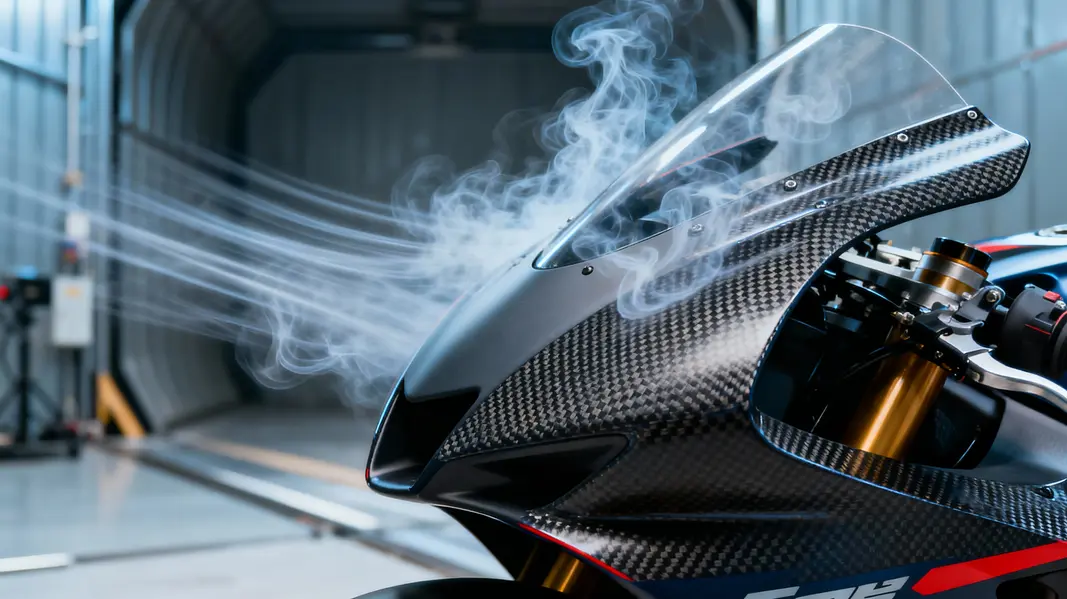
1. Engineering the Future: Breakthroughs in Material Science and Aerodynamic Design of Custom Motorcycle Race Fairings
The relentless pursuit of speed and performance in the world of motorcycle racing has driven significant advancements in custom motorcycle race fairings. These specialized components are not merely aesthetic additions; they are meticulously engineered elements that enhance aerodynamic efficiency, reduce drag, and contribute to motorcycle stability at high velocities. As racing technology continues to evolve, the synergy between innovative material science and aerodynamic design has led to groundbreaking enhancements in how race fairings perform, allowing racers to push the limits of their machines.
At the core of these innovations lies the understanding that drag—a key factor hindering a motorcycle’s speed—can be dramatically reduced through thoughtful design. Modern custom race fairings often feature smooth contours that are meticulously shaped to optimize airflow. Innovations such as full race fairings with no headlight cutouts allow for streamlined silhouettes that minimize turbulence and drag. These designs have emerged from rigorous testing, including wind tunnel simulations, which enable engineers to visualize and refine airflow around the bike and rider.
Monoposto tails, another innovation, cater specifically to single-rider configurations, enhancing the aerodynamic profile by reducing air resistance around the rear of the motorcycle. This design choice, paired with optimized fenders that eliminate turbulence at the front end, plays a pivotal role in ensuring that every motorcycle maintains its momentum and stability during races. Unlike street fairings designed for comfort and aesthetics, race fairings prioritize track performance, with features that contribute to unparalleled handling and responsiveness.
The advancements in material science have been equally transformative in the realm of custom motorcycle race fairings. Carbon fiber has taken center stage due to its superior strength-to-weight ratio, offering racers up to a 30% weight reduction compared to traditional ABS plastic materials. This reduction is crucial; lighter components translate directly into superior agility, allowing for faster acceleration and more precise cornering. Carbon fiber’s properties also enable a few other significant benefits—its inherent resistance to vibration, when used in conjunction with high-quality polyester resins and fiberglass roving, ensures that the rider enjoys a smoother riding experience devoid of the wear and tear that heavier materials could cause.
Moreover, innovations in coating technologies have provided durability against impacts and environmental elements. Multi-layer gel coats and advanced paint processes enhance UV resistance, allowing race fairings to maintain their visual appeal even after countless hours on the track. Additionally, manufacturers frequently offer customizable options, including unpainted surfaces for those opting for race replicas or personal designs, empowering riders to achieve both performance and a unique aesthetic.
However, the potential drawbacks of these lightweight materials cannot be overlooked. The high price point of carbon fiber, often exceeding $800 per set, may be prohibitive for some racers. Furthermore, the UV sensitivity of certain composites necessitates careful handling and maintenance to ensure longevity. As such, various manufacturers have stepped up to enhance the affordability of quality custom fairings, often employing eco-friendly polyester resins that balance cost with performance—providing a viable alternative to carbon fiber without compromising the essential attributes of durability and strength.
When selecting custom race fairings, one must carefully consider not only the material but also the intended use and performance expectations. Manufacturers like Summit Fairings and NiceCycle have recognized the need for personalization in racing, offering undrilled components that allow for precise fitment on models ranging from Suzuki GSX-R to Kawasaki Ninja. This attention to detail affirms that racers can expect a tailored fit that complements their riding style while maintaining aerodynamic integrity. Furthermore, features such as integrated vents and deflectors simplify the installation process, making it accessible even for those less experienced in motorcycle modifications, while also enhancing fuel efficiency and providing additional airflow for rider safety.
As technological advancements continue to burgeon within the realm of race fairings, so too do their potential applications. Modern-day fairings require a careful balance between race-readiness and user personalization. Fully encapsulated components make for superior aerodynamic profiles, but they also necessitate keen attention to detail in design to ensure they don’t hinder airflow to the engine or add unnecessary weight. For many, the aesthetics must also align with the well-structured functionality—wraps or custom paint jobs can mean the difference between a generic bike and a personalized racing machine that reflects the rider’s identity.
Understanding these challenges, companies have explored improved manufacturing processes, relying increasingly on innovations that provide bespoke solutions at a lower cost. Injection-molded materials, for example, not only meet stringent performance criteria but also allow for mass production without sacrificing individual quality, providing a competitive edge for manufacturers who cater to racers at all levels.
Given the critical nature of drag reduction in high-performance racing, the role of aerodynamics in custom motorcycle fairings cannot be overstated. The incorporation of cutting-edge technologies, such as computer-aided design (CAD) and fluid dynamics simulations, empowers engineers to create fairings that mimic the most efficient shapes and structures, as seen in natural phenomena such as bird wings and fish fins. These biomimicry principles translate to more innovative fairing designs that contribute significantly to speed and stability during races.
In conclusion, the ongoing dialogue between material advancements and design refinement continues to drive the evolution of custom motorcycle race fairings. Whether it’s utilizing advanced composites like carbon fiber or designing unique aerodynamic profiles that cater specifically to racing needs, the future of motorcycle racing is illuminated by these innovations. The landscape is one of exciting possibilities where engineering prowess meets the desire for speed, fuelled by an unwavering dedication to creating equipment that not only meets racing standards but also reflects the individuality of the rider. Ultimately, as these technologies flourish, they are set to redefine what is possible on the track, allowing both amateur and professional racers to reach new heights in their performance endeavors. For more insights into the nuances of motorcycle fairings that blend functionality and aesthetic appeal, consider exploring the available resources detailing different types of fairings suited to a variety of motorcycle models.
Chapter 2: Redefining Speed: The Physics of Custom Motorcycle Race Fairings
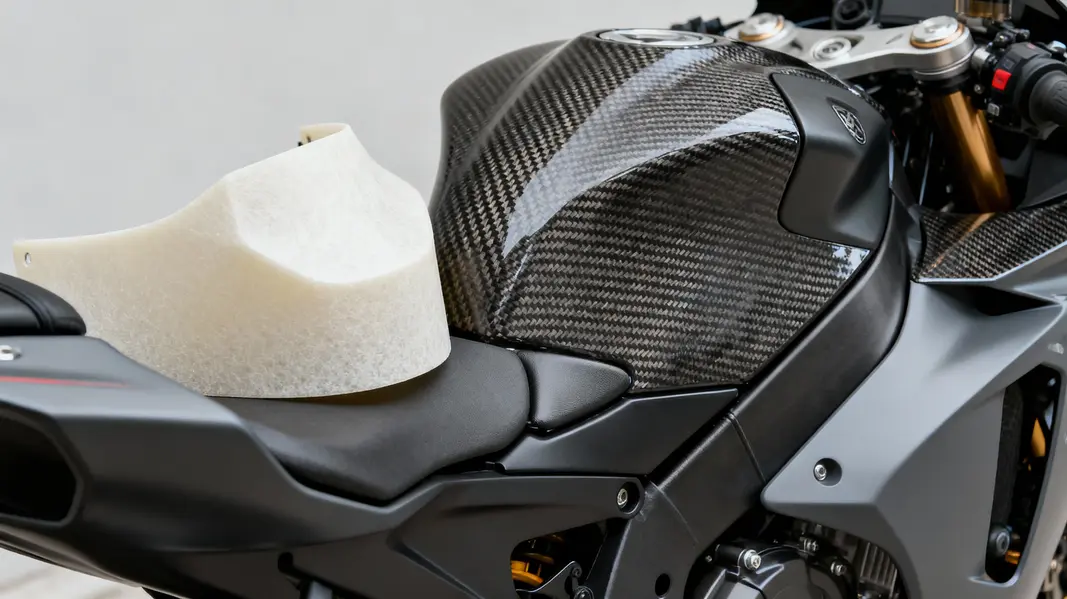
1. Striking a Balance: Performance Enhancements and Economic Viability in Custom Motorcycle Fairings
The evolution of custom motorcycle race fairings represents a critical intersection of innovative engineering, material science, and race strategy. In the quest for speed, manufacturers continually push the boundaries of aerodynamics, weight reduction, and rider comfort, where the function of fairings plays a significant role. Advanced designs have introduced features such as sculpted winglets and streamlined profiles that lessen wind resistance and increase downforce, fundamentally changing how motorcycles perform on the track. However, these advancements come with inherent trade-offs, cognizantly balancing performance gains against economic feasibility, especially for amateur racers and casual motorcycle enthusiasts.
At the forefront of these developments, recent models such as the 2025 BMW S 1000 RR and the 2026 Kawasaki ZX-10RR showcase how cutting-edge fairings are engineered for optimal aerodynamic efficiency. The integration of technologies like internal winglets, which can increase downforce by as much as 37%, illustrates how design elements have progressed beyond traditional forms. Such enhancements significantly elevate stability at high speeds, creating a more predictable handling experience.
The materials employed in the construction of these fairings profoundly influence both their performance and cost. Carbon fiber, revered for its astonishing strength-to-weight ratio, has emerged as an industry standard in high-performance models. It typically offers a weight reduction of 20-40% compared to conventional materials, helping to lower the overall mass and improve agility. However, this material also commands a higher price point, making it a consideration predominantly for competitive riders and serious track enthusiasts seeking every competitive edge.
Conversely, ABS injection-molded fairings have gained popularity as an economically viable alternative. They provide reliable performance resembling that of carbon fiber while significantly lowering the barrier to entry for customization. As reputable manufacturers offer pre-drilled kits mimicking the sleek, aerodynamic characteristics of premium materials, enthusiasts are able to personalize their motorcycles without sacrificing function entirely. This flexibility is particularly appealing for those looking to engage in racing without the hefty investment associated with elite setups.
When evaluating fairing types, riders often confront choices between full fairings and half fairings. Full fairings deliver superior wind protection, yield improved aerodynamic properties, and contribute to an overall better fuel economy—up to 10% more efficient at highway speeds. These aspects make full fairings ideal for race applications where every fraction of a second counts. However, they can complicate maintenance due to the comprehensive installation they require, ultimately influencing a buyer’s decision.
The trade-offs inherent in choosing between different designs and materials become evident when considering the intended use of the motorcycle. While carbon fiber fairings excel in delivering performance benefits, they are accompanied by increased costs and require specialized knowledge for proper installation. In contrast, ABS fairings, while less costly and easier to maintain, do not always match the performance metrics of their carbon counterparts, particularly in high-stakes racing scenarios.
A comprehensive comparison highlights these differences:
| Material/Design | Performance Gains | Cost Efficiency | Key Trade-offs |
|—————————|———————————————————–|———————————————|——————————————————|
| Carbon Fiber Fairings | 20-40% lighter; superior downforce/stability; aero efficiency | High initial cost; premium resale value | Expensive vs. metals; requires expertise for fitting |
| ABS Injection-Molded | OEM-like aero/style; flexible/impact-resistant | Affordable alternative (fraction of OEM) | Less weight savings than carbon; aesthetic mimicry |
| Full vs. Half Fairings | Full: Max drag reduction/protection; Half: Balanced cooling/access | Half: Cheaper modifications; Full: Higher costs | Full: More maintenance; Half: Less wind buffering |
One must also consider that the racing environment itself imposes additional constraints. The level of competition can dictate the type of fairing that is most appropriate for a given motorcycle. Racetracks often demand not only speed but also stringent regulations concerning safety and compliance. Therefore, as riders push back against the risks associated with high-speed racing, they must also consider how fairings contribute to their overall safety profile.
In this context, trade-offs are not merely about raw performance versus costs; they are also about how a motorcycle behaves under stress and in extreme conditions. For instance, while custom fairings may offer aerodynamic advantages on the straightaways, they could potentially detract from a motorcycle’s handling in tight corners or during quick maneuvers, prompting riders to assess their own racing style and preferences when customizing.
The growing availability of custom aftermarket kits presents exciting options for non-OEM bikes as well. These kits often blend performance with aesthetic appeal, allowing owners to customize their machines to reflect personal taste without compromising functionality. Riders can tailor the aesthetics, choosing their themes and graphics while still addressing functional requirements—all through the lens of maintaining performance standards.
These insights illuminate a broader trend within the motorcycle racing community. As aerodynamics become more sophisticated and vital to performance, many builders and enthusiasts find themselves at a crossroads: prioritizing high-performance materials or exploring budget-friendly alternatives while ensuring functionality. Every choice has implications that resonate well beyond the racing circuit, influencing maintenance costs, resale value, and the overall riding experience.
Ultimately, the pursuit of speed through custom motorcycle race fairings encapsulates the dynamic tension between innovation, performance, and economic viability. Riders are tasked with making informed decisions that align with personal and competitive objectives, navigating a landscape where design, materials, and functionality coexist. As advancements in technology continue to reshape the possibilities within the realm of motorcycle racing, the choices surrounding fairings will remain pivotal in redefining what it means to achieve speed. These advancements also embody an ongoing conversation about accessibility within the realm of high-performance motorcycling, suggesting that the newest innovations do not solely belong in the domain of elite athletes.
As the market for motorcycle fairings evolves, it is essential for riders to remain informed about the material and design options available. By understanding these dynamics, they can make choices that harmonize with their performance expectations and budget limitations, carving out a unique identity on the racetrack while benefiting from the latest advancements in custom motorcycle race fairings. To explore this topic further, riders may find insightful resources such as guides on motorcycle fairing installation to deepen their knowledge and skills in customizing their motorcycles.
In conclusion, the advancements in custom motorcycle race fairings encapsulate a rich tapestry of engineering prowess, rider individuality, performance enhancement, and economic sensibility. Each rider’s journey in customizing fairings is distinctly their own, shaped by choices that intertwine with their personal riding philosophy and competitive aspirations. As such, these selections are as much about the thrill of racing as they are about the shared passion that binds the motorcycle community together.
Chapter 3: Revolutionizing Performance: Cutting-Edge Materials for Custom Motorcycle Race Fairings
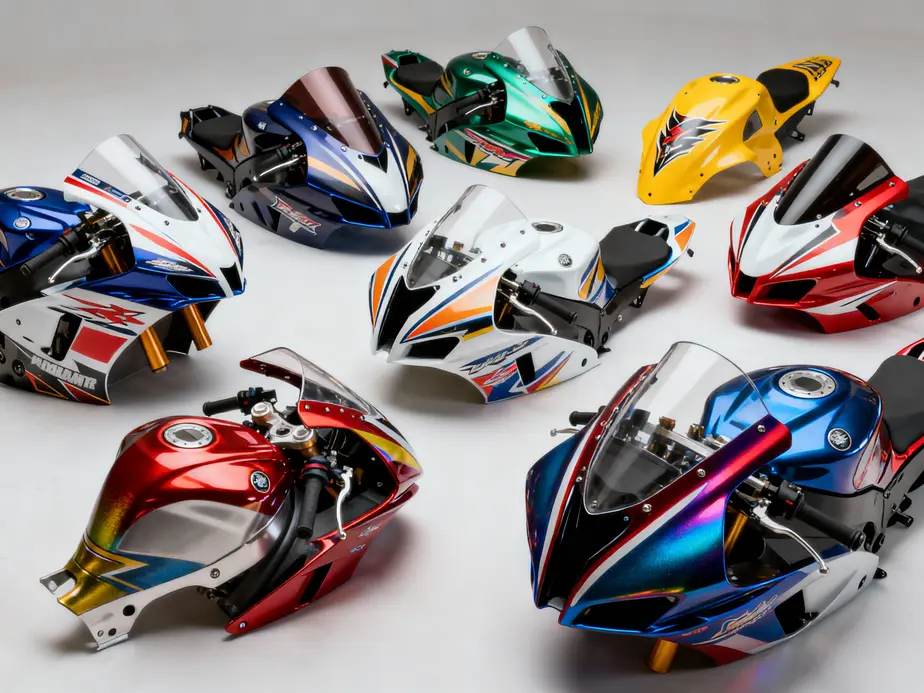
1. High-Performance Composites: Pioneering Innovations in Motorcycle Race Fairing Construction
In the world of custom motorcycle race fairings, the materials used play an integral role in performance, safety, and aesthetics. With the relentless pursuit of speed and efficiency, manufacturers have introduced groundbreaking materials that provide significant advantages over traditional choices. Among these innovations, carbon fiber, Kevlar-carbon composites, and advanced fiberglass reinforced with eco-friendly polyester resins emerge as the game-changers in the realm of motorcycle racing. These materials not only reduce weight but also enhance aerodynamics and durability, ensuring that racers have tools that can withstand the rigors of competition.
Carbon fiber has established itself as a gold standard in the industry, revered for its remarkable strength-to-weight ratio. Lighter than traditional ABS plastic by roughly 30%, carbon fiber allows riders to achieve enhanced agility, handling, and speed—all crucial elements for competitive racing. Its unique properties enable manufacturers to create components that can endure the extreme conditions of high-speed racing, effectively mitigating vibrations and forces that typically compromise structural integrity. The incorporation of carbon fiber in custom fairings means that performance is not only optimized but also tailored precisely to the demands of each rider’s bike model, making it a popular choice among elite motorcyclists.
For those seeking an extra layer of protection, especially in competitive environments, Kevlar-carbon composites present an impressive solution. These hybrids combine the lightweight characteristics of carbon fiber with the exceptional impact resistance of Kevlar, resulting in components that are not only lightweight but also exceptionally resilient. Bikes like the Triumph Daytona 660 and Yamaha R7 benefit from parts made with these advanced composites, promising to withstand the harsh impacts that can occur during races. This durability and strength are paramount, as competitors push the boundaries of speed where every millisecond counts.
Moreover, advancements in fiberglass technology have merged cost effectiveness with high performance. Fresh innovations have introduced fiberglass reinforced with eco-friendly polyester resins that provide superior fine-tuned elasticity and strength. These materials have excellent resistance to cracking and chipping, which are common issues athletes may face on the track. Not only do they boast a longer lifespan, but these advanced polymers ensure that riders are not constantly sidelined for repairs, allowing them to maintain competitive momentum without interruption.
Customization is another dimension where these material innovations shine. Leading producers have embraced in-house manufacturing techniques that enable the creation of bespoke race fairings tailored specifically to individual needs and preferences. Producers like Perfect Fairings and Kings Motorcycle Fairings exemplify the marriage of technological advancement with personal expression, using state-of-the-art processes to craft unique pieces that enhance both functionality and aesthetic appeal.
The painting processes employed are also noteworthy; they often follow a meticulous seven-step method that includes multiple primer, paint, and clear coat layers. This attention to detail ensures the finishes not only showcase vibrant colors and intricate graphics but also possess durability against the track’s harsh conditions. These premium finishes can withstand the sun’s rays, rain, wind, and the inevitable scratches that come with high-octane racing, making them perfect for those who want their bikes to look as exceptional as they perform.
An illustration of this customization integration is offered by Sebimoto, which supplies a variety of options for over 70 race bike models, allowing racers to choose between fiberglass, Kevlar, or carbon options tailored to their specific aerodynamic needs. This assortment guarantees that even the most unique racing bikes can be equipped with fairings that not only support their design but elevate their performance on the track.
Recently, the push towards sustainability has prompted a shift in the materials used for motorcycle race fairings, emphasizing an eco-conscious approach without sacrificing performance. The introduction of biodegradable resins in fiberglass is a testament to the industry’s commitment to reducing its environmental footprint, making these materials not only advantageous for racers but also for the planet. The lightweight characteristics of modern carbon fiber also enhance design possibilities. Advanced weaving techniques allow for intricate patterns that can be molded into complex shapes, further honing the aerodynamic qualities essential for modern racing.
Professional racing teams have leaned heavily on these advancements, favoring materials that promise both precision fitment and exceptional performance. This reliance on innovative composites helps ensure that bikes are ready for the rigors of competition from day one. With global shipping options, racers and enthusiasts alike can access these custom builds, enabling them to bring their racing dreams to life.
These advancements herald a new era in motorcycle racing—an era defined by a combination of performance, personalization, and sustainability. The strategic integration of high-performance composites into custom motorcycles ensures that track-ready bikes are more than just machine parts; they are tailored reflections of individual rider preferences molded for ultimate performance on the asphalt.
In conclusion, the exceptional development of materials for custom motorcycle race fairings exemplifies the intersection of technology and artistry. The collaboration between manufacturers and professional racers has paved the way for products that are not only functional but also embody the spirit of racing culture. As the world of motorcycle racing continues to evolve, these innovations secure a promising future filled with unparalleled performance and a commitment to sustainability that will empower riders everywhere. For those considering a venture into custom race fairings, understanding these material advancements is essential for making informed choices that can lead to superior racing experiences.
Chapter 4: Revolutionizing Race Performance: Economic and Societal Transformations Through Advanced Materials in Motorcycle Fairings
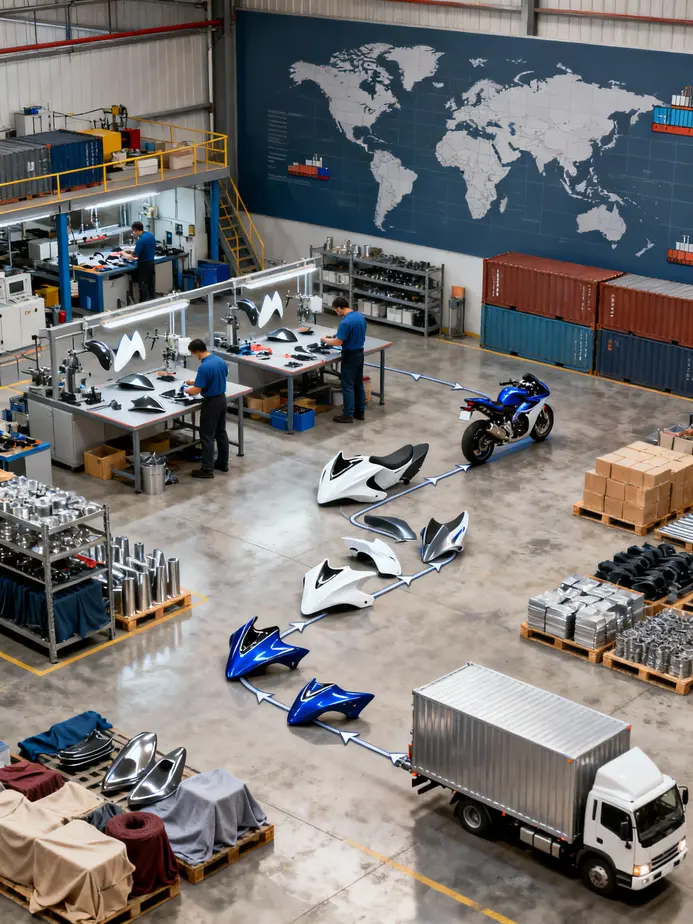
1. The Ripple Effect: Economic Advances and Societal Changes from Innovations in Motorcycle Fairing Materials
Material innovations in custom motorcycle race fairings represent much more than just technical enhancements; they exemplify a transformative shift that reverberates through the economy and society at large. This dual impact—economic growth coupled with social engagement—illustrates how advancements in material technology challenge traditional industry paradigms and inspire a new generation of riders.
As we delve into the economic implications, it becomes clear that the custom motorcycle fairing market is evolving rapidly, morphing into a key revenue driver for manufacturers, distributors, and workshops alike. This evolution is underscored by advancements in materials, which have broadened consumer bases and created new revenue opportunities. For instance, high-performance materials such as carbon fiber have transformed the aesthetic and functional landscape of motorcycle fairings. With costs for premium carbon fiber fairings ranging between $600 and $1,500 for clip-on versions, the investment is justified by their remarkable durability and longevity—averaging over eight years—as opposed to aftermarket ABS kits priced at a mere fraction (between $180 and $350) but typically lasting only four to six years. This stark contrast in material properties not only emphasizes the importance of quality but also highlights potential profit margins that skilled manufacturers can leverage across varying market segments.
Companies specializing in advanced materials, such as Supreem Carbon, showcase the burgeoning potential of this niche. Founded in 2017, Supreem Carbon has tapped into diverse consumer needs, offering over 1,000 products and catering to bulk orders as well as individual bike enthusiasts. This level of accessibility broadens the market, inviting not just professional racers but also everyday enthusiasts seeking to enhance their rides with distinctive customizations. Such manufacturers adapt to thrive within a dynamic landscape, appealing to everyone from budget-conscious consumers to dedicated performance aficionados.
Concurrently, the relationship between material selection, production cost, and performance presents a fascinating narrative in efficiency and innovation. Fiberglass, a material long favored for its cost-effectiveness and satisfactory durability, remains at the forefront for standard applications. Yet, as manufacturers experiment with alternatives like ABS plastic—offering a balance of affordability and lightweight performance—carbon fiber gains traction as a favorable option for high-end and racing applications, despite its substantial price tag due to manufacturing intricacies. The performance-per-dollar trade-offs are complicating production decisions and allowing manufacturers to diversify their offerings. This variety aids in optimizing profit margins while addressing the distinct preferences of differing consumer segments.
The pursuit of sustainability has suddenly become a paramount concern in motorcycle manufacturing. As consumers grow increasingly aware and concerned about their environmental impact, the industry is responding with eco-friendly materials, such as polyester resins paired with advanced roving fiberglass. This eco-focused transformation indicates a collective movement towards greener production methods. Furthermore, fiberglass reinforced plastic (FRP) fairings show impressive heat resistance capabilities, retaining structural integrity between 190°C and 300°C while expanding product versatility. By embracing sustainable practices driven by innovative materials, the motorcycle industry not only caters to consumer demand but also positions itself favorably in a rapidly changing economic landscape.
On a societal level, the advancements in material technology yield significant enhancements in rider performance and safety. The structural integrity and reduced weight of lighter fairings lead to noticeable gains in agility and acceleration. Consumers benefit not only from improved handling but also increased fuel efficiency—an attractive feature for casual riders and long-distance tourers alike. The ergonomic advantages provided by enhanced aerodynamic designs, along with their contributions to reducing rider fatigue, suggest that these innovations extend beyond merely competitive environments. This performance improvement is especially beneficial for novice riders, empowering them to navigate their bikes with better confidence and less physical exertion.
Moreover, the democratization of customization in the industry has significantly transformed the way riders engage with motorcycle culture. Online marketplaces equipped with user-friendly platforms like Kings Motorcycle Fairings, which boast over 50,000 fairing paint designs, afford individuals the chance to explore professional-grade customizations that were previously exclusive to elite racers. The proliferation of resources, ranging from DIY tutorials to bolt-on kits tailored for non-factory bikes, encourages a new kind of participant in motorcycle culture—one not constrained by budget or mechanical expertise but instead emboldened by creativity and self-expression. This newfound accessibility opens the door for wider participation as enthusiasts share ideas and designs, cultivating an inclusive environment nurtured by mutual support.
Personal expression has emerged as a vital part of motorcycle culture, with custom fairings enabling riders to display their individuality and brand loyalty. The marketplace brims with choices that span a range of aesthetics—from classic blacks and vibrant reds to specialized pearl and matte finishes—sharing not just preferences but ultimately an identity. This growing emphasis on aesthetic customization has cultivated and strengthened online communities, fostering engagement among motorcycle enthusiasts both within and beyond traditional racing circles. As riders swap stories, show off their bikes, and seek inspiration, this cultural exchange fosters social value that transcends mere functional performance. An intimate connection to one’s motorcycle often correlates with increased rider satisfaction, as choices in personalized fairings become ways for individuals to tell their stories and celebrate their passions.
The dialogue about industry standards cannot be overlooked in the context of material innovations within motorcycle fairings. The introduction of high-performance materials like carbon fiber in racing applications has set new benchmarks for durability and weight management. This innovation doesn’t merely impact racetrack performance; it also trickles down to consumer-grade fairings, forcing manufacturers to elevate their designs and meet the rising expectations of their clientele. Consistently enhancing quality and pushing boundaries distinguishes innovative companies among a sea of competitors, impelling continuous progress within the sector.
The ripple effects of innovations in motorcycle fairing materials are felt far and wide, shaping not just the economic landscape but deeply influencing social interactions within the motorcycle community. Every advance in material technology promises enhanced performance, improved safety, and unique forms of expression that redefine what it means to be a rider in today’s world. The shift from mere function to multifaceted experience illustrates how essential it is for manufacturers to remain dynamic, consumer-focused, and environmentally conscious. As the industry rides the waves of change, the synergies between economic and societal dimensions will no doubt continue to propel the future of motorcycle racing and personalization toward unprecedented heights.
Final thoughts
Understanding the intricacies of custom motorcycle race fairings can significantly boost performance for racing enthusiasts and businesses alike. From optimizing aerodynamics to leveraging innovative materials, businesses can enhance their product offerings while satisfying customers’ demands for personalization. By keeping an eye on market trends and supply chains, stakeholders can position themselves advantageously in this competitive landscape. Whether for business or personal endeavor, acknowledging the importance of quality race fairings is essential for success.
Ready to elevate your ride? Summit Fairings delivers premium, custom-fit fairings that blend style and durability. Whether you’re chasing speed or turning heads, we’ve got your bike covered. Don’t wait—transform your machine today. Click, customize, and ride with confidence. Your perfect fairing is just a few clicks away. Act now!
About us
We are one of the leading motorcycle fairing export sites, with over 3,000 styles across almost all motorcycle models. Buy from summitfairings.com, and pay 10-40% less than the prices on other sites. If you have any questions, we promise we will have your answer within six hours.