
Introduction
Motorcycle enthusiasts and business owners alike recognize the importance of design elements that enhance both functionality and aesthetics of bikes. Among these elements, the front fairing stands out as a pivotal component. By reshaping airflow, providing wind protection, and improving aerodynamics, front fairings not only enhance the rider’s experience but can also determine the marketability of the motorcycle itself. This article will delve into the functionality of front fairings, outline the different types available and their respective applications, explore the materials and manufacturing processes involved, and discuss the impact of front fairing on overall motorcycle performance and rider comfort. By understanding these facets, business owners can make informed decisions on fairing selection for products and services in the motorcycle industry.
Tables of Contents
Chapter 1: The Aerodynamics of Motorcycle Front Fairings: A Ride of Efficiency
- Maximizing Speed and Stability: The Role of Front Fairings in Aerodynamic Design
- 1.2 The Essential Role of Front Fairing: Enhancing Comfort and Stability for Riders
- 1.3 The Front Fairing: A Dynamic Shield and Hub of Motorcycle Components
Chapter 2: Exploring the Benefits of Full Front Fairings: Unleashing Performance and Comfort on Your Motorcycle
- Optimizing Wind Management and Rider Experience with Full Front Fairings
- 2.2 Half Fairings on a Motorcycle: Balancing Lightness and Wind Protection
- The Art and Utility of Quarter Fairings: A Balance of Style and Functionality
Chapter 3: 3. Materials and Manufacturing Processes for Motorcycle Front Fairings: Exploring Core Materials and Techniques
- 3.1 ABS Plastic: The Backbone of Motorcycle Front Fairing Manufacturing
- Fiberglass Fairy Tales: Crafting Performance and Customization in Motorcycle Front Fairings
- 3. Transforming Performance with Lightweight Composites in Motorcycle Front Fairings
Chapter 4: 4. The Impact of Front Fairing on Motorcycle Performance and Rider Comfort
- 4.1 The Aerodynamic Innovation of Front Fairing: Enhancing Performance and Comfort on Two Wheels
- 4.2 Harnessing Aerodynamic Downforce for Enhanced Stability and Rider Experience
- 4.3 Crafting a Wind Shield: How Front Fairing Transforms Rider Comfort and Noise Management
Chapter 1: The Aerodynamics of Motorcycle Front Fairings: A Ride of Efficiency
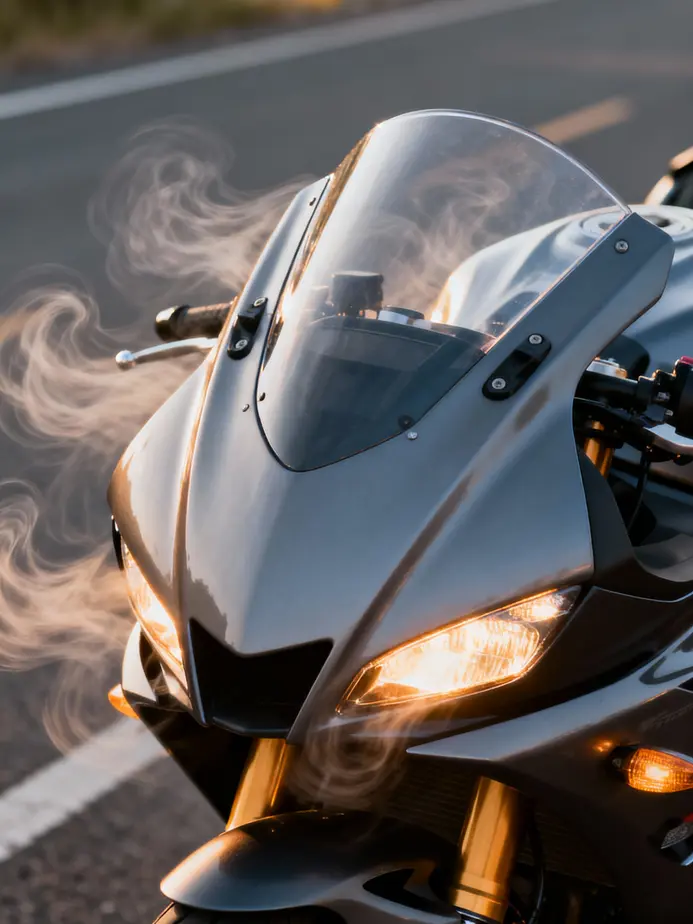
1. Maximizing Speed and Stability: The Role of Front Fairings in Aerodynamic Design
Motorcycle fairings serve a crucial role in enhancing the aerodynamic performance of a bike, particularly when it comes to reducing drag and improving overall stability. The fundamental design of a front fairing is intended to streamline the high-drag areas of the motorcycle—namely, the headlight, handlebars, and a rider’s upper torso. By enclosing these elements in a smoother, more aerodynamic shape, the fairing effectively diminishes pressure drag and turbulence, leading to significant performance gains at higher speeds. Studies have shown that motorcycles equipped with well-designed front fairings can experience up to a 10% improvement in fuel economy when cruising at sustained speeds. This optimization of airflow not only benefits fuel efficiency but also enhances the overall riding experience.
At highway speeds, aerodynamic drag increases exponentially with velocity—the performance impact becomes increasingly pronounced. Here, a front fairing’s capability to guide airflow around the body of the motorcycle comes into play. This management of air currents reduces the turbulent wake that a rider typically endures. Freed from the burdens of excessive wind resistance and the accompanying buffeting, the rider enjoys a more comfortable and controlled ride. Improved airflow contributes to rider stability, particularly in crosswinds or during aggressive cornering. By minimizing the disturbance of air hitting the rider’s helmet and body, fairings provide a layer of comfort that is essential for long-distance travel, especially on touring motorcycles.
In the context of high-performance and racing motorcycles, front fairing designs take aerodynamics to another level. Advanced configurations often incorporate aerodynamic wings and ducts that facilitate controlled airflow, producing increased downforce. This feature not only helps keep the front wheel grounded during aggressive acceleration but also enhances braking performance. As riders push their machines to higher speeds, these elements become vital for maintaining stability and enhancing handling, showcasing the fine line between style and function in modern motorcycle design.
The benefits of deploying front fairings become even more vital in competitive contexts and races where every bit of aerodynamic efficiency counts. Professional racing circuits often mandate the inclusion of streamlined fairings to ensure optimal aerodynamic characteristics. As every rider knows, engaging in races means confronting the fierce competition—riders must exploit every advantage, including meticulous attention to aerodynamic elements. The integration of fairings in competition is more than an aesthetic choice; it is a strategic implementation intended to reduce drag and improve lap times by allowing the motorcycle to slice effortlessly through the air.
Moreover, the relationship between fairing design and speed illustrates how vital the engineering behind the fairing is. The aesthetic characteristics of a motorcycle’s front fairing should only be the tip of the iceberg. Behind them lies complex calculations and design considerations that determine how air moves around the motorcycle at varying speeds, ensuring that as speed limits rise, comfort and control are not compromised. In essence, the front fairing is an engineering marvel that balances practical function and modern style, critical for riders who seek speed without sacrificing their comfort.
As the evolution of motorcycle design continues, understanding the principles that govern aerodynamics can give prospective buyers and enthusiasts deeper insights into selecting their next motorcycle. For those looking for a comprehensive overview of motorcycle fairings and their benefits, resources exploring detailed benefits can serve as a valuable reference. For more insights into this topic, check the detailed analysis on motorcycle fairing benefits.
2. 1.2 The Essential Role of Front Fairing: Enhancing Comfort and Stability for Riders
A front fairing serves as more than just a visual element of motorcycle design; it plays a crucial role in shaping the overall riding experience. By effectively managing airflow, a front fairing not only reduces aerodynamic drag but also significantly enhances rider comfort and stability, especially at higher speeds. As motorcyclists venture out on long-distance rides, the protective features of a fairing become increasingly apparent.
The aerodynamic function of a fairing is fundamental to its design. Attached to the motorcycle frame, it forms a streamlined shell around the handlebars and headlight area that directs airflow away from the rider. This deliberate airflow management reduces drag, allowing motorcycles to accelerate quicker and achieve higher speeds with greater fuel efficiency. For modern bikes, features such as winglets and spoilers can even generate downforce, ensuring that the front wheel maintains contact with the road during high-speed maneuvers. This downforce is invaluable during braking and cornering, as it enhances stability and prevents unwanted weaving that can occur in turbulent air.
Comfort is arguably one of the most significant advantages brought by the front fairing. By deflecting oncoming wind away from the rider’s torso and head, the fairing minimizes the fatigue associated with extended exposure to wind pressure and buffeting. This became particularly important for touring and highway-oriented motorcycles, where riders often spend prolonged periods in the saddle. The windshield and bodywork collectively serve as barriers against not just wind but also adverse weather conditions. Rain, cold air, and debris from the road are managed effectively, creating a more enjoyable riding experience and enabling longer journeys without discomfort.
A well-designed front fairing accomplishes more than just comfort-related benefits; it also contributes substantially to the stability and handling of the motorcycle. It functions to reduce turbulent air around the bike, enhancing the predictability of its behavior at various speeds. In racing contexts, the fairing’s shape is optimized to maintain airflow across the bike, which translates to improved front tire grip during critical phases like acceleration, braking, and cornering. Lessens in drag mean that motorcycles are less prone to be affected by challenging headwinds, allowing for smoother handling and more confidence-inspiring rides on the highway.
Various front fairing styles offer different balances between comfort and agility. Full front fairings provide maximum weather protection and stability at high speeds, albeit at the cost of added weight and structural complexity. Conversely, smaller fairings, such as quarter or bikini styles, afford partial wind relief while allowing for a nimbler ride. Many cruisers employ batwing fairings that encapsulate a broad frontal area, merging comfort with the potential for integrated technology such as audio systems and instruments, further enhancing the riding experience.
Additionally, front fairings serve a secondary yet important role in protecting vulnerable components—like lights and electronic instruments—from environmental factors, while also assisting in managing airflow for cooling important parts like brakes and engines. Many contemporary motorcycle designs see fairings equipped with integrated lighting and sensors, elevating their functional utility within the protective wind-screened zone. Riders seeking both practicality and aesthetic appeal will find the versatile options provided by fairings extremely advantageous.
In essence, the synergy between aerodynamic efficiency, rider comfort, and stability brings an essential dimension to the motorcycle riding experience. By thoughtfully integrating these design elements, manufacturers continue to innovate within the realm of motorcycle fairings, enhancing the capabilities and enjoyment of rides. To explore more about the variety of motorcycle fairings available, refer to this detailed guide on motorcycle fairings.
3. 1.3 The Front Fairing: A Dynamic Shield and Hub of Motorcycle Components
The front fairing of a motorcycle serves as much more than a mere aesthetic enhancement; it is a critical component that transforms the riding experience by significantly improving aerodynamics and providing essential protection. This structured shell, which mounts to the motorcycle’s frame, is specifically designed to manage airflow, deflect wind, and safeguard the rider against environmental elements, ultimately contributing to the overall comfort and performance of the bike.
At its core, the front fairing plays an instrumental role in aerodynamics. Engineered to become an extension of the motorcycle itself, it effectively reduces air drag as the rider travels at speeds that would otherwise create significant turbulence. This reduction in drag can lead to improved top speed and enhanced fuel efficiency, allowing for longer journeys without the frequent need for refueling. More than just speeds gains, aerodynamic designs can also stabilize the motorcycle, often resulting in a smoother ride. For instance, when integrated with elements like winglets, fairings can create mild downforce, enhancing the handling characteristics and keeping the front wheel planted firmly on the ground, particularly in performance-oriented models. As roads curve and wind varies, the refined airflow management that a front fairing provides can be pivotal in maintaining high-speed stability.
However, the protective function of the front fairing cannot be overlooked. One of its primary purposes is to shield the rider from wind pressure and weather. At highway speeds, the ability of the fairing to divert streaming air away from the rider’s chest and helmet significantly decreases buffeting and riding fatigue. This facet becomes invaluable, especially for long-distance touring riders who may spend hours on the open road. With a front fairing in place, riders can maintain better control and comfort, reducing the strain on their neck and torso. Additionally, the fairing acts as a barrier against rain, insects, and road debris. Protecting not only the rider but also critical components, it minimizes exposure to harsh elements that could compromise both performance and safety.
The integration of essential motorcycle components into the fairing design marks another evolution in functionality. Modern fairings often house headlight units, turn signals, and other auxiliary lighting systems, creating a clean and coherent aesthetic while simultaneously ensuring these components are securely mounted and properly wired. Instrumentation is also commonly integrated; a well-designed fairing can shelter the instrument cluster, such as speedometers and tachometers, behind a clear or tinted screen, making it easier for the rider to access essential information without distraction. This centralization of controls fosters a streamlined dashboard feel that not only enhances functionality but also promotes a sporty visual appeal.
In touring motorcycles, it is not uncommon to find advanced electronics nestled within the fairing itself, including audio systems, navigation screens, and various sensors that augment the riding experience. By protecting these pieces of technology from the elements, manufacturers enhance their durability and reliability, ensuring that they function optimally for longer periods, even on arduous journeys. Additionally, this approach simplifies the overall design, allowing for stylish lines without excessive clutter.
Despite these benefits, it’s crucial to recognize that the structure of a fairing complements the motorcycle’s frame without bearing the primary loads of the chassis. Although it adds stiffness to the bodywork and provides reliable mounting points for various accessories, it is designed to operate independently of the motorcycle’s structural load system. This lightweight characteristic helps maintain the agility and performance traits essential to many motorcycling disciplines.
From a practical standpoint, the diversity in fairing styles—from full front fairings providing maximum coverage to smaller quarter fairings focusing on a sportier feel—offers riders a range of choices tailored to their specific needs and preferences. For those who prioritize wind management alongside style, custom options abound, fostering unique identities and performance attributes within the motorcycle community. This intersection of protection, aerodynamics, and component integration forms the essence of what makes the front fairing a vital component in modern motorcycle design.
Chapter 2: Exploring the Benefits of Full Front Fairings: Unleashing Performance and Comfort on Your Motorcycle
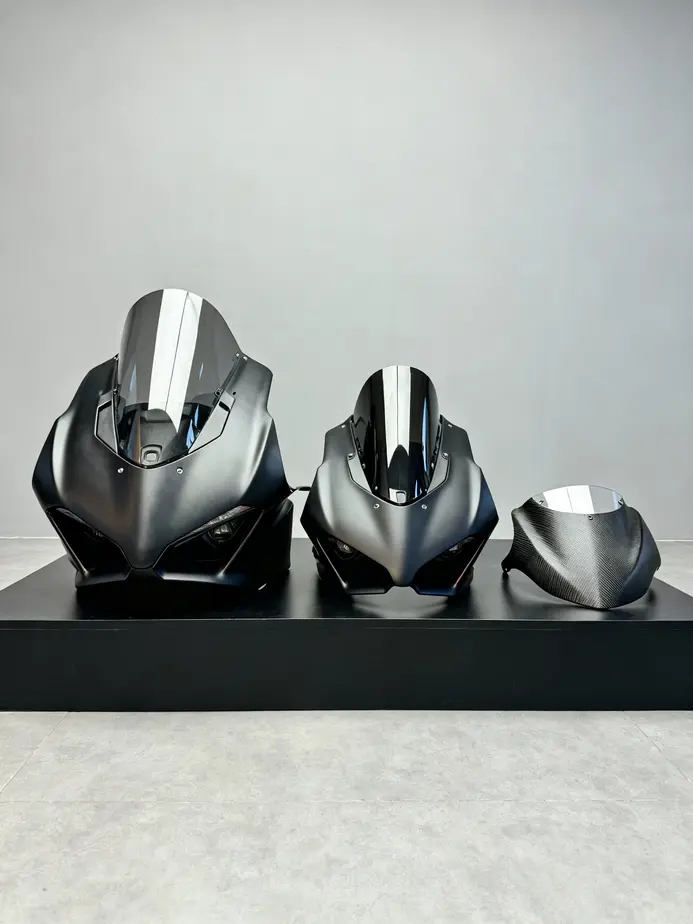
1. Optimizing Wind Management and Rider Experience with Full Front Fairings
The allure of full front fairings on a motorcycle lies not only in their aesthetic appeal but significantly in their performance enhancements. Predominantly designed to shield the rider from wind and elements, full fairings encapsulate the motorcycle’s front end, extending over the headlight, forks, and often encompassing the upper part of the engine. This comprehensive coverage does more than just provide a sleek profile; it presents a suite of benefits tailored for high-speed riding and long-distance journeys. Their design aims to maximize aerodynamic efficiency while ensuring the rider remains comfortable and protected.
In terms of aerodynamic advantages, full fairings excel in reducing drag, allowing motorcycles to slice through air with minimal resistance. A refined aerodynamic profile translates to higher top speeds and quicker acceleration, making these fairings indispensable in the sport and touring categories. Sliding into the slipstream of a fellow rider or overtaking on the highway becomes an effortlessly exhilarating experience as the full fairing mitigates disturbances that can destabilize the bike at speed. Furthermore, improved aerodynamics also correlate with enhanced fuel efficiency—an essential factor for long-distance touring enthusiasts. With reduced energy expenditure in battling air resistance, bikes equipped with full fairings demonstrate significant fuel savings during high-speed travel.
But the benefits of full front fairings extend beyond mere speed and efficiency. The design intricacies of modern fairings focus on managing airflow effectively around critical components of the motorcycle. Innovative shapes—often seen in racing applications—incorporate winglets and internal channels, which not only aid in directing air to cool brakes and engines but also enhance vehicle stability. When at speed, the effective airflow can create downforce, which contributes to better grip and control, particularly in performance motorcycles used in competitive racing scenarios. This aspect becomes vital when tackling sharp corners or maintaining control during rapid deceleration.
From a rider’s perspective, the comfort and protection offered by full front fairings cannot be overstated. The well-engineered shape effectively deflects wind, taking the brunt of the airflow off the rider’s torso and head. This dynamic significantly reduces fatigue, which is crucial during long hauls on the highway where riders may encounter hours of relentless wind resistance. The ergonomic design allows riders to enjoy their journey without battling against unyielding gusts that can sap energy and focus. Additionally, these fairings contribute to a quieter ride as they diminish the turbulence and buffeting often experienced with minimalist designs. Riders can experience a smoother, more stable ride by directing airflow away from the body.
Moreover, full fairings act as barriers against environmental factors such as rain, cold air, and debris from the road. This protective aspect embraces a broader audience of riders who venture into varying weather conditions, ensuring a level of comfort and safety that is highly valued among touring enthusiasts. The expansive frontal area offers ample shield against rain, significantly mitigating the discomfort of wet riding, while also providing protection against small stones and insects that can spoil the ride.
In practical terms, full front fairings are found in various applications, with racing and touring motorcycles being the most prominent. Designed using advanced materials such as ABS plastic or fiberglass, these fairings balance durability with weight, making them ideal for performance without sacrificing resilience. For enthusiasts aiming to modify or enhance their ride, customized aftermarket full front fairings abound, allowing personalization that aligns with both style preferences and functional upgrades.
In broad strokes, the integration of full front fairings on motorcycles profoundly impacts both aerodynamics and rider comfort. For those seeking to optimize their riding experience, understanding the comprehensive benefits that full fairings offer is essential for making informed choices regarding motorcycle design and customization. To explore various options and insights into selecting and maintaining motorcycle fairings, check out this detailed guide: Motorcycle Fairings Guide.
2. 2.2 Half Fairings on a Motorcycle: Balancing Lightness and Wind Protection
Half fairings on motorcycles represent a harmonious blend of functionality and style, often serving as a critical upgrade for riders seeking both enhanced wind protection and a way to maintain a bike’s classic aesthetics. By providing a moderate shield against the elements without the heft of a full fairing, these components cater to a distinctive segment of motorcyclists who prioritize agility alongside comfort.
Wind Protection and Comfort Benefits
The core function of half fairings revolves around their ability to deflect wind away from the rider’s body, reducing wind noise and rider fatigue during long journeys. This wind management is especially critical for riders who often undertake extended touring or daily commuting. Unlike riding with no fairing—where the full force of the wind can be exhausting—half fairings act as a buffer, allowing for a more enjoyable riding experience. Riders report that the strategic design of half fairings leads to significant reductions in discomfort and strain during lengthy rides. Rather than being battered by wind, the rider can maintain a more relaxed posture, which translates into an overall better journey.
Applications and Bike Compatibility
Historically, half fairings have been particularly favored in the classic motorcycle market. Iconic bikes like the Norton Max and Suzuki GN series benefit notably from this type of fairing; their designs complement the vintage aesthetic while contributing modern benefits. The integration of half fairings offers a unique solution for those who appreciate the timeless look of classic bikes but desire improved comfort levels. Unlike full fairings, which can overwhelm the elegance of a vintage model, half fairings preserve the original charm, making them a popular choice among purists who wish to enhance their rides without compromising on style.
Installation and Accessibility
Another significant advantage of half fairings is their reputation for easy installation. Many riders opting for customization appreciate that half fairings can often be installed without professional help. This ‘do-it-yourself’ aspect aligns well with the motorcycle community’s ethos of personalization and self-sufficiency. With straightforward tools and a bit of technical know-how, riders can transform their bikes, reaping the rewards of enhanced performance and comfort. This option attracts enthusiasts eager to take their biking experience into their own hands while tailoring their ride to fit individual preferences.
Weight Considerations
Weight is a dominant factor in motorcycle performance, impacting maneuverability and fuel efficiency. Half fairings are notably lighter than their full-coverage counterparts. This reduction in weight can significantly improve a bike’s power-to-weight ratio, effectively enhancing handling and responsiveness. Riders often find that a lighter motorcycle is easier to navigate in traffic and offers better overall agility. Furthermore, half fairings still provide meaningful wind protection, making them an ideal choice for those who value a balance of performance and comfort.
In summary, half fairings effectively combine style and practicality, enriching the ride of any motorcycle while allowing for a unique expression of individuality. For riders who appreciate classic bikes but are open to incorporating contemporary comforts, half fairings present a compelling solution. The trend of retro-style half fairings is indicative of a growing appreciation for both the aesthetic and functional contributions of motorcycle accessories, marking an exciting time for bike customization and rider innovation. With their aerodynamic benefits, ease of installation, and reduced weight, half fairings stand as a testament to the ever-evolving landscape of motorcycle design.
For those looking to explore more about motorcycle customization and the diverse range of fairings available, resources such as guides on painting and installing motorcycle fairings can be invaluable here.
3. The Art and Utility of Quarter Fairings: A Balance of Style and Functionality
Quarter fairings represent a compelling choice for motorcyclists seeking a blend of style and functional wind resistance. Nestled between naked motorcycles and fully faired sport bikes, quarter fairings are designed to provide coverage primarily for the upper body while maintaining a minimalist aesthetic. This balance allows riders to enjoy a sportier appearance without the bulkiness associated with full fairings. As a result, they appeal not only to aesthetic preferences but also to practical considerations, particularly in varying riding conditions.
From a styling perspective, quarter fairings often transform the look of a motorcycle, offering a dynamic silhouette that exudes an aura of aggression without veering into the extreme territory of sport bikes. Many riders gravitate toward this option specifically to enhance their middleweight or adventure-touring machines. With a quarter fairing, enthusiasts can achieve the visual impact of a covered motorcycle while retaining a more accessible profile that invites customization. Additionally, the modular nature of these fairings means that riders can experiment with different windscreen heights and designs, allowing for personalized customization that can reflect their individual riding styles and needs.
In terms of aerodynamics, quarter fairings deliver an improved wind resistance compared to naked motorcycles. While they do not provide the extensive coverage and airflow management of full fairings, which envelop the entire front of the bike and reduce drag almost entirely, they still serve their purpose well in typical riding scenarios. By shielding the rider’s chest and upper body from wind buffeting at highway speeds, these fairings contribute to rider comfort, especially during extended trips. This is particularly important for long-distance touring, where prolonged exposure to aerodynamic pressure can lead to fatigue.
The level of wind protection afforded by quarter fairings is largely influenced by the choice of windscreen. Riders can opt for screens that vary in height to suit their specific needs—higher windscreens can deflect more wind away from the rider, while lower screens may contribute to a more aggressive stance at the cost of some wind protection. This versatility makes quarter fairings appealing not just for their style, but for their practical applications across different riding environments.
Quarter fairings are exceptionally suited for adventure and touring motorcycles, where a soft balance between wind protection and vehicle weight is critical. Riders in urban settings may appreciate the agility and maneuverability that these fairings afford without compromising on essential comfort features. In fact, the ease of maintenance associated with quarter fairings can make them particularly attractive for motorcycle enthusiasts who enjoy customizing their bikes regularly. Since these fairings cover less area compared to full systems, any necessary repairs or replacements are typically more straightforward and cost-effective.
Furthermore, quarter fairings have become increasingly popular among modification enthusiasts. They allow for a range of customization possibilities, from color schemes to designs that enhance both the aesthetic and functional aspects of the motorcycle. As opposed to full coverage fairings, which require more extensive modifications, quarter fairings make it easier for hobbyists to modify their bikes according to personal tastes.
In conclusion, quarter fairings serve as an essential part of the motorcycle landscape, combining style, functionality, and flexibility. Their capability to strike a balance between wind protection and aesthetic appeal makes them an enduring choice across diverse riding communities. For motorcyclists aiming to enhance their riding experience while retaining a distinctive look, exploring quarter fairing options can lead to satisfying results. For deeper insights into various fairing styles and their applications, visit our blog for further reading on the versatile world of motorcycle fairings.
Chapter 3: 3. Materials and Manufacturing Processes for Motorcycle Front Fairings: Exploring Core Materials and Techniques

1. 3.1 ABS Plastic: The Backbone of Motorcycle Front Fairing Manufacturing
Motorcycle front fairings play a crucial role in both form and function, serving as a protective barrier against wind and debris while enhancing the aesthetic appeal of the machine. Among the various materials used to construct these essential components, ABS plastic stands out as a favored choice among manufacturers and customizers alike for its unique blend of properties and advantages. This section delves into why ABS is predominantly used in the production of front fairings and the manufacturing processes that bring these polymer-based structures to life.
The Strengths of ABS Plastic
Acrylonitrile–Butadiene–Styrene (ABS) is a thermoplastic polymer that boasts outstanding impact resistance and toughness, making it suitable for the challenging environments that motorcycle fairings endure. The material’s durability enables it to protect critical components like headlights, wiring, and instruments from minor drops and stone impacts—common occurrences in the motorcycle world. Unlike more brittle materials, ABS maintains good stiffness while offering slight flexibility. This combination ensures that panels can withstand stress without shattering, ultimately enhancing the safety of the rider.
Another key advantage of ABS is its relatively low density, which keeps the overall weight of front-end assemblies light. This is particularly important for motorcycles, where excess weight can affect handling and performance. Moreover, ABS’s excellent moldability allows for the reproduction of complex geometries that front fairings often require—such as sharp edges, integrated ducts, and precise apertures for headlights and instruments. The ability to achieve sharp details not only contributes to functionality but also enhances the visual appeal of the motorcycle.
Additionally, ABS’s surface finish capability is impressive. The material takes paint well and can be finished with various coatings, enabling manufacturers to achieve OEM-level gloss or matte effects. Whether for mass production or customized builds, ABS can be tailored to meet aesthetics that appeal to a wide range of motorcycle enthusiasts.
Manufacturing Processes: From Mold to Fairing
The production of motorcycle front fairings predominantly utilizes injection molding, especially in OEM settings. This process involves melting ABS pellets and injecting them under high pressure into a precisely crafted steel mold designed to replicate the desired fairing profile. Upon cooling, the molded part is ejected, trimmed, and prepared for painting. The advantages of injection molding for front fairings are manifold:
- High Dimensional Accuracy: This method yields parts with precision fits, ensuring that critical components such as headlight interfaces, mirror mounts, and mounting brackets line up correctly, minimizing the need for post-manufacturing adjustments.
- Integrated Features: Manufacturers can incorporate mounting tabs, ribs, and bosses directly into the design, streamlining the assembly process and reducing costs.
- Surface Quality: The high repeatability in surface quality makes injection molding suitable for rigorous OEM paint systems, ensuring that every fairing meets stringent visual and structural standards.
In contrast, the vacuum forming or thermoforming process is commonly employed in the aftermarket and racing segments. Here, ABS sheets are heated until pliable and are then drawn over a mold using suction. After cooling, edges and apertures are cut and finished as separate steps. This method presents notable advantages:
- Lower Tooling Costs: Crafting molds for thermoforming is generally less expensive, making it feasible for small or custom batches of fairings.
- Quicker Turnaround: The process allows for rapid prototyping and production of niche designs that may not warrant the high initial investment associated with injection molding.
However, it is important to note that thermoforming typically features less precise control of wall thickness and does not accommodate as many complex undercuts as injection-molded parts. Therefore, each technique serves its purpose, depending on the requirements of the project at hand.
In summary, the utilization of ABS plastic in motorcycle front fairings enables a harmonious balance of performance, weight, and design flexibility. The manufacturing processes, whether through injection molding or thermoforming, contribute effectively to producing high-quality fairings that protect riders and enhance the overall motorcycle experience. For those looking to customize or maintain their bike, understanding these materials and processes is essential to making informed decisions about fairings, including painting or repairs. For enthusiasts seeking guidance on painting techniques specifically, consider exploring this how to paint motorcycle fairings guide.
2. Fiberglass Fairy Tales: Crafting Performance and Customization in Motorcycle Front Fairings
Fiberglass has long been a material of choice in the world of racing and custom motorcycle front fairings, thanks to its unique blend of affordability, ease of use, and versatility. The allure of fiberglass lies not only in its cost-effectiveness but also in its capacity for adaptability, making it a staple in designs that demand both durability and precision. It has carved out a niche in the motorcycle community, particularly amongst enthusiasts who participate in racing or those who embrace the art of customization.
The primary component of fiberglass fairings is woven roving fiberglass cloth, which is typically paired with polyester or epoxy resin. This combination ensures that fairings are constructed with a balance of strength and weight, characteristics essential during high-speed maneuvers typical in races. Furthermore, these fairings often possess repairable properties, allowing riders to mend their bodywork after the inevitably high-impact scenarios encountered on the track. Custom designs often feature a gel-coat surface, providing a smooth base for painting while adding an extra layer of UV resistance, which enhances longevity and visual appeal.
In the realm of materials, it is important to consider the competition that fiberglass faces from other composites such as ABS plastic and carbon fiber. ABS plastic is frequently used in OEM fairings, valued for its impact resistance, toughness, and superior performance in everyday wear and tear scenarios. However, despite being heavier, fiberglass shines where high-speed performance is a primary concern — a fact that becomes particularly evident in racing contexts. The structural integrity offered by fiberglass makes it an ideal solution in settings where weight must be balanced against potential damage.
When delving into the design intricacies of fiberglass fairings, aerodynamic efficiency becomes a critical factor. The curvature and shape of fairings are explicitly tailored to slice through airflow, minimizing drag and optimizing stability at speed, which directly translates to enhanced rider comfort. CAD-based techniques are commonly employed during the design phase to assess and refine airflow dynamics before committing to the expensive process of mold creation, ensuring that the final product meets both aesthetic and functional standards.
Manufacturing processes play a significant role in the quality of fiberglass front fairings. Techniques like vacuum bagging and resin infusion have emerged as modern advancements, fostering better compaction of fibers, reducing voids, and enhancing mechanical properties. These methods not only improve structural integrity but also lead to consistency in product output. The application of model-specific molds is another crucial design consideration. High-quality custom fairings are often created directly from Original Equipment Manufacturer (OEM) models to ensure an accurate fit and effective aerodynamics. Manufacturers supply panels undrilled, allowing custom placement of mounts and fasteners to accommodate various bikes, which adds a layer of personalization that many riders seek.
While fiberglass fairings are celebrated for specific applications, their relatively lower impact resistance compared to ABO plastics can limit their use in daily street riding scenarios, where low-speed falls and minor accidents are common. Nevertheless, the combination of fiberglass’s performance capabilities, combined with its ease of customization, secures its place in both the racing segment and the customizable bike culture.
As manufacturers innovate and explore advanced materials, the fiberglass segment adapts, finding ways to remain relevant and practical. The enduring popularity of fiberglass in racing and custom builds highlights its unique value — a trend likely to continue as enthusiasts push the boundaries of performance and personalization in motorcycle design. For those interested in diving deeper into the topic of motorcycle fairings, a detailed overview can be found at Motorcycle Fairing Kits Guide.
3. 3. Transforming Performance with Lightweight Composites in Motorcycle Front Fairings
The evolution of motorcycle front fairings has embraced the use of advanced materials, particularly carbon fiber reinforced polymers (CFRP) and various composites, leading to significant enhancements in performance, durability, and design. At the core of this transformation is the quest for a reduction in weight without compromising structural integrity—a critical factor for high-speed stability and rider comfort.
CFRP has emerged as a favored choice primarily due to its exceptional balance of low density and high tensile strength. These materials enhance rider experience by lowering the overall weight of the motorcycle, which in turn improves handling and responsiveness, crucial attributes for both performance-oriented riders and long-distance enthusiasts. Carbon fiber’s rigidity also means that far less material is needed to achieve the desired strength, creating an opportunity for intricate designs that blend functionality and aesthetics.
Aside from CFRP, other composite options like glass fiber reinforced polymers (GFRP) and aramid fibers offer varied benefits, often focusing on cost efficiency and impact resistance. GFRP, for instance, while slightly heavier, brings substantial reparability, making it an excellent alternative for specific applications, especially in environments where fairings might be subjected to more aggressive use.
Transitioning from traditional manufacturing methods, the production of motorcycle fairings has seen a shift towards more sophisticated techniques that promise enhanced performance and consistency. For instance, the conventional hand layup method, while still prevalent, has limitations in terms of uniformity and potential defects like voids due to operator variability. Conversely, processes such as vacuum bagging and resin transfer molding (RTM) provide better dimensional accuracy, smoother finishes, and more controlled mechanical properties. Vacuum bagging optimizes fiber-to-resin ratios by effectively removing air and allowing for thorough wet-out, a crucial aspect that contributes to the overall strength of the component.
Moreover, the advent of automated fiber placement (AFP) technologies signifies a profound change in composite manufacturing. This robotic approach allows for precise handling of fiber orientation during the build process, facilitating the creation of complex aerodynamic shapes that were once thought impractical. With the ability to produce fairings that have intricate wings and other aerodynamic features, motorcycle manufacturers can significantly reduce drag while simultaneously generating downforce, thus enhancing stability at high speeds.
Despite these advancements, several challenges persist in the realm of composite manufacturing. The cost of materials and processes compared to conventional options, such as ABS plastics, can be a deterrent for manufacturers, particularly those catering to budget-conscious consumers. Furthermore, the complexity inherent in the use of advanced composites poses hurdles in quality control, requiring rigorous testing and validation processes to ensure safety and performance standards are met.
Another pressing concern is end-of-life management of composite materials. As sustainability gains prominence across industries, the motorcycle sector is gradually adopting practices for recycling and utilizing bio-based polymers. Initiatives such as Honda’s DURABIO—an engineering breakthrough aimed at reducing plastic waste—highlight a shift towards environmentally conscious manufacturing, increasingly appealing to modern consumers.
In conclusion, the integration of advanced materials such as CFRP and refined manufacturing techniques into motorcycle front fairings marks a pivotal progression in the industry. This development not only enhances the aesthetics and aerodynamics of modern bikes but also underlines a commitment to quality and sustainability, ensuring that performance and environmental responsibility can coexist on the open road. For enthusiasts looking to explore the growing depth of motorcycle fairing design, understanding these innovations is essential for appreciating the balance of art and engineering that defines contemporary motorcycle manufacturing. The conversation surrounding materials will undoubtedly evolve, paving the way for new standards in both performance and sustainability in the motorcycle industry. For additional insights into motorcycle fairings, visit Summit Fairings.
Chapter 4: 4. The Impact of Front Fairing on Motorcycle Performance and Rider Comfort
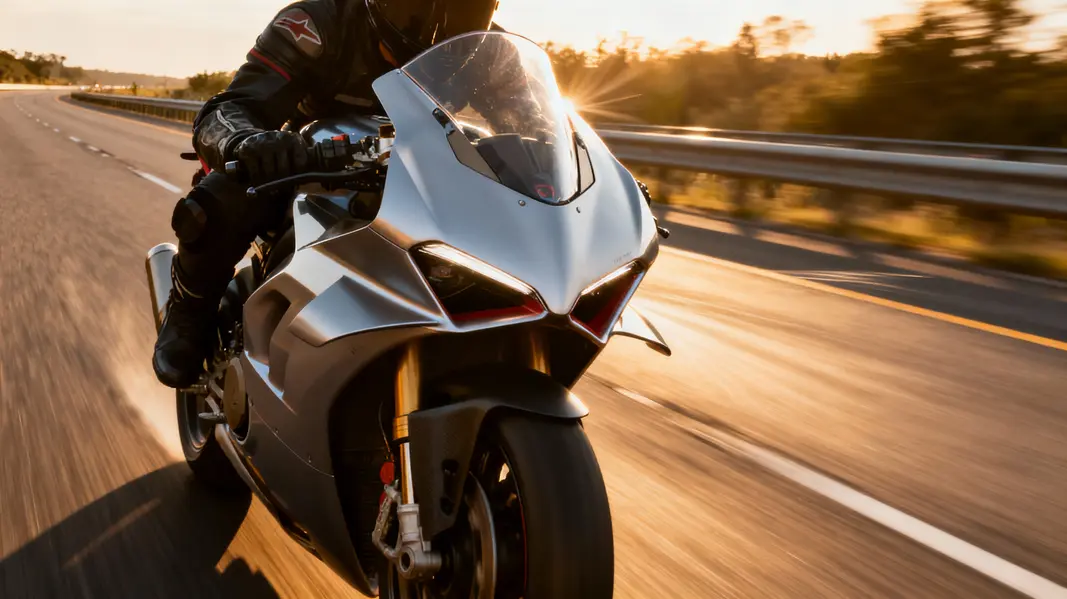
1. 4.1 The Aerodynamic Innovation of Front Fairing: Enhancing Performance and Comfort on Two Wheels
The front fairing is not merely a cosmetic enhancement to a motorcycle; it serves fundamental aerodynamic purposes that significantly boost both performance and rider comfort. At high speeds, the effects of aerodynamic drag become pronounced. A well-designed fairing minimizes this drag by streamlining the bike, enabling smoother airflow around it which results in more efficient power usage. This allows the engine to operate with increased effectiveness, leading to enhancements in top speed, roll-on acceleration, and fuel economy. Riders often find that the lower drag coefficients on fairings translate into real-world benefits, like better fuel efficiency at highway speeds, particularly when cycling above 55 mph.
The aerodynamic structure of the front fairing works in tandem with the motorcycle’s design to enhance stability. When a motorcycle speeds forward, the airflow interacts with the front fairing, producing downforce which helps maintain traction on the road. This is crucial, especially during acceleration, braking, or cornering maneuvers where maintaining control is paramount. The introduction of modern fairings, designed with computational fluid dynamics (CFD), has elevated this aspect further by generating greater downforce while attempting to minimize drag. Racing applications demonstrate this balance, where configurations with aggressive aerodynamics—such as winglets and pronounced noses—provide the necessary force to keep the front wheel grounded, though they come with a trade-off of increased drag that can slightly detract from top speeds.
The engineering behind these fairings goes beyond performance metrics and delves into rider comfort, addressing factors that contribute to fatigue on long rides. A prominent advantage of the front fairing is its ability to create a calm air pocket around the rider’s body. By redirecting airflow away from sensitive areas like the head and torso, the fairing dramatically reduces muscular strain in the neck and shoulders, often a source of discomfort on extended journeys. The relief from direct wind blast allows riders to maintain focus without the added strain of battling against nature.
Moreover, the design of fairings plays a critical role in controlling buffeting and turbulence. The contours of particular fairings—especially batwing and touring types—are optimized to smooth out the airflow around the rider. This reduction in turbulent air not only minimizes helmet lift and head shake, enhancing overall visibility, but also offers a quieter ride, free of distracting noise and vibration that can build over miles. Such attention to detail greatly enhances the riding experience, affirming that comfort does not have to be sacrificed for better performance.
In addition to wind and weather protection, front fairings shield riders from road debris, rain, and cold air, which can otherwise lead to thermal discomfort and distract from the ride. Each unique structurally varying type of fairing—from full front fairings ideal for long-distance touring to low-profile models suited for a more agile ride—tailors the experience to fit the rider’s preferences and needs. Full fairings create the quietest environments and maximum protection, while quarter fairings offer a sweet spot that balances aerodynamic benefits with the desire for agility, maintaining that naked-bike feel.
Materials also play a pivotal role; lightweight options like carbon fiber not only decrease overall weight, improving handling characteristics, but provide lasting benefits across the performance spectrum. Effectively, the marriage of innovative aerodynamic design and rider comfort makes the front fairing a quintessential component in the contemporary motorcycle landscape. Ultimately, understanding this balance is critical for riders looking to enhance their experience on the road, as they can choose modifications that align with their specific riding styles and conditions. For more insights into customizing fairings for motorcycles and maximizing their benefits, the guide on motorcycle fairing customization can be an invaluable resource.
2. 4.2 Harnessing Aerodynamic Downforce for Enhanced Stability and Rider Experience
The role of downforce in motorcycle performance cannot be overstated, particularly when examining high-end models that utilize advanced aerodynamic fairings and winglets. These components are intricately designed to manipulate airflow, creating a vertical load that pushes the motorcycle down against the road. This force is crucial for achieving optimal stability, making high-speed maneuvers safer and more effective, thus elevating both performance and rider comfort to unprecedented levels.
In the world of sport motorcycles, downforce generated by aerodynamic designs is a game changer. With the application of innovative fairing styles, such as ground-effect side fairings, motorcycles can achieve remarkable stabilizing effects when leaning into corners. For instance, the Aprilia RSV4 X-GP illustrates how finely tuned aerodynamics can significantly differ from traditional bodywork. This model employs side fairings that reduce air pressure between the bike and the asphalt, generating additional downforce that enhances grip, especially during aggressive cornering. Studies demonstrate that this creates a vertical load which can increase by nearly five times in straight sections and three times in corners, empowering the rider to tackle challenging twists with confidence and precision.
High-speed stability is paramount for any motorcycle enthusiast. Downforce plays a crucial role as it enhances the contact of the front tire with the road surface, mitigating the occurrence of lift and wheelies that can occur during rapid acceleration. By enabling the front tire to maintain optimum contact with the tarmac, riders can experience an increase in braking grip and tighter corner entry. This is particularly evident in racing scenarios, where precision is required under extreme conditions. Initially adopted in MotoGP, aerodynamic winglets are now utilized in high-performance street bikes, proving their effectiveness in stabilizing the motorcycle during aggressive deceleration. Riders report that these aerodynamic advancements contribute to a predictable and controllable riding experience, instilling greater confidence in their abilities to push the boundaries of speed.
At mid-corner dynamics, advanced fairing designs facilitate airflow in manners previously unseen, allowing channels to guide air around and beneath the motorcycle. This manipulation enables even further downforce generation, fostering a more robust tire contact patch. Riders engaged at the limits of grip can enjoy an enhanced feedback loop, critical for those who live for the thrill of blitzing through corners at high lean angles. This certainty in handling instills a comfortable position for riders to explore their bike’s limits, knowing they have the aerodynamic support necessary to manage speed and cornering with agility.
Interestingly, the advancements in downforce technology aren’t solely reserved for race-ready sport bikes. Brands are now focusing on developing downforce components for naked and road-oriented performance motorcycles. These add-on downforce spoilers, cleverly crafted to enhance vertical load at high speeds, improve stability without compromising everyday usability. Riders seeking a balance between performance and practicality can find these enhancements increasingly beneficial, smoothing out the motorcycle’s reactions on the highway, helping to eliminate weaving and front lift, which often leads to rider fatigue on long journeys.
Ultimately, a well-designed aerodynamic package can harmonize the concepts of drag reduction and downforce addition. It enhances the rider’s experience by not only stabilizing the airflow around the helmet and torso but ensuring that the motorcycle maintains a calm and controlled demeanor even in turbulent conditions. This duality reduces rider workload, creating a pleasurable and fatigue-free journey, and marks a notable evolution in motorcycle design that continues to push the envelope of riding performance.
For more insights into the benefits of motorcycle fairings and their impact on performance, visit Motorcycle Fairing Benefits.
3. 4.3 Crafting a Wind Shield: How Front Fairing Transforms Rider Comfort and Noise Management
Rider comfort during long journeys is paramount, and the front fairing on a motorcycle plays a significant role in this experience by creating a streamlined airflow that effectively mitigates wind pressure, turbulence, and noise. As motorcyclists traverse highways, often at high speeds, the direct assault of wind can lead to fatigue, discomfort, and safety concerns. Here, the fairing acts as a shield against nature’s elements, ensuring that riders remain both relaxed and focused on the road ahead.
At the forefront of its functionality, the front fairing excels at wind and pressure reduction. By redirecting oncoming airflow away from the rider’s chest and helmet, it lessens resistance and fatigue. This dynamic is particularly crucial during extended rides where sustained wind exposure can lead to muscular strain. Riders equipped with a well-designed fairing frequently report a decrease in overall fatigue, allowing them to ride longer distances without discomfort. Such benefits are not merely anecdotal; they are backed by various studies highlighting how a properly installed motorcycle windshield can significantly reduce discomfort caused by wind, ultimately enhancing the ride experience.
A notable characteristic of effective fairings is their ability to smooth airflow around the rider. Advances in design, particularly the application of Computational Fluid Dynamics (CFD), allow manufacturers to create fairings that minimize turbulence, particularly around the helmet and shoulders. This reduction in turbulence decreases unexpected helmet lift and side-to-side head movements, often attributed to buffeting—those annoying jolts felt when riding at high speeds. Riders with well-engineered aerodynamic fairings enjoy a serene experience, characterized by smooth airflow that fosters a sense of control and stability, even in challenging weather conditions.
Moreover, one cannot overlook the noise mitigation capabilities afforded by front fairings. By softening the intensity of disturbed air around the helmet, these aerodynamic designs significantly lower wind noise. Motorcyclists often find that reduced sound levels allow for clearer communication through intercoms or the ability to enjoy music more comfortably. This transformation in audio environment not only enhances enjoyment but also minimizes long-term hearing strain, a crucial consideration for regular riders. For instance, those who install an aftermarket windshield or fairing often find that their rides are noticeably quieter, ultimately leading to a more pleasant experience while navigating busy highways or scenic routes alike.
An additional feature that enhances the versatility of front fairings is their adjustability. Many modern fairings come with adjustable windshields and air deflectors, enabling riders to personalize the flow of air based on their height and riding posture. This adaptability means that individuals of varying physique can customize their setup to eliminate residual buffeting, ensuring that every ride feels just right. Having the capability to tailor airflow not only contributes to comfort but also engages riders, making their motorcycle experience more interactive and enjoyable.
Beyond enhancing comfort, front fairings are essential for improving safety by deflecting debris, insects, and small projectiles away from the rider’s path. This consideration of rider protection while maintaining adequate visibility underscores the multifaceted benefits of a well-designed fairing. As motorcyclists venture into diverse conditions, the relationship between fairings, comfort, and safety illustrates how critical these components are to the riding experience. As such, understanding these dynamics can significantly influence purchasing decisions when customizing or upgrading motorcycles, ensuring that both performance and comfort are maximized.
In summary, the front fairing does more than just enhance the aesthetics of a motorcycle; it plays a pivotal role in enriching the overall riding experience. From crafting a comforting wind shield to ensuring quieter rides, it allows motorcyclists to conquer the open road with greater ease and safety, embodying the blend of functionality and design in modern motorcycle engineering. For further insights into the diverse styles and configurations of motorcycle fairings, consider exploring additional resources on their benefits and installation techniques.
Final thoughts
Understanding the mechanics of front fairings on motorcycles opens avenues for enhancing rider experiences while also optimizing motorcycle performance. With strategic choices regarding the types, materials, and designs of fairings, motorcycle businesses can cater to the specific needs of riders—whether seeking comfort for long-distance rides or stylish designs for urban cruising. Thereby, it becomes clear that investing in quality front fairings is not just an aesthetic decision but a crucial component in enhancing performance and rider satisfaction.
Ready to elevate your ride? Summit Fairings delivers premium, custom-fit fairings that blend style and durability. Whether you’re chasing speed or turning heads, we’ve got your bike covered. Don’t wait—transform your machine today. Click, customize, and ride with confidence. Your perfect fairing is just a few clicks away. Act now!
About us
We are one of the leading motorcycle fairing export sites, with over 3,000 styles across almost all motorcycle models. Buy from summitfairings.com, and pay 10-40% less than the prices on other sites. If you have any questions, we promise we will have your answer within six hours.