
For business owners in the motorcycle industry, understanding the significance of genuine Honda motorcycle fairings is paramount. These original equipment manufacturer (OEM) parts are not just about aesthetics; they’re integral to the performance and safety of Honda motorcycles. In this article, we will explore the vital role OEM fairings play, from enhancing bike performance and ensuring rider safety, to preserving aesthetic authenticity and maintenance practices. Each chapter is designed to provide you with insights to help you make informed decisions about fairing options for your clients, enhancing not only their riding experience but also the value of your offerings.
Precision in Plastic: The Integrity of Genuine Honda Fairings and What They Deliver
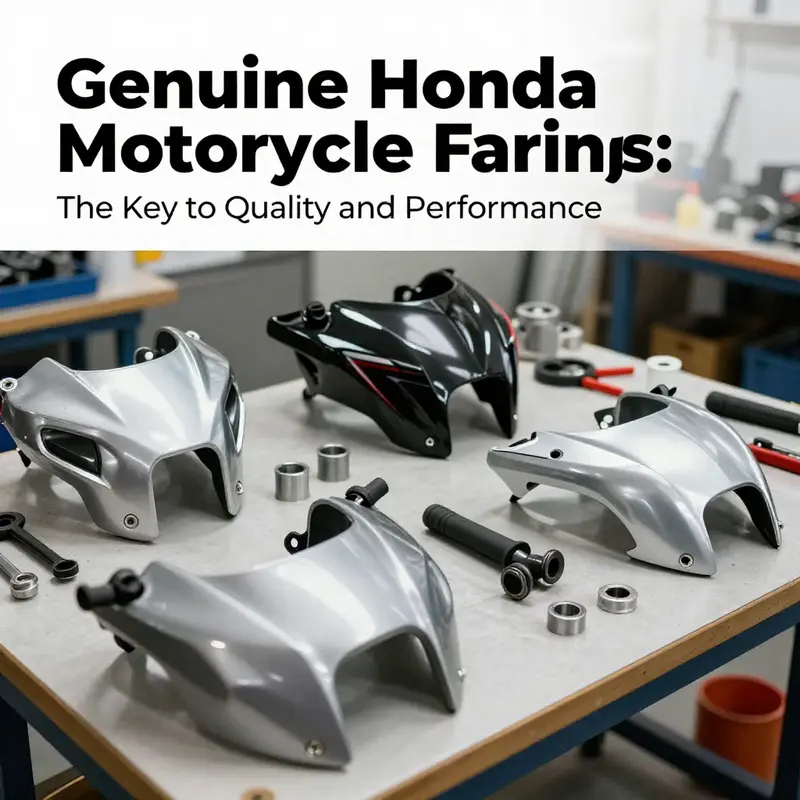
Genuine Honda fairings are more than just decorative shells. They are the result of a careful alignment between engineering intent and rider realities. When a rider slides into a saddle and gazes at the first line of panels, what meets the eye is an aesthetic that speaks to decades of Honda’s design language. What remains out of sight, but just as important, is the assurance that these fairings fit precisely, shield vital components, and preserve the ride’s intended balance. In a world where aftermarket pieces often promise a close approximation, genuine Honda fairings stand out for their factory-level fidelity. They are built to the exacting standards of the bike they accompany, and that fidelity affects everything from aerodynamics to weather protection, from fuel efficiency to resale value. The chapter that follows traces how these OEM parts are imagined, engineered, and delivered, weaving together material science, precision manufacturing, and a distribution network designed to support riders who demand consistency as a baseline, not a premium upgrade.
At the heart of genuine fairings lies a straightforward, sometimes overlooked truth: proper fit is the gateway to performance. The panels are designed for a specific model and year, with every curve, edge, and mounting point calibrated to the bike’s geometry. When a fairing is mounted, the result is a coherent silhouette that behaves as an integrated system rather than a collection of loose parts. This isn’t merely about appearances. Aerodynamics, rider protection, and even the bike’s cooling dynamics hinge on how the fairings envelope the machine. A factory-true fit reduces gaps that can trap turbulence, and it aligns with the bike’s underlying frame and engine layout so that air flow supports engine cooling and stability at speed. The distinction between OEM and aftermarket parts is not only about the surface finish; it’s about the end-to-end performance envelope that the fairing helps to establish.
Material choices in genuine Honda fairings reflect a careful balance between strength, weight, and cost. ABS plastic is a stalwart in many fairing assemblies, prized for its impact resistance, rigidity, and economy. It tolerates the kinds of flex and vibrational energy a motorcycle generates while resisting micro-cracking that can compromise surface finish. Yet the world of fairings is broader than one material. Advanced composites—especially lightweight carbon fiber variants—appear in premium kits where weight savings and stiffness translate into sharper handling and a more aggressive aero profile. The design team evaluates the intended use of the bike, the expected riding conditions, and the rider’s goals. For everyday commuting, a robust ABS kit with excellent finish and long-term durability can be more than enough. For aggressive riders chasing track-ready handling, carbon-grade options can offer meaningful gains in weight and rigidity without sacrificing the integrity of the mounting interface. In every case, the materials chosen for genuine parts are tested for weather exposure, UV stability, and long-term color retention, ensuring a factory look through years of riding.
The process by which these parts come to life combines classic precision with modern manufacturing science. Injection molding remains a core technique for thermoplastic components, delivering consistent wall thickness, uniform surface texture, and dependable repeatability across thousands of units. For composite variants, autoclave-assisted layup is employed to produce panels that meld lightness with structural strength. This combination of methods allows Honda and its authorized suppliers to tailor the finish and performance to the intended model family without compromising the parts’ dimensional accuracy. Each panel is finished to align with OEM color codes and surface texture standards, which means a seamless transition when multiple pieces come together at the mounting points. The result is not only a visually cohesive bike but also a chassis that feels purpose-built, with fewer adjustments required during installation.
Behind the scenes, a global yet tightly coordinated supply chain supports the distribution of these components. Regions known for precision plastics and composite processing—areas with robust manufacturing ecosystems—play pivotal roles in the supply network. The strategy emphasizes vertical integration where possible, from CAD-driven reverse engineering to final packaging, ensuring that every stage can be audited for quality and consistency. Turnaround times are designed to keep pace with demand, typically under several weeks from order to delivery, which matters for riders who rely on factory-fresh appearance and guaranteed compatibility. The supply chain also offers a deliberate choice between more economical ABS sets and premium high-strength carbon fiber options. This dual-track approach allows dealers and authorized distributors to meet diverse customer preferences without compromising on fit or performance.
Quality control is neither an afterthought nor a box-ticking exercise. It is embedded in every step of production. On the shop floor, parts are checked with calipers to verify critical gaps and mounting interfaces. Coordinate Measuring Machines (CMMs) and laser scanning tools are used to verify the exactness of part geometry against the original CAD references. This meticulous verification helps ensure that each panel aligns with the bike’s body lines and mounting points the way a factory-fresh assembly would. The emphasis on precision is not merely cosmetic; it supports consistent panel alignment during maintenance or upgrades and reduces the risk of panel distortion during operation, which can compromise aerodynamics or weather sealing. The presence of a clear quality standard, maintained across batches, gives technicians confidence when installing OEM fairings and offers riders a dependable baseline for resale value.
Customization is another thread in the broader tapestry of genuine fairings. While OEM parts are built to the exact specifications of each model family, there is room within the production framework for riders and dealers to select performance-oriented variants or color-matched finishes that align with market demands. The production lines can accommodate varying aesthetic and functional configurations, reflecting the realities of a diverse rider community. The scalability of these operations is notable: modern supplier networks report monthly production capacities that can exceed several thousand sets, a level of throughput that supports both routine replacements and limited-run colorways without eroding the consistency that OEM parts guarantee. This capacity is a practical reassurance for owners who want to maintain the bike’s original look and handling characteristics over time, even as parts wear or disappear from the original inventory.
The value proposition of genuine fairings extends beyond the immediate utility of repair and replacement. They help preserve a bike’s resale value by maintaining the visual heritage and mechanical harmony that buyers expect. Warranties—often bundled with complete kits—provide a safety net for riders who fear the unpredictability of aftermarket alternatives. A factory-backed part is designed to fit within the vehicle’s safety and performance standards, reducing the risk of misfit panels that could compromise structural integrity or rider protection. The investment in OEM components, then, translates into long-term assurance: a bike that presents a factory finish, maintains its aerodynamic characteristics, and retains closer alignment with the safety and performance benchmarks set by the maker.
For readers who want to explore options and verify authenticity, the path is straightforward. Start with authorized channels that carry genuine parts and confirm compatibility through the official parts catalog or dealer network. It is also prudent to observe how the fairings interact with the bike’s other systems—electrical harness routing, radiator shrouding, and mounting hardware—and to look for subtle cues such as consistent color-matching and edge finishing that signal factory quality. When in doubt, ask for documentation that ties each component to a specific model and year, and request the corresponding installation guidance to ensure the panels align with the frame and subframes as intended. The goal is a seamless integration that respects the bike’s original design intent, while delivering the protection, aerodynamics, and aesthetic that riders expect from a factory finish. To see a curated collection of Honda fairings and related assemblies, you can explore the dedicated catalog page that hosts a range of OEM-style designs and finishes: Honda fairings collection.
To close the loop on authenticity and reliability, imagine the rider who values the tactile sense of precision when the fairings click into place during installation. The sensation of a perfect fit—where panels settle with a quiet, confident snug—encapsulates the essence of genuine OEM parts. It is this tactile verification, paired with the documented materials, manufacturing processes, and quality assurance protocols, that distinguishes factory-finished assemblies from substitutes. The rider who appreciates this truth also recognizes the long-term benefits: preserved aerodynamics, weather resistance, and the visual continuity that keeps a motorcycle looking as if it just rolled off the showroom floor. In a marketplace crowded with options, the genuine fairing embodies a standard that blends engineering discipline with real-world riding demands. It is a standard worth seeking for anyone who treats their machine as a companion for endurance, sport, and daily mobility alike.
For readers seeking deeper specifications or official guidance, the best route is to consult the official parts catalog and trusted distributors. These sources compile model-specific data, installation instructions, and warranty terms that help ensure that the choice you make today remains reliable tomorrow. In the broader context of motorcycle maintenance and customization, genuine Honda fairings represent a disciplined approach to protecting investment, enhancing performance, and preserving the signature look that defines the brand’s legacy. This narrative is not about nostalgia alone; it is about a deliberate, technical decision to keep a bike true to its origin while enabling rider-specific goals. The result is a ride that feels built to the same standards that the manufacturer applied at the factory, panel by panel, year by year.
External resources can provide broader context on OEM practices and official specifications. For official specifications and cataloging, see the Official Honda Parts Catalog – Genuine OEM Fairings: https://www.hondapartsnow.com
Fit That Feels Factory-Strong: Why Genuine Honda Fairings Matter for Performance, Safety, and Value
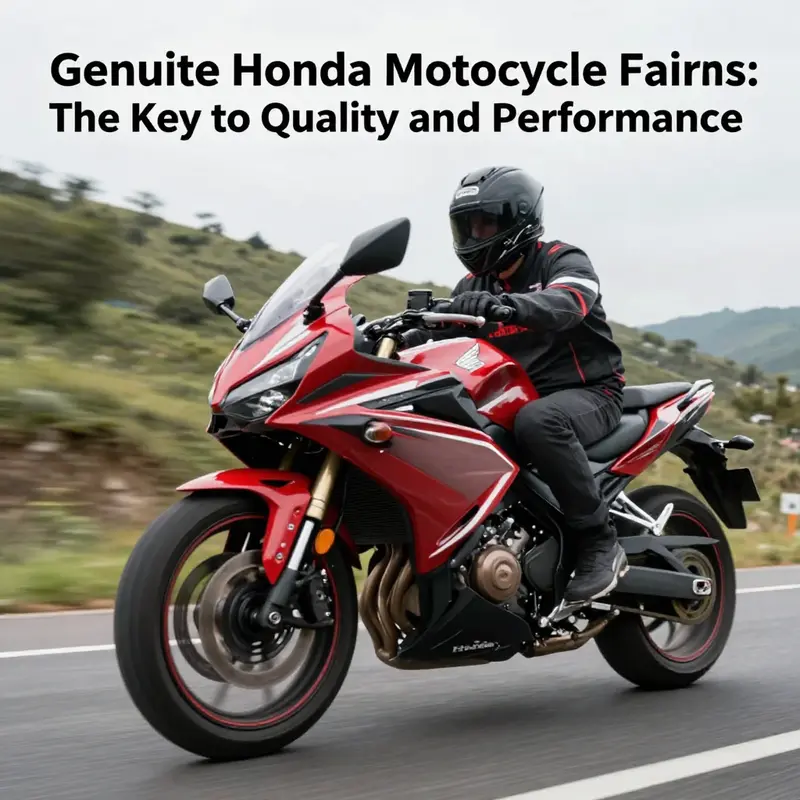
When riders talk about performance, they often start with engines, tires, and suspensions. Yet the conversation that truly shapes how a motorcycle behaves at speed, in wind, and over long miles begins with what sits on the bike’s exterior: the fairings. Genuine Honda fairings are more than cosmetic shelling. They are original equipment components engineered to align with the bike’s exact geometry, weight distribution, and aerodynamics. Designed for the model and year, these fairings promise a seamless fit that preserves the lines, balance, and intended airflow that the manufacturer envisioned. The result is not only a factory-accurate appearance but a performance envelope that remains faithful to the bike’s design language, from low-speed maneuvering to the most demanding highway gusts. Owning them translates into a rider experience where confidence is born from precision and predictability rather than guesswork about fit and function.
The heart of the matter lies in precision. Precision fit is more than a neat virtue on a parts list; it is the cornerstone of smooth airflow. When panels align perfectly with hidden mounting points, gaps are minimized, and the bike’s natural aerodynamics stay true to the design. In practical terms, that means more stable handling at high speeds, less buffeting around the rider, and a more comfortable ride in crosswinds. The fairings’ contours are matched to the bike’s frame, engine, and headlight contours, reducing turbulent wake and preserving a clean, efficient slipstream. In the long haul, that translates into steadier fuel use, better top-end behavior, and a rider who can push further with less fatigue. The rider’s visibility and protection also benefit. Properly fitted fairings shield the legs and torso from wind pressure and weather, while keeping the rider’s line of sight clear, which is essential when the road demands quick situational awareness.
Material quality is another pillar of the genuine option. OEM fairings are constructed from materials that have undergone testing under real-world scenarios—UV exposure in bright sun, heat cycling under heavy traffic, and the impact scenarios that accompany mishaps or minor tucks. The selection of resin, fiber reinforcement, and paint systems is not random; it is part of a controlled process aimed at maintaining rigidity, color stability, and resistance to the elements. This matters not only for appearance but for structural integrity. In the event of a crash or a slide, genuine parts are more likely to behave as the original design intended, preserving critical mounting points and the rider’s protection profile. In contrast, less rigorous materials or inconsistent thickness can introduce rigidity differences or mismatched tolerances that degrade both safety and performance, even if the bike’s powertrain remains unchanged.
Of course, the market offers alternatives. For riders who want to balance cost and dependability, injection-molded ABS fairings from established manufacturers provide a credible path. These aftermarket pieces are designed to replicate the essential geometry and aesthetic. They often go through stringent testing to meet or exceed certain standards and aim to maintain compatibility with the bike’s mounting framework. Yet it remains essential to verify fit on your exact model, confirm hardware compatibility, and review independent durability assessments. The margin between a good fit and a poor one can hinge on small details—the precise location of a mounting boss, the thickness of a reinforcement, or a subtle difference in a mounting peg. In other words, aftermarket options can approach OEM performance, but due diligence is required to ensure safety and function are not compromised.
For the conscientious rider, sourcing decisions matter as much as the products themselves. Authorized Honda dealerships or official parts suppliers are the most reliable pathways to ensure authenticity, warranty coverage, and model-specific compatibility. A genuine fairing that slips into place with factory fit is not merely a matter of pride; it is a practical choice that preserves the motorcycle’s electrical interfaces, coolant routing, and sensor positioning, all of which contribute to clean operation and long-term reliability. This is particularly relevant for newer models that rely on integrated lighting modules or electronic sensors whose alignment affects both lighting performance and rider safety. The warranty protections that accompany factory parts can also provide important peace of mind, ensuring that any manufacturing concerns receive proper support rather than open-ended negotiations with third-party sellers.
Availability extends beyond the dealership floor. Online marketplaces and official parts portals provide access to a broader range of options, but they demand careful scrutiny. The risk of misfit parts or subpar materials is real when sourcing distant or unfamiliar sellers. A straightforward path is to seek parts through certified channels or through vendors that explicitly confirm compatibility with your bike’s specific serial number and production year. The goal is to protect not only the aesthetic of the bike but its aerodynamics, protection, and overall integrity. In a market that blends OEM, certified remanufactured pieces, and rigorously tested aftermarket options, riders benefit most when their choice matches the bike’s engineering intent as closely as possible. If a decision leans toward aftermarket components, it is wise to prioritize those that carry independent testing or verifiable certification for impact resistance and environmental durability, ensuring the solution stands up to daily riding and occasional track days alike.
From a practical standpoint, consider how a fairing set is delivered and installed. The process begins with model-year verification and an inventory check for the full fairing pack, including the front nose, side panels, tail sections, and integrated components like mirrors or turn-signal housings. It continues with hardware inspection: mounting brackets, fasteners, gaskets, and any required seals must be present and undamaged. The most reliable installations come with a complete hardware kit and factory-type fasteners that match the original torque specifications. Subtle issues—like a misaligned gasket or a slightly skewed mounting peg—can introduce unwanted vibration, audible buzz, or misalignment of the windscreen. A careful installation preserves the intended aerodynamic profile and the protective envelope around the rider. It is not unusual for riders to discover that even a small discrepancy in fit invites wind intrusion or a change in the bike’s perceived balance at speed. Therefore, when genuine parts are used, the installation experience is more predictable, and there is a higher likelihood that the bike’s behavior remains consistent with the design intent shared by engineers and riders alike.
If the factory look and performance are prioritized, the aesthetic alignment matters as well. Genuine fairings are color-mmatched to the original coat and finished with coatings designed to resist micro-abrasion and UV bleaching. The result is a uniform, factory-like finish across the entire bike, with panels that sit flush and seams that disappear into the silhouette. The visual integrity reinforces rider confidence, which in turn can affect riding behavior—greater composure leads to smoother lines through corners and a steadier body position in gusting conditions. Maintaining this level of fidelity becomes part of preserving the bike’s identity, especially for collectors or enthusiasts who prize a restored, period-correct appearance. The fairings’ look is more than skin-deep; it signals a fidelity to the bike’s heritage and the manufacturer’s design language.
This integrated approach—fit, material discipline, and a coherent ride experience—explains why genuine Honda fairings matter beyond the surface. They are a tangible link between the rider’s intention and the machine’s behavior. In the field, riders can feel the difference when panels align, when the surface finishes resist the sun’s assault, and when the wind’s pull is managed by a carefully tuned envelope of protection and aerodynamics. It is a practical truth that the bike performs as a cohesive whole when its outer shell is engineered with the same care as the engine and chassis. For those who value a seamless blend of form and function, the journey to the right fairings begins with a commitment to authenticity and ends with a ride that stays true to the manufacturer’s vision.
For those exploring the practical starting point, a dedicated source for Honda fairings can provide a reliable entry into the world of authentic options. You can explore a curated Honda fairings collection that centers on model-specific compatibility and a straightforward path to genuine parts. This resource emphasizes fidelity to the bike’s original design while offering a trustworthy means to source suitable panels for a range of models. Honda fairings collection provides a focused catalog that supports informed decisions about fit and aesthetics, ensuring alignment with the bike’s engineering blueprint. In the end, the goal is to maintain the rider’s confidence, preserve the motorcycle’s performance envelope, and protect the investment that the rider has made in both the bike and the journey it enables.
As you navigate the options, keep in mind that the ultimate measure of choice lies in how well the fairing aligns with the bike’s core purpose: to deliver rider-centric protection, stable aerodynamics, and a consistent, factory-like experience across the miles. When you prioritize authenticity and model-specific compatibility, you choose not only a panel but a system that supports the motorcycle’s balance, safety, and enduring value. That commitment becomes a practical practice as you ride, with the bike answering back in predictable, confident performance—whether you’re weaving through city traffic, cruising highways, or exploring twisty backroads. The fairing, in this sense, is less a cosmetic extra and more a critical partner in the motorcycle’s ongoing story, a partner that helps keep the lines of innovation intact as technology and roads evolve around it.
External resource: https://www.ebay.com/bhp/honda-motorcycle-fairings-bodywork
OEM Precision in Motion: The Aesthetic Truth and Structural Confidence of Genuine Honda Fairings
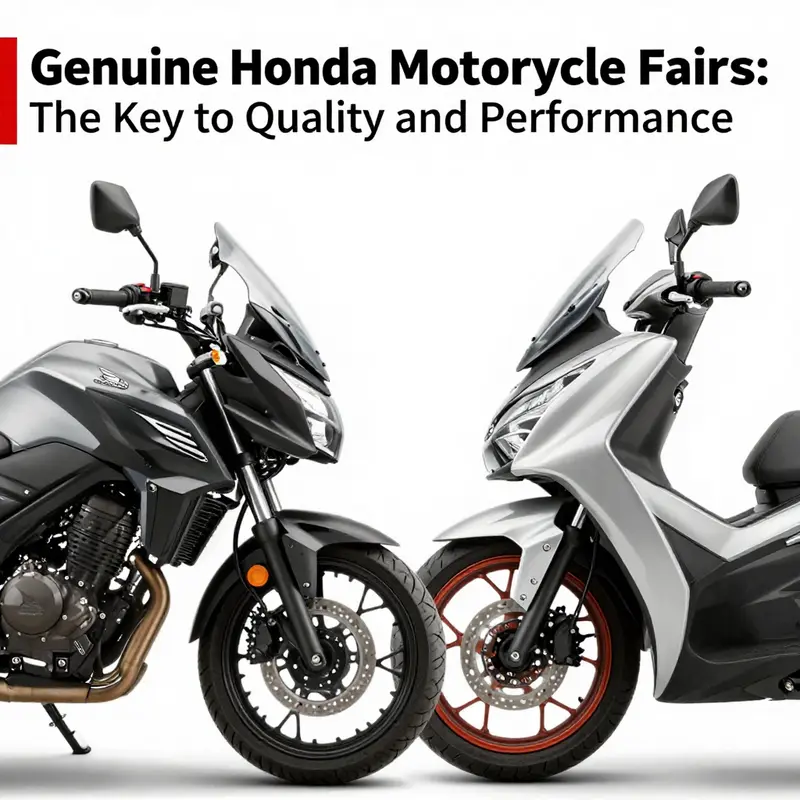
The appeal of a genuine Honda motorcycle fairing goes beyond color or chrome; it is built into the part’s DNA. Genuine fairings are OEM components designed to mate with the exact geometry of a specific model and year. They carry the weight of Honda’s engineering standards, not just in how they look but in how they fit and function. When a rider orders OEM fairings from an authorized dealer or official parts supplier, they are buying something more than a decorative panel. They are buying a component that preserves the bike’s aerodynamics, seals against rain and grit, and keeps the factory silhouette intact. The fit is intended to be precise, the seams and mounting points aligned, the color matched to the bike’s paint code, and the surface finished to the same gloss level as the rest of the bodywork. This fidelity matters whether you are chasing a showroom appearance or aiming for a bike that behaves consistently under real world conditions. It also ensures warranty coverage and helps protect resale value, since a bike that shows genuine OEM skin retains its connection to the original design language. That connection is not merely cosmetic; it is a promise that the entire body is conceived as a single, coordinated system rather than a patchwork of aftermarket pieces.
On the aesthetic side, genuine fairings carry Honda’s design language into every line, curve, and panel edge. The goal is a seamless flow from nose to tail, a silhouette that communicates speed even when the bike is standing still. The contouring is not arbitrary; it is tuned to manage air smoothly around the rider and engine bay, reducing turbulence that can sap stability at highway speeds. Color matching is meticulous, with composite surfaces finishing in uniform gloss and texture that can’t be easily replicated by aftermarkets. The result is a factory finished look that can turn heads because the panels align with the bike’s overall geometry and the rider’s line of sight. The attention to detail extends to the mounting hardware and edge radii, which are designed to mate with the underlying chassis and subframes without forcing compromises in gap tolerances or paint integrity. When you see a bike that looks perfectly sculpted from front to rear, chances are the panels involved are genuine OEM parts that carry the same attention to function as to form.
Quality and reliability are built into the material choices and manufacturing discipline. OEM fairings are commonly molded from a high grade ABS resin that offers the right balance of stiffness and impact resistance. The manufacturing process emphasizes consistency, with tight tolerances that ensure panels align without forcing fitment solutions on the chassis. The panels undergo weathering tests that simulate long exposure to sun, rain, and road salt, so color stability and surface integrity are preserved across years. The result is a shell that resists cracking from minor impacts, resists fading from UV exposure, and maintains its structural integrity when mounting points are stressed during a tip in or a low speed collision scenario. This durability translates to less maintenance downtime, fewer repair decisions, and less anxiety about the bike’s external envelope after a seasonal wash and wax routine. In short, the material grade and testing routine behind genuine Honda fairings are about more than looks; they are about durability under real riding conditions.
From a performance standpoint, the fairings serve as more than cosmetic armor. They contribute to the bike’s aerodynamic profile, shaping how air flows around the engine and rider. OEM fairings are designed to integrate with the bike’s windscreen, ribs, and vents so that airflow remains predictable in varied riding positions. This predictability matters for stability at high speeds and for reducing noise and buffeting around the rider’s helmet. Proper fit prevents gaps where wind can catch and cause flutter, which in turn reduces the risk of loose panels that could shake or vibrate under vibration. The aerodynamic coherence also helps maintain accurate temperature management by directing air to critical radiators or air intake paths. The synergy between fairings, frame geometry, and the rider’s posture is a subtle performance lever that, while not as dramatic as engine tuning, influences how the motorcycle behaves after a corner exit or a long straightaway. In this sense, genuine OEM panels contribute to a rider’s confidence as much as their appearance.
Choosing genuine fairings versus aftermarket alternatives is not just a matter of brand loyalty; it is a decision about long term ownership economics. OEM panels are part of a coordinated system, with color palettes, mounting tabs, and fastener locations designed to preserve the bike’s structural continuity. This reduces the risk of misalignment that can create wind noise, water intrusion, or plastic fatigue at stress points. The warranty coverage is another important consideration: when you replace damaged fairings with official parts through authorized channels, you’d expect warranty support on those components. In contrast, aftermarket options may offer lower upfront costs but can introduce mismatches in fit, gaps, and finish. Even if an after market panel visually resembles the original, the thickness, resin blend, or bonding surface can differ enough to create subtle but persistent misalignment. Over time, this misalignment can translate into accelerated wear on mounting hardware or increased vulnerability to environmental exposure. For a rider who seeks a clean, factory accurate stance, the economics often favor genuine parts despite the higher initial price, because of consistent fit, finish, and long run reliability.
Practical care and procurement choices reinforce the value of genuine fairings. The purchase path matters as much as the panels themselves. Relying on authorized dealerships or official Honda parts suppliers helps ensure that the color code, finish, and hardware match the original bike. Correct installation prevents the common pitfalls of misaligned mounting points or fragile clips that fail after a few road miles. The repair lifecycle becomes easier when the replacement integrates smoothly with existing gaskets, fasteners, and frame cutouts, because the OEM design anticipates these relationships. Beyond installation, maintaining the factory finish requires sensible cleaning and protection. Gentle washing, avoiding harsh solvents that can erode surface gloss, and applying a UV protective wax can extend the life of the outer shell. The aim is to keep the panels looking as if they rolled off the assembly line, so the bike maintains its visual coherence across years and miles. If you want to visualize how the OEM panels relate to the bike’s design vocabulary, you can explore the Honda fairings collection, which offers a clear sense of the cues and alignment that define the brand’s approach to bodywork on a range of models.
Finally, the broader value of genuine fairings extends to resale and safety compliance. When a motorcycle leaves the showroom with OEM bodywork, the ownership history remains coherent: the panels, their color, and the safety related fitments reflect the original manufacturing intent. This coherence helps maintain the bike’s resale value because prospective buyers see a complete, well executed exterior package rather than a patchwork of mismatched components. In addition, being in alignment with manufacturing specifications means that an individual component complies with safety standards that govern the vehicle’s exterior shell. The absence of irregular gaps, unsealed edges, or misaligned mounting points reduces the likelihood of water intrusion or cracking under road salt exposure. These aspects also support insurance assessments and warranty claims, should such issues arise. In sum, genuine Honda fairings deliver a holistic proposition: they preserve the bike’s aesthetic, sustain its aerodynamic integrity, back up reliability through rigorous materials testing, and safeguard value through faithful reproduction of the original design language. The result is a bike that feels intact, behaves predictably, and ages with a sense of continuity that aftermarket panels rarely replicate. For official information on engineering standards, see the Honda official site Honda official site.
The Right Fit and the Right Warranty: Navigating Genuine Honda Fairings, Authorized Dealers, and Trusted Aftermarket Alternatives
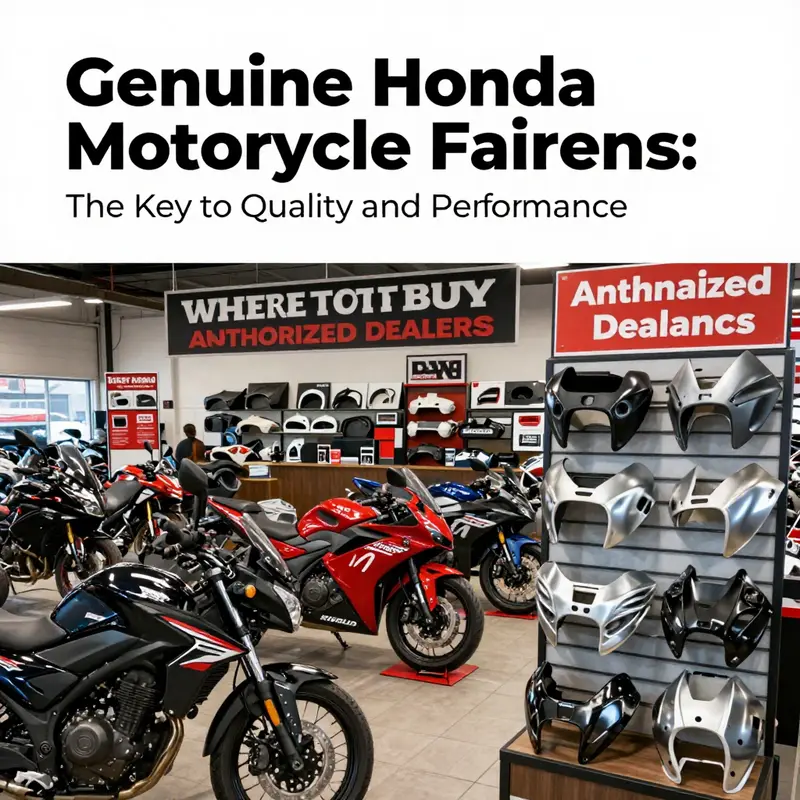
Genuine Honda motorcycle fairings are more than cosmetic shells. They are OEM components engineered to become an integrated part of your bike, shaping its aerodynamics, weather resistance, and overall performance. When you ride a machine that relies on precise fit and exact specifications, the integrity of every panel matters as much as the engine’s heart. The decision point often centers on whether to source from authorized Honda dealerships or to explore aftermarket options. Each path has its own logic, and the choice is shaped by how you use the bike, what you value in the riding experience, and how you weigh cost against long-term reliability. In the end, the goal is not merely a glossy finish but a coherent, factory-consistent package that preserves performance, safety, and value over time. To understand how genuine parts achieve that, it helps to start from the core benefits of OEM fairings: exact fit, authentic appearance, and adherence to the manufacturer’s rigorous standards.\n\nOEM fairings are designed to match the exact contours of your model and year. The mounting points align with precise tolerances, so panels snap into place with predictable gaps and seals. This is not a cosmetic concern alone. Proper fit ensures that wind protection remains consistent at highway speeds, that weather sealing keeps moisture away from sensitive components, and that panels do not rub against moving parts or sensors. The finish—grain, color, and texture—stems from factory processes that reproduce the original look. When a bike is cared for by OEM parts, the aesthetic integrity aligns with how the bike was engineered to be seen and experienced from the showroom floor.\n\nBeyond form, genuine fairings contribute to the bike’s performance envelope. The materials and internal reinforcements are chosen to withstand hours of exposure to sun, rain, and road grit while maintaining structural integrity. A true OEM panel is built to tolerate vibrations and thermal cycles without warping or cracking in a way that aftermarket replicas sometimes exhibit under stress. The aerodynamic profile, tuned through wind-tunnel or real-world testing, is preserved when every transition between panels remains faithful to the original geometry. That means the rider experiences predictable handling, related to the fairing’s influence on lift, drag, and shielding of the rider from crosswinds. When you consider aftermarket options, you weigh not only the look but how the fairing’s geometry aligns with the bike’s overall aerodynamics and cooling layout. This is where some aftermarket products rival the real thing in appearance but may diverge in fit and function, especially at the mounting interfaces or where complex curves meet the bike’s frame.\n\nWarranty is another decisive axis. Honda’s official channels back OEM parts with the same warranty framework that applies to the bike itself, provided the installation is performed through authorized channels. This coverage translates into confidence for riders who rely on their machines daily, and it includes access to dealer support if a panel needs adjustment or recalls occur. Counterfeit or poorly matched parts can siphon away that assurance, creating a mismatch between the bike’s electrical connectors, weather seals, and the fairing’s fasteners. The sense of reliability that comes with genuine fairings is not merely about looking right; it’s about knowing you can count on a consistent, manufacturer-backed standard of quality that’s recognized by service technicians across the network.\n\nFor riders who prefer an authentic, factory-preserved appearance and maintainability, the path is clear: source from authorized Honda dealerships. These channels offer OEM parts that are specifically designed and engineered to align with a bike’s exact model, year, and even sub-variant. The dealer ecosystem also provides the resource of warranty-backed support, easy part-number verification, and compatibility checks with other components such as the inner fairing, mounting brackets, and electronic auxiliary parts. To locate a trusted source near you, the official dealer locator on Honda’s site is the most reliable starting point. The locator helps ensure you access legitimate inventory, consistent pricing, and the assurance that the part will integrate with your bike’s broader system. A direct route to this infrastructure reinforces a straightforward truth: when you want the best odds of a seamless, factory-accurate fit, authenticity matters as much as the panel’s color shade or texture.\n\nThat said, the market for motorcycle fairings includes alternatives that appeal to riders seeking style variety or cost savings. Reputable aftermarket manufacturers offer injection-molded ABS panels and complete fairing kits designed to fit several Honda models. These options can be attractive when a rider is pursuing a specific aesthetic or a tighter budget, and if the fitment is verified against the exact model and year. The upside is clear: broader styling choices and potentially lower upfront costs. The caveat is that compatibility is not universal, and the details matter. Differences can appear in clip alignment, connector spacing for lights or indicators, and the curvature at critical edges where panels meet the bike’s lines. In some cases, a well-made aftermarket kit can meet or closely approach OEM performance, but the risk of subtle misalignment or paint shade variation remains a consideration. Before purchasing, it is essential to scrutinize the compatibility notes for your precise build, confirm the finish matches your bike’s color code, and understand how mounting hardware and seals will be managed.\n\nTo navigate this landscape with confidence, begin by clarifying your priorities. If your aim is pristine factory aesthetics, optimal aerodynamics, and guaranteed warranty coverage, the authorized path is best. If your priorities lean toward customization, recurring styling updates, or a lower initial investment—while accepting potential compromises in fitment or finish—careful curation of aftermarket options can deliver compelling value. Either route benefits from a cautious appraisal of fitment guidelines, a check against your bike’s VIN and production year, and a direct verification of compatibility with any accessory packages your bike carries, such as upgraded lighting or windshield configurations. In practice, that means reading product specifications carefully, comparing mounting points, and confirming that the part numbers align with the exact bike you ride.\n\nFor riders who want to explore current offerings without guessing, there is a simple bridge between worlds. A centralized source of new, compatible options can help you compare OEM and aftermarket approaches side by side, without committing prematurely. And when you want to see a tangible sense of how a Honda fairing fits across a family of models, you can look at dedicated collections that highlight the breadth of Honda’s styling lines and how aftermarket lines attempt to echo those shapes. For a practical glimpse into a broader selection, consider exploring the Honda fairings collection online, which aggregates panels designed for multiple models and years. This resource serves as a baseline to evaluate what genuine fitment looks like and how closely aftermarket options approximate that geometry. Honda fairings collection provides a sense of the standard curves and the types of interface points that matter when assembling a full fairing package.\n\nThe decision between authorized dealers and aftermarket sources is rarely binary. It is a spectrum shaped by how you ride, where you ride, and how you balance capital against long-term value. If you ride aggressively on track days or commute through severe weather, the advantages of OEM parts—precise fit, weather sealing, and a warranty-backed shield—tend to be more compelling. If you are restoring a vintage model, chasing a particular aesthetic, or building a unique street machine with a distinct look, a carefully chosen aftermarket kit can deliver that creative edge while still respecting the bike’s core geometry. Regardless of the path, the prudent approach is to confirm compatibility through official channels, compare the nuances of each option, and guard against any part that looks right but does not align with the bike’s mounting conventions or electrical interfaces.\n\nIn the end, the goal is to preserve the motorcycle’s original design intent—its lines, its balance of weight and wind, its protective envelope around critical components—while ensuring a durable, cohesive finish that stands up to daily riding. The choice of where to buy should reflect an informed confidence that the parts you install are built for your bike, not merely to look like it. By anchoring your decision in OEM authenticity and evaluating aftermarket options against concrete compatibility criteria, you can achieve a result that feels right when you swing a leg over and ride. And if you want a broader sense of the available offerings that echo Honda’s styling language, the internal reference point above can be a helpful starting place to gauge fitment and finish across models and years. For practical steps toward locating authentic parts, consult the official dealer locator. Official Honda dealer locator: https://www.hondamotorcycles.com/dealer-locator
Preserving Precision: How Genuine Honda Fairings Sustain Performance, Style, and Value
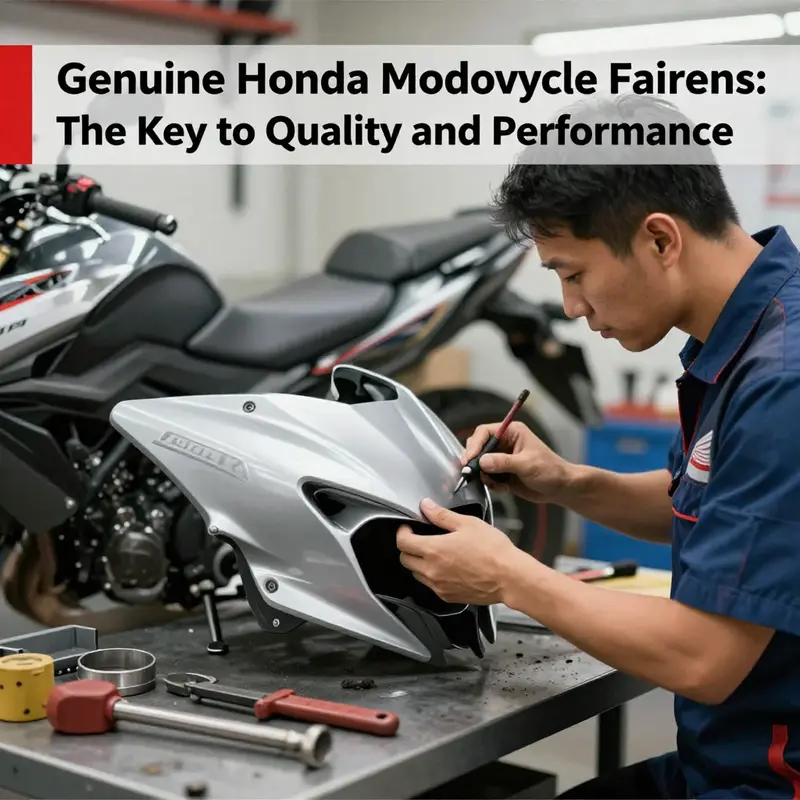
Genuine Honda fairings are more than a surface layer on a motorcycle; they are an engineered system that breathes through the bike’s performance, protecting the rider and the machine alike. As original equipment manufacturer (OEM) parts, these fairings are designed to Honda’s exacting specifications, ensuring that every contour, vent, and mounting point aligns with the bike’s frame, engine cooling, and aerodynamics. The materials are chosen for resilience against wind pressure, rain, UV exposure, and the constant vibration of high-speed rides. When you ride with these fairings, you experience a cohesive silhouette that reduces drag, stabilizes the ride at speed, and minimizes wind noise. This is not merely about looking factory-new; it’s about preserving the bike’s intended personality. The decision to use genuine parts, sourced through authorized channels, keeps that personality intact and ensures the bike speaks with one voice from the fairing to the chassis.
The real benefit of OEM fairings lies in their fit. They are engineered for a specific model and year, so the transitions between panels are seamless, and fasteners sit flush where they should. This exact fit preserves the bike’s aerodynamics, which in turn influences stability during acceleration and cornering. A factory-accurate appearance isn’t simply cosmetic finance; it reflects a net gain in how the machine slices through air and how it breathes under different throttle loads. Beyond the look, a precise fit reduces the chance of rattles, leaks, or misaligned gauges that can appear when aftermarket or ill-fitting parts are forced into place. In short, genuine fairings maintain the integrity of the bike’s intended geometry, which is the backbone of a predictable, confident ride.
Choosing OEM parts also offers practical warranties and compatibility assurances. Authorized dealerships and official Honda parts suppliers are equipped to verify compatibility with a bike’s VIN and production year. This means you’re less likely to encounter gaps, misfits, or warranty disputes that can arise when third-party or generic panels are used. The peace of mind that comes with genuine parts includes knowing that any warranty terms tied to original components remain in force, should you ever need them. In an environment where a color-matched, perfectly finished fairing is part of the motorcycle’s identity, those assurances are not merely bureaucratic; they are practical safeguards for long-term ownership. For many riders, the value extends beyond the current ride and into resale potential, where a complete, authentic fairing set maintains a factory look and consistent finish that buyers associate with a well-maintained machine.
Maintenance of genuine Honda fairings begins with respect for the material and finish. Regular cleaning is a straightforward ritual that protects the panels from the inside out. Use a mild soap and water solution, and opt for a soft microfiber cloth to prevent micro-scratches and dulling. Harsh chemicals, abrasive cleaners, or solvent-based polishes can degrade the surface and weaken the plastic or composite layers over time. The care you invest here translates into a surface that resists clouding, staining, or fading, helping the color and gloss stay consistent with the rest of the bike. After cleaning, applying a high-quality wax formulated for plastics or painted surfaces adds a protective shield against UV rays and pollution. This treatment is particularly important for bikes that spend time parked in bright sun or on coastal roads where acid rain and salt spray can take a toll. Reapplication every three to six months is a practical rule of thumb that respects local exposure without becoming obsessive.
One critical caution is to avoid oil-based products on the fairings. Oil or solvent-based polishes can creep into the microscopic pores and microcracks of the plastic, accelerating degradation and sometimes creating a haze or discoloration. This isn’t a cosmetic concern alone; it can affect the way light reflects off the surface, subtly altering the appearance of the factory finish and, in some cases, contributing to micro-scratching as dust and debris cling to slick residues. If you want surface enhancement, stick to products designed for plastics or specific painted finishes, and always follow the manufacturer’s guidance on compatibility. The aim is to preserve the integrity of the finish while maintaining the clarity of the color and emblem details that identify the bike’s lineage and model year.
Regular inspection becomes a natural extension of cleaning and waxing. The fairings, while robust, are subjected to impact from road debris, curbs, or a low-speed collision with a parked vehicle. Cracks, chips, or denting can compromise aerodynamics, increase wind noise, and invite moisture into joints or mounting points. Small signs of wear deserve attention because they can propagate under vibration and airflow. Addressing damages promptly with proper repair kits or professional assistance helps maintain the panel’s structural integrity and keeps the overall shape of the bike faithful to its original design. Even minor issues, when left unchecked, can alter the air pressure distribution around the bike, undermining performance characteristics and rider comfort over long distances.
Storage is another aspect where seemingly simple choices protect performance. When storing a motorcycle for an extended period, a breathable cover is essential. Plastic, non-ventilated covers trap moisture and heat, encouraging mold, paint blistering, or adhesive breakdown around mounting hardware. A breathable, well-fitting cover reduces dust while allowing moisture to escape, preserving the integrity of the fairings and the fasteners. Temperature fluctuations, especially in environments with high humidity or salty air, can also influence the finish. The fairings deserve a climate-conscious approach that minimizes exposure to direct sunlight, excessive heat, and corrosive aerosols. These practices extend beyond appearance; they help maintain the panel gaps, fastener alignments, and the panel-to-frame interface that are critical to the bike’s reliability and safety on the road.
For riders seeking authoritative guidance beyond routine care, the official Honda Owner’s Manual is a reliable companion. It outlines maintenance sequences, suggested products, and model-specific cautions that help owners tailor care to their bike’s unique needs. When in doubt, consulting the manual or a Honda Service & Support representative can prevent missteps that might compromise fit, finish, or safety. The relationship between a bike and its fairings is a dialogue, where regular care and informed decisions keep the machine true to its original engineering voice. If you’re curious about the breadth of genuine options and compatible configurations, you can explore the Honda fairings collection to see choices that align with your model’s aesthetics and performance goals. Honda fairings collection
Sourcing genuine parts matters as much as maintenance. Procuring OEM fairings through authorized channels reduces the risk of counterfeit or ill-fitting panels that can undermine both performance and warranty coverage. The OEM route preserves factory-integrated aerodynamics and the visual coherence that enthusiasts prize. It also makes future maintenance easier; when a panel is truly designed for a specific model, removal and reinstallation become predictable processes, saving time and minimizing the chance of accidental damage during service intervals. This fidelity to design is what keeps the bike’s character intact, enabling riders to experience the vehicle as its designers intended rather than as a patchwork of aftermarket substitutes. The result is a machine that not only looks right but behaves right under the stresses of spirited riding or long highway miles.
In the broader context of ownership, genuine Honda fairings contribute to the bike’s long-term value. A well-preserved fairing set signals to potential buyers that the bike has been cared for with an eye toward OEM authenticity. The finish remains uniform, the edges align cleanly, and the overall aesthetics present a factory-standard presentation. That consistency matters in a market that increasingly rewards mechanical history and original components. Beyond aesthetics and resale, the protective function of the fairings remains central to safety. Properly maintained panels help shield important components from weather exposure and road debris, reducing the likelihood of minor injuries to the bike’s core systems during operation. In other words, care for the fairings mirrors a broader commitment to maintaining the motorcycle’s performance envelope and longevity.
For riders who want to keep the dialogue with their bike uninterrupted, the combination of regular cleaning, careful waxing, avoidance of oil-based products, vigilant damage inspection, and thoughtful storage creates a sustainable care routine. This routine aligns with the bike’s design philosophy—precision, reliability, and a clean, factory-standard appearance that tells a clear story about ownership. The fairings are not merely protective shells; they are an essential extension of the machine’s character, and honoring their role is part of honoring the bike itself. As you advance through seasons and miles, that respect translates into a smoother ride, a crisper profile in the wind, and a lasting sense of confidence whenever you twist the throttle.
External resource note: For official maintenance guidance and model-specific recommendations, consult the Honda Owner’s Manual available at https://www.honda.com/owners/manuals.
Final thoughts
Understanding genuine Honda motorcycle fairings is vital for business owners who wish to provide their customers with quality and value. From enhancing performance and ensuring safety to maintaining aesthetic authenticity, OEM fairings offer numerous benefits. By recommending genuine parts to your clients, you not only preserve the integrity of the motorcycles but also build trust and loyalty in your business. Source your parts wisely, maintain open communication with customers about options available, and focus on the value these components bring to the riding experience. Embrace the high standards set by Honda and elevate your offerings today.