
Introduction
HD motorcycle fairings serve as more than just aesthetic enhancements; they are crucial components that significantly improve performance and rider experience. Their aerodynamic design not only helps to reduce wind resistance but also minimizes rider fatigue on long journeys and enhances fuel efficiency. This article delves into the multiple dimensions of HD motorcycle fairings—from their aerodynamic benefits and compatibility with various Harley-Davidson models to the material innovations transforming their design. Additionally, we’ll explore the economic impact these fairings have on motorcycle performance and the societal trends shaping their evolution. By understanding these interconnected factors, business owners can make informed decisions about integrating HD motorcycle fairings into their offerings.
Tables of Contents
Chapter 1: Maximizing Performance and Efficiency with Harley-Davidson Fairings
- Optimizing Aerodynamics: How HD Motorcycle Fairings Enhance Drag Reduction and Speed
- A Breath of Fresh Air: The Comfort Revolution of Harley-Davidson Fairings
- Harnessing Aerodynamics: Stability and Control with HD Motorcycle Fairings
Chapter 2: Maximizing Performance: Ensuring the Right Fit with Harley-Davidson Fairings
- Navigating the Terrain of Model-Specific Fairings for Optimal Harley-Davidson Performance
- Year-wise Evolution of Harley-Davidson Fairings and Their Compatibility
- Ensuring Secure Fitment: Key Mounting Hardware for Harley-Davidson Fairings
Chapter 3: The Evolution of Material Technologies in Harley-Davidson Motorcycle Fairings
- Harnessing Advanced Polymers for Enhanced Performance in HD Motorcycle Fairings
- Revolutionizing Performance with High-Performance Composite Technologies for HD Motorcycle Fairings
- Maximizing Strength and Reducing Weight: The Role of Core-Skin Sandwich Structures in HD Motorcycle Fairings
Chapter 4: The Aerodynamic Advantage: How HD Motorcycle Fairings Transform Performance
- The Interplay of Design and Performance in Harley-Davidson Fairings
- The Financial Gains of Enhanced Aerodynamics in Harley-Davidson Fairings
- Mitigating Rider Fatigue for Enhanced Safety and Economic Efficiency
Chapter 5: Navigating the Intersection of Safety, Comfort, and Touring Experience in HD Motorcycle Fairing Design
- Balancing Protection and Performance: The Evolution of Harley-Davidson Fairings for Long-Distance Riding
- How Modern Connectivity and Lifestyle Trends Transform Harley-Davidson Fairing Design
- Riding Individuality: The Impact of Customization on HD Fairing Design
Chapter 1: Maximizing Performance and Efficiency with Harley-Davidson Fairings
1. Optimizing Aerodynamics: How HD Motorcycle Fairings Enhance Drag Reduction and Speed
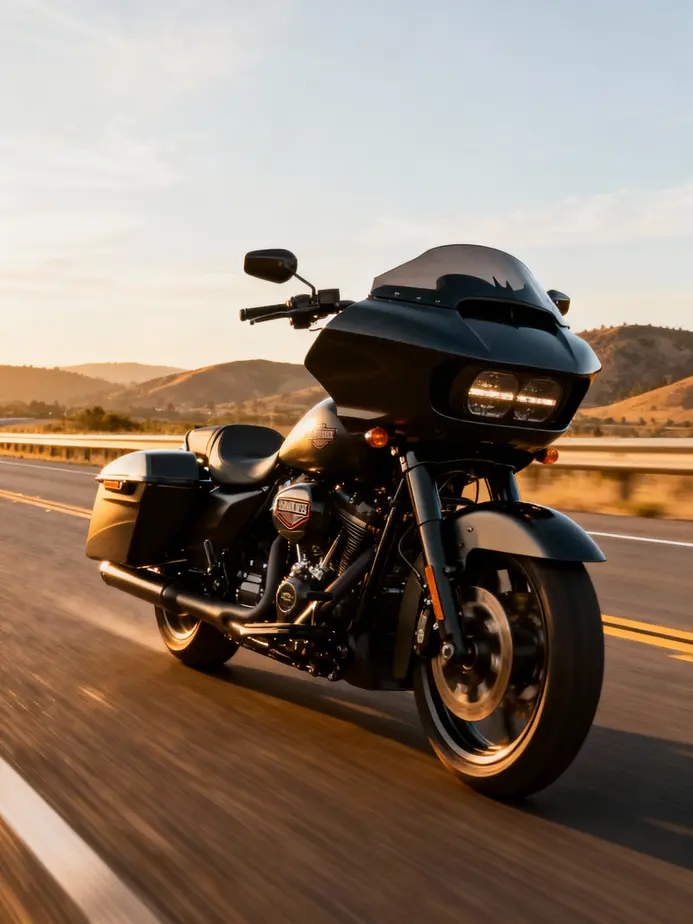
The significance of motorcycle fairings, particularly for Harley-Davidson riders, cannot be overstated. These expertly designed components not only grant motorcycles their signature aesthetic appeal but also play a critical role in enhancing performance by streamlining airflow. The coveted batwing fairings, widely utilized on touring models, represent a quintessential illustration of how integrated design contributes to both drag reduction and high-speed efficiency.
At the core of a fairing’s functionality lies its aerodynamic design, crafted consciously to minimize drag. By sculpting the contours of a motorcycle to facilitate smooth airflow, these fairings direct air around and over the bike, minimizing turbulence that traditionally hampers performance. As a result, motorcycles equipped with fairings can accelerate more swiftly and achieve higher speeds with notably reduced strain on the engine. The science behind this is grounded in the principles of fluid dynamics, which demonstrate that less energy is required to overcome air resistance when a motorcycle adopts a streamlined profile.
The benefits of incorporating fairings extend well beyond mere speed. Riders report improved fuel economy due to less energy being wasted in combatting air resistance, allowing for longer journeys without the constant worry of refueling. Additionally, fairings significantly enhance rider comfort; the reduction of wind buffeting translates to decreased fatigue, particularly beneficial during long-distance rides. A fairing’s design can profoundly influence how the bike behaves at speed, enhancing stability and control while improving braking grip and cornering capabilities. This aspect is especially crucial for performance-focused riders who seek both safety and exhilarating speed.
Innovations in aerodynamic design, notably observed in competitive racing environments, further illustrate the advantages of progressive fairing development. In the fast-paced world of MotoGP, advanced fairings incorporate elements such as winglets and ducts aimed at generating downforce. These features actively keep the front wheel grounded, thereby enhancing overall handling. At high speeds, the downforce created can reach pressures equivalent to 70 kg, demonstrating that cutting-edge aerodynamic design is not just about minimizing drag but also about maximizing control and stability during extreme riding conditions.
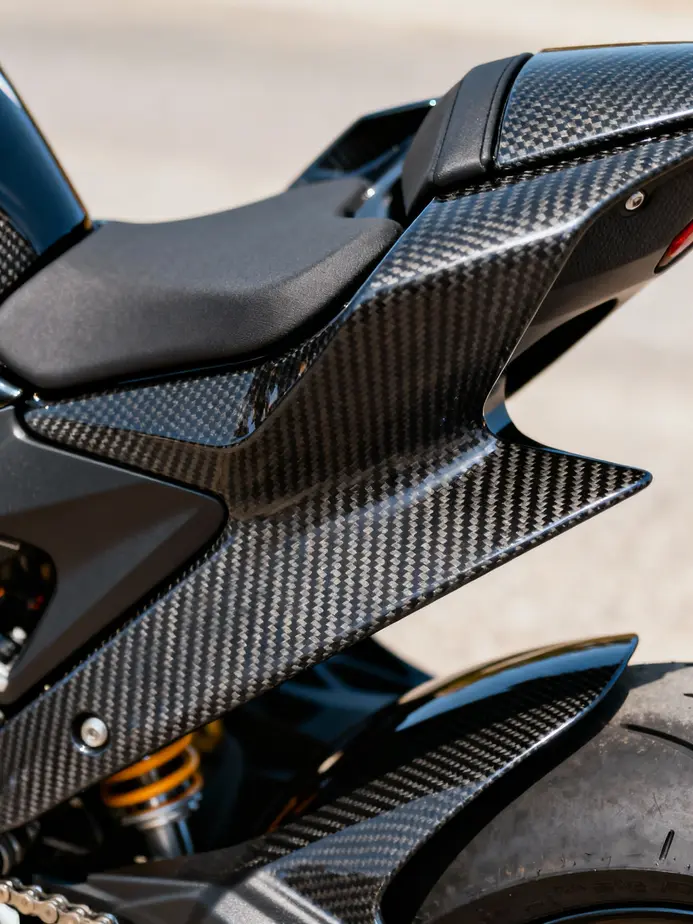
The materials used in constructing fairings also play a pivotal role in determining performance. For instance, carbon fiber fairings offer a lightweight solution, reducing overall bike weight by approximately 30% compared to traditional ABS plastics. This decrease in weight contributes directly to agile handling and improved acceleration, albeit at a higher cost and increased fragility. Conversely, fiberglass reinforced with eco-friendly polyester resins strikes a balance between durability and performance, making it attractive for both street riders and racers alike.
Overall, the design and material choices behind Harley-Davidson motorcycle fairings showcase a remarkable convergence of performance and aesthetics. The drive for efficiency, rider comfort, and aerodynamic excellence informs the continuing evolution of these essential components, proving that fairings are not merely accessories but rather integral parts of the motorcycle’s design. With innovations paving the way for lighter, more aerodynamic models, the future of motorcycle riding promises improved experiences, as enthusiasts harness these advancements to break new ground on the road.
For those looking to incorporate high-quality fairings into their rides, exploring various options tailored to specific models is essential; you can find an array of selections at Summit Fairings.
2. A Breath of Fresh Air: The Comfort Revolution of Harley-Davidson Fairings
Harley-Davidson motorcycle fairings represent a pinnacle of engineering focus on rider comfort through advanced aerodynamic design. The batwing fairings, notably prevalent on touring models like the Street Glide and Road King, play a vital role in molding a smooth ride by efficiently channeling airflow and minimizing disruptive wind forces. With an imposing width of 33.5 inches and a height of 17 inches, these fairings create a significant calm air pocket that significantly reduces wind buffeting and lift effects on the rider’s helmet. This design feature is particularly crucial during long excursions where rider fatigue can otherwise diminish enjoyment and performance.
Aerodynamic performance benefits from such fairings are not merely theoretical; extensive wind tunnel testing and computational fluid dynamics (CFD) modeling have informed their construction. The result is a shape finely tuned to guide airflow around not just the motorcycle but the rider as well. The reduction in helmet lift and turbulence around the shoulders allows riders to maintain control and enjoy their journey without suffering from fatigue associated with prolonged exposure to wind blasts. Hence, the riding experience transforms from a chore into an exhilarating journey.
Moreover, the significance of wind management extends beyond mere comfort. The aerodynamic form of the fairings plays a crucial role in enhancing high-speed stability, particularly in the face of crosswinds. This is where frame-mounted designs, like those on the Road Glide, come into play. They effectively reduce steering load, allowing the motorcycle to track straight and true even in challenging wind conditions. The seamless partnership between windshields and fairings allows them to work in tandem, deflecting oncoming air over the body and ensuring that the rider remains shielded from excessive noise and turbulence.
When selecting a fairing, individual riding style comes into sharp focus. Different styles cater to different comfort needs. Full front fairings, for example, embrace the rider in maximum wind protection, rendering them ideal for long-distance touring. In contrast, quarter fairings offer a balance of aesthetics and aerodynamic efficiency, appealing to those who prefer a sleeker look while still craving some degree of wind deflection. Meanwhile, touring fairings provide expansive coverage, enhancing comfort, particularly for those riders dedicated to the open road for extended miles. Selecting the right fairing becomes a reflection of the rider’s personal preference, grounding their versatility against the backdrop of their intended adventures.
Ultimately, the advanced materials used in modern fairings have transformed comfort and performance. Manufacturers increasingly opt for lightweight composite materials and carbon fiber blends that accompany innovative designs. This trend not only reduces bulk but ensures that enhanced strength retains the necessary durability and aesthetic appeal. Harley-Davidson’s commitment to continually refining these designs in response to rider feedback and preferences solidifies the brand’s understanding of the essential marriage between comfort and performance.
Thus, with the right motorcycle fairing, riders are afforded the gift of enjoyment during their journeys, free from the discomfort of relentless wind and turbulence. The well-designed fairing is not merely a component; it is an enabler of freedom, comfort, and a joyful riding experience, reflective of the Harley-Davidson ethos. For those in search of optimal fairings, understanding this connection leads to a thoughtfully chosen enhancement that transforms riding into an art form, allowing a symphony of man and machine on every road traveled. To explore a variety of options for motorcycle fairings, check out the extensive collections available that cater to different needs and preferences.
3. Harnessing Aerodynamics: Stability and Control with HD Motorcycle Fairings
Stability and control at high speeds are paramount for a thrilling yet safe riding experience, especially on longer journeys where wind resistance can be formidable. Harley-Davidson motorcycle fairings are engineered to address precisely these issues. Designed with precision using computational fluid dynamics (CFD), fairings such as the iconic batwing variant not only enhance the visual appeal of these machines but also significantly improve their aerodynamic stability.
The batwing fairing stands out in the Harley-Davidson lineup, measuring 33.5 inches in width and 17 inches in height. Its broad silhouette effortlessly carves through the wind, creating a calm air pocket that envelops the rider. By channeling airflow effectively, the batwing fairing reduces wind buffeting, meticulously managing the turbulent air that typically assaults a rider’s shoulders and helmet during highway cruising. This meticulous design translates into a more planted riding feel at high speeds, particularly beneficial in adverse weather conditions, where elevated gusts may threaten to destabilize the motorcycle.
In addition to the batwing design, frame-mounted fairings, like the Sharknose found on the Road Glide models, provide an extra edge in terms of stability. Unlike fork-mounted fairings, which pivot with the front wheel, these frame-mounted types remain steady as the rider navigates through crosswinds or behind larger vehicles. This stability enhances steering precision, allowing for more consistent handling and reducing fatigue on long rides. With a more stable platform, riders can focus on the road ahead without the added strain of correcting for external wind disturbances.
Another significant contribution of well-designed fairings is their ability to generate downforce. In high-performance applications, such as racing scenarios, aerodynamic components can create substantial downforce that helps to anchor the motorcycle to the road, thereby improving grip and cornering abilities. While everyday riders may not push their machines to racing limits, the principles behind downforce translate well into increased tire contact and stability for highway cruising. This not only enhances the handling characteristics but also improves braking efficiency, making it a crucial aspect of riding safety.
The benefits of these aerodynamic enhancements manifest in practical terms. Riders experience noticeable reductions in wind resistance, which subsequently translates into lower fatigue levels over extended journeys. Less wind noise and turbulence mean that riders can communicate more easily with each other or simply enjoy the music of the engine, all while retaining a heightened sense of control. Properly installed fairings ensure seamless integration and alignment, contributing greatly to the motorcycle’s overall handling.
In an age where every fraction of a second counts, the right fairings can mean the difference between a tiring ride and an exhilarating adventure. For those looking to enhance their Harley-Davidson motorcycle experience, the investment in quality fairings promises not just improvements in aesthetics but also a substantial upgrade in stability and control on the open road. This integration of design and function makes these fairings indispensable for enthusiasts seeking to push their limits while keeping safety and performance at the forefront. To delve deeper into the various options available for enhancing your ride’s performance and aesthetics, explore additional insights on batwing motorcycle fairings here.
Chapter 2: Maximizing Performance: Ensuring the Right Fit with Harley-Davidson Fairings
1. Navigating the Terrain of Model-Specific Fairings for Optimal Harley-Davidson Performance
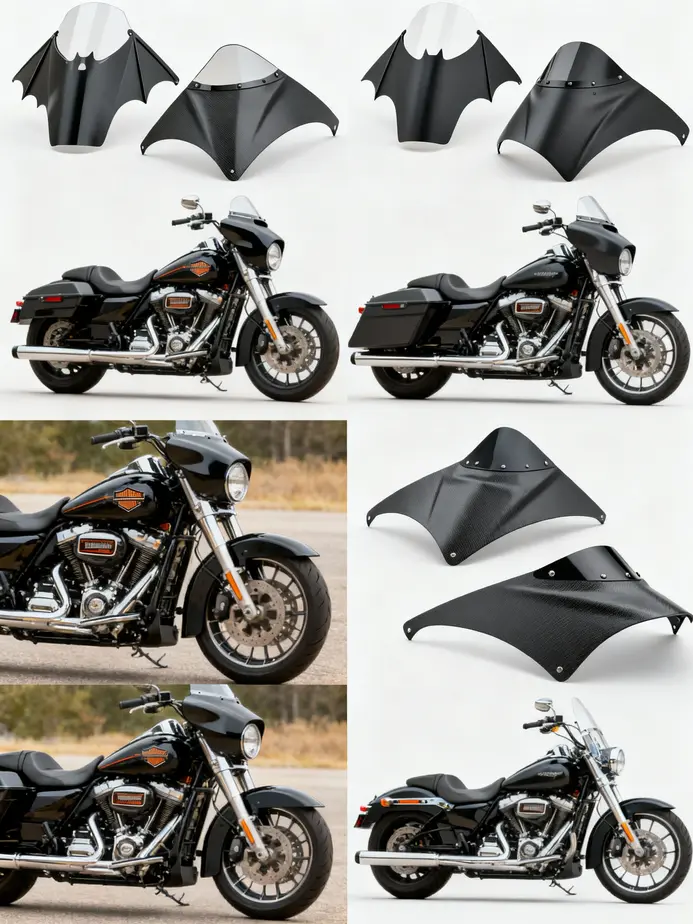
The nuances of fitment in Harley-Davidson motorcycle fairings are essential for ensuring that aesthetics and performance coalesce seamlessly. Most aftermarket HD-style fairings, while often touted as universal, are engineered with a specific focus on particular Harley-Davidson chassis families and their respective year ranges. Fairing compatibility hinges on numerous factors—chief among them being the model, which dictates the equilibrium of fitment and functionality.
The primary challenge with aftermarket fairings lies in the varying mounting points across different Harley families, including Touring, Softail, Dyna, and Sportster. Riders often discover that a batwing fairing designed for a Road King will not bolt directly onto a Street Glide or a Softail without significant modification or additional adapters. The differences in frame and fork configurations that Harley-Davidson introduces from year to year exacerbate this issue, making fitment charts and year-specific brackets critical for any customizations.
For instance, specific year blocks such as “2014–2020” or “2021+” become important because of alterations in mounting geometry—this is especially true for models like the Road King, where the assembly’s base structure directly influences how a fairing adheres. Misaligned mounts not only compromise aesthetic integrity but can lead to functional nightmares involving vibration, stress cracks, and misaligned headlight or turn-signal units. All these factors highlight that an ‘almost fit’ is not a reliable solution for the heavily engineered world of Harley fairings.
Now, take the Road King-specific batwing and Touring fairings, which often come tailored and pre-selected to work harmoniously with the Road King fork tubes and nacelle. They feature a bolt-on kit designed to align perfectly with factory brackets, providing compatibility for specified year groups. This may sometimes extend to include particular Softail models, provided that additional brackets accompany the kit. Many Road King fairings are also pre-designed for specific speaker pod sizes, existing headlamp heights, and DOT beam alignments, which cannot be assumed to be the same across different models.
On the other hand, models like the Street Glide come with an OEM batwing that is tailor-made for its unique touring frame. These factory-installed batwings are intricately designed to integrate gauges, audio systems, and wiring into a seamless experience, making them non-interchangeable with aftermarket batwings intended for different model families. This specialization ensures that every component of the motorcycle works in concert, delivering superior performance and enhancing the unique riding experience that Harley-Davidson enthusiasts have come to expect.
Meanwhile, club-style builds on Softail models, such as the Low Rider, prioritize performance over aesthetics and often feature smaller quarter fairings or frame-mounted windshields. Choosing fairings for these specific builds requires paying close attention to the characteristics of each model’s frame, including triple trees and headlight positioning.
Thus, before investing in a fairing, it is critical for Harley owners to verify their exact model and year, checking against manufacturers’ fitment charts, and assessing mounting styles. Additional considerations include headlight and turn-signal compatibility, fairing weight, and speaker size support. Ensuring that these components are aligned properly not only enhances the bike’s looks but contributes significantly to rider comfort and safety—hallmarks of the Harley-Davidson riding experience. Therefore, informed decisions in procuring model-specific fairings become the linchpin for riders seeking to maximize both performance and aesthetic appeal in their Harley-Davidson motorcycles. For a closer look at specific fairings compatible with styles like the Road King, you can visit detailed fitment resources tailored to your needs.
2. Year-wise Evolution of Harley-Davidson Fairings and Their Compatibility
The journey of Harley-Davidson motorcycle fairings is intimately tied to the evolution of their motorcycle models across various year ranges. Significant changes to mounting systems, electrical configurations, and structural specifications occur regularly, making the year of manufacture a critical factor in compatibility when selecting fairings. Understanding these elements helps ensure that riders can achieve optimal performance and aesthetics without the pitfalls of mismatched components.
One of the most notable ways in which year ranges affect compatibility is through mounting system alterations. Harley-Davidson is known for its innovative engineering, and periodically, the company revisits and refines its mounting configurations. For instance, the latest 2023.5 and later touring models introduce a new mounting system that diverges from earlier designs, presenting challenges for riders looking to upgrade their fairings. This trend continues with 2024 and newer models, which incorporate upgraded harnesses and bolt channels tailored to accommodate the latest technological advancements. Those with older models must invest in heavier-duty bracket kits to facilitate the installation of modern fairings, leading to nuances that must be navigated carefully.
Additionally, fairings are often designed with specific model year compatibility in mind rather than as one-size-fits-all solutions. For instance, the Sony XAV-AX7000 fairing bundle has been precisely engineered for the 1999-2013 Harley-Davidson Batwing Touring motorcycles. This design allows for seamless integration with factory handlebar controls, enhancing the riding experience while maintaining the aesthetic of the bike. Conversely, another batwing inner fairing specifically caters to the Touring models from 1996-2013, while lower leg fairings with speaker cutouts have been designed to fit almost every Harley Touring bike manufactured between 1993 through 2024, including the Road King and Street Glide models. Such targeted designs highlight the importance of confirming compatibility by reviewing the intended year range of a fairing.
Installation issues can also arise from mismatching component years. Unmatched fitment between models is particularly common with the 2014–2020 series and those produced in 2021 or later. For example, the installation experience can vary significantly between Road Kings produced in 2016 versus those from 2018-2020 due to changes in design and component placement. Should these discrepancies go unchecked, riders may experience unwanted vibrations or electrical issues stemming from improper alignments during installation. Therefore, consultation with a professional mechanic or reference to manufacturer specifications is advisable, especially for classic models or when venturing into the realm of aftermarket products.
In summary, Harley-Davidson motorcycle fairings not only serve as pivotal components for aerodynamics and aesthetics, but they also pose unique compatibility challenges across different model years. Addressing these compatibility issues is essential for ensuring a harmonious blend between performance and design, thereby enhancing the riding experience. To deepen your understanding, detailed resources—such as blogs focused on motorcycle fairings—can provide valuable insights for Harley enthusiasts looking to navigate these complexities efficiently.
3. Ensuring Secure Fitment: Key Mounting Hardware for Harley-Davidson Fairings
When it comes to outfitting Harley-Davidson motorcycles with aftermarket fairings, compatibility is paramount. A successful installation hinges on having the right mounting hardware tailored specifically for the chosen model. The intricacies of mounting HD motorcycle fairings involve various components, each playing a critical role in securing the fairing firmly while maintaining the bike’s performance metrics.
First and foremost, let’s consider frame-mounted fairings, such as the FXRP-style or Road Glide-style conversions. For these types of fairings, the main neck/frame bracket is crucial, as it bolts directly through existing holes in the motorcycle’s steering neck or a designated crossmember on the frame. This bracket serves as the primary anchor to which the fairing’s structure attaches. High-quality kits will feature a mounting plate that utilizes factory neck holes combined with an additional crossmember hole, ensuring robust support – a critical factor at highway speeds. For example, the FXRP fairing kit designed for the Road King Police model comes equipped with a main mounting bracket that efficiently uses factory load points.
In addition to the main bracket, fairing support or side brackets are necessary. These components tie the fairing back to the motorcycle frame or engine guard, preventing unwanted flex or wobble during rides. Each model, whether it’s a Road King, Softail, or Dyna, typically requires specific brackets that cater to its unique dimensions and mounting points.
Another important element is the headlight adapter or bucket mount. As many fairing conversions relocate the headlight into the fairing shell, having a proper adapter plate that secures the headlight directly to the main bracket is essential for central positioning and functionality.
Moving on to fork or handlebar-mounted fairings, like those commonly seen on the Sportster or smaller Dyna models, the approach changes slightly. Here, fork clamps or nacelle brackets are key components—these U-clamps or formed brackets attach directly to either the fork tubes or the upper/lower triple tree. Ensuring the correct diameter and spacing is non-negotiable; mismatched clamps can lead to instability and unsafe riding conditions. Reliable aftermarket suppliers will typically outline specific fitment information based on model and fork types, such as narrow, mid, or wide glide varieties.
Similarly, some smaller fairings rely on handlebar or riser brackets. These may utilize riser bolts or top clamp adapters, necessitating a fit that matches your bar clamp pattern and riser height to ensure a stable installation.
An often overlooked aspect is the fasteners and isolation hardware required for mounting. Using the correct, model-specific bolts, washers, and lock hardware is vital for safety and structural integrity. After all, generic fasteners may loosen under the stresses of regular riding. Furthermore, well nuts or rubber isolation mounts are frequently employed around headlights and windshields to absorb vibrations and seal mounting holes. Such kits usually include essential screws, flat washers, and well nuts that expand in place to secure components, preventing rattling or detachment during rides.
Since Harley-Davidson has made changes to frames, forks, and mounting configurations over the years, a comprehensive understanding of model-specific compatibility is crucial. Riders should diligently check compatibility with specific model years, dimensions of mounting points, and variations in hardware—this attention to detail ensures that the fairing not only fits well but also enhances the motorcycle’s performance, stability, and aesthetics efficiently.
For those seeking more information about motorcycle fairings, check out resources available on brands specific to your needs, as product specifications can enhance your installation experience, ensuring a ride that’s both smooth and stylish.
Chapter 3: The Evolution of Material Technologies in Harley-Davidson Motorcycle Fairings
1. Harnessing Advanced Polymers for Enhanced Performance in HD Motorcycle Fairings
The integration of advanced polymer systems into Harley-Davidson (HD) motorcycle fairings has marked a significant evolution in both performance and design. High-performance thermoplastics and composite matrices are at the forefront of this revolution, combining essential characteristics such as stiffness, weight reduction, and impact resistance, along with superior durability against UV exposure, heat, and vibrations. Among the popular materials, Acrylonitrile Butadiene Styrene (ABS) is frequently used due to its toughness and cost-effectiveness, often blending with polycarbonate (PC) for enhanced performance.
The flexible nature of ABS enables easy injection molding, making it a go-to choice for OEM and aftermarket applications alike. Moreover, this material exhibits advantageous properties such as excellent paint adhesion and repairability, crucial for fairings that endure varying environmental conditions. ABS/PC blends further capitalize on the strengths of both polymers, allowing for a superior combination of toughness and optical clarity, particularly in components like windscreens or light-integrated panels.
On the more advanced end, Carbon-Fiber-Reinforced Polymers (CFRP) are burgeoning within the industry, providing exceptional stiffness-to-weight ratios critical for high-performance fairings. This innovation is essential, particularly in racing contexts or performance-oriented models where every gram saved leads to improved handling and rider experience. By embracing carbon fiber along with optimized fiber layup techniques, manufacturers can achieve fairings that not only excel in the aerodynamic domain but also enhance overall motorcycle performance significantly. Additionally, the advancements in polymers have allowed for innovations such as 3D-printed components. This method permits the creation of complex geometries, optimizing internal structures to minimize weight while maintaining structural integrity. Such technology also enables custom solutions tailored specifically for bespoke motorcycle designs.
A critical element in the advancement of HD fairings is the incorporation of enhanced protective technologies. The application of multi-layer paint stacks and UV-stabilized resins has emerged as essential measures to combat resin yellowing, especially pertinent in CFRP and PC components. As components endure exposure to sunlight and changeable conditions, these protective measures reassure riders that the fairing’s finish and aesthetic appeal remain intact over time.
Furthermore, recent innovations are focusing on integrating technology seamlessly within these polymer systems, including channels and housing for electronic sensors. This move towards smart fairings promotes adaptive aerodynamic solutions that adjust in real-time to environmental conditions, enhancing both performance and rider comfort. The incorporation of features such as airflow sensors not only leverages the aerodynamic efficiencies of modern designs but also introduces a higher level of functionality to the overall riding experience.
Addressing sustainability, the industry is seeing an increasing trend towards recyclable composites and bio-based plastics. These forward-thinking materials are meeting the growing environmental demands from consumers, providing an eco-friendly approach to fairing production without compromising quality. The move towards greener alternatives, even for non-critical panels, reflects a broader commitment within the motorcycle manufacturing sector towards sustainable practices.
As advanced polymer technologies evolve, it is evident that material innovation is closely interlinked with the aesthetics, performance, and functionality of HD motorcycle fairings. Manufacturers remain committed to refining their material choices, promising both thrill and reliability on every ride. For more insights on polymer systems, explore prominent options offered in the market like those at Summit Fairings.
2. Revolutionizing Performance with High-Performance Composite Technologies for HD Motorcycle Fairings
In the evolution of Harley-Davidson motorcycle fairings, high-performance composites have fundamentally redefined what is possible in motorcycle design, ensuring both enhanced rider experience and improved aerodynamics. Traditional materials like ABS plastic and simple fiberglass are quickly being overshadowed by fiber-reinforced composites—especially those leveraging the remarkable properties of carbon fiber and hybrid laminates. Such advancements respond to the unique demands that heavyweight motorcycles impose, particularly in the touring and cruiser segments where fairings must manage high wind loads while providing stability and comfort over long distances.
The transition from conventional materials to high-performance composites delineates a significant advancement in motorcycle fairing design. Standard fare included ABS plastic, known for decent impact resistance but at a bulkier weight and reduced stiffness in thin sections, along with basic fiberglass that, while lighter, carries issues of brittleness and susceptibility to cracking. This transition to composite materials, on the other hand, enhances not only the material performance but also introduces dramatic weight savings, critical when considering the fuel efficiency and handling of touring models like the Road King and Electra Glide Classic.
Carbon fiber, in particular, stands out as a game-changer in fairing engineering, offering a superior strength-to-weight ratio and exceptional stiffness. When combined with high-quality epoxy resins, carbon fiber structures achieve the resilience required to withstand the long-term stresses placed on touring bikes. As a result, manufacturers can create larger fairings without sacrificing performance: the batwing fairings, for instance, utilize this technology to create a significant air pocket, thereby reducing wind impact on the rider.
The introduction of hybrid materials—combinations of carbon fiber with glass fiber or aramid (Kevlar)—further broadens the functionality and cost-effectiveness of motorcycle fairings. By integrating glass layers, manufacturers can lower production costs while enhancing the fairings’ visibility to damage and minimizing the likelihood of catastrophic failure during impact. Aramid layers serve a crucial role as well, providing an exterior that is both tough and resistant to cuts and abrasions, which is particularly beneficial for the heavier touring models facing challenging road conditions.
The structural integrity of large fairings, such as those found on baggers, is further optimized through core-sandwich structures. By employing a combination of thin composite skins over lightweight foam or honeycomb cores, manufacturers can significantly boost bending stiffness without the weight penalty. This not only maintains the aerodynamics crucial at highway speeds but also ensures that the fairing can absorb and deflect impacts—a critical feature during long rides.
Modern manufacturing methods are equally transformative, with techniques such as vacuum infusion ensuring that laminated composites achieve high fiber volume fractions and minimal voids. This technique results in parts that are not only lighter but also significantly stronger and more consistent than those made with traditional hand lay-up methods, reducing environmental impact during production while also improving quality control.
The integration of composites and advanced manufacturing solutions should be viewed through the lens of sustainability, with emerging materials like natural fiber-reinforced biocomposites gaining traction in niche markets. These eco-friendly options present potential avenues for manufacturers to appeal to environmentally-conscious consumers without sacrificing performance—further driving innovation in Harley-Davidson motorcycle fairings.
Together, these advancements solidify the role of high-performance composites in elevating HD motorcycles to new heights of performance and rider satisfaction, preparing them for the demands of modern riding experiences. Understanding these material innovations equips riders and manufacturers alike with knowledge essential for navigating the future of motorcycle fairings and ensuring quality rides are sustained, enjoyable, and capable of meeting any challenge on the road.
3. Maximizing Strength and Reducing Weight: The Role of Core-Skin Sandwich Structures in HD Motorcycle Fairings
Core-skin sandwich structures have emerged as pivotal innovations in the design and construction of Harley-Davidson motorcycle fairings, strategically marrying performance with aesthetic appeal. This construction method, which consists of adhering thin yet robust outer skins to a lightweight core, such as foam or honeycomb materials, offers transformative benefits to the motorcycle industry. At the heart of this innovation lies the pursuit of greater stiffness combined with minimal weight, a balance that is vital for high-performance motorcycle applications.
In the context of HD motorcycle fairings, the choice of materials in this sandwich configuration is crucial. The outer skins are typically crafted from high-strength composites like fiberglass, carbon fiber, or aramid; these materials not only provide the necessary structural integrity but also contribute to the aerodynamic efficiency of the motorcycle. These thin skins are designed to reduce wind resistance and enhance performance by delivering smooth aerodynamic surfaces that play an essential role in managing airflow. By integrating these outer layers with an innovative core, the structure can effectively absorb impact forces while resisting deformation under load—an essential feature for the demands placed upon motorcycle fairings.
Among the various options available for core materials, foam cores made from EVA, PET, or polyurethane stand out for their remarkable shock absorption and vibration damping characteristics. They offer ease of machining, making them a practical choice for custom motorcycle designs. Alternatively, honeycomb cores made from aluminum or Nomex provide superior stiffness-to-weight ratios and have become a go-to in aerospace applications, thus proving their worth in the motorcycle realm as well. For those with a focus on sustainability, natural fiber alternatives such as hemp, flax, or jute have started to gain traction due to their lower environmental impact, even though they require protective treatments to mitigate moisture absorption.
While these material advancements herald exciting possibilities for motorcycle design, they come with a caveat—manufacturing precision is paramount. Effective moisture management and edge bonding processes must be meticulously implemented to prevent water infiltration into the core, which can lead to long-term structural degradation. The entire manufacturing workflow must also be scrutinized: from mold design to the accuracy of the layup, careful control of the curing process, and precision in surface finishing are essential. Each step directly influences the fairing’s aerodynamic performance and curling durability.
Surface quality is of particular importance; inadequate sanding or poorly applied fillers can inadvertently increase aerodynamic drag, negating the performance advantages of a well-designed fairing. Such imperfections may even incite vibration chatter at highway speeds, potentially distracting or discomforting the rider—an outcome that any manufacturer aims to avoid at all costs.
As the demand for high-performance motorcycle fairings continues to rise, the integration of core-skin sandwich structures represents a leap towards producing lighter, stronger, and more efficient fairings. These innovations are not merely technical advancements; they embody an evolution in how motorcycle fairings can redefine the riding experience. For further exploration of different motorcycle fairing options, visit the relevant collections available through reputable sources, as these can provide valuable insights into the range of designs tailored for various motorcycle models.
Chapter 4: The Aerodynamic Advantage: How HD Motorcycle Fairings Transform Performance
1. The Interplay of Design and Performance in Harley-Davidson Fairings
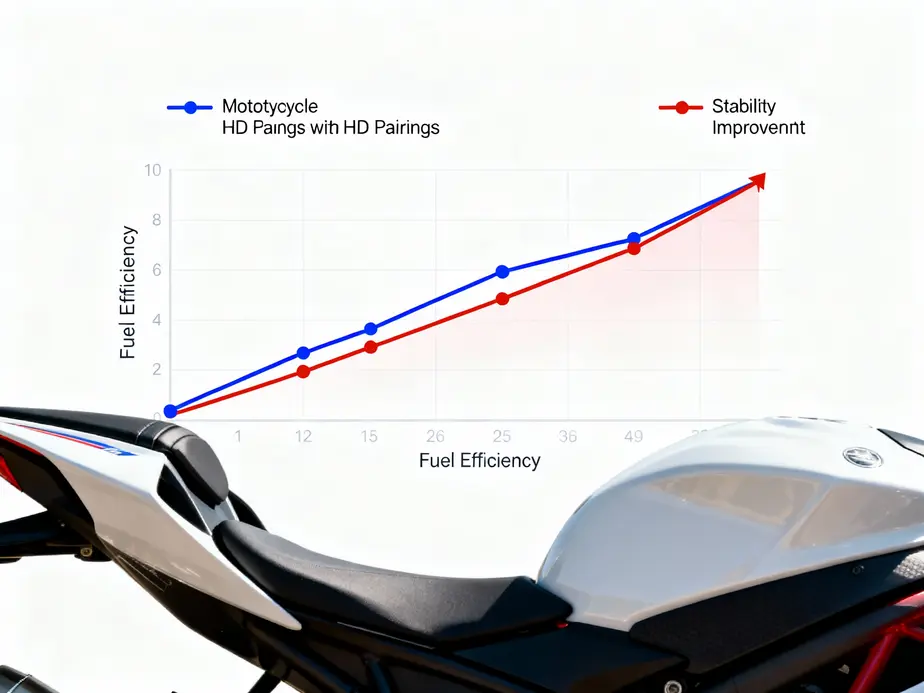
Harley-Davidson motorcycle fairings play a pivotal role in enhancing both the functionality and aesthetic appeal of these iconic machines. Designed with aerodynamics in mind, these fairings serve as critical components, managing airflow around the motorcycle and its rider, which directly influences performance metrics such as stability, fuel efficiency, and rider comfort.
Among the various fairing styles, batwing fairings stand out as the most recognized, particularly for Harley-Davidson’s touring models. With dimensions typically measuring 33.5 inches wide and 17 inches tall, batwing fairings create a substantial air pocket that reduces wind impact substantially. This unique profile is not merely for show; it significantly diminishes wind resistance at higher speeds, translating to enhanced stability and reduced rider fatigue during long rides.
The integration of modern computational fluid dynamics (CFD) analysis into the design process has allowed manufacturers to fine-tune these fairings meticulously. By simulating airflow scenarios over various shapes and materials, engineers can predict how changes in design affect performance outcomes. This optimization ensures that Harley-Davidson riders benefit from a finely-tuned riding experience, characterized by reduced wind noise and better overall handling. When a rider experiences less turbulence, both comfort levels and control improve, leading to a more enjoyable ride.
Moreover, fairings are crafted specifically for certain Harley-Davidson models, such as the Road King and Electra Glide Classic. This bespoke approach ensures that each fairing aligns perfectly with the motorcycle’s frame and handling characteristics. The seamless integration of these components is critical; superior aerodynamic performance hinges upon how well the fairing works in conjunction with the rest of the motorcycle. For instance, fairings designed for the FX Softail or Sportster contribute to better maneuverability, vital for urban environments or winding roads.
As the motorcycle industry evolves, the materials used in fairing construction are also advancing. Recent trends show a significant shift toward lightweight composite materials and carbon fiber blends. These materials not only reduce weight but also enhance durability without compromising structural integrity. Riders can now enjoy improved speed and agility without the added burden of heftier components. The push for lighter bikes aligns with an industry-wide goal of optimizing performance and fuel consumption, addressing the practicality expected by today’s motorcyclists.
In addition to performance benefits, Harley-Davidson fairings lend themselves to customization. Riders can choose from a variety of styles and finishes to match their personal tastes. This customization not only enhances the visual appeal of the motorcycle but also increases the rider’s emotional connection to their bike, turning each ride into a personal expression of identity
Ultimately, the design and integration of Harley-Davidson motorcycle fairings create a rich interplay between aesthetics and functionality. The careful craftsmanship that goes into creating these aerodynamic elements not only elevates the performance of the machine but also enhances the overall riding experience. With each component meticulously engineered, riders can reap the many rewards of engaging with a motorcycle that is not just built for looks but is also a masterpiece of performance engineering.
For those interested in learning more about motorcycle fairings beyond Harley-Davidson, a variety of options exist in the broader motorcycle industry. From the sleek designs of Yamaha to the robust offerings from Suzuki, there is a fairing designed for every rider’s needs and preferences. Exploring the various fairing selections can further enhance one’s riding experience, ensuring optimal performance and style on any journey. Check out this collection of motorcycle fairings to discover more.
2. The Financial Gains of Enhanced Aerodynamics in Harley-Davidson Fairings
The intersection of aerodynamic efficiency and economic viability within Harley-Davidson (HD) motorcycles offers compelling insights into the broader impact of fairings on performance and operational costs. Fairings are not merely cosmetic; they are engineered for maximized airflow management, influencing how effectively a motorcycle performs at high speeds while also directly affecting fuel consumption. By minimizing drag and turbulence, motorcycle fairings transform the riding experience, resulting in tangible economic benefits for riders, particularly those who frequently traverse long distances.
When we delve into the mechanics of aerodynamics, it becomes evident that the principles governing airflow are remarkably similar across various vehicles. Just as in aviation, where the lift-to-drag ratio (L/D) is crucial, this ratio is fundamental in motorcycle design as well. Higher L/D ratios indicate superior aerodynamic properties, yielding significant advantages in terms of wind resistance. For Harley-Davidson, the batwing fairing, characterized by its unique contour, significantly reduces the force of the wind upon the rider. This reduction in drag not only enhances stability at highway speeds but also diminishes rider fatigue, allowing for longer, more enjoyable journeys—elements crucial for touring enthusiasts.
The economic consequences of improved aerodynamic design extend far and wide. Reduced drag correlates with diminished fuel consumption, a major consideration for riders looking to optimize their operational costs. Each increment in aerodynamic efficiency translates into cumulative fuel savings; this can lead to considerable cost reductions over time, especially for those logging extensive mileage. For instance, consistent use of HD motorcycles fitted with batwing fairings can result in fewer fuel stops, decreased fuel expenditures, and an overall enhanced cost-per-mile metric, thereby improving financial sustainability for riders.
Advances in fairing materials, particularly the adoption of lightweight composites and carbon fiber blends in contemporary HD fairings, fortify this economic case. These modern materials offer strength without significantly increasing bulk, further improving the aerodynamic profile while simultaneously enhancing durability. The increased structural integrity of these materials means fewer repairs and less frequent replacements; this not only extends the life of the fairing but also promotes long-term financial savings for the owner.
Moreover, there is a synergy between engine technology and aerodynamic efficiency. As modern engines continue to evolve toward higher efficiency ratings, the need for overwhelming thrust is mitigated by exceptional aerodynamic designs. For instance, Continuous Descent Approaches, often leveraged in aviation, can also inspire motorcycle operational efficiencies: embracing a riding style that minimizes abrupt changes in velocity can yield further fuel efficiency benefits—which cumulatively enhance the overall economic model for daily riders.
In conclusion, the precise design of HD motorcycle fairings is not just an aesthetic enhancement but a critical contributor to both performance and economics. As these fairings continue to evolve, riders benefit from innovations that promote not only efficiency on the road but also significant reductions in costs, reinforcing the value of intelligent design in the dynamic landscape of motorcycle performance. For further exploration into motorcycle components, check out the extensive range of Honda fairings tailored for various models.
3. Mitigating Rider Fatigue for Enhanced Safety and Economic Efficiency
Rider fatigue represents more than just a physical ailment; it significantly compromises safety, productivity, and the economic viability of motorcycle trips. Understanding how fatigue impacts these factors offers valuable insights into how aerodynamic fairings, such as those found on Harley-Davidson bikes, mitigate this issue and enhance the overall riding experience.
Understanding the Connection Between Fatigue and Safety
Studies have firmly established that fatigue impairs reaction times and decision-making abilities, akin to the effects of alcohol consumption. Specifically, being awake for 17 hours can diminish performance to a level similar to a 0.05% blood alcohol concentration (BAC), while 24 hours of wakefulness may equate to a 0.10% BAC—well above the legal threshold. This impairment raises the likelihood of crashes and increases their potential severity, making it crucial for riders to recognize the signs of fatigue before embarking on long journeys.
The fatigue factor escalates dangerously as driving hours extend. Research indicates that the risk of accidents doubles between the 8th and 10th hour of driving and again when moving from the 10th to the 11th hour. Those engaged in motorcycle touring, especially on Harley-Davidson models equipped with batwing fairings, benefit from enhanced aerodynamics that allow for a more stable and less tiring ride at highway speeds. These fairings help maintain an air pocket, reducing wind resistance and associated rider fatigue. Consequently, less fatigue translates to higher safety and lower operational risk—a vital consideration for both individual riders and commercial motorcycle operators.
The Impact on Productivity
Fatigue does not only affect safety; it also significantly degrades cognitive and operational capabilities. When fatigue sets in, attention wanes, reaction times slow, and performance errors increase, resulting in serious productivity losses. Riders experiencing fatigue may struggle with schedule adherence, slowing down their average speed and frequently taking longer breaks. These factors lead to compounded delays that can cost the motorcycle transportation sector valuable hours and, by extension, revenue.
Poor infrastructure, traffic congestion, and fatigue create a perfect storm that can exacerbate delays, costing the industry billions annually in lost time and wasted resources. In this context, the advantages offered by aerodynamic fairings become imperative; they reduce physical exertion needed to withstand wind resistance, enabling riders to cover more miles efficiently and safely.
Trip Economics: Balancing Hours with Profitability
Examining the financial implications of rider fatigue, one can see that pushing for extended riding hours often yields diminishing returns. While it might appear that driving longer should result in greater profits, the reality is much more complex. Each additional hour of riding beyond the optimal window (generally cited as 8–10 hours) increases crash risk without proportionately raising productive mileage. The potential costs associated with fatigue-related accidents—legal claims, insurance increases, downtime—can negate any financial benefits derived from additional riding hours.
Thus, when considering the economics of motorcycle travel, it becomes clear that investing in fairings that minimize rider fatigue pays off. The reduction in physical strain enables riders to maintain higher levels of focus and alertness, thereby translating directly into improved safety and greater profitability. Streamlined designs found in batwing fairings not only allow for a more enjoyable ride; they also foster an operational environment that enhances productivity and reduces economic risks attached to fatigue.
By addressing fatigue through effective aerodynamic design, Harley-Davidson motorcycle fairings exemplify how thoughtful engineering can yield significant safety and financial benefits for both amateurs and commercial riders alike.
Chapter 5: Navigating the Intersection of Safety, Comfort, and Touring Experience in HD Motorcycle Fairing Design
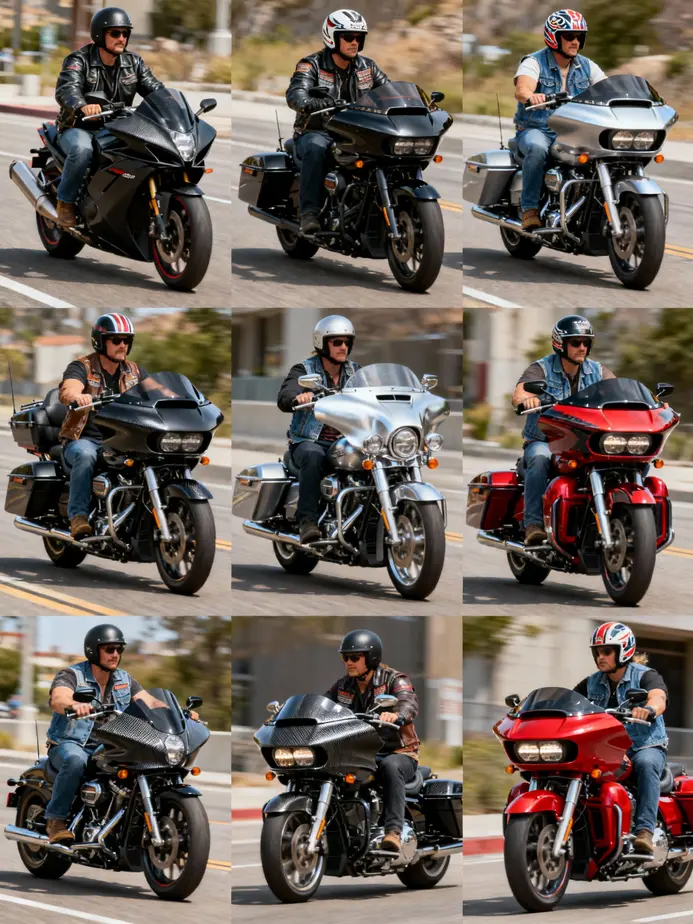
1. Balancing Protection and Performance: The Evolution of Harley-Davidson Fairings for Long-Distance Riding
Balancing Protection and Performance: The Evolution of Harley-Davidson Fairings for Long-Distance Riding
The design of Harley-Davidson motorcycle fairings, particularly the batwing type, showcases the brand’s commitment to merging safety and comfort with the evolving demands of long-distance touring. These fairings are not merely protective shells but sophisticated components that enhance aerodynamic performance, ensuring a smoother ride at high speeds. As long-haul riding becomes increasingly popular among enthusiasts, the features embedded in batwing fairings take on greater significance, reflecting a cultural shift towards the prioritization of rider comfort and safety.
The batwing fairing, with its dimensions of 33.5 inches wide and 17 inches tall, functions fundamentally to create an optimal airflow around the rider. This aerodynamic design is critical in reducing both wind resistance and turbulence, allowing riders to cover extensive distances with less strain. The design principles applied in developing these fairings utilize advanced computational fluid dynamics, ensuring that the air pocket created not only protects against harsh winds but also enhances stability across variable terrains. By managing airflow effectively, these fairings contribute to diminishing rider fatigue, a notable improvement especially during long road trips.
Safety is a paramount concern in modern motorcycle design, and batwing fairings address this through an array of integrated features. Recent models are designed with state-of-the-art lighting technologies, including LED upgrades that ensure maximum visibility, crucial for nighttime riding or inclement weather conditions. Innovations such as the Ciro Goat-E system are a testament to Harley-Davidson’s responsiveness to evolving safety standards in the biking community. These enhancements allow riders to install safety features easily, reinforcing the idea that functionality should not come at the expense of aesthetic appeal or accessibility.
In addition to performance and safety, the aesthetic element of fairings cannot be overlooked. Today’s riders increasingly seek personalization options that allow them to express individuality while retaining functionality. The desire for customizable features has seen the emergence of adjustable and low-profile fairings that marry visual drama with practicality. The 2026 Harley V Rod is a striking example of this balance, embodying a minimalist design that still emphasizes safety and rider comfort with integrated LED lighting options and distinct paint choices, reinforcing a connection to the brand’s heritage while appealing to contemporary tastes.
Furthermore, these fairings are designed in conjunction with advanced technological systems integrated into modern motorcycles. The 2026 V Rod offers multiple ride modes, cornering ABS, and traction control systems, showcasing the importance of technology in enhancing both safety and enjoyment during rides. As riders invest in long-distance tours, the seamless integration of such features into fairing design ensures that they do not compromise on the spirit of freedom and adventure that defines motorcycling.
Ultimately, the evolution of Harley-Davidson fairings represents a broader societal trend that sees safety, comfort, and aesthetic qualities working in harmony. These components have transformed into multifunctional assets, elevating the riding experience while carefully considering the dynamic needs of modern bikers. As interest in long-distance touring grows, the commitment to producing innovative, rider-focused fairings reflects the industry’s dedication to continuously enhancing the motorcycle adventure for all enthusiasts. For more information on various motorcycle fairing options, you can explore diverse selections compatible with multiple bike models. Source: Summit Fairings.
2. How Modern Connectivity and Lifestyle Trends Transform Harley-Davidson Fairing Design
In a world increasingly dominated by technology and constant connectivity, the design of Harley-Davidson (HD) motorcycle fairings is undergoing a transformation that bridges performance with the modern lifestyle of riders. These fairings are no longer just functional elements designed to shield against wind; they have evolved into sophisticated platforms that integrate advanced electronics while enhancing comfort and aesthetic appeal. This evolution addresses the myriad needs of today’s riders, who often view their motorcycles as extensions of their personal identities.
As riders embrace a lifestyle filled with digital devices, the demand for integrated electronics within fairings is growing. Riders now expect their fairings to accommodate smartphones, GPS units, and action cameras seamlessly. This trend manifests in design features like built-in mounts for various gadgets, ensuring accessibility without sacrificing rider safety or comfort. Advanced cable routing and power integration—such as USB-C ports and even wireless charging pockets—are becoming standard offerings, reflecting the expectation for all-day connectivity and ease of use. Enhanced lighting systems, including LED upgrades, not only boost safety for nighttime riding but also cater to the content-sharing culture prevalent on social media platforms.
Moreover, the blending of work and leisure in contemporary lifestyles means riders are spending longer hours on their bikes, whether commuting or embarking on extensive journeys. Not only do today’s fairings need to provide aerodynamic efficiency, but they also must prioritize rider comfort over prolonged periods in the saddle. Harley-Davidson has responded with refined fairing shapes that reduce wind buffeting, thus alleviating rider fatigue on highways. Adjustable and low-profile designs allow riders to personalize their wind protection, optimizing their experience for both city commutes and longer stretches on open roads. Integrating noise management features ensures that essential communication—like phone calls or intercom conversations—is clear even at high speeds, further enhancing comfort.
The influence of social media and a growing culture of personalization has led to a surge in demand for customized fairings that make individual statements. Riders are increasingly viewing their motorcycles as personal brands that reflect their style and values. In response, HD fairings are available in a variety of stylized designs that cater to distinct aesthetics, allowing for impressive visual impact. The flexibility in color options, graphics, and modular components enables riders to maintain an updated look while ensuring that their bike’s design remains cohesive and engaging.
Interestingly, the resurgence of retro aesthetics—where modern technology meets classic designs—further shapes the fairing landscape. Society’s infatuation with nostalgia manifests in preferences for classic silhouettes paired with cutting-edge features. Harley-Davidson’s batwing fairings, for example, manage to evoke a sense of heritage while utilizing advanced aerodynamics and lightweight materials. This blend of old and new appeals to riders seeking reliability and style, making retro-modern fairings a popular choice in the market.
Lastly, as rider demographics shift and safety concerns grow, the fairing design now also prioritizes enhanced visibility and stability. With features such as upgraded LED lighting and shapes engineered for better straight-line stability, modern fairings not only support aesthetic desires but also fulfill the heightened expectations for safety in contemporary riding. Integrating safety electronics further reflects the industry’s response to regulations, ensuring that riders feel secure without compromising on the thrill and freedom that come with riding an HD motorcycle.
Thus, the synergy between technology and lifestyle trends is reshaping HD motorcycle fairings, making them vital components that embody the spirit of Harley-Davidson while meeting the complexities of modern riding culture. This holistic approach to fairing design captures the essence of connected living while maintaining a strong connection to heritage, reflecting a future where performance and personal identity coexist.
For those interested in exploring fairing options tailored to specific models, check this link here.
3. Riding Individuality: The Impact of Customization on HD Fairing Design
Customization deeply influences the design and appeal of Harley-Davidson (HD) motorcycle fairings, especially within the highly competitive market for touring and batwing models. For many motorcyclists, these fairings serve not merely as protective components but act as canvases of personal expression, embodying their riding styles, communal affiliations, and individual identities. This societal shift toward personalization reflects a broader cultural trend—consumers increasingly seek products that resonate with their unique tastes and lifestyles, a phenomenon broadly recognized as personalization culture.
As riders gravitate toward customization, the aftermarket ecosystem surrounding HD fairings has evolved into a vibrant marketplace. Innovators in motorcycle components offer a range of customized options—from vividly painted shells to high-tech accessories such as audio-integrated fairings and LED lighting systems. This diversity empowers riders to transform their motorcycles into extensions of their personalities. Specifically, batwing fairings have garnered attention as transformative elements that both enhance performance and align with the Harley’s quintessential image of freedom and individuality.
Technological advancements play a pivotal role in fostering this culture of customization. Innovations like 3D printing and rapid prototyping allow manufacturers to produce unique fairings that cater to individual preferences without sacrificing aerodynamic efficiency. Moreover, contemporary paint techniques, including pearl and chameleon finishes, equip riders with choices that enable further distinction. Therefore, designers increasingly incorporate features that reflect niche aesthetics—from retro styles to minimalist designs—culminating in fairings that resonate with specific subcultures.
Market insights reveal a growing demand for lightweight materials in fairing design, such as carbon fibers and advanced polymers. This shift highlights that riders desire not only visual appeal but also performance enhancements. Features like adjustability in windshields and quick-release systems provide flexibility, allowing riders to redefine their biking experience, whether commuting through the city or cruising on highways.
Culturally, the global custom scene embraces both heritage and individuality within the Harley-Davidson community. Every aspect of a motorcycle, including its fairings, is viewed as a personal signature. Riders collaborate with builders to ensure that each design choice—be it engravings, color schemes, or additional components—embodies their story. This symbiotic relationship between motorcyclists and their machines fosters a sense of belonging among riders while promoting diversity across the industry.
The implications of these trends extend into the commercial and design landscapes. The emergence of modular fairing platforms allows for diverse configurations that accommodate different screens, audio systems, and performance features. An expansive array of finishes are now standard offerings rather than limited to custom shops, reinforcing the connection between identity and motorcycle personalization. As users continuously seek to enhance their rides, upselling opportunities flourish, enabling them to progress from stock units to bespoke styles, thereby elevating their connection to the Harley culture.
The intersection of customization and societal trends fundamentally shapes the trajectory of HD motorcycle fairings. As the industry continues to innovate and adapt to consumer desires for personalization, it fosters a community where individuality and shared experiences coexist harmoniously.
Final thoughts
HD motorcycle fairings are invaluable assets to both riders and business owners, enhancing the performance, efficiency, and aesthetics of Harley-Davidson motorcycles. Understanding their aerodynamic advantages, model compatibility, and evolving material technologies empowers businesses to optimize their offerings. Moreover, recognizing the economic impact and societal trends influencing fairing design allows owners to stay ahead in a competitive market. As demand for customized, high-performing motorcycles continues to grow, integrating innovative fairing solutions will prove beneficial for sustained success.
Ready to elevate your ride? Summit Fairings delivers premium, custom-fit fairings that blend style and durability. Whether you’re chasing speed or turning heads, we’ve got your bike covered. Don’t wait—transform your machine today. Click, customize, and ride with confidence. Your perfect fairing is just a few clicks away. Act now!
About us
We are one of the leading motorcycle fairing export sites, with over 3,000 styles across almost all motorcycle models. Buy from summitfairings.com, and pay 10-40% less than the prices on other sites. If you have any questions, we promise we will have your answer within six hours.