
Introduction
Buffing motorcycle fairings is essential for maintaining their shine and integrity, especially for business owners aiming to deliver top-notch services. As the motorcycle industry thrives, customer expectations rise, necessitating a deeper understanding of fairing maintenance. This guide explores preparation steps, effective buffing processes, and expert tips to ensure your motorcycle fairings look their best, extending their lifespan and enhancing your brand image.
Tables of Contents
Chapter 1: Mastering the Art of Motorcycle Fairing Buffing: Foundational Cleaning and Inspection
- Preparing Your Motorcycle Fairings: Essential Cleaning and Inspection for a Flawless Finish
- Mastering Motorcycle Fairing Buffing: Key Preparation and Detailing Techniques
Chapter 2: Essential Buffing Techniques to Revitalize Motorcycle Fairings
- Tools and Techniques for Achieving a Flawless Buff on Motorcycle Fairings
- Essential Safety Protocols and Methodical Practices for Buffing Motorcycle Fairings
Chapter 3: Mastering the Art of Buffing Motorcycle Fairings for a Pristine Finish
- Essential Steps for Effective Surface Preparation Before Buffing Motorcycle Fairings
- Mastering Progressive Sanding for Flawless Motorcycle Fairings
Chapter 1: Mastering the Art of Motorcycle Fairing Buffing: Foundational Cleaning and Inspection
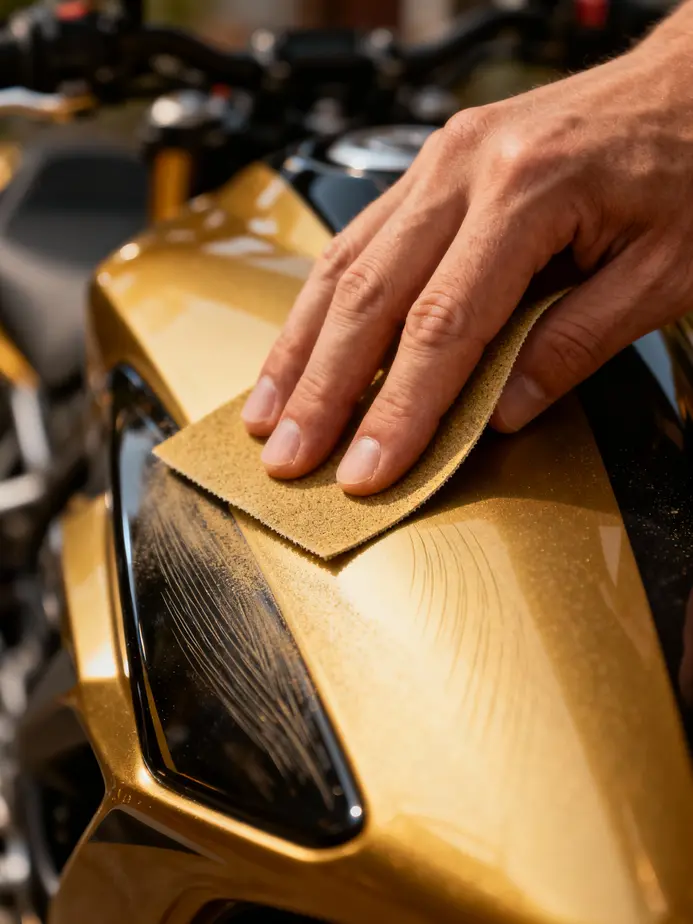
1. Preparing Your Motorcycle Fairings: Essential Cleaning and Inspection for a Flawless Finish
When it comes to buffing motorcycle fairings, which are often made of materials like ABS plastic and fiberglass, meticulous preparation is the cornerstone of achieving a high-quality, durable result. This preparation involves a thorough cleaning process followed by meticulous inspection to identify any damage that could interfere with the buffing process. By ensuring your fairings are spotless and any existing imperfections are noted, you lay the foundation for a restoration that not only enhances appearance but also prolongs the life of your motorcycle’s exterior.
Gathering Necessary Materials
To initiate the preparation phase, assemble a comprehensive toolkit that includes all the materials you’ll need. This will minimize interruptions and ensure efficiency. Plan to have a mild soap or a plastic-safe cleaner that is ideal for automotive detailing, which protects the fairings from harsh chemicals. Soft sponges or microfiber cloths are essential for cleaning without causing further scratches. A couple of buckets filled with fresh water for rinsing, along with isopropyl alcohol to effectively degrease surfaces, are also crucial. Make sure to have painter’s tape and plastic bags ready for masking off areas you wish to protect from which contaminating during the buffing process. An inspection light, preferably LED, and a magnifying glass will help you spot minor imperfections and damages – tools that are invaluable in ensuring your preparation is spot-on. Lastly, protect your hands with gloves to keep them clean and shielded from any chemical exposure.
Executing the Initial Cleaning
The first step in the cleaning process is an initial rinse to remove loose dirt, bugs, and road grime that accumulate from riding. Utilize low-pressure water as high-pressure washes can inadvertently harm seals or push debris into crevices. Once rinsed, mix your mild soap in one of your buckets. Employing a two-bucket wash method is critical: one bucket for soapy water and the other for rinsing dirty cloths. This approach helps prevent recontamination of surfaces by ensuring the cloths used for washing are clean.
While washing, scrub the fairings gently, working in straight lines rather than circular motions to avoid creating swirl marks. Pay particular attention to edges, vents, and mounting points, as these areas often harbor stubborn grime and require extra care. Once satisfied that the fairings are thoroughly washed, it’s imperative to rinse them well and dry them instantly with microfiber towels to avoid any potential water spots that could mar the surface of the fairings.
Deep Cleaning and Degreasing Actions
Following the initial cleaning, it’s time for deep cleaning and degreasing to ensure a perfect surface ready for buffing. This phase involves wiping the surfaces of the fairings with a microfiber cloth slightly dampened with isopropyl alcohol. This step removes any residual oils, wax residues, silicone, or leftover polish that could prevent the buffing compounds from adhering effectively during the polishing process.
For particularly stubborn contaminants like tar or bug remnants, consider utilizing a clay bar that can be lubricated with a detailing spray. The clay bar technique is effective at lifting out embedded dirt without scratching the underlying surface, allowing for a smoother finish. After cleaning, let the fairings air-dry completely in a shaded area for at least 30 minutes to ensure no moisture remains.
Diligent Inspection for Defects
Once your fairings are clean and dry, it’s time to conduct a thorough inspection. Use bright, angled light to carefully examine surfaces for scratches, cracks, oxidation, or any signs of UV damage – often appearing as a chalky white texture. A magnifying glass can help in spotting finer details that could otherwise go unnoticed. Pay close attention to the feel of the surface; running clean fingers or gloved hands over the fairings can help you identify any high or low spots and determine the texture’s uniformity.
In this inspection phase, you should also check for deeper structural issues. Keep in mind that defects like cracks wider than a fingernail may require an epoxy repair prior to buffing. If you discover deep gouges, these will need sanding to ensure a smooth and safe surface for buffing. Also, when performing a flex test, apply gentle pressure to confirm that the fairings do not exhibit any cracking or spider webbing – a sign that they are structurally sound and ready for restoring.
Masking Off Adjacent Areas
Before commencing with any buffing work, it’s prudent to mask off areas adjacent to the fairings. This action is crucial for protecting headlights, paintwork, and any decals from potential scratches or damage during the buffing process. Use painter’s tape effectively to create clean lines, ensuring that you cover any non-fairing components thoroughly.
Best Practices for a Flawless Finish
Completing the buffing preparation process requires discipline in maintaining a clean work environment. Choose a shaded area that is free from dust and debris, ideally a garage, and maintain a comfortable temperature between 50°F to 80°F (10°C to 27°C). This temperature range prevents any quick drying of the buffing products and avoids premature hardening of compounds, both of which could hinder your results.
If you’re working with particularly oxidized fairings, consider implementing a plastic restorer before moving on to the thorough inspection process. This pre-treatment can enhance the overall appearance and make subsequent polishing tasks more effective. Budget roughly 1 to 2 hours for thorough cleaning, inspection, and preparation of a full set of fairings.
In summary, taking the right preparatory steps in cleaning and inspecting motorcycle fairings is essential for achieving superior results in the buffing process. This meticulous approach guarantees that when it comes time for polishing, you can effectively restore that shiny, sleek look while ensuring the fairings’ materials remain undamaged and, ideally, enhance their longevity. Remember, investing time and care in the preparation phase pays off in the quality of the final finish you achieve. For motorcycle enthusiasts seeking to enhance their bike’s aesthetic appeal, understanding these foundational steps is a pivotal element of maintaining that passion on the road.
2. Mastering Motorcycle Fairing Buffing: Key Preparation and Detailing Techniques
Buffing motorcycle fairings effectively hinges on the right preparation techniques, which set the stage for achieving a smooth, mirror-like finish. Critical to this process is the understanding and execution of several key steps: washing, scuffing, sanding, drying, and detailing. Each phase complements the others, forming a comprehensive methodology that not only enhances the aesthetic appeal of the fairings but also extends their longevity.
Washing the Fairings
Before applying any abrasive techniques, it’s essential to begin with a thorough wash. A clean surface ensures that dirt or grime does not mar the restoration efforts. Start by applying a generous amount of snow foam across the fairings. The foam acts as a pre-soak to loosen any embedded contaminants. Use a soft sponge to scrub the surface gently, being careful to avoid any vigorous motions that might scratch the plastic or paint. Once you’ve scrubbed every inch, rinse the fairings using plenty of water to ensure all soap and dirt residues are thoroughly removed. At this point, the fairings should be free of any contaminants that could interfere with the subsequent steps.
Scuffing the Surface
Next, focus on preparing the fairing’s surface for polishing. This involves scuffing, which serves to degloss the existing finish and create a ‘tooth’—a slightly rougher texture that polishing compounds can grip onto. Use 400 to 600 grit sandpaper or a fine Scotch-Brite pad. Working in circular motions tends to give the best results, as it mitigates the risk of creating uneven surfaces. The goal here is to remove the slick factory finish without excessively thinning the material. Remember, your fairings need structural integrity; avoid aggressive sanding to prevent weakening them, especially since vibrations on the road can exacerbate any alterations made to their surfaces.
Sanding for Perfection
If you notice deeper imperfections or scratches on the fairings, you might need to progress to sanding, particularly wet sanding. Start with a coarser grit of 320 to 400 on a wet application to begin leveling out these imperfections effectively. Make sure to keep the surface lubricated with water to minimize dust. Once you’ve dealt with the significant scratches, transition to finer grits, ideally between 600 and 800, to refine the surface further. This step will give the fairing that silky-smooth feel that is imperative for a top-notch buffing job. Throughout the sanding process, continually inspect your work to ensure you are not over-sanding and causing irreversible damage.
Drying Thoroughly
Drying the fairings properly is crucial to avoid any water spots that could hinder the buffing process later. Use compressed air to blow out any trapped water in crevices and follow up with soft microfiber towels. Pat dry gently, ensuring no portion of the fairing retains moisture before moving on to the buffing stage.
Detailing Techniques for the Buffing Process
Once the fairing is clean, scuffed and dried, you can transition into the buffing and polishing stage. Begin by applying a specialized buffing compound suited for your fairing material, whether they are plastic or painted surfaces. A dual-action polisher will be your best asset here. Set it to a low speed, keeping it around 1500 to 2000 RPM, and use a foam or wool pad for application. Start with a cutting compound to effectively remove oxidation, haze, and any swirls that developed during the previous stages.
Move in small overlapping sections, maintaining light pressure to avoid building excessive heat. Excessive heat can warp the plastic, negating all your hard work thus far. After completing this stage, inspect the fairing under bright lighting conditions while wiping it down with a detailing spray. This helps track your progress and finally eliminates any remaining residue from earlier stages.
Once satisfied with the surface, proceed to use a finer polish for clarity. This finer polish enhances the depth of color and shine, leaving the plastic looking rejuvenated. The detailing process could include several rounds of application, as required, especially if the fairings were heavily oxidized or scratched prior to starting.
Post-Buffing Protection Techniques
To seal in your hard work, it’s essential to apply a protective finish. A ceramic coating is highly recommended, as it chemically bonds to the surface of the fairings, providing a durable hydrophobic layer. This coating significantly enhances your fairings’ resistance to water, UV rays, and even road grime, making future maintenance easier. Applying the coating requires precision; use thin, even layers, allowing the coating to cure for 24 to 48 hours for optimal results.
Regular maintenance follows your restoration; employing snow foam washes and avoiding abrasive cleaning products are critical steps to preserving the pristine finish of your motorcycle fairings. A reapplication of the protective layer periodically—ideally bi-annually—will ensure that your fairings continue to withstand the elements while keeping your motorcycle looking sharp and ready for the road.
In conclusion, while the buffing and restoration of motorcycle fairings can seem daunting at first, a step-by-step approach ensures success. By adhering to a structured process of preparation, detailing, and protection, you can transform dull, scratched fairings into a stunning feature of your bike, enhancing not only its appearance but also its value and longevity. For those interested in further refining specific setups or for unique models, specialized products tailored to your motorcycle’s brand can be found at Summit Fairings, where you can explore a wide array of fairing options.
Chapter 2: Essential Buffing Techniques to Revitalize Motorcycle Fairings

1. Tools and Techniques for Achieving a Flawless Buff on Motorcycle Fairings
Buffing motorcycle fairings is not just about restoring shine; it’s about refurbishing the motorcycle’s aesthetic and maintaining its health over time. The right tools and techniques are paramount for achieving that flawless finish. At the heart of this process lies a progression of steps that blend care with precision, allowing riders to rejuvenate their fairings to a showroom-like standard.
Key Buffing Techniques and Tools
To embark on the journey of buffing your motorcycle fairings, it’s imperative to start with the right tools. A standard toolkit for this endeavor should include a dual-action polisher, various grades of sandpaper, microfiber polishing pads, and polishing compounds tailored for either plastic or paint.
Initial Scuffing: This preparatory phase is essential for creating a suitable surface for polishing. Using sandpaper graded between 400 to 600 grit or a Scotch-Brite pad, lightly scuff the fairings in a circular motion. This method not only enhances paint adhesion but also retains the structural integrity of the fairings by avoiding aggressive material removal. It’s important to be gentle—this step is designed to create microscopic imperfections, or ‘tooth’, rather than to deplete the gelcoat layer.
Progressive Sanding: Following the initial scuff, the next step is progressive sanding. This encompasses a multi-stage process starting with 320-400 grit sandpaper, which will address deeper scratches, oxidation, or other surface imperfections. Progressing to finer grits of 600 and finally 800 will help you achieve that silky smooth result. Using increasingly finer grits minimizes the risk of creating new scratches while refining the surface finish.
Circular motions remain crucial throughout the sanding stages. This technique not only ensures an even application but also contributes to the overall finishing quality. Remember, excessive sanding can reduce the fairing’s structural strength, particularly under the strains experienced during rides. Therefore, moderation is key.
Wet Sanding Technique: To elevate the process, consider incorporating wet sanding. This technique utilizes water as a lubricant to significantly reduce dust and debris during the sanding stages, which elevates paint adhesion. As you implement this technique, ensure you keep the surface wet to improve the sanding experience and achieve a more refined finish. Not only does this method help maintain cleanliness, but it also allows you to achieve higher precision.
Preparing the Surface for Buffing
Once the sanding process is complete, a comprehensive cleaning of the fairings is essential. Utilize snow foam or a gentle cleaner to thoroughly wash the surface, lifting away any embedded dirt or oils. This task necessitates a gentle scrub with a soft sponge followed by a thorough rinse. Air drying and towel drying are critical steps, as they eliminate any potential contaminants that could undermine the polishing results. Engaging in this preparatory cleaning will lay an ideal foundation for the subsequent buffing stage.
Buffing for a Glossy Finish
With the fairings cleaned and prepped, the buffing process can commence. Applying a specialized plastic or paint polishing compound is key. Use a dual-action polisher fitted with a microfiber pad; this equipment is designed to effectively remove swirls, oxidation, and haze while maintaining a fine finish. Operate the polisher at low speed and exert light pressure, working in small sections to ensure uniformity. Polishing compounds specifically formulated for motorcycle surfaces yield the best results,
After the initial polish, switch to a finer cutting polish or glaze. This step not only enhances the clarity but also deepens the fairing’s color. The final stage is applying a finishing polish, which should be buffed to a high gloss for that showroom shine. For those with carbon-fiber fairings, it’s imperative to apply a dedicated protectant, allowing at least 24 hours for the cure time. This protects the integrity of the fairings against environmental elements, ensuring they maintain their shine longer.
Advanced Techniques for Persistent Scratches
On the occasion that deeper scratches remain post-buffing, advanced techniques such as wet sanding and buffing may be necessary. Engaging in carefully controlled wet sanding will smooth out problematic areas without compromising the safety of the fairing. Transitioning through the appropriate grits and realizing when to stop sanding is vital to avoid overdoing it. After meticulously sanding, return to the buffing process to restore the shine and clarity.
In addition to these methods, the application of a ceramic coating could significantly enhance your fairings’ longevity and hydrophobic properties. These coatings serve as a barrier against road debris, UV damage, and moisture accumulation, simplifying future maintenance and keeping the motorcycle looking new for years.
Practical Tips for Optimal Results
To maximize the effectiveness of this buffing process, it is advisable to use motorcycle-specific products; these are formulated to prevent any detrimental impact on ABS plastic or painted surfaces. Furthermore, always conduct a test on a small section of the fairing, allowing you to gauge potential reactions before proceeding with the entire fairing.
Moreover, whenever possible, carry out your buffing in a dust-free environment. Dust can easily mar the achieved shiny finish, leading to disappointing results. By ensuring the workspace is clean, the polish will adhere correctly, reflecting light beautifully once the buffing is complete.
As an additional note for those feeling the urge for professional restoration—especially for high-end models such as Ducati fairings—consider integrating buffing into a broader bodywork restoration that may include primer, clear coat application, and comprehensive detailing. This comprehensive approach can elevate the fairing restoration project from basic polishing to full enhancement.
The art of buffing motorcycle fairings is an intricate dance between preparation, technique, and the right tools. Successfully following through the outlined steps will not only rejuvenate the fairings’ appearance but also improve the overall value and longevity of the motorcycle. Whether you’re tackling the job yourself or seeking professional assistance, understanding these key processes is fundamental in achieving that coveted finish that reflects the passion and pride of motorcycle ownership. For Honda enthusiasts, you might want to explore Honda fairing options and techniques at Summit Fairings to ensure your fairings are as stunning as your ride.
2. Essential Safety Protocols and Methodical Practices for Buffing Motorcycle Fairings
Buffing motorcycle fairings is not merely an aesthetic endeavor; it’s a meticulous process that demands a blend of skill and safety awareness. This subchapter will delve into the essential safety protocols and best practices required to buff motorcycle fairings effectively, ensuring that you can restore your bike’s appearance while minimizing risks and maximizing results.
The Importance of Safety in Buffing
Before commencing any buffing operation, acknowledging the significance of safety is paramount. Buffing involves tools and chemicals that could pose risks if not properly managed. A well-ventilated workspace, for example, is crucial to mitigate exposure to harmful fumes emitted from polishing compounds. This means working outdoors or in a garage with sufficient airflow. Ensure that all flammable materials are kept at a distance, as some polishing products can be combustible when exposed to heat.
Wearing appropriate protective gear cannot be understated. Protective gloves shield your skin from chemicals, while safety glasses guard your eyes against debris and compound splatters. A dust mask is also advised to prevent inhalation of fine particles, especially when sanding. Don’t overlook the importance of securing the fairings to a solid surface. Loose or improperly mounted fairings can shift unexpectedly, jeopardizing both the worker’s safety and the quality of the buffing session.
Preparing the Workspace
Your workspace plays a crucial role in the buffing process. Begin by ensuring that your environment is clean and organized. Remove any unnecessary items that could clutter your area, and ideally, lay down a drop cloth to catch any debris or polish splatters. A dust-free environment is paramount; the cleaner your workspace, the better your results. Consider utilizing a workbench or table where you can comfortably position the fairings at an optimal height for buffing.
Surface Treatment Considerations
Before diving into polishing, it’s necessary to prepare the surfaces you intend to buff thoroughly. Dirty or greasy surfaces can lead to significant imperfections during the buffing process, which can save you a lot of trouble later on. Following your initial cleaning phase, apply a treatment to degrease and etch the surface. This step will prevent flash rust, especially if there are metal components on the fairings. Rinse carefully to neutralize any cleaning residue, ensuring the surface is ready for sanding.
Technique and Tools for Effective Buffing
Buffing is both an art and a science that requires the right tools and techniques to achieve optimal results. For buffing motorcycle fairings, the ideal tool is often a dual-action polisher paired with the appropriate polishing pads designed specifically for plastics and painted surfaces. Given the nature of motorcycle fairings—often made from ABS or other sensitive materials—you must ensure that your polishing compounds are suitable. Using the wrong products can lead to damaging the surfaces you worked so hard to prepare.
Choosing the Right Compounds
Begin with a cutting compound to address lighter scratches and oxidation. This fundamental step sets the stage for the following finer polish stages, critical for achieving that high-gloss finish. Once the initial pollutants are eliminated, transition to a polishing compound that refines the surface further. Apply these products in small sections, ensuring that you use light pressure to prevent overheating and warping the plastic. This method enhances clarity and brilliance in the paint or coating without risking damage.
When working, remember that over-buffing in one area can lead to uneven surfaces. It’s best to regularly wipe down the area you’ve just buffed, allowing you to visually assess your progress and adjust pressure accordingly. Implementing a circular buffing motion can help evenly distribute the pressure, contributing to a uniform finish while avoiding gouges or distinct swirl marks.
Common Pitfalls to Avoid
While buffing motorcycle fairings is rewarding, many pitfalls can undermine your efforts. One common mistake involves using excessively coarse sandpaper during preparation, which can create thin spots on the fairing, rendering them vulnerable to cracking under stress. Sticking to sandpapers with grit no coarser than 220 is advisable, particularly on glossy surfaces, to avoid ruining the fairing’s integrity.
Another area to be wary of is the allure of accelerated techniques that bypass proper preparation. Rushing through the cleaning or sanding phase can lead to serious flaws in the finish that no amount of polishing will remedy. Ensure every stage—from cleaning to final buff—is meticulously executed. Take your time; the results will be worth the effort.
Post-Buffing Care
After you’ve achieved that desired shine, it’s essential to apply a protective wax or sealant compatible with the materials you’ve worked on. Such treatments guard against future environmental damage, providing an extra layer of protection against UV rays and dirt accumulation. Always test new products on a smaller area before applying them to the entire surface to ensure compatibility and avoid adverse reactions.
Reinstallation and Maintenance
Once your motorcycle fairings are buffed to perfection and adequately treated, it’s time for reinstallation. But before you affix them back onto your motorcycle, take a moment to assess the mounting hardware. Some materials can expand or contract due to temperature changes, leading to loose fittings that could vibrate over time. Using appropriate fasteners and ensuring they are secure is vital to avoid future issues while out on the road.
When storing your fairings, ensure they sit in a stable, dry environment. Major temperature shifts can lead to warping, especially in plastic materials. Securely store them in a place where they won’t be knocked over or exposed to harsh elements.
In conclusion, buffing motorcycle fairings entails a detailed process that balances safety with technique. Whether you are a seasoned motorcycle enthusiast or a first-time buffing aficionado, prioritizing safety protocols and understanding best practices will yield superior results in restoring your motorcycle’s fairings. Each step contributes to a final product that not only looks good but stands the test of time, allowing you to enjoy your ride with confidence. For more insights on motorcycle fairings and related products, consider exploring our selection of motorcycle fairings tailored to different models.
Chapter 3: Mastering the Art of Buffing Motorcycle Fairings for a Pristine Finish
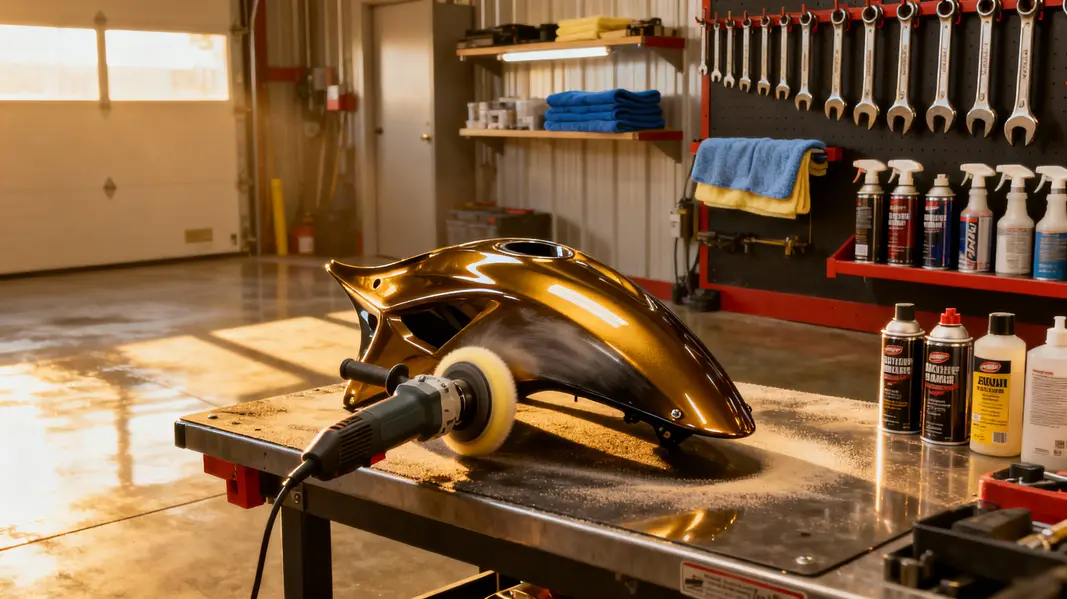
1. Essential Steps for Effective Surface Preparation Before Buffing Motorcycle Fairings
To achieve a flawless finish when buffing motorcycle fairings, proper surface preparation is not just a preliminary task; it sets the stage for the entire process. By investing time and effort into preparing the fairings adequately, you can ensure that the buffing yields optimum results, restoring the vibrant shine of the fairings while preventing potential damage to the material. The following steps detail the recommended practices to prepare your motorcycle’s fairings effectively, allowing you to create the ideal conditions for a successful buffing job.
Commencing with Thorough Cleaning
The journey to pristine motorcycle fairings begins with a comprehensive cleaning. Start by selecting a suitable motorcycle cleaner or snow foam, known for its efficacy in lifting dirt, grease, and road grime without damaging the surface. Apply the cleaning solution with a sponge, using gentle circular motions to lift away contaminants. Ensure that you focus on areas commonly affected by dirt, such as lower sections of the fairings and wheel wells. Once you’ve scrubbed thoroughly, rinse the surface completely with water to avoid leaving any residue behind; leftover cleaning agents can interfere with the adhesion of polishing compounds applied later.
A key point to remember is to avoid harsh chemicals that may etch or damage the surface of your fairings. Sticking to motorcycle-specific products guarantees that you’re using the safest possible options tailored to the materials used in fairing construction.
Scuffing for a Better Bond
After cleaning, the next step involves lightly scuffing the surface. This stage is crucial as it not only deglosses the factory gelcoat or existing paint but also creates a mechanical ‘tooth’ that helps polishing compounds grip effectively during the buffing process. Using 400-600 grit sandpaper or a Scotch-Brite pad, apply gentle, circular motions, focusing on even light abrasion instead of aggressive sanding. It’s imperative to be cautious at this stage to prevent the creation of structural weaknesses in the plastic due to over-sanding. This precaution protects the integrity of your motorcycle fairings, ensuring they remain sturdy against the vibrations experienced during rides.
Progressive Wet Sanding for Improved Smoothness
If you encounter deeper imperfections, scratches, or swirl marks that are clearly visible, it may be necessary to progress to wet sanding. Begin with a coarser grit such as 320-400, allowing you to more effectively smooth out significant imperfection while minimizing the creation of dust. Be sure to wet your sanding paper and the surface beforehand, as this helps trap debris and prevents scratches from deepening.
Following the initial pass with coarser grit, switch to finer grits like 600-800 to refine the surface further. This gradual progression ensures that you’re not making drastic changes to the surface while still effectively preparing it for the buffing stage. After wet sanding, dry the fairings thoroughly with high-quality microfiber towels, and consider using an air compressor to blow off any remaining water droplets that might hide in crevices.
Initial Paint Correction Techniques
In some cases, especially with painted fairings, light surface imperfections may require initial paint correction techniques prior to scuffing the surface. This involves applying techniques relative to how one might treat tanks or metal parts while being particularly sensitive to the plastic nature of fairings. The goal is to smooth out the surface without risking the melting of materials used in the fairings. Utilizing buffing tools on surfaces prepared in this manner allows you to tackle rust or deep tarnish effectively, setting the foundation for achieving the highly polished finish you desire.
Applying a Protective Layer for Longevity
Once you’ve meticulously prepared the surface, it’s important to consider applying a protective layer. This could be a ceramic coating, which offers hydrophobic properties, making future cleaning easier while preserving that beautiful buffed shine. When applied correctly, a ceramic coating bonds to the clear coat of the fairings, forming a robust barrier against contaminants and environmental factors that threaten the integrity of your motorcycle’s appearance.
In closing this preparation stage, always ensure a dust-free environment. Dust can settle on the freshly scuffed surfaces, causing imperfections during the buffing process. By taking these steps to prepare your motorcycle fairings, you are setting yourself up for success in the buffing process, leading to a final result that not only looks visually striking but also provides enhanced protection against the elements.
For those interested in vehicle aesthetics, visiting high-quality resources such as Summit Fairings can offer guidance and further insights into maintaining and enhancing your motorcycle’s appearance. As you master these techniques of preparation, you pave the way for an exhilarating ride with fairings that gleam just as brightly as your passion for motorcycling.
2. Mastering Progressive Sanding for Flawless Motorcycle Fairings
To successfully buff motorcycle fairings and restore their former glory, mastering progressive sanding is vital. This technique is essential for treating imperfections that accumulate over time, such as scratches, oxidation, and a dull surface that detracts from the aesthetic appeal. By following a careful, methodical approach, you can revive the shine of your fairings without risking damage. This process not only enhances the overall look but also prepares the surface for effective polishing and coating.
Preparing the Surface for Sanding
Before diving into the sanding process, proper preparation is crucial for optimal results. Begin by thoroughly cleaning the fairings. A good practice is to use snow foam and a gentle sponge to eliminate any surface dirt and grime. After scrubbing, rinse the area thoroughly with clean water and dry it completely using compressed air or a lint-free towel. This step is vital as it prevents contaminants from scratching the surface during sanding.
Once the fairings are clean, the next step involves scuffing the surface lightly. Using 400-600 grit sandpaper or a Scotch-Brite pad in circular motions will help create a “tooth” for better polish adhesion while ensuring that any glossy factory gelcoat or existing paint is adequately prepped. This fine balance is essential to maintain structural integrity while preparing for further corrections.
Implementing Progressive Sanding Techniques
The essence of the progressive sanding technique is to start with a coarser grit and gradually transition to finer grits. Start with 320-400 grit sandpaper, either wet or dry, depending on your specific preference and experience. This initial phase will target deeper scratches and uneven surfaces effectively. It is imperative during this stage to use consistent circular motions, which help promote uniform sanding and prevent uneven thinning of the fairing material.
After addressing the major surface imperfections, progress to 600-grit sandpaper or finer. This phase refines the surface further, helping to remove any residual marks left by the coarser grit. Wet sanding during this step is particularly advantageous as it minimizes the creation of dust, which can inadvertently cause more scratches. As you continue with the sanding, keep inspecting the work at each stage; this will help you avoid over-sanding, especially in areas where the fairings are likely thinner or more vulnerable to damage from vibration and stress during riding.
When sanding, consistency is key. You will want to ensure that you keep a uniform pressure and movement, avoiding linger spots that can lead to uneven surfaces. Sanding should never feel rushed; rather, it should be a meticulous process that allows you to produce smooth and flawless surfaces ready for the subsequent buffing process.
Buffing and Polishing: Achieving That High Gloss
Once you have completed sanding, the next step is to move on to buffing and polishing. This stage is where you will revitalize the fairings, restoring their clarity and shine. Begin by applying a specialized buffing compound suitable for motorcycle plastics to a microfiber pad attached to a dual-action polisher at a low speed. This method is essential not only for removing any remaining haziness but also for ensuring that the surface is evenly treated. For best results, work in small sections, allowing the polishing compound to do its job without overwhelming the area you are working on.
After the initial buffing has been completed, follow up with a finer cutting polish or glaze. This additional layer enhances the clarity and depth of the finish, giving your fairings that showroom shine. A final polish is recommended to achieve a glossy surface. Buffing should be thorough but gentle, as overzealous polishing can cause more harm than good if not done correctly.
Don’t overlook the care of any chrome accents on your fairings. Using an appropriate compound can address oxidation effectively, ensuring every detail of your bike stands out.
Ensuring Longevity with Coatings
For optimal durability and protection post-buffing, consider applying a dedicated protectant, especially if your fairings are carbon fiber. Products like ceramic coatings act as a shield, providing hydrophobic qualities that repel dirt and UV damage, extending the lifespan of your fresh finish. After applying such coatings, allow adequate time for them to cure—typically around 24 hours. This step is vital for the coating to adhere properly, maximizing protection against environmental factors.
Pro Tips to Enhance Your Sanding Technique
To leverage the effectiveness of your sanding and buffing session, here are some pro tips:
- Work in Stages: Always inspect the fairing after each progression in grit to avoid excessive sanding, particularly in vulnerable spots.
- Use Professional Tools: Invest in quality tools, such as PrymeMX abrasive wheels, tailored for motorcycle fairings. These can significantly increase efficiency, especially when working on curved shapes.
- Tailor Your Approach: If the fairings possess deeper imperfections or are of a higher value, consider trying your techniques on inconspicuous spots first. This process allows you to gauge the sanding’s effectiveness without risking visible damage.
- Stay Dust-Free: Minimize dust in your workspace to enhance your efforts. Dust can easily grind into the surface and create more scratches, negating your polishing work. A clean, well-ventilated space will yield better results and reduce the likelihood of contaminant-induced scratches.
By incorporating progressive sanding techniques before moving into buffing and polishing, you not only treat imperfections but also set a firm foundation for achieving a stunning finish. These practices allow you to maintain and showcase your motorcycle’s aesthetics while ensuring the longevity of your fairings. Whether you are preparing for a ride or a show, taking the time to correctly buff motorcycle fairings can significantly elevate the overall appearance and performance of your bike. For further insights into motorcycle fairings, consider exploring collections tailored for specific bike models, allowing for the perfect fit and finish.
Final thoughts
Buffing motorcycle fairings is not only a key aspect of maintaining their aesthetic appeal but also a testament to the quality service you provide as a business owner. By following the detailed preparation steps, mastering the buffing process, and applying expert tips, you can ensure that your motorcycle fairings are restored to their original glory. This enhances customer satisfaction and builds a reputation for quality care that distinguishes your business in a competitive market.
Ready to elevate your ride? Summit Fairings delivers premium, custom-fit fairings that blend style and durability. Whether you’re chasing speed or turning heads, we’ve got your bike covered. Don’t wait—transform your machine today. Click, customize, and ride with confidence. Your perfect fairing is just a few clicks away. Act now!
About us
We are one of the leading motorcycle fairing export sites, with over 3,000 styles across almost all motorcycle models. Buy from summitfairings.com, and pay 10-40% less than the prices on other sites. If you have any questions, we promise we will have your answer within six hours.