
Motorcycle fairings serve as essential components that contribute to a motorcycle’s performance, rider comfort, and economic value. As a business owner in the motorcycle industry, understanding the intricacies of fairings is crucial. This guide covers the significance of aerodynamics in performance, explores various types of fairings, their contributions to rider comfort and safety, and examines the economic implications associated with fairings. With this knowledge, you can make informed decisions that benefit both your business and your customers.
The Shape of Speed: How Motorcycle Fairings Sculpt Air and Elevate Performance
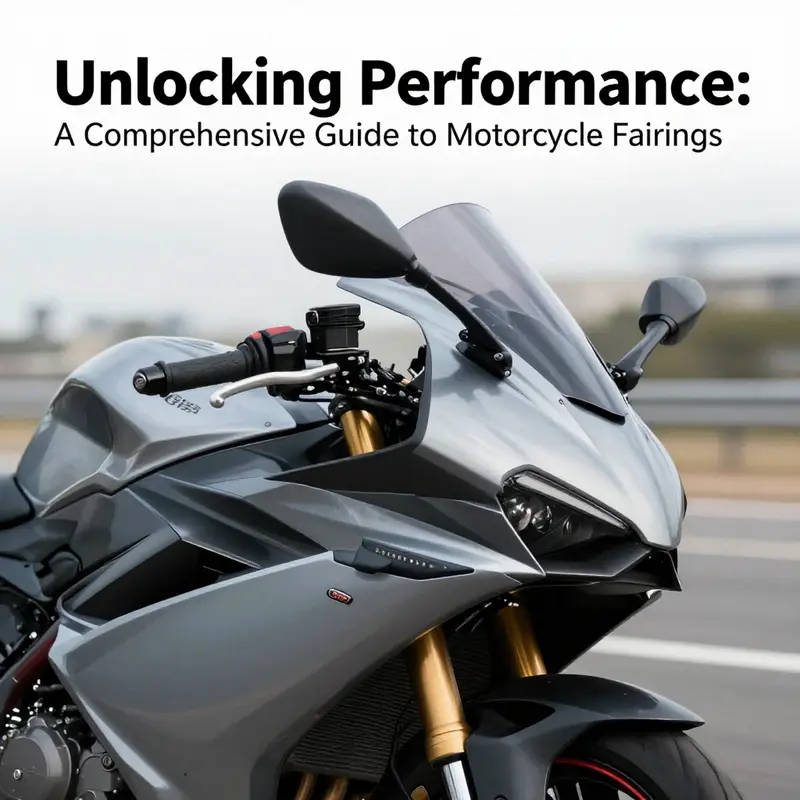
A motorcycle fairing is more than a decorative shell. It is a deliberate, technical instrument that bends air to a rider’s advantage. In the open-road physics of two wheels, the air surrounding a motorcycle is not a passive medium; it is an active force that resists, redirects, and sometimes lifts. Fairings respond to that force with a careful blend of form and function. They contour the bike’s silhouette to coax air into smooth, predictable patterns, and in doing so they reduce drag, tame turbulence, and stretch the engine’s potential toward higher sustained speeds. The result is not merely a cleaner silhouette on a showroom floor. It is a measurable improvement in efficiency, stability, and comfort that matters from the first mile of a long ride to the last mile of a track session. The heart of the fairing’s value rests on aerodynamics, yet it must also integrate with the rider, the chassis, and the bike’s electrical and mechanical systems in a seamless, practical way.
To understand how a fairing achieves this, it helps to start with the simplest idea: airflow follows the path of least resistance. When a motorcycle slices into still air, the compression and shear forces at the front create a high-pressure zone that spills around the bike’s sides and beneath it. Without a fairing, the rider sits amid this churn, buffeted by gusts and gust-like eddies that sap energy and fatigue the body. A well-designed fairing acts like a hydrodynamic hull in air, guiding the flow into smoother lines that slip past the machine with less resistance. The frontal area is not eliminated; it remains the footprint of the rider and the machine, but the shape around it becomes a facilitator rather than a barrier. When air is let to travel along predictable, streamlined paths, the drag coefficient drops, engine load decreases for the same speed, and the rider experiences less wind fatigue.
In practical terms, drag reduction translates into several tangible benefits. First, it improves fuel economy because less engine power is squandered pushing a dense airstream aside. On long rides where efficiency compounds over hundreds or thousands of miles, even a modest percentage gain in miles per gallon becomes meaningful. Second, because the engine does not have to work as hard to maintain speed, heat generation at the exhaust, cylinders, and cooling system can stabilize, contributing to longer, more comfortable ride sessions with fewer thermal spikes. Third, fairings influence high-speed stability. A clean airflow pattern around the bike’s body reduces lift and minimizes buffeting in crosswinds, which helps the rider maintain control at brisk speeds where moments of turbulence can be unsettling. When combined with properly shaped windshields or screens, the rider sits in a buffered pocket of air that shields the torso, arms, and helmet from relentless wind pressure.
The benefits, however, are not limited to raw speed and stamina. A fairing also shapes the overall handling character of the motorcycle. At highway speeds and through sweeping bends, how air presses on the machine interacts with suspension geometry, tire load, and steering input. A well-tuned fairing can help stabilize the front end by creating subtle downforce in the nose, which in turn contributes to less flutter at the bars and a more planted feel during high-speed cornering. The effect is not a single forceful push, but a smooth, continuous feedback that communicates through the handlebars and seat. This improves confidence, inviting a rider to lean further into a corner or extend a straight-line run with less concern about wind gusts or gust-induced veering. The rider’s experience becomes more predictable because the aerodynamic environment around the bike is stable rather than capricious.
Fairings come in a spectrum of shapes, each tuned to a different set of priorities. Full fairings envelop the engine and the rider from nose to tail, delivering the highest potential aerodynamics. They are common on sport and race-inspired motorcycles where every fraction of drag counts and the rider’s position is relatively tucked. Full fairings create a near-seamless shield for the rider’s torso and the bike’s critical components, while still leaving access points for service and maintenance. Half fairings offer a compromise. They protect the upper torso from wind and weather, yet expose more of the bike’s mechanical core. They are lighter and typically easier to repair, but the trade-off is a partial wind break that may require additional wind deflectors or screens to achieve rider comfort in variable conditions. Between these extremes, there are even more nuanced configurations—quarter fairings, bikini fairings, and modular designs that attach and detach depending on riding goals. Each design choice reflects a balance among protection, weight, drag, and versatility.
The choice of materials compounds these decisions. Historically, fiberglass composites and early plastics offered straightforward manufacturing and repair paths but were heavier and less precise at tolerances. Modern production leans toward reinforced plastics, ABS, and carbon fiber in high-performance applications. Each material brings a different stiffness, surface finish, impact resistance, and cost profile. Carbon fiber, with its high strength-to-weight ratio, offers the most notable gains in weight savings and rigidity, but it comes with cost and fabrication considerations. For everyday riders, durable ABS or glass-reinforced plastics provide robust performance with simpler repair options. Regardless of material, the outer skin needs a smooth, even surface that reduces friction with the air and resists micro-defects that can induce turbulence. A small protrusion or a rough patch becomes a measurable drag penalty when air flows over a long distance at speed.
Beyond raw geometry and material choices, the integration of a fairing into a motorcycle’s chassis demands precision. Aerodynamics is not about a single wind tunnel moment; it is a continuous conversation between shape, mounting points, and the vehicle’s overall balance. The fairing must align with the bike’s frame and fairing supports in ways that minimize added drag while still allowing for maintenance accessibility, headlight and instrument placement, and weather sealing. Designers use advanced simulations, including computational fluid dynamics (CFD), to refine the curves, edges, and junctions that govern how air behaves around the bike. CFD allows engineers to see, in a virtual wind, where eddies form, how air separates from surfaces, and where lift might occur. They adjust the nose profile, the belly contour, the side cowls, and the tail’s taper to tame those flows. The goal is to coax air into a cohesive passage that keeps the rider shielded without creating new zones of recirculated or chaotic air around the wheels and undercarriage.
The design process inevitably involves a dialogue between aesthetics and physics. A fairing’s silhouette communicates the bike’s personality—the lines that meet the eye on a showroom poster may also be the lines that manipulate air around a rider at 120 miles per hour. Market expectations about style push for sharper angles, dramatic side vents, and aggressive cant. Engineers, however, push for smooth, continuous surfaces with minimal abrupt transitions. The art lies in merging these impulses so that beauty does not come at the expense of drag, and performance does not suffer from a lack of visual cohesion. In practical terms, this means sculpting a fairing that looks clean from every angle, while its internal ribs, panels, and fasteners align in a way that presents a continuous aerodynamic surface to the wind. The result is not a flat, featureless shell, but a sophisticated, living shape that responds to speed and wind with a coordinated, predictable behavior.
Rider comfort remains a central thread in this narrative. A well-executed fairing reduces wind blast against the chest and shoulders, moderates helmet buffeting, and lowers the fatigue threshold on long rides. Wind protection is not uniform for all riders; it depends on seating position, height, helmet shape, and clothing. Therefore, fairing design balances universal aerodynamics with personalized fit. Some riders may prefer a higher screen to push the wind away from the chest, while others may opt for a lower profile to preserve better visibility and air cooling. The materials used for windshields and deflectors also matter: thicker, shatter-resistant plastics with stiffer properties can maintain a cleaner line at speed and resist flutter, while lighter materials ease weight burden and simplify mounting. In this sense, the fairing is a collaborative artifact that harmonizes the mechanical, thermal, and ergonomic needs of the rider with the physics of air.
Maintenance and practicality are not afterthoughts; they are essential. Half fairings, for instance, may offer superior access to the engine and radiator while preserving good protection, but they can be more complex to repair if damaged because their geometry intersects with the frame in more intricate ways. Repairs may involve patching multiple panels, aligning multiple fasteners, and re-sealing joints to prevent water intrusion. The digital fabrication methods that produce modern fairings help minimize weight while preserving rigidity, but the complexities of panel lines and mounting points can raise repair costs if damage occurs. For riders who log long miles on varied roads, the decision to choose a particular fairing style is influenced by not just how well it slices through the air, but how easy it is to replace a panel after a stone strike, or how readily a cracked piece can be swapped without disassembling large sections of the bike.
From a broader perspective, fairings embody the convergence of engineering insight and rider-centered design. They are a visible reminder that in motorcycling, even the smallest surface can influence how a machine feels, sounds, and behaves. The fairing’s success lies in its ability to manage a complex, changing environment: the rider’s weight distribution, the bike’s acceleration, the wind’s direction and speed, and even weather conditions that alter air density. Achieving this balance requires disciplined research and iterative testing. CFD and wind tunnel studies inform the early sketch, but real-world testing with riders of varied builds and riding styles seals the final performance. The result is a system that not only reduces drag but also contributes to the overall character of the motorcycle—its reliability on a rainy highway, its ease of cornering on a windy coastal road, and its capacity to keep the rider focused on the road rather than the elements.
As this exploration of fairings unfolds in the broader discussion of motorcycle design, it becomes clear that the aerodynamic story is not a single, heroic equation but a series of interlocking choices. The fairing must be robust enough to withstand wind pressure and impacts, precise enough to avoid creating new drag or lift, and adaptable enough to accommodate lights, instruments, and safety systems. It should also be maintainable and affordable, given that repairs and replacements are an inevitable part of ownership. The practical motorcycle owner may never see the exact trade-offs that the design team weighed, but they will feel the effects in smoother highway cruising, more predictable handling, and a rider experience that remains comfortable across long distances.
For readers seeking a practical texture of how these principles are applied across real-world products, it helps to consult a dedicated catalog that aggregates fairing options. For a practical sense of how fairings are designed in the real world, explore the fairings catalog. This single reference point highlights how the same aerodynamic goals are translated into different shapes, materials, and mounting schemes across models and use cases without getting lost in brand-specific rhetoric. While the catalog cannot capture every nuance of every ride, it provides a tangible sense of how fairing profiles evolve with advancements in materials science, simulation tools, and rider expectations. The chapter’s deeper point remains: fairings are both a technical device and a rider’s companion, shaping not only speed but the sense of control, confidence, and endurance on the road.
In closing, the study of fairings invites a broader reflection on how form follows function in motorcycling. The quiet success of a well-made fairing is that it disappears as a conscious intervention; the rider feels only the absence of drag and the presence of comfort. The bike becomes more efficient, more stable, and more enjoyable to ride at the edge of its capabilities. The aerodynamic conversation continues beyond the garage door, into the wind tunnel and the road, where every curve and crease tells a story about speed, resilience, and the art of making air cooperate with steel and rubber.
External reading: For a more technical treatment of how fairings influence aerodynamics and fuel efficiency, see https://www.motorcycle-accident-lawyer.com/motorcycle-fairings-aerodynamics-and-fuel-efficiency/.
Riding the Wind: The Aerodynamics, Protection, and Design Language of Motorcycle Fairings
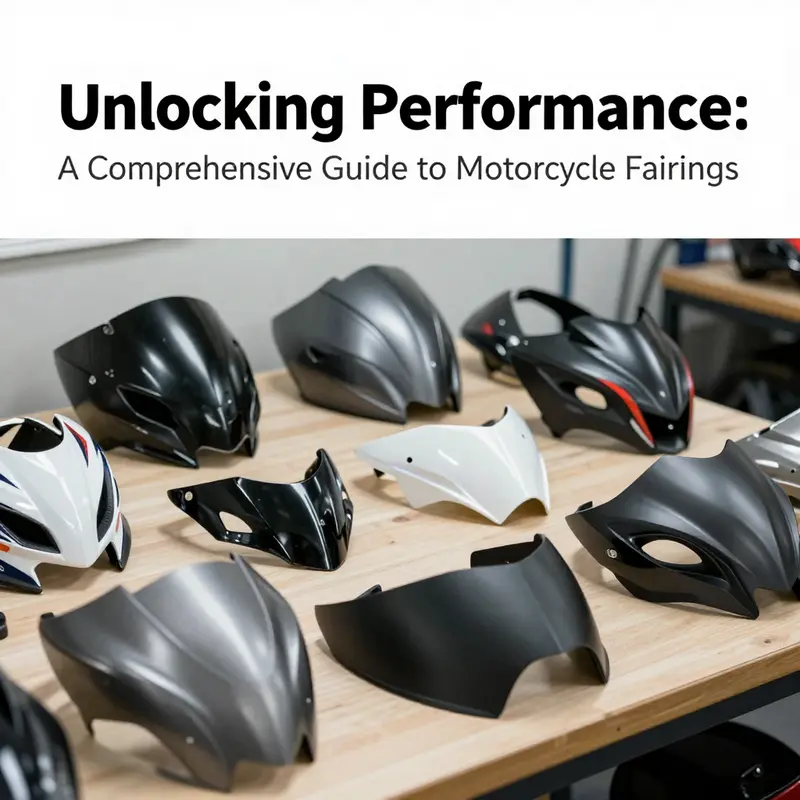
A motorcycle fairing is more than a decorative shell. It is an integrated aerodynamic system that sits at the intersection of engineering, rider comfort, and visual language. When a motorcycle glides onto the road, air is not simply a backdrop; it is a continuous, shaping force. The fairing acts as a carefully crafted partner to the rider, guiding, smoothing, and managing that air so the machine behaves more predictably at speed, while also shaping the sensations and impressions that travel with the ride. The core idea behind a fairing is straightforward: reduce the amount of wind that hits the rider and engine with unavoidable efficiency, and in doing so improve performance, safety, and comfort. Yet under the surface of that simple premise lies a nuanced decision tree, where the shape, coverage, and integration of the panels determine just how much air is tamed, how much heat is managed, and how the machine looks while doing it.
From the rider’s perspective, the wind is a constant companion. At lower speeds, it is a nuisance that can blur your vision and fatigue your shoulders. At highway speeds, wind becomes a partner in a more complex dance, contributing to buffeting, turbulence, and fatigue if not managed. The fairing, in its most fundamental role, is a wind-sculpting device. Its contours accelerate and decelerate air in a way that reduces drag, the resistance force that opposes motion through air. Drag is not a single, simple line item; it is a function of pressure differences, friction along surfaces, and the way air flows around the bike and rider. The fairing’s job is to minimize those adverse effects by guiding air smoothly around the bike rather than letting it crash into the rider with abrupt separation, which would cause both drag and instability.
This is where the concept of CdA comes into play, even if most riders won’t measure it in formal terms. Drag depends not only on the coefficient of drag (Cd) but also on the effective area the bike presents to the air (A). A well-designed fairing reduces the overall product by shaping the air’s path and reducing the frontal area that needs to be pushed aside or accelerated. The result is less energy wasted pulling air around the bike and a more stable feel at speed. It is not merely about speed, though speed is a natural beneficiary. At sustained highway velocities, reduced drag translates into measurable gains in fuel economy, engine strain, and long-term heat management, since the engine need not fight through as much air resistance to maintain cruising performance.
Fairings do not just shave seconds off a time-attack lap; they also serve a protective function. By enclosing the front end and portions of the sides, they shield the rider from direct wind shear, rain, and road spray. In poor weather, a well-sealed fairing can make the difference between a comfortable ride and an exhausting one. The same panels that channel air to improve aerodynamics can also act as a weather barrier, turning a rough ride into something more tolerable, especially on long-distance journeys. At the same time, fairings protect vital mechanical components tucked beneath the skin. Radiators, wiring, and the engine’s upper regions benefit from a degree of shielding, which can extend component life by limiting exposure to debris and weathering. The byproducts of this protective role extend beyond function; they influence maintenance practices, part availability, and even resale value, since the presence of robust, intact fairings is often a sign of a bike that has been kept from the elements for much of its life.
In addition to their aerodynamic and protective duties, fairings are a canvas for design language. They frame a motorcycle’s silhouette while hinting at the rider’s intent. A bike with a full fairing tends to project a sense of purpose and wind-slicing efficiency, while a naked or minimally clad model, with little or no fairing, emphasizes agility and immediacy. The shape of a fairing evolves from a blend of testing, theory, and tradition. Engineers push air over the bike’s front, around the rider, and along the engine’s contours, seeking a flow that remains attached rather than separating early. The consequences of a broken flow are not only drag and buffeting; they can also create heat pockets and less predictable handling. The fairing is, in this sense, a fluid designer as much as a static shell.
The catalog of fairing configurations is a practical reflection of this design logic, revealing how different riding goals translate into physical forms. Full fairings, the most expansive family, envelop the front and sides of the bike and sometimes even the engine bay. Their sweeping geometry is engineered to minimize wind interruption across the rider’s chest and thighs while shaping air to travel smoothly past radiators and mechanical components. The trade-off for this comprehensive coverage is clear: more weight, more complexity, and higher cost to repair or replace after a lay-down or a collision. Yet the payoff is substantial where the mission demands it—long-distance comfort, high-speed stability, and weather protection.
Half fairings present a different set of priorities. They retain substantial wind shielding but leave the engine and much of the lower body exposed. This configuration is a natural fit for sport machines intended to carve through twisties and sprint on track days, where a balance between aerodynamic efficiency and rider mobility matters. The rider’s posture becomes part of the aerodynamic equation; with less enclosure, the wind interacts more directly with the rider’s upper body. The half-faired design invites a more tactile sense of speed and control, while still offering enough protection to reduce fatigue on longer rides.
Quarter fairings, the smallest and least protective class, often serve as visual accents more than wind-slicing devices. They add a hint of sculptural language to a bike and can provide minor shielding around the headlight area or front corners. For riders who prize lightweight feel and a minimalist aesthetic, quarter fairings deliver a hint of aerodynamic improvement without the mass and complexity of larger panels. While their drag-reduction benefits are modest compared with full or half fairings, they can still contribute to a sharper feel at speed and more cohesive styling, especially when integrated with the bike’s lighting and instrumentation.
A fairing’s impact extends beyond its external geometry. The internal channels, vents, and fairing geometry influence how air moves not only around the rider but within the engine bay as well. High-performance designs often incorporate carefully placed ducts that feed cooling air to radiators or intercoolers, while also preventing hot air from stagnating around the rider’s legs. The integration is delicate: too much cooling ducting can disrupt the flow, while too little can invite overheating, especially on long, hot rides. The discipline here is in finding a synergistic balance between cooling needs, rider comfort, and drag reduction.
Materials and construction methods matter as much as shape. Early fairings were simple shells made from basic plastics or fiberglass. Modern practice favors engineered thermoplastics and composite materials that can be molded into complex curves with a lighter yet tougher profile. Carbon fiber, for instance, is prized for its stiffness-to-weight ratio and its ability to hold shape under high-speed airflow, though it comes with cost and repair considerations. The choice of material also influences the finish and the ability to withstand impacts, scratches, and UV exposure. A fairing’s color and texture must endure sun and weather, while still offering the kind of resilience required by daily riding. The manufacturing process—whether injection-molding for plastics or lay-up and curing for composites—also shapes repairability and aftermarket customization.
Beyond raw performance, fairings contribute to the ride’s psychological dimension. A rider feels faster not only because the bike moves more efficiently through air but because the bike’s silhouette and the wind’s presence become a revelation of the bike’s intent. The soundscape shifts as air is diverted, diffused, or accelerated along the fairing’s folds. The wind wrap can smooth the gusts that tug on a rider’s helmet, yielding a more composed experience. The visual language—smooth lines, tight junctions, and deliberate transitions between panels—becomes a signal of precision and capability. In short, fairings convey a story: a bike engineered to cut through air with confidence, while inviting the rider to become part of that aerodynamic conversation.
This story of function and form becomes particularly evident when considering different riding contexts. On a touring machine, the emphasis is on comfort, weather protection, and fuel efficiency over long distances. The full fairing acts like a moving cocoon, slicing wind and directing cooler air toward the rider’s torso while channeling warmer exhaust and cooling air away from critical zones. In contrast, a sport motorcycle often uses mid-sized or half fairings to maximize front-end feedback and control while still offering meaningful wind protection. The lighter weight and quicker access to edge-of-ride control can make the bike feel more agile, a desirable trait for riders chasing precision on tight, winding roads or dedicated track days. In urban environments, where maneuverability and visibility dominate, even a modest fairing can reduce wind blast at stop-and-go speeds and contribute to a calmer, more predictable ride.
In practice, the decision about which fairing type to equip a motorcycle with is a negotiation of priorities. It is about how a rider weighs performance at speed against maintenance practicality, and how much aesthetic expression matters in the context of comfort and safety. The full fairing’s sweeping approach promises the most comprehensive aerodynamic advantage and the most generous protection, but with weight and cost that may not be worth it for all riders. Half fairings present a compelling middle path, delivering meaningful aerodynamics and weather shielding without the full burden of heavier shells. Quarter fairings, while the least protective, still contribute to the bike’s personality and its aerodynamics in smaller, often overlooked ways, making them a choice for style-conscious riders who want a cleaner look with some wind management.
A rider’s or owner’s choices also intersect with accessibility and customization. Aftermarket and replacement fairings open doors to personalization that extends beyond color. They enable a rider to alter a bike’s aerodynamic profile, sometimes reorienting the air around the rider or adjusting the angles at which streams split and rejoin. The ability to mix and match, to replace damaged panels after a crash, or to upgrade to lighter composites for improved handling, all demonstrate how fairings are not static adornments but dynamic components that respond to a rider’s evolving goals. Access to a wide catalog of fairings—from robust, weather-ready options to sleek, sport-oriented shells—allows riders to tailor a bike’s performance envelope to local weather, road quality, and personal comfort thresholds. For those curious about stitching together a broader ecosystem of parts, an existing catalog such as a Honda fairings collection offers a practical starting point to see how different models align with varied rider priorities. Honda fairings collection provides a sense of how platform-specific shapes are tuned for particular models and riding contexts.
As the discussion returns to the core question of what fairings do, it becomes clear that they are a convergence point for several engineering strands: aerodynamics, structural integrity, thermal management, and human factors. The most successful designs emerge when these strands are woven together with a clear understanding of the rider’s needs. The aerodynamic task is not merely to slice through air but to orchestrate airflow in a way that reduces drag, stabilizes motion, and keeps the rider oriented toward the line of travel. Structural considerations ensure that the shell remains robust under buffeting and minor impacts, while thermal considerations prevent overheating or heat soak that can degrade performance. Human factors remind designers that comfort, visibility, and visibility by other drivers depend as much on sensor and lighting integration as on smooth airflow. In this synthesis, the fairing becomes a focal point where engineering intent meets riding reality, and the motorcycle’s personality is molded by how well those elements are balanced.
In sum, fairings embody a quiet, ongoing dialogue between speed and shelter, between sculpted surface and practical function. They are not merely coverings but active participants in how a motorcycle behaves at speed, how it protects its rider, and how it communicates its purpose to the world. The choice among full, half, or quarter fairings is not a standalone decision; it is a statement about what the rider values most—ultimate protection and streamlined efficiency, a balanced blend of aerodynamics and rider openness, or a lean, aesthetic focal point with modest wind management. This importance reverberates through design, manufacturing, and maintenance, shaping what riders expect from a bike’s silhouette and how shops approach repairs and replacements after a crash or a road hazard.
For enthusiasts who want to dive deeper into a catalog of options and explore how models align with specific fairing configurations, the catalog approach can be instructive. A catalog like the Honda fairings collection reveals how model-specific geometry responds to unique frame dimensions, radiator layouts, and rider ergonomics. It is one thing to understand the general benefits of fairings in the abstract; it is another to see how a given model translates aerodynamic principles into a tangible, rideable shape. The connection between design intent and riding experience becomes most apparent when a rider compares the feel of a fully enclosed touring bike versus the visceral clarity of a minimally dressed sport machine. In both cases, the fairing remains the hinge on which comfort, performance, and style rotate.
External resource: Motorcycle fairings types and features.
A Shield in the Wind: How Motorcycle Fairings Shape Rider Comfort, Safety, and Performance
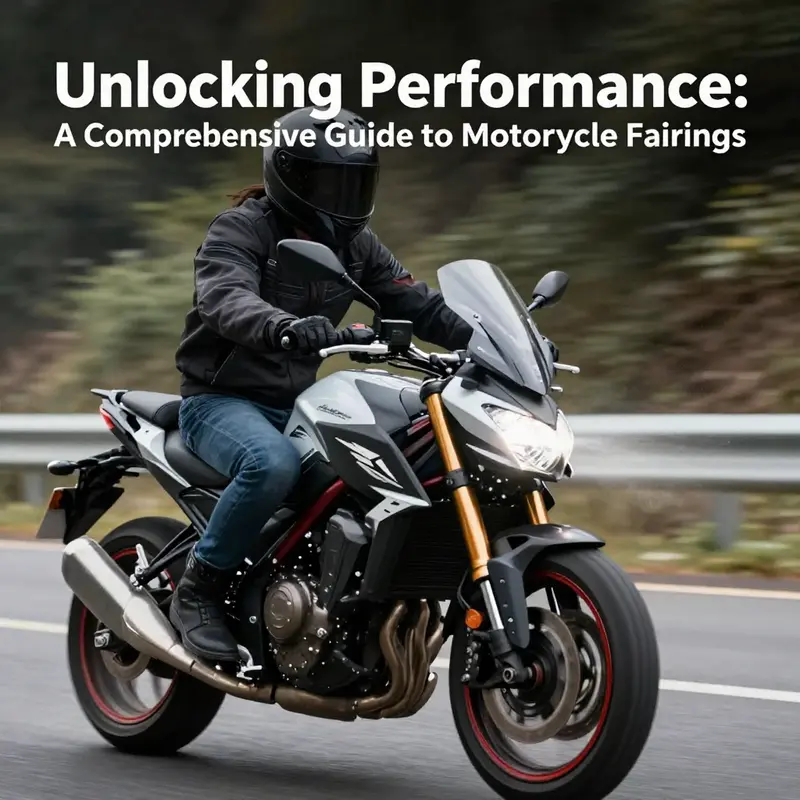
The fairing on a motorcycle is not merely a cosmetic shell; it is a carefully engineered interface between machine and rider, a shield that makes riding more tolerable, controllable, and predictable at speed. When the eye catches the sweeping lines of a sport bike or the more understated contour of a touring model, it is easy to think of fairings as fashion. Yet the design, materials, and fit of a fairing are a response to physics, rider physiology, and the realities of road behavior. The term itself—fairing—invokes the idea of shaping or smoothing away the rough edges of air as it rushes past a moving body. To understand fairings in a practical sense is to see how they moderate wind, weather, and debris while contributing to stability, efficiency, and a sense of control that is crucial for rider confidence on long jornadas or brisk, twisty runs alike.
At the heart of a fairing’s function is aerodynamics. When air meets a motorcycle at speed, it behaves in complex ways, creating pressure differences, turbulence, and lift that can subtly steer the bike and overwhelm the rider with forceful air currents. A well-designed fairing reduces drag by guiding air along smooth curves that minimize separation and by shaping a clean wake behind the bike. The immediate benefit is twofold: the engine works less hard to overcome air resistance, and the rider experiences less wind pressure, especially on the chest, shoulders, and helmet. Reduced drag translates into better fuel efficiency and the potential for higher sustained speeds, but the more immediate effect is in daily riding comfort. As air flows more evenly around the rider, buffeting—the stuttering or gusting feel caused by turbulent pockets of air—diminishes. The result is less fatigue on long rides and a more relaxed posture, which, over hours, matters as much as the bike’s power or suspension tuning.
Weather protection is another fundamental advantage. Fairings act as a windbreak that shields the upper body and head from direct exposure to rain, spray, and abrupt gusts. This isn’t about keeping a rider dry in a downpour—though that is a benefit—so much as reducing the horizontal wind loads that sap energy and make keeping a steady line more demanding. The rider can focus on steering and braking rather than fighting gusts or bracing against continuous air pressure. In practical terms, this wind-blocking capability translates into steadier riding, more precise throttle control, and a calmer helmet orientation, all of which contribute to safer, more predictable handling in varied weather conditions.
Far from a single-purpose shield, a fairing also serves as a protective envelope for the bike’s essential components. It acts as a first line of defense against road debris—stones, gravel, and other detritus that can be kicked up by traffic or rough pavement. A durable fairing absorbs or deflects small impacts, preserving the integrity of the radiator, frame rails, and other exposed parts. The UV rays and moisture that relentlessly attack exposed plastics are also mitigated when the fairing is designed with protective coatings and weather-resistant materials. The result is longer material life and lower maintenance costs, especially on motorcycles that spend substantial time on open roads where sun exposure is intense.
Material choice matters as much as shape. High-quality fairings are typically constructed from impact-resistant ABS plastic, sometimes reinforced with composite layers or lightweight fiberglass in higher-end or race-inspired configurations. ABS offers a resilient balance between rigidity and impact resistance, while fiberglass or composite laminates can provide superior stiffness-to-weight ratios and careful control of flex under load. The right combination yields a shell that can resist stone strikes and minor crashes, while maintaining a precise fit that reduces air leaks and vibration. Fit and finish are not cosmetic concerns but functional imperatives. A fairing that seals well against the frame and radiator reduces chafing and wind noise, while a tight, accurate contour helps achieve the intended aerodynamic effect. And because a fairing is a structural component in many machines, it must resist engine heat, vibration, and the occasional off-road encounter without warping or loosening.
The role of fitment is underscored by professionals who work with riders to tailor their machines for comfort and longevity. A well-engineered fairing isn’t just about a glossy surface; it’s about how the pieces align with the rider’s posture and the bike’s geometry. A precise interface between the fairing and the chassis minimizes vibration transfer and prevents flutter at high speeds. In sport and racing contexts, where riders demand maximum stability, even minor gaps can invite wind intrusion or create a resonance that tired arms feel as fatigue. The end-to-end engineering of a fairing—from the front intake to the shield behind the rider’s head—can influence perceived weight, steering feel, and cornering confidence, particularly on long, high-speed straightaways where air pressure becomes a constant companion.
Beyond aerodynamics and weather protection, fairings often carry the practical elements that riders depend on for everyday use. Headlights, instrument clusters, and sometimes communication or navigation aids are nestled within the fairing’s sculpted cavities, integrated so that visibility remains high and controls stay within easy reach. This integration is more than convenience. It reduces the number of external protrusions that can disrupt airflow, which, in turn, preserves the intended aerodynamic profile. When a fairing is well designed, it forms a cohesive whole with the motorcycle’s front end, so the rider experiences a combined system where the light, gauge readability, and switch geometry align with the rider’s natural line of sight and hand reach.
The practical benefits extend into maintenance and ownership experiences as well. Riders who invest in high-quality fairings can count on a longer service life and fewer mechanical issues tied to airflow or exposed components. Durability is not merely about resisting impact; it also concerns enduring color and gloss under sun exposure and rain. Durability means less frequent replacement, and fewer aftermarket tweaks required to maintain a crisp, protective shape over many miles. As noted by a motorcycle customization specialist, riders who upgrade to well-engineered fairings often report improved comfort and fewer maintenance issues over time. This is less about a cosmetic change and more about a functional upgrade that reduces rattles, wind noise, and the need for frequent alignments of panels and screens.
Riders often face a trade-off when selecting or upgrading fairings, balancing aerodynamics, weight, cooling needs, and the bike’s identity. A sport bike typically uses a full, sculpted fairing to minimize drag and protect the rider from wind at very high speeds, while a touring bike emphasizes broader coverage to maximize comfort on long journeys. The weight and stiffness of the fairing influence how the bike feels in turns and at low speeds. A heavily loaded bodywork package might improve stability at high velocity but could complicate maneuvers at parking lot speeds. Conversely, a lighter, more minimalist fairing can enhance throttle response and steering lightness, yet provide less protection from wind pressure and debris. The interplay of these factors speaks to the core purpose of a fairing: to harmonize the bike’s physical capabilities with the rider’s needs, not to dominate either side.
Riders who care about a seamless experience often consider the aesthetic and functional harmonies together. A fairing’s visual language—its lines, its integration with the headlight assembly, and its relationship to the windscreen—can influence a rider’s sense of confidence. Some riders perceive a more coherent profile as a signal of mechanical reliability, while others see it as a subjective cue that the bike has been tuned for their anatomy and riding style. The interplay of form and function becomes a feedback loop: better fit fosters comfort, which fosters longer rides and, in turn, a keener awareness of how the machine handles in wind, rain, and heat. All these experiences reinforce the idea that fairings are not purely cosmetic; they represent a designed partnership between rider, machine, and environment.
When considering upgrades or replacements, durability and fit are not the only questions. The modularity of a fairing system and the availability of matching components influence ease of maintenance and future upgrades. For riders who want to preserve the integrity of their bike while adapting it to different climates or riding styles, a modular fairing system can offer the flexibility to change wind coverage or add weather protection as needed. The discipline of fairing design thus becomes a matter of incremental improvements, where each component—from mounting points to fasteners, seals, and transition radii—contributes to the bike’s overall behavior on the road.
Informed decisions about fairing design and selection often hinge on a combination of practical testing, rider feedback, and the broader engineering constraints of the motorcycle. Precision fit is essential; gaps or misalignments can create air leaks that erode aerodynamic efficiency and introduce rattle or flutter. Precision is also about tolerances: fairings must accommodate engine movement, suspension flex, and wheel travel without rubbing or binding under load. This is particularly true on sport bikes that experience aggressive riding dynamics and on touring machines that carry passengers and luggage, increasing the bike’s overall height and wind interaction. It is in these long, steady rides that riders feel the cumulative effect of a well-made fairing—the way a gentle breeze can be transformed into a harmless, nearly invisible medium that supports the ride rather than fights it. In short, the mission of a fairing is to smooth the road’s rough edges into a more human-scale experience, where air, weather, and road debris are managed so the rider can focus on the road ahead.
For riders who are curious about aftermarket or OEM options, the selection process benefits from understanding how fit, material, and aerodynamics interact. That means looking for fairings designed to weather the road’s realities while preserving the bike’s core handling characteristics. It also means evaluating how the fairing aligns with the rider’s posture and reach. A well-fitted fairing helps maintain a neutral spine position, reduces the need for constant upper-body adjustments, and can even influence helmet-induced drag and neck strain. When the rider’s position is supported by a thoughtfully crafted shell, the entire ride feels less like an effort to push through the wind and more like a balanced dance with the air’s invisible currents. In this sense, the fairing becomes a collaborator in comfort and safety, translating wind energy into a controlled, predictable ride rather than a daily test of endurance.
For those who want to explore options that align with their bike’s existing lineage or intended use, it’s useful to consult collections that specialize in specific models or generations. The availability of model-matched fairings shows how the rider’s choices are tied to the motorcycle’s original geometry and intended ergonomics. A carefully selected fairing that fits the frame and aligns with the rider’s seat height, bar position, and windscreen angle can preserve or even improve the bike’s stability at speed, while offering the protection and aerodynamics expected from a modern shell. The synergy between exact fitment and design refinements reinforces why many riders regard a well-chosen fairing as fundamental to the riding experience rather than a mere accessory.
For riders who value community insights and practical demonstrations, the discussion around fairings extends to how professionals and enthusiasts evaluate comfort gains. The narrative often includes observations about reduced neck strain after new fairings are installed, fewer minutes per hour spent fighting wind, and a noticeable drop in fatigue on longer trips. Those experiences align with the aerospace-informed idea that smooth airflow reduces energy expenditure in motion, and they translate well to motorcycling—where hours in the saddle accumulate fatigue that can impair judgment and reaction times. While every rider’s physiology and riding style are unique, the overall pattern is consistent: a well-designed fairing contributes to a more comfortable, safer riding experience by shaping the air in a practical way and by providing robust protection from the environment and road hazards.
As the conversation around fairings continues to evolve, the emphasis remains on integrating aesthetic, performance, and protective considerations into a single, purposeful shell. The right fairing should strengthen the rider’s sense of connection with the road, offering a readable wind profile, a quiet cabin at speed, and a shield that keeps the bike’s most vulnerable components safer from impacts and the weather. It should also maintain or improve the bike’s throttle discipline and steering feel, ensuring that the rider’s inputs translate into precise, confident responses from the machine. The result is not simply a more comfortable ride; it is a safer, more controllable, and more enjoyable experience that respects the rider’s time, intention, and safety on every mile. For those seeking to deepen their understanding of how fairings influence rider comfort and safety, the discussion remains rooted in the same principles: reduce the wind’s adverse effects, shield the rider and critical components, and preserve the bike’s stability and energy efficiency, all through thoughtful design, high-quality materials, and precise fit.
For readers who want to see practical examples of how these principles translate into real-world choices, a useful starting point is to explore model-specific fairing options that maintain alignment with the bike’s original geometry while offering enhanced protection and efficiency. You can explore Honda fairings as an illustration of the kind of model-matched options that emphasize precise fit and aerodynamic efficiency. The key idea is not to chase the flash of a new look but to pursue a coherent package where every curve, junction, and mount contributes to a quieter, more controlled ride. This is the essence of the fairing as a practical accessory rather than a cosmetic flourish—a shield that carries the rider through wind, weather, and road hazards with greater ease, consistency, and confidence.
External resource for deeper insights into the rider comfort and safety benefits of fairings: https://www.motorcycle.com/motorcycle-fairing-uses-rider-comfort-safety/
Internal reference for model-specific considerations: Honda fairings
Balancing Cost, Durability, and Speed: The Economic Footprint of Motorcycle Fairings
A motorcycle fairing is more than a sleek splash of plastic; it is a calculated investment that blends physics with finances. On the surface, a fairing streamlines the bike’s silhouette, smoothing the air that would otherwise buffet the rider and the machine. Delve deeper, and you find a nexus where engineering, comfort, and economics intersect. The fairing’s value emerges not only from fewer drag forces at speed but from how well it holds up over time, how it impacts maintenance costs, and how it alters the bike’s overall lifecycle. In this sense, the economic footprint of a fairing cannot be reduced to a single price tag. It is a tapestry of upfront expenditure, durability, performance dividends, and long-term value, all woven into a rider’s daily experience and a machine’s remaining years on the road or track. When we analyze fairings through this financial lens, the narrative shifts from being about appearance or bragging rights to a disciplined assessment of return on investment, reliability, and comfort under varying riding conditions.
Costs come first in any economic appraisal, and fairings are no exception. The most immediate line item is the upfront cost. Cheaper fairings typically rely on thinner plastics or lower-grade composite materials. These choices can reduce the sticker price but may compromise resilience. A fairing built from lightweight, low-cost plastics can sag, warp, or crack after exposure to sun, heat cycles, or a few careless drops. The consequence is not merely an unsightly panel but potential misalignment with mounting points, gaps that invite air leaks at high speed, or the need for frequent repairs. In the long run, that initial saving may evaporate through repair bills, repainting, or, worse, a complete replacement. On the other side of the spectrum, higher-quality fairings—crafted from tougher plastics, reinforced composites, or even carbon fiber in some configurations—carry a steeper initial price. Yet these options tend to endure more demanding conditions, resist impact better, and return their value through lower maintenance needs and steadier aerodynamic performance across a broader temperature and weather range.
Durability is not purely about resisting a fall. A fairing’s life hinges on its capacity to remain stiff and true under aerodynamic loads. When a panel maintains its shape, it preserves the designed airflow and thereby sustains the intended drag reduction. Deformed or loose fairings can create turbulent pockets that degrade handling, especially in gusty conditions or at the high speeds sport and touring riders chase. Durability translates into fewer trips to the repair shop and a lower chance of replacing entire fairing sections after a crash or hard off-road encounter. The economics of durability also tie to how the fairing ages. Plastics that resist UV degradation and maintain color and rigidity longer reduce the cost of refinishing or panel replacement. In practice, riders who opt for higher-quality fairings often see a lower total cost of ownership over the machine’s lifespan, even if the annual maintenance bill sits higher in years one or two.
Performance and efficiency are the wings that consciously carry the rider toward economic benefits. Aerodynamics remains the most direct bridge between a fairing and fuel economy. By smoothing the air around the bike, fairings reduce parasitic drag, which translates into faster cruising speeds with less engine effort and lower fuel burn over long distances. The fuel savings compound for riders on daily commutes, weekend tours, or endurance events. The mathematics of drag tells us that even modest reductions can yield meaningful economy when scaled over thousands of kilometers each year. In addition, the cleaner air patterns around the bike can help engine management by stabilizing temperatures and reducing the thermal load on cooling systems. This mirrors a broader maintenance advantage: engines that run cooler and more stably are exposed to less thermal cycling stress, which can marginally extend engine life and reduce the likelihood of heat-related component failures. Taken together, the aerodynamics and engine-management benefits contribute to a composite economic return that goes beyond mere miles-per-gallon figures and into the realm of reliability, rider comfort, and predictable service intervals.
The market itself has shifted toward recognizing long-term value as a decisive factor. Consumers increasingly weigh durability, ease of maintenance, and adaptability when choosing a fairing. A fairing that is straightforward to mount, simple to remove for access, and compatible with a range of bodywork and windscreen configurations tends to offer greater value over time. This adaptability matters because riders evolve: a sport bike may become a daily rider, a track-focused machine may transition to touring with relatively minor modifications, or a project bike might require changes as fuel-injection systems and electronics become more complex. Each scenario benefits from fairings designed with modularity, repairability, and consistent fit in mind. In this context, the economic calculus moves beyond the price tag to include how easily a rider can source replacement parts, how available those parts are, and how well the panels align with existing components after years of use. The market’s tilt toward durability and ease of maintenance is not just a consumer habit but a signal about the overall health of the lifecycle economics surrounding motorcycle fairings.
A crucial dimension of the conversation is how fairings influence the bike’s overall lifecycle economics. For a rider who clocks many miles, the TCO—total cost of ownership—becomes a useful compass. The TCO accounts for initial purchase price, installation, and ongoing costs for maintenance, repairs, and potential replacements. A lower upfront price may feel attractive, but if the fairing requires frequent repairs or replacement, the annualized cost can exceed the expense of a higher-quality option with better durability. In practical terms, the longer a fairing lasts without needing significant work, the more it pays for itself over time. This is not just about surviving impacts; it’s about withstanding the daily stressors of riding—vibrations, temperature swings, road salts, and sun exposure—that collectively determine a panel’s longevity. When riders poor-mouth the cheap option, they may not be accounting for smaller, incremental costs that accumulate across years. A higher-quality fairing, while more expensive at the outset, often reduces spares, labor, and downtime, which can ultimately lead to more predictable budgeting and less financial friction over the bike’s life.
Beyond raw cost, the integrity of the fairing shapes the rider’s experience and, indirectly, the bike’s perceived value. A well-fitted, aesthetically coherent fairing contributes to a sense of reliability and care, which can influence a buyer’s valuation when it is time to trade or sell the motorcycle. While this is not a guaranteed return in dollars, it is a perceptible economic signal: a machine that looks and feels well maintained tends to attract buyers more readily and may command a premium in the used market. This intangible, yet economically tangible, effect is part of the broader story of how fairings contribute to a bike’s residual value. The paint, finish, and structural integrity of a fairing are markers of ongoing maintenance costs and the ease with which a new owner can live with the bike without embarking on a costly refresh. In this way, fairings act as a visible proxy for the health of the motorcycle’s carer, and potential buyers often read them as a proxy for the machine’s overall care history.
From the rider’s perspective, the decision about which fairing to install hinges on a matrix of needs. A rider focused on daily commuting in variable weather may prioritize weather protection and ease of maintenance over absolute raw performance. For such a rider, a mid-range fairing with solid durability, good UV resistance, and straightforward mounting could offer the best balance between upfront cost and ongoing value. A sport-oriented rider chasing peak performance and track days may justify a higher upfront investment in a fairing that minimizes drag to a greater degree and maintains a stable shape at high speeds. The payoff here is less about low daily fuel consumption and more about marginal gains in top-end performance, chassis stability, and rider confidence under high-speed load. Either way, the economic argument for fairings rests on a careful assessment of how the panel behaves in real-world use, not in a lab spec sheet alone. It is about understanding how aerodynamics, materials science, and practical maintenance converge to create a product that helps riders meet their goals—whether they are measured by miles per gallon, reduced fatigue on long rides, or the steadiness of cornering when the road opens up.
In practice, evaluating fairings begins with a few disciplined questions. How much wind protection is actually needed for the rider’s posture and typical riding speed? Which materials best resist the climate and debris typical for the rider’s region? How easy is it to source replacements or repairs if a panel is damaged? What is the expected service interval for the fairing’s mounting hardware and fasteners, and how does that interact with the rider’s mechanic or shop access? These considerations are not abstract; they map directly to budgets and to the rider’s tolerance for downtime. When a rider asks what a fairing will cost over its lifetime, the answer should be grounded in a lifecycle assessment that includes not only the sticker price but the price of maintenance, the risk of weather-related deterioration, and the likelihood of repair or replacement. In short, the economic equation for motorcycle fairings is a prospective one: today’s investment must be weighed against tomorrow’s reliability, comfort, and performance.
To aid in this evaluation, many riders turn to resources that discuss durability, fit, and performance in practical terms. A fairing is most valuable when it remains a stable, rock-solid part of the bike rather than a fragile element that courts trouble. That stability translates into fewer unexpected trips to a shop, lower insurance headaches, and a more predictable ride experience. The rider who understands this equation tends to make choices that align with long-term value rather than short-term savings. The allure of a curvier, more aggressive profile can be compelling, yet the true bargain is not the cheapest panel on the shelf; it is the one that remains true after thousands of miles and across a variety of weather conditions, while continuing to protect the rider from wind fatigue and weather exposure.
For those who want a tangible starting point in exploring options, a practical route is to examine supplier catalogs that emphasize durable, serviceable fairings and broad compatibility with various models. When selecting a fairing, consider not only the fit for one year’s model but the availability of replacement parts in the next decade. This forward-looking mindset reduces the risk of owning a fashionable yet short-lived panel that becomes obsolete as new models arrive. Additionally, the availability of color-matching and finish options matters for resale value; a well-presented panel system signals a bike that has been cared for and maintained, which can translate into a more favorable market perception and potentially a higher resale price. In markets where customization is popular, the ease of refinishing and color matching becomes a practical economic advantage as well. The strategic choice, then, is to align with a fairing that promises durability, modularity, and compatibility with maintenance routines, all while preserving the aesthetic and aerodynamic goals that drew riders to it in the first place.
As the discussion of economics unfolds, it is worth noting how the broader ecosystem supports or dampens the value of fairings. A robust supply chain for replacement parts, a vibrant secondary market for used panels, and the availability of warranties all feed into the total cost of ownership and the perceived value of the investment. When these elements are favorable, riders experience not just one-off savings but steady, predictable costs over the bike’s lifetime. Conversely, a market with scarce parts, limited warranty coverage, and inconsistent fit can erode the economics, even for fairings that are technically high-performance. In practice, a rider’s decision becomes a blend of personal risk tolerance, practical maintenance capabilities, and the economic signals that the market currently rewards. The fairing, in effect, becomes a financial instrument within the rider’s portfolio of motorcycle ownership, balancing upfront outlay with the potential for durability, efficiency gains, and resale value.
For readers who want a concrete starting point in their search, consider exploring the Honda fairings collection, a category that offers a spectrum of options designed to balance performance with durability and repairability. Such collections illustrate how a manufacturer concepts an interface between aerodynamics and serviceability, aiming to deliver a product that remains aligned with the rider’s evolving needs over time. As you examine the options, keep in mind that the best choice will be the one that harmonizes initial cost with long-term value, supports steady performance across conditions, and simplifies maintenance so you can spend more time riding and less time worrying about the next panel repair. In the end, fairings are not merely cosmetic upgrades; they are a considered investment in how you ride, how economically you ride, and how comfortably you can enjoy those miles ahead.
External resource for further reading: Motorcycle.com
Internal link cue: When exploring options, many riders begin with the Honda fairings collection to gauge durability and fit across different models and riding needs. For a practical overview of the broader economics of fairings, this category can serve as a starting point for understanding how materials, manufacturing choices, and design priorities translate into long-term value for riders.
Final thoughts
Understanding the multifaceted role of motorcycle fairings is essential for business owners seeking to optimize performance and safety in their products. Fairings not only influence the dynamics of speed and fuel efficiency but also enhance rider comfort, which can lead to increased customer satisfaction and loyalty. Moreover, the economic implications of incorporating high-quality fairings can significantly benefit your bottom line. By investing in superior fairings, you can offer a product that stands out in the competitive motorcycle market. Familiarize yourself with these components to elevate your offerings and meet the aspirations of your customers.