
Motorcycle fairing kits play a pivotal role in modern motorcycling, serving both functional and aesthetic purposes. These kits encompass a variety of body panels that cover and streamline the frame and engine components of a motorcycle, thus enhancing performance while providing protection. With an emphasis on aerodynamics, customization options, and compliance with safety standards, understanding these kits is essential for business owners in the motorcycle industry. Each chapter of this guide will delve into the specific aspects of motorcycle fairing kits, including their functionality, material composition, aerodynamic benefits, opportunities for aesthetic personalization, and adherence to safety and durability standards.
Streamlined Shields: How Motorcycle Fairing Kits Redefine Performance, Protection, and Personal Style
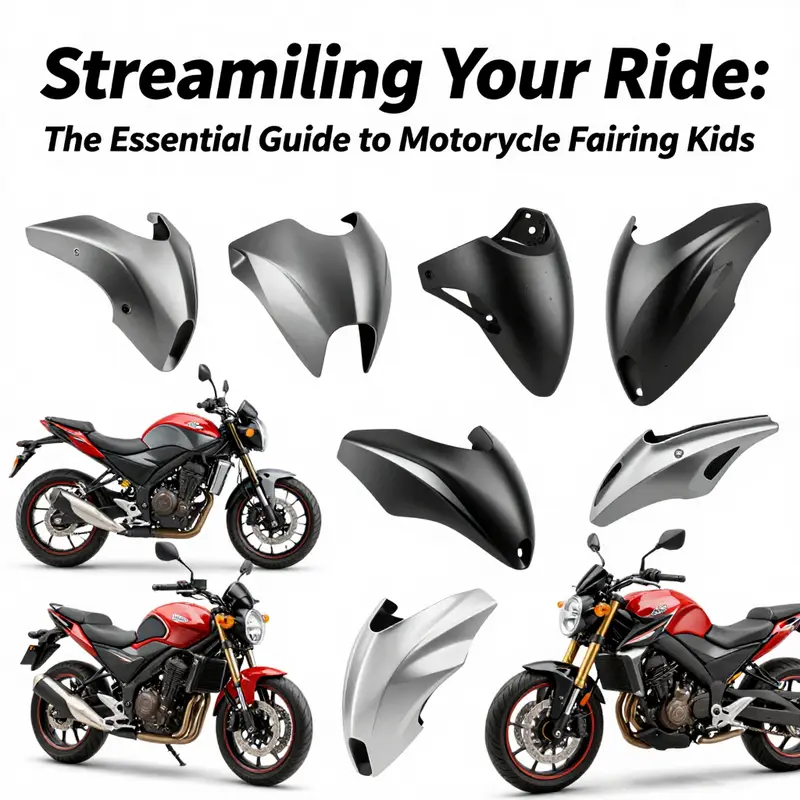
A motorcycle fairing kit is more than a cosmetic upgrade; it is a purpose-built system woven from design, material science, and an understanding of how air moves around a fast, dynamic machine. At its core, a fairing kit attempts to tame the chaotic flow that forms as a bike slices through the atmosphere. By shaping the surrounding air, it reduces drag and manages turbulence, which in turn translates to tangible gains in speed, stability, and efficiency. The rider experiences these improvements not as abstract numbers but as smoother acceleration, more confident steering at high speeds, and a calmer cockpit where wind buffeting is minimized. In this sense, a fairing kit functions as both the bike’s aerodynamic mouth and its protective shell, merging performance with practicality in a single, clean package.
Material choice is the first practical layer of this equation. Fiberglass remains a common option for its balance of weight, stiffness, and cost, offering a lightweight yet resilient skin that can be tailored through molding and finishing. ABS plastic, favored for its impact resistance and weather resilience, often forms the backbone of more durable, weatherproof assemblies. High-strength composites push the envelope by delivering superior rigidity and reduced weight, albeit at a higher price point. Each material carries a distinct fingerprint: fiberglass can be repaired and reshaped with relative ease, ABS provides rugged everyday durabilty and resistance to moisture, while composites promise superior performance but demand meticulous fabrication and care. The choice matters, not only for how the bike looks but for how it behaves when it leaves the starting line and presses into the wind. The conversation about materials is really a conversation about the rider’s priorities—whether weight savings, durability, or cost is the defining factor—and it sets the tone for the rest of the fairing’s design.
Beyond the raw materials, the shape and finish of a fairing kit are where performance and personality intersect. Aerodynamic efficiency hinges on smooth, continuous contours that encourage laminar flow rather than abrupt eddies. Subtle radii, carefully tuned edge profiles, and integrated vents all contribute to how air leaks, stagnates, or slips past the bike. The end result is a shell that not only cuts drag but also improves high-speed stability by guiding pressure differently around the front and sides of the machine. It is this careful shaping that helps a rider feel connected to the bike at the edge of traction, where the wind is a constant companion and inexpensive turbulence can become fatigue over a long day on the road.
A fairing kit is usually model-specific, designed to align with the bike’s mounting points, instrument cluster geometry, headlight cutouts, and the overall silhouette of the chassis. The fit must be precise so that panels align without gaps, hardware sits flush, and air pathways are unobstructed. For riders who value customization without sacrificing reliability, many modern fairing kits embrace modularity. Panels can be swapped, trimmed, or reconfigured to suit different riding styles or aesthetic preferences without a complete teardown. This modular philosophy lowers the barrier to personalization, letting a rider experiment with a sportier stance or a cleaner, minimalist look depending on mood and need. If you’re exploring options, a practical starting point is to look at parts collections that emphasize compatibility and easy mounting. For example, a focus on a dedicated Honda fairings collection can guide you toward pieces designed to integrate smoothly with common mounting frames and instrument arrays. Honda fairings collection is one such resource that illustrates how model-aligned components can simplify the upgrade path without compromising structural integrity.
Ease of installation is more than a convenience; it directly affects a rider’s willingness to adopt a fairing kit. A kit designed for straightforward, tool-light assembly reduces downtime and helps protect sensitive components during the process. A thoughtful package includes snap-fit panels, clearly labeled mounting points, and standardized fasteners that minimize the guesswork during reassembly after maintenance. The ability to remove and reconfigure sections quickly is a boon for those who service their own bikes or participate in track days where quick access to the engine or electronics is part of the plan. In practice, this means that a well-engineered fairing kit not only improves aerodynamics but also simplifies upkeep, making routine inspections less of a chore and more of an intuitive part of riding ownership.
The rider’s experience is deeply affected by the way a fairing channels wind around the torso and head. For sport bikes and track-focused builds, reducing drag is almost always a priority, but the rider’s comfort at speed is equally important. A well-designed fairing directs air toward areas that minimize noise and buffeting, which translates into longer, more comfortable sessions on the bike. Even for street riders who spend hours commuting, the benefits show up as lower fatigue on highway rides, where wind pressure is unrelenting and the body can become tense in response to gusts and crosswinds. Fairings also act as a protective shield for critical components. They shield the headlight, the instrument cluster, and the upper fork from the brunt of road spray, rain, and debris, preserving visibility and electronics, which matters as much on a daily commute as it does on a weekend sport ride. The protective role becomes especially meaningful on long journeys where the weather remains unpredictable and a rider needs a shield that maintains function under a chorus of road grime and weathering.
Maintenance and accessibility are practical realities that shape the desirability of a given kit. A half fairing, for example, is a popular choice when weight, maintenance access, and aggressive styling are priorities. It offers substantial upper-body protection and a cockpit enclosure while leaving the lower engine and frame exposed, which can simplify maintenance work and inspection of hoses, seals, and exhaust components. However, with reduced wind protection, riders may experience greater wind noise at speed, an ergonomic compromise that might prompt the addition of a well-configured windscreen or altered riding position. The point is not to declare one configuration superior in all cases, but to recognize that the balance between protection, weight, access, and comfort is a personal negotiation that depends on how and where the bike is used. This nuance underscores why many riders evaluate fairing options not in isolation but as part of a broader riding strategy: performance on the track, comfort on long highway stints, or a distinctive street presence that enhances rider confidence.
From a safety and durability perspective, fairing kits are engineered to endure the rigors of riding. UV resistance is a common requirement; panels must resist color fading, cracking, and chalking under sun exposure and varying temperatures. Impact strength testing is another critical criterion, ensuring that the shell can absorb and diffuse minor impacts from road debris while preserving panel integrity and protecting the rider from direct contact with hot or sharp components. While no fairing kit can guarantee invincibility, a well-constructed kit provides a predictable layer of defense for the bike’s most exposed areas and a clearer line of sight for the rider. This combination of weather resilience, UV stability, and impact performance contributes to a more durable, long-lasting upgrade that looks better for longer and maintains its performance characteristics across seasons.
Choosing between full fairings, three-quarter packages, and half fairings often comes down to riding philosophy and the bike’s intended role. Full fairings offer maximum aerodynamic efficiency and rider protection, creating a seamless silhouette that can enhance high-speed stability and give the rider a sense of enclosed control. Three-quarter and half fairings, in contrast, emphasize accessibility, weight savings, and a sportier, leaner look that invites quick maintenance and a lighter tactile response through the handlebars. Each configuration has its own wind profile and acoustic footprint. In the street context, some riders value the open air feel and easier access associated with lighter configurations, while track-focused riders may prioritise enclosure and airflow management that full fairings provide. The underlying principle is that the fairing kit is not merely a cover; it is an aerodynamic partner that works with the bike’s geometry to sculpt how air interacts with the machine at speed and how the rider experiences that energy in real-time.
The broader ecosystem surrounding fairing kits—modularity, fitment accuracy, and compatibility with other aftermarket components—matters as much as the panels themselves. A kit that anticipates and accommodates aftermarket windshields, mirrors, screens, and even radiator guards reduces the risk of misalignment and the need for costly adaptations. It also aligns with the growing culture of customization where riders blend performance with personal aesthetics. In practice, this means a fairing kit should offer clean lines that complement the bike’s silhouette and a finish that mirrors the rider’s taste, whether that taste veers toward a minimal, stealthy appearance or a bold, high-contrast look. The aesthetic dimension is not purely skin-deep; it reinforces the bike’s identity and can influence rider confidence on the road by reinforcing a sense of control and purpose.
As with any component that sits at the intersection of form and function, there are trade-offs to consider. Weight, cost, and ease of installation compete with durability and aerodynamic finesse. A lighter fiberglass panel may deliver a gratifying weight reduction but may require more meticulous handling and repair care. A robust ABS kit might stand up to weather abuse and everyday use with fewer maintenance concerns but could be somewhat heavier and less responsive to micro-adjustments. Composites may strike an ideal balance between stiffness and weight, yet demand careful manufacturing and price considerations. The rider’s climate, riding habits, and maintenance approach will tilt the scales toward one material pathway over another. The key is to recognize that a fairing kit is a holistic system. It is not only about the panels but about how those panels, given their material and shape, interact with the bike’s chassis, the rider’s body position, and the road’s realities.
For readers who want to dive deeper into the performance implications of different fairing types, industrial analyses offer rigorous perspectives on how fairings influence flow, pressure distribution, and overall efficiency. A detailed, technical discussion can be found in resources that explore performance, composition, and practical applications in fairing design. This kind of analysis provides a framework for evaluating what matters most on a given bike—drag reduction, stability, and how those factors translate into real-world riding experiences. If you’re curious about how the theory translates into practice, you can consult external perspectives such as the one offered by industry analyses of fairing performance and design philosophy. https://www.kawasaki.com/motorcycle-fairing-kit-performance-composition-and-practical-applications
From ABS to Carbon: How Materials Define Performance and Style in Motorcycle Fairing Kits
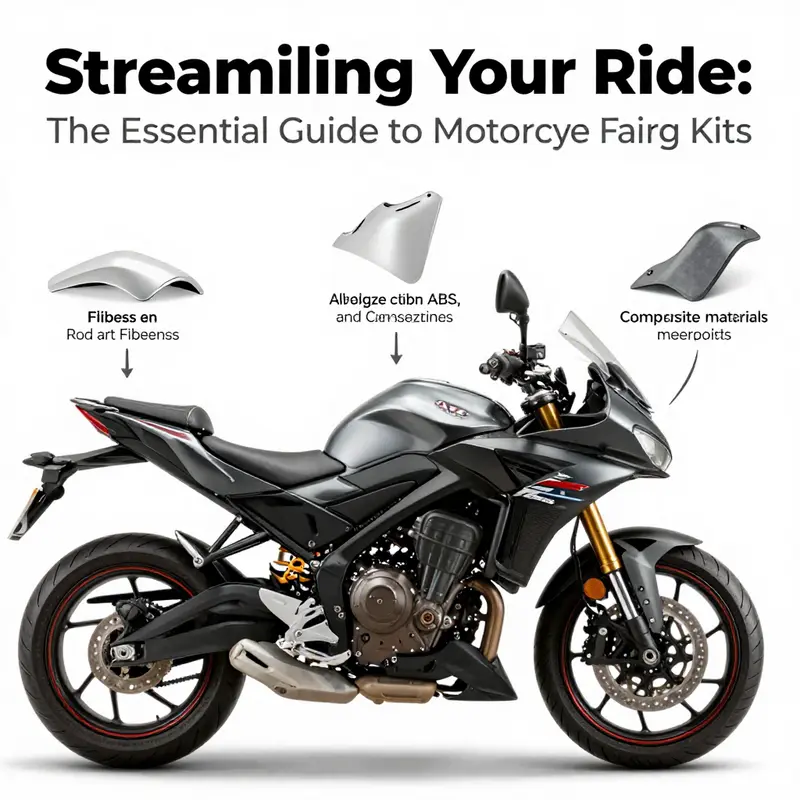
Every rider knows the fairing isn’t just a shell. It is a strategic choice that folds together aerodynamics, durability, weight, and aesthetic identity into a single, weather-resistant skin. A motorcycle fairing kit is more than a retrofit; it is a system whose material constitution determines how a bike slices through wind, how it responds at speed, and how it endures the elements and occasional mishap. The material science behind fairings—largely centered on ABS plastic, fiberglass, and advanced composites like carbon fiber—shapes outcomes that go far beyond looks. To understand why riders choose one kit over another, one must consider the fundamental trade-offs between cost, performance, and longevity, and how each material responds to real-world riding, from quiet Sunday runs to high-stakes track days and the rough realities of weather and road debris. In practice, the decision is never about a single attribute. It is about how a particular material aligns with the rider’s ambitions, the bike’s chassis, and the intended use, whether that use is street cruising, competitive track work, or a rugged, off-road-friendly application. As with any engineering choice, the optimal balance hinges on a material’s properties—stiffness and strength, weight, impact resistance, and how easily it can be manufactured and repaired—and how those properties interact with the kit’s modular design and fitment requirements. This is where the conversation moves from aesthetics to physics, from style to performance, and back again, because the shell that covers a bike is a live interface with the air, the rider, and the road.
ABS plastic has become the workhorse of the fairing world for good reasons. Its casting and injection-molding processes yield parts that fit with remarkable precision, aligning with the bike’s mounting points and contours with a level of repeatability that mass production demands. For most riders, ABS fairings deliver an attractive blend of durability and cost efficiency. The material’s ability to absorb and resist minor impacts means a rider can ride with confidence on imperfect city streets or damp, gravelly rural lanes without fearing rapid, unrepairable cracking. The surface finishes well through typical altitudes of heat and cold, and it accepts paint and decals readily, which makes it a practical choice for OEM replacements and aftermarket upgrades seeking a clean, factory-like appearance.
In everyday life, durability is more nuanced than a simple impact test. ABS offers good resistance to humidity and UV exposure in many formulations, though prolonged sun exposure can lead to chalking and color fade if the chosen ABS grade isn’t optimized for UV stability. Technicians and designers often factor this into the finish process, using primers and topcoats that enhance color retention and gloss over time. What makes ABS particularly compelling for mainstream aftermarket fairing kits is its cost-to-benefit ratio. It gives riders a reliable, easily repairable surface at a price point that supports broad adoption. This is not to suggest ABS is a one-size-fits-all solution. For riders seeking lighter weight or a stiffer bond under higher load and heat, the equation changes. ABS’s solidity under everyday use makes it a sensible baseline option, especially when the factory-fit requirement is non-negotiable and the goal includes straightforward installation and replacement.
Fiberglass, or fiberglass-reinforced plastic (FRP), enters the conversation as a robust alternative that prioritizes rigidity and moldability. What fiberglass can offer over ABS is a notable boost in wall thickness control and shape fidelity, particularly for complex or aggressive contours that demand careful, consistent wall structure. This is where the craftsmanship of a fairing shop comes into play. High-quality fiberglass panels benefit from vacuum infusion processes and CNC-machined molds to enforce uniform thickness and minimize warping. The result is a part that paints cleanly, holds a crisp edge, and presents a smoother overall surface when compared to lesser-quality FRP builds. Warping risk, which can plague poorly cured or under-vacuumed FRP parts, is mitigated through controlled curing environments and resin distribution strategies. For riders who demand more aggressive aesthetics, or a kit that can be tailored to track use while keeping costs in check, fiberglass represents a compelling middle ground: lighter than many older FRP approaches, with a sturdier, more professional finish when properly executed.
Where fiberglass truly shines is in the realm of custom and semi-custom builds. Boutique manufacturers and skilled workshops often lean on fiberglass as a versatile medium because it can be formed into complex geometries that demand high fidelity to a rider’s vision. The material’s pliability makes it easier to sculpt features that set a bike apart, from distinctive air-scoop shapes to intricate venting patterns that augment aero performance without imposing a heavy weight penalty. Yet, fiberglass is not without its caveats. It can be heavier than carbon fiber or even some ABS variants, and its rigidity can come with a brittleness if the curing process is rushed or if the resin-to-glass ratio isn’t optimized. Proper curing and finishing—careful resin distribution, controlled environmental conditions, and attention to surface preparation—are essential to maximize its performance and finish quality. When these conditions are met, fiberglass standouts blend a strong strength-to-weight profile with excellent resistance to impact and a surface that accepts paint and clear coats with a satisfaction that can rival carbon fiber’s famed appearance, while maintaining a price point that makes it accessible to enthusiasts who want a performance edge without breaking the bank.
Advancing up the hierarchy of materials, composites—especially real carbon fiber—occupy a different edge of the spectrum. Carbon fiber fairings are often described in terms that reflect both performance and prestige: they deliver a significant weight reduction, maintain remarkable stiffness, and present an unmistakable, high-end visual texture with a 3K twill weave that conveys the look of modern, aerospace-grade technology. The weight savings can be substantial, with real carbon fiber fairings reducing overall weight by a meaningful margin—up to about 40 percent compared to ABS in many designs—depending on the thickness and layup. The momentum of carbon fiber lies in its superior strength-to-weight ratio, which translates into crisper handling, quicker response, and a more agile ride at higher speeds. However, the price tag of carbon fiber is a function of material costs and production complexity. Real carbon fiber involves careful layering of prepregs or woven fabrics, autoclave curing or vacuum infusion techniques, and epoxy resins with precise resin content. It is not merely about a glossy finish; it is about the integrity of the composite under repetitive high-temperature exposure, wind pressure, and flexible loads that come with dynamic riding scenarios.
Understanding the resin content is part of appreciating how carbon fiber comes to life in fairings. Reputable suppliers often work with epoxy resins containing an epoxy content in the range of roughly 38 to 42 percent. This ratio seeks to balance stiffness, heat resistance, and toughness. Too little resin can make the laminate brittle and prone to microcracking, while too much resin adds unnecessary weight and can dull the weave’s structural benefits. Vacuum infusion, a common manufacturing technique for carbon fiber parts, helps achieve consistent resin distribution and thorough wet-out of the fabric. It fosters uniform wall thickness, minimizes voids, and reduces warping during cure. When paired with CNC-machined molds, this process yields smooth, paint-ready surfaces and predictable performance metrics. The aesthetic appeal is not incidental; the weave pattern, the gloss depth, and the edge quality contribute to the perceived quality and the rider’s pride in ownership. Yet the decision to opt for carbon fiber is not solely driven by performance. It intersects with the rider’s discipline and budget. Track riders chasing every possible ounce of speed may justify the expense, while street riders who value durability and show-ready finishes might weigh carbon fiber against high-quality fiberglass or even premium ABS alternatives that mimic the look of more expensive composites.
In practice, the selection of a fairing kit’s material is a conversation about context. For routine street riding, where the priority is reliable protection, easy maintenance, and reasonable cost, ABS often represents the best starting point. It handles the daily rigors of weather and road spray, it’s straightforward to repair after minor scrapes, and its installation fits well within the scope of standard mounting systems. For riders who crave a more aggressive silhouette or a better dissipation of wind-induced vibration, fiberglass can bridge the gap between the affordability of ABS and the high-end footprint of carbon fiber, all while enabling more ambitious shaping under controlled manufacturing conditions. Carbon fiber, meanwhile, serves as the apex for those who pursue the pinnacle of lightness, stiffness, and perhaps a showroom finish that resists the test of time on the track. The visual language of carbon fiber—its distinctive weave and its ability to catch and reflect light—adds a layer of premium appeal that complements the mechanical benefits. The reality is that each material’s advantages live in the interplay between form and function. A kit that prioritizes clean lines and a precise OEM fit may lean toward ABS for its production reliability, whereas a competition-oriented build may lean into carbon fiber for weight savings and stiffness, even when it requires more intricate maintenance and higher upfront costs.
The narrative of material choice also considers the modular and scalable nature of modern fairing designs. Many contemporary kits are designed with modularity in mind, allowing riders to mix-and-match panels or switch out sections with relative ease. This approach lets a rider tailor a single chassis through seasons or across different riding personas, from a daily commuter to a weekend track enthusiast. MODULARITY has the practical benefit of enabling repair and customization without committing to a complete replacement. It also means that the production approach, from the mold design to the finishing process, must accommodate a spectrum of material behaviors. ABS modules can snap into place with predictable tolerances, while FRP and carbon fiber panels require careful alignment and sometimes different fastener strategies to maintain stiffness and fit. The end result is a fairing that does more than shield the rider; it contributes to the bike’s aerodynamics, reduces drag, and supports a rider’s confidence at speed by smoothing the flow of air across the chassis.
In thinking about what material to choose, riders should consider not just weight or cost in isolation, but the full lifecycle: initial purchase price, installation effort, repairability after a crash, long-term maintenance costs (including paint and UV protection), and the kit’s role in heat management and rider comfort. Heat management, for instance, is a subtle but real consideration. The fairing works in concert with the bike’s radiator and engine bay to channel air around critical components. A well-designed carbon fiber or fiberglass shell can be engineered with venting strategies that enhance airflow without compromising strength. This is where the hands of an experienced fabricator—whether assembler or custom shop—become indispensable. Their expertise helps ensure that an aggressively contoured shape does not become a cold wind tunnel for the rider, nor a point of structural weakness under a high-speed gust. The interplay between shape and material is a delicate dance; it is as much about the rider’s experience as it is about the raw numbers of weight or stiffness. The successful kit integrates aesthetic intent with aerodynamic necessity, resulting in a product that performs as well as it looks and withstands the realities of road use.
Those who are building or customizing a bike should also consider the broader ecosystem of parts and paints that interact with the fairing material. Paint adhesion and clear coat durability vary with material type; carbon fiber requires compatible resins and primers to avoid resin bleed or delamination at edges, while ABS and fiberglass surfaces respond to different surface treatments and primer selections. UV exposure remains a universal challenge, and materials are often treated with UV stabilizers or coated to preserve color and gloss. Maintenance routines should reflect this reality: cleaning with mild detergents, avoiding harsh solvents that can degrade resin interfaces, and performing periodic inspections for micro-cracking in fiberglass or resin blooming in carbon fiber laminates. Although the eye often gravitates toward that sleek carbon look, the long-term satisfaction comes from a kit that remains intact and visually appealing after miles of highway, rain, and sunlight. The best choice is no longer the option that looks the most impressive in a showroom but the option that sustains performance and aesthetics under the rider’s specific conditions.
For riders exploring options and seeking inspiration, a reliable point of reference for OEM-inspired or aftermarket fairings is to browse the Honda fairings collection, which presents a spectrum of shapes and finish options that demonstrate how a kit can mirror factory lines while offering customization opportunities. The practical takeaway is that material choice and form are inseparable in achieving the intended riding experience. A well-made ABS kit can deliver a factory-like fit with economical maintenance, while fiberglass presents a canvas for custom shapes and endurance, and carbon fiber pushes toward the extremes of weight savings and premium aesthetics. Whatever path is chosen, the material’s physics—how it behaves under load, how it interacts with heat and moisture, and how easily it can be finished and repaired—will determine not only how a bike looks but how it performs when the road tightens around a rider’s decision.
Internal link note: riders curious about options specifically tied to manufacturers’ lines can explore the Honda fairings collection for a sense of how manufacturers approach OEM-fit and aesthetic alignment in a range of designs. This kind of exploration helps illuminate the practical implications of material choice when paired with a bike’s original geometry and mounting strategies. See: Honda fairings collection.
External resource for deeper technical context: External resource on fairing materials. This reading offers a more technical breakdown of how each material behaves under thermal stress, impact, and wind loads, complementing the practical perspective presented here.
Streamlining Speed: How Fairing Kits Shape Aerodynamics, Power, and Rider Control
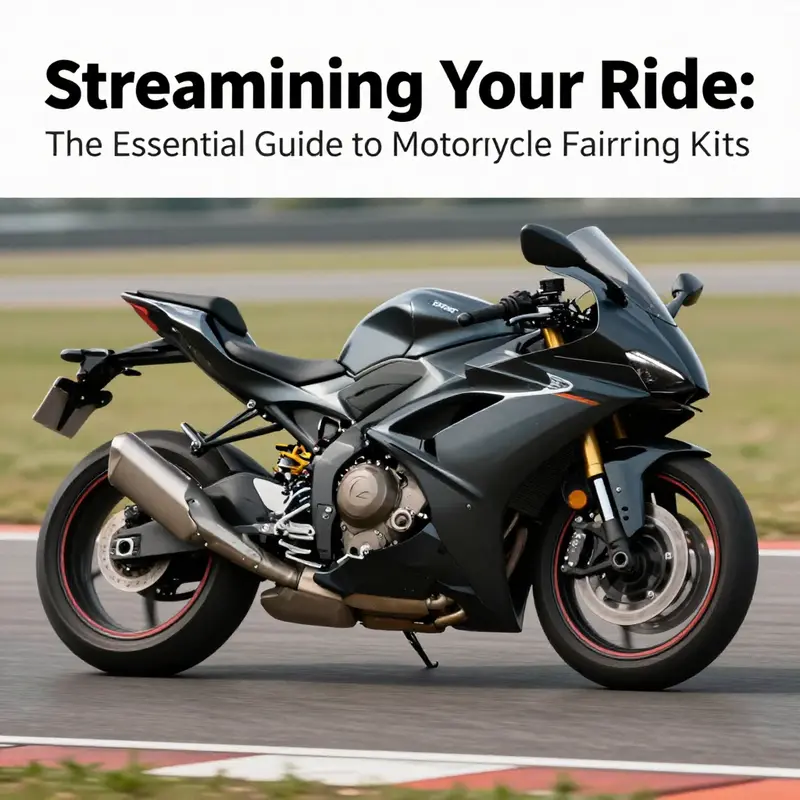
A motorcycle fairing kit is more than a cosmetic upgrade or a fashion statement on two wheels. It is a thoughtfully engineered collection of body panels that encloses and shapes the bike’s most exposed surfaces—the frame, engine, and ancillaries—in a way that alters how air behaves around the machine. When riders talk about performance upgrades, they often think of torque curves, gearing, or tire compounds. Yet the clean lines of a well-designed fairing kit can lower air resistance enough to meaningfully affect speed, fuel efficiency, stability, and overall rider confidence. The essence of a fairing kit lies in its ability to manage airflow as the motorcycle slices through air at varying speeds, from city commutes to highway blasts and race track runs. The wind that hits a naked, unfaired bike is not simply a nuisance; it is a force that translates into drag, lift, and turbulent wake that can rob acceleration and place greater demand on the rider for balance and control. A properly executed fairing kit helps tame that force, smoothing out the journey by guiding air along predictable paths rather than allowing it to swirl chaotically around protruding machine components. In this sense, the fairing is a colleague to the motorcycle’s powerplant, transmission, and chassis, translating power into motion while tempering the wind that competes with it for momentum.
Aerodynamics, in the context of two-wheeled machines, describes how air flows around the bike as it moves. The shape and arrangement of the panels determine where air accelerates, where it detaches, and where it forms vortices that destabilize the rider at speed. The more the air can be directed to follow the bike’s contours, the less drag the machine experiences. Drag is the principal enemy of top speed and fuel economy; even modest reductions in drag can compound to noticeable gains over time. The interplay between drag and downforce—the slight push that a fairing can create on the front and sides of the bike—contributes to stability, particularly during long straights and high-speed cornering. The idea is not to press air into a corner for the sake of it, but to craft a configuration in which the air flow reduces resistance while maintaining predictable steering feel and rider protection. As researchers have noted, aerodynamic improvements can overcome intrinsic limitations in a motorcycle’s baseline geometry, turning a chassis that might feel “soft” at speed into one that remains planted and responsive even when the wind ramps up.
In the realm of design and analysis, even slight changes to the front and side profiles can shift how air behaves around a bike. The science behind this is not hidden in abstract theory; it translates into tangible effects like reduced turbulent wake, smoother pressure distribution, and more stable laminar flow along the fairing’s surface. When a front curve, a radiator cutout, or a strategic vent is introduced, it reshapes the wake behind the bike and reduces the energy lost to eddies. This is why modern fairing kits emphasize streamlined geometry, not just eye-catching aesthetics. A front profile with careful curvature can minimize adverse separation of air, while side panels can guide the flow down the sides of the bike, helping to manage the interaction with the rider’s torso and legs. In racing and sport riding, these micro-geometries accumulate into measurable performance gains: better steering response, less fatigued rider posture after long sessions, improved high-speed stability, and, in some configurations, a modest decrease in fuel consumption due to lower parasitic losses.
The literature on two-wheeled aerodynamics emphasizes that optimization is not a one-size-fits-all venture. There are distinct categories of fairing kits that reflect different goals and contexts. Complete fairing kits provide comprehensive aerodynamic coverage and wind protection, presenting a more enclosed silhouette suitable for long-distance riding or track work where wind management becomes a core performance concern. They offer the most coherent wind tunnel–informed shape but come with higher costs and a more involved installation process. In contrast, sport or race fairings prioritize design freedom and customization. These kits often favor modular components that riders can mix and match for color schemes, logos, and artwork while still delivering the aerodynamic benefits. The choice between these options hinges on a rider’s priorities: ultimate wind protection and minimal drag for endurance riding, or a balance of performance and appearance for a track-focused build. The guiding principle remains the same: align the fairing’s geometry with the bike’s overall dynamics so airflow remains predictable and the rider remains in command.
Shaping the fairing to optimize performance also involves material choices that affect weight, strength, and durability. Common fairing kit materials include fiberglass, ABS plastic, and high-strength composites, each offering different trade-offs. Fiberglass can deliver a lightweight yet sturdy shell, with good impact resistance and flexibility for shaping. ABS plastic tends to provide excellent structural integrity, weather resistance, and cost efficiency, making it a popular choice for street-oriented or mixed-use applications. High-strength composites push the envelope on weight and stiffness, supporting aggressive aerodynamic contours while maintaining rigidity under high-speed loads. The material selection influences not only the weight that the bike carries but also how the panels behave under heat and sun exposure. UV resistance and impact strength testing are frequently part of the manufacturing and testing process to ensure that the fairing maintains its shape and appearance over time, even in harsh sunlight and road debris environments.
Beyond materials, the modularity and tailoring of modern fairing kits contribute to how riders experience dynamics on the road. A modular design allows for rapid changes in configuration, making it easier to experiment with different airflow strategies or to repair damaged sections after a fall or an arduous track session. Riders can swap panels, add venting for cooling, or adjust the stance of the fairing to alter the wind pressure acting on the chest and shoulders. This flexibility is valuable because aerodynamic benefits can depend on the overall geometry of the bike, including the rider’s position, the handlebars, and even the seat height. For some riders, a lighter, simpler shell may yield a more direct power-to-air interaction, while others may prefer a fully enclosed fairing that shields the rider from wind fatigue during extended rides. The reality is that every curve, cutout, and vent interacts with the whole system, and the most effective kits are those designed with an integrated view of aerodynamics, rider ergonomics, and structural integrity.
In practical terms, these aerodynamic considerations translate into real-world advantages. Reducing drag means the engine does not have to work as hard to push the bike through air, which can improve acceleration and, at sustained speeds, reduce fuel consumption. Stability at high speeds improves confidence, especially when riders encounter gusts or when the bike exits a corner and enters a straightaway. The rest is about feel: the rider experiences smoother wind pressure on the chest and arms, less buffeting on the head and helmet, and a more predictable baseline for steering input. This creates a more controlled riding experience, where feedback from the drivetrain and chassis remains clear, and the rider can focus on cornering lines, braking points, and line selection rather than fighting the wind. In competitive contexts, even modest aerodynamic gains can translate into slower lap times or more consistent performance across a session, where rider fatigue is a limiting factor.
For readers exploring options, a visit to a broad fairing catalog can illuminate how different configurations affect aesthetics and performance. A key reminder is that fairing kits are generally model-specific to ensure a precise fit, but the underlying aerodynamic logic remains consistent: smooth, continuous lines that minimize abrupt transitions, careful shaping around the cockpit to manage airflow near the rider, and panel layouts that avoid creating disruptive wakes. If you are curious about specific families of fairings and how they align with different riding goals, the Honda fairings collection offers a sense of the range available in sportier, race-inspired shells and weather-ready, road-focused configurations. The collection showcases how manufacturers translate aerodynamic concepts into practical, installable designs that blend performance with style. Honda fairings collection can serve as a reference point for understanding how different panels are packaged into cohesive systems while maintaining a practical approach to fit and maintenance.
The broader takeaway is that fairing kits occupy a central position in the dialogue about motorcycle performance. They embody a philosophy that performance is not just a matter of raw engine power or high-performance tires. It is a holistic equation of aerodynamics, weight, stiffness, rider ergonomics, and even the choice of materials. A well-chosen kit can deliver improvements that are felt in the ride quality as much as in the numerical performance metrics. It is about shaping the air to work with the bike rather than fighting against it, and about giving the rider a smoother, more confident platform from which to explore speed and precision. Ultimately, the most effective fairing kit is one that aligns the bike’s appearance with its dynamic personality, supporting the rider’s goals on the road or the track while standing up to the elements that every ride entails. The journey from concept to installation is incremental and practical, often involving careful preparation, precise mounting, and, at times, a willingness to adapt the shape for personal comfort. When done thoughtfully, fairings become a seamless extension of the motorcycle’s character, enhancing both performance and perception.
External resource for further reading: https://www.doveroh.org/aerodynamics-and-motorcycle-performance
null
null
Guardians of the Curve: Safety, Durability, and the Engineering of Motorcycle Fairing Kits
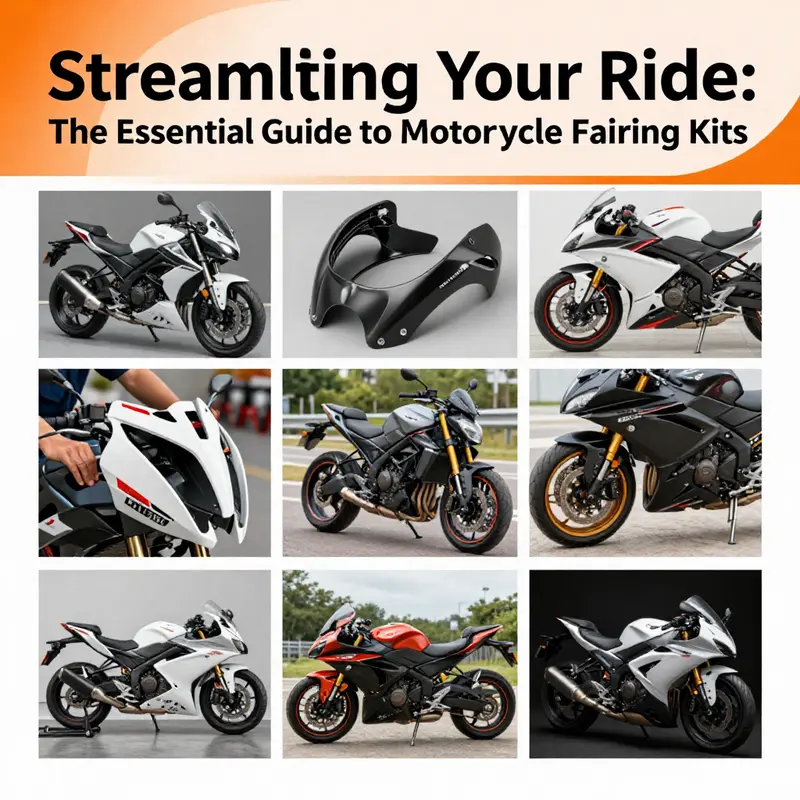
Among the visible and invisible systems that keep a motorcycle performing at peak, the fairing kit sits at a curious crossroads of form and function. It is not only a skin that gives a bike its speed-jet silhouette; it is a shield, a structural partner, and a weatherproof shell. The best fairing kits survive more than a few road hazards; they endure sun and rain, heat and cold, and the occasional gravel strike without cracking or warping. This blend of aesthetics, aerodynamics, and protection rests on a foundation of safety and durability standards that guide every design choice, material selection, and fit specification. Understanding these standards helps riders choose kits that not only look the part on the street or track but also support the rider when the road demands more than style. The standards framework is not a theoretical constraint but a practical toolkit that translates into real-world performance, reliability, and peace of mind for every ride through conditions as varied as city streets and windy highway stretches. When a kit meets these criteria, the rider experiences not just a more aggressive silhouette but a more predictable and controllable dynamic profile in which the wind becomes a partner rather than a destabilizing force.
Material composition drives both performance and safety. The two most common choices today are automotive-grade ABS plastic and high-strength fiberglass, with composites and other advanced blends appearing in more specialized kits. ABS is prized for weather resistance, impact resilience, and cost efficiency. It handles temperature swings and UV exposure with predictable behavior, which translates into longer color life and less surface degradation when left in sun or exposed to rain. Fiberglass, while often lighter and stiffer in the right layups, brings excellent mechanical strength and a more forgiving fracture pattern, which can matter in a close encounter with a curb or a rock. The choice between these materials is seldom about aesthetics alone. It hinges on how the kit will be used—everyday street riding, spirited canyon runs, or track sessions where every gram and every wind force matters. In all cases, the materials are subjected to tests for UV resistance, impact strength, and thermal stability. The goal is to guarantee that a panel will not become a hazard in the event of a crash nor degrade under sun exposure that lasts for years. Durable materials also ensure that fasteners and joints stay secure, reducing the likelihood of panel separation that can expose critical components to rain or debris.
Even more important than the raw material is how the kit is engineered to fit a particular motorcycle model. Model-specific engineering ensures exact alignment with body lines, mounting points, and internal components, so the panels sit flush and behave predictably at speed. A kit designed for a precise model eliminates the gaps and misalignments that can compromise both aerodynamics and protection. When fit is precise, the risk of panel flutter, rattling, or even panel detachment during a tumble is reduced. The literature from manufacturers and aftermarket houses often highlights that model-specific kits can deliver noticeably better fit accuracy—claims that can amount to a meaningful margin, in some cases up to a quarter improvement over universal-fit alternatives. The practical effect is not merely cosmetic. It translates into consistent air seal against wind, better aero performance, and a safer, more predictable handling envelope at high speed. Precision fitting also reduces stress concentrations at mounting points, which translate into longer-term durability and less risk of brittle failure under vibration or sudden loads.
Then there is the aerodynamics, which plays a subtle yet crucial role in rider safety. A well-shaped fairing reduces wind resistance and buffeting, helping the motorcycle feel more stable as speed climbs. The reduction in drag can be modest, but the impact on high-speed handling and rider fatigue is real. Less buffeting means steadier steering inputs and reduced strain on the rider’s upper body, a factor that indirectly lowers the risk of abrupt overcorrections. Aerodynamics also intersects with safety in terms of shielding vulnerable engine and rider components from debris and weather, which can reduce the likelihood of moisture intrusion or heat-related stalls that would require on-road adjustments. At the same time, designers must balance wind protection with visibility and the rider’s field of view, making sure that the panel structure does not create blind spots or glare that could compromise safe lane changes or overtakes. In track settings, modular designs allow crews to swap panels quickly, tightening or releasing internal fasteners to adjust the aero profile for different turns, speeds, and weather conditions without compromising safety. The end result is a kit that supports smoother airflow, steadier heat management, and more confident cornering at higher speeds, all while preserving the rider’s ability to respond to sudden changes in traffic or road texture.
For racing applications, the standards shift toward lightweight yet robust constructions that can take the speed, heat, and occasional contact of a competitive environment. Fiberglass or composite fairings used on track bikes emphasize a modular approach so maintenance or replacements can be done quickly between sessions. However, track-specific gear often prioritizes performance and ease of repair over total wind protection, so riders choose kits based on the balance they want between track protection, weight, and accessibility. Regardless of setting, the underlying requirement remains the same: the fairing kit must withstand the rigors of its intended environment. That means not only surviving a slide or slide-like impact but also resisting UV-induced fading that would degrade visibility and the aesthetic appeal riders rely on. The durability story, then, is not about a single feature; it is about a suite of properties—material resilience, joint integrity, mounting system reliability, and compatibility with the motorcycle’s structural frame—that together determine how a kit behaves over time. A robust kit keeps panels aligned and intact after repeated exposure to vibrations from potholes and rough surfaces, which is essential for maintaining aero consistency and protecting blade-like edges from edge wear that could cut into others during a crash.
Riders who understand these standards often evaluate fairing kits through a practical lens. They check for a certified safety and durability profile on the product page, assess the panel’s edge geometry for sharpness that could injure a rider during a crash, and look at how the kit handles weather exposure. A durable kit minimizes the chance of loose pieces during a crash, which could create additional hazards. The mounting hardware, threaded inserts, and fasteners are part of the safety equation, not afterthoughts. Good kits use reinforced mounting points and corrosion-resistant hardware to maintain alignment through hundreds of miles of riding or repeated track sessions. They also factor in ease of installation and long-term maintenance, because a kit that is difficult to service is more likely to be left with gaps or misalignments that degrade safety and aero performance. The durable assembly should also maintain its structural integrity under repeated temperature fluctuations, something that is tested through thermal cycling and impact simulations to mimic real-world wear. This attention to durability extends beyond the shell to the seals and gaskets that keep water and dust out of the internal fastener cavities, a small but crucial detail that preserves long-term reliability.
When choosing a fairing kit, riders are advised to prioritize products explicitly designed for their bike model and to favor those that provide evidence of environmental and impact testing. Look for material data sheets and certifications that confirm UV resistance, impact strength, and thermal stability. The kit should integrate with the bike’s subframes and internal bracing without forcing modifications that could weaken the frame. Precision fit is as important as the aesthetics; a kit that lacks a secure fit can introduce flutter at speed, betray the rider with wind noise, or fail under high-load conditions. Maintenance considerations matter too. A modular, repairable system that uses quality fasteners and accessible mounting points reduces the chance of compromised safety after a minor collision or heavy road grime. In addition, a clear understanding of the kit’s intended use—street, track, or off-road—helps align expectations. Street fairings might prioritize weather sealing and comfort through shielding, while race-oriented pieces lean toward weight reduction and quick-access modularity. Regardless, the central promise remains: a well-designed kit protects both the rider and mechanical components while enabling the bike to realize its aerodynamic potential with confidence. The decision is not simply an investment in looks; it is a tangible choice about how a bike behaves when confronted with wind, rain, heat, and the unpredictable nature of real-world riding.
For buyers navigating the market, education matters as much as price. A thoughtful interface between engineering and user experience means the kit is not simply hung on a frame but integrated with the bike’s geometry and the rider’s expectations. Those who want a broad sense of the available options can explore the Honda fairings collection, which provides a sense of how different kits align with model-specific contours, mounting strategies, and aero details. The collection page also helps a reader visualize how a fairing set contributes to a bike’s overall silhouette while delivering the durability and safety features described above. Honda fairings collection offers an entry point to see how professional designers balance fit, protection, and aerodynamic influence without compromising maintenance access or visibility.
Scrutiny of standards is not a bureaucratic treadmill but a practical framework that translates into real-world confidence. When a rider fits a fairing kit that meets proven safety and durability criteria, the ride becomes less about worrying whether the panels will shift during a gust or when braking hard and more about the focus needed to navigate corners, track sections, and everyday commutes. This is the quiet value of a well-engineered fairing kit: it locks the rider into a smoother, more controlled airflow, supports energy efficiency, and preserves the integrity of the frame and engine under diverse conditions. The safety and durability narrative is not a single feature but a holistic approach—where material choice, precise fit, aero shaping, and robust mounting work in concert to create a product that stands up to the demands of modern riding. For readers who want to dive deeper into technical testing and standards as they relate to fairing materials and construction, the source detailing manufacturing perspectives and performance data offers a rigorous reference point: https://www.alibaba.com/product-detail/T-M-RACING-Motorcycle-Fiberglass-Race_1600789543774.html?spm=a2700.189046.0.0.6d4b4c33WmVwJj
Final thoughts
The significance of motorcycle fairing kits extends beyond mere aesthetics; they serve as a vital component in optimizing performance and ensuring rider safety. In understanding the functionality, material composition, aerodynamic effects, customization potential, and compliance with safety standards, business owners can better address customer needs and preferences. By prioritizing quality and usability in fairing kits, businesses will not only enhance their offerings but also contribute to improved riding experiences for enthusiasts. Investing in this knowledge will empower you to make informed decisions that align with consumer trends in the motorcycle market.