
Navigating the motorcycle fairing kits market in South Africa offers unique opportunities for business owners. With demand for custom parts spurred by the popularity of models like the Honda Super Cub 110 and Yamaha R3, understanding local and international supply chains is crucial. This guide divides the market into digestible chapters—covering supply scenarios, international platform offerings, applicable motorcycle models, purchasing recommendations, and the evolving trends to equip business owners with actionable insights.
From Local Garages to Global Market Lanes: Navigating South Africa’s Motorcycle Fairing Kit Landscape
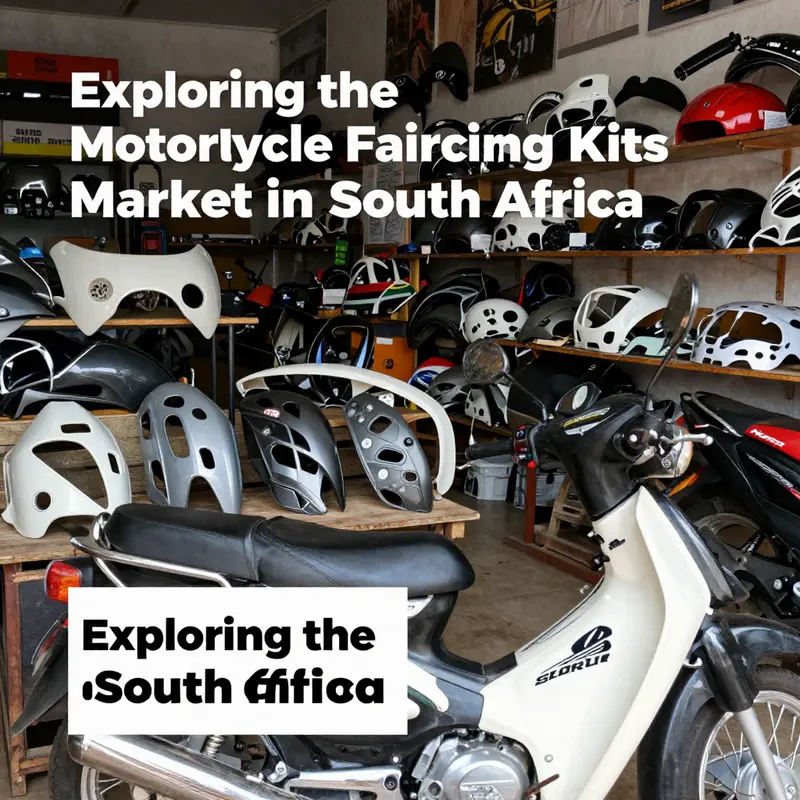
The South African motorcycle scene sits at a crossroads where practical urban mobility, personal expression, and a growing appetite for performance aesthetics converge. In this context, fairing kits – the external shells that shape a bike’s silhouette and influence its aerodynamics – move beyond mere visual upgrades. They become a practical means to manage wind resistance, weather exposure, and even maintenance access, while offering riders a way to tailor their machines to local roads, climate, and riding styles. The market for these components in the region is shaped by a delicate balance between what is produced locally and what arrives from distant suppliers, with distribution channels that weave through local shops, regional distributors, and international e-commerce platforms. The result is a dynamic environment in which a rider can think globally about design options while purchasing locally through a patchwork of retailers and online marketplaces that ship directly to South Africa.
To understand how this market operates, it helps to imagine the supply chain as a two-stream system. One stream runs through local networks – small workshops, motorcycle parts stores, and service centers that stock a selection of ready-to-fit kits and molds for common models or offer custom fabrication and mounting services. The other stream is international, where vast catalogs of shapes, finishes, and mounting configurations reside on platforms that liquidate options at scale. The most accessible channels for South African buyers have historically included large international marketplaces and wholesale platforms that connect buyers to overseas manufacturers. The appeal of these platforms lies in breadth: a rider or a shop can compare dozens of styling options, materials, and price points from suppliers around the world, often with straightforward shipping arrangements to major ports in South Africa. In this landscape, the consumer benefits from price competition, broader design options, and the ability to source compatible assemblies for a range of bike archetypes. Yet the trade-off often comes in the form of longer lead times, import duties, and the potential for fitment challenges when a kit is not a perfect match for a specific frame or mounting hardware.
A crucial factor that shapes purchasing decisions is the model compatibility logic behind fairing kits. Fairings are rarely universal. They are typically designed around specific frame geometries and mounting points, making precise fitment a central concern for buyers who operate outside the mass-market automotive ecosystem. In South Africa, where large-scale local manufacturing of fairing kits is not widely documented, buyers frequently encounter a catalog approach: identify a kit by a general category, confirm compatibility through dimensions, and corroborate with vendor-provided mounting diagrams or installation guides. This process is not just about aesthetics; it is about ensuring the rider’s daily ride remains protected from wind and debris, while the bike’s handling and weight distribution are not compromised. The practical implication is clear – investors in these kits should prioritize sources that provide clear fitment data, installation instructions, and access to after-sales support or technical help. In locales with robust logistics and consumer protection, this often translates into a better buying experience and fewer post-purchase surprises.
The international facet of the market – particularly the role of overseas manufacturers and distributors – adds another layer of complexity and opportunity. Chinese and other Asian suppliers have become major players in this space due to the scale of their production capabilities, broad style offerings, and efficient logistics networks. They ship across continents, and South African riders can tap into this vast ecosystem through platforms that aggregate suppliers, showcase a wide array of finishes – from glossy plastics to more rugged matte textures – and present a spectrum of price points designed to meet both entry-level and mid-range budgets. The value proposition here extends beyond price. These platforms frequently provide guidance on materials, such as whether a kit is made of ABS plastic, fiberglass, or carbon composites, and whether a particular option is designed for easy non-invasive mounting versus a more permanent, job-required installation. Riders who prioritize minimal downtime may favor non-invasive designs that can be installed with common hand tools, while enthusiasts seeking race-ready aesthetics might opt for kits that incorporate more comprehensive panel arrangements and premium finishes.
However, the decision-making process must also account for logistical realities. Import duties and customs clearance can significantly affect the total landed cost and delivery timeline. In many cases, the transport window spans roughly one to three weeks, depending on the supplier’s location, the chosen shipping method, and the efficiency of border processing. For a market that often uses a mix of personal transport and gig-economy deliveries, timing is not a luxury but a practical constraint. The risk of delays is real, and it can influence when a rider chooses to modify a bike or when a service shop schedules a project that involves fairing installation. These considerations are not merely financial – they shape the riding calendar, the availability of local labor with the necessary installation skill set, and the likelihood that a customer will opt for bundled services such as color-matching, clear coat finishing, or even accent graphics that align with the rider’s personal expression.
Material choice also matters in this environment. ABS plastic remains a common baseline option due to its balance of weight, impact resistance, and ease of manufacturing. Carbon fiber, while lighter and stiffer, commands a premium price and requires careful handling during installation to avoid cosmetic or structural damage. Gel-coated or pre-painted finishes reduce post-purchase work for color matching, but only if the color profile aligns with the rider’s existing scheme. In a market like South Africa, where local customization shops often bridge the gap between raw kits and finished products, there is a natural synergy between what international suppliers offer and what local technicians can realize in terms of color, texture, and surface finish. This synergy extends to the finish quality of the mounting hardware itself – fasteners, brackets, and gaskets that ensure a clean, secure fit without compromising the bike’s underlying structure or the rider’s safety.
Riders who pursue fairing upgrades in this context frequently balance two priorities: appearance and function. On the aesthetic side, there is a broad appetite for styling that signals individuality while remaining compatible with the bike’s functional profile. On the functional side, there is a growing awareness of how fairings influence aerodynamics, rider protection, and weather resistance on longer commutes or weekend road trips. The market, therefore, rewards sellers who can articulate both the visual impact of a kit and its practical implications for ride quality and maintenance. Retailers and workshops that can speak to fitment precision, installation steps, and post-purchase support often differentiate themselves in a market where buyers may be novices to fairing customization or seasoned builders seeking reliable partners for ongoing projects.
For readers seeking a pragmatic path through this landscape, there is value in leveraging a structured approach to procurement. Begin by clarifying the desired outcome: is the objective purely cosmetic, or does the rider expect functional gains in aerodynamics or weather protection? Then verify fitment data with the seller, looking for model-specific compatibility notes and clear mounting diagrams. Next, assess the material and finish options, weighing durability against cost and the maintenance profile. Finally, factor in logistical realities: shipping time, duties, and the possibility of import-related returns or warranty coverage. When possible, seek vendors who offer installation guidance or technical support, as this can dramatically reduce installation time and the risk of misfit.
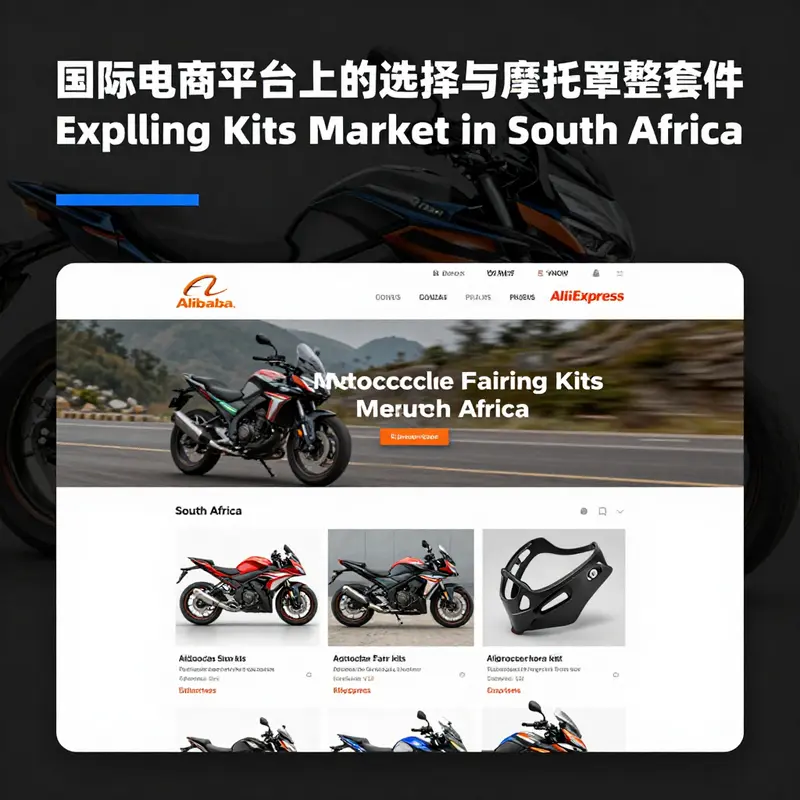
Within this context, the narrative of South Africa’s fairing kit market is not about a single brand or a single buying channel. It is about a community of riders who navigate a global supply network and bring it into local garages, paint shops, and street-side tuners. The result is a market that honors both the practical demands of daily riding and the creative impulse that makes each bike a personal statement. For those who want to explore the breadth of fairing shapes and mounting interfaces, a catalog-oriented resource can serve as a helpful compass; you can browse a representative collection of fairing options through the following collection page, which provides a gateway to a diverse array of shapes and configurations: https://www.alibaba.com/trade/search?fsb=y&IndexArea=product_en&CatId=&SearchText=motorcycle+fairing+kits
null
null
Shaping the Ride in South Africa: How Fairing Kits Balance Performance, Style, and Compliance
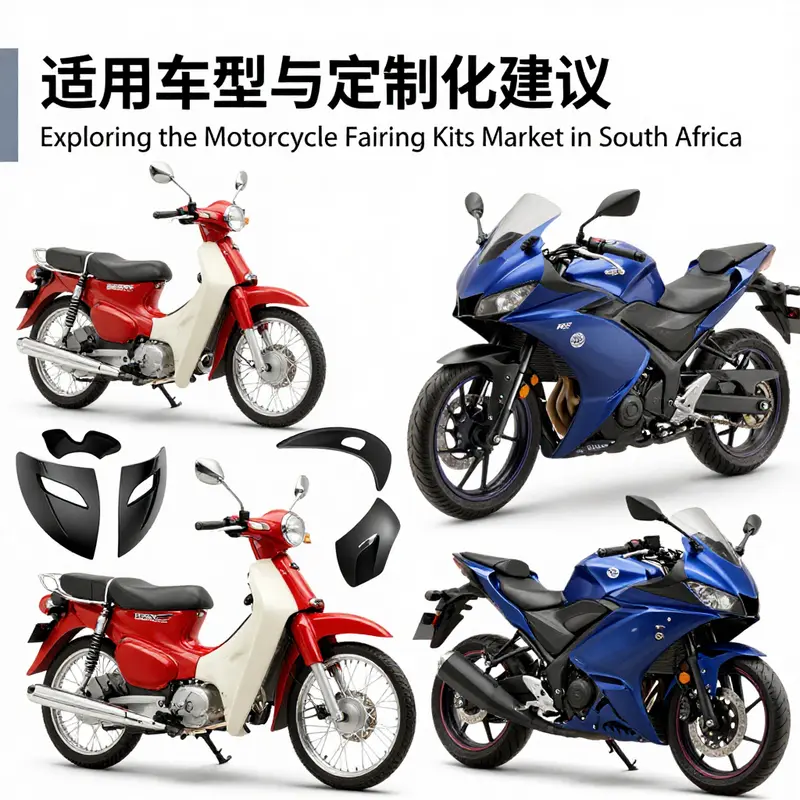
In South Africa, the appetite for motorcycle fairing kits sits at the intersection of practical everyday riding and the desire for personal expression. Riders who navigate crowded city streets, dusty gravel approaches, and open highway stretches look for more than just protection from the elements; they want aerodynamics that translate into smoother airflow, better stability at speed, and a look that reflects their identity on the road. The local market tends to blend small, independent shops with a broader, global supply chain. While traditional local outlets carry a curated range of basic plastics and trim pieces, many riders extend their options by browsing international platforms that ship directly to South Africa. Platforms such as Alibaba and AliExpress have become common entry points for those who seek a wider variety of fairing styles, from full-shell configurations to more modular, non-invasive designs. These options are attractive not only for their breadth but also for their potential to tailor a bike’s silhouette to personal taste, whether that means a race-inspired look, a street-ready stealth finish, or something in between. Translating this global reach into a local reality often means balancing price, transit time, and the feasibility of installation, especially for riders who rely on local mechanics or custom shops for precise fitting and finishing. In practice, the South African rider who wants to upgrade the fairing on a compact commuter or a mid-sized sport bike will typically consider three broad pathways: sourcing components online and shipping them in, working with a local distributor who curates imports, or collaborating with a custom shop that can measure, fit, and refine a kit to the bike’s frame and the rider’s preferences. Each path has its own rhythm, costs, and assurances. The international route, for many, offers the broadest palette of shapes, textures, and compatibility options. It also introduces considerations that are essential in this market: the compatibility of the kit with specific model years, the material type, and the mounting framework already on the bike. ABS plastic remains the most common material for aftermarket fairings because it provides a convenient balance of rigidity, impact resistance, and ease of manufacturing. Where riders crave even lighter weight or a higher-end aesthetic, carbon fiber or carbon fiber–look finishes present a distinct upgrade, albeit at a higher cost. For first-time buyers, materials matter beyond the look. The degree to which a kit can be installed non-invasively, whether it uses preexisting mounting points or requires adapted brackets, can determine the overall ease of the project. This choice often translates into planning: whether to allocate time for a professional fitment at a workshop or to tackle the job with a detailed installation guide that accompanied the kit. In this regard, the potential to access installation support—whether through documented guides, video tutorials, or direct technician assistance—can tilt the decision in favor of one sourcing channel over another. When a rider is drawn to a particular aesthetic, such as a sportier contour, the shape and style of the fairing become a statement as much as a performance asset. A broader catalog that includes both full-shell and partial-shell options allows for staged upgrades, enabling riders to assess how the new silhouette influences handling at different speeds and in varying wind conditions. A curated entry point for those who want to explore specific silhouettes is to examine a general catalog that groups fairings by intended street-bike or sport-bike geometry. For example, a gateway link to a broad range of fairing options can be found in the Honda fairings collection, which illustrates how a simple change in the front and side panels can alter airflow without compromising mounting integrity. Such a reference helps set expectations about fit, alignment, and the tension between form and function. The reality in the South African context is that climate and road conditions vary dramatically from one province to the next. In the more arid northern regions, heat and dust can place extra demands on fairings that manage airflow and ease cleaning, while in coastal and temperate zones, riders may prioritize UV resistance and color retention after exposure to rain and mist. The best-performing kits in this environment are those that consider heat dissipation, ease of cleaning, and protective coatings that resist fading and chalking under harsh sun. Beyond weather, the road surfaces themselves shape the decision. Rough or uneven surfaces, common in rural corridors and some urban belts, benefit from fairings that integrate protective features like isolating dampers at mounting points, or protective bracing that reduces vibration transmitted back to the handlebars. In addition to protecting the bike, a well-chosen kit can contribute to the rider’s safety by enabling better aerodynamics and by providing mounting points for auxiliary lighting or communication gear. The aftermarket ecosystem understands this, and many vendors offer configurations that leave predrilled slots or accessories-ready channels for lighting and electronics. The ability to add illumination not only helps night riding but also improves conspicuity on busy city streets, a factor increasingly valued by riders and law enforcement alike. Inside this framework, customization emerges as a core attraction. Riders are drawn to decals, color options, and textures that reflect local culture or personal teams, and the aesthetic language of a fairing kit can be carried through to a rider’s helmet and jackets for a coordinated look. Color choices range from matte black and metallic silvers to vivid reds and blues, with some suppliers offering carbon fiber textures via wrap finishes. For those who want to push the envelope, decal work and spray finishes let a bike convey a story that’s uniquely theirs. The customization conversation often extends to performance refinements: detachable or adjustable air deflectors, integrated splash guards, and pre-planned mounting for auxiliary lighting. These additions are not merely cosmetic; they can influence riding comfort and day-to-day practicality, especially on longer commutes or touring days. It’s important, however, to align these ambitions with the realities of the South African regulatory landscape. Local rules for modified vehicles emphasize two core principles: visibility and structural integrity. A fairing must not obscure essential safety features such as rear-view mirrors, license plates, or primary lighting, and all mounting must be secure enough to withstand vibration and wind forces at highway speeds. Engineered compatibility with the bike’s frame is also a crucial consideration, as a poorly matched kit can create gaps, misalignment, or stress on mounting brackets that may lead to cracking or loosening over time. In navigating these waters, riders often turn to a combination of global supply and local service. The local workshop ecosystem—small, skilled teams that understand the nuance of South African roads—plays a vital role in achieving a precise fit. These shops can perform measurement checks, test-fit prototypes, and conduct adjustments that ensure panels align with fuel tanks, fairing corners meet the frame rails cleanly, and the overall silhouette harmonizes with the bike’s stance. For those who prefer hands-off procurement, manufacturers and distributors increasingly provide installation guides, and some offer remote support or on-site fitting in major cities. When it comes to procurement strategy, the path chosen will influence delivery time, duties, and after-sales service. Riders who opt for the international route should anticipate a typical delivery window of roughly one to three weeks, depending on customs processing, supplier location, and chosen shipping method. Import duties and taxes are an important component of total cost, and planning ahead for these can prevent surprises at the door. A practical approach is to verify whether a supplier offers pre-calculated landed costs or whether duties will be collected upon delivery. In practice, most riders who import will also consider local installation options with a workshop that can verify fit and resolve any mounting discrepancies, minimizing the risk of misalignment after the first ride. For those who prefer a more community-based route, local dealers and modification shops abound in major centers, and a connected network of enthusiasts often shares suppliers, tips, and photos of successful installations. The shared knowledge—from lug patterns to spray finishing techniques—helps reduce the learning curve and fosters a culture of careful execution rather than rushed finishing. In all, the fairing kit choice in South Africa is as much about compatibility, support, and reliability as it is about style. The broad international marketplace provides a fertile ground for selection, but success rests on thoughtful matching to the bike’s geometry, the rider’s climate considerations, and a clear plan for installation and compliance. For those who want a direct route to exploration, there is a broad catalog that illustrates how different shapes and mounting philosophies can influence the end result. A straightforward starting point is a collection aligned with a familiar family of sport and street bikes, where the geometry tends to support a clean upgrade path without extensive frame modification. The goal is to arrive at a cohesive look that integrates with the rider’s existing cockpit and instrument cluster while preserving, or even enhancing, the bike’s aerodynamic profile. In practical terms, this means confirming exact fitment notes on the product page—specifically, whether the kit is designed for the model year in question and whether it is a full-body or partial-shell solution. It also means checking the material’s durability and the finish’s resistance to South Africa’s sun and sand. And, given the nuances of local service, it makes sense to engage with a workshop that can perform a careful measurement, test-fit, and final alignment to ensure that the installation will hold under the stresses of daily riding and occasional long trips. In sum, South Africa offers a vibrant field for fairing kit adoption that can balance performance gains with creative expression, all while keeping safety and regulatory compliance in clear view. The right choice—guided by an understanding of model compatibility, environmental conditions, and available support—can transform a bike into a sportier, more capable machine that still respects the standards that keep riders safe on the road. To begin exploring options, consider visiting a broad Honda fairings collection to gauge how different shapes interact with the bike’s existing geometry and mounting points. External resources can also help frame the compliance conversation, especially for riders who want to align their modification plans with official guidelines on vehicle modifications. For regulatory context and official guidelines, consult the South African National Road Traffic Act and its vehicle modifications provisions. External resource: https://www.gov.za/documents/national-road-traffic-act
Buying Smart in South Africa: Navigating Motorcycle Fairing Kits in a Local and Global Market
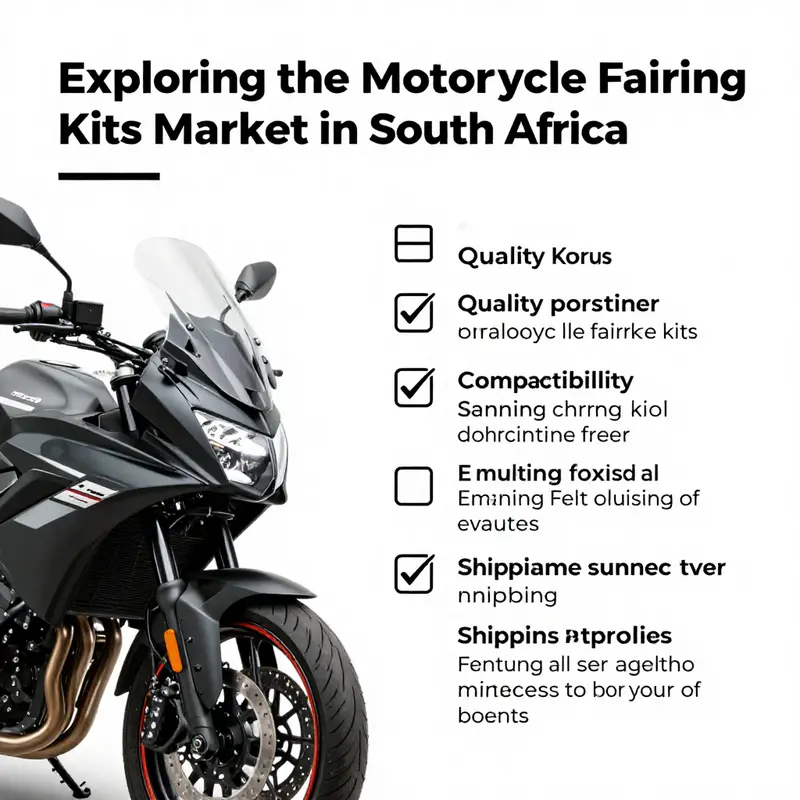
Riding in South Africa means negotiating a landscape that blends urban gridlock with open roads, where a fairing kit can serve as much more than a style upgrade. For many riders, a well-chosen fairing kit is a practical enhancement: improved aerodynamics at highway speeds, reduced wind fatigue on long commutes, and a chance to express individual identity on a machine that is as much about daily practicality as it is about personal style. The local market reflects this balance. There are shops and small workshops that cater to riders who want a clean, reversible upgrade without invasive modifications, and there are the more adventurous ones who seek standout appearances through complex paint jobs, custom lines, and sportier silhouettes. The demand is real, but it is also dispersed. Buyers often face a choice between sourcing locally, where installation expertise and aftersales support can be found closer to home, and tapping into international vendors that offer a wider range of shapes, finishes, and price points. The result is a market that feels both intimate and cosmopolitan, with options that range from simple replacement shells to full, aerodynamically tuned assemblies that promise better venting, reduced buffeting, and a more aggressive stance on the street. The starting point for any prudent purchase is clarity about the rider’s needs: is the priority aesthetics, protection from the elements, fuel efficiency gains, or a combination of all three? And how does one balance that with the realities of local regulations, shipping times, duties, and the practicalities of installation and maintenance in a nation that spans deserts, coastal zones, and temperate highlands alike?
The practical reality is that local supply will often come from smaller, regional businesses with a service mindset. These operators typically emphasize compatibility and ease of installation, offering kits designed to fit a broad spectrum of popular models without requiring major frame modifications. For riders who want to keep their bike close to stock in terms of geometry, these options are especially appealing because they lower the risk of misalignment that can lead to handling issues. Yet the breadth of locally available choices is inherently influenced by the size of the domestic market and by import dynamics. In many cases, riders complement a locally sourced shell with professional painting, trim work, and mounting hardware supplied by the workshop that does the installation, ensuring a finished look that blends with the bike’s original aesthetic while delivering the desired enhancement in wind management and visual impact. This pattern underscores a central theme: the most satisfying outcomes often come from a collaborative approach that leverages local know‑how and global design catalogs.
On the other hand, global marketplaces that connect buyers with manufacturers abroad have broadened the spectrum of options available to South African riders. The appeal of these platforms lies in access to a wider inventory—different shapes, finishes, and textures that may not yet be represented by local suppliers. Some riders discover shells that are lighter, stiffer, or better suited to specific riding styles by browsing through catalogues that showcase a variety of design philosophies, from classic curves to aggressive, wind‑tunneling profiles. The trade‑off is a longer lead time and the need to manage cross‑border logistics, including duties and import taxes, which can affect the overall cost balance. It is not unusual for riders to combine this route with a trusted local installer who can handle the nuances of fitment, alignment, and finishing. In practice, the approach resembles a hybrid model: source the shell from an international supplier, and rely on a local workshop for precise mounting, paint work, and post‑installation checks. This hybrid path often yields the best blend of performance, durability, and value, especially for riders who pursue a more tailored look or who ride models that are less common on South African roads.
The reality of compatibility sits at the heart of any prudent buying decision. Fairing kits come in a spectrum of fitments that range from universal, non‑specific shells to model‑specific designs that latch onto particular mounting points in a way that minimizes gaps and wind noise. In a country with fast-moving traffic and varied road surfaces, the importance of a precise fit cannot be overstated. A kit that does not align with the bike’s mounting points can introduce vibration, misalignment of lights, or even clearance problems that affect braking or turning behavior. The best practice is to confirm that the kit is designed for a specific model year or a narrow band of years, and to verify the mounting geometry against the bike’s own hardware. When this level of accuracy is achieved, installation becomes a straightforward process, and the rider gains a shield that is as much about reliable performance as it is about an enhanced look on the road.
Materials play a pivotal role in the selection equation. ABS plastics offer a resilient balance of durability, cost, and ease of fabrication, and they typically stand up well to the South African climate, provided the surface finishes are well protected. A UV‑resistant coating helps prevent yellowing or cracking under relentless sun exposure, a common concern in arid and semi‑arid regions. For riders seeking the lightest option or the most striking finish, carbon fiber or high‑strength composites might be desirable, though these come at a premium and require careful handling during installation to avoid stress cracks around fastener points. The finish and paintwork deserve attention as well. A kit with a smooth, even surface reduces the time and effort needed for topcoat work and helps ensure a consistent color and gloss that lasts through the seasons. In addition, many kits are pre‑primed and ready for paint, while others require a more involved prep stage. The decision often reflects a rider’s tolerance for workshop time versus long‑term durability and the aesthetic payoff of a flawless, showroom‑quality finish.
A successful purchase also hinges on the strength of aftersales support. Local distributors or installers who can supply mounting hardware, gaskets, sealing rubbers, and color‑matched paints are invaluable assets. South Africa’s service infrastructure for motorcycle parts has grown in response to both commuter and enthusiast segments, and it is common to find authorized technicians who understand fairing geometry and wind tunnel‑influenced design tolerances. When choosing a supplier, riders should seek clear warranty terms, installation guidance, and access to replacement parts should a panel crack or a clip fail after some time on the road. The presence of a local network reduces downtime and makes routine maintenance more predictable, a crucial consideration for riders who depend on their bikes for work or daily transport.
The journey from selection to riding again involves logistical considerations that are particular to South Africa. Importing a fairing kit can mean delays related to customs, inland transit, and the coordination of delivery to a workshop or home address. Shipping schedules vary with supplier location, the chosen shipping method, and the time required for customs clearance. In many cases, a rider who buys a kit from an overseas supplier will also arrange domestic installation and finishing through a local partner, ensuring a controlled timeline and a predictable handoff. Buyers should prepare for a multi‑week horizon from order to finished, road‑ready bike, especially when the kit requires painting or bespoke trim work. An informed buyer will also factor in potential duties and VAT, and they will budget for the time and cost of any professional fitting or post‑fit adjustments that may be needed to preserve lighting visibility and overall safety.
To support the journey from research to ride, a focused approach can help manage risk and maximize value. Begin by defining the intended outcome: is the goal to refresh a bike’s appearance, to improve aerodynamics for longer highway distances, or to achieve a sportier riding posture? Then verify compatibility with the exact model and year, and confirm that the kit’s mounting points align with the bike’s subframes, brackets, and electrical harness routes. Prioritize materials and finishes that withstand UV exposure and temperature cycling in the South African climate, and seek kits that offer UV‑protected ABS or composite options with a robust surface treatment. When possible, choose suppliers who can provide installation guidance, and prefer local installers who can perform a fit check, adjust for any wind buffeting, and ensure that all lighting functions stay clearly visible and compliant with safety standards. In parallel, consider a potential test fit or mock assembly with removable fasteners before final painting, so the rider can assess alignment, line of sight, and the seam quality in daylight and at riding speeds. Finally, approach the purchase as a collaboration between global design and local craft. A well‑chosen fairing kit not only enhances appearance but offers practical benefits in the daily rhythms of South African roads.
For those seeking visual cues or a starting point in the broader catalog, there is a curated fairing collection that reflects many common lines and shapes used across popular sport and street bikes. Exploring a dedicated section that clusters designs by fitment can help a buyer compare silhouettes without committing to a purchase first. This approach enables a more measured, informed decision and reduces the risk of costly misfits. In parallel, riders should keep an eye on installation resources and community feedback, because the stability of a fairing kit often improves with experience and with the insights of others who have completed similar upgrades. As the market evolves, the dialogue between local shops and global designers continues to translate into better fitment accuracy, richer finish options, and more reliable installation support for South African riders.
In summary, the South African market for motorcycle fairing kits sits at a pragmatic crossroads of local service capability and global design variety. The optimal strategy combines careful model‑level compatibility checks with material choices that suit the climate, and with a practical plan for installation and aftersales support. A thoughtful buyer will not only want a kit that looks right but one that behaves predictably under the pressures of daily riding while remaining compliant with safety regulations and local guidelines. The result is a bike that reflects personal taste and a sensible, durable performance that stands up to the road, season after season. For riders ready to explore compatible options, a curated selection of fairings is available through the Honda fairings collection, which can provide a practical entry point to evaluating shapes, finishes, and mounting philosophies before expanding to broader catalogs. The path to a successful upgrade lies in balancing aesthetics with function, guided by local expertise and informed by a global palette of designs. For regulatory context and official guidance, see the South African Department of Transport resources: https://www.transport.gov.za/.
Riding the Edge: Future Trends Shaping South Africa’s Motorcycle Fairing Kits
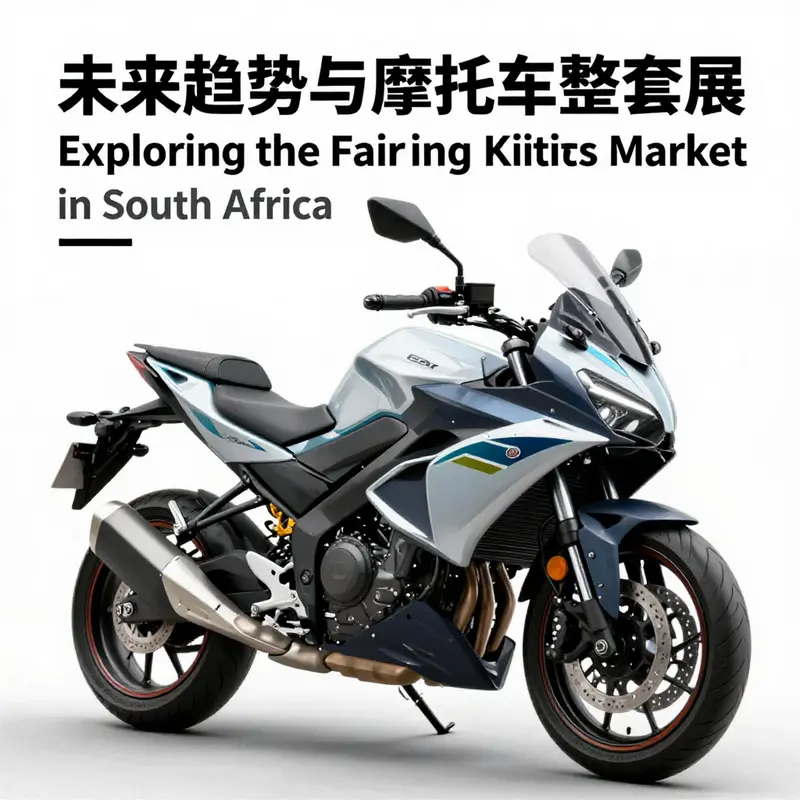
Riding the Edge traces how South Africa’s two-wheeled culture—rooted in urban commuting, lively street scenes, and long stretches of highway—will intersect with the evolving world of motorcycle fairing kits. The scene is not just about new shells snapping on a bike; it is about how shape, material, and technology converge to redefine performance, identity, and even sustainability on the asphalt. Across the country, riders are seeking smarter, lighter, and more expressive ways to tailor machines to local conditions—hot sun, dusty roads, sudden showers, and the occasional wind gust off the plains. In this light, the fairing kit becomes a focal point where engineering concepts meet everyday riding desires. Globally, design conversations are moving beyond aesthetics toward aerodynamic efficiency, integrated electronics, and modularity. In practice, these ideas translate into kits that promise to reduce wind noise, improve stability at speed, and allow for easier customization without requiring a full race-plate overhaul. The South African market absorbs these ideas through a mix of local workshops and international channels, creating a vibrant post-purchase ecosystem that blends culture, practicality, and emerging tech.
The discussion around future trends begins with the physics of flow. Modern fairing designs aim to manage air more efficiently, especially where wind pressure interacts with riders at higher speeds or on sustained rides between cities. The core value of a well-crafted fairing kit is no longer merely a sharper look; it is an aerodynamic upgrade that can translate into lower drag, steadier mileage, and a quieter cabin. In the African context, where many riders juggle rougher road surfaces and varying weather, a kit that reduces buffeting and wind fatigue can expand daily riding horizons. This shift toward performance-oriented aesthetics dovetails with materials innovation. Advocates of newer kits emphasize lighter, stiffer composites—where carbon-fiber-reinforced plastics or advanced glass fibers offer strength without adding weight. For riders who commute long distances or saddle up for weekend trips, every gram saved in non-structural components adds up to real benefits: better handling, less fatigue, and in some cases improved fuel economy or extended range for electrified platforms. While the high-end end of the market tends to showcase bespoke finishes and color-matched schemes, the undercurrent of the trend is practical: reliable fit, predictable mounting, and consistent support for repeatable customization.
In tandem with weight reduction, modularity has emerged as a guiding principle. Riders increasingly want to swap facial expressions on their machines without committing to a permanent rework. A modular approach means a fairing kit that can be added or removed with minimal tools, and that preserves the ability to revert to stock if needed. This flexibility is especially relevant for a market like South Africa, where riders may employ a bike for city travel one day and for longer rides the next. The modular kit also supports a culture of experimentation; riders can try a sport-styled front end at one event and a more classic silhouette for a different ride season. The design philosophy mirrors a broader shift in the industry toward customization at a scale accessible to non-professional mechanics. In practice, this means non-invasive mounting systems, standardized mounting points, and a growing ecosystem of compatible mounting hardware that reduces install time and risk of misfit.
Another major thread concerns how electronics are entering the conversation. Even for non-technical riders, there is interest in integration—space for sensors, simple weather dashboards, or mounting points for cameras and communication devices. In a country with strong ride-sharing activity, fleets, and a rising culture of independent makers, fairings that accommodate light electronics without compromising strength or serviceability become highly appealing. The industry’s trajectory toward smarter shells aligns with South Africa’s broader adoption of connected mobility and improved road safety. Yet this trend must be balanced with cost considerations and local repairability. A fairing kit designed for easy field maintenance can stand up better to local service realities, avoiding the frustration of long downtimes when a single clip breaks or a fastener corrodes. The result is a more resilient aftermarket that serves enthusiasts and commercial riders alike, with kits that include clear mounting instructions, warranty coverage, and a pathway to local repair support.
The supply chain for South Africa reflects both opportunity and challenge. International platforms—especially those that assemble large catalogs of fairing options—have become critical channels for the local market. They enable access to a wide range of shapes, sizes, and finishes, often with documented fitment compatibility and guidance for installation. From the consumer side, this breadth reduces the barrier to entry for those curious about aftermarket customization. It also heightens competition among suppliers to deliver accurate, durable, and aesthetically pleasing options that can withstand South Africa’s diverse riding environments. Importantly, these platforms typically provide details about materials—ABS plastics for cost-effective, impact-resistant fairings, or higher-end composites for riders seeking lighter and stiffer performance. The trade-off, however, includes considerations around duties, tariffs, and transit times. A typical import path may involve a 7–21 day window for delivery, with additional time for customs clearance. Riders and retailers who plan ahead can cushion this burden through bulk procurement, clear return policies, and reliable post-purchase support.
In the local sphere, a thriving network of small shops and workshops plays a critical role in translating global options into South African realities. Installers bring kits to life, ensure proper alignment with the bike’s geometry, and tailor finishes to match a rider’s personal style. This blend of global supply and local craftsmanship creates a robust aftermarket that can respond quickly to evolving tastes. The cultural value placed on visual identity—colors, decals, and cross-genre styling—drives demand for fairing kits that offer expressive options while maintaining performance integrity. The ability to customize through paint and decals is often as important as the structural fitment itself, especially for riders who ride in urban centers with a strong street-style culture. To support this, some suppliers now offer non-invasive or semi-permanent solutions that can be swapped without heavy modification, allowing riders to refresh their look with the changing seasons or events.
From a market-development viewpoint, the South African opportunity sits at the intersection of taste, price sensitivity, and service availability. Many riders are drawn to the idea of upgrading their ride with a kit that looks more modern or distinctive, yet they remain mindful of total cost of ownership. In this context, the value proposition of a fairing kit often hinges on three pillars: price-to-performance balance, ease of installation, and the reliability of after-sales support. The best offerings give a clear sense of what is gained—reduced wind fatigue, a more athletic silhouette, or improved aesthetics—without imposing a complex, expensive installation. Local providers can leverage this by stocking a curated range of kits that provide reliable fitment and by offering installation services that demystify the process for first-time adapters. Such a model helps bridge the gap between aspirational design and practical, day-to-day riding.
Looking ahead, the South African market is poised to benefit from a blend of global innovation and local adaptability. The broader shift toward lightweight materials and aerodynamic efficiency will continue to influence what riders expect from fairing kits. Yet the real differentiator will be how suppliers and workshops address local needs: shorter supply lines, easier install experiences, and flexible financing options that make higher-quality kits accessible to a broader audience. As electric two-wheelers begin to enter more mainstream usage, there will also be a demand for fairings that protect sensitive components and support cooling without imposing excessive weight. The physics of airflow remains universal, but the practical interpretation—how a kit fits, how long it lasts, how easy it is to repaint to match a custom color—will define the market’s winners.
In sum, the future of motorcycle fairing kits in South Africa will be shaped by a careful fusion of aerodynamic performance, modular design, and accessible customization. The region’s riders will continue to prize reliability, ease of installation, and the opportunity to express individuality through the visual language of their machines. The convergence of global supply with local craftsmanship creates a fertile ground for a resilient aftermarket that can adapt to shifting trends, weather, and city life. As the market evolves, riders will increasingly seek out kits that deliver real performance gains and real style, with the confidence that they can source, install, and maintain them with minimal friction. For those exploring the global choices from import channels, the path remains clear: prioritize platforms that offer clear fitment guidance, durable materials, and reliable after-sales support, while leveraging local workshops to bring the final piece of the puzzle—installation and personal styling—to life. As a final note, the aerodynamic basics behind these shells are not merely about speed; they are about stability, comfort, and a more enjoyable riding experience, even on the long, open stretches that define South Africa’s road network. For a foundational look at how fairings influence aerodynamic behavior, see the NASA education resource on fairing concepts, which offers a broader context for how these shapes interact with air flow in a safe, educational framework: https://www.grc.nasa.gov/www/k-12/airplane/fairing.html
To connect practical inspiration with available resources, readers can explore a curated collection that reflects regional interests and practical fitment considerations, such as the Honda fairings collection, which illustrates common mounting philosophies and finishing ideas used by many installers: Honda fairings collection. This resource provides a sense of standard shapes and the kind of mounting logic that transitional kits often adopt, helping riders gauge compatibility before committing to a purchase.
Final thoughts
In summary, the motorcycle fairing kits market in South Africa presents a plethora of opportunities for business owners. By leveraging both local and international supply channels, emphasizing model-specific offerings, and staying informed about industry trends, businesses can capture a significant share of this growing market. Equipped with the right knowledge and strategies outlined in this guide, owners can not only meet customer demands but also enhance their competitive edge in a dynamic landscape.