
Motorcycle fairing mounting hardware plays a pivotal role in the motorcycle industry, ensuring riders experience enhanced safety, aerodynamics, and aesthetics. As a business owner, understanding the nuances of fairing mounting hardware will not only help you offer better products but also enhance customer satisfaction and loyalty. This guide delves into the types and materials used in mounting hardware, their critical role in motorcycle aerodynamics and safety, effective installation techniques, and maintenance strategies to prolong their lifespan. Each chapter aims to equip you with the knowledge necessary to make informed decisions in your business, ultimately leading to improved performance and customer experience.
Anchoring the Aero: How Mounting Hardware Shapes Performance, Safety, and Longevity in Motorcycle Fairings
The boundary between performance and practicality on a modern motorcycle often hides in plain sight. It is not the engine, the tires, or the brakes alone that determine how a bike behaves at speed; it is the quiet, stubborn hardware that holds the fairings in place. Fairings do more than make a bike look sleek. They manage the stream of air around the rider, shield essential components from the elements, and contribute to stability by shaping lift and drag forces at high velocity. The mounting hardware that anchors those panels to the frame or subframe must be robust, precisely matched, and resilient to the relentless combination of vibration, temperature fluctuations, and corrosion that characterize riding environments. When that support system works as intended, the rider experience benefits in tangible ways: reduced panel flex at speed, quieter operation, predictable aerodynamics, and a sense of certainty that the bike will respond as expected when the throttle opens or the wind changes direction mid-corner. When it does not work, the consequences can range from inconvenient rattles and misaligned seams to dangerous panel detachment in the middle of a fast highway pull. This is not merely a matter of keeping plastic or composite shells attached; it is about maintaining the integrity of the bike’s aerodynamic profile and, with it, the rider’s confidence and safety. The mounting hardware landscape is broad and nuanced, and a thoughtful approach to material choices, geometry, and installation practices yields a long view of reliability and performance.
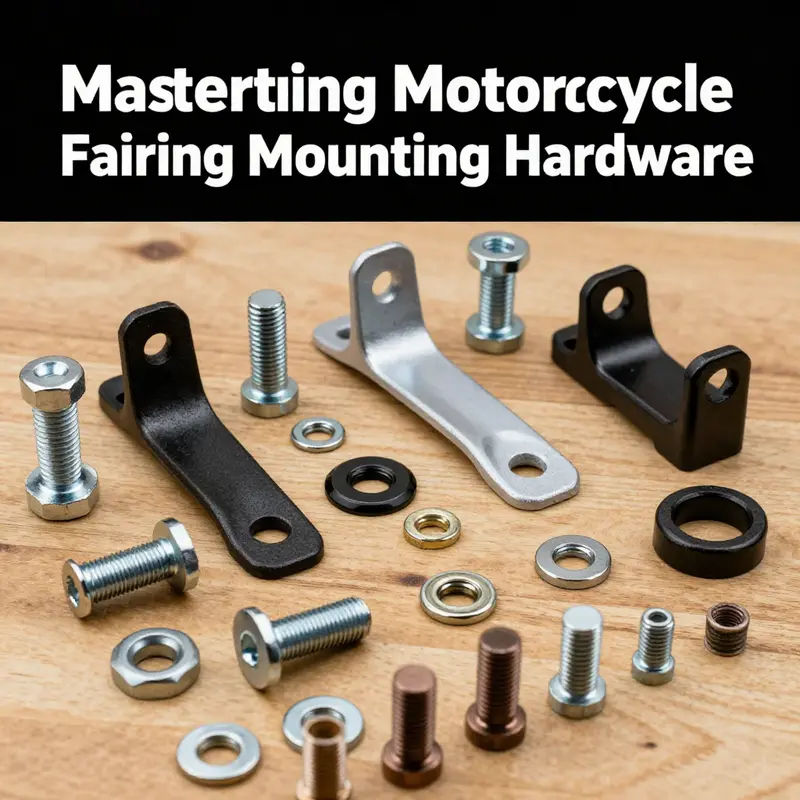
The hardware set that secures fairings is a curated system rather than a random assortment of fasteners. Bolts and nuts anchor larger sections, while small pins, bushings, and clips handle lighter pieces or quick-release components. The rubber or plastic mounts between the panel and the frame play a crucial role, dampening vibration and reducing the amount of noise transmitted to the rider and to the bike’s attachment points. This avoidance of excessive vibration is not merely a matter of comfort: it helps preserve fastener integrity, maintains consistent gaps between panels, and reduces chafing that could wear through the fairing over time. The goal is to have a mounting system that remains secure through a broad range of operating conditions—from a drag-limited city ride to a high-speed, canyon-sweeping blast.
In practice, the types of mounting hardware form a continuum from the heavy-duty to the lightweight, each serving a purpose within the overall design. Bolts and nuts take on the bulk of the load, particularly where large fairing sections anchor to the chassis. These fasteners are typically crafted from stainless steel or high-strength alloy steel, chosen for strength and corrosion resistance. Many installations employ locking features either through lock washers, thread-locking compounds, or other captive locking mechanisms designed to resist loosening under vibration. The aim is not to achieve absolute rigidity but to strike a balance between secure retention and the ability to service panels when needed. Over-torquing or using mismatched threads can damage both the fastener and the mounting holes, leading to a slow creep of looseness rather than a decisive failure.
Beyond the obvious bolts and nuts, there is a family of plastic or rubber mounts that make contact with the fairing. These elements serve a dual function: they cushion the metal-to-plastic interface and help dampen vibration. Their material choice—durable rubber compounds or reinforced plastics—reflects a compromise between elasticity, weathering resistance, and long-term deformation characteristics. In OEM (original equipment manufacturer) installations, these mounts are often tuned to a specific stiffness and internal geometry to harmonize with the fairing’s weight distribution and the bike’s particular vibration spectrum. When aftermarket components enter the picture, a careful assessment of the compound hardness and the mounting geometry becomes essential. The goal remains the same: preserve panel alignment, minimize noise, and prevent excessive wear at contact points.
Clips and retainers are small, but their function is disproportionately significant. They act as quick-release mechanisms for smaller fairing pieces, such as side panels or windscreen frames, while still maintaining a secure fit in normal riding conditions. The design of these elements emphasizes ease of maintenance and rapid removal without compromising panel retention. The balance here is subtle: clips must hold under wind pressure and vibration, yet they should not be so tight as to damage the panel or require excessive force to remove during routine maintenance or cosmetic work.
Some riders extend the same modular philosophy beyond the fairing itself. Saddlebag relocation kits and docking hardware kits, while not directly part of the fairing system, can integrate into the motorcycle’s broader attachment framework. They demonstrate how a modular approach to mounting—and the attention to tolerances and joint durability—can preserve the overall bodywork’s integrity even as additional storage options are introduced. In all cases, the guiding principle is compatibility with the intended fairing design and the vehicle’s frame geometry. The mounting system must align with the fairing’s load paths, ensuring that panels do not become a source of unintended flex that could distort aerodynamics or rub against moving parts.
Materials chosen for mounting hardware reflect a spectrum of performance needs. Stainless steel offers a robust combination of corrosion resistance and strength, which is why it appears in many high-stress attachment points exposed to weather and road spray. Alloy steel provides high tensile strength for heavy-duty applications where peak loads or larger panels demand additional security. For non-load-bearing roles such as clips, bushings, and some grommets, high-density polyethylene (HDPE) or reinforced nylon provides durability, impact resistance, and weathering performance without adding unnecessary mass. In some high-performance or race-oriented contexts, composite materials may appear in the fairing body rather than predominantly in the hardware. Even in such cases, the hardware’s material choices still influence the system’s vibration characteristics and interaction with the rest of the structure.
The overarching recommendation is practical and conservative: match hardware to OEM specifications or trusted aftermarket standards that respect the original design tolerances. Using subpar materials, altered torque values, or incompatible geometries can lead to premature wear, panel looseness, or safety hazards, especially at speed where aerodynamic forces are at play. Manufacturer documentation and reputable retailers can provide critical compatibility information and torque guidelines, helping riders avoid common pitfalls. The subtle, essential truth is that a fairing’s performance is inseparable from the reliability of its mounting system; when the fasteners, bushings, and clips work in concert with the panel geometry, the rider feels a measurable difference in stability and confidence.
A practical narrative of this topic emerges when we consider the everyday rider who pops off a side panel after a routine wash, or the sport-riding enthusiast who finds a panel seam starting to show a hint of misalignment after a long session at tempo. In those moments, the mounting hardware is telling a story about design intent and material resilience. A well-chosen bolt with a lock washer that resists loosening can save hours of fiddling with gaps and rattles. A rubber grommet that maintains its elasticity after years of exposure to sun and heat can prevent panel flutter that would otherwise echo through the fairing at high speeds. The difference is not merely cosmetic; it is the difference between a smooth, integrated aero profile and a panel that introduces drag, buffeting, or irritating noise.
Within the broader ecosystem of motorcycle maintenance, it is clear that fairing mounting hardware sits at the confluence of engineering, artistry, and field practicality. The engineering side emphasizes load paths, material science, and thermal behavior; the practical side emphasizes ease of maintenance and the realities of road exposure. For riders who value longevity, the vocabulary of this topic becomes a set of actionable choices: serendipitous improvements through better damping, safer long-term retention through locking mechanisms, and a modular mindset that accommodates evolving needs such as additional lighting, instrumentation housings, or storage solutions without compromising structural integrity. And while it can be tempting to treat mounting hardware as a minor detail, it is, in truth, a foundational element of the bike’s aerodynamics, safety, and daily usability.
For readers who want a concrete point of reference while exploring the broader landscape of fairing options, a quick look at a generic fairings catalog can reveal how mounting geometry varies with panel sizes and attachment points. This kind of overview helps illuminate why certain bolts are longer or why specific grommets are placed at key junctures. You can explore such a catalog here: fairings collection. The page exemplifies how the same modular framework can accommodate different configurations without compromising attachment strength or aerodynamic alignment.
As with any specialized area of motorcycle upkeep, the practical path forward is to treat mounting hardware as a design system rather than a grab-bag of fasteners. The right system is selected with careful attention to the fairing’s material, the bike’s operating conditions, and the rider’s maintenance cadence. It is a system that benefits from a disciplined approach to inspection, replacement intervals, and a clear understanding of how each component contributes to the whole. The difference is rarely dramatic in a single ride, but over thousands of miles and hundreds of hours on the road, the cumulative effect becomes unmistakable: panels that stay aligned, a bodywork silhouette that remains true to its intended aerodynamics, and a sense of reliability that lets the rider focus on the road rather than the fiddly bits under the fairing.
For those seeking a deeper dive into mounting hardware specifics, it is worth consulting a comprehensive guide that compiles technical specifications, compatibility notes, and installation considerations. Such resources can provide torque values, thread-locking recommendations, and maintenance intervals tailored to the various attachment points found across popular fairing designs. External resources can offer broader context and cross-reference manufacturer guidelines, helping riders avoid common missteps and maintain the integrity of their fairings over time.
In sum, the mounting hardware that secures motorcycle fairings is more than a technical afterthought. It is a quiet pillar of performance and safety, enabling aero efficiency, reducing maintenance headaches, and preserving the look and feel of the bike’s design language. The attention it receives—from material selection to precise installation—reflects a thoughtful balance between engineering rigor and practical roadside realities. When riders understand the purpose of each component and respect the tolerances that govern fit and function, their machines ride with a cohesion that speaks to the discipline behind the entire design.”
External resource: BikeBandit’s comprehensive guide on mounting hardware provides a broad, technically grounded overview of the options, considerations, and best practices for maintaining and upgrading motorcycle fairing attachments. See the guide at: https://www.bikebandit.com/motorcycle-mounting-hardware
Anchors of Agility: How Fairing Mounting Hardware Shapes Aerodynamics and Rider Safety
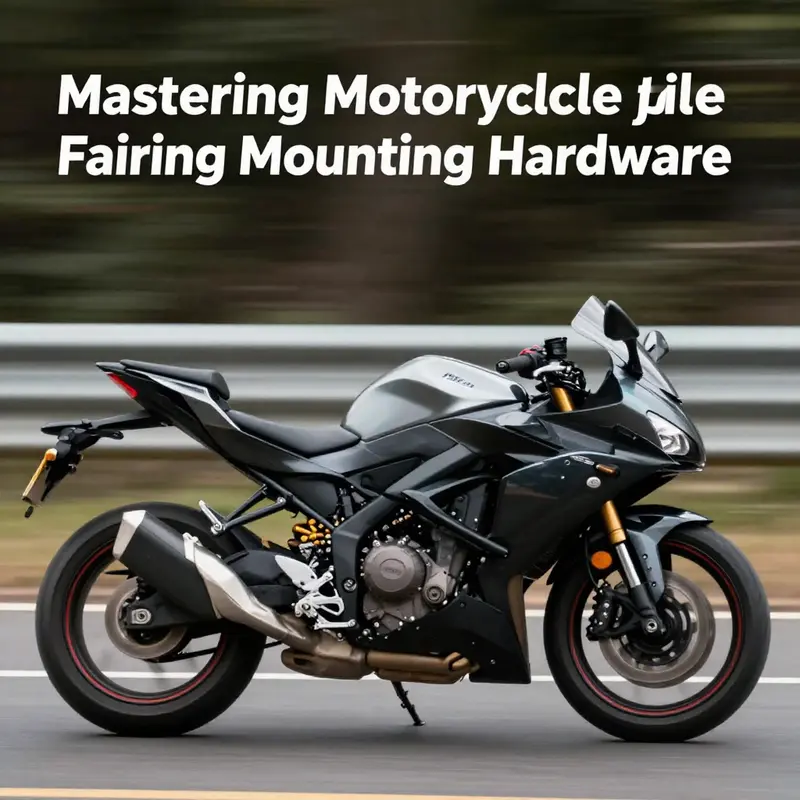
The bodywork that wraps a motorcycle is more than a shield for the engine. It is a carefully sculpted interface between the rider, the machine, and the air. The mounting hardware that holds that bodywork in place is the quiet backbone of that interface. While bolts, brackets, and grommets may lack the glamour of carved fairings or carbon accents, they govern how the fairing behaves in motion. They determine not only fit and finish but also how smoothly air flows around the bike and how securely the rider is protected when the road gets rough or fast. The role of mounting hardware, then, sits at the intersection of structure, aerodynamics, and safety. It is a topic that rewards careful study because the consequences of neglect are felt not just in a rattling shield but in a machine whose handling and safety envelope can shift in unpredictable ways at speed.
From the outset, it helps to frame the hardware as a set of intelligent connections rather than a simple fastener kit. The fairing is designed to streamline the rider’s profile, reduce drag, and harmonize airflow around the engine, radiator, and frame. The hardware is what preserves that design under riding loads. The pieces are chosen to resist vibration, resist corrosion, and distribute loads so that a single point of failure does not propagate into a fluttering panel or a shield that shifts unexpectedly during a turn or a straight run. In this sense, mounting hardware becomes a guardian of both aerodynamics and safety by ensuring the fairing remains in its intended geometry across a wide spectrum of speeds and road conditions.
At a practical level, the hardware set is not monolithic. It comprises bolts and nuts, yes, but also washers, spacers, and a variety of brackets designed for different mounting points on the bike. Some fairings rely on rubber grommets or vibration-damping bushings to isolate metal-to-metal contact from frame vibrations. Others use elongated slots or tabs that accommodate minor frame flex without distorting the fairing’s edges. The aim is to anchor the fairing with enough rigidity to maintain a clean aerodynamic surface, while also allowing a degree of give to absorb bumps and engine vibrations that would otherwise transfer directly into panels. The materials chosen—usually stainless steel or aluminum—are selected for strength, durability, and corrosion resistance. In high-mileage environments or coastal climates, stainless steel fasteners can stand up to salt and dampness, while aluminum brackets keep weight down and resist fatigue when subjected to repeated loads.
The different fairing designs—full fairings that envelope the upper body, half fairings that shield the engine while leaving the rider exposed, and quarter fairings that address specific sections—each demand a distinct approach to mounting hardware. A full fairing may use a matrix of inner mounting points that tie the piece securely to the frame and fuel tank area, along with external brackets that connect to the subframe. A half fairing might rely more on brackets that engage the upper triple clamp area or the radiator shrouds, with grommets that dampen ride-induced vibrations. A quarter fairing, smaller and lighter, still requires precise geometry to preserve continuity of the overall profile. Across these designs, the hardware forms a web of connections that translates rider and engine forces into distributed loads rather than concentrated stress points. The result is a fairing that holds its shape, maintains edge transitions, and contributes to a clean, laminar path for air to slide past instead of peeling away in eddies that create drag and noise.
The aerodynamics of a motorcycle are a delicate conversation between surface geometry and the air that surrounds it. The fairing is the main interlocutor in that dialogue. If the mounting hardware is misaligned, loose, or damaged, the dialogue can devolve into a chorus of flutter, rattle, or misfit that alters the intended aerodynamic contour. Even minor gaps or edge misalignments can disrupt the smooth flow at high speeds, triggering a cascade of effects: increased pressure drag, turbulent wake behind the rider, and elevated noise that can wear on comfort and concentration. More importantly, improper installation can introduce nondesign loads into the fairing itself. A single loose bolt may allow a panel to flex at the limit of its fastener’s capacity, converting intended loads into unplanned stress cycles. Over time, that can lead to cracking, wear around mounting holes, or even panel detachment in extreme cases. The rider’s sense of stability can be subtly influenced as the bike experiences slight changes in front-end lift, side forces, or yaw due to altered airflow around the fairing edges.
The safety implications extend beyond the ride’s comfort and efficiency. A properly mounted fairing keeps the rider shielded not just from wind but from debris that can be redirected by the panel’s geometry during a crash or a fall. If a fairing disconnects or tears, shards can become dangerous projectiles or can trap moving parts that the rider needs to avoid. The mounting hardware therefore contributes to the fairing’s protective role by preserving its integrity as a barrier and as a component of the bike’s energy management in the event of a crash. It helps maintain the intended clearance between panels and critical controls, cables, hoses, and the rider’s legs. In this sense, the hardware acts as a silent guardian of both shielding and maneuverability, ensuring that protective and performance features of the bodywork are not compromised by avoidable hardware faults.
This is not merely a matter of choosing heavier bolts or bigger brackets. It is about thoughtful selection, precise installation, and ongoing maintenance. The torque values, thread locker choices, and alignment procedures matter as much as the design of the fairing itself. Over-tightening can strip threads, distort mounting tabs, or bind the panel against the frame, while under-tightening invites flutter and detachment under vibration or gusts. The use of vibration-damping elements such as grommets or bushings is equally important. These pieces isolate metal-to-metal contact, reducing transmitted vibration that can loosen fasteners over time or erode grommets. They also help preserve the fairing’s alignment by absorbing micro-movements that occur with engine torque changes, road surface irregularities, and wind gusts. In combination, these details safeguard the intended aerodynamic shape and the rider’s safety by maintaining a consistent, stable envelope around the bike’s profile.
There is also a practical dimension to care and maintenance. Riders replacing a damaged panel or upgrading to a different design must pay close attention to compatibility and fitment. Even if the new fairing looks similar, misaligned mounting points can create the same aerodynamic and safety problems described above. The process involves more than choosing a size of bolt or a bracket style; it requires checking the geometry of the mounting plan, ensuring the new pieces align with existing holes, and confirming that the fasteners chosen will tolerate the vibration spectrum of the motorcycle at intended speeds. For riders who are upgrading or replacing, the choice of mounting hardware should be considered alongside the fairing selection itself. It is a reminder that the entire assembly—panel, brackets, fasteners, and dampers—works as a system. If one element is out of spec, the whole system bears the consequence.
To support riders in making informed choices, manufacturers and retailers emphasize compatibility and correct installation. The process starts with identifying the fairing type and model, noting the mounting point locations, and selecting fasteners with appropriate strength, corrosion resistance, and load distribution characteristics. The use of washers and spacers is common to distribute load across mounting surfaces and to adjust edge alignment with precision. The goal is to create a secure, clean, and continuous surface that breathes with the bike’s geometry rather than fighting it. When this system is assembled with care, the fairing behaves as an extension of the frame, contributing to the overall stability and visual coherence of the motorcycle at speed. When it is not, the entire surface can begin to behave inconsistently, creating micro-instabilities that riders will only notice as a nagging drag or a subtle shift in steering feel.
For riders who seek a practical touchpoint, there is a straightforward approach to maintaining this system. Regular checks are essential. Visual inspections should verify that all fasteners sit flush, that there is no visible corrosion or thread abrasion, and that brackets show no cracks or bent edges. Torque should be checked according to the manufacturer’s guidelines, and re-tightening should be a part of routine maintenance after wheel removals, fork service, or fairing panel removal. Where thread lockers are indicated, they should be reapplied as prescribed to maintain the intended clamp load across temperature cycles and vibration. If grommets show signs of hardening, cracking, or compression loss, replacement is prudent. The aim is not to chase a cosmetic goal but to keep the aerodynamics consistent, the suspension geometry intact, and the rider protected by a panel that remains in its designed position.
An informed rider will also be mindful of how modifications can ripple through the system. Changing the fairing design or moving to a different model can alter the distribution of loads and the required mounting approach. In such cases, it may be necessary to review the entire mounting scheme rather than replacing a few fasteners. The hardware should be matched to the fairing’s weight distribution, the frame’s geometry, and the rider’s posture. Inaccurate changes can shift the stress balance, creating new vibration modes or altering the way the fairing closes against the frame or radiator shrouds. The result can be a subtle but meaningful degradation in aerodynamic performance and a potential safety risk if the fairing edges begin to contact moving parts or rider controls.
From a practical standpoint, the mounting hardware is also part of the customization journey many riders undertake. When people personalize their motorcycles, they commonly modify or replace fairings to achieve a certain look or performance goal. It is essential to respect the geometry and mounting philosophy of the original design. In this spirit, a starter step is to consult the available mounting options that best fit the chosen fairing and model. The hardware should be selected to provide the same, or better, load-bearing characteristics as the original. This attention to compatibility helps preserve both the aerodynamics and the safety margins that the manufacturer built into the motorcycle’s bodywork. A careful approach that prioritizes correct mounting geometry, material compatibility, and vibration isolation will yield a riding experience that is both efficient at speed and reassuring in its handling characteristics.
For riders who want a concrete reference point while shopping for or evaluating components, it can help to explore sources that organize hardware around specific fairing families. A practical way to begin is to look at collections that offer compatible mounting hardware alongside the fairings themselves. For example, a destination that groups Honda fairings together can be a useful starting point for assessing compatible mounting solutions and their installation requirements. See the Honda fairings collection for an overview of compatible panels and their mounting considerations, including the hardware that typically accompanies them. This approach helps ensure that the mounting geometry remains coherent with the panel design and the bike’s overall profile. It isn’t just about choosing a kit; it is about preserving the integrity of the aerodynamics and the reliability of the rider’s protection.
In parallel with the hands-on considerations of fit and torque, it is helpful to anchor these thoughts to broader safety guidelines. The Motorcycle Safety Foundation and other safety organizations emphasize the importance of properly maintained equipment, including bodywork attachments, as part of a rider’s protective strategy. While the fairing primarily serves to streamline airflow and shield the engine and rider from weather and debris, its integrity becomes a factor in crash dynamics and energy management. A well-mounted, undamaged fairing can redirect or absorb some energy during a collision, while a loose or damaged panel can complicate a crash scene or escalate injury risk. The hardware is part of the chain of safety: it keeps the protective surface intact, maintains predictable handling, and minimizes the chance that a loose panel becomes a hazard. For readers seeking formal safety guidance, the MSF provides a framework for understanding how components contribute to overall rider protection and vehicle performance. MSF Official Site
In sum, the mounting hardware of motorcycle fairings is a quiet but powerful contributor to a bike’s aerodynamic fidelity and rider safety. Its influence emerges not in a single dramatic feature but in the steady, disciplined practice of correct design, precise assembly, and vigilant maintenance. The hardware embodies a simple but essential truth: good aerodynamics and robust safety do not happen by accident. They arise from a system where each bolt, bracket, and grommet is chosen with care, installed with intent, and cared for with regular attention. When that system works, the rider experiences the bike as a single, coherent instrument—one that slices through air with minimal drag, maintains stability through gusts and waves of traffic, and keeps the rider protected behind a well-aligned shield. For anyone involved in selecting or maintaining fairings, the take-home message is clear. Pay attention to the anchors. They connect performance with safety, and in doing so, they connect riding with confidence.
External resource: MSF Official Site — https://www.msf-usa.org
Internal reference for compatible mounting considerations: Honda fairings collection — https://www.summitfairings.com/collections/honda-fairings
Toward a Clean, Quiet, and Secure Fit: Mastering the Art of Motorcycle Fairing Mounting Hardware
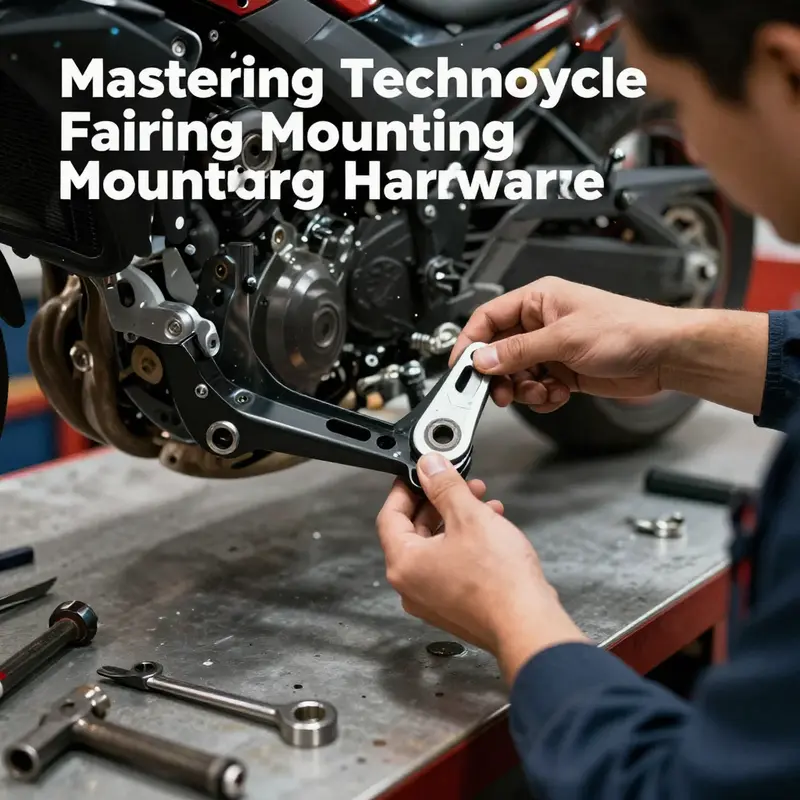
A motorcycle can look almost finished when the fairing sits flush and clean, yet the real test of a fairing system occurs long after the ride begins. The mounting hardware that holds the fairing to the frame or handlebars is more than fasteners and brackets; it is the nervous system that translates the rider’s intentions into a stable silhouette at speed. Aerodynamics, vibration, and wind shear all conspire to test a fairing every time you roll on the throttle, lean into a curve, or ride through a highway gust. In this chapter we explore how to approach the installation of motorcycle fairing mounting hardware with the calm, methodical precision that high performance demands. The goal is not just to attach panels, but to create a secure, symmetric, and durable interface that preserves both the appearance and the function of the bike over time. The process begins long before the first bolt is tightened. It starts with preparation, proceeds through careful alignment and torque discipline, and ends with a post install check that makes a rider feel confident every time the fairing meets the wind.
Preparation is more than a preflight checklist. It is the mental frame you bring to the task. Position the motorcycle on a stable, level surface using a center stand or a paddock stand so that the bike remains upright and accessible from all angles. A steady stance gives you the room to observe how the pieces relate to each other and to the frame itself. Once the bike is secure, the next step is to clear the path. Remove any existing fairing components or protective coverings that obstruct access to mounting points. This is not a hurried step; it is an opportunity to examine the underlying brackets, the condition of the frame, and the health of the pre drilling holes that you will rely on for alignment. Corrosion, bent threads, or stripped inserts can derail a project long before the first bolt seats. A quick visual and tactile scan saves time later and reduces the risk of misalignment or compromised fit.
The heart of the installation lies in precise alignment. Most manufacturers provide torque specifications for each fastener, and these numbers should be treated as non negotiable guidelines rather than rough targets. A calibrated torque wrench is essential. Over tightening can strip threads or crack plastic bodywork where the fairing sits, while under tightening invites movement that can become noticeable at speed or under vibration. The job is to bring every fastener to the correct spec while ensuring the fairing sits evenly and square with the surrounding panels. A disciplined approach to tightening involves moving in small, incremental steps, checking alignment after each pass, and verifying that gaps on both sides of a panel are consistent. A single misaligned hole can slow or even derail an entire installation. That is why many builders use an alignment jig or a supplied template when installing multi piece fronts or full fairings. The jig acts as a physical guide that keeps the holes aligned while the brackets seat into place and the fasteners begin to thread in with controlled resistance.
Between the hardware and the bike there is a generous layer of protection that sometimes gets overlooked: anti vibration and damping components. Rubber grommets, washers, and anti vibration pads are not mere padding; they absorb disturbances that would otherwise travel through the frame into the fairing. They serve to dampen noise and give the panels a consistent feel under acceleration and deceleration. The choice of these components is as important as the bolts themselves. When a grommet is too rigid or a washer too thick, you can inadvertently create a new stress point that chips paint, fractures mounting brackets, or alters the intended flex characteristics of the panel. The practice is to select the correct combination for the fairing type and for the particular model of motorcycle. A full fairing often benefits from a slightly stiffer assembly to hold a rigid silhouette at high speeds, while a lighter, more aero oriented half or quarter fairing might gain from a touch more compliance to cope with vibrations generated by the engine and chassis.
The actual nuts and bolts form the backbone of the system, but their role is not to be heard or seen. In general, fasteners made from corrosion resistant materials such as stainless steel or aluminum are preferred for their durability and their ability to resist the harsh conditions endured by bikes that encounter rain, road salt, and heat cycles. The hardware is selected to complement the mounting brackets and the fabric of the fairing itself. The balance is to avoid a harsh, rigid clamping that could distort plastic or create paint cracks, while still delivering a solid grip that prevents movement. The selection of washers and spacers is equally deliberate. Washers help distribute load more evenly, while spacers can create the very precise gaps that preserve the panel alignment and screen off unwanted contact with the frame. Anti vibration pads tucked behind the panels reduce chafing and the transfer of vibrations that could translate into rattles or a degraded aesthetic over time. Every installation is a micro calculus of fit, load, and serenity, and the small details matter as much as the primary fasteners.
A disciplined sequence often emerges when the installation grows beyond a simple bolt and bracket. For complex assemblies, aligning the front and rear sections in parallel can require a moment to step back and recheck reference points on the chassis and on the fairing itself. The template provided by the manufacturer can be a reliable anchor for maintaining symmetry between left and right sides and ensuring consistent spacing across the entire ensemble. The process becomes a careful dance of tightening one side a little, checking the gap at a panel edge, then moving to the opposite side to maintain the overall balance. When you are dealing with a multi piece assembly such as a front cowl with integrated fenders, the symmetry is not only about looks. It is about air flow and pressure differentials. A slight misalignment can alter the way air hits the radiator or the intake ducts, affecting efficiency and performance. In practical terms this means that after the initial fitment you should gently shake the fairing to test for movement, and you should perform a visual sweep along the seams to confirm that the edges align in a single plane with consistent gaps.
The moment of truth arrives when the fasteners reach their prescribed torque values and the panels sit with a predictable yet forgiving rigidity. It is tempting to rush this part for the sake of finishing, but the rider who takes the time to verify seating and alignment often saves time later. A common practice is to tighten to the published spec, then back off a fraction and re torque to confirm that the fastener continues to hold. This extra step helps ensure that the threads do not become pegged or cross threaded during installation and that the fairing does not settle in a way that changes alignment after the first ride. A second set of eyes can be invaluable here. If a partner notices even subtle asymmetry in the edge lines or a panel that sits slightly proud, that is an early clue to revisit the mounting points and re check the fit.
In practice, the relationship between the fairing and the bike is almost always a bespoke negotiation. Some riders opt for a modular approach that allows the front and rear fenders to be removed without disturbing the entire shell. Others need a solution that ties into existing brackets or uses aftermarket spacers to accommodate different frames or fork crowns. The hardware should be resilient to the elements, but it should also be discrete enough to preserve the aesthetic. The goal is to achieve a balance where the fairing remains secure during high speed runs yet can be removed without a mechanical avalanche of screws and brackets. For those who want to explore options more aligned with specific models, a practical path is to consult those manufacturer pages that host a broad collection of fairings and mounting accessories. If you are pursuing a compatible setup with Honda fairings, you can browse the Honda fairings collection for options that fit your model without guesswork. That resource provides a sense of how different mounting brackets and fastener arrangements are designed to integrate with the original frame geometry and with the aerodynamics of particular chassis. Honda fairings collection.
Every installation tells a story about the rider and the bike. It is the quiet, deliberate sequence of steps that translates a design drawing into a living, breathing silhouette on the road. It is also a reminder that hardware is not an afterthought but a living interface between structure and skin. The proper hardware choices extend beyond the simple act of securing plastic to metal. They determine how long the fairing stays aligned under vibration, how easily the pieces come apart when maintenance is required, and how well the finish endures exposure to sun, rain, and heat. A well executed install can help preserve the paint, reduce panel wear, and prevent the nuisance of rattles that can sour a ride and complicate a long day in the saddle.
From a maintenance perspective, the importance of periodic checks cannot be overstated. The environment the motorcycle consumes is punishing: heat cycles, temperature swings, and ongoing exposure to road grit. It is prudent to inspect the mounting hardware at regular intervals, especially after a hard ride or after a pothole encounter that felt harsher than usual. Look for signs of looseness, corrosion, or thread wear. If any fastener appears stiff or discolored, take it as a signal to replace it rather than risk a failure on the road. The replacement strategy should be straightforward: maintain the same material family for consistent behavior under load and use the same torque settings to ensure repeatable performance. If you are considering a more aggressive race oriented setup, you should plan for more frequent checks and a higher emphasis on vibration damping. The broader lesson is that the fairing is part of a system that must be treated with regular care, much like any other major component of the bike. Cen tral to this approach is the recognition that the correct mounting hardware, properly installed and maintained, helps the rider stay in control by reducing the chances of flutter and unexpected flex.
The discussion of hardware cannot ignore the variety in fairing configurations. Full fairings require a more intricate network of mounting points than a half or quarter fairing. Each design has its own demands for alignment and torque tolerance. This is not to say that a universal method exists, but rather that a disciplined approach to measurement, reference points, and tightening sequence produces reliable outcomes across different styles. For example, a front fairing piece may rely on a central bracket that must align with a frame cross member while the side panels attach to already mounted lower brackets. In such cases the templates and alignment marks on the fairing come into play as your guide, and the torque sequence follows a logical pattern that ensures even load distribution across all points. The result is a shell that feels solid, not because it is fabricated from a single rigid mass, but because the joints are engineered to flex predictably with the chassis while maintaining a sharp, cohesive line.
The practical value of this approach becomes most evident when you plan to customize or replace fairing parts. A solid mounting strategy preserves the original geometry and avoids a misalignment that could compromise airflow or create contact with moving parts. It also reduces the risk of paint chip or panel distortion caused by misaligned edges pressing against each other. The process invites a mindset of precision, patience, and respect for the original design intent. A rider who builds this habit will find that it translates into quicker, cleaner installations in the future, even when projecting to different model lines or aftermarket accessory sets. The idea is not to rush service or to force a fit, but to honor the purposeful engineering of the fairing system and the bike it adorns.
In the broader landscape of fairing hardware installation, the recurring themes are clear. Use the right fasteners for the material and the load, protect edges with grommets and dampers, verify alignment with reference points, and follow torque specifications to the letter. Do not overlook the subtle but crucial role of washers, spacers, and anti vibration pads. They may seem minor, but in combination they shape a panel that looks right, feels right, and performs under the demands of real world riding. The manufacturer guidelines form the compass that keeps you on course, while the on the bench discipline of alignment and torque discipline provides the practical mechanics to realize that guidance. The result is a fairing that stands up to the wind, a rider who feels confident in control, and a machine that presents a clean, unified appearance that remains intact for miles to come.
For those who want to explore more model specific options or to see how this approach translates into particular builds, there are curated collections that focus on different brands and generations. If you are pursuing a compatible setup with Honda fairings, you can browse the Honda fairings collection for options that fit your model without guesswork. The goal is to move beyond generic terms and develop a clear, model aware understanding of how mounting hardware interacts with chassis geometry and the fairing shape. A well chosen combination of brackets and fasteners supports the lines of the bike, preserves paint, and reduces the odds of rattles that can distract from the ride. In the end, the true art of mounting hardware is not simply turning bolts, but orchestrating a reliable interface between form and function that endures through many miles and many seasons.
External resources for deeper reading emphasize a practical, step by step approach that blends theory with hands on technique. For a practical, step by step guide with visuals, see the external article at the end of this chapter: https://www.motorcyclecruiser.com/2024/07/15/how-to-install-motorcycle-fairings/.
Steady Under Strain: Maintenance and Replacement of Motorcycle Fairing Mounting Hardware
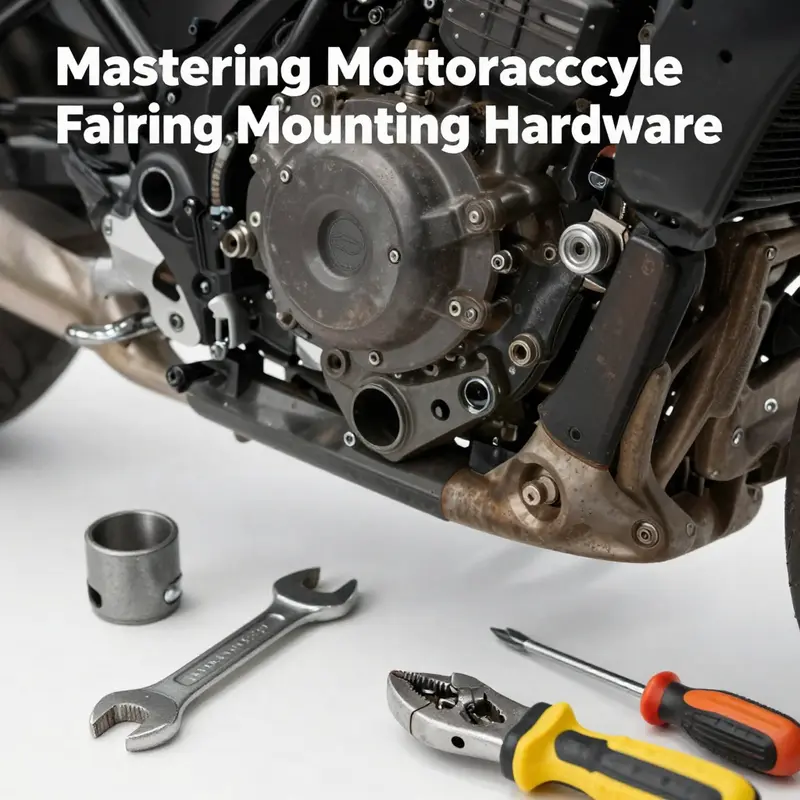
Maintaining a motorcycle fairing mounting system keeps aerodynamics and reliability intact. The hardware is the interface between frame and bodywork and must withstand vibration, wind, and road conditions. Regular inspection, gentle cleaning, and proper torque are the three pillars of maintenance. Look for corrosion, cracks, deformation, and worn threads; these signs often precede more serious misalignment or failure. Clean surfaces to ensure proper seating, and pay attention to grommets and dampers that isolate vibration. Use a calibrated torque wrench and follow the manufacturer’s torque specifications, applying a cross pattern when multiple fasteners hold a bracket. Be mindful of galling and avoid over lubrication; apply anti seize only where appropriate. If a mounting point is damaged beyond repair, replace the entire assembly with OEM-compatible hardware to restore correct alignment and rigidity. Keep notes of inspections, torque values, replacements, and service intervals to guide future maintenance. When selecting hardware, prefer materials suited to exposure and load, and avoid mixing dissimilar metals without proper coatings. After installation, re-check torque and alignment after a short period of operation to ensure nothing settled. The goal is to preserve fairing alignment, reduce wind noise, and maintain safety across miles.
Final thoughts
Motorcycle fairing mounting hardware is an integral component for ensuring the integrity, safety, and performance of any bike. By comprehending the various types and materials, their impact on aerodynamics and safety, effective installation techniques, and the need for regular maintenance, business owners can not only improve their product offerings but also enhance overall customer satisfaction. As the motorcycle industry continues to evolve, staying informed about mounting hardware will position your business as a leader in quality and reliability. Ensure that your clients ride safely and efficiently by prioritizing top-notch mounting solutions.